

🇰🇷 Things to do in Korea - March 2026


March is when Korea sheds its winter coat. These 10 spots highlight the first wave of spring colors and the high-energy festivals that define the southern coast and Jeju Island.
THINGS TO DO


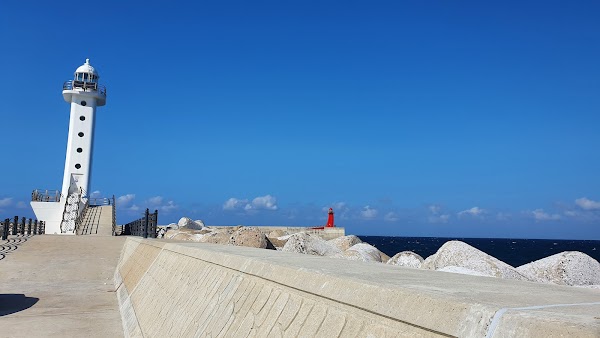
Aewol-hang

Natural feature

4.4
Creator’s Note
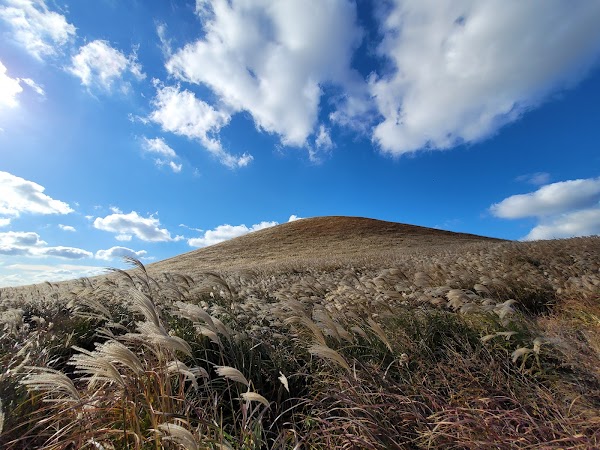
Jeju Fire Festival: The fire is so massive it’s visible to satellites. It’s a must-visit in March because this annual "burning of the hill" is a rare ancient ritual to pray for a healthy spring.
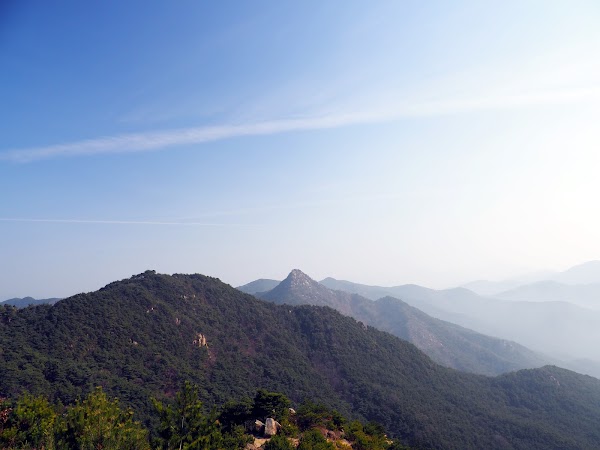
Yeongchwisan
Hiking area
3.9
Creator’s Note
Yeosu Azalea Festival: Legend says the pink petals are "mountain tears." In late March, the entire mountain turns purple-pink, offering the best spring hiking views in the country.
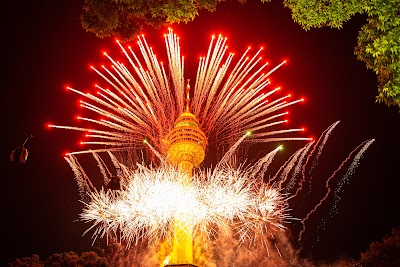
E-World
Amusement center
4.4
Creator’s Note
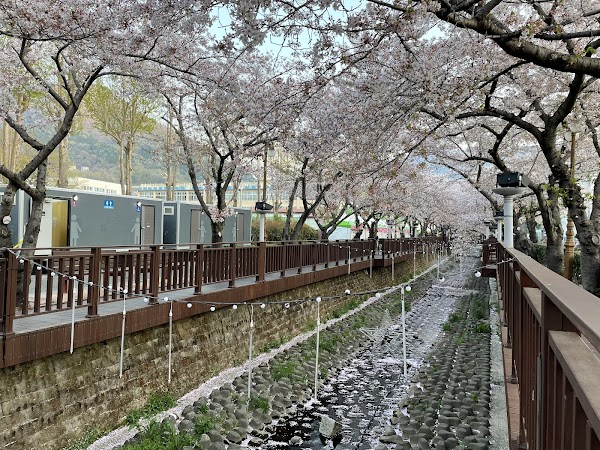
This theme park hosts the earliest night-time cherry blossom festival in the country, especially lovely during March - April.
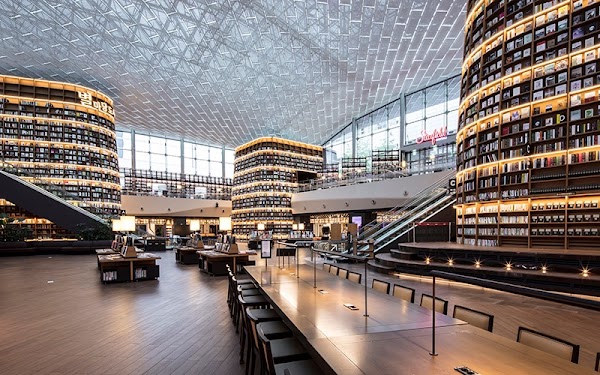
Starfield Library
Library
4.6
Creator’s Note
The new 2024/2025 landmark is the most "Instagrammed" indoor spot in Korea for 2026. A good time to visit before the crowd arrives in April!
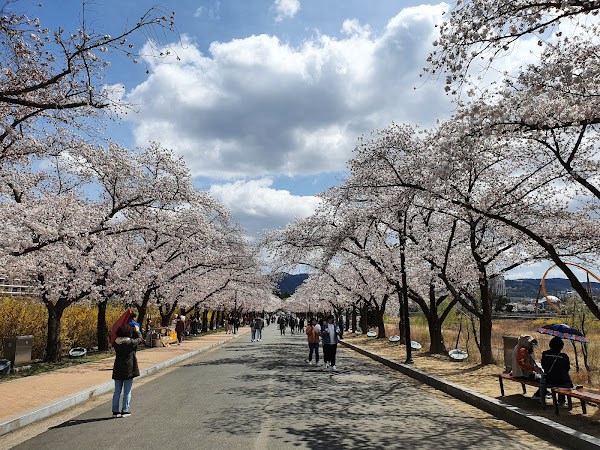
Bomun Lake

Landmark
4.5
Creator’s Note
You can rent "swan boats" here to pedal under a canopy of early-blooming petals in March. No better way to create magical memories and k-drama like photos.
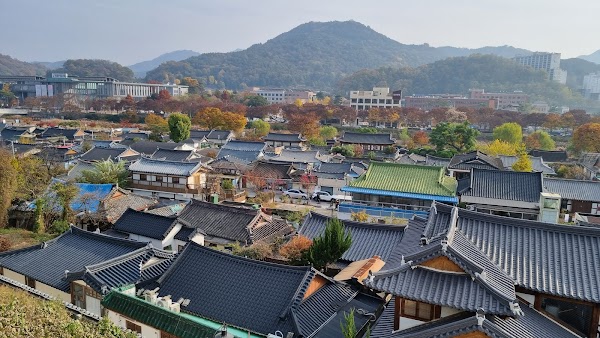
Jeonju Hanok Village
Landmark
4.1
Creator’s Note
In March, it is tradition to rent a Hanbok that matches the light pastel colors of the plum blossoms.
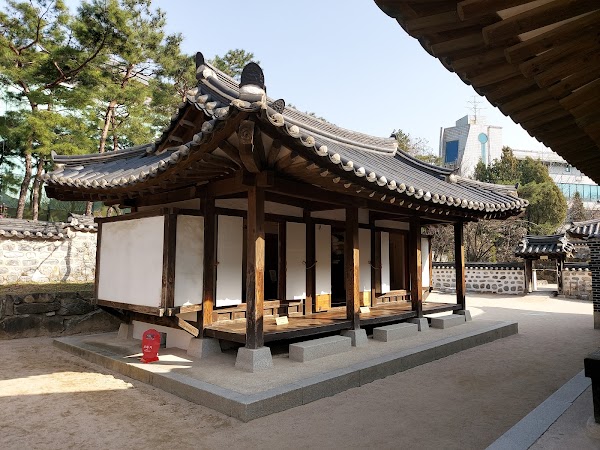
Namsangol Hanok Village
Landmark
4.3
Creator’s Note
On March 1st, they perform traditional reenactments of historical ceremonies in the courtyard.
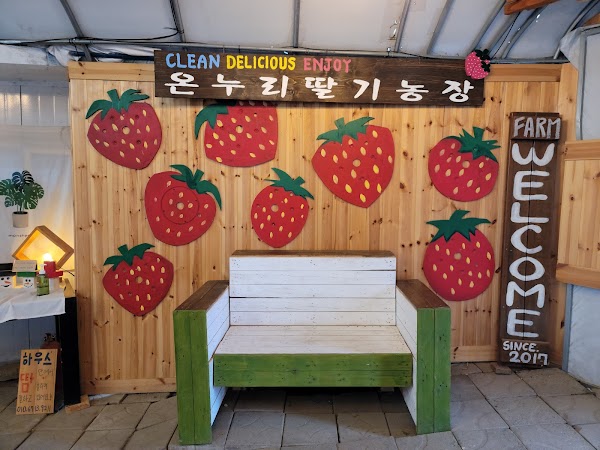
OnNuRi strawberry (온누리 딸기농장, 논산)
Food store
4.6
Creator’s Note
Nonsan Strawberry Festival: They grow egg-sized berries. Visit in March to experience the harvest at its peak sweetness; it’s the most popular food-tourism event of the month.
OTHER
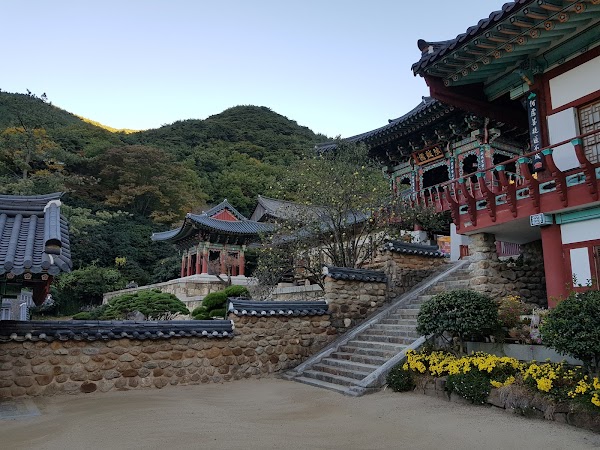
Hwaeomsa Temple Entrance
Bus stop
4.3
Creator’s Note
Home to a protected "Black Plum" tree. It’s a must-visit in mid-March because this specific tree only blooms for a few days, producing a deep, ink-red flower.

Cheongsando
Point of interest
Creator’s Note
The first "Slow City" in Asia; the stone walls here have stood for hundreds of years.