
Vatican City: A Journey Through the Heart of Catholicism

Walking Tour

3.8 km (2.4 miles)

54 min travel time

8 Stops

Vatican City, Italy
Vatican City: A Journey Through the Heart of Catholicism
Tour Stops
1
Saint Peter's Square
View on map
Audio Narrations
Portuguese
Introdução
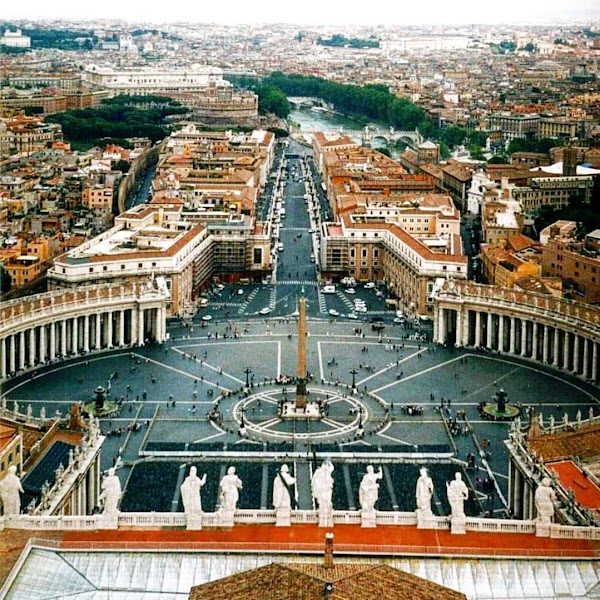
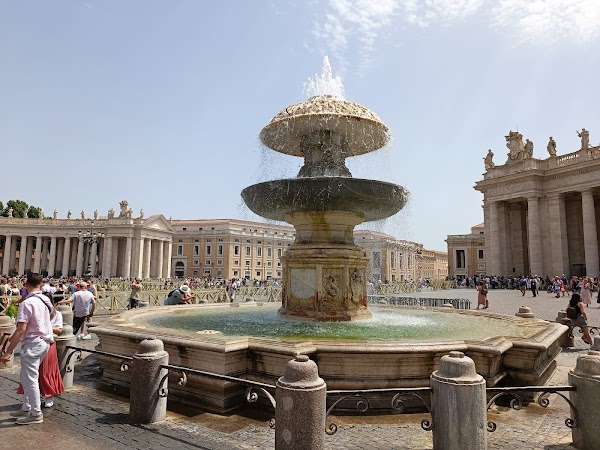
A Praça de São Pedro, o coração da Cidade do Vaticano, é uma obra-prima da arquitetura renascentista e um testemunho da grandeza da Igreja Católica. Projetada por Gian Lorenzo Bernini no século XVII, a praça é abraçada por duas majestosas colunatas, cada uma adornada com 140 estátuas de santos. As colunatas convergem ao pé da Basílica de São Pedro, criando uma abordagem teatral à imponente fachada da igreja. No centro da praça ergue-se um antigo obelisco egípcio, trazido a Roma pelo imperador Calígula no século I d.C. Acredita-se que o obelisco, originalmente de Heliópolis, tenha sido esculpido por volta de 1300 a.C. e é um dos monumentos mais antigos de Roma. Ele permanece como um símbolo da continuidade da Igreja com o mundo antigo. Flanqueando o obelisco estão duas fontes, projetadas por Bernini e Carlo Maderno. As fontes fornecem um contraste refrescante com a vasta extensão da praça e oferecem um lugar para os peregrinos descansarem e contemplarem. A Praça de São Pedro não é apenas um local de significado religioso, mas também um destino turístico popular. Visitantes de todo o mundo vêm para admirar a beleza da praça e vivenciar a atmosfera espiritual que a permeia. A praça também é palco de grandes eventos papais, como a eleição de novos papas e a celebração da Missa de Páscoa. Durante a época do Natal, uma imponente árvore de Natal é erguida na praça, e um presépio é exibido ao pé do obelisco. A praça é iluminada com luzes festivas, criando uma atmosfera mágica que atrai visitantes de perto e de longe.Colunata de Bernini
Diante da Basílica de São Pedro, seu olhar é atraído pelo vasto abraço da Colunata de Bernini. Esta obra-prima icônica, concluída em 1667, transforma a praça em um palco teatral, onde a basílica se destaca como a grande protagonista. As quatro fileiras de colunas dóricas da colunata, totalizando 284, criam uma sensação de admiração e grandeza. À medida que você se aproxima, as colunas parecem se estender, recebendo você no coração da Igreja Católica. O desenho elíptico da colunata, inspirado na arquitetura romana antiga, simboliza a universalidade da Igreja. Representa os braços da Igreja, envolvendo os fiéis de todos os cantos do mundo. As 140 estátuas de santos que adornam a balaustrada da colunata enfatizam ainda mais essa universalidade, representando a rica história e o alcance global da Igreja. Ao caminhar sob a colunata, observe a sutil ilusão de ótica criada por Bernini. As colunas parecem estar mais próximas no centro do que nas extremidades, criando uma sensação de profundidade e perspectiva. Essa ilusão atrai seu olhar para a basílica, enfatizando sua importância. No centro da colunata, duas fontes projetadas por Bernini aumentam a grandeza da praça. O suave murmúrio da água proporciona uma sensação de tranquilidade em meio à multidão agitada. As fontes também têm um propósito prático, fornecendo uma fonte de água fresca para peregrinos e visitantes. A Colunata de Bernini não é apenas uma maravilha arquitetônica; é um símbolo poderoso da presença duradoura da Igreja e seu abraço aos fiéis. Ao se posicionar dentro de seu abraço, você não pode deixar de sentir uma sensação de admiração e inspiração.Discurso Papal
Localizada no coração da Cidade do Vaticano, a Praça de São Pedro se transforma em um palco onde o Papa profere seu poderoso Discurso Papal. Este local icônico, abraçado pelas majestosas colunatas de Bernini, se torna um ponto focal para os fiéis católicos e para o público global. A vastidão da praça, capaz de acomodar mais de 300.000 pessoas, ressalta a magnitude da ocasião. Da janela do Palácio Papal com vista para a praça, as palavras do Papa ressoam pela multidão. Seus pronunciamentos sobre fé, moralidade e questões globais cativam o público, promovendo um senso de unidade e inspiração. A acústica da praça, meticulosamente projetada por Bernini, garante que cada palavra alcance os cantos mais distantes, amplificando a mensagem do Papa. O Discurso Papal geralmente coincide com eventos religiosos significativos, como Natal e Páscoa, ampliando ainda mais o significado espiritual da ocasião. As decorações festivas da praça e a presença de peregrinos de todo o mundo criam uma atmosfera de reverência e antecipação. Além do significado religioso, o Discurso Papal também carrega peso político e social. Os pronunciamentos do Papa sobre questões globais, da pobreza à resolução de conflitos, têm influência considerável. A praça, com sua localização simbólica dentro do Vaticano, serve como uma plataforma para que a voz do Papa alcance o cenário internacional. Em conclusão, a Praça de São Pedro transcende suas dimensões físicas para se tornar um espaço sagrado onde a mensagem do Papa ressoa com profundo impacto. A arquitetura, a acústica e o significado histórico da praça convergem para criar um cenário único para o Discurso Papal, moldando a paisagem espiritual, política e social da Igreja Católica e do mundo.
2
Obelisk of St Peter's Square
View on map
Audio Narrations
English
Introduction
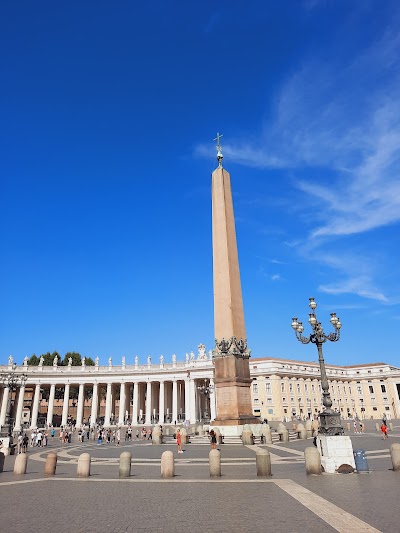
The Vatican Obelisk, a towering monolith of red granite, stands proudly at the heart of St. Peter's Square, Vatican City. This ancient Egyptian obelisk, devoid of hieroglyphs, is estimated to be around 4,500 years old, predating the city of Rome itself. Originally erected in Heliopolis, Egypt, it was brought to Rome by Emperor Caligula in 37 AD and placed in the Circus of Nero. This obelisk holds the unique distinction of being the only ancient obelisk in Rome to have remained standing since Roman times. Standing tall at 25.5 meters and weighing an estimated 326 tonnes, the Vatican Obelisk underwent a remarkable relocation in 1586 under the direction of Pope Sixtus V. This feat of engineering, accomplished by Domenico Fontana, took 13 months and involved 900 men, 75 horses, and 40 winches. The obelisk's journey from its original location at the Circus of Nero to its current position in St. Peter's Square spanned a mere 800 feet, yet it remains a testament to human ingenuity and determination. A fascinating legend surrounds the obelisk's original metal globe, once believed to contain the ashes of Julius Caesar. During the relocation, the globe was opened, revealing an empty interior. Today, this globe resides in the Museo dei Conservatori. The cross atop the obelisk is said to hold relics of Jesus Christ, adding to its historical and religious significance. The Vatican Obelisk stands as a silent witness to centuries of history, a symbol of ancient Egypt's grandeur and the enduring power of the Catholic Church. Its presence in St. Peter's Square serves as a reminder of the interconnectedness of cultures and the enduring legacy of human achievement.Engineering Feat
The Obelisk of St. Peter's Square, a towering monolith standing tall in the heart of Vatican City, embodies a remarkable feat of engineering that has captivated minds for centuries. Originally erected in ancient Egypt, this 25-meter-tall obelisk, weighing an estimated 326 tons, was transported to Rome in the 1st century AD by Emperor Caligula. The sheer logistics of moving such a massive object over such a vast distance without the aid of modern technology is a testament to the ingenuity of Roman engineers. The obelisk's relocation involved a complex process that involved constructing a massive ship specifically designed to carry its weight. Once in Rome, the obelisk was carefully maneuvered into its current position in St. Peter's Square, a feat that required the coordination of hundreds of workers and the use of innovative lifting mechanisms. The obelisk's stability is ensured by a sophisticated foundation system that distributes its weight evenly across the ground. Beyond its physical transportation, the re-erection of the obelisk in St. Peter's Square presented a unique engineering challenge. The obelisk had originally been topped with a bronze sphere, which was lost during its journey to Rome. To replace it, Renaissance engineers devised a new finial, a gilded bronze cross that served both as a symbolic and structural element. The cross, designed by Domenico Fontana, was carefully engineered to withstand the wind and other environmental forces. The Obelisk of St. Peter's Square stands as a testament to the enduring legacy of ancient Egyptian and Roman engineering. Its intricate design, transportation, and re-erection demonstrate the remarkable ingenuity and problem-solving skills of past civilizations. As a symbol of both history and human achievement, the obelisk continues to inspire awe and wonder in visitors from around the world.Vatican City Landmark
The Obelisk of St Peter's Square, towering at 83.5 feet, stands as a majestic landmark in the heart of Vatican City. Its ancient Egyptian origins, dating back to the 13th century BC, imbue the obelisk with a profound historical significance. Transported from Heliopolis to Rome by Emperor Augustus in 10 BC, it initially adorned the Circus of Nero, a site of chariot races and public executions. In 1586, Pope Sixtus V, determined to transform the obelisk into a Christian symbol, commissioned its relocation to St Peter's Square. The relocation was a monumental feat of engineering, requiring the construction of a special wooden scaffolding and the use of 900 men and 140 horses. The obelisk now stands as a testament to the enduring power of the Catholic Church and its ability to integrate ancient pagan symbols into its own traditions. Its hieroglyphic inscriptions, depicting scenes of worship and offerings to the sun god Ra, offer a glimpse into the religious beliefs of ancient Egypt. The obelisk's presence in St Peter's Square serves as a reminder of the Church's long and complex history, its ability to adapt and evolve over time. It is a symbol of continuity and change, a testament to the enduring power of faith and the human spirit.
3
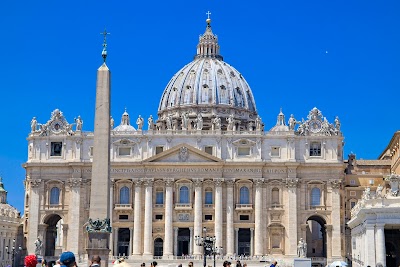
St. Peter's Basilica
View on map
Audio Narrations
English
Introduction
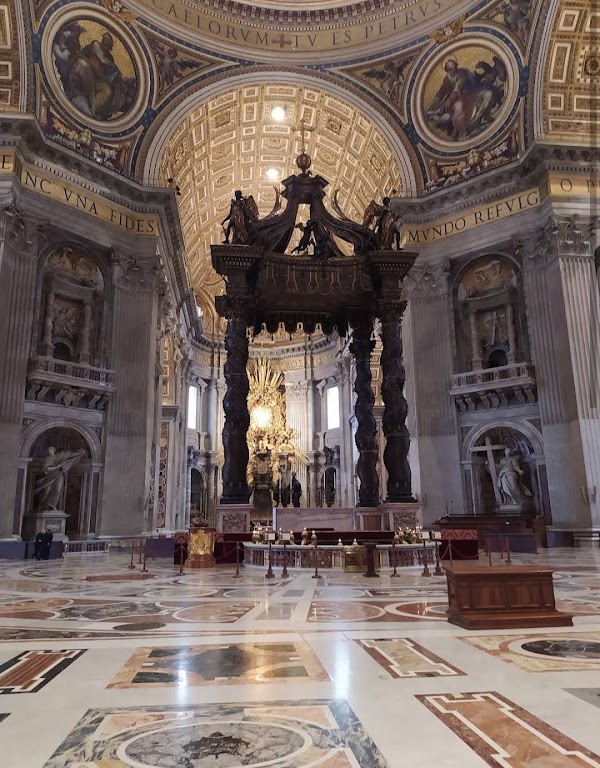
St. Peter's Basilica, a colossal architectural marvel in Vatican City, stands as a testament to the grandeur of the Catholic Church. Its origins trace back to the 4th century, when Emperor Constantine commissioned a basilica over the burial site of Saint Peter, the first pope. The present basilica, a masterpiece of Renaissance and Baroque architecture, was designed by renowned architects like Bramante, Michelangelo, and Bernini. The basilica's awe-inspiring dome, designed by Michelangelo, dominates the skyline of Rome. Its interior is equally impressive, adorned with intricate mosaics, sculptures, and paintings by masters like Raphael and Michelangelo. The Baldachin, a monumental bronze canopy over the papal altar, is a masterpiece by Bernini. Beneath the basilica lies the Confessio, where Saint Peter's tomb is believed to be located. The basilica also houses numerous tombs of popes and other notable figures, making it a significant pilgrimage site. St. Peter's Square, designed by Bernini, complements the basilica's grandeur. Its elliptical shape and colonnades create an inviting embrace, welcoming visitors to the heart of the Catholic world. The square is often used for papal ceremonies and gatherings, drawing millions of pilgrims and tourists alike. The basilica's rich history, artistic treasures, and spiritual significance make it a must-visit destination for anyone interested in architecture, art, or religion. Its enduring beauty and timeless appeal continue to captivate visitors from around the globe.Largest Church
St. Peter's Basilica, a colossal architectural marvel in Vatican City, stands as the largest church in the world, a testament to its grandeur and significance. Its vast interior, spanning over 23,000 square meters, can accommodate a congregation of 20,000, making it a venue for grand religious ceremonies and papal events. The basilica's towering dome, designed by Michelangelo, is a masterpiece of engineering, rising to an impressive height of 136 meters. Its massive scale and intricate details, including the iconic baldacchino by Bernini, create an awe-inspiring ambiance that befits its status as the heart of the Catholic Church. As the largest church, St. Peter's Basilica attracts millions of pilgrims and tourists annually, eager to witness its architectural splendor and religious significance.Holy Door
The Holy Door, a significant portal within St. Peter's Basilica, holds immense spiritual and symbolic value. Inaugurated during Jubilee Years, this sacred gateway represents the beginning of a period of renewal and forgiveness. The opening ceremony, presided over by the Pope, is a solemn event that marks the commencement of the Holy Year. The Holy Door is adorned with intricate panels depicting scenes from the life of Christ, a testament to the basilica's rich artistic heritage. Its design reflects the theme of conversion and the path towards salvation. During Jubilee Years, pilgrims from around the world flock to St. Peter's to pass through this sacred threshold, seeking spiritual renewal and the indulgence associated with the pilgrimage. The Holy Door serves as a reminder of the basilica's significance as a pilgrimage destination and a symbol of the Church's welcoming embrace. Its opening signifies a time of grace and mercy, inviting the faithful to embark on a journey of spiritual transformation.
4
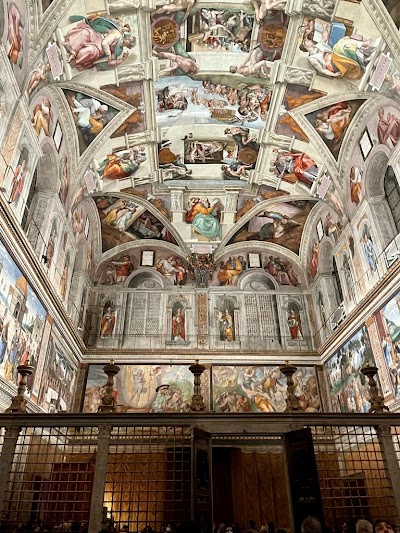
Sistine Chapel
View on map
Audio Narrations
English
Introduction
The Sistine Chapel, a masterpiece of Renaissance art, is located within the Vatican Museums in Vatican City. Its fame stems from the breathtaking frescoes adorning its interior, most notably Michelangelo's iconic ceiling and "The Last Judgment" on the altar wall. The ceiling, painted between 1508 and 1512, depicts scenes from Genesis, including the Creation of Adam, while the lunettes and spandrels feature prophets, sibyls, and the ancestors of Christ. "The Last Judgment," completed in 1541, portrays the second coming of Christ and the final judgment of humanity. The chapel's walls are adorned with 15th-century frescoes depicting the lives of Moses and Christ, as well as portraits of popes. The Sistine Chapel serves as the site of the papal conclave, where cardinals gather to elect a new pope. Its grandeur and artistic significance have made it a must-see destination for art enthusiasts and pilgrims alike.Vatican Museum
Nestled within the hallowed halls of the Vatican Museums, the Sistine Chapel stands as a testament to the genius of Michelangelo and the grandeur of the Catholic Church. As you step inside, your gaze is drawn upward to the breathtaking ceiling frescoes, a masterpiece that depicts scenes from the Book of Genesis. Michelangelo's vibrant brushstrokes and masterful use of perspective create an illusion of depth that transports you into the biblical narrative. At the altar end, the awe-inspiring "Last Judgment" fresco dominates the wall, portraying the second coming of Christ and the separation of the righteous from the damned. The intricate details and emotional intensity of the figures are a testament to Michelangelo's unparalleled skill. Beyond the iconic frescoes, the Sistine Chapel is also home to a collection of remarkable tapestries depicting scenes from the lives of Christ and Moses. These tapestries, woven with intricate precision, add to the chapel's opulent atmosphere. As you explore the Vatican Museums, be sure to allocate ample time to marvel at the Sistine Chapel. Its unparalleled beauty and historical significance make it a must-see for any visitor seeking a deeper understanding of Renaissance art and the Vatican's rich heritage.Renaissance Art
The Sistine Chapel, a hallowed sanctuary within the Vatican City, stands as a testament to the zenith of Renaissance art. Its vaulted ceiling, adorned with Michelangelo's masterful frescoes, is a symphony of biblical narratives and human form. The central panels depict scenes from Genesis, including the iconic "Creation of Adam," where God's outstretched finger imbues life into the first man. Michelangelo's profound understanding of anatomy and perspective is evident in the dynamic poses and expressive gestures of his figures. The chapel's walls are adorned with frescoes by renowned Renaissance masters such as Botticelli, Ghirlandaio, and Perugino. Their works depict the lives of Christ and Moses, showcasing the influence of classical art and the revival of humanist ideals. The chapel's overall design reflects the synthesis of Christian iconography with the rediscovery of ancient Greek and Roman aesthetics. Beyond its artistic significance, the Sistine Chapel holds immense historical and religious importance. It serves as the venue for papal conclaves, where cardinals gather to elect a new pope. The chapel's grandeur and symbolism underscore the power and influence of the Catholic Church during the Renaissance era.
5
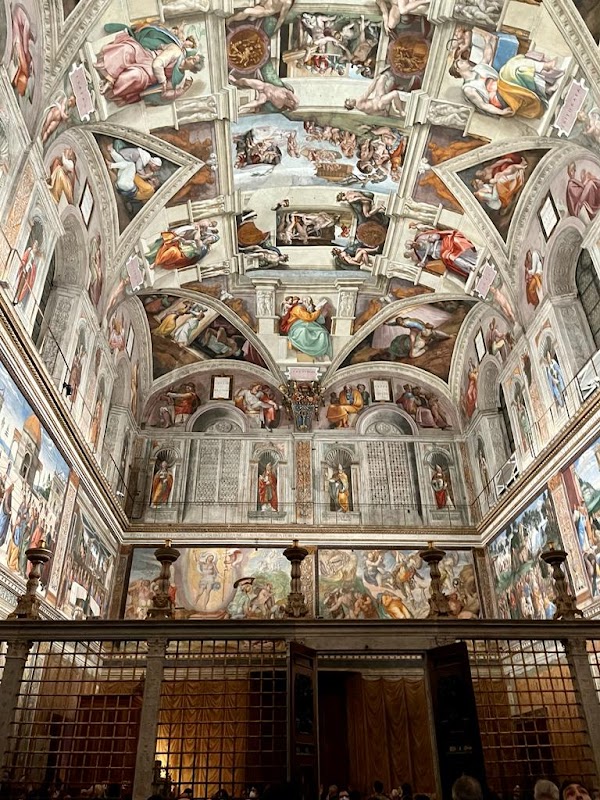
Vatican Museums
View on map
Audio Narrations
English
Introduction
The Vatican Museums, a treasure trove of art and history, are a must-see destination in Vatican City. Founded in the 16th century by Pope Julius II, they house over 70,000 artworks, spanning millennia and representing diverse cultures. The museums' highlights include the Sistine Chapel, adorned with Michelangelo's iconic frescoes, and the Raphael Rooms, showcasing the artist's masterful paintings. The Gallery of Maps, a 120-meter-long frescoed corridor, offers a unique perspective on 16th-century cartography. The Pio-Clementino Museum boasts an impressive collection of Greek and Roman sculptures, including the renowned Laocoön and His Sons. The Gregorian Egyptian Museum showcases ancient Egyptian artifacts, including mummies and hieroglyphics. The Vatican Museums offer a captivating journey through art, history, and culture, leaving visitors in awe of the artistic legacy preserved within its hallowed halls.Raphael's Rooms
Step into the Raphael's Rooms, a breathtaking quartet of chambers within the Vatican Museums, where the genius of Raphael unfolds in vibrant frescoes. Commissioned by Pope Julius II, these rooms were intended as his private apartments but have since become a testament to the artist's mastery. The Stanza della Segnatura, the first room Raphael adorned, is a symphony of philosophy, theology, poetry, and justice. The iconic "School of Athens" depicts ancient philosophers gathered in a grand hall, with Raphael himself and Leonardo da Vinci portrayed among them. The Stanza di Eliodoro showcases Raphael's narrative prowess, with scenes from the Old Testament illustrating the protection of the Church. In the Stanza dell'incendio del Borgo, Raphael glorifies the papacy, depicting Pope Leo IV extinguishing a fire and Pope Leo III crowning Charlemagne. The final room, the Sala di Constantino, completed by Raphael's pupils after his untimely death, celebrates the emperor's conversion to Christianity. Each fresco is a masterpiece, rich in symbolism and allegory. Raphael's innovative use of perspective and harmonious compositions create an immersive experience, transporting visitors to the heart of the Renaissance. The Raphael's Rooms stand as a testament to the artist's genius and the enduring legacy of the Vatican Museums.Michelangelo's Frescoes
Within the hallowed halls of the Vatican Museums, Michelangelo's frescoes adorn the Sistine Chapel, a testament to his unparalleled genius. The ceiling, a breathtaking expanse of vibrant hues, depicts scenes from Genesis, culminating in the iconic "Creation of Adam." Each brushstroke captures the divine spark of life, as God's finger reaches out to bestow consciousness upon humanity. The lunettes, painted later, showcase the ancestors of Christ and the prophets, their solemn expressions conveying the weight of their lineage. Michelangelo's frescoes are not merely artistic masterpieces; they are theological treatises. The "Last Judgment," painted on the altar wall, is a chilling depiction of the final reckoning. Christ, as the stern judge, separates the righteous from the damned, while the elect ascend to heaven and the condemned are cast into the abyss. The fresco's vivid colors and dynamic composition evoke a sense of awe and trepidation, reminding viewers of the eternal consequences of their actions. Beyond their artistic and religious significance, Michelangelo's frescoes offer a glimpse into the artist's own life and struggles. The "Creation of Adam" is said to reflect his own doubts and anxieties about his abilities, while the "Last Judgment" is believed to express his disillusionment with the corruption of the Church. These frescoes are not only works of art but also windows into the soul of one of history's greatest masters.
6
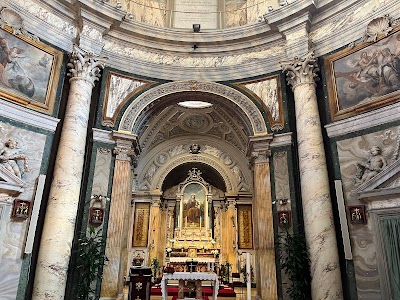
Chiesa di Sant'Anna dei Palafrenieri
View on map
Audio Narrations
English
Introduction
Nestled within the Vatican City walls, the Chiesa di Sant'Anna dei Palafrenieri stands as a testament to the artistic and spiritual heritage of the Holy See. This unassuming church, tucked away near St. Peter's Basilica, boasts a rich history and unique architectural features that set it apart from its grander counterparts. Built in the 16th century, the church served as a place of worship for the palafrenieri, the grooms who tended to the papal horses. Its modest facade belies an interior adorned with exquisite frescoes by the renowned artist Pellegrino Tibaldi. These vibrant murals depict scenes from the life of Saint Anne, the mother of the Virgin Mary, and showcase Tibaldi's mastery of light and shadow. One of the church's most captivating features is the intricate wooden ceiling, a masterpiece of Renaissance craftsmanship. The intricate carvings and gilded details create a sense of awe and wonder, transporting visitors to a bygone era of artistic splendor. The high altar, adorned with a beautiful marble statue of Saint Anne, further enhances the church's spiritual ambiance. Beyond its artistic treasures, the Chiesa di Sant'Anna dei Palafrenieri holds a special significance for the Vatican. It served as the parish church for the Vatican City State until the construction of St. Peter's Basilica, and its intimate setting has hosted numerous papal ceremonies and events throughout the centuries. Today, the church remains a hidden gem within the Vatican, offering a glimpse into the lesser-known aspects of the Holy See's history and artistic legacy. Its serene atmosphere and captivating beauty provide a welcome respite from the bustling crowds of St. Peter's Square, inviting visitors to contemplate the spiritual and artistic treasures that lie within its walls.Sant'Anna dei Palafrenieri
Chiesa di Sant'Anna dei Palafrenieri: A Sanctuary Dedicated to Saint Anne Nestled within the Vatican City walls, the Chiesa di Sant'Anna dei Palafrenieri stands as a testament to the devotion of the Venerabile Arciconfraternita di Sant'Anna de' Palafrenieri, the Pontifical Grooms. This church, dedicated to Saint Anne, the mother of the Virgin Mary, holds a unique place in the hearts of the Grooms, serving as both their parish church and a poignant reminder of their centuries-old association with the Papacy. Commissioned in 1565 by Pope Pius IV, the church boasts a groundbreaking design attributed to the renowned Renaissance architect Giacomo Barozzi da Vignola. He pioneered the use of an elliptical plan, a feature that would later become a hallmark of Baroque architecture. This innovative design reflects the Grooms' forward-thinking approach and their commitment to embracing new ideas. The church's history is intertwined with the Archconfraternity. After a smooth start, construction slowed due to financial constraints. However, the Grooms persevered, and the church was finally completed in 1775. The facade, attributed to Borromini, prefigured the style of Sant'Agnese in Agone, showcasing the Grooms' appreciation for artistic innovation. Inside, the church reveals a harmonious blend of elegance and devotion. The elliptical plan creates a sense of intimacy, while the eight Corinthian columns and the frescoes by Ignazio Stern narrate the life of Saint Anne. The high altar, adorned with a painting of Saint Anne and the Virgin Mary by Arturo Viligiardi, serves as a focal point for prayer and contemplation. The Chiesa di Sant'Anna dei Palafrenieri is more than just a place of worship. It embodies the enduring spirit of the Pontifical Grooms, their dedication to Saint Anne, and their unwavering service to the Papacy. It stands as a testament to their faith, resilience, and commitment to excellence.Vatican City Parish Church
Chiesa di Sant'Anna dei Palafrenieri: The Heart of Vatican City Parish Nestled within the walls of Vatican City, the Chiesa di Sant'Anna dei Palafrenieri stands as the beating heart of the Vatican's parish community. More than just a church, it embodies the rich history and vibrant spirit of the Vatican City State. This 16th-century gem, commissioned by the Pontifical Grooms, boasts a unique elliptical design pioneered by the renowned architect Giacomo Barozzi da Vignola. This innovative approach marked a turning point in church architecture, influencing the Baroque style that would sweep across Europe. Beyond its architectural significance, Sant'Anna dei Palafrenieri holds a special place in the hearts of Vatican City residents. It serves as the official parish church, offering daily masses, Sunday services, and a vibrant community center. The church fosters a sense of belonging and connection for those who call Vatican City home. Stepping inside, visitors are greeted by a warm and inviting atmosphere. The beautiful interior, adorned with intricate artwork and sculptures, reflects the deep faith and artistic heritage of the Vatican. The church also houses the tomb of Pope Pius XI, a testament to its historical and spiritual importance. For those seeking a deeper understanding of Vatican City's cultural and religious landscape, Sant'Anna dei Palafrenieri offers a unique perspective. Its rich history, architectural significance, and role as the parish church provide a window into the lives of those who reside within the Vatican walls. Whether seeking spiritual solace, historical insights, or simply a glimpse into the daily life of the Vatican City community, the Chiesa di Sant'Anna dei Palafrenieri stands as a beacon of faith, history, and community spirit.
7
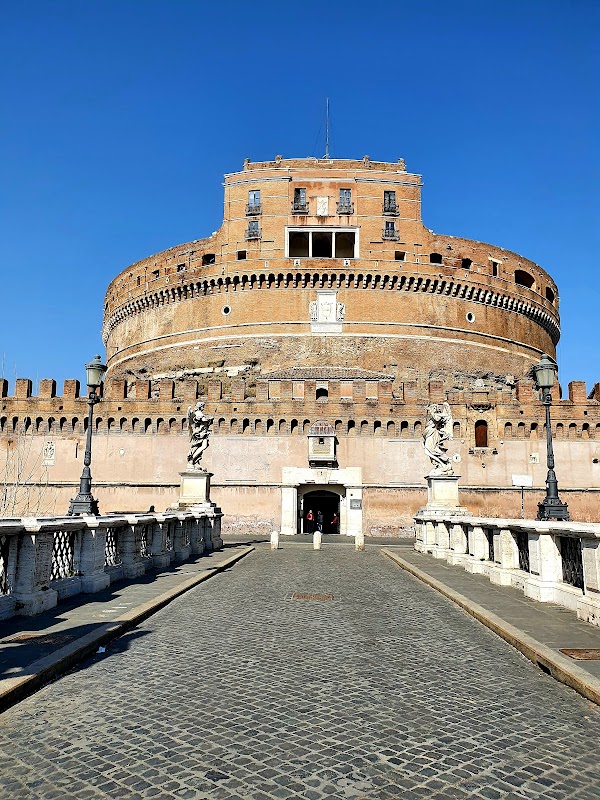
Parco della Mole Adriana
View on map
8
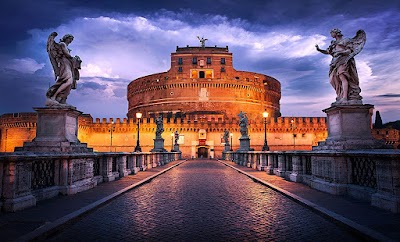
Castel Sant'Angelo
View on map
Audio Narrations
English
Introduction
Castel Sant'Angelo, a towering cylindrical structure in Rome, was initially commissioned by Emperor Hadrian as a mausoleum for himself and his family. Later converted into a fortress and castle by the popes, it now serves as a museum. The building, once Rome's tallest, features a decorated cylinder with a garden top and a golden quadriga. It was adorned with bronze and stone statuary, much of which was lost during its conversion to a military fortress. The legend of the Archangel Michael sheathing his sword atop the mausoleum, signifying the end of the 590 plague, gave the castle its current name. The popes fortified the structure, connecting it to St. Peter's Basilica via the Passetto di Borgo. It served as a refuge for Pope Clement VII during the Sack of Rome and housed prisoners like Benvenuto Cellini and Giordano Bruno. The castle's upper floors boast elegant Renaissance interiors, including the Sala Paolina with frescoes depicting Alexander the Great's life. The terrace offers breathtaking views of Rome and was immortalized in Puccini's opera "Tosca.Archangel Michael Statue
The iconic Archangel Michael statue stands atop Castel Sant'Angelo, a towering cylindrical fortress in Rome. Commissioned by Emperor Hadrian as a mausoleum, it was later transformed into a papal fortress and prison. The statue, sculpted by Flemish artist Peter Anton von Verschaffelt in 1753, replaced an earlier marble work by Raffaello da Montelupo. It depicts the archangel sheathing his sword, symbolizing the end of the plague that ravaged Rome in 590. Legend has it that Pope Gregory I witnessed the archangel's apparition atop the castle, prompting its renaming to Castel Sant'Angelo. The statue's placement on the castle's summit serves as a poignant reminder of the divine protection believed to have shielded Rome from adversity.Bridge to St. Peter's Basilica
Castel Sant'Angelo, an iconic Roman landmark, holds a unique significance as the bridge to St. Peter's Basilica. Originally built as Emperor Hadrian's mausoleum, it was later fortified and connected to the Vatican by the Passetto di Borgo, a secret passageway used by popes to escape danger. The bridge leading to the castle, known as Ponte Sant'Angelo, is adorned with 10 statues of angels designed by Bernini. These angels hold instruments of Christ's Passion, adding a sacred dimension to the bridge's architectural beauty. Crossing Ponte Sant'Angelo offers breathtaking views of the Tiber River and the towering dome of St. Peter's Basilica. Pilgrims and tourists alike have traversed this bridge for centuries, making it a symbol of faith and pilgrimage. The castle itself houses a fascinating museum, showcasing its rich history as a fortress, prison, and papal residence. Visitors can explore its many chambers, including the Treasury Room, which holds precious artifacts and papal regalia. From the castle's rooftop terrace, one can enjoy panoramic views of Rome, including St. Peter's Basilica in all its grandeur. The bridge and castle together form an integral part of the Vatican pilgrimage route, connecting the ancient world with the heart of Christianity.
Experience the Full Tour
Download the DocentPro app to access all tour stops, complete audio narrations in multiple languages, offline maps, and interactive features.