
Lights, Camera, Paris! A Stroll Through Cinematic Charm

Walking Tour

7.6 km (4.7 miles)

1h 50min travel time

7 Stops

Paris, France
Lights, Camera, Paris! A Stroll Through Cinematic Charm
Tour Stops
1
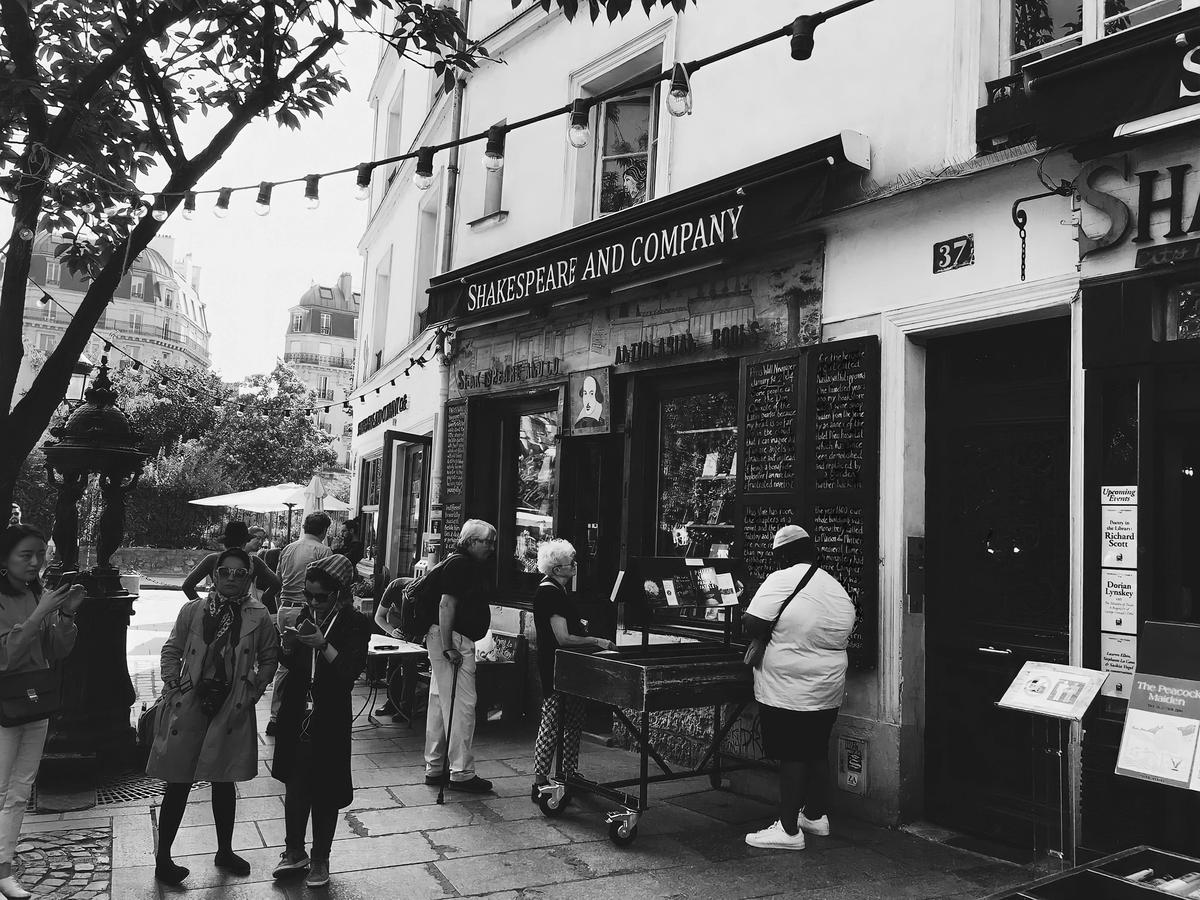
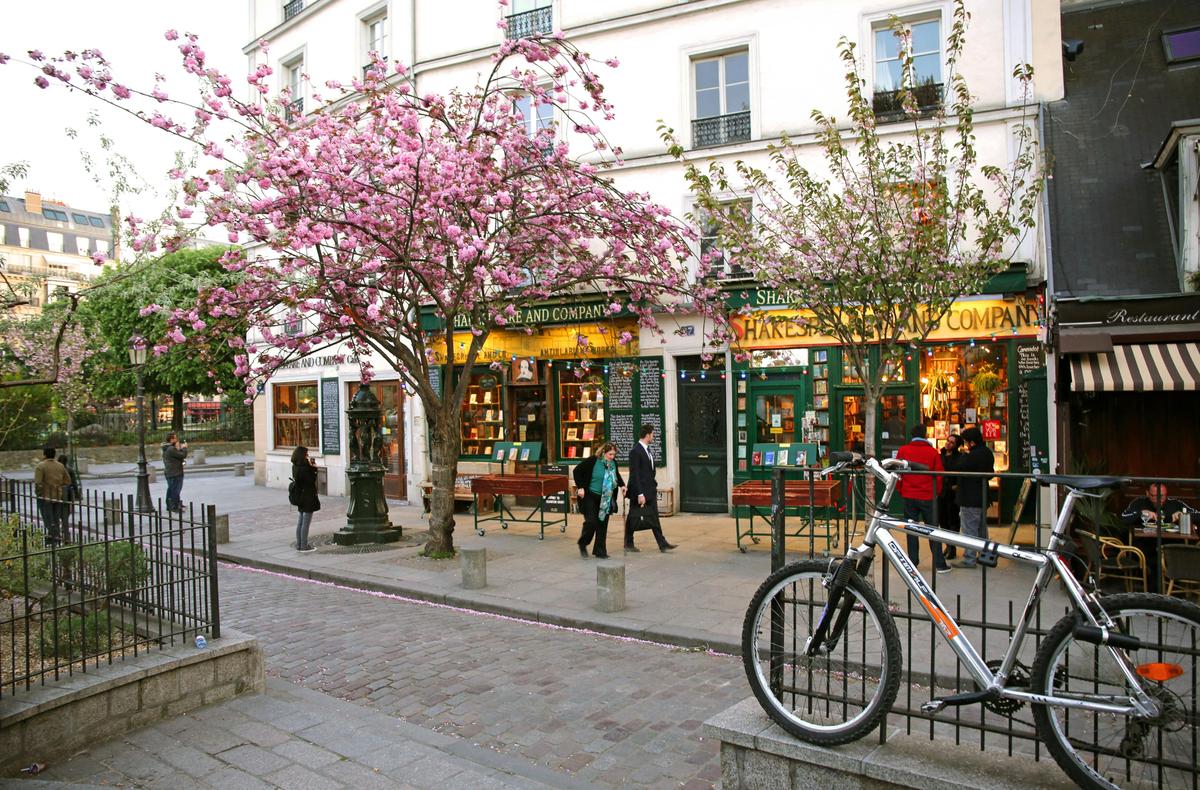
Shakespeare and Company
View on map
Audio Narrations
Japanese
序論
パリの左岸にある、愛書家や新進作家たちの聖地、シェイクスピア・アンド・カンパニーは、単なる書店ではありません。1951年に謎めいたジョージ・ウィットマンによって設立され、独特の歴史と精神を体現しています。ウィットマンは、「見事に白髪交じりで、見事に不機嫌そうな」男で、「謎めいた唸り声と突然の皮肉な言葉の連射」に傾倒していたとよく言われ、書店を自分のイメージに形作りました。彼は書店を「3つの言葉で表した小説」と構想し、その思いは書店に入り組んだレイアウトに反映されており、部屋は章のように設計され、それぞれが文学とコミュニティへの彼の愛を反映しています。彼はシルビア・ビーチ(1920年代に文豪たちが集った有名なパリの書店のオーナー)から「シェイクスピア・アンド・カンパニー」という名前を受け継ぎましたが、ウィットマンは空間に彼自身の風変わりな魅力を吹き込みました。彼は「私は真面目な書店員ではなく、むしろ挫折した小説家のようなものだ」と有名な言葉を残し、彼の書店は彼の文学的願望の延長となりました。書店を継承した娘のシルビアは、彼はコミュニティ意識を育むことに熱心な恥ずかしがり屋だったと語っています。彼はしばしば夕食会や集会を開催し、さまざまな人々を招待しましたが、本を持って隅に引きこもり、自分が演出した活発な交流を満足げに観察していました。文学への情熱を共有するこの精神は、シェイクスピア・アンド・カンパニーに浸透し続け、ウィットマンのユニークなビジョンの生きた証となっています。起源
パリの左岸にある象徴的な英語書店、シェイクスピア・アンド・カンパニーは、創設者であるジョージ・ウィットマンだけでなく、1920年代にパリで栄えたシルビア・ビーチのオリジナルのシェイクスピア・アンド・カンパニーの遺産にもその存在を負っています。ヘミングウェイやジョイスなどの文学の巨匠たちの楽園だったビーチの店にインスパイアされたウィットマンは、1951年に「ル・ミストラル」という書店を開きました。彼はそれをビーチの店の精神の継続として、作家や読者が集まって文学への愛を共有できる場所として構想しました。2つの書店のつながりは、1958年にディナーパーティーの際にシルビア・ビーチ自身がウィットマンの店に「シェイクスピア・アンド・カンパニー」という名前を授けたことで深まりました。この行為は、書店の系譜とビーチの遺産の精神的後継者としての役割を固めました。ウィットマンは、シェイクスピアの生誕400周年と重なる1964年まで公式に店の名前を変更せず、書店の文学史とのつながりをさらに強固にしました。文学の伝統に対する深い敬意と、作家や読者の活気に満ちたコミュニティを育みたいという願望に根ざしたこの豊かな歴史は、シェイクスピア・アンド・カンパニーに浸透し続け、文学の世界でユニークで愛されるランドマークとなっています。文化的意義
パリの左岸の中心部に位置するシェイクスピア・アンド・カンパニーは、単なる書店ではありません。文学史の生きた証であり、志望する作家たちの楽園です。ジョージ・ウィットマンによって設立されたこの店は、1920年代にヘミングウェイやジョイスなどの文学界の巨匠の才能を育んだシルビア・ビーチの伝説的な書店からその名前を受け継いでいます。ビーチの遺産に深く感銘を受けたウィットマンは、作家たちのためのその楽園を再現し、本棚の横に避難所とコミュニティを提供することを目指しました。 この精神は、「タンブルウィード」に体現されています。タンブルウィードとは、店の運営を手伝う見返りに住居が与えられる、志望する作家たちのことです。30,000人以上のタンブルウィードが店を通過し、店の独特の雰囲気に貢献し、放浪する魂に門戸を開くというウィットマンの哲学を体現しています。ウィットマン自身も魅力的な人物で、知的交流の場を育み、しばしば劇的な会話を交わし、若い作家たちに彼らの技術を受け入れるよう促しました。彼は店を「3つの言葉で書かれた小説」とみなし、ストーリーテリングと人間のつながりの力を証明しました。 今日、娘のシルビアの管理の下、この店は文学愛好家にとって活気に満ちた拠点であり続け、過去の文学界の巨匠の反響が新世代の願望と混ざり合う場所です。
2
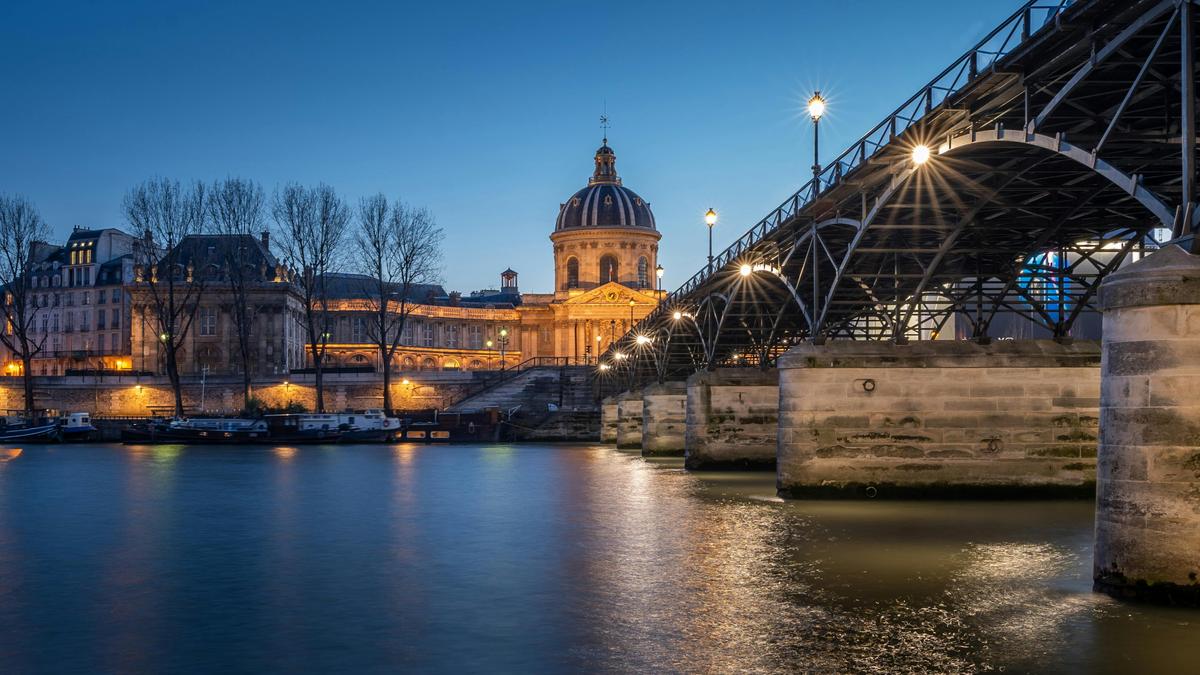
Quai des Orfèvres
View on map
Audio Narrations
Japanese
イントロダクション
オルフェーヴル河岸は「金細工師の埠頭」を意味し、1947年の同名のフランス警察手続き映画の舞台として最もよく知られています。アンリ=ジョルジュ・クルーゾー監督のこの映画は「ジェニー・ラモール」としても知られ、戦後のパリを背景に、犯罪とサスペンスの魅惑的な世界に視聴者を誘います。この映画はパリのこの場所からタイトルが付けられていますが、物語はスタニスラス=アンドレ・ステーマンのベルギーの殺人ミステリー小説「正当防衛」から着想を得ていることに注意することが重要です。クルーゾーは脚本家のジャン・フェリーと一緒に、原作から大きく逸脱し、独自の映画体験を作り上げました。クルーゾーのキャリアにおける重要な作品であるこの映画は、戦争中にドイツ支配下の映画産業に関与したため、強制的に活動停止していた後、監督業に復帰したことを示しています。「オルフェーヴル河岸」は公開時に観客と批評家を魅了し、フランス映画の傑作としての地位を固め、クルーゾーの監督としての力量を証明しました。バックグラウンド
オルフェーヴル河岸はシテ島に位置し、特に犯罪と司法との関連で、パリの歴史と文化において重要な場所を占めています。その名前「オルフェーヴル河岸」は「金細工師の埠頭」という意味で、17世紀にこの地域に住んでいた金細工師と銀細工師に由来しています。しかし、この河岸が有名になったのは、1820年から2017年までパリ警察本部が置かれていたという長い歴史があるからです。この歴史的建造物「オルフェーヴル河岸36番地」は、有名な警部マイグレを生み出したジョルジュ・シムノンの作品など、フランスの犯罪小説の代名詞となりました。警察司法局を拠点とするシムノンの架空の探偵は、オルフェーヴル河岸を背景に、パリの犯罪の厳しい現実を生き生きと描きました。文学におけるこの河岸の存在は、探偵、捜査、正義の追求の世界と永遠に結びついた、謎と陰謀に包まれた場所としてのイメージを固めました。警察本部は移転しましたが、オルフェーヴル河岸がパリの犯罪と正義の象徴であるという遺産は、人々の想像力を捉え続けています。レガシー
オルフェーヴル河岸は、絵のように美しいファサードの向こうに、パリの歴史の織物に複雑に織り込まれた重厚な遺産を背負っています。その現代的なアイデンティティは警察本部と同義ですが、石そのものが激動の過去を物語っています。1871年のパリ・コミューンでは、セーヌ川に沿ったこの一見穏やかな一帯が紛争の焦点となりました。コミューン軍がフランス軍と衝突する中、オルフェーヴル河岸は革命の破壊的な激しさを目の当たりにしました。この激動の遺産は物理的には消滅しましたが、パリの集団的記憶に残りました。かつてコミューンの終焉を厳しく思い出させた廃墟は、その本来の目的を超越しました。それらは権威に対する抵抗の象徴であり、最終的にはパリの中心部で響き続ける革命の不屈の精神の証である、警告的なランドマークへと進化しました。したがって、オルフェーヴル河岸は単なる絵のように美しいパリのランドマークではなく、権力、イデオロギー、そして過去の永続的な遺産の盛衰を目撃する、静かな番人として立っています。
3
Pont Neuf
View on map
Audio Narrations
English
Introduction
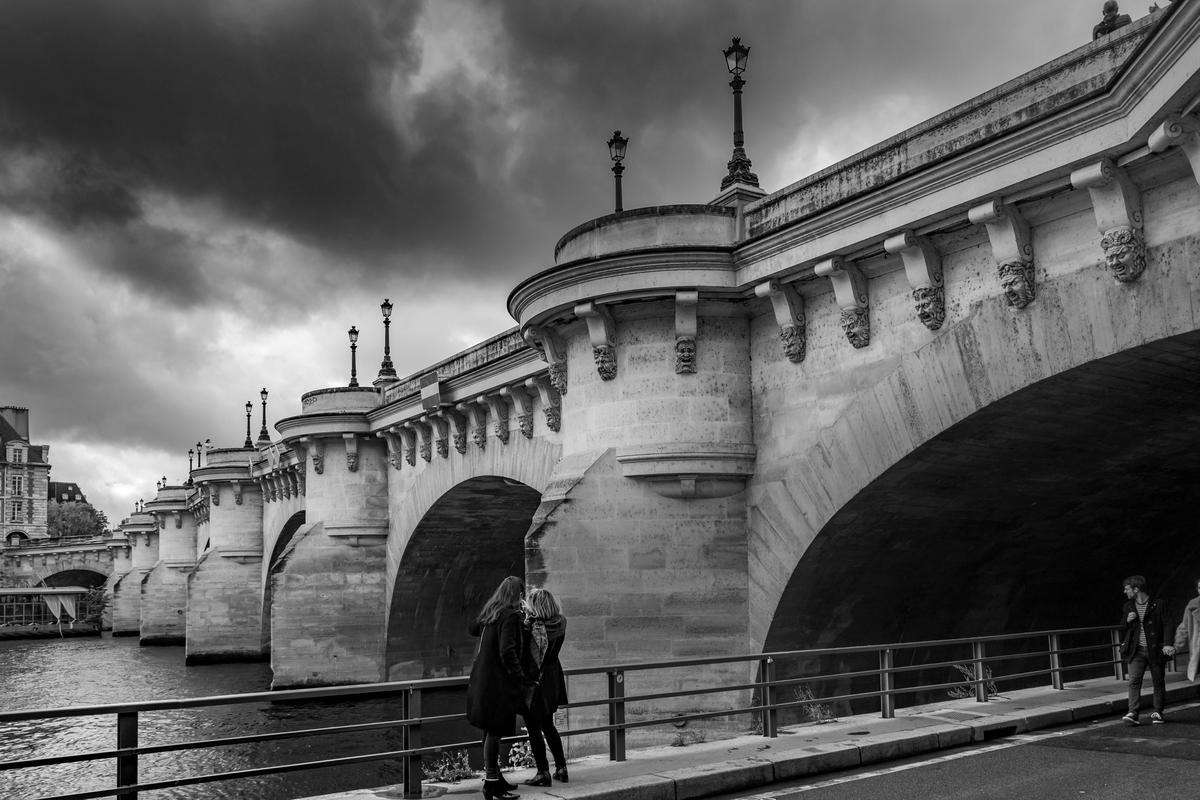
The Pont Neuf, despite its name meaning "New Bridge," is the oldest surviving bridge in Paris, its construction spanning from 1578 to 1607. This seemingly contradictory name arose from its distinction from older Parisian bridges, which were often burdened with houses and shops built directly atop them. The Pont Neuf, a novel concept for its time, was designed specifically to be free of such structures, boasting open walkways and unobstructed views of the Seine. This innovation was a significant departure from tradition and contributed to its enduring "newness" in the eyes of Parisians. The bridge's construction, spanning the reigns of three French kings (Henri II, Henri III, and Henri IV), was finally completed under King Henri IV, who inaugurated it in 1607. The bridge, with its two distinct spans connecting both riverbanks to the Île de la Cité, quickly became a central point in Parisian life. Far from just a river crossing, it was a bustling hub of activity, attracting merchants, entertainers, and residents alike.Construction
The construction of the Pont Neuf, despite its name meaning "New Bridge," marked a significant departure from Parisian bridge building traditions of the time. Initiated in 1578 under King Henry III, the bridge was designed to alleviate congestion on the older Pont Notre-Dame. Interestingly, the initial plan included a straight design, later altered by builder Pierre des Isles who advocated for a slight angle in the two sections for better resistance against the Seine's currents. This change, along with the decision to increase the arch number from eight and four to seven and five, necessitated modifications midway through construction. While the northern section remained unaffected, the southern part, where foundational elements were already in place, required shortening the platform connecting to the Île de la Cité. Further design alterations involved widening the bridge to accommodate a double row of houses, a common practice then. However, King Henry IV, keen on preserving an unobstructed view of the Louvre from the newly built galerie du bord de l'eau, decided against it. This decision made Pont Neuf the first bridge in Paris without houses, a testament to the evolving urban planning vision of the time. The bridge's construction, plagued by delays due to political turmoil and the Wars of Religion, finally resumed in 1599 under Henry IV and concluded in 1606. The Pont Neuf, a symbol of architectural innovation and royal vision, opened to traffic in 1604 and was officially inaugurated in 1607.Artistic Influence
The Pont Neuf, despite its name meaning "New Bridge," holds a significant place in Parisian art history, particularly for its indirect role in launching the careers of unknown artists. Before the Salon des Refusés and the rise of Impressionism, the nearby Place Dauphine hosted a yearly event during the Fête-Dieu (Corpus Christi) that provided a unique opportunity for emerging artists. As part of the celebration, elaborate reposoirs (portable altars) were erected, adorned with silverwork, tapestries, and notably, paintings commissioned from local artists. This tradition evolved into the "Petite Fête-Dieu," where art dealers showcased works by up-and-coming talents. Although displayed only briefly, these paintings, often lacking overt religious themes, offered crucial exposure. Artists even began signing their work, a practice uncommon in the official Salon, leading to recognition and critique. This exposure sometimes secured them entry into the prestigious Academy of Painting. One such artist was Jean-Baptiste-Siméon Chardin, who, in 1720, displayed a painting of an antique bas-relief that caught the eye of established artist J.-B. Vanloo. Vanloo's patronage propelled Chardin towards eventual membership in the Academy, proving the Petite Fête-Dieu's significance as a stepping stone for aspiring artists in the shadow of the Pont Neuf.
4
Louvre Museum
View on map
Audio Narrations
English
Introduction
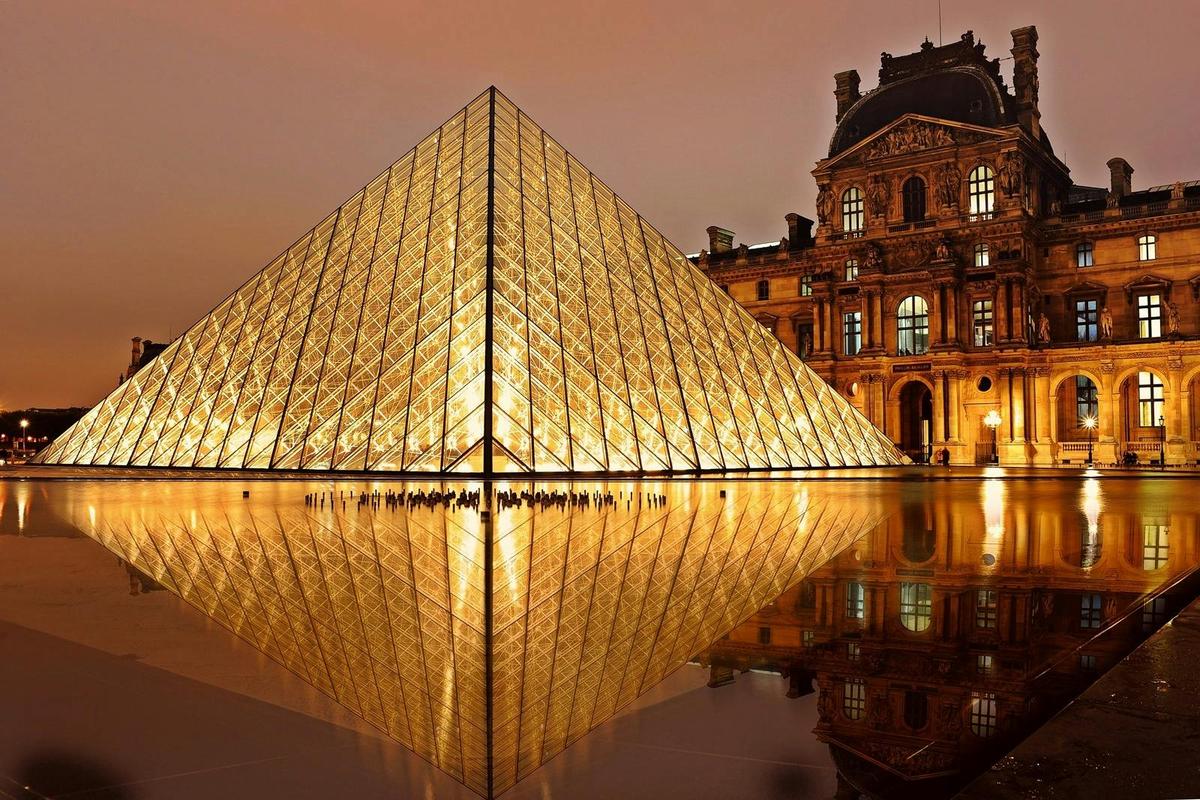
The Louvre Museum, housed within the Louvre Palace, boasts a rich history intertwined with the evolution of Paris itself. Originally a fortress constructed by King Philip II in the late 12th century, the Louvre's purpose shifted over time, reflecting the changing needs of the city and its rulers. As Paris expanded, the fortress lost its defensive significance and was transformed into a residence for French monarchs by Francis I in 1546. The palace's architectural evolution continued with each successive ruler, leaving an indelible mark on its present-day grandeur. When Louis XIV relocated the royal residence to Versailles in 1682, the Louvre's role shifted once more, becoming a repository for the royal art collection. This transition marked a pivotal step towards the Louvre's destiny as a public museum. During the French Revolution, the Louvre's fate was sealed when the National Assembly decreed its transformation into a museum to showcase France's artistic treasures. Opening its doors on August 10, 1793, the Louvre displayed a collection primarily composed of royal and confiscated church property, marking the birth of a cultural institution that continues to captivate the world.Historical Significance
The Louvre Museum's historical significance is deeply intertwined with the history of France itself. Originally built as a fortress in the late 12th century, the Louvre Palace transitioned through various roles, from a royal residence to a home for artists under royal patronage. This shift in function reflects the changing political and artistic landscape of France. The royal art collections, initiated by Francis I and expanded by subsequent monarchs, formed the foundation of the Louvre's holdings, showcasing the evolving taste and power of the French monarchy. During the French Revolution, the Louvre's purpose was redefined as a museum to display the nation's masterpieces, marking a pivotal moment in art history by making these treasures accessible to the public and symbolizing the ideals of the Revolution. The Louvre's collection continued to grow through donations, bequests, and even spoils of war during Napoleon's reign, reflecting the tumultuous periods of French history. Notably, the Louvre became embroiled in the complexities of World War II, grappling with the issue of Nazi-looted art. The museum's efforts to restitute these artworks to their rightful owners continue to this day, highlighting the Louvre's role in addressing sensitive historical injustices and preserving cultural heritage.Artistic Masterpieces
The Louvre Museum in Paris houses an unparalleled collection of artistic masterpieces that continue to captivate art enthusiasts worldwide. Among the Louvre's most celebrated paintings is Leonardo da Vinci's enigmatic Mona Lisa, a portrait renowned for its subject's elusive smile and da Vinci's pioneering use of sfumato. Equally compelling is the museum's collection of da Vinci's religious works, including The Virgin of the Rocks, notable for its masterful composition and the subtle interplay of light and shadow. Another highlight is The Virgin, Saint Anne, and the Child Playing with a Lamb, a testament to da Vinci's technical prowess and his ability to convey profound emotion through art. Beyond da Vinci, the Louvre boasts masterpieces from other Renaissance giants, including Raphael's St. Michael Overwhelming the Demon, a powerful depiction of the battle between good and evil, and Andrea Mantegna's Minerva Expelling the Vices from the Garden of Virtue, an allegorical work rich in symbolism and intricate detail. The Louvre's collection extends beyond the Renaissance, showcasing works like Eugène Delacroix's Liberty Leading the People, a powerful symbol of the French Revolution, and Jacques-Louis David's The Coronation of Napoleon, a monumental depiction of Napoleon's power and ambition. The Louvre's collection of artistic masterpieces offers a journey through art history, showcasing the evolution of artistic techniques and the enduring power of human creativity.
5
Hôtel de Ville
View on map
Audio Narrations
English
Introduction
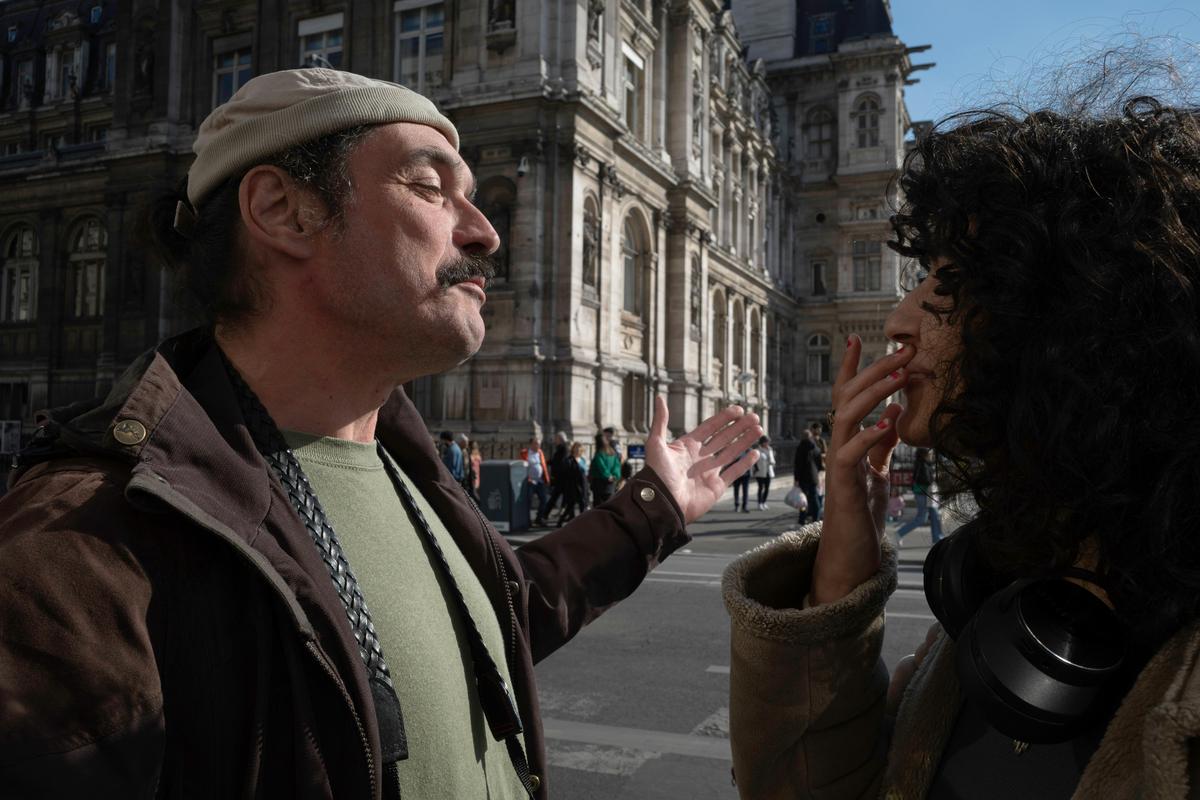
The Hôtel de Ville, the city hall of Paris, has been the heart of Parisian administration since its inception in 1357. Interestingly, before finding its permanent home on the Place de l'Hôtel-de-Ville, the city's administration was a nomadic entity, operating from locations like the "Parlour of Burgesses" near the Châtelet. The very first city hall, a structure known as the "House of Pillars," was purchased by Étienne Marcel, the then-mayor of Paris. This building stood on the Place de Grève, a former river port that transformed into a public square, often used for gatherings and executions. It was King Francis I who, in 1533, envisioned a grander city hall for Paris, a structure befitting the capital of France. This vision led to the commissioning of architects Dominique de Cortone and Pierre Chambiges to create the Hôtel de Ville we recognize today. However, the building we see today is not the original. The Hôtel de Ville, a witness to numerous historical events, was tragically burned down by the Paris Commune in 1871 during the final days of the uprising. The destruction was so complete that almost all of the city archives housed within were lost.Evolution
The Hôtel de Ville in Paris stands as a testament to the relentless evolution of a city and its people. From its humble beginnings in 1357 as the "House of Pillars," a modest structure on the banks of the Seine, it has undergone numerous transformations, each reflecting the changing political and architectural landscape of Paris. The grand vision of Francis I in the 16th century saw it reborn as a magnificent Renaissance edifice, only to be engulfed in the flames of the Paris Commune in 1871, a poignant symbol of revolutionary upheaval. This catastrophic event, while devastating, paved the way for a remarkable resurrection. The meticulous reconstruction, completed in 1892, mirrored the original design while embracing modern innovations, showcasing the city's resilience and its embrace of progress. Today, the Hôtel de Ville stands not merely as a static monument but as a living chronicle of Paris, its walls echoing with the voices of revolutionaries, monarchs, and ordinary citizens who have shaped its destiny. The building's very existence, marked by both destruction and renewal, embodies the spirit of Paris – a city perpetually evolving, yet forever preserving its rich history within its changing facades.Architectural Grandeur
The Hôtel de Ville in Paris stands as a testament to architectural grandeur, having risen from the ashes of tragedy. After the original structure, known as the Hôtel du Boccador, was destroyed in the fires of the Paris Commune in 1871, a remarkable reconstruction took place. Architects Ballu and Deperthes meticulously rebuilt the Hôtel de Ville between 1874 and 1882, replicating its former design with astonishing accuracy. This painstaking process involved recreating the building stone by stone, ensuring that every detail, no matter how small, reflected the original grandeur. The result is an impressive edifice, measuring 143 meters by 80 meters, boasting three internal courtyards and a commanding 50-meter-high tower that dominates the main facade. The symmetrical elegance of the design is further enhanced by rectangular pavilions flanking each corner, creating a sense of architectural harmony. The interior, equally impressive, features opulent reception halls that have hosted countless prestigious events, art exhibitions, and official receptions throughout its history. The Hôtel de Ville, therefore, stands not only as a symbol of Paris's resilience but also as a shining example of architectural mastery and enduring beauty.
6
Café des Deux Moulins
View on map
Audio Narrations
English
Introduction
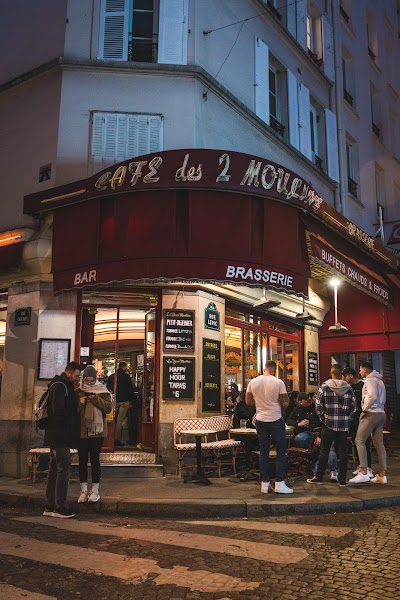
Nestled in the heart of Montmartre, Paris, the Café des Deux Moulins, meaning "Café of the Two Windmills," draws its name from its proximity to the iconic Moulin Rouge and the historic Moulin de la Galette. Established in the early 20th century, the café gained global recognition after its appearance in the 2001 film Amélie, where it served as the workplace of the titular character. While the café's history predates the film, its association with Amélie has transformed it into a cherished destination for cinephiles and tourists alike. Inside, visitors will find remnants of the film's presence, including memorabilia and a restroom adorned with Amélie-themed decor. The café's menu even features "Le Gouter d’Amélie," a delightful combination of a hot beverage and crème brûlée, inviting patrons to recreate the film's iconic scene. Despite its newfound fame, the Café des Deux Moulins retains its authentic charm, serving traditional French cuisine with a focus on fresh ingredients. It remains a beloved local haunt, frequented by both regulars and curious visitors eager to experience a touch of cinematic history.Historical Context
The Café des Deux Moulins, nestled in the heart of Montmartre, is more than just a café; it's a tangible link to the area's storied past. The café's name, meaning "Café of the Two Windmills," directly references the two surviving windmills of Montmartre: the Moulin Rouge and the Moulin de la Galette. These windmills stand as silent witnesses to Montmartre's history, a time when the area was a rural escape outside Paris's city walls, characterized by windmills dotting the landscape. While the Moulin Rouge transformed into a cabaret, the Café des Deux Moulins, established in the early 20th century, retained its connection to the area's windmills through its name, a moniker it adopted in the 1950s. The café's existence across different eras of Montmartre's transformation from a rural village to a bustling Parisian neighborhood provides a unique historical context. While it gained international recognition through its feature in the 2001 film Amélie, the café's history transcends its cinematic fame. It serves as a reminder of Montmartre's evolution, a place where the echoes of a bygone era, when windmills were an integral part of the landscape, still linger.Cinematic Fame
Café des Deux Moulins, nestled in the heart of Montmartre, owes much of its global recognition to its starring role in the 2001 whimsical film, Amélie. The café, named after the two historic windmills Moulin Rouge and Moulin de la Galette, became the cinematic workplace of the film's titular character, Amélie Poulain. Fans of the film are drawn to the café, eager to experience its authentic Parisian ambiance, captured so charmingly in the movie. While the tobacco counter featured in the film is gone, the café retains its quintessential Parisian bistro look with its zinc counter. Devotees of the film can even find memorabilia and settle into a special area dedicated to "Amélie" enthusiasts. Although the café predates its cinematic debut, having existed since the early 20th century, it was the film that catapulted it to international fame. Café des Deux Moulins stands as a testament to the enduring power of cinema, transforming it from a local haunt to a cherished destination for movie lovers worldwide.
7
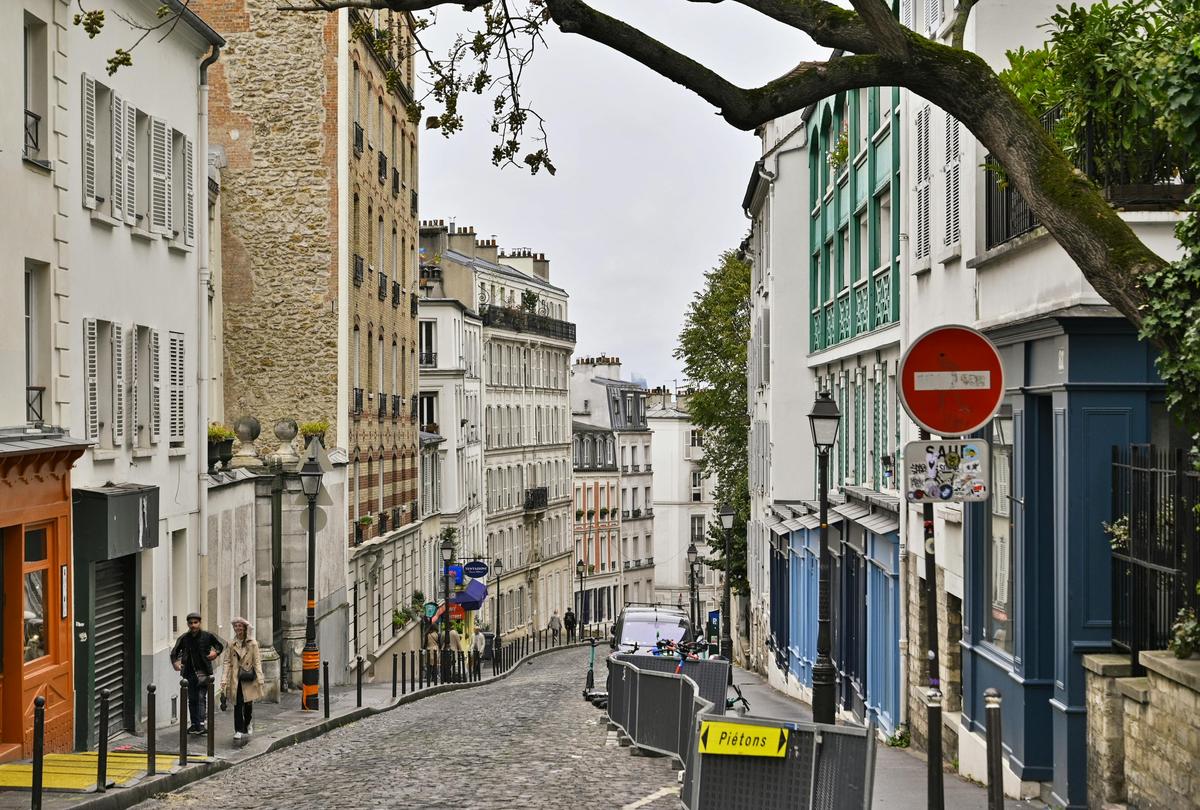
Rue Foyatier
View on map
Audio Narrations
English
Introduction
Montmartre, a name whispered with a blend of reverence and intrigue, translates to "Mount of Mars" from its Latin roots, "Mons Martis." However, a darker history lingers beneath this seemingly romantic moniker. Early Christian accounts tell of Saint Denis, a bishop preaching in Roman-occupied Lutetia (ancient Paris), who was beheaded on this very hilltop around 250 AD. His execution, ordered by the Roman prefect, Fescennius Sisinius, for spreading the Christian faith, led to the hill's somber renaming as "Mont des Martyrs" - the Mount of Martyrs. Legend claims that Saint Denis, clutching his own severed head, walked from the execution site to a spring located at the modern impasse Girardon. This gruesome tale cemented Montmartre's religious significance, leading to the construction of the Saint-Pierre de Montmartre church in 1134 by King Louis VI. The church, still standing today, marks not just a site of worship but a poignant reminder of the hill's bloody past and its transformation into a place of faith. This intriguing duality, a blend of martyrdom and artistic bohemianism, continues to define Montmartre, drawing visitors into its captivating embrace.Artistic History
Montmartre's artistic spirit blossomed in the late 19th and early 20th centuries, during the Belle Époque, when it transformed into a haven for struggling artists priced out of central Paris. Drawn to the area's cheap rent and bohemian atmosphere, artists like Amedeo Modigliani, Claude Monet, Pierre-Auguste Renoir, Edgar Degas, Henri de Toulouse-Lautrec, Suzanne Valadon, Piet Mondrian, Pablo Picasso, Camille Pissarro, and Vincent van Gogh, lived, worked, and drew inspiration from the unique ambiance of Montmartre. The famed Moulin Rouge, immortalized by Toulouse-Lautrec's posters, became a symbol of the area's vibrant nightlife and the interplay between art and entertainment. Even Renoir, who later moved to Provence due to arthritis, spent significant time in Montmartre, employing local painter Suzanne Valadon as a model for works like "The Large Bath Feathers." This fusion of artistic expression and the everyday life of Montmartre created a unique cultural cocktail that continues to attract visitors from around the world. By the turn of the century, Montmartre had become a booming entertainment district, with cabarets, cafes, and dance halls replacing artist studios, marking a shift from bohemian haven to a mainstream attraction.Bohemian Spirit
Montmartre, perched high above Paris, is more than just a picturesque neighborhood; it's a testament to the enduring spirit of bohemianism. This was a haven for artists priced out of the city center, a place where the likes of Picasso, Modigliani, and Miro found inspiration in the cheap rents and vibrant atmosphere. Cafes buzzed with the energy of these artists, their studios tucked away on cobblestone streets, a far cry from the bourgeois salons of downtown Paris. This bohemian energy is palpable in the air, a lingering echo of a time when creativity and joie de vivre reigned supreme. The Musee Montmartre, housed in a former artist's residence, offers a glimpse into this world. It's a treasure trove of history, showcasing the lives and works of the artists who called Montmartre home. Here, you'll find remnants of their studios, hear recordings of their music, and see firsthand the scandalous posters and provocative art that defined their era. The spirit of the Moulin Rouge, with its scandalous can-can dancers, is preserved within these walls, a testament to the free-spirited nature of Montmartre's past. Even today, Place du Tertre, with its hodgepodge of artists and cafes, maintains a whisper of that bohemian energy, a reminder that Montmartre's heart still beats with the rhythm of creativity.
Experience the Full Tour
Download the DocentPro app to access all tour stops, complete audio narrations in multiple languages, offline maps, and interactive features.