
Lights, Camera, Paris! A Stroll Through Cinematic Charm

Walking Tour

7.6 km (4.7 miles)

1h 50min travel time

7 Stops

Paris, France
Lights, Camera, Paris! A Stroll Through Cinematic Charm
Tour Stops
1
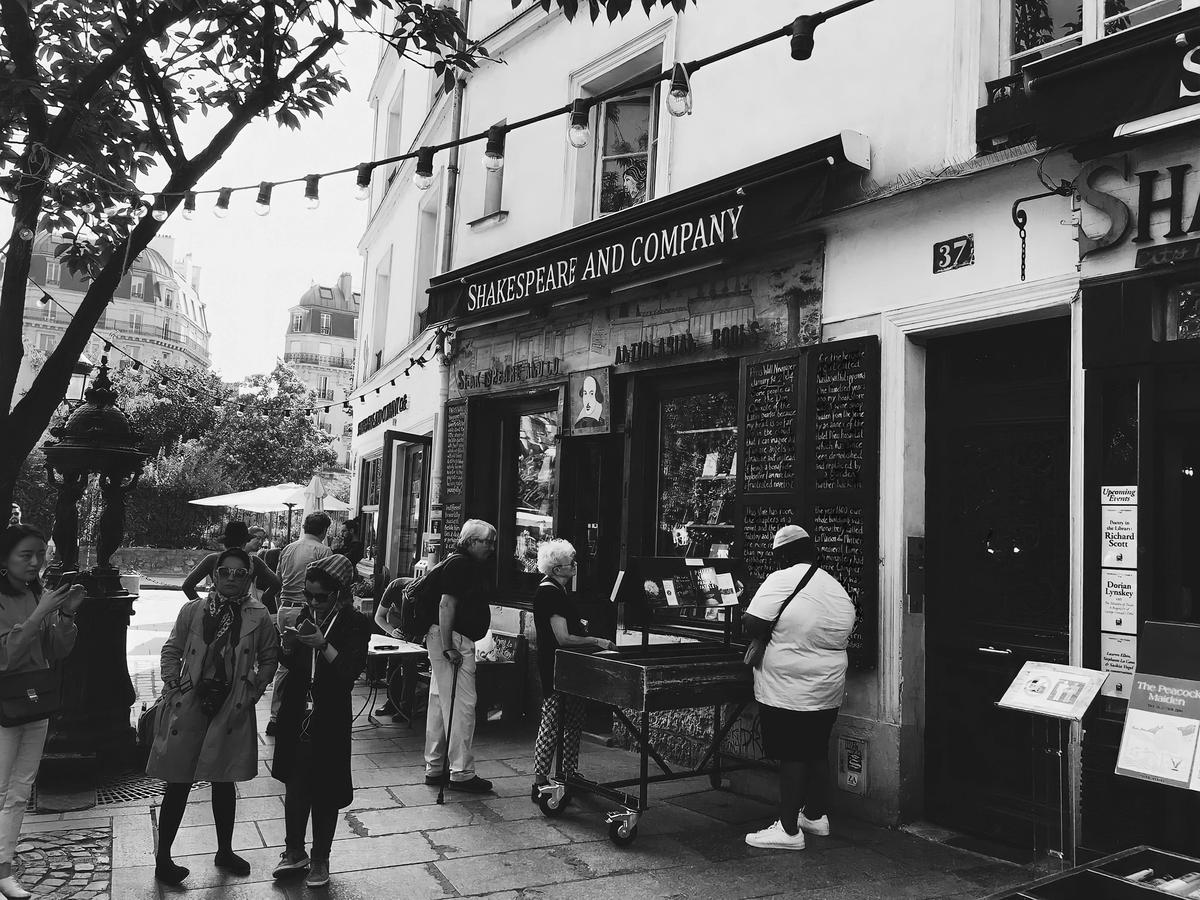
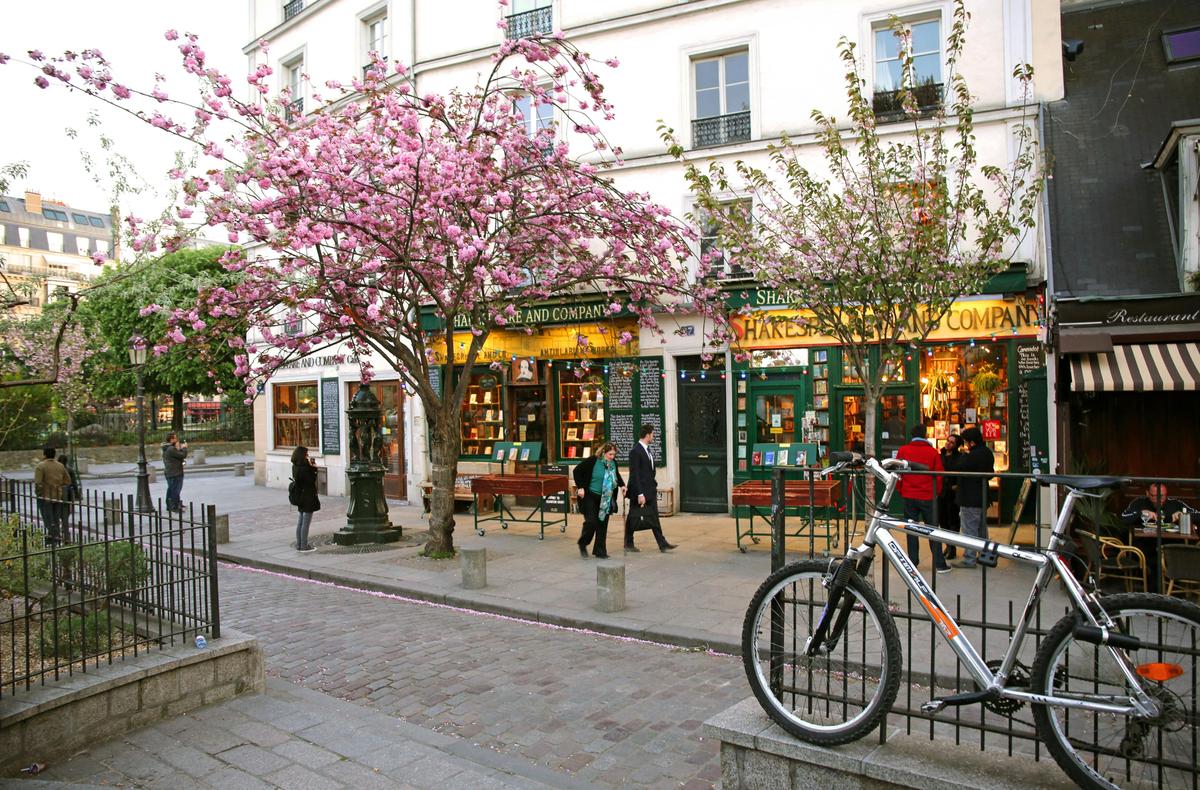
Shakespeare and Company
View on map
Audio Narrations
Korean
서론
파리 좌안에 있는 서적 애호가와 야심 찬 작가들의 안식처인 셰익스피어 앤드 컴퍼니는 단순한 서점이 아닙니다. 1951년에 수수께끼 같은 조지 휘트먼이 설립한 이곳은 독특한 역사와 정신을 구현합니다. 종종 "멋지게 흰머리에 훌륭하게 짜증나는 표정"을 한 남자로 묘사되는 휘트먼은 "수수께끼 같은 으르렁거림과 갑작스러운 단절된 재치"에 대한 취향으로 서점을 자신의 이미지에 맞게 만들었습니다. 그는 이곳을 "세 단어로 된 소설"로 구상했고, 이러한 감정은 서점의 미로 같은 구조에 반영되어 있습니다. 각 방은 마치 장처럼 설계되어 문학과 커뮤니티에 대한 그의 사랑을 반영합니다. 그는 1920년대에 문학 거물들이 자주 방문하던 유명한 파리 서점의 소유주인 실비아 비치로부터 "셰익스피어 앤드 컴퍼니"라는 이름을 물려받았지만, 휘트먼은 이 공간에 자신의 독특한 매력을 불어넣었습니다. 그는 유명하게도 "진짜 서점주가 되기보다는 좌절한 소설가에 가깝다"고 말했고, 그의 서점은 그의 문학적 열망의 연장선이 되었습니다. 서점을 물려받은 그의 딸 실비아는 그를 커뮤니티 의식을 키우는 데 힘을 쏟은 수줍은 사람으로 묘사합니다. 그는 종종 다양한 사람들을 초대하여 저녁 식사와 모임을 주최했지만, 책을 들고 구석으로 물러나 자신이 연출한 활기찬 상호 작용을 관찰하는 것에 만족했습니다. 문학에 대한 이러한 공유된 열정의 정신은 셰익스피어 앤드 컴퍼니에 계속 스며들어 휘트먼의 독특한 비전에 대한 살아있는 증거가 되었습니다.기원
파리 좌안에 있는 상징적인 영어 서점인 셰익스피어 앤드 컴퍼니는 창립자 조지 휘트먼 뿐만 아니라 1920년대 파리에서 번성했던 실비아 비치의 오리지널 셰익스피어 앤드 컴퍼니의 유산에도 그 존재를 빚지고 있습니다. 헤밍웨이와 조이스와 같은 문학 거장들의 안식처였던 비치의 서점에서 영감을 받은 휘트먼은 1951년에 "르 미스트랄"이라는 서점을 열었습니다. 그는 이를 비치 서점의 정신을 이어가는 곳, 작가와 독자들이 모여 문학에 대한 사랑을 나눌 수 있는 장소로 구상했습니다. 두 서점 간의 인연은 1958년에 더욱 깊어졌는데, 실비아 비치가 저녁 파티에서 휘트먼의 서점에 "셰익스피어 앤드 컴퍼니"라는 이름을 직접 내려준 것입니다. 이 행위는 서점의 혈통과 비치의 유산을 정신적으로 계승하는 역할을 확고히 했습니다. 휘트먼은 셰익스피어 탄생 400주년과 맞물리는 1964년에야 공식적으로 서점 이름을 바꿨고, 이로써 서점과 문학사 간의 연관성이 더욱 굳건해졌습니다. 문학적 전통에 대한 깊은 존경과 작가와 독자들의 활기찬 커뮤니티를 육성하려는 열망에 뿌리를 둔 이 풍부한 역사는 지금도 셰익스피어 앤드 컴퍼니에 스며들어 문학계에서 독특하고 소중한 랜드마크로 자리매김하게 했습니다.문화적 중요성
파리 좌안의 중심부에 자리 잡은 셰익스피어 앤드 컴퍼니는 단순한 서점이 아니라 문학사의 살아있는 증거이자 야심 찬 작가들의 안식처입니다. 조지 휘트먼이 설립한 이 상점은 1920년대에 헤밍웨이와 조이스와 같은 문학 거장들의 재능을 키워낸 실비아 비치의 전설적인 서점에서 이름을 물려받았습니다. 비치의 유산에 깊은 영감을 받은 휘트먼은 작가들을 위한 그 안식처를 재창조하고자 책꽂이 옆에 피난처와 커뮤니티를 제공했습니다. 이러한 정신은 상점 운영을 돕는 대가로 거주권을 부여받은 야심 찬 작가인 "텀블위드"에 구현되어 있습니다. 30,000명이 넘는 텀블위드가 이곳을 거쳐 상점의 독특한 분위기를 조성하고 방랑하는 영혼에게 열린 품을 제공한다는 휘트먼의 철학을 구현했습니다. 매력적인 인물인 휘트먼 자신은 지적 교류의 공간을 조성했고, 종종 연극적인 대화에 참여하고 젊은 작가들이 자신의 기술을 받아들이도록 영감을 주었습니다. 그는 이 상점을 "세 단어로 된 소설"로 여겼고, 이는 스토리텔링과 인간적 연결의 힘에 대한 증거였습니다. 오늘날 그의 딸인 실비아의 관리 하에 이 상점은 문학 애호가들의 활기찬 허브로 계속해서 존재하며, 과거 문학 거장들의 메아리가 새로운 세대의 열망과 어우러지는 곳입니다.
2
Quai des Orfèvres
View on map
Audio Narrations
English
Introduction
Quai des Orfèvres, meaning "Goldsmiths' Quay," is best known as the setting for the acclaimed 1947 French police procedural film of the same name. Directed by Henri-Georges Clouzot, the film, also known as "Jenny Lamour," thrusts viewers into a captivating world of crime and suspense set against the backdrop of post-war Paris. While the film draws its title from this Parisian location, it's essential to note that the narrative takes inspiration from the Belgian murder mystery novel "Légitime défense" (Self-Defense) by Stanislas-André Steeman. Clouzot, along with screenwriter Jean Ferry, deviated significantly from the source material, crafting a unique cinematic experience. The film, a pivotal work in Clouzot's career, marked his return to directing after a period of enforced inactivity due to his involvement with the German-controlled film industry during the war. "Quai des Orfèvres" captivated audiences and critics upon its release, solidifying its place as a masterpiece of French cinema and a testament to Clouzot's directorial prowess.Background
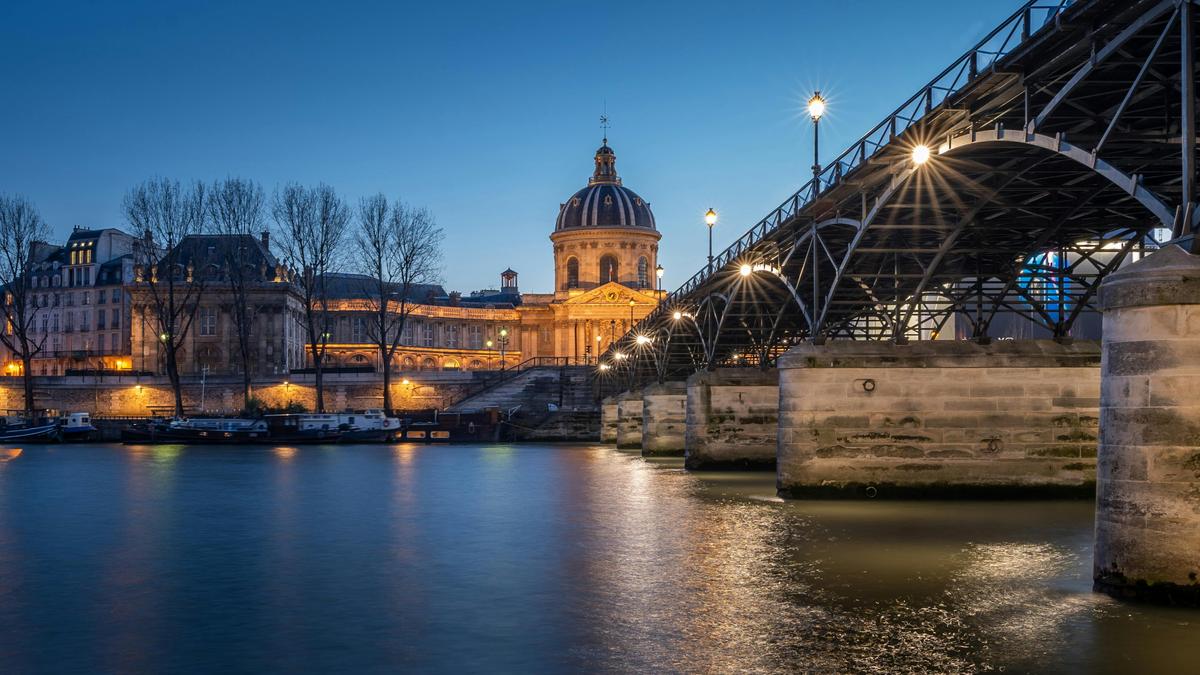
Quai des Orfèvres, located on the Île de la Cité, holds a prominent place in Parisian history and culture, particularly for its association with crime and justice. The name itself, "Quai des Orfèvres," translates to "Goldsmiths' Quay," a nod to the goldsmiths and silversmiths who once occupied the area in the 17th century. However, the quai's fame lies in its long-standing connection to the Paris police headquarters, which was situated there from 1820 to 2017. This historic building, known as the "36 Quai des Orfèvres," became synonymous with French crime fiction, notably featuring in the works of Georges Simenon, creator of the celebrated Inspector Maigret. Simenon's fictional detective, based at the Police Judiciaire, brought the gritty reality of Parisian crime to life against the backdrop of Quai des Orfèvres. The quai's presence in literature cemented its image as a place shrouded in mystery and intrigue, forever linked to the world of detectives, investigations, and the pursuit of justice. Even though the police headquarters have relocated, the legacy of Quai des Orfèvres as a symbol of Parisian crime and justice continues to captivate the imagination.Legacy
The Quai des Orfèvres, beyond its picturesque facade, bears a weighty legacy, intricately woven into the fabric of Parisian history. While its modern identity is synonymous with the Préfecture de Police, the very stones whisper tales of a tumultuous past. During the Paris Commune of 1871, this seemingly tranquil stretch along the Seine became a focal point of conflict. As the Commune forces clashed with the French Army, the Quai des Orfèvres witnessed the destructive fury of revolution. The legacy of this upheaval, while physically erased, lingered in the collective memory of Paris. The ruins, once stark reminders of the Commune's demise, transcended their intended purpose. They evolved into cautionary landmarks, symbols of resistance against authority, and ultimately, testaments to the enduring spirit of revolution that continues to echo through the heart of Paris. The Quai des Orfèvres, therefore, stands not just as a picturesque Parisian landmark, but as a silent sentinel, bearing witness to the ebb and flow of power, ideology, and the enduring legacy of the past.
3
Pont Neuf
View on map
Audio Narrations
English
Introduction
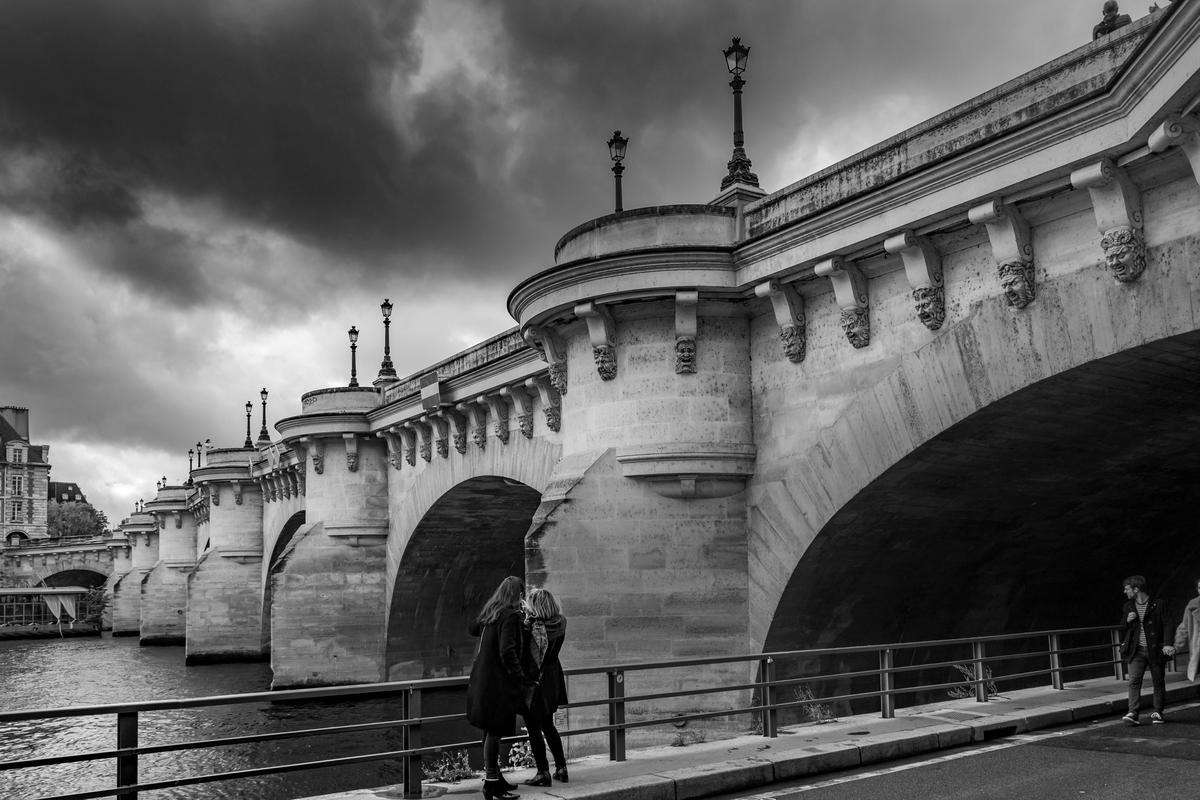
The Pont Neuf, despite its name meaning "New Bridge," is the oldest surviving bridge in Paris, its construction spanning from 1578 to 1607. This seemingly contradictory name arose from its distinction from older Parisian bridges, which were often burdened with houses and shops built directly atop them. The Pont Neuf, a novel concept for its time, was designed specifically to be free of such structures, boasting open walkways and unobstructed views of the Seine. This innovation was a significant departure from tradition and contributed to its enduring "newness" in the eyes of Parisians. The bridge's construction, spanning the reigns of three French kings (Henri II, Henri III, and Henri IV), was finally completed under King Henri IV, who inaugurated it in 1607. The bridge, with its two distinct spans connecting both riverbanks to the Île de la Cité, quickly became a central point in Parisian life. Far from just a river crossing, it was a bustling hub of activity, attracting merchants, entertainers, and residents alike.Construction
The construction of the Pont Neuf, despite its name meaning "New Bridge," marked a significant departure from Parisian bridge building traditions of the time. Initiated in 1578 under King Henry III, the bridge was designed to alleviate congestion on the older Pont Notre-Dame. Interestingly, the initial plan included a straight design, later altered by builder Pierre des Isles who advocated for a slight angle in the two sections for better resistance against the Seine's currents. This change, along with the decision to increase the arch number from eight and four to seven and five, necessitated modifications midway through construction. While the northern section remained unaffected, the southern part, where foundational elements were already in place, required shortening the platform connecting to the Île de la Cité. Further design alterations involved widening the bridge to accommodate a double row of houses, a common practice then. However, King Henry IV, keen on preserving an unobstructed view of the Louvre from the newly built galerie du bord de l'eau, decided against it. This decision made Pont Neuf the first bridge in Paris without houses, a testament to the evolving urban planning vision of the time. The bridge's construction, plagued by delays due to political turmoil and the Wars of Religion, finally resumed in 1599 under Henry IV and concluded in 1606. The Pont Neuf, a symbol of architectural innovation and royal vision, opened to traffic in 1604 and was officially inaugurated in 1607.Artistic Influence
The Pont Neuf, despite its name meaning "New Bridge," holds a significant place in Parisian art history, particularly for its indirect role in launching the careers of unknown artists. Before the Salon des Refusés and the rise of Impressionism, the nearby Place Dauphine hosted a yearly event during the Fête-Dieu (Corpus Christi) that provided a unique opportunity for emerging artists. As part of the celebration, elaborate reposoirs (portable altars) were erected, adorned with silverwork, tapestries, and notably, paintings commissioned from local artists. This tradition evolved into the "Petite Fête-Dieu," where art dealers showcased works by up-and-coming talents. Although displayed only briefly, these paintings, often lacking overt religious themes, offered crucial exposure. Artists even began signing their work, a practice uncommon in the official Salon, leading to recognition and critique. This exposure sometimes secured them entry into the prestigious Academy of Painting. One such artist was Jean-Baptiste-Siméon Chardin, who, in 1720, displayed a painting of an antique bas-relief that caught the eye of established artist J.-B. Vanloo. Vanloo's patronage propelled Chardin towards eventual membership in the Academy, proving the Petite Fête-Dieu's significance as a stepping stone for aspiring artists in the shadow of the Pont Neuf.
4
Louvre Museum
View on map
Audio Narrations
Korean
서론
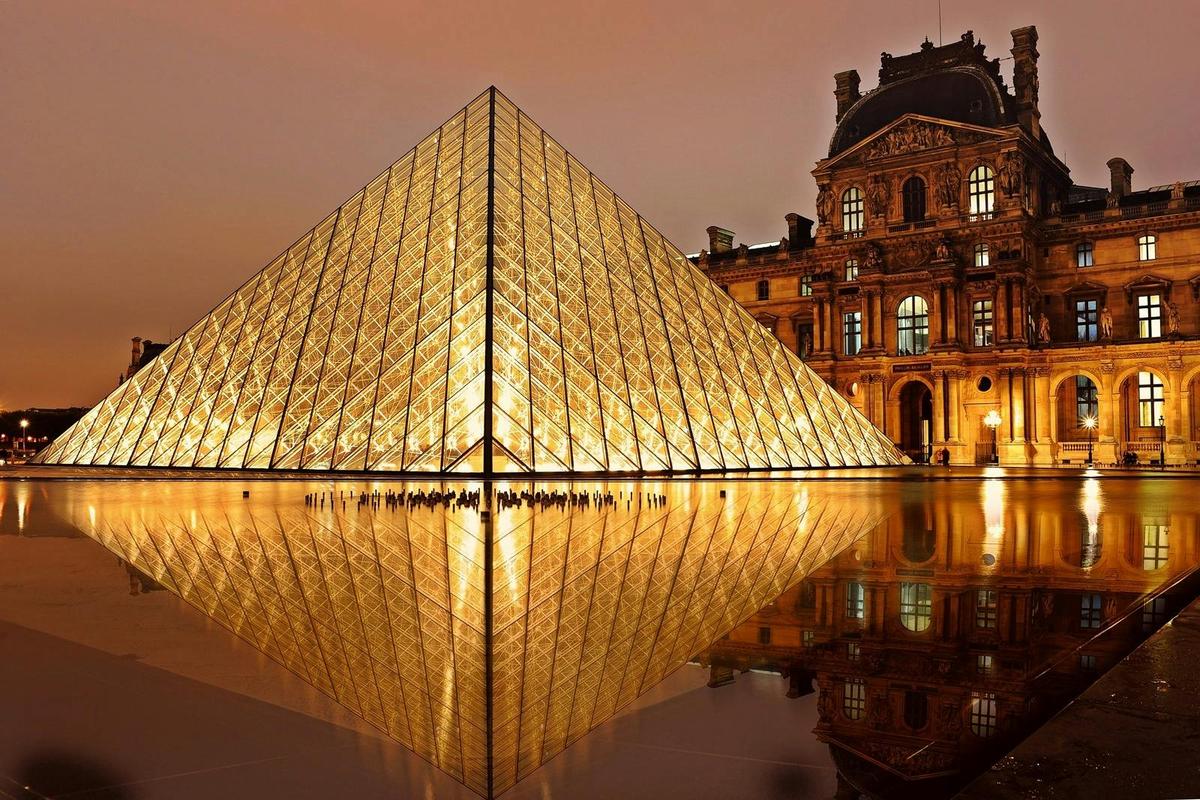
루브르 궁전에 자리한 루브르 박물관은 파리 자체의 진화와 얽힌 풍부한 역사를 자랑합니다. 원래 12세기 후반에 필립 2세 국왕이 건설한 요새였던 루브르의 목적은 시간이 지남에 따라 도시와 통치자들의 변화하는 요구를 반영하며 바뀌었습니다. 파리가 확장되면서 요새는 방어적 중요성을 잃었고 1546년에 프랑수아 1세에 의해 프랑스 군주의 거주지로 바뀌었습니다. 궁전의 건축적 진화는 각각의 연속적인 통치자와 함께 계속되었고, 오늘날의 웅장함에 지울 수 없는 흔적을 남겼습니다. 루이 14세가 1682년에 왕실 거주지를 베르사유로 옮겼을 때, 루브르의 역할은 다시 한 번 바뀌어 왕실 미술품 컬렉션의 저장소가 되었습니다. 이러한 전환은 루브르가 공공 박물관으로서의 운명을 향한 중대한 발걸음이었습니다. 프랑스 혁명 동안, 국민의회가 프랑스의 예술적 보물을 전시하는 박물관으로의 전환을 선언하면서 루브르의 운명은 결정되었습니다. 1793년 8월 10일에 문을 연 루브르는 주로 왕실과 몰수된 교회 재산으로 구성된 컬렉션을 전시했고, 이는 세계를 계속해서 사로잡는 문화 기관의 탄생을 알렸습니다.역사적 의의
루브르 박물관의 역사적 중요성은 프랑스 자체의 역사와 깊이 얽혀 있습니다. 원래 12세기 후반에 요새로 지어진 루브르 궁전은 왕실 거주지에서 왕실 후원을 받는 예술가들의 거처로 다양한 역할을 거쳤습니다. 이러한 기능의 변화는 프랑스의 변화하는 정치적, 예술적 풍경을 반영합니다. 프랑수아 1세가 시작하고 후대 군주들이 확장한 왕실 미술 컬렉션은 루브르 소장품의 기반을 형성하여 프랑스 군주의 진화하는 취향과 권력을 보여주었습니다. 프랑스 혁명 동안 루브르의 목적은 국가의 걸작을 전시하는 박물관으로 재정의되었고, 이는 이러한 보물을 대중에게 공개하고 혁명의 이상을 상징함으로써 미술사에서 중대한 순간을 기록했습니다. 루브르의 컬렉션은 나폴레옹 통치 기간 동안 기부, 유산, 심지어 전쟁의 전리품을 통해 계속해서 성장하여 프랑스 역사의 격변기를 반영했습니다. 특히 루브르는 나치가 약탈한 예술품 문제로 씨름하면서 제2차 세계 대전의 복잡성에 휘말렸습니다. 이러한 예술품을 정당한 소유자에게 반환하려는 박물관의 노력은 오늘날까지 계속되고 있으며, 루브르가 민감한 역사적 불의를 해결하고 문화 유산을 보존하는 데 있어서의 역할을 강조합니다.예술적 걸작
파리의 루브르 박물관은 전 세계 미술 애호가들을 사로잡는 예술적 걸작의 비할 데 없는 컬렉션을 소장하고 있습니다. 루브르에서 가장 유명한 그림 중 하나는 레오나르도 다빈치의 수수께끼 같은 모나리자로, 주인공의 애매한 미소와 다빈치의 선구적인 스푸마토 기법으로 유명합니다. 다빈치의 종교적 작품 컬렉션도 마찬가지로 매력적이며, 여기에는 뛰어난 구성과 빛과 그림자의 미묘한 상호 작용으로 유명한 바위의 성모가 포함됩니다. 또 다른 하이라이트는 성모, 성 안나, 어린이가 어린 양과 노는 모습으로, 다빈치의 기술적 능력과 예술을 통해 깊은 감정을 전달하는 그의 능력을 증명합니다. 다빈치 외에도 루브르는 라파엘의 악마를 압도하는 성 미카엘, 선과 악의 전투를 강력하게 묘사한 작품, 안드레아 만테냐의 미덕의 정원에서 악덕을 쫓아내는 미네르바, 상징주의와 복잡한 디테일이 풍부한 우화적 작품 등 다른 르네상스 거장들의 걸작을 자랑합니다. 루브르의 컬렉션은 르네상스를 넘어서 프랑스 혁명의 강력한 상징인 외젠 들라크루아의 자유를 이끄는 사람들과 나폴레옹의 권력과 야망을 장엄하게 묘사한 자크루이 다비드의 나폴레옹의 대관식과 같은 작품을 선보입니다. 루브르의 예술적 걸작 컬렉션은 예술적 기법의 진화와 인간 창의성의 지속적인 힘을 보여주는 예술사 여행을 제공합니다.
5
Hôtel de Ville
View on map
Audio Narrations
English
Introduction
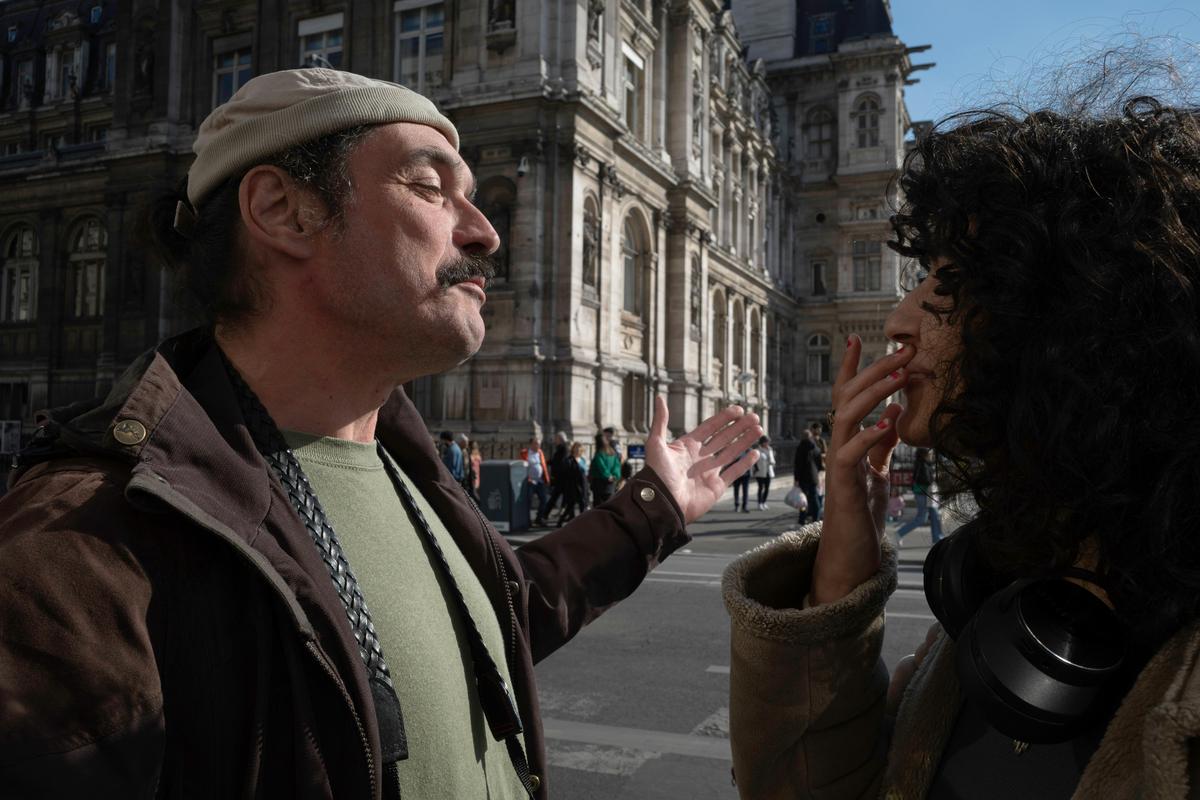
The Hôtel de Ville, the city hall of Paris, has been the heart of Parisian administration since its inception in 1357. Interestingly, before finding its permanent home on the Place de l'Hôtel-de-Ville, the city's administration was a nomadic entity, operating from locations like the "Parlour of Burgesses" near the Châtelet. The very first city hall, a structure known as the "House of Pillars," was purchased by Étienne Marcel, the then-mayor of Paris. This building stood on the Place de Grève, a former river port that transformed into a public square, often used for gatherings and executions. It was King Francis I who, in 1533, envisioned a grander city hall for Paris, a structure befitting the capital of France. This vision led to the commissioning of architects Dominique de Cortone and Pierre Chambiges to create the Hôtel de Ville we recognize today. However, the building we see today is not the original. The Hôtel de Ville, a witness to numerous historical events, was tragically burned down by the Paris Commune in 1871 during the final days of the uprising. The destruction was so complete that almost all of the city archives housed within were lost.Evolution
The Hôtel de Ville in Paris stands as a testament to the relentless evolution of a city and its people. From its humble beginnings in 1357 as the "House of Pillars," a modest structure on the banks of the Seine, it has undergone numerous transformations, each reflecting the changing political and architectural landscape of Paris. The grand vision of Francis I in the 16th century saw it reborn as a magnificent Renaissance edifice, only to be engulfed in the flames of the Paris Commune in 1871, a poignant symbol of revolutionary upheaval. This catastrophic event, while devastating, paved the way for a remarkable resurrection. The meticulous reconstruction, completed in 1892, mirrored the original design while embracing modern innovations, showcasing the city's resilience and its embrace of progress. Today, the Hôtel de Ville stands not merely as a static monument but as a living chronicle of Paris, its walls echoing with the voices of revolutionaries, monarchs, and ordinary citizens who have shaped its destiny. The building's very existence, marked by both destruction and renewal, embodies the spirit of Paris – a city perpetually evolving, yet forever preserving its rich history within its changing facades.Architectural Grandeur
The Hôtel de Ville in Paris stands as a testament to architectural grandeur, having risen from the ashes of tragedy. After the original structure, known as the Hôtel du Boccador, was destroyed in the fires of the Paris Commune in 1871, a remarkable reconstruction took place. Architects Ballu and Deperthes meticulously rebuilt the Hôtel de Ville between 1874 and 1882, replicating its former design with astonishing accuracy. This painstaking process involved recreating the building stone by stone, ensuring that every detail, no matter how small, reflected the original grandeur. The result is an impressive edifice, measuring 143 meters by 80 meters, boasting three internal courtyards and a commanding 50-meter-high tower that dominates the main facade. The symmetrical elegance of the design is further enhanced by rectangular pavilions flanking each corner, creating a sense of architectural harmony. The interior, equally impressive, features opulent reception halls that have hosted countless prestigious events, art exhibitions, and official receptions throughout its history. The Hôtel de Ville, therefore, stands not only as a symbol of Paris's resilience but also as a shining example of architectural mastery and enduring beauty.
6
Café des Deux Moulins
View on map
Audio Narrations
Korean
서론
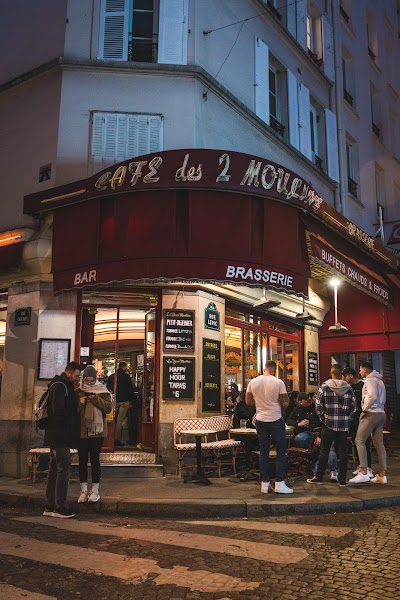
파리 몽마르트의 중심부에 자리 잡은 카페 데 듀 물랭은 "두 풍차의 카페"라는 뜻으로, 상징적인 무랭 루주와 역사적인 무랭 드 라 갈렛에 가까워서 이름을 따왔습니다. 20세기 초에 설립된 이 카페는 2001년 영화 아멜리에에 등장한 후 세계적으로 유명해졌는데, 이 영화에서 주인공의 직장으로 나왔습니다. 카페의 역사는 영화보다 오래되었지만, 아멜리에와의 연관성으로 인해 영화 애호가와 관광객 모두에게 소중한 명소로 변모했습니다. 내부에는 영화의 흔적이 남아 있는데, 기념품과 아멜리에 테마 장식으로 꾸며진 화장실이 있습니다. 카페 메뉴에는 영화의 상징적인 장면을 재현할 수 있도록 따뜻한 음료와 크렘 브륄레를 맛있게 조합한 "르 구테르 다멜리"도 있습니다. 새롭게 유명해졌음에도 불구하고 카페 데 듀 물랭은 신선한 재료를 중시한 전통 프랑스 요리를 제공하며 고유한 매력을 유지하고 있습니다. 영화 역사의 한 조각을 경험하고자 하는 단골 손님과 호기심 많은 방문객 모두가 찾는 사랑받는 지역 명소로 남아 있습니다.역사적 맥락
몽마르뜨 중심부에 자리 잡은 카페 데 듀 물랭은 단순한 카페가 아니라 이 지역의 역사와 밀접하게 연결된 곳입니다. "두 풍차의 카페"라는 뜻의 카페 이름은 몽마르뜨에 남아 있는 두 개의 풍차인 무랭 루즈와 무랭 드 라 갈렛을 직접적으로 언급합니다. 이 풍차들은 몽마르뜨의 역사를 조용히 증언하는 증인으로, 이 지역이 파리 성벽 밖의 시골 휴양지였던 시절, 풍차가 풍경을 장식했던 모습을 보여줍니다. 무랭 루즈가 카바레로 변모한 반면, 20세기 초에 설립된 카페 데 듀 물랭은 1950년대에 채택한 이름을 통해 이 지역의 풍차와의 연관성을 유지했습니다. 몽마르뜨가 시골 마을에서 번화한 파리 지역으로 변모하는 과정에서 카페가 존재해 온 것은 독특한 역사적 맥락을 제공합니다. 2001년 영화 아멜리에에 등장하면서 국제적인 명성을 얻었지만, 카페의 역사는 영화적 명성을 넘어섭니다. 카페는 몽마르뜨의 진화를 상기시키는 곳으로, 풍차가 풍경의 필수적인 부분이었던 과거 시대의 메아리가 여전히 남아 있습니다.영화적 명성
몽마르뜨 중심부에 자리한 카페 데 듀 moulin은 2001년 기발한 영화 아멜리에서 주연을 맡은 덕분에 세계적으로 유명해졌습니다. 르 moulin 루즈와 르 moulin 드 라 갈렛이라는 두 역사적인 풍차의 이름을 따서 명명된 이 카페는 영화의 주인공 아멜리 풀랭의 영화 속 직장이 되었습니다. 영화 팬들은 영화에서 그토록 매력적으로 포착된 진정한 파리의 분위기를 경험하고자 이 카페에 끌립니다. 영화에 등장한 담배 카운터는 사라졌지만, 이 카페는 아연 카운터로 파리의 전형적인 비스트로 분위기를 유지하고 있습니다. 영화 애호가들은 심지어 기념품을 찾아 "아멜리" 애호가들을 위한 특별 구역에 자리를 잡을 수도 있습니다. 이 카페는 영화 데뷔 이전인 20세기 초부터 존재했지만, 이를 국제적인 명성으로 끌어올린 것은 영화였습니다. 카페 데 듀 moulin은 영화의 지속적인 힘을 증명하며, 지역 주민들이 모이는 곳에서 전 세계 영화 애호가들이 소중히 여기는 목적지로 변모했습니다.
7
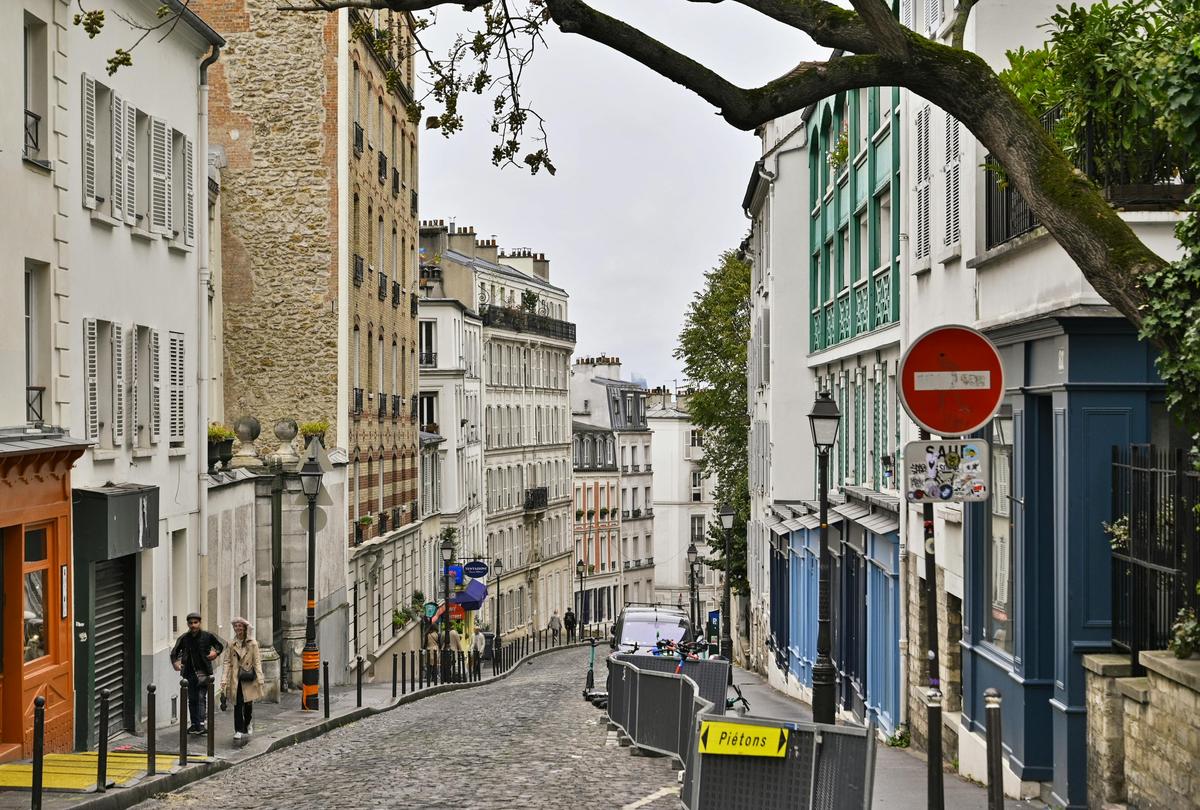
Rue Foyatier
View on map
Audio Narrations
Korean
서론
몽마르뜨, 경의와 호기심이 뒤섞인 속삭임으로 불리는 이름은 라틴어 뿌리인 "몬스 마르티스"에서 유래한 "화성의 산"을 의미합니다. 그러나 이 낭만적인 별명 아래에는 더 어두운 역사가 숨어 있습니다. 초기 기독교 기록에 따르면, 로마가 점령한 루테티아(고대 파리)에서 설교하던 주교 성 드니가 서기 250년경 이 언덕 정상에서 참수당했습니다. 기독교 신앙을 전파했다는 이유로 로마 태수 페스케니우스 시시니우스의 명령으로 처형된 그는 이 언덕을 "몽 데 마르티르"(순교자의 산)로 이름을 바꾸었습니다. 전설에 따르면, 성 드니는 자신의 잘린 머리를 움켜쥐고 처형장에서 지라르동 막다른 길에 있는 샘까지 걸어갔습니다. 이 끔찍한 이야기는 몽마르뜨의 종교적 중요성을 확고히 하고, 1134년 루이 6세 국왕이 생피에르 드 몽마르뜨 교회를 건설하게 되었습니다. 오늘날에도 서 있는 이 교회는 단순한 예배 장소가 아니라 언덕의 피비린내 나는 과거와 신앙의 장소로 변모한 것을 가슴 아프게 상기시켜 줍니다. 순교와 예술적 보헤미안주의가 뒤섞인 이 흥미로운 이중성은 몽마르뜨를 계속해서 정의하고, 방문객들을 매혹적인 포옹으로 이끌고 있습니다.예술사
19세기 후반과 20세기 초 벨 에포크 시대에 몽마르트르의 예술적 정신이 꽃피었고, 이곳은 파리 중심부에서 쫓겨난 빈곤한 예술가들의 안식처로 변모했습니다. 저렴한 임대료와 보헤미안 분위기에 이끌린 아메데오 모딜리아니, 클로드 모네, 피에르 오귀스트 르누아르, 에드가 드가, 앙리 드 툴루즈 로트렉, 쉬잔 발라동, 피트 몬드리안, 파블로 피카소, 카미유 피사로, 빈센트 반 고흐와 같은 예술가들은 몽마르트르의 독특한 분위기에서 살고, 일하며 영감을 얻었습니다. 툴루즈 로트렉의 포스터로 유명해진 무랭 루주는 이 지역의 활기찬 밤문화와 예술과 오락의 상호 작용을 상징하는 곳이 되었습니다. 나중에 관절염으로 프로방스로 이주한 르누아르조차도 몽마르트르에서 상당한 시간을 보냈고, 지역 화가 쉬잔 발라동을 "큰 목욕 가운"과 같은 작품의 모델로 고용했습니다. 이러한 예술적 표현과 몽마르트르의 일상생활의 융합은 전 세계 방문객을 계속해서 끌어들이는 독특한 문화적 칵테일을 만들어냈습니다. 세기가 바뀌면서 몽마르트르는 예술가 스튜디오를 대신해 카바레, 카페, 댄스홀이 들어서면서 번창하는 오락 지구가 되었고, 이는 보헤미안의 안식처에서 주류 명소로의 전환을 의미했습니다.보헤미안 정신
파리 위에 높이 자리 잡은 몽마르트르는 단순한 그림 같은 동네가 아니라 보헤미안 정신의 지속적인 증거입니다. 이곳은 도심에서 쫓겨난 예술가들의 안식처였으며, 피카소, 모딜리아니, 미로와 같은 사람들이 저렴한 임대료와 활기찬 분위기에서 영감을 얻은 곳입니다. 카페는 이러한 예술가들의 에너지로 넘쳤고, 그들의 스튜디오는 자갈길에 자리 잡고 있어 파리 도심의 부르주아 살롱과는 거리가 멀었습니다. 이러한 보헤미안 에너지는 공중에 감도는 창의성과 삶의 기쁨이 지배했던 시절의 잔향입니다. 예전 예술가의 거주지에 자리 잡은 몽마르트르 박물관은 이 세계를 엿볼 수 있는 기회를 제공합니다. 이곳은 몽마르트르를 집이라 불렀던 예술가들의 삶과 작품을 보여주는 역사의 보물창고입니다. 여기에서는 그들의 스튜디오 잔해를 찾고, 그들의 음악 녹음을 듣고, 그들의 시대를 정의한 스캔들스러운 포스터와 도발적인 예술을 직접 볼 수 있습니다. 스캔들스러운 캉캉 댄서들과 함께한 무랭 루주의 정신은 이 벽 안에 보존되어 있으며, 몽마르트르의 과거의 자유로운 본성을 증명합니다. 오늘날에도 예술가와 카페가 뒤섞인 테르트르 광장은 그 보헤미안 에너지의 속삭임을 간직하고 있으며, 몽마르트르의 심장이 여전히 창의성의 리듬에 맞춰 뛰고 있음을 상기시킵니다.
Experience the Full Tour
Download the DocentPro app to access all tour stops, complete audio narrations in multiple languages, offline maps, and interactive features.