
Lights, Camera, Paris! A Stroll Through Cinematic Charm

Walking Tour

7.6 km (4.7 miles)

1h 50min travel time

7 Stops

Paris, France
Lights, Camera, Paris! A Stroll Through Cinematic Charm
Tour Stops
1
Shakespeare and Company
View on map
Audio Narrations
English
Introduction
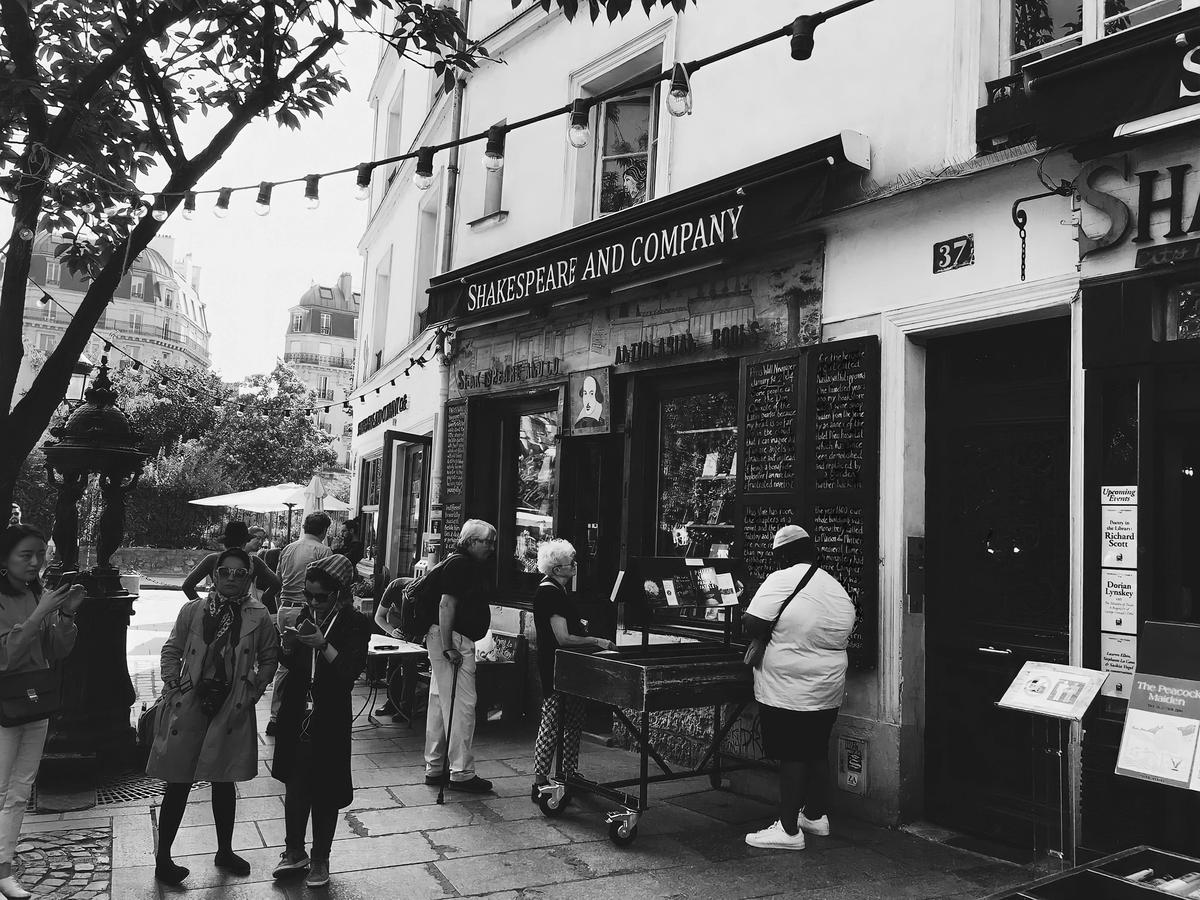
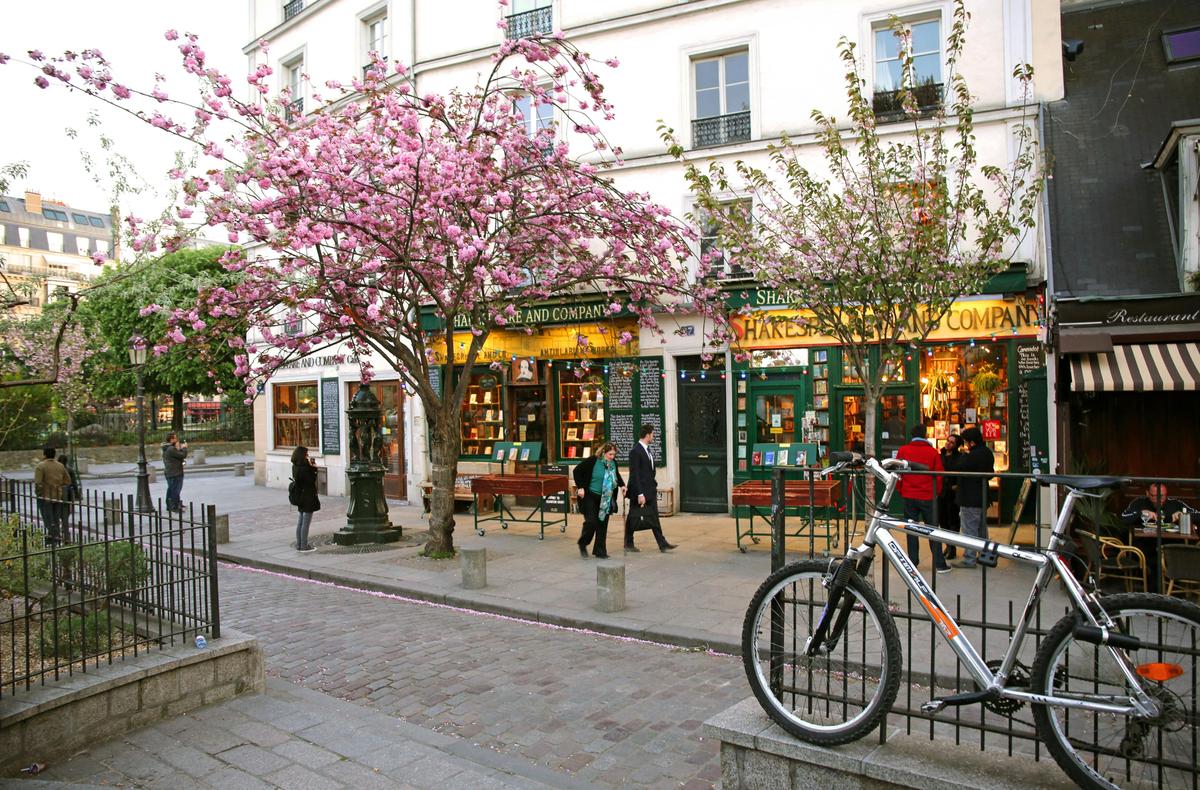
Shakespeare and Company, a haven for book lovers and aspiring writers on Paris's Left Bank, is much more than a bookstore. Founded in 1951 by the enigmatic George Whitman, it embodies a unique history and spirit. Whitman, often described as a "wonderfully grizzled and magnificently cross-looking" man with a penchant for "enigmatic growls and sudden volleys of truncated wit," shaped the bookstore in his own image. He envisioned it as a "novel in three words," a sentiment reflected in the bookstore's labyrinthine layout, with rooms designed like chapters, each echoing his love for literature and community. Although he inherited the "Shakespeare and Company" name from Sylvia Beach, the owner of a famed Parisian bookstore frequented by literary giants in the 1920s, Whitman imbued the space with his own brand of eccentric charm. He famously said, "Instead of being a bona fide bookseller I am more like a frustrated novelist," and his bookstore became an extension of his literary aspirations. His daughter, Sylvia, who inherited the bookstore, describes him as a shy man who thrived on fostering a sense of community. He would often host dinners and gatherings, inviting a diverse mix of people, only to retreat to a corner with a book, content to observe the lively interactions he orchestrated. This spirit of shared passion for literature continues to permeate Shakespeare and Company, making it a living testament to Whitman's unique vision.Origins
Shakespeare and Company, the iconic English-language bookstore on Paris's Left Bank, owes its existence not only to its founder, George Whitman, but also to the legacy of Sylvia Beach's original Shakespeare and Company, which thrived in Paris in the 1920s. Whitman, inspired by Beach's haven for literary giants like Hemingway and Joyce, opened his bookstore, "Le Mistral," in 1951. He envisioned it as a continuation of the spirit of Beach's shop, a place where writers and readers could gather and share their love of literature. The connection between the two bookstores deepened in 1958 when, during a dinner party, Sylvia Beach herself bestowed the name "Shakespeare and Company" upon Whitman's shop. This act solidified the lineage of the bookstore and its role as a spiritual successor to Beach's legacy. Whitman didn't officially rename his shop until 1964, coinciding with the 400th anniversary of Shakespeare's birth, further cementing the bookstore's connection to literary history. This rich history, rooted in a deep respect for literary tradition and a desire to foster a vibrant community of writers and readers, continues to permeate Shakespeare and Company, making it a unique and cherished landmark in the world of literature.Cultural Significance
Shakespeare and Company, nestled in the heart of Paris's Left Bank, is more than a bookstore; it's a living testament to literary history and a haven for aspiring writers. Founded by George Whitman, the shop inherited its name from Sylvia Beach's legendary bookstore, which fostered the talents of literary giants like Hemingway and Joyce in the 1920s. Whitman, deeply inspired by Beach's legacy, sought to recreate that haven for writers, offering shelter and community alongside shelves of books. This spirit is embodied in the "Tumbleweeds," aspiring writers granted residence in exchange for helping run the shop. Over 30,000 Tumbleweeds have passed through, contributing to the shop's unique atmosphere and embodying Whitman's philosophy of open arms to wandering souls. Whitman, a captivating character himself, fostered a space of intellectual exchange, often engaging in theatrical conversations and inspiring young writers to embrace their craft. He saw the shop as a "novel in three words," a testament to the power of storytelling and human connection. Today, under the stewardship of his daughter, Sylvia, the shop continues to be a vibrant hub for literary enthusiasts, a place where the echoes of past literary giants mingle with the aspirations of a new generation.
2
Quai des Orfèvres
View on map
Audio Narrations
Chinese
引言
奥菲夫尔码头,意为“金匠码头”,最出名的是作为 1947 年同名法国警匪片中的场景。该片由亨利-乔治·克鲁佐执导,也被称为“珍妮·拉穆尔”,将观众带入一个迷人的犯罪和悬疑世界,背景设定在战后的巴黎。虽然该片从这个巴黎地点取名,但必须注意的是,其叙事灵感来自斯坦尼斯拉夫-安德烈·斯蒂曼的比利时谋杀悬疑小说《正当防卫》。克鲁佐与编剧让·费里大幅偏离了源材料,创造了一种独特的电影体验。这部电影是克鲁佐职业生涯中的关键作品,标志着他因在战争期间参与德国控制的电影业而被迫停止执导后重返导演岗位。“奥菲夫尔码头”在上映后吸引了观众和评论家,巩固了其作为法国电影杰作的地位,并证明了克鲁佐的导演功力。背景
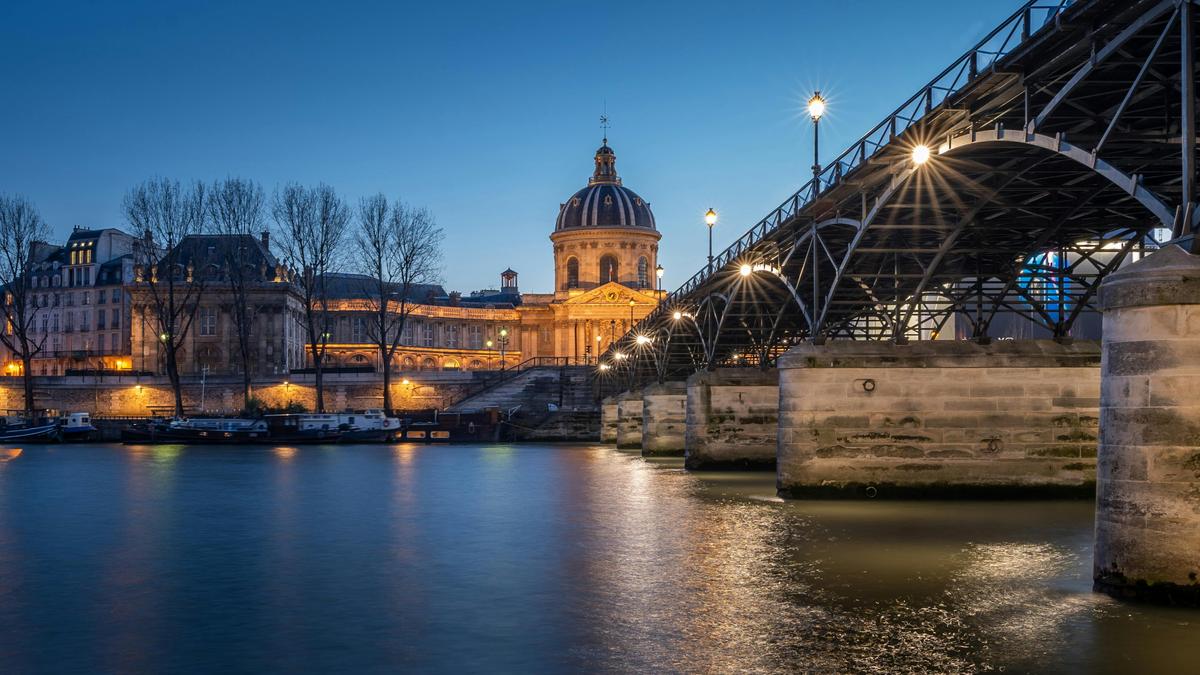
坐落在西岱岛上的奥菲弗码头在巴黎的历史和文化中占有重要地位,尤其以其与犯罪和司法联系而闻名。奥菲弗码头这个名字本身就翻译为“金匠码头”,是对 17 世纪曾经占据该地区的金匠和银匠的致敬。然而,该码头之所以出名,是因为它与巴黎警察总部的长期联系,该总部从 1820 年到 2017 年一直设在那里。这座历史悠久的建筑被称为“奥菲弗码头 36 号”,成为法国犯罪小说的代名词,尤其出现在著名侦探马格雷特创造者乔治·西默农的作品中。西默农虚构的侦探驻扎在司法警察局,在奥菲弗码头的背景下,将巴黎犯罪的严酷现实带入了生活。码头在文学中的出现巩固了它作为笼罩在神秘和阴谋中的地方的形象,永远与侦探、调查和追求正义的世界联系在一起。尽管警察总部已经搬迁,但奥菲弗码头作为巴黎犯罪和司法象征的遗产仍然吸引着人们的想象力。传承
坐落于风景如画的外立面背后,奥菲弗尔码头承载着沉重的历史,错综复杂地交织在巴黎的历史肌理中。虽然其现代身份与警察局同义,但这些石头却在诉说着一段动荡的往事。在1871年的巴黎公社期间,塞纳河沿岸这片看似宁静的区域成为了冲突的焦点。当公社军队与法国军队发生冲突时,奥菲弗尔码头见证了革命的破坏性狂怒。虽然这场动荡的遗产在物质上已被抹去,但它却在巴黎的集体记忆中挥之不去。这些废墟曾经是公社灭亡的严酷提醒,但它们超越了其既定的目的。它们演变成了警示性的地标,象征着对权威的抵抗,最终成为革命精神的证明,这种精神在巴黎的中心地带不断回响。因此,奥菲弗尔码头不仅是一个风景如画的巴黎地标,更是一个沉默的哨兵,见证着权力、意识形态的起起落落以及过去悠久的遗产。
3
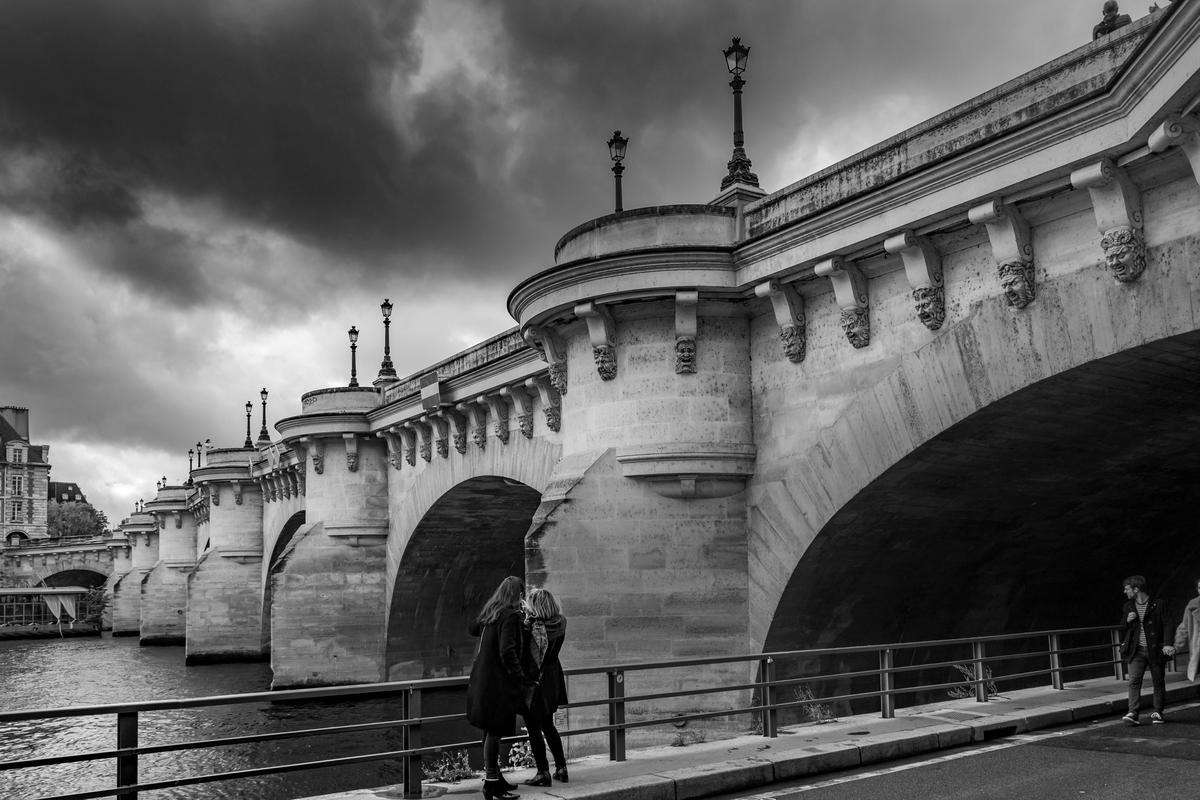
Pont Neuf
View on map
Audio Narrations
English
Introduction
The Pont Neuf, despite its name meaning "New Bridge," is the oldest surviving bridge in Paris, its construction spanning from 1578 to 1607. This seemingly contradictory name arose from its distinction from older Parisian bridges, which were often burdened with houses and shops built directly atop them. The Pont Neuf, a novel concept for its time, was designed specifically to be free of such structures, boasting open walkways and unobstructed views of the Seine. This innovation was a significant departure from tradition and contributed to its enduring "newness" in the eyes of Parisians. The bridge's construction, spanning the reigns of three French kings (Henri II, Henri III, and Henri IV), was finally completed under King Henri IV, who inaugurated it in 1607. The bridge, with its two distinct spans connecting both riverbanks to the Île de la Cité, quickly became a central point in Parisian life. Far from just a river crossing, it was a bustling hub of activity, attracting merchants, entertainers, and residents alike.Construction
The construction of the Pont Neuf, despite its name meaning "New Bridge," marked a significant departure from Parisian bridge building traditions of the time. Initiated in 1578 under King Henry III, the bridge was designed to alleviate congestion on the older Pont Notre-Dame. Interestingly, the initial plan included a straight design, later altered by builder Pierre des Isles who advocated for a slight angle in the two sections for better resistance against the Seine's currents. This change, along with the decision to increase the arch number from eight and four to seven and five, necessitated modifications midway through construction. While the northern section remained unaffected, the southern part, where foundational elements were already in place, required shortening the platform connecting to the Île de la Cité. Further design alterations involved widening the bridge to accommodate a double row of houses, a common practice then. However, King Henry IV, keen on preserving an unobstructed view of the Louvre from the newly built galerie du bord de l'eau, decided against it. This decision made Pont Neuf the first bridge in Paris without houses, a testament to the evolving urban planning vision of the time. The bridge's construction, plagued by delays due to political turmoil and the Wars of Religion, finally resumed in 1599 under Henry IV and concluded in 1606. The Pont Neuf, a symbol of architectural innovation and royal vision, opened to traffic in 1604 and was officially inaugurated in 1607.Artistic Influence
The Pont Neuf, despite its name meaning "New Bridge," holds a significant place in Parisian art history, particularly for its indirect role in launching the careers of unknown artists. Before the Salon des Refusés and the rise of Impressionism, the nearby Place Dauphine hosted a yearly event during the Fête-Dieu (Corpus Christi) that provided a unique opportunity for emerging artists. As part of the celebration, elaborate reposoirs (portable altars) were erected, adorned with silverwork, tapestries, and notably, paintings commissioned from local artists. This tradition evolved into the "Petite Fête-Dieu," where art dealers showcased works by up-and-coming talents. Although displayed only briefly, these paintings, often lacking overt religious themes, offered crucial exposure. Artists even began signing their work, a practice uncommon in the official Salon, leading to recognition and critique. This exposure sometimes secured them entry into the prestigious Academy of Painting. One such artist was Jean-Baptiste-Siméon Chardin, who, in 1720, displayed a painting of an antique bas-relief that caught the eye of established artist J.-B. Vanloo. Vanloo's patronage propelled Chardin towards eventual membership in the Academy, proving the Petite Fête-Dieu's significance as a stepping stone for aspiring artists in the shadow of the Pont Neuf.
4
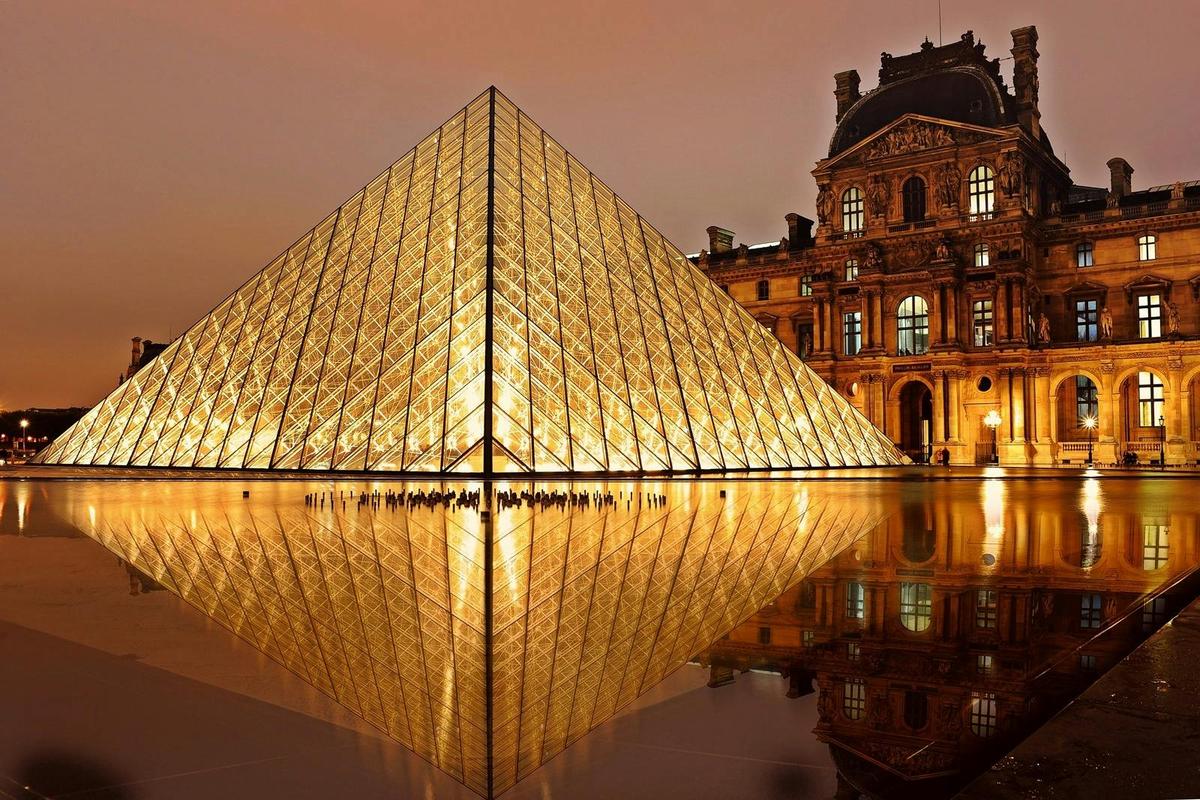
Louvre Museum
View on map
Audio Narrations
English
Introduction
The Louvre Museum, housed within the Louvre Palace, boasts a rich history intertwined with the evolution of Paris itself. Originally a fortress constructed by King Philip II in the late 12th century, the Louvre's purpose shifted over time, reflecting the changing needs of the city and its rulers. As Paris expanded, the fortress lost its defensive significance and was transformed into a residence for French monarchs by Francis I in 1546. The palace's architectural evolution continued with each successive ruler, leaving an indelible mark on its present-day grandeur. When Louis XIV relocated the royal residence to Versailles in 1682, the Louvre's role shifted once more, becoming a repository for the royal art collection. This transition marked a pivotal step towards the Louvre's destiny as a public museum. During the French Revolution, the Louvre's fate was sealed when the National Assembly decreed its transformation into a museum to showcase France's artistic treasures. Opening its doors on August 10, 1793, the Louvre displayed a collection primarily composed of royal and confiscated church property, marking the birth of a cultural institution that continues to captivate the world.Historical Significance
The Louvre Museum's historical significance is deeply intertwined with the history of France itself. Originally built as a fortress in the late 12th century, the Louvre Palace transitioned through various roles, from a royal residence to a home for artists under royal patronage. This shift in function reflects the changing political and artistic landscape of France. The royal art collections, initiated by Francis I and expanded by subsequent monarchs, formed the foundation of the Louvre's holdings, showcasing the evolving taste and power of the French monarchy. During the French Revolution, the Louvre's purpose was redefined as a museum to display the nation's masterpieces, marking a pivotal moment in art history by making these treasures accessible to the public and symbolizing the ideals of the Revolution. The Louvre's collection continued to grow through donations, bequests, and even spoils of war during Napoleon's reign, reflecting the tumultuous periods of French history. Notably, the Louvre became embroiled in the complexities of World War II, grappling with the issue of Nazi-looted art. The museum's efforts to restitute these artworks to their rightful owners continue to this day, highlighting the Louvre's role in addressing sensitive historical injustices and preserving cultural heritage.Artistic Masterpieces
The Louvre Museum in Paris houses an unparalleled collection of artistic masterpieces that continue to captivate art enthusiasts worldwide. Among the Louvre's most celebrated paintings is Leonardo da Vinci's enigmatic Mona Lisa, a portrait renowned for its subject's elusive smile and da Vinci's pioneering use of sfumato. Equally compelling is the museum's collection of da Vinci's religious works, including The Virgin of the Rocks, notable for its masterful composition and the subtle interplay of light and shadow. Another highlight is The Virgin, Saint Anne, and the Child Playing with a Lamb, a testament to da Vinci's technical prowess and his ability to convey profound emotion through art. Beyond da Vinci, the Louvre boasts masterpieces from other Renaissance giants, including Raphael's St. Michael Overwhelming the Demon, a powerful depiction of the battle between good and evil, and Andrea Mantegna's Minerva Expelling the Vices from the Garden of Virtue, an allegorical work rich in symbolism and intricate detail. The Louvre's collection extends beyond the Renaissance, showcasing works like Eugène Delacroix's Liberty Leading the People, a powerful symbol of the French Revolution, and Jacques-Louis David's The Coronation of Napoleon, a monumental depiction of Napoleon's power and ambition. The Louvre's collection of artistic masterpieces offers a journey through art history, showcasing the evolution of artistic techniques and the enduring power of human creativity.
5
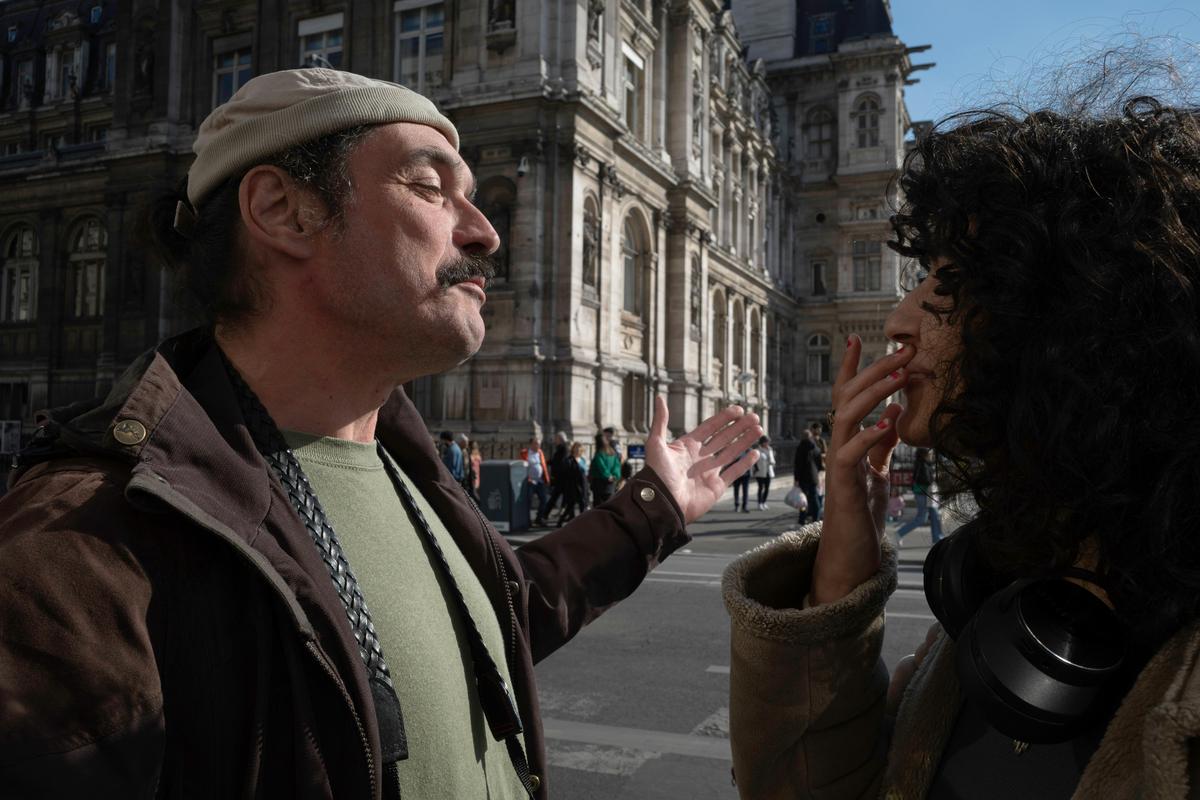
Hôtel de Ville
View on map
Audio Narrations
Chinese
导言
巴黎市政厅,即巴黎市政厅,自 1357 年成立以来一直是巴黎行政中心。有趣的是,在市政厅在市政厅广场找到永久住所之前,该市的行政部门是一个游牧实体,在香榭丽舍剧院附近的“市民厅”等地办公。第一座市政厅,即“柱子之家”,由当时的巴黎市长埃蒂安·马塞尔购买。这座建筑矗立在格雷夫广场上,这是一个曾经的河港,后来变成了一个公共广场,经常用于集会和处决。1533 年,弗朗西斯一世国王设想为巴黎建造一座更宏伟的市政厅,一座适合法国首都的建筑。这一愿景促使建筑师多米尼克·德·科托内和皮埃尔·尚比奇受命建造我们今天看到的市政厅。然而,我们今天看到的建筑并不是最初的建筑。市政厅见证了许多历史事件,在 1871 年起义的最后几天被巴黎公社悲惨地烧毁。破坏是如此彻底,以至于几乎所有保存在其中的城市档案都丢失了。进化
巴黎市政厅见证了这座城市及其人民不懈的变迁。它起源于1357年的“柱子之家”,是塞纳河畔的一座简陋建筑,历经多次改造,每一次都反映了巴黎不断变化的政治和建筑格局。16世纪,弗朗西斯一世的宏伟愿景让它重生为一座宏伟的文艺复兴式建筑,却在1871年的巴黎公社大火中化为灰烬,成为革命动荡的悲痛象征。这场灾难性的事件虽然毁灭性,却为一次非凡的复兴铺平了道路。1892年完成的细致重建反映了原始设计,同时采用了现代创新,展示了这座城市的韧性和对进步的拥抱。如今,巴黎市政厅不仅仅是一座静态的纪念碑,更是一部巴黎的活生生的编年史,它的墙壁回荡着塑造其命运的革命者、君主和普通市民的声音。这座建筑的存在,既有毁灭也有重建,体现了巴黎的精神——一座不断演变的城市,却在其不断变化的外观中永远保留着其丰富的历史。建筑宏伟
巴黎市政厅是建筑宏伟的见证,它从悲剧的灰烬中崛起。1871 年巴黎公社大火摧毁了原有的建筑,即 Hôtel du Boccador,之后进行了非凡的重建。建筑师巴吕和德佩尔特在 1874 年至 1882 年间精心重建了市政厅,以惊人的准确度复制了其先前的设计。这个艰苦的过程涉及逐石重建这座建筑,确保每一个细节,无论多么细微,都能反映出原有的宏伟。结果是一座令人印象深刻的建筑,长 143 米,宽 80 米,拥有三个内部庭院和一座高 50 米的主塔,主宰着主立面。矩形亭子环绕着每个角落,进一步增强了设计的对称优雅,营造出一种建筑和谐感。同样令人印象深刻的内部设有富丽堂皇的接待大厅,在其历史中举办了无数的盛大活动、艺术展览和官方招待会。因此,市政厅不仅是巴黎韧性的象征,也是建筑大师和持久之美的典范。
6
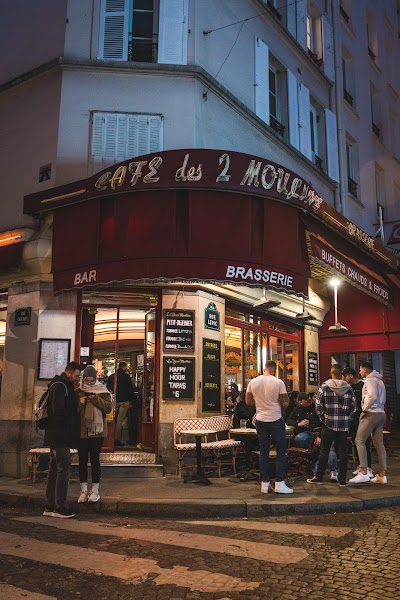
Café des Deux Moulins
View on map
Audio Narrations
English
Introduction
Nestled in the heart of Montmartre, Paris, the Café des Deux Moulins, meaning "Café of the Two Windmills," draws its name from its proximity to the iconic Moulin Rouge and the historic Moulin de la Galette. Established in the early 20th century, the café gained global recognition after its appearance in the 2001 film Amélie, where it served as the workplace of the titular character. While the café's history predates the film, its association with Amélie has transformed it into a cherished destination for cinephiles and tourists alike. Inside, visitors will find remnants of the film's presence, including memorabilia and a restroom adorned with Amélie-themed decor. The café's menu even features "Le Gouter d’Amélie," a delightful combination of a hot beverage and crème brûlée, inviting patrons to recreate the film's iconic scene. Despite its newfound fame, the Café des Deux Moulins retains its authentic charm, serving traditional French cuisine with a focus on fresh ingredients. It remains a beloved local haunt, frequented by both regulars and curious visitors eager to experience a touch of cinematic history.Historical Context
The Café des Deux Moulins, nestled in the heart of Montmartre, is more than just a café; it's a tangible link to the area's storied past. The café's name, meaning "Café of the Two Windmills," directly references the two surviving windmills of Montmartre: the Moulin Rouge and the Moulin de la Galette. These windmills stand as silent witnesses to Montmartre's history, a time when the area was a rural escape outside Paris's city walls, characterized by windmills dotting the landscape. While the Moulin Rouge transformed into a cabaret, the Café des Deux Moulins, established in the early 20th century, retained its connection to the area's windmills through its name, a moniker it adopted in the 1950s. The café's existence across different eras of Montmartre's transformation from a rural village to a bustling Parisian neighborhood provides a unique historical context. While it gained international recognition through its feature in the 2001 film Amélie, the café's history transcends its cinematic fame. It serves as a reminder of Montmartre's evolution, a place where the echoes of a bygone era, when windmills were an integral part of the landscape, still linger.Cinematic Fame
Café des Deux Moulins, nestled in the heart of Montmartre, owes much of its global recognition to its starring role in the 2001 whimsical film, Amélie. The café, named after the two historic windmills Moulin Rouge and Moulin de la Galette, became the cinematic workplace of the film's titular character, Amélie Poulain. Fans of the film are drawn to the café, eager to experience its authentic Parisian ambiance, captured so charmingly in the movie. While the tobacco counter featured in the film is gone, the café retains its quintessential Parisian bistro look with its zinc counter. Devotees of the film can even find memorabilia and settle into a special area dedicated to "Amélie" enthusiasts. Although the café predates its cinematic debut, having existed since the early 20th century, it was the film that catapulted it to international fame. Café des Deux Moulins stands as a testament to the enduring power of cinema, transforming it from a local haunt to a cherished destination for movie lovers worldwide.
7
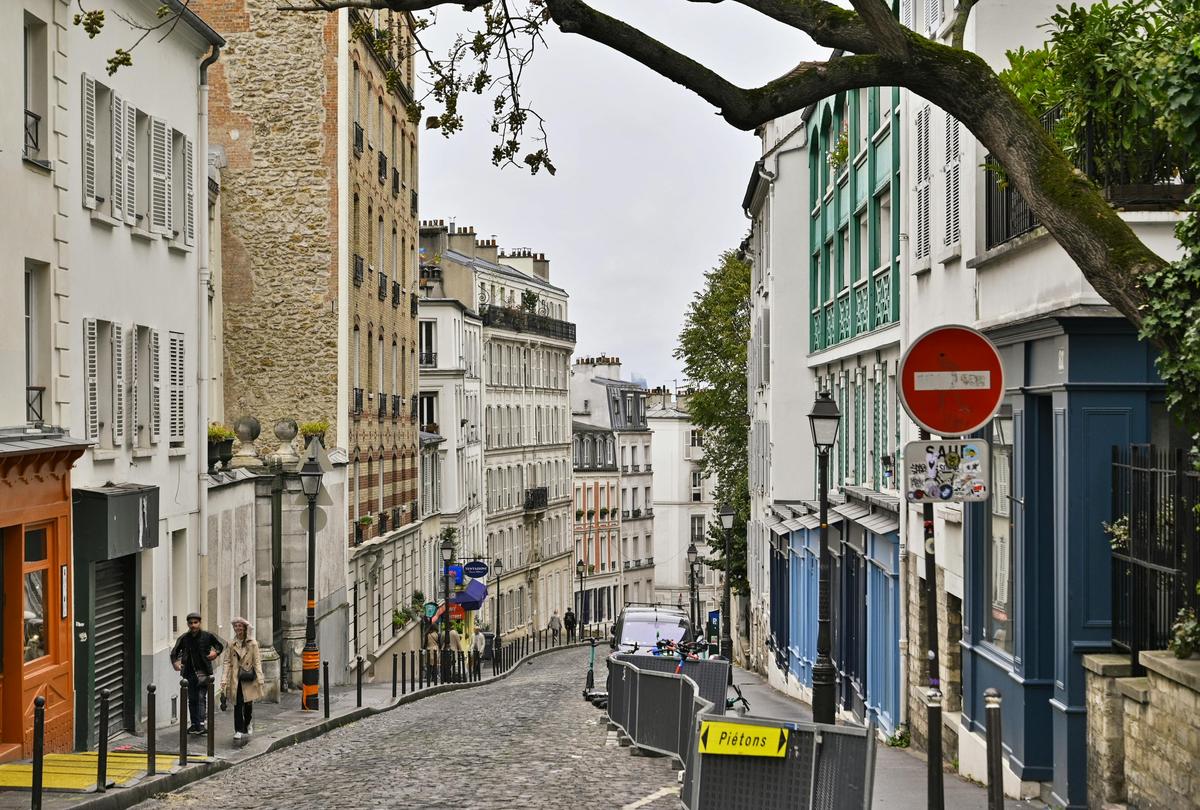
Rue Foyatier
View on map
Audio Narrations
English
Introduction
Montmartre, a name whispered with a blend of reverence and intrigue, translates to "Mount of Mars" from its Latin roots, "Mons Martis." However, a darker history lingers beneath this seemingly romantic moniker. Early Christian accounts tell of Saint Denis, a bishop preaching in Roman-occupied Lutetia (ancient Paris), who was beheaded on this very hilltop around 250 AD. His execution, ordered by the Roman prefect, Fescennius Sisinius, for spreading the Christian faith, led to the hill's somber renaming as "Mont des Martyrs" - the Mount of Martyrs. Legend claims that Saint Denis, clutching his own severed head, walked from the execution site to a spring located at the modern impasse Girardon. This gruesome tale cemented Montmartre's religious significance, leading to the construction of the Saint-Pierre de Montmartre church in 1134 by King Louis VI. The church, still standing today, marks not just a site of worship but a poignant reminder of the hill's bloody past and its transformation into a place of faith. This intriguing duality, a blend of martyrdom and artistic bohemianism, continues to define Montmartre, drawing visitors into its captivating embrace.Artistic History
Montmartre's artistic spirit blossomed in the late 19th and early 20th centuries, during the Belle Époque, when it transformed into a haven for struggling artists priced out of central Paris. Drawn to the area's cheap rent and bohemian atmosphere, artists like Amedeo Modigliani, Claude Monet, Pierre-Auguste Renoir, Edgar Degas, Henri de Toulouse-Lautrec, Suzanne Valadon, Piet Mondrian, Pablo Picasso, Camille Pissarro, and Vincent van Gogh, lived, worked, and drew inspiration from the unique ambiance of Montmartre. The famed Moulin Rouge, immortalized by Toulouse-Lautrec's posters, became a symbol of the area's vibrant nightlife and the interplay between art and entertainment. Even Renoir, who later moved to Provence due to arthritis, spent significant time in Montmartre, employing local painter Suzanne Valadon as a model for works like "The Large Bath Feathers." This fusion of artistic expression and the everyday life of Montmartre created a unique cultural cocktail that continues to attract visitors from around the world. By the turn of the century, Montmartre had become a booming entertainment district, with cabarets, cafes, and dance halls replacing artist studios, marking a shift from bohemian haven to a mainstream attraction.Bohemian Spirit
Montmartre, perched high above Paris, is more than just a picturesque neighborhood; it's a testament to the enduring spirit of bohemianism. This was a haven for artists priced out of the city center, a place where the likes of Picasso, Modigliani, and Miro found inspiration in the cheap rents and vibrant atmosphere. Cafes buzzed with the energy of these artists, their studios tucked away on cobblestone streets, a far cry from the bourgeois salons of downtown Paris. This bohemian energy is palpable in the air, a lingering echo of a time when creativity and joie de vivre reigned supreme. The Musee Montmartre, housed in a former artist's residence, offers a glimpse into this world. It's a treasure trove of history, showcasing the lives and works of the artists who called Montmartre home. Here, you'll find remnants of their studios, hear recordings of their music, and see firsthand the scandalous posters and provocative art that defined their era. The spirit of the Moulin Rouge, with its scandalous can-can dancers, is preserved within these walls, a testament to the free-spirited nature of Montmartre's past. Even today, Place du Tertre, with its hodgepodge of artists and cafes, maintains a whisper of that bohemian energy, a reminder that Montmartre's heart still beats with the rhythm of creativity.
Experience the Full Tour
Download the DocentPro app to access all tour stops, complete audio narrations in multiple languages, offline maps, and interactive features.