
Masterpieces of Paris: Museum Tour

Walking Tour

5.4 km (3.4 miles)

1h 17min travel time

7 Stops

Paris, France
Masterpieces of Paris: Museum Tour

Tour Stops
1
Louvre Museum
View on map
Audio Narrations
Korean
서론
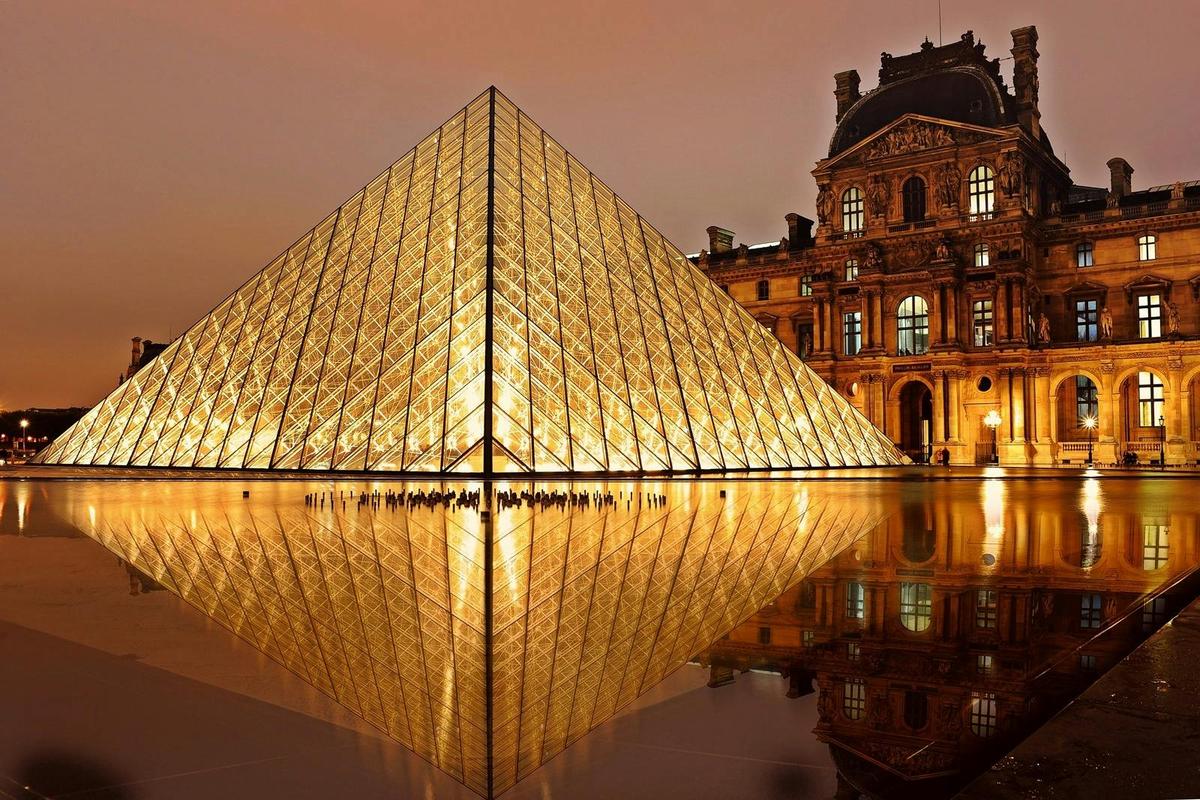
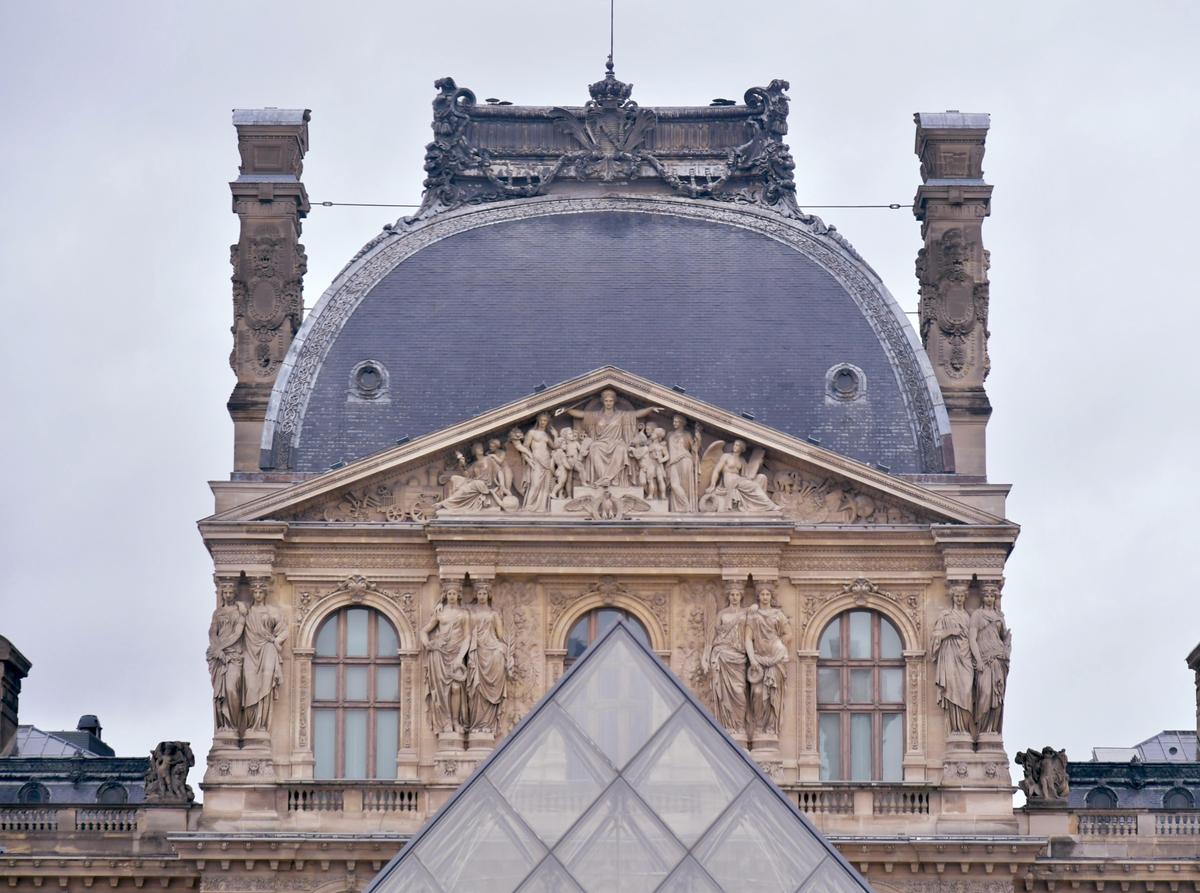
세느 강 우안에 위치한 장엄한 옛 궁전인 루브르 박물관은 프랑스 왕실과 얽힌 매력적인 역사를 자랑합니다. 주변 르네상스 건축물과 대조적인 상징적인 유리 피라미드는 수천 년과 문명을 아우르는 방대한 컬렉션으로 들어가는 웅장한 입구 역할을 합니다. 방문객들은 박물관 내부에서 레오나르도 다 빈치의 수수께끼 같은 모나리자와 같은 걸작을 만날 수 있으며, 이는 종종 많은 찬사를 받습니다. 덜 붐비지만 마찬가지로 매력적인 것은 박물관의 방대한 이집트 유물로, 고왕국 장례 관습을 엿볼 수 있는 아케토텝의 연상적인 마스타바 예배당이 있습니다. 흥미롭게도 루브르 박물관의 구조 자체는 박물관 지하에 12세기 요새의 잔해가 박혀 있는 등 겹겹이 쌓인 역사를 보여줍니다. 루브르 박물관의 웅장함은 유명한 걸작을 넘어서며, 익숙한 길을 벗어난 사람들에게 미술과 역사에 대한 섬세한 탐구를 제공합니다.미술 도난
예술과 역사의 요새인 루브르 박물관은 엄청난 보안 조치에도 불구하고 놀랍게도 예술품 절도의 유혹에 빠졌습니다. 가장 대담한 절도 중 하나는 1911년에 루브르 박물관의 전직 직원인 빈센조 페루자가 레오나르도 다빈치의 모나리자를 훔쳐가면서 상상도 못한 일을 저질렀을 때 발생했습니다. 잘못된 애국심에 의해 동기를 부여받은 페루자는 이 걸작이 이탈리아에 정당하게 속한다고 믿었습니다. 이 그림이 2년간 사라진 동안 세계를 사로잡았고, 모나리자는 국제적인 아이콘이 되었습니다. 모나리자는 결국 회수되었지만, 이 절도 사건은 루브르 박물관의 보안에 취약점이 있음을 드러냈고, 이로 인해 상당한 개선이 이루어졌습니다. 그러나 유물과 덜 알려진 작품을 포함한 소규모 절도는 계속해서 박물관을 괴롭혔습니다. 이러한 사건은 이익, 명성 또는 이념적 동기에 의해 움직이는 결단력 있는 도둑으로부터 방대한 컬렉션을 보호하는 지속적인 과제를 강조했습니다. 루브르 박물관의 예술품 절도 역사는 문화 유산을 보호하는 것과 이를 약탈하려는 대담한 계획 사이의 끊임없는 싸움을 상기시켜 줍니다.그랑 갤러리
루브르 박물관의 그랑 갤러리는 단순한 통로가 아니라 그 자체로 목적지로, 450m가 넘는 길이에 걸쳐 걸작 컬렉션을 소장하고 있습니다. 길을 따라 걸으면 라파엘, 티치아노, 카라바조와 같은 거장들의 작품이 벽을 장식한 13세기부터 18세기까지 이탈리아 회화의 진화에 둘러싸입니다. 머리 위로는 끝없이 보이는 채광창이 갤러리에 자연광을 비추고, 이는 1790년대에 그림을 하루 종일 변화하는 색조로 비추기 위해 고안된 것입니다. 그러나 이 빛의 놀이는 한때 걱정의 원천이었습니다. 센 강이 가까워서 자주 홍수가 났고, 폭우가 내리면 채광창을 통해 물이 쏟아져 내려 귀중한 예술품을 위협했습니다. 현대 엔지니어링이 이 문제를 해결했지만, 갤러리는 예술 감상을 위한 웅장하고 자연광이 비추는 공간이라는 원래의 비전을 증명하는 통풍이 좋은 분위기를 유지합니다. 유명한 그림 외에도 그랑 갤러리는 루브르의 과거를 엿볼 수 있는 기회를 제공합니다. 자세히 보면 16세기 벽화의 잔해가 보이는데, 이는 박물관이 되기 전 궁전의 역사를 속삭이는 것입니다. 모나리자를 보러 달려가는 방문객들이 종종 간과하는 이 퇴색한 벽화는 이 상징적인 복도에 독특한 예술적, 역사적 의미를 더합니다.
2
Musée d'Orsay
View on map
Audio Narrations
English
Introduction
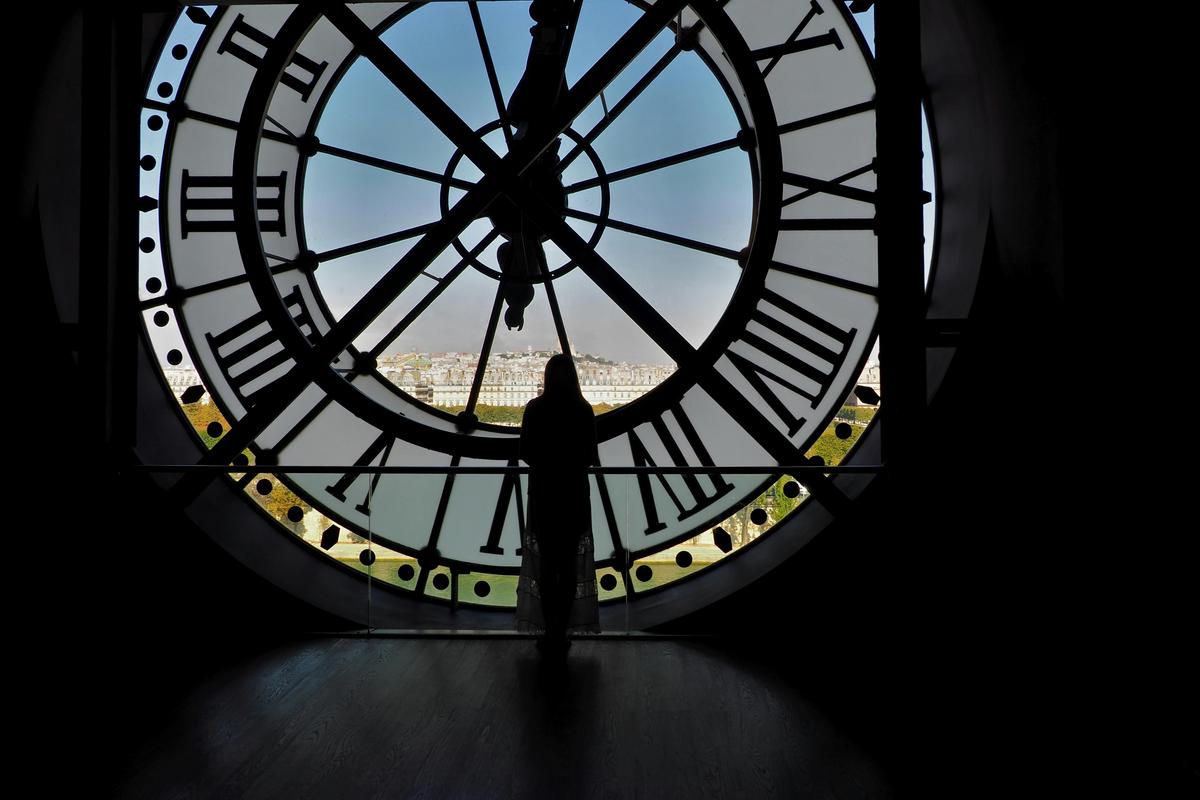
Housed in the grandiose, Beaux-Arts style Gare d'Orsay, a former railway station, the Musée d'Orsay boasts a collection focused primarily on French art from 1848 to 1914. This period, often overlooked, bridges the Romantic and Impressionist movements with the nascent avant-garde. Here, you'll find the world's largest collection of Impressionist and post-Impressionist masterpieces. But the museum's charm extends beyond its paintings. Look up to admire the magnificent glass roof, a remnant of the building's railway past, flooding the central nave with natural light. Venture beyond the renowned Impressionist galleries to discover captivating sculptures, decorative arts, and even photography, offering a holistic view of France's artistic landscape during this pivotal period. Don't miss the opportunity to peek into the Belle Epoque restaurant, a preserved gem of the station's original opulence, offering a glimpse into the grandeur of a bygone era.Belle Époque
The Musée d'Orsay doesn't just house Belle Époque art; it embodies the era's spirit. The building itself, a former railway station inaugurated for the 1900 World's Fair, stands as a monument to the period's architectural innovation and industrial prowess. Inside, the grand nave, bathed in natural light streaming through its soaring arched ceiling, evokes the ambiance of the era's bustling train stations, where travelers embarked on journeys fueled by technological advancements and a sense of boundless possibility. The Musée d'Orsay's collection offers an unparalleled immersion into the artistic innovations of the Belle Époque. It showcases not just iconic Impressionist and Post-Impressionist paintings but also decorative arts, furniture, and sculpture, providing a holistic view of the era's aesthetic sensibilities. Look beyond the masterpieces to discover lesser-known artists who captured the era's social transformations, from the rise of leisure activities to the changing roles of women. The Musée d'Orsay allows you to step back in time and experience the Belle Époque's vibrant energy and artistic innovations within a space that is itself a testament to the period's grandeur.Impressionism
The Musée d'Orsay in Paris doesn't just house Impressionist masterpieces; it embodies the movement's spirit. Stepping into the former railway station is like walking into a time capsule of late 19th-century Parisian art. Natural light streams through the vast glass roof, illuminating iconic works by Monet, Renoir, and Degas in a way that traditional museums often can't replicate. The Orsay boasts the largest collection of Impressionist and Post-Impressionist paintings globally. Beyond the well-known masterpieces, the museum provides a nuanced understanding of the movement's evolution. You'll find early works showcasing the transition from Realism, as well as later pieces reflecting the individual styles developed by artists like Seurat and Signac. The Orsay's chronological layout allows you to trace this progression, observing how techniques like capturing fleeting light and depicting everyday life developed over time. This immersive experience, combined with the sheer volume of works on display, makes the Musée d'Orsay an unparalleled destination for anyone seeking to truly understand the nuances of Impressionism.
3
Musée de l'Orangerie
View on map
Audio Narrations
English
Introduction
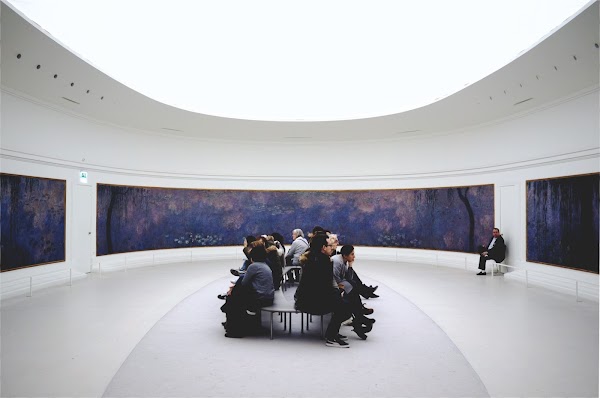
The Musée de l'Orangerie, nestled within the Tuileries Gardens, offers a uniquely intimate encounter with art. Originally built as a greenhouse for orange trees, the building's history is interwoven with its art. The museum is renowned for housing Claude Monet's monumental "Water Lilies" series, displayed across two oval rooms bathed in natural light. This immersive experience allows viewers to feel enveloped by the artist's vision, capturing the ever-shifting play of light and reflection on water. Beyond Monet, the museum houses the Jean Walter and Paul Guillaume collection, a treasure trove of Impressionist and post-Impressionist masterpieces. Here, works by Renoir, Cézanne, Matisse, and Picasso, among others, offer a glimpse into the evolution of modern art. A lesser-known gem is the museum's collection of decorative arts, including furniture and sculptures, providing a nuanced understanding of the artistic landscape of the early 20th century. The Musée de l'Orangerie, with its harmonious blend of architecture, natural light, and artistic masterpieces, offers a truly captivating experience.Water Lilies
The Musée de l'Orangerie in Paris houses a truly exceptional collection of Claude Monet's iconic Water Lilies series. These monumental paintings, some spanning several meters, are not merely displayed but are given a dedicated home within two elliptical rooms, bathed in natural light. Monet specifically designed these spaces to immerse the viewer in his artistic vision, creating an unparalleled experience of his late-career masterpiece. The curved walls, echoing the shape of the water lily pond at his Giverny home, enhance the sensation of being enveloped by the paintings. Here, visitors can witness the evolution of Monet's style, his brushstrokes becoming increasingly free and his focus shifting towards capturing the ephemeral play of light and reflection on the water's surface. The Orangerie's Water Lilies rooms offer not just an exhibition, but a sanctuary for contemplation, allowing visitors to connect with the artist's vision and experience the tranquility and beauty of his water garden.Nymphéas
The Musée de l'Orangerie houses Claude Monet's iconic *Nymphéas* (Water Lilies) series in a setting specifically designed to enhance the viewer's experience. Monet envisioned these monumental paintings, some spanning several meters, to be displayed in two oval rooms, creating a panoramic and immersive experience. The natural light from the ceiling windows was crucial to Monet's vision, intended to bathe the canvases in a soft, diffused glow that changes throughout the day, mirroring the ephemeral nature of water and light he sought to capture. This unique presentation allows viewers to feel enveloped by the artist's vision, almost as if stepping into his Giverny garden. The curved walls, devoid of corners, further enhance the immersive quality, encouraging a continuous, flowing observation of the paintings. This deliberate architectural design, conceived in collaboration with Monet himself, transforms the museum into a sanctuary for contemplation and a testament to the artist's profound connection with nature.
4
Petit Palais
View on map
Audio Narrations
English
Introduction
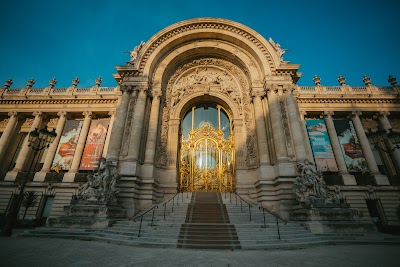
The Petit Palais, a Beaux-Arts masterpiece, stands as a radiant jewel in Paris's architectural crown. Built for the 1900 Exposition Universelle, its very creation echoes the grandeur of its time, a testament to the Belle Époque's artistic spirit. The building itself, with its ornate facade and expansive wings encircling a charming courtyard, is a work of art. Natural light floods the interior, illuminating the museum's diverse collection, which spans from ancient Greek artifacts to Renaissance masterpieces and Art Nouveau creations. A lesser-known treasure within the Petit Palais is the tucked-away Dutch paintings collection, a quiet haven showcasing the subtle beauty of the Dutch Golden Age. The building's design, a harmonious blend of classical and modern elements, reflects the eclectic taste of its time. The grand staircase, adorned with intricate sculptures and gilded details, transports visitors to a bygone era of elegance and refinement.Free Museum Access
The Petit Palais in Paris offers a fantastic opportunity to experience its stunning collection and temporary exhibitions without spending a euro. The museum's permanent collection, showcasing fine and decorative arts from antiquity to the early 20th century, is free to visit for everyone. Wander through galleries filled with paintings, sculptures, furniture, and objets d'art, all accessible without any entrance fee. While special temporary exhibitions may sometimes have an admission charge, the Petit Palais frequently offers free entry days or evenings, allowing budget-conscious art enthusiasts to experience these exclusive showcases. Keep an eye on their website or social media for announcements about these free admission periods. Beyond the allure of its free access, the Petit Palais offers a tranquil escape from the bustling city. Enjoy the serenity of its beautiful garden courtyard, a hidden gem often overlooked by visitors. This peaceful oasis provides the perfect setting to relax and reflect on the artistic treasures you've encountered within the museum walls.Decorative Arts Masterpieces
The Petit Palais in Paris isn't just an architectural gem; it's a treasure chest of French decorative arts spanning from the Middle Ages to the early 20th century. Within its ornate walls, visitors encounter a stunning collection of furniture, ceramics, tapestries, and stained glass, each piece whispering tales of bygone eras. The museum boasts exceptional examples of Art Nouveau furniture, characterized by sinuous lines and nature-inspired motifs. Look for works by Émile Gallé, a master glassmaker whose creations feature vibrant floral designs, and furniture by Louis Majorelle, known for his elegant use of curved forms and intricate marquetry. Beyond the grand names, the Petit Palais provides a glimpse into the evolution of everyday objects. A collection of delicate porcelain from Sèvres, a renowned French manufacturer, showcases the evolution of styles and techniques. The museum's collection of medieval and Renaissance artifacts, including intricately carved ivory pieces and Limoges enamels, offers a window into the artistry of earlier periods.
5
Grand Palais
View on map
Audio Narrations
English
Introduction
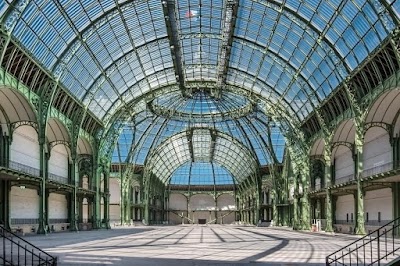
The Grand Palais, an imposing architectural marvel in the heart of Paris, is instantly recognizable by its vast glass vault, an incredible feat of early 20th-century engineering. This iconic structure, erected for the 1900 World's Fair, was a testament to the era's fascination with industrial advancements, exemplified by the elegant use of iron, steel, and glass. While its majestic facade hints at a classical design, closer inspection reveals intricate Art Nouveau details, particularly in the ornate ironwork and whimsical sculptures that adorn its exterior. Beyond its role as a celebrated architectural landmark, the Grand Palais has served as a dynamic stage for a diverse range of events, from prestigious art exhibitions and grand automobile salons to innovative fashion shows and even equestrian competitions. A lesser-known fact is that the building houses a fascinating science museum, the Palais de la découverte, tucked away within its northwest wing, offering a captivating contrast to the grandeur of the main hall.World's Fairs
The Grand Palais in Paris stands as a monumental testament to France's prominent role in hosting World's Fairs. Built for the 1900 Exposition Universelle, the structure itself was a marvel of modern engineering, showcasing innovative techniques in glass and iron construction. This architectural masterpiece housed countless exhibits during the fair, captivating visitors with displays of art, technology, and culture from around the globe. The Grand Palais's spacious nave, topped by its iconic glass vault, provided a breathtaking setting for grand exhibitions, while its numerous galleries and annexes accommodated a diverse range of displays. The building's design, with its emphasis on light and open space, reflected the optimistic spirit of progress that permeated the World's Fairs. Even after the 1900 fair concluded, the Grand Palais continued to host elements of subsequent expositions, solidifying its association with these grand international events. Today, the building stands as a reminder of Paris's legacy as a global center for innovation, culture, and the exchange of ideas fostered by World's Fairs.Glass Vaulting
The Grand Palais in Paris is crowned with a breathtaking glass vault, an immense structure that was truly groundbreaking for its time. Completed in 1900, this architectural marvel spans an area larger than the nave of Notre Dame Cathedral, making it one of the largest glass vaults in the world. What makes this vault particularly unique is its innovative use of steel and glass. The structure consists of a vast network of delicate-looking yet incredibly strong steel ribs, meticulously arranged to support the weight of the thousands of glass panels. These panels, far from being mere decorative elements, play a crucial role in flooding the vast interior of the Grand Palais with natural light. This ingenious design not only illuminates the grand exhibition hall but also creates a sense of openness and grandeur, blurring the lines between the interior space and the Parisian sky. The sheer scale and intricate design of the glass vault, a testament to the architectural prowess of the early 20th century, continue to captivate visitors to this day. The play of light and shadow created by the sun filtering through the glass panels transforms the space throughout the day, offering an ever-changing spectacle that adds to the Palais's allure.
6
Pont Alexandre III
View on map
Audio Narrations
English
Introduction
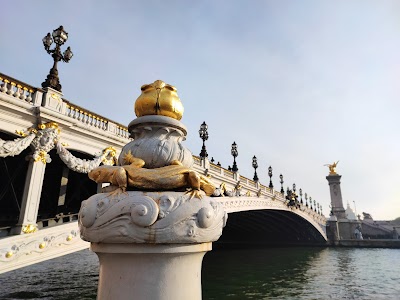
The Pont Alexandre III, a testament to Belle Époque extravagance, transcends its function as a bridge, becoming a Parisian experience in itself. Completed in 1900 for the Paris Exposition, it stands as a symbol of Franco-Russian amity, named for Tsar Alexander III and inaugurated by his son, Nicholas II. Its single arch, an engineering marvel of its time, spans the Seine, connecting the Champs-Élysées on the Right Bank with the Invalides and Eiffel Tower on the Left Bank. But it's the bridge's lavish ornamentation that truly captivates. Four massive pylons, each crowned by a gilded-bronze Pegasus, anchor the structure. Nymphs, cherubs, sea monsters, and lions, all rendered in copper, bronze, and stone, adorn its length, a celebration of Art Nouveau aesthetics. At night, the bridge transforms as a constellation of over 40 ornate lampposts illuminate its curves, casting a warm glow on the Seine below. The Pont Alexandre III is not just a passage; it's a meticulously crafted spectacle, a free open-air museum that embodies the grandeur of Paris.Beaux-Arts Architecture
The Pont Alexandre III embodies the grandeur and opulence characteristic of Beaux-Arts architecture, serving as a triumphant example of the style's influence on bridge design. Its lavish ornamentation, a hallmark of Beaux-Arts, goes beyond mere decoration, transforming the bridge into a theatrical procession of allegorical sculptures and symbolic motifs. Massive pylons at each end, crowned with gilded bronze representations of Fames restraining Pegasus, command attention, while nymphs symbolizing the Seine and Neva rivers adorn the base. These dramatic sculptural elements, crafted by renowned artists of the day, seamlessly integrate with the bridge's structure, exemplifying the Beaux-Arts principle of harmonizing art and architecture. Further enhancing its visual appeal is the bridge's single, elegant arch, a departure from the then-popular multi-span bridges. This innovative design, achieved through advanced engineering, allowed for unobstructed views of the Seine and the grand boulevards beyond, reflecting the Beaux-Arts emphasis on urban planning and creating breathtaking vistas. The Pont Alexandre III, with its harmonious blend of architectural audacity and artistic embellishment, stands as a testament to the Beaux-Arts movement's pursuit of beauty and grandeur in public works.Gilded Age
The Pont Alexandre III stands as a potent symbol of the burgeoning optimism and Franco-Russian alliance that characterized the Gilded Age. Completed in 1900, its construction coincided with a period of rapid industrial growth and technological advancement, mirroring the ambitious spirit of the era. The bridge's opulent design, a celebration of Beaux-Arts architecture, reflects the era's fascination with classical aesthetics and lavish ornamentation. Its elaborate gilded statues, nymphs, and cherubs, embody the era's exuberance and grandeur, showcasing the artistic virtuosity prevalent during this period. The bridge's dedication to Tsar Alexander III, and its placement near other monuments celebrating Franco-Russian unity, underscores the complex geopolitical landscape of the Gilded Age. This period saw European powers vying for alliances and influence, and the bridge served as a tangible representation of the burgeoning relationship between France and Russia. The Pont Alexandre III, therefore, transcends its function as a mere bridge, acting as a historical artifact that encapsulates the political, social, and artistic currents of the Gilded Age.
7
Musée Rodin
View on map
Audio Narrations
Korean
서론
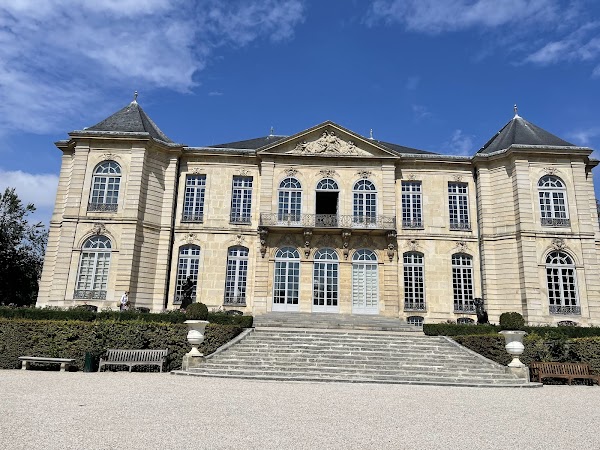
파리 로코코 건축의 보석인 우아한 오텔 비롱에 자리 잡은 로댕 미술관은 현대 조각의 거장 오귀스트 로댕의 작품과 친밀한 만남을 선사합니다. 정원에 전시된 "사색자"와 "키스"와 같은 상징적인 걸작을 넘어 이 미술관은 덜 알려진 보물을 소장하고 있습니다. 바로 예술가 자신의 개인 컬렉션입니다. 열렬한 수집가였던 로댕은 고대 이집트 유물에서 반 고흐와 모네와 같은 동시대 화가의 그림에 이르기까지 다양한 예술 작품을 수집했습니다. 그의 조각품과 함께 전시된 이 절충적인 컬렉션은 로댕의 혁명적인 스타일을 형성한 영감과 예술적 대화를 엿볼 수 있게 해줍니다. 로댕의 역동적이고 감정적으로 충만한 인물과 웅장한 오텔 비롱의 배경이 병치되어 예술과 그 환경 사이의 경계를 흐리게 하는 독특하고 강력한 경험을 만듭니다. 이 미술관은 로댕의 예술적 천재성뿐만 아니라 그의 예리한 안목과 당시 예술적 흐름과의 깊은 연관성을 증명하는 증거로 남아 있습니다.사상가
파리의 로댕 미술관에서 "사색자"는 단순한 유명한 조각품이 아니라 몰입적인 경험입니다. 미술관 정원에 들어서면 정성스럽게 손질된 잔디와 화려한 화단 사이에서 삶을 숙고하는 그를 만날 수 있습니다. 이 야외 전시는 로댕의 걸작에 대한 독특한 관점을 제공하여 자연과 대화하는 그 인상적인 규모와 강력한 존재감을 감상할 수 있도록 합니다. 미술관 내부에서는 로댕의 준비 작업을 통해 "사색자"의 매력적인 진화를 발견할 수 있습니다. 스케치, 마켓, 소형 청동 주물은 그의 창작 과정과 초기 개념에서 기념비적인 예술 작품으로의 조각품 변화를 보여줍니다. 로댕 미술관에는 또한 "사색자"의 여러 청동 주물이 있으며, 각각은 녹청과 마무리에 미묘한 차이가 있어 로댕의 예술적 비전의 뉘앙스를 강조합니다. 이 컬렉션은 이 강력한 인물들을 비교하고 대조하여 조각가의 숙련도에 대한 감사를 더욱 깊게 할 수 있는 희귀한 기회를 제공합니다.브론즈 주조
파리의 로댕 미술관에서 청동 주조의 예술성은 단순한 전시를 넘어서 로댕의 창작 과정으로의 실감 나는 여정을 제공합니다. 한때 로댕의 스튜디오였던 이 미술관에는 그의 조각적 진화의 중요한 단계를 보여주는 석고와 청동 원본의 놀라운 컬렉션이 소장되어 있습니다. 석고의 거친 에너지에 담긴 로댕의 초기 비전이 청동의 영구성과 미묘한 녹청으로 변화하는 과정을 목격하세요. 동일한 조각품의 다양한 주조품 간의 미묘한 차이를 관찰하세요. 각각은 로스트 왁스 주조 과정에 참여한 장인의 독특한 손길을 증명합니다. 로댕이 유명한 주조소와 협업한 복잡한 과정을 탐구하세요. 여기서 그의 예술적 비전은 기술적 숙련도와 결합되어 오늘날 우리가 존경하는 걸작을 탄생시켰습니다. 로댕 미술관은 청동 주조의 연금술에 대한 드문 통찰력을 제공하며, 로댕의 상징적인 조각품에 생명을 불어넣은 예술가, 소재, 기술 간의 복잡한 춤을 보여줍니다.
Experience the Full Tour
Download the DocentPro app to access all tour stops, complete audio narrations in multiple languages, offline maps, and interactive features.