
Masterpieces of Paris: Museum Tour

Walking Tour

5.4 km (3.4 miles)

1h 17min travel time

7 Stops

Paris, France
Masterpieces of Paris: Museum Tour
Tour Stops
1
Louvre Museum
View on map
Audio Narrations
English
Introduction
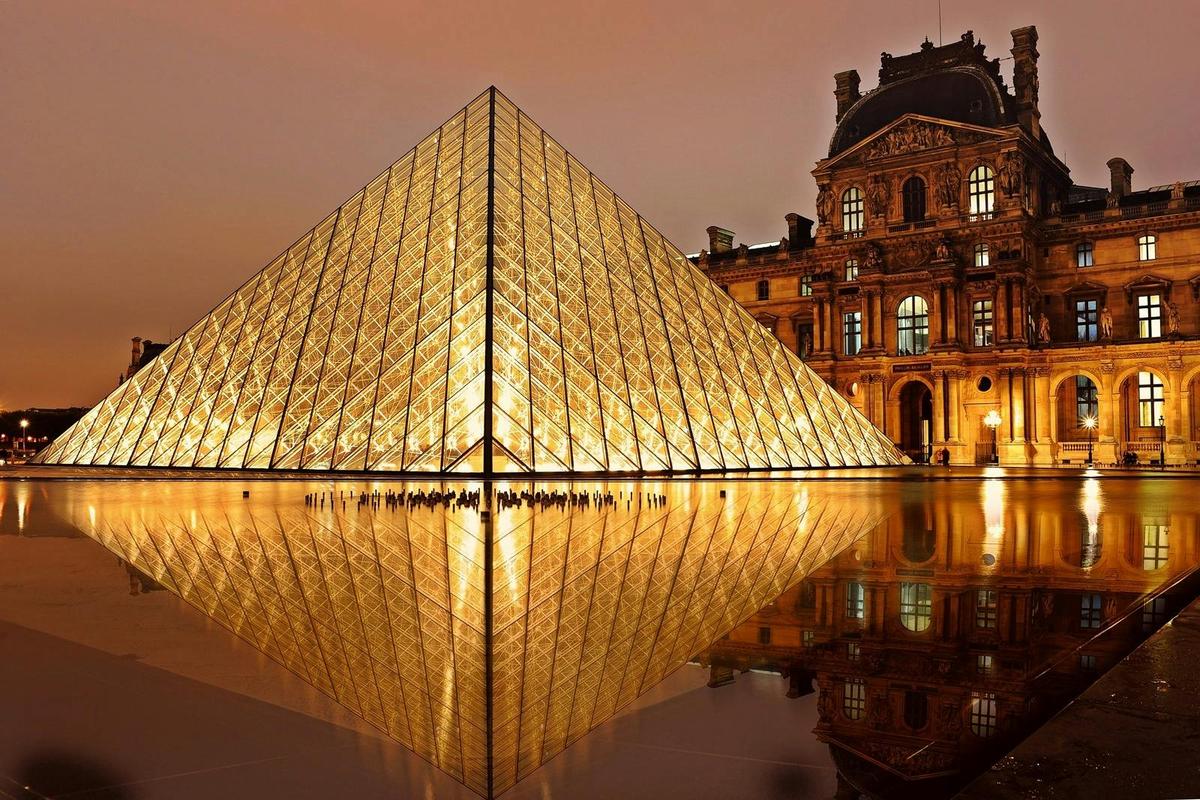
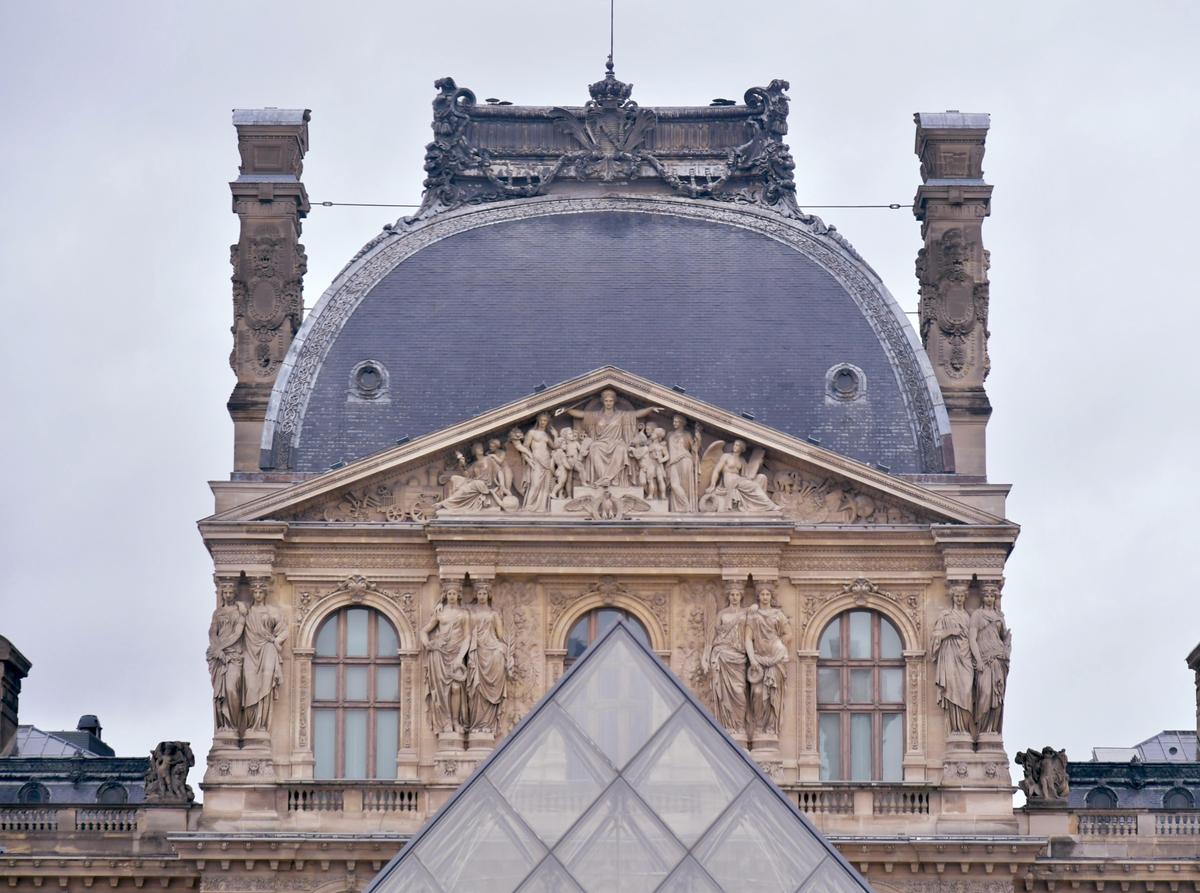
The Louvre Museum, a majestic former palace situated on the Right Bank of the Seine, boasts a captivating history intertwined with French royalty. Its iconic glass pyramid, a stark contrast to the surrounding Renaissance architecture, serves as the grand entrance to a vast collection spanning millennia and civilizations. Within its walls, visitors encounter masterpieces like Leonardo da Vinci's enigmatic Mona Lisa, often obscured by a throng of admirers. Less crowded, but equally captivating, are the museum's extensive Egyptian antiquities, including the evocative mastaba chapel of Akhethotep, a rare glimpse into Old Kingdom funerary practices. Intriguingly, the Louvre's very structure reveals its past, with remnants of a 12th-century fortress embedded within the museum's lower levels, a testament to its layered history. The Louvre's grandeur extends beyond its famed masterpieces, offering a nuanced exploration of art and history for those who venture beyond the well-trodden path.Art Heist
The Louvre Museum, a fortress of art and history, has surprisingly fallen prey to the allure of art heists, despite its formidable security measures. One of the most audacious heists occurred in 1911 when Vincenzo Perugia, a former Louvre employee, pulled off the unthinkable - stealing Leonardo da Vinci's Mona Lisa. Perugia, motivated by a misguided sense of patriotism, believed the masterpiece rightfully belonged in Italy. The painting's two-year disappearance gripped the world, turning the Mona Lisa into an international icon. While the Mona Lisa was eventually recovered, the heist exposed vulnerabilities in the Louvre's security, leading to significant enhancements. However, smaller-scale thefts, often involving artifacts and lesser-known works, continued to plague the museum. These incidents highlighted the ongoing challenge of safeguarding a vast collection against determined thieves driven by profit, notoriety, or ideological motives. The Louvre's history of art heists serves as a reminder of the constant battle between safeguarding cultural heritage and the audacious schemes of those who seek to plunder it.Grand Gallery
The Grand Gallery of the Louvre Museum is not merely a passageway but a destination in itself, stretching over 450 meters and housing an astounding collection of masterpieces. Walking its length, one is surrounded by the evolution of Italian painting, from the 13th to the 18th century, with works by titans like Raphael, Titian, and Caravaggio lining the walls. Overhead, a seemingly endless skylight bathes the gallery in natural light, a deliberate design choice from the 1790s to illuminate the paintings with the changing hues of the day. This play of light, however, was once a source of concern. The Seine's proximity meant frequent flooding, and during heavy rains, water would cascade through the skylights, threatening the priceless artworks. While modern engineering has addressed this issue, the gallery retains its airy atmosphere, a testament to the original vision of a grand, naturally lit space for art appreciation. Beyond the renowned paintings, the Grand Gallery offers glimpses into the Louvre's past. Look closely, and you'll notice remnants of 16th-century wall paintings, whispers of the palace's history before its museum days. These faded murals, often overlooked by visitors rushing to the Mona Lisa, offer a unique layer of artistic and historical significance to this iconic hallway.
2
Musée d'Orsay
View on map
Audio Narrations
English
Introduction
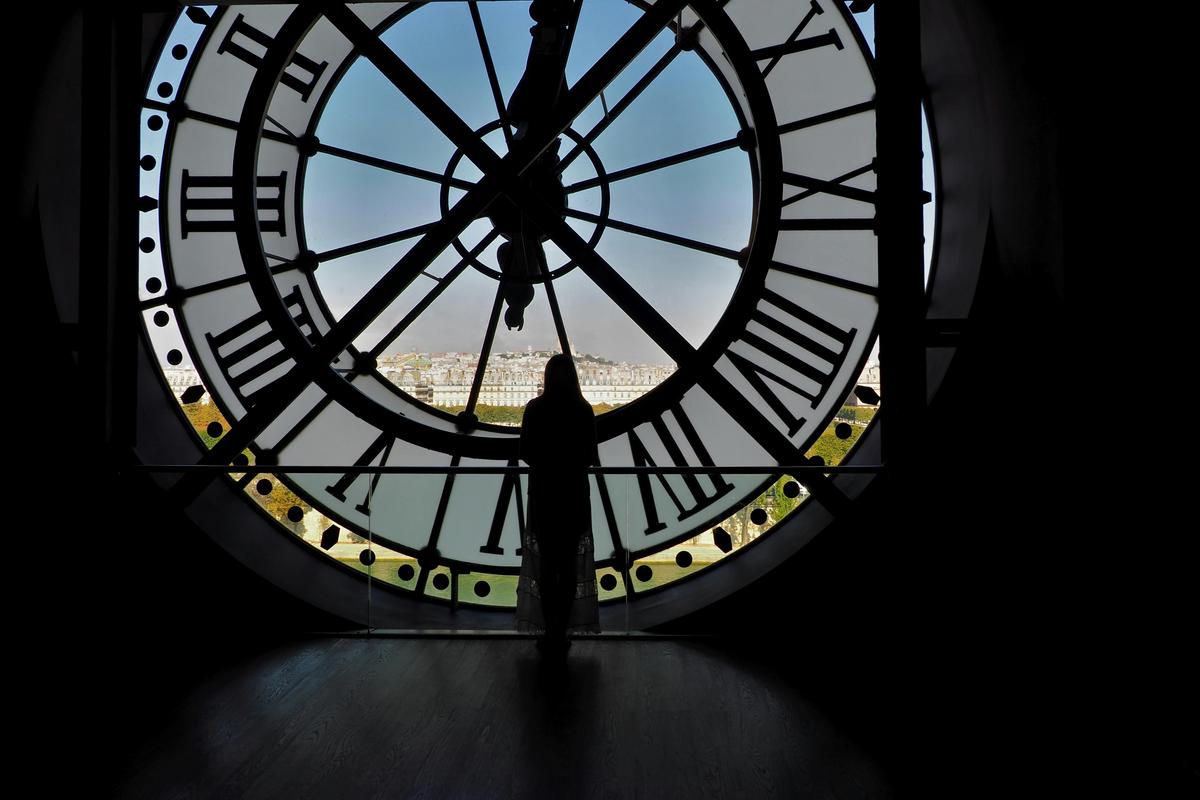
Housed in the grandiose, Beaux-Arts style Gare d'Orsay, a former railway station, the Musée d'Orsay boasts a collection focused primarily on French art from 1848 to 1914. This period, often overlooked, bridges the Romantic and Impressionist movements with the nascent avant-garde. Here, you'll find the world's largest collection of Impressionist and post-Impressionist masterpieces. But the museum's charm extends beyond its paintings. Look up to admire the magnificent glass roof, a remnant of the building's railway past, flooding the central nave with natural light. Venture beyond the renowned Impressionist galleries to discover captivating sculptures, decorative arts, and even photography, offering a holistic view of France's artistic landscape during this pivotal period. Don't miss the opportunity to peek into the Belle Epoque restaurant, a preserved gem of the station's original opulence, offering a glimpse into the grandeur of a bygone era.Belle Époque
The Musée d'Orsay doesn't just house Belle Époque art; it embodies the era's spirit. The building itself, a former railway station inaugurated for the 1900 World's Fair, stands as a monument to the period's architectural innovation and industrial prowess. Inside, the grand nave, bathed in natural light streaming through its soaring arched ceiling, evokes the ambiance of the era's bustling train stations, where travelers embarked on journeys fueled by technological advancements and a sense of boundless possibility. The Musée d'Orsay's collection offers an unparalleled immersion into the artistic innovations of the Belle Époque. It showcases not just iconic Impressionist and Post-Impressionist paintings but also decorative arts, furniture, and sculpture, providing a holistic view of the era's aesthetic sensibilities. Look beyond the masterpieces to discover lesser-known artists who captured the era's social transformations, from the rise of leisure activities to the changing roles of women. The Musée d'Orsay allows you to step back in time and experience the Belle Époque's vibrant energy and artistic innovations within a space that is itself a testament to the period's grandeur.Impressionism
The Musée d'Orsay in Paris doesn't just house Impressionist masterpieces; it embodies the movement's spirit. Stepping into the former railway station is like walking into a time capsule of late 19th-century Parisian art. Natural light streams through the vast glass roof, illuminating iconic works by Monet, Renoir, and Degas in a way that traditional museums often can't replicate. The Orsay boasts the largest collection of Impressionist and Post-Impressionist paintings globally. Beyond the well-known masterpieces, the museum provides a nuanced understanding of the movement's evolution. You'll find early works showcasing the transition from Realism, as well as later pieces reflecting the individual styles developed by artists like Seurat and Signac. The Orsay's chronological layout allows you to trace this progression, observing how techniques like capturing fleeting light and depicting everyday life developed over time. This immersive experience, combined with the sheer volume of works on display, makes the Musée d'Orsay an unparalleled destination for anyone seeking to truly understand the nuances of Impressionism.
3
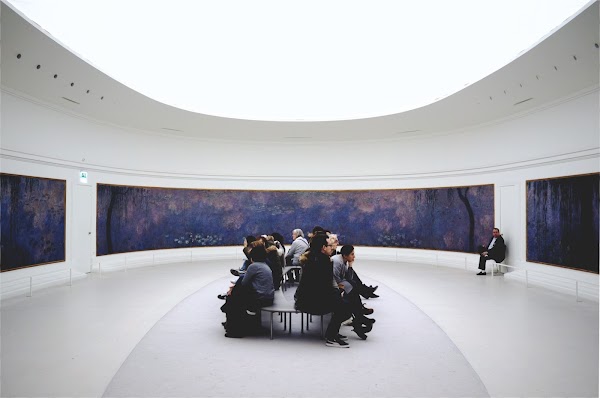
Musée de l'Orangerie
View on map
Audio Narrations
Chinese
导言
坐落在杜伊勒里花园内的橘园美术馆,提供了一种与艺术亲密接触的独特体验。这座建筑最初建作橘树温室,其历史与艺术交织在一起。该美术馆以收藏克劳德·莫奈的巨幅“睡莲”系列而闻名,这些作品陈列在两个沐浴在自然光中的椭圆形房间内。这种沉浸式体验让观众感觉被艺术家的视野所包围,捕捉到光线在水面上不断变化的嬉戏和倒影。除了莫奈的作品外,该美术馆还收藏了让·沃尔特和保罗·纪尧姆的藏品,这是一批印象派和后印象派杰作的宝库。在这里,雷诺阿、塞尚、马蒂斯和毕加索等人的作品让人们得以一窥现代艺术的演变。一个鲜为人知的瑰宝是该美术馆的装饰艺术藏品,包括家具和雕塑,让人们对 20 世纪初的艺术景观有了细致入微的了解。橘园美术馆以其建筑、自然光和艺术杰作的和谐融合,提供了一种真正引人入胜的体验。睡莲
巴黎的橘园美术馆收藏了克劳德·莫奈标志性的《睡莲》系列中真正非凡的一组作品。这些巨幅画作,有些长达数米,不仅被展出,还被安置在两个椭圆形房间中,沐浴在自然光中。莫奈专门设计了这些空间,让观者沉浸在他的艺术愿景中,创造出他晚期杰作无与伦比的体验。弯曲的墙壁呼应着他在吉维尼家的睡莲池塘的形状,增强了被画作包围的感觉。在这里,参观者可以见证莫奈风格的演变,他的笔触变得越来越自由,他的焦点转向捕捉水面上的光影和反射的短暂变化。橘园的《睡莲》展厅不仅是一个展览,还是一个沉思的圣地,让参观者与艺术家的愿景联系起来,体验他水上花园的宁静与美丽。睡莲
橘园美术馆收藏了克劳德·莫奈标志性的《睡莲》系列,其展陈环境经过专门设计,旨在提升观者的体验。莫奈设想这些巨幅画作(有些长达数米)陈列在两个椭圆形展厅中,营造出全景式沉浸式体验。天窗的自然光线对莫奈的构想至关重要,旨在用柔和的漫射光照亮画布,这种光线会随着时间的推移而变化,反映出他试图捕捉的水和光的短暂本质。这种独特的展示方式让观者仿佛置身于艺术家的吉维尼花园中,被他的构想所包围。弧形墙壁没有拐角,进一步增强了沉浸感,鼓励观者连续、流畅地欣赏画作。这种经过深思熟虑的建筑设计是与莫奈本人合作构思的,它将博物馆变成了一个沉思的圣地,证明了这位艺术家与自然之间深刻的联系。
4
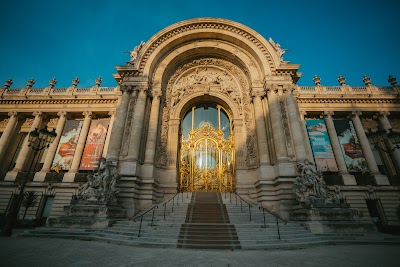
Petit Palais
View on map
Audio Narrations
English
Introduction
The Petit Palais, a Beaux-Arts masterpiece, stands as a radiant jewel in Paris's architectural crown. Built for the 1900 Exposition Universelle, its very creation echoes the grandeur of its time, a testament to the Belle Époque's artistic spirit. The building itself, with its ornate facade and expansive wings encircling a charming courtyard, is a work of art. Natural light floods the interior, illuminating the museum's diverse collection, which spans from ancient Greek artifacts to Renaissance masterpieces and Art Nouveau creations. A lesser-known treasure within the Petit Palais is the tucked-away Dutch paintings collection, a quiet haven showcasing the subtle beauty of the Dutch Golden Age. The building's design, a harmonious blend of classical and modern elements, reflects the eclectic taste of its time. The grand staircase, adorned with intricate sculptures and gilded details, transports visitors to a bygone era of elegance and refinement.Free Museum Access
The Petit Palais in Paris offers a fantastic opportunity to experience its stunning collection and temporary exhibitions without spending a euro. The museum's permanent collection, showcasing fine and decorative arts from antiquity to the early 20th century, is free to visit for everyone. Wander through galleries filled with paintings, sculptures, furniture, and objets d'art, all accessible without any entrance fee. While special temporary exhibitions may sometimes have an admission charge, the Petit Palais frequently offers free entry days or evenings, allowing budget-conscious art enthusiasts to experience these exclusive showcases. Keep an eye on their website or social media for announcements about these free admission periods. Beyond the allure of its free access, the Petit Palais offers a tranquil escape from the bustling city. Enjoy the serenity of its beautiful garden courtyard, a hidden gem often overlooked by visitors. This peaceful oasis provides the perfect setting to relax and reflect on the artistic treasures you've encountered within the museum walls.Decorative Arts Masterpieces
The Petit Palais in Paris isn't just an architectural gem; it's a treasure chest of French decorative arts spanning from the Middle Ages to the early 20th century. Within its ornate walls, visitors encounter a stunning collection of furniture, ceramics, tapestries, and stained glass, each piece whispering tales of bygone eras. The museum boasts exceptional examples of Art Nouveau furniture, characterized by sinuous lines and nature-inspired motifs. Look for works by Émile Gallé, a master glassmaker whose creations feature vibrant floral designs, and furniture by Louis Majorelle, known for his elegant use of curved forms and intricate marquetry. Beyond the grand names, the Petit Palais provides a glimpse into the evolution of everyday objects. A collection of delicate porcelain from Sèvres, a renowned French manufacturer, showcases the evolution of styles and techniques. The museum's collection of medieval and Renaissance artifacts, including intricately carved ivory pieces and Limoges enamels, offers a window into the artistry of earlier periods.
5
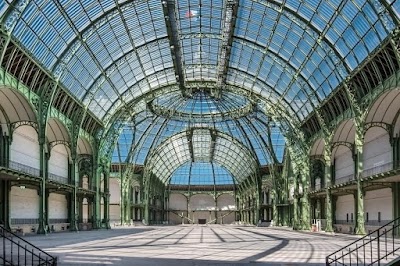
Grand Palais
View on map
Audio Narrations
English
Introduction
The Grand Palais, an imposing architectural marvel in the heart of Paris, is instantly recognizable by its vast glass vault, an incredible feat of early 20th-century engineering. This iconic structure, erected for the 1900 World's Fair, was a testament to the era's fascination with industrial advancements, exemplified by the elegant use of iron, steel, and glass. While its majestic facade hints at a classical design, closer inspection reveals intricate Art Nouveau details, particularly in the ornate ironwork and whimsical sculptures that adorn its exterior. Beyond its role as a celebrated architectural landmark, the Grand Palais has served as a dynamic stage for a diverse range of events, from prestigious art exhibitions and grand automobile salons to innovative fashion shows and even equestrian competitions. A lesser-known fact is that the building houses a fascinating science museum, the Palais de la découverte, tucked away within its northwest wing, offering a captivating contrast to the grandeur of the main hall.World's Fairs
The Grand Palais in Paris stands as a monumental testament to France's prominent role in hosting World's Fairs. Built for the 1900 Exposition Universelle, the structure itself was a marvel of modern engineering, showcasing innovative techniques in glass and iron construction. This architectural masterpiece housed countless exhibits during the fair, captivating visitors with displays of art, technology, and culture from around the globe. The Grand Palais's spacious nave, topped by its iconic glass vault, provided a breathtaking setting for grand exhibitions, while its numerous galleries and annexes accommodated a diverse range of displays. The building's design, with its emphasis on light and open space, reflected the optimistic spirit of progress that permeated the World's Fairs. Even after the 1900 fair concluded, the Grand Palais continued to host elements of subsequent expositions, solidifying its association with these grand international events. Today, the building stands as a reminder of Paris's legacy as a global center for innovation, culture, and the exchange of ideas fostered by World's Fairs.Glass Vaulting
The Grand Palais in Paris is crowned with a breathtaking glass vault, an immense structure that was truly groundbreaking for its time. Completed in 1900, this architectural marvel spans an area larger than the nave of Notre Dame Cathedral, making it one of the largest glass vaults in the world. What makes this vault particularly unique is its innovative use of steel and glass. The structure consists of a vast network of delicate-looking yet incredibly strong steel ribs, meticulously arranged to support the weight of the thousands of glass panels. These panels, far from being mere decorative elements, play a crucial role in flooding the vast interior of the Grand Palais with natural light. This ingenious design not only illuminates the grand exhibition hall but also creates a sense of openness and grandeur, blurring the lines between the interior space and the Parisian sky. The sheer scale and intricate design of the glass vault, a testament to the architectural prowess of the early 20th century, continue to captivate visitors to this day. The play of light and shadow created by the sun filtering through the glass panels transforms the space throughout the day, offering an ever-changing spectacle that adds to the Palais's allure.
6
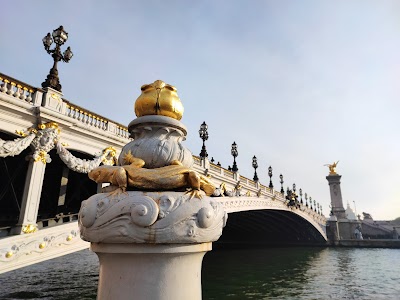
Pont Alexandre III
View on map
Audio Narrations
English
Introduction
The Pont Alexandre III, a testament to Belle Époque extravagance, transcends its function as a bridge, becoming a Parisian experience in itself. Completed in 1900 for the Paris Exposition, it stands as a symbol of Franco-Russian amity, named for Tsar Alexander III and inaugurated by his son, Nicholas II. Its single arch, an engineering marvel of its time, spans the Seine, connecting the Champs-Élysées on the Right Bank with the Invalides and Eiffel Tower on the Left Bank. But it's the bridge's lavish ornamentation that truly captivates. Four massive pylons, each crowned by a gilded-bronze Pegasus, anchor the structure. Nymphs, cherubs, sea monsters, and lions, all rendered in copper, bronze, and stone, adorn its length, a celebration of Art Nouveau aesthetics. At night, the bridge transforms as a constellation of over 40 ornate lampposts illuminate its curves, casting a warm glow on the Seine below. The Pont Alexandre III is not just a passage; it's a meticulously crafted spectacle, a free open-air museum that embodies the grandeur of Paris.Beaux-Arts Architecture
The Pont Alexandre III embodies the grandeur and opulence characteristic of Beaux-Arts architecture, serving as a triumphant example of the style's influence on bridge design. Its lavish ornamentation, a hallmark of Beaux-Arts, goes beyond mere decoration, transforming the bridge into a theatrical procession of allegorical sculptures and symbolic motifs. Massive pylons at each end, crowned with gilded bronze representations of Fames restraining Pegasus, command attention, while nymphs symbolizing the Seine and Neva rivers adorn the base. These dramatic sculptural elements, crafted by renowned artists of the day, seamlessly integrate with the bridge's structure, exemplifying the Beaux-Arts principle of harmonizing art and architecture. Further enhancing its visual appeal is the bridge's single, elegant arch, a departure from the then-popular multi-span bridges. This innovative design, achieved through advanced engineering, allowed for unobstructed views of the Seine and the grand boulevards beyond, reflecting the Beaux-Arts emphasis on urban planning and creating breathtaking vistas. The Pont Alexandre III, with its harmonious blend of architectural audacity and artistic embellishment, stands as a testament to the Beaux-Arts movement's pursuit of beauty and grandeur in public works.Gilded Age
The Pont Alexandre III stands as a potent symbol of the burgeoning optimism and Franco-Russian alliance that characterized the Gilded Age. Completed in 1900, its construction coincided with a period of rapid industrial growth and technological advancement, mirroring the ambitious spirit of the era. The bridge's opulent design, a celebration of Beaux-Arts architecture, reflects the era's fascination with classical aesthetics and lavish ornamentation. Its elaborate gilded statues, nymphs, and cherubs, embody the era's exuberance and grandeur, showcasing the artistic virtuosity prevalent during this period. The bridge's dedication to Tsar Alexander III, and its placement near other monuments celebrating Franco-Russian unity, underscores the complex geopolitical landscape of the Gilded Age. This period saw European powers vying for alliances and influence, and the bridge served as a tangible representation of the burgeoning relationship between France and Russia. The Pont Alexandre III, therefore, transcends its function as a mere bridge, acting as a historical artifact that encapsulates the political, social, and artistic currents of the Gilded Age.
7
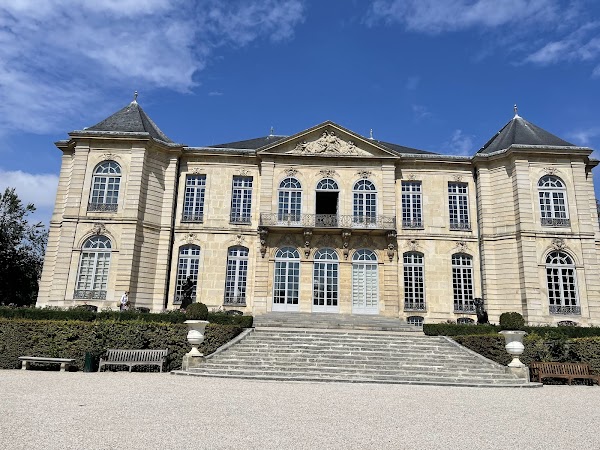
Musée Rodin
View on map
Audio Narrations
English
Introduction
Nestled in the elegant Hôtel Biron, a jewel of Parisian Rococo architecture, the Musée Rodin offers an intimate encounter with the works of Auguste Rodin, a giant of modern sculpture. Beyond the iconic masterpieces like "The Thinker" and "The Kiss" displayed in the manicured gardens, the museum houses a lesser-known treasure - the personal collection of the artist himself. Rodin, an avid collector, amassed a diverse array of artworks, from ancient Egyptian antiquities to paintings by his contemporaries like Van Gogh and Monet. This eclectic collection, displayed alongside his own sculptures, offers a glimpse into the inspirations and artistic dialogues that shaped Rodin's revolutionary style. The juxtaposition of Rodin's dynamic, emotionally charged figures against the backdrop of the grand Hôtel Biron creates a uniquely powerful experience, blurring the lines between art and its environment. The museum stands as a testament not only to Rodin's artistic genius but also to his discerning eye and his profound connection to the artistic currents of his time.The Thinker
At the Musée Rodin in Paris, "The Thinker" is more than just a famous sculpture—it's an immersive experience. Stepping into the museum's gardens, you'll find him contemplating life amidst a backdrop of meticulously manicured lawns and vibrant flowerbeds. This outdoor setting provides a unique perspective on Rodin's masterpiece, allowing you to appreciate its imposing scale and powerful presence in dialogue with nature. Inside the museum, you'll discover the fascinating evolution of "The Thinker" through Rodin's preparatory works. Sketches, maquettes, and smaller bronze casts reveal his creative process and the sculpture's transformation from initial concept to monumental artwork. The Musée Rodin also houses several bronze casts of "The Thinker," each with subtle variations in patina and finish, highlighting the nuances of Rodin's artistic vision. This collection offers a rare opportunity to compare and contrast these powerful figures, deepening your appreciation for the sculptor's mastery.Bronze Casting
At the Musée Rodin in Paris, the artistry of bronze casting transcends mere display, offering a tangible journey into Rodin's creative process. The museum, once Rodin's own studio, houses a remarkable collection of original plasters and bronzes, revealing the crucial stages of his sculptural evolution. Witness the transformation of Rodin's initial vision, captured in the raw energy of plaster, into the permanence and nuanced patina of bronze. Observe the subtle variations between different casts of the same sculpture, each bearing witness to the unique hand of the artisan involved in the lost-wax casting process. Explore the intricacies of Rodin's collaboration with renowned foundries, where his artistic vision merged with technical mastery to produce the masterpieces we revere today. The Musée Rodin provides a rare glimpse into the alchemy of bronze casting, revealing the intricate dance between artist, material, and technique that brought Rodin's iconic sculptures to life.
Experience the Full Tour
Download the DocentPro app to access all tour stops, complete audio narrations in multiple languages, offline maps, and interactive features.