
Seine River Wonders

Walking Tour

6.5 km (4.0 miles)

1h 31min travel time

12 Stops

Paris, France
Seine River Wonders
Tour Stops
1
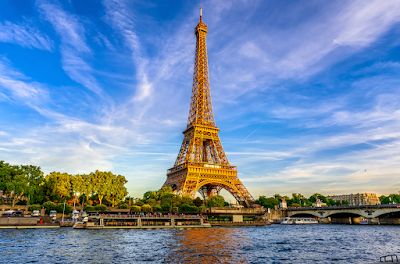
Eiffel Tower
View on map
Audio Narrations
소개
철탑은 연철로 지어졌으며, 엔지니어링의 독창성과 건축적 대담함의 증거로 자리 잡고 있습니다. 종종 순전히 장식적인 것으로 오해되는 격자 구조는 안정성에 필수적이며, 바람의 힘을 견디기 위해 무게를 고르게 분산시킵니다. 이 탑은 방문객을 위한 3개의 독특한 층을 자랑하며, 각 층은 파리의 풍경에 대한 독특한 관점을 제공합니다. 꼭대기에서 보이는 파노라마 전망은 의심할 여지 없이 숨이 멎을 듯하지만, 구스타브 에펠 자신의 사무실이 보존되어 있는 1층으로 모험을 떠나는 사람은 더 적습니다. 이 숨겨진 보석은 이 비전적인 엔지니어의 마음과 탑의 건설에 대한 통찰력을 제공합니다. 흥미롭게도, 에펠탑은 처음에 눈에 거슬린다고 여긴 저명한 파리 예술가와 지식인들의 저항에 부딪혔습니다. 그들은 그것이 파리의 상징이 될 것이며, 매년 수백만 명의 방문객을 유치하고 그 거대한 규모와 복잡한 디자인으로 경외감을 불러일으킬 것이라는 사실을 거의 알지 못했습니다.도시 경관 지배
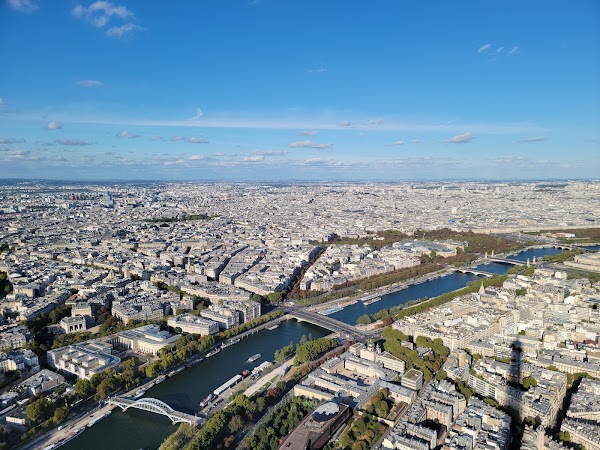
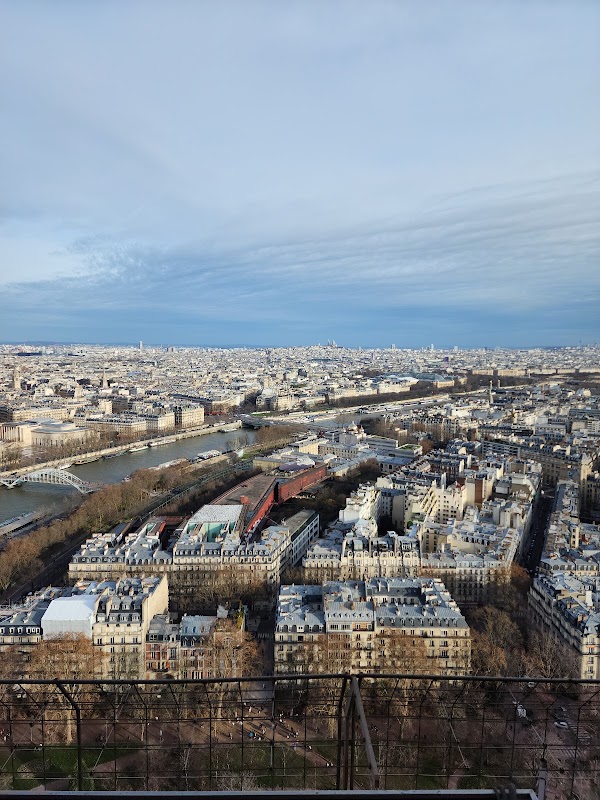
에펠탑은 파리의 도시 경관을 지배하는 것이 부인할 수 없습니다. 철제 격자 구조물이 하늘을 뚫고, 빛의 도시를 정의하는 웅장한 거리와 오스만 시대 건물들보다도 훨씬 거대합니다. 파리의 거의 모든 구석에서 볼 수 있는 이 탑은 도시 경관의 등대 역할을 하는 끊임없는 기준점입니다. 이 시각적 지배는 의도적인 것이었습니다. 탑의 이름을 딴 구스타브 에펠은 단순히 어우러지는 것이 아니라 산업 시대의 도래를 과감하게 선언하는 구조물을 구상했습니다. 꼭대기에서 300m가 넘는 탑의 엄청난 규모는 파리에서 전례가 없었고, 도시의 스카이라인을 즉시 변화시키고 건축적 야망에 대한 새로운 기준을 설정했습니다. 오늘날에도 라 데팡스 비즈니스 지구의 현대적인 고층 빌딩들 사이에서 에펠탑은 파리의 도시 경관에 지속적인 영향을 미치는 증거로서 강력한 존재감을 유지합니다. 이는 인간의 독창성의 상징이며, 도시의 진화를 상기시키는 것이고, 끊임없이 변화하는 파리의 파노라마에서 변함없는 것입니다.낭만적인 상징
파리의 스카이라인을 꿰뚫는 에펠탑은 그 강철 구조를 넘어서서 로맨스 그 자체를 구현합니다. 그 실루엣은 즉시 알아볼 수 있고 수많은 사랑의 자물쇠에 영원히 담겨 사랑의 이야기를 속삭입니다. 매일 밤 탑을 비추는 반짝이는 불빛은 황금빛 찬란함의 등대로 변화시켜 수많은 몰래 키스와 속삭이는 약속을 목격했습니다. 반짝이는 각 빔은 새로운 사랑의 기쁨과 희망, 오래 지속되는 유대의 지속적인 힘을 반향하는 것처럼 보입니다. 전 세계의 커플들이 보이지 않는 자석에 이끌려 그 기슭으로 몰려들어 빛의 도시를 배경으로 그들의 사랑을 선언합니다. 에펠탑 아래에서 따뜻한 밤의 광경에 젖은 청혼은 단순한 질문을 넘어섭니다. 그것은 세계에서 가장 로맨틱한 도시 중 하나의 바로 그 구조에 짜여진 맹세가 됩니다. 이 탑은 침묵의 파수꾼으로 서서 그 장엄한 존재 아래에서 펼쳐지는 수많은 러브스토리를 목격하며, 그 이미지를 로맨스의 마법과 영원히 연결합니다.
2
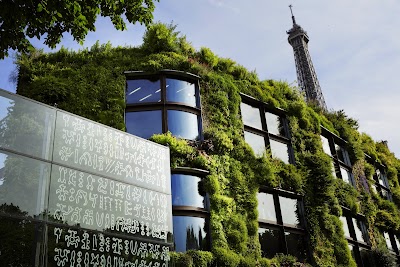
Musée du quai Branly - Jacques Chirac
View on map
Audio Narrations
서론
브랑리 케 브랑리 - 자크 시라크 박물관은 전통적인 서구 중심 박물관에서 간과되기 쉬운 아프리카, 아시아, 오세아니아, 아메리카의 예술과 문화를 증명하는 곳입니다. 장 누벨과 조경가 질 클레망이 협업한 독특한 건축 디자인 자체가 하나의 광경입니다. 이 건물은 무성한 정원에서 유기적으로 솟아오르는 듯 자연과 인간의 창조물 사이의 경계를 흐립니다. 박물관 내부에는 가면, 조각품, 직물, 의식용품 등 인상적인 수집품이 있으며, 각각은 먼 나라와 고대 전통의 이야기를 속삭입니다. 특히 흥미로운 측면은 임시 전시를 위한 전용 공간으로, 현대 원주민 예술을 위한 역동적인 플랫폼을 제공하고 문화 간 지속적인 대화를 탐구합니다. 박물관은 음악, 춤, 스토리텔링을 통해 이러한 커뮤니티의 살아있는 유산을 전시하려는 노력으로 인해 단순한 유물 저장소가 아니라 문화 교류와 이해를 위한 활기찬 중심지가 되었습니다.원시주의 논쟁
비유럽 예술의 방대한 컬렉션을 소장한 케 브랑리 박물관은 원시주의 논쟁의 중심에 서 있습니다. 이 박물관의 존재 자체가 예술의 분류와 식민주의의 유산에 대한 의문을 제기합니다. 비평가들은 다양한 문화를 "원시적"이라는 포괄적인 용어로 묶음으로써 이 박물관이 서구를 정점에 두는 예술사의 계층적 관점을 영속시킨다고 주장합니다. 그들은 종종 의식적이거나 실용적인 기원을 가진 이러한 물체가 서구적 관점에서 "예술"로 간주되어야 하는지 의문을 제기합니다. 현대적이고 유기적인 형태가 혼합된 이 박물관의 건축물은 이러한 논쟁에 더욱 불을 지폈으며, 일각에서는 이를 "원시적"에 대한 낭만적인 관점을 강화하는 것으로 해석하기도 합니다. 그러나 케 브랑리 박물관은 또한 이러한 개념에 도전할 수 있는 플랫폼을 제공합니다. 이 박물관의 전시와 프로그램은 종종 식민주의의 복잡성과 비서구 예술에 대한 인식에 미치는 영향을 직접적으로 다룹니다. 이 박물관은 이러한 물체를 문화적 맥락 속에서 제시하여 서구적 미적 가치를 넘어서는 그들의 장인 정신과 중요성을 강조하려고 노력합니다. 방문객은 이러한 대조적인 관점을 숙고하게 되고, 케 브랑리 박물관은 단순한 박물관이 아니라 예술과 문화에 대한 진화하는 이해에 대한 비판적 성찰을 위한 역동적인 공간이 됩니다.센 강변
센 강 왼쪽 강둑에 자리 잡은 브랑리 기 - 자크 시라크 박물관은 센 강변과 독특한 관계를 자랑합니다. 유리와 녹지로 이루어진 화려한 태피스트리와 같은 웅장한 외관은 흐르는 물과 지속적인 대화를 나누는 것처럼 보입니다. 장 누벨이 설계한 이 건축적 경이로움은 강을 핵심 요소로 통합하여 박물관의 외부와 센 강변의 경계를 모호하게 합니다. 강둑을 따라 거닐다 보면 박물관의 돌출부에서 비추는 빛과 그림자의 매력적인 상호 작용을 만나게 되는데, 그 존재감은 위압적이면서도 매력적입니다. 물 쪽으로 흘러내리는 박물관의 정원은 도시의 번잡함에서 벗어날 수 있는 고요한 휴식처를 제공하며, 잎사귀 사이로 센 강이 엿보입니다. 자연과 건축의 이러한 원활한 통합은 고요한 분위기를 조성하여 강변의 활기찬 분위기에서 박물관의 심장부로 옮겨가면서 명상과 성찰을 유도합니다.
3
Cathédrale de la Sainte-Trinité
View on map
Audio Narrations
Introduction
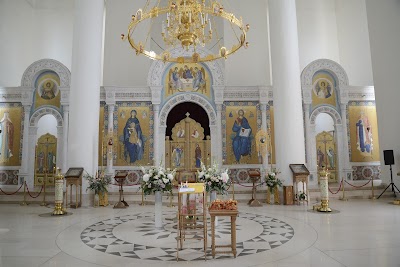
The Cathédrale de la Sainte-Trinité, often overshadowed by its more famous Parisian counterparts, stands as a testament to the city's architectural diversity. Consecrated in 1867, this often-overlooked gem boasts a unique blend of architectural styles, fusing Romanesque and Byzantine influences. Its striking facade, adorned with colorful mosaics and intricate sculptures, hints at the opulence within. Stepping inside, visitors are greeted by an ethereal expanse bathed in light streaming through magnificent stained-glass windows. These vibrant windows, some of the largest in Paris, depict scenes from the Old and New Testaments, casting a kaleidoscope of colors across the interior. Adding to its allure, the cathedral houses a magnificent pipe organ, renowned for its rich tones and impressive scale. This lesser-known Parisian treasure offers a moment of peaceful reflection amidst the bustling city, inviting contemplation of its artistic grandeur and often-overlooked place in Parisian history.Iconostasis
The iconostasis within the Cathédrale de la Sainte-Trinité in Paris presents a unique blend of Byzantine tradition and modern artistic expression. Designed by the renowned Russian iconographer Léonid Ouspensky, it departs from a strictly traditional arrangement, reflecting a contemporary interpretation of ancient forms. Crafted primarily from walnut wood, the iconostasis is notable for its relatively modest height, fostering a sense of openness and accessibility within the sanctuary. This design choice allows for a greater visual connection between the nave and the altar, emphasizing the shared experience of the liturgy. The icons themselves, painted by Ouspensky and his students, adhere to the stylistic conventions of the neo-canonical school, characterized by their vibrant colors, expressive brushwork, and theological depth. The arrangement of icons, while adhering to the fundamental hierarchical structure, also incorporates unique elements that reflect the specific dedication of the cathedral to the Holy Trinity. This interplay of tradition and innovation makes the iconostasis of the Cathédrale de la Sainte-Trinité a compelling example of the living tradition of Byzantine iconography within a modern context.Orthodox Christianity in France
The Cathédrale de la Sainte-Trinité in Paris stands as a powerful symbol of the growing presence of Orthodox Christianity in France. Consecrated in 2016, this modern cathedral serves as the seat of the Russian Orthodox Diocese of Chersonesus, highlighting the historical ties between France and Russia within the Orthodox faith. Its striking contemporary design, a departure from traditional Orthodox aesthetics, reflects the dynamic evolution of the religion within the French cultural landscape. The cathedral's presence has provided a spiritual home for France's burgeoning Orthodox community, which includes descendants of Russian emigrants from the early 20th century and more recent converts. Beyond religious services, the Cathédrale de la Sainte-Trinité has become a hub for cultural exchange, hosting exhibitions, concerts, and lectures that introduce the richness of Orthodox tradition to a wider French audience. Its location in Paris, a global crossroads, further emphasizes the cathedral's role in fostering dialogue and understanding between the Orthodox world and the West.
4
Musée d'Orsay
View on map
Audio Narrations
소개
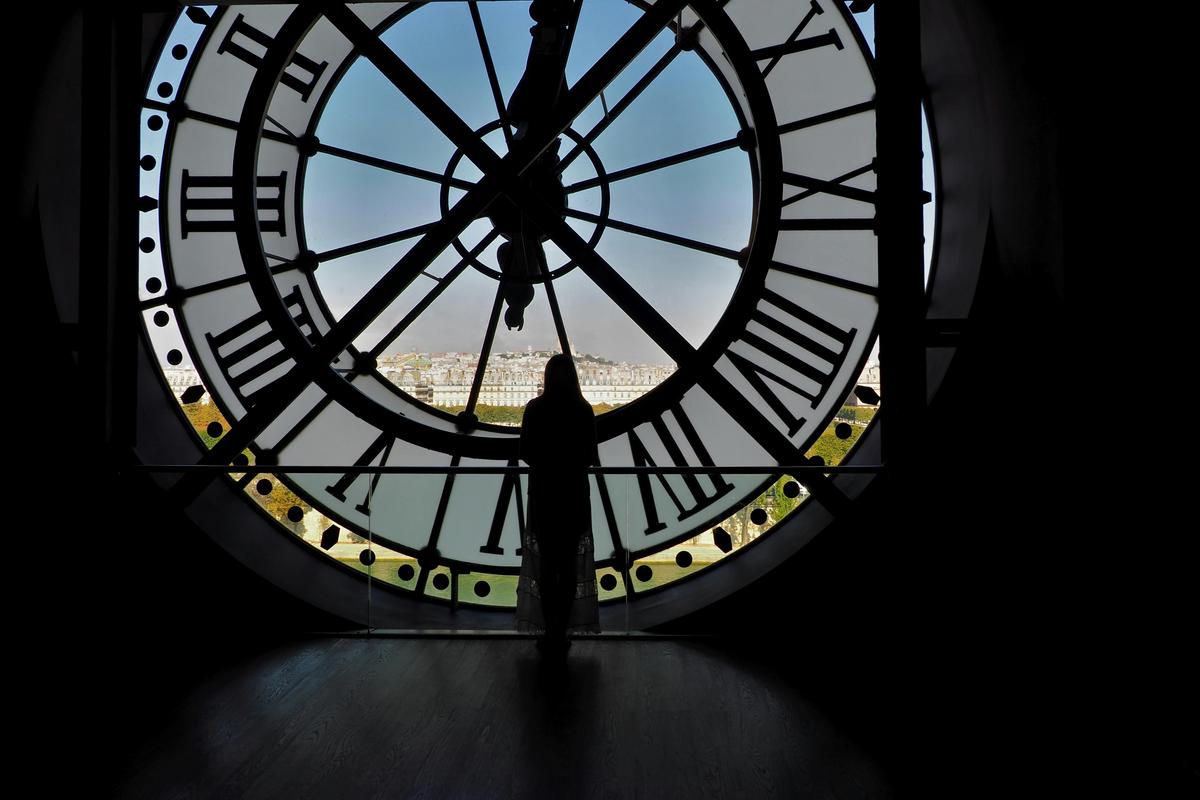
세느 강변의 보자르 양식 기차역이었던 웅장한 옛 가르 도르세에 자리 잡은 오르세 미술관은 파리 예술계에서 특별한 자리를 차지하고 있습니다. 세계에서 가장 큰 인상파와 후기 인상파 걸작 컬렉션을 소장한 것으로 유명합니다. 미술관에 들어서면 마치 19세기 후반 파리 살롱에 들어선 것 같은 느낌이 듭니다. 높은 천장, 화려한 시계, 웅장한 샹들리에가 있습니다. 마네의 "풀밭 위의 점심"과 반 고흐의 자화상과 같은 상징적인 그림으로 유명하지만, 이 미술관에는 장식 예술, 사진, 조각품 컬렉션도 있습니다. 덜 알려진 보물은 옛 호텔 식당에 자리 잡은 레스토랑으로, 화려한 벨 에포크 장식과 뛰어난 튈르리 정원 전망을 자랑합니다. 이러한 예술과 건축의 병치와 건물 자체의 역사적 중요성이 오르세 미술관을 진정으로 매력적인 경험으로 만듭니다.파리 랜드마크
오르세 미술관은 파리의 랜드마크 중에서도 독특한 위치를 차지하고 있는데, 인상파와 후기 인상파 예술품의 인상적인 컬렉션뿐만 아니라 도시의 발전과 얽힌 놀라운 역사 때문이기도 하다. 한때 번화한 기차역이었던 오르세 기차역은 우뚝 솟은 아치형 천장과 화려한 시계 면판이 있는 웅장한 건축물로, 벨 에포크의 도래와 20세기의 새벽을 목격했다. 센 강을 마주보고 강 건너 루브르 박물관과 마주보는 이 건축적 보석은 1970년대에 철거를 간신히 면했다. 주로 1848년부터 1914년까지의 시기에 만들어진 예술품을 전시하는 미술관으로의 변모는 그 이야기에 감동적인 층을 더해, 엄청난 창의성의 시기에 파리의 변화하는 예술적 풍경을 반영한다. 도시의 건축적 솜씨와 예술적 유산을 증명하는 오르세 미술관은 시간을 거슬러 매력적인 여정을 제공하며, 파리의 끊임없는 진화와 지속적인 재창조 정신을 방문객들에게 상기시킨다.후기 인상주의
파리의 오르세 미술관은 후기 인상주의의 심장부로 들어가는 비할 데 없는 여정을 제공합니다. 인상주의의 한계를 넘어서 조르주 쇠라, 폴 시냐크, 카미유 피사로와 같은 예술가들은 박물관 컬렉션에 상징적인 작품을 통해 표현되며, 그림에 대한 더욱 구조적이고 분석적인 접근 방식을 모색했습니다. 쇠라의 점묘주의 걸작에서 분명히 드러나는 색채 이론에 대한 탐구와 반 고흐의 감동적인 풍경과 초상화에서 볼 수 있는 상징적이고 감정적인 표현에 대한 강조는 현대 미술의 기반을 마련했습니다. 오르세의 컬렉션은 이 중대한 전환에 대한 친밀한 탐구를 가능하게 하며, 스타일적 혁신뿐만 아니라 운동을 정의한 개인적 투쟁과 예술적 대화도 보여줍니다. 고갱의 타히티 캔버스의 생생한 색조에서부터 툴루즈 로트렉이 파리의 밤문화를 묘사한 우울한 아름다움에 이르기까지 오르세 미술관은 후기 인상주의가 미술사의 궤적에 미친 지속적인 영향에 대한 섬세한 이해를 제공합니다. 이전에 기차역이었던 박물관의 독특한 배경은 경험을 더욱 향상시키며, 산업적 장엄함이 이 혁명적인 작품을 위한 인상적인 배경을 제공합니다.
5
Pont des Arts
View on map
Audio Narrations
Introduction
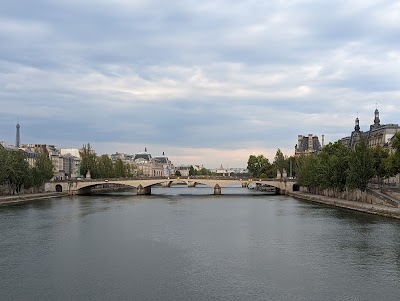
The Pont des Arts, a pedestrian bridge spanning the Seine in Paris, holds a unique place in the city's romantic landscape. Unlike its more ornate counterparts, this bridge captivates with its simplicity. Constructed in 1804 as one of the first metal bridges in Paris, it originally featured nine arches and served as a crucial link between the Louvre and the Institut de France. The bridge's history, however, is marked by both joy and sorrow. Severely damaged during World War II, it was later rebuilt in its current form with seven arches. For decades, the Pont des Arts was adorned with thousands of "love locks" attached by couples as a symbol of their commitment. This charming tradition, however, ultimately proved detrimental, adding significant weight to the bridge's structure. Today, the bridge stands free of locks, its metal railings replaced with transparent panels, offering unobstructed views of the Seine and the Parisian skyline. This transformation, while controversial, has returned the bridge to its original elegance, a testament to its enduring allure in a city that breathes romance.Literary Setting
The Pont des Arts, a pedestrian bridge spanning the Seine, holds a unique place in literary Paris. More than just a picturesque backdrop, it has served as a symbolic space for writers to explore themes of love, loss, and artistic expression. Its metal framework, once adorned with thousands of "love locks," has borne witness to countless whispered promises and poignant farewells, echoing the romanticism often found in French literature. The bridge's position, offering unparalleled views of iconic Parisian landmarks like the Louvre and Notre Dame, has provided fertile ground for writers seeking to capture the city's beauty and grandeur. Furthermore, the Pont des Arts has attracted artists and bohemians for centuries, making it a natural gathering place for literary characters seeking inspiration or a break from societal norms. Its presence in literature often reflects this artistic spirit, serving as a space where characters engage in philosophical discussions, artistic pursuits, or chance encounters that shape their destinies. The bridge's own history, including its near demolition and subsequent restoration, adds another layer of symbolism, reflecting themes of resilience and the enduring power of art and love.Seine River Views
From the Pont des Arts, the Seine unveils itself as a living tapestry of Parisian life. The iron latticework of the bridge frames postcard-worthy views of the river's languid flow, its surface reflecting the changing hues of the sky. Gaze east towards the Ile de la Cité, where the imposing silhouette of Notre Dame Cathedral rises above the riverbanks. As dusk descends, the cathedral's illuminated facade casts a shimmering reflection upon the water, a spectacle best admired from the bridge's vantage point. To the west, the Grand Palais's majestic glass dome glimmers in the distance, while charming houseboats, known as péniches, bob gently below, offering a glimpse into a tranquil life on the water. The rhythmic passing of the bateaux-mouches, the Seine's iconic riverboats, adds a touch of Parisian charm to the scene. The Pont des Arts, devoid of the weight of love locks, allows for unobstructed panoramic views, making it a privileged spot to witness the Seine's timeless beauty and its integral role in the heart of Paris.
6
Pont Neuf
View on map
Audio Narrations
Introduction
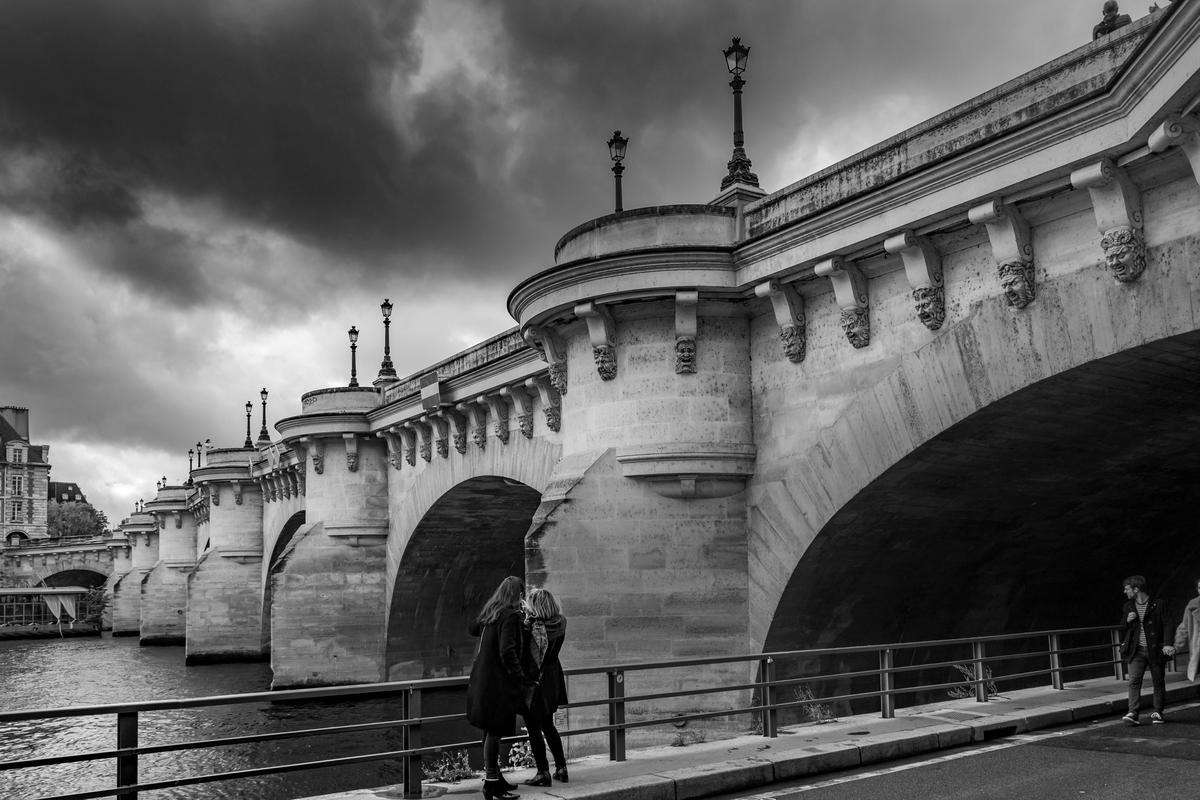
Spanning the Seine River at its narrowest point, the Pont Neuf stands as a testament to Parisian history, despite its name, which translates to "New Bridge." Completed in 1607, it was a marvel of urban planning, boasting the first Parisian bridge without houses crowding its length, allowing citizens and visitors alike to enjoy unobstructed views of the river and the city beyond. Its distinctive design, featuring twelve arches and adorned with 381 unique mascarons (grotesque masks), each representing a different character, quickly made it a beloved landmark. The bridge's central point, marked by an equestrian statue of King Henri IV, offers a breathtaking panorama of the Île de la Cité, the historical heart of Paris. Interestingly, the Pont Neuf was also a hub of commerce and social life, with vendors and entertainers setting up shop along its wide walkways. This bustling atmosphere, captured in numerous paintings and literary works, cemented the bridge's place in the Parisian imagination.Oldest Standing Bridge in Paris
Despite its name meaning "New Bridge," the Pont Neuf holds the distinguished title of the oldest standing bridge in Paris. Completed in 1607, its longevity is a testament to the ingenuity of its design and construction during the reign of King Henry IV. While other Parisian bridges succumbed to the ravages of time, floods, and the need for modernization, the Pont Neuf endured. Its sturdy structure, featuring twelve arches and fortified with protective breakwaters, proved resilient against the powerful currents of the Seine River. This resilience contrasts sharply with the fate of its predecessors, often built from wood or less durable materials, which proved ill-equipped to withstand the test of time. The Pont Neuf's enduring presence offers a tangible link to the Paris of the Renaissance, its stone arches echoing centuries of history and whispering tales of a bygone era. It stands as a symbol of architectural prowess and a silent witness to the city's ever-evolving urban landscape.Seine River Views
The Pont Neuf, despite its name meaning "New Bridge," offers timeless perspectives of the Seine River. From its central position spanning the Île de la Cité, the bridge unveils a captivating panorama of Parisian lifeblood. Upstream, the river flows towards verdant reflections of the Tuileries Garden, while downstream, the iconic silhouette of the Eiffel Tower pierces the horizon. The bridge's numerous arches, each framing a unique vista, showcase the ever-changing moods of the Seine. Observe the gentle sway of bateaux mouches as they glide beneath, their lights painting streaks across the water's surface at twilight. From this vantage point, one can witness the play of light and shadow on the river's surface, from the golden hues of sunrise reflecting off the Louvre's facade to the shimmering cityscape under a canopy of stars. The Pont Neuf's pedestrian walkways, devoid of traffic, provide an ideal setting to pause and absorb the captivating scenes of river commerce and leisure that have unfolded for centuries. It's a place where history and the vibrant pulse of Parisian life converge, best experienced with the gentle current of the Seine as a backdrop.
7
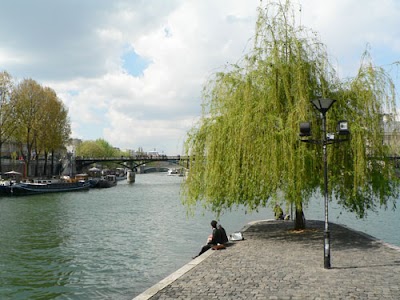
Square du Vert-Galant
View on map
Audio Narrations
Introduction
Nestled at the western tip of Île de la Cité, Square du Vert-Galant offers a unique Parisian experience. This intimate park, shaped like the bow of a ship, juts out into the Seine, providing unparalleled views of the river and its iconic bridges. Named after King Henry IV, known as "le Vert-Galant" (the Green Gallant) for his amorous nature, the square whispers tales of the past. A bronze statue of the king, erected in 1824, stands as a reminder of his reign. Descending a staircase from Pont Neuf, visitors are enveloped in a verdant haven, a stark contrast to the bustling city surrounding it. Weeping willows caress the water's edge, their branches swaying gently in the breeze. Benches tucked beneath the trees offer a secluded spot for contemplation or a romantic rendezvous. The square's charm lies in its simplicity, a tranquil escape amidst the grandeur of Paris. It's a place where one can almost hear the echoes of history, the murmur of the river, and the whispers of lovers.Île de la Cité History
Square du Vert-Galant, nestled at the western tip of Île de la Cité, whispers tales of the island's transformation. Once a tumultuous space prone to flooding and housing a bustling marketplace, the area underwent a dramatic shift during the reign of Henri IV, whose nickname, "Vert-Galant" (the Green Gallant), graces the square today. His vision for the island extended beyond its practical uses; he sought to elevate its status and beauty. The creation of the square was part of a larger project to reshape the western point of Île de la Cité, turning a previously neglected area into a place of leisure and grandeur. This reflected a broader trend in Parisian history, where the city's rulers sought to tame the Seine and mold the island to their liking, reflecting evolving tastes and ambitions. Today, the square's verdant foliage and romantic ambiance stand in stark contrast to the island's tumultuous past, offering a tranquil escape amidst the heart of Paris while echoing the enduring legacy of Henri IV and his mark on the city's historical landscape.Seine River Views
From the tip of Square du Vert-Galant, the Seine River unfurls in a captivating panorama. This intimate park, shaped like the bow of a ship, juts out into the river, offering unobstructed views both upstream and downstream. Gaze eastward towards the Ile de la Cité, where the majestic Notre Dame Cathedral dominates the skyline. The river shimmers, reflecting the changing light and the grandeur of Parisian architecture. As you turn west, the Eiffel Tower pierces the sky in the distance, a constant reminder of the city's iconic beauty. The gentle current carries with it traditional bateaux mouches, their presence adding a touch of Parisian charm to the scene. The Square itself, with its weeping willows and lush greenery, provides a sense of tranquility amidst the urban bustle, making it a perfect spot to pause and soak in the captivating views of the Seine. The combination of historical landmarks, architectural marvels, and the ever-changing river traffic creates a captivating spectacle, best appreciated from this unique vantage point.
8
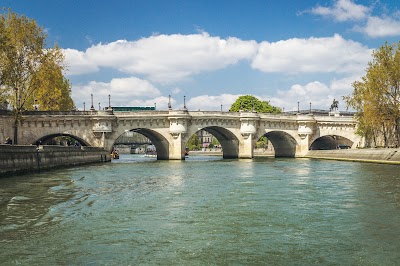
St. Michael's Bridge
View on map
Audio Narrations
Introduction
The Pont Saint-Michel, a stone arch bridge, strides across the Seine in Paris, connecting the Île de la Cité, the historical heart of the city, to the vibrant Latin Quarter. Built in 1857, it replaced a series of earlier bridges dating back to the 14th century, each bearing witness to the ebb and flow of Parisian life. The bridge is instantly recognizable by its distinctive ornamentation: six cast iron lampposts adorned with elaborate decorations and the letter "N," a subtle nod to Napoleon III, during whose reign the bridge was constructed. Atop its parapet, carved spandrels, each unique, depict fantastical creatures and floral motifs, adding a touch of whimsy to the otherwise imposing structure. From the bridge, one is afforded breathtaking views of Notre Dame Cathedral, its spire piercing the Parisian sky, and the verdant Square du Vert-Galant, a small island at the western tip of Île de la Cité, often overlooked by visitors. The Pont Saint-Michel, a testament to Parisian history and architectural prowess, offers a unique vantage point from which to contemplate the city's enduring beauty.Seine River Bridges
St. Michael's Bridge stands out among its Seine River brethren with a unique architectural distinction: it is one of only two bridges in Paris built without a central arch. This design choice, a response to the era's burgeoning river traffic, allows for unobstructed views up and down the Seine. This lack of a central arch, however, necessitated innovative engineering. St. Michael's Bridge boasts the widest metal arch ever constructed at the time of its completion, a testament to the ambition of its design. This engineering feat, while impressive, is subtly hidden beneath the bridge's ornate decoration. The bridge is adorned with numerous sculptures and lampposts, a characteristic shared with many Seine River bridges. However, St. Michael's Bridge distinguishes itself with a unique dedication to the history of France. Each of its lampposts is crowned with a gilded "N," a tribute to Napoleon Bonaparte, while the bridge's stonework incorporates remnants from demolished structures of the French Revolution, silently echoing the city's tumultuous past.Literary Landmarks
While not a literary landmark in the traditional sense of a bookshop or writer's haunt, St. Michael's Bridge holds a unique place in Paris's literary history. Its location, a stone's throw from the Latin Quarter, placed it near the heart of Paris's intellectual and artistic life. For centuries, the bridge bustled with booksellers, their stalls lining its sides, making it a popular destination for bibliophiles. This vibrant trade earned the bridge the nickname "Pont Neuf but for books." Writers and thinkers, from the university and beyond, would have undoubtedly crossed this bridge, their minds brimming with ideas, perhaps stopping to browse the booksellers' wares. Although the booksellers are long gone, replaced by souvenir stalls and street performers, echoes of this literary heritage linger. Imagine the ghost of a young Hemingway, fresh off the train from America, pausing on the bridge, gazing at Notre Dame, and feeling the first stirrings of inspiration that would later fuel his Parisian adventures. St. Michael's Bridge stands as a silent witness to the ebb and flow of literary life that has always characterized the City of Lights.
9
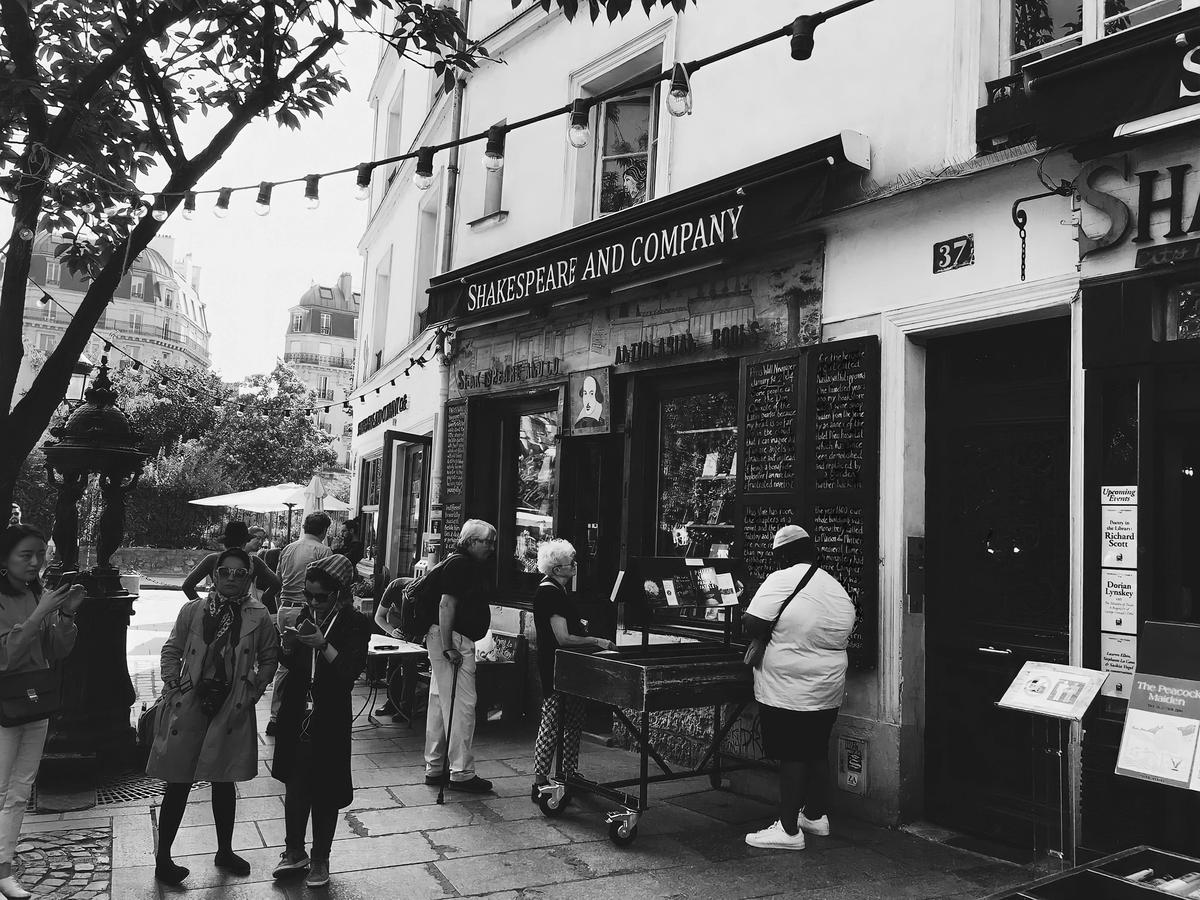
Shakespeare and Company
View on map
Audio Narrations
Introduction
Nestled on the Left Bank of the Seine, a stone's throw from Notre-Dame, Shakespeare and Company is more than a mere bookshop; it's a literary haven with a captivating past. Founded in 1951 by American expatriate George Whitman, the shop quickly became a sanctuary for Beat Generation writers like Allen Ginsberg and William S. Burroughs. Its creaking floorboards and labyrinthine shelves, overflowing with new and secondhand books, whisper tales of countless literary gatherings and late-night philosophical debates. Aspiring writers can still experience the shop's bohemian legacy through its tradition of offering aspiring writers a bed and workspace in exchange for helping out in the shop, a tradition that has fostered a unique and ever-evolving literary community within its walls. The shop's charmingly chaotic atmosphere, imbued with the spirit of literary giants, continues to inspire booklovers and dreamers from around the world, solidifying its place as a true Parisian institution.Bohemian Legacy
Shakespeare and Company in Paris is more than just a bookshop; it's a living testament to the enduring spirit of the Bohemian legacy. Founded in 1951 by George Whitman, the shop echoes the free-spirited, intellectual atmosphere of Sylvia Beach's original Shakespeare and Company, a haven for Hemingway and Fitzgerald in the 1920s. Whitman, a kindred spirit to Beach, envisioned a literary sanctuary, and his shop quickly became a magnet for wandering writers, poets, and artists. This legacy continues to this day. The shop's creaky floorboards and overflowing shelves whisper tales of countless aspiring writers who sought refuge, inspiration, and the camaraderie of fellow artists within its walls. Many stayed as "Tumbleweeds," the affectionate term for volunteers who help run the shop in exchange for a bed and a chance to immerse themselves in this unique literary haven. This tradition, a tangible link to the bohemian ideals of community and creative exchange, keeps the spirit of the Beat Generation alive. Shakespeare and Company stands as a beacon of bohemian ideals, a place where literature and life intertwine, and the pursuit of art transcends generations.Modernist Movement
While not directly born from the Modernist Movement, Shakespeare and Company in Paris became a haven for its proponents, embodying the movement's spirit in a tangible way. George Whitman, the bookstore's founder, shared the Modernists' disdain for rigid tradition and embraced their experimental nature. The bookstore became a microcosm of this ethos, a place where established literary giants sat alongside aspiring writers, their conversations a tapestry of unconventional ideas and artistic exploration. The very layout of the bookstore, a labyrinthine collection of bookshelves and cozy nooks, mirrored the Modernist rejection of structured, linear thinking. It encouraged exploration and serendipitous discovery, much like the stream-of-consciousness narratives favored by Modernist writers. Shakespeare and Company, with its open-door policy for struggling artists and writers, embodied the movement's social conscience, offering refuge and fostering a community of creative minds challenging the established norms. The bookstore became a living testament to the Modernist spirit, a place where art and life intertwined, and the written word served as a catalyst for change and innovation.
10
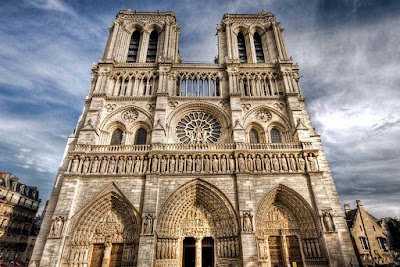
Cathédrale Notre-Dame de Paris
View on map
Audio Narrations
Introduction
Notre-Dame de Paris, a masterpiece of French Gothic architecture, rises from the Île de la Cité, an island nestled in the heart of the Seine. Its construction, spanning from 1163 to 1345, reflects the evolving styles of the era, evident in the transition from Romanesque to Gothic elements. While the cathedral's iconic towers and stained glass windows captivate all who visit, a closer look reveals fascinating details often overlooked. Gargoyles, those fantastical creatures perched atop the edifice, served not just as decorative elements but as functional waterspouts. Deep within the cathedral's treasury lies a venerated relic – the purported Crown of Thorns, believed to have been worn by Jesus Christ. The cathedral's south rose window, a breathtaking spectacle of stained glass, miraculously survived the devastating fire of 2019, its vibrant hues still casting a mesmerizing glow upon the interior.Gargoyles and Chimeras
Notre Dame's gargoyles and chimeras are far more than decorative flourishes. While the rain-spouting gargoyles, with their grotesque visages, served a practical purpose, the chimeras are purely decorative, their fantastical forms perched high on towers and rooftops. These mythical beasts, a blend of different animals, were never intended to ward off evil, as some believe. Instead, they served as symbolic protectors of the cathedral and reminders of the line between the earthly and the divine. Look closely, and you'll find a menagerie of creatures: eagle-headed griffins, winged demons, and the fearsome tarasque, a dragon-like beast from Provençal legend. One of the most famous chimeras, the "Stryge," perches atop the south tower, its elbows resting on the parapet, seemingly contemplating the city below. These stone creatures, sculpted from blocks of limestone, are not original to the cathedral. They were added during the 19th-century restoration led by Viollet-le-Duc, who drew inspiration from medieval bestiaries and his own imagination. Despite their relatively recent addition, the gargoyles and chimeras of Notre Dame have become integral to the cathedral's identity, captivating visitors with their intricate details and fantastical forms.Religious Relic
Notre-Dame de Paris, beyond its architectural grandeur, has been a sanctuary for sacred relics for centuries. Most renowned is the Crown of Thorns, believed to have been placed upon Jesus Christ during his crucifixion. Brought to Paris in the 13th century, this relic, crafted from rushes, is a poignant symbol of Christ's suffering and is deeply venerated by the faithful. Notre-Dame also houses a fragment of the True Cross, upon which Christ was crucified, and a nail from the crucifixion itself. These relics, displayed in ornate reliquaries, are brought out for veneration on specific holy days, drawing pilgrims from around the world. The presence of these relics elevates Notre-Dame beyond a magnificent cathedral; it transforms it into a sacred repository, a tangible link to the life and sacrifice of Jesus Christ. This spiritual dimension adds another layer of meaning to the experience of visiting Notre-Dame, inviting contemplation and reflection on faith and history.
11
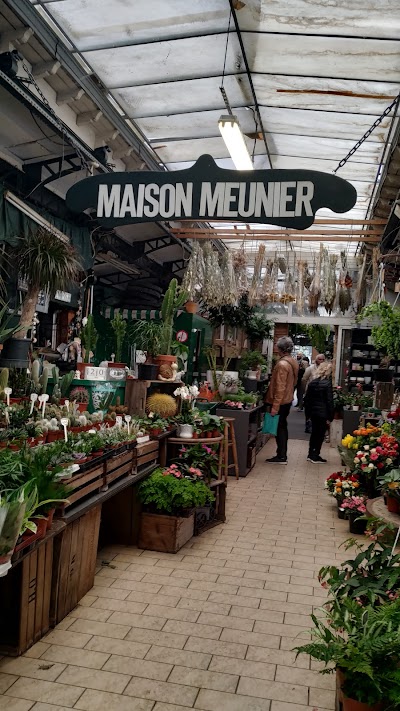
Marché aux Fleurs Reine Elizabeth II
View on map
Audio Narrations
Introduction
Nestled within the heart of Paris, the Marché aux Fleurs Reine Elizabeth II offers a sensory journey through vibrant colors and intoxicating scents. More than just a flower market, it stands as a testament to Parisian history, named after Queen Elizabeth II following her state visit in 1957. The market's wrought-iron pavilions, reminiscent of the 19th century, house a captivating array of blooms. Alongside the expected roses, tulips, and lilies, one discovers exotic orchids, delicate peonies, and even carnivorous plants tucked away in corners. This haven for horticultural enthusiasts also caters to bird lovers with a dedicated section featuring a symphony of chirping finches, canaries, and budgies. The Marché aux Fleurs Reine Elizabeth II is a testament to the Parisian love affair with beauty, both cultivated and wild, offering a glimpse into the city's enduring connection with nature.Horticultural Heritage
The Marché aux Fleurs Reine Elizabeth II stands as a vibrant testament to Paris's enduring horticultural heritage. For centuries, this site has served as a hub for plant trade, reflecting evolving horticultural trends and practices. The market's presence since the 17th century speaks to the longstanding French passion for gardens and cultivated beauty. Within its bustling aisles, one finds not only a vast array of flora, but also echoes of historical plant introductions. Many species, once considered exotic and rare, first entered the French horticultural scene through this very market, forever altering the landscape of Parisian gardens and parks. The generations of vendors, each contributing their expertise and passion, embody a living lineage of horticultural knowledge. Their practices, passed down through families or apprenticeships, preserve traditional cultivation techniques and plant varieties that might otherwise be lost. The Marché aux Fleurs Reine Elizabeth II, therefore, is more than just a marketplace; it's a living museum of horticultural history, where the past and present intertwine to inspire both seasoned gardeners and casual admirers alike.Architectural Landmark
While not a standalone architectural marvel, the Marché aux Fleurs Reine Elizabeth II holds a unique position in Parisian cityscape. Its integration into the historical fabric of Paris, nestled near the iconic Notre Dame Cathedral and the Seine River, makes it an intriguing element of the city's architectural tapestry. The market's design, a blend of functional metal structures and open-air stalls, provides a stark yet harmonious contrast to the grand, classical architecture of its surroundings. This juxtaposition highlights the evolution of Parisian urban design, showcasing the adaptation of public spaces to meet the city's changing needs while respecting its historical context. The market's metal framework, a common feature in 19th-century industrial architecture, adds a touch of industrial-era aesthetic to the heart of Paris, subtly reminding visitors of the city's multifaceted architectural heritage. The open layout of the stalls, a deliberate design choice, allows the vibrant colors and textures of the flowers to take center stage, turning the market itself into a dynamic, organic architectural element that changes with the seasons.
12
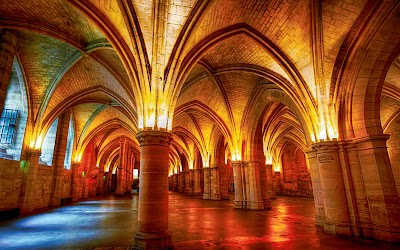
Conciergerie
View on map
Audio Narrations
Introduction
The Conciergerie, a formidable medieval palace turned chilling prison, stands as a stark reminder of the French Revolution's turbulent years. Located on the Île de la Cité, its Gothic architecture, with its imposing towers and fortified walls, belies its grim history. Once the residence of French kings, it was within these very walls that Marie Antoinette, the last Queen of France, spent her final days before her execution. Visitors can explore her reconstructed cell, a poignant space furnished with sparse belongings, offering a glimpse into the harsh realities of imprisonment during that era. Beyond its historical significance, the Conciergerie boasts remarkable architectural features, including the Salle des Gens d'Armes, a vast hall with soaring vaulted ceilings, a testament to the building's former grandeur. The Salle des Gardes, with its massive central pillar and ribbed vaults, further underscores the building's medieval origins. The Conciergerie's transformation from a royal palace to a notorious prison, and its eventual recognition as a UNESCO World Heritage site, reflects the complex and often tumultuous history of Paris itself.French Revolution
During the French Revolution, the Conciergerie, once a medieval palace, transformed into a stark symbol of the Reign of Terror. Within its walls, the Revolutionary Tribunal, a symbol of swift and often brutal justice, held court. Thousands, from aristocrats to revolutionaries themselves, faced accusations of counter-revolutionary activities within its somber chambers. The accused, stripped of their former lives and identities, were crammed into overcrowded cells, awaiting their fate. Among the most famous prisoners held within the Conciergerie was Marie Antoinette, the former queen. Imprisoned after the fall of the monarchy, she endured deplorable conditions and constant surveillance before her execution in 1793. Her memory lingers, particularly in the haunting reconstruction of her cell, a poignant reminder of the revolution's human cost. The Conciergerie stands as a chilling testament to this tumultuous period, its very stones echoing with the whispers of fear, despair, and the inexorable wheels of revolutionary justice.Seine River
The Seine River whispers tales of the Conciergerie, its dark stone facade reflected in the water's flow. This imposing edifice, once a royal palace, later a notorious prison, stands on the Île de la Cité, embraced by the Seine's two arms. For centuries, prisoners arrived by boat, passing beneath the Pont au Change, their fate sealed as they glimpsed the Conciergerie's forbidding towers. Imagine the despairing faces pressed against barred windows, catching a final glimpse of freedom on the river below. The Seine, witness to both regal processions and revolutionary turmoil, bore witness to the comings and goings of the Conciergerie's inhabitants. Even today, the rhythmic lapping of the Seine against the Conciergerie's foundations evokes the echoes of its tumultuous past, a poignant reminder of the site's layered history. A walk along the riverbanks, with the Conciergerie's imposing silhouette reflected in the water, offers a unique perspective on this historical landmark, connecting its somber past to the vibrant cityscape of present-day Paris.
Experience the Full Tour
Download the DocentPro app to access all tour stops, complete audio narrations in multiple languages, offline maps, and interactive features.