
Seine River Wonders

Walking Tour

6.5 km (4.0 miles)

1h 31min travel time

12 Stops

Paris, France
Seine River Wonders
Tour Stops
1
Eiffel Tower
View on map
Audio Narrations
Introduction
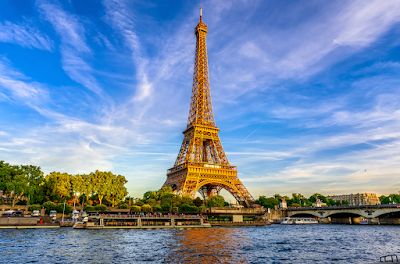
The Eiffel Tower, constructed from wrought iron, stands as a testament to both engineering ingenuity and architectural audacity. Its lattice structure, often mistaken as purely decorative, is integral to its stability, distributing weight evenly to withstand wind forces. The tower boasts not one, but three distinct levels for visitors, each offering a unique perspective of the Parisian landscape. While the panoramic views from the top are undeniably breathtaking, fewer venture to the first level where one can discover the preserved office of Gustave Eiffel himself. This hidden gem offers a glimpse into the mind of the visionary engineer and the tower's construction. Interestingly, the Eiffel Tower was initially met with resistance from prominent Parisian artists and intellectuals who deemed it an eyesore. Little did they know it would become the very symbol of Paris, attracting millions of visitors each year and inspiring awe with its sheer scale and intricate design.Cityscape Domination
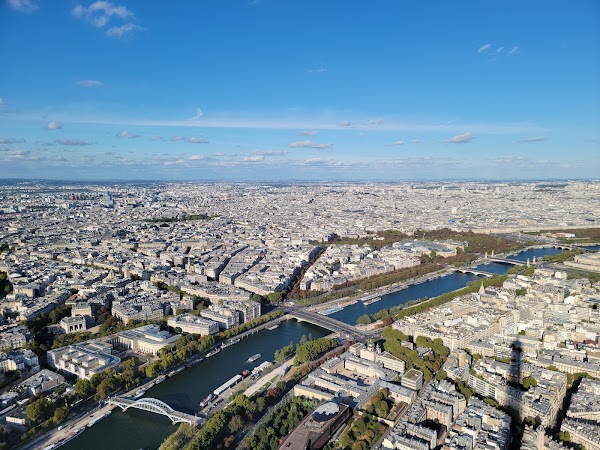
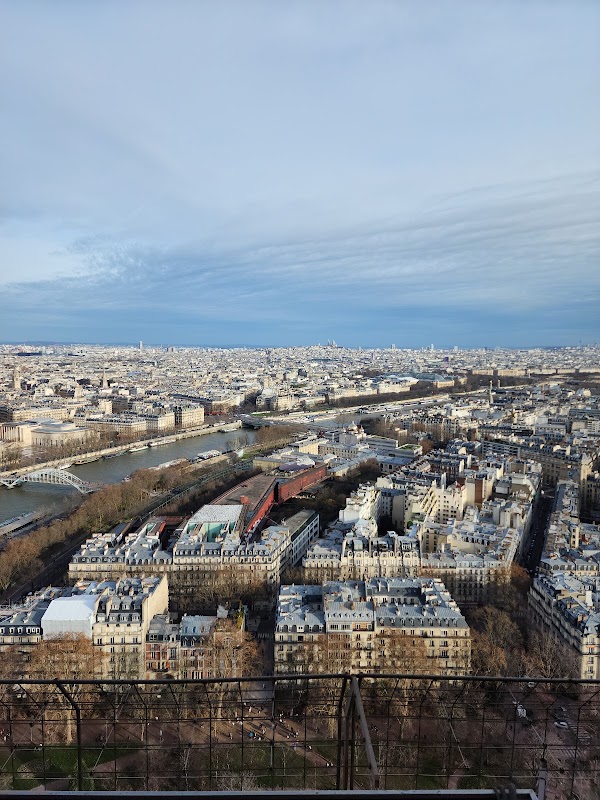
The Eiffel Tower's dominance over the Parisian cityscape is undeniable. Its iron latticework pierces the sky, dwarfing even the grand avenues and Haussmann-era buildings that define the City of Lights. Visible from almost every corner of Paris, it serves as a constant point of reference, a beacon in the urban landscape. This visual dominance was intentional. Gustave Eiffel, the tower's namesake, envisioned a structure that would not just blend in but boldly proclaim the arrival of the industrial age. The tower's sheer scale, reaching over 300 meters at its tip, was unprecedented in Paris, instantly transforming the city's skyline and setting a new standard for architectural ambition. Even today, amidst the modern skyscrapers of La Défense business district, the Eiffel Tower retains its powerful presence, a testament to its enduring impact on the Parisian cityscape. It is a symbol of human ingenuity, a reminder of the city's evolution, and a constant in the ever-changing panorama of Paris.Romantic Icon
The Eiffel Tower, piercing the Parisian skyline, transcends its steel structure to embody romance itself. Its silhouette, instantly recognizable and eternally captured in countless love locks, whispers tales of amour. The twinkling lights that illuminate the tower each night, transforming it into a beacon of golden brilliance, have witnessed countless stolen kisses and whispered promises. Each shimmering beam seems to echo with the joy and hope of new love and the enduring strength of long-lasting bonds. Couples from around the world flock to its base, drawn by an invisible magnetic pull, to declare their love with the City of Lights as their backdrop. A proposal beneath the Eiffel Tower, bathed in the warm glow of its nightly spectacle, transcends a simple question; it becomes a pledge woven into the very fabric of one of the world's most romantic cities. The tower stands as a silent sentinel, bearing witness to countless love stories that unfold beneath its majestic presence, forever linking its image with the magic of romance.
2
Musée du quai Branly - Jacques Chirac
View on map
Audio Narrations
导言
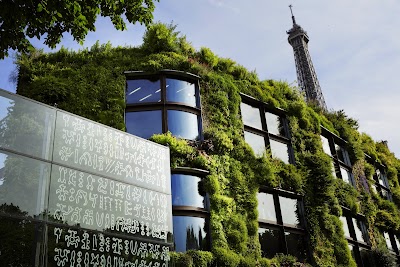
布朗利码头博物馆——雅克·希拉克博物馆是见证非洲、亚洲、大洋洲和美洲艺术和文化的博物馆,这些文化在以西方为中心的传统博物馆中常常被忽视。其独特的建筑设计是让·努维尔和景观艺术家吉勒斯·克莱芒特合作的成果,本身就是一件奇观。这座建筑仿佛从其郁郁葱葱的花园环境中自然生长出来,模糊了自然与人类创造之间的界限。在博物馆内部,其馆藏以令人印象深刻的面具、雕塑、纺织品和仪式用具为特色,每一件都诉说着遥远土地和古老传统的传说。一个特别引人入胜的方面是专门用于临时展览的空间,为当代土著艺术提供了一个动态平台,并探索文化之间的持续对话。博物馆致力于通过音乐、舞蹈和讲故事来展示这些社区的活态遗产,使其不仅仅是一个文物库;它还是一个充满活力的文化交流和理解中心。原始主义争论
布朗利码头博物馆以其庞大的非欧洲艺术收藏而闻名,它处于原始主义争论的核心。博物馆的存在本身就引发了关于艺术分类和殖民主义遗产的问题。批评者认为,通过将不同的文化归为“原始”这一总称,该博物馆延续了对艺术史的等级观点,将西方置于其顶峰。他们质疑这些物品,通常起源于仪式或实用,是否应该通过西方的视角被视为“艺术”。博物馆的建筑融合了现代和有机形式,进一步激化了争论,一些人将其解释为强化了对“原始”的浪漫化观点。然而,布朗利码头博物馆也提供了一个挑战这些观念的平台。它的展览和节目通常直接涉及殖民主义的复杂性和它对非西方艺术认知的影响。博物馆力求在它们的文化背景下展示这些物品,突出它们的工艺和超越西方美学价值的意义。参观者必须应对这些对比鲜明的观点,这使得布朗利码头博物馆不仅仅是一个博物馆,而是一个对艺术和文化不断变化的理解进行批判性反思的动态空间。塞纳河滨
坐落在左岸,布朗利码头博物馆 - 雅克·希拉克与塞纳河畔有着独特的关系。其庞大的外墙,由玻璃和绿植组成的充满活力的挂毯,似乎与流动的水进行着持续的对话。这座由让·努维尔设计的建筑奇迹将河流作为关键元素,模糊了博物馆外部和塞纳河边缘之间的界限。漫步在河岸的游客会遇到博物馆悬垂部分投射出的迷人光影交错,其存在既庄严又诱人。博物馆的花园层叠而下,通向水面,为人们提供了一个远离城市喧嚣的宁静避难所,塞纳河的景色从树叶间若隐若现。这种自然与建筑的无缝融合创造了一种宁静的氛围,当人们从充满活力的河岸过渡到博物馆的中心时,会产生沉思和反思。
3
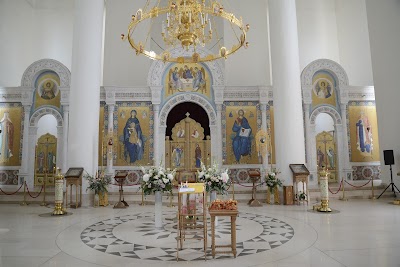
Cathédrale de la Sainte-Trinité
View on map
Audio Narrations
Introduction
The Cathédrale de la Sainte-Trinité, often overshadowed by its more famous Parisian counterparts, stands as a testament to the city's architectural diversity. Consecrated in 1867, this often-overlooked gem boasts a unique blend of architectural styles, fusing Romanesque and Byzantine influences. Its striking facade, adorned with colorful mosaics and intricate sculptures, hints at the opulence within. Stepping inside, visitors are greeted by an ethereal expanse bathed in light streaming through magnificent stained-glass windows. These vibrant windows, some of the largest in Paris, depict scenes from the Old and New Testaments, casting a kaleidoscope of colors across the interior. Adding to its allure, the cathedral houses a magnificent pipe organ, renowned for its rich tones and impressive scale. This lesser-known Parisian treasure offers a moment of peaceful reflection amidst the bustling city, inviting contemplation of its artistic grandeur and often-overlooked place in Parisian history.Iconostasis
The iconostasis within the Cathédrale de la Sainte-Trinité in Paris presents a unique blend of Byzantine tradition and modern artistic expression. Designed by the renowned Russian iconographer Léonid Ouspensky, it departs from a strictly traditional arrangement, reflecting a contemporary interpretation of ancient forms. Crafted primarily from walnut wood, the iconostasis is notable for its relatively modest height, fostering a sense of openness and accessibility within the sanctuary. This design choice allows for a greater visual connection between the nave and the altar, emphasizing the shared experience of the liturgy. The icons themselves, painted by Ouspensky and his students, adhere to the stylistic conventions of the neo-canonical school, characterized by their vibrant colors, expressive brushwork, and theological depth. The arrangement of icons, while adhering to the fundamental hierarchical structure, also incorporates unique elements that reflect the specific dedication of the cathedral to the Holy Trinity. This interplay of tradition and innovation makes the iconostasis of the Cathédrale de la Sainte-Trinité a compelling example of the living tradition of Byzantine iconography within a modern context.Orthodox Christianity in France
The Cathédrale de la Sainte-Trinité in Paris stands as a powerful symbol of the growing presence of Orthodox Christianity in France. Consecrated in 2016, this modern cathedral serves as the seat of the Russian Orthodox Diocese of Chersonesus, highlighting the historical ties between France and Russia within the Orthodox faith. Its striking contemporary design, a departure from traditional Orthodox aesthetics, reflects the dynamic evolution of the religion within the French cultural landscape. The cathedral's presence has provided a spiritual home for France's burgeoning Orthodox community, which includes descendants of Russian emigrants from the early 20th century and more recent converts. Beyond religious services, the Cathédrale de la Sainte-Trinité has become a hub for cultural exchange, hosting exhibitions, concerts, and lectures that introduce the richness of Orthodox tradition to a wider French audience. Its location in Paris, a global crossroads, further emphasizes the cathedral's role in fostering dialogue and understanding between the Orthodox world and the West.
4
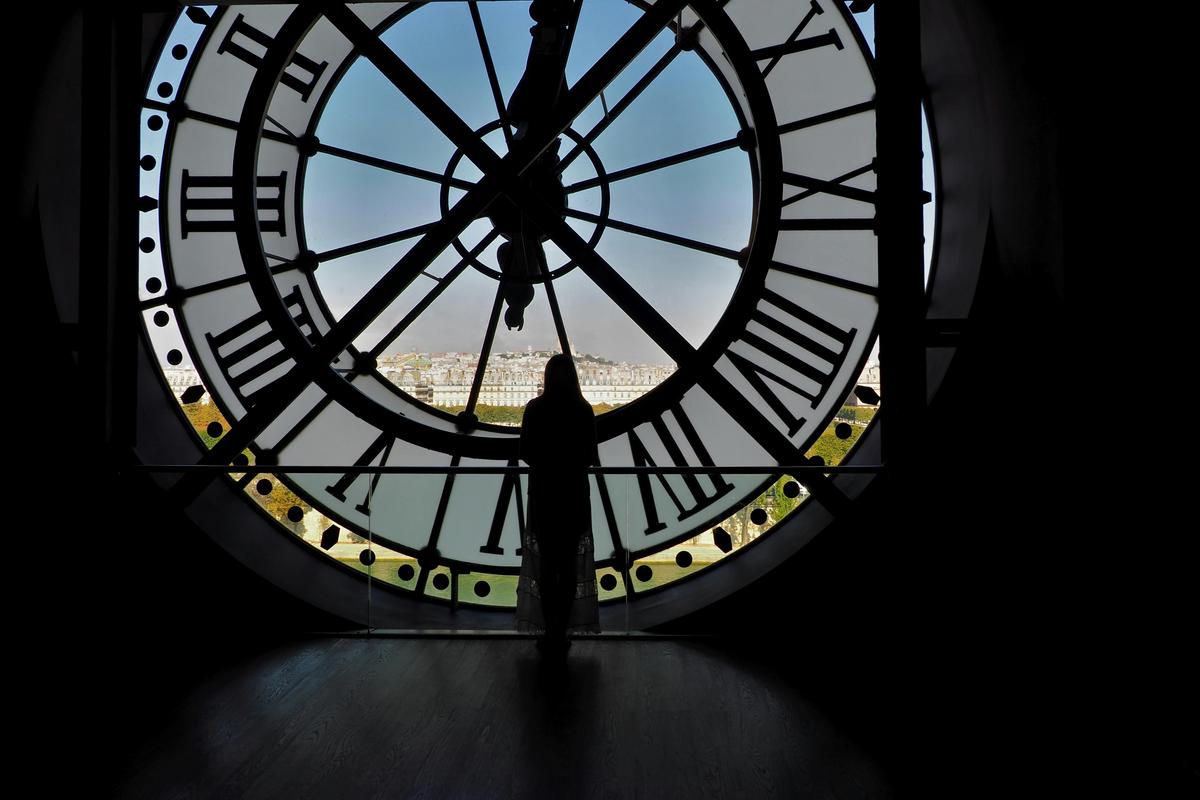
Musée d'Orsay
View on map
Audio Narrations
Introduction
Housed in the grandiose former Gare d'Orsay, a Beaux-Arts railway station on the banks of the Seine, the Musée d'Orsay holds a special place in the Parisian art scene. It is renowned for housing the largest collection of Impressionist and post-Impressionist masterpieces globally. Stepping into the museum is akin to stepping into a late 19th-century Parisian salon, with its soaring ceilings, ornate clocks, and grand chandeliers. While renowned for iconic paintings like Manet's "Le Déjeuner sur l'herbe" and Van Gogh's self-portraits, the museum also boasts a fascinating collection of decorative arts, photography, and sculpture. A lesser-known treasure is the restaurant, housed in the former hotel dining room, with its opulent Belle Époque décor and breathtaking views of the Tuileries Garden. This juxtaposition of art and architecture, combined with the historical significance of the building itself, makes the Musée d'Orsay a truly captivating experience.Parisian Landmarks
The Musée d'Orsay holds a unique position amongst Parisian landmarks, not just for its impressive collection of Impressionist and Post-Impressionist art, but also for its remarkable history intertwined with the city's evolution. Once a bustling railway station, the Gare d'Orsay, its grand architecture with its soaring arched ceiling and ornate clock face, bore witness to the arrival of the Belle Epoque and the dawn of the 20th century. This architectural gem, facing the Seine and mirroring the Louvre across the river, narrowly escaped demolition in the 1970s. Its transformation into a museum dedicated to art predominantly from the period 1848 to 1914 adds a poignant layer to its story, reflecting the changing artistic landscape of Paris during a period of immense creativity. Standing as a testament to both the city's architectural prowess and its artistic legacy, the Musée d'Orsay offers a captivating journey through time, reminding visitors of Paris's constant evolution and its enduring spirit of reinvention.Post-Impressionism
The Musée d'Orsay in Paris offers an unparalleled journey into the heart of Post-Impressionism. Stepping beyond the confines of Impressionism, artists like Georges Seurat, Paul Signac, and Camille Pissarro, represented in the museum's collection through iconic works, sought a more structured and analytical approach to painting. Their exploration of color theory, evident in Seurat's pointillist masterpieces, and their emphasis on symbolic and emotional expression, as seen in Van Gogh's poignant landscapes and portraits, laid the groundwork for modern art. The Orsay's collection allows for an intimate exploration of this pivotal transition, showcasing not just the stylistic innovations but also the personal struggles and artistic dialogues that defined the movement. From the vibrant hues of Gauguin's Tahitian canvases to the melancholic beauty of Toulouse-Lautrec's depictions of Parisian nightlife, the Musée d'Orsay provides a nuanced understanding of Post-Impressionism's lasting impact on the trajectory of art history. The museum's unique setting, a former railway station, further enhances the experience, its industrial grandeur providing a striking backdrop for these revolutionary works.
5
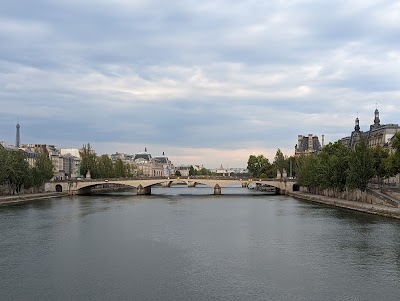
Pont des Arts
View on map
Audio Narrations
Introduction
The Pont des Arts, a pedestrian bridge spanning the Seine in Paris, holds a unique place in the city's romantic landscape. Unlike its more ornate counterparts, this bridge captivates with its simplicity. Constructed in 1804 as one of the first metal bridges in Paris, it originally featured nine arches and served as a crucial link between the Louvre and the Institut de France. The bridge's history, however, is marked by both joy and sorrow. Severely damaged during World War II, it was later rebuilt in its current form with seven arches. For decades, the Pont des Arts was adorned with thousands of "love locks" attached by couples as a symbol of their commitment. This charming tradition, however, ultimately proved detrimental, adding significant weight to the bridge's structure. Today, the bridge stands free of locks, its metal railings replaced with transparent panels, offering unobstructed views of the Seine and the Parisian skyline. This transformation, while controversial, has returned the bridge to its original elegance, a testament to its enduring allure in a city that breathes romance.Literary Setting
The Pont des Arts, a pedestrian bridge spanning the Seine, holds a unique place in literary Paris. More than just a picturesque backdrop, it has served as a symbolic space for writers to explore themes of love, loss, and artistic expression. Its metal framework, once adorned with thousands of "love locks," has borne witness to countless whispered promises and poignant farewells, echoing the romanticism often found in French literature. The bridge's position, offering unparalleled views of iconic Parisian landmarks like the Louvre and Notre Dame, has provided fertile ground for writers seeking to capture the city's beauty and grandeur. Furthermore, the Pont des Arts has attracted artists and bohemians for centuries, making it a natural gathering place for literary characters seeking inspiration or a break from societal norms. Its presence in literature often reflects this artistic spirit, serving as a space where characters engage in philosophical discussions, artistic pursuits, or chance encounters that shape their destinies. The bridge's own history, including its near demolition and subsequent restoration, adds another layer of symbolism, reflecting themes of resilience and the enduring power of art and love.Seine River Views
From the Pont des Arts, the Seine unveils itself as a living tapestry of Parisian life. The iron latticework of the bridge frames postcard-worthy views of the river's languid flow, its surface reflecting the changing hues of the sky. Gaze east towards the Ile de la Cité, where the imposing silhouette of Notre Dame Cathedral rises above the riverbanks. As dusk descends, the cathedral's illuminated facade casts a shimmering reflection upon the water, a spectacle best admired from the bridge's vantage point. To the west, the Grand Palais's majestic glass dome glimmers in the distance, while charming houseboats, known as péniches, bob gently below, offering a glimpse into a tranquil life on the water. The rhythmic passing of the bateaux-mouches, the Seine's iconic riverboats, adds a touch of Parisian charm to the scene. The Pont des Arts, devoid of the weight of love locks, allows for unobstructed panoramic views, making it a privileged spot to witness the Seine's timeless beauty and its integral role in the heart of Paris.
6
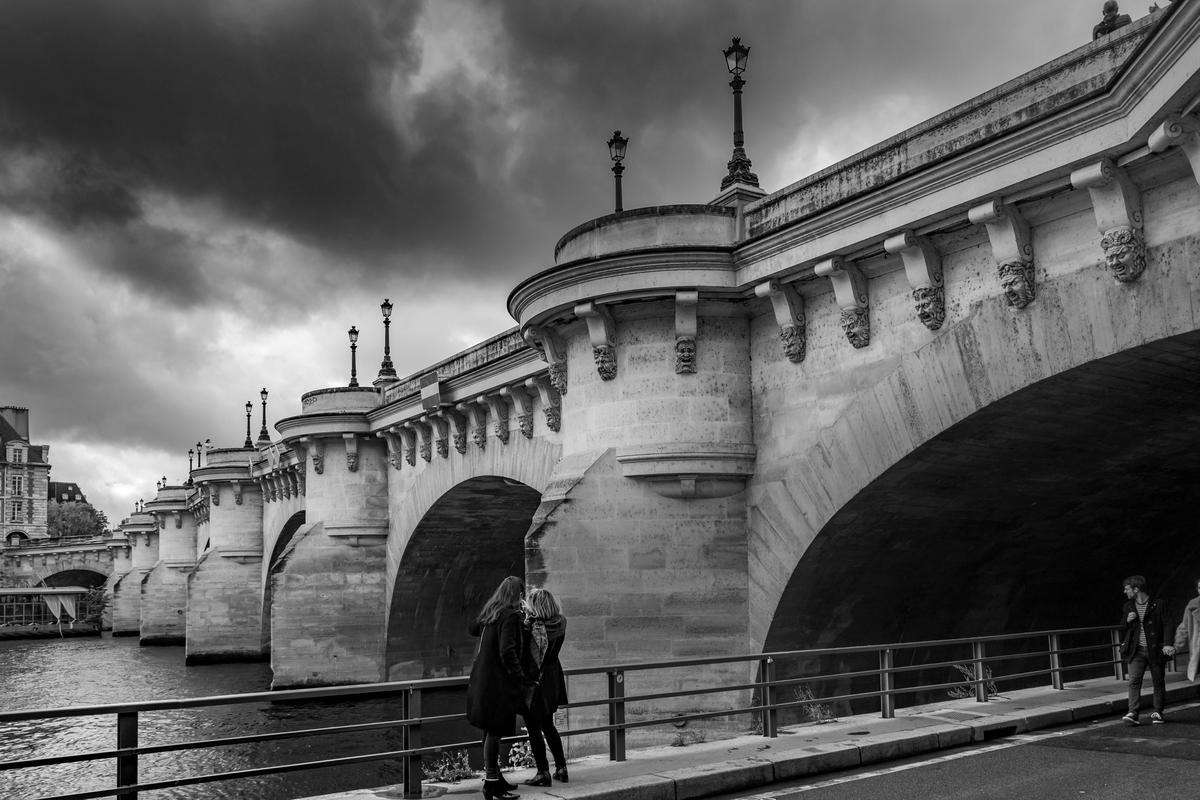
Pont Neuf
View on map
Audio Narrations
Introduction
Spanning the Seine River at its narrowest point, the Pont Neuf stands as a testament to Parisian history, despite its name, which translates to "New Bridge." Completed in 1607, it was a marvel of urban planning, boasting the first Parisian bridge without houses crowding its length, allowing citizens and visitors alike to enjoy unobstructed views of the river and the city beyond. Its distinctive design, featuring twelve arches and adorned with 381 unique mascarons (grotesque masks), each representing a different character, quickly made it a beloved landmark. The bridge's central point, marked by an equestrian statue of King Henri IV, offers a breathtaking panorama of the Île de la Cité, the historical heart of Paris. Interestingly, the Pont Neuf was also a hub of commerce and social life, with vendors and entertainers setting up shop along its wide walkways. This bustling atmosphere, captured in numerous paintings and literary works, cemented the bridge's place in the Parisian imagination.Oldest Standing Bridge in Paris
Despite its name meaning "New Bridge," the Pont Neuf holds the distinguished title of the oldest standing bridge in Paris. Completed in 1607, its longevity is a testament to the ingenuity of its design and construction during the reign of King Henry IV. While other Parisian bridges succumbed to the ravages of time, floods, and the need for modernization, the Pont Neuf endured. Its sturdy structure, featuring twelve arches and fortified with protective breakwaters, proved resilient against the powerful currents of the Seine River. This resilience contrasts sharply with the fate of its predecessors, often built from wood or less durable materials, which proved ill-equipped to withstand the test of time. The Pont Neuf's enduring presence offers a tangible link to the Paris of the Renaissance, its stone arches echoing centuries of history and whispering tales of a bygone era. It stands as a symbol of architectural prowess and a silent witness to the city's ever-evolving urban landscape.Seine River Views
The Pont Neuf, despite its name meaning "New Bridge," offers timeless perspectives of the Seine River. From its central position spanning the Île de la Cité, the bridge unveils a captivating panorama of Parisian lifeblood. Upstream, the river flows towards verdant reflections of the Tuileries Garden, while downstream, the iconic silhouette of the Eiffel Tower pierces the horizon. The bridge's numerous arches, each framing a unique vista, showcase the ever-changing moods of the Seine. Observe the gentle sway of bateaux mouches as they glide beneath, their lights painting streaks across the water's surface at twilight. From this vantage point, one can witness the play of light and shadow on the river's surface, from the golden hues of sunrise reflecting off the Louvre's facade to the shimmering cityscape under a canopy of stars. The Pont Neuf's pedestrian walkways, devoid of traffic, provide an ideal setting to pause and absorb the captivating scenes of river commerce and leisure that have unfolded for centuries. It's a place where history and the vibrant pulse of Parisian life converge, best experienced with the gentle current of the Seine as a backdrop.
7
Square du Vert-Galant
View on map
Audio Narrations
Introduction
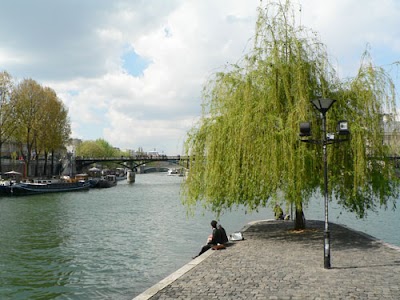
Nestled at the western tip of Île de la Cité, Square du Vert-Galant offers a unique Parisian experience. This intimate park, shaped like the bow of a ship, juts out into the Seine, providing unparalleled views of the river and its iconic bridges. Named after King Henry IV, known as "le Vert-Galant" (the Green Gallant) for his amorous nature, the square whispers tales of the past. A bronze statue of the king, erected in 1824, stands as a reminder of his reign. Descending a staircase from Pont Neuf, visitors are enveloped in a verdant haven, a stark contrast to the bustling city surrounding it. Weeping willows caress the water's edge, their branches swaying gently in the breeze. Benches tucked beneath the trees offer a secluded spot for contemplation or a romantic rendezvous. The square's charm lies in its simplicity, a tranquil escape amidst the grandeur of Paris. It's a place where one can almost hear the echoes of history, the murmur of the river, and the whispers of lovers.Île de la Cité History
Square du Vert-Galant, nestled at the western tip of Île de la Cité, whispers tales of the island's transformation. Once a tumultuous space prone to flooding and housing a bustling marketplace, the area underwent a dramatic shift during the reign of Henri IV, whose nickname, "Vert-Galant" (the Green Gallant), graces the square today. His vision for the island extended beyond its practical uses; he sought to elevate its status and beauty. The creation of the square was part of a larger project to reshape the western point of Île de la Cité, turning a previously neglected area into a place of leisure and grandeur. This reflected a broader trend in Parisian history, where the city's rulers sought to tame the Seine and mold the island to their liking, reflecting evolving tastes and ambitions. Today, the square's verdant foliage and romantic ambiance stand in stark contrast to the island's tumultuous past, offering a tranquil escape amidst the heart of Paris while echoing the enduring legacy of Henri IV and his mark on the city's historical landscape.Seine River Views
From the tip of Square du Vert-Galant, the Seine River unfurls in a captivating panorama. This intimate park, shaped like the bow of a ship, juts out into the river, offering unobstructed views both upstream and downstream. Gaze eastward towards the Ile de la Cité, where the majestic Notre Dame Cathedral dominates the skyline. The river shimmers, reflecting the changing light and the grandeur of Parisian architecture. As you turn west, the Eiffel Tower pierces the sky in the distance, a constant reminder of the city's iconic beauty. The gentle current carries with it traditional bateaux mouches, their presence adding a touch of Parisian charm to the scene. The Square itself, with its weeping willows and lush greenery, provides a sense of tranquility amidst the urban bustle, making it a perfect spot to pause and soak in the captivating views of the Seine. The combination of historical landmarks, architectural marvels, and the ever-changing river traffic creates a captivating spectacle, best appreciated from this unique vantage point.
8
St. Michael's Bridge
View on map
Audio Narrations
Introduction
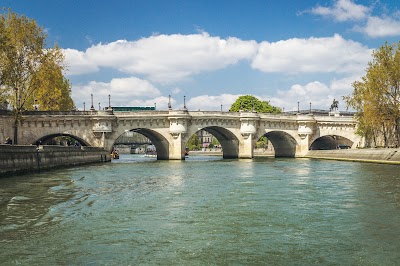
The Pont Saint-Michel, a stone arch bridge, strides across the Seine in Paris, connecting the Île de la Cité, the historical heart of the city, to the vibrant Latin Quarter. Built in 1857, it replaced a series of earlier bridges dating back to the 14th century, each bearing witness to the ebb and flow of Parisian life. The bridge is instantly recognizable by its distinctive ornamentation: six cast iron lampposts adorned with elaborate decorations and the letter "N," a subtle nod to Napoleon III, during whose reign the bridge was constructed. Atop its parapet, carved spandrels, each unique, depict fantastical creatures and floral motifs, adding a touch of whimsy to the otherwise imposing structure. From the bridge, one is afforded breathtaking views of Notre Dame Cathedral, its spire piercing the Parisian sky, and the verdant Square du Vert-Galant, a small island at the western tip of Île de la Cité, often overlooked by visitors. The Pont Saint-Michel, a testament to Parisian history and architectural prowess, offers a unique vantage point from which to contemplate the city's enduring beauty.Seine River Bridges
St. Michael's Bridge stands out among its Seine River brethren with a unique architectural distinction: it is one of only two bridges in Paris built without a central arch. This design choice, a response to the era's burgeoning river traffic, allows for unobstructed views up and down the Seine. This lack of a central arch, however, necessitated innovative engineering. St. Michael's Bridge boasts the widest metal arch ever constructed at the time of its completion, a testament to the ambition of its design. This engineering feat, while impressive, is subtly hidden beneath the bridge's ornate decoration. The bridge is adorned with numerous sculptures and lampposts, a characteristic shared with many Seine River bridges. However, St. Michael's Bridge distinguishes itself with a unique dedication to the history of France. Each of its lampposts is crowned with a gilded "N," a tribute to Napoleon Bonaparte, while the bridge's stonework incorporates remnants from demolished structures of the French Revolution, silently echoing the city's tumultuous past.Literary Landmarks
While not a literary landmark in the traditional sense of a bookshop or writer's haunt, St. Michael's Bridge holds a unique place in Paris's literary history. Its location, a stone's throw from the Latin Quarter, placed it near the heart of Paris's intellectual and artistic life. For centuries, the bridge bustled with booksellers, their stalls lining its sides, making it a popular destination for bibliophiles. This vibrant trade earned the bridge the nickname "Pont Neuf but for books." Writers and thinkers, from the university and beyond, would have undoubtedly crossed this bridge, their minds brimming with ideas, perhaps stopping to browse the booksellers' wares. Although the booksellers are long gone, replaced by souvenir stalls and street performers, echoes of this literary heritage linger. Imagine the ghost of a young Hemingway, fresh off the train from America, pausing on the bridge, gazing at Notre Dame, and feeling the first stirrings of inspiration that would later fuel his Parisian adventures. St. Michael's Bridge stands as a silent witness to the ebb and flow of literary life that has always characterized the City of Lights.
9
Shakespeare and Company
View on map
Audio Narrations
Introduction
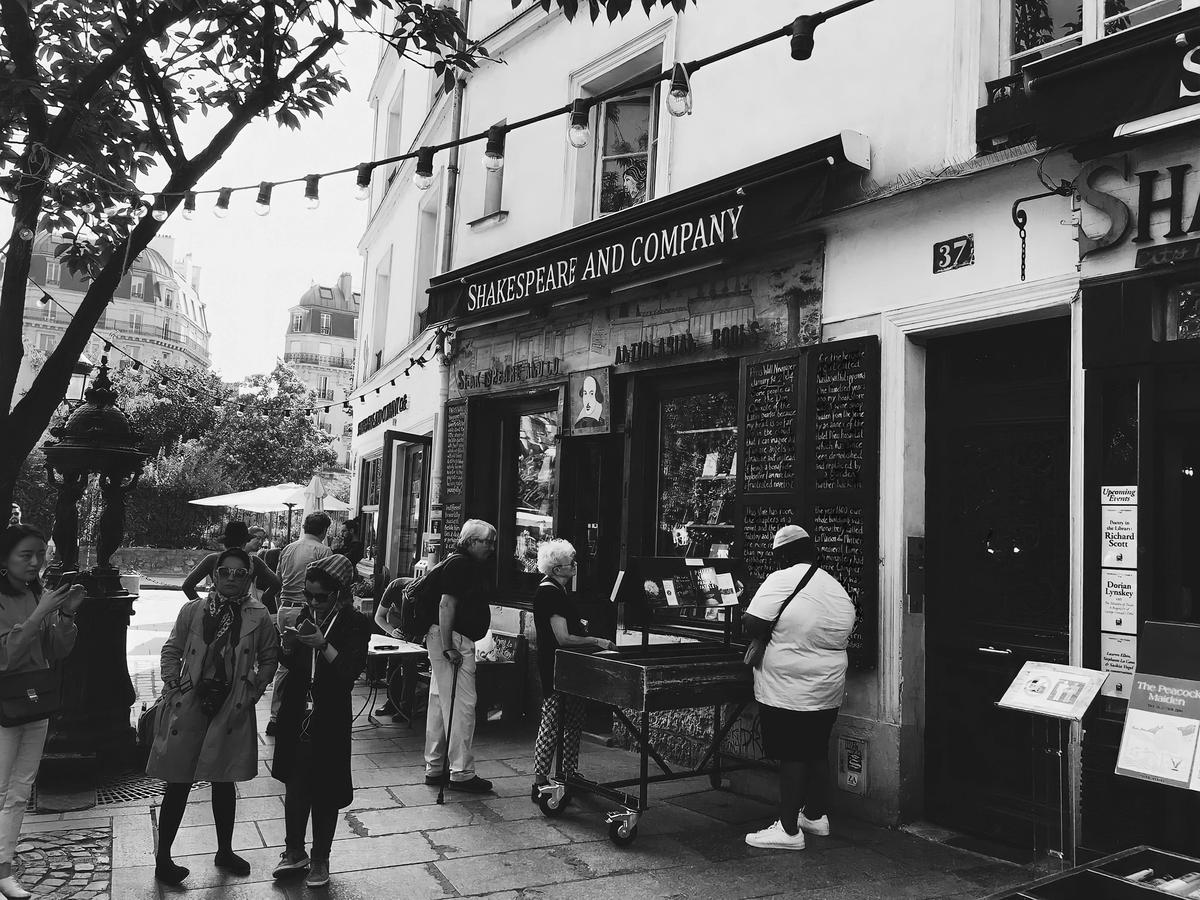
Nestled on the Left Bank of the Seine, a stone's throw from Notre-Dame, Shakespeare and Company is more than a mere bookshop; it's a literary haven with a captivating past. Founded in 1951 by American expatriate George Whitman, the shop quickly became a sanctuary for Beat Generation writers like Allen Ginsberg and William S. Burroughs. Its creaking floorboards and labyrinthine shelves, overflowing with new and secondhand books, whisper tales of countless literary gatherings and late-night philosophical debates. Aspiring writers can still experience the shop's bohemian legacy through its tradition of offering aspiring writers a bed and workspace in exchange for helping out in the shop, a tradition that has fostered a unique and ever-evolving literary community within its walls. The shop's charmingly chaotic atmosphere, imbued with the spirit of literary giants, continues to inspire booklovers and dreamers from around the world, solidifying its place as a true Parisian institution.Bohemian Legacy
Shakespeare and Company in Paris is more than just a bookshop; it's a living testament to the enduring spirit of the Bohemian legacy. Founded in 1951 by George Whitman, the shop echoes the free-spirited, intellectual atmosphere of Sylvia Beach's original Shakespeare and Company, a haven for Hemingway and Fitzgerald in the 1920s. Whitman, a kindred spirit to Beach, envisioned a literary sanctuary, and his shop quickly became a magnet for wandering writers, poets, and artists. This legacy continues to this day. The shop's creaky floorboards and overflowing shelves whisper tales of countless aspiring writers who sought refuge, inspiration, and the camaraderie of fellow artists within its walls. Many stayed as "Tumbleweeds," the affectionate term for volunteers who help run the shop in exchange for a bed and a chance to immerse themselves in this unique literary haven. This tradition, a tangible link to the bohemian ideals of community and creative exchange, keeps the spirit of the Beat Generation alive. Shakespeare and Company stands as a beacon of bohemian ideals, a place where literature and life intertwine, and the pursuit of art transcends generations.Modernist Movement
While not directly born from the Modernist Movement, Shakespeare and Company in Paris became a haven for its proponents, embodying the movement's spirit in a tangible way. George Whitman, the bookstore's founder, shared the Modernists' disdain for rigid tradition and embraced their experimental nature. The bookstore became a microcosm of this ethos, a place where established literary giants sat alongside aspiring writers, their conversations a tapestry of unconventional ideas and artistic exploration. The very layout of the bookstore, a labyrinthine collection of bookshelves and cozy nooks, mirrored the Modernist rejection of structured, linear thinking. It encouraged exploration and serendipitous discovery, much like the stream-of-consciousness narratives favored by Modernist writers. Shakespeare and Company, with its open-door policy for struggling artists and writers, embodied the movement's social conscience, offering refuge and fostering a community of creative minds challenging the established norms. The bookstore became a living testament to the Modernist spirit, a place where art and life intertwined, and the written word served as a catalyst for change and innovation.
10
Cathédrale Notre-Dame de Paris
View on map
Audio Narrations
Introduction
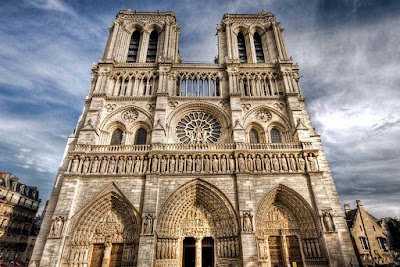
Notre-Dame de Paris, a masterpiece of French Gothic architecture, rises from the Île de la Cité, an island nestled in the heart of the Seine. Its construction, spanning from 1163 to 1345, reflects the evolving styles of the era, evident in the transition from Romanesque to Gothic elements. While the cathedral's iconic towers and stained glass windows captivate all who visit, a closer look reveals fascinating details often overlooked. Gargoyles, those fantastical creatures perched atop the edifice, served not just as decorative elements but as functional waterspouts. Deep within the cathedral's treasury lies a venerated relic – the purported Crown of Thorns, believed to have been worn by Jesus Christ. The cathedral's south rose window, a breathtaking spectacle of stained glass, miraculously survived the devastating fire of 2019, its vibrant hues still casting a mesmerizing glow upon the interior.Gargoyles and Chimeras
Notre Dame's gargoyles and chimeras are far more than decorative flourishes. While the rain-spouting gargoyles, with their grotesque visages, served a practical purpose, the chimeras are purely decorative, their fantastical forms perched high on towers and rooftops. These mythical beasts, a blend of different animals, were never intended to ward off evil, as some believe. Instead, they served as symbolic protectors of the cathedral and reminders of the line between the earthly and the divine. Look closely, and you'll find a menagerie of creatures: eagle-headed griffins, winged demons, and the fearsome tarasque, a dragon-like beast from Provençal legend. One of the most famous chimeras, the "Stryge," perches atop the south tower, its elbows resting on the parapet, seemingly contemplating the city below. These stone creatures, sculpted from blocks of limestone, are not original to the cathedral. They were added during the 19th-century restoration led by Viollet-le-Duc, who drew inspiration from medieval bestiaries and his own imagination. Despite their relatively recent addition, the gargoyles and chimeras of Notre Dame have become integral to the cathedral's identity, captivating visitors with their intricate details and fantastical forms.Religious Relic
Notre-Dame de Paris, beyond its architectural grandeur, has been a sanctuary for sacred relics for centuries. Most renowned is the Crown of Thorns, believed to have been placed upon Jesus Christ during his crucifixion. Brought to Paris in the 13th century, this relic, crafted from rushes, is a poignant symbol of Christ's suffering and is deeply venerated by the faithful. Notre-Dame also houses a fragment of the True Cross, upon which Christ was crucified, and a nail from the crucifixion itself. These relics, displayed in ornate reliquaries, are brought out for veneration on specific holy days, drawing pilgrims from around the world. The presence of these relics elevates Notre-Dame beyond a magnificent cathedral; it transforms it into a sacred repository, a tangible link to the life and sacrifice of Jesus Christ. This spiritual dimension adds another layer of meaning to the experience of visiting Notre-Dame, inviting contemplation and reflection on faith and history.
11
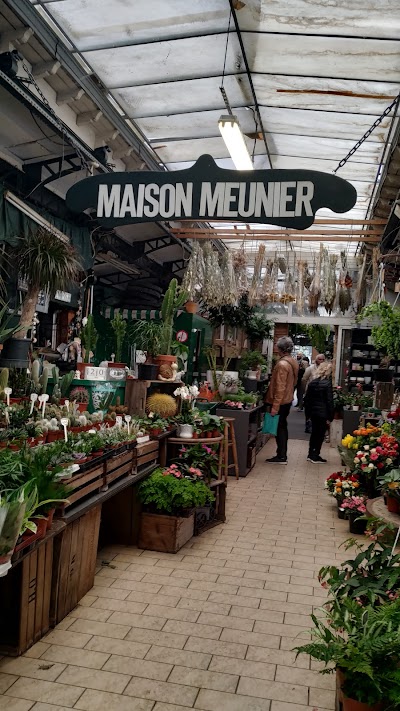
Marché aux Fleurs Reine Elizabeth II
View on map
Audio Narrations
导言
坐落在巴黎的中心地带,伊丽莎白二世女王鲜花市场提供了一场感官之旅,色彩缤纷,香气醉人。它不仅仅是一个花卉市场,更是巴黎历史的见证,以伊丽莎白二世女王1957年的国事访问而命名。市场的锻铁亭子让人想起19世纪,里面摆放着各种迷人的花卉。除了常见的玫瑰、郁金香和百合,人们还可以发现异国情调的兰花、娇嫩的牡丹,甚至还有藏在角落里的食肉植物。这个园艺爱好者的天堂还为爱鸟人士提供了一个专门的区域,那里有成群结队的鸣禽、金丝雀和虎皮鹦鹉。伊丽莎白二世女王鲜花市场证明了巴黎人对美丽的事物的热爱,无论是人工培育的还是野生的,它让我们得以一窥这座城市与大自然之间持久的关系。园艺遗产
花卉女王伊丽莎白二世市场是巴黎悠久园艺传统的生动见证。几个世纪以来,这个地方一直是植物贸易的中心,反映了不断发展的园艺趋势和实践。自 17 世纪以来,该市场的存在证明了法国人对花园和栽培美的持久热情。在其熙熙攘攘的过道中,人们不仅可以找到种类繁多的植物,还可以听到历史悠久的植物引进的回声。许多物种曾经被认为是奇异而稀有的,它们首次通过这个市场进入法国园艺界,永远改变了巴黎花园和公园的景观。几代供应商,每个人都贡献着自己的专业知识和热情,体现了园艺知识的活生生的传承。他们的做法通过家庭或学徒制代代相传,保留了传统栽培技术和可能失传的植物品种。因此,花卉女王伊丽莎白二世市场不仅仅是一个市场;它是一个园艺历史的活生生的博物馆,过去和现在在这里交织在一起,激发了经验丰富的园丁和普通爱好者。建筑地标
虽然花卉市场伊丽莎白二世女王市场本身并不是一个独立的建筑奇迹,但它在巴黎城市景观中占据着独特的地位。它坐落在标志性的巴黎圣母院和大教堂附近,融入巴黎的历史肌理,成为城市建筑肌理中引人入胜的元素。该市场的建筑设计融合了功能性金属结构和露天摊位,与周围宏伟的古典建筑形成鲜明而和谐的对比。这种并置突出了巴黎城市设计的演变,展示了公共空间适应城市不断变化的需求,同时尊重其历史背景。该市场的金属框架是 19 世纪工业建筑的常见特征,为巴黎中心增添了一抹工业时代的美感,巧妙地提醒游客这座城市多方面的建筑遗产。摊位的开放式布局是一种深思熟虑的设计选择,让鲜花的鲜艳色彩和纹理成为焦点,将市场本身变成一个随着季节变化的动态、有机的建筑元素。
12
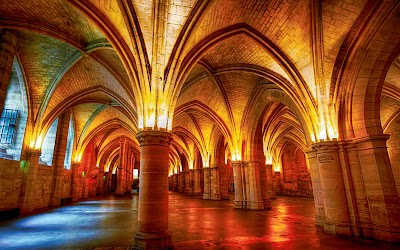
Conciergerie
View on map
Audio Narrations
导言
协和监狱,一座令人畏惧的中世纪宫殿,后来变成了令人毛骨悚然的监狱,它作为法国大革命动荡岁月的严酷提醒而矗立着。它位于西岱岛,其哥特式建筑,高耸的塔楼和坚固的城墙,掩盖了它那段可怕的历史。它曾经是法国国王的住所,就在这些围墙内,法国最后一位王后玛丽·安托瓦内特在被处决前度过了她最后的时光。游客可以探索她重建的牢房,这是一个令人心酸的空间,里面摆放着稀疏的物品,让人们得以一窥那个时代监禁的残酷现实。除了其历史意义外,协和监狱还拥有非凡的建筑特色,包括 Salle des Gens d'Armes,一个带有高耸拱形天花板的大厅,证明了这座建筑昔日的宏伟。Salle des Gardes,其巨大的中央柱子和肋状拱顶,进一步突显了这座建筑的中世纪起源。协和监狱从王宫转变为臭名昭著的监狱,并最终被联合国教科文组织认定为世界遗产,这反映了巴黎本身复杂且常常动荡的历史。法国大革命
在法国大革命期间,协和监狱,曾经的中世纪宫殿,变成了恐怖统治的严酷象征。在其围墙内,革命法庭,迅速而经常残酷的正义的象征,举行法庭。从贵族到革命者本身,成千上万的人在其阴郁的房间内面临反革命活动的指控。被告被剥夺了他们以前的生活和身份,被塞进人满为患的牢房,等待着他们的命运。协和监狱中最著名的囚犯之一是前王后玛丽·安托瓦内特。在君主制垮台后被监禁,她在1793年被处决之前忍受了恶劣的条件和不断的监视。她的记忆挥之不去,尤其是在她牢房的令人难忘的重建中,这是革命的人力成本的一个令人心酸的提醒。协和监狱作为这一动荡时期的令人毛骨悚然的证明,它的石头本身就回荡着恐惧、绝望和革命正义无情的车轮的低语。塞纳河
塞纳河低语着协和监狱的故事,它那深色的石制外墙倒映在水流中。这座宏伟的建筑曾经是皇宫,后来成为臭名昭著的监狱,它矗立在西岱岛上,被塞纳河的两条支流环绕。几个世纪以来,囚犯们乘船抵达,从新桥下经过,当他们瞥见协和监狱令人望而生畏的塔楼时,他们的命运就注定了。想象一下绝望的面孔贴在有栏杆的窗户上,在下面的河面上最后瞥见自由。塞纳河见证了皇室游行和革命动荡,也见证了协和监狱居民的来来往往。即使在今天,塞纳河有节奏地拍打着协和监狱的地基,唤起了它动荡过去的回声,令人心酸地提醒着这个地方的层层历史。沿着河岸散步,协和监狱雄伟的剪影倒映在水中,为这个历史地标提供了一个独特的视角,将它阴郁的过去与当今巴黎充满活力的城市景观联系在一起。
Experience the Full Tour
Download the DocentPro app to access all tour stops, complete audio narrations in multiple languages, offline maps, and interactive features.