
Parisian Rhapsody: An Architectural Symphony in the City of Lights

Walking Tour

8.8 km (5.5 miles)

2h 1min travel time

12 Stops

Paris, France
Parisian Rhapsody: An Architectural Symphony in the City of Lights
Tour Stops
1
Arc de Triomphe
View on map
Audio Narrations
서론
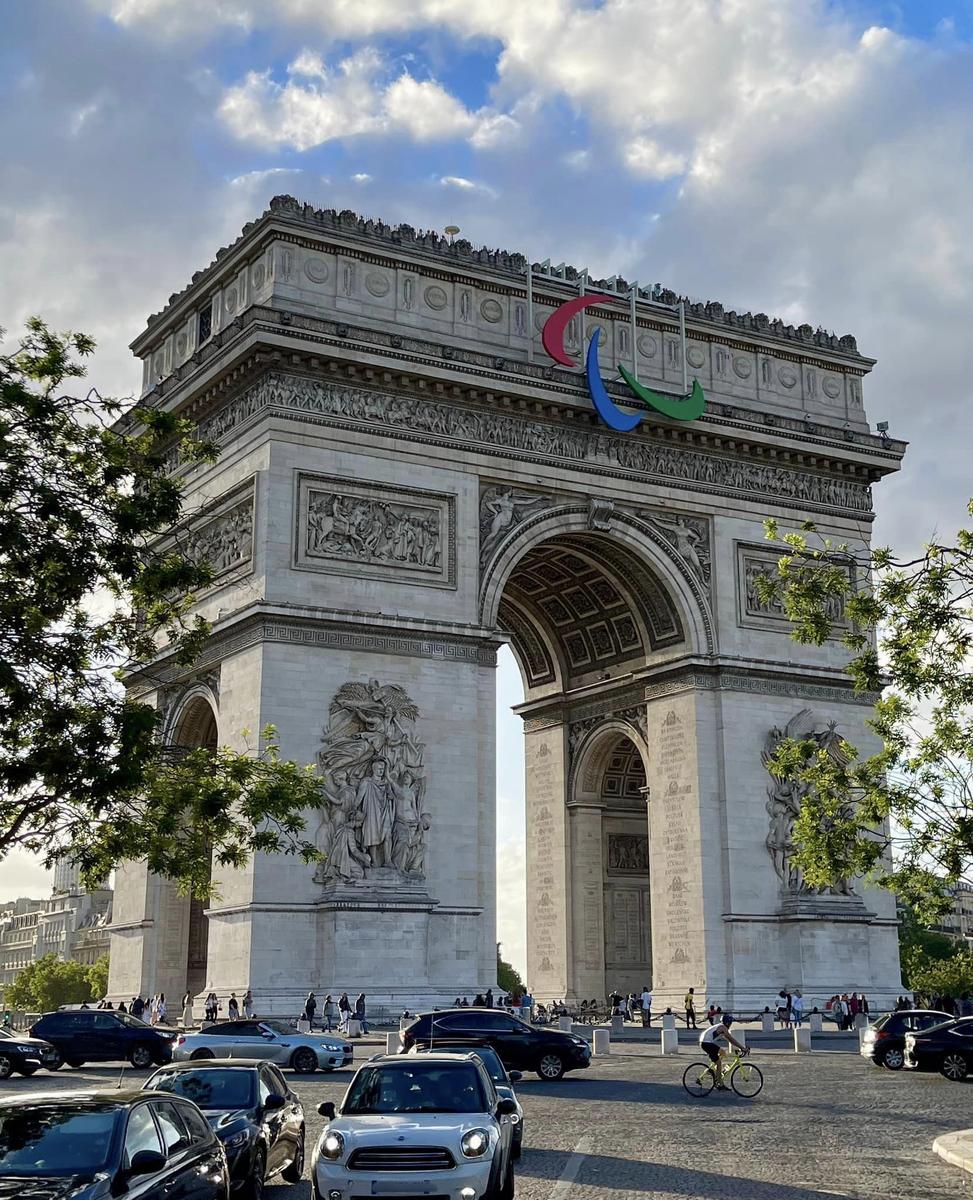
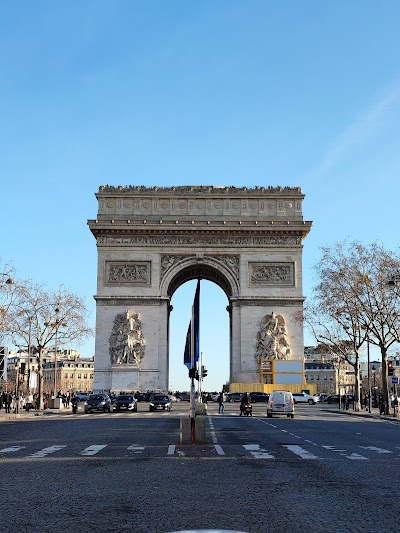
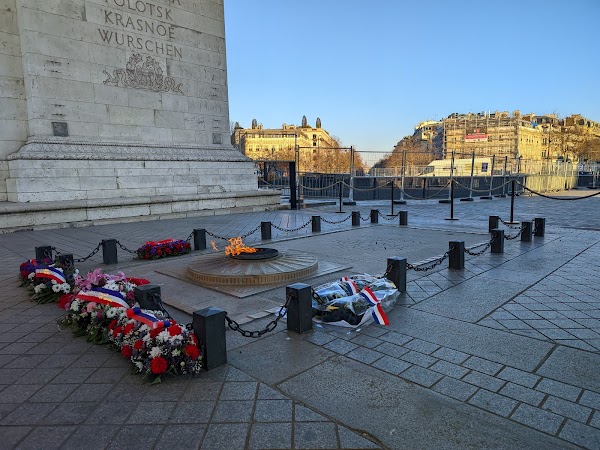
샹젤리제 서쪽 끝에 서 있는 개선문은 단순한 파리의 랜드마크가 아닙니다. 프랑스 군대의 승리를 기념하기 위해 1806년 나폴레옹 보나파르트가 직접 의뢰한 이 기념물은 실제로 1836년 루이 필립 국왕 통치 하에서 완공되었습니다. 이러한 지연은 개선문이 궁극적으로 건설되기 전에 일어난 군사적 승리를 기리는 역사적 아이러니를 더합니다. 개선문을 장식하는 복잡한 프리즈와 조각품은 프랑스 혁명과 나폴레옹 전쟁의 중요한 전투와 인물을 묘사하며, 각각 용기와 정복의 조용한 이야기를 전합니다. 흥미롭게도 개선문은 전 세계의 유사한 개선문에 영감을 주어 건축 및 기념 디자인에 영향을 미쳤습니다. 이 거대한 구조물 아래에는 전쟁의 인간적 비용을 가슴 아프게 일깨워주는 무명 용사의 무덤이 있으며, 매년 추모식이 열리는 곳입니다. 개선문 꼭대기에 있는 파노라마 테라스는 파리의 숨 막히는 전경을 제공하며, 방문객은 바퀴의 스포크처럼 방사형으로 뻗어나가는 도시의 웅장한 대로를 따라갈 수 있습니다. 이는 도시 디자인에서 개선문이 차지하는 중심적인 위치를 증명합니다.상징적 축
파리의 개선문은 단순한 기념물이 아니라 "역사적 축" 또는 "역사적 축선"의 중심점입니다. 이 축선은 파리 중심부를 가로지르는 약 5마일 길이의 직선입니다. 동쪽에서 서쪽으로 이어지는 이 보이지 않는 축선은 도시의 가장 중요한 랜드마크를 연결합니다. 샹젤리제 서쪽 끝에 우뚝 서 있는 개선문은 이 장엄한 축선에 화려한 느낌표를 찍습니다. 루브르 박물관에서 시작하여 튈르리 정원을 거쳐 콩코드 광장의 오벨리스크를 지나 샹젤리제를 따라 올라가는 이 축선을 따라가 보세요. 여정은 개선문 기슭에서 절정에 달하며, 이는 프랑스 역사와 장엄함을 통과하는 승리의 행렬을 상징합니다. 이 의도적인 정렬은 개선문에 더 깊은 의미를 부여하여 단독 기념물에서 더 큰 도시 서사의 필수 구성 요소로 바꿉니다. 이는 파리의 설계에 담긴 의도를 강조하며, 공간이 역사적, 상징적 의미의 층으로 어떻게 얽혀 있는지 보여줍니다.군사적 승리
파리의 개선문은 프랑스 군사적 승리에 대한 기념비적인 증거로 서 있습니다. 1806년 아우스터리츠 전투에서의 승리를 기념하기 위해 나폴레옹 보나파르트가 의뢰한 이 개선문은 프랑스 군대의 용기와 희생을 영원히 기립니다. 개선문의 웅장한 부조는 아부키르 전투, 제마프 전투, 마르소 장군을 포함한 프랑스 군사 역사의 중요한 전투와 주요 인물을 묘사합니다. 개선문의 기둥에는 프랑스 혁명과 나폴레옹 전쟁 동안 벌어진 128개의 전투 이름이 새겨져 있으며, 각각 이러한 갈등의 규모와 영향을 엄숙하게 일깨워줍니다. 이러한 비문 중에는 나폴레옹 자신, 드제, 클레베르와 같은 저명한 프랑스 군 지도자의 이름을 찾을 수 있으며, 그들의 유산은 개선문의 당당한 존재와 영원히 얽혀 있습니다. 1921년에 추가된 무명 용사의 무덤은 개선문의 아치 아래에 있으며, 프랑스라는 이름으로 수많은 군인들이 한 궁극적인 희생을 상징하는 감동적인 상징입니다. 매일 저녁 다시 불이 붙는 영원한 불꽃은 그들의 용기와 그들의 기억에 대한 엄숙한 찬사를 끊임없이 상기시킵니다.
2
Champs-Élysées
View on map
Audio Narrations
Introduction
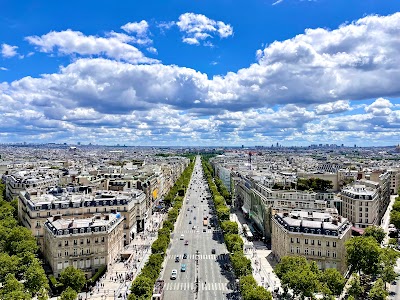
The Champs-Élysées, often simply called "Les Champs," is more than just a Parisian avenue; it's a stage for history and a symbol of French grandeur. Stretching from the Place de la Concorde to the Arc de Triomphe, its wide sidewalks and meticulously planned landscaping have made it a model for grand avenues worldwide. While many associate it with luxury boutiques and flagship stores, the avenue's character changes dramatically along its length. The lower section, closer to the Place de la Concorde, offers a tranquil escape with its shaded promenades and the Grand Palais and Petit Palais flanking its sides. Further up, the avenue transforms into a bustling commercial hub, but even here, architectural gems like the Art Deco Théâtre des Champs-Élysées remind you of the avenue's rich artistic heritage. Interestingly, before its grand transformation in the 17th century, the Champs-Élysées was a much humbler space, primarily consisting of fields and market gardens. This evolution from a simple pathway to a globally recognized symbol of elegance and sophistication is a testament to the city's ever-evolving spirit.Global Tourism
The Champs-Élysées stands as a prime example of how global tourism shapes urban landscapes. Its evolution from a 17th-century garden promenade to today's bustling commercial avenue directly results from its global appeal. This transformation is evident in the presence of flagship stores of international brands, catering to a diverse and affluent clientele. The avenue's iconic status, cemented through countless films and literary works, draws visitors seeking a quintessential Parisian experience. This high demand fuels a cycle of continuous development, with businesses, restaurants, and cultural institutions tailoring their offerings to cater to this international audience. The Champs-Élysées' ability to adapt and cater to evolving global tastes while maintaining its historical charm is a testament to its enduring allure in the world of international travel. However, this global appeal presents challenges, such as balancing mass tourism with the preservation of the avenue's authentic character and managing the environmental impact of high visitor numbers. The Champs-Élysées thus serves as a microcosm of the complexities and opportunities presented by global tourism in the 21st century.Triumphal Architecture
While not typically considered a singular triumphal structure, the Champs-Élysées embodies the spirit of triumphal architecture in a uniquely urban form. Its origins lie in the 17th century, conceived as a grand processional avenue extending from the Louvre Palace. This design, echoing ancient Roman triumphal roads, was meant to glorify the French monarchy. The Arc de Triomphe, standing at the western end, solidifies this triumphal narrative. Commissioned by Napoleon, it celebrates his victories and reinforces the Champs-Élysées as a symbolic pathway of power. The avenue's wide perspective, designed for grand military parades, further emphasizes this theme. Even the placement of statues and fountains along the Champs-Élysées, often depicting historical figures or allegorical representations of victory, contributes to the overall triumphal message. Therefore, the Champs-Élysées, through its design and evolution, transcends a simple boulevard and becomes a living monument to French ambition and achievement.
3
Grand Palais
View on map
Audio Narrations
Introduction
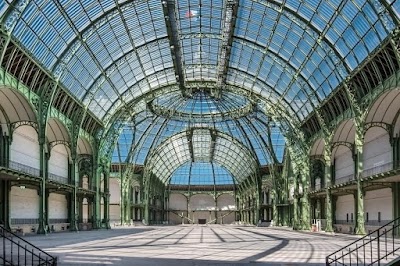
The Grand Palais, a magnificent Parisian landmark, stands proudly at the heart of the city. Built for the 1900 Universal Exposition, this architectural marvel is renowned for its awe-inspiring nave and glass roof, supported by an impressive 6,000 tonnes of steel. The Grand Palais, currently undergoing extensive restoration, is scheduled to reopen in April 2024, ready to host the Olympic and Paralympic Games. This iconic venue boasts a rich history as a prestigious showcase for diverse sporting and artistic events. From hosting world-renowned fencing championships to showcasing the works of acclaimed artists, the Grand Palais has consistently served as a cultural hub. Each year, over two million visitors immerse themselves in the rich cultural tapestry offered by this extraordinary venue. Following its restoration, the Grand Palais will continue to be a vibrant center for cultural events throughout the year. The 2024 Paris Olympics will see the Grand Palais host fencing and taekwondo competitions, adding to its legacy as a stage for both artistic and athletic excellence. Beyond its sporting significance, the Grand Palais offers a unique glimpse into Parisian history. The building's intricate facade, adorned with sculptures and polychrome friezes, reflects the architectural grandeur of the Belle Époque. The interior, featuring a monumental staircase and a breathtaking glass roof, showcases the innovative spirit of the era. The Grand Palais is not merely a venue; it is a testament to the city's cultural heritage and its enduring passion for art, sport, and innovation. As it prepares to welcome the world once again in 2024, the Grand Palais stands poised to continue its legacy as a symbol of Parisian excellence.Exhibition Venue
Grand Palais: A Parisian Exhibition Powerhouse The Grand Palais, a Parisian architectural marvel, stands as a testament to the city's rich artistic heritage. Its vast, glass-vaulted nave and ornate Beaux-Arts facade have captivated visitors for over a century, making it a premier exhibition venue in the heart of France. Beyond its undeniable grandeur, the Grand Palais boasts a unique versatility that caters to a diverse range of exhibitions. Its modular design allows for the creation of intimate spaces for smaller displays or expansive halls for large-scale installations. This adaptability has attracted a wide array of events, from prestigious art fairs like FIAC and Paris Photo to immersive fashion shows and captivating historical retrospectives. The Grand Palais's central location on the Champs-Élysées adds to its allure. Situated amidst iconic landmarks and cultural institutions, it offers unparalleled accessibility and visibility. This prime location ensures that exhibitions held within its walls reach a vast and diverse audience, further solidifying its position as a cultural hub. However, the Grand Palais is more than just an exhibition space. Its soaring glass roof bathes the interior in natural light, creating a dynamic and inspiring atmosphere for both exhibitors and visitors. The intricate ironwork and decorative elements add a touch of grandeur, transporting visitors to a bygone era of artistic extravagance. The Grand Palais is not merely a venue for showcasing art; it actively participates in the creative process. Its dedicated team of curators and technicians collaborates with artists and institutions to produce groundbreaking exhibitions that push boundaries and spark dialogue. This commitment to innovation ensures that the Grand Palais remains at the forefront of the contemporary art scene. In conclusion, the Grand Palais is more than just an exhibition venue; it is a vibrant cultural platform that fosters creativity, inspires dialogue, and celebrates the power of art. Its unique blend of architectural grandeur, historical significance, and contemporary relevance makes it an unparalleled destination for experiencing the best of Parisian art and culture.Sporting Arena
Grand Palais: A Sporting Arena Steeped in History While renowned for its art exhibitions and architectural grandeur, the Grand Palais in Paris also boasts a rich history as a sporting arena. Constructed for the 1900 World's Fair, the venue has witnessed a diverse range of sporting events, from fencing and cycling to boxing and equestrian competitions. The Salle des Fêtes, the Grand Palais's main hall, served as the centerpiece for sporting events. Its vast space, measuring 240 meters long and 110 meters wide, provided ample room for various sporting disciplines. The hall's glass roof, a marvel of engineering, bathed the arena in natural light, creating a unique and inspiring atmosphere for athletes and spectators alike. The Grand Palais hosted the fencing and cycling competitions during the 1900 Olympics, marking its debut as a major international sporting stage. Throughout the 20th century, the venue continued to host prestigious sporting events, including the 1924 Summer Olympics boxing competition and the 1968 European Figure Skating Championships. Beyond the Olympics, the Grand Palais witnessed legendary moments in boxing history. In 1923, the hall hosted the Georges Carpentier vs. Battling Siki fight, a highly anticipated bout that drew a massive crowd. The arena also played host to the 1934 European Boxing Championships, further solidifying its reputation as a premier venue for the sport. Equestrian events also found a home within the Grand Palais's walls. The 1924 Olympic equestrian competition showcased the world's finest riders and horses, while the annual Paris International Horse Show, held at the Grand Palais from 1951 to 1971, captivated audiences with its thrilling displays of equestrian skill. Today, the Grand Palais continues to be a versatile venue, occasionally hosting sporting events alongside its cultural programming. Its rich sporting history adds another layer to its multifaceted identity, reminding us of its role in shaping the landscape of French and international sports.
4
Petit Palais
View on map
Audio Narrations
Introduction
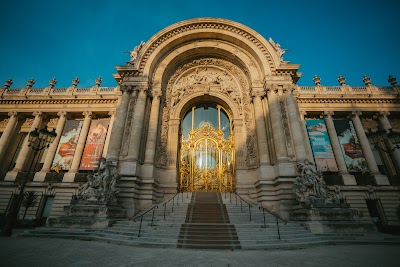
Nestled in the heart of Paris, the Petit Palais, a Beaux-Arts masterpiece, stands as a testament to the city's artistic grandeur. Built for the 1900 Exposition Universelle, it houses a treasure trove of French and Italian art spanning centuries. Step inside and be captivated by the breathtaking architecture. The grand staircase, adorned with intricate mosaics and sculptures, leads to a series of opulent galleries. The Salon d'Honneur, with its soaring dome and stained-glass windows, is a sight to behold. Explore the museum's diverse collection, from medieval masterpieces to Impressionist gems. Admire the delicate brushstrokes of Monet's "Water Lilies" and marvel at the vibrant colors of Renoir's "Bal du moulin de la Galette." Delve into the world of French sculpture, with works by Rodin and Carpeaux. Be mesmerized by the graceful lines of "The Kiss" and the raw emotion of "Ugolino and His Sons." The Petit Palais also boasts a remarkable collection of decorative arts, including furniture, tapestries, and ceramics. Discover the exquisite craftsmanship of Sèvres porcelain and the intricate designs of Gobelins tapestries. Beyond its permanent collection, the Petit Palais hosts temporary exhibitions that showcase the works of renowned artists and explore diverse artistic movements. A visit to the Petit Palais is a journey through time, offering a glimpse into the rich artistic heritage of France and beyond. From its stunning architecture to its exceptional collection, this museum is a must-see for any art enthusiast.Cultural Events
Nestled in the heart of Paris, the Petit Palais unveils a treasure trove of cultural events that ignite the senses and inspire the soul. This architectural gem, adorned with intricate Art Nouveau details, transcends its role as a museum, transforming into a vibrant stage for artistic expression. Step into the grand Salon d'Honneur, where the walls whisper tales of bygone eras. Here, the annual "Nuit Blanche" festival paints the night with a kaleidoscope of contemporary art installations, performances, and music, blurring the lines between reality and imagination. Delve into the world of fashion at the "Petit Palais Fashion Week," where emerging designers showcase their avant-garde creations. Witness the metamorphosis of the museum's serene galleries into a runway pulsating with creativity and innovation. For the bibliophile, the "Salon du Livre" offers a literary feast. Browse through a curated selection of books, meet renowned authors, and engage in lively discussions about the written word. The Petit Palais becomes a haven for book lovers, fostering a love for literature and the power of storytelling. Music aficionados can immerse themselves in the "Festival de Musique Classique," where the museum's acoustics come alive with the melodies of renowned orchestras and soloists. The intimate setting creates an unparalleled connection between the performers and the audience, transporting listeners to a realm of pure musical bliss. The Petit Palais is not merely a repository of art; it is a living, breathing entity that pulsates with the rhythm of cultural events. From the avant-garde to the classical, the museum offers a diverse tapestry of experiences that cater to every artistic inclination.Architectural Landmark
The Petit Palais, a stunning architectural gem nestled in the heart of Paris, stands as a testament to the grandeur of the Beaux-Arts style. Built for the 1900 Exposition Universelle, this magnificent structure embodies the architectural ideals of its era. Its imposing facade, adorned with intricate sculptures and crowned by a majestic dome, commands attention and admiration. The building's harmonious proportions and symmetrical design reflect the classical principles that guided its construction. Stepping inside the Petit Palais is akin to entering a time capsule of architectural brilliance. The grand staircase, with its sweeping curves and ornate balustrade, sets the tone for the opulent interiors. The museum's galleries, adorned with rich marbles and gilded details, provide a fitting backdrop for the impressive collection of French art. The building's layout, with its enfilade of rooms and interconnected spaces, creates a sense of flow and grandeur. The Petit Palais is not merely a repository of art; it is an architectural masterpiece in its own right. Its innovative use of materials, such as the extensive use of glass and iron, showcases the technological advancements of the time. The building's integration with its surrounding gardens further enhances its aesthetic appeal, creating a harmonious dialogue between architecture and nature. As an architectural landmark, the Petit Palais stands as a testament to the enduring legacy of the Beaux-Arts style. Its intricate details, opulent interiors, and innovative design continue to inspire and captivate visitors from around the world. It is a place where art and architecture converge, creating an unforgettable experience for all who enter its doors.
5
Place de la Concorde
View on map
Audio Narrations
Introduction
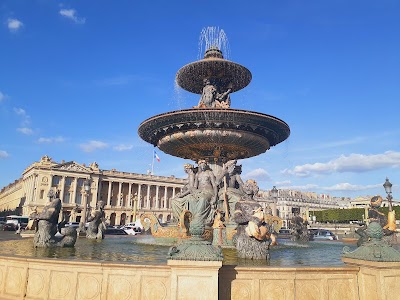
Place de la Concorde, a majestic square in the heart of Paris, stands as a testament to the city's rich history and evolving identity. Originally conceived as a symbol of royal power, the square has witnessed pivotal moments in French history, from the execution of Louis XVI to the joyous celebrations of Bastille Day. Its transformation from a place of public executions to a vibrant hub of Parisian life reflects the city's resilience and capacity for reinvention. The square's design, conceived by Ange-Jacques Gabriel, embodies the principles of French Neoclassicism. Its harmonious proportions, elegant symmetry, and monumental scale create a sense of grandeur and order. The centerpiece of the square is the Luxor Obelisk, a 3,300-year-old Egyptian monument gifted to France in the 19th century. This ancient artifact adds a touch of exoticism to the square, reminding visitors of the city's global connections. Surrounding the square are eight statues representing major French cities, each a masterpiece of 19th-century sculpture. These statues not only adorn the square but also serve as a reminder of the country's diverse cultural heritage. The square's location, between the Tuileries Garden and the Champs-Élysées, makes it a natural starting point for exploring the city's most iconic landmarks. Place de la Concorde is more than just a beautiful square; it is a living testament to the city's past, present, and future. Its history, architecture, and symbolism make it a must-visit destination for anyone seeking to understand the essence of Paris.Public Execution Site
Place de la Concorde: A Stage for Revolution and Execution The majestic Place de la Concorde in Paris, now a symbol of unity and harmony, holds a darker past as a stage for public executions. During the French Revolution, this grand square witnessed the gruesome deaths of thousands, including King Louis XVI and Marie Antoinette. The guillotine, a chilling symbol of the revolution, was erected in the center of the square in 1792. Over the next two years, it claimed the lives of countless individuals, from royalty and clergy to commoners accused of treason. The executions were public spectacles, drawing large crowds who witnessed the bloody demise of their former rulers. The most notable victims of the guillotine at Place de la Concorde were King Louis XVI and Marie Antoinette. Their executions, in January and October 1793 respectively, marked the end of the monarchy and ushered in a new era of republican rule in France. The Place de la Concorde's role as an execution site left a lasting impact on the city and its people. It served as a stark reminder of the violence and upheaval of the revolution, and its legacy continues to resonate today. While the guillotine has long since been removed, the square remains a poignant reminder of the turbulent times that shaped modern France.Champs-Élysées
Place de la Concorde, the grand square that marks the western end of the Champs-Élysées, is a testament to the city's turbulent history and enduring spirit. Originally conceived as a symbol of royal power, the square witnessed the execution of Louis XVI and Marie Antoinette during the French Revolution. Today, it stands as a vibrant hub, pulsating with the energy of the city and offering a unique perspective on the Champs-Élysées. From the Place de la Concorde, the Champs-Élysées stretches eastward like a magnificent ribbon, lined with iconic landmarks and prestigious establishments. The Luxor Obelisk, a towering ancient Egyptian monument gifted to France in the 19th century, stands proudly at the center of the square, its hieroglyphs whispering tales of a long-lost civilization. The majestic fountains, adorned with intricate sculptures, dance to the rhythm of the city, their cascading waters reflecting the vibrant life of the Champs-Élysées. As you stand in the Place de la Concorde, the Champs-Élysées unfolds before you, a dazzling panorama of Parisian grandeur. The Arc de Triomphe, a monument to France's military victories, stands at the far end, its imposing silhouette a beacon of national pride. The Grand Palais and the Petit Palais, architectural masterpieces housing museums and exhibitions, flank the avenue, their ornate facades reflecting the city's artistic heritage. The Place de la Concorde is not merely a starting point for exploring the Champs-Élysées; it is an integral part of the avenue's narrative. The square's history, its monuments, and its vibrant atmosphere contribute to the unique character of the Champs-Élysées, making it one of the most iconic avenues in the world. As you stroll down the Champs-Élysées, take a moment to appreciate the Place de la Concorde, a historical landmark that embodies the spirit of Paris and its most famous avenue.
6
Tuileries Garden
View on map
Audio Narrations
소개
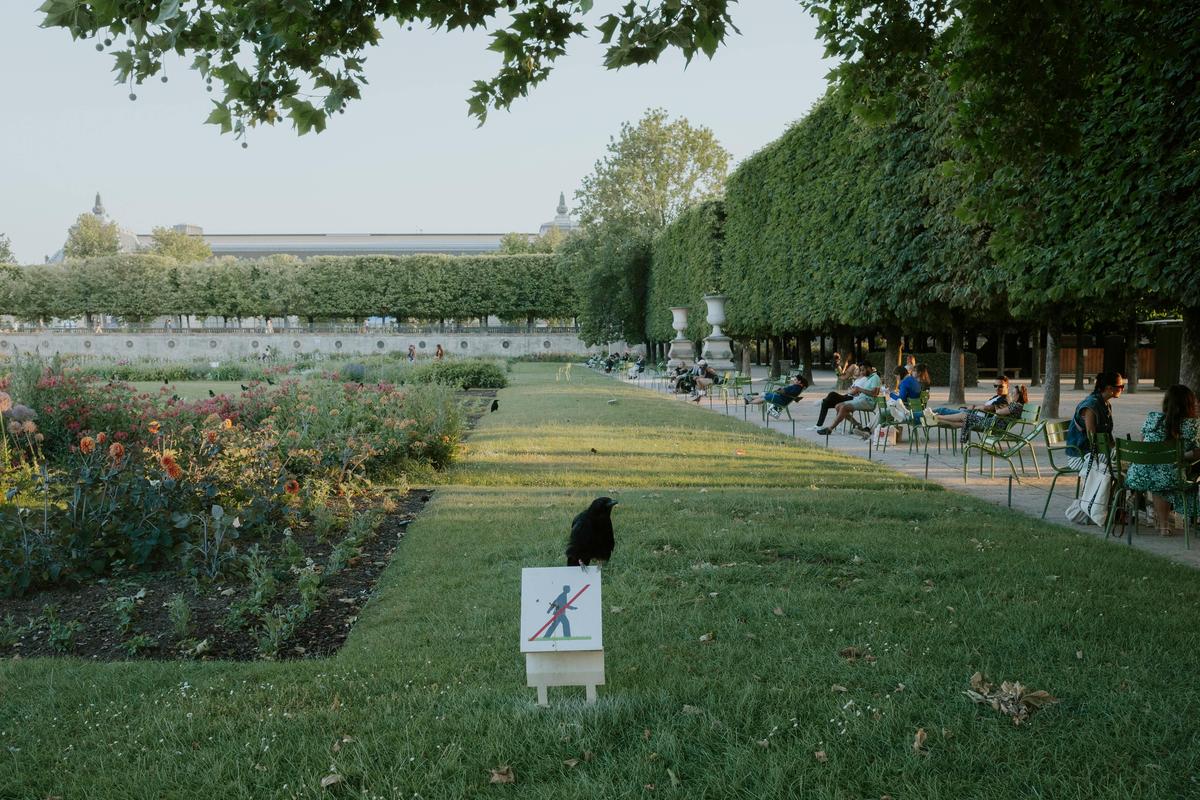
파리 중심부의 푸른 오아시스인 튈르리 정원은 루브르 박물관과 콩코드 광장 사이에 그 화려함을 펼칩니다. 17세기에 유명한 조경 설계가 앙드레 르 노트르가 설계한 이 프랑스 정원의 걸작은 정교하게 손질된 파르테르를 자랑하며, 생생한 화단과 정교한 토피어리로 장식되어 있습니다. 신화 속 인물과 역사적 인물의 조각상이 풍경을 장식한 나무가 늘어선 거리를 따라 거닐어 보세요. 정원을 넘어서면 인상파 걸작을 소장한 오랑주리 박물관과 같은 숨겨진 보석을 발견할 수 있습니다. 한적한 시간을 보내고 싶다면 폭포와 장난기 있는 분수가 물과 빛의 교향곡을 연주하는 자르댕 데 퐁텐으로 피신하세요. 튈르리 정원을 거닐다 보면 카트린 드 메디치에서 마리 앙투아네트까지 이 땅을 장식했던 왕족의 발자국을 상상해 보세요. 오늘날 이 정원은 파리 생활의 활기찬 중심지로 남아 있으며, 지역 주민과 방문객 모두가 피크닉을 하거나 게임을 하거나 단순히 주변의 아름다움에 젖어들기 위해 모입니다.샹젤리제
루브르 박물관과 콩코드 광장 사이에 자리한 푸르른 오아시스인 튈르리 정원은 번화한 샹젤리제에서 조용한 휴식처를 제공합니다. 한때 프랑스 왕족의 놀이터였던 이 역사적인 공원은 예술, 역사, 자연이 풍부하게 어우러져 있습니다. 나무가 늘어선 길을 따라 걸으면서 한때 이 땅을 장식했던 왕과 여왕의 발자국을 상상해 보세요. 장엄한 개선문을 포함한 상징적인 조각상과 분수는 지난 시대의 이야기를 속삭입니다. 샹젤리제에서 튈르리 정원은 고요한 휴식처를 제공합니다. 공원의 깔끔한 잔디밭과 생기 넘치는 화단은 감각을 즐겁게 해주고, 분수의 부드러운 소리는 편안한 분위기를 조성합니다. 예술 애호가에게 튈르리 정원은 야외 박물관입니다. 공원 곳곳에 로댕과 마이요 등 유명한 예술가의 조각품이 흩어져 있습니다. 공원 경계 내에 위치한 오랑주리 미술관에는 인상파 걸작이 인상적으로 소장되어 있습니다. 튈르리 정원은 또한 문화 행사와 전시회의 장소로 사용됩니다. 여름철에는 공원이 콘서트, 연극 공연, 미술 설치물로 활기를 띕니다. 여유로운 산책, 문화적 몰입, 또는 단순히 고요한 순간을 찾든, 튈르리 정원은 샹젤리제 방문객에게 독특한 경험을 제공합니다. 풍부한 역사, 예술적 보물, 자연의 아름다움은 이곳을 진정한 파리의 보석으로 만듭니다.뒤이르리 회전목
튀일리 정원의 심장부에 자리 잡은 튀일리 회전목마는 파리의 역사와 오락에 대한 기발한 증거로 서 있습니다. 1873년에 설립된 이 매력적인 회전목마는 방문객을 우아함과 기쁨이 가득했던 지난 시대로 데려갑니다. 생생한 색상과 반짝이는 황동으로 장식된 정교하게 조각된 목마들이 칼리오페의 명랑한 선율에 맞춰 리드미컬하게 질주합니다. 회전목마에 다가가면 구운 밤과 달콤한 팝콘 향이 공기를 가득 채워 놀이에 대한 기대감을 고조시킵니다. 섬세한 꽃 모티브로 장식된 회전목마의 중앙 플랫폼은 시간을 거슬러 올라가도록 초대합니다. 선택한 말에 올라타면 어린 시절의 경이로움이 밀려옵니다. 회전목마가 한 바퀴 돌 때마다 튀일리 정원의 웅장함을 엿볼 수 있습니다. 깔끔하게 손질된 잔디, 화려한 분수, 우뚝 솟은 나무로 이루어진 주변 풍경은 이 시대를 초월한 명소에 그림 같은 배경을 제공합니다. 아이들의 웃음소리와 회전목마 기계의 부드러운 삑삑거림 소리가 공중에 메아리치는 즐거움의 교향곡을 연주합니다. 튀일리 회전목마는 단순한 놀이기구 이상입니다. 상상력과 향수의 세계로 가는 관문입니다. 수많은 세대의 파리 사람들과 방문객들이 이곳에서 소중한 추억을 만들었습니다. 말에서 내릴 때 파리의 마법, 삶이 제공하는 단순한 기쁨을 상기시키는 것을 가지고 갑니다.
7
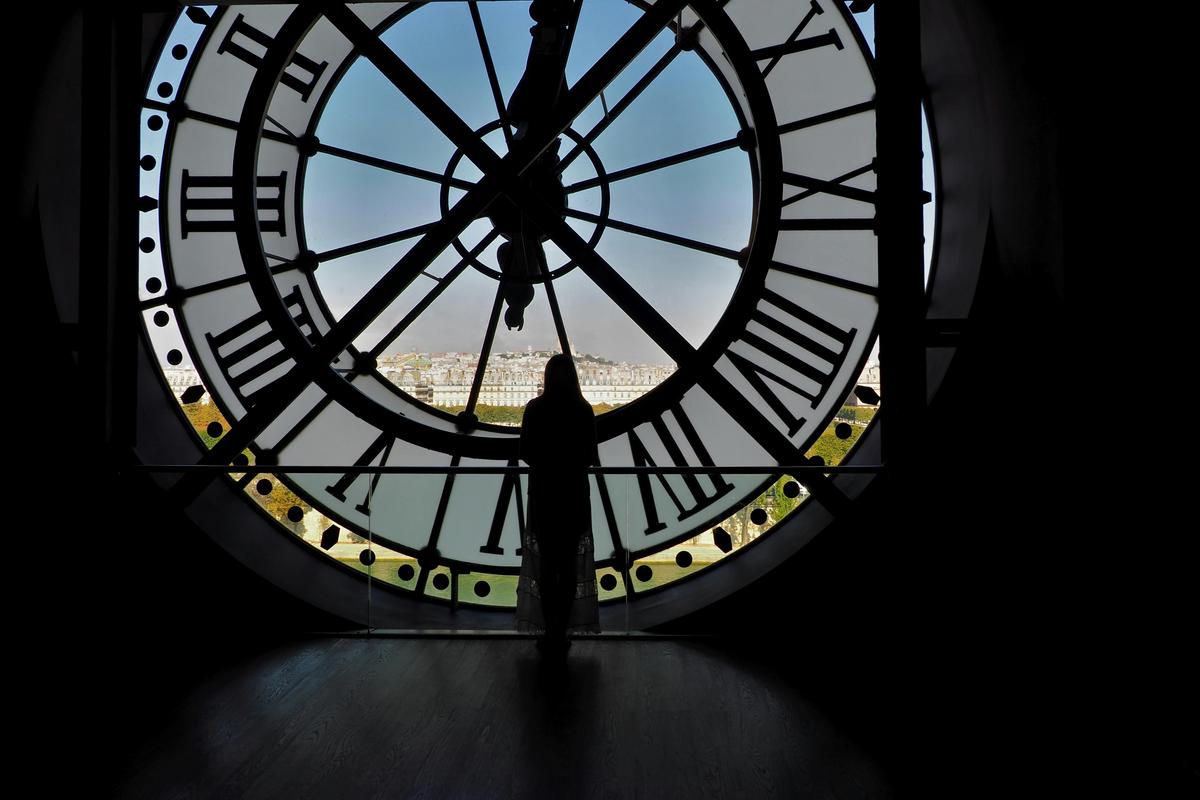
Musée d'Orsay
View on map
Audio Narrations
Introduction
The Musée d'Orsay, a Parisian treasure trove of Impressionist and Post-Impressionist art, resides in a Beaux-Arts railway station. Its vast halls, once echoing with the clatter of trains, now resonate with the vibrant hues of masterpieces by Monet, Renoir, Degas, and Van Gogh. The museum's collection, spanning from 1848 to 1914, offers a captivating journey through the evolution of art during this transformative period. Beyond the iconic works, the Musée d'Orsay unveils hidden gems. The Salon Carré, a replica of the Louvre's famed exhibition space, showcases masterpieces by Ingres and Delacroix. The museum's photography collection, boasting over 45,000 images, provides a glimpse into the changing face of Paris and its people. And for those seeking a unique perspective, the rooftop terrace offers panoramic views of the city, framing the museum's collection within the vibrant tapestry of Parisian life. The Musée d'Orsay is not merely a repository of art; it's a vibrant cultural hub. Its program of temporary exhibitions delves into diverse artistic movements and individual artists, while its educational initiatives foster appreciation for the arts. Whether you're an art aficionado or a curious newcomer, the Musée d'Orsay promises an enriching and unforgettable encounter with the artistic brilliance of a bygone era.Introduction
The Musée d'Orsay, a Parisian treasure trove of Impressionist and Post-Impressionist art, occupies a Beaux-Arts railway station on the Left Bank. Its vast collection, spanning from 1848 to 1914, showcases masterpieces by Monet, Renoir, Degas, Manet, and Van Gogh. The museum's airy, light-filled galleries provide the perfect setting to appreciate the vibrant colors and brushstrokes of these revolutionary artists. Beyond the iconic works, the Musée d'Orsay offers a glimpse into the artistic ferment of the era. Visitors can explore the evolution of sculpture, from Rodin's expressive figures to the delicate bronzes of Degas. The museum also houses a rich collection of decorative arts, including furniture, ceramics, and glassware, offering a glimpse into the opulent interiors of the Belle Époque. One of the museum's hidden gems is the collection of Impressionist photography, featuring works by Nadar, Carjat, and Atget. These photographs capture the essence of Parisian life in the late 19th century, providing a fascinating counterpoint to the paintings on display. A visit to the Musée d'Orsay is a journey through the golden age of French art, offering a unique opportunity to experience the beauty and innovation of Impressionism and Post-Impressionism. From the iconic water lilies to the bustling Parisian streets, the museum's collection transports visitors to a world of vibrant colors, evocative brushstrokes, and artistic brilliance.Art Deco
Art Deco at the Musée d'Orsay: A Hidden Gem While the Musée d'Orsay is renowned for its Impressionist and Post-Impressionist masterpieces, it also houses a lesser-known treasure trove of Art Deco gems. This period of artistic and design innovation flourished in the 1920s and 1930s, and the museum's collection offers a fascinating glimpse into its Parisian expression. Stepping into the museum's decorative arts section, visitors are greeted by a symphony of geometric forms, luxurious materials, and bold colors. Exquisite furniture by Émile-Jacques Ruhlmann and Louis Süe showcases the Art Deco penchant for clean lines, symmetry, and exotic woods like ebony and macassar. The dazzling jewelry of Cartier and Van Cleef & Arpels, with its geometric motifs and vibrant gemstones, embodies the era's embrace of opulence and glamour. The museum's collection extends beyond furniture and jewelry, encompassing a diverse range of Art Deco objects. Striking posters by A.M. Cassandre and Charles Loupot capture the dynamism and modernity of the era, while elegant glassware by René Lalique and Maurice Marinot showcases the period's fascination with light and texture. One of the highlights of the collection is the reconstruction of the "Salle à manger" designed by French architect Robert Mallet-Stevens. This immersive experience transports visitors to a quintessential Art Deco interior, complete with its sleek furniture, geometric patterns, and luxurious materials. The Musée d'Orsay's Art Deco collection offers a unique perspective on this vibrant artistic movement, showcasing its Parisian interpretation and highlighting its influence on various art forms. From furniture and jewelry to glassware and posters, the museum provides a comprehensive and captivating exploration of Art Deco's elegance, innovation, and enduring legacy.
8
Louvre Museum
View on map
Audio Narrations
서론
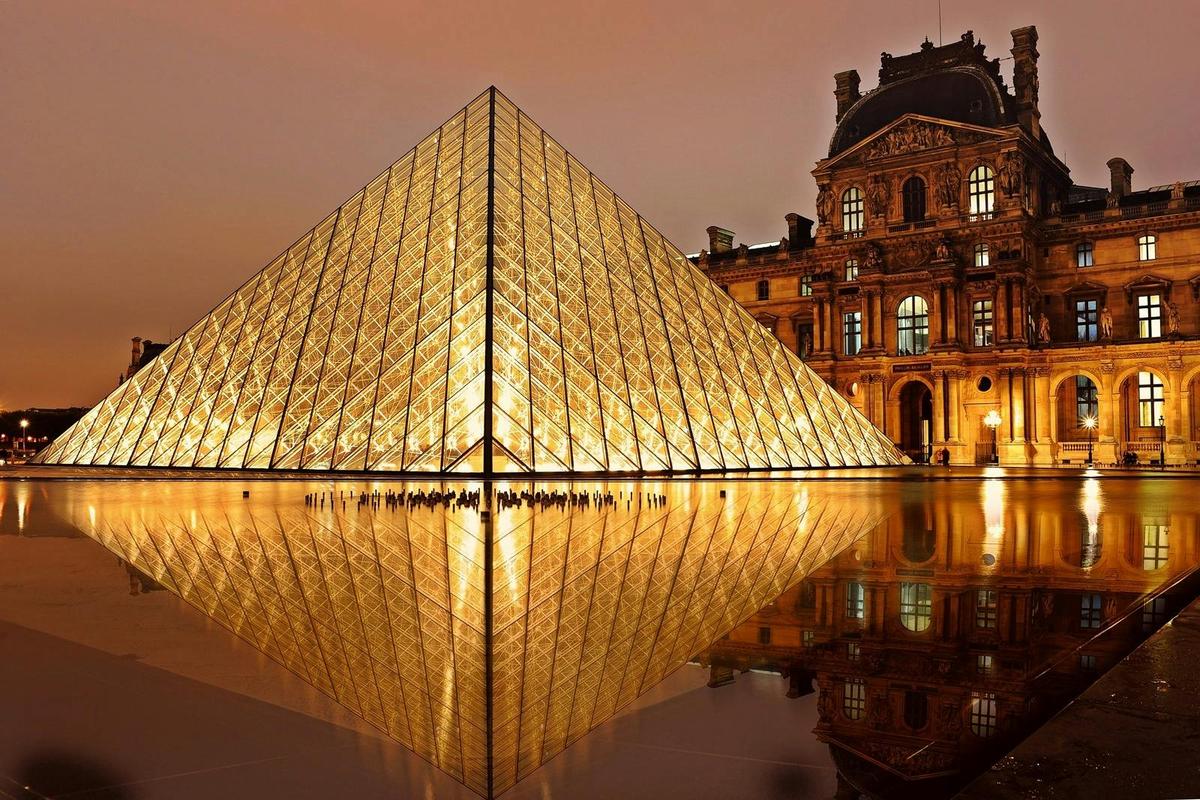
루브르 박물관은 웅장한 궁전에서 박물관으로 변모한 곳으로, 수세기 동안의 프랑스 예술과 역사를 증명하는 곳입니다. 35,000점이 넘는 방대한 소장품은 고대 문명에서 현대 걸작까지 시간을 거슬러 올라가는 매력적인 여정을 선사합니다. 상징적인 모나리자와 밀로의 비너스를 넘어 루브르에는 발견되기를 기다리는 숨겨진 보석들이 있습니다. 우아한 드레이프와 극적인 포즈를 가진 사모트라케의 날개 달린 승리는 경외감과 경탄을 불러일으킵니다. 호화로운 조각품과 반짝이는 금으로 장식된 절묘한 아폴론 갤러리는 방문객을 프랑스 왕국의 웅장함으로 안내합니다. 예술 애호가들에게 루브르는 걸작의 보고입니다. 프랑스 혁명의 정신을 담은 드라크로아의 극적인 자유를 이끄는 사람은 라파엘의 바위의 성모의 고요한 아름다움과 대조를 이룹니다. 모네의 수련과 르누아르의 moulin de la Galette의 무도회를 포함한 박물관의 방대한 인상파 그림 컬렉션은 19세기 파리의 생생한 세계를 엿볼 수 있게 해줍니다. 루브르의 건축 자체가 예술 작품입니다. I.M. 페이가 설계한 상징적인 유리 피라미드는 박물관의 역사적인 외관과 현대적인 대조를 이룹니다. 복잡한 디테일과 화려한 천장으로 장식된 넓은 갤러리는 웅장함과 경탄의 분위기를 조성합니다. 루브르를 방문하는 것은 인간 창의성의 풍부한 태피스트리에 몰입할 수 있는 독특한 기회를 제공하는 잊지 못할 경험입니다. 고대 유물에서 현대 걸작까지 박물관의 방대한 컬렉션은 인류의 예술적, 문화적 유산을 보여주는 창입니다.박물관 건축
프랑스 일드프랑스 파리에 위치한 루브르 박물관은 수세기 동안 변화를 거듭해 온 유명한 건축 걸작으로, 후원자들의 변화하는 취향과 요구를 반영합니다. 그 기원은 12세기로 거슬러 올라가는데, 당시 프랑스 왕실의 요새로 사용되었습니다. 시간이 지남에 따라 확장되고 장식되어 오늘날 우리가 보는 상징적인 구조물이 되었습니다. 루브르 건축의 가장 두드러진 특징 중 하나는 그 웅장한 규모입니다. 넓게 펼쳐진 단지는 웅장한 날개로 둘러싸인 거대한 안뜰인 쿠르 나폴레옹을 포함합니다. 쉴리 날개로 알려진 동쪽 날개는 16세기로 거슬러 올라가며 고전적인 르네상스 양식을 특징으로 합니다. 리슐리외 날개인 서쪽 날개는 17세기와 18세기에 건설되었으며 더욱 바로크적인 미학을 보여줍니다. 루브르의 건축적 진화는 다양한 양식의 병치에서 분명하게 드러납니다. 요새의 중세적 기초는 아래층에서 여전히 볼 수 있는 반면, 위층은 르네상스와 바로크 시대의 웅장함을 보여줍니다. 1980년대에 상징적인 유리 피라미드가 추가된 것은 박물관이 현대적 디자인을 수용하려는 의지를 더욱 강조합니다. 루브르의 건축은 단순히 미술품 컬렉션의 배경이 아니라 박물관 경험의 필수적인 부분입니다. 웅장한 계단, 화려한 천장, 탁 트인 전망은 경외감과 경이감을 불러일으켜 내부의 걸작에 대한 감상을 높입니다. 박물관의 레이아웃은 상호 연결된 갤러리와 테마별 섹션으로 구성되어 방문객을 미술사 여정으로 안내하며 전시된 작품에 대한 더 깊은 이해를 촉진합니다. 결론적으로, 프랑스 일드프랑스 파리에 위치한 루브르 박물관은 건축의 지속적인 힘에 대한 증거로 남아 있습니다. 수세기 동안의 진화는 후원자들의 변화하는 취향과 요구를 반영하는 반면, 그 웅장한 규모와 복잡한 디테일은 방문객에게 몰입적이고 경외감을 불러일으키는 경험을 선사합니다. 박물관의 건축은 단순히 예술을 담는 용기가 아니라 스토리텔링의 필수적인 부분으로, 내부의 걸작에 대한 감상과 이해를 높입니다.이집트 유물
파리의 루브르 박물관은 5,000년이 넘는 역사를 가진 세계에서 가장 방대하고 유명한 이집트 유물 컬렉션 중 하나를 소장하고 있습니다. 이 방대한 소장품은 고왕국에서 로마 시대까지 고대 이집트 문명을 통한 매력적인 여정을 제공합니다. 박물관의 하이라이트 중 하나는 타니스의 상징적인 대스핑크스로, 26왕조 시대로 거슬러 올라가는 거대한 화강암 조각품입니다. 원래 사원 입구를 지키던 이 인상적인 조각상은 고대 이집트 예술과 건축의 웅장함을 증명합니다. 루브르는 또한 신왕국의 가장 강력한 파라오인 람세스 2세와 최초의 여성 파라오인 하트셉수트의 미라를 포함한 뛰어난 왕실 미라 컬렉션을 자랑합니다. 이 미라는 고대 이집트 왕족의 삶과 신념에 대한 귀중한 통찰력을 제공합니다. 박물관의 장례용품 컬렉션도 인상적이며, 고대 이집트에서 죽음을 둘러싼 정교한 의식과 신념을 보여줍니다. 정교하게 조각된 석관에서 절묘한 우샤브티 인형에 이르기까지 이 유물들은 고대 이집트인들이 상상한 내세를 엿볼 수 있게 해줍니다. 상징적인 유물을 넘어서 루브르의 이집트 컬렉션은 고대 이집트 평범한 사람들의 일상생활을 보여주는 풍부한 일상용품을 특징으로 합니다. 도구와 도자기에서 보석과 화장품에 이르기까지 이러한 물품은 이 고대 문명의 독창성과 장인 정신을 보여줍니다. 루브르의 이집트 유물 컬렉션은 단순히 역사적 유물을 전시하는 것이 아니라 과거 시대로의 관문으로, 방문객에게 고대 이집트 문화, 신념, 일상생활에 대한 심오한 이해를 제공합니다. 포괄적이고 다양한 소장품을 통해 루브르는 이 매력적인 문명의 경이로움을 탐구할 수 있는 비할 데 없는 기회를 제공합니다.
9
Sainte-Chapelle
View on map
Audio Narrations
Introduction
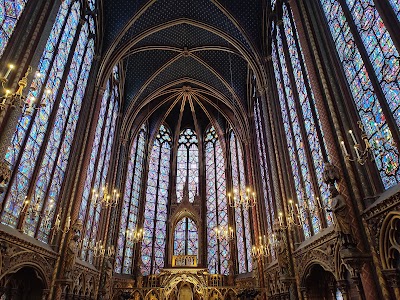
The Sainte-Chapelle, a jewel of Gothic architecture nestled in the heart of Paris, stands as a testament to faith, artistry, and royal ambition. Built in the 13th century by King Louis IX, it was designed to house his collection of holy relics, including the Crown of Thorns. The chapel's soaring stained-glass windows, depicting scenes from the Old and New Testaments, bathe the interior in a kaleidoscope of colors, creating an ethereal atmosphere. The intricate details of the windows, with their delicate tracery and vibrant hues, are a testament to the skill of medieval artisans. The Sainte-Chapelle's unique double-chapel design, with its lower and upper levels, reflects the hierarchical structure of medieval society. The lower chapel, reserved for the king's household, is adorned with sculptures and paintings, while the upper chapel, where the relics were kept, is a masterpiece of light and stained glass. The Sainte-Chapelle's rich history and artistic splendor have captivated visitors for centuries, making it a must-see destination for anyone interested in medieval art, architecture, and religious history.Stained Glass Windows
The Sainte-Chapelle in Paris, Île-de-France, France, is renowned for its breathtaking stained glass windows, considered among the most exquisite examples of Gothic art. These luminous masterpieces, spanning over 1,113 square meters, bathe the interior in a kaleidoscope of colors, creating an ethereal and awe-inspiring atmosphere. The windows, dating back to the 13th century, depict scenes from the Old and New Testaments, narrating biblical stories with remarkable detail and artistry. The vibrant hues of blue, red, and gold, achieved through the use of cobalt, copper, and silver, imbue the figures with life and emotion. One of the most striking features of the windows is their sheer size and scale. The largest window, known as the "Rose Window," measures an impressive 9 meters in diameter and features intricate tracery and delicate stained glass panels. The windows on the lower levels, known as the "lancets," are equally impressive, each depicting a specific biblical scene with remarkable clarity and precision. The stained glass windows of the Sainte-Chapelle are not merely decorative elements; they served a profound didactic purpose. In an era when literacy was not widespread, these luminous images provided a visual representation of biblical stories, making them accessible to all who beheld them. The windows also served as a testament to the power and wealth of the French monarchy. King Louis IX, who commissioned the construction of the Sainte-Chapelle, spared no expense in creating these magnificent works of art, demonstrating his piety and his desire to elevate the status of the chapel as a sacred space. Today, the stained glass windows of the Sainte-Chapelle continue to captivate visitors from around the world. Their beauty, artistry, and historical significance make them an integral part of the cultural heritage of France and a testament to the enduring power of stained glass as an art form.Religious Significance
Sainte-Chapelle: A Monument to Religious Significance The Sainte-Chapelle, a dazzling Gothic masterpiece nestled in the heart of Paris, stands as a testament to the profound religious significance that permeated medieval France. Built in the 13th century by King Louis IX, this royal chapel was conceived as a sacred repository for the Crown of Thorns, a relic of immense importance to the Christian faith. The chapel's architecture embodies its religious purpose. Soaring stained glass windows, depicting scenes from the Old and New Testaments, bathe the interior in a celestial glow, transporting visitors to a realm of divine beauty. The intricate sculptures and delicate tracery further enhance the sacred atmosphere, creating a space conducive to contemplation and prayer. Beyond its aesthetic splendor, the Sainte-Chapelle served as a powerful symbol of royal authority and piety. Louis IX, a deeply religious monarch, sought to elevate the status of the French monarchy by associating it with the sacred relics housed within the chapel. By venerating the Crown of Thorns, he aimed to demonstrate his divinely ordained right to rule and to position France as a leading center of Christian devotion. The Sainte-Chapelle also played a crucial role in shaping religious practices. The daily liturgical services held within its walls attracted throngs of pilgrims and worshippers, fostering a sense of community and shared faith. Moreover, the chapel's exquisite design served as a source of inspiration for countless artists and architects, influencing the development of Gothic art and architecture throughout Europe. Today, the Sainte-Chapelle continues to captivate visitors with its breathtaking beauty and profound religious significance. It stands as a reminder of the enduring power of faith and the intricate relationship between art, architecture, and religious belief. As you step through its doors, let the ethereal light and sacred atmosphere transport you to a bygone era, where faith and devotion reigned supreme.
10
Cathédrale Notre-Dame de Paris
View on map
Audio Narrations
Introduction
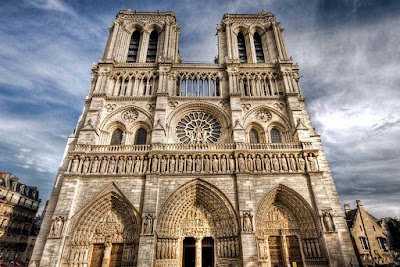
The Cathédrale Notre-Dame de Paris, a masterpiece of French Gothic architecture, stands majestically on the Île de la Cité, a small island in the heart of Paris. Its construction began in 1163 and spanned over two centuries, resulting in a breathtaking edifice that embodies the architectural and artistic brilliance of the era. The cathedral's soaring towers, intricate flying buttresses, and magnificent stained-glass windows have captivated visitors for centuries. One of the most striking features of Notre-Dame is its gargoyles, grotesque stone figures that adorn the exterior walls. These enigmatic creatures, often depicted with contorted faces and animalistic features, served a practical purpose as waterspouts, directing rainwater away from the building. However, they also hold a symbolic significance, representing the duality of good and evil, the sacred and the profane. The interior of Notre-Dame is equally awe-inspiring. The vast nave, with its towering columns and vaulted ceilings, creates a sense of awe and wonder. The stained-glass windows, some dating back to the 13th century, cast a kaleidoscope of colors onto the interior, illuminating the biblical scenes and stories depicted in their intricate designs. The cathedral's treasures also include the magnificent organ, with its 8,000 pipes, and the Crown of Thorns, a relic believed to have been worn by Jesus Christ during his crucifixion. Notre-Dame has played a pivotal role in French history, witnessing coronations, revolutions, and wars. It has also served as a source of inspiration for countless artists, writers, and musicians. Victor Hugo's novel "The Hunchback of Notre-Dame" immortalized the cathedral and its enigmatic bell-ringer, Quasimodo. The Cathédrale Notre-Dame de Paris is a testament to the enduring power of faith, art, and human ingenuity. Its architectural grandeur, historical significance, and cultural impact continue to inspire and captivate visitors from around the world.Architectural Masterpiece
Cathédrale Notre-Dame de Paris: A Gothic Masterpiece The Cathédrale Notre-Dame de Paris stands as a testament to the ingenuity and artistry of Gothic architecture. Its soaring spires, intricate flying buttresses, and luminous stained-glass windows have captivated visitors for centuries. Beyond its grandeur, Notre-Dame embodies the innovative spirit of the Gothic style. Its architects employed revolutionary techniques, such as the pointed arch and ribbed vaulting, to create a sense of soaring height and ethereal lightness. The massive rose windows, with their intricate tracery and vibrant colors, bathe the interior in a kaleidoscope of light, transforming the space into a celestial haven. Notre-Dame's sculptures are equally remarkable, showcasing the expressive power of Gothic art. The gargoyles and chimeras, perched high above the city, are not merely decorative elements but serve as symbolic guardians, warding off evil spirits. The intricate details of the biblical scenes adorning the portals invite contemplation and reflection, drawing the viewer into the sacred narrative. The cathedral's harmonious proportions and meticulous attention to detail reflect the philosophical and theological underpinnings of the Gothic era. It was conceived as a microcosm of the universe, with each element representing a facet of the divine order. The soaring spires symbolize man's aspiration towards the heavens, while the intricate carvings and stained-glass windows evoke the beauty and complexity of creation. Notre-Dame de Paris remains an architectural masterpiece, a testament to the human spirit's capacity for innovation, artistry, and devotion. It continues to inspire awe and wonder, reminding us of the enduring power of faith and the transformative potential of art.French History
The Cathédrale Notre-Dame de Paris, a majestic edifice standing tall on the Île de la Cité in the heart of Paris, has been an integral part of French history for centuries. Its construction, spanning from the 12th to the 14th centuries, coincided with the rise of the French monarchy and the consolidation of royal power. The cathedral's Gothic architecture, with its soaring spires and intricate stained glass windows, embodied the artistic and cultural zenith of the era. Throughout its existence, Notre-Dame has witnessed pivotal moments in French history. It served as the stage for the coronation of Henry VI of England in 1431, a symbolic event during the Hundred Years' War. In 1455, Joan of Arc, the iconic heroine of France, was declared innocent of heresy in a trial held within the cathedral's walls. The French Revolution brought about a period of turmoil for Notre-Dame, as it was vandalized and desecrated. However, the 19th century saw a revival of interest in the cathedral, with extensive restoration efforts led by the renowned architect Eugène Viollet-le-Duc. Notre-Dame's significance extends beyond its architectural grandeur and historical events. It has served as a source of inspiration for countless artists, writers, and musicians. Victor Hugo's novel "The Hunchback of Notre-Dame," published in 1831, immortalized the cathedral and its enigmatic bell-ringer, Quasimodo. The cathedral's bells have rung out to mark significant events, from royal weddings to national celebrations. In 2019, a devastating fire engulfed Notre-Dame, causing extensive damage to its roof and spire. The fire, while a tragic event, has also sparked a renewed sense of appreciation for the cathedral's cultural and historical significance. Reconstruction efforts are underway, with the aim of restoring Notre-Dame to its former glory. The Cathédrale Notre-Dame de Paris stands as a testament to the enduring legacy of French history. Its architecture, events, and cultural influence have shaped the nation's identity and continue to inspire awe and wonder in visitors from around the world.
11
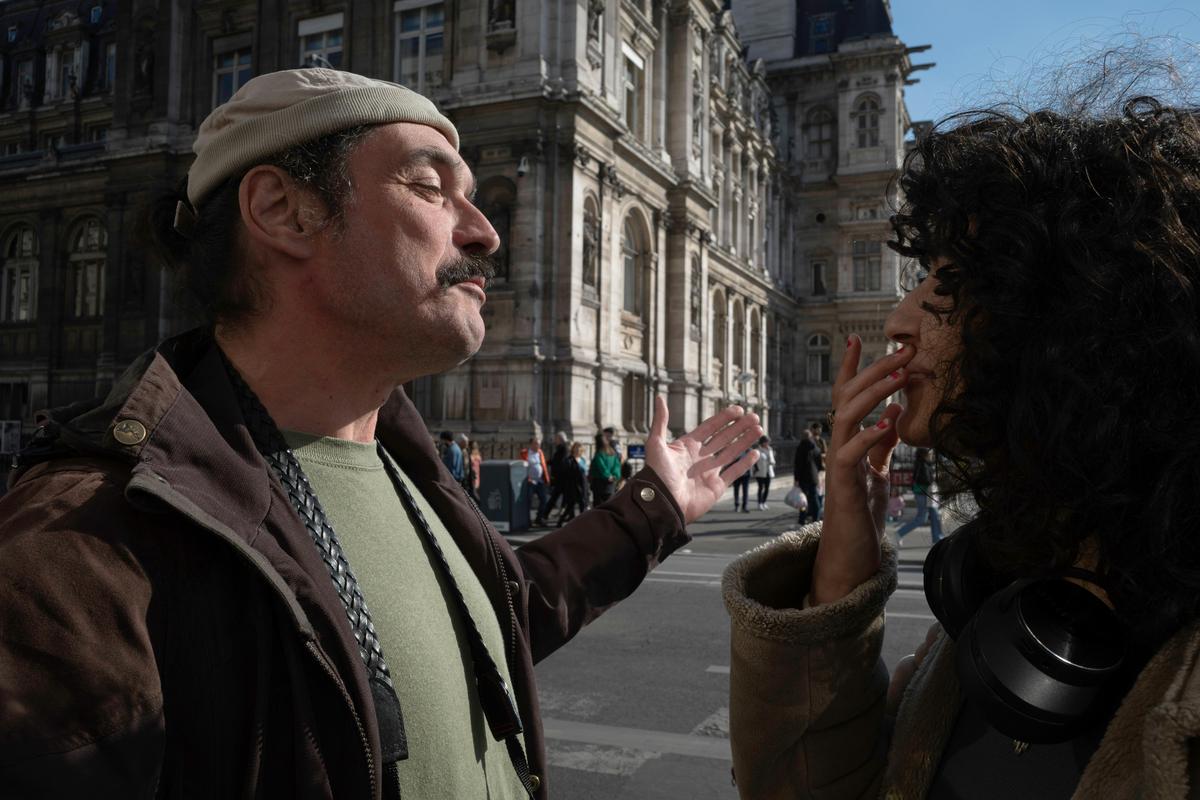
Hôtel de Ville
View on map
Audio Narrations
서론
파리 행정의 중심부인 시청은 도시의 풍부한 역사와 건축적 위용을 증명하는 건물입니다. 널리 퍼진 오스만 건축과는 다른 르네상스 리바이벌 스타일은 조각품, 우화적 인물, 복잡한 조각으로 장식된 화려한 외관을 자랑합니다. 장엄한 시계탑으로 장식된 건물의 중앙 파빌리온은 각각 안뜰이 있는 두 개의 대칭적인 날개로 둘러싸여 있습니다. 내부에는 금박 천장과 복잡한 벽화가 있는 호화로운 그랑 살롱이 공식 리셉션과 의식의 장소로 사용됩니다. 스테인드글라스 창문과 기념비적인 벽난로로 장식된 살 데 페트는 건물 외부의 웅장함을 반영합니다. 시청 내에 숨겨진 보석은 시장의 세계를 엿볼 수 있는 정교한 태피스트리와 그림으로 장식된 사무실인 카비네 뒤 메어입니다. 건물의 풍부한 역사는 고블랭 태피스트리 컬렉션과 유명한 예술가의 조각품을 포함하여 벽에 보관된 수많은 예술품과 유물에 더욱 반영됩니다. 프랑스 건축의 걸작인 시청은 파리의 자부심과 도시의 지속적인 유산을 증명하는 상징입니다.고딕 리바이벌 건축
프랑스 일드프랑스 파리에 있는 시청은 고딕 리바이벌 건축 운동의 증거로 자리 잡고 있습니다. 1874년부터 1882년 사이에 건설된 이 건물은 중세 고딕 건축에서 영감을 얻은 동시에 현대적인 건설 기술과 자재를 통합하여 그 시대의 정신을 구현합니다. 시청의 가장 두드러진 특징 중 하나는 조각품, 가고일, 플라잉 버트리스로 장식된 복잡한 외관입니다. 뾰족한 아치, 늑골형 천장, 장미 창은 고딕 성당의 웅장함을 연상시키는 반면, 주철과 유리의 사용은 19세기의 기술적 발전을 반영합니다. 시청의 내부도 마찬가지로 인상적이며, 웅장한 계단, 의회실, 일련의 접견실이 있습니다. 스테인드 글라스, 태피스트리, 목재 패널링을 사용하여 중세 성을 연상시키는 풍부하고 호화로운 분위기를 조성합니다. 시청은 고딕 리바이벌 건축의 중요한 사례로, 이 운동이 역사적 스타일을 현대적 맥락에 재해석하고 적용할 수 있는 능력을 보여줍니다. 그 웅장함과 세부 사항에 대한 주의는 이를 19세기 건축의 걸작으로 만듭니다.역사적 기념물
프랑스 일드프랑스 파리에 있는 시청은 도시의 풍부한 역사와 건축적 위용을 증명하는 기념비적인 건축물입니다. 1862년에 역사적 기념물로 지정된 이 상징적인 건물은 파리의 통치 정신과 시민적 자부심을 구현합니다. 웅장한 외관과 화려한 내부를 넘어서 시청은 풍부한 역사적 의미를 지니고 있습니다. 이 장소는 13세기부터 파리 시정부의 중심지였으며 도시 발전의 중대한 순간을 목격했습니다. 프랑스 혁명에서부터 제2차 세계 대전에서 파리 해방에 이르기까지 시청은 승리와 비극의 무대로 사용되었습니다. 건물의 건축적 여정은 파리 사회의 변화하는 취향과 열망을 반영합니다. 1882년에 완공된 현재 건물은 르네상스와 고딕 양식의 절충적인 조화를 자랑하는 제2제정 건축의 걸작입니다. 우화적 조각품으로 장식된 웅장한 계단은 정교한 벽화, 태피스트리, 스테인드글라스 창문으로 장식된 일련의 호화로운 살롱과 리셉션 홀로 이어집니다. 역사적 기념물로서 시청은 단순한 정부 청사가 아니라 파리 유산의 저장소입니다. 그 기록 보관소에는 도시의 과거를 기록한 수세기 분량의 문서, 유물, 예술품이 보관되어 있습니다. 건물 자체는 파리의 지속적인 정신, 회복력, 민주주의와 시민 참여에 대한 확고한 의지를 증명하는 살아 있는 증거입니다. 시청을 방문하면 파리의 역사와 문화의 핵심을 탐구할 수 있는 독특한 기회가 주어집니다. 가이드 투어는 건물의 건축적, 역사적 중요성에 대한 통찰력을 제공하고, 임시 전시회는 도시의 예술적, 문화적 보물을 선보입니다. 멀리서 그 웅장함을 감상하든 숨겨진 구석을 탐험하든 시청은 파리 정체성의 지속적인 상징이자 도시의 지속적인 유산을 증명하는 것입니다.
12
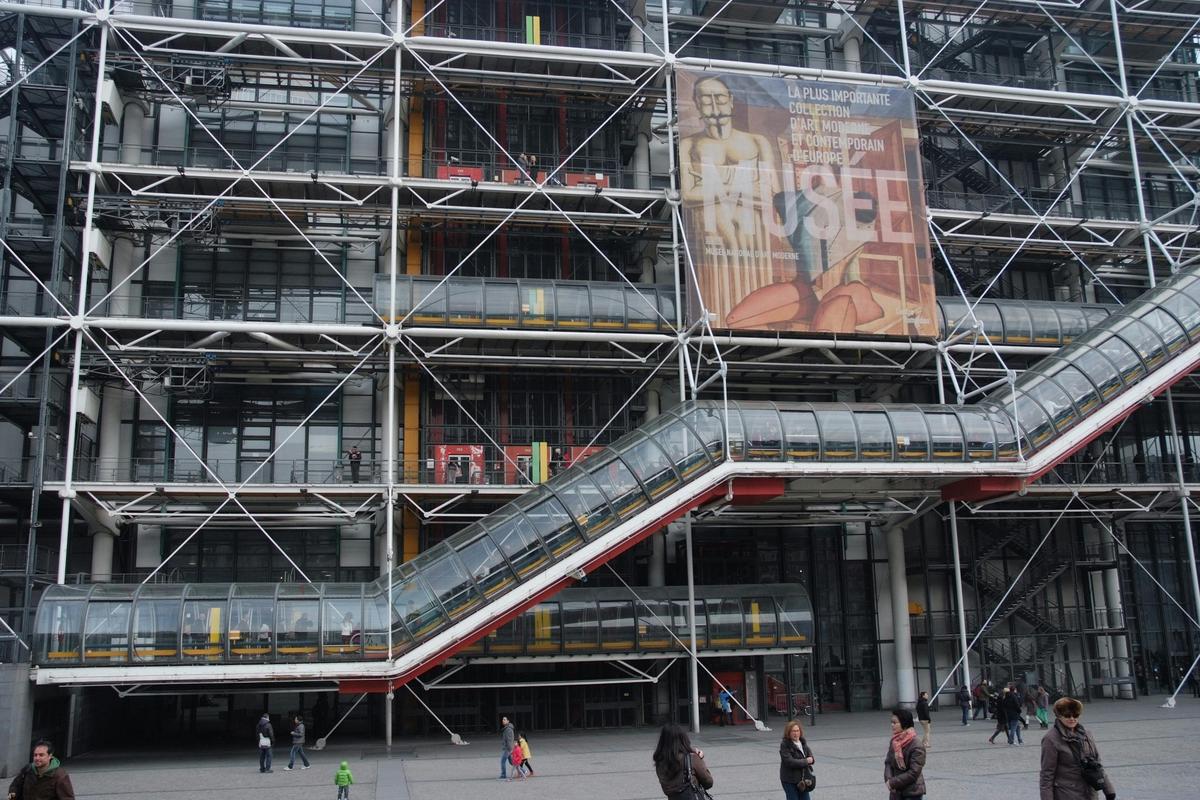
The Centre Pompidou
View on map
Audio Narrations
소개
파리의 랜드마크인 퐁피두 센터는 독특한 디자인과 방대한 현대 및 컨템포러리 아트 컬렉션으로 유명합니다. 파이프와 덕트로 이루어진 다채로운 네트워크가 특징인 생생한 외관은 도시의 전통적인 건축물과 대조를 이룹니다. 내부에서는 방문객이 넓은 오픈 스페이스를 만나게 되는데, 건물 외관을 따라 뱀처럼 올라가는 에스컬레이터가 도시의 파노라마 전망을 제공합니다. 퐁피두 센터의 컬렉션은 그림과 조각품부터 설치물과 비디오 아트까지 다양한 예술적 표현을 포괄합니다. 파블로 피카소, 살바도르 달리, 앤디 워홀과 같은 유명한 예술가의 걸작이 신예 작가의 작품과 함께 벽을 장식합니다. 이 박물관에는 풍부한 도서관, 영화관, 서점도 있어 문화 탐구와 참여의 허브 역할을 합니다. 퐁피두 센터의 독특한 특징 중 하나는 학제간 접근 방식입니다. 이곳은 예술, 과학, 기술, 사회의 교차점을 탐구하는 전시회와 이벤트를 정기적으로 개최합니다. 이러한 접근 방식은 박물관이 대화를 촉진하고 현대 세계에 대한 더 깊은 이해를 증진하려는 의지를 반영합니다. 예술적 제공 외에도 퐁피두 센터는 활기찬 사회적 공간입니다. 옥상 테라스는 파리의 스카이라인을 감상하기에 멋진 전망대를 제공하고, 거리 수준의 광장은 예술가, 학생, 관광객이 모이는 인기 있는 장소입니다. 박물관의 활기찬 분위기와 혁신적인 프로그램은 자극적이고 풍부한 문화적 경험을 추구하는 모든 사람에게 필수 방문지가 되게 합니다.도시 재생 프로젝트
파리의 도시 재생을 위한 촉매제: 퐁피두 센터 파리 중심부에 있는 대담한 건축적 성명인 퐁피두 센터는 도시 재생의 변화력을 증명하는 증거로 자리 잡고 있습니다. 한때 번화했던 시장이었던 레 알의 잔해에서 솟아난 퐁피두 센터는 방치된 지역에 새로운 생명을 불어넣어 그 지역의 활성화를 위한 촉매제가 되었습니다. 문화적 허브로 구상된 퐁피두 센터는 전통적인 박물관 규범에 도전했습니다. 노출된 파이프와 덕트가 있는 급진적인 "안쪽-바깥쪽" 디자인은 무균적이고 엘리트적인 기관이라는 개념에 도전했습니다. 대신 투명성과 접근성을 받아들여 대중이 역동적이고 대화적인 방식으로 예술에 참여하도록 초대했습니다. 퐁피두 센터의 영향력은 그 벽 너머로 훨씬 뻗어나갔습니다. 방문객과 문화 활동의 유입은 주변 지역의 개발을 촉진하여 기업, 레스토랑, 엔터테인먼트 장소를 유치했습니다. 한때 황폐했던 이 지역은 주민과 관광객 모두를 유치하는 활기찬 문화 및 상업 중심지로 변모했습니다. 퐁피두 센터의 성공은 예술과 대중 간의 격차를 메우는 동시에 도시 재생의 촉매제 역할을 하는 능력에 있습니다. 이는 문화 기관이 방치된 도시 공간을 활성화하고, 사회적 상호 작용을 촉진하며, 경제 성장을 촉진하는 데 중추적인 역할을 할 수 있는 방법에 대한 모델로 작용합니다.공공 미술 컬렉션
퐁피두 센터의 공공 미술 컬렉션: 현대 미술의 보물 창고 퐁피두 센터의 상징적인 건물 안에 현대 미술의 보물 창고가 자리 잡고 있으며, 누구나 접근할 수 있습니다. 공공 미술 컬렉션은 100개가 넘는 조각품, 설치물, 벽화를 자랑하며, 박물관 건축물과 주변 공공 공간에 완벽하게 통합되어 있습니다. 이 독특한 접근 방식은 박물관과 도시 풍경의 경계를 모호하게 만들어 방문객에게 역동적이고 매력적인 경험을 제공합니다. 컬렉션의 하이라이트 중 하나는 콘스탄틴 브랑쿠시의 기념비적인 조각품 "공중의 새"로, 광장 위로 우아하게 솟아 있습니다. 이 상징적인 작품은 모더니즘의 정신을 구현하며, 매끄럽고 추상적인 형태가 비행의 본질을 포착합니다. 또 다른 필견 작품은 알렉산더 칼더의 생생한 "레드 스타빌"로, 바람에 춤추는 유쾌한 운동 조각품으로, 관람객에게 예술과 움직임의 관계를 생각해 보도록 유도합니다. 광장 너머로 컬렉션은 박물관 내부로 확장되어 루이즈 부르주아, 니키 드 생 팔, 장 뒤뷔페와 같은 유명 예술가의 작품이 도전과 영감을 줍니다. 방문객은 다니엘 뷔렌의 다채로운 "레 드 플라토"와 같이 사고를 자극하는 설치물을 만날 수 있으며, 이는 박물관의 에스컬레이터를 몰입적인 예술적 경험으로 바꿉니다. 퐁피두 센터의 공공 미술 컬렉션은 단순히 예술적 걸작을 전시하는 것이 아니라 공공 공간을 사로잡고 변화시키는 예술의 힘에 대한 살아 있는 증거입니다. 방문객이 예상치 못한 것을 만나고, 우리 삶에서 예술의 역할에 대한 대화와 성찰을 불러일으키는 곳입니다. 따라서 예술 애호가이든 단순히 호기심이 많든, 퐁피두 센터의 공공 미술 컬렉션은 예술과 일상 생활의 경계를 모호하게 만드는 독특하고 풍부한 경험을 제공합니다.
Experience the Full Tour
Download the DocentPro app to access all tour stops, complete audio narrations in multiple languages, offline maps, and interactive features.