
Parisian Rhapsody: An Architectural Symphony in the City of Lights

Walking Tour

8.8 km (5.5 miles)

2h 1min travel time

12 Stops

Paris, France
Parisian Rhapsody: An Architectural Symphony in the City of Lights
Tour Stops
1
Arc de Triomphe
View on map
Audio Narrations
Chinese
导言
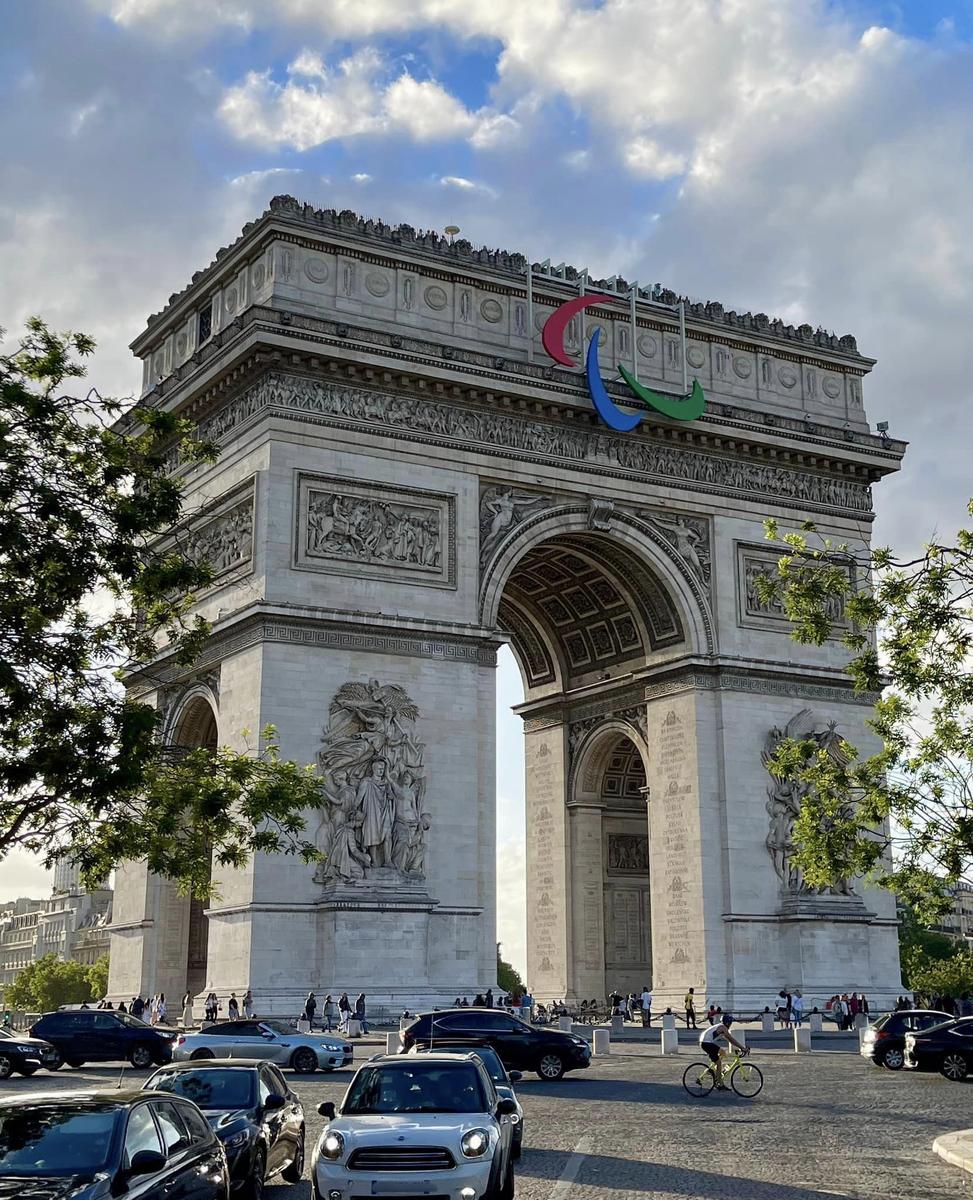
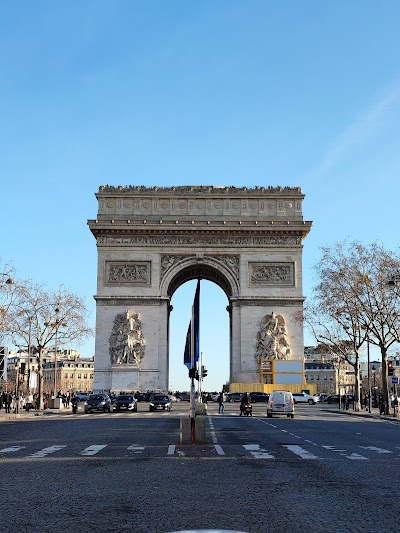
凯旋门矗立在香榭丽舍大街的西端,它不仅仅是巴黎的地标。1806年,拿破仑·波拿巴亲自委托建造凯旋门,以庆祝法军的胜利,但直到1836年路易-菲利普国王统治时期才真正完工。这一延误增添了一层历史的讽刺意味,因为凯旋门最终是为了纪念在其建造之前发生的军事胜利。装饰凯旋门的精致饰带和雕塑描绘了法国大革命和拿破仑战争中的重大战役和人物,每一个都无声地讲述着勇敢和征服的故事。有趣的是,凯旋门启发了世界各地的类似凯旋门,巩固了其对建筑和纪念性设计的影响。在其宏伟的结构下方是无名战士墓,它令人痛心地提醒着战争的人员伤亡,也是每年举行纪念仪式的场所。凯旋门顶部的全景露台提供了巴黎的壮丽景色,游客可以沿着城市宏伟的林荫大道向外延伸,就像车轮上的辐条一样,证明了凯旋门在城市设计中的中心地位。象征轴线
凯旋门不仅仅是巴黎的一座纪念碑;它还是“历史轴线”上的一个关键点,这是一条贯穿巴黎心脏地带的近五英里的直线。这条看不见的轴线从东向西延伸,连接着这座城市一些最重要的地标。凯旋门矗立在香榭丽舍大街的西端,雄伟壮观,是这条雄伟轴线的完美句号。想象一下沿着这条轴线穿越,从卢浮宫博物馆开始,穿过杜伊勒里花园,经过协和广场的方尖碑,然后沿着香榭丽舍大街向上走。你的旅程在凯旋门脚下达到高潮,象征着穿越法国历史和宏伟的胜利游行。这种刻意的排列赋予凯旋门更深层次的意义,将其从一座独立的纪念碑转变为更大城市叙述中的一个重要组成部分。它强调了巴黎设计的意图,展示了它的空间如何与历史和象征意义的层层叠叠交织在一起。军事胜利
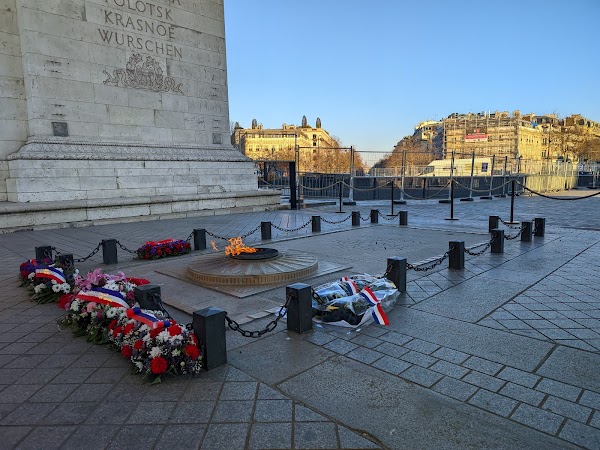
凯旋门矗立在巴黎,是法国军事胜利的宏伟见证。它由拿破仑·波拿巴于 1806 年委托建造,以庆祝奥斯特里茨战役的胜利,它使法国军队的英勇和牺牲永垂不朽。凯旋门宏伟的浮雕描绘了法国军事史上的重大战役和关键人物,包括阿布基尔战役、热马普战役和马尔索将军。凯旋门柱子上刻有在法国大革命和拿破仑战争期间进行的 128 场战役的名称,每一场都 stark 地提醒着这些冲突的规模和影响。在这些铭文中,人们可以找到拿破仑本人、德塞和克莱伯等杰出的法国军事领导人的名字,他们的遗产永远与凯旋门令人敬畏的存在交织在一起。1921 年增加的无名战士墓位于凯旋门的拱顶下方,是无数士兵为法国献出生命所做出的终极牺牲的辛酸象征。每晚重新点燃的永恒火焰,时刻提醒着人们他们的英勇,并庄严地向他们的记忆致敬。
2
Champs-Élysées
View on map
Audio Narrations
Chinese
导言
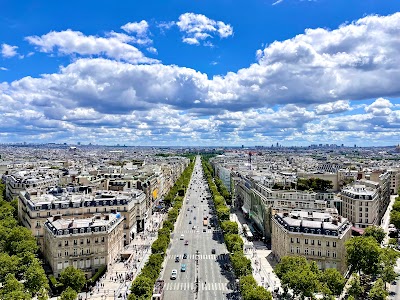
香榭丽舍大街,通常简称为“香榭丽舍”,不仅仅是一条巴黎大道;它是一个历史舞台,也是法国宏伟的象征。从协和广场延伸到凯旋门,其宽阔的人行道和精心规划的景观使其成为全球宏伟大道的典范。虽然许多人将其与奢侈品店和旗舰店联系在一起,但这条大道的特色在其长度上发生了巨大变化。靠近协和广场的下段,提供了一个宁静的避难所,其两侧有荫凉的散步道以及大皇宫和小皇宫。再往上,这条大道就变成了一个熙熙攘攘的商业中心,但即使在这里,像装饰艺术香榭丽舍剧院这样的建筑瑰宝也会让你想起这条大道的丰富艺术遗产。有趣的是,在 17 世纪大改造之前,香榭丽舍大街是一个非常简陋的空间,主要由田野和菜园组成。从一条简单的道路演变为全球公认的优雅和精致的象征,证明了这座城市不断发展的精神。全球旅游
香榭丽舍大道是全球旅游如何塑造城市景观的典型范例。它从 17 世纪的花园散步道演变为如今繁华的商业大道,直接源于其全球吸引力。这种转变在国际品牌的旗舰店中显而易见,迎合了多元化且富裕的客户群。这条大道的标志性地位通过无数电影和文学作品得到巩固,吸引了寻求典型巴黎体验的游客。这种旺盛的需求推动了一个持续发展的循环,企业、餐馆和文化机构根据国际受众的需求定制其产品。香榭丽舍大道在保持其历史魅力的同时适应并迎合不断变化的全球品味的能力,证明了它在国际旅游领域中持久的吸引力。然而,这种全球吸引力也带来了挑战,例如平衡大众旅游与保护大道的真实特征以及管理大量游客带来的环境影响。因此,香榭丽舍大道成为了 21 世纪全球旅游带来的复杂性和机遇的一个缩影。凯旋门建筑
香榭丽舍大街虽然通常不被认为是一座单一的凯旋门式建筑,但它以一种独特的城市形式体现了凯旋门式建筑的精神。它的起源可以追溯到 17 世纪,当时被构想为一条从卢浮宫延伸出来的宏伟游行大道。这种设计呼应了古罗马的凯旋之路,旨在颂扬法国君主制。矗立在西端的凯旋门巩固了这一凯旋叙事。它由拿破仑委托建造,以庆祝他的胜利,并强化了香榭丽舍大街作为权力象征性道路的地位。这条大道的宽阔视野专为盛大的阅兵式而设计,进一步强调了这一主题。即使是香榭丽舍大街沿线的雕像和喷泉的摆放,通常描绘历史人物或胜利的寓言,也有助于传达整体的凯旋信息。因此,香榭丽舍大街通过其设计和演变,超越了一条简单的林荫大道,成为法国雄心和成就的活生生的纪念碑。
3
Grand Palais
View on map
Audio Narrations
English
Introduction
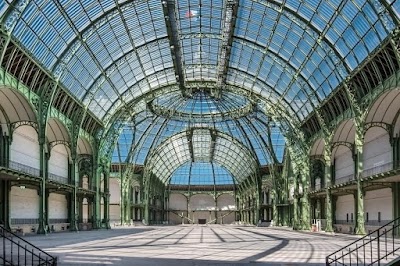
The Grand Palais, a magnificent Parisian landmark, stands proudly at the heart of the city. Built for the 1900 Universal Exposition, this architectural marvel is renowned for its awe-inspiring nave and glass roof, supported by an impressive 6,000 tonnes of steel. The Grand Palais, currently undergoing extensive restoration, is scheduled to reopen in April 2024, ready to host the Olympic and Paralympic Games. This iconic venue boasts a rich history as a prestigious showcase for diverse sporting and artistic events. From hosting world-renowned fencing championships to showcasing the works of acclaimed artists, the Grand Palais has consistently served as a cultural hub. Each year, over two million visitors immerse themselves in the rich cultural tapestry offered by this extraordinary venue. Following its restoration, the Grand Palais will continue to be a vibrant center for cultural events throughout the year. The 2024 Paris Olympics will see the Grand Palais host fencing and taekwondo competitions, adding to its legacy as a stage for both artistic and athletic excellence. Beyond its sporting significance, the Grand Palais offers a unique glimpse into Parisian history. The building's intricate facade, adorned with sculptures and polychrome friezes, reflects the architectural grandeur of the Belle Époque. The interior, featuring a monumental staircase and a breathtaking glass roof, showcases the innovative spirit of the era. The Grand Palais is not merely a venue; it is a testament to the city's cultural heritage and its enduring passion for art, sport, and innovation. As it prepares to welcome the world once again in 2024, the Grand Palais stands poised to continue its legacy as a symbol of Parisian excellence.Exhibition Venue
Grand Palais: A Parisian Exhibition Powerhouse The Grand Palais, a Parisian architectural marvel, stands as a testament to the city's rich artistic heritage. Its vast, glass-vaulted nave and ornate Beaux-Arts facade have captivated visitors for over a century, making it a premier exhibition venue in the heart of France. Beyond its undeniable grandeur, the Grand Palais boasts a unique versatility that caters to a diverse range of exhibitions. Its modular design allows for the creation of intimate spaces for smaller displays or expansive halls for large-scale installations. This adaptability has attracted a wide array of events, from prestigious art fairs like FIAC and Paris Photo to immersive fashion shows and captivating historical retrospectives. The Grand Palais's central location on the Champs-Élysées adds to its allure. Situated amidst iconic landmarks and cultural institutions, it offers unparalleled accessibility and visibility. This prime location ensures that exhibitions held within its walls reach a vast and diverse audience, further solidifying its position as a cultural hub. However, the Grand Palais is more than just an exhibition space. Its soaring glass roof bathes the interior in natural light, creating a dynamic and inspiring atmosphere for both exhibitors and visitors. The intricate ironwork and decorative elements add a touch of grandeur, transporting visitors to a bygone era of artistic extravagance. The Grand Palais is not merely a venue for showcasing art; it actively participates in the creative process. Its dedicated team of curators and technicians collaborates with artists and institutions to produce groundbreaking exhibitions that push boundaries and spark dialogue. This commitment to innovation ensures that the Grand Palais remains at the forefront of the contemporary art scene. In conclusion, the Grand Palais is more than just an exhibition venue; it is a vibrant cultural platform that fosters creativity, inspires dialogue, and celebrates the power of art. Its unique blend of architectural grandeur, historical significance, and contemporary relevance makes it an unparalleled destination for experiencing the best of Parisian art and culture.Sporting Arena
Grand Palais: A Sporting Arena Steeped in History While renowned for its art exhibitions and architectural grandeur, the Grand Palais in Paris also boasts a rich history as a sporting arena. Constructed for the 1900 World's Fair, the venue has witnessed a diverse range of sporting events, from fencing and cycling to boxing and equestrian competitions. The Salle des Fêtes, the Grand Palais's main hall, served as the centerpiece for sporting events. Its vast space, measuring 240 meters long and 110 meters wide, provided ample room for various sporting disciplines. The hall's glass roof, a marvel of engineering, bathed the arena in natural light, creating a unique and inspiring atmosphere for athletes and spectators alike. The Grand Palais hosted the fencing and cycling competitions during the 1900 Olympics, marking its debut as a major international sporting stage. Throughout the 20th century, the venue continued to host prestigious sporting events, including the 1924 Summer Olympics boxing competition and the 1968 European Figure Skating Championships. Beyond the Olympics, the Grand Palais witnessed legendary moments in boxing history. In 1923, the hall hosted the Georges Carpentier vs. Battling Siki fight, a highly anticipated bout that drew a massive crowd. The arena also played host to the 1934 European Boxing Championships, further solidifying its reputation as a premier venue for the sport. Equestrian events also found a home within the Grand Palais's walls. The 1924 Olympic equestrian competition showcased the world's finest riders and horses, while the annual Paris International Horse Show, held at the Grand Palais from 1951 to 1971, captivated audiences with its thrilling displays of equestrian skill. Today, the Grand Palais continues to be a versatile venue, occasionally hosting sporting events alongside its cultural programming. Its rich sporting history adds another layer to its multifaceted identity, reminding us of its role in shaping the landscape of French and international sports.
4
Petit Palais
View on map
Audio Narrations
English
Introduction
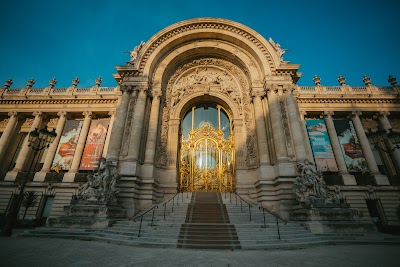
Nestled in the heart of Paris, the Petit Palais, a Beaux-Arts masterpiece, stands as a testament to the city's artistic grandeur. Built for the 1900 Exposition Universelle, it houses a treasure trove of French and Italian art spanning centuries. Step inside and be captivated by the breathtaking architecture. The grand staircase, adorned with intricate mosaics and sculptures, leads to a series of opulent galleries. The Salon d'Honneur, with its soaring dome and stained-glass windows, is a sight to behold. Explore the museum's diverse collection, from medieval masterpieces to Impressionist gems. Admire the delicate brushstrokes of Monet's "Water Lilies" and marvel at the vibrant colors of Renoir's "Bal du moulin de la Galette." Delve into the world of French sculpture, with works by Rodin and Carpeaux. Be mesmerized by the graceful lines of "The Kiss" and the raw emotion of "Ugolino and His Sons." The Petit Palais also boasts a remarkable collection of decorative arts, including furniture, tapestries, and ceramics. Discover the exquisite craftsmanship of Sèvres porcelain and the intricate designs of Gobelins tapestries. Beyond its permanent collection, the Petit Palais hosts temporary exhibitions that showcase the works of renowned artists and explore diverse artistic movements. A visit to the Petit Palais is a journey through time, offering a glimpse into the rich artistic heritage of France and beyond. From its stunning architecture to its exceptional collection, this museum is a must-see for any art enthusiast.Cultural Events
Nestled in the heart of Paris, the Petit Palais unveils a treasure trove of cultural events that ignite the senses and inspire the soul. This architectural gem, adorned with intricate Art Nouveau details, transcends its role as a museum, transforming into a vibrant stage for artistic expression. Step into the grand Salon d'Honneur, where the walls whisper tales of bygone eras. Here, the annual "Nuit Blanche" festival paints the night with a kaleidoscope of contemporary art installations, performances, and music, blurring the lines between reality and imagination. Delve into the world of fashion at the "Petit Palais Fashion Week," where emerging designers showcase their avant-garde creations. Witness the metamorphosis of the museum's serene galleries into a runway pulsating with creativity and innovation. For the bibliophile, the "Salon du Livre" offers a literary feast. Browse through a curated selection of books, meet renowned authors, and engage in lively discussions about the written word. The Petit Palais becomes a haven for book lovers, fostering a love for literature and the power of storytelling. Music aficionados can immerse themselves in the "Festival de Musique Classique," where the museum's acoustics come alive with the melodies of renowned orchestras and soloists. The intimate setting creates an unparalleled connection between the performers and the audience, transporting listeners to a realm of pure musical bliss. The Petit Palais is not merely a repository of art; it is a living, breathing entity that pulsates with the rhythm of cultural events. From the avant-garde to the classical, the museum offers a diverse tapestry of experiences that cater to every artistic inclination.Architectural Landmark
The Petit Palais, a stunning architectural gem nestled in the heart of Paris, stands as a testament to the grandeur of the Beaux-Arts style. Built for the 1900 Exposition Universelle, this magnificent structure embodies the architectural ideals of its era. Its imposing facade, adorned with intricate sculptures and crowned by a majestic dome, commands attention and admiration. The building's harmonious proportions and symmetrical design reflect the classical principles that guided its construction. Stepping inside the Petit Palais is akin to entering a time capsule of architectural brilliance. The grand staircase, with its sweeping curves and ornate balustrade, sets the tone for the opulent interiors. The museum's galleries, adorned with rich marbles and gilded details, provide a fitting backdrop for the impressive collection of French art. The building's layout, with its enfilade of rooms and interconnected spaces, creates a sense of flow and grandeur. The Petit Palais is not merely a repository of art; it is an architectural masterpiece in its own right. Its innovative use of materials, such as the extensive use of glass and iron, showcases the technological advancements of the time. The building's integration with its surrounding gardens further enhances its aesthetic appeal, creating a harmonious dialogue between architecture and nature. As an architectural landmark, the Petit Palais stands as a testament to the enduring legacy of the Beaux-Arts style. Its intricate details, opulent interiors, and innovative design continue to inspire and captivate visitors from around the world. It is a place where art and architecture converge, creating an unforgettable experience for all who enter its doors.
5
Place de la Concorde
View on map
Audio Narrations
English
Introduction
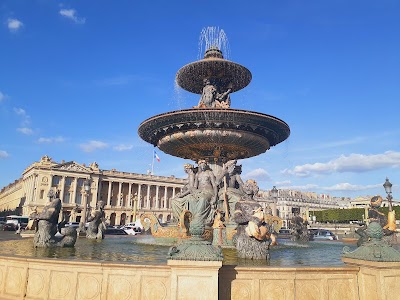
Place de la Concorde, a majestic square in the heart of Paris, stands as a testament to the city's rich history and evolving identity. Originally conceived as a symbol of royal power, the square has witnessed pivotal moments in French history, from the execution of Louis XVI to the joyous celebrations of Bastille Day. Its transformation from a place of public executions to a vibrant hub of Parisian life reflects the city's resilience and capacity for reinvention. The square's design, conceived by Ange-Jacques Gabriel, embodies the principles of French Neoclassicism. Its harmonious proportions, elegant symmetry, and monumental scale create a sense of grandeur and order. The centerpiece of the square is the Luxor Obelisk, a 3,300-year-old Egyptian monument gifted to France in the 19th century. This ancient artifact adds a touch of exoticism to the square, reminding visitors of the city's global connections. Surrounding the square are eight statues representing major French cities, each a masterpiece of 19th-century sculpture. These statues not only adorn the square but also serve as a reminder of the country's diverse cultural heritage. The square's location, between the Tuileries Garden and the Champs-Élysées, makes it a natural starting point for exploring the city's most iconic landmarks. Place de la Concorde is more than just a beautiful square; it is a living testament to the city's past, present, and future. Its history, architecture, and symbolism make it a must-visit destination for anyone seeking to understand the essence of Paris.Public Execution Site
Place de la Concorde: A Stage for Revolution and Execution The majestic Place de la Concorde in Paris, now a symbol of unity and harmony, holds a darker past as a stage for public executions. During the French Revolution, this grand square witnessed the gruesome deaths of thousands, including King Louis XVI and Marie Antoinette. The guillotine, a chilling symbol of the revolution, was erected in the center of the square in 1792. Over the next two years, it claimed the lives of countless individuals, from royalty and clergy to commoners accused of treason. The executions were public spectacles, drawing large crowds who witnessed the bloody demise of their former rulers. The most notable victims of the guillotine at Place de la Concorde were King Louis XVI and Marie Antoinette. Their executions, in January and October 1793 respectively, marked the end of the monarchy and ushered in a new era of republican rule in France. The Place de la Concorde's role as an execution site left a lasting impact on the city and its people. It served as a stark reminder of the violence and upheaval of the revolution, and its legacy continues to resonate today. While the guillotine has long since been removed, the square remains a poignant reminder of the turbulent times that shaped modern France.Champs-Élysées
Place de la Concorde, the grand square that marks the western end of the Champs-Élysées, is a testament to the city's turbulent history and enduring spirit. Originally conceived as a symbol of royal power, the square witnessed the execution of Louis XVI and Marie Antoinette during the French Revolution. Today, it stands as a vibrant hub, pulsating with the energy of the city and offering a unique perspective on the Champs-Élysées. From the Place de la Concorde, the Champs-Élysées stretches eastward like a magnificent ribbon, lined with iconic landmarks and prestigious establishments. The Luxor Obelisk, a towering ancient Egyptian monument gifted to France in the 19th century, stands proudly at the center of the square, its hieroglyphs whispering tales of a long-lost civilization. The majestic fountains, adorned with intricate sculptures, dance to the rhythm of the city, their cascading waters reflecting the vibrant life of the Champs-Élysées. As you stand in the Place de la Concorde, the Champs-Élysées unfolds before you, a dazzling panorama of Parisian grandeur. The Arc de Triomphe, a monument to France's military victories, stands at the far end, its imposing silhouette a beacon of national pride. The Grand Palais and the Petit Palais, architectural masterpieces housing museums and exhibitions, flank the avenue, their ornate facades reflecting the city's artistic heritage. The Place de la Concorde is not merely a starting point for exploring the Champs-Élysées; it is an integral part of the avenue's narrative. The square's history, its monuments, and its vibrant atmosphere contribute to the unique character of the Champs-Élysées, making it one of the most iconic avenues in the world. As you stroll down the Champs-Élysées, take a moment to appreciate the Place de la Concorde, a historical landmark that embodies the spirit of Paris and its most famous avenue.
6
Tuileries Garden
View on map
Audio Narrations
English
Introduction
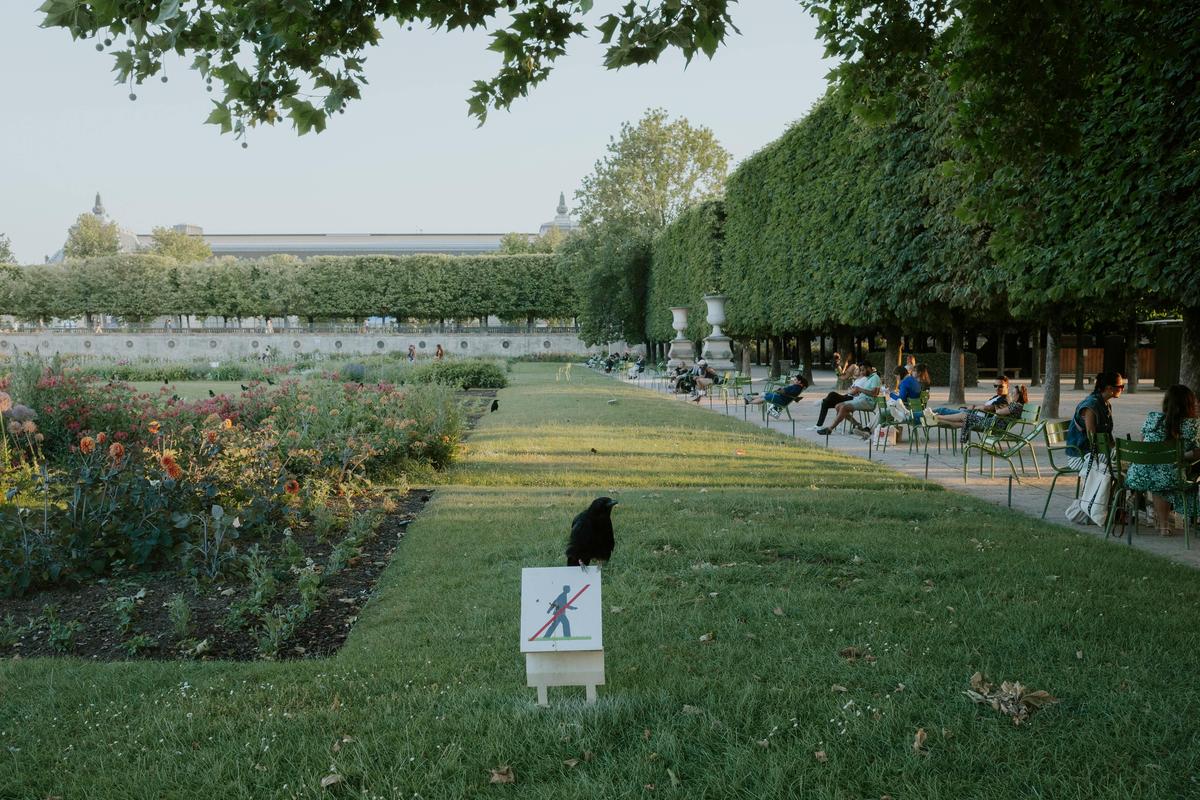
The Tuileries Garden, a verdant oasis in the heart of Paris, unfolds its splendor between the Louvre Museum and the Place de la Concorde. Designed by the renowned landscape architect André Le Nôtre in the 17th century, this masterpiece of French formal gardens boasts meticulously manicured parterres, adorned with vibrant flowerbeds and intricate topiary. Stroll along the tree-lined avenues, where statues of mythological figures and historical personalities grace the landscape. Beyond the formal gardens, discover hidden gems like the Orangerie Museum, housing an impressive collection of Impressionist masterpieces. For a moment of tranquility, seek refuge in the Jardin des Fontaines, where cascading waterfalls and playful fountains create a symphony of water and light. As you wander through the Tuileries, imagine the footsteps of royalty who once graced these grounds, from Catherine de' Medici to Marie Antoinette. Today, the garden remains a vibrant hub of Parisian life, where locals and visitors alike gather to picnic, play games, or simply soak in the beauty of their surroundings.Champs-Élysées
The Tuileries Garden, a verdant oasis nestled between the Louvre Museum and the Place de la Concorde, offers a tranquil escape from the bustling Champs-Élysées. This historic park, once the playground of French royalty, boasts a rich tapestry of art, history, and nature. As you stroll along the tree-lined paths, imagine the footsteps of kings and queens who once graced these grounds. The iconic statues and fountains, including the majestic Arc de Triomphe du Carrousel, whisper tales of a bygone era. From the Champs-Élysées, the Tuileries Garden provides a serene respite. The park's manicured lawns and vibrant flowerbeds offer a feast for the senses, while the gentle murmur of the fountains creates a soothing ambiance. For art enthusiasts, the Tuileries Garden is an open-air museum. Scattered throughout the park are sculptures by renowned artists, including Rodin and Maillol. The Musée de l'Orangerie, located within the park's boundaries, houses an impressive collection of Impressionist masterpieces. The Tuileries Garden also serves as a venue for cultural events and exhibitions. During the summer months, the park comes alive with concerts, theater performances, and art installations. Whether you seek a leisurely stroll, a cultural immersion, or simply a moment of tranquility, the Tuileries Garden offers a unique experience for visitors to the Champs-Élysées. Its rich history, artistic treasures, and natural beauty make it a true Parisian gem.Tuileries Carousel
Nestled within the heart of the Tuileries Garden, the Tuileries Carousel stands as a whimsical testament to Parisian history and amusement. This enchanting merry-go-round, established in 1873, transports visitors back to a bygone era of elegance and joy. Its intricately carved wooden horses, adorned with vibrant colors and gleaming brass, gallop in a rhythmic dance, accompanied by the cheerful strains of a calliope. As you approach the carousel, the scent of roasted chestnuts and sweet popcorn fills the air, heightening the anticipation of the ride. The carousel's central platform, adorned with delicate floral motifs, invites you to step back in time. As you mount your chosen steed, a sense of childlike wonder washes over you. With each turn, the carousel offers a glimpse into the grandeur of the Tuileries Garden. The surrounding landscape, with its manicured lawns, ornate fountains, and towering trees, creates a picturesque backdrop for this timeless attraction. The laughter of children and the gentle clinking of the carousel's machinery create a symphony of merriment that echoes through the air. The Tuileries Carousel is more than just an amusement ride; it is a portal to a world of imagination and nostalgia. It has witnessed countless generations of Parisians and visitors alike, each creating their own cherished memories within its enchanting embrace. As you disembark from your steed, you carry with you a piece of Parisian magic, a reminder of the simple joys that life has to offer.
7
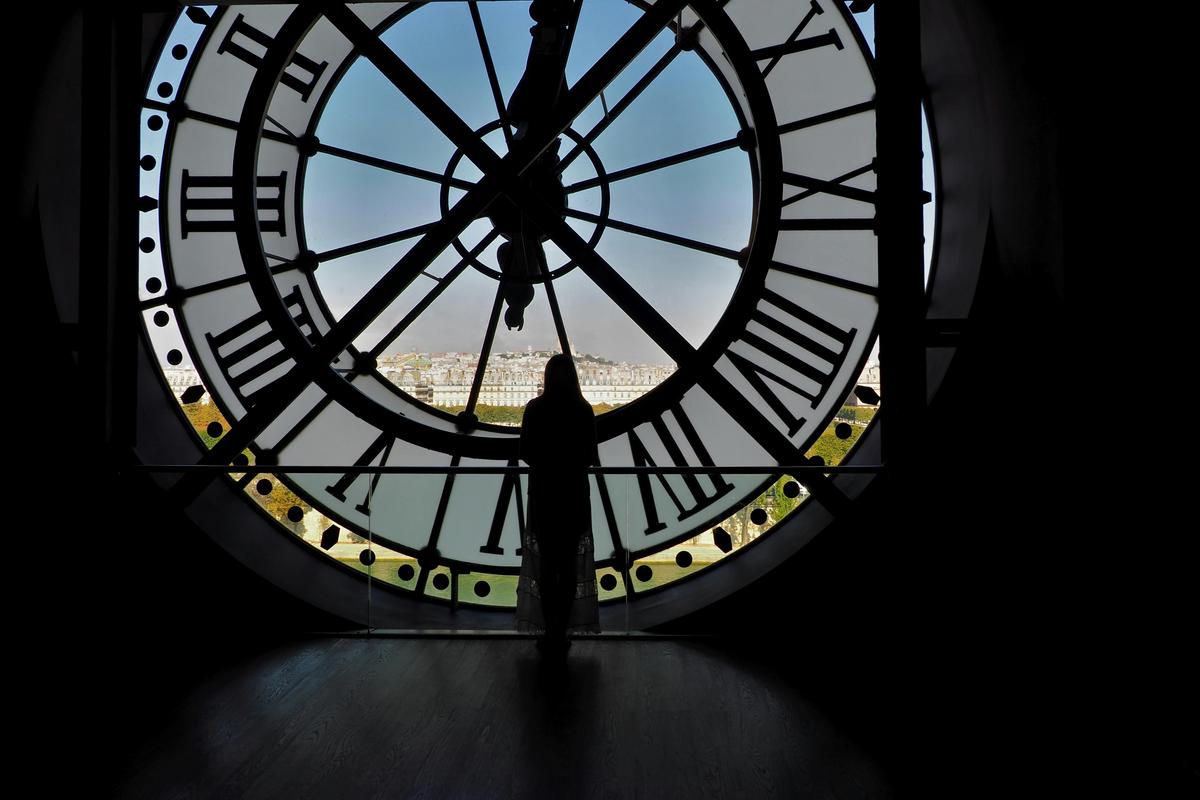
Musée d'Orsay
View on map
Audio Narrations
Chinese
导言
奥赛博物馆,巴黎印象派和后印象派艺术的宝库,坐落于一座美术学院风格的火车站内。其宽敞的大厅,曾经回荡着火车轰鸣声,如今却洋溢着莫奈、雷诺阿、德加和梵高等大师杰作的鲜艳色彩。博物馆的藏品跨越 1848 年至 1914 年,为这段变革时期艺术的演变提供了一次引人入胜的旅程。 除了标志性的作品外,奥赛博物馆还揭示了隐藏的瑰宝。卡雷沙龙是卢浮宫著名展览空间的复制品,展示了安格尔和德拉克洛瓦的杰作。博物馆的摄影藏品拥有超过 45,000 张图像,让人们得以一窥巴黎及其人民不断变化的面貌。对于那些寻求独特视角的人来说,屋顶露台提供了城市全景,将博物馆的藏品置于巴黎生活的生动画卷之中。 奥赛博物馆不仅仅是一个艺术仓库;它是一个充满活力的文化中心。其临时展览计划深入探讨了不同的艺术流派和个别艺术家,而其教育计划则培养了对艺术的欣赏。无论您是艺术爱好者还是好奇的新人,奥赛博物馆都承诺提供一次充实且难忘的邂逅,领略一个逝去时代的艺术辉煌。装饰艺术
奥赛博物馆的装饰艺术:隐藏的瑰宝 虽然奥赛博物馆以其印象派和后印象派杰作而闻名,但它也收藏着鲜为人知的装饰艺术瑰宝。这一艺术和设计创新时期在 20 世纪 20 年代和 30 年代蓬勃发展,博物馆的藏品为其在巴黎的表现提供了引人入胜的一瞥。 踏入博物馆的装饰艺术区,游客会被几何形状、奢华材料和大胆色彩的交响乐所迎接。Émile-Jacques Ruhlmann 和 Louis Süe 的精美家具展示了装饰艺术对简洁线条、对称性和乌木和马卡萨木等异域木材的偏爱。卡地亚和梵克雅宝令人眼花缭乱的珠宝,以其几何图案和鲜艳的宝石,体现了那个时代对奢华和魅力的追求。 博物馆的藏品不仅限于家具和珠宝,还包括各种各样的装饰艺术品。A.M. Cassandre 和 Charles Loupot 引人注目的海报捕捉了那个时代的活力和现代性,而 René Lalique 和 Maurice Marinot 的优雅玻璃器皿则展示了那个时期对光线和质地的迷恋。 该藏品的一大亮点是法国建筑师 Robert Mallet-Stevens 设计的“Salle à manger”的重建。这种沉浸式体验将游客带到一个典型的装饰艺术室内,配有时尚的家具、几何图案和奢华的材料。 奥赛博物馆的装饰艺术藏品为这一充满活力的艺术运动提供了独特的视角,展示了其在巴黎的诠释,并突出了其对各种艺术形式的影响。从家具和珠宝到玻璃器皿和海报,博物馆全面而引人入胜地探索了装饰艺术的优雅、创新和持久遗产。博物馆建筑
奥赛博物馆:博物馆建筑改造再利用的典范 奥赛博物馆是博物馆建筑改造再利用力量的见证。这座宏伟的建筑最初建于1900年,作为博览会上的一个美术学院火车站,1986年被改建为博物馆。这种改造给建筑师们带来了独特的挑战和机遇,他们巧妙地保留了建筑的历史特色,同时创造了一个展示艺术的功能性和鼓舞人心的空间。 奥赛博物馆最引人注目的特点之一是其宽敞的开放式内部。原火车棚高耸的玻璃屋顶和钢框架为画廊注入了自然光,营造出一种宏伟和开放的感觉。博物馆巧妙地利用了流通,宽阔的弯曲坡道引导游客穿过不同的楼层,沿途可以瞥见艺术和建筑。 建筑师们还巧妙地将建筑的原始特色融入到博物馆的设计中。曾经用来调节火车时刻的钟楼,现在成为一个突出的地标,也是这座建筑过去的一个提醒。立面的华丽石雕和装饰元素被精心保留,为现代博物馆体验增添了一丝优雅和历史背景。 奥赛博物馆的成功在于它无缝融合了新旧元素的能力。建筑师们尊重了建筑的传统,同时创造了一个既实用又美观的当代空间。这种和谐的平衡使博物馆成为博物馆建筑改造再利用的一个独特而鼓舞人心的典范。
8
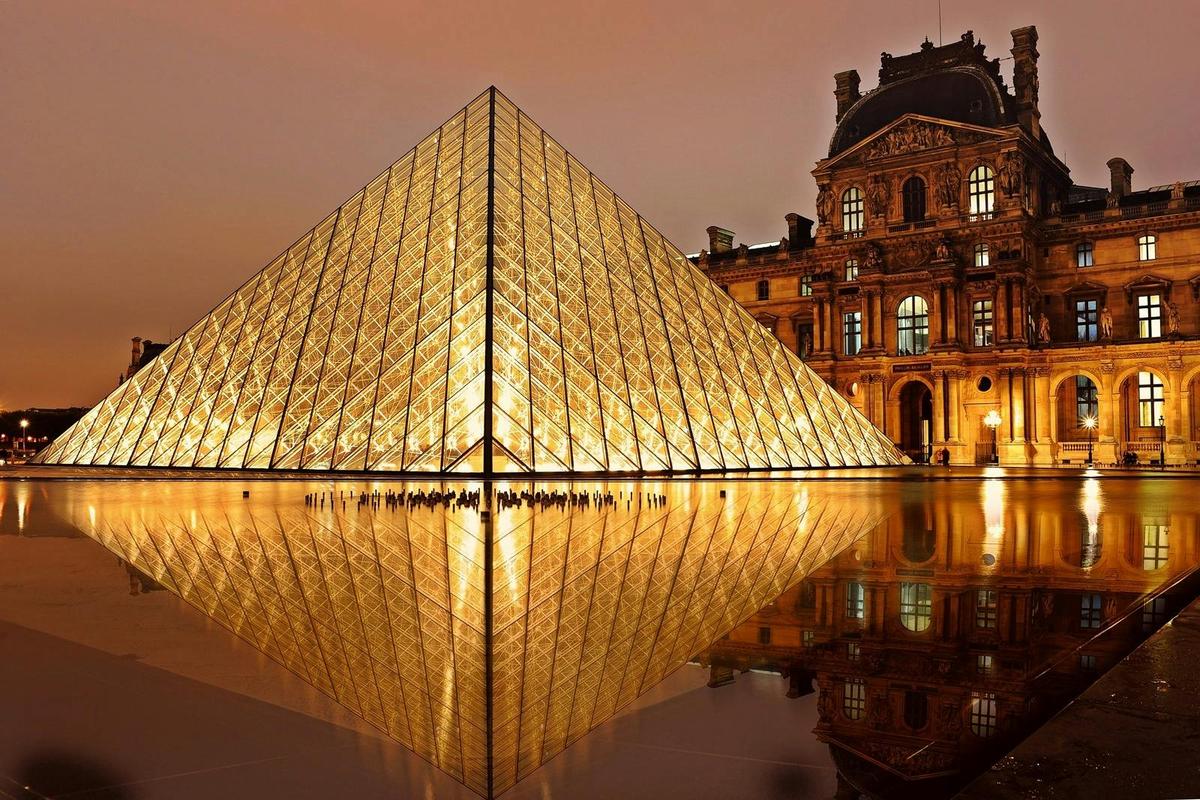
Louvre Museum
View on map
Audio Narrations
Chinese
导言
卢浮宫博物馆,一座雄伟的宫殿变身为博物馆,见证了几个世纪的法国艺术和历史。其庞大的藏品,跨越 35,000 件作品,提供了一段迷人的时光之旅,从古代文明到现代杰作。 除了标志性的蒙娜丽莎和米洛的维纳斯之外,卢浮宫还收藏着等待被发现的隐藏瑰宝。萨莫色雷斯的胜利女神,以其优雅的垂褶和戏剧性的姿势,唤起了一种敬畏和惊奇的感觉。装饰着华丽雕塑和闪闪发光的黄金的精致的阿波罗画廊,将游客带到了法国君主制的宏伟中。 对于艺术爱好者来说,卢浮宫展示了大量的杰作。德拉克洛瓦戏剧性的《自由领导人民》,捕捉了法国大革命的精神,与拉斐尔的《岩石中的圣母》的宁静之美形成鲜明对比。博物馆收藏了大量的印象派绘画,包括莫奈的《睡莲》和雷诺阿的《磨坊舞会》,让人们得以一窥 19 世纪巴黎的生动世界。 卢浮宫的建筑本身就是一件艺术品。由贝聿铭设计的标志性玻璃金字塔,与博物馆的历史外观形成了现代对比。宽敞的画廊装饰着错综复杂的细节和华丽的天花板,营造出一种宏伟和惊奇的氛围。 参观卢浮宫是一次难忘的经历,提供了一个独特的机会,让人们沉浸在人类创造力的丰富挂毯中。从古代文物到现代杰作,博物馆的庞大藏品为人类的艺术和文化遗产提供了一个窗口。博物馆建筑
卢浮宫博物馆位于法国法兰西岛大区巴黎,是一座著名的建筑杰作,历经几个世纪的改造,反映了其赞助人的不断变化的品味和需求。它的起源可以追溯到 12 世纪,当时它曾是法国君主制的堡垒。随着时间的推移,它被扩建和美化,最终形成了我们今天看到的标志性建筑。 卢浮宫建筑最引人注目的特点之一是其宏伟的规模。这个庞大的建筑群包括一个广阔的庭院,即拿破仑庭院,周围环绕着宏伟的侧翼。东翼被称为苏利翼,可追溯到 16 世纪,具有古典文艺复兴风格。西翼,即黎塞留翼,建于 17 世纪和 18 世纪,展示了更多巴洛克美学。 卢浮宫的建筑演变体现在不同风格的并置中。堡垒的中世纪基础仍然可以在较低的楼层中看到,而较高的楼层则展示了文艺复兴和巴洛克时期的宏伟。20 世纪 80 年代标志性的玻璃金字塔的增加进一步强调了博物馆对拥抱当代设计的承诺。 卢浮宫的建筑不仅仅是其艺术收藏的背景;它是博物馆体验中不可或缺的一部分。宏伟的楼梯、华丽的天花板和一览无余的景色营造出一种敬畏和惊奇感,增强了对内部杰作的欣赏。博物馆的布局,及其相互连接的画廊和主题部分,引导游客踏上艺术史之旅,加深对展出作品的理解。 总之,位于法国法兰西岛大区巴黎的卢浮宫博物馆证明了建筑的持久力量。它几个世纪以来的演变反映了其赞助人的不断变化的品味和需求,而其宏伟的规模和精美的细节为游客创造了一种身临其境且令人敬畏的体验。博物馆的建筑不仅仅是艺术的容器;它是讲故事中不可或缺的一部分,增强了对内部杰作的欣赏和理解。埃及古物
卢浮宫博物馆位于巴黎,收藏着世界上最丰富、最著名的埃及古物,跨越了 5000 年的历史。其庞大的藏品提供了一次穿越古埃及文明的迷人旅程,从古王国到罗马时期。 博物馆的亮点之一是标志性的塔尼斯大狮身人面像,这是一座可追溯到第 26 王朝的巨大花岗岩雕塑。这座威严的雕像最初守卫着神庙的入口,是古埃及艺术和建筑宏伟的见证。 卢浮宫还收藏着非凡的皇家木乃伊,包括新王国最强大的法老拉美西斯二世和第一位女法老哈特谢普苏特的木乃伊。这些木乃伊为我们深入了解古埃及皇室的生活和信仰提供了宝贵的见解。 博物馆的丧葬物品收藏同样令人印象深刻,展示了古埃及围绕死亡的繁复仪式和信仰。从精雕细琢的石棺到精致的乌沙布提雕像,这些文物让我们得以一窥古埃及人想象中的来世。 除了标志性的文物之外,卢浮宫的埃及藏品还包含大量日常用品,为我们提供了一扇了解古埃及普通民众日常生活之窗。从工具和陶器到珠宝和化妆品,这些物品揭示了这一古代文明的创造力和工艺。 卢浮宫的埃及古物收藏不仅仅是历史文物的展示,它是一个通往逝去时代的门户,让参观者对古埃及文化、信仰和日常生活有了深刻的了解。通过其全面而多样的藏品,卢浮宫提供了一个无与伦比的机会,让我们探索这一迷人文明的奇迹。
9
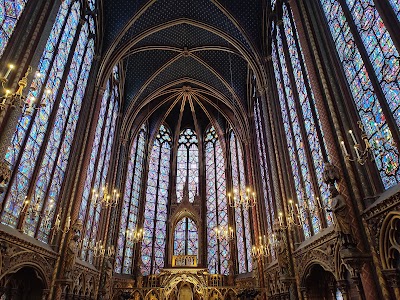
Sainte-Chapelle
View on map
Audio Narrations
English
Introduction
The Sainte-Chapelle, a jewel of Gothic architecture nestled in the heart of Paris, stands as a testament to faith, artistry, and royal ambition. Built in the 13th century by King Louis IX, it was designed to house his collection of holy relics, including the Crown of Thorns. The chapel's soaring stained-glass windows, depicting scenes from the Old and New Testaments, bathe the interior in a kaleidoscope of colors, creating an ethereal atmosphere. The intricate details of the windows, with their delicate tracery and vibrant hues, are a testament to the skill of medieval artisans. The Sainte-Chapelle's unique double-chapel design, with its lower and upper levels, reflects the hierarchical structure of medieval society. The lower chapel, reserved for the king's household, is adorned with sculptures and paintings, while the upper chapel, where the relics were kept, is a masterpiece of light and stained glass. The Sainte-Chapelle's rich history and artistic splendor have captivated visitors for centuries, making it a must-see destination for anyone interested in medieval art, architecture, and religious history.Stained Glass Windows
The Sainte-Chapelle in Paris, Île-de-France, France, is renowned for its breathtaking stained glass windows, considered among the most exquisite examples of Gothic art. These luminous masterpieces, spanning over 1,113 square meters, bathe the interior in a kaleidoscope of colors, creating an ethereal and awe-inspiring atmosphere. The windows, dating back to the 13th century, depict scenes from the Old and New Testaments, narrating biblical stories with remarkable detail and artistry. The vibrant hues of blue, red, and gold, achieved through the use of cobalt, copper, and silver, imbue the figures with life and emotion. One of the most striking features of the windows is their sheer size and scale. The largest window, known as the "Rose Window," measures an impressive 9 meters in diameter and features intricate tracery and delicate stained glass panels. The windows on the lower levels, known as the "lancets," are equally impressive, each depicting a specific biblical scene with remarkable clarity and precision. The stained glass windows of the Sainte-Chapelle are not merely decorative elements; they served a profound didactic purpose. In an era when literacy was not widespread, these luminous images provided a visual representation of biblical stories, making them accessible to all who beheld them. The windows also served as a testament to the power and wealth of the French monarchy. King Louis IX, who commissioned the construction of the Sainte-Chapelle, spared no expense in creating these magnificent works of art, demonstrating his piety and his desire to elevate the status of the chapel as a sacred space. Today, the stained glass windows of the Sainte-Chapelle continue to captivate visitors from around the world. Their beauty, artistry, and historical significance make them an integral part of the cultural heritage of France and a testament to the enduring power of stained glass as an art form.Religious Significance
Sainte-Chapelle: A Monument to Religious Significance The Sainte-Chapelle, a dazzling Gothic masterpiece nestled in the heart of Paris, stands as a testament to the profound religious significance that permeated medieval France. Built in the 13th century by King Louis IX, this royal chapel was conceived as a sacred repository for the Crown of Thorns, a relic of immense importance to the Christian faith. The chapel's architecture embodies its religious purpose. Soaring stained glass windows, depicting scenes from the Old and New Testaments, bathe the interior in a celestial glow, transporting visitors to a realm of divine beauty. The intricate sculptures and delicate tracery further enhance the sacred atmosphere, creating a space conducive to contemplation and prayer. Beyond its aesthetic splendor, the Sainte-Chapelle served as a powerful symbol of royal authority and piety. Louis IX, a deeply religious monarch, sought to elevate the status of the French monarchy by associating it with the sacred relics housed within the chapel. By venerating the Crown of Thorns, he aimed to demonstrate his divinely ordained right to rule and to position France as a leading center of Christian devotion. The Sainte-Chapelle also played a crucial role in shaping religious practices. The daily liturgical services held within its walls attracted throngs of pilgrims and worshippers, fostering a sense of community and shared faith. Moreover, the chapel's exquisite design served as a source of inspiration for countless artists and architects, influencing the development of Gothic art and architecture throughout Europe. Today, the Sainte-Chapelle continues to captivate visitors with its breathtaking beauty and profound religious significance. It stands as a reminder of the enduring power of faith and the intricate relationship between art, architecture, and religious belief. As you step through its doors, let the ethereal light and sacred atmosphere transport you to a bygone era, where faith and devotion reigned supreme.
10
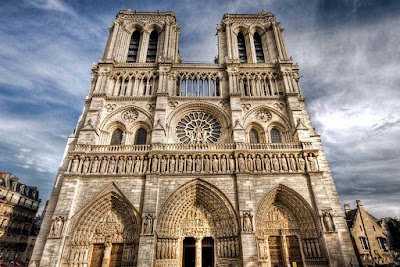
Cathédrale Notre-Dame de Paris
View on map
Audio Narrations
Chinese
导言
巴黎圣母院,法国哥特式建筑的杰作,雄伟地矗立在西岱岛上,这是巴黎中心的一个小岛。它的建造始于 1163 年,历时两个多世纪,最终建成了一座令人惊叹的建筑,体现了那个时代的建筑和艺术才华。大教堂高耸的塔楼、错综复杂的飞扶壁和壮丽的彩色玻璃窗几个世纪以来一直吸引着游客。 巴黎圣母院最引人注目的特点之一是它的怪兽,这是装饰外墙的怪诞石像。这些神秘的生物通常以扭曲的面孔和动物特征描绘,它们作为排水口发挥着实际作用,将雨水从建筑物中引开。然而,它们也具有象征意义,代表着善与恶、神圣与世俗的二元性。 巴黎圣母院的内部同样令人敬畏。宽敞的中殿,高耸的柱子和拱形天花板,营造出一种敬畏和惊叹的感觉。一些可追溯到 13 世纪的彩色玻璃窗,将万花筒般的色彩投射到内部,照亮了其错综复杂的设计中描绘的圣经场景和故事。大教堂的珍宝还包括拥有 8,000 根管风琴的宏伟管风琴,以及据信耶稣基督在被钉十字架时戴过的荆棘王冠。 巴黎圣母院在法国历史上发挥了举足轻重的作用,见证了加冕、革命和战争。它也成为无数艺术家、作家和音乐家的灵感来源。维克多·雨果的小说《巴黎圣母院》使大教堂及其神秘的敲钟人卡西莫多永垂不朽。 巴黎圣母院证明了信仰、艺术和人类智慧的持久力量。它的建筑宏伟、历史意义和文化影响力继续激励和吸引着来自世界各地的游客。建筑杰作
巴黎圣母院:哥特式杰作 巴黎圣母院是哥特式建筑的智慧和艺术的见证。其高耸的尖顶、精美的飞扶壁和明亮的彩色玻璃窗几个世纪以来一直吸引着游客。 除了宏伟之外,圣母院体现了哥特式风格的创新精神。其建筑师采用了尖拱和肋状拱顶等革命性技术,营造出一种高耸的高度感和空灵的轻盈感。巨大的玫瑰窗,其错综复杂的纹饰和鲜艳的色彩,将内部沐浴在万花筒般的光线下,将空间变成了一个天堂般的避难所。 圣母院的雕塑同样引人注目,展示了哥特式艺术的表现力。栖息在城市高处的怪兽和嵌合体不仅仅是装饰元素,而是充当象征性的守护者,抵御邪灵。装饰门户的圣经场景的错综复杂的细节引发了沉思和反思,将观众带入了神圣的叙事中。 大教堂和谐的比例和对细节的细致关注反映了哥特时代的哲学和神学基础。它被认为是宇宙的一个缩影,每个元素都代表着神圣秩序的一个方面。高耸的尖顶象征着人类对天堂的向往,而错综复杂的雕刻和彩色玻璃窗则唤起了创造的美丽和复杂性。 巴黎圣母院仍然是一件建筑杰作,证明了人类精神在创新、艺术和奉献方面的能力。它继续激发敬畏和惊叹,提醒我们信仰的持久力量和艺术的变革潜力。法国历史
巴黎圣母院大教堂,这座雄伟的建筑耸立在巴黎中心西岱岛上,几个世纪以来一直是法国历史不可分割的一部分。它的建造始于 12 世纪,跨越至 14 世纪,恰逢法国君主制兴起和王权巩固时期。大教堂的哥特式建筑,其高耸的尖顶和错综复杂的彩色玻璃窗,体现了那个时代的艺术和文化巅峰。 在整个存在期间,巴黎圣母院见证了法国历史上的关键时刻。它曾是 1431 年英格兰亨利六世加冕的舞台,这是百年战争期间的一个象征性事件。1455 年,法国的标志性女英雄圣女贞德在大教堂的围墙内举行的审判中被宣告无罪。法国大革命给巴黎圣母院带来了一个动荡时期,因为它遭到破坏和亵渎。然而,19 世纪见证了人们对大教堂兴趣的复苏,由著名建筑师欧仁·维奥莱·勒·杜克领导了大规模的修复工作。 巴黎圣母院的意义超出了其建筑宏伟和历史事件。它一直是无数艺术家、作家和音乐家的灵感来源。维克多·雨果 1831 年出版的小说《巴黎圣母院》使大教堂及其神秘的敲钟人卡西莫多永垂不朽。大教堂的钟声响起,标志着从皇室婚礼到国家庆典的重大事件。 2019 年,一场毁灭性的大火吞噬了巴黎圣母院,对其屋顶和尖顶造成了广泛破坏。这场大火虽然是一场悲剧,但也激发了人们对大教堂文化和历史意义的重新认识。重建工作正在进行中,目的是恢复巴黎圣母院昔日的辉煌。 巴黎圣母院大教堂是法国历史悠久遗产的见证。它的建筑、事件和文化影响塑造了这个国家的认同,并继续激发来自世界各地的游客的敬畏和惊叹。
11
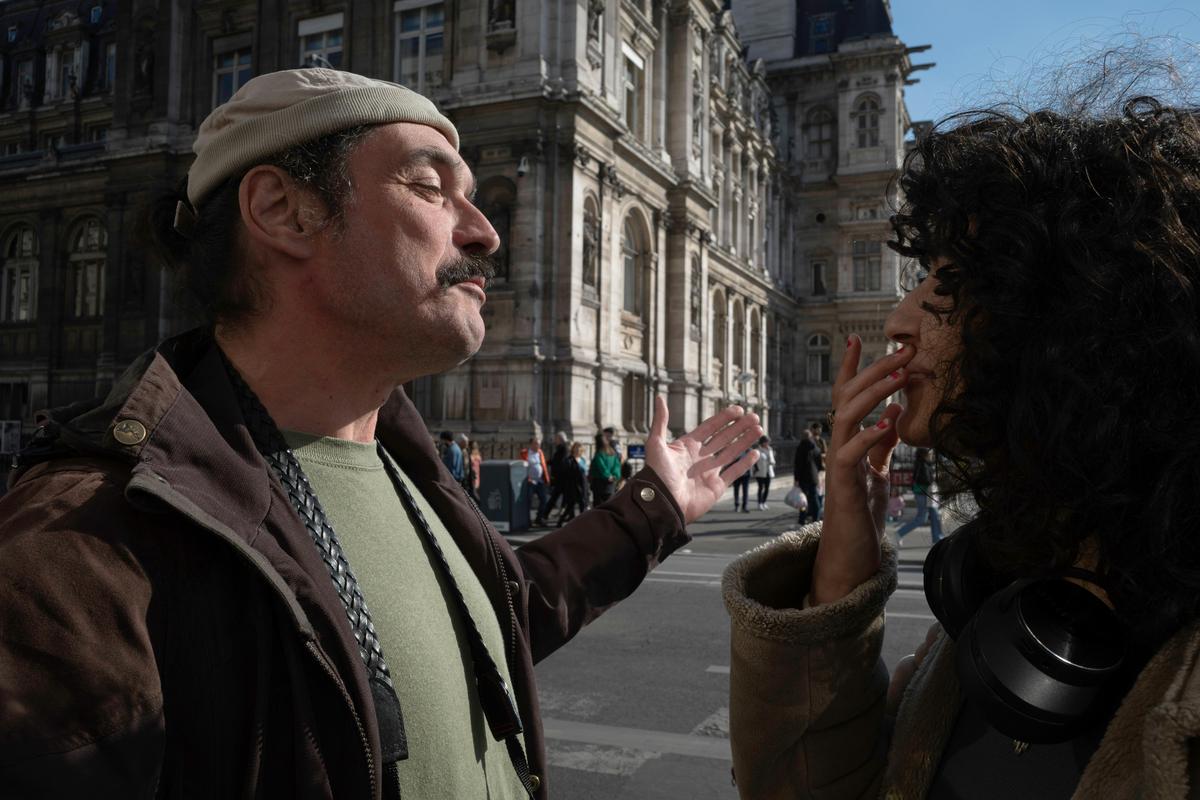
Hôtel de Ville
View on map
Audio Narrations
Chinese
导言
巴黎市政厅,巴黎行政中心,见证了这座城市的悠久历史和建筑成就。其文艺复兴复兴风格,不同于流行的奥斯曼建筑,拥有华丽的外观,装饰有雕塑、寓意人物和精美的雕刻。大楼的中央展馆,由一座雄伟的钟楼加冕,两侧是对称的侧翼,每个侧翼都设有一个庭院。内部,富丽堂皇的大沙龙,其镀金天花板和错综复杂的壁画,是举行官方招待会和仪式的场所。节日大厅装饰有彩色玻璃窗和一座巨大的壁炉,与大楼外部的宏伟相呼应。巴黎市政厅内的一个隐藏瑰宝是市长办公室,这是一间私人办公室,装饰有精美的挂毯和绘画,让人们得以一窥市长的世界。大楼的悠久历史进一步体现在其墙壁内收藏的众多艺术品和文物中,包括一组由著名艺术家创作的戈贝林挂毯和雕塑。巴黎市政厅,法国建筑的杰作,是巴黎自豪感的象征,也是这座城市经久不衰的遗产的证明。哥特复兴建筑
巴黎法兰西岛的市政厅是哥特复兴建筑运动的见证。这座建筑建于 1874 年至 1882 年间,体现了那个时代的精神,从中古哥特式建筑中汲取灵感,同时融入了现代建筑技术和材料。 市政厅最引人注目的特点之一是其错综复杂的立面,装饰有雕塑、怪兽和飞扶壁。尖拱、肋状拱顶和玫瑰窗让人联想到哥特式大教堂的宏伟,而铸铁和玻璃的使用则反映了 19 世纪的技术进步。 市政厅的内部同样令人印象深刻,设有宏伟的楼梯、议事厅和一系列接待室。使用彩色玻璃、挂毯和木镶板营造出一种丰富而奢华的氛围,让人联想到中世纪的城堡。 市政厅是哥特复兴建筑的一个重要范例,展示了该运动重新诠释和改编历史风格以适应现代语境的能力。其宏伟和对细节的关注使其成为 19 世纪建筑的杰作。历史古迹
巴黎法兰西岛的市政厅是这座城市悠久历史和建筑实力的纪念碑。这座标志性建筑于 1862 年被指定为历史古迹,体现了巴黎治理和公民自豪的精神。 除了宏伟的外观和华丽的内部装饰外,市政厅还具有丰富的历史意义。自 13 世纪以来,该遗址一直是巴黎市政权力的所在地,见证了这座城市发展的关键时刻。从法国大革命到二战期间巴黎解放,市政厅一直是胜利和悲剧的舞台。 这座建筑的建筑历程反映了巴黎社会不断变化的品味和愿望。目前的建筑于 1882 年完工,是第二帝国建筑的杰作,融合了文艺复兴和哥特式元素。其宏伟的楼梯装饰着寓意雕塑,通向一系列富丽堂皇的沙龙和接待厅,每个厅都装饰着错综复杂的壁画、挂毯和彩色玻璃窗。 作为历史古迹,市政厅不仅仅是政府所在地,还是巴黎遗产的宝库。其档案馆收藏了几个世纪的文件、文物和艺术品,记录了这座城市的过去。这座建筑本身就是巴黎不屈不挠的精神、韧性和对民主和公民参与的坚定承诺的活生生的证明。 参观市政厅提供了一个独特的机会,可以深入了解巴黎的历史和文化。导览游览提供了对建筑的建筑和历史意义的见解,而临时展览则展示了这座城市的艺术和文化瑰宝。无论是从远处欣赏它的宏伟,还是探索它的隐秘角落,市政厅仍然是巴黎身份的持久象征,也是这座城市持久遗产的证明。
12
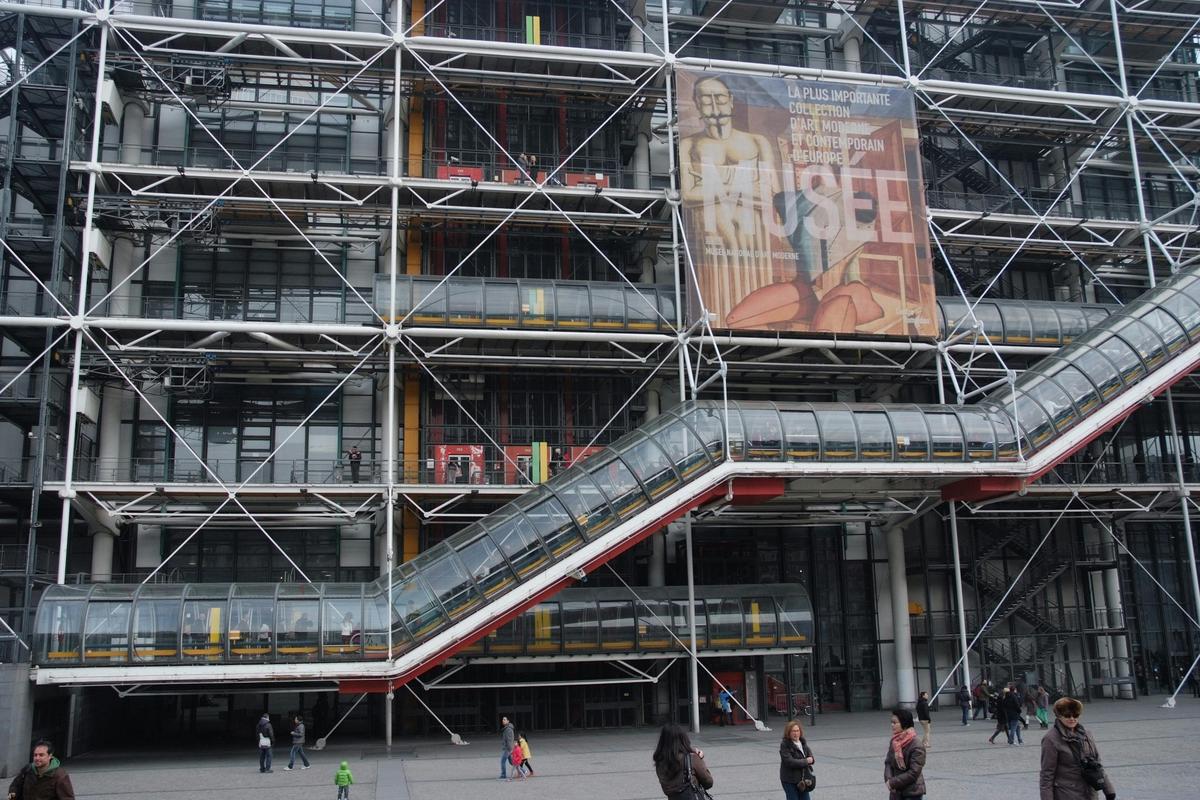
The Centre Pompidou
View on map
Audio Narrations
Chinese
导言
蓬皮杜艺术中心是巴黎的地标,以其非传统的建筑设计和丰富的现代和当代艺术收藏而闻名。其充满活力的外观,以色彩缤纷的管道和管道网络为特色,与这座城市的传统建筑形成了鲜明的对比。在内部,游客们会看到一个广阔的开放空间,穿插着沿着建筑物外墙蜿蜒而上的自动扶梯,可以欣赏到城市的全景。 蓬皮杜艺术中心的收藏涵盖了各种艺术表现形式,从绘画和雕塑到装置和录像艺术。巴勃罗·毕加索、萨尔瓦多·达利和安迪·沃霍尔等著名艺术家的杰作与新兴人才的作品一起装饰着它的墙壁。该博物馆还设有一个丰富的图书馆、一个电影院和一个书店,使其成为文化探索和参与的中心。 蓬皮杜艺术中心的一个独特之处在于它注重跨学科性。它定期举办展览和活动,探索艺术、科学、技术和社会之间的交叉点。这种方法反映了博物馆致力于促进对话和促进对当代世界的更深入理解。 除了其艺术品外,蓬皮杜艺术中心还是一个充满活力的社交空间。它的屋顶露台为欣赏巴黎天际线提供了令人惊叹的有利位置,而它的街道广场是艺术家、学生和游客的热门聚集地。该博物馆充满活力的氛围和创新的节目使其成为任何寻求刺激和充实的文化体验的人的必游之地。城市更新项目
蓬皮杜艺术中心:巴黎城市更新的催化剂 蓬皮杜艺术中心,巴黎市中心大胆的建筑宣言,证明了城市更新的变革力量。它从昔日繁华的市场莱阿勒的废墟中崛起,为一个被忽视的地区注入了新的活力,成为该地区复兴的催化剂。 蓬皮杜艺术中心被构想为一个文化中心,它打破了传统博物馆的规范。其激进的“内外翻转”设计,暴露的管道和管道,挑战了无菌、精英主义机构的概念。相反,它拥抱透明度和可及性,邀请公众以一种动态和互动的方式参与艺术。 蓬皮杜艺术中心的影响力远远超出了它的围墙。游客和文化活动的涌入刺激了周边地区的开发,吸引了企业、餐馆和娱乐场所。这个曾经破败的街区变成了一个充满活力的文化和商业中心,吸引了居民和游客。 蓬皮杜艺术中心的成功在于它有能力弥合艺术与公众之间的鸿沟,同时充当城市更新的催化剂。它为文化机构如何在复兴被忽视的城市空间、促进社会互动和推动经济增长方面发挥关键作用树立了榜样。公共艺术收藏
蓬皮杜艺术中心的公共艺术收藏:现代和当代艺术的宝库 坐落在蓬皮杜艺术中心标志性建筑内的,是一个现代和当代艺术的宝库,所有人都可以参观。公共艺术收藏拥有 100 多件雕塑、装置和壁画,无缝地融入博物馆的建筑和周围的公共空间。这种独特的方法模糊了博物馆和城市景观之间的界限,为游客提供了充满活力且引人入胜的体验。 该系列的亮点之一是康斯坦丁·布朗库西的巨型雕塑“空中的鸟”,它优雅地翱翔在广场上方。这件标志性的作品体现了现代主义的精神,其光滑的抽象形式捕捉到了飞行的精髓。另一个必看的是亚历山大·考尔德充满活力的“红色稳定器”,这是一个在风中舞动的动感雕塑,邀请观众思考艺术与运动之间的关系。 除了广场外,该系列还延伸到博物馆内部,在那里,路易丝·布尔乔亚、尼基·德·圣法勒和让·杜布菲等著名艺术家的作品挑战并激发了人们的灵感。游客可以遇到发人深省的装置,例如丹尼尔·布伦的色彩缤纷的“Les Deux Plateaux”,它将博物馆的自动扶梯变成了身临其境的艺术体验。 蓬皮杜艺术中心的公共艺术收藏不仅仅是艺术杰作的展示;它是有力证明,艺术能够吸引和改变公共空间。这是一个游客可以遇到意想不到的事情的地方,引发对话并思考艺术在我们生活中的作用。因此,无论您是艺术爱好者还是仅仅好奇,蓬皮杜艺术中心的公共艺术收藏都提供了一种独特而丰富的体验,模糊了艺术与日常生活之间的界限。
Experience the Full Tour
Download the DocentPro app to access all tour stops, complete audio narrations in multiple languages, offline maps, and interactive features.