
Parisian Splendor: A Journey Through the Heart of the City of Lights

Walking Tour

8.7 km (5.4 miles)

2h 0min travel time

15 Stops

Paris, France
Parisian Splendor: A Journey Through the Heart of the City of Lights
Tour Stops
1
Trocadéro Gardens
View on map
Audio Narrations
Introduction
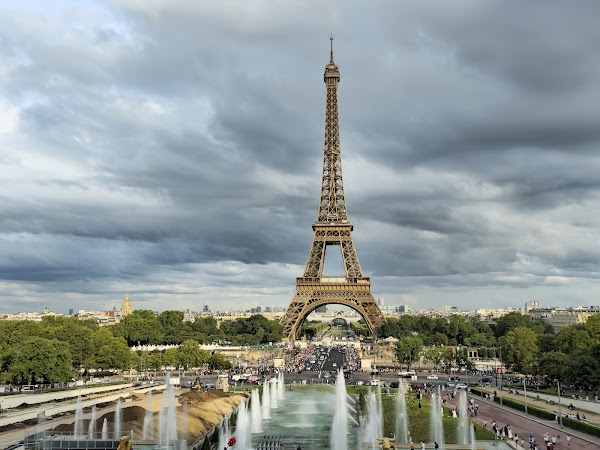
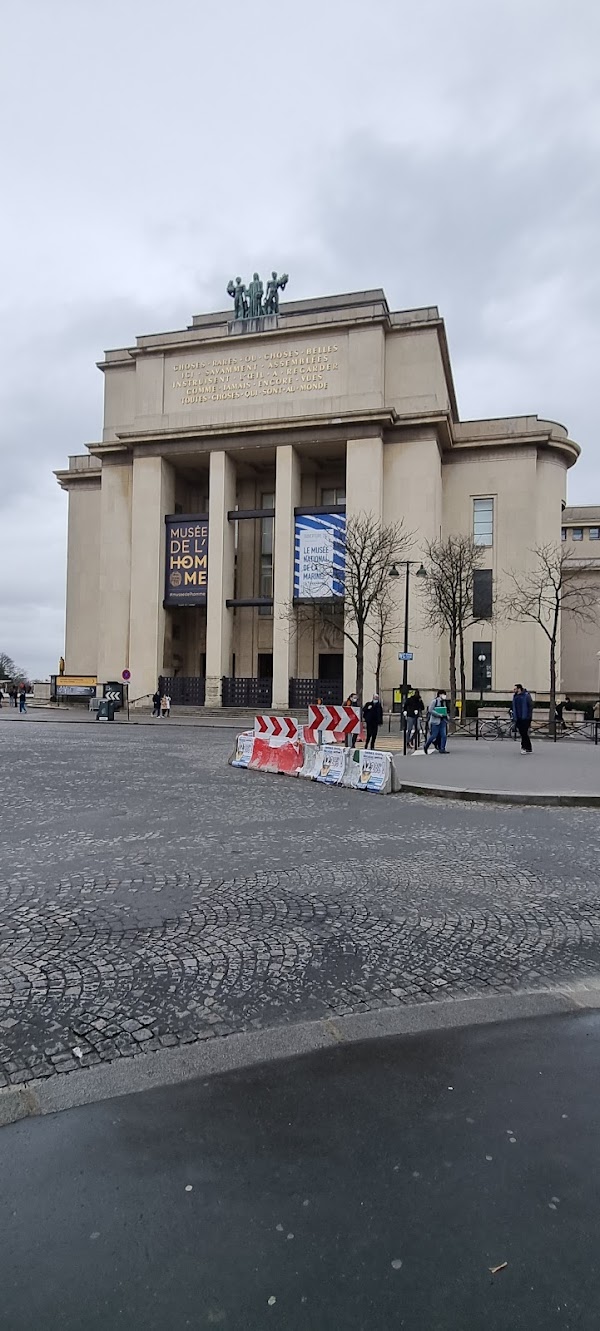
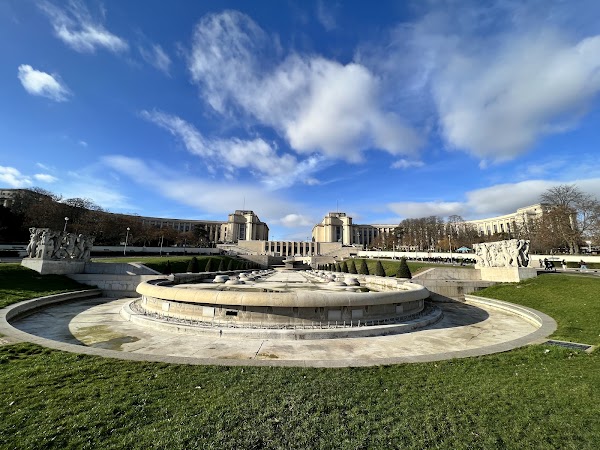
The Trocadéro Gardens, an expansive green space in the heart of Paris, offer a breathtaking panorama of the iconic Eiffel Tower. Designed for the 1937 World's Fair, the gardens feature the remarkable Warsaw Fountains, a series of cascading basins adorned with 20 powerful water cannons that project jets of water 50 meters high. The fountains are flanked by 24 smaller fountains and 10 arches of water, creating a mesmerizing spectacle. The gardens are adorned with numerous sculptures, including the prominent "L'Homme" and "La Femme" statues, which offer a unique perspective of the Eiffel Tower. Other notable sculptures include "Taureau et Daim" and "Chevaux et Chien," showcasing the artistic talents of Paul Jouve and Georges Guyot. Beyond its aesthetic beauty, the Trocadéro Gardens provide a tranquil oasis amidst the bustling city. The English-style gardens, with their manicured lawns, mature trees, and a meandering creek, offer a serene escape. The gardens also feature playgrounds, a carrousel, and concession stands, making them a popular destination for families and visitors alike.Jardins du Trocadéro
The Jardins du Trocadéro, situated in the heart of Paris, offer a breathtaking panorama of the iconic Eiffel Tower. Created for the 1937 World's Fair, these gardens are a masterpiece of landscape architecture. The centerpiece of the Jardins du Trocadéro is the Warsaw Fountain, an awe-inspiring water display featuring 20 powerful water cannons that shoot jets of water 12 meters high, creating a mesmerizing spectacle. The fountain is flanked by two smaller basins, adorned with cascades and sprays of water, adding to the visual symphony. Beyond the fountains, the gardens are adorned with an array of sculptures, each telling a unique story. The monumental statues of "L'Homme" and "La Femme" stand as guardians, their gaze fixed upon the Eiffel Tower. The "Triumphal Dance" statue captures the exuberance of victory, while the "Taureau et Daim" depicts a graceful bull and deer, symbolizing the harmony between nature and civilization. The Jardins du Trocadéro are not merely a visual feast; they are also a place of tranquility and respite. Sloping fairways lined with trees provide a serene escape from the city's hustle and bustle. Visitors can stroll along the paths, enjoying the fresh air and the gentle sound of water flowing from the fountains. As the sun sets, the Jardins du Trocadéro transform into a magical realm. The Eiffel Tower illuminates the sky, casting a warm glow upon the gardens. The fountains continue their mesmerizing dance, their jets of water shimmering in the golden light. It is a moment of pure enchantment, where the beauty of nature and the ingenuity of human design converge.Fountains and Sculptures
The Trocadéro Gardens in Paris, Île-de-France, France, are renowned for their captivating fountains and sculptures that adorn the sprawling green expanse. The centerpiece of the gardens is the majestic Fontaine de Varsovie, a long basin adorned with twelve towering fountains that shoot water jets 12 meters high. Flanking the basin are 24 smaller fountains, each spouting water four meters high, and ten graceful arches of water. At one end, facing the Seine, 20 powerful water cannons project jets of water 50 meters into the air, creating a mesmerizing spectacle. Complementing the fountains are an array of sculptures that grace the gardens. Two notable sculptures frame the fountain on the Seine side: "La Joie de vivre" by Léon-Ernest Drivier and "La Jeunesse" by Pierre-Marie Poisson. The basins are adorned with sculptures by Georges Guyot depicting horses and a dog, and by Paul Jouve featuring a bull and a deer. Overlooking the building are two statues by Pierre Traverse ("The Man") and Daniel Bacqué ("The Woman"). These sculptures add a touch of artistic elegance to the gardens, inviting visitors to admire their intricate details and symbolism.
2
Pont d'Iéna
View on map
Audio Narrations
Introduction
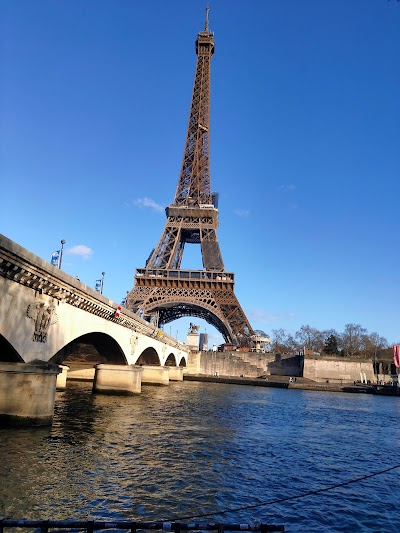
The Pont d'Iéna, a graceful stone arch bridge spanning the Seine in Paris, stands as a testament to Napoleonic ambition and a silent witness to changing times. Completed in 1814, its construction was ordered by Napoleon Bonaparte himself to commemorate his victory at the Battle of Jena in 1806. Four imposing equestrian statues, each representing a different period of French military history, guard the bridge's ends. Interestingly, these statues were almost removed after the fall of Napoleon. However, the intervention of King Louis XVIII, who replaced the imperial eagle insignia with fleurs-de-lis, saved them. Today, the bridge offers breathtaking views of the Eiffel Tower, a structure unimaginable during the bridge's construction. This juxtaposition of architectural styles from different eras, the Empire and the Industrial Revolution, creates a fascinating dialogue across time, reminding us of the ever-evolving cityscape of Paris.UNESCO World Heritage
The Pont d'Iéna, while not a standalone UNESCO World Heritage site, holds a significant place within the inscription of the "Paris, Banks of the Seine" as a cultural landscape. Its inclusion underscores the bridge's integral role in the overall historical and architectural fabric that UNESCO recognized as possessing outstanding universal value. Completed in 1814, the bridge's construction coincided with a pivotal period of urban planning in Paris, reflecting the grand vision of Napoleon Bonaparte. The bridge's location, connecting the École Militaire to the nascent Champ de Mars, further emphasizes its historical context, symbolizing the connection between military might and public space. The UNESCO inscription acknowledges not just the individual elements like the Pont d'Iéna, but also the visual relationships and harmony they create along the Seine. The bridge's presence contributes to the panorama of monuments, gardens, and urban landscapes that UNESCO seeks to preserve for future generations, recognizing the Seine's banks as a testament to the evolution of one of the world's most iconic cities.Seine River Bridges
Among the Seine's many bridges, Pont d'Iéna holds a distinctive position, offering a unique perspective on the river's history and architectural evolution. Completed in 1814, the bridge predates the Eiffel Tower, yet it shares a tangible connection with the iconic structure. Pont d'Iéna served as a grand entrance to the 1867 World's Fair, held on the Champ de Mars, and its design subtly foreshadowed the iron latticework that would later define the Eiffel Tower. While many Seine River bridges boast ornate decorations, Pont d'Iéna's embellishments reflect a specific historical narrative. The four original lead sculptures, representing figures from French history, were melted down during wartime and later replaced with replicas. These sculptures, along with the bridge's imperial eagles, serve as silent witnesses to the changing tides of Parisian history. Furthermore, Pont d'Iéna's location provides a unique vantage point for observing the flow of the Seine. Situated at a slight angle, the bridge offers an expansive view both upstream and downstream, showcasing the river's meandering path through the heart of Paris. This perspective allows visitors to appreciate the Seine's role not just as a waterway but as a unifying element, connecting diverse neighborhoods and architectural marvels.
3
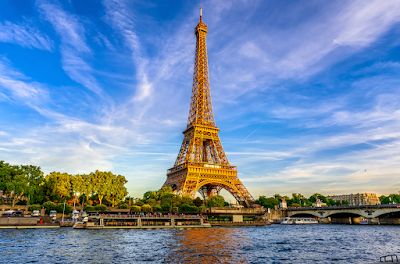
Eiffel Tower
View on map
Audio Narrations
Introduction
La tour Eiffel, une structure emblématique en treillis de fer forgé, se dresse fièrement sur le Champ de Mars à Paris, en France. Conçue par Gustave Eiffel et son équipe, elle a été construite comme pièce maîtresse de l'Exposition universelle de 1889, commémorant le centenaire de la Révolution française. Initialement critiquée, elle est depuis devenue un symbole mondial de la France, attirant des millions de visiteurs chaque année. S'élevant à 330 mètres de hauteur, la tour Eiffel est la plus haute structure de Paris et la deuxième plus haute structure autoportante de France. Ses trois niveaux offrent des vues imprenables sur la ville, le niveau supérieur atteignant 276 mètres au-dessus du sol. La conception unique en treillis de la tour, présentant des arcs complexes et des poutres métalliques, en a fait une merveille architecturale. Au-delà de son attrait esthétique, la tour Eiffel a joué un rôle important dans la diffusion et les communications. Une antenne de télévision installée en 1957 a augmenté sa hauteur, et elle continue à transmettre des signaux de radio FM et de télévision numérique. Son illumination nocturne, un spectacle captivant, est devenue synonyme de la ligne d'horizon parisienne. La tour Eiffel a inspiré de nombreuses répliques dans le monde entier, notamment la Blackpool Tower en Angleterre et la Tokyo Tower au Japon. Sa popularité durable découle de son brillant architectural, de son importance historique et des expériences inoubliables qu'elle offre aux visiteurs.Fierté nationale
La Tour Eiffel, un symbole emblématique de la fierté nationale française, témoigne de la résilience et des prouesses technologiques du pays. Conçue comme une pièce maîtresse de l'Exposition universelle de 1889, elle a d'abord suscité une farouche opposition de la part des artistes et des architectes qui craignaient qu'elle ne défigure l'esthétique de la ville. Cependant, la grandeur de la tour et son design innovant ont finalement conquis le cœur des Parisiens, devenant un symbole de la reprise de la France après la guerre franco-prussienne. Pendant la Première Guerre mondiale, la Tour Eiffel a servi de centre de communication vital, transmettant des messages entre les lignes de front et la capitale. Son importance stratégique a encore renforcé son statut de symbole d'unité et de force nationales. Dans les années qui ont suivi, la tour est devenue un monument très apprécié, attirant des millions de visiteurs du monde entier. Aujourd'hui, la Tour Eiffel reste un symbole puissant de la fierté nationale française. Elle est un rappel constant de la capacité du pays à surmonter les difficultés et à réaliser de grandes choses. La popularité durable de la tour témoigne de l'esprit persévérant du peuple français et de sa conviction inébranlable dans la grandeur de sa nation.Structure emblématique
La tour Eiffel, une majestueuse treillis en fer, se dresse comme un symbole iconique de Paris et un témoignage de l'ingéniosité humaine. Sa présence dominatrice surplombe le Champ de Mars, projetant une longue ombre sur l'horizon de la ville. Structure emblématique, la tour Eiffel incarne l'essence des prouesses architecturales et de la vision artistique. Gustave Eiffel, le cerveau derrière cette merveille d'ingénierie, l'a conçue comme une pièce maîtresse temporaire pour l'Exposition Universelle de 1889. Cependant, sa beauté et sa fonctionnalité durables ont assuré sa permanence, la transformant en un monument adoré. Le treillis complexe de la tour, composé de 18 038 pièces de fer, illustre l'apogée de l'ingénierie du XIXe siècle. Ses trois plates-formes, accessibles par des escaliers ou des ascenseurs, offrent des vues panoramiques époustouflantes sur Paris, ce qui en fait une destination populaire pour les touristes et les habitants. Au-delà de son attrait esthétique, la tour Eiffel a joué un rôle significatif dans les progrès scientifiques et la communication. Elle a servi de laboratoire pour des expériences de télégraphie sans fil, contribuant au développement de la radio et de la télévision. Aujourd'hui, ses antennes transmettent des signaux pour divers réseaux de communication, ce qui en fait une partie vitale de l'infrastructure de Paris. Le statut emblématique de la tour Eiffel est également cimenté par son importance culturelle. Elle a figuré dans d'innombrables œuvres d'art, de littérature et de cinéma, devenant un symbole durable de la culture française et une icône mondiale. Sa popularité durable témoigne de sa conception intemporelle et de la fascination durable qu'elle exerce sur le monde entier.
4
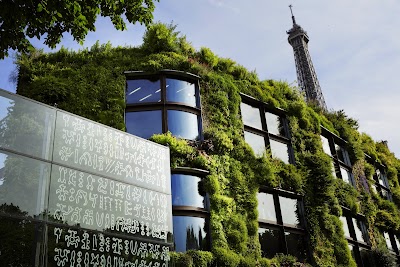
Musée du quai Branly - Jacques Chirac
View on map
Audio Narrations
Introduction
The Musée du quai Branly - Jacques Chirac, an architectural marvel designed by Jean Nouvel, is a captivating museum in Paris dedicated to showcasing the arts and cultures of Africa, Asia, Oceania, and the Americas. Its vast collection of over 300,000 works, 700,000 photographs, and 320,000 documents offers a comprehensive exploration of non-Western artistic traditions. The museum's unique design features a vertical garden on the Seine side and vibrant multicolored blocks on another, creating a striking visual spectacle. Inside, the horizontal garden is a haven for birds and plants, inviting visitors to wander through its serene paths. The permanent collection spans the Neolithic period to the present day, taking visitors on a journey through diverse cultures and artistic expressions. The museum also hosts captivating temporary exhibitions that delve into specific themes or regions, providing a constantly evolving experience for art enthusiasts and culture seekers alike.Temporary Exhibitions
Musée du quai Branly - Jacques Chirac in Paris, Île-de-France, France, presents a captivating array of temporary exhibitions that delve into the diverse cultures and artistic traditions of Africa, Asia, Oceania, and the Americas. These exhibitions, which change every six months, offer a unique opportunity to explore specific themes and regions in depth. Past exhibitions have showcased the intricate masks and tapa cloth of Oceania, the vibrant costumes of Asia, and the musical instruments and textiles of Africa. One of the most notable temporary exhibitions at the Musée du quai Branly - Jacques Chirac was "Tiki Pop," which examined the influence of Polynesian culture on American popular culture in the 20th century. The exhibition featured films, posters, music, clothing, and a recreation of a Polynesia-themed "tiki bar" from the 1960s. Another popular exhibition, "The Great Djennenke: A Masterpiece from Mali," showcased the iconic 9th-century Djennenke statue, providing insights into the rich artistic heritage of the African Sahel. Temporary exhibitions at the Musée du quai Branly - Jacques Chirac are not only visually stunning but also intellectually stimulating. They are accompanied by informative texts, films, and guided tours that provide context and interpretation. These exhibitions offer a valuable platform for cultural exchange and dialogue, fostering a deeper understanding of the diverse artistic expressions of non-Western cultures.Non-Western Art
Nestled on the banks of the Seine, the Musée du quai Branly - Jacques Chirac stands as a testament to the vibrant and diverse artistic traditions of non-Western cultures. Its vast collection, spanning over 300,000 works, offers a captivating journey through the artistic expressions of Africa, Asia, Oceania, and the Americas. The museum's unique approach celebrates the equal dignity of all cultures, showcasing masterpieces that challenge conventional Western art narratives. Visitors embark on an immersive experience, exploring the intricate masks, sculptures, textiles, and musical instruments that embody the spiritual beliefs, social structures, and creative genius of non-Western societies. The Musée du quai Branly - Jacques Chirac is not merely a repository of artifacts; it is a dynamic center for research and cultural exchange. Its exhibitions, workshops, and educational programs foster a deeper understanding of the diverse artistic traditions it represents. Through its commitment to non-Western art, the museum serves as a bridge between cultures, promoting dialogue and challenging preconceived notions.
5
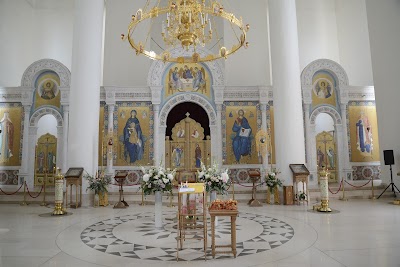
Cathédrale de la Sainte-Trinité
View on map
Audio Narrations
Introduction
The Cathédrale de la Sainte-Trinité, a magnificent Russian Orthodox cathedral in Paris, stands as a testament to the rich cultural tapestry of the city. Completed in 2016, this architectural marvel boasts five golden domes, each symbolizing Christ and the four Evangelists. Its intricate interior, adorned with frescoes and mosaics, is still under development, with an estimated cost of 170 million euros. The cathedral's construction was a joint effort between the Russian government and the Russian Orthodox Church, with the aim of creating a spiritual and cultural center for the Russian diaspora in Paris. However, the project has been met with controversy, with some critics viewing it as a symbol of Russian political influence and a tool for propaganda. Despite the controversy, the Cathédrale de la Sainte-Trinité remains a significant landmark in Paris, attracting visitors from all over the world. Its unique architecture and rich history make it a must-see destination for anyone interested in exploring the city's diverse cultural landscape. One interesting fact about the cathedral is that its five domes were manufactured in Vannes, France, and are composed of 90,000 gold-plated leaves, giving them a distinctive matte appearance. Additionally, the cathedral is located near the Eiffel Tower, making it a convenient stop for tourists visiting the iconic landmark.Political Symbolism
Cathédrale de la Sainte-Trinité: A Monument to Republican Ideals The Cathédrale de la Sainte-Trinité in Paris stands as a powerful symbol of the French Republic's commitment to secularism and democracy. Built in the 19th century during the Third Republic, the cathedral replaced a church destroyed during the Paris Commune, a period of revolutionary upheaval. This deliberate choice to erect a grand religious edifice on the site signaled the new republic's desire to reconcile with the Catholic Church after decades of tension. The cathedral's architecture reflects the republican spirit of the era. Its neo-Romanesque style evokes the grandeur of ancient Rome, a civilization admired for its republican values. The building's imposing facade features sculptures of prominent figures from French history, including Joan of Arc and Charlemagne, further emphasizing the connection between the church and the nation. Inside, the cathedral boasts stained-glass windows depicting scenes from the French Revolution and the establishment of the Republic. These artistic representations reinforce the narrative of the church as a symbol of national unity and progress. The inclusion of republican iconography within a religious space underscores the attempt to bridge the gap between secular and religious spheres in the newly formed republic. The Cathédrale de la Sainte-Trinité remains a significant landmark in Parisian life, hosting important national events and serving as a place of worship for the city's Catholic community. Its political symbolism continues to resonate, reminding visitors of the complex relationship between religion and state in France's history.Russian Orthodox Cathedral
Cathédrale de la Sainte-Trinité: A Gem of Russian Orthodoxy in Paris Nestled in the heart of Paris, the Cathédrale de la Sainte-Trinité stands as a magnificent testament to the rich heritage of Russian Orthodoxy. Built in the 19th century, this cathedral is not only a place of worship but also a vibrant center of Russian culture and tradition. One of the most striking features of the cathedral is its stunning architecture. Inspired by the Byzantine style, the building boasts five majestic domes, adorned with intricate mosaics depicting biblical scenes. The interior is equally impressive, with its soaring ceilings, ornate iconostasis, and beautiful frescoes. Beyond its architectural splendor, the Cathédrale de la Sainte-Trinité is renowned for its vibrant community. Services are conducted in both French and Church Slavonic, attracting a diverse congregation of Russian Orthodox faithful. The cathedral also hosts a variety of cultural events, including concerts, exhibitions, and lectures, fostering a sense of community and preserving Russian heritage. For those seeking a deeper understanding of Russian Orthodoxy, the Cathédrale de la Sainte-Trinité offers a unique opportunity. The cathedral houses a library containing a wealth of resources on Russian Orthodox theology, history, and culture. Additionally, the clergy are always available to answer questions and provide guidance to those interested in learning more about the faith. Whether you are a devout follower of Russian Orthodoxy or simply curious about this fascinating tradition, the Cathédrale de la Sainte-Trinité is a must-visit destination. Its stunning architecture, vibrant community, and rich cultural heritage offer a truly immersive experience, allowing visitors to connect with the heart of Russian Orthodoxy in the heart of Paris.
6
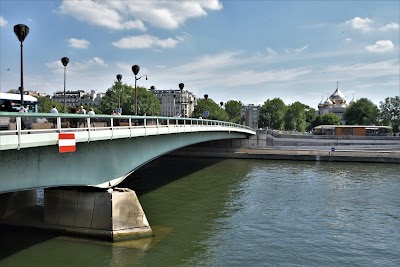
Alma's bridge
View on map
Audio Narrations
Introduction
The Pont de l'Alma, a road bridge spanning the Seine in Paris, was built between 1854 and 1856 to commemorate the Battle of Alma during the Crimean War. Its most notable feature is the statue of a Zouave soldier, one of four military statues originally adorning the bridge's piers. The Zouave has become an unofficial gauge for the Seine's water level, with the river considered alarming when it reaches the statue's feet. In 1974, the bridge underwent reconstruction, retaining only the Zouave statue on its single pier. The bridge gained notoriety in 1997 as the site of the fatal car crash involving Diana, Princess of Wales. The Flame of Liberty at the bridge's north end has since become an unofficial memorial to Diana, and the square is now named Place Diana.Zouave Statue
The Zouave Statue, a prominent landmark on the Alma Bridge in Paris, stands as a testament to the bravery of French soldiers during the Crimean War. Sculpted by Georges Diebolt in 1856, the statue depicts a Zouave soldier in traditional uniform, resting on his grounded rifle. Its significance extends beyond its artistic value, as it serves as an informal flood marker for the Seine River. When the water level reaches the statue's feet, the embankments along the river are typically closed, and the river becomes unnavigable when it reaches the statue's thighs. The statue's role as a flood marker gained prominence during the Great Flood of Paris in 1910, when the water rose to its shoulders. Despite the bridge's reconstruction in the 1970s, the Zouave Statue remains a beloved symbol of Parisian heritage and a reminder of the city's resilience in the face of adversity.Flood Water Marker
Alma's bridge in Paris, Île-de-France, France, is renowned for its unique role as an informal flood water marker for the Seine River. The bridge's most distinctive feature is the Zouave statue, a stone sculpture created by Georges Diebolt in 1856. Originally one of four statues representing Crimean War soldiers, the Zouave now stands alone, serving as a poignant indicator of the river's rising waters. Over the centuries, the Zouave has become an iconic symbol of Paris's resilience against flooding. Its feet, normally dry, are submerged during periods of high water, signaling the need for caution. During the devastating flood of 1910, the water level reached the statue's shoulders, a sobering reminder of the Seine's destructive power. Today, the Zouave continues to be a reliable flood water marker, closely monitored by Parisians and tourists alike. Its changing water levels serve as a tangible reminder of the delicate balance between the city and its river, and its enduring presence stands as a testament to the city's ability to adapt and overcome the challenges posed by nature.
7
Flame of Liberty
View on map
Audio Narrations
Introduction
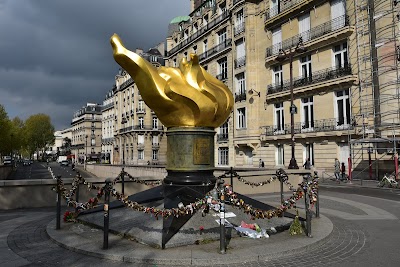
The Flame of Liberty, a golden torch held aloft by a gilded female figure, stands proudly atop the Pont de l'Alma in Paris. This iconic monument, a replica of the torch held by the Statue of Liberty in New York City, was a gift from the United States to France in 1989, commemorating the centennial of the French Revolution and the enduring friendship between the two nations. The Flame of Liberty, crafted from copper and covered in gold leaf, stands 3.5 meters tall and weighs 1.5 tons. Its flame, perpetually lit, symbolizes the eternal flame of freedom and democracy that both countries hold dear. The monument's location on the Pont de l'Alma is significant, as it was near this bridge that Princess Diana tragically died in a car crash in 1997. Today, the Flame of Liberty serves as a poignant reminder of both the enduring bond between France and the United States and the fragility of life. A lesser-known fact about the Flame of Liberty is that it was originally intended to be placed on the Île de la Cité, the island in the Seine River that is home to Notre Dame Cathedral. However, due to concerns about the monument's weight and potential impact on the historic site, it was ultimately decided to place it on the Pont de l'Alma instead. This change in location has made the Flame of Liberty a more accessible and visible landmark, enjoyed by both Parisians and visitors alike.Iconic Parisian Landmark
The Flame of Liberty, a smaller replica of the Statue of Liberty's torch, stands as a testament to the enduring friendship between France and the United States. Gifted to Paris by the American Society in 1889 to commemorate the centennial of the French Revolution, the flame has become an iconic Parisian landmark, silently illuminating the city's skyline from its perch atop the Pont de l'Alma. Unlike its larger counterpart, the Flame of Liberty is not merely a symbol of freedom but also a poignant reminder of the tragic death of Princess Diana. In 1997, the princess's car crashed in the tunnel beneath the bridge, forever linking the flame to her memory. Today, visitors pay tribute to both the princess and the ideals of liberty by leaving flowers and messages at the base of the monument. The Flame of Liberty's golden glow casts a warm light on the surrounding Seine River, creating a picturesque scene that has captivated artists and photographers for over a century. Its presence serves as a constant reminder of the shared values of liberty and democracy that bind France and the United States, a bond forged in revolution and solidified by friendship.Symbol of Freedom and Democracy
The Flame of Liberty, a replica of the torch held aloft by the Statue of Liberty in New York City, stands as a beacon of freedom and democracy in the heart of Paris. Gifted to France by the United States in 1989 to commemorate the centennial of the French Revolution, the flame symbolizes the enduring ideals of liberty, equality, and fraternity that bind the two nations. The flame's golden glow illuminates the Pont de l'Alma, a bridge spanning the Seine River, reminding passersby of the shared values that have shaped both countries. Its prominent location near the Eiffel Tower, another iconic symbol of France, further underscores its significance as a testament to the enduring spirit of freedom. The flame's inscription, "Donated by the American People to the People of France on the occasion of the Bicentennial of the French Revolution," serves as a constant reminder of the historical ties between the two nations. It stands as a testament to the shared struggle for liberty and the unwavering commitment to democratic principles that have guided both countries throughout their histories. The Flame of Liberty in Paris is not merely a monument; it is a living symbol of the enduring ideals that unite France and the United States. Its presence serves as a reminder of the shared values that have shaped both nations and the unwavering commitment to freedom and democracy that continues to inspire generations.
8
Musée Yves Saint Laurent
View on map
Audio Narrations
Introduction
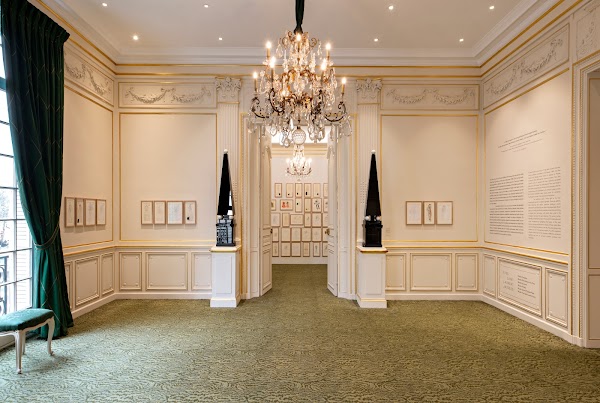
Musée Yves Saint Laurent: A Journey Through Fashion History Step into the world of Yves Saint Laurent at the Musée Yves Saint Laurent Paris, housed in the legendary fashion designer's former headquarters. This intimate museum offers a captivating glimpse into the creative process of a fashion icon, showcasing iconic haute couture designs, illustrations, photographs, and sketches. Spread across 4,800 square feet, the museum recreates the intimate feel of the original couture house. Explore the reception rooms where Saint Laurent met with clients and the studio where countless collections were designed. Immerse yourself in the world of haute couture, from intricate embroidery to impeccably tailored garments. The museum's temporary exhibitions offer a unique perspective on Saint Laurent's creative mind. Past exhibits have explored his iconic Mondrian dresses, his relationship with Lyon-based textile firms, and the 60th anniversary of his first couture show. Each exhibition delves into the designer's inspirations, from art and travel to decorative arts and renowned painters like Matisse and Picasso. The museum's intimate setting fosters a close encounter with the exhibits. Be captivated by garments displayed like art installations, portraits of Saint Laurent by renowned photographers, and a short film chronicling his rise to fame. The ephemeral nature of the exhibitions ensures a fresh experience with each visit. Guided tours offer a deeper understanding of Saint Laurent's legacy, while the museum shop provides a curated selection of books, prints, and postcards. Though there is no café, the museum's intimate atmosphere and captivating exhibits make it a truly immersive experience for any fashion enthusiast. Prepare to be transported to the heart of Parisian haute couture as you delve into the world of Yves Saint Laurent at the Musée Yves Saint Laurent Paris.Preservation of Fashion History
Nestled in the heart of Paris, the Musée Yves Saint Laurent stands as a testament to the enduring legacy of the iconic fashion designer. More than just a repository of garments, the museum serves as a vital center for the preservation of fashion history, offering a unique perspective on the evolution of style and the impact of Saint Laurent's groundbreaking work. At the core of the museum's mission lies a commitment to safeguarding the physical artifacts of Saint Laurent's creative genius. The extensive collection includes over 5,000 garments, 15,000 accessories, and countless sketches and documents, each meticulously preserved and cataloged. This vast archive provides invaluable insights into the designer's process, from initial inspiration to the final realization of his visionary creations. Beyond the preservation of physical objects, the museum also champions the intangible aspects of fashion history. Through interactive exhibits, educational programs, and scholarly research, the museum fosters a deeper understanding of Saint Laurent's artistic vision and its influence on the broader cultural landscape. Visitors can explore the social and political contexts that shaped his designs, delve into the technical innovations he pioneered, and appreciate the enduring relevance of his aesthetic. The Musée Yves Saint Laurent's dedication to preservation extends beyond its own walls. The museum actively collaborates with other institutions and researchers worldwide, sharing its expertise and resources to advance the field of fashion history. This collaborative approach ensures that Saint Laurent's legacy continues to inspire and inform future generations of designers, scholars, and enthusiasts. In conclusion, the Musée Yves Saint Laurent stands as a beacon for the preservation of fashion history. Through its comprehensive collection, innovative exhibits, and commitment to collaboration, the museum plays a vital role in safeguarding the past, inspiring the present, and shaping the future of fashion.Fashion Inspiration and Influences
Musée Yves Saint Laurent: A Journey Through Fashion Inspiration and Influences Step into the world of Yves Saint Laurent, a visionary who revolutionized fashion and left an indelible mark on the industry. The Musée Yves Saint Laurent in Paris, Île-de-France, France, offers a unique and immersive experience for those seeking to understand the depths of his creative genius and the influences that shaped his iconic designs. The museum's collection boasts over 5,000 garments and 15,000 accessories, showcasing the evolution of Saint Laurent's style from his early days at Dior to his groundbreaking creations that redefined femininity and challenged societal norms. Visitors can trace the threads of inspiration woven into his work, from his fascination with art and literature to his exploration of diverse cultures and social movements. One of the museum's highlights is the "Studio" exhibition, which recreates Saint Laurent's creative space, offering a glimpse into his design process and the meticulous attention to detail that characterized his work. Here, visitors can witness the birth of iconic pieces like the Mondrian dress and the Le Smoking tuxedo, garments that transcended fashion and became cultural symbols. The museum also delves into the influences that shaped Saint Laurent's vision. Explore the impact of his mentors, Christian Dior and Pierre Bergé, and discover the artistic and cultural movements that fueled his creativity, from Cubism and Pop Art to the liberation movements of the 1960s and 1970s. Through its comprehensive collection and engaging exhibitions, the Musée Yves Saint Laurent in Paris, Île-de-France, France, provides a captivating journey through the world of fashion inspiration and influences. It is a must-visit for anyone seeking to understand the legacy of a true fashion icon and the enduring impact of his visionary creations.
9
Arc de Triomphe
View on map
Audio Narrations
Introduction
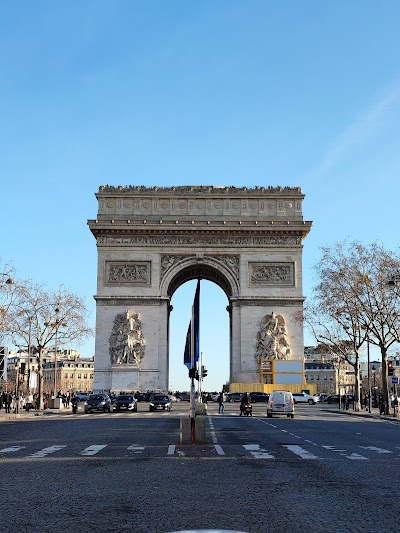
The Arc de Triomphe, a majestic triumphal arch in Paris, stands at the western end of the Champs-Élysées, honoring those who fought and died for France in the French Revolutionary and Napoleonic Wars. Its iconic silhouette is adorned with intricate sculptures depicting military victories and the names of French generals and battles. Beneath its vault lies the Tomb of the Unknown Soldier from World War I, where an eternal flame burns in remembrance. The arch's grand design, inspired by the Arch of Titus in Rome, features a 50-meter height, 45-meter width, and 22-meter depth. Its large vault stands 29.19 meters high and 14.62 meters wide, while the smaller transverse vaults measure 18.68 meters high and 8.44 meters wide. The Arc de Triomphe remains a symbol of French national identity and a testament to the country's military history.Triumphal Arch
The Arc de Triomphe in Paris, Île-de-France, France, stands as a testament to the grandeur and triumph of the French nation. Commissioned by Napoleon Bonaparte in 1806 to commemorate his victories, it is one of the most iconic triumphal arches in the world. Its Neoclassical design, inspired by the Arch of Titus in Rome, features intricate sculptures depicting scenes of military prowess and national pride. The most famous of these is François Rude's "Departure of the Volunteers of 1792," also known as "La Marseillaise," which has become an enduring symbol of French patriotism. The arch's massive dimensions, with a height of 50 meters and a width of 45 meters, make it an imposing sight, while its location at the western end of the Champs-Élysées ensures that it is a focal point of the city's grandest avenue. Beneath its vault lies the Tomb of the Unknown Soldier, a poignant reminder of the sacrifices made by French soldiers throughout history. The Arc de Triomphe has witnessed countless parades and celebrations, including the annual Bastille Day military parade, and remains a powerful symbol of French national identity and military glory.Historical Monument
The Arc de Triomphe in Paris, Île-de-France, France, stands as a testament to the nation's military prowess and a poignant tribute to those who have fallen in battle. Commissioned by Napoleon Bonaparte in 1806, this iconic monument took nearly 30 years to complete and was inaugurated in 1836. Its triumphal arch design, inspired by the Arch of Titus in Rome, features intricate sculptures depicting scenes of French military victories and allegorical representations of the nation's values. Beneath the arch's grand vault lies the Tomb of the Unknown Soldier, a poignant memorial to the countless unidentified soldiers who perished in World War I. Each evening, a flame of remembrance is kindled at the tomb, symbolizing the eternal gratitude and sacrifice of the French people. The Arc de Triomphe has witnessed countless historical events, from victory parades to somber commemorations. It has served as a rallying point for French troops and a backdrop for major celebrations. Its enduring presence has made it an enduring symbol of French national pride and a must-visit destination for history enthusiasts.
10
Champs-Élysées
View on map
Audio Narrations
Introduction
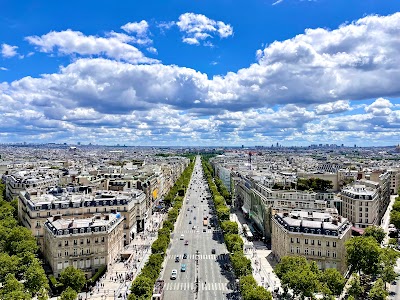
The Champs-Élysées, a 1.2-mile-long avenue in Paris, is renowned as the most beautiful and famous commercial street in the world. Its name translates to "Elysian Fields," the resting place of Greek gods and heroes in Greek mythology. The avenue's origins date back to 1640 when a line of trees was planted, forming the foundation for the present-day avenue. In 1724, the avenue was extended to its current size, and in 1994, the city significantly improved its sidewalks. Today, the Champs-Élysées is lined with high-end stores, cafés, and offices, making it an ideal destination for shopping or a leisurely stroll. The avenue is divided into two sections. The lower part, closest to the Place de la Concorde, features imposing buildings like the Palais de la Découverte, the Petit Palais, and the Grand Palais. The higher part begins at Place Charles de Gaulle, where the magnificent Arc de Triomphe stands amidst numerous high-end stores, restaurants, cinemas, and large department stores. The Champs-Élysées is also famous for being the final stage of the Tour de France cycling race. Visitors can enjoy a walk down the avenue, admiring the impressive architecture and vibrant atmosphere. From the Grande Arche, located at the opposite end of the Arc de Triomphe, visitors can take in breathtaking views of the Champs-Élysées. The avenue is easily accessible by metro, with several stations located along its length. Nearby attractions include the Petit Palais, the Place de la Concorde, the Musée de l'Orangerie, and La Madeleine. The Champs-Élysées is a must-visit destination for anyone traveling to Paris, offering a unique blend of history, culture, and modern-day Parisian life.Elysian Fields
In the heart of Paris, the Champs-Élysées, a vibrant avenue, evokes the Elysian Fields, the paradise of Greek mythology. Just as the Elysian Fields were reserved for the blessed after death, the Champs-Élysées, with its luxurious shops, grand cafes, and opulent theaters, has become a symbol of earthly paradise, a realm of pleasure and indulgence. The Champs-Élysées, like the Elysian Fields, is a place of beauty and serenity. Its wide, tree-lined boulevard offers a respite from the bustling city, a place to stroll and admire the elegant architecture and the vibrant street life. The avenue's name, meaning "Elysian Fields," is a testament to its association with the mythical paradise. The Champs-Élysées, like the Elysian Fields, is a place of celebration and joy. It is the site of major national events, such as Bastille Day and the Tour de France, and is renowned for its lively nightlife. The avenue's festive atmosphere and abundance of entertainment options make it a popular destination for those seeking a taste of Parisian joie de vivre. The Champs-Élysées, like the Elysian Fields, is a place of history and culture. Its grand monuments, such as the Arc de Triomphe and the Grand Palais, stand as testaments to France's rich past. The avenue's museums and art galleries offer visitors a glimpse into the country's artistic heritage. The Champs-Élysées, like the Elysian Fields, is a place of dreams and aspirations. It is a symbol of success and achievement, a place where people come to pursue their ambitions and experience the best that life has to offer. The avenue's aura of luxury and glamour has made it a magnet for the wealthy and the famous, further enhancing its allure. In conclusion, the Champs-Élysées, with its beauty, serenity, festivity, history, and aura of dreams and aspirations, embodies the spirit of the Elysian Fields, offering a glimpse of paradise on earth.Luxury Shopping Destination
Champs-Élysées: Where Parisian Luxury Reigns Supreme The Champs-Élysées, synonymous with Parisian grandeur, transcends its reputation as a mere avenue. It's a haven for discerning shoppers seeking the ultimate luxury experience. Here, iconic flagships and hidden gems converge, offering a treasure trove of coveted brands and unparalleled service. Step into the opulent world of Louis Vuitton, where exquisite leather goods and timeless designs await. Immerse yourself in the world of Chanel, where the legendary tweed jackets and iconic handbags whisper tales of Parisian chic. Discover the avant-garde creations of Dior, where fashion meets art in a symphony of color and texture. Beyond the big names, the Champs-Élysées unveils a treasure trove of niche luxury brands. Delve into the world of high-end jewelry at Cartier or Boucheron, where diamonds sparkle and precious stones captivate. Indulge in the exquisite craftsmanship of bespoke tailoring at Cifonelli or Berluti, where each garment is a testament to sartorial excellence. The Champs-Élysées caters to every whim, offering a haven for discerning collectors. Browse the rare timepieces at Patek Philippe or the exquisite art collections at Galerie Perrotin. Unwind with a personalized fragrance consultation at Guerlain or discover the latest beauty innovations at Dior Beauty. As the sun sets, the Champs-Élysées transforms into a dazzling spectacle. The illuminated storefronts cast a warm glow, inviting you to linger and explore. Savor a gourmet meal at a Michelin-starred restaurant or sip champagne at a rooftop bar, soaking in the vibrant atmosphere. The Champs-Élysées is more than just a shopping destination; it's an experience that encapsulates the essence of Parisian luxury. It's a place where dreams are realized, and where every purchase becomes a cherished memory. So, embark on your own Champs-Élysées adventure and discover the pinnacle of luxury shopping in the City of Lights.
11
Luxor Obelisk
View on map
Audio Narrations
Introduction
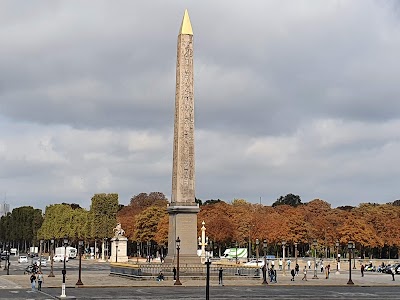
The Luxor Obelisk, a majestic monolith of pink granite, stands tall in the heart of Paris, a silent sentinel from the ancient land of Egypt. Originally erected in the 13th century BC at the entrance of the Luxor Temple, it witnessed the rise and fall of pharaohs, the ebb and flow of empires, and the relentless march of time. In 1831, King Louis-Philippe of France, captivated by its grandeur, negotiated its relocation to Paris as a symbol of Franco-Egyptian friendship. Standing at an impressive 23 meters tall and weighing over 250 tons, the obelisk is adorned with intricate hieroglyphs that narrate the tales of Pharaoh Ramses II, his military prowess, and his devotion to the gods. Its journey from Luxor to Paris was an epic feat of engineering, involving a specially designed ship and a team of skilled navigators. Upon its arrival in the French capital, it was erected in the Place de la Concorde, a prominent square that has witnessed pivotal moments in French history. Today, the Luxor Obelisk stands as a testament to the enduring legacy of ancient Egypt and the enduring bond between France and Egypt. It is a popular tourist destination, attracting visitors from all corners of the globe who marvel at its age, its beauty, and the stories it silently whispers from across the centuries. As the sun sets over Paris, casting long shadows across the Place de la Concorde, the Luxor Obelisk stands bathed in a golden glow, a timeless reminder of a civilization that continues to captivate and inspire.Place de la Concorde
Standing tall at the center of Place de la Concorde, the Luxor Obelisk is a silent witness to the square's tumultuous history. Gifted to France by Egypt in 1831, this ancient monolith, carved from red granite, once adorned the entrance of Luxor Temple. Its arrival in Paris marked a significant moment in Franco-Egyptian relations and sparked a fascination with ancient Egyptian culture. The obelisk's journey to Paris was an epic feat of engineering. Weighing over 230 tons, it was transported by ship and then painstakingly erected on its pedestal in the center of the square. Its placement was not merely ornamental; it served as a sundial, casting a shadow that marked the hours on a meridian line embedded in the pavement. Beyond its timekeeping function, the Luxor Obelisk became a symbol of continuity and resilience. It has stood through revolutions, wars, and political upheavals, its hieroglyphs whispering tales of ancient pharaohs and forgotten empires. Today, it stands as a testament to the enduring power of human ingenuity and the enduring allure of ancient Egypt. For visitors to Place de la Concorde, the Luxor Obelisk is more than just a monument; it's a portal to another time. Its hieroglyphs, weathered by centuries, invite contemplation and wonder. As you stand beneath its towering presence, imagine the hands that carved its intricate symbols, the civilizations that thrived under its shadow, and the stories it could tell if only it could speak.Ancient Egyptian Obelisk
The Luxor Obelisk in Paris, Île-de-France, France, stands as a testament to the enduring legacy of ancient Egyptian civilization. Originally erected in the Temple of Luxor during the reign of Pharaoh Ramesses II, this towering monolith embarked on an extraordinary journey that culminated in its placement in the heart of the French capital. Standing at an impressive 23 meters tall, the Luxor Obelisk is adorned with intricate hieroglyphs that narrate the tales of Ramesses II's military prowess and divine favor. Its journey to Paris began in 1831 when it was gifted to France by the Egyptian ruler Muhammad Ali Pasha. The obelisk's transportation was a logistical marvel, requiring a specially designed ship and a team of skilled engineers. Upon its arrival in Paris in 1836, the Luxor Obelisk was erected in the Place de la Concorde, a prominent square that has witnessed pivotal moments in French history. Its placement marked a symbol of Franco-Egyptian friendship and a testament to the enduring fascination with ancient Egyptian culture. The Luxor Obelisk stands as a silent sentinel, bearing witness to the passage of time and the evolution of the city around it. Its hieroglyphs whisper stories of a bygone era, while its presence in the heart of Paris serves as a reminder of the enduring legacy of ancient Egypt.
12
Tuileries Garden
View on map
Audio Narrations
Introduction
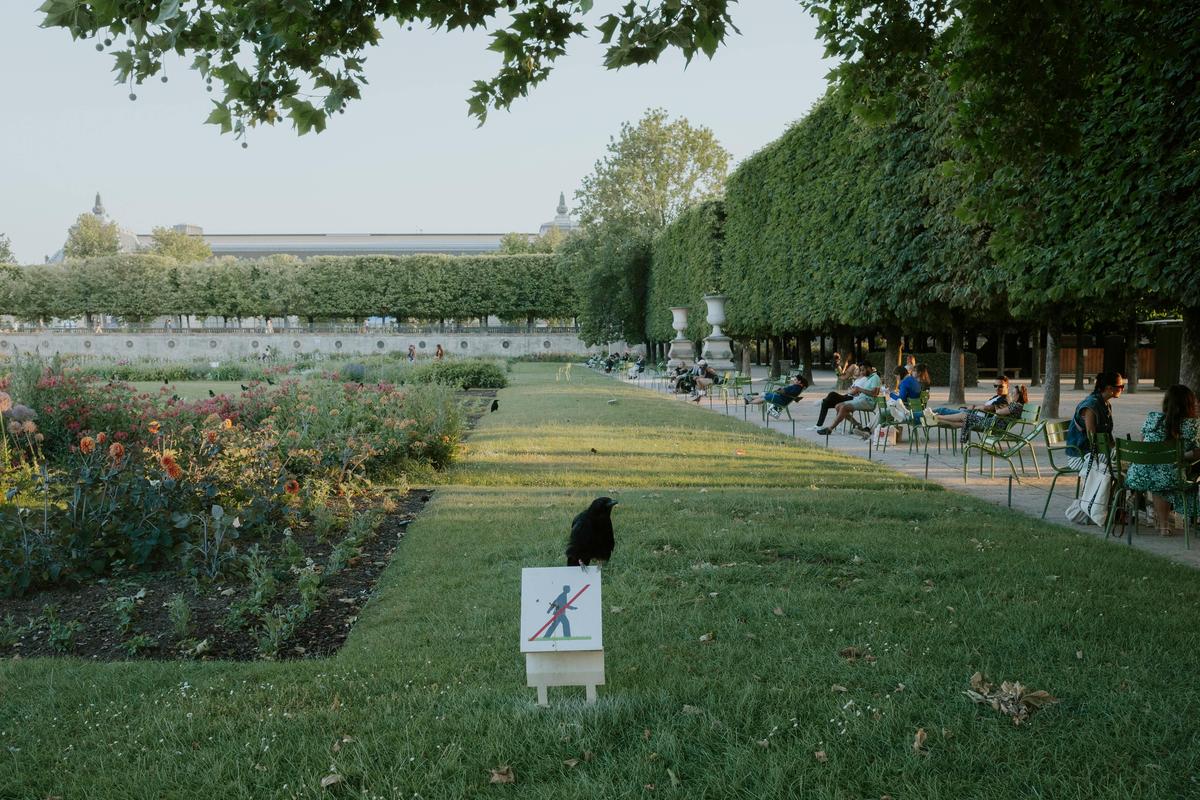
The Tuileries Garden, a verdant oasis in the heart of Paris, unfolds its splendor between the Louvre and Place de la Concorde. Its origins trace back to the 16th century, when Catherine de Medici transformed the area into a Renaissance-style garden. André Le Nôtre's redesign in the 17th century bestowed upon it the formal French garden aesthetic, characterized by symmetry and order. Strolling through the garden, visitors are greeted by an array of sculptures, including works by Rodin, Giacometti, and Maillol. The Grand Carré, the eastern section, boasts a circular pond adorned with statues representing themes from antiquity and mythology. The Grand Couvert, the central tree-covered portion, offers respite under its leafy canopy, while the Esplanade des Feuillants, a wide pathway along the northern edge, hosts outdoor events and exhibitions. At the western end, the Octagonal Basin, a popular spot for relaxation, overlooks the Place de la Concorde. The garden's artistic legacy extends beyond sculptures; the Musée de l'Orangerie houses Monet's iconic Water Lilies series, while the Jeu de Paume showcases contemporary art. The Tuileries Garden remains a vibrant cultural hub, hosting concerts, performances, and exhibitions throughout the year.Historical Significance
The Tuileries Garden, a historical masterpiece in the heart of Paris, holds immense significance in the annals of French history. Its origins trace back to the 16th century when Catherine de' Medici, the widowed queen of King Henry II, commissioned the construction of the Tuileries Palace and its accompanying gardens. The palace, once a symbol of royal grandeur, was tragically destroyed during the Paris Commune in 1871, but the gardens miraculously survived. Over the centuries, the Tuileries Garden has witnessed pivotal events that shaped the course of French history. It served as a playground for young King Louis XIII and a hunting ground for his son, Louis XIV. During the French Revolution, the garden became a gathering place for revolutionaries, and the Tuileries Palace was stormed by an angry mob in 1792, marking the end of the monarchy. The garden's historical significance extends beyond its role as a royal retreat and a stage for political upheaval. It was here that André Le Nôtre, the renowned landscape architect, transformed the gardens into a masterpiece of French formal design in the 17th century. His vision of long, symmetrical alleys, geometric flower beds, and cascading fountains has left an enduring legacy on the garden's appearance. Today, the Tuileries Garden stands as a testament to the rich tapestry of French history. Its manicured lawns, elegant sculptures, and tranquil fountains invite visitors to immerse themselves in the past while enjoying the beauty of the present. As one strolls through its historic paths, one cannot help but feel the weight of history and the enduring spirit of a nation that has witnessed both triumph and tragedy within these hallowed grounds.Famous Landmark
The Tuileries Garden, a captivating expanse of verdant beauty in the heart of Paris, has been a beloved destination for centuries. Its origins trace back to the 16th century, when Catherine de Medici transformed the area into a private garden for the Tuileries Palace. Over time, it evolved into a public park, becoming a cherished landmark and a testament to French horticultural artistry. The garden's layout, meticulously designed by André Le Nôtre, exemplifies the grandeur of the French formal garden style. Its central axis, the Grand Allée, bisects the garden, leading from the Louvre to the Place de la Concorde. Flanking the Grand Allée are manicured lawns, adorned with intricate flower beds that burst into vibrant hues with each season. Beyond its aesthetic appeal, the Tuileries Garden is also a repository of art and history. Scattered throughout the park are an array of sculptures, ranging from classical masterpieces to contemporary works. The Musée de l'Orangerie, located within the garden, houses Claude Monet's iconic Water Lilies series, while the Jeu de Paume showcases a diverse collection of modern and contemporary art. The garden's rich history is intertwined with significant events. It served as a gathering place during the French Revolution and was the site of the Tennis Court Oath, a pivotal moment in the country's political transformation. Today, the Tuileries Garden remains a vibrant hub, hosting cultural events, concerts, and exhibitions that draw visitors from around the world.
13
Louvre Museum
View on map
Audio Narrations
Introduction
The Louvre Museum, a majestic edifice in the heart of Paris, houses an unparalleled collection of art and artifacts that spans centuries and civilizations. Its vast halls are home to iconic masterpieces like Leonardo da Vinci's Mona Lisa and the enigmatic Venus de Milo. The museum's Egyptian Antiquities department boasts the world's largest collection, showcasing the grandeur of ancient Egypt through artifacts like the Seated Scribe and the Sphinx of Tanis. The Near Eastern Antiquities department offers a glimpse into the cradle of civilization, with exhibits from Mesopotamia, Persia, and the Levant, including the Code of Hammurabi and the Investiture of Zimrilim. The Greek, Etruscan, and Roman collection transports visitors to the classical world, featuring sculptures like the Winged Victory of Samothrace and the Apollo Belvedere. With its breathtaking architecture, unparalleled collection, and captivating stories, the Louvre Museum remains a timeless destination for art enthusiasts and history buffs alike.Iconic Art Collection
Prepare to be captivated as you step into the hallowed halls of the Louvre Museum, a sanctuary of artistic masterpieces that have shaped the course of art history. Here, iconic works transcend time, inviting you on a journey through the annals of human creativity. Gaze upon the enigmatic smile of Leonardo da Vinci's Mona Lisa, her timeless beauty forever enshrined in the annals of art. Marvel at the ethereal grace of the Winged Victory of Samothrace, her wings outstretched as if poised for flight. Witness the majesty of the Venus de Milo, her serene countenance radiating an aura of timeless elegance. Beyond these iconic treasures, the Louvre's collection unfolds like a tapestry woven with the threads of civilizations past and present. From the enigmatic hieroglyphs of ancient Egypt to the intricate carvings of Mesopotamia, each artifact whispers tales of forgotten worlds. Explore the grandeur of the Roman Empire through its marble sculptures and mosaics, and immerse yourself in the vibrant hues of Islamic art, where geometric patterns dance across ceramics and textiles. The Louvre's collection is not merely a display of artistic prowess; it is a testament to the enduring power of human imagination. Here, you will encounter works that have inspired generations of artists, writers, and thinkers. From the delicate brushstrokes of Eugène Delacroix to the bold strokes of Georges Seurat, the Louvre showcases the evolution of artistic styles and techniques. As you wander through the galleries, let the masterpieces speak to you, revealing their hidden stories and the emotions they evoke. The Louvre's Iconic Art Collection is not just a collection of objects; it is a living, breathing testament to the boundless creativity of the human spirit.Tourist Destination
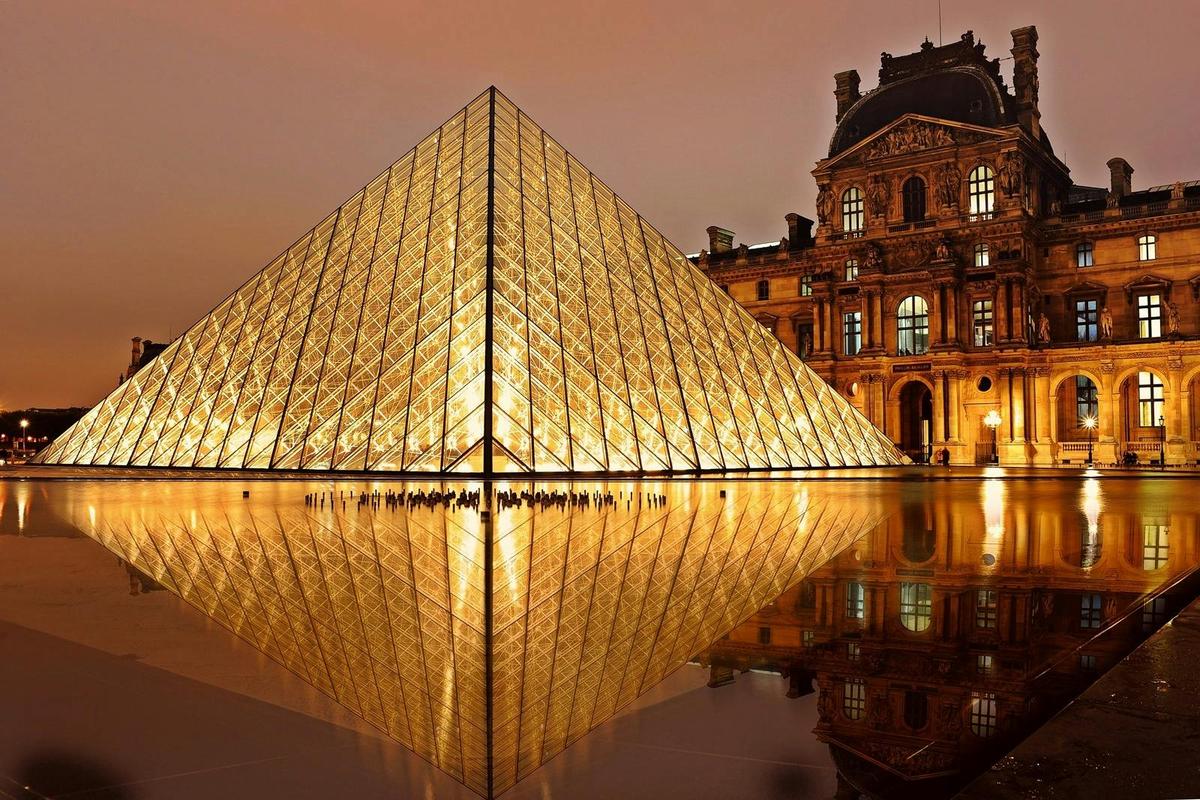
Nestled in the heart of Paris, the Louvre Museum is an architectural marvel and a treasure trove of artistic wonders. As one of the world's most renowned tourist destinations, it houses an unparalleled collection of over 380,000 artifacts, spanning diverse civilizations and epochs. The iconic glass pyramid, a striking contrast to the museum's classical facade, serves as the main entrance, leading visitors into a labyrinth of galleries and exhibition halls. Beyond the Mona Lisa's enigmatic smile and the majestic Venus de Milo, the Louvre unveils a wealth of hidden gems. The Egyptian Antiquities department boasts an impressive collection of mummies, sarcophagi, and hieroglyphic inscriptions, offering a glimpse into ancient pharaonic civilization. The Medieval Louvre showcases the grandeur of Gothic architecture and houses masterpieces such as the Sainte-Chapelle stained glass windows. The museum's vast collection extends to the decorative arts, with exquisite furniture, tapestries, and ceramics adorning its halls. The Islamic Art department displays intricate manuscripts, ceramics, and textiles, showcasing the rich cultural heritage of the Islamic world. The Louvre's commitment to contemporary art is evident in its modern and contemporary galleries, featuring works by renowned artists such as Picasso, Cézanne, and Matisse. Navigating the Louvre's labyrinthine corridors can be an adventure in itself. Visitors can explore the museum's interactive map, available in multiple languages, to plan their itinerary and discover hidden corners. With its diverse collection, captivating exhibitions, and architectural splendor, the Louvre Museum offers an unforgettable experience for art enthusiasts and history buffs alike.
14
Pont Neuf
View on map
Audio Narrations
Introduction
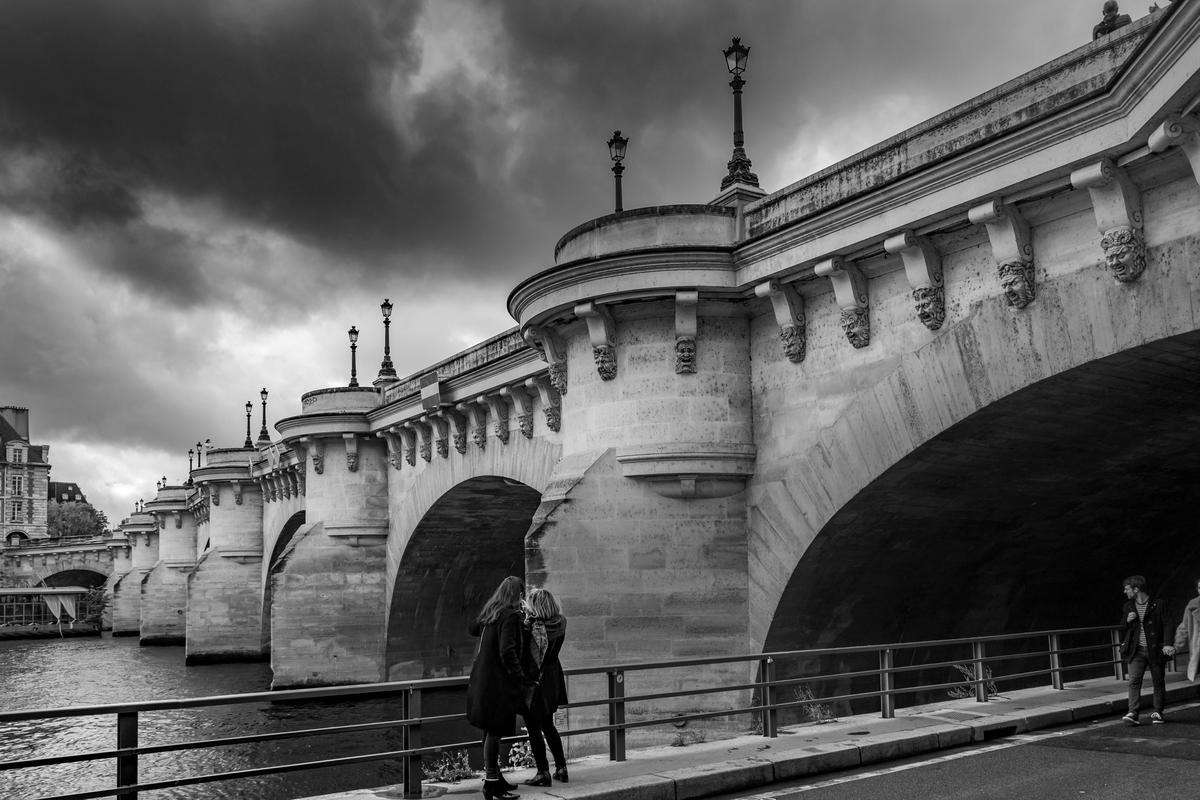
The Pont Neuf, the oldest standing bridge in Paris, spans the Seine River, connecting the Right and Left Banks and crossing the western tip of the Île de la Cité. Built between 1578 and 1607, it was designed by Baptiste du Cerceau and Pierre des Illes, possibly incorporating an earlier design by Guillaume Marchand. The bridge's unique design features two separate spans: a seven-arch span connecting the right bank to the island and a five-arch span from the island to the left bank. Its foundations were entirely rebuilt under Napoleon III, along with the arches of the long arm, which were made elliptical. The Pont Neuf has witnessed centuries of Parisian life, serving as a bustling hub for commerce and entertainment. Its "long arm" was lined with shops, while its "short arm" was home to street performers, charlatans, and tooth pullers. The bridge's central role began to decline in the mid-18th century, but it remained a lively place until the end of the century. Today, the Pont Neuf is a popular tourist destination, known for its historical significance and picturesque views of the city.Parisian Charm
Pont Neuf, the oldest bridge in Paris, exudes Parisian charm with its timeless elegance and captivating history. Unlike other bridges in the city, Pont Neuf was built without houses lining its sides, offering unobstructed views of the Seine River and the iconic landmarks that grace its banks. Its graceful arches and intricate stonework create a picturesque backdrop for leisurely strolls or romantic rendezvous, capturing the essence of Parisian charm. As you traverse Pont Neuf, immerse yourself in the vibrant atmosphere of street performers, artists, and vendors, each adding their unique touch to the bridge's lively ambiance. Take a moment to admire the equestrian statue of King Henry IV, a symbol of both the bridge's history and the city's rich heritage. Pont Neuf serves as a gateway to the enchanting Île de la Cité, the heart of historic Paris. From the bridge, you can catch a glimpse of the majestic Notre Dame Cathedral, its Gothic spires reaching towards the sky. The nearby Place Dauphine, with its charming cafes and cobblestone streets, invites you to linger and soak in the Parisian way of life. As the sun begins its descent, Pont Neuf transforms into a magical setting. The golden hues of twilight illuminate the bridge, casting a warm glow on the surrounding buildings. The twinkling lights of the Eiffel Tower in the distance create a breathtaking backdrop, adding to the bridge's romantic allure. Whether you're seeking a leisurely stroll, a moment of contemplation, or a romantic evening, Pont Neuf embodies the Parisian charm that captivates visitors from around the world. Its timeless beauty, vibrant atmosphere, and historical significance make it a must-visit destination for anyone seeking the true essence of Paris.Artistic Masterpiece
Pont Neuf, the oldest standing bridge in Paris, is an artistic masterpiece that embodies the grandeur and elegance of the city. Its unique design, characterized by its graceful arches and lack of houses on its span, sets it apart from other bridges in Paris. Completed in 1607, Pont Neuf was a revolutionary structure for its time, showcasing the architectural prowess of the era. The bridge's central arch, spanning 47 meters, was the widest arch ever built at the time, demonstrating the engineering brilliance of its creators. Pont Neuf has been immortalized in numerous works of art, including paintings by renowned artists such as Claude Monet and Camille Pissarro. Its picturesque setting on the Seine River, with the Louvre on one side and the Eiffel Tower in the distance, has made it a favorite subject for artists throughout history. The bridge's timeless beauty and historical significance have earned it a place as one of the most iconic landmarks in Paris, inspiring awe and admiration in visitors from around the world.
15
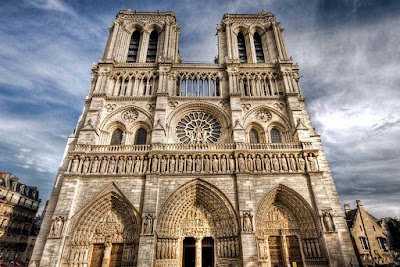
Cathédrale Notre-Dame de Paris
View on map
Audio Narrations
Introduction
The Cathédrale Notre-Dame de Paris, a Gothic masterpiece, stands majestically on the Île de la Cité in Paris, France. Its construction began in 1163 under Bishop Maurice de Sully and was largely completed by 1260. The cathedral's iconic features include its massive twin towers, soaring ribbed vaults, and intricate stained-glass windows. The flying buttresses, an innovative architectural element, provide support to the towering walls, allowing for larger windows and a sense of lightness. Notre-Dame has undergone numerous modifications and restorations over the centuries, including a significant 19th-century renovation led by Eugène Viollet-le-Duc. Despite suffering damage during the French Revolution and a devastating fire in 2019, the cathedral remains a testament to the architectural prowess of the Middle Ages and a symbol of French heritage.National Monument
Cathédrale Notre-Dame de Paris stands as a testament to the architectural prowess of the Middle Ages, earning its designation as a National Monument. Its grandeur is evident in the intricate details of its Gothic facade, adorned with flying buttresses and towering spires that reach towards the heavens. The cathedral's interior is equally awe-inspiring, boasting a vaulted ceiling that soars above the nave, supported by slender columns that create an atmosphere of ethereal lightness. Notre-Dame's stained-glass windows, with their vibrant hues and intricate designs, cast a kaleidoscope of colors upon the interior, illuminating the sacred space with a celestial glow. Beyond its architectural splendor, Notre-Dame holds immense historical significance. It has witnessed countless events that have shaped the course of French history, from the coronation of Napoleon Bonaparte to the liberation of Paris during World War II. Its resilience in the face of adversity, including a devastating fire in 2019, has made it an enduring symbol of the indomitable spirit of the French people.Architectural Innovations
Cathédrale Notre-Dame de Paris stands as a testament to architectural ingenuity, showcasing a harmonious blend of Romanesque and Gothic styles. Its construction, spanning the 12th to 14th centuries, witnessed groundbreaking innovations that revolutionized the field of architecture. The cathedral's iconic flying buttresses, a defining feature of Gothic architecture, elegantly distribute the weight of the towering structure, allowing for thinner walls and larger windows. These external supports, reaching from the walls to the ground, not only provide stability but also create a sense of lightness and grace. Another remarkable innovation is the use of ribbed vaults, a skeletal framework of intersecting ribs that support the ceiling. This technique enabled the construction of higher and wider vaults, creating an awe-inspiring sense of space and luminosity. The intricate web of ribs, adorned with decorative bosses, adds to the cathedral's visual splendor. The pointed arch, a signature element of Gothic architecture, is prominently featured throughout Notre-Dame. Its upward thrust directs the weight of the structure towards the buttresses, allowing for taller and more slender walls. The pointed arches frame the magnificent stained-glass windows, casting a kaleidoscope of colors that illuminates the interior. Notre-Dame's innovative design extended to its construction materials. The use of iron reinforcements, a relatively new technique in the 12th century, provided additional strength and stability to the structure. These iron elements, hidden within the stonework, played a crucial role in preserving the cathedral's integrity over the centuries. The architectural innovations employed in Cathédrale Notre-Dame de Paris not only enhanced its structural integrity but also created an unparalleled aesthetic experience. Its soaring heights, intricate details, and harmonious proportions have inspired awe and admiration for generations. The cathedral remains a masterpiece of architectural ingenuity, showcasing the transformative power of innovation in shaping the built environment.
Experience the Full Tour
Download the DocentPro app to access all tour stops, complete audio narrations in multiple languages, offline maps, and interactive features.