
Parisian Majesty: An Architectural Promenade Through the Latin Quarter

Walking Tour

3.4 km (2.1 miles)

48 min travel time

10 Stops

Paris, France
Parisian Majesty: An Architectural Promenade Through the Latin Quarter
Tour Stops
1
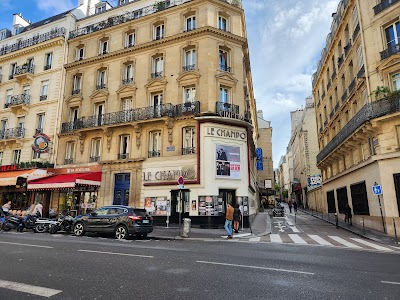
Le Champo
View on map
Audio Narrations
导言
坐落在巴黎拉丁区的中心地带,Le Champo 自 1938 年成立以来一直是影迷的灯塔。最初取代了一家书店,这家艺术电影院迅速成为电影爱好者的圣地。其私密的放映室和标志性的装饰艺术风格的外观经受住了时间的考验,使 Le Champo 不仅成为一个观看电影的地方,而且成为一个与巴黎丰富的电影遗产紧密相连的珍贵文化地标。电影文化的遗产
Le Champo 在巴黎电影文化中的重要性因其与法国电影资料馆的密切联系而进一步提升。法国电影资料馆成立于与 Le Champo 同一年,致力于保存和弘扬电影历史。他们共同为观众提供体验电影杰作的机会,通常还会有著名电影史学家和评论家的深入讨论。这种合作不仅丰富了巴黎的文化景观,还强化了 Le Champo 在促进电影文化和教育方面的作用。历史意义
Le Champo 不仅仅是一家电影院,它还是巴黎电影史的活生生的见证。几十年来,它一直是影迷、知识分子和艺术家的聚集地。让-吕克·戈达尔和弗朗索瓦·特吕弗等导演在这里找到了家,他们利用 Le Champo 作为平台来展示挑战传统叙事并帮助定义法国新浪潮运动的电影。这种对独立电影和作者电影的奉献巩固了 Le Champo 作为电影创新堡垒的声誉,确保电影艺术仍然是巴黎文化不可或缺的一部分。
2
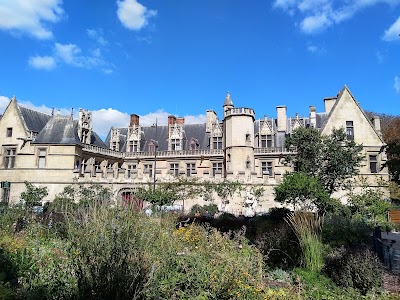
Musée de Cluny
View on map
Audio Narrations
导言
坐落在巴黎拉丁区的中心地带,克吕尼博物馆是中世纪艺术和历史的宝库。这座博物馆坐落在一座宏伟的 15 世纪豪宅内,收藏了跨越几个世纪的藏品,从早期中世纪到文艺复兴时期。 走进建于 3 世纪的昏暗的罗马浴场,惊叹于其错综复杂的马赛克和拱形天花板。沿着螺旋楼梯登上独角兽挂毯,这是一幅中世纪编织杰作,描绘了五种感官和第六个神秘场景。被精致的彩色玻璃窗所吸引,它们在哥特式大厅中投射出鲜艳的色调。 博物馆的藏品延伸到其墙壁之外,包括罗马浴场的废墟和迷人的克吕尼花园。这个绿意盎然的绿洲点缀着中世纪雕塑和芬芳的玫瑰丛,为人们提供了一个远离喧嚣城市的宁静避难所。 参观克吕尼博物馆是一次穿越时空的旅程,让您沉浸在中世纪生活的丰富挂毯中。从罗马浴场的宏伟到挂毯的精湛工艺,这座博物馆揭示了一个逝去时代的秘密,让您着迷。巴黎历史
坐落在巴黎拉丁区的中心,克吕尼博物馆揭开了巴黎历史的隐藏篇章。这座中世纪博物馆坐落在一座 14 世纪的修道院内,将游客带入一个逝去的时代,让人们得以一窥这座城市的丰富历史。 博物馆的基础是戴克里先浴场,这是这座城市古老历史的遗迹。随着时间的推移,该遗址演变成一座本笃会修道院,即克吕尼修道院,留下了哥特式建筑和精美的雕塑遗产。 在博物馆的墙壁内,等待着人们的是中世纪文物宝库。独角兽挂毯以鲜艳的色彩和象征意义编织而成,是那个时代的杰作。罗马式雕塑、精美的象牙制品和彩色玻璃窗让人们得以一窥中世纪巴黎的艺术和宗教表现形式。 克吕尼博物馆通过其考古发现深入探究巴黎历史。从城市深处出土的罗马硬币、陶器碎片和日常用品描绘了古卢泰西亚日常生活的一幅生动画面。 除了文物之外,博物馆本身就是巴黎历史的见证。中世纪建筑,其高耸的拱门和拱形天花板,让人回想起这座城市过去的辉煌。曾经是修道院一部分的宁静花园,在繁华的城市中提供了一个宁静的避难所。 参观克吕尼博物馆是一次穿越时间的旅程,将巴黎历史从罗马时代到中世纪的线索交织在一起。这是一个游客可以沉浸在城市丰富历史中、发现隐藏的故事并欣赏逝去时代持久遗产的地方。独角兽挂毯
坐落在巴黎的中心,克吕尼博物馆揭开了一幅迷人的历史画卷,这里的墙壁诉说着中世纪的宏伟和艺术大师的精湛技艺。在它的珍宝中,独角兽挂毯堪称皇冠上的明珠,其鲜艳的色调和神秘的象征将游客带入一个寓言和奇迹的境界。 这些六幅挂毯编织于 15 世纪末,讲述了一个贵族女性与独角兽相遇的故事,独角兽是一种象征着纯洁和优雅的神话生物。每幅挂毯都描绘了一个充满象征意义的场景,从这位女士与独角兽的互动到随行的形象和纹章。从女士飘逸的长袍到茂盛的植被,错综复杂的细节展示了织工无与伦比的技艺。 几个世纪以来,挂毯的神秘性质一直吸引着学者和艺术爱好者。关于它们的含义有很多理论,解释范围从五种感官和美德到宫廷爱情和寻求救赎。这种模糊性增加了它们的吸引力,邀请观众思考自己的解释并深入了解丰富的象征主义。 除了它们的艺术光彩之外,独角兽挂毯还让人们得以一窥中世纪贵族的风貌。华丽的面料、错综的设计和纹章图案都说明了它们赞助人的财富和地位。这些挂毯不仅作为装饰元素,而且还证明了它们主人的权力和威望。 如今,独角兽挂毯陈列在克吕尼博物馆,这是这些杰作的合适归宿。博物馆的中世纪环境为欣赏挂毯的历史和艺术意义提供了完美的背景。游客可以沉浸在挂毯的世界中,周围环绕着让人联想到它们创作时代的文物和建筑元素。 参观克吕尼博物馆欣赏独角兽挂毯是一次难忘的经历。这是一次穿越时间、艺术和象征主义的旅程,让人们得以一窥中世纪的辉煌和引人入胜的故事。这些挂毯的持久魅力不仅在于它们的美丽,还在于它们激发好奇心、激发想象力并将观众带入一个永恒奇迹的境界。
3
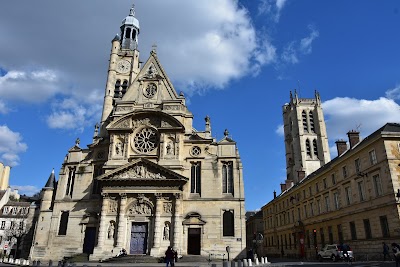
Church of Saint-Étienne-du-Mont
View on map
Audio Narrations
Introduction
The Church of Saint-Étienne-du-Mont, nestled in the heart of Paris's 5th arrondissement, stands as a testament to the city's rich history and architectural prowess. Its Gothic facade, adorned with intricate carvings and gargoyles, whispers tales of medieval craftsmanship. Stepping inside, one is greeted by soaring vaulted ceilings and stained-glass windows that bathe the interior in a kaleidoscope of colors. The church's most captivating feature, however, lies hidden beneath its floor: the crypt, where the remains of some of France's most renowned figures, including Blaise Pascal and Jean Racine, rest in eternal slumber. A closer look reveals the church's unique connection to the literary world. Its pews once hosted the likes of Ernest Hemingway and James Joyce, who sought solace and inspiration within its hallowed walls. The church's association with literature extends beyond its visitors, as its very construction is intertwined with the written word. Legend has it that the church was built on the site of a former Roman temple dedicated to the goddess Diana, and that the stones used in its construction were salvaged from the ruins of the ancient library of Alexandria. Today, Saint-Étienne-du-Mont continues to captivate visitors with its blend of history, architecture, and literary allure. Whether one is drawn to its Gothic grandeur, its connection to the literary giants of the past, or the whispers of ancient secrets buried beneath its floor, this Parisian gem offers a unique and unforgettable experience.Burial Place of Sainte Geneviève
Nestled in the heart of Paris's 5th arrondissement, the Church of Saint-Étienne-du-Mont stands as a testament to faith and history. While its Gothic architecture and stained-glass windows captivate visitors, the church holds a deeper significance as the final resting place of Saint Genevieve, the patron saint of Paris. Genevieve, a 5th-century shepherdess, rose to prominence for her piety and unwavering faith. During the siege of Paris by Attila the Hun, she rallied the city's inhabitants to resist, inspiring them with her unwavering belief in God's protection. After her death in 512, Genevieve was canonized and her remains were interred in the Abbey of Saint-Pierre-des-Fossés. In the 13th century, the abbey was demolished to make way for the construction of the Church of Saint-Étienne-du-Mont. Genevieve's remains were transferred to the new church, where they were placed in a magnificent marble tomb designed by the renowned sculptor François Anguier. The tomb, adorned with intricate carvings and sculptures, became a pilgrimage site for devotees seeking Genevieve's intercession. Today, visitors to Saint-Étienne-du-Mont can pay their respects at Genevieve's tomb, located in the ambulatory behind the main altar. The tomb is a poignant reminder of her unwavering faith and the profound impact she had on the city of Paris. The church also houses a reliquary containing Genevieve's skull, which is displayed during special occasions. Beyond its architectural beauty, the Church of Saint-Étienne-du-Mont holds a special place in the hearts of Parisians as the eternal resting place of their beloved patron saint. Genevieve's legacy continues to inspire generations, reminding them of the power of faith, courage, and unwavering belief in the face of adversity.Renaissance Architecture
The Church of Saint-Étienne-du-Mont in Paris, Île-de-France, France, stands as a testament to the transition from Gothic to Renaissance architecture. While its construction began in the late 15th century, the church's design incorporates elements of both styles, reflecting the evolving architectural landscape of the period. One of the most striking Renaissance features of Saint-Étienne-du-Mont is its facade. The lower level showcases a distinctly Gothic aesthetic, with pointed arches and intricate tracery. However, the upper level reveals a shift towards Renaissance principles. The large, round-headed windows and the use of pilasters, a classical architectural element, mark a clear departure from the Gothic style. The interior of the church further exemplifies this architectural blend. The nave, with its tall, pointed arches and ribbed vaulting, is undeniably Gothic. However, the inclusion of Renaissance elements, such as the coffered ceiling and the use of round arches in the side chapels, creates a harmonious fusion of styles. The Church of Saint-Étienne-du-Mont also boasts several notable Renaissance artworks. The rood screen, a masterpiece of Renaissance sculpture, features intricate carvings and delicate figures. Additionally, the church houses the tomb of the renowned philosopher and mathematician Blaise Pascal, a significant figure of the Scientific Revolution. In conclusion, the Church of Saint-Étienne-du-Mont stands as a unique example of the intersection of Gothic and Renaissance architecture. Its blend of styles, coupled with its rich artistic heritage, makes it a captivating destination for those seeking to explore the architectural and cultural landscape of Renaissance Paris.
4
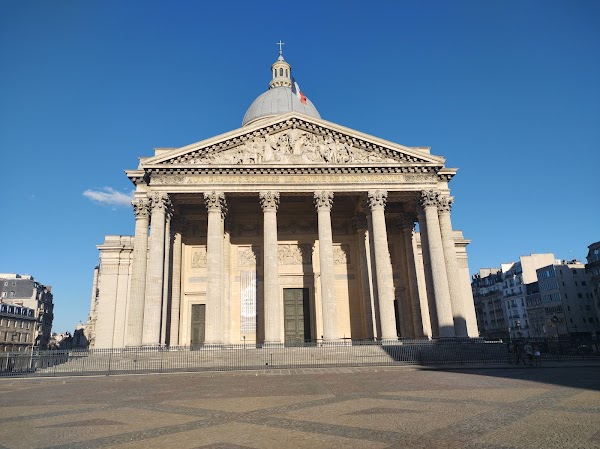
Panthéon
View on map
Audio Narrations
Introduction
The Panthéon, a majestic neoclassical monument in the heart of Paris, stands as a testament to France's rich history and enduring spirit. Originally conceived as a church dedicated to Saint Genevieve, the patron saint of Paris, the Panthéon's purpose evolved over time, becoming a secular mausoleum honoring the nation's most distinguished citizens. Within its imposing walls lie the remains of luminaries such as Voltaire, Rousseau, Victor Hugo, and Marie Curie, their contributions to French culture and society forever etched in the nation's memory. The Panthéon's grand dome, adorned with intricate frescoes depicting scenes from French history, soars 83 meters above the city, offering breathtaking views of the Parisian skyline. Beneath the dome, the crypt houses the tombs of these national icons, each adorned with elaborate sculptures and inscriptions that pay tribute to their achievements. Visitors can wander through the crypt, marveling at the artistry and reflecting on the lives and legacies of these remarkable individuals. The Panthéon's significance extends beyond its role as a mausoleum. It has served as a stage for pivotal moments in French history, hosting the funerals of presidents, the signing of the Treaty of Paris in 1815, and the celebration of the liberation of Paris in 1944. Today, the Panthéon remains a vibrant cultural hub, hosting exhibitions, concerts, and conferences that explore French history, art, and literature. Its towering presence and rich history continue to inspire awe and reflection, reminding visitors of the enduring legacy of France's most celebrated figures.Panthéon Dome
The Panthéon's dome, a majestic architectural feat, stands as a testament to the building's grandeur and historical significance. Soaring 83 meters above the Parisian skyline, the dome is the second-largest in the city, surpassed only by the Sacré-Coeur Basilica. Its construction, completed in 1790, was a marvel of engineering, employing innovative techniques and materials. The dome's double shell design, with an inner and outer layer, provides exceptional stability and acoustics. The inner dome features a magnificent oculus, a circular opening that floods the interior with natural light, creating a sense of awe and inspiration. The dome's exterior is adorned with intricate sculptures and bas-reliefs, depicting scenes from French history and mythology. These intricate details offer a glimpse into the artistic and cultural landscape of 18th-century France. The dome's summit is crowned by a lantern, a small, open structure that provides ventilation and serves as a symbolic beacon. From the lantern, visitors can enjoy breathtaking panoramic views of Paris, encompassing iconic landmarks such as the Eiffel Tower and the Louvre Museum. The Panthéon's dome has played a pivotal role in French history. It has witnessed the burial of numerous national heroes, including Voltaire, Rousseau, and Victor Hugo. The dome's inscription, "Aux grands hommes la patrie reconnaissante" (To the great men, the grateful homeland), reflects the building's purpose as a national mausoleum and a tribute to France's most distinguished figures. The dome's grandeur and symbolism have made it an enduring icon of French culture and a must-visit destination for visitors to Paris.Cultural Heritage Site
The Panthéon in Paris stands as a monument to France's cultural heritage, embodying the nation's history, ideals, and artistic achievements. Originally conceived as a church dedicated to Saint Genevieve, the patron saint of Paris, the Panthéon's transformation into a mausoleum for prominent French figures reflects the evolving relationship between religion and secularism in the country. The building's neoclassical architecture, inspired by the Pantheon in Rome, showcases France's embrace of Enlightenment ideals and its admiration for classical antiquity. Its imposing dome, visible from various points in the city, serves as a reminder of the nation's aspirations and its commitment to intellectual and artistic excellence. The Panthéon's interior houses the tombs of renowned individuals who have shaped France's cultural landscape, including writers, scientists, philosophers, and political figures. Among them are Voltaire, Rousseau, Victor Hugo, Marie Curie, and Louis Braille. Their presence within the Panthéon underscores the importance of intellectual and artistic contributions to the nation's identity. The Panthéon's significance extends beyond its architectural grandeur and the individuals it honors. It serves as a stage for national ceremonies and commemorations, further solidifying its role as a symbol of French unity and cultural heritage. The annual Panthéonization ceremony, during which the remains of distinguished individuals are transferred to the mausoleum, underscores the nation's ongoing recognition of its cultural icons. The Panthéon's evolution from a religious edifice to a secular mausoleum reflects France's complex history and its changing values. It stands as a testament to the nation's enduring respect for its cultural heritage and its commitment to honoring those who have made significant contributions to its intellectual and artistic landscape.
5
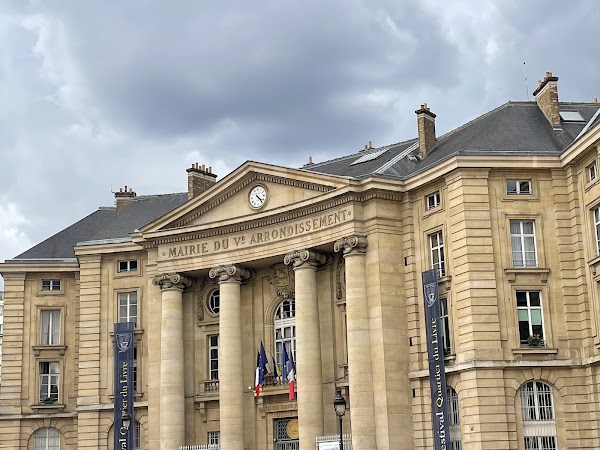
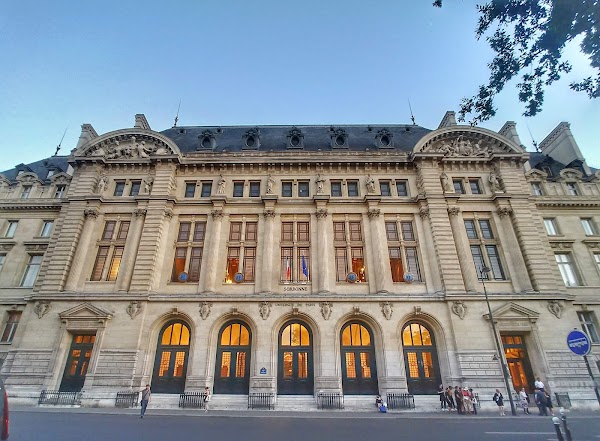
Panthéon-Sorbonne University
View on map
Audio Narrations
Introduction
Panthéon-Sorbonne University: A Legacy of Interdisciplinarity in the Heart of Paris Founded in 1971 from the ashes of the historic University of Paris, Panthéon-Sorbonne University stands as a testament to interdisciplinary education. Nestled in the heart of the Latin Quarter, the university occupies iconic buildings like the Sorbonne and the Panthéon, echoing its rich history and commitment to the humanities, law, economics, and political science. Panthéon-Sorbonne boasts a vibrant student life, welcoming thousands of international students each year. Its commitment to internationalization is evident in its diverse faculty, numerous exchange programs, and dedicated support services for international students. Beyond its academic excellence, Panthéon-Sorbonne is renowned for its stunning architecture. The Centre Sorbonne houses departments like Management, History, Philosophy, and Political Science, while the Centre Panthéon, housed in the historic Faculty of Law building, offers a glimpse into the university's past. The Pierre Mendès-France Center, a modern high-rise, accommodates thousands of students in human sciences, economics, and management. Panthéon-Sorbonne's impact extends beyond its walls. The university actively participates in international research programs, hosts conferences, and boasts a network of alumni who hold prominent positions in various fields. A unique feature of Panthéon-Sorbonne is its commitment to social responsibility. The university actively engages with the local community, offering programs for students in exile and participating in initiatives that promote social justice and equality. Whether you're drawn to its rich history, diverse academic offerings, or vibrant student life, Panthéon-Sorbonne University offers a unique and enriching educational experience in the heart of Paris.Economic and Management Focus
Panthéon-Sorbonne University: A Haven for Economic and Management Studies Nestled in the heart of Paris, Panthéon-Sorbonne University stands as a beacon of academic excellence, particularly in the realm of economics and management. Its rich history, renowned faculty, and diverse program offerings make it a top choice for aspiring economists, financiers, and business leaders. Panthéon-Sorbonne boasts a legacy of pioneering economic thought, tracing its roots back to the 18th century. Its graduates include Nobel laureates and influential figures who have shaped economic policies and business practices worldwide. This legacy translates into a dynamic learning environment where students engage with cutting-edge research and theoretical frameworks. The university offers a comprehensive range of programs, from undergraduate degrees in Economics and Management to specialized Master's programs in Finance, Marketing, and International Business. These programs are designed to equip students with the analytical skills, critical thinking, and practical knowledge needed to thrive in today's globalized economy. Beyond the classroom, Panthéon-Sorbonne provides a vibrant hub for networking and career development. Its strong alumni network connects students with industry leaders and opens doors to internship and employment opportunities. Additionally, the university's location in the heart of Paris grants students access to a wealth of cultural and professional resources. Whether you aspire to become an economist, a financial analyst, or a business leader, Panthéon-Sorbonne University offers an unparalleled platform for academic and professional growth. Its rigorous curriculum, renowned faculty, and unique Parisian setting create an environment where students can develop the knowledge, skills, and connections needed to excel in the dynamic world of economics and management.Interdisciplinary Education
Panthéon-Sorbonne University: A Hub for Interdisciplinary Exploration Panthéon-Sorbonne University stands out as a champion of interdisciplinary education in the heart of Paris. Its rich history and diverse academic offerings provide a unique environment for students seeking to explore the intersections of various disciplines. The university boasts a long-standing commitment to fostering cross-disciplinary collaboration. This is evident in its numerous research centers and institutes dedicated to interdisciplinary inquiry, such as the Centre d'études interdisciplinaires du XXe siècle and the Institut des sciences sociales du politique. These centers bring together scholars from diverse fields to tackle complex societal challenges, fostering a dynamic exchange of ideas and perspectives. Panthéon-Sorbonne's curriculum reflects this commitment, offering a wide range of interdisciplinary programs and courses. Students can pursue degrees in fields like "Humanities, Literature, and Languages" with a focus on "Intercultural Studies" or delve into the "Law and Economics" program, bridging the gap between these traditionally separate disciplines. Additionally, the university encourages students to personalize their academic journeys by creating their own interdisciplinary pathways through its "Parcours libres" program. Beyond the classroom, Panthéon-Sorbonne fosters interdisciplinary exchange through its vibrant intellectual community. Regular conferences, seminars, and workshops bring together students, faculty, and researchers from different disciplines to engage in critical dialogue and explore new avenues of knowledge. This dynamic environment allows students to develop a holistic understanding of complex issues and cultivate the critical thinking skills necessary to thrive in an interconnected world. For those seeking an interdisciplinary education that transcends traditional boundaries, Panthéon-Sorbonne University offers a stimulating and intellectually enriching environment. Its commitment to cross-disciplinary collaboration, diverse academic offerings, and vibrant intellectual community provide the perfect platform for students to explore the intersections of knowledge and forge their own unique academic paths.
6
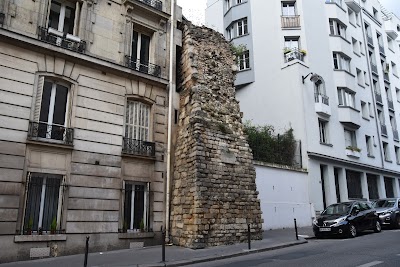
Wall of Philippe II Augustus
View on map
Audio Narrations
导言
腓力二世奥古斯都城墙,一道曾经环绕巴黎的坚固石制屏障,见证了这座城市的韧性和雄心。这座城墙建于 12 世纪和 13 世纪,绵延 3 公里,点缀着 77 座塔楼和 16 座城门,有效地保护了这座新兴的大都市。它威严的存在不仅威慑了入侵者,还促进了对进入城市的商品征税。 随着巴黎不断扩张,城墙逐渐失去了防御意义。到 17 世纪,城墙的部分区域被拆除,为新的发展让路。如今,这座曾经强大的建筑仅剩碎片散落在城市各地,让人们得以一窥巴黎的中世纪历史。 最著名的遗迹之一是让·桑斯·佩尔塔,一座 25 米高的塔楼,在中世纪曾用作监狱。另一处幸存的部分圣德尼门,是一座纪念法国胜利的凯旋门。这些碎片虽然饱经风霜,但仍然以其历史意义和建筑宏伟吸引着游客。 腓力二世奥古斯都城墙虽然大部分已经消失,但仍然是巴黎身份不可或缺的一部分。它的遗产融入这座城市的肌理,让人想起它从一个设防城镇演变为全球大都市的过程。当您漫步在巴黎街头时,请留意这些过去的遗迹,它们是这座城市穿越时光的非凡旅程的无声见证。防御性建筑
腓力二世奥古斯都城墙:巴黎防御的遗产 腓力二世奥古斯都城墙建于 12 世纪和 13 世纪,是中世纪巴黎防御建筑艺术发展的见证。这座强大的防御工事环绕着城市,在保护居民和塑造城市发展方面发挥了至关重要的作用。 与罗马前身不同,腓力二世奥古斯都城墙旨在抵御当时不断发展的围城战术。其令人印象深刻的厚度在 2.5 到 3 米之间,对攻城锤和其他攻城武器提供了强大的抵抗力。城墙的高度在某些部分达到 9 米,为弓箭手和防御者在击退攻击方面提供了显着优势。 城墙的设计融入了许多防御功能,包括 77 座战略性定位的塔楼,以提供侧翼火力和观察点。这些塔楼,有些是方形的,有些是圆形的,容纳着弓箭手,并作为抵御攻击者的据点。城墙还设有护城河,进一步阻碍了敌人的接近,并增加了额外的保护层。 腓力二世奥古斯都城墙的建造标志着防御建筑的重大转变。它代表着从早期防御工事的被动、封闭式方法向更积极、以防御为导向的战略转变。城墙的设计反映了远程战斗日益重要的地位,以及对抵御日益复杂的围城技术的更大保护需求。 如今,腓力二世奥古斯都城墙仍然是一座沉默的守护者,其雄伟的存在让人想起巴黎动荡的过去。虽然大部分原始城墙已被拆除或并入后来的建筑中,但其剩余部分让人们得以一窥这座城市的防御工事和建造者的智慧。城墙证明了防御建筑的持久遗产,这一遗产继续塑造着巴黎的城市景观。中世纪防御工事
菲利普二世奥古斯都城墙,这座曾经环绕巴黎的宏伟建筑,证明了中世纪防御工事设计的独创性和战略优势。这座巨大的城墙建于 12 世纪末和 13 世纪初,长达 4 公里,是军事建筑的杰作。它令人印象深刻的高度估计达到 9 米,厚度从 2.5 米到 3 米不等,对任何潜在的攻击者来说都是一个巨大的障碍。 城墙的设计融入了多项创新功能,增强了其防御能力。它的幕墙上点缀着战略性放置的塔楼,为弓箭手和弩兵提供了高架射击位置,让他们可以向敌人倾泻弹丸。这些塔楼有的呈方形,有的呈圆形,并进一步用箭孔和马奇库利进行了加固,使防御者能够近距离骚扰攻击者。城墙的周边还加固了一条护城河,它作为一道额外的屏障,让攻击者更难接近城墙的底部。 菲利普二世奥古斯都城墙的建造标志着中世纪防御工事技术的一项重大进步。其创新的设计和坚固的结构使其成为当时最强大的防御工事之一,有效地保护了巴黎免受外部威胁长达数个世纪。如今,城墙的遗迹仍然是这座城市悠久历史的见证,以及它作为权力和文化中心的持久遗产。
7
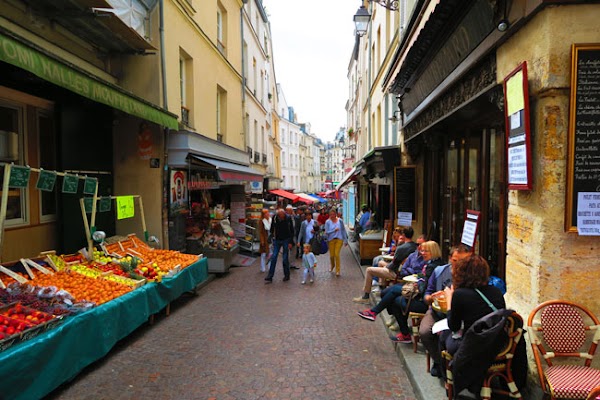
Rue Mouffetard
View on map
Audio Narrations
导言
穆浮塔街是巴黎第五区的一条充满活力的主干道,也是这座城市最古老、最迷人的街道之一。它的名字可能源自罗马的“蒙塞塔杜斯”,几个世纪以来不断演变,反映了这条街道丰富的历史。 穆浮塔街的历史可以追溯到新石器时代,曾经是连接这座城市和意大利的罗马道路。在中世纪,它成为“圣梅达尔堡”的心脏,这是一个繁华的村庄,后来并入巴黎。这条街道的中世纪特色仍然体现在其狭窄的鹅卵石小巷、历史建筑和热闹的氛围中。 穆浮塔街是美食爱好者的天堂,每天都有市场提供新鲜农产品、手工奶酪和美味糕点。这条街上还遍布着迷人的咖啡馆、餐馆和商店,每家都有自己独特的特色。 这条街上最引人注目的特色之一是孔特斯卡普广场,这是一个热闹的广场,当地人和游客聚集在这里享受阳光、街头表演者和充满活力的氛围。广场上还有圣梅达尔教堂,这是一座建于 9 世纪的教堂,拥有美丽的彩色玻璃窗。 穆浮塔街是一个历史与现代交织的地方。它逃过了奥斯曼男爵的现代化改造,保留了其旧世界的魅力。这条街也一直是艺术家和作家的灵感来源,包括维克多·雨果和欧内斯特·海明威。 无论您是历史爱好者、美食爱好者,还是只是想体验独特的巴黎体验,穆浮塔街都是必游之地。它的狭窄小巷、历史建筑和充满活力的氛围让您得以一窥这座城市的灵魂和精髓。中世纪魅力
穆菲塔街,巴黎中心一条蜿蜒的鹅卵石街道,诉说着一个逝去时代的传说,中世纪的魅力在每一个角落和缝隙中徘徊。这条古老的街道可以追溯到 12 世纪,将游客带到一个商人兜售他们的商品、工匠磨练他们的技艺,新鲜出炉的面包香气弥漫在空中的时代。 踏入一个时间似乎静止的世界。欣赏半木结构的房屋,它们风化的外墙装饰着精美的雕刻和锻铁阳台。想象一下马车在狭窄的小巷中回荡的喧嚣声,以及市场小贩兜售农产品的热闹聊天声。 穆菲塔街是中世纪秘密的宝库。寻找圣梅达尔教堂的隐藏庭院,那里有古老的坟墓和石像鬼,诉说着被遗忘的过去的传说。探索狭窄的通道,几个世纪以来,古老的商店展示着他们的商品,从古董书到手工首饰。 当您漫步时,让您的感官被中世纪市场景象、声音和气味所吸引。来自 Poilâne 面包店的刚出炉的面包香气、水果和蔬菜摊位的鲜艳色彩,以及铁匠锤子的有节奏的敲击声,都为沉浸式体验做出了贡献。 穆菲塔街不仅仅是一条街道;它是巴黎丰富的中古遗产的活生生的证明。这是一个历史栩栩如生的场所,过去和现在交织在一起,中世纪的精神继续着迷和鼓舞人心。历史悠久的市场街
坐落在巴黎第五区的中心地带,穆浮塔街是一条历史悠久的市场街,几个世纪以来一直是充满活力的商业中心。它的鹅卵石小巷两旁排列着古色古香的商店和熙熙攘攘的摊位,将游客带回到一个逝去的时代。 这条街的起源可以追溯到 12 世纪,当时它是一条通往附近修道院的泥泞小路。随着时间的推移,它演变成一个市场,吸引了来自全城的商人和小工匠。如今,穆浮塔街保留了它的中世纪魅力,拥有狭窄的建筑和色彩缤纷的遮阳篷。 这条街最具特色的地方之一是它的露天市场,每周二、周四和周日上午举行。在这里,小贩们展示各种新鲜农产品,从时令水果和蔬菜到手工奶酪和腌制肉类。市场是一场感官盛宴,新鲜出炉的面包香气与当地人和游客的闲聊声交织在一起。 除了市场之外,穆浮塔街还拥有各种各样的商店,包括传统面包店、肉铺和葡萄酒商。游客可以找到从松脆的法棍面包和酥皮羊角面包到多汁的牛排和陈年葡萄酒的一切。这条街还以其古董店而闻名,寻宝者可以在这里挖掘出过去的隐藏珍宝。 当人们漫步在穆浮塔街时,很容易想象这条街的悠久历史。在 16 世纪,它是附近索邦大学的学生们经常光顾的地方。在 19 世纪,它成为城市波西米亚场景的中心,吸引了艺术家、作家和知识分子。如今,穆浮塔街仍然是一个文化大熔炉,居民、学生和游客在这里融为一体。 参观穆浮塔街是一次穿越时空的旅程,既可以瞥见过去,又可以拥抱现在。它的历史市场、迷人的商店和充满活力的氛围使其成为任何寻求品味正宗巴黎生活的人的必游之地。
8
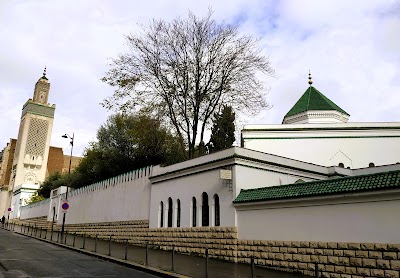
Grande Mosquée de Paris
View on map
Audio Narrations
Introduction
The Grande Mosquée de Paris, a majestic landmark in the heart of Paris, transcends its role as a place of worship to embody a vibrant cultural hub. Its intricate Moorish architecture, a symphony of horseshoe arches, colorful mosaics, and towering minarets, transports visitors to a realm of exotic beauty. Stepping inside, the serenity of the prayer hall, adorned with intricate calligraphy and bathed in soft light filtering through stained-glass windows, offers a profound sense of tranquility. Beyond its spiritual significance, the Grande Mosquée de Paris is a testament to the rich tapestry of Franco-Islamic relations. Its construction in the 1920s served as a poignant tribute to the Muslim soldiers who fought alongside France during World War I. Today, the mosque continues to foster intercultural dialogue through its diverse offerings, including a library, a hammam, and a restaurant serving traditional Moroccan cuisine. A hidden gem within the mosque's grounds is the magnificent Andalusian Garden, a tranquil oasis inspired by the Moorish gardens of Spain. The gentle murmur of water fountains, the sweet fragrance of orange blossoms, and the vibrant hues of blooming flowers create a sensory feast for visitors seeking a moment of respite. The Grande Mosquée de Paris stands as a beacon of cultural exchange, a testament to the enduring legacy of Franco-Islamic collaboration, and a captivating destination for those seeking a glimpse into the world of Islamic art and architecture.Architectural Masterpiece
The Grande Mosquée de Paris, a stunning architectural masterpiece, stands as a testament to the rich cultural tapestry of Paris. Built in the Moorish Revival style, it draws inspiration from the Alhambra palace in Granada, Spain, and the Great Mosque of Cordoba. Its horseshoe arches, intricate tilework, and towering minaret transport visitors to a realm of Islamic architectural splendor. One of the most striking features of the mosque is its courtyard, a serene oasis adorned with lush greenery and a central fountain. The rhythmic sound of water cascading into the basin creates a tranquil ambiance, inviting contemplation and reflection. The courtyard's arcades, adorned with intricate geometric patterns, provide a glimpse into the mosque's exquisite craftsmanship. Stepping inside the prayer hall, visitors are greeted by a breathtaking display of Islamic art and architecture. The soaring columns, adorned with intricate carvings, support a series of horseshoe arches that create a sense of awe and grandeur. The mihrab, a niche indicating the direction of Mecca, is adorned with colorful mosaics and intricate calligraphy, showcasing the mosque's artistic mastery. Beyond its aesthetic beauty, the Grande Mosquée de Paris holds historical significance. Built in the aftermath of World War I, it served as a symbol of gratitude to the Muslim soldiers who fought alongside France. The mosque's minaret, a beacon of hope and unity, stands as a testament to the enduring legacy of these brave individuals. Today, the Grande Mosquée de Paris remains a vibrant center of Islamic culture and education. It offers daily prayers, religious classes, and cultural events, fostering a sense of community and understanding. Its architectural brilliance, coupled with its historical significance, makes the Grande Mosquée de Paris an architectural masterpiece that continues to inspire and captivate visitors from around the world.Moorish Revival Architecture
The Grande Mosquée de Paris, a stunning example of Moorish Revival architecture, stands as a testament to the enduring influence of Islamic art and design in the Western world. Completed in 1926, the mosque's architectural features are a harmonious blend of traditional Islamic elements and contemporary French design sensibilities. The mosque's horseshoe arches, a hallmark of Moorish architecture, grace the doorways and windows, creating a sense of grandeur and elegance. Intricate geometric patterns, inspired by Islamic calligraphy and arabesque motifs, adorn the walls and ceilings, adding a touch of visual complexity and sophistication. The use of colorful tiles, a signature element of Moorish design, adds vibrancy and depth to the mosque's interior spaces. The mosque's minaret, a slender tower that rises above the cityscape, is a prominent landmark in Paris. Its intricate carvings and decorative elements are reminiscent of the minarets found in mosques across the Islamic world. The minaret serves as a call to prayer, reminding Muslims of their religious obligations and connecting them to the wider Islamic community. The Grande Mosquée de Paris is not only a place of worship but also a cultural center that promotes understanding and dialogue between different faiths and cultures. Its Moorish Revival architecture serves as a bridge between Islamic and Western traditions, showcasing the shared heritage and artistic influences that have shaped both cultures.
9
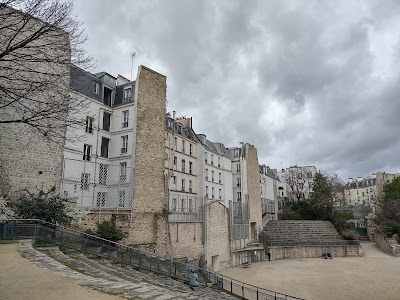
Arènes de Lutèce
View on map
Audio Narrations
导言
坐落在巴黎第五区的中心地带,吕特斯竞技场见证了这座城市古老的罗马历史。这座保存完好的圆形剧场可以追溯到公元1世纪或2世纪,曾经举办过角斗比赛和公共表演,将观众带到了罗马帝国的中心。 与其他城市更宏伟的同类建筑不同,吕特斯竞技场让人们得以一窥罗马娱乐的更私密的一面。它规模适中,可容纳约15,000名观众,营造出一种紧迫感,让人与在其围墙内发生的事件产生联系。裸露的石砌和座位残骸唤起了一种时光倒流的感觉,将游客带到了一个逝去的时代。 除了其历史意义外,吕特斯竞技场还作为一个充满活力的社区空间。当地人聚集在这里野餐、悠闲地散步和参加露天音乐会,为古老的竞技场注入了新的活力。古代遗迹和现代活动并置创造了一种独特的气氛,历史与当代生活在这里无缝交织。 对于那些寻求更深入了解该遗址过去的人来说,毗邻的卡纳瓦莱博物馆提供了与吕特斯竞技场和巴黎历史相关的丰富藏品和展览。从角斗士头盔到精美的马赛克,这些遗物为圆形剧场的辉煌过去提供了有形的证据。 参观吕特斯竞技场不仅仅是一次穿越时空的旅程;它是一种身临其境的体验,将游客与古代世界联系起来,让人们得以一窥罗马巴黎人的日常生活和娱乐活动。无论是探索废墟、在场地野餐,还是深入博物馆的宝藏,吕特斯竞技场都为这座城市丰富而多方面的历史提供了一个独特的窗口。罗马圆形剧场
卢泰斯竞技场:罗马圆形剧场历史上的隐藏瑰宝 卢泰斯竞技场坐落在巴黎第五区的中心地带,见证了这座城市丰富的罗马历史。这座保存完好的圆形剧场可以追溯到公元1世纪或2世纪,为我们提供了一个独特的视角,让我们得以一窥古卢泰西亚巴黎人的日常生活和娱乐活动。 与罗马或尼姆的宏伟建筑不同,卢泰斯竞技场是一座规模较小的建筑,最初可容纳约15000名观众。它的椭圆形竞技场长130米,宽100米,曾举办角斗比赛、公开表演,甚至戏剧表演。分层座位建在山坡的自然坡度上,为观众提供了极佳的视野。 卢泰斯竞技场与众不同之处在于其私密的环境。与其他罗马圆形剧场的宏伟壮观不同,它散发出一种宁静和迷人的感觉。周围的公园,卢泰斯竞技场花园,增添了氛围,为人们提供了一个远离喧嚣城市生活的宁静避难所。 尽管规模较小,但卢泰斯竞技场拥有几个独特的特点。原始木制舞台的遗迹和竞技场地板下的复杂排水系统让我们得以了解圆形剧场的工程和功能。此外,附近的卡纳瓦莱博物馆收藏了一系列从该遗址出土的文物,为曾经光顾这个历史场馆的人们的生活提供了进一步的背景。 如今,卢泰斯竞技场作为过去时代的无声见证而存在。它风化的石头诉说着角斗比赛、欢呼的人群以及罗马卢泰西亚充满活力的生活。这颗隐藏的瑰宝经常被游客忽视,它为我们提供了一个引人入胜的过去视角,邀请游客回到过去,想象曾经在其墙壁内上演的奇观。高卢罗马历史
坐落在巴黎第五区的中心地带,吕特斯竞技场见证了这座城市丰富的罗马-高卢历史。这座古老的圆形剧场可追溯到公元 1 世纪,让人们得以一窥罗马时代城市居民的日常生活和娱乐活动。 与帝国其他地区的宏伟建筑不同,吕特斯竞技场是一座更为朴素的建筑,可容纳约 15,000 名观众。其主要功能是举办角斗比赛,这是罗马社会中一种流行的娱乐形式。竞技场的椭圆形和分层座位为这些表演提供了亲密的场所,人群聚集在这里见证角斗士的技巧和勇气。 除了角斗比赛之外,吕特斯竞技场还用作公开处决、体育比赛和戏剧表演的场所。它是城市居民的中心聚集地,反映了高卢文化的罗马化和罗马习俗融入日常生活。 如今,吕特斯竞技场仍然是巴黎罗马-高卢历史的生动提醒。其部分保存完好的结构,包括座位和竞技场地板的部分区域,让游客可以想象这座古老娱乐场所的热闹氛围。该遗址还设有一个博物馆,展示了在挖掘过程中出土的文物,进一步了解了曾经光顾这座竞技场的人们的生活。 对于对罗马-高卢历史感兴趣的人来说,吕特斯竞技场提供了一个与过去联系的独特机会。它是与一个逝去时代的切实联系,角斗士在这里激战,人群在这里欢呼,罗马文化在这里繁荣发展,而这里最终将成为世界上最具标志性的城市之一。
10
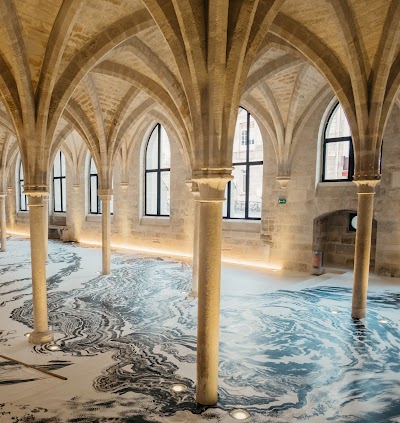
Collège des Bernardins
View on map
Audio Narrations
Introduction
The Collège des Bernardins, a 13th-century masterpiece nestled in the heart of Paris's historic Latin Quarter, stands as a testament to the city's rich architectural heritage. This former abbey, once home to a community of Cistercian monks, has undergone a remarkable transformation, emerging as a vibrant cultural hub and a beacon of intellectual discourse. Stepping into the Collège des Bernardins is akin to stepping back in time. The soaring Gothic arches, intricate stained-glass windows, and the serene cloister evoke a sense of awe and tranquility. The building's history is palpable, whispering tales of scholarly pursuits, religious devotion, and architectural ingenuity. Beyond its historical significance, the Collège des Bernardins has carved a niche as a contemporary center for dialogue and debate. Its diverse programming encompasses conferences, exhibitions, concerts, and workshops, attracting renowned thinkers, artists, and scholars from across the globe. The institution's commitment to fostering interdisciplinary exchange and promoting critical thinking has earned it a reputation as a leading platform for intellectual exploration. One of the Collège des Bernardins' unique features is its "murmures," a series of intimate conversations between prominent figures from various fields. These candid dialogues offer a rare glimpse into the minds of leading thinkers, sparking thought-provoking discussions on a wide range of topics. The Collège des Bernardins is not merely a historical relic; it is a living testament to the enduring power of knowledge and the transformative potential of dialogue. As it continues to evolve, the institution promises to remain a vibrant hub for intellectual engagement and cultural enrichment in the heart of Paris.Medieval Architecture
The Collège des Bernardins in Paris, Île-de-France, France, stands as a testament to the evolution of Gothic architecture in the 13th and 14th centuries. Its construction began in 1248, commissioned by Étienne de Lexington, the abbot of Clairvaux. The college was intended to serve as a center of theological learning for the Cistercian order. The most striking feature of the Collège des Bernardins is its vast, open-plan interior. The nave is supported by slender columns that rise to a height of 22 meters, creating a sense of spaciousness and luminosity. The absence of a transept and the minimal use of ornamentation reflect the Cistercian emphasis on simplicity and austerity. The building's exterior is equally impressive, showcasing the transition from Early to High Gothic styles. The pointed arches, ribbed vaults, and flying buttresses are characteristic of the High Gothic period, while the lancet windows and rose window are reminiscent of the Early Gothic style. The interplay of these elements creates a harmonious and visually captivating facade. One of the unique aspects of the Collège des Bernardins is its cloister, which is considered one of the most beautiful in Paris. The cloister's serene atmosphere is enhanced by its delicate tracery and the lush greenery that surrounds it. The cloister served as a place for contemplation and meditation for the monks who resided at the college. The Collège des Bernardins underwent several renovations and additions over the centuries. In the 17th century, the building was remodeled in the Baroque style, and in the 19th century, it was used as a military hospital. Today, the Collège des Bernardins has been restored to its former glory and serves as a cultural center and a venue for conferences, exhibitions, and concerts. For those interested in Medieval architecture, the Collège des Bernardins offers a wealth of insights into the development of Gothic style. Its unique blend of architectural elements, its historical significance, and its serene atmosphere make it a must-visit destination for anyone seeking to delve deeper into the world of medieval architecture.Humanities Institute
Nestled in the heart of Paris, the Collège des Bernardins stands as a vibrant hub for the Humanities Institute, offering a unique platform for interdisciplinary dialogue and exploration. This historic institution, steeped in centuries of intellectual discourse, provides a fertile ground for scholars and enthusiasts alike to delve into the complexities of the human experience. At the Collège des Bernardins, the Humanities Institute fosters a dynamic environment where diverse perspectives converge. Through its thought-provoking seminars, workshops, and conferences, the Institute encourages critical engagement with a wide range of topics, from philosophy and history to literature and the arts. Renowned scholars and emerging voices come together to share their insights, sparking lively debates and fostering a deeper understanding of the human condition. Beyond its academic pursuits, the Humanities Institute at the Collège des Bernardins recognizes the importance of fostering a sense of community. Its welcoming atmosphere invites individuals from all walks of life to participate in its programs, fostering a spirit of intellectual curiosity and exchange. Whether you are a seasoned scholar or simply someone with a passion for learning, the Institute provides a space for you to connect with others who share your interests and engage in meaningful conversations. As a center for the Humanities, the Collège des Bernardins plays a vital role in bridging the gap between academia and the wider public. Its commitment to public outreach programs ensures that the insights generated within its walls reach a broader audience, enriching the cultural landscape of Paris and beyond. Through lectures, exhibitions, and online resources, the Institute makes its wealth of knowledge accessible to all, fostering a deeper appreciation for the humanities and their enduring relevance in today's world. In conclusion, the Collège des Bernardins, through its Humanities Institute, offers a unique and enriching experience for those seeking to explore the depths of the human experience. Its interdisciplinary approach, vibrant community, and commitment to public engagement make it a cornerstone of intellectual life in Paris, providing a platform for meaningful dialogue, critical thinking, and the pursuit of knowledge.
Experience the Full Tour
Download the DocentPro app to access all tour stops, complete audio narrations in multiple languages, offline maps, and interactive features.