
UC Berkeley Self-Guided Audio Campus Tour

Walking Tour

4.8 km (3.0 miles)

1h 8min travel time

20 Stops

Berkeley, United States
UC Berkeley Campus Tour
Tour Stops
1
Sather Gate
View on map
Audio Narrations
Introducción
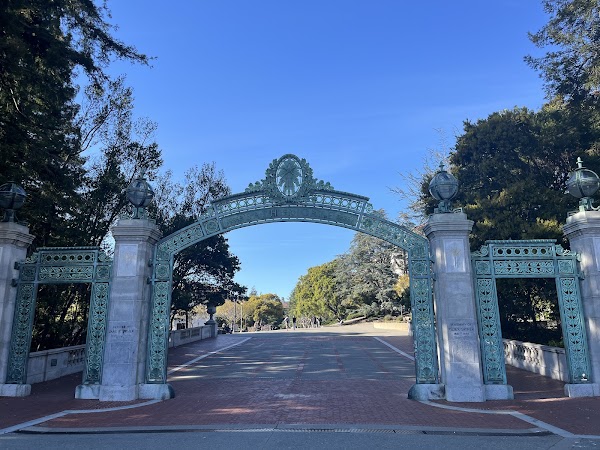
Bienvenidos a Sather Gate, uno de los monumentos más emblemáticos de la Universidad de California en Berkeley. Esta puerta fue donada por Jane K. Sather en memoria de su esposo, Peder Sather. Peder Sather fue un destacado banquero y filántropo a finales del siglo XIX, muy involucrado en la financiación de instituciones educativas y obras públicas. Jane Sather contribuyó significativamente a la universidad, financiando no solo la puerta sino también la Torre Sather y las Cátedras Sather. Su objetivo era crear un legado duradero que beneficiara a generaciones de estudiantes.Película - Universidad de Monstruos: Localización de la película
¿Sabías que Sather Gate apareció en la película de Pixar "Monsters University"? El director, Dan Scanlon, eligió Sather Gate por su estructura icónica y reconocible. Quería capturar la esencia de una universidad tradicional, y el diseño clásico de Sather Gate encajaba perfectamente. En la película, la puerta aparece durante una escena en la que los personajes Mike y Sulley entran por primera vez a la universidad, capturando su emoción y asombro. La importancia y el significado histórico de la puerta la convirtieron en una opción ideal para representar la entrada de la universidad ficticia en la película.Protesta: Movimiento de Libertad de Expresión
La Puerta Sather también ha sido un punto central para muchas protestas y movimientos importantes. Uno de los más notables fue durante el Movimiento por la Libertad de Expresión en la década de 1960. Los estudiantes se reunieron aquí para protestar contra las restricciones de la universidad sobre las actividades políticas y la libertad de expresión. La restricción específica implicaba una prohibición de las actividades políticas en el campus, incluidos los discursos y la distribución de literatura. El movimiento fue fundamental para desafiar estas restricciones, centrándose particularmente en cuestiones de derechos civiles y oposición a la Guerra de Vietnam. Los estudiantes exigieron el derecho a organizarse y hablar sobre cuestiones políticas, incluidos los derechos civiles, el activismo contra la guerra y la justicia social. Este movimiento fue fundamental para dar forma a las políticas de la universidad y consolidar la reputación de Berkeley como un centro de activismo y cambio social.
2
ASUC Student Union: Martin Luther King Jr. Building
View on map
Audio Narrations
Introduction
The Martin Luther King Jr. Student Union is a central hub for student life at UC Berkeley. Named in honor of Dr. Martin Luther King Jr., it serves as a space for student activities, meetings, and events. The union is a testament to Dr. King’s legacy and his impact on civil rights and social justice, providing students with a space to engage in dialogue, activism, and community building. Did you know? Dr. King actually visited UC Berkeley in 1967 and spoke at Sproul Plaza, inspiring thousands of students.Student Multicultural Center: Diversity and Inclusion
The Student Multicultural Center within the MLK Student Union is dedicated to promoting diversity and inclusion on campus. It offers resources and support for students from diverse backgrounds, fostering a sense of community and belonging. The center hosts cultural events, workshops, and discussions aimed at celebrating and understanding different cultures and perspectives. One memorable event is the annual International Food Festival, where students showcase and share cuisine from their home countries. Another quirky event includes the “Cultural Dance-Off,” where students compete in traditional dances, creating a lively and entertaining atmosphere.Amazon Student Center: Modern Convenience
The MLK Student Union includes the Amazon Student Center, providing students with a convenient place to pick up packages and access Amazon services. This modern addition reflects the evolving needs of students and the integration of technology into campus life. The center is designed to make student life more efficient and connected. Interestingly, the center also has a “stress relief corner” where students can relax with bean bags and complimentary snacks while waiting for their packages. There was even a humorous incident where a group of students used the center’s services to receive an enormous teddy bear, which became an overnight campus celebrity.
3
Upper Sproul Plaza
View on map
Audio Narrations
Introduction
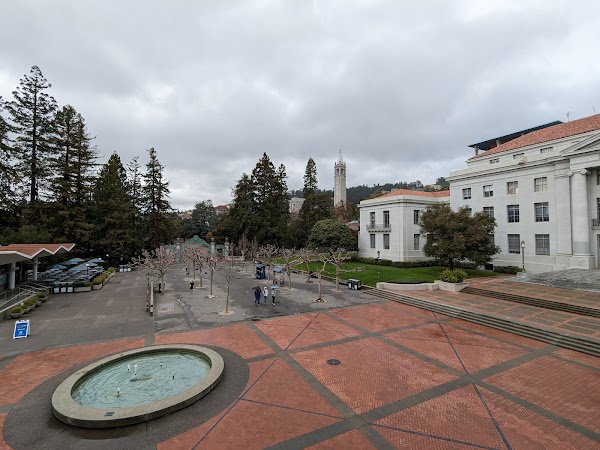
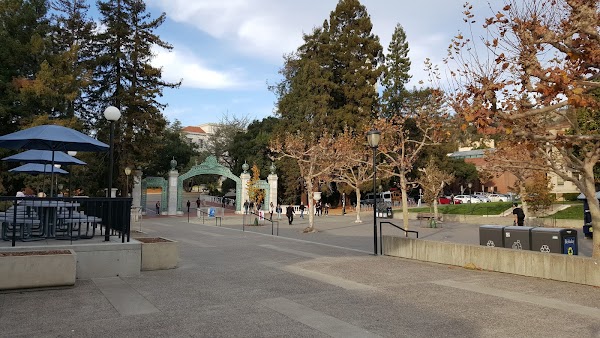
Upper Sproul Plaza is the heart of student life and activities at UC Berkeley. It was a key location during the Free Speech Movement of the 1960s and continues to be a central spot for student gatherings, protests, and events. The plaza is always bustling with energy, reflecting the dynamic and vibrant spirit of the campus. Did you know? The steps of Sproul Hall, which face the plaza, are often referred to as “Mario Savio Steps,” named after the prominent leader of the Free Speech Movement.Free Speech Movement: Historical Impact
In the 1960s, Sproul Plaza became the epicenter of the Free Speech Movement. Students gathered here to protest against the university’s restrictions on political activities and free speech. They demanded the right to organize and speak out on issues such as civil rights and opposition to the Vietnam War. One of the pivotal moments occurred in 1964 when police attempted to arrest a student activist, sparking a massive sit-in around a police car that lasted for 32 hours. This event marked a significant turning point in the movement, leading to widespread changes in university policies.Mario Savio’s Legacy: Iconic Speeches
Mario Savio, a key figure in the Free Speech Movement, delivered some of his most famous speeches at Sproul Plaza. His passionate and eloquent calls for student rights and social justice resonated with thousands of students. One of his most famous lines, “There is a time when the operation of the machine becomes so odious…you’ve got to put your bodies upon the gears,” was delivered on these very steps. Savio’s legacy continues to inspire activism and free expression on campus.
4
Zellerbach Hall
View on map
Audio Narrations
Introduction
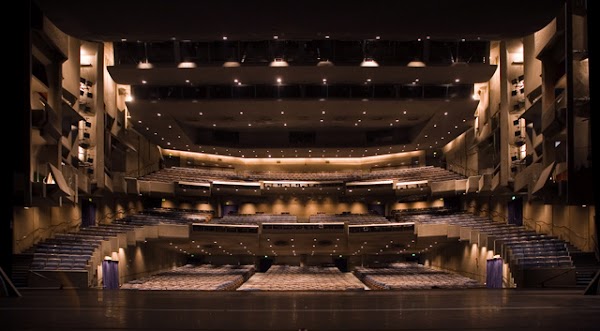
Zellerbach Hall is home to Cal Performances, the west coast’s largest presenter of performing arts, including music, theater, and dance. The Zellerbach Auditorium can seat 1,984 people and is equipped for symphony orchestra, grand opera, ballet, and dramatic events. The hall plays a crucial role in Berkeley’s cultural life, offering a venue for both world-renowned artists and student performances.Diverse Performances
Zellerbach Hall hosts a wide array of performances that cater to diverse tastes. From classical ballet and opera to contemporary dance and experimental theater, the hall has seen it all. Notably, the annual Cal Performances season features artists from around the globe, bringing international culture and artistry to the Berkeley community. Did you know? Zellerbach Hall also hosts the Berkeley Symphony, a local favorite known for its innovative programming.Celebrity Guests
Over the years, Zellerbach Hall has welcomed many famous performers and speakers. One notable event was a performance by the legendary cellist Yo-Yo Ma, who praised the hall’s acoustics as some of the best he has ever experienced. Other notable guests include the Dalai Lama and former President Jimmy Carter, whose lectures here have drawn large, enthusiastic crowds.
5
Haas Pavilion
View on map
Audio Narrations
Introduction
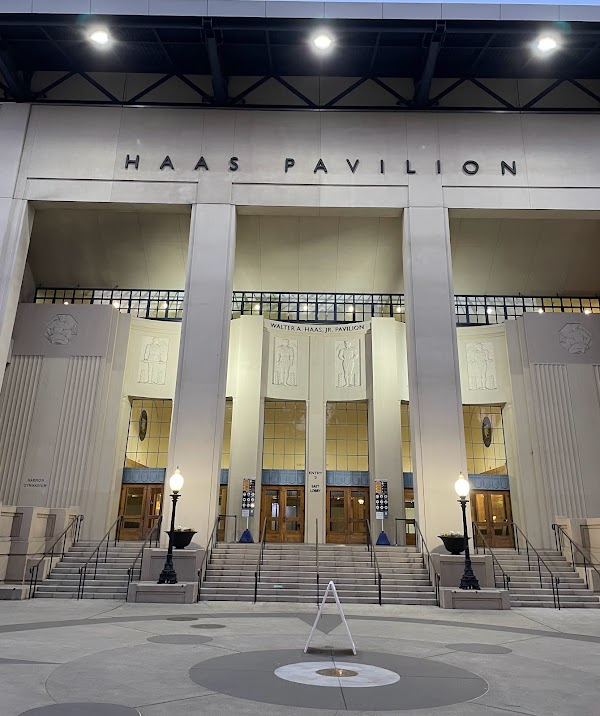
Haas Pavilion can seat up to 12,000 people and is home to the California Golden Bears Basketball, Volleyball, and Gymnastics teams. The Recreational Sports Facility is located behind it, offering various exercise and sports options. The pavilion is a hub for athletic events, student activities, and major university ceremonies.Rich Athletic History
The university has a rich history in athletics, with athletes having earned a total of 185 Olympic medals. Haas Pavilion often hosts major sporting events, such as NCAA basketball tournaments, making it a central hub for campus sports culture. Notably, the pavilion was the site of the legendary game where the Golden Bears triumphed over the Arizona Wildcats in 2010, a moment that solidified its reputation as a fortress for the team.Student Section: The Bench
The student section at Haas Pavilion, known as ‘The Bench,’ is famous for its enthusiastic and spirited support during games. The energy and noise generated by the student fans create an electric atmosphere that is intimidating for visiting teams. Did you know? The Bench has a tradition of organizing elaborate choreographed cheers and wearing themed costumes to show their support.
6
The Eucalyptus Grove
View on map
Audio Narrations
Introduction
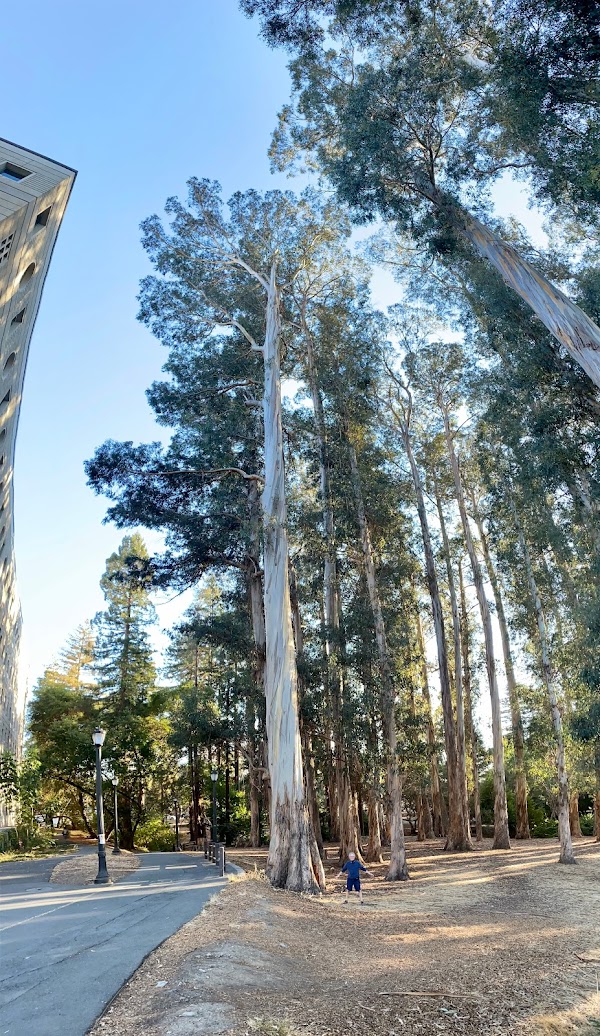
Located near the Valley Life Sciences Building, Eucalyptus Grove covers one acre and marks the joining of the north and south forks of Strawberry Creek. The grove is known for its towering eucalyptus trees, some of the tallest in California, providing a serene and shady retreat within the bustling campus.Ecological Significance
The Eucalyptus Grove serves as an important ecological habitat on campus. It provides shelter and food for various species of birds, insects, and small mammals, contributing to the biodiversity of the area. The grove's dense canopy helps to cool the air and create a microclimate that supports a variety of plant and animal life.Historical Planting
The eucalyptus trees were planted in the early 20th century as part of a university initiative to beautify the campus. They were chosen for their rapid growth and impressive height, which quickly transformed the landscape. Interestingly, the trees were originally imported from Australia and have since become a defining feature of the campus.
7
Valley Life Sciences Building
View on map
Audio Narrations
Introduction
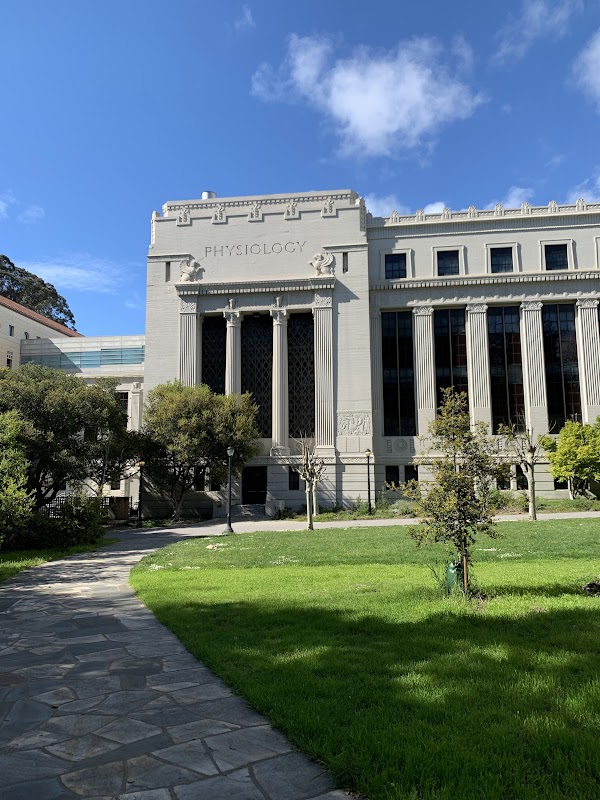
The largest building on campus, VLSB houses the departments of molecular and cell biology, and integrative biology. It includes classrooms, labs, and lecture halls, making it a central hub for biological sciences at UC Berkeley.Dinosaur Exhibit
VLSB contains a life-size cast of a T-Rex, found in eastern Montana. This exhibit is a popular attraction for students and visitors alike, providing a fascinating glimpse into the prehistoric past. The T-Rex, named "Osborn," is accompanied by a Pteranodon named "Marsh," both of which are beloved features of the building.Research Hub
The building is a hub for cutting-edge research in the biological sciences. Faculty and students conduct groundbreaking research in areas such as genetics, neuroscience, and ecology, making significant contributions to scientific knowledge. The labs are equipped with state-of-the-art technology, supporting a wide range of experimental and analytical work.
8
Calfornia Hall
View on map
Audio Narrations
Introduction
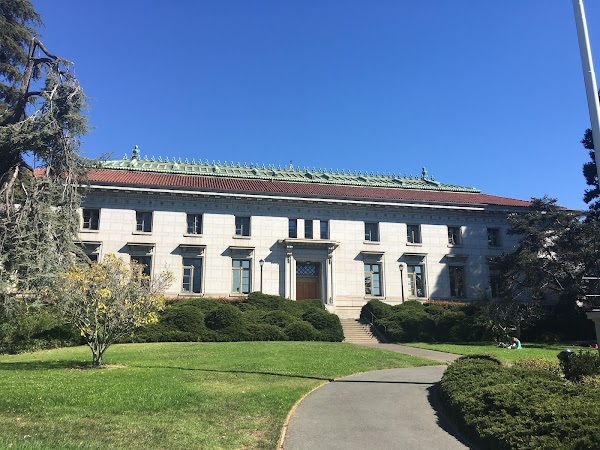
California Hall houses offices of the chancellor and some vice chancellors. The location of the chancellor’s office caused the building to be the focus of several demonstrations. Completed in 1905, California Hall is a prime example of Classical Revival architecture.Free Speech Movement
During the Free Speech Movement in 1964, the door handles of California Hall were chained and locked as part of a student protest. This act symbolized the students' demand for greater freedom of expression and political activity on campus. The protests were a pivotal moment in the university’s history, leading to significant changes in campus policies and a greater emphasis on student rights.Architectural Significance
Completed in 1905, California Hall is an example of Classical Revival architecture. Its grand columns and symmetrical design reflect the influence of ancient Greek and Roman architecture, symbolizing the university's commitment to enduring values and knowledge. The building's stately appearance and historical significance make it a prominent feature on campus.
9
Moffitt Library
View on map
Audio Narrations
Introduction
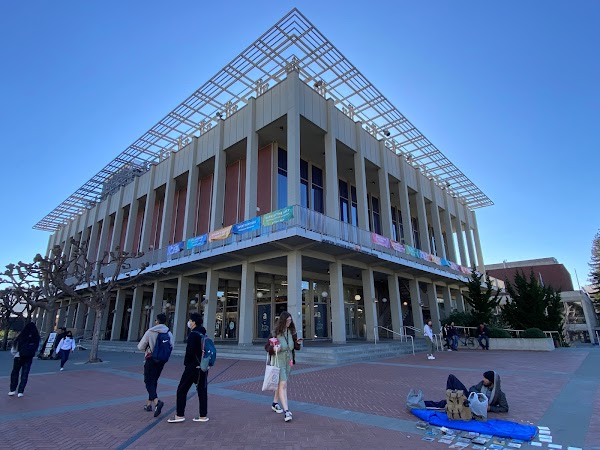
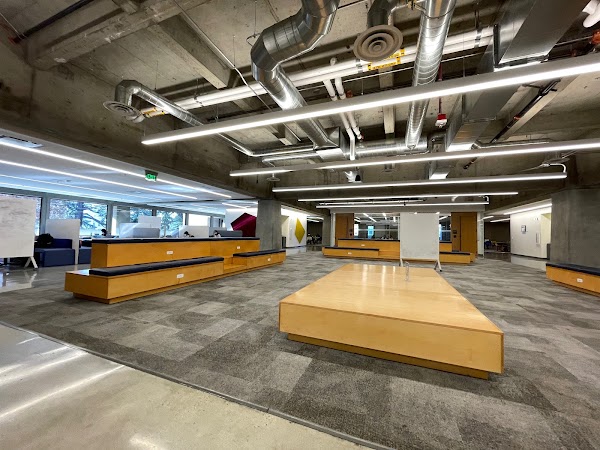
Moffitt Library is one of the busiest undergraduate libraries, open 24 hours for five days a week. It provides collaborative and quiet study spaces.Buzz and Hush Floors
The 4th floor of Moffitt Library is a ‘buzz floor’ for collaborative work, while the 5th floor is a ‘hush floor’ for quiet study. This unique arrangement caters to different study needs, providing an ideal environment for group projects and individual focus.Student Art
Moffitt Library features various art installations and exhibits by students. These artworks add a creative and vibrant touch to the library’s atmosphere, showcasing the talents of Berkeley’s student artists.
10
Doe Library
View on map
Audio Narrations
Introduction
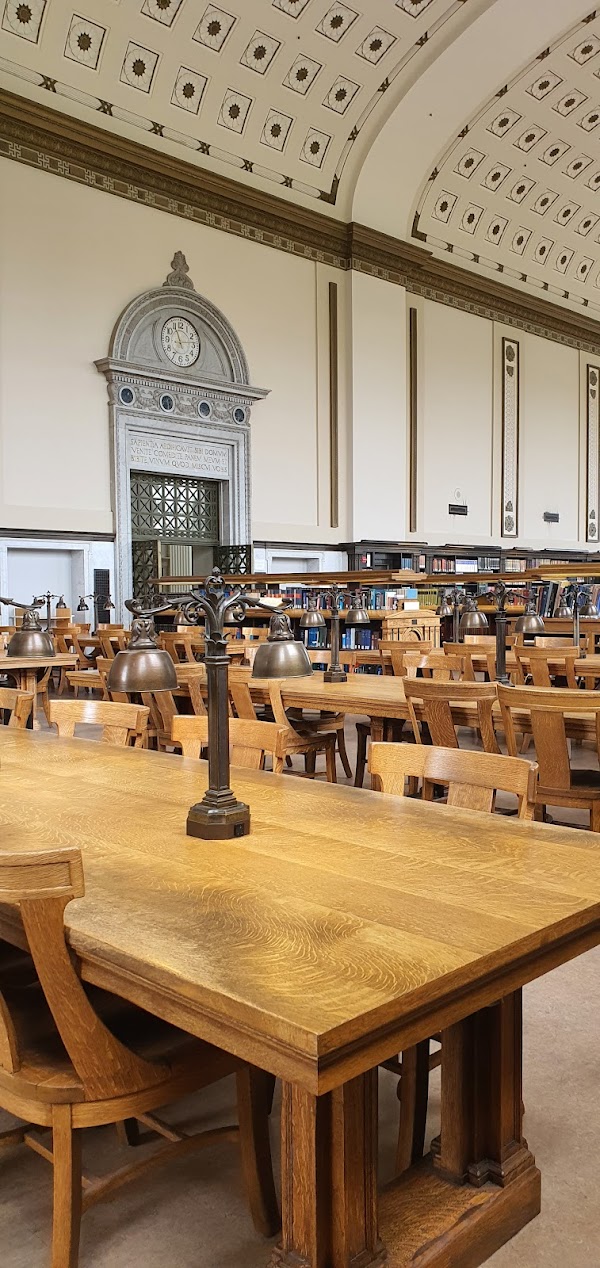
Doe Memorial Library is one of the twenty-seven libraries on campus. Inside is the North Reading Room, a large study space with lots of natural light. Underneath your feet is another library, a 3-story underground structure called Gardner Main Stacks, and it is a football field and a half long!Athena's Presence
The Greek Goddess above the door is Athena, the goddess of wisdom. Her presence symbolizes the pursuit of knowledge and the university's commitment to academic excellence. The statue of Athena was a gift from the class of 1906 and serves as a guardian of the library's intellectual treasures.Mark Twain's Bench
Take a picture sitting next to Mark Twain on the bench just inside the main doors. This bench is a popular spot for students and visitors, providing a whimsical connection to the renowned author. Did you know? the bench was added to commemorate Twain’s visit to Berkeley in 1906, where he gave a lecture that drew a massive crowd.
11
Memorial Glade
View on map
Audio Narrations
Introduction
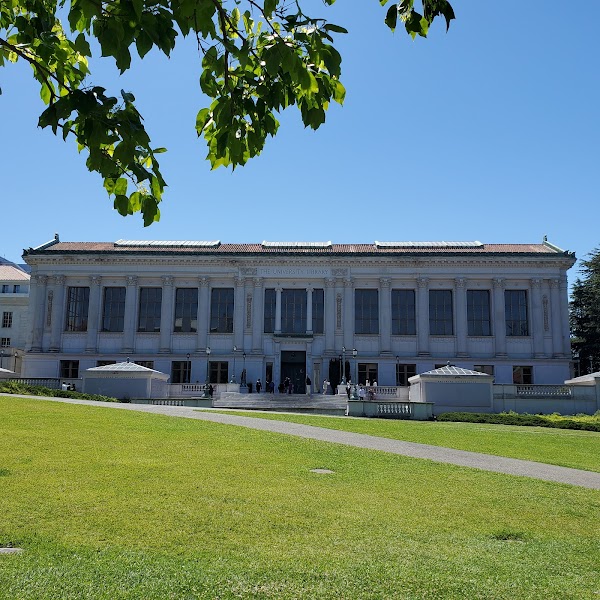
Memorial Glade is a place students love to relax, whether it be taking a nap or throwing around a frisbee. The classes of 1945, 1946, and 1947 provided funds to construct this memorial to individuals who served in World War II. Cal’s competitive quidditch team also utilizes the Glade for their practices.Student Relaxation
Hang out on the Glade and see how students relax in their free time. It's common to see groups of friends lounging on the grass, playing games, or enjoying a picnic under the sun. The open space and scenic views make it an ideal spot for socializing and unwinding between classes.Fiat Lux Seals
Find the three university seals on the ground around you. The university motto, ‘Fiat Lux,’ means ‘Let There Be Light.’ These seals symbolize the guiding principle of enlightenment and knowledge. Did you know? the seals are strategically placed to form a triangle, representing the balance of knowledge, wisdom, and enlightenment.
12
South Hall
View on map
Audio Narrations
Introduction
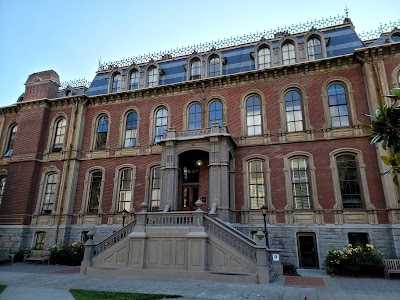
South Hall is the oldest building on campus, originally housing the College of Agriculture. Today, it houses the School of Information, focusing on expanding access to information and improving usability while preserving security and privacy.Architectural Significance
South Hall’s architecture reflects the historical evolution of the university’s design ethos. Its classic style contrasts with the more modern buildings on campus, offering a glimpse into the university's past. Did you know? South Hall is the only remaining building from the university's original 1868 campus plan.Innovative Programs
The School of Information housed in South Hall offers cutting-edge programs in information science and technology. Students and faculty work on innovative projects that address the challenges of the digital age. Did you know? the school’s research includes groundbreaking work in data privacy and cybersecurity.
13
The Campanile
View on map
Audio Narrations
Introduction
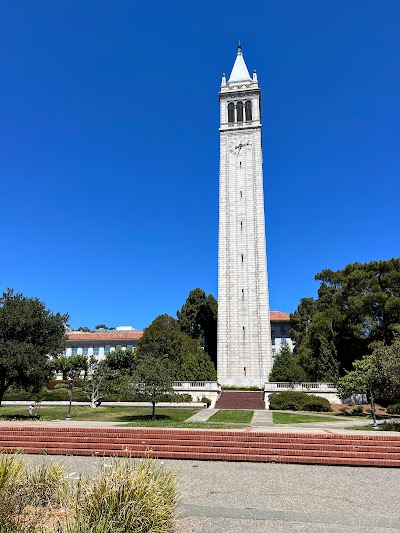
At 307 feet, the Campanile is the third tallest clock and carillon tower in the world. The carillon instrument at the top is made up of 61 bells, with the heaviest bell weighing 5.5 tons.World War I Memorial
Can you find the two bears on the bench near the entrance? They honor those who died in World War I. This subtle yet poignant tribute adds to the tower's historical significance. One interesting detail, the bears are named “Patience” and “Fortitude,” symbolizing the qualities needed to endure the war.Breathtaking View
For a breathtaking view, take the elevator to the top of the tower! The view extends to the San Francisco Bay and beyond, offering a panoramic perspective of the campus and city. On clear days, you can even see the Golden Gate Bridge. This view is a must-see for visitors and provides a perfect photo opportunity.
14
Evans Hall
View on map
Audio Narrations
Introduction
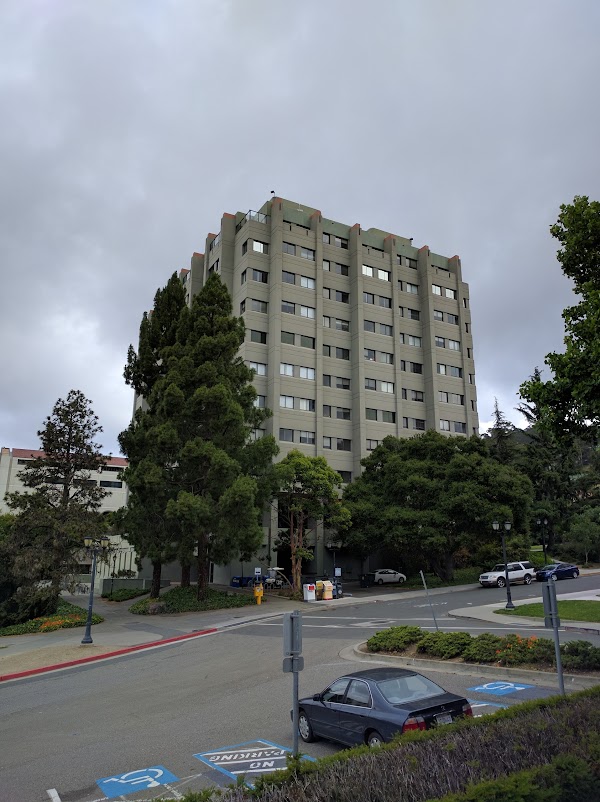
Named after Griffith C. Evans, it houses the Departments of Mathematics, Economics, Logic, and Statistics. The Computer Center in the basement holds computers that handle administrative work and educational research.Nobel Prize Parking
Near Evans, you'll see parking spaces dedicated to Berkeley faculty who have won the Nobel Prize. This unique honor highlights the university's commitment to excellence in research and academia. One interesting detail, there are currently over 90 Nobel laureates associated with UC Berkeley, many of whom have offices in or near Evans Hall.Striking Appearance
Evans Hall is often used in films and TV shows due to its striking appearance. Its modernist design and imposing structure make it a visually interesting landmark on campus. The building’s stark concrete facade and geometric lines are characteristic of the Brutalist architectural style.
15
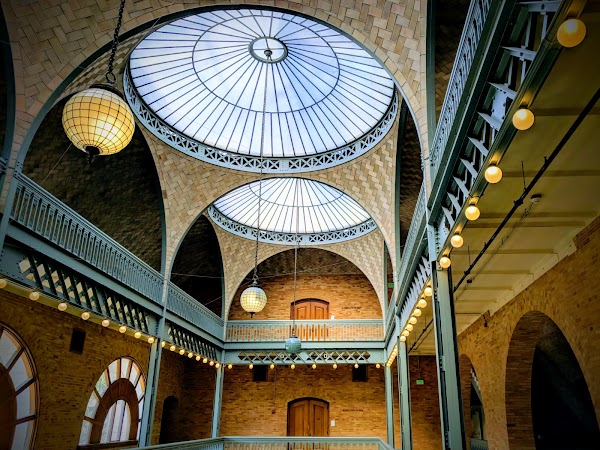
Hearst Memorial Mining Building
View on map
Audio Narrations
Introduction
This building used to house the College of Mining, one of the original colleges at the university. Today, it is the center for research on materials science and engineering.Historical Mine
The building has a mine located to the north of it, though it's no longer open to the public. This historical feature reflects the building's origins and its significance in mining education. Did you know? the mine was once used for practical mining exercises and experiments by students.Beautiful Architecture
Look upwards inside to see the beautiful architecture, inspired by classic European mining schools. The intricate details and grand design make it a standout building on campus. The building's main hall features ornate carvings and elegant arches, creating a sense of grandeur.
16
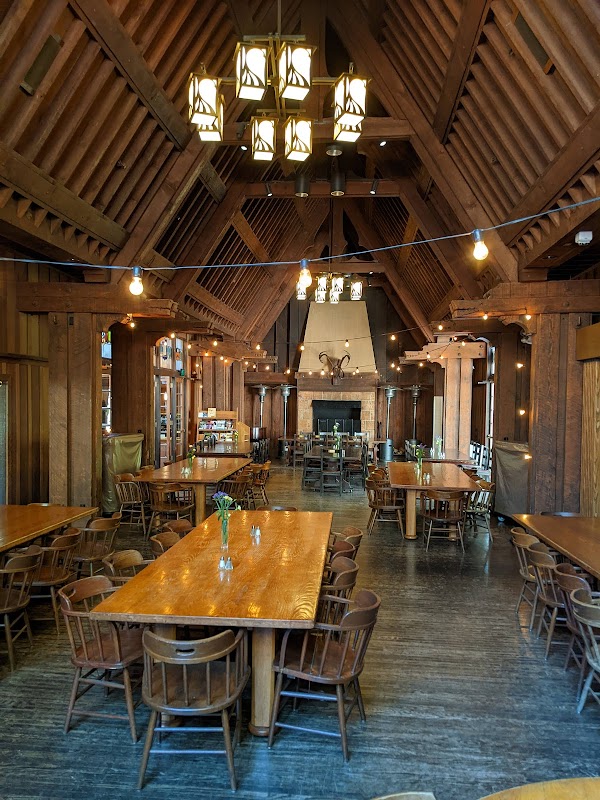
The Faculty Club
View on map
Audio Narrations
Introduction
Faculty Club offers meals and banquet facilities to faculty, staff, university guests, and visitors. Faculty Glade is a picturesque area on campus.4.0 Hill
Faculty Glade, also known as 4.0 Hill, is a hill where incoming freshmen roll down in hopes of attaining a 4.0 GPA. This quirky tradition adds a touch of fun to the academic aspirations of students. Did you know? many alumni return to roll down the hill during reunions, reliving their college days.Pappy Waldorf Statue
Look for the statue of Pappy Waldorf, Cal’s football coach from 1947 - 1956, who led the Bears to 3 consecutive Rose Bowls. This statue honors his contributions to the university's athletic legacy. Did you know? Pappy Waldorf is considered one of the most successful coaches in the history of Cal football.
17
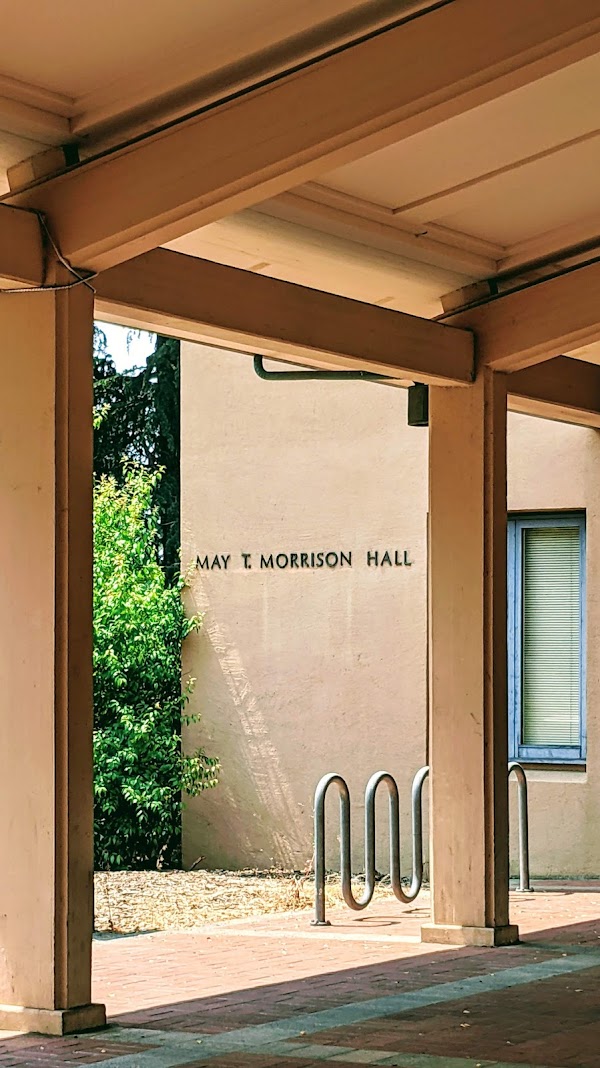
Morrison Hall
View on map
Audio Narrations
Introduction
Morrison Hall houses the core facilities of the Department of Music. It includes classrooms, practice rooms, and performance spaces.Music Library
Across the way from Morrison Hall is the Jean Gray Hargrove Music Library with 180,000 volumes of books and music. This library is a treasure trove for music students and scholars, offering extensive resources for research and study. Did you know? the library's collection includes rare manuscripts and historical recordings, making it a valuable resource for musicologists.Free Concerts
Morrison Hall often hosts free concerts and recitals open to the public. These events provide an opportunity for students to showcase their talents and for the community to enjoy high-quality performances. The hall's acoustics are designed to enhance musical performances, providing an excellent listening experience.
18
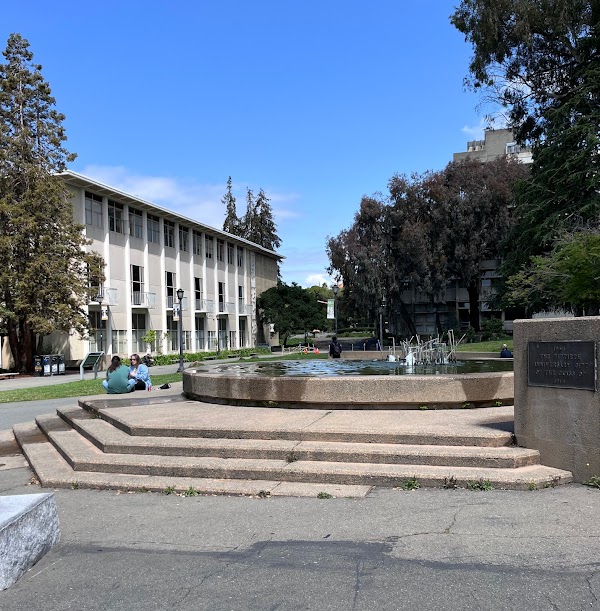
Wurster Hall/Kroeber Hall
View on map
Bancroft Way at College Ave.
Audio Narrations
Introduction
Wurster Hall houses the College of Environmental Design, specializing in architecture and design. It is designed in a style known as “Brutalism” which serves environmental purposes through the use of concrete and glass. Kroeber Hall houses the Art Practice and Anthropology Departments.Art and Murals
Check out the artwork and murals inside these buildings. These creative expressions reflect the vibrant artistic community at Berkeley and add a unique visual appeal to the halls. Did you know? one of the murals was painted by a renowned street artist and depicts the history of architectural innovation at Berkeley.Architectural Discussions
The design of Wurster Hall often sparks discussions on architectural aesthetics and sustainability. Its bold, raw concrete forms are a hallmark of Brutalism, a style that emphasizes functionality and structural honesty. The building's design incorporates passive solar heating and natural ventilation, showcasing principles of sustainable architecture.
19
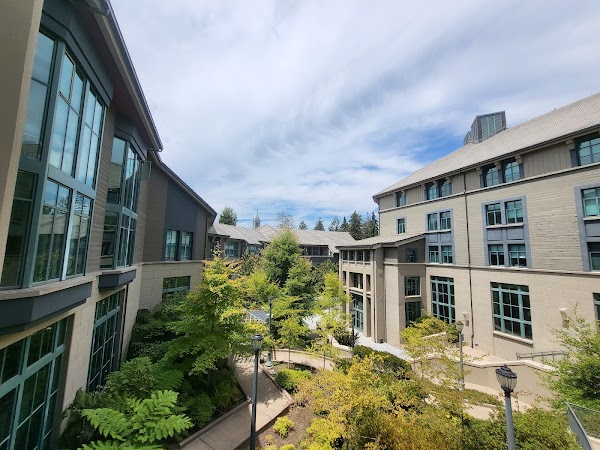
Haas School of Business
View on map
Audio Narrations
Introduction
The second oldest business school in the nation and the first established at a public university. It offers top-ranked graduate and undergraduate programs.Walter A. Haas
Haas is named after Walter A. Haas, the president of Levi Strauss and Co., the company famous for Levi's jeans. His leadership and philanthropy have had a lasting impact on the business school and the university. Did you know? Walter A. Haas was a Berkeley alumnus who remained deeply involved with the university throughout his life.Chou Hall
The new Chou Hall is a Zero Waste student-centered space (only compost and recycling). This initiative reflects the school’s commitment to sustainability and responsible business practices. Chou Hall is also equipped with the latest in educational technology, providing an innovative learning environment for students.
20
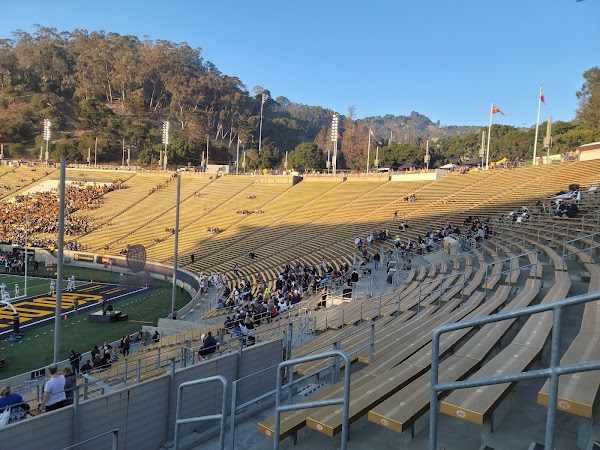
California Memorial Stadium
View on map
Audio Narrations
Introduction
Originally constructed in 1923, California Memorial Stadium is built right on top of the Hayward Fault. The facility is home to our Division 1 football and lacrosse teams and can seat up to 63,000 people.Simpson Center
Walk down the stairs from Gate 3 or Gate 4 and catch a glimpse of our Simpson Center for Student-Athlete High Performance through the glass. This state-of-the-art facility supports the training and development of student-athletes. Did you know? the Simpson Center includes a sports medicine center, strength and conditioning rooms, and academic support services for athletes.Memorial Purpose
The stadium is named in honor of Californians who lost their lives in World War I. It stands as a tribute to their sacrifice and a reminder of the university's commitment to honoring history. Plaques and inscriptions around the stadium commemorate the names of the fallen soldiers.
Experience the Full Tour
Download the DocentPro app to access all tour stops, complete audio narrations in multiple languages, offline maps, and interactive features.