
Artful Paris: A Creative Odyssey Through the City of Lights

Walking Tour

4.0 km (2.5 miles)

55 min travel time

6 Stops

Paris, France
Artful Paris: A Creative Odyssey Through the City of Lights
Tour Stops
1
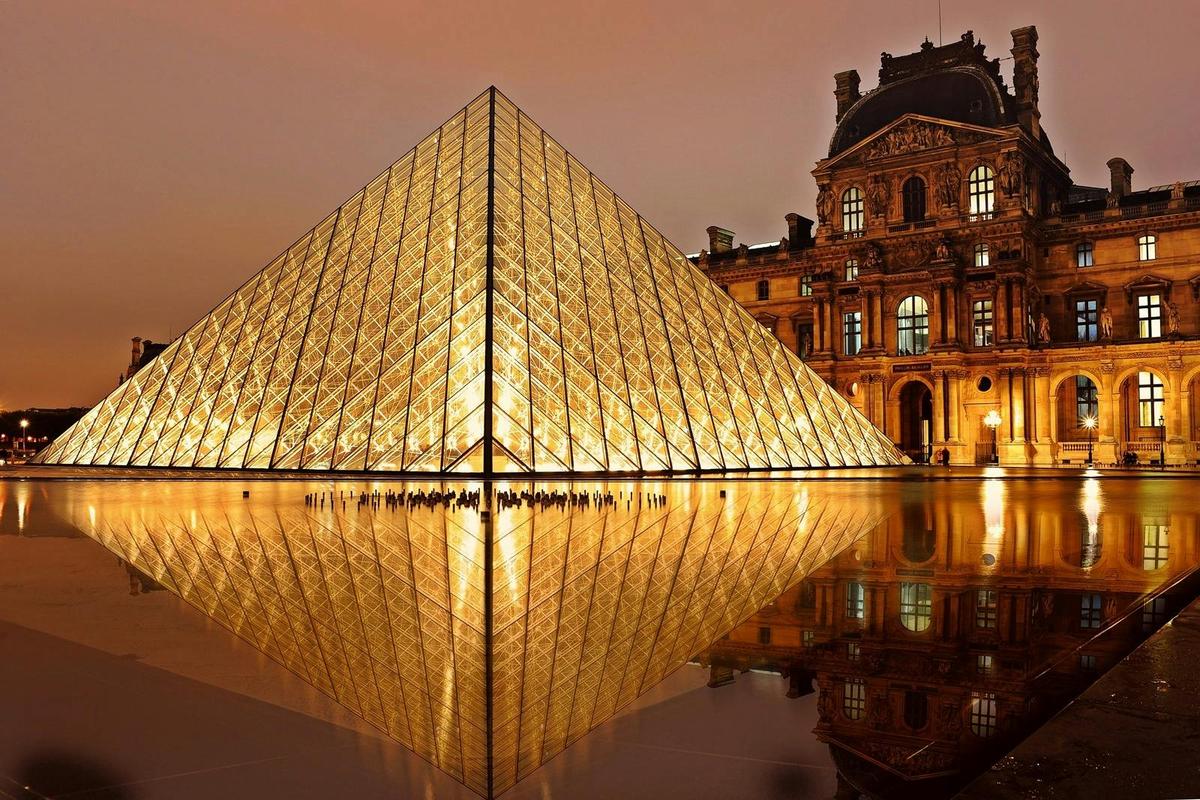
Louvre Museum
View on map
Audio Narrations
French
Introduction
Le musée du Louvre, un palais majestueux au cœur de Paris, abrite l'une des collections d'art les plus renommées au monde. Ses vastes salles présentent plus de 35 000 chefs-d'œuvre allant des civilisations antiques aux temps modernes. L'emblématique Joconde, avec son sourire énigmatique, attire d'innombrables visiteurs, tandis que la majestueuse Vénus de Milo, symbole de la beauté classique, captive par son élégance intemporelle. La collection d'antiquités égyptiennes du musée est inégalée, avec notamment le Sphinx énigmatique de Tanis et le Scribe accroupi exquis. Les trésors du Proche-Orient, tels que le Code de Hammurabi, offrent un aperçu des civilisations anciennes. L'art grec, étrusque et romain est également bien représenté, avec des pièces maîtresses telles que la Victoire de Samothrace et l'Apollon du Belvédère. La collection du Louvre s'étend au-delà des sculptures et des peintures, englobant les arts décoratifs, l'art islamique et un vaste éventail d'artefacts qui racontent l'histoire de la créativité humaine et du patrimoine culturel.Le plus grand musée du monde
En tant que plus grand musée du monde, le musée du Louvre à Paris, en Île-de-France, possède une collection inégalée de plus de 380 000 objets et expose 35 000 œuvres d'art à travers huit départements de conservation. Son vaste espace d'exposition s'étend sur un impressionnant 60 600 mètres carrés, ce qui en fait un colossal trésor de merveilles artistiques et historiques. La taille même du Louvre représente un défi unique, car les visiteurs pourraient passer 100 jours consécutifs à explorer ses galeries sans pour autant assimiler pleinement son immense collection. Cet extraordinaire musée témoigne du riche patrimoine culturel de l'humanité, présentant des chefs-d'œuvre de la préhistoire au XIXe siècle.Merveille architecturale
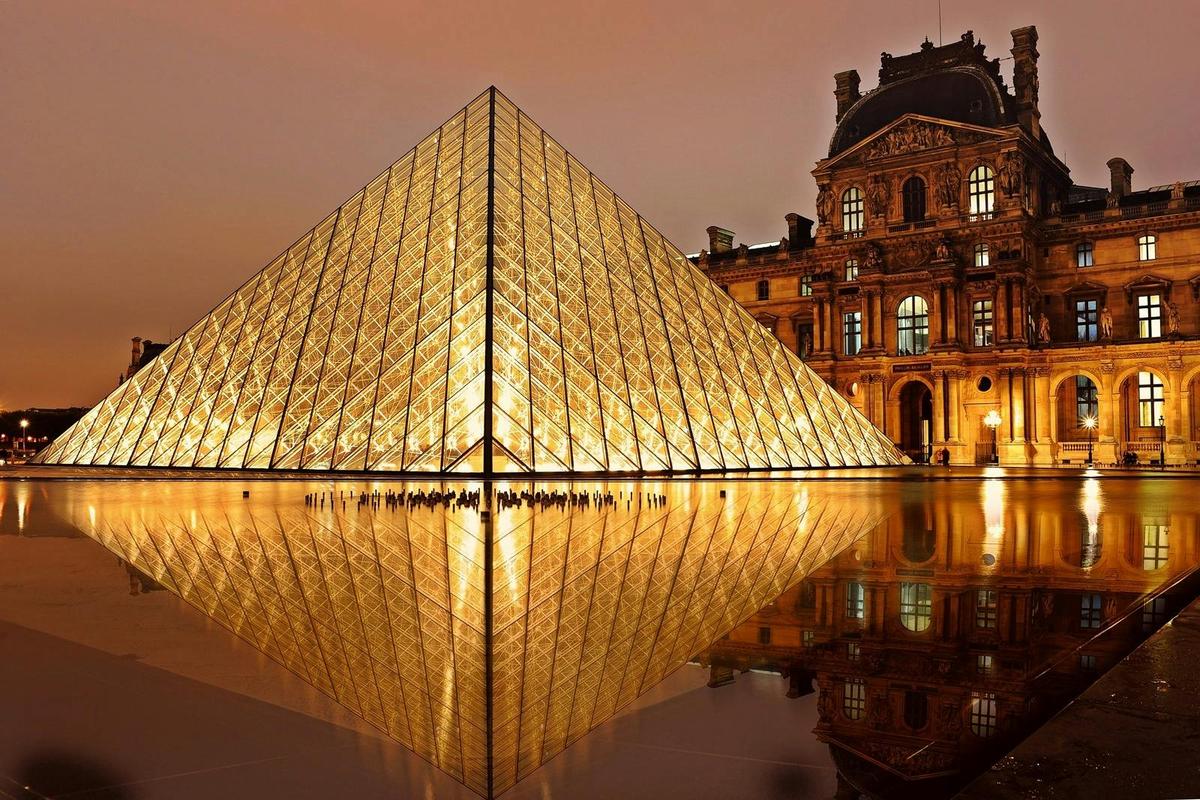
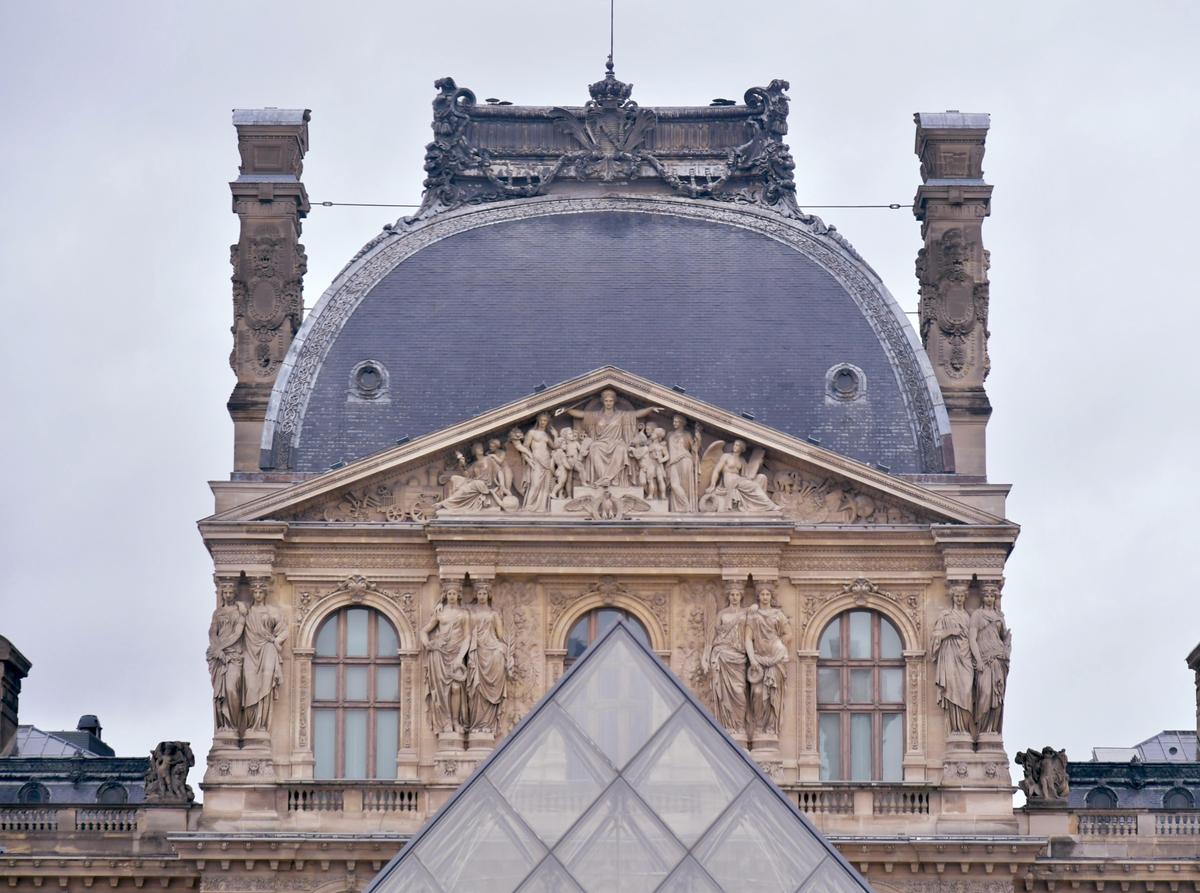
Le musée du Louvre à Paris, en Île-de-France, France, témoigne d'une brillance architecturale, mêlant grandeur historique et ingéniosité moderne. Son emblématique pyramide de verre, conçue par I.M. Pei, sert d'entrée saisissante, contrastant avec la façade classique du musée. La structure transparente de la pyramide permet à la lumière naturelle d'inonder le hall souterrain, créant une ambiance éthérée. Sous la pyramide se trouve un labyrinthe de galeries, chacune présentant une époque ou une civilisation distincte. La vaste collection de sculptures, de peintures et d'artefacts du musée est abritée dans des espaces méticuleusement conçus qui améliorent l'expérience du visiteur. La Grande Galerie, s'étendant sur plus de 400 mètres, expose des chefs-d'œuvre tels que la Joconde de Léonard de Vinci et Le Sacre de Napoléon de Jacques-Louis David. L'évolution architecturale du Louvre est évidente dans l'ensemble de son vaste complexe. Les fondations médiévales du Palais du Louvre, autrefois une forteresse, sont juxtaposées aux élégantes additions Renaissance du Palais des Tuileries. Les cours du musée, telles que la Cour Carrée et la Cour Napoléon, offrent des répit sereins au milieu de la foule animée. Au-delà de son attrait esthétique, l'architecture du Louvre sert un objectif fonctionnel. Ses galeries sont soigneusement organisées pour guider les visiteurs à travers l'histoire de l'art, de l'Égypte ancienne au XIXe siècle. L'utilisation innovante de l'espace par le musée, notamment les mezzanines et les niveaux souterrains, maximise la capacité d'exposition tout en maintenant un flux cohérent. En tant que merveille architecturale, le musée du Louvre captive les visiteurs par son harmonieux mélange d'éléments historiques et contemporains. Sa pyramide emblématique, ses vastes galeries et ses cours complexes en font un chef-d'œuvre de design, mettant en valeur le pouvoir durable de l'architecture à inspirer et à émerveiller.
2
Tuileries Garden
View on map
Audio Narrations
French
Introduction
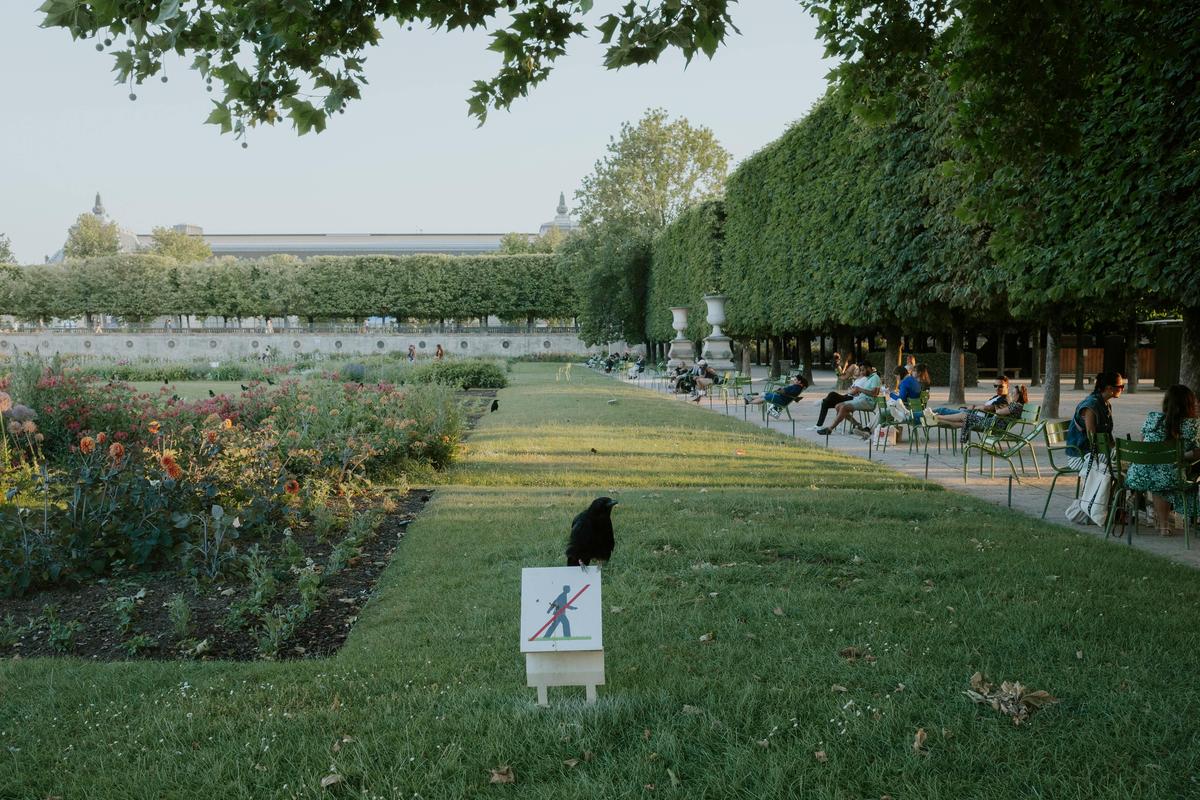
Le Jardin des Tuileries, oasis de verdure au cœur de Paris, déploie sa splendeur entre le Louvre et la Place de la Concorde. Ses origines remontent au XVIe siècle lorsque Catherine de Médicis transforma un quartier de tuileries en un jardin royal. Le réaménagement d'André Le Nôtre au XVIIe siècle lui conféra la grandeur d'un jardin à la française, avec ses allées symétriques, ses pelouses impeccables et ses fontaines ornementales. Au fil des siècles, les Tuileries ont été le théâtre de moments clés de l'histoire de France. Le jardin a servi de décor aux fêtes royales, à la prise de la Bastille et aux événements tragiques de la Révolution française. Aujourd'hui, il demeure un espace public apprécié, offrant un répit loin de l'agitation urbaine. Les visiteurs peuvent flâner le long de la Grande Allée, bordée de majestueux marronniers, ou se détendre au bord du bassin octogonal, lieu de prédilection des employés de bureau pour déjeuner et des enfants pour faire naviguer des bateaux miniatures. Le jardin est orné d'une multitude de sculptures, allant de chefs-d'œuvre classiques à des œuvres modernes de Rodin et Dubuffet. Les Tuileries abritent également deux musées de renom : le musée de l'Orangerie, qui expose la célèbre série des Nymphéas de Monet, et le Jeu de Paume, dédié à l'art contemporain. Sa riche histoire, ses trésors artistiques et son ambiance paisible font du Jardin des Tuileries une destination captivante pour les amateurs d'art, les passionnés d'histoire et les amoureux de la nature.Claude Monet
Le jardin des Tuileries, oasis verdoyante au cœur de Paris, revêt une importance profonde pour Claude Monet, le célèbre peintre impressionniste. C'est ici, au milieu des pelouses manucurées et des parterres de fleurs éclatants, que Monet a trouvé l'inspiration pour certaines de ses œuvres les plus emblématiques, en particulier sa célèbre série des « Nymphéas ». La fascination de Monet pour le jardin a commencé dans les années 1860, alors qu'il le fréquentait en tant que jeune artiste. Le cadre idyllique du jardin, avec ses étangs scintillants et sa végétation luxuriante, a captivé son imagination. Il installait souvent son chevalet sur les rives du Grand Bassin, capturant les jeux de lumière et les reflets à la surface de l'eau. Dans les années 1890, Monet a acheté une maison à Giverny, un village juste à l'extérieur de Paris. Cependant, il a continué à visiter régulièrement le jardin des Tuileries, trouvant réconfort et inspiration dans son atmosphère paisible. C'est à cette période qu'il a commencé à développer son style unique de peinture, caractérisé par ses coups de pinceau lâches et ses couleurs vibrantes. Les « Nymphéas » de Monet, qui représentent le bassin aux nymphéas du jardin, témoignent de sa profonde connexion avec les Tuileries. Ces œuvres, aujourd'hui conservées au musée de l'Orangerie, évoquent un sentiment de sérénité et de contemplation, invitant le spectateur à s'immerger dans la beauté de la nature. Au-delà de son attrait esthétique, le jardin des Tuileries a également procuré à Monet un sentiment de communauté. Il s'y réunissait souvent avec d'autres artistes, dont Pierre-Auguste Renoir et Edgar Degas, pour discuter d'art et partager des idées. Le jardin est devenu un lieu d'échange artistique et d'inspiration, favorisant l'épanouissement de Monet en tant qu'artiste. Aujourd'hui, le jardin des Tuileries reste un témoignage vivant de l'héritage de Monet. Les visiteurs peuvent flâner sur les mêmes chemins qu'il a autrefois empruntés, admirant la beauté qui a captivé son âme d'artiste. Le jardin nous rappelle l'impact profond que la nature a eu sur l'œuvre de Monet et l'influence durable de son art sur le monde.Palais des Tuileries
Le jardin des Tuileries, oasis verdoyante au cœur de Paris, possède une histoire captivante, intimement liée à la grandeur du palais des Tuileries. Conçu à l'origine comme une extension du palais, le jardin fut dessiné par Catherine de Médicis au XVIe siècle. Son nom, dérivé des fabriques de tuiles qui occupaient autrefois le site, évoque les humbles débuts du palais. Au fil des siècles, le jardin a évolué sous le patronage de monarques successifs. Henri IV l'agrandit en y ajoutant le Jardin Neuf avec sa fontaine centrale. Louis XIII le transforma en un terrain de jeu privé, agrémenté d'un zoo. André Le Nôtre, célèbre architecte paysagiste, redessina le jardin au XVIIe siècle, créant l'axe central emblématique qui s'étend du Louvre à la place de la Concorde. La proximité du palais fit du jardin le théâtre d'événements et de célébrations royales. Catherine de Médicis y organisa de somptueuses réceptions, tandis que Louis XIV l'utilisa pour de grandes promenades et des feux d'artifice. Le jardin fut également témoin de moments tumultueux, comme la prise du palais des Tuileries pendant la Révolution française. Aujourd'hui, le jardin des Tuileries témoigne de la gloire passée du palais. Ses pelouses manucurées, ornées de sculptures de Rodin, Giacometti et Maillol, invitent les visiteurs à flâner et à admirer les vestiges de la grandeur royale. L'axe central du jardin, autrefois symbole de la puissance de la monarchie, sert désormais de promenade paisible, reliant le Louvre à la place de la Concorde. En parcourant le jardin des Tuileries, laissez votre imagination vous transporter à l'époque fastueuse du palais des Tuileries. Imaginez la cour royale se promenant le long de l'axe central, le son des rires et de la musique emplissant l'air. La beauté et l'histoire du jardin s'entremêlent, offrant un aperçu de la grandeur et de l'intrigue qui se jouaient autrefois à l'intérieur des murs du palais.
3
Passerelle Léopold-Sédar-Senghor
View on map
Audio Narrations
English
Introduction
The Passerelle Léopold-Sédar-Senghor, a pedestrian bridge spanning the Seine River in Paris, is a captivating feat of modern architecture. Designed by the renowned Marc Mimram, the bridge's unique form resembles a giant harp, its strings gracefully arching over the water. The bridge's name honors Léopold Sédar Senghor, the first president of Senegal and a renowned poet. The Passerelle Léopold-Sédar-Senghor is not just a means of crossing the Seine; it is a work of art in its own right. The bridge's steel structure is adorned with 49 harp strings, each representing a different country in Africa. As the wind blows, the strings vibrate, creating a haunting melody that echoes across the river. The bridge is a popular destination for both locals and tourists, offering stunning views of the city skyline. From the bridge, visitors can admire the Eiffel Tower, the Louvre Museum, and the Notre Dame Cathedral. The Passerelle Léopold-Sédar-Senghor is a testament to the power of architecture to inspire and connect people.Public Art
Passerelle Léopold-Sédar-Senghor: A Public Art Gem in Paris The Passerelle Léopold-Sédar-Senghor, more than just a bridge across the Seine, is a public art masterpiece. Its sleek, modern design, crafted by renowned architect Marc Mimram, seamlessly blends form and function, creating a visually striking landmark. The bridge's single arch, devoid of supporting structures, allows for a wider span and a more expansive view of the river. Beyond its aesthetic appeal, the bridge embodies a deeper meaning. Its dedication to Léopold Sédar Senghor, a prominent Senegalese poet, politician, and cultural theorist, celebrates his contributions to African identity and cultural empowerment. This tribute is further reflected in the bridge's construction, which utilizes azobé wood, a material native to Sub-Saharan Africa, for its flooring and stairs. The Passerelle Léopold-Sédar-Senghor also serves as a testament to the innovative spirit of French engineering. Its intricate metallic framework, reminiscent of the iconic Eiffel Tower, was crafted in the renowned Eiffel workshops. The bridge's stability is ensured by two robust concrete piers, each anchored 15 meters deep into the earth. Despite its initial challenges with slight oscillations and slippery surfaces, the bridge's design has been recognized with the prestigious L'Équerre d'Argent prize. Today, it stands as a testament to Mimram's ingenuity and a beloved public art piece in the heart of Paris. The Passerelle Léopold-Sédar-Senghor offers a unique perspective on the city, allowing pedestrians to experience the Seine from a different vantage point. Its benches and lampposts provide a space for contemplation and relaxation, while the bridge's two levels offer a dynamic walking experience. This bridge is not just a means of crossing the river; it is a public art installation that celebrates cultural diversity, innovation, and the beauty of Parisian architecture. It serves as a reminder of the power of art to connect people and inspire them to embrace new perspectives.Urban Regeneration
Passerelle Léopold-Sédar-Senghor: A Symbol of Urban Regeneration in Paris The Passerelle Léopold-Sédar-Senghor, a pedestrian bridge spanning the Seine in Paris, stands as a testament to urban regeneration. Originally constructed in 1861 as the Pont de Solférino, the bridge underwent a significant transformation in 1999, evolving from a vehicular bridge to a modern pedestrian walkway. This metamorphosis embodies the city's commitment to revitalizing its riverfront and prioritizing pedestrian accessibility. The bridge's initial incarnation as a cast-iron structure served the needs of a rapidly industrializing Paris. However, as the city matured and traffic patterns shifted, the Pont de Solférino became obsolete. Its demolition and subsequent replacement with a sleek, steel footbridge marked a turning point in the city's approach to urban development. The Passerelle Léopold-Sédar-Senghor's design reflects a conscious effort to integrate the bridge seamlessly into its surroundings. The single-span structure, devoid of intermediate support, minimizes its footprint on the river, allowing for unobstructed views and enhanced water flow. The use of exotic hardwood for the walkways adds a touch of natural elegance, complementing the surrounding landscape. Beyond its aesthetic appeal, the bridge serves a crucial role in connecting disparate parts of the city. It provides a direct link between the Musée d'Orsay on the Left Bank and the Jardin des Tuileries on the Right Bank, fostering pedestrian movement and encouraging cultural exchange. This enhanced connectivity contributes to the revitalization of both riverbanks, attracting visitors and residents alike. The Passerelle Léopold-Sédar-Senghor's transformation exemplifies Paris's commitment to urban regeneration. It showcases a shift towards prioritizing pedestrian-friendly spaces, promoting cultural engagement, and revitalizing underutilized areas. The bridge stands as a testament to the city's ability to adapt and evolve, embracing innovative solutions to enhance its urban landscape.
4
Musée d'Orsay
View on map
Audio Narrations
English
Introduction
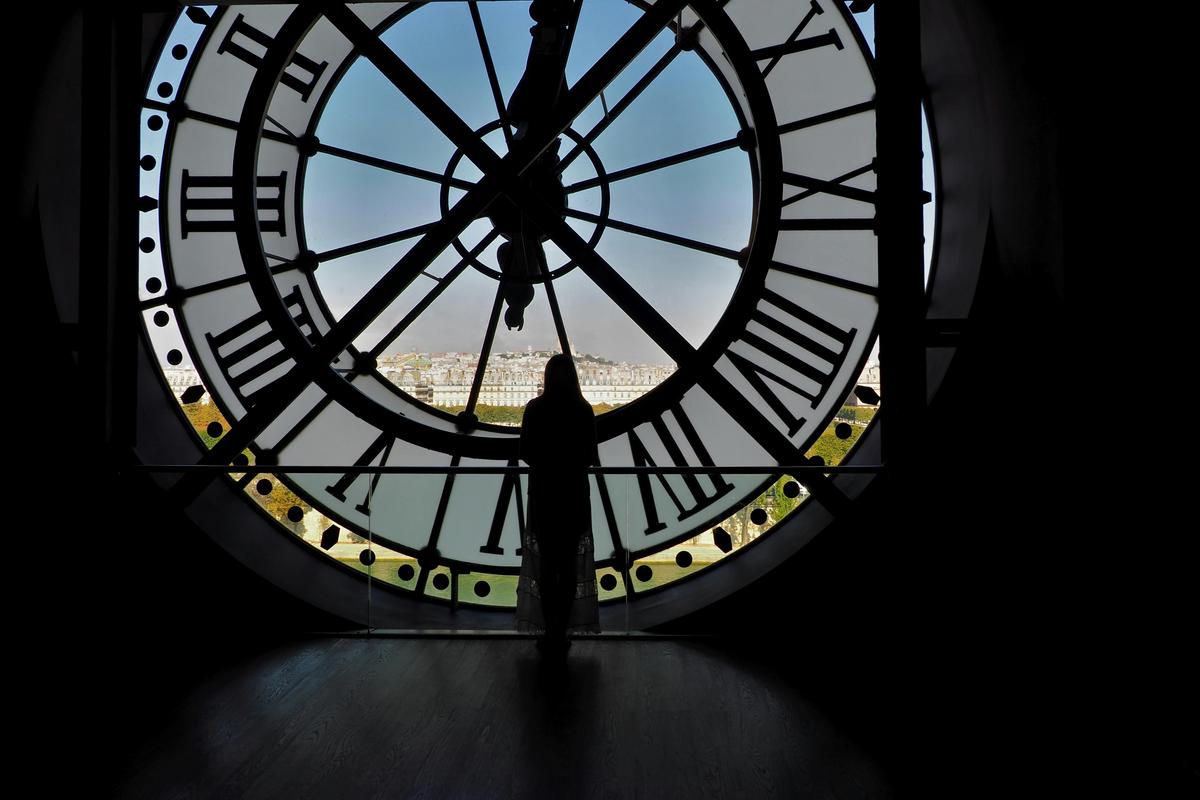
The Musée d'Orsay, a renowned art museum in Paris, resides in the former Gare d'Orsay, a Beaux-Arts railway station built for the 1900 Exposition Universelle. Its collection spans French art from 1848 to 1914, boasting the world's largest assemblage of Impressionist and post-Impressionist masterpieces. Notable artists represented include Monet, Manet, Cézanne, Renoir, and van Gogh. The museum's unique architecture, featuring a central nave formed by the original train platforms, provides an awe-inspiring setting for these artistic treasures. One captivating highlight is a 1:100 scale model of the Paris Opera and its surroundings, encapsulated under glass flooring, offering visitors a glimpse into the city's historical urban planning.Former Railway Station
Musée d'Orsay in Paris, Île-de-France, France, stands as a testament to the ingenuity of repurposing historic structures. Once a bustling railway station, the Gare d'Orsay was transformed into a magnificent museum in 1986, preserving its architectural grandeur while embracing a new cultural purpose. The station's original design, conceived by Victor Laloux, showcased a Beaux-Arts style with ornate facades adorned with sculptures representing railway destinations. Its vast train shed, a marvel of engineering, featured a steel and glass arch spanning over 138 meters, creating an awe-inspiring space. Today, the museum's grand hall, once filled with the clamor of arriving and departing trains, serves as a majestic setting for monumental sculptures. The former railway hotel, now housing the museum's painting collection, offers a serene ambiance for contemplating masterpieces by Monet, Renoir, and Van Gogh. The conversion of the Gare d'Orsay into the Musée d'Orsay not only saved a remarkable architectural landmark but also created a unique and immersive experience for visitors. The museum's galleries, nestled within the station's original structure, seamlessly blend the industrial heritage of the past with the artistic treasures of the present.Post-Impressionism
Musée d'Orsay in Paris, Île-de-France, France, houses an unparalleled collection of Post-Impressionist masterpieces, offering a profound immersion into this transformative art movement. The museum's fifth floor is a sanctuary for Post-Impressionist enthusiasts, showcasing works by trailblazing artists who pushed the boundaries of traditional painting. One of the highlights is Paul Cézanne's "The Card Players," a series of paintings that deconstruct form and perspective, laying the groundwork for Cubism. Vincent van Gogh's vibrant "Starry Night Over the Rhône" captivates with its swirling, expressive brushstrokes, while Georges Seurat's "A Sunday Afternoon on the Island of La Grande Jatte" exemplifies Pointillism's meticulous application of tiny dots to create a mosaic-like effect. Beyond these iconic works, Musée d'Orsay presents a comprehensive survey of Post-Impressionism's diverse expressions. Paul Gauguin's vibrant depictions of Tahiti explore the interplay of color and symbolism, while Henri de Toulouse-Lautrec's incisive social commentary is evident in his depictions of Parisian nightlife. Odilon Redon's ethereal pastels delve into the realm of dreams and the subconscious. The museum's collection not only showcases the evolution of Post-Impressionism but also its profound influence on subsequent art movements. Visitors can trace the transition from Impressionism's focus on light and atmosphere to Post-Impressionism's exploration of structure, symbolism, and emotional expression. Musée d'Orsay's Post-Impressionist collection is a testament to the transformative power of art. It invites visitors to engage with the bold visions and innovative techniques that shaped the course of modern art, leaving an enduring legacy that continues to inspire and captivate.
5
Pont Neuf
View on map
Audio Narrations
English
Introduction
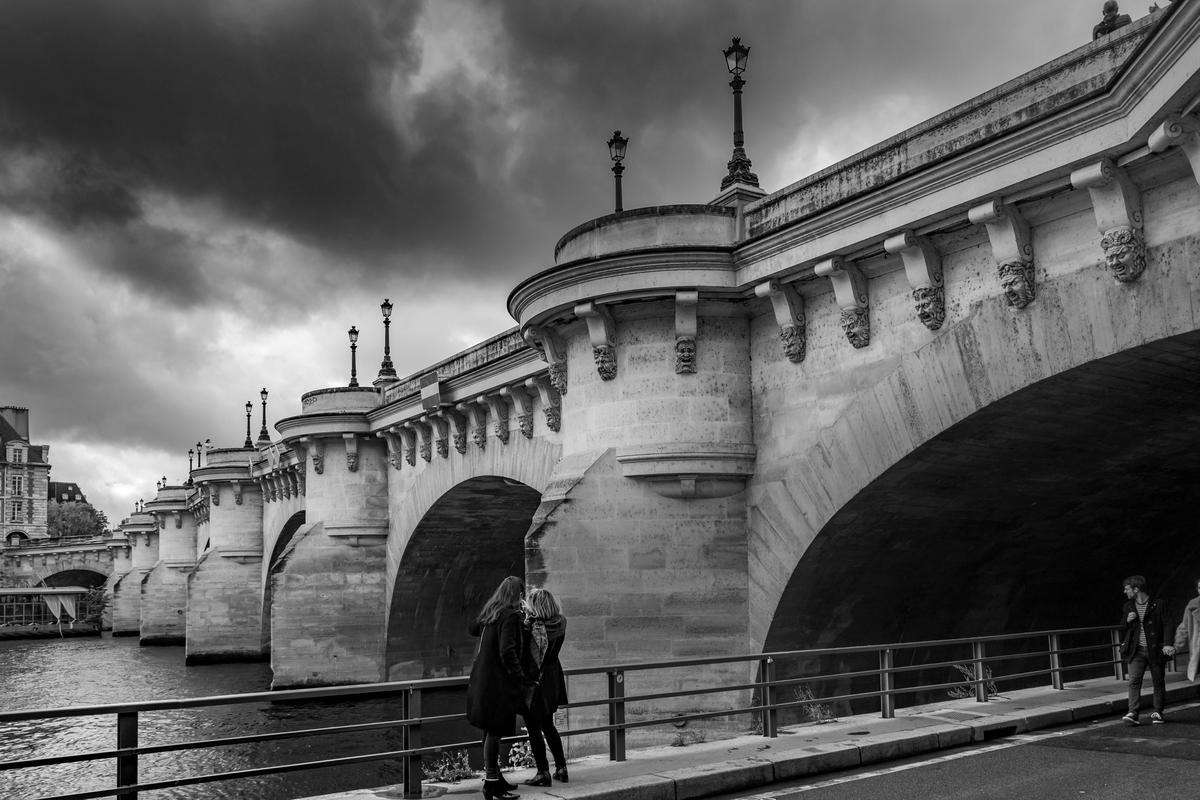
The Pont Neuf, a majestic stone bridge spanning the Seine River in Paris, stands as the oldest existing bridge in the city. Constructed between 1578 and 1607, it was designed by Baptiste du Cerceau and Pierre des Illes, possibly incorporating an earlier design by Guillaume Marchand. The bridge's unique design, featuring two separate spans connecting the Île de la Cité to both banks of the Seine, has made it an architectural marvel. The Pont Neuf boasts an impressive length of 238 meters and a width of 20.50 meters, including a causeway of 11.50 meters and two pavements of 4.50 meters each. Its 12 arches symbolize the 12 countries that adopted the euro currency in 2002. One of the bridge's most striking features is its collection of 381 mascarons, or stone masks, adorning each pile. These intricate sculptures, attributed to Germain Pilon, depict forest and field divinities, satyrs, and sylvains, adding a touch of whimsy to the bridge's otherwise austere design. At the point where the bridge crosses the Île de la Cité, a bronze equestrian statue of King Henry IV stands proudly. Originally commissioned in 1614, the statue was destroyed during the French Revolution but later rebuilt in 1818. Throughout its history, the Pont Neuf has been a hub of Parisian life, attracting merchants, entertainers, and even charlatans. It has witnessed countless events, from the Corpus Christi processions to the unveiling of the first photograph featuring a human being. Today, the bridge remains a popular destination for tourists and locals alike, offering breathtaking views of the city and a glimpse into its rich past.Landmark of Paris
The Pont Neuf, a testament to architectural ingenuity, stands as a prominent landmark in the heart of Paris. Completed in 1607, it holds the distinction of being the oldest bridge in the city, spanning the Seine River with its two separate spans. Its name, meaning "New Bridge," ironically reflects its enduring legacy as the oldest. Unlike other bridges of its time, the Pont Neuf was designed without houses lining its sides, a feature that set it apart and contributed to its enduring appeal. The bridge's design incorporates several notable elements. Its two sections, one with five arches and the other with seven, were constructed at a slight angle to enhance their resilience against the river's currents. The decision to omit houses from the bridge was driven by King Henry IV's desire to preserve an unobstructed view of the Louvre Palace. This foresight has allowed the bridge to remain a popular spot for admiring the city's architectural marvels. Over the centuries, the Pont Neuf has witnessed countless historical events and cultural transformations. It has served as a stage for street performers, a gathering place for social commentary, and a backdrop for artistic inspiration. Its central location has made it a hub for both locals and tourists, who flock to its banks to soak in the Parisian ambiance. Today, the Pont Neuf stands as a symbol of Paris' rich history and architectural heritage. Its enduring charm and timeless design continue to captivate visitors, making it a beloved landmark and a must-see destination for anyone seeking to delve into the heart of the City of Lights.Historic Parisian Bridge
Pont Neuf, the oldest standing bridge in Paris, stands out as a testament to innovative bridge engineering and architectural prowess. Unlike its predecessors, Pont Neuf was the first bridge in Paris to be constructed without houses lining its sides, a design choice that set the standard for subsequent bridges. It was also the first to feature dedicated pedestrian walkways, protecting foot traffic from the bustling thoroughfare and muddy conditions. Pont Neuf's unique design extended to its structural elements. Its arches were built at a slight angle to enhance its resilience against the river's currents, a modification from the originally planned straight alignment. The bridge's construction spanned several decades, with interruptions due to political unrest and religious wars. Upon its completion in 1607, Pont Neuf became a hub for itinerant merchants, charlatans, and booksellers, who took advantage of its wide sidewalks and alcoves for their commercial activities. The bridge's 381 mascarons, grotesque sculptures adorning its stone brackets, added a touch of whimsy and served as a protective charm against evil spirits. Today, Pont Neuf remains a beloved Parisian landmark, its historical significance and architectural beauty attracting visitors from around the world. Its enduring legacy as a Historic Parisian Bridge is a testament to the ingenuity and foresight of its creators, who shaped the course of bridge design in the city and beyond.
6
The Centre Pompidou
View on map
Audio Narrations
English
Introduction
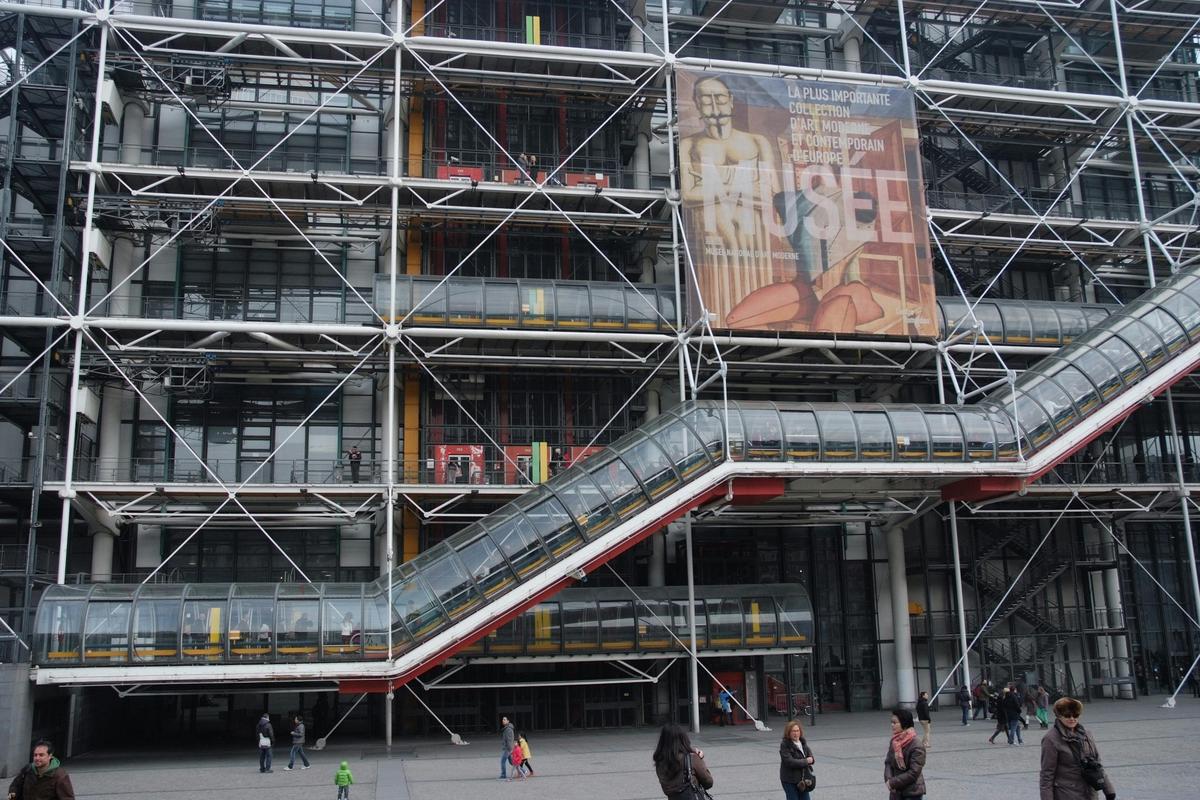
The Centre Pompidou, an architectural marvel in the heart of Paris, is a complex that houses the Musée National d'Art Moderne, the largest museum for modern art in Europe. Designed by Renzo Piano and Richard Rogers, the building's distinctive exterior features exposed structural elements painted in vibrant colors, earning it the nickname "Beaubourg." The museum boasts an extensive collection of 20th and 21st-century art, including masterpieces by Picasso, Matisse, and Kandinsky. In addition to its art collection, the Centre Pompidou also hosts exhibitions, film screenings, and concerts, making it a vibrant hub for cultural exploration.Contemporary Art Center
The Centre Pompidou, an architectural marvel in the heart of Paris, stands as a beacon of contemporary art. Its unconventional design, with its exposed structural elements and colorful piping, reflects the avant-garde spirit of the art it houses. The Musée National d'Art Moderne, the largest museum for modern art in Europe, calls the Centre Pompidou home. Its vast collection spans the 20th and 21st centuries, showcasing masterpieces from Picasso, Matisse, and Kandinsky to Warhol, Pollock, and Koons. The Centre Pompidou also boasts a renowned library, the Bibliothèque publique d'information, offering an extensive collection of art-related literature and resources. It is a hub for exhibitions, performances, and educational programs, fostering a vibrant and dynamic contemporary art scene. The Centre Pompidou's commitment to pushing boundaries and showcasing the latest trends in art makes it a must-visit destination for any enthusiast seeking an immersive experience in the realm of contemporary art.International Expansion
The Centre Pompidou's international expansion strategy has seen the establishment of satellite museums and partnerships worldwide. In 2015, a temporary outpost, "The Cube," was unveiled in Málaga, Spain, showcasing a rotating collection of 20th and 21st-century works. The Centre Pompidou also has a presence in Brussels, where it operates KANAL - Centre Pompidou, a multidisciplinary art center housed in a former Citroën garage. In Asia, the Centre Pompidou has partnered with the West Bund Art Museum in Shanghai, China, to establish the Centre Pompidou x West Bund Museum. This collaboration features exhibitions curated by the Centre Pompidou and highlights works from its collection. The Centre Pompidou's global reach extends to North America, with plans for a satellite museum in Jersey City, New Jersey, set to open in 2024. This outpost will mark the Centre Pompidou's first presence in the United States. The Centre Pompidou's international expansion not only extends its reach but also fosters cultural exchange and promotes the appreciation of modern and contemporary art on a global scale.
Experience the Full Tour
Download the DocentPro app to access all tour stops, complete audio narrations in multiple languages, offline maps, and interactive features.