
Artful Paris: A Creative Odyssey Through the City of Lights

Walking Tour

4.0 km (2.5 miles)

55 min travel time

6 Stops

Paris, France
Artful Paris: A Creative Odyssey Through the City of Lights
Tour Stops
1
Louvre Museum
View on map
Audio Narrations
Korean
서론
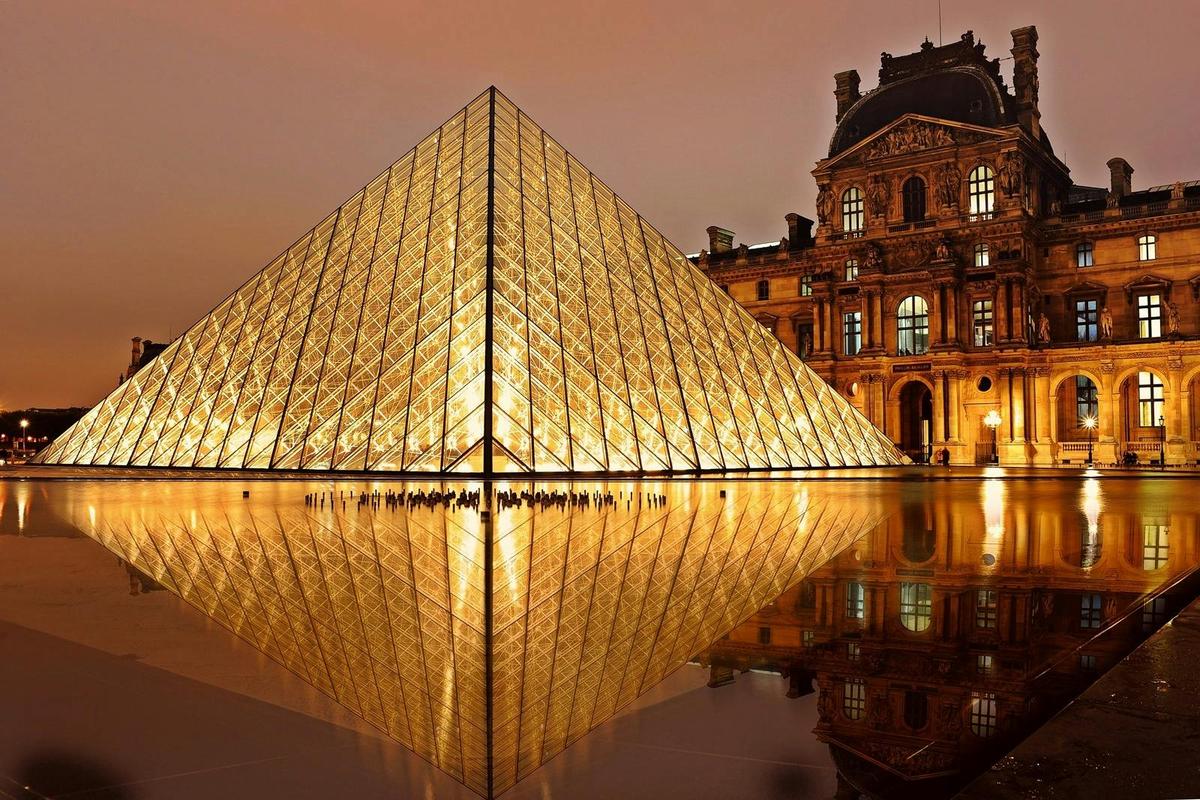
파리 중심부에 자리한 장엄한 궁전인 루브르 박물관은 세계에서 가장 유명한 미술품들을 소장하고 있습니다. 광활한 전시관에는 고대 문명부터 현대까지 35,000점이 넘는 걸작들이 전시되어 있습니다. 신비로운 미소를 띤 모나리자는 수많은 관람객을 끌어모으고, 고전적인 아름다움을 상징하는 웅장한 밀로의 비너스는 시대를 초월한 우아함으로 보는 이를 사로잡습니다. 루브르 박물관의 이집트 유물 소장품은 비길 데 없이 훌륭하며, 신비로운 타니스의 스핑크스와 정교한 서기관상이 대표적입니다. 함무라비 법전과 같은 근동 지역의 보물들은 고대 문명을 엿볼 수 있는 기회를 제공합니다. 그리스, 에트루리아, 로마 예술 또한 잘 전시되어 있으며, 사모트라케의 니케상과 아폴론 벨베데레상이 대표적인 걸작입니다. 루브르 박물관의 소장품은 조각과 회화를 넘어 장식 예술, 이슬람 예술, 그리고 인간의 창의성과 문화유산을 보여주는 방대한 유물들을 포함합니다.세계 최대 박물관
세계에서 가장 큰 박물관인 프랑스 일드프랑스 파리의 루브르 박물관은 8개의 전시 부서에 걸쳐 38만 점이 넘는 소장품과 3만 5천 점의 예술 작품을 자랑합니다. 60,600제곱미터에 달하는 광대한 전시 공간은 예술적, 역사적 경이로움을 간직한 거대한 보물 창고입니다. 루브르 박물관의 엄청난 규모는 방문객들이 100일 연속으로 미술관을 탐험하더라도 그 방대한 소장품을 완전히 감상할 수 없다는 점에서 특별한 과제를 제시합니다. 이 특별한 박물관은 선사 시대부터 19세기까지의 걸작을 전시하며 인류의 풍부한 문화유산을 보여주는 증거입니다.건축학적 걸작
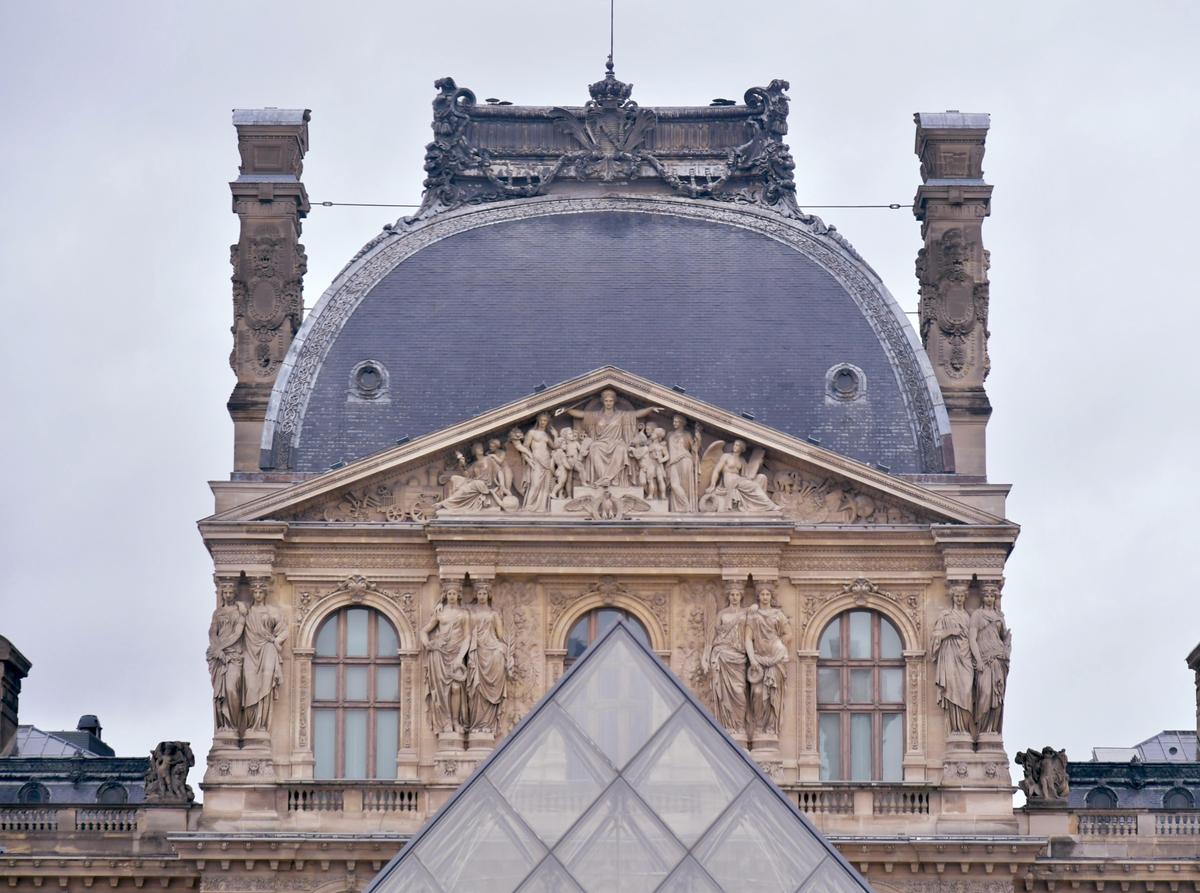
프랑스 일드프랑스 파리에 위치한 루브르 박물관은 역사적인 건축물의 장엄함과 현대적인 독창성을 조화롭게 융합하여 건축적 화려함의 증거로 우뚝 서 있습니다. I.M. 페이가 설계한 상징적인 유리 피라미드는 박물관의 고전적인 외관과 대조를 이루며 인 striking 입구 역할을 합니다. 피라미드의 투명한 구조는 자연광이 지하 로비에 쏟아지도록 하여 아름다운 분위기를 자아냅니다. 피라미드 아래에는 미로 같은 여러 갤러리가 있으며, 각 갤러리는 뚜렷한 시대나 문명을 보여줍니다. 방대한 조각, 그림 및 유물 컬렉션은 방 방문객 경험을 향상시키는 세 심하게 설계된 공간에 소장되어 있습니다. 400m가 넘는 그랑 갤러리에는 레오나르도 다빈치의 모나리자, 자크 루이 다비드의 나폴레옹 대관식과 같은 걸작이 전시되어 있습니다. 루브르 박물관의 건축적 진화는 광대한 단지 전체에서 분명하게 드러납니다. 한때 요새였던 루브르 궁전의 중세 기초는 튈르리 궁전의 우아한 르네상스 양식과 나란히 놓여 있습니다. 쿠르 카레와 쿠르 나폴레옹과 같은 박물관의 안뜰은 북적이는 군중 속에서 평온한 휴식을 제공합니다. 미적 매력을 넘어 루브르 박물관의 건축은 기능적인 목적을 수행합니다. 갤러리는 고대 이집트부터 19세기까지 미술사를 통해 방문객을 안내하도록 신중하게 큐레이션되었습니다. 메자닌과 지하층을 포함한 혁신적인 공간 활용을 통해 일관된 흐름을 유지하면서 전시 용량을 극대화합니다. 건축학적 경이로움인 루브르 박물관은 역사적 요소와 현대적 요소가 조화롭게 어우러져 방문객을 사로잡습니다. 상징적인 피라미드, 광대한 갤러리, 복잡한 안뜰은 영감을 주고 경외감을 불러일으키는 건축의 영속적인 힘을 보여주는 디자인의 걸작입니다.
2
Tuileries Garden
View on map
Audio Narrations
English
Introduction
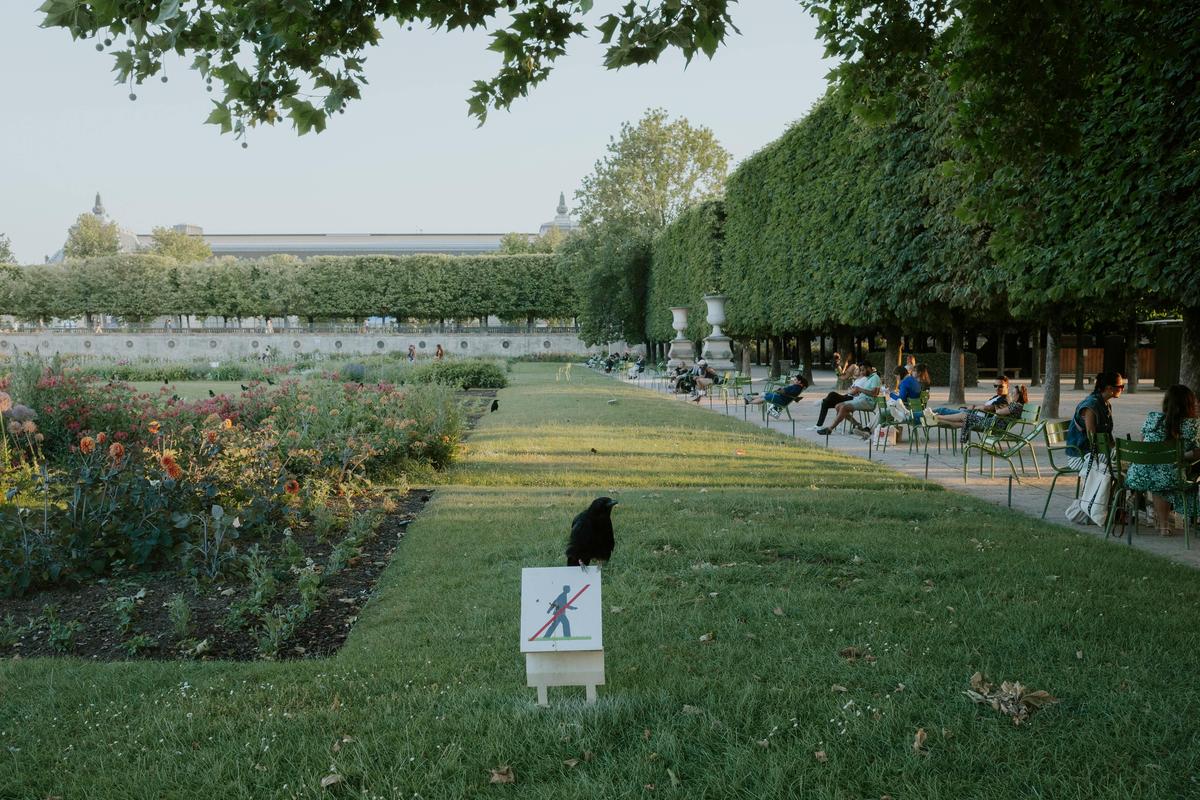
The Tuileries Garden, a verdant oasis in the heart of Paris, unfolds its splendor between the Louvre and Place de la Concorde. Its origins trace back to the 16th century when Catherine de Medici transformed a tile-making district into a royal garden. André Le Nôtre's redesign in the 17th century imbued it with the grandeur of a French formal garden, featuring symmetrical alleys, manicured lawns, and ornate fountains. Over the centuries, the Tuileries has witnessed pivotal moments in French history. It served as the backdrop for royal celebrations, the storming of the Bastille, and the tragic events of the French Revolution. Today, it remains a beloved public space, offering respite from the city's bustle. Visitors can stroll along the Grand Allée, flanked by majestic chestnut trees, or relax by the octagonal basin, a popular spot for lunching office workers and children sailing miniature boats. The garden is adorned with an array of sculptures, from classical masterpieces to modern works by Rodin and Dubuffet. The Tuileries also houses two renowned museums: the Musée de l'Orangerie, showcasing Monet's iconic Water Lilies series, and the Jeu de Paume, dedicated to contemporary art. Its rich history, artistic treasures, and serene ambiance make the Tuileries Garden a captivating destination for art enthusiasts, history buffs, and nature lovers alike.Claude Monet
The Tuileries Garden, a verdant oasis in the heart of Paris, holds a profound significance for Claude Monet, the renowned Impressionist painter. It was here, amidst the manicured lawns and vibrant flowerbeds, that Monet found inspiration for some of his most iconic works, particularly his celebrated "Water Lilies" series. Monet's fascination with the garden began in the 1860s when he frequented it as a young artist. The garden's idyllic setting, with its shimmering ponds and lush vegetation, captivated his imagination. He would often set up his easel along the banks of the Grand Bassin, capturing the play of light and reflections on the water's surface. In the 1890s, Monet purchased a house in Giverny, a village just outside Paris. However, he continued to visit the Tuileries Garden regularly, finding solace and inspiration in its tranquil atmosphere. It was during this period that he began to develop his unique style of painting, characterized by its loose brushstrokes and vibrant colors. Monet's "Water Lilies" paintings, which depict the garden's lily pond, are a testament to his deep connection with the Tuileries. These works, now housed in the Musée de l'Orangerie, evoke a sense of serenity and contemplation, inviting viewers to immerse themselves in the beauty of nature. Beyond its aesthetic appeal, the Tuileries Garden also provided Monet with a sense of community. He would often gather with fellow artists, including Pierre-Auguste Renoir and Edgar Degas, to discuss art and share ideas. The garden became a hub for artistic exchange and inspiration, fostering Monet's growth as an artist. Today, the Tuileries Garden remains a living testament to Monet's legacy. Visitors can stroll through the same paths that he once walked, admiring the beauty that captivated his artistic soul. The garden serves as a reminder of the profound impact that nature had on Monet's work and the enduring influence of his art on the world.Tuileries Palace
The Tuileries Garden, a verdant oasis in the heart of Paris, holds a captivating history intertwined with the grandeur of the Tuileries Palace. Originally conceived as an extension of the palace, the garden was designed by Catherine de Medici in the 16th century. Its name, derived from the tile factories that once occupied the site, evokes the palace's humble beginnings. Over the centuries, the garden evolved under the patronage of successive monarchs. Henry IV expanded it, adding the Jardin Neuf with its central fountain. Louis XIII transformed it into a private playground, complete with a zoo. André Le Nôtre, the renowned landscape architect, redesigned the garden in the 17th century, creating the iconic central axis that extends from the Louvre to the Place de la Concorde. The garden's proximity to the palace made it a stage for royal events and celebrations. Catherine de Medici hosted lavish receptions, while Louis XIV used it for grand promenades and fireworks displays. The garden also witnessed moments of turmoil, such as the storming of the Tuileries Palace during the French Revolution. Today, the Tuileries Garden stands as a testament to the palace's former glory. Its manicured lawns, adorned with sculptures by Rodin, Giacometti, and Maillol, invite visitors to stroll and admire the remnants of royal grandeur. The garden's central axis, once a symbol of the monarchy's power, now serves as a tranquil promenade, connecting the Louvre to the Place de la Concorde. As you wander through the Tuileries Garden, let your imagination transport you back to the opulent days of the Tuileries Palace. Picture the royal court promenading along the central axis, the sound of laughter and music filling the air. The garden's beauty and history intertwine, offering a glimpse into the grandeur and intrigue that once unfolded within the palace walls.
3
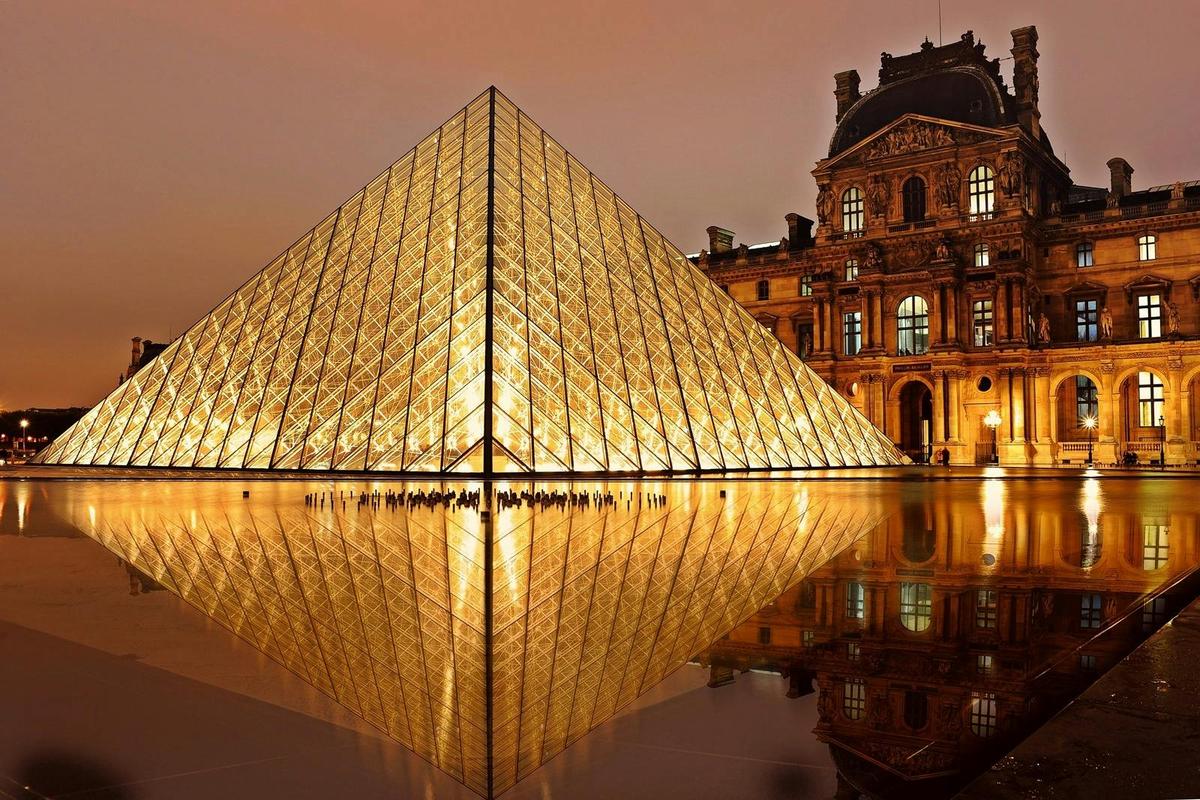
Passerelle Léopold-Sédar-Senghor
View on map
Audio Narrations
English
Introduction
The Passerelle Léopold-Sédar-Senghor, a pedestrian bridge spanning the Seine River in Paris, is a captivating feat of modern architecture. Designed by the renowned Marc Mimram, the bridge's unique form resembles a giant harp, its strings gracefully arching over the water. The bridge's name honors Léopold Sédar Senghor, the first president of Senegal and a renowned poet. The Passerelle Léopold-Sédar-Senghor is not just a means of crossing the Seine; it is a work of art in its own right. The bridge's steel structure is adorned with 49 harp strings, each representing a different country in Africa. As the wind blows, the strings vibrate, creating a haunting melody that echoes across the river. The bridge is a popular destination for both locals and tourists, offering stunning views of the city skyline. From the bridge, visitors can admire the Eiffel Tower, the Louvre Museum, and the Notre Dame Cathedral. The Passerelle Léopold-Sédar-Senghor is a testament to the power of architecture to inspire and connect people.Public Art
Passerelle Léopold-Sédar-Senghor: A Public Art Gem in Paris The Passerelle Léopold-Sédar-Senghor, more than just a bridge across the Seine, is a public art masterpiece. Its sleek, modern design, crafted by renowned architect Marc Mimram, seamlessly blends form and function, creating a visually striking landmark. The bridge's single arch, devoid of supporting structures, allows for a wider span and a more expansive view of the river. Beyond its aesthetic appeal, the bridge embodies a deeper meaning. Its dedication to Léopold Sédar Senghor, a prominent Senegalese poet, politician, and cultural theorist, celebrates his contributions to African identity and cultural empowerment. This tribute is further reflected in the bridge's construction, which utilizes azobé wood, a material native to Sub-Saharan Africa, for its flooring and stairs. The Passerelle Léopold-Sédar-Senghor also serves as a testament to the innovative spirit of French engineering. Its intricate metallic framework, reminiscent of the iconic Eiffel Tower, was crafted in the renowned Eiffel workshops. The bridge's stability is ensured by two robust concrete piers, each anchored 15 meters deep into the earth. Despite its initial challenges with slight oscillations and slippery surfaces, the bridge's design has been recognized with the prestigious L'Équerre d'Argent prize. Today, it stands as a testament to Mimram's ingenuity and a beloved public art piece in the heart of Paris. The Passerelle Léopold-Sédar-Senghor offers a unique perspective on the city, allowing pedestrians to experience the Seine from a different vantage point. Its benches and lampposts provide a space for contemplation and relaxation, while the bridge's two levels offer a dynamic walking experience. This bridge is not just a means of crossing the river; it is a public art installation that celebrates cultural diversity, innovation, and the beauty of Parisian architecture. It serves as a reminder of the power of art to connect people and inspire them to embrace new perspectives.Urban Regeneration
Passerelle Léopold-Sédar-Senghor: A Symbol of Urban Regeneration in Paris The Passerelle Léopold-Sédar-Senghor, a pedestrian bridge spanning the Seine in Paris, stands as a testament to urban regeneration. Originally constructed in 1861 as the Pont de Solférino, the bridge underwent a significant transformation in 1999, evolving from a vehicular bridge to a modern pedestrian walkway. This metamorphosis embodies the city's commitment to revitalizing its riverfront and prioritizing pedestrian accessibility. The bridge's initial incarnation as a cast-iron structure served the needs of a rapidly industrializing Paris. However, as the city matured and traffic patterns shifted, the Pont de Solférino became obsolete. Its demolition and subsequent replacement with a sleek, steel footbridge marked a turning point in the city's approach to urban development. The Passerelle Léopold-Sédar-Senghor's design reflects a conscious effort to integrate the bridge seamlessly into its surroundings. The single-span structure, devoid of intermediate support, minimizes its footprint on the river, allowing for unobstructed views and enhanced water flow. The use of exotic hardwood for the walkways adds a touch of natural elegance, complementing the surrounding landscape. Beyond its aesthetic appeal, the bridge serves a crucial role in connecting disparate parts of the city. It provides a direct link between the Musée d'Orsay on the Left Bank and the Jardin des Tuileries on the Right Bank, fostering pedestrian movement and encouraging cultural exchange. This enhanced connectivity contributes to the revitalization of both riverbanks, attracting visitors and residents alike. The Passerelle Léopold-Sédar-Senghor's transformation exemplifies Paris's commitment to urban regeneration. It showcases a shift towards prioritizing pedestrian-friendly spaces, promoting cultural engagement, and revitalizing underutilized areas. The bridge stands as a testament to the city's ability to adapt and evolve, embracing innovative solutions to enhance its urban landscape.
4
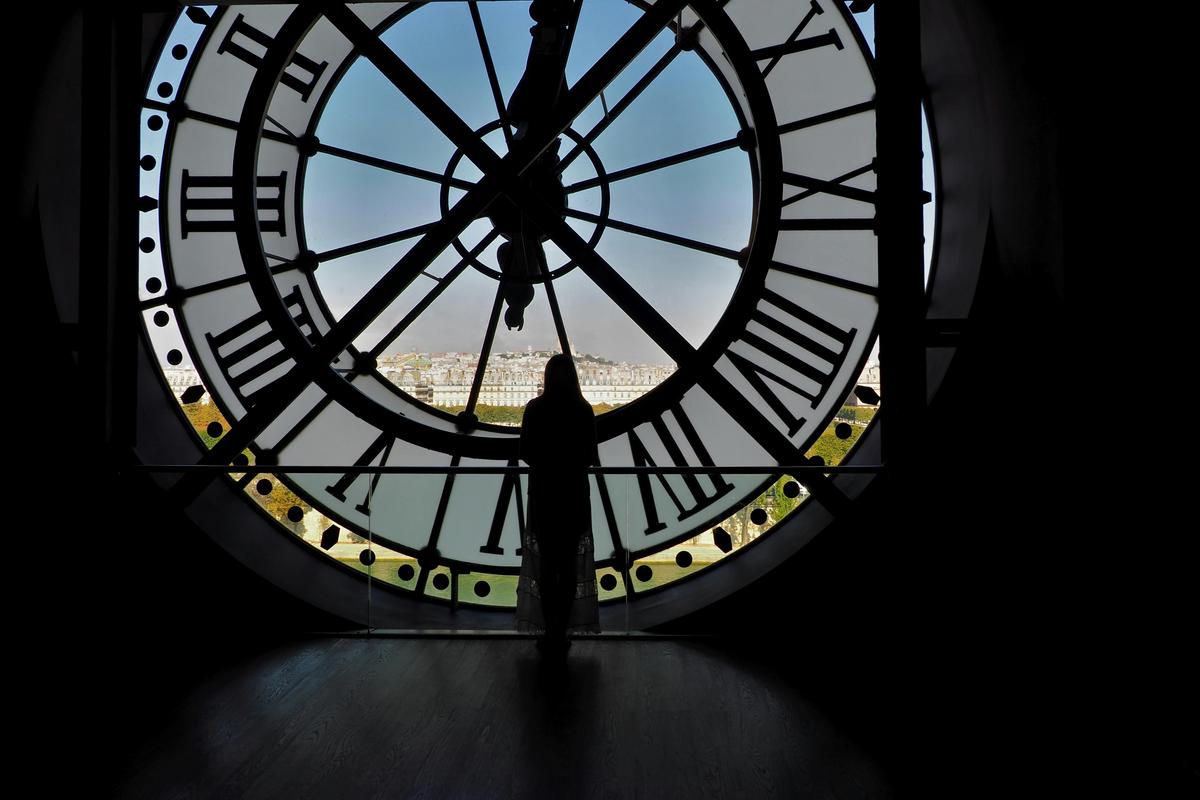
Musée d'Orsay
View on map
Audio Narrations
English
Introduction
The Musée d'Orsay, a renowned art museum in Paris, resides in the former Gare d'Orsay, a Beaux-Arts railway station built for the 1900 Exposition Universelle. Its collection spans French art from 1848 to 1914, boasting the world's largest assemblage of Impressionist and post-Impressionist masterpieces. Notable artists represented include Monet, Manet, Cézanne, Renoir, and van Gogh. The museum's unique architecture, featuring a central nave formed by the original train platforms, provides an awe-inspiring setting for these artistic treasures. One captivating highlight is a 1:100 scale model of the Paris Opera and its surroundings, encapsulated under glass flooring, offering visitors a glimpse into the city's historical urban planning.Former Railway Station
Musée d'Orsay in Paris, Île-de-France, France, stands as a testament to the ingenuity of repurposing historic structures. Once a bustling railway station, the Gare d'Orsay was transformed into a magnificent museum in 1986, preserving its architectural grandeur while embracing a new cultural purpose. The station's original design, conceived by Victor Laloux, showcased a Beaux-Arts style with ornate facades adorned with sculptures representing railway destinations. Its vast train shed, a marvel of engineering, featured a steel and glass arch spanning over 138 meters, creating an awe-inspiring space. Today, the museum's grand hall, once filled with the clamor of arriving and departing trains, serves as a majestic setting for monumental sculptures. The former railway hotel, now housing the museum's painting collection, offers a serene ambiance for contemplating masterpieces by Monet, Renoir, and Van Gogh. The conversion of the Gare d'Orsay into the Musée d'Orsay not only saved a remarkable architectural landmark but also created a unique and immersive experience for visitors. The museum's galleries, nestled within the station's original structure, seamlessly blend the industrial heritage of the past with the artistic treasures of the present.Post-Impressionism
Musée d'Orsay in Paris, Île-de-France, France, houses an unparalleled collection of Post-Impressionist masterpieces, offering a profound immersion into this transformative art movement. The museum's fifth floor is a sanctuary for Post-Impressionist enthusiasts, showcasing works by trailblazing artists who pushed the boundaries of traditional painting. One of the highlights is Paul Cézanne's "The Card Players," a series of paintings that deconstruct form and perspective, laying the groundwork for Cubism. Vincent van Gogh's vibrant "Starry Night Over the Rhône" captivates with its swirling, expressive brushstrokes, while Georges Seurat's "A Sunday Afternoon on the Island of La Grande Jatte" exemplifies Pointillism's meticulous application of tiny dots to create a mosaic-like effect. Beyond these iconic works, Musée d'Orsay presents a comprehensive survey of Post-Impressionism's diverse expressions. Paul Gauguin's vibrant depictions of Tahiti explore the interplay of color and symbolism, while Henri de Toulouse-Lautrec's incisive social commentary is evident in his depictions of Parisian nightlife. Odilon Redon's ethereal pastels delve into the realm of dreams and the subconscious. The museum's collection not only showcases the evolution of Post-Impressionism but also its profound influence on subsequent art movements. Visitors can trace the transition from Impressionism's focus on light and atmosphere to Post-Impressionism's exploration of structure, symbolism, and emotional expression. Musée d'Orsay's Post-Impressionist collection is a testament to the transformative power of art. It invites visitors to engage with the bold visions and innovative techniques that shaped the course of modern art, leaving an enduring legacy that continues to inspire and captivate.
5
Pont Neuf
View on map
Audio Narrations
Korean
소개
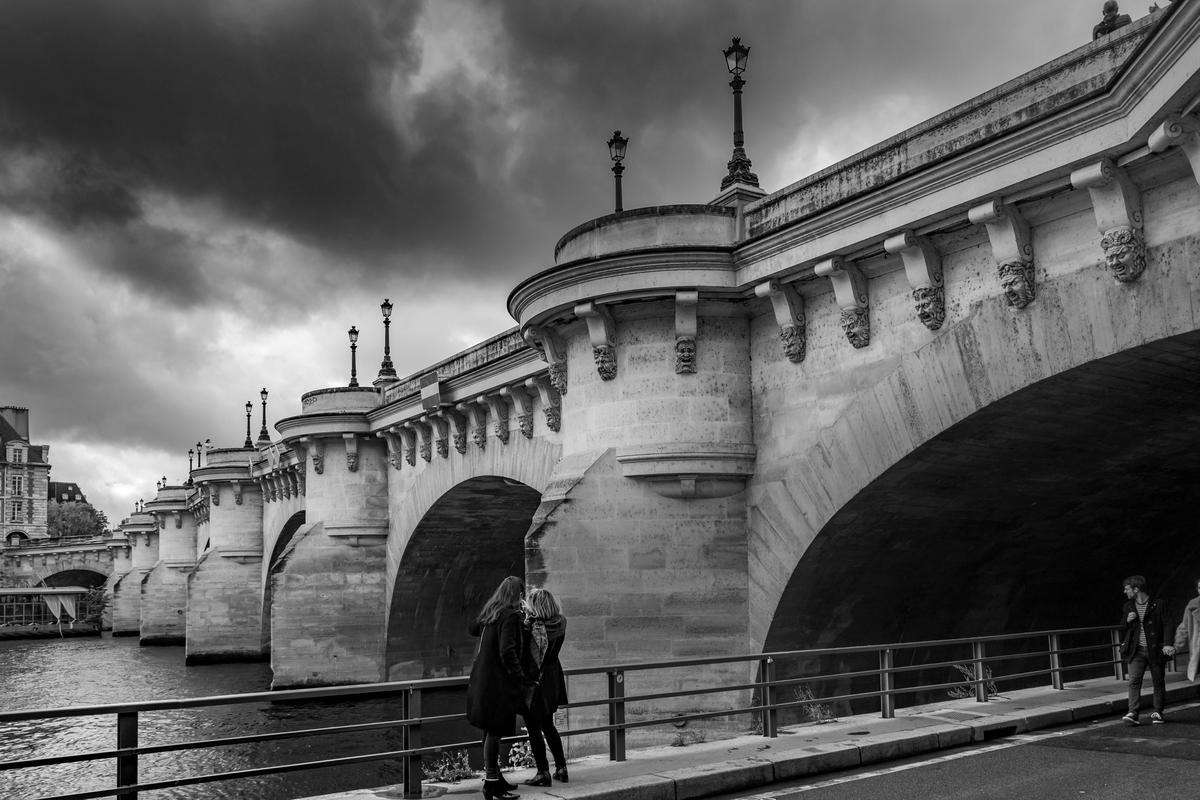
파리의 센 강에 걸쳐 있는 웅장한 석조 다리인 퐁뇌프는 도시에서 가장 오래된 다리입니다. 1578년부터 1607년 사이에 건설되었으며, 밥티스트 뒤 세르소와 피에르 데 일이 설계했으며, 아마도 기욤 마르샹의 초기 설계를 통합했을 것입니다. 센 강의 양쪽 강둑을 일 드 라 시테에 연결하는 두 개의 별도 스팬을 특징으로 하는 다리의 독특한 디자인은 건축적 경이로움을 만들어 냈습니다. 퐁뇌프는 길이가 238m, 너비가 20.50m로, 11.50m의 보도와 각각 4.50m의 두 개의 포장도로가 포함되어 있습니다. 12개의 아치는 2002년에 유로 통화를 채택한 12개국을 상징합니다. 이 다리의 가장 눈에 띄는 특징 중 하나는 각 기둥을 장식하는 381개의 마스카롱 또는 석조 가면 컬렉션입니다. 제르맹 필롱에게 돌아가는 이 복잡한 조각품은 숲과 들판의 신, 사티로스, 실바인을 묘사하여 다리의 그렇지 않으면 엄숙한 디자인에 기발한 터치를 더합니다. 다리가 일 드 라 시테를 건너는 지점에는 앙리 4세의 청동 승마상이 당당하게 서 있습니다. 원래 1614년에 의뢰된 이 동상은 프랑스 혁명 당시 파괴되었지만 나중에 1818년에 재건되었습니다. 역사를 통틀어 퐁뇌프는 상인, 연예인, 심지어 사기꾼까지 파리 생활의 중심지였습니다. 코퍼스 크리스티 행렬부터 인간을 특징으로 하는 최초의 사진 공개까지 수많은 행사를 목격했습니다. 오늘날 이 다리는 관광객과 지역 주민 모두에게 인기 있는 목적지로 남아 있으며, 도시의 숨 막히는 전망과 풍부한 과거를 엿볼 수 있습니다.파리의 랜드마크
파리 중심부의 건축적 명품인 퐁뇌프는 탁월한 랜드마크로 자리 잡고 있습니다. 1607년에 완공된 이 다리는 파리에서 가장 오래된 다리로, 센 강을 두 개의 별도 구간으로 나눕니다. "새로운 다리"를 의미하는 이름은 역설적으로 가장 오래된 다리로서의 지속적인 유산을 반영합니다. 당시 다른 다리들과 달리 퐁뇌프는 양쪽에 집이 늘어서 있지 않게 설계되었는데, 이 특징은 다리를 차별화하고 지속적인 매력에 기여했습니다. 다리의 디자인에는 몇 가지 주목할 만한 요소가 통합되어 있습니다. 다섯 개의 아치가 있는 한 구간과 일곱 개의 아치가 있는 다른 구간으로 나뉘어진 두 구간은 강의 흐름에 대한 회복력을 높이기 위해 약간의 각도로 건설되었습니다. 다리에서 집을 생략하기로 한 결정은 앙리 4세가 루브르 궁전의 방해받지 않는 전망을 보존하고자 했기 때문입니다. 이러한 선견지명 덕분에 이 다리는 도시의 건축적 경이로움을 감상하기에 인기 있는 장소로 남을 수 있었습니다. 수세기 동안 퐁뇌프는 수많은 역사적 사건과 문화적 변화를 목격했습니다. 이 다리는 거리 공연자들의 무대, 사회적 논평을 위한 모임 장소, 예술적 영감의 배경이었습니다. 중심부에 위치한 이 다리는 파리의 분위기를 만끽하기 위해 강둑으로 몰려드는 지역 주민과 관광객 모두에게 허브가 되었습니다. 오늘날 퐁뇌프는 파리의 풍부한 역사와 건축적 유산의 상징으로 자리 잡고 있습니다. 지속적인 매력과 시대를 초월한 디자인은 방문객들을 계속해서 사로잡아, 빛의 도시의 심장부를 탐구하고자 하는 모든 사람에게 사랑받는 랜드마크이자 꼭 방문해야 할 목적지가 되었습니다.역사적인 파리 다리
파리에서 가장 오래된 다리인 퐁뇌프는 혁신적인 다리 엔지니어링과 건축적 위업의 증거로 돋보입니다. 이전 다리와 달리 퐁뇌프는 파리에서 처음으로 양쪽에 집이 없는 다리였으며, 이러한 설계 선택은 이후 다리의 표준이 되었습니다. 또한 보행자를 번잡한 도로와 진흙투성이의 환경으로부터 보호하는 전용 보행로를 처음으로 갖춘 다리였습니다. 퐁뇌프의 독특한 디자인은 구조적 요소까지 확장되었습니다. 아치는 강물의 흐름에 대한 탄력성을 높이기 위해 약간 각도를 두고 지어졌으며, 원래 계획된 직선 정렬에서 수정되었습니다. 다리 건설은 수십 년에 걸쳐 이루어졌으며, 정치적 불안과 종교 전쟁으로 인해 중단되었습니다. 1607년에 완공된 퐁뇌프는 넓은 보도와 틈새를 활용하여 상업 활동을 벌이는 방랑 상인, 사기꾼, 서점의 중심지가 되었습니다. 다리의 381개 마스카롱은 돌 받침대를 장식하는 기괴한 조각품으로, 기발함을 더하고 악령으로부터 보호하는 부적으로 사용되었습니다. 오늘날 퐁뇌프는 여전히 사랑받는 파리의 랜드마크로, 그 역사적 중요성과 건축적 아름다움은 전 세계 방문객을 매료시킵니다. 역사적인 파리 다리로서의 지속적인 유산은 도시와 그 너머의 다리 설계 방향을 형성한 창의성과 선견지명의 증거입니다.
6
The Centre Pompidou
View on map
Audio Narrations
Korean
소개
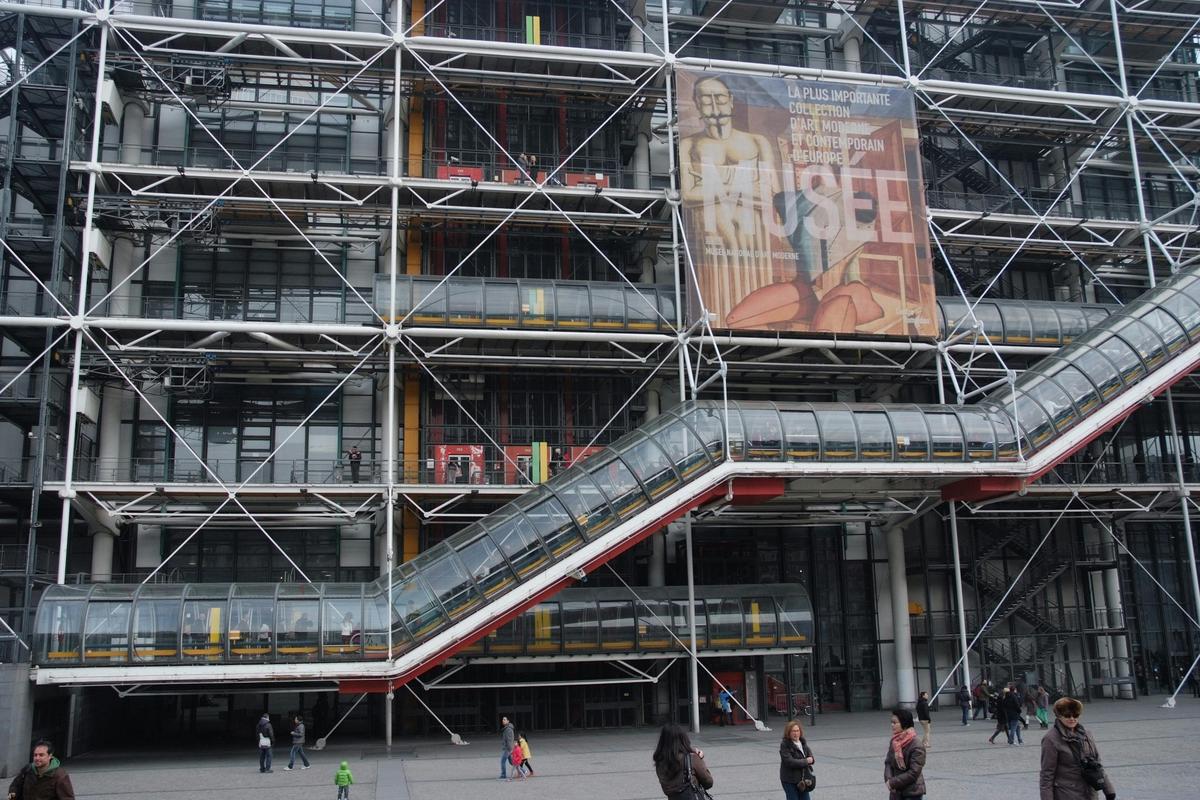
파리 중심부에 위치한 건축적 경이로움인 퐁피두 센터는 유럽에서 가장 큰 현대 미술관인 국립 현대 미술관을 보유한 복합 단지입니다. 렌조 피아노와 리처드 로저스가 설계한 이 건물의 독특한 외관은 생생한 색상으로 칠해진 구조적 요소가 노출되어 있어 "보부르"라는 별명을 얻었습니다. 이 박물관은 피카소, 마티스, 칸딘스키의 걸작을 포함한 20세기와 21세기 미술 작품을 광범위하게 소장하고 있습니다. 미술 컬렉션 외에도 퐁피두 센터는 전시회, 영화 상영, 콘서트를 개최하여 문화 탐구를 위한 활기찬 허브 역할을 합니다.현대 미술 센터
파리 중심부에 위치한 건축적 경이로움인 퐁피두 센터는 현대 미술의 등대 역할을 합니다. 구조적 요소와 화려한 파이프를 노출한 파격적인 디자인은 이곳에 소장된 예술의 아방가르드 정신을 반영합니다. 유럽에서 가장 큰 현대 미술관인 국립 현대 미술관이 퐁피두 센터에 자리 잡고 있습니다. 방대한 컬렉션은 피카소, 마티스, 칸딘스키에서 워홀, 폴록, 쿤스까지 20세기와 21세기를 아우르며 걸작을 선보입니다. 퐁피두 센터는 또한 유명한 도서관인 공공 정보 도서관을 자랑하며, 미술 관련 문학과 자료를 광범위하게 소장하고 있습니다. 전시회, 공연, 교육 프로그램의 허브로서 활기차고 역동적인 현대 미술계를 육성합니다. 경계를 넓히고 최신 예술 트렌드를 선보이려는 퐁피두 센터의 노력은 현대 미술의 세계에 몰입적인 경험을 추구하는 모든 열광가에게 필수 방문지가 되게 합니다.국제적 확장
퐁피두 센터의 국제적 확장 전략에 따라 전 세계에 위성 미술관과 파트너십이 설립되었습니다. 2015년 스페인 말라가에 "큐브"라는 임시 전초기지가 공개되었고, 20세기와 21세기 작품의 순회 컬렉션을 선보였습니다. 퐁피두 센터는 브뤼셀에도 진출하여 시트로엥 차고를 개조한 다학문 예술 센터인 KANAL - 퐁피두 센터를 운영하고 있습니다. 아시아에서는 퐁피두 센터가 중국 상하이의 웨스트 번드 미술관과 파트너십을 맺어 퐁피두 센터 x 웨스트 번드 미술관을 설립했습니다. 이 협업은 퐁피두 센터가 큐레이팅한 전시회를 특징으로 하며, 컬렉션의 작품을 강조합니다. 퐁피두 센터의 글로벌 영향력은 북미까지 확장되었으며, 2024년에 뉴저지 저지시에 위성 미술관을 개관할 계획입니다. 이 전초기지는 퐁피두 센터가 미국에 처음 진출하는 것을 의미합니다. 퐁피두 센터의 국제적 확장은 영향력을 확대할 뿐만 아니라 문화 교류를 촉진하고 현대 미술과 당대 미술에 대한 감상을 전 세계적으로 증진합니다.
Experience the Full Tour
Download the DocentPro app to access all tour stops, complete audio narrations in multiple languages, offline maps, and interactive features.