
Montmartre: A Bohemian Rhapsody in the Heart of Paris

Walking Tour

1.7 km (1.0 miles)

25 min travel time

8 Stops

Paris, France
Montmartre: A Bohemian Rhapsody in the Heart of Paris
Tour Stops
1
Wall of Love
View on map
Audio Narrations
English
Introduction
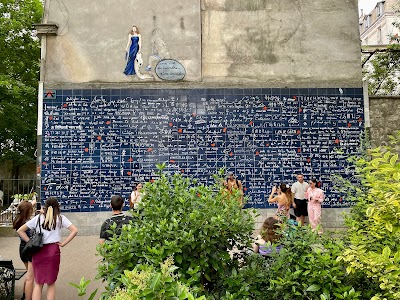
The Mur du Je T'aime, or "Wall of Love," in Paris is a vibrant testament to the universal language of love. Located in the Montmartre district, this unique art installation features the phrase "I love you" written 311 times in 250 languages, creating a mosaic of affection that transcends borders and cultures. The brainchild of artists Frédéric Baron and Claire Kito, the wall was conceived as a symbol of unity and peace. Each declaration of love is written in its native script, adding to the wall's visual and linguistic diversity. Visitors can wander through the mosaic, searching for their own language or discovering new ways to express their love. Beyond its aesthetic appeal, the Wall of Love holds a deeper significance. It serves as a reminder that love is a universal language, understood and celebrated across the globe. In a world often divided by differences, the wall stands as a beacon of unity, reminding us that love is the common thread that binds us all.Linguistic Diversity
A Mosaic of Languages: The Wall of Love in Paris The Wall of Love in Paris, a vibrant mosaic of "I love you" inscribed in over 300 languages, stands as a testament to the power of love and the beauty of linguistic diversity. This unique public art installation transcends the boundaries of language, bringing people together through a shared expression of affection. The wall's multilingual tapestry reflects the cosmopolitan nature of Paris, a city that has long been a melting pot of cultures and languages. Each inscription, meticulously crafted in its native script, offers a glimpse into the rich tapestry of human expression. From the flowing Arabic script to the intricate Chinese characters, the wall showcases the diversity of human communication. Beyond its aesthetic appeal, the Wall of Love serves as a powerful reminder of the universality of love. It transcends cultural and linguistic barriers, demonstrating that love is a language understood by all. The wall's message of unity and connection resonates deeply in a world increasingly divided by differences. For linguists, the Wall of Love presents a fascinating case study in language variation and evolution. The inscriptions offer insights into the nuances of different languages, their grammatical structures, and their unique ways of expressing love. The wall also highlights the dynamic nature of language, as new inscriptions are constantly added, reflecting the ever-changing linguistic landscape of the city. The Wall of Love is more than just a tourist attraction; it is a living testament to the power of human connection and the beauty of linguistic diversity. It reminds us that despite our differences, we are all united by the universal language of love.Symbol of Hope
The Wall of Love in Paris, Île-de-France, France, transcends its artistic beauty to embody a profound symbol of hope. This vibrant mosaic, adorned with "I love you" in 311 languages, speaks to the universal yearning for connection and love. It stands as a testament to the enduring human spirit, its resilience in the face of adversity, and its unwavering belief in the power of love to bridge divides and foster unity. The Wall of Love's history is intrinsically intertwined with hope. Conceived in the aftermath of the 2000 terrorist attacks, artists Frédéric Baron and Claire Kito sought to create a space for healing and reconciliation. The wall's vibrant colors and diverse languages symbolize the interconnectedness of humanity, reminding us that love transcends borders, cultures, and ideologies. The Wall of Love has become a pilgrimage site for couples, individuals, and families seeking solace, inspiration, and a renewed faith in the power of love. Visitors leave their own messages of love, adding to the tapestry of hope that adorns the wall. Each inscription, a testament to the enduring human spirit, serves as a beacon of hope for a brighter future. The Wall of Love's symbolism extends beyond its physical manifestation. It represents a global movement, a call for unity and understanding in a world often divided by conflict and hatred. It serves as a reminder that love is the universal language, a force capable of overcoming differences and fostering peace. As a symbol of hope, the Wall of Love stands as a beacon of light in a world that often feels shrouded in darkness. It reminds us that even in the face of adversity, love endures, offering a path towards a more just and compassionate world. The Wall of Love is a testament to the human spirit's unwavering belief in the power of love to heal, unite, and inspire hope for a brighter future.
2
Square Jehan Rictus
View on map
Audio Narrations
English
Introduction
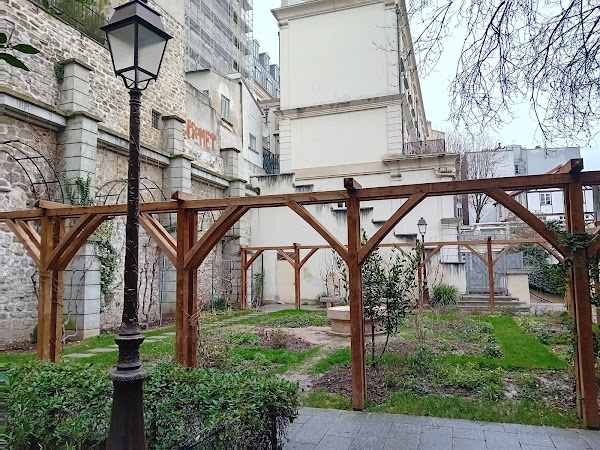
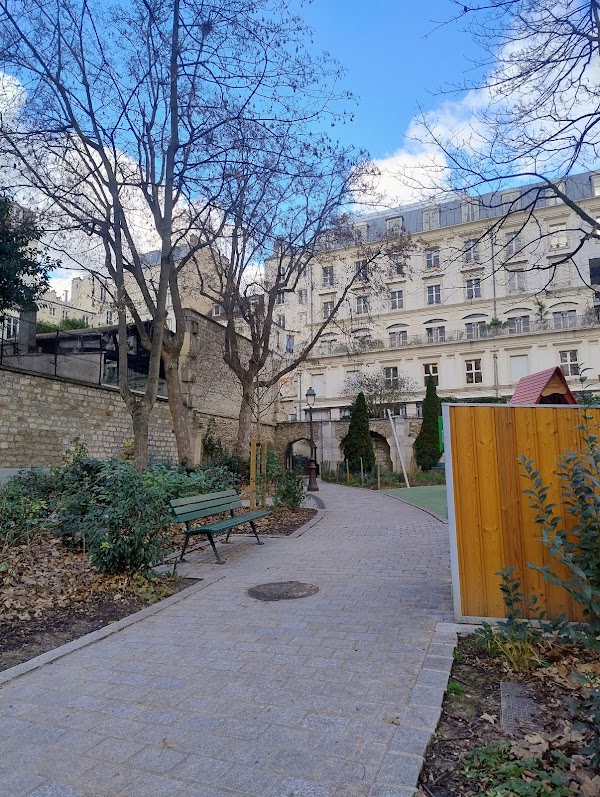
The Square Jehan Rictus, nestled in the heart of Paris's 18th arrondissement, is a vibrant hub of history and culture. This charming square, named after the celebrated French poet Jehan Rictus, boasts a rich tapestry of architectural styles and hidden gems. At the square's center stands the iconic Fontaine Wallace, a cast-iron masterpiece adorned with intricate sculptures and gargoyles. This ornate fountain, a symbol of Parisian elegance, provides a refreshing respite from the bustling city life. Surrounding the square are a collection of architectural marvels, each with its own unique story to tell. The Théâtre de la Goutte d'Or, a historic theater, has witnessed countless performances and cultural events over the years. The Église Saint-Bernard de la Chapelle, a magnificent church, showcases stunning stained-glass windows and intricate carvings. But the Square Jehan Rictus is more than just a collection of historical landmarks. It is a vibrant community space where locals gather to socialize, relax, and enjoy the Parisian atmosphere. The square's lively market, held every Tuesday and Friday, offers an array of fresh produce, artisanal goods, and local delicacies. For those seeking a taste of Parisian history and culture, the Square Jehan Rictus is an unmissable destination. From its architectural wonders to its vibrant community spirit, this charming square offers a glimpse into the heart and soul of Paris.Literary Landmark
Nestled in the heart of Paris' 18th arrondissement, Square Jehan Rictus stands as a poignant tribute to the renowned French poet and satirist, Jehan Rictus. This verdant haven, tucked away from the bustling city streets, offers a tranquil sanctuary for literary enthusiasts and admirers of Rictus' poignant verses. The square's centerpiece is a bronze bust of Rictus, gazing contemplatively towards the passersby. The inscription beneath reads "Jehan Rictus, poète des pauvres gens," a testament to his unwavering dedication to depicting the struggles and resilience of the working class. The surrounding benches invite visitors to linger and immerse themselves in Rictus' evocative poetry, which often explored themes of poverty, social injustice, and the human condition. Beyond its literary significance, Square Jehan Rictus also boasts a rich history. The square was once home to the Moulin de la Galette, a windmill that served as a popular gathering spot for artists and writers in the 19th century. Today, remnants of the mill's foundation can still be seen, offering a glimpse into the area's vibrant artistic past. For those seeking a deeper connection with Rictus' life and work, the square provides a unique opportunity. The nearby Musée de Montmartre, located just a short walk away, houses a collection of Rictus' manuscripts, letters, and personal belongings. Visitors can delve into the poet's creative process and gain a deeper appreciation for his literary contributions. Square Jehan Rictus is more than just a park; it is a living testament to the enduring power of literature and its ability to connect us to the human experience. Whether seeking solace in Rictus' poignant verses or exploring the square's rich history, visitors are sure to find inspiration and a renewed appreciation for the written word.Urban Oasis in the Heart of Paris
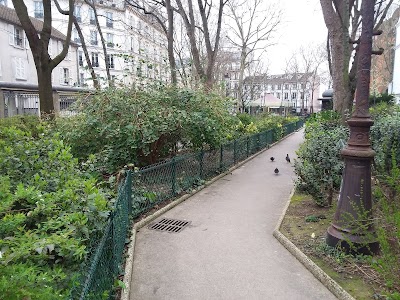
Nestled in the heart of Paris's 18th arrondissement, Square Jehan Rictus is a hidden gem, a tranquil oasis amidst the bustling city. This charming square, named after the French poet Jehan Rictus, offers a welcome respite from the urban clamor, transporting visitors to a world of verdant serenity. Upon entering the square, one is greeted by a lush expanse of greenery, with towering trees casting dappled shadows on the winding pathways. The air is filled with the sweet fragrance of blooming flowers, while the gentle murmur of a nearby fountain creates a soothing ambiance. Benches strategically placed throughout the square invite visitors to linger and soak in the tranquil atmosphere. Square Jehan Rictus is more than just a green haven; it is a vibrant hub of community life. Locals gather here to chat, read, or simply enjoy the peaceful surroundings. Children's laughter fills the air as they frolic in the playground, while artists find inspiration in the square's picturesque setting. One of the square's unique features is its "Jardin des Poètes," a dedicated space honoring French poets. Busts of renowned figures like Verlaine, Baudelaire, and Rimbaud adorn the garden, creating an open-air museum that celebrates the rich literary heritage of France. Square Jehan Rictus is a testament to the transformative power of urban green spaces. It is a place where nature and culture converge, offering a sanctuary for relaxation, recreation, and inspiration. Whether seeking a quiet escape from the city's hustle or a vibrant community gathering spot, Square Jehan Rictus is an urban oasis that should not be missed.
3
Dalí Paris
View on map
Audio Narrations
English
Introduction
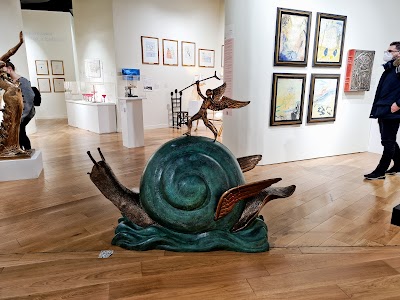
The Dalí Paris, a museum dedicated to the surrealist master Salvador Dalí, is a treasure trove of the artist's eccentric genius. Nestled in the heart of Montmartre, the museum boasts the largest collection of Dalí's works outside of Spain, including paintings, sculptures, and even furniture. Stepping into the museum is like entering a dreamlike world. The iconic "Mae West Lips Sofa" greets visitors at the entrance, setting the stage for a journey through Dalí's mind-bending creations. The museum's collection spans the entirety of Dalí's career, from his early experiments with Cubism to his later explorations of optical illusions and religious symbolism. One of the highlights of the museum is the "Space Venus" installation, a surrealist reinterpretation of the classical Venus de Milo statue. Dalí's fascination with science and technology is evident in works like the "Lobster Telephone" and the "Gala Contemplating the Mediterranean Sea which at Twenty Meters Becomes the Portrait of Abraham Lincoln (Homage to Rothko)." The Dalí Paris is not just a museum; it's an immersive experience. Visitors can step into the "Rainy Taxi," a surrealist car installation, or explore the "Alice in Wonderland" room, a whimsical tribute to Lewis Carroll's classic tale. The museum also houses a library and a cinema, offering a deeper dive into Dalí's life and work. Whether you're a seasoned art aficionado or simply curious about the surrealist movement, the Dalí Paris is a must-visit destination. It's a place where you can lose yourself in a world of dreams, illusions, and the boundless imagination of one of the 20th century's most iconic artists.Melting Clocks
Dalí Paris: A Surreal Journey Through Melting Time Step into Dalí Paris, a whimsical museum dedicated to the enigmatic artist Salvador Dalí, and embark on a surreal journey through the fascinating world of melting clocks. Here, you'll encounter these iconic symbols of Dalí's artistic vision in various forms, each offering a unique perspective on the artist's exploration of time, memory, and the subconscious. One of the most captivating pieces is the "Lobster Telephone," a surreal sculpture where a bright red lobster replaces the receiver, its elongated body twisting and contorting like a melting clock face. This playful juxtaposition challenges our perception of reality, blurring the lines between the organic and the artificial, the familiar and the bizarre. Further along, you'll encounter the iconic "Persistence of Memory," a painting featuring limp, melting clocks draped over a desolate landscape. This masterpiece embodies Dalí's fascination with the fluidity of time, suggesting that our perception of it is subjective and malleable. The melting clocks become symbols of the impermanence of our existence, reminding us to cherish each fleeting moment. As you delve deeper into the museum, you'll discover more melting clocks adorning various objects, from clocks melting onto tree branches to clocks morphing into human figures. Each iteration offers a new interpretation of this recurring motif, inviting you to contemplate the complexities of time and its impact on our lives. Dalí Paris isn't just a museum; it's a portal into the surreal mind of Salvador Dalí, where melting clocks serve as powerful metaphors for the fluidity of time, the fragility of memory, and the boundless potential of the human imagination. It's an experience that will leave you questioning your perception of reality and pondering the deeper meaning of time itself.Dreamlike Imagery
Dalí Paris: A Surrealist Dreamland in the City of Lights Step into a world of melting clocks, elongated figures, and dreamlike landscapes at Dalí Paris, a museum dedicated to the enigmatic artist Salvador Dalí. Located in the heart of Montmartre, this unique space offers a captivating journey into the surrealist mind of the master. Beyond the iconic melting clocks and lobster telephones, Dalí Paris delves deeper into the artist's fascination with dreams and the subconscious. The museum's collection boasts a diverse range of works, including paintings, sculptures, and even holographic creations, all showcasing Dalí's ability to blur the lines between reality and fantasy. One of the highlights is the "Mae West Lips Sofa," a surreal interpretation of the actress's famous lips, inviting visitors to sink into a dreamlike experience. Another captivating piece is the "Lobster Telephone," a whimsical fusion of everyday objects transformed into a dreamlike object. Dalí Paris also offers a glimpse into the artist's personal life through photographs, letters, and even his favorite stuffed animal. These intimate details provide a deeper understanding of the man behind the surrealist masterpieces. For those seeking a truly immersive experience, the museum offers a virtual reality journey into Dalí's paintings. This innovative technology allows visitors to step inside the dreamlike landscapes and interact with the surreal elements, creating a truly unforgettable encounter with Dalí's artistic genius. Whether you're a seasoned art enthusiast or simply curious about the world of surrealism, Dalí Paris offers a unique and captivating journey into the dreamlike imagery of one of the most influential artists of the 20th century.
4
Place du Tertre
View on map
Audio Narrations
English
Introduction
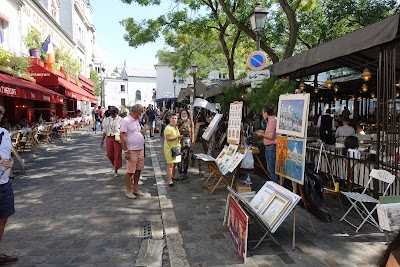
Nestled atop the hill of Montmartre, Place du Tertre is a vibrant square that pulsates with the artistic spirit of Paris. Cobblestone streets wind their way through the plaza, lined with charming cafes and galleries showcasing the works of local artists. The air hums with the chatter of tourists and the rhythmic strokes of paintbrushes against canvases. Place du Tertre's history is deeply intertwined with the artistic legacy of Paris. In the 19th century, the square became a haven for Impressionist painters like Renoir, Monet, and Van Gogh, who were drawn to its picturesque views and bohemian atmosphere. Today, the tradition continues as contemporary artists gather to display their creations, offering visitors a glimpse into the city's vibrant art scene. Beyond its artistic allure, Place du Tertre offers a unique Parisian experience. Street performers entertain the crowds with lively music and captivating shows, while cafes provide a respite for weary travelers to savor a cup of coffee and soak in the atmosphere. The square also boasts a rich history, with the Sacré-Coeur basilica standing as a majestic landmark overlooking the city. A visit to Place du Tertre is an immersion into the heart of Parisian art and culture. It's a place where history and creativity converge, offering a glimpse into the city's artistic soul and leaving a lasting impression on every visitor.Birthplace of Modern Art
Nestled at the foot of the Sacré-Coeur basilica in Montmartre, Place du Tertre pulsates with the vibrant spirit of modern art's genesis. This charming square, once a humble gypsum quarry, witnessed the birth of artistic movements that revolutionized the world. In the 19th century, Impressionism blossomed here, with renowned artists like Renoir, Monet, and Pissarro capturing the fleeting beauty of Parisian life on their canvases. Their open-air studios transformed Place du Tertre into an outdoor gallery, attracting art enthusiasts and collectors alike. The square's bohemian atmosphere fostered a sense of creative freedom, drawing artists from across Europe. Van Gogh, Picasso, and Modigliani all found inspiration in the vibrant energy of Place du Tertre. Their innovative styles challenged artistic conventions, paving the way for the avant-garde movements of the 20th century. Cubism, Fauvism, and Surrealism all found their roots in the fertile ground of this Parisian square. Today, Place du Tertre remains a vibrant hub for artists and art lovers. Painters, sculptors, and caricaturists continue to showcase their talents, offering visitors a glimpse into the creative spirit that has defined this historic location. The square's cobbled streets and charming cafes evoke the atmosphere of a bygone era, transporting visitors to the golden age of modern art. Beyond its artistic legacy, Place du Tertre offers a unique cultural experience. Street performers entertain the crowds, while local shops display an eclectic mix of art supplies, souvenirs, and traditional French delicacies. The square's lively atmosphere and picturesque setting make it a must-visit destination for anyone seeking to delve into the heart of modern art's birthplace.Sacré-Coeur Views
Place du Tertre: A Painter's Paradise with Breathtaking Sacré-Coeur Views Nestled at the foot of the majestic Sacré-Coeur basilica, Place du Tertre is a vibrant square teeming with artists, tourists, and the allure of Parisian charm. From this vantage point, the Sacré-Coeur's white dome dominates the skyline, offering breathtaking panoramic views of the city. As you ascend the hill towards the basilica, the Place du Tertre unfolds before you. Cobblestone streets wind their way through the square, lined with easels displaying a kaleidoscope of colors and artistic styles. Portrait artists eagerly await their next subjects, while caricature artists capture the essence of passersby with playful exaggeration. The air is alive with the chatter of tourists, the rhythmic scrape of paintbrushes against canvas, and the melodic strains of street musicians. From the square, the Sacré-Coeur stands as a beacon of faith and architectural grandeur. Its white facade gleams in the sunlight, contrasting beautifully against the azure sky. The intricate details of its Romanesque-Byzantine architecture are best appreciated from this close proximity. As you climb the steps leading to the basilica, the panorama of Paris gradually unfolds before you. The iconic landmarks of the city, from the Eiffel Tower to the Arc de Triomphe, are laid out like a map, each vying for your attention. The charm of Place du Tertre lies not only in its artistic spirit but also in its historical significance. This square has been a gathering place for artists since the 19th century, attracting renowned names like Van Gogh, Renoir, and Picasso. Their legacy lives on in the vibrant art scene that continues to thrive here. Whether you're an art enthusiast, a history buff, or simply seeking a picturesque Parisian experience, Place du Tertre offers a unique perspective of the Sacré-Coeur and the city it overlooks. It's a place where art, history, and breathtaking views converge, creating an unforgettable Parisian memory.
5
Musée de Montmartre
View on map
Audio Narrations
English
Introduction
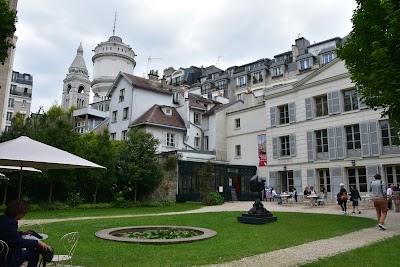
Nestled on the hilltop of Montmartre, the Musée de Montmartre offers a captivating glimpse into the artistic soul of Paris. Housed in a charming 17th-century building, the museum unveils the rich history of this bohemian enclave, where renowned artists like Renoir, Picasso, and Van Gogh once lived and worked. Stepping inside, visitors are transported to a bygone era, where the walls whisper tales of artistic innovation and vibrant social gatherings. The museum's collection boasts an impressive array of paintings, sculptures, and historical artifacts, offering a window into the lives and creative processes of the artists who shaped Montmartre's artistic legacy. One of the museum's highlights is the Renoir Gardens, a tranquil oasis where visitors can admire the artist's original studio and soak in the picturesque views of the city. The gardens also host open-air exhibitions and events, further immersing visitors in the artistic spirit of Montmartre. Beyond its collection, the Musée de Montmartre offers a unique perspective on the neighborhood's cultural significance. Visitors can explore the history of the Moulin Rouge, delve into the world of cabaret, and discover the hidden corners of Montmartre that inspired countless artistic masterpieces. Whether you're an art enthusiast or simply curious about the history of this iconic Parisian district, the Musée de Montmartre promises an unforgettable journey through time, art, and the bohemian spirit that continues to captivate the world.Belle Époque Montmartre
Nestled amidst the winding streets of Montmartre, the Musée de Montmartre offers a captivating glimpse into the vibrant artistic scene of the Belle Époque. This charming museum, housed in a former residence of artists, transports visitors back to a time when Montmartre was a bohemian haven, teeming with creativity and innovation. Step inside the museum's walls, and you'll be greeted by a treasure trove of artifacts and artworks that evoke the spirit of the era. Admire the works of renowned artists who called Montmartre home, including Renoir, Toulouse-Lautrec, and Utrillo. Their paintings, sketches, and sculptures capture the essence of Belle Époque Montmartre, from its bustling cafes and cabarets to its picturesque streets and hidden corners. As you explore the museum's exhibits, you'll discover fascinating stories of the artists who shaped the Belle Époque. Learn about the lives and works of Suzanne Valadon, a pioneering female artist who defied societal norms, and Maurice Utrillo, whose paintings of Montmartre's streets and buildings became iconic symbols of the era. The museum also offers a glimpse into the everyday life of Belle Époque Montmartre. Explore the reconstructed interiors of artists' studios and apartments, and imagine the conversations, laughter, and creative energy that filled these spaces. Discover the tools and techniques used by the artists, and gain a deeper understanding of their artistic processes. A visit to the Musée de Montmartre is not just a journey through art history; it's a journey through time. As you wander through the museum's rooms, you'll feel the spirit of the Belle Époque come alive, transporting you to a world of artistic brilliance, bohemian spirit, and unbridled creativity.Impressionist Art Hub
Nestled amidst the charming streets of Montmartre, the Musée de Montmartre offers a unique perspective on the Impressionist art movement. Unlike the grand museums housing iconic masterpieces, this hidden gem delves into the heart of the Impressionist experience, showcasing the lives and studios of the artists who called Montmartre home. Step inside the former home of Suzanne Valadon, a renowned painter and model, and discover her intimate studio space. Immerse yourself in the world of Edgar Degas, whose apartment housed his collection of Impressionist works. Explore the vibrant history of the Bateau-Lavoir, a communal studio where artists like Pablo Picasso and Georges Braque lived and worked, fostering the birth of Cubism. The museum's collection boasts a treasure trove of Impressionist gems, including works by Renoir, Pissarro, and Sisley. These paintings capture the essence of Montmartre's bohemian spirit, its bustling streets, and the vibrant artistic community that flourished there. Beyond the paintings, the Musée de Montmartre offers a glimpse into the daily lives of the Impressionists. Explore their personal belongings, letters, and photographs, gaining a deeper understanding of their struggles, triumphs, and the creative process that shaped their masterpieces. For those seeking an immersive journey into the Impressionist art hub that was Montmartre, the Musée de Montmartre is an invaluable destination. It's a place to connect with the artists' spirit, understand their creative vision, and experience the essence of this pivotal artistic movement.
6
The Basilica of Sacré-Cœur de Montmartre
View on map
Audio Narrations
English
Introduction
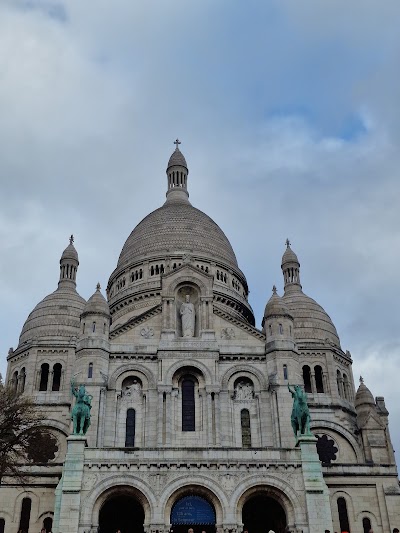
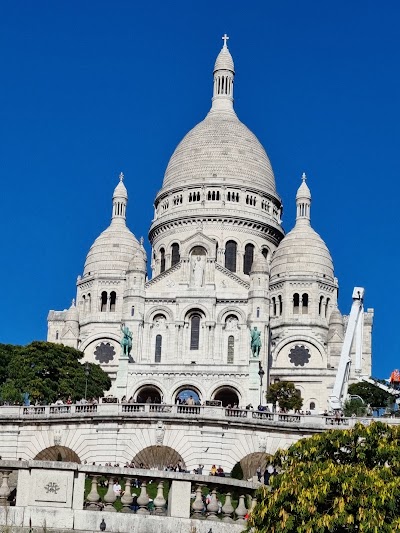
The Basilica of Sacré-Cœur de Montmartre, a dazzling white edifice perched atop the highest point in Paris, is a monument to both faith and French history. Its construction, spanning from 1875 to 1914, was fueled by the desire for national atonement following the Franco-Prussian War and the Paris Commune. The basilica's unique Romano-Byzantine architecture, a departure from the Gothic style prevalent in Parisian churches, is a testament to its distinct purpose. The interior of the Sacré-Cœur is a symphony of mosaics, stained glass, and marble. The largest mosaic in France, covering the entire apse, depicts Christ in Majesty surrounded by angels and saints. The stained glass windows, crafted by renowned artists like Henri Matisse and Georges Rouault, bathe the interior in vibrant hues. The crypt, accessible by a winding staircase, houses the relics of Saint Denis, the patron saint of Paris. Beyond its religious significance, the Sacré-Cœur is a beloved Parisian landmark. Its white dome, visible from across the city, serves as a beacon for tourists and locals alike. The panoramic views from the basilica's parvis, encompassing the entire cityscape, offer a breathtaking perspective of the French capital. Visitors can also explore the charming Place du Tertre, nestled at the foot of the hill, where artists have gathered for centuries to capture the essence of Montmartre. The Sacré-Cœur de Montmartre stands as a symbol of resilience, faith, and artistic expression. Its unique architecture, rich history, and breathtaking views make it an unforgettable destination for anyone visiting Paris.Architectural Masterpiece
The Basilica of Sacré-Cœur de Montmartre, a beacon of Romanesque-Byzantine architectural brilliance, stands majestically atop the hill of Montmartre in Paris. Its white, travertine stone exterior gleams under the Parisian sun, a testament to the meticulous craftsmanship that went into its construction. The basilica's design, inspired by the Hagia Sophia in Istanbul, is a unique blend of architectural styles. Its massive dome, the second largest in Paris, dominates the skyline and is visible from miles away. The interior, adorned with intricate mosaics and stained glass windows, is a symphony of light and color. One of the most striking features of the basilica is its use of arches. The nave is lined with a series of massive arches that support the dome, creating a sense of awe and grandeur. The arches are also used to create a sense of rhythm and movement, drawing the eye upward towards the heavens. Another notable architectural feature is the basilica's crypt. Located beneath the main floor, the crypt is a labyrinth of tunnels and chambers that house the remains of several French saints. The crypt is a testament to the basilica's role as a place of pilgrimage and devotion. The Basilica of Sacré-Cœur de Montmartre is a masterpiece of architectural design, a testament to the skill and artistry of its builders. Its unique blend of styles, its intricate details, and its awe-inspiring grandeur make it one of the most iconic landmarks in Paris.White Dome
The Basilica of Sacré-Cœur de Montmartre in Paris, Île-de-France, France, is renowned for its iconic white dome, a beacon visible from across the city. This majestic dome, constructed from travertine stone, stands as a testament to the architectural brilliance of the 19th century. Its brilliant white hue is attributed to the stone's unique composition, which reacts with rainwater to form a crystallized calcium carbonate coating, a process known as "carbonatation." This natural phenomenon ensures that the dome retains its pristine white color, defying the effects of time and pollution. The dome's colossal size, measuring 83 meters in diameter, makes it one of the largest in the world. Its hemispherical shape, inspired by the Pantheon in Rome, is a symbol of unity and perfection. The dome's interior is adorned with intricate mosaics depicting scenes from the life of Christ, adding to its spiritual significance. The white dome of the Sacré-Cœur is not merely an architectural marvel; it also holds profound symbolic meaning. The color white represents purity, holiness, and the divine. The dome's prominent position atop the Montmartre hill signifies the basilica's role as a spiritual center, a place of pilgrimage and prayer. In conclusion, the white dome of the Sacré-Cœur is an integral part of the basilica's identity, embodying its architectural grandeur, spiritual significance, and symbolic meaning. Its brilliant white hue, colossal size, and intricate mosaics make it a captivating landmark, drawing visitors from all corners of the globe.
7
Square Louise Michel
View on map
Audio Narrations
Chinese
导言
坐落在蒙马特标志性的圣心大教堂脚下,路易丝·米歇尔广场(原名威莱特广场)是一片绿意盎然的绿洲,可欣赏到巴黎的壮丽景色。这个占地 23,737 平方米的绿色空间拥有迷人的历史,可以追溯到 18 世纪,当时它是一个石膏采石场。如今,它作为人类精神韧性的证明而屹立,以 1871 年巴黎公社的杰出人物路易丝·米歇尔命名。 该广场的魅力在于其自然美景和建筑艺术的独特融合。一座宏伟的楼梯,装饰着献给海洋之神的纪念喷泉,登上山丘,为前往大教堂提供了一条风景如画的路线。郁郁葱葱的绿树,包括七叶树、榛子树和无花果石榴树,为人们提供了一个远离城市喧嚣的宁静避难所。一个受欢迎的旋转木马增添了一丝异想天开,而附近的蒙马特缆车为攀登提供了便利的替代方案。 除了美学吸引力之外,路易丝·米歇尔广场还具有历史意义。它曾被称为圣皮埃尔广场,以纪念附近的教堂。该广场的改造反映了巴黎不断变化的政治格局,其现在的名字是为了纪念路易丝·米歇尔对社会正义的坚定承诺。 广场内的一个隐藏瑰宝是无辜者喷泉,由无政府主义者埃米尔·德雷雕刻。这座描绘一位母亲和孩子的俏皮喷泉与附近的圣心大教堂形成鲜明对比,象征着在逆境中永存的笑声和快乐精神。 路易丝·米歇尔广场是历史、自然和艺术的迷人融合,为巴黎生活的丰富挂毯提供了独特的视角。从其全景到隐藏的宝藏,这个广场邀请游客探索这座城市的过去、现在和未来。建筑设计
路易丝·米歇尔广场:巴黎建筑设计的隐藏瑰宝 路易丝·米歇尔广场坐落在巴黎第 18 区,是建筑设计的隐藏瑰宝。这座三角形公园以法国女权主义者和无政府主义者路易丝·米歇尔命名,拥有独特的布局和使其区别于其他巴黎广场的特色。 该广场最引人注目的特色是其中央亭,这是一个 1900 年为世界博览会建造的圆形建筑。这座优雅的建筑拥有锻铁框架和彩色玻璃穹顶,是焦点所在,也是公园历史意义的见证。亭子的设计灵感来自新艺术和东方元素,与周围的奥斯曼建筑形成鲜明对比,创造出视觉上引人入胜的并置。 除了亭子之外,广场的设计反映了对城市规划的深思熟虑。三角形布局及其汇聚的路径营造出一种亲密感,并鼓励探索。公园周围种满了各种树木,包括梧桐树、栗子树和槐树,提供阴凉和封闭感。长椅被策略性地放置在整个广场,为放松和沉思提供了机会。 该广场最独特的特色之一是其“垂直花园”,一个覆盖公园一堵墙的垂直花园。这面由 1500 多株植物组成的绿墙为城市景观增添了一抹自然气息,并提醒人们可持续性的重要性。 路易丝·米歇尔广场证明了巴黎建筑的创新和创造精神。从新艺术亭到“垂直花园”,其独特的设计元素使其成为对探索这座城市建筑瑰宝感兴趣的人们的迷人目的地。无论您是想从城市的喧嚣中寻找一个安静的避难所,还是想欣赏历史与现代设计的相互作用,路易丝·米歇尔广场都能提供真正独特的体验。城市绿地
坐落在巴黎第 18 区的中心地带,路易丝·米歇尔广场是城市繁华街道中的一颗隐藏的宝石。这个城市绿地以著名的法国女权主义者和无政府主义者命名,为居民和游客提供了一片宁静的绿洲。 踏入广场,映入眼帘的是茂盛的成熟树冠,在蜿蜒的小径上投下斑驳的阴影。空气中弥漫着盛开的鲜花的甜美香气和鸟儿的轻柔鸣叫,营造出一种与广场外喧嚣的城市喧嚣形成鲜明对比的宁静氛围。 广场的中心特色是其令人印象深刻的雕塑收藏。路易丝·米歇尔本人的青铜雕像傲然矗立,证明了她对社会正义的坚定承诺。其他著名作品包括法国诗人阿蒂尔·兰波的半身像和描绘战争恐怖的感人雕塑。 除了美学吸引力之外,路易丝·米歇尔广场还是周围社区至关重要的绿肺。茂密的植被有助于净化空气,减少噪音污染,并在炎热的夏季提供急需的阴凉。广场还举办各种社区活动,从露天音乐会和瑜伽课程到儿童讲故事会。 路易丝·米歇尔广场的一个独特之处在于它对生物多样性的承诺。公园拥有种类繁多的动植物,包括几种鸟类、昆虫和小哺乳动物。这种丰富的生物多样性有助于城市生态系统的整体健康和复原力。 另一个值得注意的特点是广场致力于可持续实践。雨水收集系统用于灌溉植物,太阳能电池板为照明提供可再生能源。这些环保举措展示了公园对环境责任的承诺。 总之,路易丝·米歇尔广场是一个非凡的城市绿地,融合了历史、艺术、自然和社区。其郁郁葱葱的绿化、丰富的生物多样性和对可持续性的承诺使其成为巴黎市的一笔宝贵财富,并证明了城市绿地有能力改善生活、工作和玩耍在其中的人们的生活。
8
Halle Saint-Pierre
View on map
Audio Narrations
English
Introduction
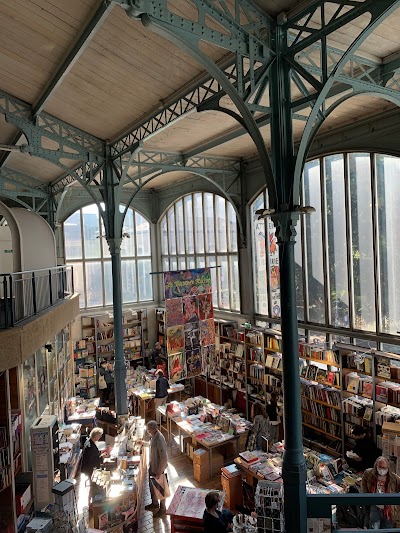
Halle Saint-Pierre: A Parisian Haven for Outsider Art Nestled in the heart of Montmartre, Halle Saint-Pierre stands as a vibrant testament to the unconventional and the extraordinary. This former 19th-century market hall has been reinvented as a unique museum dedicated to "art brut," or outsider art. Stepping inside is like entering a world apart, where the boundaries of artistic expression are joyously blurred. The museum's collection boasts a captivating array of works by self-taught artists, visionaries, and individuals outside the traditional art world. From the intricate, fantastical drawings of Aloïse Corbaz to the haunting sculptures of Augustin Lesage, each piece pulsates with raw creativity and unfiltered emotion. Visitors are invited to embark on a journey through the minds of these singular artists, discovering their unique perspectives and unbridled imaginations. Halle Saint-Pierre is more than just a museum; it's a vibrant community hub. The space regularly hosts temporary exhibitions, film screenings, workshops, and artist talks, fostering dialogue and appreciation for outsider art. It's a place where the established art world and the fringes converge, where the unexpected becomes the norm, and where the power of raw human expression takes center stage. For those seeking an escape from the conventional, Halle Saint-Pierre offers a refreshing immersion into the world of outsider art. It's a place to challenge perceptions, ignite curiosity, and celebrate the boundless creativity that lies beyond the mainstream. So, step into this Parisian haven and prepare to be captivated by the raw beauty and unbridled spirit of art in its purest form.Halle Saint-Pierre Museum
Halle Saint-Pierre Museum: A Haven for Outsider Art in the Heart of Paris Nestled in the vibrant Montmartre district, the Halle Saint-Pierre Museum stands as a unique haven for outsider art in the heart of Paris. Housed within a 19th-century covered market, the museum offers a captivating journey into the world of self-taught artists, visionaries, and those who defy conventional artistic boundaries. Stepping into the museum is like entering a treasure trove of unexpected discoveries. The walls are adorned with vibrant, often raw and unpolished works that challenge traditional notions of art. From the intricate sculptures of Gaston Chaissac to the haunting paintings of Judith Scott, each piece tells a story, offering a glimpse into the unique perspective of its creator. The museum's collection is not limited to visual arts. Visitors can also explore a fascinating array of musical instruments, sculptures, and everyday objects, each imbued with the creative spirit of its maker. The Halle Saint-Pierre goes beyond simply showcasing art; it celebrates the creative spirit that exists outside the mainstream, giving voice to those who might otherwise be overlooked. Beyond its permanent collection, the museum hosts temporary exhibitions that delve deeper into specific themes and artists within the outsider art movement. These exhibitions provide a platform for emerging and established artists, offering visitors a chance to witness the ongoing evolution of this dynamic art form. The Halle Saint-Pierre is more than just a museum; it's a community hub for those passionate about outsider art. The museum regularly hosts workshops, talks, and film screenings, fostering dialogue and understanding around this often misunderstood art form. Whether you're an art enthusiast or simply curious about the unconventional, the Halle Saint-Pierre Museum offers a unique and enriching experience. It's a place to discover hidden gems, challenge your perceptions, and celebrate the boundless creativity of the human spirit.Outsider Art
Halle Saint-Pierre: A Haven for Outsider Art in Paris Nestled in the heart of Paris's 18th arrondissement, Halle Saint-Pierre stands as a unique haven for Outsider Art, a captivating realm where the boundaries of traditional art are joyfully blurred. This former 19th-century market hall has been transformed into a vibrant museum, showcasing the raw creativity and unbridled expression of self-taught artists, visionaries, and those existing outside the mainstream art world. Stepping into Halle Saint-Pierre is akin to entering a world of unfiltered imagination. The walls come alive with vibrant canvases, intricate sculptures, and thought-provoking installations, each piece echoing the unique voice and perspective of its creator. Here, you'll encounter the captivating works of renowned Outsider artists like Aloïse Corbaz, whose vibrant, dreamlike paintings capture the essence of her inner world, and Augustin Lesage, whose intricate, self-taught architectural models defy the boundaries of conventional construction. Beyond the individual masterpieces, Halle Saint-Pierre offers a deeper understanding of the Outsider Art movement itself. The museum delves into the history of this artistic expression, exploring its origins, its key figures, and its ongoing evolution. Through insightful exhibitions, educational programs, and engaging workshops, Halle Saint-Pierre fosters a dialogue between Outsider Art and the broader art world, challenging conventional notions of creativity and artistic merit. Whether you're an avid art enthusiast or simply curious about the world beyond the mainstream, Halle Saint-Pierre offers a captivating journey into the realm of Outsider Art. It's a place where raw talent meets unbridled imagination, where the boundaries of art are redefined, and where the human spirit finds its most authentic expression. So, step into this haven of creativity and discover the captivating world of Outsider Art at Halle Saint-Pierre.
Experience the Full Tour
Download the DocentPro app to access all tour stops, complete audio narrations in multiple languages, offline maps, and interactive features.