
San Francisco Hidden Gems: Between the Bay and the Hills.

Walking Tour

5.5 km (3.4 miles)

1h 20min travel time

11 Stops

San Francisco, United States
Tour Stops
1
Moscone Center
View on map
Audio Narrations
导言
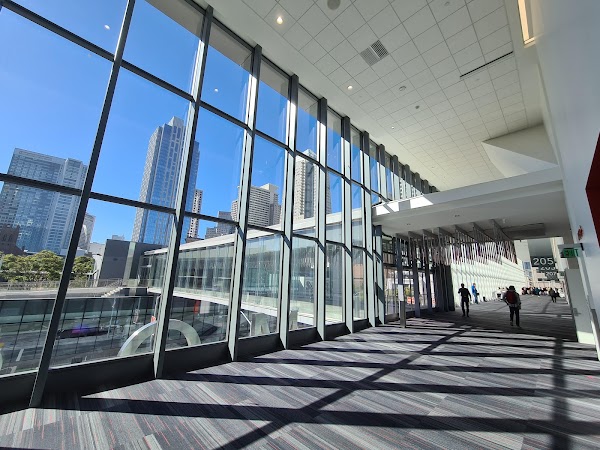
莫斯科尼中心,一个位于旧金山中心的庞大建筑群,证明了这座城市在建筑方面的实力和对可持续发展的承诺。其独特的设计,包括一系列相互连接的展馆和一个屋顶花园,与周围的城市景观无缝融合。该中心的宽敞展览厅沐浴在自然光中,为各种活动提供了一个多功能的画布,从国际会议和贸易展览会到小型聚会和艺术展览。 莫斯科尼中心最引人注目的特点之一是对环境责任的承诺。该建筑群拥有令人印象深刻的可持续元素,包括一个太阳能电池板系统,可产生其大部分能源需求。屋顶花园是繁华城市中一片绿洲,它不仅增强了该中心的审美吸引力,还充当了一个天然的空气过滤系统。 除了其环保资质外,莫斯科尼中心还以其最先进的技术和卓越的设施而闻名。该中心的超高速 Wi-Fi 网络确保了与会者的无缝连接,而其众多的现场餐饮选择迎合了广泛的美食偏好。莫斯科尼中心对卓越的承诺延伸到其敬业的员工,他们提供无与伦比的服务和支持,以确保所有访客获得难忘且富有成效的体验。公共艺术与人行天桥
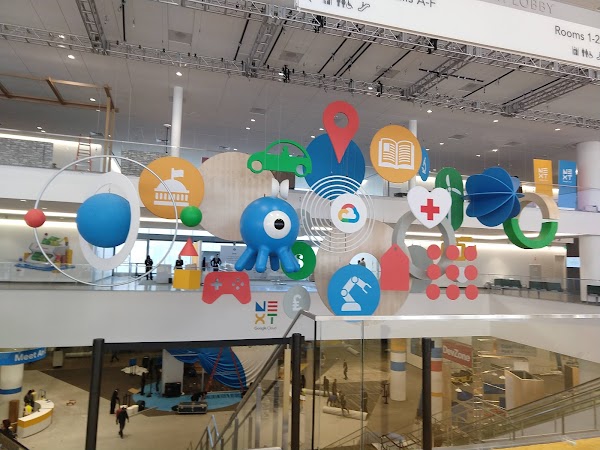
旧金山加州的莫斯科尼中心拥有独特的公共艺术和人行天桥,这些艺术和天桥提升了游客体验,并为这座城市的充满活力的文化景观做出了贡献。 其中一个亮点是 Leo Villareal 的“点云”,这是一个令人惊叹的灯光雕塑,由悬挂在东桥天花板上的 50,000 多个 LED 组成。这件动态艺术品创造出不断变化的图案,灵感来自会议中心周围的动态活动,为行人体验增添了迷人的元素。 另一件值得注意的作品是 Sarah Sze 的“双重地平线”,这是一个特定地点的装置,其特点是在西桥的路径两侧有两块巨石。巨石的表面镶嵌着环氧树脂瓷砖,以创建天空的像素化图像,反映了时间的流逝以及自然与技术之间的相互作用。 Brendan Monroe 在莫斯科尼长廊创作的大型壁画“滚动”,描绘了一大片水和空气,让人联想到塑造旧金山的自然力量。壁画的黑色、白色和灰色调创造了这座城市动态环境的图形化表现。 除了这些当代作品外,莫斯科尼中心还收藏了一系列 1980 年代的修复作品,包括基思·哈林的壁画和乔治·莫斯科尼市长的青铜半身像。这些作品让人们得以一窥这座城市的艺术遗产及其对公共艺术的承诺。 人行天桥本身就是建筑奇迹,旨在增强连通性和安全性。装饰着 Villareal 的灯光雕塑的东桥,为莫斯科尼北楼和南楼之间提供了视觉上令人惊叹的通道。西桥采用露天设计,将会议中心与周围的公共空间连接起来,在城市环境和会议中心的内部之间创造了无缝的流动。 莫斯科尼中心公共艺术和人行天桥的整合展示了旧金山致力于为游客和居民营造充满活力且易于体验的文化体验。这些元素不仅提升了会议中心的审美吸引力,而且还促进了这座城市作为创新和创造力中心的形象。可持续设计与 LEED 白金认证
莫斯科尼中心:可持续设计和 LEED 白金认证的典范 莫斯科尼中心坐落于旧金山中心地带,是可持续设计和 LEED 白金认证的典范。这座庞大的会展中心实施了创新解决方案,以最大程度地减少其对环境的影响,并因此获得了 LEED 白金认证,用于既有建筑运营和维护 (EBOM)。 莫斯科尼中心对可持续发展的承诺体现在其适应性再利用和弹性工作中。设计团队优先考虑保留现有元素,从而显著减少了施工的碳足迹。这种方法使得莫斯科尼中心产生的碳排放量低于北美任何其他大型会展中心。 该中心的令人印象深刻的可持续发展特色包括一个收集地下水以供再利用的 70,000 加仑水箱、一个产生清洁能源的大型太阳能电池阵列以及一个强大的回收和堆肥计划。莫斯科尼中心还自豪地将剩余食物捐赠给当地非营利组织,进一步减少了浪费。 莫斯科尼中心对可持续发展的奉献超出了其自身运营范围。该中心积极与旧金山黄金合作,这是一个由酒店专业人士组成的团体,以帮助会议策划者实现其企业社会责任 (CSR) 目标。该倡议确保在莫斯科尼中心举办的活动对城市产生积极影响。 该中心对环境责任的承诺进一步体现在其正在进行的将太阳能电池阵列扩展到莫斯科尼西部的行动中。此次扩建将进一步减少对化石燃料的依赖,并巩固莫斯科尼中心作为可持续实践领导者的地位。 莫斯科尼中心的 LEED 白金认证证明了其对环境管理的奉献。该中心为其他会展中心和企业树立了榜样,表明可持续发展和经济成功可以齐头并进。通过采用创新解决方案和优先考虑环境责任,莫斯科尼中心正在为更绿色的未来铺平道路。
2
Yerba Buena Gardens
View on map
Audio Narrations
Introduction
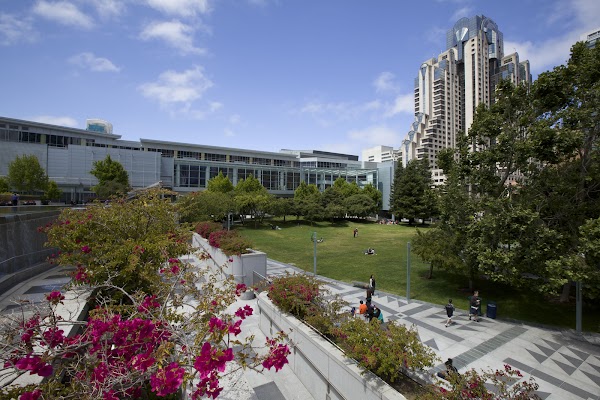
Nestled in the heart of San Francisco, Yerba Buena Gardens is a vibrant urban oasis that seamlessly blends art, history, and nature. This 5.5-acre park, once a bustling railyard, has transformed into a cultural hub, offering a diverse array of experiences for visitors of all ages. The crown jewel of the gardens is the Yerba Buena Center for the Arts, a contemporary art museum showcasing innovative exhibitions and performances. Its striking architecture, featuring a cantilevered glass wall and a rooftop terrace with panoramic city views, is a testament to the park's commitment to modern design. Art enthusiasts can also explore the numerous sculptures and installations scattered throughout the gardens, including the iconic "Embrace" sculpture by Louise Bourgeois and the whimsical "Cloud Cover" by Janet Echelman. These works of art add a touch of whimsy and wonder to the landscape, inviting visitors to engage with their surroundings in new and unexpected ways. Beyond its artistic offerings, Yerba Buena Gardens is a haven for nature lovers. The serene Japanese Tea Garden, with its koi ponds, pagodas, and meticulously manicured gardens, provides a tranquil escape from the hustle and bustle of city life. The Martin Luther King Jr. Memorial, a poignant tribute to the civil rights leader, offers a space for reflection and remembrance. For those seeking a more active experience, the Yerba Buena Ice Skating Center and the Children's Garden provide ample opportunities for recreation and play. The ice rink, open year-round, is a popular spot for both seasoned skaters and beginners, while the Children's Garden, with its interactive water features and play structures, is a delight for families with young children. Yerba Buena Gardens is more than just a park; it is a living testament to San Francisco's vibrant cultural scene and its commitment to creating a welcoming and inclusive space for all. Whether you're an art aficionado, a nature enthusiast, or simply looking for a place to relax and unwind, Yerba Buena Gardens has something to offer everyone.Public Art
Public Art in Yerba Buena Gardens: A Journey Through Creativity Yerba Buena Gardens, nestled in the heart of San Francisco, is not just a green oasis but a vibrant canvas for public art. Here, sculptures, installations, and murals intertwine with nature, offering a unique experience for art enthusiasts and casual visitors alike. One cornerstone of the Gardens' public art collection is the "Revelations" memorial dedicated to Dr. Martin Luther King Jr. This immersive fountain features etched glass panels inscribed with excerpts of King's speeches in the languages of San Francisco's sister cities. Stepping into the fountain, visitors embark on a metaphorical journey of transformation, echoing the spirit of King's message. Across the terrace, the Sister Cities Garden offers a tranquil space adorned with plants representing each of San Francisco's sister cities. This verdant haven provides a moment of reflection while showcasing the city's global connections. Venture further, and you'll encounter "Shaking Man," a life-size bronze sculpture by Terry Allen. This enigmatic figure, briefcase in hand, embodies the complexities of modern life, prompting contemplation on the human condition. For a burst of color, seek out Keith Haring's untitled sculpture, a vibrant primary-colored work that stands as a beacon of joy and artistic expression. And don't miss "Genesis," Christine Corday's monumental stainless steel sculpture that graces the entrance to Moscone North. Its sweeping curves and imposing presence evoke a sense of awe and inspire reflection on the creative process. These are just a few highlights of the diverse public art collection at Yerba Buena Gardens. Each piece adds a unique layer to the landscape, inviting visitors to engage with art in unexpected ways and discover new perspectives. So, take a stroll through the Gardens, let the art speak to you, and immerse yourself in the creative spirit of San Francisco.Urban Renewal
Yerba Buena Gardens: A Triumph of Urban Renewal in San Francisco The Yerba Buena Gardens stand as a shining example of successful urban renewal in San Francisco. This 87-acre project transformed a blighted area in the South of Market (SOMA) district into a vibrant hub of cultural, residential, and commercial activity. The story of Yerba Buena Gardens is one of community activism, innovative planning, and unwavering commitment. In the 1950s, the SOMA district faced significant challenges, including aging infrastructure, vacant buildings, and a dwindling population. Recognizing the need for change, the San Francisco Redevelopment Agency (SFRA) embarked on an ambitious urban renewal project. The initial plan faced opposition from residents and local businesses, leading to a landmark lawsuit in the 1970s. The court ultimately ruled in favor of the community, ensuring their right to affordable housing and participation in the redevelopment process. This victory paved the way for a more inclusive and equitable approach to urban renewal. The Yerba Buena Gardens project incorporated a diverse mix of uses, including housing, cultural institutions, parks, and commercial spaces. The centerpiece of the project is a series of beautifully landscaped gardens, offering a tranquil oasis in the heart of the city. The Yerba Buena Center for the Arts, a renowned cultural hub, houses museums, theaters, and performance spaces. Additionally, the project includes a convention center, hotels, and office buildings, contributing to the economic vitality of the area. The success of Yerba Buena Gardens can be attributed to several factors. Firstly, the project prioritized community engagement and incorporated the needs and aspirations of residents into the planning process. Secondly, the design embraced innovative and sustainable practices, creating a vibrant and livable environment. Finally, the project fostered a strong partnership between the public and private sectors, ensuring the necessary resources and expertise were available. Today, Yerba Buena Gardens stands as a testament to the transformative power of urban renewal. It has revitalized a once-neglected area, created a thriving community, and become a beloved destination for residents and visitors alike. The project serves as a model for other cities seeking to revitalize their urban landscapes through inclusive and sustainable practices.
3
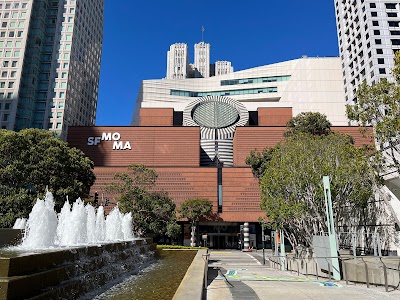
San Francisco Museum of Modern Art
View on map
Audio Narrations
Introduction
The San Francisco Museum of Modern Art (SFMOMA) stands as a beacon of artistic innovation and cultural engagement in the heart of San Francisco. Its iconic Mario Botta-designed building, a symphony of cylindrical forms and red brick, houses a treasure trove of modern and contemporary art spanning over a century. Beyond its architectural allure, SFMOMA boasts an unparalleled collection of masterpieces, including works by Pablo Picasso, Frida Kahlo, Andy Warhol, and Jackson Pollock. The museum's commitment to showcasing diverse perspectives extends to its impressive holdings of photography, architecture, design, and media arts. One of SFMOMA's unique strengths lies in its dedication to fostering dialogue and engagement with art. Interactive installations, thought-provoking exhibitions, and educational programs invite visitors to delve deeper into the creative process and explore the power of art to inspire and challenge. A visit to SFMOMA is not merely an encounter with art; it's an immersive journey into the heart of human creativity. From the soaring atrium to the intimate galleries, the museum provides a space for reflection, discovery, and connection with the artistic spirit.Architecture
San Francisco Museum of Modern Art: A Journey Through Architectural Evolution The San Francisco Museum of Modern Art (SFMOMA) stands as a testament to architectural evolution, boasting two distinct yet interconnected structures. The original building, designed by Mario Botta and completed in 1995, embodies a postmodern aesthetic. Its geometric forms, brick facade, and central cylindrical atrium with a towering skylight create a monumental presence. The interior features alternating bands of polished and flame-finished black granite, lending a sense of both elegance and drama. In 2016, the museum underwent a significant expansion led by Snøhetta. The new wing seamlessly integrates with Botta's design while introducing a contemporary twist. The facade, inspired by the San Francisco Bay, features rippling horizontal bands of fiberglass panels embedded with silicate crystals, creating a dynamic interplay of light and shadow. Inside, a cascading series of stairs connects the galleries, offering panoramic views of the city. The expansion also introduced a focus on sustainability, achieving LEED Gold certification. The use of natural light, energy-efficient systems, and recycled materials reflects the museum's commitment to environmental responsibility. SFMOMA's architecture is not merely a backdrop for art; it is an integral part of the museum experience. The interplay of light, space, and materials creates a stimulating environment that enhances the appreciation of art. The museum's commitment to both historical and contemporary design makes it a unique destination for architecture enthusiasts and art lovers alike.Exhibitions
Fashioning San Francisco: A Century of Style at the de Young Museum Step into a world of fashion innovation and self-expression at the de Young Museum's captivating exhibition, "Fashioning San Francisco: A Century of Style." This immersive experience showcases over 100 iconic garments, highlighting the city's vibrant fashion scene and its long-standing tradition of pushing boundaries. Explore the evolution of San Francisco style through the lens of renowned designers like Christian Dior, Alexander McQueen, and local avant-garde pioneers like Kaisik Wong. Discover how the city's diverse communities have shaped its fashion landscape, from the daring creations of Japanese designers to the boundary-breaking work of European innovators. Immerse yourself in the stories behind the garments, learning about the individuals who championed avant-garde fashion and the retailers who brought these daring designs to the streets of San Francisco. Witness the impact of the city's counterculture on fashion, with its emphasis on self-expression and individuality. "Fashioning San Francisco" is more than just a display of beautiful clothes; it's a journey through the city's cultural history, showcasing how fashion has served as a canvas for self-expression and social change. Don't miss this unique opportunity to explore the rich tapestry of San Francisco's fashion scene at the de Young Museum.
4
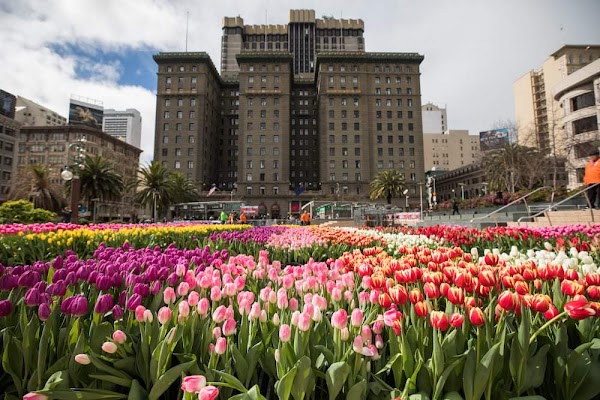
Union Square
View on map
Audio Narrations
Introduction
Union Square, the beating heart of San Francisco, pulsates with a vibrant energy that draws in locals and tourists alike. This iconic plaza, once a barren sand dune, has transformed into a bustling hub of activity, surrounded by architectural marvels and pulsating with the rhythm of the city. Towering above the square, the Westin St. Francis Hotel, a majestic landmark, exudes an aura of timeless elegance. Its opulent interiors and grand ballroom have witnessed countless social gatherings, political rallies, and even the signing of the United Nations Charter. Across the street, the Tiffany & Co. building, adorned with its signature robin's egg blue facade, beckons with its exquisite jewelry and timeless allure. Beneath the watchful gaze of the Dewey Monument, a tribute to Admiral George Dewey, visitors can lose themselves in the vibrant farmers' market, bursting with fresh produce, artisanal goods, and the tantalizing aromas of local delicacies. The surrounding streets, lined with upscale boutiques, department stores, and art galleries, offer a treasure trove of shopping experiences. As the sun begins its descent, Union Square transforms into a dazzling spectacle. The iconic Christmas tree, adorned with thousands of twinkling lights, casts a warm glow over the plaza, while street performers entertain the crowds with their vibrant melodies. The air fills with the scent of roasted chestnuts and the cheerful chatter of friends and families enjoying the festive atmosphere. Union Square is not just a place; it's an experience. It's a tapestry woven with history, culture, and the indomitable spirit of San Francisco. It's a place where memories are made, stories are shared, and the city's vibrant energy comes alive.Cultural Center
Union Square: A Cultural Oasis in the Heart of San Francisco Beyond the bustling shops and vibrant streets, Union Square in San Francisco pulsates with a rich cultural heartbeat. This iconic plaza transcends its commercial facade to offer a tapestry of artistic expression, historical echoes, and community engagement. Union Square's cultural significance is deeply rooted in its history. The Dewey Monument, a towering tribute to Admiral George Dewey's victory in the Spanish-American War, stands as a testament to the city's past. The surrounding architecture, a blend of Beaux-Arts and Art Deco styles, whispers tales of a bygone era when San Francisco was a cultural hub. But Union Square's cultural pulse extends far beyond its physical structures. The plaza itself transforms into a vibrant stage for diverse artistic expressions. Throughout the year, it hosts a kaleidoscope of events, from open-air art installations and live music performances to vibrant cultural festivals like the Chinese New Year Parade and the boisterous Bastille Day celebration. Art enthusiasts can delve into the world of contemporary art at the nearby Yerba Buena Center for the Arts, while history buffs can explore the fascinating exhibits at the Chinese Historical Society of America. The renowned San Francisco Museum of Modern Art (SFMOMA) is also within walking distance, offering a treasure trove of modern and contemporary art. Union Square's cultural tapestry extends beyond visual and performing arts. The historic French Quarter, nestled just northeast of the square, offers a charming escape with its open-air cafes and authentic French restaurants. The nearby Maiden Lane, a hidden gem, boasts exclusive boutiques and the iconic Xanadu Gallery, designed by Frank Lloyd Wright. As the sun sets, Union Square transforms into a vibrant hub of nightlife. Live music spills out from the surrounding bars and restaurants, while street performers captivate audiences with their artistry. The city's renowned theaters, including the Geary and Curran, offer a diverse range of performances, from Broadway musicals to thought-provoking plays. Union Square's cultural influence extends beyond its physical boundaries. It serves as a platform for community engagement, fostering a sense of belonging and shared experiences. From peaceful protests to joyous celebrations, the plaza has witnessed countless moments that have shaped the city's cultural landscape. In conclusion, Union Square is more than just a shopping destination; it is a vibrant cultural hub that pulsates with the energy of art, history, and community. Whether you're an art enthusiast, a history buff, or simply seeking a unique cultural experience, Union Square offers a captivating journey into the heart of San Francisco's cultural soul.Historical Significance
Union Square: A Historical Tapestry in the Heart of San Francisco Union Square's story is intricately woven into the fabric of San Francisco's history. From its humble beginnings as a windswept sand dune to its present-day status as a bustling retail and cultural hub, the square has witnessed the city's evolution through its changing landscapes and social movements. In 1850, Colonel John Geary, San Francisco's first American mayor, designated the area as a public park, forever shaping its future. The square quickly became a focal point for pro-Union rallies during the Civil War, earning its iconic name. The towering Dewey Monument, erected in 1903, stands as a testament to the city's patriotic spirit and its connection to the sea. Union Square's transformation into a commercial center began in the late 19th century, attracting upscale boutiques, department stores, and art galleries. The 1906 earthquake and fire, however, left the area in ruins. But San Francisco, resilient as ever, rebuilt, and Union Square emerged as a symbol of the city's indomitable spirit. The 1930s saw the construction of the world's first underground parking garage beneath the square, a testament to the city's innovative spirit. This engineering marvel allowed the plaza to flourish above, becoming a vibrant gathering place for locals and tourists alike. Throughout the 20th century, Union Square continued to evolve, reflecting the changing social and cultural landscape of San Francisco. From the Summer of Love to the dot-com boom, the square has served as a stage for protests, celebrations, and artistic expression. Today, Union Square stands as a living monument to San Francisco's rich history. Its architectural landmarks, vibrant street life, and enduring spirit continue to captivate visitors and locals alike, making it a cornerstone of the city's identity.
5
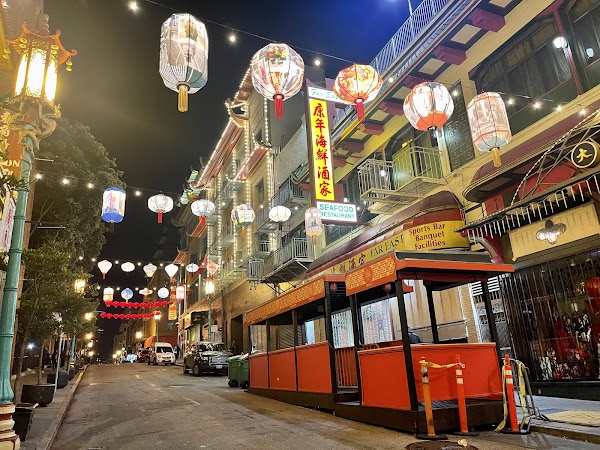
Chinatown San Francisco
View on map
Audio Narrations
Introduction
Chinatown San Francisco, the oldest and largest Chinatown outside of Asia, is a vibrant tapestry of history, culture, and community. Founded in the mid-19th century by Chinese immigrants seeking gold and new opportunities, it has evolved into a bustling enclave that embodies the spirit of resilience and innovation. Beyond the iconic red-and-gold pagoda-style architecture and bustling street markets, Chinatown offers a glimpse into a rich cultural heritage. Traditional Chinese medicine shops, tea houses, and dim sum restaurants line the narrow streets, each with its own unique story to tell. The Golden Gate Fortune Cookie Factory, a hidden gem tucked away in a back alley, has been churning out the iconic treats since 1962. For art enthusiasts, Chinatown boasts a thriving art scene. The Chinese Historical Society of America Museum showcases artifacts and exhibits that chronicle the Chinese American experience. The Tin How Temple, a Taoist temple dating back to 1852, is a stunning example of traditional Chinese architecture and a place of spiritual solace. Chinatown is also a culinary destination, offering an array of authentic Chinese cuisine. From dim sum and Peking duck to hand-pulled noodles and clay pot dishes, the flavors are as diverse as the community itself. The annual Chinese New Year celebration is a spectacle of vibrant colors, lion dances, and delicious food, drawing visitors from all over the world. More than just a tourist attraction, Chinatown is a living, breathing community where generations of Chinese Americans have made their home. It is a place where tradition and modernity coexist, where the past informs the present, and where the future holds endless possibilities.Culinary Destination
Chinatown San Francisco, a vibrant tapestry of culinary traditions, offers an unparalleled immersion into the world of Chinese cuisine. Beyond the iconic dim sum and Peking duck, this historic enclave boasts a treasure trove of hidden gems waiting to be discovered. Venture into the labyrinthine alleyways to uncover authentic Cantonese tea houses, where locals gather over steaming cups of fragrant pu-erh and delicate dim sum. Explore the bustling markets, where fresh seafood, exotic fruits, and aromatic spices tantalize the senses. For a taste of old-world charm, step into a traditional noodle shop and savor a steaming bowl of hand-pulled noodles, each strand infused with the flavors of generations past. Indulge in the art of Shanghainese cuisine at a hidden gem tucked away in a backstreet, where delicate xiaolongbao burst with savory broth and succulent fillings. Chinatown's culinary scene extends beyond its restaurants, offering a glimpse into the rich cultural heritage of Chinese food. Witness the meticulous art of dim sum making, where skilled chefs deftly fold and pleat delicate dumplings. Learn the secrets of traditional Chinese baking at a local bakery, where mooncakes and pineapple buns are crafted with time-honored techniques. As the sun sets, Chinatown transforms into a vibrant street food haven. Sample sizzling skewers of lamb, crispy scallion pancakes, and fluffy egg waffles, each bite a testament to the city's culinary diversity. Whether you're a seasoned gourmand or a curious explorer, Chinatown San Francisco offers an unforgettable culinary adventure. With its hidden gems, authentic flavors, and rich cultural heritage, this vibrant enclave promises to tantalize your taste buds and leave you yearning for more.Cultural Hub
Chinatown San Francisco: A Cultural Hub Beyond Compare Chinatown San Francisco, the oldest and largest in North America, pulsates with a vibrant cultural energy unmatched anywhere else. It's not just a neighborhood; it's a living testament to the resilience and rich heritage of the Chinese diaspora. Step through the iconic Dragon Gate on Grant Avenue, and you're transported to a world of ornate architecture, bustling markets, and the tantalizing aromas of authentic Chinese cuisine. Explore the hidden alleyways, adorned with vibrant murals and adorned with "painted balconies," each a testament to the neighborhood's artistic spirit. Chinatown is more than just sights and sounds; it's a tapestry woven from the stories of its people. The Chinese Historical Society Museum houses a treasure trove of artifacts, whispering tales of immigration, hardship, and triumph. Immerse yourself in the community's artistic spirit at the Chinese Culture Center, where exhibitions showcase the works of contemporary Chinese American artists. Venture into Portsmouth Square, the "Living Room of Chinatown," where tai chi classes and xianqi games unfold against the backdrop of the iconic pagoda-style buildings. Here, generations gather, sharing stories and laughter, keeping traditions alive. The newly opened Edge on the Square adds a modern twist to the cultural landscape. This vibrant hub celebrates the Pacific Islander and Asian American communities through pop-up events, festivals, and culinary experiences. Chinatown is a place where history whispers from every corner, where ancient traditions blend seamlessly with modern expressions of art and culture. It's a place to savor authentic flavors, witness vibrant celebrations, and connect with the heart and soul of the Chinese American community. So, come explore Chinatown San Francisco, not just as a tourist, but as a cultural explorer, ready to be captivated by its unique spirit and immerse yourself in its rich tapestry.
6
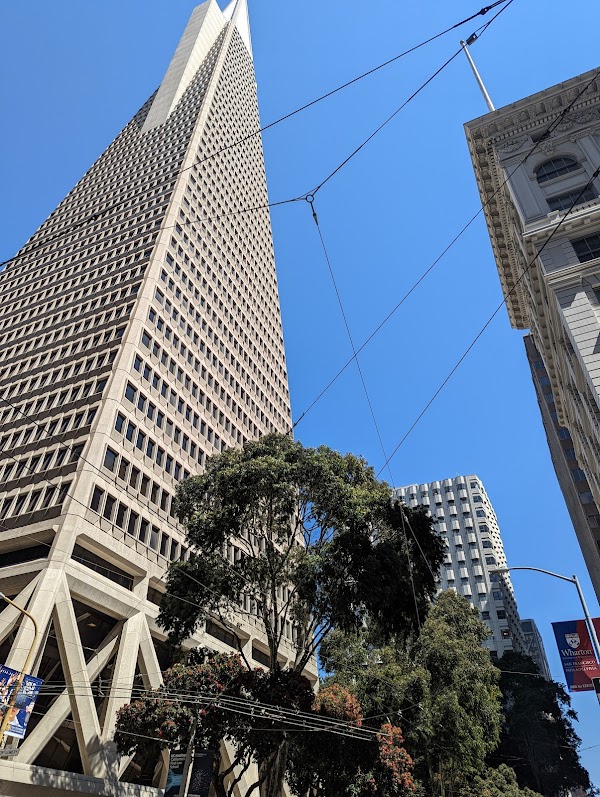
Transamerica Pyramid
View on map
Audio Narrations
Introduction
The Transamerica Pyramid, a gleaming white skyscraper piercing the San Francisco skyline, is more than just a landmark; it's a symbol of the city's resilience and innovation. Completed in 1972, it was the tallest building west of the Mississippi for nearly two decades, a testament to the city's post-war economic boom. Its unique design, inspired by a four-sided pyramid, was a bold departure from the traditional rectangular skyscrapers, earning it the nickname "The Finger." The pyramid's exterior is clad in 26,000 white quartz panels, each meticulously hand-cleaned every five years. This meticulous maintenance ensures the building's pristine appearance, reflecting the city's dedication to preserving its architectural heritage. The pyramid's apex, reaching 853 feet, is adorned with a 24-karat gold capstone, a beacon of hope and prosperity for the city. Inside, the pyramid houses offices, a restaurant, and an observation deck offering panoramic views of the city. The observation deck, accessible by a high-speed elevator, provides a unique perspective of the city's iconic landmarks, from the Golden Gate Bridge to Alcatraz Island. The Transamerica Pyramid is not just a building; it's a living testament to San Francisco's spirit. Its innovative design, unwavering resilience, and commitment to sustainability make it a symbol of the city's enduring legacy.Urban Renewal
The Transamerica Pyramid: A Beacon of Urban Renewal in San Francisco The Transamerica Pyramid, a 48-story skyscraper in San Francisco, stands as a testament to the city's dynamic urban renewal efforts. Originally built in 1972, the pyramid was a controversial addition to the city's skyline, with its Brutalist architecture clashing with the traditional Victorian and Art Deco styles prevalent in the area. However, the recent $1 billion renovation has transformed the pyramid into a symbol of modern urban renewal, seamlessly integrating it into the surrounding cityscape. The renovation project, led by Foster + Partners, focused on revitalizing the entire city block, including the pyramid itself and the adjacent Redwood Park. The park, which features nearly 50 mature redwood trees, has been expanded and upgraded, creating a vibrant green space in the heart of the financial district. The pyramid's exterior has been modernized with a new LED lighting system, allowing for dynamic light shows that illuminate the night sky. Inside the pyramid, the renovation has created a modern and flexible office environment, with amenities such as a private members club, wellness center, and rooftop lounge. The goal is to attract new businesses and residents to the area, contributing to the revitalization of downtown San Francisco. The Transamerica Pyramid's transformation is a prime example of how urban renewal can breathe new life into aging infrastructure and create a more vibrant and sustainable city. The project has not only preserved the pyramid's iconic status but has also reimagined it as a catalyst for economic growth and community engagement. As San Francisco continues to evolve, the Transamerica Pyramid stands as a symbol of the city's commitment to embracing change and shaping its future through innovative urban renewal initiatives.Architectural Innovation
The Transamerica Pyramid, a beacon of architectural innovation, stands as a testament to San Francisco's pioneering spirit. Its unique pyramid shape, a departure from traditional skyscraper designs, was a bold statement of modernity and a testament to the city's embrace of the future. Architect William Pereira's vision was to create a structure that would not only redefine the city's skyline but also embody its innovative spirit. The pyramid's design was not merely aesthetic; it was a reflection of Pereira's commitment to structural efficiency and seismic resilience. The pyramid shape, with its wide base and tapering sides, was able to withstand the forces of nature, making it an ideal choice for earthquake-prone San Francisco. The building's construction, completed in 1972, was a marvel of engineering. The use of precast concrete panels and a steel frame allowed for rapid and efficient construction, while the innovative use of cables and tension rods provided additional stability. The result was a structure that was both visually stunning and structurally sound. The Transamerica Pyramid's impact on architectural innovation extended beyond its own design. It inspired a generation of architects to explore new possibilities in skyscraper design, pushing the boundaries of form and function. Its legacy can be seen in countless buildings around the world, from the Shard in London to the Burj Khalifa in Dubai. Today, the Transamerica Pyramid remains a symbol of San Francisco's architectural daring and its commitment to innovation. It stands as a reminder that great architecture is not merely about aesthetics but also about pushing the boundaries of what is possible.
7
Ferry Building
View on map
Audio Narrations
Introduction
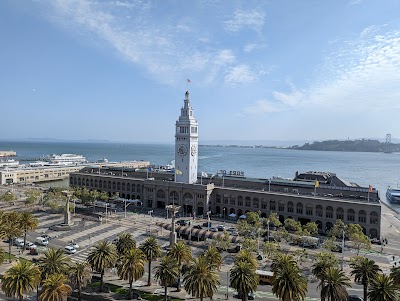
The Ferry Building in San Francisco, California, is a bustling hub of activity, drawing in locals and tourists alike with its vibrant farmers market, upscale restaurants, and stunning views of the bay. Originally constructed in 1898, the building served as a vital transportation link, connecting San Francisco to Oakland and other Bay Area destinations. Today, the Ferry Building has been transformed into a culinary and cultural destination, showcasing the best of California's fresh produce, artisanal goods, and innovative cuisine. Stepping inside the Ferry Building is like entering a world of gastronomic delights. The expansive market hall is filled with colorful stalls overflowing with seasonal fruits and vegetables, fragrant herbs, and locally sourced meats and cheeses. Renowned chefs and artisans offer a tempting array of gourmet treats, from freshly baked bread and pastries to handcrafted chocolates and artisanal cheeses. The Ferry Building also boasts a collection of acclaimed restaurants, each offering a unique dining experience. Whether you're craving fresh seafood, mouthwatering pizzas, or innovative vegetarian fare, the Ferry Building has something to satisfy every palate. Beyond its culinary offerings, the Ferry Building provides a stunning backdrop for enjoying the San Francisco Bay. The expansive deck offers panoramic views of the Golden Gate Bridge, Alcatraz Island, and the bustling waterfront. Visitors can relax on Adirondack chairs, soak up the sunshine, and watch the ferries glide across the water. The Ferry Building also hosts a variety of events throughout the year, including farmers markets, cooking demonstrations, and live music performances. Whether you're a food enthusiast, a history buff, or simply looking for a scenic spot to relax and enjoy the San Francisco Bay, the Ferry Building is a must-visit destination. With its rich history, vibrant atmosphere, and delectable culinary offerings, the Ferry Building is a true gem of San Francisco.Public Market
Ferry Building: A Culinary Oasis in the Heart of San Francisco The Ferry Building in San Francisco is more than just a bustling marketplace; it's a vibrant culinary hub where the freshest local produce, artisanal goods, and delectable treats converge. This iconic landmark, situated along the Embarcadero, offers a unique public market experience that tantalizes the senses and celebrates the bounty of California's diverse food scene. Step inside the Ferry Building, and you'll be greeted by a symphony of sights, smells, and flavors. Rows of colorful stalls showcase an array of seasonal fruits and vegetables, from plump heirloom tomatoes to vibrant lettuces and fragrant herbs. Local farmers and artisans proudly display their wares, eager to share their stories and passion for sustainable agriculture. Beyond the produce, the Ferry Building houses a treasure trove of culinary delights. Renowned chefs and restaurateurs have established their outposts here, offering everything from freshly baked bread and artisanal cheeses to gourmet chocolates and handcrafted ice cream. The air is filled with the aroma of freshly brewed coffee, tempting pastries, and sizzling seafood, creating an irresistible symphony of culinary temptation. The Ferry Building is not just a place to shop; it's a community gathering space where people come together to connect over their love of food. The bustling atmosphere is punctuated by the laughter of friends sharing a meal, the excited chatter of families exploring the market, and the passionate discussions between chefs and customers. Whether you're a seasoned foodie or simply looking for a unique and delicious experience, the Ferry Building offers a captivating journey through the world of California cuisine. It's a place to discover hidden gems, indulge in culinary delights, and connect with the vibrant community that celebrates the joy of food.Beaux-Arts Architecture
The Ferry Building in San Francisco, California, stands as a testament to the grandeur and elegance of Beaux-Arts architecture. Completed in 1898, the building embodies the movement's principles of symmetry, monumentality, and classical detailing. Its massive scale, with a 660-foot-long skylit nave and a 245-foot-tall clock tower, creates a sense of awe and grandeur. The clock tower, inspired by the 12th-century bell tower in Spain's Seville Cathedral, is a prominent landmark on the San Francisco skyline. The Ferry Building's Beaux-Arts elements are evident in its facade, adorned with intricate carvings, sculptures, and decorative motifs. The use of white granite and terracotta adds to the building's grandeur and sophistication. The interior features a grand staircase, marble floors, and coffered ceilings, all of which contribute to the building's opulent atmosphere. The Ferry Building's design reflects the Beaux-Arts movement's emphasis on functionality and aesthetics. The building's original purpose as a transportation hub is evident in its spacious interior and large windows, which provide ample natural light. The use of classical elements, such as columns and arches, creates a sense of order and harmony. The Ferry Building's Beaux-Arts architecture has made it a popular destination for tourists and locals alike. Its elegant design and historical significance have earned it a place on the National Register of Historic Places and as a San Francisco landmark. The building's transformation into a vibrant marketplace and office complex has revitalized the waterfront area and made it a hub of activity. In conclusion, the Ferry Building in San Francisco, California, is a remarkable example of Beaux-Arts architecture. Its grand scale, intricate detailing, and classical elements make it a masterpiece of the movement. The building's historical significance and ongoing use as a public space ensure that it will continue to be admired for generations to come.
8
Pier 7
View on map
Audio Narrations
Introduction
Pier 7, a beacon of maritime history and contemporary allure, stands as a testament to San Francisco's dynamic waterfront. Originally constructed in 1914 as a bustling cargo terminal, the pier has undergone a remarkable transformation, emerging as a vibrant hub for entertainment, dining, and cultural experiences. The pier's expansive deck, adorned with reclaimed wood and accented by string lights, offers breathtaking views of the San Francisco Bay. Visitors can stroll along the waterfront, soaking in the panoramic vistas of Alcatraz Island, Angel Island, and the iconic Golden Gate Bridge. The pier's unique location provides a front-row seat to the city's ever-changing maritime landscape, with ferries, sailboats, and cargo ships gliding gracefully across the water. Pier 7 is not merely a scenic destination; it is a culinary haven. Renowned restaurants, each with its distinct ambiance and culinary flair, line the pier, offering a diverse array of dining options. From fresh seafood and waterfront views at Waterbar to the vibrant Latin flavors of La Mar Cebicheria Peruana, Pier 7 caters to every palate. The pier's lively atmosphere is further enhanced by its eclectic mix of shops, offering everything from nautical souvenirs to handcrafted jewelry. Beyond its culinary and retail offerings, Pier 7 is a stage for cultural events and entertainment. The pier's open-air amphitheater hosts a variety of performances, from live music concerts to theatrical productions. The pier also serves as a venue for art exhibitions, showcasing the works of local and international artists. Pier 7's rich history is interwoven with the city's maritime heritage. The pier's original cargo sheds, now repurposed as event spaces, stand as silent witnesses to the bustling trade that once defined San Francisco's waterfront. The pier's transformation from a utilitarian cargo terminal to a vibrant cultural and entertainment hub reflects the city's dynamic spirit and its ability to reinvent itself. Today, Pier 7 stands as a symbol of San Francisco's maritime past and its contemporary allure. It is a place where history, culture, and entertainment converge, creating an unforgettable experience for visitors from all walks of life. As the sun sets over the San Francisco Bay, casting a golden glow on the pier, one cannot help but marvel at the remarkable journey of this historic landmark.Urban Fishing Spot
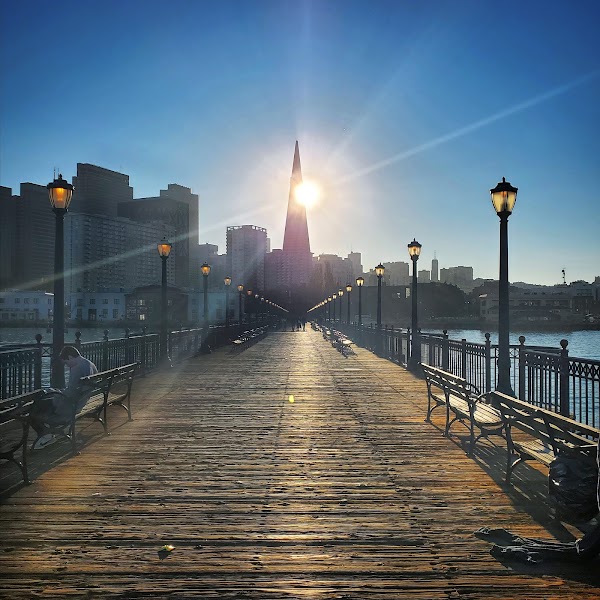
Pier 7: A Hidden Gem for Urban Anglers in San Francisco Nestled amidst the bustling cityscape of San Francisco, Pier 7 offers a unique urban fishing experience. While often overshadowed by its more famous neighbors, this historic pier holds a special charm for those seeking a slice of tranquility amidst the urban landscape. Unlike the tourist-laden Fisherman's Wharf, Pier 7 exudes a local vibe, attracting a dedicated community of anglers. The pier's wooden structure, with its weathered planks and iconic lampposts, evokes a sense of nostalgia and authenticity. The views, however, are anything but ordinary. Gazing out towards the Bay, you'll be greeted by the majestic Golden Gate Bridge and the captivating skyline of San Francisco. While the fishing may not always be fast-paced, Pier 7 offers a diverse range of species to target. From the elusive halibut lurking in the depths to the acrobatic striped bass, there's something for every angler. Sharks and rays also frequent the area, providing an exciting challenge for those seeking a thrill. The pier's location, nestled in the heart of the city, makes it easily accessible by public transportation. This convenience, coupled with the free fishing access, makes Pier 7 an ideal spot for a quick fishing fix after work or during a lunch break. However, Pier 7 is not without its challenges. The water clarity can be murky at times, making it difficult to spot fish. Additionally, the strong currents can pose a challenge for beginners. Nevertheless, with the right gear and a bit of patience, even novice anglers can find success at this urban oasis. For those seeking a unique and authentic urban fishing experience, Pier 7 offers a hidden gem in the heart of San Francisco. With its diverse fishing opportunities, stunning views, and convenient location, this historic pier is a haven for anglers seeking a respite from the city's hustle and bustle.Recreational Destination
Pier 7: A Picturesque Escape in San Francisco's Embrace Pier 7 in San Francisco stands as a testament to the city's ability to weave history and leisure into a captivating tapestry. This Victorian-era pier, adorned with intricate cast-iron railings and antique-style benches, offers a unique blend of recreational opportunities and breathtaking vistas. Anglers cast their lines into the bay's depths, hoping to reel in a variety of fish species. The pier's tranquil atmosphere provides a serene backdrop for leisurely strolls, picnics, and quiet contemplation. As the sun dips below the horizon, the city lights ignite, creating a romantic ambiance for evening walks. Beyond its aesthetic charm, Pier 7 boasts a rich history. Originally constructed in 1901, it served as a passenger terminal and cargo storage facility before transforming into a beloved fishing and recreational haven. The pier's resilience is evident in its reconstruction after the 1989 Loma Prieta earthquake, a testament to its enduring significance in the city's landscape. Pier 7's accessibility adds to its allure. Situated along the Embarcadero Promenade, it is easily reachable by foot, bike, or public transportation. This convenient location makes it a popular destination for both locals and tourists seeking a respite from the bustling city life. Whether you're an avid angler, a photography enthusiast, or simply someone seeking a tranquil escape, Pier 7 offers a unique and enriching experience. Its Victorian architecture, panoramic views, and historical significance combine to create a destination that is both captivating and timeless. So, step onto the wooden planks of Pier 7 and immerse yourself in the beauty and serenity that San Francisco has to offer.
9
Exploratorium
View on map
Audio Narrations
Introduction
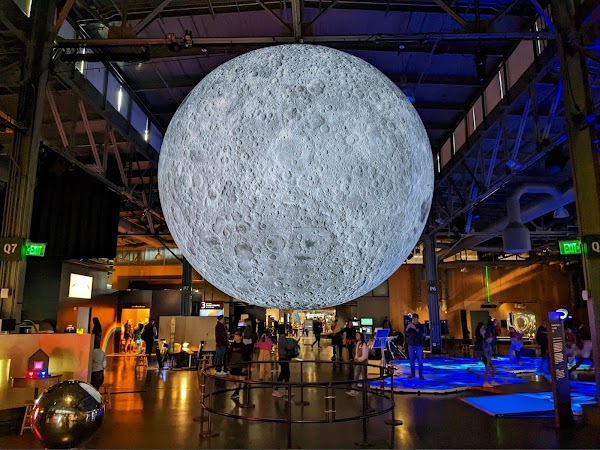
The Exploratorium, a haven for curious minds and playful spirits, invites visitors to engage with science and art in a unique and interactive way. Located on the picturesque waterfront of San Francisco, this museum is not just a repository of exhibits but a vibrant playground for exploration and discovery. Step into a world where you can create your own music on a giant theremin, marvel at the mesmerizing patterns of a kaleidoscope, or build a towering structure with giant foam blocks. The Exploratorium's exhibits are designed to spark curiosity, encourage experimentation, and challenge your understanding of the world around you. One of the museum's highlights is the Tactile Dome, a pitch-black environment where you navigate by touch alone, relying on your other senses to guide you. This immersive experience challenges your perceptions and offers a glimpse into the world of those with visual impairments. For those fascinated by the human body, the Exploratorium's Anatomy Lab provides a fascinating look at our inner workings. You can dissect a virtual frog, explore the intricate pathways of the nervous system, or even peer into a beating heart. The Exploratorium is not just a place for learning; it's a place for play. From the whimsical sounds of the SoundWave exhibit to the mesmerizing light patterns of the Wave Machine, the museum offers countless opportunities to engage your senses and ignite your imagination. Whether you're a seasoned science enthusiast or a curious newcomer, the Exploratorium promises an unforgettable journey of discovery and wonder. So, come prepared to roll up your sleeves, get hands-on, and explore the world in a whole new way.Educational Resource
Exploratorium: A Playground for Learning in San Francisco The Exploratorium in San Francisco isn't just a museum; it's a vibrant learning laboratory where curiosity and exploration reign supreme. Founded in 1969 by physicist Frank Oppenheimer, the Exploratorium boasts over 650 interactive exhibits designed to ignite a passion for science, art, and human perception in visitors of all ages. Beyond its engaging exhibits, the Exploratorium stands out as a unique educational resource. Its commitment to fostering inquiry-based learning extends far beyond its walls. The museum actively collaborates with educators, offering a plethora of online and in-person resources, workshops, and professional development programs. The Exploratorium's Teacher Institute caters specifically to K-12 science teachers, providing them with the tools and knowledge to make science education engaging and accessible for all students. The Institute's programs align with the Next Generation Science Standards, ensuring teachers are equipped to deliver the latest and most effective science curriculum. The Exploratorium's impact extends beyond California. It partners with international institutions to build science centers and museums, sharing its innovative approach to learning with a global audience. This commitment to global outreach ensures that the Exploratorium's unique brand of interactive learning reaches far and wide. For those seeking a truly immersive educational experience, the Exploratorium offers a variety of unique programs. The "Learning Commons" provides educators with a treasure trove of print and digital resources, while the "webcast studio" broadcasts educational content from the museum and around the world. The Exploratorium's dedication to lifelong learning is evident in its diverse offerings. From day camps and family workshops to programs for adults, the museum caters to learners of all ages and backgrounds. This commitment to inclusivity ensures that everyone has the opportunity to explore, experiment, and discover the wonders of science and art. Whether you're a seasoned educator, a curious child, or simply someone with a thirst for knowledge, the Exploratorium offers a unique and enriching educational experience. Its commitment to fostering curiosity, igniting imagination, and empowering learners of all ages makes it a truly invaluable resource in the world of education.Community Hub
The Exploratorium: A Community Hub for Curiosity and Exploration Beyond its exhibits and galleries, the Exploratorium in San Francisco thrives as a vibrant community hub, fostering a culture of curiosity and exploration for all ages and backgrounds. This unique aspect sets it apart from traditional museums, transforming it into a dynamic space where learning transcends the boundaries of formal education. The Exploratorium's commitment to community engagement is evident in its diverse outreach programs. The Community Outreach Program brings interactive science experiences to underserved communities, sparking a passion for learning among children and families who might not otherwise have access to such resources. XTech, a science education program for middle school students, empowers underserved youth by providing hands-on activities and fostering a sense of belonging in the world of science and technology. The Exploratorium's impact extends beyond its physical walls. The museum's website, a pioneer in online science education, reaches millions of visitors annually, offering engaging activities and experiments that bring the spirit of the Exploratorium to homes and classrooms around the world. The Exploratorium's dedication to fostering a sense of community is further reflected in its artist-in-residence program, which has nurtured the creativity of over 250 artists across various disciplines. These artists collaborate with the public, creating installations, exhibits, and performances that spark dialogue and inspire new ways of seeing the world. The Exploratorium's commitment to community extends beyond its walls, fostering a global network of participatory museums inspired by its innovative approach. This network serves as a testament to the museum's enduring impact, demonstrating its ability to ignite a passion for learning and exploration in communities worldwide. Through its dedication to community engagement, innovative outreach programs, and global impact, the Exploratorium stands as a beacon of learning and exploration, empowering individuals of all ages and backgrounds to embrace their inner scientist and discover the joy of lifelong learning.
10
Filbert Steps
View on map
Audio Narrations
Introduction
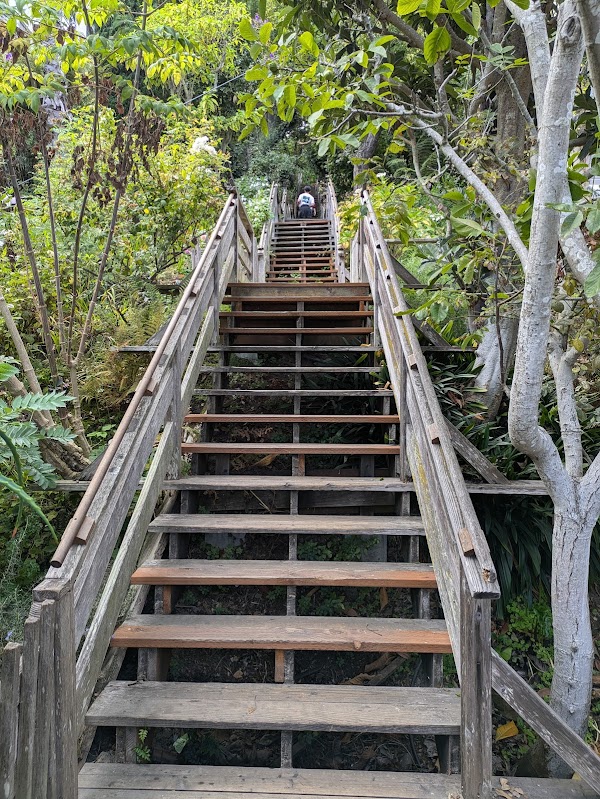
The Filbert Steps, nestled in the heart of San Francisco's Telegraph Hill, are a hidden gem that whispers tales of the city's past. Constructed in 1868, these 400 steps were once a vital artery for residents, connecting them to the bustling port below. Today, they stand as a testament to the city's resilience, having survived the devastating 1906 earthquake and subsequent fires. As you ascend the steps, the city unfolds before you like a living tapestry. The iconic Coit Tower stands sentinel, its whitewashed walls gleaming in the sunlight. The rhythmic clang of cable cars echoes through the air, transporting you back to a bygone era. The scent of fresh sourdough bread from nearby bakeries mingles with the salty tang of the bay, creating a symphony of aromas that awakens the senses. Each step tells a story. The worn treads bear the imprints of countless footsteps, each with its own destination and purpose. The wrought-iron railings, adorned with intricate floral motifs, speak of a time when craftsmanship was an art form. And the vibrant murals that adorn the walls, depicting scenes from San Francisco's history, bring the city's past to life. The Filbert Steps are more than just a passageway; they are a portal to the soul of San Francisco. They are a place to pause, reflect, and connect with the city's vibrant spirit. So, the next time you find yourself in San Francisco, take a moment to explore this hidden treasure. You might just discover a piece of yourself along the way.Scenic Hike
Nestled amidst the vibrant tapestry of San Francisco's Telegraph Hill, the Filbert Steps beckon with a unique allure for those seeking a scenic hike unlike any other. This hidden gem, often overlooked by the throngs of tourists, offers a tranquil escape into a world of verdant gardens, charming cottages, and breathtaking vistas. As you embark on your ascent, the steep, narrow stairs wind their way through a lush oasis, transporting you to a bygone era. Bougainvillea cascades in vibrant hues, while lemon trees release their fragrant perfume into the air. Quaint wooden cottages, remnants of the city's maritime past, line the path, adding a touch of whimsy to the landscape. As you reach the summit, the panoramic views of San Francisco Bay will leave you breathless. The iconic Golden Gate Bridge stretches across the horizon, while Alcatraz Island stands sentinel in the distance. The cityscape unfolds before you, a vibrant mosaic of architectural styles and bustling streets. But the Filbert Steps offer more than just stunning vistas. The path itself is a work of art, with intricate mosaics adorning the steps and hidden sculptures tucked away in the greenery. Keep an eye out for the elusive reclining tiger, its colorful tiles blending seamlessly with the surrounding foliage. As you descend, take a moment to explore the charming alleyways of Napier Lane and Darrell Place. These hidden gems, lined with quirky bungalows and verdant gardens, offer a glimpse into the city's bohemian spirit. Whether you're seeking a challenging workout, a tranquil escape, or a unique perspective on San Francisco, the Filbert Steps offer an unforgettable experience. So lace up your hiking boots, grab your camera, and prepare to be enchanted by this hidden gem.Community Garden
A Hidden Gem: Filbert Steps Community Garden Nestled amidst the steep ascent of the Filbert Steps in San Francisco lies a hidden gem - the Grace Marchant Garden. This vibrant community garden, lovingly created by Grace Marchant from a former dumpsite, offers a tranquil oasis amidst the urban landscape. Marchant, a passionate gardener, transformed the neglected space into a flourishing haven for both residents and visitors. With the support of neighbors and local businesses, the garden boasts a diverse array of colorful perennials and annuals, creating a vibrant tapestry of life. The Filbert Steps Community Garden serves as a testament to the power of community collaboration and the transformative potential of urban green spaces. It provides a haven for relaxation and connection, fostering a sense of shared ownership and responsibility among its stewards. Beyond its aesthetic beauty, the garden plays a vital role in promoting environmental sustainability. It serves as a natural habitat for local wildlife, including the vibrant green parrots that call Telegraph Hill home. Additionally, the garden contributes to improved air quality and stormwater management, showcasing the positive impact of urban greening initiatives. As you ascend the Filbert Steps, take a moment to appreciate the vibrant tapestry of the Grace Marchant Garden. Its story embodies the spirit of community, resilience, and the transformative power of nature in the heart of San Francisco.
11
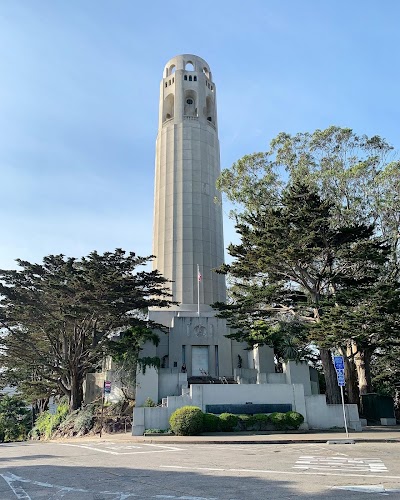
Coit Tower
View on map
Audio Narrations
Introduction
The Coit Tower, a 210-foot concrete obelisk, stands sentinel atop Telegraph Hill in San Francisco, offering panoramic views of the city and the bay. Built in 1933 with funds bequeathed by Lillie Hitchcock Coit, a wealthy socialite and patron of the arts, the tower was intended as a monument to the city's firefighters. Its cylindrical base houses a series of murals depicting scenes from San Francisco's history, including the 1906 earthquake and fire. These murals, created by 27 different artists, offer a unique glimpse into the city's past and its resilience in the face of adversity. The Coit Tower's distinctive silhouette has become an iconic landmark of San Francisco, instantly recognizable from afar. Its white exterior, reminiscent of a lighthouse, stands out against the city's skyline, while its location on Telegraph Hill provides a dramatic backdrop for the surrounding cityscape. The tower's interior, accessible by elevator, offers a 360-degree view of San Francisco, encompassing the Golden Gate Bridge, Alcatraz Island, and the bustling streets below. Beyond its aesthetic appeal, the Coit Tower holds historical significance as a testament to the city's spirit and its commitment to preserving its heritage. The murals within its walls serve as a visual narrative of San Francisco's past, while the tower itself stands as a symbol of the city's enduring strength and resilience.Controversial History
Coit Tower: A Beacon of Beauty and Controversy Coit Tower, a slender white column rising from Telegraph Hill, has been a San Francisco icon since its completion in 1933. However, beneath its elegant exterior lies a history steeped in controversy. The tower was built with funds bequeathed by Lillie Hitchcock Coit, a wealthy socialite with a passion for San Francisco's firefighters. Coit's will stipulated that the money be used to "beautify the city." However, the tower's design, resembling a fire hose nozzle, sparked debate. Some saw it as a fitting tribute to the city's firefighters, while others considered it a phallic symbol, a controversial interpretation fueled by Alfred Hitchcock's film "Vertigo." Further controversy arose surrounding the tower's murals. Painted by artists employed by the Public Works of Art Project during the Depression, the murals depicted scenes of social realism, including labor struggles and unemployment. These politically charged images sparked outrage among some, leading to censorship and the temporary closure of the tower. Despite the controversies, Coit Tower has become a beloved landmark, a testament to the city's resilience and artistic spirit. The murals, now fully restored, offer a glimpse into a turbulent era and serve as a reminder of the power of art to spark dialogue and challenge societal norms. Today, visitors can ascend the tower for panoramic views of the city, explore the murals, and delve into the complex history of this iconic structure. Coit Tower stands as a reminder that beauty and controversy often go hand in hand, shaping the cultural landscape of a city and sparking conversations that continue to resonate.Social Realism Murals
Coit Tower: A Canvas for Social Realism in San Francisco Tucked away on Telegraph Hill, Coit Tower is more than just a landmark offering panoramic views of San Francisco. Its interior walls are adorned with a remarkable collection of murals, a testament to the Social Realism movement that flourished during the Great Depression. These murals, created by 26 local artists in 1934, depict scenes of everyday life in California, capturing the struggles and triumphs of workers, farmers, and everyday citizens. Funded by the Public Works of Art Project, the Coit Tower murals were a groundbreaking initiative, marking the first major government-funded art project in the United States. The artists, influenced by the Mexican muralist Diego Rivera, embraced a style that aimed to reflect the social and economic realities of their time. The murals depict a diverse range of subjects, from industrial scenes and agricultural labor to leisure activities and urban life. One of the most striking murals is Ralph Stackpole's "Industries of California," which portrays the harsh realities of factory work and the strength of the working class. Victor Arnautoff's "City Life" offers a glimpse into the bustling streets of San Francisco, highlighting the stark contrast between the wealthy and the working class. Other murals, such as Maxine Albro's "California (Left Panel)" and "California (Right Panel)," celebrate the state's natural beauty and agricultural abundance. The Coit Tower murals are not just works of art; they are a powerful social commentary, reflecting the anxieties and aspirations of a nation grappling with economic hardship. They offer a unique window into the past, reminding us of the struggles and resilience of the American people during a pivotal moment in history. Beyond their artistic merit, the Coit Tower murals hold historical significance. They represent a pivotal moment in the development of American art, marking the emergence of Social Realism as a major artistic force. The murals also stand as a testament to the power of art to engage with social issues and inspire dialogue and reflection. Today, the Coit Tower murals remain a vibrant and captivating attraction, drawing visitors from around the world. They offer a unique opportunity to experience the power of art as a tool for social commentary and historical documentation. A visit to Coit Tower is not just a chance to admire stunning views; it's a journey into the heart of San Francisco's history and a powerful reminder of the enduring legacy of Social Realism.
Experience the Full Tour
Download the DocentPro app to access all tour stops, complete audio narrations in multiple languages, offline maps, and interactive features.