
Chinatown in San Francisco

Walking Tour

1.2 km (0.7 miles)

18 min travel time

8 Stops

San Francisco, United States

8 places on the map
Explore the map in the DocentPro app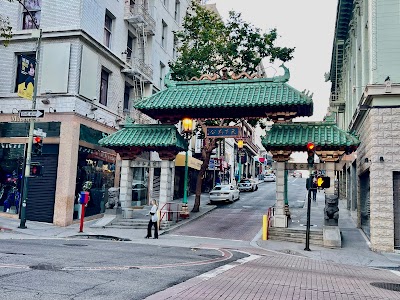
Tour Stops
1
Dragon Gate
View on map
Dragon Gate(Tian Xia Wei Gong)
Audio Narrations
English
Introduction
Nestled amidst the bustling streets of San Francisco's Chinatown, Dragon Gate stands as a magnificent testament to the city's rich cultural heritage. This iconic landmark, completed in 1970, is the largest open-air Chinese gate outside of Asia, soaring an impressive 40 feet high and 60 feet wide. Its intricate carvings and vibrant colors captivate visitors, transporting them to a world of ancient Chinese mythology and symbolism. The gate's design is a masterpiece of traditional craftsmanship, featuring intricate carvings of dragons, phoenixes, and other mythical creatures. The vibrant colors, dominated by red and gold, symbolize prosperity and good fortune. The gate's central archway is adorned with a stunning dragon sculpture, its scales shimmering in the sunlight. Dragon Gate is not merely an architectural marvel; it serves as a gateway to the vibrant Chinatown community. Beyond the gate lies a bustling world of shops, restaurants, and cultural attractions. Visitors can explore the narrow alleyways, savor authentic Chinese cuisine, and immerse themselves in the rich traditions of the Chinese diaspora. For those seeking a deeper understanding of Chinese culture, Dragon Gate offers a unique opportunity to learn about the significance of the dragon in Chinese mythology. The dragon, a symbol of power, wisdom, and good luck, is believed to bring prosperity and protection. The gate's intricate carvings and vibrant colors reflect the deep reverence that the Chinese people have for this mythical creature. Dragon Gate is a must-visit destination for anyone exploring San Francisco's Chinatown. Its architectural grandeur, cultural significance, and symbolic meaning make it a truly unforgettable experience. Whether you're a seasoned traveler or a first-time visitor, Dragon Gate will leave a lasting impression, transporting you to a world of wonder and cultural immersion.Architectural Significance
The Dragon Gate: A Unique Blend of Architectural Influences The Dragon Gate, a prominent landmark in San Francisco's Chinatown, stands as a testament to the city's rich cultural heritage and architectural ingenuity. While it may appear as a traditional Chinese paifang, the gate's design embodies a fascinating blend of influences, making it a unique architectural marvel. The gate's construction in 1970 marked a significant moment in San Francisco's history. It was a gift from the Republic of China (Taiwan) and served as a symbol of the city's strong ties with the Chinese community. However, the design of the gate went beyond mere symbolism. Instead of simply replicating a traditional Chinese paifang, the architects opted for a hybrid approach. While the overall structure adheres to the classic paifang form, with its three portals and pagoda-style roof, the details reveal a distinct American influence. The stone pillars, for instance, are a departure from the usual wooden columns found in traditional Chinese gateways. This fusion of styles reflects the unique cultural landscape of San Francisco's Chinatown, where Chinese traditions have been reinterpreted and adapted within an American context. The gate's inscription, "All under heaven is for the good of the people," further underscores its significance. Attributed to Dr. Sun Yat-sen, the inscription reflects the ideals of inclusivity and community that have long been central to Chinatown's identity. The Dragon Gate, therefore, stands as more than just an entrance to a bustling neighborhood. It is a testament to the city's architectural innovation, its embrace of cultural diversity, and its commitment to creating a space where different traditions can coexist and thrive.Cultural Symbolism
The Dragon Gate: A Symbol of Resilience and Cultural Identity Standing as a majestic gateway to San Francisco's Chinatown, the Dragon Gate transcends its physical form to embody the rich cultural heritage and enduring spirit of the Chinese community. More than just an architectural marvel, the gate is a powerful symbol of resilience, perseverance, and the enduring spirit of the Chinese community in the face of adversity. The inscription above the central portal, "天下为公" ("All under heaven is for the good of the people"), embodies the core values of inclusivity and shared prosperity that have guided Chinese communities throughout history. The inscription reflects the community's commitment to building a better future for all, regardless of background or origin. The two smaller portals flanking the central archway are adorned with inscriptions representing the eight virtues: loyalty, filial piety, love, integrity, confidence, peace, respect, and harmony. These virtues are not only fundamental to Chinese culture but also resonate with the broader American values of tolerance, respect, and community. The gate's intricate design, featuring dragons, fish, and guardian lions, draws upon centuries of Chinese symbolism. Dragons represent power, prosperity, and good fortune, while fish symbolize abundance and prosperity. The guardian lions, one male and one female, symbolize protection and guardianship of the community. The Dragon Gate's construction in 1970, a time when the Chinese community was still facing significant challenges, stands as a testament to their unwavering spirit and determination. It served as a powerful symbol of cultural pride and a beacon of hope for the future. Today, the Dragon Gate continues to be a vital symbol of cultural identity and a reminder of the community's rich history. It serves as a gathering place for celebrations, festivals, and community events, further strengthening the bonds within the Chinese community and fostering a sense of belonging for generations to come. The Dragon Gate is not just a gateway to Chinatown; it is a gateway to a vibrant culture, a testament to resilience, and a symbol of hope for a future filled with prosperity and harmony.
2
St Mary's Square
View on map
Audio Narrations
English
Introduction
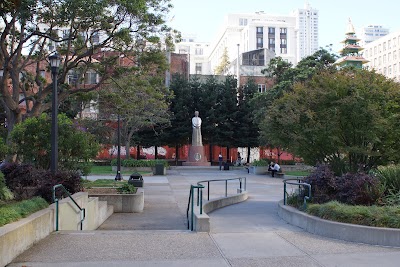
St. Mary's Square, nestled in the heart of San Francisco's Chinatown, is a vibrant tapestry of history, culture, and community. This unassuming plaza, once a bustling produce market, has evolved into a cherished gathering space, pulsating with the rhythm of daily life. The square's centerpiece, the iconic St. Mary's Cathedral, stands as a testament to the city's architectural heritage. Its Gothic Revival spires pierce the sky, casting intricate shadows upon the bustling streets below. The cathedral's stained-glass windows, depicting scenes from the Bible, bathe the interior in a kaleidoscope of colors, creating an atmosphere of awe and reverence. Beyond the cathedral, St. Mary's Square is a microcosm of Chinatown's vibrant tapestry. Street vendors hawk fresh produce, their voices intermingling with the chatter of locals catching up over dim sum at nearby restaurants. The air is thick with the aroma of spices and sizzling woks, a symphony of culinary delights that tantalizes the senses. As the sun dips below the horizon, the square transforms into a stage for impromptu performances. Children chase pigeons, their laughter echoing through the narrow alleyways. Elderly men gather for games of Chinese checkers, their moves accompanied by animated discussions. The air crackles with a sense of community, a shared history etched in every smile and every conversation. St. Mary's Square is more than just a physical space; it is the beating heart of Chinatown, a place where history, culture, and community converge. It is a testament to the enduring spirit of a neighborhood that has weathered countless storms, emerging stronger and more vibrant with each passing generation.Rooftop Park
Nestled atop a parking garage in the heart of San Francisco's Chinatown, St. Mary's Square offers a unique urban oasis in the form of a rooftop park. Designed in 1957 by Robert Royston, this hidden gem was one of the first large-scale rooftop projects in the city, transforming a previously historic park into a modern green space. St. Mary's Square cleverly conceals the rigid geometry of the parking structure below with a playful grid pattern in the pavement and curved planting beds. Low seat walls and benches define mowed lawn areas, while raised beds support a variety of trees, shrubs, and perennials. A wide concrete staircase and an at-grade entrance provide access to the park, while a row of mature poplar trees serves as a verdant backdrop. The park's centerpiece is a striking 14-foot statue of Sun Yat-sen by local artist Benny Bufano, adding a touch of cultural significance to the space. A playground and refreshment stand cater to families and visitors seeking a respite from the bustling city below. St. Mary's Square stands as a testament to innovative urban design, transforming a functional rooftop into a vibrant community space. Its unique history, thoughtful landscaping, and artistic elements make it a must-visit destination for those seeking a hidden gem in the heart of San Francisco.Urban Oasis
Nestled amidst the bustling streets of downtown San Francisco, St. Mary's Square emerges as an unexpected urban oasis. This rooftop garden, perched atop a parking garage, offers a tranquil escape from the city's relentless energy. Lush greenery, towering trees, and comfortable benches create a serene haven for weary travelers and locals alike. A unique feature of St. Mary's Square is its artistic charm. The bold statue of Sun Yat-sen, a revered figure in Chinese history, stands as a testament to the city's diverse cultural heritage. The ginkgo biloba tree, an ancient species symbolizing resilience and longevity, adds a touch of historical significance to the space. Beyond its aesthetic appeal, St. Mary's Square provides a haven for recreation and relaxation. A small playground offers a space for children to frolic, while adults can unwind on the benches or simply soak in the tranquil ambiance. The park's location in the heart of Chinatown makes it an ideal spot to escape the crowds and recharge before venturing back into the vibrant streets. St. Mary's Square stands as a testament to the transformative power of urban green spaces. It offers a much-needed respite from the hustle and bustle of city life, providing a sanctuary for both the body and soul. Whether seeking a moment of solitude or a playful afternoon with loved ones, St. Mary's Square invites visitors to experience the rejuvenating embrace of nature in the heart of the urban jungle.
3
Old Saint Mary's Cathedral
View on map
Audio Narrations
English
Introduction
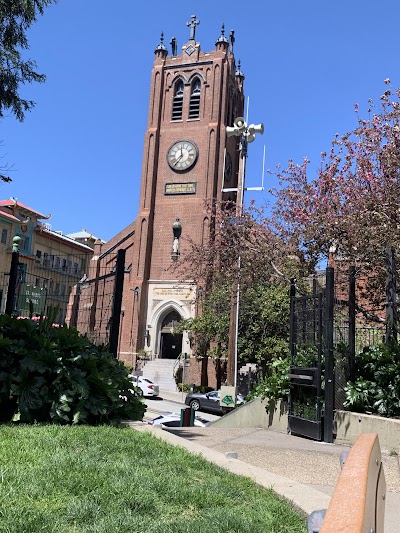
Old Saint Mary's Cathedral, a beacon of faith and architectural grandeur, stands as a testament to San Francisco's rich history and enduring spirit. Completed in 1854, it was the first Catholic cathedral in California and the tallest building in the city at the time. Its Gothic Revival style, characterized by soaring spires, intricate stained glass windows, and vaulted ceilings, evokes a sense of awe and reverence. The cathedral's interior is a treasure trove of artistic and historical significance. The altar, crafted from Italian marble, is adorned with intricate carvings and mosaics. The stained glass windows, depicting scenes from the Bible and the lives of saints, bathe the interior in a kaleidoscope of colors. The Stations of the Cross, a series of 14 sculptures depicting the final hours of Jesus Christ, offer a poignant reflection on sacrifice and redemption. Beyond its aesthetic beauty, Old Saint Mary's Cathedral holds a special place in the hearts of San Franciscans. It has witnessed countless weddings, baptisms, and funerals, marking significant moments in the lives of generations. The cathedral has also served as a refuge during times of crisis, providing solace and support to those affected by earthquakes, fires, and other disasters. Today, Old Saint Mary's Cathedral remains a vibrant center of faith and community. Its daily masses, concerts, and educational programs draw people from all walks of life. As a symbol of resilience and hope, it continues to inspire and uplift the spirit of San Francisco.Chinese Mission
Old Saint Mary's Cathedral: A Haven for the Chinese Community in San Francisco Nestled in the heart of San Francisco's Chinatown, Old Saint Mary's Cathedral stands as a beacon of faith and cultural diversity. Its rich history intertwines with the Chinese community, offering a unique perspective on the city's cultural landscape. In 1903, Old Saint Mary's witnessed the birth of the first Chinese mission in America. Father Henry Stark, a San Franciscan by birth, recognized the growing Chinese population and established a mission dedicated to their spiritual needs. This groundbreaking initiative marked a significant step towards inclusivity and cultural understanding within the Catholic Church. The mission school, established by Father Stark, provided education and a sense of belonging to young Chinese immigrants. It became a vital resource for the community, fostering cultural preservation and integration into American society. The 1906 earthquake and fire posed a significant challenge, but Old Saint Mary's emerged as a symbol of resilience. While the surrounding area succumbed to the flames, the cathedral stood strong, offering refuge and solace to the displaced Chinese community. During World War II, Old Saint Mary's transformed into a haven for Chinese American soldiers. The Service Center provided a space for them to connect, relax, and find a sense of community amidst the chaos of war. Today, Old Saint Mary's continues to serve as a vibrant center for the Chinese community. Bilingual masses, cultural events, and outreach programs foster a sense of belonging and cultural exchange. The cathedral remains a testament to the enduring legacy of the Chinese mission, bridging cultural divides and promoting inclusivity within the Catholic faith. Visiting Old Saint Mary's offers a unique opportunity to experience the rich tapestry of San Francisco's Chinese heritage. From the historic mission school to the vibrant cultural events, the cathedral provides a glimpse into the community's resilience, faith, and cultural contributions.Gothic Revival Architecture
Old Saint Mary's Cathedral: A Gothic Revival Gem in San Francisco Old Saint Mary's Cathedral stands as a testament to the Gothic Revival style, a 19th-century architectural movement that drew inspiration from medieval European churches. Built in 1854, it was the first cathedral in California specifically designed for that purpose. The architects, William Craine and Thomas England, incorporated key elements of Gothic Revival, creating a structure that was both visually stunning and functionally sound. The exterior boasts a dramatic presence with its intricate details. The brick facade is punctuated by pointed arches, lancet windows, and flying buttresses, all characteristic features of Gothic architecture. The tower, reaching 90 feet high, is adorned with pinnacles and a parapet, further emphasizing the verticality of the design. The inclusion of Spanish coats of arms and a Rose window of art glass adds a unique touch, reflecting the cultural influences of the time. Inside, the cathedral continues to impress with its vaulted ceilings, groin arches, and stained-glass windows. The original plan included a 200-foot spire, but concerns about earthquakes led to its omission. Despite this, the interior remains awe-inspiring, showcasing the craftsmanship and artistry of the era. Old Saint Mary's Cathedral is not just a beautiful example of Gothic Revival architecture; it also holds historical significance. It was the first church in the world to be named the Cathedral of Saint Mary of the Immaculate Conception. It served as the main cathedral for the Archdiocese of San Francisco until 1891, witnessing the growth and transformation of the city. Today, Old Saint Mary's Cathedral continues to be an active parish, serving the Chinatown and Nob Hill communities. It remains a beacon of faith and a reminder of the city's rich architectural heritage. Its Gothic Revival features continue to captivate visitors and inspire awe, solidifying its place as a landmark in San Francisco's cultural landscape.
4
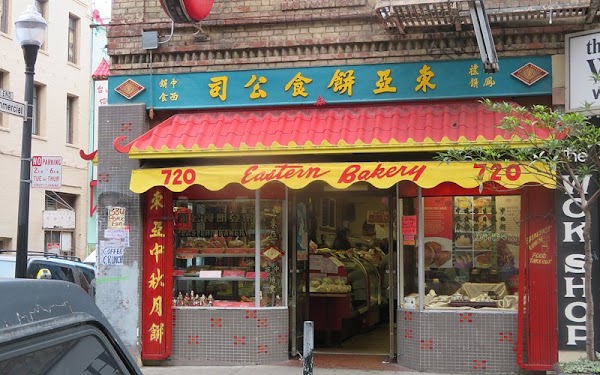
Eastern Bakery
View on map
Audio Narrations
English
Introduction
Eastern Bakery, a San Francisco institution since 1924, is a haven for those seeking authentic Chinese pastries and mooncakes. Nestled in the heart of Chinatown, the bakery's unassuming storefront belies the treasures within. Stepping inside is like entering a time capsule, with vintage photos adorning the walls and the aroma of freshly baked goods filling the air. Eastern Bakery's claim to fame is its mooncakes, meticulously crafted with traditional methods and premium ingredients. Each mooncake is a work of art, boasting intricate designs and a variety of fillings, from classic lotus seed paste to innovative flavors like durian and black sesame. During the Mid-Autumn Festival, the bakery transforms into a bustling hub, with lines snaking around the block as eager customers seek to secure their share of these delectable treats. Beyond mooncakes, Eastern Bakery offers an array of other Chinese pastries, each with its own unique story. The wife cake, a flaky pastry filled with winter melon and sesame, is said to have originated from a wife's devotion to her husband. The pineapple bun, with its signature crusty top and sweet pineapple filling, is a beloved breakfast staple. And the egg tart, with its creamy custard filling and buttery crust, is a delightful indulgence. Eastern Bakery is more than just a bakery; it's a cultural touchstone, preserving the traditions of Chinese baking and offering a taste of home for generations of San Franciscans. Whether you're a seasoned mooncake aficionado or a curious newcomer, Eastern Bakery is a must-visit destination for anyone seeking a taste of authentic Chinese pastry artistry.Mooncakes
Eastern Bakery: A San Francisco Legacy of Mooncakes Eastern Bakery, a San Francisco institution since 1924, boasts a rich history intertwined with the city's vibrant Chinatown. Beyond its iconic Coffee Crunch Cake, the bakery holds a special place in the hearts of locals and visitors alike for its exceptional mooncakes. Eastern Bakery's mooncakes are a testament to tradition and quality. Unlike many bakeries that import their fillings, Eastern Bakery meticulously prepares its own lotus paste in-house, a process that takes a painstaking eight hours. This dedication to authenticity results in mooncakes of unparalleled quality, surpassing even those found in China, according to owner Orlando Kuan. The bakery's mooncakes are not just delicious, they are steeped in history. David Lei, a former employee and director of San Francisco's Lunar New Year Parade, recalls the meticulous process of crafting mooncakes at Eastern Bakery, with the baker guarding his secret recipe fiercely. This dedication to tradition ensures that each bite of an Eastern Bakery mooncake carries the weight of generations of expertise. Beyond their taste and history, Eastern Bakery's mooncakes hold a unique place in San Francisco's cultural landscape. Former President Bill Clinton himself stopped by the bakery in 1996 to purchase a box of these treasured treats. This anecdote speaks to the bakery's enduring legacy and its ability to bring people together through the shared experience of enjoying a delicious mooncake. Today, Eastern Bakery continues to be a beloved destination for mooncakes, drawing in customers like Winston Fong, who cherishes the nostalgic memories of sharing the sweet treat with his father. The bakery's commitment to quality, tradition, and community ensures that its mooncakes will continue to be a cherished part of San Francisco's culinary and cultural fabric for generations to come.Chinatown Bakery
Eastern Bakery, a Chinatown institution since 1924, stands as a testament to the rich history and culinary traditions of San Francisco's Chinatown. Founded by the Lee family and passed down to Orlando Kuan in 1985, the bakery has remained a cornerstone of the community, preserving the legacy of authentic Chinese pastries and desserts. Eastern Bakery's unique charm lies in its unwavering commitment to time-honored recipes and traditional methods. Their signature Coffee Crunch Cake, a yellow sponge cake layered with mocha whipped cream and toffee crumbles, is a beloved San Francisco classic, originating from the now-defunct Blum's bakery in Union Square. Eastern Bakery's version, however, boasts a distinct character, developed over decades of refinement. Another iconic offering is the Dat Tat, a Chinese egg tart featuring a sweet yolk nestled within a flaky pastry shell. While Golden Gate Bakery, another Chinatown gem, is renowned for its Dan Tat, Eastern Bakery's Custard Tart presents a unique twist, boasting a creamier texture attributed to a "special ingredient." Beyond these signature items, Eastern Bakery offers a treasure trove of traditional Chinese pastries, each with its own story and significance. The Smackles, slightly savory cookies with a retro packaging, continue the legacy of another bakery, preserving the nostalgic flavors of "cow ear cookies." The Lotus Mooncake, meticulously crafted with house-made lotus paste, embodies the essence of the Mid-Autumn Festival, while the pineapple buns, coconut buns, and red bean pastries offer a delightful exploration of Chinese baking traditions. Eastern Bakery's significance extends beyond its delectable offerings. It serves as a cultural hub, a place where generations of San Franciscans have gathered to share stories, celebrate traditions, and savor the flavors of their heritage. The bright yellow walls adorned with mooncake packaging, the aroma of freshly baked pastries, and the friendly chatter in Cantonese create an immersive experience that transports visitors to the heart of Chinatown's culinary landscape. For those seeking an authentic taste of Chinatown's rich bakery tradition, Eastern Bakery is an unmissable destination. Its commitment to preserving time-honored recipes, its dedication to quality ingredients, and its warm, welcoming atmosphere make it a true gem, offering a glimpse into the heart and soul of San Francisco's Chinatown.
5
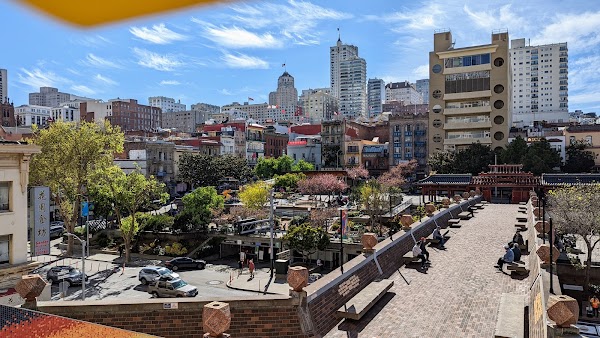
Portsmouth Square
View on map
Audio Narrations
English
Introduction
Portsmouth Square, a vibrant oasis in the heart of San Francisco, boasts a rich history and a unique charm that sets it apart from other urban parks. Established in 1847, it served as the city's central plaza, witnessing pivotal events like the raising of the first American flag in California and the raucous celebrations of the Gold Rush. Today, the square's Victorian-era bandstand echoes with the melodies of local musicians, while its meticulously maintained gardens offer a tranquil escape from the city's bustle. Beyond its historical significance, Portsmouth Square holds a special place in the hearts of San Francisco's diverse communities. The iconic Portsmouth Hotel, once a haven for sailors and immigrants, now houses the Chinese Historical Society of America, preserving the stories of early Chinese settlers. The square also serves as a gathering place for the city's Filipino community, who celebrate their cultural heritage through vibrant festivals and lively gatherings. A hidden gem within the square is the Portsmouth Square Library, a charming Carnegie library that offers a haven for book lovers. Its collection boasts rare volumes and historical documents, providing a glimpse into the city's past. The library's serene atmosphere and ornate architecture transport visitors to a bygone era, offering a unique escape from the modern world. Portsmouth Square is a testament to San Francisco's rich tapestry of history, culture, and community. Its vibrant atmosphere, historical significance, and hidden gems make it a must-visit destination for anyone seeking a glimpse into the heart of this dynamic city.Urban Renewal
Portsmouth Square, the heart of San Francisco's Chinatown, stands as a testament to the city's ongoing urban renewal efforts. This historic plaza, established in 1833, has undergone numerous transformations, reflecting the evolving needs and aspirations of the community. In the 1970s, a major urban renewal project saw the construction of an underground parking garage beneath the square, topped with a redesigned park. This project aimed to address the growing need for parking in the densely populated neighborhood while preserving the square's vital role as a community gathering space. The most recent urban renewal effort, initiated in 2013, focused on revitalizing the square to better serve the needs of the 21st century. Through extensive community engagement and participatory design, the project aimed to create a more inclusive and accessible space that reflects the cultural heritage and contemporary aspirations of Chinatown. The renovation, completed in 2025, transformed the square into a vibrant hub of activity. The removal of a pedestrian bridge increased usable space, while the addition of a custom play structure, adult exercise area, and outdoor event space cater to diverse age groups and interests. The project also prioritized accessibility, ensuring that everyone can enjoy the square's amenities. The Portsmouth Square Improvement Project exemplifies how urban renewal can revitalize historic spaces while preserving their cultural significance. By incorporating community input and addressing contemporary needs, the project has created a dynamic and inclusive space that serves as a vital asset to the Chinatown community.Historical Significance
Portsmouth Square: A Witness to San Francisco's History Portsmouth Square, nestled in the heart of San Francisco's Chinatown, is more than just a park; it's a living testament to the city's vibrant history. Established in the early 19th century as the central plaza of Yerba Buena, a Mexican settlement, Portsmouth Square has witnessed pivotal moments that shaped San Francisco into the metropolis it is today. The plaza's historical significance begins with its role as the site of the first public gathering in San Francisco. In 1833, the Mexican community designated the space for public use, solidifying its importance as a social and cultural hub. This significance deepened in 1846 when Captain John Berrien Montgomery of the USS Portsmouth claimed the city for the United States, raising the first American flag on the plaza. This event marked a turning point in San Francisco's history, transitioning from a Mexican settlement to an American territory. The plaza continued to play a crucial role in the city's development. In 1848, news of the gold discovery at Sutter's Mill was first announced here, sparking the California Gold Rush and transforming San Francisco into a booming city. The plaza also served as a gathering place for Chinese immigrants in the 1880s, earning it the nickname "Fa Yuhn Gok" or "the garden corner." This reflects the significant role it played in the lives of the Chinese community, offering them a space for cultural exchange and community building. Portsmouth Square's historical significance extends beyond its role in major events. The plaza has been a silent observer of everyday life in San Francisco for centuries. It has witnessed the construction of the city's first buildings, the bustling markets, the celebrations, and the struggles of its residents. The plaza's physical transformation over time, from a simple gathering space to a landscaped park with monuments and statues, reflects the city's evolving identity. Today, Portsmouth Square stands as a historical landmark, a reminder of San Francisco's rich and diverse past. It continues to serve as a gathering place for the community, hosting cultural events, festivals, and everyday interactions. Visiting Portsmouth Square is not just a walk in the park; it's a journey through time, offering a glimpse into the heart and soul of San Francisco.
6
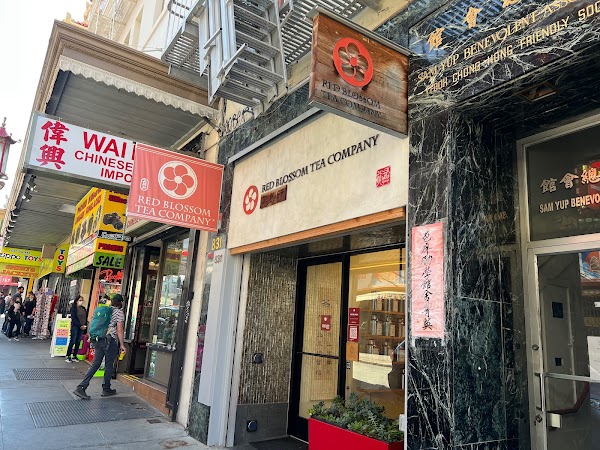
Red Blossom Tea Company
View on map
Audio Narrations
English
Introduction
Nestled in the heart of San Francisco's vibrant Chinatown, the Red Blossom Tea Company stands as a testament to the city's rich cultural tapestry. Founded in 1906 by a Chinese immigrant named Li Wei, the teahouse has been a cherished haven for tea lovers and connoisseurs for over a century. Stepping inside the Red Blossom Tea Company is akin to embarking on a journey through time. The air is thick with the intoxicating aroma of freshly brewed tea, while the walls are adorned with intricate Chinese calligraphy and antique teapots. The teahouse's signature blend, the "Phoenix Oolong," is a testament to Li Wei's meticulous attention to detail and his unwavering commitment to quality. This rare and exquisite tea is hand-picked from the high mountains of Taiwan and undergoes a meticulous roasting process that imparts a unique smoky flavor. Beyond its exceptional teas, the Red Blossom Tea Company is renowned for its immersive cultural experience. Every Saturday afternoon, the teahouse hosts a traditional Chinese tea ceremony, where guests can witness the art of tea brewing and learn about its significance in Chinese culture. The ceremony is a mesmerizing spectacle, with graceful movements and the rhythmic clinking of teacups creating a sense of tranquility and harmony. The Red Blossom Tea Company is more than just a teahouse; it is a cultural institution that has played an integral role in preserving and promoting Chinese tea culture in San Francisco. Its commitment to quality, tradition, and cultural immersion has made it a beloved destination for locals and visitors alike.Tea Education
Red Blossom Tea: A Haven for Tea Education in San Francisco Nestled in the heart of San Francisco's Chinatown, Red Blossom Tea is more than just a tea shop; it's a sanctuary for tea education. Founded by Alice, a passionate tea connoisseur, Red Blossom offers an immersive experience for those seeking to deepen their understanding and appreciation of tea. Beyond the curated selection of premium loose leaf teas, Red Blossom distinguishes itself through its commitment to education. Alice, with her extensive knowledge and infectious enthusiasm, guides tea enthusiasts on a journey of discovery. Whether it's a casual tasting session or an in-depth workshop, Alice's expertise shines through as she demystifies the intricacies of tea, from its origins and cultivation to brewing techniques and flavor profiles. Red Blossom's intimate setting fosters an interactive learning environment. Participants engage in lively discussions, ask questions, and experiment with different teas, expanding their palates and refining their appreciation for this ancient beverage. The shop's collection boasts a diverse range, encompassing traditional Chinese teas like Dragonwell and Jasmine Pearl alongside unique offerings like Moroccan Mint and Lychee Black. Red Blossom's commitment to education extends beyond its walls. Alice regularly hosts tea events and workshops throughout the Bay Area, sharing her knowledge and passion with a wider audience. These events provide opportunities for tea lovers of all levels to connect, learn, and explore the world of tea together. For those seeking a deeper dive into the world of tea, Red Blossom offers personalized consultations. Alice works closely with individuals to tailor tea selections to their specific preferences and health goals. Whether you're a seasoned tea aficionado or a curious newcomer, Red Blossom Tea provides a welcoming and enriching environment for tea education in San Francisco.Artisanal Tea
Red Blossom Tea Company: A Journey into Artisanal Excellence Nestled in the heart of San Francisco's Chinatown, Red Blossom Tea Company has been a haven for artisanal tea lovers since 1985. Founded by the Luong family, the company embodies a deep respect for tradition and a commitment to sourcing the highest quality teas directly from their origin. Red Blossom's dedication to artisanal tea is evident in their meticulous sourcing practices. Each year, they embark on a journey to the tea gardens of China and Taiwan, personally selecting the finest leaves during the spring harvest. This hands-on approach ensures that only the freshest, most flavorful teas make it to their customers. Beyond sourcing, Red Blossom prioritizes quality and purity. They rigorously test their teas for over 400 pesticides, heavy metals, and chemical residues, ensuring a clean and safe experience for tea enthusiasts. This commitment to quality extends to their teaware, which is carefully curated to enhance the tea-drinking experience. Red Blossom's expertise extends beyond sourcing and quality control. Their knowledgeable staff is passionate about sharing their love for tea. They offer a wide range of educational resources, including online guides and YouTube videos, empowering customers to explore the world of tea with confidence. Whether you're a seasoned tea connoisseur or a curious newcomer, Red Blossom Tea Company offers a unique and immersive journey into the world of artisanal tea. Their dedication to quality, their commitment to education, and their passion for sharing the joy of tea make them a true gem in the San Francisco tea scene.
7
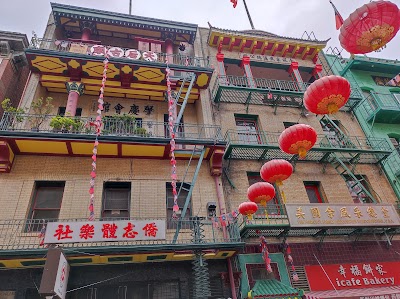
Tin How Temple
View on map
Audio Narrations
English
Introduction
Nestled amidst the bustling streets of San Francisco's Chinatown, the Tin How Temple stands as a beacon of cultural heritage and spiritual solace. Founded in 1852 by Chinese immigrants seeking a place of worship and community, the temple is dedicated to Tin Hau, the goddess of the sea. Its intricate architecture, adorned with vibrant colors and intricate carvings, reflects the rich artistic traditions of the Chinese diaspora. The temple's interior houses an array of deities, each with their own unique significance and following. Visitors can marvel at the ornate altars, adorned with offerings of incense, fruit, and tea, and witness the vibrant rituals and ceremonies that bring the temple to life. Beyond its religious significance, the Tin How Temple serves as a vital community center, hosting cultural events, language classes, and lion dances that celebrate Chinese heritage. It stands as a testament to the resilience and adaptability of the Chinese community in San Francisco, offering a sanctuary for both spiritual and cultural sustenance. The temple's enduring legacy lies not only in its architectural beauty but also in its ability to foster a sense of belonging and connection among generations of Chinese immigrants and their descendants.Goddess Mazu
Tin How Temple: A Sanctuary for Mazu in San Francisco's Heart Nestled in the heart of San Francisco's Chinatown, the Tin How Temple stands as a testament to the enduring legacy of Mazu, the revered Chinese sea goddess. Founded in 1852, it is the oldest Taoist temple in the city and one of the oldest continuously operating Chinese temples in the United States. For centuries, Mazu has been a beacon of hope and protection for seafarers and coastal communities. Her image, enshrined within the temple's ornate interior, draws devotees seeking blessings for safe travels, prosperity, and guidance. The air is thick with the scent of incense, mingling with the murmur of prayers and the rhythmic chanting of rituals. The temple's vibrant history is intertwined with the story of San Francisco's Chinese community. It served as a vital gathering place for early immigrants, offering solace and a connection to their cultural heritage. Today, it continues to be a vibrant center of religious practice, attracting devotees from across the globe who come to pay homage to Mazu. Beyond its religious significance, the Tin How Temple is a treasure trove of Chinese art and architecture. Exquisite carvings adorn the temple's facade, depicting scenes from Mazu's life and miracles. Inside, intricate murals and colorful statues narrate her legendary journey. For those seeking a deeper understanding of Mazu and her enduring legacy, the Tin How Temple offers a unique window into her world. It is a place where history, faith, and cultural heritage converge, creating a sacred space for reflection and spiritual connection.Taoist Temple
Tin How Temple: A Haven of Taoist Tradition in San Francisco Nestled in the heart of San Francisco's Chinatown, Tin How Temple stands as a beacon of Taoist faith and cultural heritage. Founded in 1852, it is the oldest extant Taoist temple in the city and one of the oldest continuously operating Chinese temples in the United States. Dedicated to Mazu, the revered sea goddess, Tin How Temple offers a sanctuary for spiritual practice, cultural immersion, and historical exploration. Upon entering the temple, visitors are greeted by an atmosphere of serenity and reverence. The intricate carvings, vibrant murals, and ornate altars showcase the artistry and symbolism of Taoist tradition. The air is filled with the gentle scent of incense, while the soft murmur of prayers and chants creates a calming ambiance. The central altar houses the revered statue of Mazu, adorned with offerings of fruit, flowers, and incense. Devotees come to pray for blessings, guidance, and protection, seeking solace in the goddess's compassionate presence. The ritual of Jiangxiang, a traditional form of worship, allows individuals to connect with the divine through offerings and prayers. Beyond its religious significance, Tin How Temple serves as a vital community hub. The annual Mazu誕辰 (birthday) celebration draws thousands of participants, showcasing vibrant cultural performances and traditional rituals. The temple also hosts educational programs and workshops, fostering understanding and appreciation of Taoist philosophy and practices. For those seeking a deeper understanding of Taoism, Tin How Temple offers a unique opportunity to witness the living tradition. The resident Taoist priests perform daily rituals, offering guidance and insight into the principles of this ancient philosophy. Visitors can also participate in meditation sessions, immersing themselves in the practice of mindfulness and inner peace. Tin How Temple is more than just a place of worship; it is a testament to the enduring legacy of Taoism in San Francisco. Its rich history, vibrant traditions, and welcoming atmosphere make it a must-visit destination for anyone interested in exploring the depths of this spiritual and cultural heritage.
8
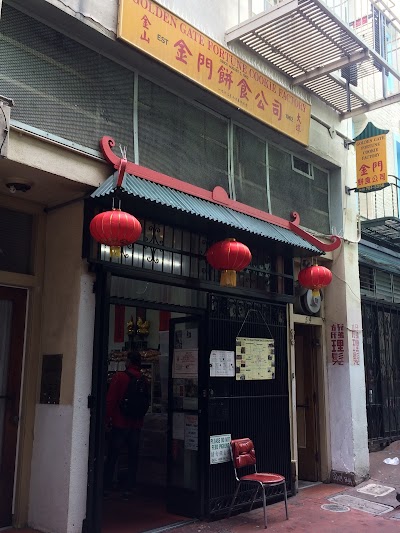
Golden Gate Fortune Cookie Factory
View on map
Audio Narrations
English
Introduction
The Golden Gate Fortune Cookie Factory in San Francisco, California, is a unique and fascinating place that offers visitors a glimpse into the world of fortune cookie making. Founded in 1962 by Edward Louie, the factory is the oldest and largest producer of fortune cookies in the United States. One of the most interesting aspects of the Golden Gate Fortune Cookie Factory is its commitment to tradition. The factory still uses the same basic recipe and methods that were used when it first opened, and all of the cookies are made by hand. Visitors can watch as the cookies are made, from the mixing of the dough to the folding and baking. Another unique aspect of the factory is its collection of fortune cookie fortunes. The factory has a vast collection of over 15,000 different fortunes, and visitors can choose their own fortune to take home. The fortunes range from the inspirational to the humorous, and they are sure to provide a memorable souvenir of your visit. The Golden Gate Fortune Cookie Factory is a must-see for anyone visiting San Francisco. It is a unique and fascinating place that offers a glimpse into the world of fortune cookie making.Unique Flavors and Toppings
Golden Gate Fortune Cookie Factory: A World of Unique Flavors and Toppings Step into the Golden Gate Fortune Cookie Factory in San Francisco, and you'll be greeted by the tantalizing aroma of freshly baked cookies and a world of unique flavors and toppings that go beyond the traditional vanilla. Here, the classic fortune cookie gets a delicious twist, offering a delightful surprise with every bite. Forget the plain, one-dimensional fortune cookie. At Golden Gate, you'll find a symphony of flavors that tantalize your taste buds. Indulge in the rich, decadent taste of chocolate fortune cookies, or experience the refreshing burst of strawberry or green tea. These unique flavors are not just limited to the cookie itself; they extend to the toppings as well. Imagine the delightful crunch of a chocolate-dipped fortune cookie adorned with colorful sprinkles, or the sweet and tangy combination of a strawberry-glazed cookie. But the innovation doesn't stop there. Golden Gate also offers flat fortune cookies, perfect for enjoying with a scoop of ice cream, and giant fortune cookies, ideal for special occasions or simply satisfying your sweet cravings. These larger-than-life cookies are not just decorative; they are just as delicious as their smaller counterparts. Whether you're a local resident or a curious visitor, the Golden Gate Fortune Cookie Factory offers a unique and unforgettable experience. With its wide array of flavors and toppings, you're sure to find a fortune cookie that speaks to your taste buds and leaves you wanting more. So, next time you're in San Francisco, don't miss the chance to explore this world of delicious possibilities at the Golden Gate Fortune Cookie Factory.Handmade Fortune Cookies
The Golden Gate Fortune Cookie Factory: Where Tradition Meets Innovation Nestled in the heart of San Francisco's Chinatown, the Golden Gate Fortune Cookie Factory has been crafting handmade fortune cookies since 1962. This family-owned business takes pride in its unique approach, blending traditional methods with modern innovation to create a truly special experience. Step inside the factory and be greeted by the warm aroma of freshly baked cookies. Witness the skilled artisans as they meticulously hand-fold each cookie, carefully placing a message of wisdom or whimsy within. The factory uses a copper slow-release heat rotating griddle wheel, ensuring each cookie is baked to perfection. Beyond the traditional vanilla flavor, the Golden Gate Fortune Cookie Factory offers a delightful array of options. Indulge in the rich taste of chocolate, the sweet tang of strawberry, the subtle earthiness of green tea, or the decadent glaze of their chocolate-dipped cookies. The factory's commitment to customization extends beyond flavors. They offer the opportunity to personalize your fortune cookies with messages tailored to your specific needs, making them ideal for special occasions, corporate events, or simply adding a touch of fun to your day. The Golden Gate Fortune Cookie Factory is more than just a bakery; it's a cultural landmark. Recognized as a "San Francisco Legendary Business," the factory has been featured in numerous publications and documentaries, showcasing its unique blend of tradition and innovation. Whether you're a local resident or a curious visitor, the Golden Gate Fortune Cookie Factory offers a glimpse into the world of handmade fortune cookies. Take a tour, sample the delicious flavors, and discover the magic behind these iconic treats.
Experience the Full Tour
Download the DocentPro app to access all tour stops, complete audio narrations in multiple languages, offline maps, and interactive features.