
Vienna's Imperial Splendor: A Journey Through History and Grandeur

Walking Tour

6.8 km (4.2 miles)

1h 33min travel time

12 Stops

Vienna, Austria
Vienna's Imperial Splendor: A Journey Through History and Grandeur
Tour Stops
1
Belvedere Palace
View on map
Audio Narrations
English
Introduction
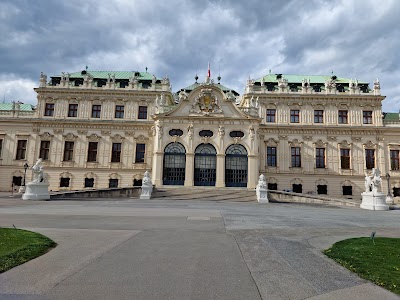
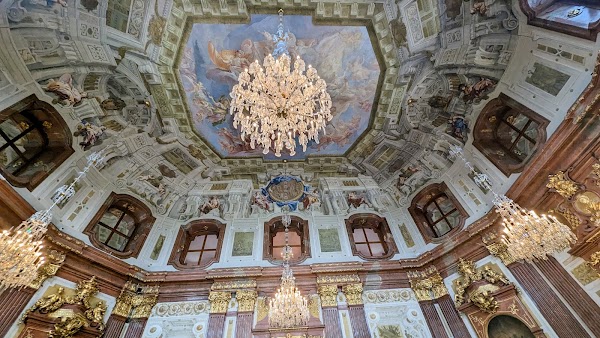
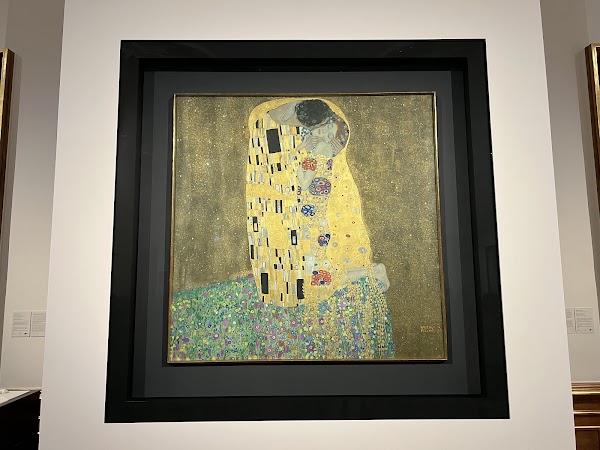
Belvedere Palace, a Baroque masterpiece in Vienna, Austria, is a captivating complex comprising two palaces, the Upper and Lower Belvedere, connected by exquisite gardens. Built as a summer residence for Prince Eugene of Savoy, the palace showcases a stunning collection of Austrian art from the Middle Ages to the present day. The Upper Belvedere houses the world's largest collection of Gustav Klimt's works, including his iconic "The Kiss." The palace's Marble Hall, adorned with intricate frescoes, is a testament to Baroque grandeur. The Lower Belvedere, once the prince's residential palace, boasts the opulent Groteskensaal (Hall of the Grotesque) and the Marble Gallery. Special exhibitions are held in both palaces, offering a glimpse into various artistic movements. The Belvedere Gardens, designed in the formal French style, are a masterpiece of landscape architecture. A reflecting pool mirrors the palace's façade, while cascading fountains and mythological sculptures create a serene and enchanting atmosphere. The Kammergarten, once reserved for the prince and his close associates, is now open to the public, offering a tranquil retreat amidst the palace's grandeur.Upper and Lower Belvedere
The Upper and Lower Belvedere palaces, nestled within the verdant Baroque park landscape of Vienna's third district, form the heart of the Belvedere complex. Built as a summer residence for Prince Eugene of Savoy, these architectural masterpieces showcase the grandeur of the Baroque era. The Upper Belvedere, perched atop a gentle slope, houses the renowned Belvedere Museum. Its collection boasts masterpieces from the Middle Ages to the present day, including Gustav Klimt's iconic "The Kiss." The palace's opulent Marble Hall, with its illusionist ceiling paintings, served as the setting for the signing of the Austrian Independence Treaty in 1955. In contrast, the Lower Belvedere, situated at the foot of the slope, offers a more intimate experience. Its temporary exhibitions showcase a diverse range of art, from contemporary installations to historical retrospectives. The palace's Privy Garden, a serene oasis, provides respite from the bustling city. Both palaces feature impressive architecture. The Upper Belvedere's grand staircase, adorned with martial reliefs, leads to the Marble Hall, while the Lower Belvedere's Sala Terrena, with its white stucco ceiling and sculpted pillars, creates a dramatic entrance. Throughout the complex, visitors can admire the intricate frescoes, statues, and paintings that pay homage to Prince Eugene's illustrious life. The Belvedere's gardens, with their tiered fountains, Baroque sculptures, and wrought iron gates, complement the architectural splendor, creating a harmonious ensemble that transports visitors to the opulent world of 18th-century Vienna.Klimt Paintings
Belvedere Palace in Vienna houses the world's largest collection of Gustav Klimt's oil paintings, offering an unparalleled opportunity to delve into the artist's creative genius. Among the highlights is "The Kiss," an iconic masterpiece that epitomizes Klimt's Golden Period. This captivating work showcases Klimt's signature use of gold leaf and intricate symbolism, capturing the essence of love and desire. Another must-see is "Judith I," a powerful and enigmatic portrait that depicts the biblical heroine as a femme fatale. Klimt's bold brushstrokes and unconventional composition challenge traditional representations of women, revealing his fascination with female empowerment. The palace also boasts a collection of Klimt's landscapes, including "Birch Forest," which demonstrates his ability to capture the beauty and tranquility of nature. For a deeper understanding of Klimt's artistic process, visitors can explore the exhibition "Klimt: Pigment & Pixel," which uses modern imaging technologies to reveal the hidden layers and techniques behind his paintings. This exhibition provides a unique glimpse into the mind of a master, showcasing the evolution of his ideas and the meticulous craftsmanship that went into his creations.
2
Wien Museum Karlsplatz
View on map
Audio Narrations
French
Introduction
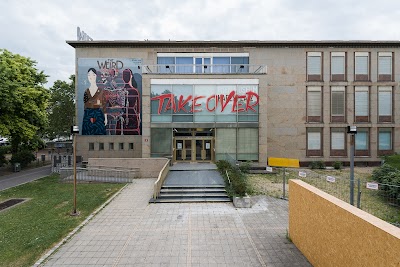
Le Musée de Vienne Karlsplatz à Vienne, en Autriche, est un trésor de la riche histoire et culture de la ville. Ce musée ultramoderne, rouvert en 2023 après une rénovation de plusieurs années, offre un voyage captivant à travers le passé de Vienne, de l'âge néolithique à nos jours. L'exposition permanente du musée, "Vienne. Mon histoire", est un incontournable pour tout visiteur. Répartie sur trois étages et 3 300 mètres carrés, elle présente plus de 1 700 objets, dont des peintures de Gustav Klimt, Egon Schiele et Richard Gerstl. L'exposition est gratuite, ce qui la rend accessible à tous. L'un des points forts du musée est le spacieux hall central, qui abrite de grandes expositions comme la sculpture de baleine de dix mètres de long "Poldi", une majestueuse calèche de maire et les sculptures originales de la fontaine Donnerbrunnen. Le musée dispose également d'un café, d'un centre d'événements et d'ateliers éducatifs, offrant une expérience complète aux visiteurs de tous âges. Pour ceux qui souhaitent approfondir leurs connaissances sur des périodes spécifiques, le musée propose diverses expositions spéciales. Ces expositions se concentrent souvent sur des personnalités ou des mouvements importants de l'histoire viennoise, offrant des aperçus uniques sur le paysage culturel de la ville. Au-delà du bâtiment principal, le Musée de Vienne comprend plusieurs autres sites, notamment l'Hermesvilla, le pavillon Otto Wagner et la Kirche am Steinhof. Ces sites offrent un aperçu de la vie et des œuvres d'artistes et de compositeurs renommés, offrant une perspective plus large sur l'héritage artistique de Vienne. Que vous soyez un passionné d'art, un passionné d'histoire ou simplement curieux du passé de Vienne, le Musée de Vienne Karlsplatz est une destination exceptionnelle. Avec ses expositions captivantes, ses programmes attrayants et son architecture époustouflante, il offre une expérience véritablement immersive qui vous laissera une compréhension et une appréciation plus profondes de cette ville animée.Art et Culture
Un voyage à travers le temps : l'art et la culture au Wien Museum Karlsplatz Le Wien Museum Karlsplatz, niché au cœur de Vienne, en Autriche, est un trésor pour les amateurs d'art et de culture. Ce musée, installé dans le magnifique bâtiment baroque de l'ancien Musée technique, emmène les visiteurs dans un voyage captivant à travers la riche histoire de la ville, présentant son évolution artistique et culturelle. Entrez et découvrez une collection diversifiée couvrant des siècles, des artefacts préhistoriques aux installations d'art contemporain. Explorez le monde fascinant du Biedermeier viennois, avec son mobilier élégant, sa porcelaine complexe et ses portraits captivants. Plongez dans le mouvement Art nouveau vibrant, caractérisé par des lignes fluides, des motifs floraux et des designs innovants. Approfondissez votre connaissance du patrimoine artistique de la ville grâce à l'impressionnante collection de peintures, sculptures et œuvres graphiques du musée. Admirez les chefs-d'œuvre d'artistes viennois renommés comme Gustav Klimt, Egon Schiele et Oskar Kokoschka. Laissez-vous captiver par les détails complexes des sculptures médiévales et les coups de pinceau expressifs des paysages du XIXe siècle. Le Wien Museum Karlsplatz offre également une perspective unique sur le paysage culturel de Vienne. Découvrez les histoires qui se cachent derrière les traditions viennoises emblématiques, de la valse à la culture des cafés. Explorez les diverses communautés de la ville et leurs contributions à sa vibrante tapisserie culturelle. Ce musée n'est pas seulement un dépôt d'artefacts ; c'est une plateforme dynamique pour explorer la relation complexe entre l'art, la culture et la société. Grâce à des expositions interactives, des programmes éducatifs et des événements captivants, le Wien Museum Karlsplatz favorise une compréhension et une appréciation plus approfondies de l'héritage artistique et culturel de Vienne. Que vous soyez un amateur d'art, un passionné d'histoire ou simplement curieux du paysage culturel de Vienne, le Wien Museum Karlsplatz promet une expérience enrichissante et inoubliable. Alors, embarquez pour ce voyage à travers le temps et découvrez le cœur et l'âme de Vienne à travers le prisme de l'art et de la culture.Histoire de Vienne
Niché au cœur de la vibrante Karlsplatz de Vienne, le Wien Museum Karlsplatz témoigne de l'histoire riche et multiforme de la ville. Ce joyau architectural, abrité dans le magnifique bâtiment baroque de l'ancien Musée technique, offre une perspective unique sur l'évolution de Vienne, de ses anciennes racines romaines à sa métropole moderne. En pénétrant dans le musée, vous vous embarquez pour un voyage captivant à travers le temps. L'exposition permanente, "Vienne. Histoire d'une ville", dévoile le récit fascinant de la ville, présentant des artefacts, des documents et des expositions multimédias qui donnent vie au passé de Vienne. De la grandeur de l'Empire des Habsbourg aux années tumultueuses du XXe siècle, le musée explore les forces sociales, politiques et culturelles qui ont façonné Vienne pour en faire la ville qu'elle est aujourd'hui. L'un des points forts du musée est le "Modèle de la Vienne historique", une réplique miniature méticuleusement conçue de la ville telle qu'elle apparaissait en 1873. Ce modèle complexe offre un aperçu du paysage urbain de Vienne à une époque charnière de transformation, donnant un aperçu de ses merveilles architecturales, de ses infrastructures et de sa vie quotidienne. Le Wien Museum Karlsplatz met également en lumière les histoires moins connues de Vienne, explorant la vie des gens ordinaires qui ont contribué à la tapisserie de la ville. À travers des témoignages personnels, des photographies et des objets du quotidien, le musée révèle les expériences humaines qui ont façonné le caractère de Vienne. En explorant les expositions du musée, vous acquerrez une compréhension plus approfondie de l'importance historique de Vienne, de sa richesse culturelle et de son héritage durable. Le Wien Museum Karlsplatz sert de portail vers le passé, offrant une expérience unique et immersive à ceux qui cherchent à plonger au cœur et dans l'âme de cette ville captivante.
3
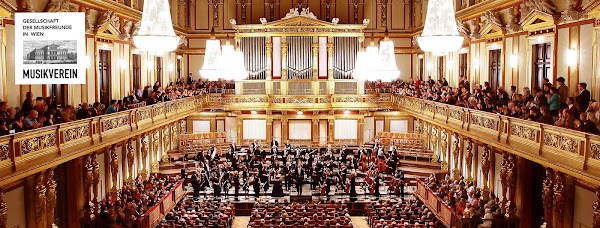
Vienna Music Society
View on map
4
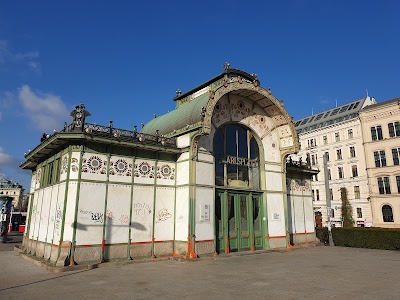
Karlsplatz Metro Station
View on map
5
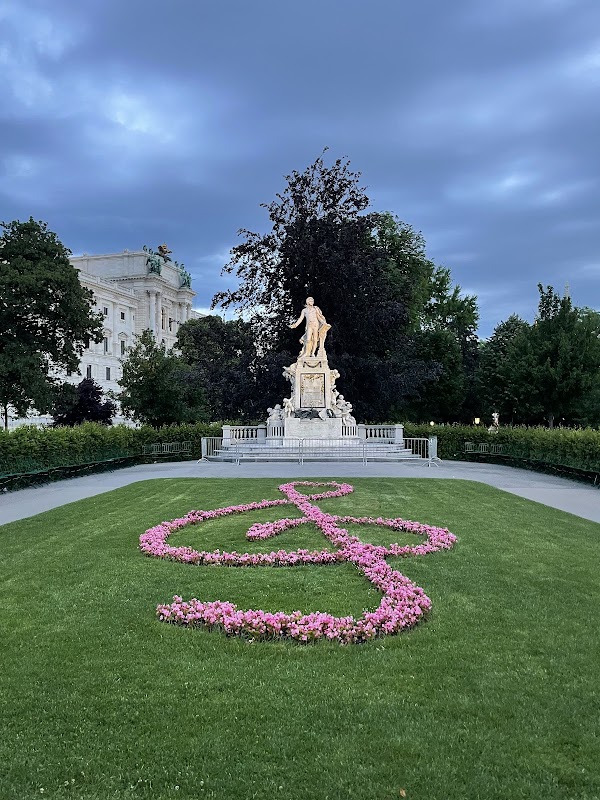
Mozart Monument
View on map
6
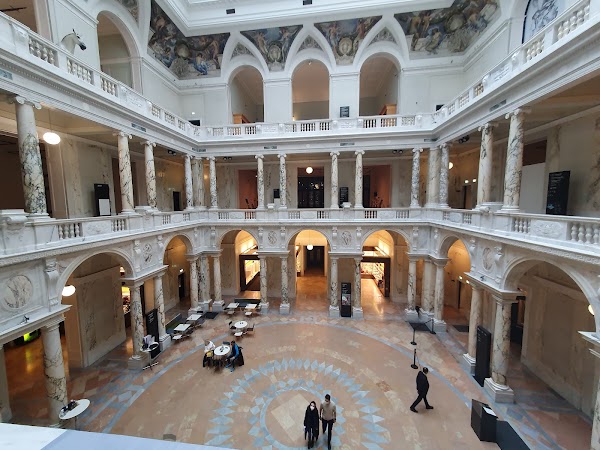
Weltmuseum Wien
View on map
7
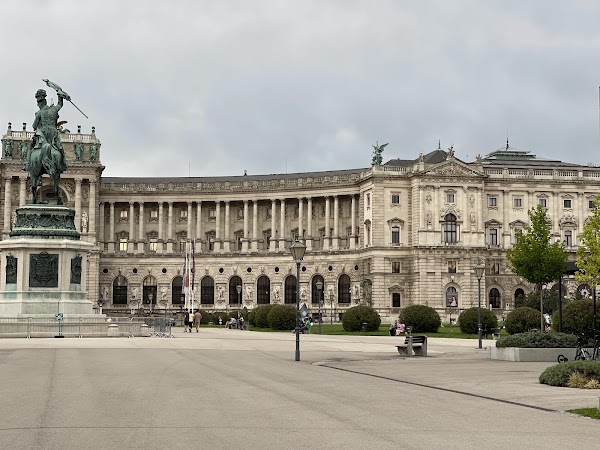
Neue Burg - Teil der Wiener Hofburg
View on map
8
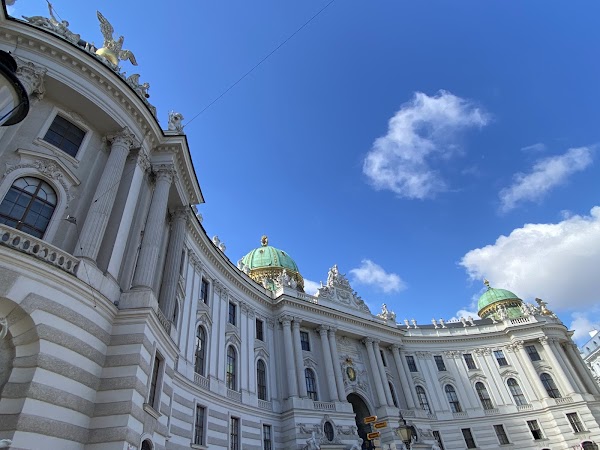
Hofburg
View on map
Audio Narrations
English
Introduction
The Hofburg, a sprawling palace complex in Vienna, Austria, stands as a testament to the grandeur of the Habsburg dynasty. Its origins trace back to the 13th century, with subsequent expansions over the centuries. Today, it houses the official residence of the Austrian President and numerous cultural institutions. Among its highlights is the Sisi Museum, dedicated to Empress Elisabeth, known for her beauty and tragic life. Visitors can explore her personal belongings, including her gowns and jewelry. The Imperial Apartments offer a glimpse into the private lives of Emperor Franz Joseph and Empress Elisabeth, showcasing their opulent living quarters. The Hofburg also boasts the Spanish Riding School, renowned for its Lipizzaner stallions and equestrian performances. The Imperial Treasury houses an impressive collection of crown jewels, regalia, and other treasures amassed by the Habsburgs. The complex is adorned with stunning courtyards, gardens, and monuments. The Heldenplatz, a vast square in front of the Neue Burg, features equestrian statues of Prince Eugene of Savoy and Archduke Charles. The Burggarten, a serene park, is home to the iconic Mozart monument. The Hofburg is a captivating blend of history, art, and culture, offering visitors a glimpse into the opulent world of the Habsburg monarchy and the rich heritage of Vienna.Imperial Residence
The Hofburg in Vienna, Austria, stands as a majestic testament to the grandeur of the Habsburg dynasty. As the imperial residence for centuries, it offers a glimpse into the opulent lifestyle and political machinations of one of Europe's most powerful families. The Schweizerhof, or Swiss Wing, is the oldest part of the complex, dating back to the 13th century. It was here that Duke Albert, the first Habsburg ruler of Austria, established his court. Over the ensuing centuries, the palace expanded to encompass 18 wings and some 2,600 rooms, reflecting the growing power and influence of the Habsburgs. The Imperial Apartments, once the private living quarters of Emperor Franz Joseph and Empress Elisabeth, are now open to the public. Visitors can marvel at the lavishly decorated rooms, including the Emperor's Study, the Empress's Salon, and the Mirror Room. The apartments provide a fascinating insight into the daily lives of the imperial family. The Hofburg also houses the Imperial Treasury, which contains a dazzling collection of crowns, scepters, and other regalia. Among the highlights are the Habsburg Imperial Crown, the coronation robes of the Holy Roman Emperor, and the Burgundian Cross. The treasury offers a glimpse into the immense wealth and power of the Habsburgs. In addition to its imperial significance, the Hofburg is also a vibrant cultural center. The Spanish Riding School, renowned for its performances by the famous Lipizzaner stallions, is located within the complex. The Hofburg also houses the Austrian National Library, one of the largest and most important libraries in the world. Today, the Hofburg remains a symbol of Austria's imperial past and a testament to the grandeur of the Habsburg dynasty. It is a must-visit destination for anyone interested in history, architecture, or the arts.Baroque Architecture
Delving into the heart of Vienna's Baroque legacy, the Hofburg Palace stands as a testament to the grandeur of the era. Its sprawling complex, once the imperial residence of the Habsburg dynasty, is a symphony of Baroque artistry. The Schweizerhof, the oldest section, showcases the intricate Gothic chapel and the opulent Schatzkammer, housing the imperial regalia. The Leopoldine Wing, a Baroque masterpiece, boasts the magnificent state rooms once occupied by Empress Maria Theresa. Its opulent interiors are adorned with intricate stuccowork, gilded ornaments, and vibrant frescoes. The Imperial Chancellery Wing, designed by Lukas von Hildebrandt, exhibits a harmonious blend of Baroque and Rococo elements. Its imposing facade features allegorical sculptures and the grand Kaisertor, leading to the imperial apartments. The Winter Riding School, a Baroque marvel, is renowned for its stunning equestrian performances by the Spanish Riding School. The Redoutensäle, once hosting lavish balls and receptions, now serves as a congress center, its elegant halls echoing the grandeur of the Baroque era. The Hall of Ceremonies, built by Ludwig Montoyer, is a masterpiece of Baroque architecture, adorned with marble columns, crystal chandeliers, and intricate ceiling paintings. Exploring the Hofburg through the lens of Baroque architecture unveils a world of artistic mastery, where every detail whispers tales of imperial splendor and the enduring legacy of the Baroque period.
9
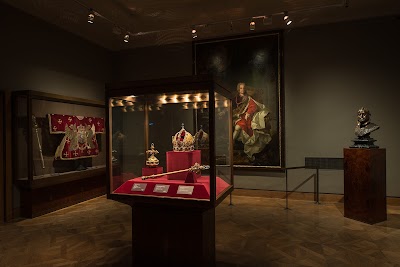
Imperial Treasury Vienna
View on map
10
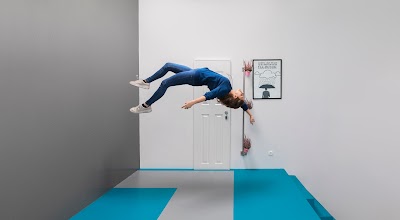
Museum der Illusionen
View on map
11
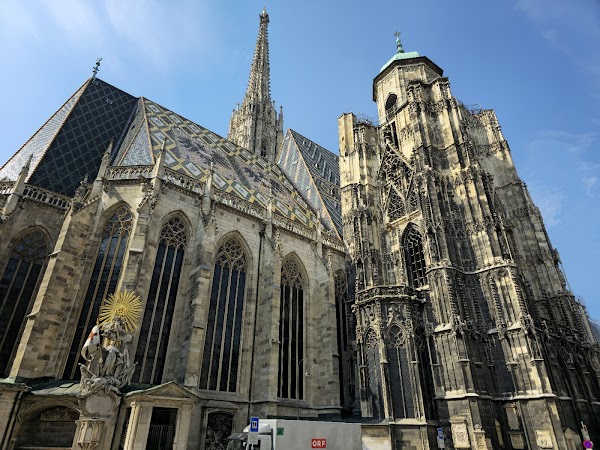
St. Stephen's Cathedral
View on map
Audio Narrations
English
Introduction
St. Stephen's Cathedral, the iconic symbol of Vienna, is a magnificent Gothic masterpiece that has witnessed centuries of history. Its towering south tower, known affectionately as "Steffl," dominates the city's skyline at 136 meters, while the colorful tiled roof, featuring the Austrian double-headed eagle, is a captivating sight. Inside, the cathedral boasts an impressive nave, adorned with 18 altars and intricate columns adorned with statues of saints. The Gothic pulpit, a masterpiece of stonework, is a testament to the skill of medieval artisans. The cathedral also houses the Pummerin, one of Europe's largest free-swinging bells, and the tomb of Emperor Frederick III, an impressive marble sarcophagus weighing eight tonnes. St. Stephen's Cathedral is not only a religious landmark but also a symbol of Vienna's resilience, having survived fires, wars, and the passage of time.Historical Significance
St. Stephen's Cathedral, a majestic edifice in the heart of Vienna, Austria, stands as a testament to the city's rich history and architectural prowess. Its historical significance is deeply intertwined with the Habsburg dynasty, who ruled Austria for centuries and left an indelible mark on the cathedral's grandeur. The cathedral's origins date back to the 12th century, when it was a modest Romanesque church. However, in the 14th century, Duke Rudolf IV embarked on an ambitious expansion project, transforming it into a Gothic masterpiece. The towering south tower, known affectionately as "Steffl," became a symbol of Viennese pride and the tallest structure in Europe for nearly 50 years. Throughout the centuries, St. Stephen's Cathedral witnessed pivotal events in Austrian history. It served as the setting for imperial coronations, royal weddings, and solemn funerals. The Habsburg emperors, including Frederick III and Maximilian I, were interred within its hallowed halls, their elaborate tombs adorned with intricate sculptures and heraldic symbols. During the tumultuous period of World War II, the cathedral suffered significant damage. In 1945, a fire caused by retreating German troops destroyed the roof and much of the interior. However, thanks to the tireless efforts of Viennese citizens and international aid, it was meticulously restored to its former glory. Today, St. Stephen's Cathedral remains a beloved landmark and a symbol of Vienna's resilience. Its historical significance is not only reflected in its architectural splendor but also in the countless stories and events that have unfolded within its walls, making it an enduring testament to the city's rich past.Mozart's Funeral
St. Stephen's Cathedral, a magnificent Gothic masterpiece in the heart of Vienna, played a pivotal role in the final chapter of Wolfgang Amadeus Mozart's life. On December 5, 1791, following a simple funeral service, Mozart's body was laid to rest in an unmarked pauper's grave in the nearby St. Marx Cemetery. However, the cathedral's connection to Mozart extends beyond his burial. Years before his untimely demise, Mozart had a profound relationship with St. Stephen's. He married his beloved Constanze Weber within its hallowed halls in 1782. The cathedral also holds the baptismal records of two of their children. Mozart's deep faith and his affiliation with the Freemasons, an organization banned by the Catholic Church, did not diminish his connection to the cathedral. On the day of his death, Mozart was reportedly working feverishly on his Requiem, a haunting masterpiece that would become synonymous with his passing. The unfinished work was premiered in the cathedral on December 10, 1791, a poignant tribute to the departed genius. The event marked the first public performance of any part of the Requiem, adding to the cathedral's significance in Mozart's legacy. Today, visitors to St. Stephen's can pay their respects at the memorial plaque commemorating Mozart's marriage and baptisms. The cathedral's rich history and its association with one of music's greatest icons make it a pilgrimage site for countless Mozart enthusiasts worldwide.
12
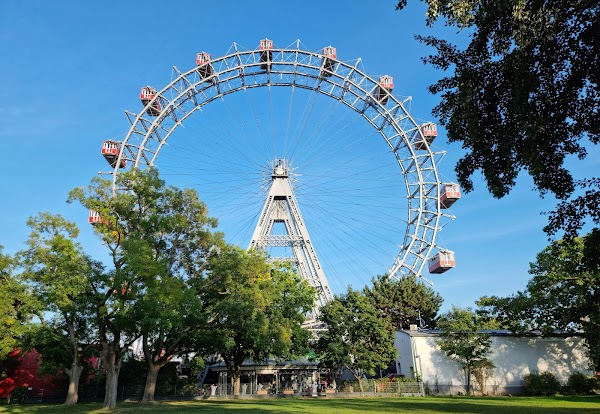
Prater
View on map
Audio Narrations
French
Introduction
Le Prater, un célèbre parc public de Vienne en Autriche, est un carrefour dynamique de divertissement et de loisirs. Ses vastes étendues abritent de somptueuses avenues, des attractions d'époque et des stands de restauration rapide, offrant une expérience captivante aux visiteurs de tous âges. L'emblématique Wiener Riesenrad, une grande roue imposante datant de 1897, se dresse comme un symbole de la ville, offrant des vues panoramiques à couper le souffle. Au-delà de son parc d'attractions, le Prater bénéficie d'une histoire riche. Anciennement terrain de chasse impérial, il a été ouvert au public en 1766. Le Wurstelprater, un parc d'attractions créé en 1895, a conservé nombre de ses attractions d'origine, contribuant à l'ambiance charmante du parc. Le Prater abrite également le musée du Prater, qui présente l'histoire fascinante et l'évolution du parc. Pour ceux qui recherchent une expérience plus luxueuse, des dîners aux chandelles peuvent être organisés dans l'une des nacelles de la Riesenrad. La proximité du parc avec le centre-ville, accessible en métro ou en tramway, en fait une destination facilement accessible.Importance historique
Le Prater, un parc public tentaculaire de Vienne, en Autriche, revêt une immense importance historique. Autrefois terrain de chasse impérial, il a été offert au public en 1766 par l'empereur Joseph II, marquant un changement significatif dans sa vocation. La transformation du parc en un espace de loisirs pour tous les citoyens témoigne de la vision progressiste de l'empereur. La riche histoire du Prater est étroitement liée au développement de Vienne. Au XIXe siècle, il est devenu une destination prisée pour le divertissement et les loisirs, avec l'établissement du parc d'attractions Wurstelprater. La grande roue emblématique du parc, le Wiener Riesenrad, construite en 1897, est devenue un monument très apprécié et un symbole de l'âge d'or de Vienne. Pendant la Seconde Guerre mondiale, le Prater a subi des dommages importants, notamment la destruction du Riesenrad. Cependant, le parc a été méticuleusement restauré après la guerre, préservant son charme historique. Aujourd'hui, le Prater reste un centre d'activité dynamique, accueillant des événements culturels, des concerts et des festivals tout au long de l'année. Son importance historique continue d'être célébrée, avec des visites guidées et des expositions présentant son riche passé.Atmosphère nostalgique
Entrez dans le Prater, le parc d'attractions bien-aimé de Vienne, et laissez-vous envelopper par une étreinte nostalgique. L'emblématique grande roue, symbole de l'horizon de la ville, invite les visiteurs à entreprendre un voyage intemporel. Ses cabines antiques, ornées de boiseries complexes et de sièges en velours moelleux, vous transportent dans une époque révolue d'élégance et de charme. En vous promenant dans les allées verdoyantes du parc, l'odeur du pop-corn fraîchement éclaté et des amandes grillées emplit l'air, évoquant des souvenirs d'étés d'enfance. Des carrousels d'époque, avec leurs couleurs vives et leurs mélodies joyeuses, vous invitent à revivre les joies simples du passé. Au milieu de l'atmosphère animée, des îlots de tranquillité peuvent être trouvés. Cherchez refuge dans les coins isolés du parc, où de grands arbres projettent de longues ombres et où le chant des oiseaux crée une ambiance sereine. Ici, vous pouvez échapper à l'agitation et vous livrer à une contemplation tranquille ou à une rêverie nostalgique. La riche histoire du Prater ajoute à son allure nostalgique. Autrefois terrain de chasse exclusif des empereurs Habsbourg, il a été transformé en parc public au XIXe siècle. Ses grandes avenues et ses bâtiments majestueux, vestiges de son passé impérial, confèrent un air de grandeur aux environs. Lorsque le soleil commence son déclin, le Prater se transforme en un royaume magique. Les lumières de la grande roue scintillent comme des étoiles, projetant une lueur chaleureuse sur le parc. Les couples se promènent main dans la main le long des allées illuminées, créant une atmosphère de romance et de nostalgie. Que vous recherchiez une retraite nostalgique ou un aperçu du riche passé de Vienne, le Prater offre une expérience captivante qui restera longtemps gravée dans vos souvenirs après votre visite.
Experience the Full Tour
Download the DocentPro app to access all tour stops, complete audio narrations in multiple languages, offline maps, and interactive features.