
San Francisco: A Day of Iconic Landmarks and Urban Charms

Walking Tour

19.7 km (12.3 miles)

3h 33min travel time

10 Stops

San Francisco, United States
San Francisco: A Day of Iconic Landmarks and Urban Charms
Tour Stops
1
Golden Gate Bridge
View on map
Audio Narrations
Introduction
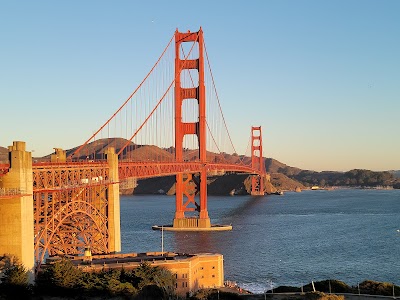
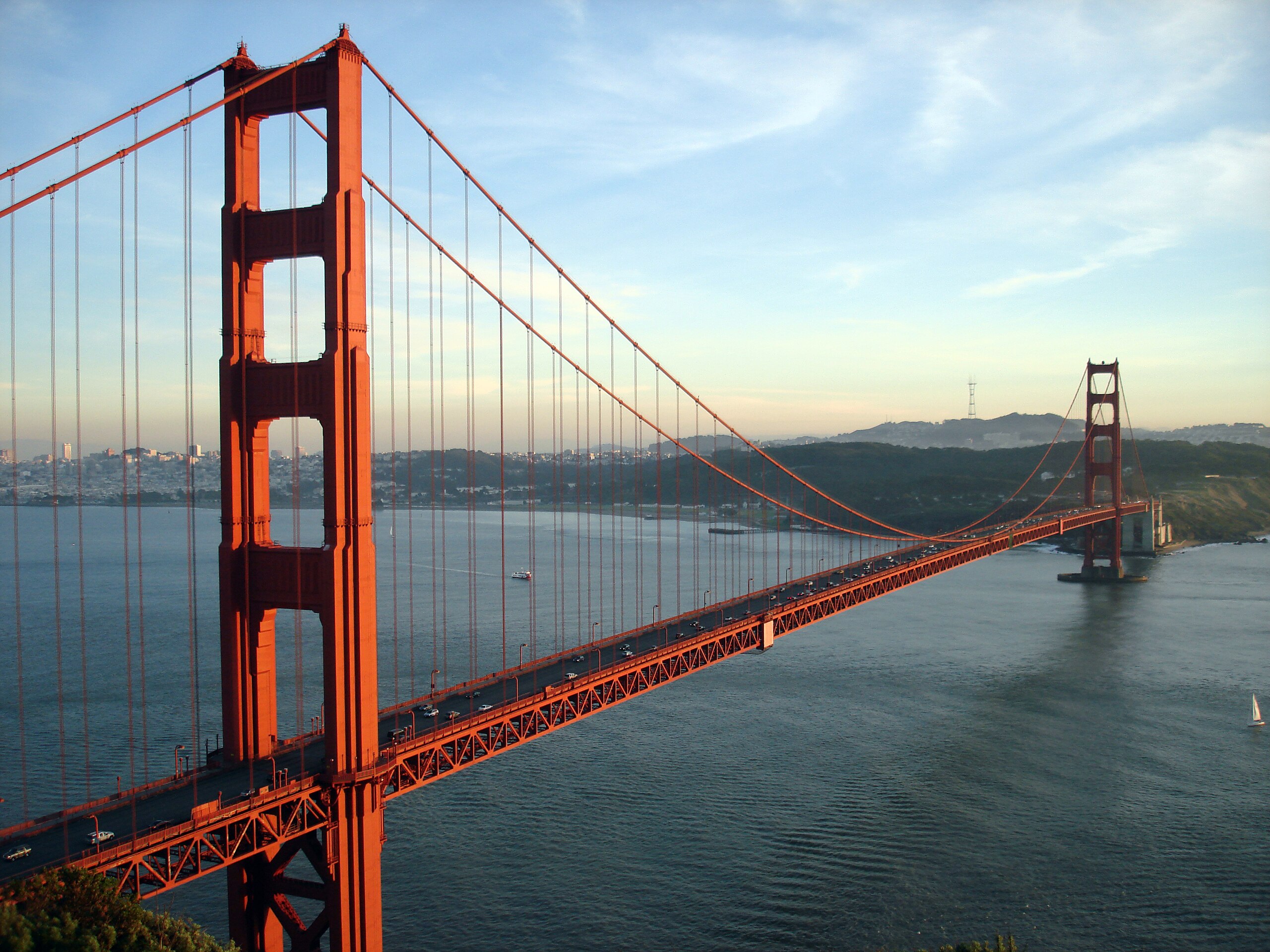
Le Golden Gate Bridge, un pont suspendu emblématique de San Francisco, en Californie, est réputé pour sa teinte orange international vibrante et sa travée principale record, qui a détenu le titre de la plus longue du monde pendant 27 ans. Sa longueur de 2,7 kilomètres relie la ville au comté de Marin, en enjambant le détroit du Golden Gate. Les tours massives du pont s'élèvent à 227 mètres dans le ciel, dépassant autrefois la hauteur de tout bâtiment à San Francisco. Ses deux câbles, chacun de plus de 2 133 mètres de long et contenant 129 000 kilomètres de fil, soutiennent la chaussée suspendue. Le Golden Gate Bridge n'est pas seulement une merveille de transport, mais aussi un symbole de l'ingéniosité américaine et une destination touristique populaire. Les visiteurs peuvent explorer ses points de vue panoramiques, faire de la randonnée ou du vélo sur ses trottoirs, ou simplement admirer sa grandeur architecturale de loin.Symbole de San Francisco
Le Golden Gate Bridge, symbole emblématique de San Francisco, est un majestueux pont suspendu enjambant le détroit du Golden Gate, reliant la ville au comté de Marin. Sa couleur orange international saisissante, une suggestion de l'architecte consultant Irving Morrow, non seulement s'harmonise avec le paysage environnant, mais assure également une grande visibilité par temps de brouillard. La construction du pont, dirigée par l'ingénieur en chef Joseph B. Strauss, a commencé en 1933 et a présenté de nombreux défis en raison des forts courants du détroit, des tempêtes fréquentes et du brouillard dense. Malgré ces obstacles, le pont a été achevé en 1937, en dessous du budget et en avance sur le calendrier. La travée principale du Golden Gate Bridge, s'étendant sur 1 280 mètres, était la plus longue du monde jusqu'en 1964. Ses deux tours culminent à 227 mètres au-dessus de l'eau, suspendant la chaussée à 81 mètres au-dessus du niveau moyen des hautes eaux. La conception du pont intègre des dispositifs de sécurité innovants, notamment un filet de sécurité mobile qui a sauvé 19 ouvriers de chutes mortelles pendant la construction. Le Golden Gate Bridge reste un témoignage de l'ingéniosité et de la prouesse technique américaines, et il est un symbole de l'esprit d'innovation et de progrès de San Francisco.International Orange
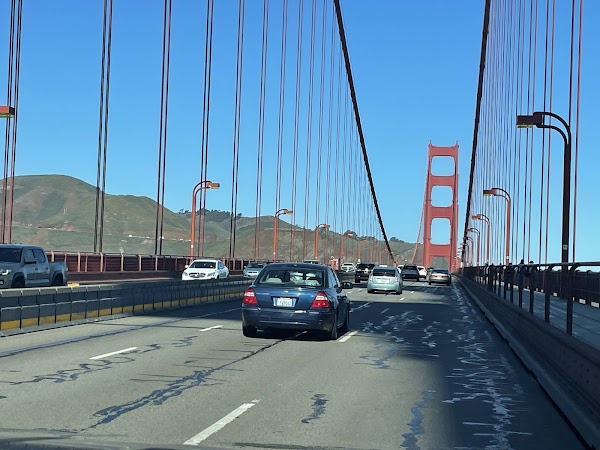
Le Golden Gate Bridge de San Francisco, en Californie, aux États-Unis, est réputé pour son emblématique teinte Orange International, une couleur spécifiquement choisie pour s'harmoniser avec son environnement et améliorer la visibilité dans le brouillard fréquent de la ville. L'architecte consultant Irving Morrow a sélectionné cette nuance unique, officiellement connue sous le nom de "vermillon orange international", après avoir été inspiré par l'apprêt rouge-orangé utilisé sur l'acier du pont pendant la construction. L'apprêt original au plomb rouge et la couche de finition à base de plomb du pont ont ensuite été remplacés par un apprêt au silicate de zinc et des couches de finition vinyliques plus durables, et depuis 1990, des couches de finition acryliques sont utilisées pour des raisons environnementales. L'entretien continu de la peinture du pont est une tâche permanente, avec une équipe de 38 peintres dédiée à la retouche des zones où la corrosion se produit. La couleur Orange International du pont est devenue partie intégrante de son identité, instantanément reconnaissable et synonyme du Golden Gate Bridge.
2
Crissy Field
View on map
Audio Narrations
Introduction
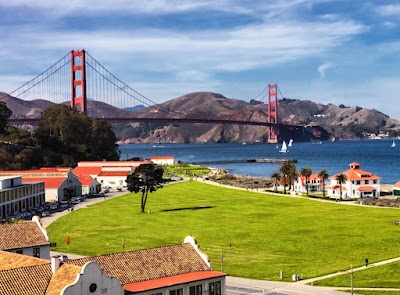
Crissy Field, a former airfield turned waterfront haven, stretches along the northern edge of San Francisco, offering breathtaking vistas of the Golden Gate Bridge and Alcatraz Island. This 100-acre expanse, once a bustling military base, now pulsates with a different kind of energy. Visitors can stroll along the paved promenade, soaking in the panoramic views, or rent a bike to explore the scenic pathways that meander through the park. Crissy Field's metamorphosis from military outpost to urban oasis is a testament to San Francisco's commitment to environmental preservation and public recreation. The park boasts a rich tapestry of ecosystems, including restored wetlands, windswept dunes, and vibrant meadows. Birdwatchers flock to the area to observe the diverse avian life, while nature enthusiasts marvel at the resilience of the ecosystem. Beyond its scenic beauty, Crissy Field is a hub of activity. Kiteboarders dance across the waves, while kayakers navigate the calm waters of the bay. Families gather for picnics on the grassy knolls, and children squeal with delight as they chase seagulls along the shoreline. The park also hosts a variety of events throughout the year, from concerts and festivals to sporting competitions and educational programs. Crissy Field is a microcosm of San Francisco's spirit, a place where history, nature, and recreation converge. It is a testament to the city's ability to transform adversity into opportunity, creating a vibrant space that enriches the lives of residents and visitors alike.Crissy Field Kite Flying
Crissy Field: A Kite Flyer's Paradise Crissy Field, a former airfield turned waterfront park, is a haven for kite enthusiasts. Its expansive, unobstructed space, steady winds, and stunning views make it one of the best kite flying destinations in the world. The most popular spot for kite flying is the Crissy Field East Beach. This wide, sandy stretch offers ample room for launching and maneuvering kites of all sizes. The prevailing northwest winds provide consistent lift, making it ideal for both beginners and experienced kite flyers. Beyond the vast open space, Crissy Field boasts unique features that enhance the kite flying experience. The historic Crissy Field Hangar, with its iconic red doors, serves as a picturesque backdrop for kite photography. The nearby Golden Gate Bridge adds a majestic touch to the skyline, providing a breathtaking backdrop for your aerial creations. For those seeking a social kite flying experience, Crissy Field hosts the annual San Francisco Kite Festival. This vibrant event attracts kite enthusiasts from all over the world, showcasing a dazzling array of colorful kites and thrilling demonstrations. Whether you're a seasoned kite flyer or a curious beginner, Crissy Field offers an unparalleled kite flying experience. With its ideal conditions, stunning scenery, and vibrant community, it's a place where kites soar and dreams take flight.Crissy Field History
Crissy Field: A Century of Transformation Crissy Field, a scenic waterfront expanse in San Francisco, boasts a rich history intertwined with the city's evolution. Originally home to the Ohlone people, the area was later transformed into a military airfield in 1919, playing a crucial role in World War II. During the war, Crissy Field served as a training ground for pilots and housed a fleet of B-17 bombers. The airfield also witnessed the departure of troops heading to the Pacific theater, leaving an indelible mark on the city's wartime experience. Following the war, Crissy Field faced a period of decline, becoming a neglected and contaminated site. However, the 1994 Presidio Trust Act paved the way for its remarkable transformation. The airfield was decommissioned, and a comprehensive restoration project was initiated. This ambitious endeavor aimed to remediate the environmental damage, restore the natural habitat, and create a vibrant public space for the community. The restoration process involved removing tons of contaminated soil, rebuilding the shoreline, and planting native vegetation. This meticulous effort resulted in the revival of a thriving ecosystem, attracting diverse wildlife and offering stunning views of the Golden Gate Bridge and Alcatraz Island. Today, Crissy Field stands as a testament to environmental resilience and community revitalization. Beyond its ecological significance, Crissy Field holds historical treasures. The airfield's hangars have been repurposed into museums and cultural centers, showcasing the site's military past and its transformation into a vibrant public space. Visitors can explore exhibits on the history of aviation, the Presidio's military legacy, and the environmental restoration efforts. Crissy Field's history is a captivating tale of transformation, from a bustling military airfield to a haven for recreation and environmental restoration. Its journey reflects the city's resilience, adaptability, and commitment to preserving its heritage while embracing a sustainable future.
3
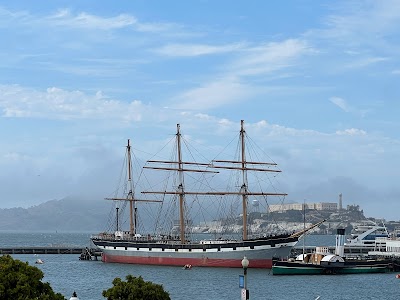
San Francisco Maritime National Historical Park
View on map
Audio Narrations
Introduction
Docked at Hyde Street Pier, a magnificent fleet of historic vessels awaits exploration at San Francisco Maritime National Historical Park. This isn't just a collection of old boats; it's a tangible portal to the Golden Gate's seafaring past. Climb aboard the Balclutha, a majestic square-rigged sailing ship that once traversed the globe carrying grain and treasure. Delve into the cramped quarters of the Eureka, a massive ferryboat that once shuttled passengers across the bay before the Golden Gate Bridge existed. For a truly unique perspective, venture below the waves at the park's Aquatic Cultural Resource Center. Here, maritime archaeologists piece together the stories of shipwrecks and submerged artifacts, revealing a hidden layer of San Francisco's maritime history. The park's collection extends beyond ships, encompassing a vibrant collection of nautical charts, photographs, and tools, each whispering tales of daring voyages and the city's evolution as a bustling port.Maritime History
San Francisco Maritime National Historical Park stands as a testament to the city's vibrant maritime past, offering a deep dive into a bygone era of seafaring and trade. The park's collection of historic vessels, meticulously preserved and displayed along Hyde Street Pier, provides a tangible link to the age of sail and steam. Visitors can step aboard the majestic square-rigged ship Balclutha, a survivor of the Cape Horn route, and experience the cramped quarters and demanding life of a 19th-century sailor. The Eureka, a massive wooden-hulled ferry, offers a glimpse into the Bay Area's early commuter system, while the steam tugboat Hercules embodies the power and ingenuity of early 20th-century maritime technology. Beyond the ships themselves, the park delves into the social and economic forces that shaped San Francisco's maritime history. Exhibits at the Aquatic Park Historic District explore the lives of dockworkers, shipbuilders, and fishermen, revealing the diverse communities that thrived on the waterfront. The park's extensive archives and research library offer a treasure trove of primary sources, including ship logs, photographs, and personal accounts, allowing visitors to delve deeper into the stories of those who lived and worked on the sea.Historic Preservation
San Francisco Maritime National Historical Park stands as a testament to maritime history and the meticulous efforts of preservationists. The park safeguards a remarkable collection of historic vessels, each painstakingly restored to its former glory. The process often involves replacing rotted timbers, meticulously replicating original paint schemes, and employing traditional shipbuilding techniques passed down through generations. Beyond the ships themselves, the park preserves a wealth of maritime artifacts, from navigational instruments to ship models, offering a tangible link to the past. These objects undergo careful conservation treatments to halt deterioration and retain their historical integrity. The park's commitment to authenticity extends to its buildings, including the Aquatic Park Bathhouse, a masterpiece of Art Deco architecture. Preservation efforts focus on maintaining the building's original materials and design elements, ensuring its continued presence as a cultural landmark. Through these meticulous preservation efforts, San Francisco Maritime National Historical Park offers a captivating glimpse into the maritime world of bygone eras.
4
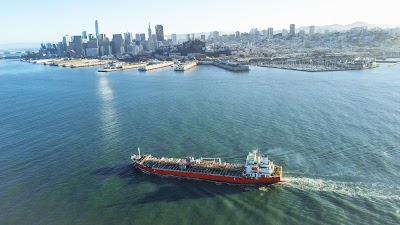
Fisherman's Wharf
View on map
Audio Narrations
Introduction
Fisherman's Wharf: A San Francisco Icon Nestled along the northern waterfront of San Francisco, Fisherman's Wharf pulsates with the energy of a bustling tourist hub and a historic fishing community. Its origins trace back to 1884, when the first state-owned Fisherman's Wharf emerged, jutting out from the shore with a long, narrow rectangle dedicated to commercial fishing boats. Over time, the area evolved into a vibrant tapestry of attractions, restaurants, and shops, while still retaining its deep-rooted connection to the sea. Today, Fisherman's Wharf is a kaleidoscope of experiences. The iconic Pier 39, teeming with playful sea lions, beckons visitors with its lively atmosphere and diverse offerings. The Cannery Shopping Center, housed in a historic cannery building, transports you back to the era of bustling fish processing. Ghirardelli Square, a haven for chocolate lovers, entices with its delectable treats and charming ambiance. Beyond the tourist hotspots, Fisherman's Wharf unveils hidden gems. The Musée Mécanique, a treasure trove of antique arcade games and mechanical marvels, offers a nostalgic journey through time. The Madame Tussauds wax museum provides an opportunity to rub shoulders with life-like figures of celebrities and historical icons. The San Francisco Maritime National Historical Park, with its historic ships and exhibits, unveils the city's rich maritime heritage. Foodies are spoilt for choice at Fisherman's Wharf. From the renowned seafood restaurants like Forbes Island and Fishermen's Grotto to the iconic In-N-Out Burger, the culinary scene caters to every palate. The area also boasts a vibrant nightlife, with bars and clubs offering live music and entertainment. Whether you're seeking a family-friendly adventure, a romantic stroll, or a cultural immersion, Fisherman's Wharf promises an unforgettable experience. Its blend of history, entertainment, and culinary delights ensures that every visit leaves a lasting impression. So, come explore the charm of this San Francisco icon and discover its hidden treasures.Historic Waterfront District
Fisherman's Wharf: A Historic Waterfront District in San Francisco Fisherman's Wharf, a bustling waterfront district in San Francisco, boasts a rich history deeply intertwined with the city's maritime heritage. Its transformation from a humble fishing community to a renowned tourist destination is a testament to its enduring charm and historical significance. The Wharf's history dates back to the mid-19th century, when Italian immigrants established a fishing village on the site. The area quickly became a hub for commercial fishing, with its docks teeming with boats and bustling with activity. As San Francisco grew, so did Fisherman's Wharf, evolving into a vibrant waterfront community with a unique character. Today, Fisherman's Wharf stands as a living testament to its historic past. The iconic Pier 45, once a bustling fish market, now houses shops, restaurants, and attractions, while the historic ships docked at Hyde Street Pier offer a glimpse into the area's maritime legacy. The creaking of the wooden planks, the salty tang in the air, and the cries of the seagulls all contribute to the Wharf's authentic atmosphere. Beyond its commercial appeal, Fisherman's Wharf offers a unique perspective on San Francisco's history. The National Maritime Museum, housed in a historic ship, showcases the city's maritime heritage, while Ghirardelli Square, a former chocolate factory, offers a glimpse into the city's industrial past. Fisherman's Wharf is more than just a tourist destination; it's a living tapestry of history, culture, and commerce. Its historic waterfront district, with its cobblestone streets, charming shops, and iconic landmarks, offers a unique and captivating experience for those seeking to delve deeper into the heart of San Francisco.Seafood Destination
Fisherman's Wharf: A Seafood Lover's Paradise Fisherman's Wharf in San Francisco is a haven for seafood enthusiasts, offering a vibrant tapestry of flavors and experiences. From bustling seafood markets to renowned restaurants, the Wharf caters to every palate and budget. Start your journey at Pier 45, where the iconic Alioto's #8 restaurant has been serving fresh-off-the-boat Dungeness crab for over 70 years. Indulge in their signature cioppino, a hearty stew brimming with local fish, shellfish, and tomatoes. Venture into Sotto Mare, a hidden gem tucked away on Hyde Street Pier. This intimate eatery boasts an ever-changing menu featuring the day's catch, prepared with Italian flair. Don't miss their crudo selection, showcasing the pristine quality of local seafood. For a casual yet authentic experience, head to Swan Oyster Depot, a no-frills establishment renowned for its fresh oysters and clam chowder. Slurp down a dozen Kumamotos or savor their creamy clam chowder, a San Francisco classic. Beyond the restaurants, Fisherman's Wharf offers a glimpse into the world of commercial fishing. Visit the historic Pier 47, where you can witness the daily unloading of the catch and purchase fresh seafood directly from the boats. For a unique perspective, embark on a fishing charter and try your hand at reeling in your own dinner. Numerous operators offer excursions tailored to all skill levels, providing an unforgettable experience and the freshest possible catch. Whether you're a seasoned seafood connoisseur or a curious newcomer, Fisherman's Wharf promises a delectable adventure. With its abundance of fresh catches, culinary expertise, and maritime charm, it's a true seafood destination that will tantalize your taste buds and leave you wanting more.
5
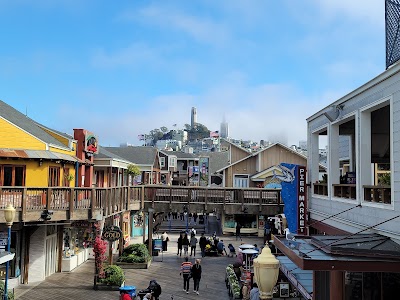
PIER 39
View on map
Audio Narrations
Introduction
PIER 39, a renowned waterfront destination in San Francisco, offers an eclectic mix of attractions, dining, and entertainment. Its most captivating feature is the colony of California sea lions that have made the pier their home since 1989. Visitors can observe these playful marine mammals up close from the designated Sea Lion Center, operated by the Aquarium of the Bay. Beyond the sea lions, PIER 39 boasts a plethora of activities. Take a thrilling ride on The Flyer, a state-of-the-art flying theater that simulates soaring over San Francisco's iconic landmarks. Explore the depths of the ocean at Aquarium of the Bay, home to over 20,000 marine creatures. Indulge in fresh seafood at one of the pier's many restaurants, such as Fog Harbor Fish House, renowned for its sustainable menu and breathtaking views of Alcatraz and the Golden Gate Bridge. PIER 39 also caters to art enthusiasts with its collection of specialty shops featuring unique souvenirs and handcrafted items. Take a stroll along the symphonic stairs, where each step plays a musical note as you ascend. Witness talented street performers and musicians showcase their skills throughout the day. Whether you seek adventure, relaxation, or a taste of San Francisco's vibrant culture, PIER 39 offers an unforgettable experience for all.Iconic Landmark
PIER 39, a vibrant waterfront destination in San Francisco, has become an iconic landmark renowned for its unique attractions and captivating ambiance. As a symbol of the city's maritime heritage, PIER 39 has played a pivotal role in revitalizing San Francisco's waterfront, transforming it into a bustling hub of entertainment and leisure. One of the most distinctive features of PIER 39 is its lively colony of California sea lions. These playful marine mammals have made their home on the pier's K-Dock since 1990, captivating visitors with their antics and providing countless photo opportunities. The PIER 39 Sea Lion Center offers an educational experience, allowing visitors to learn about the biology and behavior of these fascinating creatures. PIER 39 is also home to an array of restaurants, offering a culinary journey that celebrates the flavors of San Francisco. From fresh seafood to delectable sourdough bread bowls, there's something to satisfy every palate. The pier's restaurants provide stunning views of the bay, making dining an unforgettable experience. Beyond its marine life and culinary delights, PIER 39 offers a range of entertainment options. The Aquarium of the Bay, an accredited institution, showcases over 200 species of marine life, including sharks, jellyfish, and river otters. Visitors can immerse themselves in the underwater world and gain insights into the diverse marine ecosystem of San Francisco Bay. PIER 39 is also a popular starting point for various tours and excursions. Blue & Gold Fleet's Bay Cruise takes visitors on a scenic journey beneath the Golden Gate Bridge, offering breathtaking views of the city skyline and Alcatraz Island. Whale-watching tours depart from the pier, providing an opportunity to witness these majestic creatures in their natural habitat. PIER 39's iconic status is further enhanced by its vibrant atmosphere. Street performers entertain visitors with live music, while the pier's shops offer a wide selection of souvenirs and local crafts. The pier's convenient location, just steps away from Fisherman's Wharf, makes it easily accessible for both locals and tourists. As an iconic landmark, PIER 39 embodies the spirit of San Francisco, combining natural beauty, cultural attractions, and a lively ambiance. It's a destination that offers a unique and unforgettable experience, leaving a lasting impression on visitors from around the world.Sustainable Seafood
PIER 39 is a renowned waterfront destination in San Francisco, California, celebrated for its commitment to sustainable seafood practices. As a pioneer in the sustainable seafood movement, PIER 39 has partnered with the Aquarium of the Bay's Sustainable Seafood Alliance to ensure that all its restaurants adhere to strict ethical and environmental guidelines. This alliance promotes responsible sourcing, minimizes bycatch, and protects marine ecosystems. PIER 39 restaurants prioritize local seafood, supporting regional fisheries that employ sustainable fishing techniques. They also avoid red-listed seafood items, ensuring the preservation of vulnerable species. By choosing to dine at PIER 39, visitors not only savor delectable seafood but also contribute to the conservation of our oceans.
6
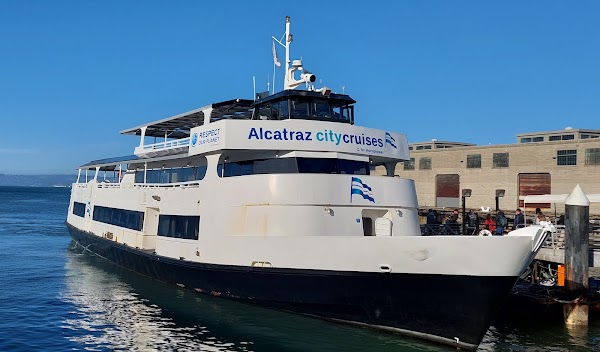
Pier 33
View on map
Audio Narrations
Introduction
Le quai 33 de San Francisco, en Californie, est le point de départ exclusif des ferries pour l'île d'Alcatraz. Exploité par Alcatraz Cruises, le quai abrite une boutique de souvenirs et le Alcatraz Landing Cafe, qui propose des rafraîchissements et des souvenirs avant votre aventure sur l'île. À quelques pas du complexe animé des quais 39 et 41, le quai 33 offre une évasion sereine avant le voyage vers l'ancienne prison tristement célèbre. Méfiez-vous des arnaques aux billets, car Alcatraz Cruises détient le droit exclusif de vendre des billets de ferry, et aucun autre service ne part de ce quai. Pour les personnes ayant des besoins d'accessibilité, le quai 33 propose des appareils d'écoute assistée, des descriptions en braille pour les expositions et des toilettes accessibles. Bien que les fauteuils roulants ne soient pas disponibles en prêt, le quai est idéalement situé à proximité des options de transport en commun, notamment la ligne F de Muni et les connexions BART. Planifiez votre visite au quai 33 et embarquez pour un voyage captivant vers l'île d'Alcatraz, où l'histoire et le mystère s'entremêlent.Destination touristique
Niché le long du front de mer animé de San Francisco, le Pier 33 est un joyau caché qui offre une expérience unique et captivante aux voyageurs exigeants. Au-delà de la foule animée de Fisherman's Wharf, cette jetée historique dévoile un trésor d'histoire maritime, de vues imprenables et de plaisirs inattendus. Marchez sur les planches de bois et remontez le temps en admirant le hangar de la jetée de 1907, méticuleusement restauré, un témoignage du riche patrimoine maritime de San Francisco. L'air bourdonne des murmures d'une époque révolue, lorsque des navires chargés de marchandises en provenance de terres lointaines accostaient à cet endroit même. En vous promenant le long de la jetée, la vue panoramique sur la baie de San Francisco se dévoile devant vous. L'île d'Alcatraz émerge de la brume, un rappel brutal du passé fascinant de la ville. L'emblématique Golden Gate Bridge dessine une silhouette majestueuse sur le ciel azur, tandis que des voiliers glissent gracieusement sur l'eau, leurs voiles blanches gonflées par le vent. Mais le Pier 33 est plus qu'un simple monument historique ou un point de vue panoramique. C'est un centre d'activité animé, où les habitants et les touristes se rassemblent pour s'imprégner de l'esprit de San Francisco. Les artistes de rue divertissent la foule avec leur musique et leur art, tandis que l'arôme des fruits de mer frais flotte depuis les restaurants voisins. Aventurez-vous dans les profondeurs de la jetée et découvrez un joyau caché : le carrousel historique. Des chevaux en bois sculptés à la main et des créatures fantastiques vous attendent, prêts à vous emmener dans un voyage nostalgique. Les airs joyeux du calliope emplissent l'air, créant une atmosphère de pure joie et d'émerveillement. Alors que le soleil entame sa descente, le ciel se transforme en une toile de teintes vibrantes. Les lumières de la ville s'allument, projetant une lueur magique sur la baie. C'est le moment idéal pour savourer un délicieux repas dans l'un des restaurants au bord de l'eau de la jetée, en savourant des fruits de mer frais et des spécialités locales tout en profitant des vues à couper le souffle. Le Pier 33 est un lieu où l'histoire, la beauté et le divertissement convergent, offrant une expérience inoubliable à ceux qui recherchent une aventure unique et authentique à San Francisco. Alors, sortez des sentiers battus et découvrez les trésors cachés qui vous attendent sur cette jetée historique. Laissez le Pier 33 être votre porte d'entrée vers un monde de charme maritime, de vues à couper le souffle et de souvenirs intemporels.Terminal de ferry d'Alcatraz
Pier 33 : votre porte d'entrée vers Alcatraz Le Pier 33 à San Francisco n'est pas qu'un quai ; c'est un portail vers l'histoire, le mystère et la tristement célèbre île d'Alcatraz. Alors que vous vous tenez sur ses planches patinées, imaginez les milliers de personnes qui se sont embarquées sur ce même voyage avant vous, le cœur battant d'impatience ou d'appréhension alors qu'elles naviguaient vers la prison légendaire. Cette jetée historique sert de terminal officiel des ferries d'Alcatraz depuis 1962, accueillant les visiteurs désireux d'explorer les secrets de l'île. L'air bourdonne d'une énergie palpable, un mélange d'excitation et d'intrigue, alors que vous rejoignez la foule d'autres aventuriers. Avant d'embarquer, prenez un moment pour vous imprégner de l'atmosphère. Regardez la baie, où la tristement célèbre île se profile au loin, enveloppée de brume et de légendes. Remarquez le bâtiment historique en briques, un vestige de la vie passée de la jetée en tant que terminal de fret animé. Lorsque vous montez sur le ferry, sentez le poids de l'histoire sous vos pieds et préparez-vous à être transporté dans un monde figé dans le temps. La traversée en ferry est une expérience en soi. Alors que vous glissez sur l'eau, la ligne d'horizon de la ville s'éloigne, remplacée par la silhouette austère d'Alcatraz. L'odeur salée de l'air marin emplit vos poumons, et les cris des mouettes au-dessus de votre tête font écho aux appels des prisonniers autrefois confinés dans les murs de l'île. Le Pier 33 est plus qu'un simple terminal de ferry ; c'est le point de départ d'un voyage inoubliable au cœur d'Alcatraz. C'est là que l'histoire prend vie et où vous faites partie du récit captivant de l'île. Alors, lorsque vous descendez du ferry et que vous foulez les rivages de l'île, souvenez-vous que vous avez marché sur les traces d'innombrables autres personnes, toutes attirées par l'attrait de cet endroit énigmatique.
7
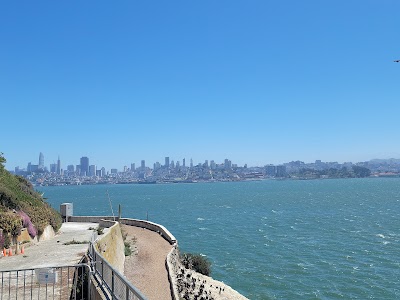
Alcatraz Island
View on map
Audio Narrations
Introduction
Alcatraz Island, a rocky island in San Francisco Bay, California, holds a captivating history as a military fort, a military prison, and a notorious federal penitentiary from 1934 to 1963. Its strong currents and cold waters made escape nearly impossible, earning it the nickname "The Rock." Alcatraz housed some of America's most infamous criminals, including Al Capone and Robert Stroud, the "Birdman of Alcatraz." Despite numerous escape attempts, none were successful. In 1969, a group of Native Americans occupied the island for 19 months, protesting government treatment of Native Americans. Today, Alcatraz is a popular tourist destination, managed by the National Park Service as part of the Golden Gate National Recreation Area. Visitors can explore the abandoned prison, learn about its fascinating history, and enjoy the island's natural beauty, including its seabird colony and rock pools.Historic Preservation
Alcatraz Island, nestled in the heart of San Francisco Bay, stands as a testament to the complexities of historic preservation. Once a military fortification and a notorious federal prison, Alcatraz has undergone a remarkable transformation into a National Historic Landmark and a popular tourist destination. The island's rich history has left an indelible mark on its structures. The Main Cellhouse, with its iconic barred windows and solitary confinement cells, evokes the harsh realities of prison life. The Dining Hall, once a communal gathering space for inmates, now serves as a poignant reminder of their daily struggles. The Water Tower, a symbol of the island's isolation, has been meticulously restored to its original grandeur. Preservation efforts have extended beyond the iconic buildings. The island's natural features, including its rock pools and seabird colony, have been carefully protected. The gardens, once neglected after the prison's closure, have been lovingly restored, revealing hidden treasures such as heirloom rose hybrids and rare succulents. Alcatraz's historic preservation projects have not only preserved the island's physical structures but have also shed light on its complex past. The ongoing restoration of the Warden's House and Social Hall promises to provide further insights into the lives of those who lived and worked on the island. Through these preservation efforts, Alcatraz Island has become a living museum, offering visitors a glimpse into the island's multifaceted history and the challenges and triumphs of historic preservation.Notorious Criminals
Alcatraz Island, a notorious former federal prison, housed some of America's most infamous criminals, etching its name in the annals of criminal history. Al Capone, the notorious gangster, spent five years on the island, his reign of terror curtailed within its cold, unforgiving walls. George "Machine Gun" Kelly, another notorious gangster, was incarcerated here, his violent exploits forever linked to Alcatraz. Alvin Karpis, the elusive "Public Enemy No. 1," found his criminal career brought to an end within the prison's confines. Robert Stroud, the "Birdman of Alcatraz," gained fame for his ornithological studies while serving a life sentence for murder. These notorious criminals, among others, left an indelible mark on Alcatraz, their stories forever intertwined with the island's dark legacy.
8
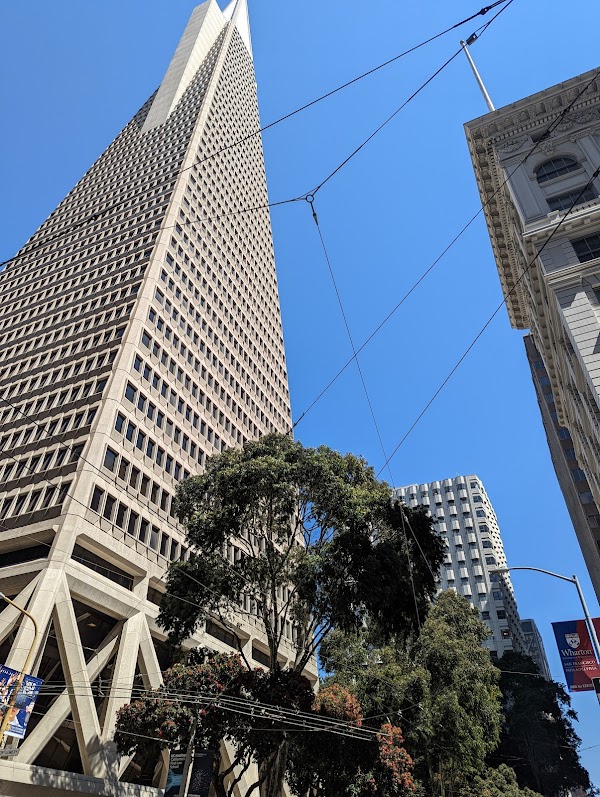
Transamerica Pyramid
View on map
Audio Narrations
Introduction
The Transamerica Pyramid, a defining feature of the San Francisco skyline, distinguishes itself not merely by its pyramidal shape, but by its unique wing-like structures extending outward near its apex. These "wings," officially known as setbacks, were incorporated to allow more sunlight to reach the streets below, a crucial consideration in the dense urban environment. Its exterior is clad in crushed quartz, lending a shimmering, almost ethereal quality to its appearance, particularly under the California sun. A little-known fact is that the building houses a virtual forest; a sophisticated computer system monitors and adjusts the lighting and ventilation for a collection of trees located on one of the upper floors. Furthermore, during the holiday season, a powerful beacon, affectionately called the "crown jewel," illuminates the top, visible for miles around, transforming the iconic structure into a festive landmark. The pyramid's unusual design initially met with considerable resistance, but it has since become a beloved symbol of San Francisco's innovative spirit.William Pereira Design Philosophy
William Pereira's design philosophy, characterized by futuristic designs and unusual geometric forms, is exemplified in the Transamerica Pyramid. Pereira favored grand, imposing structures, often set atop integral "pedestals," a concept evident in the Pyramid's commanding presence on the San Francisco skyline. His preference for pre-cast concrete allowed for the creation of impressive facades, efficiently applied as panels to the building's steel frame. The Transamerica Pyramid's slender, tapering pyramid shape reflects Pereira's penchant for unconventional forms, diverging from traditional tower designs. This design choice, conceptually based on redwood and sequoia trees, allowed more light to reach street level, aligning with Pereira's aim to integrate nature-inspired elements into his architecture. The building's form, though initially criticized, has become an iconic symbol of San Francisco, showcasing Pereira's ability to create structures that, despite initial opposition, gain acceptance and appreciation over time. Pereira's design also prioritized functionality, with the "wings" flanking the upper levels facilitating vertical circulation. The building's earthquake-resistant foundation demonstrates a practical approach, ensuring structural integrity. While Pereira's designs often incorporated water features, the Redwood Park at the Pyramid's base provides a different kind of serene, natural escape, reflecting a similar intent to create complementary environments. The Transamerica Pyramid stands as a testament to Pereira's unique architectural vision, blending innovative design with practical considerations.Architectural Icon
The Transamerica Pyramid, an architectural icon in San Francisco, overcame initial opposition to become a celebrated symbol of the city. Upon its completion in 1972, the Pyramid, designed by William Pereira, was met with criticism, with some detractors deeming it "Pereira's Prick" and "an inhumane creation." Despite the initial negative reactions, the building's unique pyramid shape, chosen to maximize light and air on the streets below, gradually won over the public and critics alike. Standing at 853 feet, the Transamerica Pyramid was the tallest building in San Francisco for many years and the tallest skyscraper west of Chicago when constructed. Its distinctive silhouette quickly became a fixture on postcards and a registered corporate trademark, solidifying its place in the city's identity. The San Francisco Chronicle hailed it as "an architectural icon of the best sort," praising its ability to fit its location and improve with age. The Pyramid's design defied architectural norms of its time, featuring a tapering concrete shaft with a steep metal peak. This unconventional approach, initially criticized as an unfit match for San Francisco's architecture, ultimately contributed to its iconic status. The building's ability to evolve from a reviled structure to a beloved landmark demonstrates the dynamic nature of urban landscapes and the power of unexpected designs to shape a city's identity.
9
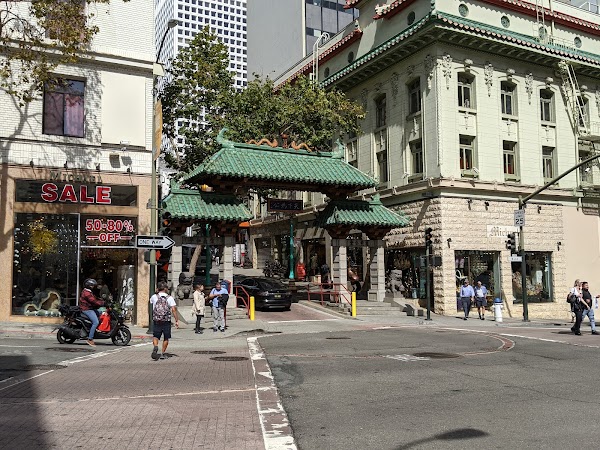
Chinatown
View on map
Audio Narrations
Introduction
Une vibrante tapisserie de culture et d'histoire, le quartier chinois de San Francisco est la plus ancienne et la plus grande enclave de ce type en dehors de l'Asie. Établi dans les années 1850, il a servi de refuge et de plaque tournante prospère pour des générations d'immigrants chinois. Le cœur de Chinatown bat le long de Grant Avenue et de Stockton Street, où une architecture de style pagode ornée et des lampadaires traditionnels transportent les visiteurs dans un autre monde. L'air est imprégné de l'arôme d'épices exotiques et des sons des conversations cantonaises, créant une expérience immersive. Au-delà de la façade touristique se trouve une communauté riche en histoire et en résilience. Les tongs, autrefois de puissantes organisations criminelles, se sont estompées dans le passé, remplacées par des entreprises légitimes et une scène culturelle dynamique. Le massacre du Golden Dragon, un événement tragique survenu en 1977, rappelle les défis auxquels la communauté a été confrontée. Malgré les difficultés, Chinatown a persévéré. C'est un lieu où les familles se réunissent dans des restaurants de dim sum, où les aînés pratiquent le tai-chi à Portsmouth Square et où l'esprit du Nouvel An chinois anime les rues de défilés animés et de danses du lion. Aujourd'hui, Chinatown est confronté à de nouveaux défis, notamment la gentrification et le vieillissement de la population. Cependant, l'esprit de la communauté reste fort, alimenté par un profond sens de l'histoire et un engagement à préserver son héritage culturel unique. Une visite au quartier chinois de San Francisco n'est pas seulement une expérience touristique ; c'est un voyage au cœur d'une communauté qui a résisté et prospéré pendant plus d'un siècle. C'est un lieu où le passé et le présent convergent, où la tradition et la modernité coexistent et où l'esprit de la diaspora chinoise continue de briller de mille feux.Héritage architectural
Chinatown à San Francisco possède un riche héritage architectural, reflétant l'histoire vibrante et le patrimoine culturel de sa communauté d'immigrés chinois. Le paysage urbain du quartier est un mélange unique de styles architecturaux chinois et occidentaux traditionnels, mettant en valeur la résilience et l'adaptation de la communauté au fil du temps. L'une des caractéristiques les plus frappantes de l'héritage architectural de Chinatown est la présence de nombreux hôtels à occupation simple (SRO). Ces bâtiments à plusieurs étages, souvent dotés de façades ornées, ont fourni des logements abordables à des générations d'immigrés chinois. Les SRO, dont beaucoup ont été préservés et rénovés, rappellent les luttes initiales de la communauté et son esprit d'endurance. Un autre aspect notable de l'héritage architectural de Chinatown est la prévalence des bâtiments tong. Ces structures, souvent ornées de sculptures et de symboles complexes, servaient de siège à des organisations fraternelles chinoises connues sous le nom de tongs. Les bâtiments tong ont joué un rôle important dans la vie sociale et politique de la communauté chinoise, offrant un espace pour les réunions, les rassemblements et le soutien mutuel. De plus, l'héritage architectural de Chinatown est évident dans ses nombreux temples et institutions religieuses. Ces espaces sacrés, tels que le temple Tin How et le temple Kong Chow, reflètent les croyances et traditions spirituelles profondément enracinées de la communauté. Les temples, avec leurs motifs complexes et leurs décorations colorées, servent de repères culturels importants et de lieux de rassemblement pour la communauté. Outre ces structures traditionnelles, l'héritage architectural de Chinatown comprend également des bâtiments modernes qui reflètent l'identité évolutive de la communauté. Des structures contemporaines, telles que le musée de la Chinese Historical Society of America et le Gateway Pavilion, mettent en valeur la riche histoire de la communauté et ses contributions à la ville. L'héritage architectural de Chinatown à San Francisco témoigne de la résilience, du patrimoine culturel et de l'évolution continue de la communauté. Le mélange unique d'architecture traditionnelle et moderne du quartier reflète la capacité de la communauté à s'adapter et à prospérer tout en préservant son identité culturelle.Importance historique
Une tapisserie d'histoire : l'héritage durable de Chinatown Le quartier chinois de San Francisco, le plus ancien et le plus grand d'Amérique du Nord, témoigne de la résilience et de la richesse culturelle. Son importance historique est tissée dans le tissu de la ville, reflétant les luttes et les triomphes de générations d'immigrants chinois. Fondé au milieu des années 1800 par des immigrants cantonais, Chinatown a servi de refuge et de tremplin vers l'opportunité. La ruée vers l'or en a attiré beaucoup, qui ont été confrontés à la discrimination et à la violence. Pourtant, ils ont persévéré, créant des entreprises, des associations et des temples qui ont formé le socle de la communauté. Le tremblement de terre et l'incendie de 1906 ont dévasté Chinatown, mais ses habitants l'ont reconstruit, montrant leur esprit inébranlable. Les décennies suivantes ont vu de nouveaux défis, notamment le Chinese Exclusion Act et l'Immigration Act de 1924, qui ont sévèrement restreint l'immigration. Malgré ces obstacles, Chinatown est resté un centre dynamique, préservant les traditions et favorisant une identité unique. L'après-Seconde Guerre mondiale a ouvert un nouveau chapitre. L'abrogation des lois d'exclusion et l'afflux de nouveaux immigrants ont revitalisé la communauté. Chinatown est devenu une destination touristique, mettant en valeur son héritage culturel et ses délices culinaires. Aujourd'hui, Chinatown continue d'évoluer, équilibrant tradition et modernité. Des bâtiments historiques comme le temple Tin How et la Golden Gate Fortune Cookie Factory côtoient des entreprises contemporaines et des galeries d'art. La communauté s'engage activement dans la préservation culturelle, organisant des célébrations animées comme le Nouvel An chinois et la fête de la mi-automne. Le quartier chinois de San Francisco est plus qu'un simple quartier ; c'est un témoignage vivant de l'esprit durable de son peuple. Son importance historique réside non seulement dans sa longévité, mais aussi dans sa capacité à s'adapter et à prospérer, offrant un aperçu de la riche tapisserie de l'histoire et de la culture sino-américaines.
10
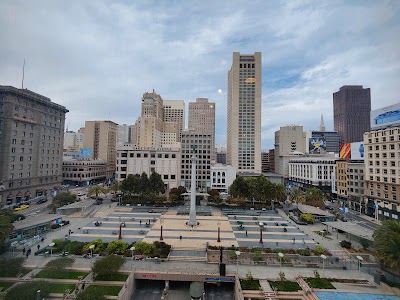
Union Square
View on map
Audio Narrations
Introduction
Union Square, une place de 2,6 acres située dans le centre-ville de San Francisco, est un centre animé de shopping, de restauration et de divertissement. Le monument Dewey, une colonne de 85 pieds surmontée d'une statue de Nike, se dresse en son centre, commémorant la victoire de l'amiral George Dewey dans la guerre hispano-américaine. Autour de la place se trouve un quartier animé de boutiques haut de gamme, de grands magasins et de galeries d'art, notamment les magasins phares de Louis Vuitton, Gucci et Macy's. Le quartier abrite également une concentration de théâtres, dont les théâtres Curran et Geary, ce qui en fait une destination prisée des amateurs de théâtre. Union Square est un monument historique, ayant été le site de rassemblements pro-Union pendant la guerre civile, et il reste un lieu de rassemblement apprécié des habitants et des touristes.Pôle de transport
Union Square, le cœur animé de San Francisco, est un carrefour de transport essentiel, reliant parfaitement les navetteurs et les voyageurs. L'emblématique station Union Square/Market Street, un témoignage d'ingénierie moderne, est la pièce maîtresse de ce nœud de transit dynamique. Cette merveille souterraine offre un accès direct à la station Powell Street, permettant des transferts faciles vers le BART et d'autres lignes de Muni Metro. Au-delà de ses connexions souterraines, Union Square est également une plaque tournante pour le transport de surface. Les téléphériques, une tradition bien-aimée de San Francisco, glissent le long des rues, offrant un mode de transport charmant et nostalgique. Les bus et les taxis sont facilement disponibles, offrant un accès pratique aux coins les plus reculés de la ville. L'emplacement stratégique d'Union Square en fait un point de départ idéal pour explorer les divers quartiers de San Francisco. Les lignes de téléphérique Powell-Hyde et Powell-Mason emmènent les passagers jusqu'à Nob Hill, révélant des vues à couper le souffle sur les toits de la ville et l'île d'Alcatraz. Le téléphérique de California Street transporte les passagers jusqu'au Fisherman's Wharf animé, réputé pour son atmosphère animée et ses délicieux fruits de mer. Pour ceux qui recherchent un rythme plus tranquille, Union Square offre un havre de paix au milieu de l'agitation urbaine. Le verdoyant Union Square Park, une oasis verdoyante au cœur de la ville, invite les visiteurs à se détendre et à s'imprégner de l'environnement animé. Son emplacement central en fait un point de rencontre idéal pour les habitants et les touristes. Le statut de plaque tournante des transports d'Union Square s'étend au-delà de son infrastructure physique. C'est une intersection vibrante de cultures, où le rythme de la ville palpite avec l'énergie des navetteurs, des voyageurs et des habitants. Le flux constant de personnes crée une tapisserie dynamique et en constante évolution, faisant d'Union Square une destination captivante à part entière.Quartier des divertissements
Union Square, le cœur animé de la scène culturelle de San Francisco, est un carrefour dynamique où se rencontrent le théâtre, l'art et la vie nocturne. Le quartier est réputé pour ses théâtres historiques, notamment l'Orpheum, le Curran et le Golden Gate, qui accueillent une large gamme de productions, des comédies musicales de Broadway aux pièces d'avant-garde. Au-delà du quartier des théâtres, Union Square offre un mélange éclectique d'options de divertissement. Le Pacific Cocktail Haven, régulièrement classé parmi les meilleurs bars d'Amérique du Nord, sert des cocktails innovants dans un cadre sophistiqué. Pour une expérience plus intime, The Felix, un speakeasy caché, propose une vaste sélection de whiskies et des concerts de jazz en direct. Les amateurs d'art seront ravis des nombreuses galeries qui bordent les rues d'Union Square. CK Contemporary présente des artistes émergents et établis, tandis que la galerie Sin Título est spécialisée dans l'art contemporain latino-américain. Christopher-Clark Fine Art présente une collection organisée de peintures, de sculptures et de photographies. À l'approche de la soirée, Union Square se transforme en une destination animée pour la vie nocturne. Le Clock Bar du W Hotel offre une vue imprenable sur la ville et de la musique live, tandis que Bodega sert une cuisine vietnamienne authentique dans un cadre moderne et raffiné. Pour un avant-goût de l'Italie, Corzetti propose des plats traditionnels de Ligurie. Que vous recherchiez une soirée de théâtre, d'art ou de cocktails, le quartier des divertissements d'Union Square offre une expérience inégalée qui répond à tous les goûts.
Experience the Full Tour
Download the DocentPro app to access all tour stops, complete audio narrations in multiple languages, offline maps, and interactive features.