
Brussels: A Tale of History, Art, and Delights

Walking Tour

5.3 km (3.3 miles)

1h 15min travel time

12 Stops

Brussels, Belgium
Brussels: A Tale of History, Art, and Delights
Tour Stops
1
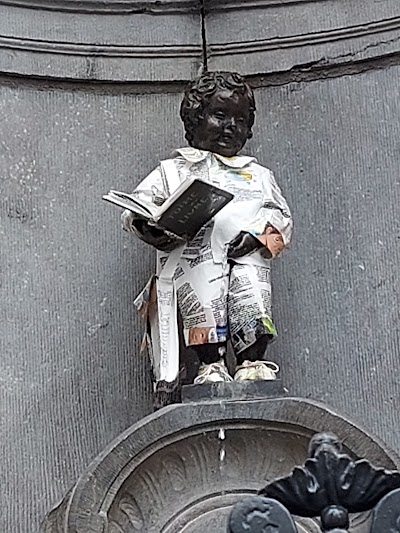
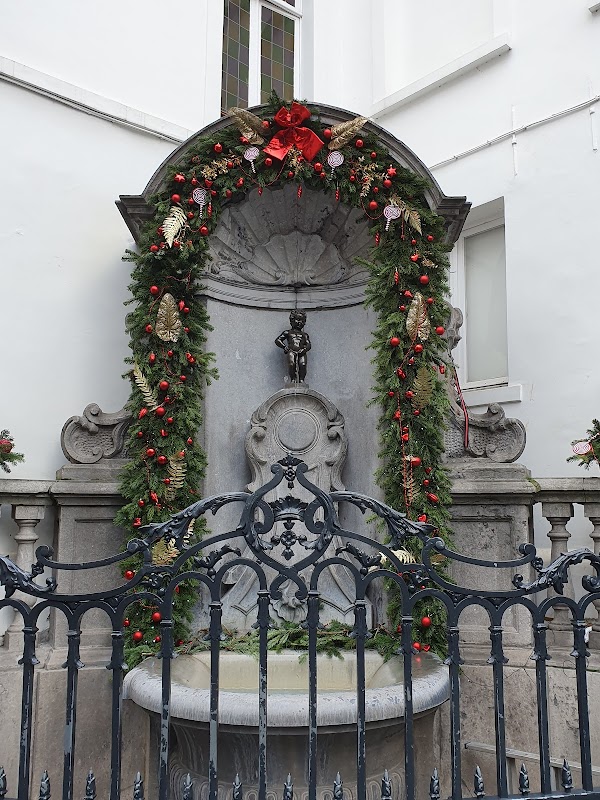
Manneken Pis
View on map
Audio Narrations
French
Introduction
Manneken Pis, une célèbre statue en bronze de Bruxelles, en Belgique, est un symbole très apprécié de la ville. Mesurant seulement 56 centimètres de haut, cette sculpture emblématique représente un jeune garçon urinant dans un bassin. Créé en 1619 par Jérôme Duquesnoy l'Ancien, Manneken Pis est devenu un monument très apprécié, attirant de nombreux visiteurs. Au fil des siècles, la statue a été volée, endommagée et même brisée en morceaux. Cependant, elle a toujours été restaurée et replacée à son emplacement d'origine. Aujourd'hui, le Manneken Pis original est conservé en lieu sûr au Musée de la Ville de Bruxelles, tandis qu'une réplique se trouve à sa place à l'angle de la rue du Chêne et de la rue de l'Étuve. Manneken Pis est connu pour sa vaste garde-robe, avec plus de 1 000 costumes offerts par des pays, des associations et des particuliers. La statue est régulièrement habillée, les changements de costumes étant gérés par l'Ordre des Amis de Manneken Pis, une association à but non lucratif. Les visiteurs peuvent assister à la cérémonie haute en couleur d'un changement de costume, souvent accompagnée de musique. Les légendes abondent autour de Manneken Pis, la plus célèbre étant celle impliquant le duc Godefroy III de Louvain. On raconte que le duc enfant a uriné sur les troupes ennemies lors d'une bataille, apportant la victoire à ses soldats. La statue commémorerait cet événement, la rue du Chêne, où elle se trouve, étant nommée d'après le chêne auquel le panier du duc était suspendu.Icône touristique
Manneken Pis, symbole emblématique de Bruxelles, est une petite statue d'un garçonnet joufflu urinant dans le bassin d'une fontaine. Malgré sa taille modeste, Manneken Pis est devenu un monument très apprécié, attirant des millions de touristes chaque année. Sa popularité durable découle de son charme fantaisiste et des nombreuses légendes qui entourent son origine. Selon un conte, il commémore un jeune garçon qui aurait éteint un incendie avec son jet d'urine, tandis qu'une autre légende attribue sa création à un riche marchand qui aurait perdu son fils et commandé la statue en sa mémoire. Au fil des siècles, Manneken Pis a acquis une vaste garde-robe de plus de 1 000 costumes, offerts par des dignitaires et des visiteurs du monde entier. Ces costumes, allant des tenues traditionnelles belges aux costumes de superhéros, sont méticuleusement exposés au musée GardeRobe MannekenPis, situé à proximité. La garde-robe de la statue témoigne de sa renommée mondiale et de l'affection qu'elle inspire. Manneken Pis n'est pas qu'un simple monument statique, c'est aussi un participant actif à la vie culturelle bruxelloise. Il est régulièrement habillé de différents costumes pour marquer des occasions spéciales, telles que les fêtes nationales ou les événements sportifs. Les changements de garde-robe de la statue sont annoncés selon un calendrier, attirant des foules de spectateurs enthousiastes. Au-delà de son attrait fantaisiste, Manneken Pis revêt une importance historique. On estime qu'il a été créé au XVe siècle et a survécu à de nombreuses tentatives de vol et de vandalisme. Sa résistance en a fait un symbole durable de l'esprit indomptable de Bruxelles. Aujourd'hui, Manneken Pis est une icône très appréciée de Bruxelles, incarnant l'humour espiègle et le riche patrimoine culturel de la ville. Son charme unique et ses histoires captivantes continuent d'enchanter les visiteurs venus de loin, ce qui en fait une destination incontournable pour tout touriste explorant le cœur de la Belgique.Art et sculpture
Manneken Pis, une sculpture en bronze minuscule mais emblématique à Bruxelles, en Belgique, témoigne de l'esprit fantasque et du patrimoine artistique de la ville. D'origine mystérieuse, la première itération de la statue a vu le jour au milieu du XVe siècle, la version actuelle étant attribuée à Jérôme Duquesnoy l'Ancien en 1619. Réalisé avec des détails complexes, Manneken Pis représente un garçon joufflu urinant dans un bassin, un acte apparemment inoffensif qui a captivé l'imagination des artistes et des historiens. Sa petite taille, d'à peine 55,5 cm, contraste avec la profonde signification culturelle de la statue. Au fil des siècles, Manneken Pis est devenu un symbole de la nature rebelle de Bruxelles et une source d'inspiration pour d'innombrables imitations et hommages. Sa garde-robe, composée de plus d'un millier de costumes, reflète la riche tapisserie culturelle de la ville et son affection indéfectible pour cette icône adorée. En tant que symbole durable de Bruxelles, Manneken Pis continue d'inspirer les artistes et de captiver les visiteurs par son charme ludique et sa résonance historique. Son héritage immuable en tant qu'œuvre d'art et pierre angulaire culturelle lui assure une place de choix comme symbole précieux du patrimoine artistique de la ville.
2
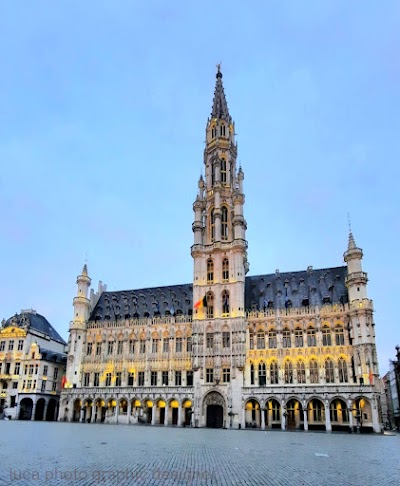
Brussels Town Hall
View on map
3
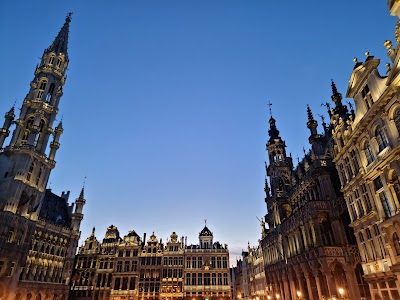
Grand Place
View on map
Audio Narrations
English
Introduction
The Grand Place, the central square of Brussels, Belgium, is an exceptional ensemble of public and private buildings, primarily dating from the late 17th century. Its architecture embodies the social and cultural vitality of this significant political and commercial center. The square's most prominent feature is the opulent Town Hall, a pinnacle of Brabant Gothic, adorned with intricate sculptures and a towering bell tower. Facing it is the King's House, a historicist reconstruction that seamlessly blends with the square's Baroque aesthetic. Surrounding these monumental structures are guildhalls, each with a unique name and ornate facade, showcasing the city's prosperous past. The square's harmonious blend of architectural styles, from Gothic to Baroque, reflects the eclectic nature of Brussels' culture. Notably, the Grand Place lacks a church, emphasizing its secular and mercantile character. Beyond its architectural splendor, the Grand Place is a vibrant hub for festivities and cultural events. Every two years, the square transforms into a vibrant tapestry with the installation of an enormous flower carpet, attracting visitors from around the world. The Ommegang, a medieval pageant and costumed procession, culminates in a grand spectacle at the Grand Place, showcasing the city's rich history and folklore. The Grand Place's enduring charm has earned it recognition as a UNESCO World Heritage Site. It remains a testament to the architectural prowess and civic pride of Brussels, a city that has risen from adversity to become a thriving metropolis.City Hall
The City Hall of Brussels, an architectural marvel, stands as the heart of the Grand Place, a UNESCO World Heritage Site. Built in the 15th century, this Gothic masterpiece is a testament to the city's rich history and artistic prowess. Its intricate facade, adorned with hundreds of sculptures, depicts scenes from biblical and secular life, offering a glimpse into the values and beliefs of medieval Brussels. The City Hall's towering spire, reaching 96 meters high, is a symbol of civic pride. The spire is crowned by a gilded statue of Saint Michael, the city's patron saint, vanquishing a dragon. This iconic image represents the triumph of good over evil and the city's resilience in the face of adversity. Inside the City Hall, visitors can explore the opulent Gothic Hall, where the city's aldermen once convened. The hall is adorned with stunning tapestries and paintings, showcasing the artistic talents of Brussels' finest craftsmen. The Wedding Hall, with its intricate carvings and stained-glass windows, provides a glimpse into the city's social and cultural traditions. The City Hall's unique asymmetry, with its tower slightly off-center, adds to its charm and intrigue. Legend has it that the architect, upon realizing his mistake, leaped to his death from the tower. However, historians attribute the asymmetry to the building's gradual construction over several decades, with different architects contributing to its design. Today, the City Hall remains the seat of the Brussels municipality and a vibrant cultural center. It hosts exhibitions, concerts, and other events, offering visitors a chance to experience the rich tapestry of Brussels' past and present.Historical Landmark
Nestled in the heart of Brussels, the Grand Place stands as a testament to the city's rich history and architectural prowess. Originally a bustling marketplace in the 11th century, it evolved into the political and commercial hub of Brussels, housing the opulent Town Hall and the King's House. In 1695, a French bombardment ravaged the square, leaving only the Town Hall's facade and tower intact. The subsequent reconstruction, guided by the original designs, resulted in the harmonious blend of Gothic and Baroque architecture that characterizes the Grand Place today. Declared a UNESCO World Heritage Site in 1998, the square's grandeur is further enhanced by the intricate guildhalls that line its perimeter. These buildings, once the headquarters of Brussels' powerful guilds, showcase a captivating array of architectural styles, from the flamboyant Gothic to the ornate Baroque. Each guildhall is adorned with intricate carvings, sculptures, and gilded facades, reflecting the wealth and influence of the guilds they represented. Beyond its architectural splendor, the Grand Place has witnessed countless historical events. It served as the stage for public executions, joyous celebrations, and the foundation of the Belgian Labour Party. Today, it remains a vibrant gathering place, hosting cultural events, concerts, and the awe-inspiring flower carpet that adorns the square every two years. As a historical landmark, the Grand Place embodies the rich tapestry of Brussels' past, offering a glimpse into the city's political, economic, and cultural heritage.
4
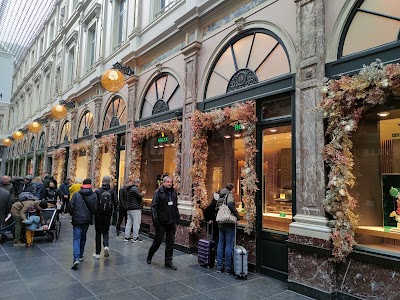
Royal Gallery of Saint Hubert
View on map
Audio Narrations
English
Introduction
The Royal Gallery of Saint Hubert, an architectural masterpiece in Brussels, Belgium, is an ensemble of three glazed shopping arcades dating back to 1847. Designed by Jean-Pierre Cluysenaar, the galleries comprise the King's Gallery, Queen's Gallery, and Princes' Gallery. Each section boasts twin facades with Italianate Cinquecento-style arched shopfronts, pilasters, and upper floors, all sheltered under an arched glass-paned roof with an intricate cast-iron framework. The galleries were an immediate success, becoming a favorite meeting place for Brussels' elite and tourists alike. They offered a luxurious shopping experience, outdoor cafés, and cultural venues such as the Royal Theatre of the Galleries and the Théâtre du Vaudeville. The galleries have witnessed significant historical events, including the first public showing of moving pictures by the Lumière brothers in 1896. Today, the Royal Gallery of Saint Hubert remains a vibrant shopping and cultural destination, housing luxury boutiques, renowned chocolatiers, and historic theaters.Royal Connection
The Royal Gallery of Saint Hubert in Brussels, Belgium, boasts a rich royal lineage that has shaped its grandeur and allure. Commissioned by King Leopold I in 1846, the gallery was designed by architect Jean-Pierre Cluysenaar and inaugurated in 1847. Its name pays homage to Saint Hubert, the patron saint of hunters, reflecting the royal family's passion for the sport. The gallery's opulent facade, adorned with intricate carvings and sculptures, exudes an aura of regal splendor. The King's Gallery, Queen's Gallery, and Princes' Gallery that comprise the Royal Gallery of Saint Hubert were named after King Leopold I, his wife Queen Louise-Marie, and their sons. The galleries have hosted countless royal events and receptions, including the wedding of Princess Astrid and Prince Lorenz in 1926. The gallery's prestigious boutiques and restaurants have long been favored by royalty, with King Baudouin and Queen Fabiola frequently spotted among its clientele. Beyond its architectural beauty and royal patronage, the Royal Gallery of Saint Hubert holds a special place in Belgian history. It was here that the first public screening of the Lumière brothers' cinematograph took place in 1896, marking a pivotal moment in the history of cinema. The gallery's enduring legacy as a vibrant cultural hub is further cemented by its association with renowned artists and intellectuals, including Victor Hugo and Alexandre Dumas, who frequented its cafes and theaters.Cultural Events
The Royal Gallery of Saint Hubert in Brussels, Belgium, is a cultural hub that hosts a diverse array of events throughout the year. Art enthusiasts can immerse themselves in captivating exhibitions showcasing local and international artists, while music lovers can revel in enchanting performances ranging from classical concerts to contemporary melodies. The gallery's elegant ambiance provides a perfect backdrop for literary events, where renowned authors engage in thought-provoking discussions and book signings. Theater enthusiasts can witness captivating plays and performances that bring the stage to life within the gallery's historic walls. Furthermore, the gallery collaborates with cultural organizations to present special events, such as fashion shows, dance recitals, and film screenings, offering a vibrant and eclectic cultural experience for visitors.
5
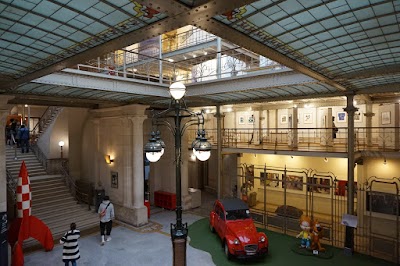
Comics Art Museum
View on map
6
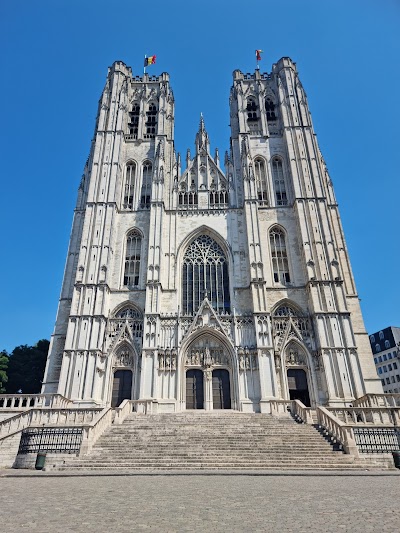
St Michael and St Gudula Cathedral, Brussels
View on map
Audio Narrations
English
Introduction
St Michael and St Gudula Cathedral, a magnificent edifice in the heart of Brussels, Belgium, is a testament to the grandeur of Brabantine Gothic architecture. Its construction, spanning three centuries from the 13th to the 16th, resulted in an awe-inspiring structure that has stood the test of time. The cathedral's imposing facade, adorned with intricate carvings and towering spires, is a sight to behold. Inside, visitors are greeted by soaring vaulted ceilings, delicate stained-glass windows, and an impressive collection of Baroque chapels. The Chapel of the Blessed Sacrament of the Miracle, with its intricate late-Gothic design, is a highlight, while the Chapel of Our Lady of Deliverance boasts stunning stained-glass windows depicting scenes from the Virgin Mary's life. The cathedral's musical heritage is equally impressive, with two grand pipe organs and a renowned carillon that fills the air with its melodious chimes.Art Deco
St Michael and St Gudula Cathedral, Brussels in Bruxelles, Belgium, stands as a testament to the grandeur of Art Deco architecture. Built in the 19th century, the cathedral underwent extensive renovations in the 1930s, infusing its Gothic Revival style with Art Deco elements. The result is a harmonious blend of traditional and modern aesthetics. The cathedral's facade boasts intricate Art Deco carvings, geometric patterns, and stylized motifs. The interior is equally captivating, featuring Art Deco stained glass windows, light fixtures, and decorative elements. The nave's ceiling is adorned with Art Deco-inspired frescoes, while the side chapels showcase Art Deco sculptures and mosaics. One of the most striking features of the cathedral is its Art Deco organ, a masterpiece of craftsmanship. The organ's console is a symphony of polished wood, ivory keys, and geometric embellishments. Its sound fills the cathedral with a rich and resonant tone, adding to the immersive Art Deco experience. St Michael and St Gudula Cathedral, Brussels in Bruxelles, Belgium, is not merely a place of worship but a testament to the enduring legacy of Art Deco. Its unique blend of Gothic Revival and Art Deco elements creates a captivating architectural experience that transports visitors to the heart of the Art Deco era.Primate of Belgium
The Cathedral of St. Michael and St. Gudula holds immense significance as the co-cathedral of the Archbishop of Mechelen-Brussels, who serves as the Primate of Belgium. This prestigious title designates the archbishop as the highest-ranking bishop within the Belgian Catholic Church. The Primate of Belgium plays a pivotal role in leading the Catholic community, fostering unity, and representing the Church at national and international events. The cathedral's association with the Primate of Belgium is evident in its frequent use for official Catholic ceremonies of national importance. Royal weddings, state funerals, and the annual Te Deum on Belgian National Day are held within its hallowed halls, underscoring its status as a symbol of the nation's spiritual heritage. The Primate of Belgium presides over these ceremonies, offering blessings, delivering homilies, and providing spiritual guidance to the nation. Beyond its ceremonial significance, the cathedral serves as a testament to the Primate of Belgium's commitment to fostering interfaith dialogue and promoting social justice. The archbishop regularly hosts ecumenical gatherings, interreligious meetings, and charitable events at the cathedral, demonstrating the Church's commitment to building bridges and working towards a more just and compassionate society. The Primate of Belgium's presence at St. Michael and St. Gudula Cathedral is a tangible reminder of the Church's enduring role in Belgian society. Through its association with the Primate, the cathedral embodies the values of unity, spirituality, and service that are central to the Catholic faith in Belgium.
7
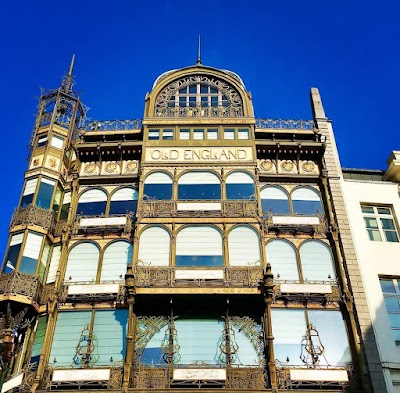
Musical Instruments Museum
View on map
8
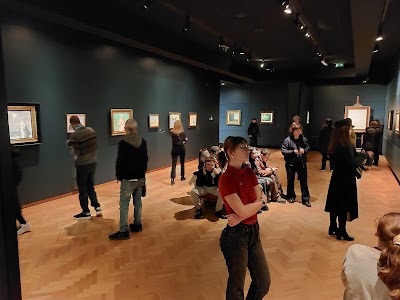
Musée Magritte Museum
View on map
9
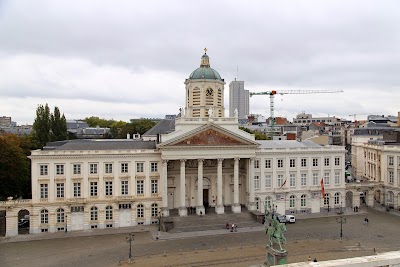
Koningsplein - Beeld van Godfried van Bouillon
View on map
10
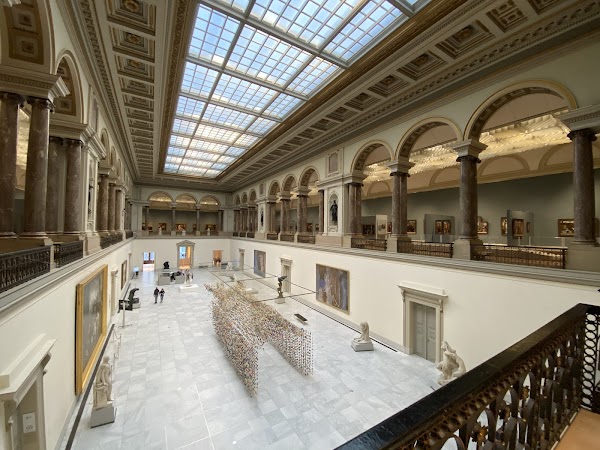
Royal Museums of Fine Arts of Belgium
View on map
11
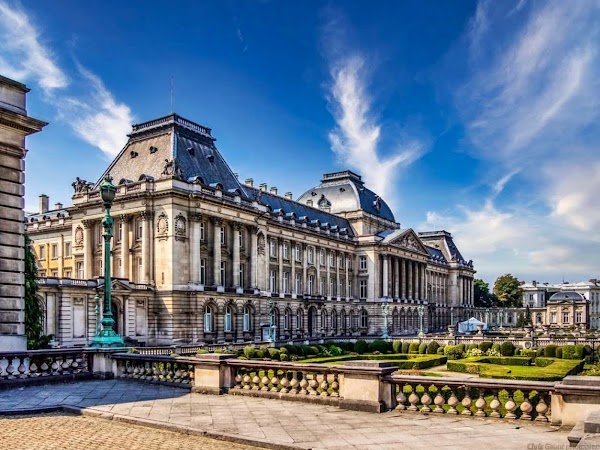
Royal Palace of Brussels
View on map
Audio Narrations
English
Introduction
The Royal Palace of Brussels, the official palace of the King and Queen of the Belgians, stands as a majestic symbol of the nation's constitutional monarchy. Its imposing facade, 50% longer than Buckingham Palace's, boasts a neoclassical design with a central peristyle mirroring that of the Belgian Federal Parliament building across the Brussels Park. The palace's interior is equally impressive, featuring the Grand Staircase with its white marble steps and green marble banisters, the Throne Room with its opulent chandeliers and mosaic floor, and the Empire Room adorned with tapestries woven from Francisco de Goya's designs. The palace also houses the Royal Collection, which includes state portraits, furniture, and fine art. While no longer the royal residence, the palace remains a vibrant venue for state receptions, ceremonies, and official functions.Architectural Grandeur
The Royal Palace of Brussels stands as a testament to architectural grandeur, a masterpiece of neoclassicism that has graced the heart of Brussels for centuries. Its imposing facade, adorned with towering Corinthian columns and intricate pediments, exudes an aura of regal splendor. The palace's symmetry and simplicity of form belie the grandeur within, where visitors are greeted by the opulent Grand Staircase, a symphony of marble and gilded motifs. Beyond the staircase lies the Large Antechamber, its walls adorned with a stunning frieze narrating the political history of the kingdom. The Empire Room, a remnant of the monarchy's past, boasts exquisite relief work, while the Throne Room, a masterpiece of opulence, features large-scale reliefs by Auguste Rodin depicting the economic activities of Belgian provinces. Each room within the palace is a testament to the artistry and craftsmanship of its creators. The Small White Room, Venice Staircase, Goya Room, and Coburg Room are renowned for their peerless artworks, including originals by revered artists. The palace's grandeur extends beyond its interiors, with a formal garden separating it from the Place des Palais, creating a harmonious balance between architectural splendor and natural beauty.Throne Room Grandeur
The Throne Room of the Royal Palace of Brussels is a magnificent display of grandeur and opulence. Designed by renowned architect Alphonse Balat during King Leopold II's reign, it is a testament to the grandeur of the Belgian monarchy. The room's centerpiece is a large-scale low relief by Auguste Rodin, depicting the economic activities of Belgium's provinces. The intricate carvings showcase the nation's industrial prowess and agricultural wealth. The room's walls are adorned with tapestries and paintings, each narrating a chapter in Belgium's rich history. The ceiling, a masterpiece in itself, features a stunning fresco by Jean-François Portaels, symbolizing the unity and strength of the Belgian people. The Throne Room is not merely a ceremonial space; it is a living testament to Belgium's heritage and a symbol of its enduring monarchy.
12
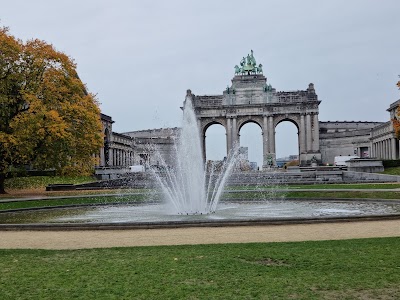
Parc du Cinquantenaire
View on map
Audio Narrations
French
Introduction
Le Parc du Cinquantenaire, également connu sous le nom de Jubelpark, est un grand parc urbain situé à Bruxelles, en Belgique, célèbre pour son importance historique et sa grandeur architecturale. Construit en 1880 pour commémorer le 50e anniversaire de l'indépendance belge, le parc est un mélange captivant de jardins à la française et de monuments historiques. Au cœur du parc se dresse le majestueux Arc du Cinquantenaire, un arc de triomphe orné d'un quadrige en bronze symbolisant le Brabant hissant le drapeau national. L'arc offre une vue panoramique sur la capitale et est flanqué de trois musées : le Musée royal de l'Armée et d'Histoire militaire, le Musée d'Art et d'Histoire et Autoworld, un musée de voitures anciennes. La vaste esplanade du parc accueille de nombreux événements tout au long de l'année, notamment des concerts, des festivals et des événements sportifs. C'est également un lieu très apprécié des habitants et des touristes pour se détendre, se promener ou pique-niquer dans un cadre paisible. L'un des joyaux cachés du parc est le Temple des Passions humaines, un pavillon néoclassique conçu par Victor Horta. Ce chef-d'œuvre architectural illustre la transition du style classique à l'Art nouveau et abrite un grand relief en marbre de Jef Lambeaux. Le Parc du Cinquantenaire témoigne de la riche histoire et du patrimoine culturel de la Belgique. Son mélange captivant d'architecture, d'art et de beauté naturelle en fait une destination incontournable pour toute personne explorant Bruxelles.Quartier européen
Niché au cœur du quartier européen, le Parc du Cinquantenaire atteste de l'importance de Bruxelles, capitale de facto de l'Union européenne. Ses vastes étendues agrémentées de majestueux édifices et de jardins verdoyants offrent un aperçu unique du rôle central de la ville au sein de la coopération et de la diplomatie européennes. Au cœur du parc trône l'emblématique Arc du Cinquantenaire, monument triomphal érigé pour commémorer le 50e anniversaire de l'indépendance belge. Ses sculptures complexes et sa hauteur remarquable symbolisent les aspirations et les réalisations du projet européen. L'arc encadre une grande esplanade où les visiteurs peuvent flâner entre fontaines et sculptures, représentant chacune un aspect différent de l'unité européenne. Au-delà de l'arc, le parc abrite plusieurs musées et institutions dédiés à l'histoire et à la culture européennes. Le Musée royal de l'armée et de l'histoire militaire retrace l'héritage militaire de la Belgique, tandis qu'Autoworld expose une vaste collection d'automobiles d'époque et modernes. Le Musée d'art et d'histoire rassemble un éventail éclectique d'artéfacts du monde entier, notamment une remarquable collection d'art européen. La proximité du parc avec le Parlement européen et d'autres institutions de l'UE en fait un lieu de rassemblement populaire pour les représentants politiques, les diplomates et les visiteurs. Son atmosphère paisible offre un répit dans l'activité intense du quartier européen et un espace de réflexion et de contemplation sur les défis et les victoires de l'intégration européenne.Temple des passions humaines
Niché au sein du Parc du Cinquantenaire de Bruxelles, en Belgique, le Temple des Passions humaines est un témoignage des émotions brutes et effrénées qui définissent l'expérience humaine. Conçu par le célèbre architecte Victor Horta, ce pavillon d'inspiration grecque abrite un relief monumental du sculpteur Jef Lambeaux, un chef-d'œuvre qui a captivé et suscité la controverse depuis son inauguration en 1898. Le relief, taillé dans du marbre de Carrare, dépeint un tableau panoramique des joies et des peines de l'humanité, de ses désirs et de son désespoir. Long de 12 mètres et haut de 8 mètres, il présente un récit vivant de l'existence humaine, de l'extase de l'amour à l'agonie de la perte. Les personnages se tordent et se contorsionnent dans une symphonie de passions, leurs expressions gravées à la fois de plaisir et de douleur. Le Temple des Passions humaines a été enveloppé de mystère et d'intrigue tout au long de son histoire. La nature controversée de l'œuvre de Lambeaux, avec sa représentation explicite de la nudité et des émotions brutes, a initialement suscité l'indignation des critiques conservateurs. Cependant, au fil du temps, le relief a été reconnu comme un chef-d'œuvre de symbolisme et d'expression artistique. Aujourd'hui, le Temple des Passions humaines demeure un joyau caché au sein du Parc du Cinquantenaire, accessible uniquement par des visites guidées ou lors d'événements spéciaux. Son emplacement isolé ajoute à son attrait, invitant les visiteurs à contempler les complexités de la nature humaine au milieu de la tranquillité des environs du parc.
Experience the Full Tour
Download the DocentPro app to access all tour stops, complete audio narrations in multiple languages, offline maps, and interactive features.