
Lisbon's Enchanting Embrace: A Day of Discovery and Delight

Walking Tour

3.3 km (2.0 miles)

50 min travel time

10 Stops

Lisbon, Portugal
Lisbon's Enchanting Embrace: A Day of Discovery and Delight
Tour Stops
1
Praça do Comércio
View on map
Audio Narrations
Introduction
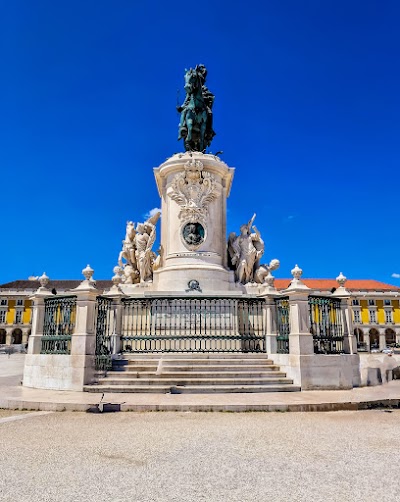
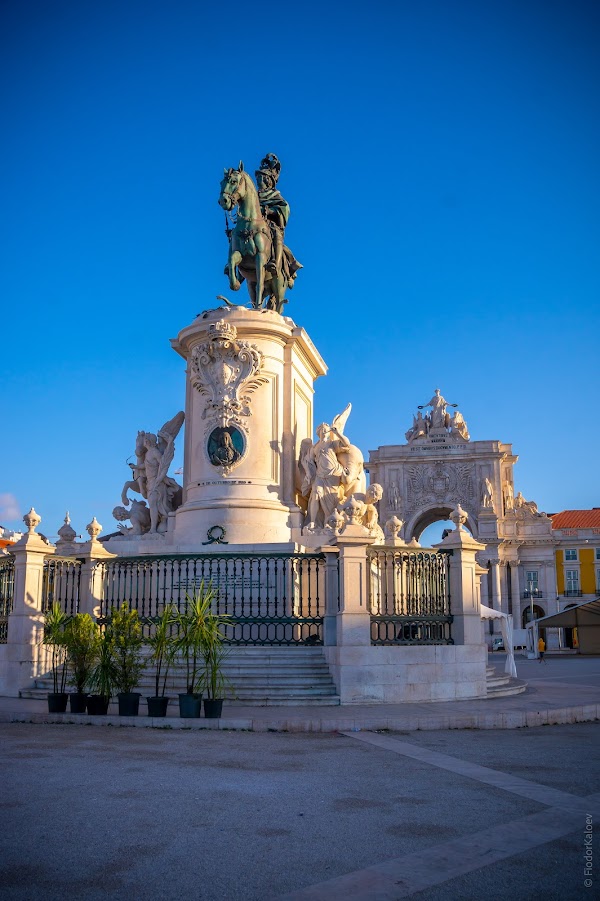
Praça do Comércio, également appelé Terreiro do Paço, est une place emblématique de Lisbonne, au Portugal. C’est l’une des plus grandes places d’Europe, mesurant 175 mètres de chaque côté. La place a été construite sur le site de l’ancien palais de Ribeira, qui a été détruit lors du tremblement de terre de Lisbonne de 1755. La place est entourée de bâtiments de couleur jaune avec des arches le long de la façade. Au sud, elle s’ouvre sur le Tage, offrant une vue imprenable. Le côté nord de la place présente l’arc de la rue Augusta, un arc de triomphe qui mène à la rue Augusta animée, l’une des principales rues commerçantes de Lisbonne. Au centre de la place se trouve une statue équestre du roi Joseph Ier, qui régnait pendant la reconstruction de Lisbonne après le tremblement de terre. La place abrite également le Lisboa Story Centre, un musée interactif qui raconte l’histoire de Lisbonne. Praça do Comércio est une destination touristique populaire, connue pour son importance historique, sa beauté architecturale et son atmosphère animée. C’est un endroit idéal pour se détendre, profiter des vues et s’imprégner de l’énergie vibrante de Lisbonne.Importance historique
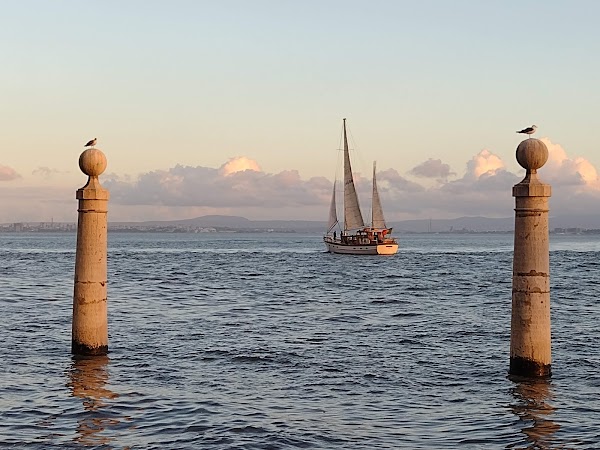
La Praça do Comércio, autrefois le grand palais de la Ribeira, témoigne de la résilience de Lisbonne. Après le tremblement de terre dévastateur de 1755, le Premier ministre marquis de Pombal a orchestré sa reconstruction, le transformant en un symbole de la renaissance de la ville. Les bâtiments néoclassiques de la place, peints dans des teintes vibrantes, abritaient autrefois des bureaux gouvernementaux et jouaient un rôle central dans le commerce maritime du Portugal. En son centre se dresse la statue équestre du roi José I, un hommage au monarque qui a régné pendant le tremblement de terre. Le piédestal de la statue représente des scènes de triomphe et de gloire, commémorant l'esprit indomptable de la ville. Le bord sud de la place présente le Cais das Colunas, un grand escalier en marbre qui servait d'entrée principale à Lisbonne depuis le fleuve. Il a été le témoin de l'arrivée de la royauté portugaise et des dignitaires revenant d'expéditions outre-mer. L'importance historique de la Praça do Comércio s'étend au-delà de sa grandeur architecturale. C'est ici, en 1908, que le roi Carlos Ier et son héritier ont été assassinés, un événement qui a secoué la nation et conduit au renversement de la monarchie. Aujourd'hui, une plaque marque l'endroit où ils sont tombés, un sombre rappel du passé tragique de la place. Au fil de sa riche histoire, la Praça do Comércio a été le théâtre de triomphes et de tragédies. Elle témoigne de la capacité de Lisbonne à se relever de l'adversité et rappelle avec émotion l'esprit éternel de la ville.Grandeur architecturale
La Praça do Comércio, une grande place riveraine de Lisbonne, au Portugal, témoigne de la grandeur architecturale. Sa disposition symétrique, caractéristique du style pombalin, présente des caractéristiques antisismiques et une beauté innovante. Flanquée de bâtiments de couleur jaune aux élégantes arcades, la place dégage une impression d'harmonie et d'équilibre. En son cœur, la statue équestre du roi José Ier symbolise la résilience et la renaissance de la ville après le tremblement de terre dévastateur de 1755. La vue dégagée de la place vers le Tage souligne l'héritage maritime du Portugal et son rôle de porte d'entrée vers le Nouveau Monde. Les détails complexes et les proportions harmonieuses de la Praça do Comércio en font un chef-d'œuvre architectural, capturant l'essence de la riche histoire et de l'esprit durable de Lisbonne.
2
Arco da Rua Augusta
View on map
Audio Narrations
Introduction
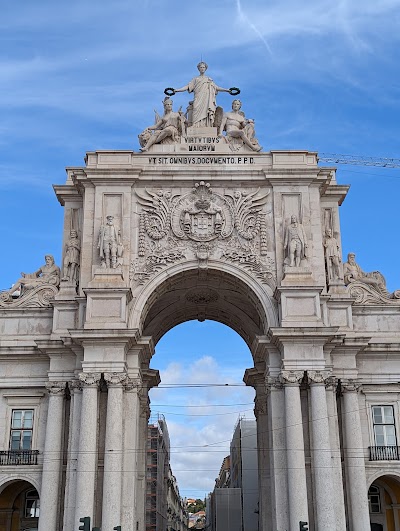
The Arco da Rua Augusta, a triumphal arch in Lisbon, Portugal, stands as a symbol of the city's resilience after the devastating 1755 earthquake. Designed in 1775 as a gateway to the city, the arch was completed a century later in 1875. Its six columns, some reaching 11 meters in height, are adorned with statues of historical figures, including Vasco da Gama, the Marquis of Pombal, and Nuno Álvares Pereira. At the arch's summit, a colossal allegorical group by French sculptor Célestin Anatole Calmels depicts Glory crowning Genius and Valor. Visitors can ascend to the arch's terrace via an elevator, offering breathtaking 360-degree views of Praça do Comércio, the Rua Augusta pedestrian street, and the city's historic center.Lisbon's Identity
Arco da Rua Augusta, a triumphal arch standing tall in Lisbon's Praça do Comércio, embodies the city's resilience and grandeur. Built in the 19th century to commemorate the city's reconstruction after the devastating 1755 earthquake, the arch symbolizes Lisbon's indomitable spirit. Its intricate sculptures and allegorical figures depict the city's history, triumphs, and aspirations. Ascend to the arch's viewing platform and gaze upon the vibrant cityscape, a testament to Lisbon's enduring legacy. The arch's strategic location at the heart of the city serves as a constant reminder of Lisbon's ability to rise above adversity and emerge stronger than before.Tourist Attraction
Arco da Rua Augusta, a majestic triumphal arch in Lisbon, Portugal, stands as a testament to the city's resilience and architectural grandeur. Originally conceived as a bell tower, it was transformed into an elaborate arch after the devastating 1755 earthquake, symbolizing the rebirth of Lisbon. Its six colossal columns, adorned with statues of historical figures, depict the strength and achievements of the Portuguese people. Ascend the arch's narrow staircase to the viewing platform for breathtaking panoramic vistas of Lisbon. From this vantage point, the city's iconic landmarks, including the Tagus River, Praça do Comércio, and the Alfama district, unfold before your eyes. The arch's intricate carvings and allegorical sculptures, crafted by renowned artists, offer a glimpse into Portugal's rich history and cultural heritage. Arco da Rua Augusta is not merely a historical monument but a vibrant tourist attraction. Its location at the heart of Lisbon's bustling Baixa district makes it a popular starting point for exploring the city's many charms. Visitors can immerse themselves in the lively atmosphere, browse nearby shops and restaurants, and witness the vibrant street life that characterizes this vibrant metropolis.
3
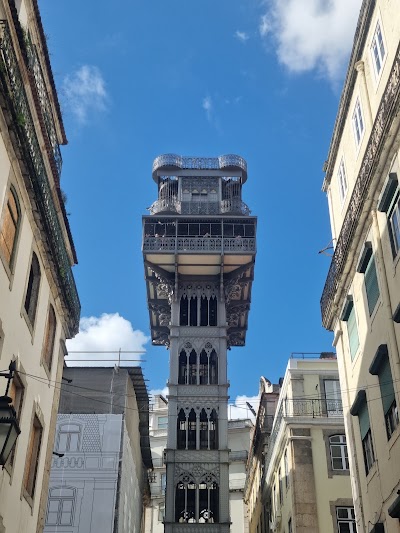
Santa Justa Lift
View on map
Audio Narrations
Introduction
The Santa Justa Lift, an architectural marvel in Lisbon, Portugal, is an iconic elevator that connects the lower Baixa district to the higher Bairro Alto. Designed by Raoul Mesnier du Ponsard, a student of Gustave Eiffel, the lift stands 147 feet tall and boasts a stunning neo-Gothic iron tower. Originally powered by steam, it was converted to electric operation in 1907. The lift's two wooden cabins, each with a capacity of 29 passengers, ascend and descend through a latticework of iron beams, offering panoramic views of the city. At the top, a spiral staircase leads to an observation deck that provides breathtaking vistas of Rossio Square, the Baixa, and the Tagus River. The Santa Justa Lift is not only a convenient mode of transportation but also a beloved tourist attraction, drawing visitors with its unique blend of architectural beauty and historical significance.Vertical Elevator
The Santa Justa Lift, a remarkable vertical elevator in Lisbon, Portugal, stands as a testament to the city's innovative spirit and architectural prowess. Designed by Raoul Mesnier du Ponsard, a student of Gustave Eiffel, this Neo-Gothic masterpiece was inaugurated in 1902 and remains a vital part of Lisbon's public transportation system. Unlike conventional elevators that move horizontally, the Santa Justa Lift ascends vertically, connecting the lower Baixa district with the higher Bairro Alto neighborhood. Its two ornate cabins, adorned with wood, mirrors, and windows, offer a unique and captivating journey. The lift's intricate ironwork, reminiscent of the Eiffel Tower, adds to its architectural charm. Originally powered by steam, the Santa Justa Lift was later converted to electrical operation in 1907. It operates almost 16 hours a day, with departures every few minutes. Visitors can also access a panoramic viewing platform above the upper terminus, providing breathtaking views of Lisbon's cityscape. The Santa Justa Lift is not merely a mode of transportation but an architectural marvel that embodies the city's rich history and engineering ingenuity. Its unique vertical design and historical significance make it a must-visit destination for anyone interested in the evolution of vertical elevators and the architectural wonders of Lisbon.Lisbon Cityscape
The Santa Justa Lift, an iconic landmark in Lisbon's cityscape, stands as a testament to the city's architectural ingenuity. This Neo-Gothic elevator, constructed in 1902, seamlessly blends with the surrounding cityscape, offering breathtaking panoramic views of the Baixa district and the Tagus River. Its intricate ironwork and ornate detailing make it a captivating sight, adding a touch of grandeur to the urban landscape. The lift's strategic location at the heart of the city center makes it a convenient starting point for exploring Lisbon's historic neighborhoods. From its vantage point atop the hill, visitors can witness the vibrant tapestry of the city unfold below, with its colorful buildings, bustling streets, and iconic landmarks. The lift's unique perspective provides a glimpse into the city's rich history and its harmonious blend of architectural styles. As the lift ascends, passengers are treated to a captivating journey through time, passing by historic buildings and charming alleyways. The journey culminates at the upper level, where a viewing platform awaits, offering unparalleled vistas of the cityscape. From this vantage point, visitors can marvel at the intricate details of the city's rooftops, the vast expanse of the Tagus River, and the distant hills that cradle Lisbon. The Santa Justa Lift is not merely a means of transportation; it is an integral part of Lisbon's cityscape, a symbol of the city's resilience and its enduring charm. Its unique design and panoramic views make it a must-visit destination for anyone seeking to delve into the heart of Lisbon's urban tapestry.
4
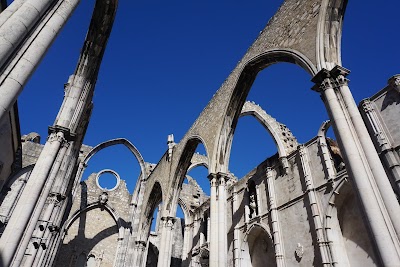
Carmo Convent
View on map
Audio Narrations
Introduction
The Carmo Convent, a former Catholic monastery in Lisbon, Portugal, stands as a testament to the city's resilience. Founded in 1389, it was once the most magnificent Gothic church in Lisbon. However, a devastating earthquake in 1755 destroyed its roof, leaving only the skeletal arches and walls. Instead of rebuilding, the ruins were preserved as a poignant reminder of the tragedy. Today, the Carmo Convent houses the Archaeological Museum, which showcases an eclectic collection of artifacts from Portugal's past. Among its treasures are Roman sarcophagi, medieval tombs, and Egyptian mummies. The museum also features a small chapel with a stunning Manueline window. Despite its somber history, the Carmo Convent exudes an ethereal beauty. The soaring arches, bathed in Lisbon's golden light, create a breathtaking spectacle. Visitors can wander through the nave, marveling at the intricate stonework and imagining the grandeur of the original church. The convent's archaeological museum offers a glimpse into Lisbon's rich cultural heritage, making it a must-visit destination for history and architecture enthusiasts alike.Archaeological Museum
The Carmo Archaeological Museum, housed within the ruins of the Carmo Convent, is a treasure trove of Lisbon's rich history. Founded in 1864, it was the first museum of art and archaeology in Portugal, dedicated to preserving relics from the convent and other national sites. The museum's collection boasts over a thousand artifacts, including medieval religious items, heraldic emblems, and even two mummies. Among its highlights are the Manueline Window, a masterpiece of late Gothic architecture, and the Tomb of King D. Fernando, an exquisite example of 14th-century funerary art. Beyond its artifacts, the museum's setting within the convent ruins adds to its allure. The Gothic arches and pillars, remnants of the 1755 earthquake, create an evocative atmosphere that transports visitors back in time. The museum's guided tours provide a comprehensive exploration of the site's history, offering insights into the lives of the Carmelites who once inhabited the convent and the significance of the archaeological treasures it houses. For those seeking a deeper understanding of Lisbon's past, the Carmo Archaeological Museum offers a unique and immersive experience. Its collection, coupled with the evocative ambiance of the convent ruins, makes it a must-visit destination for history enthusiasts and archaeology buffs alike.Symbol of Survival
Carmo Convent, a testament to resilience, stands as a poignant symbol of survival amidst the ruins of Lisbon's catastrophic earthquake of 1755. Despite the devastation that reduced much of the city to rubble, the convent's skeletal remains defiantly endure, a stark reminder of the indomitable spirit that prevailed in the face of adversity. The earthquake, one of the most destructive in history, struck on All Saints' Day, when churches were packed with worshipers. The ensuing fires ravaged the city, leaving behind a scene of utter destruction. Yet, amidst the chaos, the Carmo Convent emerged as a beacon of hope, its Gothic arches reaching towards the heavens like a silent prayer. Today, the convent's ruins serve as a poignant memorial to the resilience of the Portuguese people. Visitors can wander through the open-air archaeological museum, where remnants of the past lie scattered among the evocative arches. The juxtaposition of ancient stone against the vibrant blue sky creates a surreal and awe-inspiring atmosphere, a testament to the enduring power of survival.
5
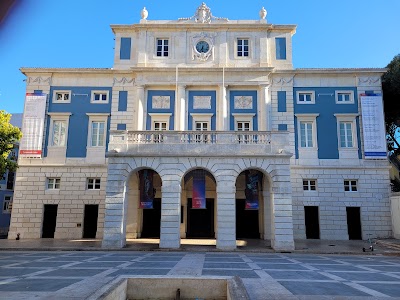
Teatro Nacional de São Carlos
View on map
6
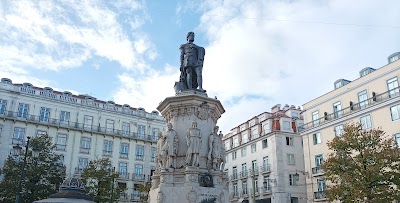
Praça Luís de Camões
View on map
Audio Narrations
Introduction
Praça Luís de Camões, also known as Largo do Camões, is a historical square in Lisbon, Portugal. It is named after the statue of the renowned poet Luís Vaz de Camões, author of "Os Lusíadas," which stands as one of the oldest monuments in the city. The square is adorned with intricate Portuguese pavement patterns and features a bronze statue of Camões sculpted by Victor Bastos. The statue depicts the poet holding an unsheathed sword and a copy of "Os Lusíadas," while eight smaller statues surrounding the pedestal represent prominent figures from the Age of Discoveries. The square is a popular meeting point and offers a glimpse into Portuguese life, with a quiosque serving refreshments and the iconic yellow trams passing by. Its central location provides easy access to shopping, dining, and sightseeing, including the Miradouro de São Pedro de Alcântara and the Bairro Alto district.Literary Icon
Praça Luís de Camões, a vibrant square in Lisbon's heart, stands as a testament to Portugal's literary heritage. Its centerpiece is a majestic statue of Luís de Camões, the nation's most celebrated poet. Camões' epic poem, "Os Lusíadas," narrates the voyages of Vasco da Gama, capturing the spirit of Portugal's Age of Discovery. The square is adorned with intricate engravings depicting scenes from the poem, inviting visitors to delve into the rich tapestry of Portuguese literature. Beyond its literary significance, Praça Luís de Camões is a hub of cultural activity. The surrounding buildings showcase architectural styles from various eras, reflecting Lisbon's diverse history. The square's lively atmosphere is enhanced by street performers, artists, and the iconic "A Brasileira" café, once frequented by literary giants like Fernando Pessoa. For those seeking a deeper connection to Camões' work, the nearby Museu Nacional do Azulejo houses a collection of azulejos (painted tiles) illustrating scenes from "Os Lusíadas." Visitors can immerse themselves in the poet's world, tracing the epic journey of Portuguese explorers through these vibrant ceramic masterpieces. Praça Luís de Camões is a sanctuary for literature enthusiasts, offering a tangible link to Portugal's golden age of exploration and artistic expression. It is a place where history, culture, and the written word converge, inspiring awe and admiration in all who visit.Architectural Masterpiece
Praça Luís de Camões is an architectural masterpiece, a testament to the grandeur of Lisbon's past. The square is named after Portugal's national poet, Luís de Camões, and is adorned with a majestic statue of the bard himself. The square's centerpiece is the Convento do Carmo, a Gothic masterpiece that has stood for centuries. Its intricate facade and soaring arches are a testament to the skill of medieval architects. The ruins of the convent, left after the devastating earthquake of 1755, add a haunting beauty to the square. Another architectural gem in Praça Luís de Camões is the Armazéns do Chiado, a former department store that has been transformed into a cultural center. Its Art Nouveau facade is a striking contrast to the Gothic Convento do Carmo, showcasing the architectural diversity of the square. The building's interior is just as impressive, with soaring ceilings and intricate ironwork. Praça Luís de Camões is not just an architectural marvel; it is also a vibrant public space. The square is a popular gathering place for locals and tourists alike, who come to enjoy the sun, admire the architecture, and soak up the atmosphere. The square is also home to several cafes and restaurants, where visitors can relax and enjoy a meal or a drink while taking in the beauty of their surroundings.
7
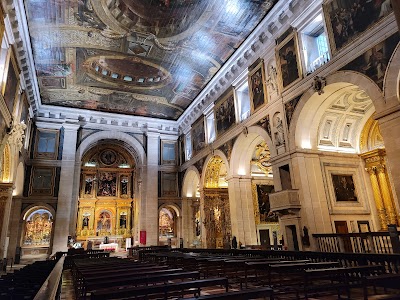
Church of Saint Roch
View on map
8
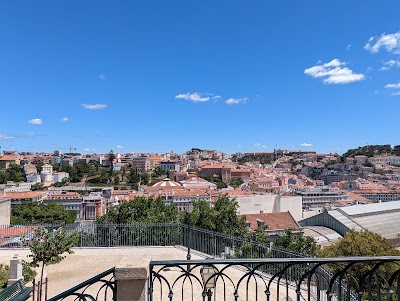
Miradouro de São Pedro de Alcântara
View on map
Audio Narrations
Introduction
Miradouro de São Pedro de Alcântara, un point de vue captivant sur Lisbonne, offre un panorama époustouflant sur les monuments emblématiques de la ville. Perché au sommet d'une colline, il présente une vue qui englobe la grande Avenida da Liberdade, l'historique Restauradores et l'imposant Castelo de São Jorge avec sa couronne verdoyante de pins. Le Miradouro da Igreja da Graça, avec sa majestueuse église, est également visible dans tous ses détails. Ce point de vue unique est situé dans un jardin méticuleusement aménagé, où les visiteurs peuvent trouver un répit loin de l'agitation de la ville. Une boisson rafraîchissante au kiosque ajoute à l'ambiance, tandis qu'une carte originale en azulejos aide à identifier les monuments de la ville. Le dessin géométrique du jardin est orné de bustes de figures mythologiques, dont Minerve et Ulysse, ajoutant une touche de charme classique. Adjacent au jardin se trouve l'Ascenseur de Gloria, un funiculaire qui transporte les passagers de haut en bas de la colline depuis 1885. De l'autre côté de la rue, le "Solar do Vinho do Porto" offre une expérience délicieuse aux amateurs de vin, présentant plus de 300 portos différents, dont des millésimes rares datant de 1937.Vues panoramiques
Miradouro de São Pedro de Alcântara, perché sur une colline du quartier lisboète du Bairro Alto, offre un panorama à couper le souffle qui englobe les monuments emblématiques et la tapisserie vibrante de la ville. De son point de vue élevé, les visiteurs peuvent se régaler d'une vue à couper le souffle qui s'étend du majestueux château de São Jorge, avec ses murs imposants et sa couronne verdoyante, au quartier animé de Baixa, où convergent des bâtiments historiques et des places animées. Le panorama s'étend plus loin, capturant la majestueuse Avenida da Liberdade, un grand boulevard bordé de boutiques et de cafés élégants, et la pittoresque place Restauradores, un centre d'activités animé. Le charme unique du Miradouro réside dans sa double nature, mélangeant harmonieusement des vues à couper le souffle avec un sanctuaire de jardin serein. Au milieu de la splendeur panoramique, les visiteurs peuvent se promener sur des pelouses bien entretenues ornées de statues de figures mythologiques, offrant un répit tranquille de l'énergie vibrante de la ville. L'emplacement stratégique du Miradouro en fait un point de départ idéal pour explorer les quartiers historiques de Lisbonne, avec l'emblématique funiculaire Elevador da Glória offrant une ascension charmante vers le belvédère.Escapade romantique
Miradouro de São Pedro de Alcântara, un havre de romantisme perché sur les collines de Lisbonne, offre un panorama époustouflant sur les monuments emblématiques de la ville. En flânant dans ses jardins verdoyants, ornés de bustes de personnalités historiques, le parfum des fleurs épanouies embaume l'air, créant une ambiance enchanteresse. Le niveau supérieur, pavé de traditionnels pavés portugais, abrite une fontaine centrale et un panneau d'azulejos représentant les monuments visibles depuis ce point de vue. Descendez au niveau inférieur, un jardin géométrique avec une fontaine cachée, où le bruit de l'eau qui ruisselle ajoute à l'atmosphère sereine. Le couvent qui fait face au belvédère, le Convento de São Pedro de Alcântara, possède une exquise chapelle en marbre et une église baroque avec un retable doré, offrant un aperçu du riche héritage religieux de Lisbonne. Alors que le soleil commence son coucher, le belvédère se transforme en un cadre magique. Les lumières de la ville scintillent en contrebas, projetant une douce lueur sur les bâtiments environnants. Les cafés du kiosque servent des boissons et des repas légers, vous permettant de savourer l'instant avec votre bien-aimé. Que vous partagiez un pique-nique romantique ou que vous admiriez simplement les vues à couper le souffle, Miradouro de São Pedro de Alcântara est la destination idéale pour une escapade romantique inoubliable à Lisbonne.
9
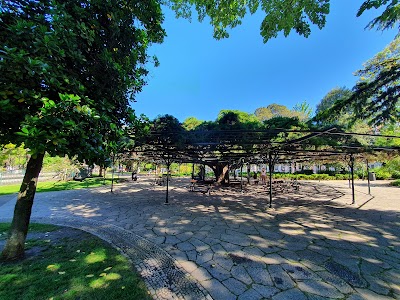
Principe Real garden
View on map
Audio Narrations
Introduction
Nestled in the heart of Lisbon's Principe Real district, the eponymous garden offers a tranquil oasis amidst the city's vibrant energy. Laid out in 1863, the garden is a testament to 19th-century urban planning, featuring a central lake surrounded by symmetrical flower beds and shaded footpaths. The highlight of the garden is the majestic 250-year-old juniper tree, its twisted branches extending over 20 meters to provide a cooling canopy. Beneath the garden lies a hidden gem: the Reservatorio da Patriarcal, an octagonal-shaped reservoir constructed in 1864 to supply water to central Lisbon. Its impressive vaulted ceilings and 31 stone supports resemble a grand gothic structure. The reservoir is now part of the Museu da Agua (Water Museum) and is open to the public on weekends. Principe Real Garden is a popular gathering spot for locals and tourists alike. Its two kiosks serve coffee and refreshments, while the Esplanada Café offers a shaded retreat under the trees. On Saturday mornings, the garden hosts a farmers' market featuring organic produce and local delicacies. The garden also boasts several statues and monuments, including a memorial to the victims of homophobia, reflecting the neighborhood's status as Lisbon's "gayborhood.Urban Refuge
Nestled amidst the vibrant Príncipe Real district, the eponymous garden offers a tranquil oasis within Lisbon's bustling urban landscape. Established in 1863, it has served as a sanctuary for city dwellers seeking respite from the relentless pace of modern life. The garden's centerpiece is a majestic cedar tree, its sprawling branches casting an umbrella of shade over the verdant lawns. Beneath its canopy, couples whisper sweet nothings, while elderly gentlemen engage in friendly card games. Children frolic in the playground, their laughter echoing through the serene atmosphere. Principe Real garden is more than just a green space; it's a social hub where locals and visitors alike gather to connect and unwind. Its elegant surroundings, featuring historic mansions and the opulent Ribeiro da Cunha Palace, add to its charm. The garden's monthly crafts and antiques market attracts a diverse crowd, fostering a sense of community and cultural exchange. Beyond its aesthetic appeal, the garden plays a vital role in urban sustainability. Its lush vegetation purifies the air, reducing pollution and creating a microclimate that mitigates the city's heat island effect. The garden's water reservoir, a relic of the city's 19th-century aqueduct, serves as a reminder of the importance of water conservation. In the heart of Lisbon's urban sprawl, Principe Real garden stands as a testament to the power of nature to provide solace and rejuvenation. It's a place where city dwellers can escape the hustle and bustle, connect with their community, and appreciate the beauty of their surroundings.Local Charm
Nestled in the heart of Lisbon's Principe Real district, the eponymous garden exudes an enchanting local charm that captivates visitors. Its unassuming entrance, hidden behind a modest gate, belies the verdant oasis within. Step inside and discover a tranquil haven where locals gather to escape the city's hustle and bustle. The garden's centerpiece is a majestic century-old cedar tree, its sprawling branches casting a dappled shade over the lush lawns. Beneath its canopy, a delightful pink kiosk, Quiosque do Refresco, serves as a charming meeting point, offering refreshments and a respite from the summer heat. Principe Real Garden is a testament to Lisbon's rich botanical heritage. Its collection of over 18,000 subtropical plant species, including rare palms and cycadaceae, is a testament to the city's long-standing connection to the natural world. The garden's winding paths lead visitors through a verdant labyrinth, revealing hidden nooks and secluded benches where one can sit and soak in the tranquility. Beyond its botanical wonders, the garden is a vibrant hub for local life. Artists and musicians often gather here to showcase their talents, creating a lively and eclectic atmosphere. The garden also hosts regular events, such as farmers' markets and open-air concerts, which bring the community together and celebrate the neighborhood's unique character. As the sun begins to set, Principe Real Garden transforms into a magical realm. The soft glow of lanterns illuminates the paths, casting a warm and inviting ambiance. Locals and visitors alike stroll through the garden, enjoying the cool evening air and the gentle murmur of conversation. Principe Real Garden is more than just a green space; it is the heart and soul of the Principe Real district. Its local charm, verdant beauty, and vibrant community spirit make it a beloved destination for those seeking an authentic and enchanting Lisbon experience.
10
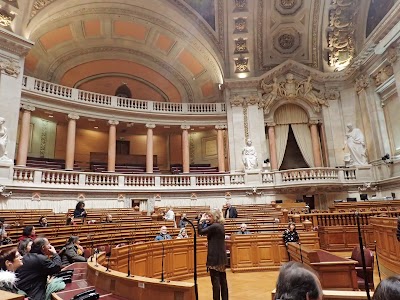
Palace of Saint Benedict / Assembly of the Republic
View on map
Audio Narrations
Introduction
The Palace of Saint Benedict, also known as the Assembly of the Republic, stands as a majestic testament to Portugal's rich history and democratic spirit. Located in Lisbon, the capital city, this architectural masterpiece boasts a unique blend of architectural styles, reflecting the country's evolution over centuries. Originally constructed as a Benedictine monastery in the 16th century, the palace underwent significant transformations throughout the years. In the 19th century, it was converted into a military academy, and later served as the Ministry of War. Following the Carnation Revolution in 1974, the palace was designated as the seat of the newly established Assembly of the Republic, marking a pivotal moment in Portugal's transition to democracy. The palace's exterior is characterized by its imposing granite facade, adorned with intricate carvings and sculptures. The interior features a stunning array of halls, chambers, and courtyards, each with its own distinct character and historical significance. The Plenary Chamber, where the Assembly meets, is a particularly impressive space, with its high ceilings, stained-glass windows, and ornate furnishings. Beyond its architectural grandeur, the Palace of Saint Benedict holds immense symbolic value for the Portuguese people. It represents the triumph of democracy and the enduring legacy of the Carnation Revolution. Visitors to the palace can explore its various rooms and exhibitions, gaining insights into Portugal's political history and the workings of its democratic institutions.Monastery Turned Parliament
The Palace of Saint Benedict, also known as the Assembly of the Republic, stands as a testament to Portugal's rich history and the intriguing transformation of a sacred space into a political hub. Originally constructed in 1598 as a Benedictine monastery, the building served as a sanctuary for monks for over two centuries. However, the tides of change swept through Portugal in the 19th century, leading to the dissolution of religious orders and the subsequent conversion of the monastery into the seat of the Portuguese Parliament in 1834. This remarkable transition marked a new chapter for the edifice, as its serene halls and cloisters were adapted to accommodate the dynamic world of politics. The Chapter house, once a place of quiet contemplation, was transformed into a session room, echoing with the voices of debate and deliberation. The grand staircase, adorned with intricate details, became a stage for political figures to ascend to power. The architectural metamorphosis of the building reflects the evolving political landscape of Portugal. The neoclassical facade, added in the 20th century, stands as a symbol of the nation's embrace of modernity. The interior, however, retains traces of its monastic past, with its vaulted ceilings and ornate frescoes whispering tales of a bygone era. Today, the Palace of Saint Benedict stands as a unique blend of the sacred and the secular, a testament to Portugal's ability to adapt and evolve. It serves as a reminder of the profound impact that historical events can have on architecture and the enduring legacy of institutions that have shaped the nation's identity.Historical Landmark
A Monastery Transformed: The Historical Significance of São Bento Palace The São Bento Palace in Lisbon, Portugal, stands as a testament to the country's rich history, embodying the fascinating transition from a religious sanctuary to the heart of modern-day Portuguese politics. Originally constructed in 1598 as a Benedictine monastery, the building served the spiritual needs of the community for centuries. However, the 19th century ushered in a new era for São Bento. Following the dissolution of religious orders in Portugal, the former monastery underwent a remarkable transformation, becoming the seat of the Portuguese Parliament in 1834. This shift marked a pivotal moment in the nation's political landscape, solidifying São Bento's role as a symbol of democracy and governance. The palace's architecture reflects this evolution, blending elements of its monastic past with neoclassical features that彰顯 its current function. Visitors can still admire the intricate frescoes and ornate details that once adorned the monastery's halls, now serving as a reminder of its spiritual origins. Beyond its architectural significance, São Bento Palace holds immense historical value. Within its walls, countless debates and decisions have shaped the course of Portugal's modern history. The grand Assembly Rooms and the Sala dos Passos Perdidos (Hall of Lost Steps) have witnessed pivotal moments, from the establishment of the republic to the drafting of the current constitution. Today, São Bento Palace remains a vibrant hub of political activity, welcoming visitors to explore its rich history and witness the workings of Portugal's democratic system. Guided tours offer a glimpse into the palace's architectural treasures and provide insights into the country's political heritage. For those seeking a deeper understanding of Portugal's historical and political landscape, São Bento Palace offers a unique and captivating experience. It stands as a testament to the nation's ability to adapt and evolve, while preserving its cultural heritage and embracing the principles of democracy.
Experience the Full Tour
Download the DocentPro app to access all tour stops, complete audio narrations in multiple languages, offline maps, and interactive features.