
Lisbon's Enchanting Embrace: A Day of Discovery and Delight

Walking Tour

3.3 km (2.0 miles)

50 min travel time

10 Stops

Lisbon, Portugal
Lisbon's Enchanting Embrace: A Day of Discovery and Delight
Tour Stops
1
Praça do Comércio
View on map
Audio Narrations
Chinese
导言
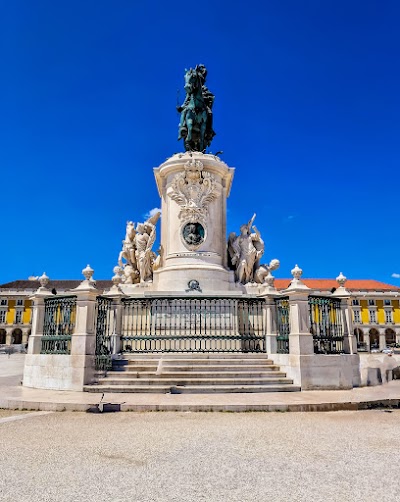
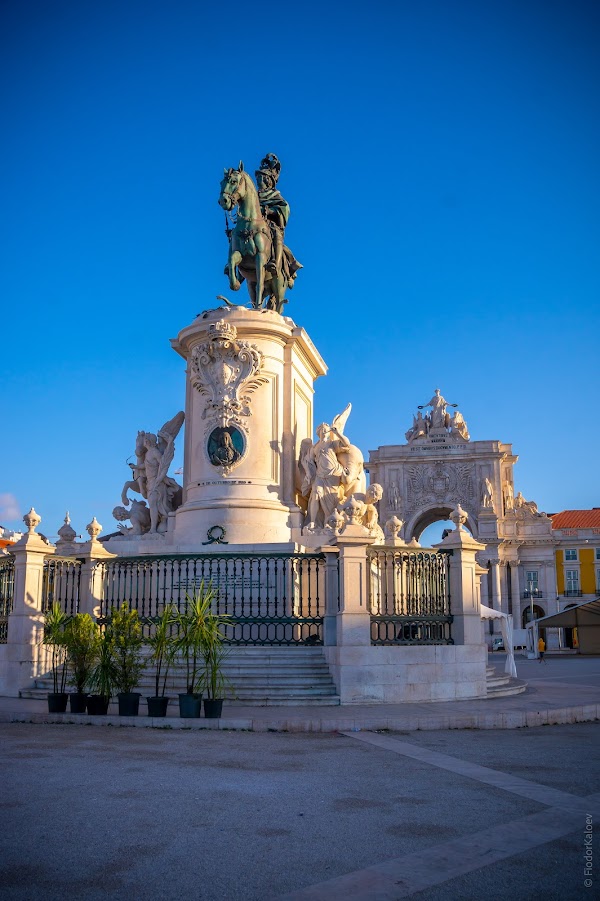
商业广场,又称帕苏广场,是葡萄牙里斯本的一个标志性广场。它是欧洲最大的广场之一,每边长 175 米。该广场建在昔日里贝拉宫的遗址上,该宫殿毁于 1755 年里斯本地震。 广场周围环绕着黄色建筑,正面有拱门。在南端,它向塔古斯河开放,提供令人惊叹的景色。广场的北侧是奥古斯塔街拱门,这是一个凯旋门,通往繁华的奥古斯塔街,这是里斯本的主要购物街之一。 广场中央矗立着若泽一世国王的骑马雕像,他在里斯本地震后重建期间统治。广场上还有里斯本故事中心,这是一个互动博物馆,讲述了里斯本的历史。 商业广场是一个受欢迎的旅游目的地,以其历史意义、建筑美和热闹的氛围而闻名。这是一个放松身心、欣赏美景和感受里斯本充满活力的绝佳去处。历史意义
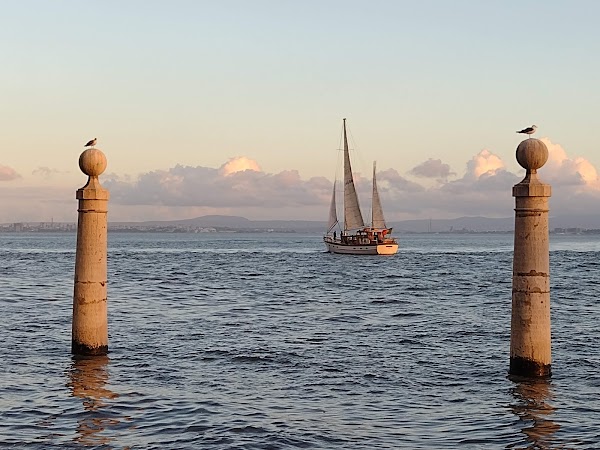
商业广场,曾经宏伟的里贝拉宫殿,见证了里斯本的韧性。在毁灭性的 1755 年地震后,首相侯爵德蓬巴尔策划了重建,将其改造成这座城市重生的象征。广场的新古典主义建筑以鲜艳的色调粉刷,曾经是政府办公场所,并在葡萄牙的海上贸易中发挥了关键作用。 广场中心矗立着若泽一世国王的骑马雕像,以纪念在地震期间统治的君主。雕像的基座描绘了胜利和荣耀的场景,纪念了这座城市的不屈精神。广场的南端是科卢纳斯码头,这是一座宏伟的大理石楼梯,曾作为从河流进入里斯本的主要入口。它见证了葡萄牙皇室和政要从海外探险归来。 商业广场的历史意义超出了其建筑宏伟。1908 年,卡洛斯一世国王和他的继承人在这里被暗杀,这一事件震惊了全国并导致了君主制的推翻。如今,一块牌匾标记了他们倒下的地方,这是广场悲惨过去的阴郁提醒。 在它丰富的历史中,商业广场一直是胜利和悲剧的舞台。它证明了里斯本从逆境中崛起的韧性,并令人心酸地提醒了这座城市不屈的精神。建筑宏伟
里斯本葡萄牙的宏伟河畔广场——商业广场,是建筑宏伟的见证。其对称的布局是庞巴尔风格的标志,展示了抗震功能和创新的美感。广场两侧是带有优雅拱廊的黄色建筑,散发出和谐与平衡的感觉。广场中心,若泽一世国王的骑马雕像象征着这座城市在 1755 年毁灭性地震后的复原力和重生。广场朝向塔古斯河的开阔视野突显了葡萄牙的海事遗产及其作为通往新世界门户的作用。商业广场的错综复杂的细节和和谐的比例使其成为建筑杰作,捕捉到了里斯本丰富历史和不朽精神的精髓。
2
Arco da Rua Augusta
View on map
Audio Narrations
English
Introduction
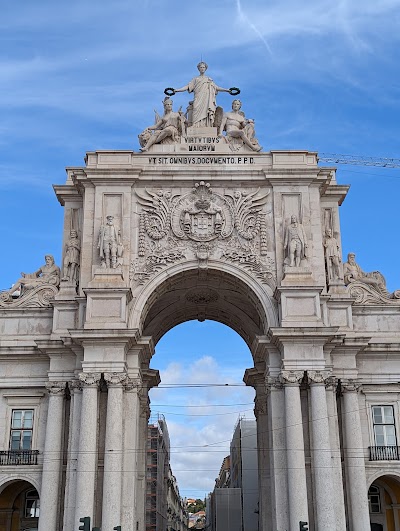
The Arco da Rua Augusta, a triumphal arch in Lisbon, Portugal, stands as a symbol of the city's resilience after the devastating 1755 earthquake. Designed in 1775 as a gateway to the city, the arch was completed a century later in 1875. Its six columns, some reaching 11 meters in height, are adorned with statues of historical figures, including Vasco da Gama, the Marquis of Pombal, and Nuno Álvares Pereira. At the arch's summit, a colossal allegorical group by French sculptor Célestin Anatole Calmels depicts Glory crowning Genius and Valor. Visitors can ascend to the arch's terrace via an elevator, offering breathtaking 360-degree views of Praça do Comércio, the Rua Augusta pedestrian street, and the city's historic center.Lisbon's Identity
Arco da Rua Augusta, a triumphal arch standing tall in Lisbon's Praça do Comércio, embodies the city's resilience and grandeur. Built in the 19th century to commemorate the city's reconstruction after the devastating 1755 earthquake, the arch symbolizes Lisbon's indomitable spirit. Its intricate sculptures and allegorical figures depict the city's history, triumphs, and aspirations. Ascend to the arch's viewing platform and gaze upon the vibrant cityscape, a testament to Lisbon's enduring legacy. The arch's strategic location at the heart of the city serves as a constant reminder of Lisbon's ability to rise above adversity and emerge stronger than before.Tourist Attraction
Arco da Rua Augusta, a majestic triumphal arch in Lisbon, Portugal, stands as a testament to the city's resilience and architectural grandeur. Originally conceived as a bell tower, it was transformed into an elaborate arch after the devastating 1755 earthquake, symbolizing the rebirth of Lisbon. Its six colossal columns, adorned with statues of historical figures, depict the strength and achievements of the Portuguese people. Ascend the arch's narrow staircase to the viewing platform for breathtaking panoramic vistas of Lisbon. From this vantage point, the city's iconic landmarks, including the Tagus River, Praça do Comércio, and the Alfama district, unfold before your eyes. The arch's intricate carvings and allegorical sculptures, crafted by renowned artists, offer a glimpse into Portugal's rich history and cultural heritage. Arco da Rua Augusta is not merely a historical monument but a vibrant tourist attraction. Its location at the heart of Lisbon's bustling Baixa district makes it a popular starting point for exploring the city's many charms. Visitors can immerse themselves in the lively atmosphere, browse nearby shops and restaurants, and witness the vibrant street life that characterizes this vibrant metropolis.
3
Santa Justa Lift
View on map
Audio Narrations
English
Introduction
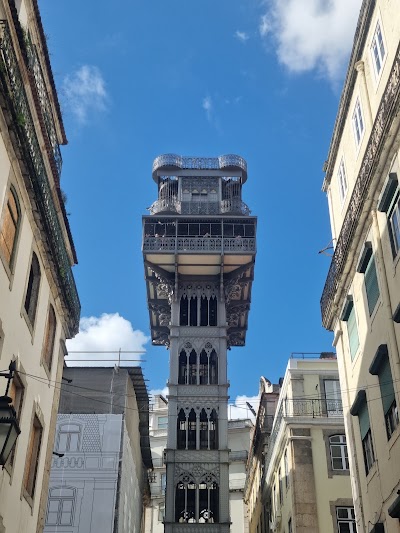
The Santa Justa Lift, an architectural marvel in Lisbon, Portugal, is an iconic elevator that connects the lower Baixa district to the higher Bairro Alto. Designed by Raoul Mesnier du Ponsard, a student of Gustave Eiffel, the lift stands 147 feet tall and boasts a stunning neo-Gothic iron tower. Originally powered by steam, it was converted to electric operation in 1907. The lift's two wooden cabins, each with a capacity of 29 passengers, ascend and descend through a latticework of iron beams, offering panoramic views of the city. At the top, a spiral staircase leads to an observation deck that provides breathtaking vistas of Rossio Square, the Baixa, and the Tagus River. The Santa Justa Lift is not only a convenient mode of transportation but also a beloved tourist attraction, drawing visitors with its unique blend of architectural beauty and historical significance.Vertical Elevator
The Santa Justa Lift, a remarkable vertical elevator in Lisbon, Portugal, stands as a testament to the city's innovative spirit and architectural prowess. Designed by Raoul Mesnier du Ponsard, a student of Gustave Eiffel, this Neo-Gothic masterpiece was inaugurated in 1902 and remains a vital part of Lisbon's public transportation system. Unlike conventional elevators that move horizontally, the Santa Justa Lift ascends vertically, connecting the lower Baixa district with the higher Bairro Alto neighborhood. Its two ornate cabins, adorned with wood, mirrors, and windows, offer a unique and captivating journey. The lift's intricate ironwork, reminiscent of the Eiffel Tower, adds to its architectural charm. Originally powered by steam, the Santa Justa Lift was later converted to electrical operation in 1907. It operates almost 16 hours a day, with departures every few minutes. Visitors can also access a panoramic viewing platform above the upper terminus, providing breathtaking views of Lisbon's cityscape. The Santa Justa Lift is not merely a mode of transportation but an architectural marvel that embodies the city's rich history and engineering ingenuity. Its unique vertical design and historical significance make it a must-visit destination for anyone interested in the evolution of vertical elevators and the architectural wonders of Lisbon.Lisbon Cityscape
The Santa Justa Lift, an iconic landmark in Lisbon's cityscape, stands as a testament to the city's architectural ingenuity. This Neo-Gothic elevator, constructed in 1902, seamlessly blends with the surrounding cityscape, offering breathtaking panoramic views of the Baixa district and the Tagus River. Its intricate ironwork and ornate detailing make it a captivating sight, adding a touch of grandeur to the urban landscape. The lift's strategic location at the heart of the city center makes it a convenient starting point for exploring Lisbon's historic neighborhoods. From its vantage point atop the hill, visitors can witness the vibrant tapestry of the city unfold below, with its colorful buildings, bustling streets, and iconic landmarks. The lift's unique perspective provides a glimpse into the city's rich history and its harmonious blend of architectural styles. As the lift ascends, passengers are treated to a captivating journey through time, passing by historic buildings and charming alleyways. The journey culminates at the upper level, where a viewing platform awaits, offering unparalleled vistas of the cityscape. From this vantage point, visitors can marvel at the intricate details of the city's rooftops, the vast expanse of the Tagus River, and the distant hills that cradle Lisbon. The Santa Justa Lift is not merely a means of transportation; it is an integral part of Lisbon's cityscape, a symbol of the city's resilience and its enduring charm. Its unique design and panoramic views make it a must-visit destination for anyone seeking to delve into the heart of Lisbon's urban tapestry.
4
Carmo Convent
View on map
Audio Narrations
Chinese
导言
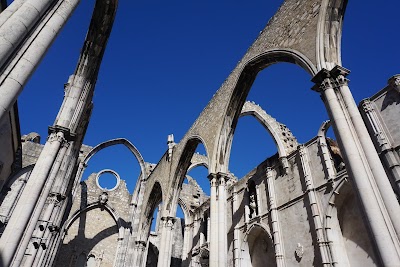
卡尔莫修道院,葡萄牙里斯本的一座前天主教修道院,见证了这座城市的韧性。它建于 1389 年,曾经是里斯本最宏伟的哥特式教堂。然而,1755 年的一场毁灭性地震摧毁了它的屋顶,只留下了骨架般的拱门和墙壁。废墟没有重建,而是被保留下来,作为这场悲剧的痛苦提醒。 如今,卡尔莫修道院内设有考古博物馆,展示了葡萄牙过去的一个折衷主义文物收藏。其中包括罗马石棺、中世纪墓葬和埃及木乃伊。博物馆还设有一个小教堂,里面有一扇令人惊叹的曼努埃尔式窗户。 尽管历史沉重,卡尔莫修道院却散发出一种空灵的美。高耸的拱门沐浴在里斯本的金色阳光中,创造出令人惊叹的奇观。游客可以在中殿漫步,惊叹于精美的石雕,并想象原始教堂的宏伟。修道院的考古博物馆让人们得以一窥里斯本丰富的文化遗产,使其成为历史和建筑爱好者的必游之地。考古博物馆
卡尔莫考古博物馆坐落在卡尔莫修道院的废墟中,是里斯本悠久历史的宝库。它成立于 1864 年,是葡萄牙第一座艺术和考古博物馆,致力于保护修道院和其他国家遗址的文物。 该博物馆的藏品拥有超过一千件文物,包括中世纪宗教物品、纹章和甚至两具木乃伊。其中最引人注目的是曼努埃尔风格的窗户,这是晚期哥特式建筑的杰作,以及费尔南多国王的陵墓,这是 14 世纪丧葬艺术的精美典范。 除了文物之外,博物馆坐落在修道院废墟中的环境也增添了它的魅力。哥特式拱门和柱子是 1755 年地震的遗迹,营造出一种令人回味的氛围,将游客带回到过去。博物馆的导览游览全面探索了该遗址的历史,深入了解了曾经居住在修道院的卡梅尔会修士的生活以及它所收藏的考古宝藏的重要性。 对于那些寻求更深入了解里斯本过去的人来说,卡尔莫考古博物馆提供了一种独特而身临其境的体验。它的藏品,加上修道院废墟的迷人氛围,使其成为历史爱好者和考古爱好者的必游之地。生存的象征
卡尔莫修道院,坚韧的见证,在 1755 年里斯本大地震的废墟中屹立,成为幸存的感人象征。尽管这场毁灭性的地震将城市大部分夷为平地,但修道院的骨架遗骸却顽强地屹立着,这是面对逆境时不屈不挠精神的有力提醒。 这场地震是历史上最具破坏性的地震之一,发生在万圣节,当时教堂里挤满了信徒。随后的火灾席卷了这座城市,留下了一片彻底毁灭的景象。然而,在混乱之中,卡尔莫修道院成为希望的灯塔,它的哥特式拱门像无声的祈祷一样伸向天空。 如今,修道院的废墟成为葡萄牙人民坚韧不拔的感人纪念碑。游客可以在露天考古博物馆中漫步,那里散落着过去遗迹,令人回味的拱门之间。古老的石头与充满活力的蓝天并置,营造出一种超现实且令人敬畏的氛围,证明了生存的持久力量。
5
Teatro Nacional de São Carlos
View on map
6
Praça Luís de Camões
View on map
Audio Narrations
Chinese
简介
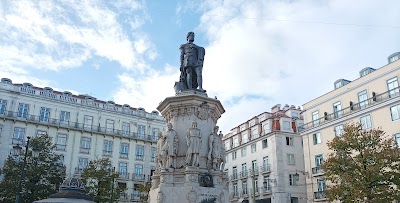
卡蒙斯广场,又称卡蒙斯广场,是葡萄牙里斯本的一个历史广场。它以著名诗人路易斯·德·卡蒙斯雕像命名,他是《葡国魂》的作者,这座雕像作为城市最古老的纪念碑之一而矗立。广场上装饰着精美的葡萄牙路面图案,并设有维克多·巴斯托斯雕刻的卡蒙斯青铜雕像。雕像描绘了这位诗人手持一把出鞘的剑和一本《葡国魂》,而基座周围的八座较小的雕像代表了大发现时代的杰出人物。广场是一个受欢迎的聚会场所,让人们得以一窥葡萄牙人的生活,这里有一个提供茶点的亭子和标志性的黄色电车经过。其中心位置可轻松前往购物、餐饮和观光景点,包括圣佩德罗·德·阿尔坎塔拉观景台和拜罗阿尔托区。文学标志
路易斯·德·卡蒙斯广场是里斯本中心一个充满活力的广场,是葡萄牙文学遗产的见证。它的中心是一座雄伟的路易斯·德·卡蒙斯雕像,他是这个国家最著名的诗人。卡蒙斯的史诗《卢济塔尼亚人之歌》讲述了瓦斯科·达·伽马的航行,捕捉了葡萄牙大发现时代的精神。广场上装饰着描绘这首诗中场景的复杂雕刻,邀请游客深入了解葡萄牙文学的丰富挂毯。 除了其文学意义外,路易斯·德·卡蒙斯广场还是一个文化活动的中心。周围的建筑展示了不同时代的建筑风格,反映了里斯本的多元历史。广场的热闹气氛因街头艺人、艺术家和标志性的“巴西人”咖啡馆而得到增强,这里曾是费尔南多·佩索阿等文学巨匠经常光顾的地方。 对于那些寻求与卡蒙斯作品建立更深联系的人来说,附近的国家瓷砖博物馆收藏了一系列描绘《卢济塔尼亚人之歌》场景的瓷砖(彩绘瓷砖)。游客可以沉浸在诗人的世界中,通过这些充满活力的陶瓷杰作追溯葡萄牙探险家的史诗之旅。 路易斯·德·卡蒙斯广场是文学爱好者的圣地,为葡萄牙黄金时代的探索和艺术表达提供了有形的纽带。这是一个历史、文化和文字汇聚的地方,激发所有来访者的敬畏和钦佩。建筑杰作
路易斯·德·卡蒙斯广场是一座建筑杰作,见证了里斯本昔日的辉煌。该广场以葡萄牙的民族诗人路易斯·德·卡蒙斯命名,并装饰着这位吟游诗人本人的雄伟雕像。广场的中心是卡尔莫修道院,这是一座屹立了几个世纪的哥特式杰作。其错综复杂的立面和高耸的拱门证明了中世纪建筑师的精湛技艺。修道院的废墟在 1755 年毁灭性地震后留存下来,为广场增添了一种令人难忘的美感。 路易斯·德·卡蒙斯广场的另一颗建筑瑰宝是奇亚多百货商店,这是一家已改建为文化中心的百货商店。其新艺术风格的立面与哥特式的卡尔莫修道院形成鲜明对比,展示了广场的建筑多样性。该建筑的内部同样令人印象深刻,拥有高耸的天花板和错综复杂的铁制品。 路易斯·德·卡蒙斯广场不仅仅是一座建筑奇迹;它也是一个充满活力的公共空间。该广场是当地人和游客的热门聚会场所,他们来这里享受阳光、欣赏建筑并陶醉于氛围中。广场上还有几家咖啡馆和餐馆,游客可以在那里放松身心,享用美食或饮品,同时欣赏周围的美景。
7
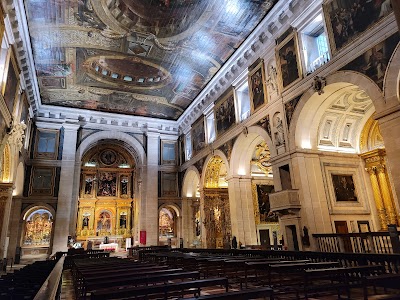
Church of Saint Roch
View on map
8
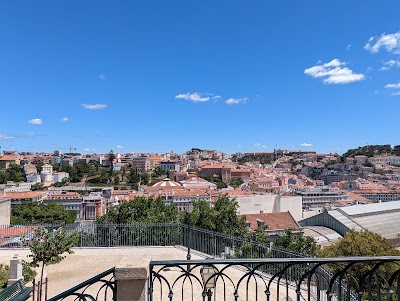
Miradouro de São Pedro de Alcântara
View on map
Audio Narrations
English
Introduction
Miradouro de São Pedro de Alcântara, a captivating viewpoint in Lisbon, offers a breathtaking panorama of the city's iconic landmarks. Perched atop a hill, it presents a vista that encompasses the grand Avenida da Liberdade, the historic Restauradores, and the imposing Castelo de São Jorge with its verdant crown of pine trees. The Miradouro da Igreja da Graça, with its majestic church, is also visible in full detail. This unique viewpoint is set within a meticulously landscaped garden, where visitors can find respite from the city's hustle and bustle. A refreshing drink at the kiosk adds to the ambiance, while an original map crafted from azulejos aids in identifying the city's landmarks. The garden's geometric design is adorned with busts of mythological figures, including Minerva and Ulysses, adding a touch of classical charm. Adjacent to the garden is the Gloria Elevator, a funicular that has been transporting passengers up and down the hill since 1885. Across the street, the "Solar do Vinho do Porto" offers a delightful experience for wine enthusiasts, showcasing over 300 different Ports, including rare vintages dating back to 1937.Panoramic Views
Miradouro de São Pedro de Alcântara, perched atop a hill in Lisbon's Bairro Alto district, offers breathtaking panoramic views that encompass the city's iconic landmarks and vibrant tapestry. From its elevated vantage point, visitors can feast their eyes on a breathtaking vista that stretches from the majestic São Jorge Castle, with its imposing walls and verdant crown, to the bustling Baixa district, where historic buildings and lively plazas converge. The panorama extends further, capturing the stately Avenida da Liberdade, a grand boulevard lined with elegant shops and cafes, and the picturesque Restauradores Square, a vibrant hub of activity. The Miradouro's unique charm lies in its dual nature, seamlessly blending breathtaking vistas with a serene garden sanctuary. Amidst the panoramic splendor, visitors can stroll through manicured lawns adorned with statues of mythological figures, providing a tranquil respite from the city's vibrant energy. The Miradouro's strategic location makes it an ideal starting point for exploring Lisbon's historic quarters, with the iconic Elevador da Glória funicular offering a charming ascent to the viewpoint.Romantic Getaway
Miradouro de São Pedro de Alcântara, a romantic haven nestled atop Lisbon's hills, offers a breathtaking panorama of the city's iconic landmarks. As you stroll through its landscaped gardens, adorned with busts of historical figures, the scent of blooming flowers fills the air, creating an enchanting ambiance. The upper level, paved with traditional Portuguese cobblestones, features a central fountain and a tile panel depicting the monuments visible from this vantage point. Descend to the lower level, a geometric garden with a hidden fountain, where the sound of trickling water adds to the serene atmosphere. The convent facing the viewpoint, Convento de São Pedro de Alcântara, boasts an exquisite marble chapel and a baroque church with a gilded altarpiece, offering a glimpse into Lisbon's rich religious heritage. As the sun begins its descent, the viewpoint transforms into a magical setting. The city lights twinkle below, casting a warm glow on the surrounding buildings. The kiosk cafés serve drinks and light meals, allowing you to savor the moment with your loved one. Whether you're sharing a romantic picnic or simply taking in the breathtaking views, Miradouro de São Pedro de Alcântara is the perfect destination for an unforgettable romantic getaway in Lisbon.
9
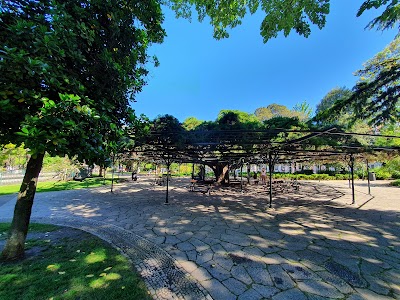
Principe Real garden
View on map
Audio Narrations
English
Introduction
Nestled in the heart of Lisbon's Principe Real district, the eponymous garden offers a tranquil oasis amidst the city's vibrant energy. Laid out in 1863, the garden is a testament to 19th-century urban planning, featuring a central lake surrounded by symmetrical flower beds and shaded footpaths. The highlight of the garden is the majestic 250-year-old juniper tree, its twisted branches extending over 20 meters to provide a cooling canopy. Beneath the garden lies a hidden gem: the Reservatorio da Patriarcal, an octagonal-shaped reservoir constructed in 1864 to supply water to central Lisbon. Its impressive vaulted ceilings and 31 stone supports resemble a grand gothic structure. The reservoir is now part of the Museu da Agua (Water Museum) and is open to the public on weekends. Principe Real Garden is a popular gathering spot for locals and tourists alike. Its two kiosks serve coffee and refreshments, while the Esplanada Café offers a shaded retreat under the trees. On Saturday mornings, the garden hosts a farmers' market featuring organic produce and local delicacies. The garden also boasts several statues and monuments, including a memorial to the victims of homophobia, reflecting the neighborhood's status as Lisbon's "gayborhood.Urban Refuge
Nestled amidst the vibrant Príncipe Real district, the eponymous garden offers a tranquil oasis within Lisbon's bustling urban landscape. Established in 1863, it has served as a sanctuary for city dwellers seeking respite from the relentless pace of modern life. The garden's centerpiece is a majestic cedar tree, its sprawling branches casting an umbrella of shade over the verdant lawns. Beneath its canopy, couples whisper sweet nothings, while elderly gentlemen engage in friendly card games. Children frolic in the playground, their laughter echoing through the serene atmosphere. Principe Real garden is more than just a green space; it's a social hub where locals and visitors alike gather to connect and unwind. Its elegant surroundings, featuring historic mansions and the opulent Ribeiro da Cunha Palace, add to its charm. The garden's monthly crafts and antiques market attracts a diverse crowd, fostering a sense of community and cultural exchange. Beyond its aesthetic appeal, the garden plays a vital role in urban sustainability. Its lush vegetation purifies the air, reducing pollution and creating a microclimate that mitigates the city's heat island effect. The garden's water reservoir, a relic of the city's 19th-century aqueduct, serves as a reminder of the importance of water conservation. In the heart of Lisbon's urban sprawl, Principe Real garden stands as a testament to the power of nature to provide solace and rejuvenation. It's a place where city dwellers can escape the hustle and bustle, connect with their community, and appreciate the beauty of their surroundings.Local Charm
Nestled in the heart of Lisbon's Principe Real district, the eponymous garden exudes an enchanting local charm that captivates visitors. Its unassuming entrance, hidden behind a modest gate, belies the verdant oasis within. Step inside and discover a tranquil haven where locals gather to escape the city's hustle and bustle. The garden's centerpiece is a majestic century-old cedar tree, its sprawling branches casting a dappled shade over the lush lawns. Beneath its canopy, a delightful pink kiosk, Quiosque do Refresco, serves as a charming meeting point, offering refreshments and a respite from the summer heat. Principe Real Garden is a testament to Lisbon's rich botanical heritage. Its collection of over 18,000 subtropical plant species, including rare palms and cycadaceae, is a testament to the city's long-standing connection to the natural world. The garden's winding paths lead visitors through a verdant labyrinth, revealing hidden nooks and secluded benches where one can sit and soak in the tranquility. Beyond its botanical wonders, the garden is a vibrant hub for local life. Artists and musicians often gather here to showcase their talents, creating a lively and eclectic atmosphere. The garden also hosts regular events, such as farmers' markets and open-air concerts, which bring the community together and celebrate the neighborhood's unique character. As the sun begins to set, Principe Real Garden transforms into a magical realm. The soft glow of lanterns illuminates the paths, casting a warm and inviting ambiance. Locals and visitors alike stroll through the garden, enjoying the cool evening air and the gentle murmur of conversation. Principe Real Garden is more than just a green space; it is the heart and soul of the Principe Real district. Its local charm, verdant beauty, and vibrant community spirit make it a beloved destination for those seeking an authentic and enchanting Lisbon experience.
10
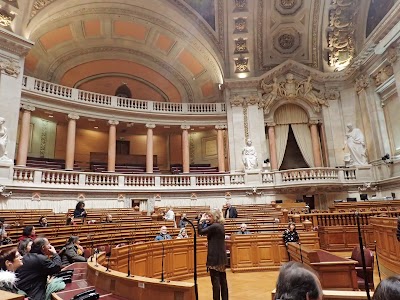
Palace of Saint Benedict / Assembly of the Republic
View on map
Audio Narrations
English
Introduction
The Palace of Saint Benedict, also known as the Assembly of the Republic, stands as a majestic testament to Portugal's rich history and democratic spirit. Located in Lisbon, the capital city, this architectural masterpiece boasts a unique blend of architectural styles, reflecting the country's evolution over centuries. Originally constructed as a Benedictine monastery in the 16th century, the palace underwent significant transformations throughout the years. In the 19th century, it was converted into a military academy, and later served as the Ministry of War. Following the Carnation Revolution in 1974, the palace was designated as the seat of the newly established Assembly of the Republic, marking a pivotal moment in Portugal's transition to democracy. The palace's exterior is characterized by its imposing granite facade, adorned with intricate carvings and sculptures. The interior features a stunning array of halls, chambers, and courtyards, each with its own distinct character and historical significance. The Plenary Chamber, where the Assembly meets, is a particularly impressive space, with its high ceilings, stained-glass windows, and ornate furnishings. Beyond its architectural grandeur, the Palace of Saint Benedict holds immense symbolic value for the Portuguese people. It represents the triumph of democracy and the enduring legacy of the Carnation Revolution. Visitors to the palace can explore its various rooms and exhibitions, gaining insights into Portugal's political history and the workings of its democratic institutions.Monastery Turned Parliament
The Palace of Saint Benedict, also known as the Assembly of the Republic, stands as a testament to Portugal's rich history and the intriguing transformation of a sacred space into a political hub. Originally constructed in 1598 as a Benedictine monastery, the building served as a sanctuary for monks for over two centuries. However, the tides of change swept through Portugal in the 19th century, leading to the dissolution of religious orders and the subsequent conversion of the monastery into the seat of the Portuguese Parliament in 1834. This remarkable transition marked a new chapter for the edifice, as its serene halls and cloisters were adapted to accommodate the dynamic world of politics. The Chapter house, once a place of quiet contemplation, was transformed into a session room, echoing with the voices of debate and deliberation. The grand staircase, adorned with intricate details, became a stage for political figures to ascend to power. The architectural metamorphosis of the building reflects the evolving political landscape of Portugal. The neoclassical facade, added in the 20th century, stands as a symbol of the nation's embrace of modernity. The interior, however, retains traces of its monastic past, with its vaulted ceilings and ornate frescoes whispering tales of a bygone era. Today, the Palace of Saint Benedict stands as a unique blend of the sacred and the secular, a testament to Portugal's ability to adapt and evolve. It serves as a reminder of the profound impact that historical events can have on architecture and the enduring legacy of institutions that have shaped the nation's identity.Historical Landmark
A Monastery Transformed: The Historical Significance of São Bento Palace The São Bento Palace in Lisbon, Portugal, stands as a testament to the country's rich history, embodying the fascinating transition from a religious sanctuary to the heart of modern-day Portuguese politics. Originally constructed in 1598 as a Benedictine monastery, the building served the spiritual needs of the community for centuries. However, the 19th century ushered in a new era for São Bento. Following the dissolution of religious orders in Portugal, the former monastery underwent a remarkable transformation, becoming the seat of the Portuguese Parliament in 1834. This shift marked a pivotal moment in the nation's political landscape, solidifying São Bento's role as a symbol of democracy and governance. The palace's architecture reflects this evolution, blending elements of its monastic past with neoclassical features that彰顯 its current function. Visitors can still admire the intricate frescoes and ornate details that once adorned the monastery's halls, now serving as a reminder of its spiritual origins. Beyond its architectural significance, São Bento Palace holds immense historical value. Within its walls, countless debates and decisions have shaped the course of Portugal's modern history. The grand Assembly Rooms and the Sala dos Passos Perdidos (Hall of Lost Steps) have witnessed pivotal moments, from the establishment of the republic to the drafting of the current constitution. Today, São Bento Palace remains a vibrant hub of political activity, welcoming visitors to explore its rich history and witness the workings of Portugal's democratic system. Guided tours offer a glimpse into the palace's architectural treasures and provide insights into the country's political heritage. For those seeking a deeper understanding of Portugal's historical and political landscape, São Bento Palace offers a unique and captivating experience. It stands as a testament to the nation's ability to adapt and evolve, while preserving its cultural heritage and embracing the principles of democracy.
Experience the Full Tour
Download the DocentPro app to access all tour stops, complete audio narrations in multiple languages, offline maps, and interactive features.