
Madrid: A Journey Through History, Art, and Nature #1

Walking Tour

7.5 km (4.7 miles)

1h 41min travel time

15 Stops

Madrid, Spain
Madrid: A Journey Through History, Art, and Nature #1
Tour Stops
1
Puerta del Sol
View on map
Audio Narrations
Introduction
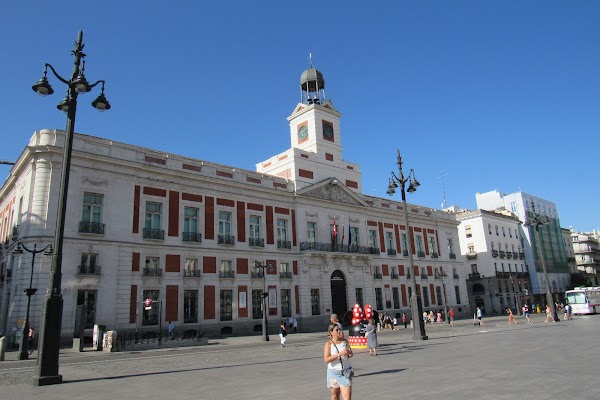
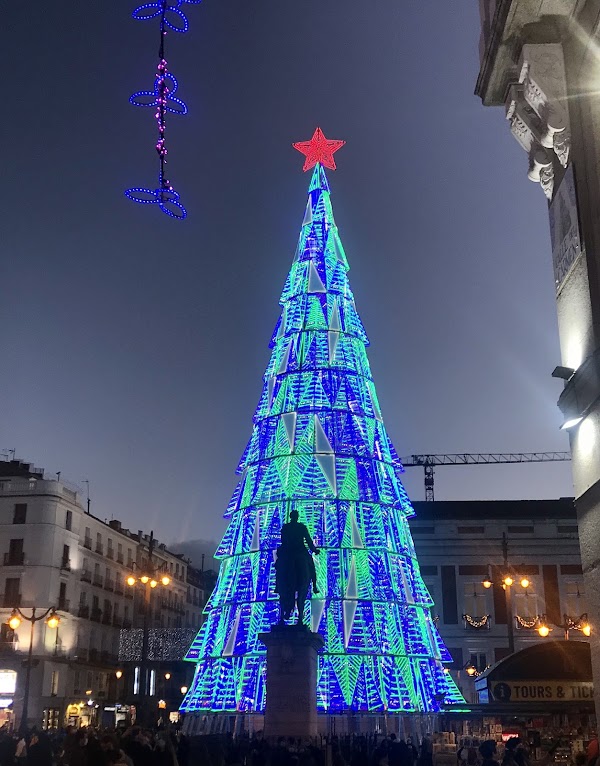
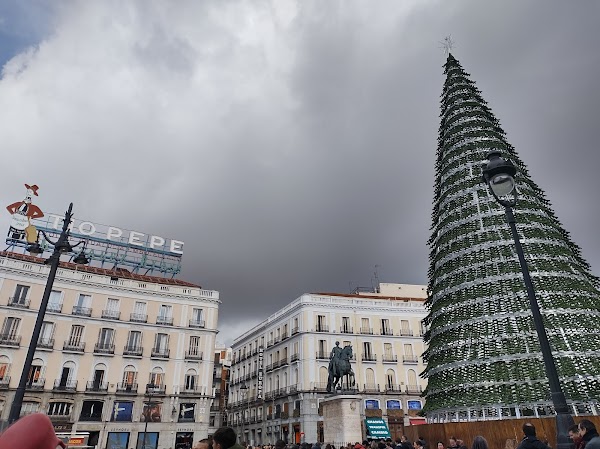
The Puerta del Sol, a bustling square in the heart of Madrid, pulsates with the city's vibrant energy. Its name, meaning "Gate of the Sun," evokes its historical significance as a gateway to the city and a meeting point for centuries. The square's iconic clock, adorned with a bell that chimes every New Year's Eve, has witnessed countless historical events, from the proclamation of the Second Republic to the 15M movement. Beneath the watchful gaze of the bronze statue of King Charles III, locals and tourists alike gather, drawn by the square's lively atmosphere. Street performers entertain the crowds, while vendors offer traditional Spanish delicacies like churros and chocolate. The surrounding buildings, a blend of architectural styles, whisper tales of Madrid's rich history. The Casa de Correos, with its distinctive clock tower, once served as the city's main post office and now houses the regional government. The Real Casa de Postas, a former royal post office, stands as a testament to the city's communication hub status. The Puerta del Sol is not just a physical space; it is a symbol of Madrid's spirit. Its vibrant energy, historical significance, and cultural diversity make it a microcosm of the city itself, a place where history, modernity, and the human spirit converge. As the sun sets over the square, casting long shadows across the cobblestone streets, one can't help but feel the pulse of Madrid beating strong within its walls.Kilometre Zero of Spain
The Puerta del Sol in Madrid, Comunidad de Madrid, Spain, holds a unique distinction as the symbolic center of Spain, marked by the "Kilometre Zero" plaque. This unassuming stone slab, situated on the ground outside the clock tower of the old Post Office building, serves as the starting point for measuring distances on all six national roads radiating outwards from the capital. Beyond its geographical significance, Kilometre Zero at Puerta del Sol carries historical weight. Established in 1857, it has witnessed pivotal moments in Spain's history, including the proclamation of the Second Republic in 1931 and the 15-M Movement demonstrations in 2011. The plaque itself has undergone transformations over time. Replaced in 2009 due to wear and tear, it was initially positioned incorrectly during renovations, only to be rectified later. Today, it stands as a testament to Spain's central point, a silent observer of the city's vibrant life and historical events. For those seeking a deeper understanding of Spain's road network and historical tapestry, Kilometre Zero at Puerta del Sol offers a tangible connection to the country's past, present, and future. It is a reminder that every journey, whether physical or metaphorical, begins at this very spot, where the heart of Spain beats.Symbol of Madrid
Puerta del Sol: The Beating Heart and Enduring Symbol of Madrid Puerta del Sol, the bustling square at the heart of Madrid, is more than just a landmark; it's the city's soul, a living testament to its history, spirit, and resilience. Its name, meaning "Gate of the Sun," evokes the rising sun that once illuminated the eastern gate of the 15th-century city walls. Today, it stands as a vibrant symbol of Madrid's modern identity, a place where history and modernity converge. The square pulsates with life, a meeting point for locals and tourists alike. The iconic clock atop the Casa de Correos, the former post office, marks the annual New Year's Eve tradition of eating 12 grapes with each chime, a ritual broadcast nationwide. The kilometer-zero plaque at its center signifies Puerta del Sol as the starting point for all radial roads in Spain, a testament to its central role in the nation's infrastructure. But Puerta del Sol is more than just a geographical center; it's a cultural hub. The bronze statue of El Oso y el Madroño, the bear and the strawberry tree, is the city's official symbol, a beloved icon that graces countless souvenirs and postcards. The square has witnessed historical events, from protests against the 2004 Madrid train bombings to the 2011 "Indignados" movement, showcasing its role as a platform for social and political expression. Puerta del Sol is a microcosm of Madrid itself, a blend of tradition and modernity, history and progress. Its bustling streets, lined with shops and cafes, reflect the city's vibrant commercial spirit. The square's architecture, a mix of historical buildings and modern structures, speaks to Madrid's continuous evolution. Whether you're a first-time visitor or a seasoned Madrileño, Puerta del Sol is a must-see destination. It's a place to soak in the city's atmosphere, to witness its history unfold, and to feel the pulse of its vibrant heart. It's a reminder that Madrid is a city that never sleeps, a city that constantly reinvents itself while staying true to its roots. So, step into Puerta del Sol, and let the city's energy wash over you. You'll be stepping into the heart of Madrid, a place where the past, present, and future converge in a captivating spectacle.
2
Kilometre Zero
View on map
Audio Narrations
Introduction
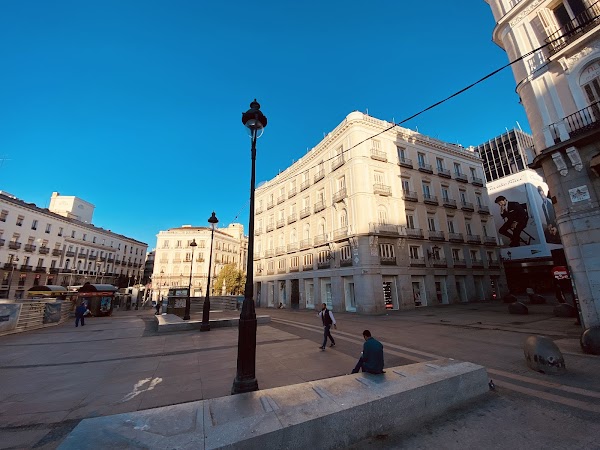
The Puerta del Sol, Madrid's iconic "Kilometre Zero," pulsates with the city's vibrant energy. This bustling square, adorned with the bronze statue of the Bear and the Strawberry Tree, marks the symbolic starting point for all radial roads in Spain. Its history is as rich as the stories whispered by the surrounding buildings. Once a gateway to the city, the Puerta del Sol witnessed the rise and fall of empires, revolutions, and cultural transformations. It was here that the Spanish Republic was proclaimed in 1931, and where the country's first democratic constitution was signed in 1978. Today, the square is a melting pot of cultures, a stage for street performers, and a haven for Madrileños and tourists alike. The iconic clock on the Real Casa de Correos building counts down to the New Year, a tradition watched by millions across the globe. Beneath the surface, a hidden network of tunnels and chambers whispers tales of Madrid's past. The "Kilometre Zero" marker, embedded in the pavement, serves as a tangible reminder of the city's central role in Spain's history and geography. The Puerta del Sol is more than just a square; it's a living testament to Madrid's spirit, a place where history, culture, and modern life converge in a vibrant symphony. As you stand at the "Kilometre Zero," you can't help but feel the pulse of a city that never sleeps, a city that continues to write its own story, one step at a time.Starting Point of National Roads
Kilometre Zero: The Heartbeat of Spain's Road Network Nestled in the bustling Puerta del Sol, Madrid, lies a seemingly unassuming stone slab – Kilometre Zero. This unpretentious marker holds immense significance, serving as the symbolic heart of Spain's road network. From this very point, the distances of all six national roads (A-1 to A-6) are measured, radiating outwards like arteries, connecting the capital to the farthest corners of the country. Kilometre Zero is more than just a starting point; it's a testament to Spain's intricate infrastructure and its historical connection to the concept of centralized travel. It embodies the spirit of exploration and the desire to connect people and places. The marker itself is a simple stone slab, easily overlooked amidst the vibrant energy of Puerta del Sol. Yet, its presence speaks volumes. It reminds us that every journey, no matter how grand or humble, begins with a single step, a single kilometer. For travelers, Kilometre Zero offers a unique opportunity to stand at the symbolic center of Spain's road network, to feel the pulse of a nation on the move. It's a chance to reflect on the journeys undertaken, the distances covered, and the connections forged along the way. Whether you're a seasoned traveler or simply curious about the world around you, Kilometre Zero in Madrid is a must-visit. It's a reminder that every journey, big or small, begins with a single step, and that the road ahead is full of possibilities.Geographical Center of Spain
Kilometre Zero: The Heartbeat of Spain Nestled amidst the bustling Puerta del Sol in Madrid, lies a seemingly unassuming stone slab - Kilometre Zero. This unassuming marker, however, holds immense significance, serving as the symbolic heart of Spain and the point from which all radial roads in the country are measured. More than just a geographical reference point, Kilometre Zero embodies the very essence of Spain's history and culture. Its location in Madrid, the nation's capital, underscores the city's central role in shaping the country's identity. The six major radial roads emanating from Kilometre Zero represent the arteries that connect Madrid to the diverse regions of Spain, symbolizing the nation's unity and interconnectedness. The inscription on the slab, "Kilómetro Cero," serves as a constant reminder of the starting point for countless journeys across Spain. It evokes a sense of adventure and exploration, inviting travelers to embark on their own unique paths through the country's rich landscapes and vibrant cities. Kilometre Zero also holds a special place in the hearts of Madrileños. It marks the starting point for the city's numbered streets, with lower numbers indicating closer proximity to the symbolic center. This subtle detail reflects the deep connection between the city and its geographical heart. Beyond its practical function, Kilometre Zero has become a popular meeting point and a cherished landmark for locals and tourists alike. It serves as a reminder of Spain's rich history, its vibrant culture, and its enduring spirit. Standing at Kilometre Zero, one can't help but feel the pulse of the nation, a sense of connection to the past, present, and future of Spain.
3
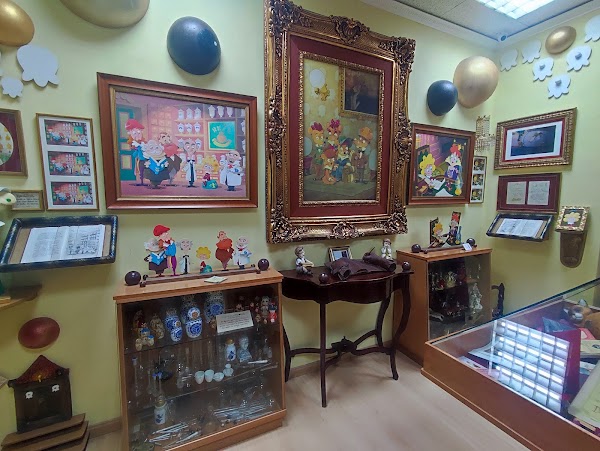
Casita-Museo de Ratón Pérez
View on map
4
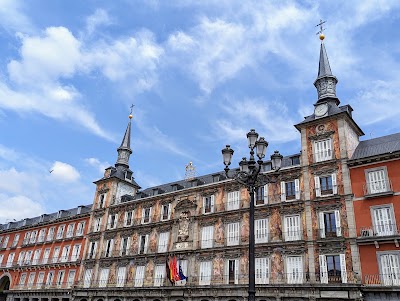
Plaza Mayor
View on map
Audio Narrations
Introduction
Plaza Mayor, the grand central square of Madrid, is a historical gem nestled in the heart of Hapsburg Madrid. Erected on the former Plaza del Arrabal, it was designed by architect Juan Gómez de Mora and completed in 1619. The square has witnessed numerous events throughout history, from bullfights and executions to coronations and beatifications. At one end of the square stands Casa de la Panadería, adorned with exquisite frescoes by Carlos Franco. Across from it is Casa de la Carnicería, once used as a butcher's guild. The equestrian statue of King Philip III, created by Giambologna and Pietro Tacca, stands proudly in the center. Plaza Mayor is surrounded by nine arches, providing entrances to the square. The most well-known arch is the Arco de Cuchilleros, leading to Calle de los Cuchilleros, where knife makers once resided. The square is a popular spot for locals and tourists alike, offering a glimpse into Madrid's rich history and vibrant culture.Nightlife
Plaza Mayor, the heart of Madrid's nightlife, pulsates with an infectious energy as the sun dips below the horizon. The cobblestone square, lined with centuries-old buildings, transforms into a vibrant hub of revelry. The air fills with the sound of laughter, music, and the clinking of glasses. As darkness descends, the square's historic arcades illuminate, casting a warm glow on the lively crowds below. Tapas bars and restaurants spill out onto the cobblestones, their tables adorned with flickering candles. The aroma of sizzling seafood and freshly baked churros wafts through the air, tantalizing the senses. Plaza Mayor's nightlife scene is as diverse as its architecture. Traditional flamenco tablaos echo with the rhythmic stomping of dancers, while modern nightclubs throb with electronic beats. Live music venues host intimate performances by local and international artists, and open-air concerts draw crowds to the square's central fountain. As the night reaches its peak, the atmosphere becomes electric. The square transforms into a dance floor, with locals and tourists alike swaying to the infectious rhythms. The energy is palpable, creating an unforgettable experience that encapsulates the vibrant spirit of Madrid's nightlife.Architecture
Plaza Mayor, a grand square in Madrid, stands as a testament to the architectural prowess of the Baroque era. Its rectangular form, measuring 129 meters by 94 meters, is enclosed by a uniform facade of three-story residential buildings, boasting 237 balconies that overlook the central space. Ten entrances, adorned with nine monumental gates, provide access to the square. The centerpiece of Plaza Mayor is the equestrian statue of Philip III, erected in 1848. The square's architectural harmony is further enhanced by the Casa de la Panadería, its facade adorned with exquisite frescoes depicting mythological figures. This building, once the city's main bakery, now houses the Plaza Mayor Tourist Information Center. The Arco de Cuchilleros, a prominent archway, leads to Calle de los Cuchilleros, where buildings with slanted facades once housed knife makers. The Casa de la Carnicería, opposite Casa de la Panadería, served as the butchers' guild and meat market. Today, it houses the Hotel Pestana Plaza Mayor. Plaza Mayor's architectural significance lies in its harmonious blend of Baroque and Neoclassical elements. The square's enclosed nature, with its uniform facades and monumental entrances, creates a sense of grandeur and order. The use of arches, balconies, and intricate ornamentation adds a touch of elegance and visual interest. Over the centuries, Plaza Mayor has witnessed countless events, from bullfights and soccer games to executions and Christmas markets. Its architectural beauty and historical significance make it a beloved landmark for both locals and tourists alike.
5
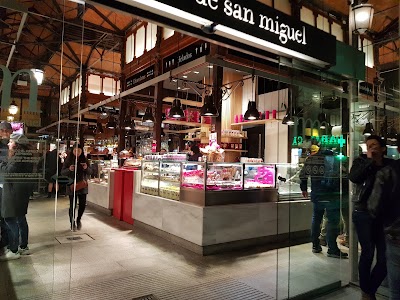
Mercado de San Miguel
View on map
Audio Narrations
Introduction
The Mercado de San Miguel, a culinary haven in the heart of Madrid, is a vibrant market renowned for its exquisite tapas and gourmet offerings. Originally built in 1916, this architectural gem was transformed into a gastronomic paradise in 2009, attracting over 10 million visitors annually. With over 30 vendors showcasing the finest products from Spain, the market offers a tantalizing array of freshly prepared tapas, hams, olives, baked goods, and an endless variety of delicacies. From traditional Spanish dishes to innovative culinary creations, the Mercado de San Miguel is a culinary adventure that delights the senses and immerses visitors in the vibrant food culture of Madrid.Mercado San Miguel History
The Mercado de San Miguel, a culinary gem in the heart of Madrid, boasts a rich history dating back to the 13th century. The original site housed the San Miguel de los Octoes church, where the renowned playwright Lope de Vega was baptized. In 1809, the church was demolished by order of Joseph Bonaparte, paving the way for an open-air fish market. By the late 19th century, the need for a covered market became apparent, and in 1913, construction commenced on the current structure. Designed by Alfonso Dubé y Díez, the market was inaugurated in 1916, showcasing an innovative iron architecture inspired by European markets. It remains the only market of its kind in Madrid, as many others were demolished in the 20th century. In the 1980s, the market faced decline due to the rise of supermarkets. However, in 1999, a group of investors embarked on a restoration project, transforming the market into a vibrant gastronomic center. Today, the Mercado de San Miguel stands as a testament to Madrid's culinary heritage, offering a diverse array of traditional and modern Spanish cuisine within its historic walls.Cultural Heritage
Mercado de San Miguel, a culinary and architectural gem in the heart of Madrid, stands as a testament to the city's rich cultural heritage. Originally built in 1916, this iconic market has undergone a remarkable transformation, emerging as a vibrant hub for gastronomy and cultural exchange. Declared a "Bien de Interés Cultural" (Property of Cultural Interest) in 2000, Mercado de San Miguel seamlessly blends its historical charm with modern amenities, offering a unique and immersive experience for visitors. The market's stunning iron and glass structure, a testament to the architectural prowess of the early 20th century, has been meticulously preserved. Its intricate details and soaring ceilings create an atmosphere of grandeur, transporting visitors back in time. Inside, the market buzzes with activity as vendors showcase their finest products, from artisanal cheeses and cured meats to fresh seafood and delectable pastries. Beyond its culinary offerings, Mercado de San Miguel is also a stage for cultural events and exhibitions. Cooking demonstrations, wine tastings, and live music performances bring the market to life, providing visitors with a glimpse into the vibrant tapestry of Spanish culture. The market's commitment to preserving and promoting traditional crafts and culinary arts further enhances its cultural significance, making it a beloved destination for locals and tourists alike.
6
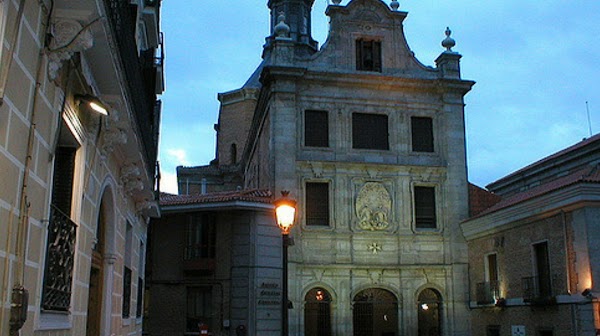
Cathedral Church of the Armed Forces
View on map
7
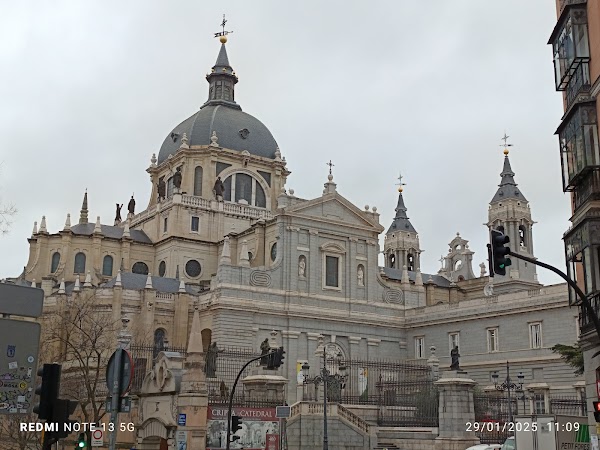
Catedral de la Almudena
View on map
Audio Narrations
Introduction
The Catedral de la Almudena, a Roman Catholic cathedral in Madrid, Spain, is the seat of the Archdiocese of Madrid. Its construction, spanning over a century, began in 1883 and culminated in its consecration by Pope John Paul II in 1993. The cathedral's design, influenced by the Royal Palace opposite it, blends Gothic and Baroque elements, resulting in a unique architectural style. The Neo-Gothic interior features a harmonious blend of contemporary and historical elements, including chapels and statues by renowned artists. The Blessed Sacrament Chapel showcases mosaics by Fr. Marko Ivan Rupnik, while the apse boasts icons painted by Kiko Argüello. The Neo-Romanesque crypt houses a revered 16th-century image of the Virgen de la Almudena. Notable burials at the cathedral include prominent figures, adding to its historical significance. The marriage of King Felipe VI to Letizia Ortiz Rocasolano in 2004 further cemented the cathedral's place in Spanish history.Crypts and Burials
Beneath the grandeur of the Almudena Cathedral lies a captivating realm of history and spirituality—the Crypt. This subterranean masterpiece, designed in the Neo-Romanesque style, mirrors the dimensions of the cathedral above, boasting an impressive Latin cross shape. Its vast interior is adorned with over 400 columns, each adorned with intricate capitals depicting biblical scenes, nature's wonders, and even the iconic symbol of Madrid—the bear and the strawberry tree. Within the Crypt's hallowed halls, 20 chapels radiate outward, each a testament to artistic brilliance. Mosaics gleam in Byzantine splendor, while Gothic-style stained glass windows cast vibrant hues upon the walls. The most revered artwork is the ancient mural of Our Lady of the Fleur-de-lis, believed to date back to the 11th century. The Crypt serves as the final resting place for some of Spain's most illustrious figures. Among them is María de las Mercedes de Orléans, the first wife of King Alfonso XII. Her tomb, along with those of other noble families, adds to the Crypt's aura of historical significance. As you wander through this subterranean labyrinth, marvel at the architectural prowess and artistic treasures that lie hidden beneath the surface of Madrid's iconic cathedral. The Crypt of the Almudena Cathedral is a testament to the enduring legacy of faith, art, and history that continues to captivate visitors to this day.Tourism Destination
Catedral de la Almudena, a modern architectural marvel in the heart of Madrid, stands as a testament to the city's rich history and enduring faith. Completed in 1993, it is a relatively young cathedral compared to its European counterparts, yet its unique blend of architectural styles and historical significance makes it a must-visit destination for discerning travelers. Unlike many cathedrals that took centuries to build, Almudena was constructed in just over a century, reflecting the changing times and architectural sensibilities of the late 19th and 20th centuries. Its neo-Gothic exterior, inspired by French cathedrals, contrasts with its modern interior, featuring contemporary stained-glass windows and a spacious, light-filled nave. One of the most striking features of Almudena is its connection to Madrid's past. Its name, derived from the Arabic word "al-mudayna" meaning "citadel," hints at the site's former role as a Muslim fortress. The cathedral's crypt houses the remains of several Spanish monarchs, including King Alfonso XII and Queen Maria Cristina, adding to its historical significance. For those seeking a deeper understanding of Madrid's cultural heritage, Almudena offers guided tours that delve into its architectural details, religious symbolism, and the city's evolving relationship with Catholicism. Visitors can marvel at the intricate carvings, admire the vibrant stained-glass windows, and learn about the cathedral's role in shaping Madrid's identity. Whether you're a history buff, an architecture enthusiast, or simply seeking a spiritual sanctuary, Catedral de la Almudena is a destination that will captivate and inspire. Its unique blend of old and new, sacred and secular, makes it a must-visit for anyone exploring the vibrant tapestry of Madrid.
8
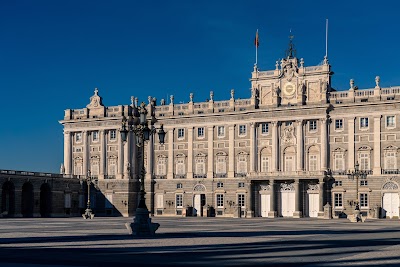
Royal Palace of Madrid
View on map
Audio Narrations
Introduction
The Royal Palace of Madrid, the official residence of the Spanish royal family, is a magnificent architectural masterpiece located in the heart of Madrid. Built in the 18th century on the site of an ancient fortress, the palace boasts over 3,400 rooms, making it one of the largest functioning royal palaces in Europe. Its opulent interior is adorned with priceless works of art by renowned masters such as Goya, Velázquez, and Caravaggio. Visitors can marvel at the Throne Room, the Hall of Mirrors, and the Royal Armory, which houses an impressive collection of weapons and armor worn by Spanish monarchs throughout history. The palace is surrounded by sprawling gardens, including the Sabatini Gardens, known for their geometric design and fountains. A visit to the Royal Palace of Madrid offers a glimpse into the grandeur and history of the Spanish monarchy, showcasing the artistic and architectural treasures that have been preserved for centuries.Must-See Madrid Landmark
Nestled in the heart of Madrid, the Royal Palace of Madrid stands as a testament to the grandeur and opulence of the Spanish monarchy. This architectural masterpiece is not merely a residence but a living museum, showcasing centuries of history and artistic treasures. As you step into the Halberdiers' Hall, the first stop on your journey, you'll be greeted by a solemn atmosphere and a ceiling adorned with mythological scenes. The Throne Room, once the stage for official ceremonies, boasts a magnificent fresco by Tiepolo depicting the power and glory of the Spanish monarchy. The Hall of Columns, a grand space that has witnessed countless balls and receptions, is adorned with classical art and intricate tapestries. The Gasparini Salon, a masterpiece of rococo design, transports you to a world of ornate decoration and shimmering silver thread. The Hall of Mirrors, inspired by the Palace of Versailles, reflects the elegance and grandeur of the Spanish court. Its walls are adorned with sculptures, paintings, and wood carvings, each piece imbued with symbolic meaning. The Main Staircase, a marvel of Imperial style, leads you to the upper floors, where you'll find the Royal Armory, a treasure trove of weapons and armor that tell the story of Spain's military prowess. The Royal Kitchen, meticulously restored, offers a glimpse into the culinary traditions of the Spanish monarchy. Beyond its architectural splendor, the Royal Palace of Madrid is a vibrant cultural hub. The Changing of the Guard ceremony, held on Wednesdays and Saturdays, is a spectacle that draws crowds from far and wide. The Mirador de la Cornisa observation deck offers breathtaking views of the surrounding gardens and the city skyline. As you explore the Royal Palace of Madrid, you'll not only marvel at its beauty but also gain a profound understanding of Spanish history, art, and culture. It is a must-see destination for anyone seeking an immersive and unforgettable experience in the heart of Madrid.Home to Spanish Monarchy
The Royal Palace of Madrid, a majestic architectural marvel, stands as the official residence of the Spanish monarchy, embodying centuries of royal lineage and the grandeur of the Spanish Crown. Its opulent halls and lavish chambers have witnessed countless historical events, from royal weddings to coronations, shaping the destiny of Spain. As the home of the Spanish monarchy, the palace exudes an aura of regal splendor. Its sprawling interiors house a priceless collection of paintings, sculptures, and tapestries, each piece a testament to the artistic patronage of the Spanish royals. The Throne Room, adorned with intricate frescoes and shimmering chandeliers, serves as the stage for official ceremonies and receptions, where the King and Queen receive dignitaries and foreign heads of state. Beyond its ceremonial significance, the palace also offers a glimpse into the private lives of the Spanish monarchs. The Royal Apartments, once the living quarters of the royal family, provide an intimate look into their daily routines and personal tastes. Visitors can admire the Queen's Dressing Room, adorned with delicate porcelain and ornate furniture, and the King's Study, where important decisions were made that shaped the course of Spanish history. The Royal Palace of Madrid is not merely a historical monument but a living testament to the enduring legacy of the Spanish monarchy. Its grandeur and opulence reflect the power and prestige of the Spanish Crown, while its intimate spaces offer a glimpse into the lives of the monarchs who have called it home.
9
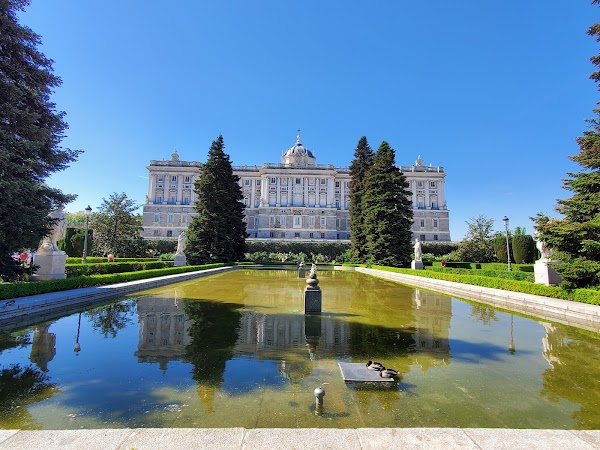
Sabatini Garden
View on map
10
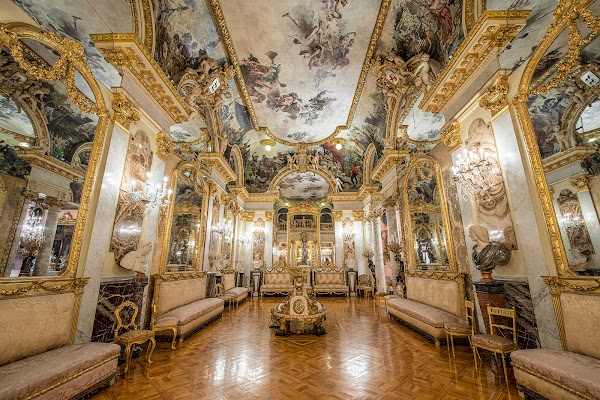
Cerralbo Museum
View on map
11
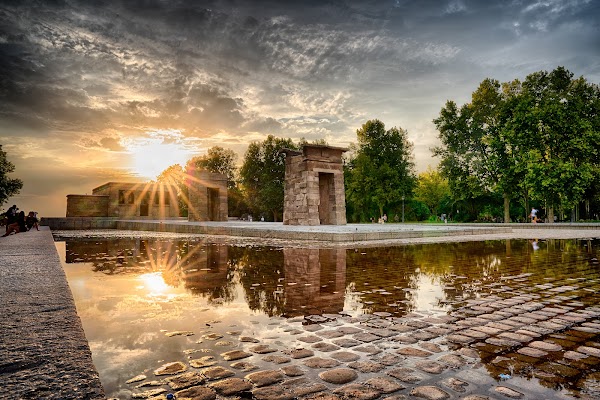
Temple of Debod
View on map
Audio Narrations
导言
德博神庙是一座古埃及神庙,见证了埃及和西班牙之间丰富的文化交流。它最初建于公元前 2 世纪的努比亚,1968 年作为对西班牙帮助保存阿布辛贝神庙的感谢而赠送给西班牙。这座神庙在马德里的蒙塔尼亚公园重建,让人们得以一窥古埃及的建筑和艺术。其错综复杂的雕刻描绘了宗教仪式和向阿蒙和伊西斯等众神的供品的场景。这座神庙迁至马德里,使其成为少数几个在埃及境外可以参观的古埃及古迹之一,让游客有机会在西班牙的中心领略这座古代文明的宏伟。国际古迹
作为国际古迹,德波神庙在文化遗产编年史中占有独特的地位。最初建于公元前 2 世纪,以纪念埃及女神伊西斯,几个世纪以来一直矗立在埃及南部尼罗河畔。20 世纪 60 年代,阿斯旺大坝的建设威胁要将神庙淹没在纳赛尔湖不断上涨的水域中。为了表彰西班牙为拯救阿布辛贝神庙所做的国际努力,埃及政府于 1968 年将德波神庙赠送给西班牙。 神庙被小心地拆除并逐块运输,在马德里的 Parque del Oeste 精心重建,并于 1972 年落成。如今,它作为古埃及悠久遗产和国家间友谊纽带的见证而矗立。它坐落在繁华的马德里大都市中,提供了一个古代与现代的鲜明并置,邀请游客探索人类历史和文化交流的丰富挂毯。重建历史遗址
德博神庙是一座古埃及神庙,见证了一个逝去时代的持久遗产。神庙最初建于公元前 2 世纪的埃及南部,1972 年被拆除并精心重建在马德里的德尔奥埃斯特公园。这次搬迁是国际努力的一部分,旨在保护受阿斯旺大坝建设威胁的努比亚古迹。 神庙在马德里的重建是建筑保护的一项非凡壮举。原始结构被小心地拆卸并运往西班牙,在那里它被重新组装,并一丝不苟地注意细节。神庙的三个主要纪念碑,包括塔门、前厅和圣殿,被重建成与原始排列略有不同的顺序。 尽管搬迁面临挑战,但德博神庙仍保留了其建筑完整性和历史意义。它的砂岩墙壁上装饰着错综复杂的象形文字和浮雕,描绘了古埃及神话和宗教仪式的场景。神庙内部曾经是崇拜的圣地,现在收藏着展品和展示,让人们了解其历史和文化背景。 作为重建的历史遗址,德博神庙提供了一个独特的机会,可以在现代环境中探索古埃及的建筑成就。它搬迁到马德里不仅保护了这一文化瑰宝,还使其更容易为更广泛的受众所接受,从而让人们对世界上最古老的文明之一的持久遗产有了更深刻的认识。
12
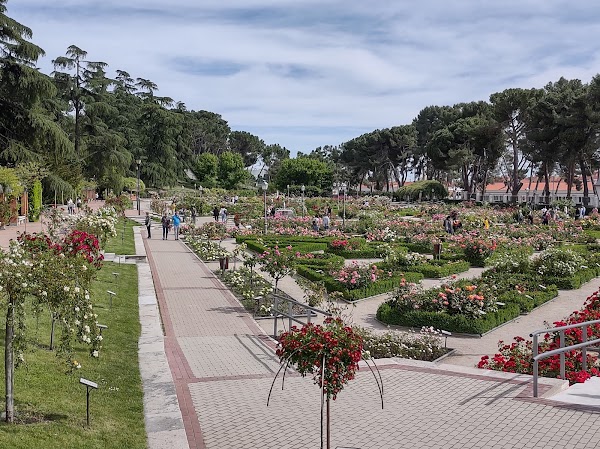
Western Park
View on map
13
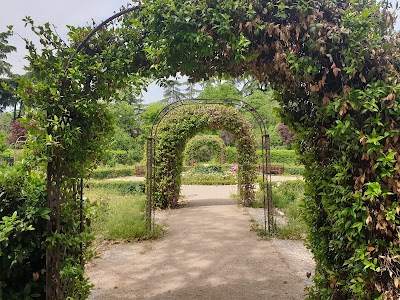
Rosaleda
View on map
14
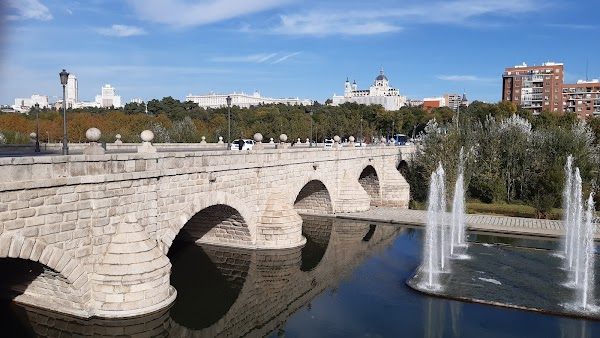
Segovia Bridge
View on map
Audio Narrations
导言
塞戈维亚桥,一座横跨马德里曼萨纳雷斯河的雄伟桥梁,见证了几个世纪的历史和建筑杰作。这座九跨桥建于 1582 年至 1584 年,由菲利普二世国王委托,由花岗岩砖建造,由著名建筑师胡安·德·埃雷拉设计。它的水平坡度不同于中世纪的设计,标志着现代桥梁建设的重要一步。 塞戈维亚桥于 1996 年被宣布为文化遗址,在其整个生命周期中经历了多次翻新。值得注意的干预措施包括 1935 年至 1943 年间由 Gabinete de Accesos y Extrarradio 进行的干预措施,以及内战后由工程师 Vicente Olmos 进行的干预措施。奥尔莫斯的工作扩大了桥梁的宽度并恢复了其原始高度。 这座桥周围的环境也发生了重大变化,马德里河公园的创建,这是一个充满活力的城市公园,拥有喷泉、池塘和人行道。这片焕然一新的景观与这座桥的历史意义相得益彰,为游客提供了自然与遗产的独特融合。 除了其建筑和历史意义之外,塞戈维亚桥在马德里的记忆中占有重要的地位。它曾被称为“自杀桥”,直到 1998 年实施安全措施之前,它是该市最常发生自杀的地点。这段阴郁的过去为这座桥的叙述增添了一层深度,提醒我们它与这座城市历史的复杂关系。 如今,塞戈维亚桥已成为马德里丰富文化遗产的象征,吸引着来自世界各地的游客。它持久的屹立提醒着人们这座城市的演变及其建筑奇迹的持久遗产。建筑意义
塞戈维亚桥是罗马工程学的一项壮举,它证明了古代世界的建筑实力。它的建造可以追溯到公元1世纪,展示了罗马人在材料和设计方面的精湛技艺。这座桥梁将花岗岩和砖石巧妙地结合在一起,并创新性地使用了拱门,创造出既美观又极其耐用的结构。 塞戈维亚桥最引人注目的特点之一是它的长度,它跨越埃雷斯马河,长达280多米。这一壮举是通过建造167个拱门实现的,每个拱门都经过精心设计,以均匀地分配重量并确保桥梁的稳定性。这些拱门大小和形状各异,创造出一种动态的节奏,增加了这座桥的视觉吸引力。 塞戈维亚桥的建筑意义超出了其结构优势。它的设计融入了罗马凯旋门的元素,入口处装饰着圆柱和雕塑。这些装饰不仅提升了这座桥的审美价值,还提醒人们罗马帝国的力量和宏伟。 此外,塞戈维亚桥在塞戈维亚市的发展中发挥了至关重要的作用。它位于连接塞戈维亚与其他主要城市的罗马道路上的战略位置,促进了贸易和交流,促进了该市的经济和文化繁荣。这座桥的存在使其成为塞戈维亚的标志性地标,吸引了来自世界各地的游客。 总之,塞戈维亚桥是罗马建筑智慧的一个杰出范例。它创新的设计、卓越的耐久性和历史意义使其成为工程学的杰作,也是罗马帝国持久遗产的证明。工程壮举
塞戈维亚桥是罗马工程壮举的见证,是古代建筑的杰作。这座桥建于公元 1 世纪,横跨西班牙塞戈维亚的瓜达拉马河,历经两千多年。它的寿命归功于其创新的设计,包括一系列 167 个花岗岩拱门,均匀地分布了结构的重量。这座桥的非凡稳定性进一步增强了它缺乏基础,使其能够承受河流水流的冲击力而不会下沉或移动。 塞戈维亚桥的建造采用了一种称为拱石的技术,其中楔形的石头被小心地交错在一起以形成拱门。这种方法不仅提供了结构完整性,还允许使用较小的石头,从而减轻了桥的整体重量。这座桥的设计还包含了一个轻微的向上弯曲,称为“拱度”,它有助于抵消交通和天气条件造成的向下挠度。 塞戈维亚桥的工程独创性在其经受数百年使用和自然灾害的能力中显而易见。它经历了无数次洪水、地震,甚至在 19 世纪发生了一场火灾。这座桥的韧性证明了罗马工程师的技能和知识,他们了解物理和材料科学原理,创造出经得起时间考验的结构。 如今,塞戈维亚桥是罗马工程卓越的象征,也是这个古代文明持久遗产的提醒。其创新的设计和非凡的寿命继续激励着世界各地的工程师和建筑师。
15
Parque Madrid Río
View on map
Audio Narrations
导言
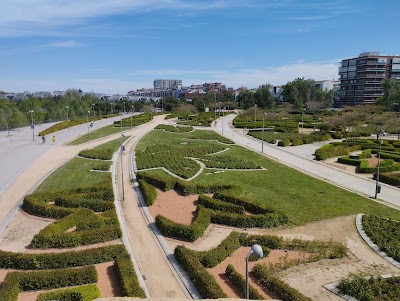
马德里里奥公园:马德里市中心的一片绿洲 马德里里奥公园是一个占地 120 公顷的城市公园,是一幅由城市历史、自然和现代设计交织而成的生动挂毯。这片绿意盎然的绿洲建在原 M-30 高速公路上,为城市重新赢回了曼萨纳雷斯河,将其改造成了一条充满生机的风景动脉。 公园的景观是对人类智慧的证明。七座经过修复的大坝曾经是河流的障碍,现在变成了人行桥,而标志性的安道尔公国大桥以其 Y 形设计,呼应了安道尔山谷的交汇处。公园的动脉是一条桥梁网络,包括独特的卡斯卡拉桥,它就像悬浮在水面上方的凉亭,以及通往马德里独特的城市海滩的趣味横生的普拉亚大桥。 马德里里奥公园是自然爱好者的天堂。“帕蒂达菜园”是一个带围墙的果园,用果树和模仿米亚克斯溪流的蜿蜒小路重建了该地区的传统景观。“松树厅”是一片广阔的松树林,提供了一个宁静的避难所,而“阿甘苏埃拉海滩”则以其喷泉和喷雾提供了令人耳目一新的休息场所。 除了自然美景之外,马德里里奥公园还是一个文化中心。马德里屠宰场是一个当代文化中心,阿甘苏埃拉温室是一个令人惊叹的温室,这两个只是众多景点中的两个。公园还拥有丰富的历史挂毯,有古道和巴特雷斯和比利亚弗兰卡等城堡的遗迹,诉说着一个逝去时代的传说。 这个城市绿洲证明了马德里对可持续发展的承诺。公园的设计优先考虑绿地、步行和自行车道,以及曼萨纳雷斯河的重新自然化,为居民和野生动物创造了一个天堂。 马德里里奥公园不仅仅是一个公园;它是城市转型的一个活生生的证明,一个历史、自然和现代设计交汇的充满活力的空间,为每一位游客提供独特的体验。公共空间设计
马德里里奥公园,一条长 2.5 公里的绿色丝带,沿着马德里的曼萨纳雷斯河蜿蜒而行,是公共空间设计的典范。这座公园从一个被忽视的工业区转变为一个充满活力的城市绿洲,证明了周密规划和社区参与的力量。 该公园最引人注目的特点之一是它与周围城市景观的无缝融合。公园的设计师巧妙地利用了现有的基础设施,如桥梁和高架桥,创建了一个人行道和自行车道的网络,与城市现有的交通网络无缝连接。这种方法不仅提高了可达性,还培养了公园与城市肌理之间的连续性。 公园的设计还优先考虑可持续性和环境敏感性。使用本土植物物种和节水灌溉系统最大限度地减少了公园对环境的影响,而湿地和其他自然栖息地的创建则促进了生物多样性。公园对可持续性的承诺延伸到其节能照明和在其建设中使用回收材料。 除了其美学和生态吸引力之外,马德里里奥公园还是城市居民的重要社交中心。公园内设施种类繁多,包括游乐场、体育设施和露天剧场,可以满足各个年龄段和能力的人群的需求。公园的规划也反映了其对社会包容的承诺,举办促进文化交流和社区建设的活动和活动。 总之,马德里里奥公园是公共空间设计的典范,优先考虑可达性、可持续性和社会包容性。其周密的设计、对基础设施的创新利用以及对环境敏感性的承诺使其成为世界各地城市公园的典范。文化遗产
马德里里奥公园:西班牙首都的心脏地带的文化绿洲 马德里里奥公园,一条蜿蜒的绿色丝带,穿梭在马德里的心脏地带,为这座城市丰富的文化遗产提供了一个独特的视角。它不仅仅是一个公园,更是这座城市演变的活生生的证明,在这里,现代城市设计与历史地标和考古瑰宝无缝融合。 在这座公园苍翠的广阔空间之下,坐落着卡萨德尔雷洛赫考古遗址,这是一座 16 世纪的水磨坊,曾经是马德里供水系统的重要组成部分。其保存完好的遗迹让人们得以一窥这座城市的过去,诉说着创新和足智多谋的故事。 公园的景观本身就是文化遗产的证明。蜿蜒的小径和桥梁呼应着曼萨纳雷斯河的流动,这条水道几个世纪以来一直塑造着马德里的历史。公园的设计融入了西班牙传统花园的元素,几何图案和水景让人联想到摩尔人的影响。 除了自然景观之外,马德里里奥公园还孕育着充满活力的文化场景。露天音乐会和戏剧表演用音乐和欢笑填满了空气,而散布在公园各处的艺术装置和雕塑则为这座城市的艺术精神提供了一个当代视角。 这座公园还作为传统节日和庆祝活动的舞台,让代代相传的习俗和民间传说得以延续。从充满活力的弗拉门戈表演到传统的民间舞蹈,游客可以亲身体验西班牙文化的精髓。 马德里里奥公园不仅仅是一个绿地;它是一幅由马德里的过去、现在和未来交织而成的生动挂毯。这是一个历史通过古老遗迹低语的地方,现代设计拥抱自然的地方,西班牙文化精神蓬勃发展的地方。这是对遗产持久力量的证明,一个过去告知现在并激发未来的地方。
Experience the Full Tour
Download the DocentPro app to access all tour stops, complete audio narrations in multiple languages, offline maps, and interactive features.