
New York City: A Full Day of Iconic Landmarks #2

Walking Tour

3.1 km (1.9 miles)

42 min travel time

13 Stops

New York City, United States
New York City: A Full Day of Iconic Landmarks #2
Tour Stops
1
The Battery
View on map
Audio Narrations
Introduction
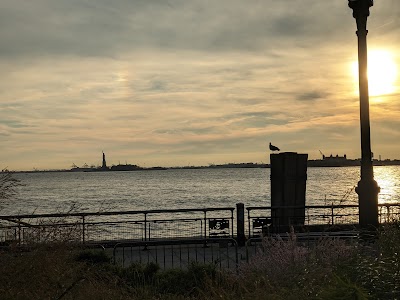
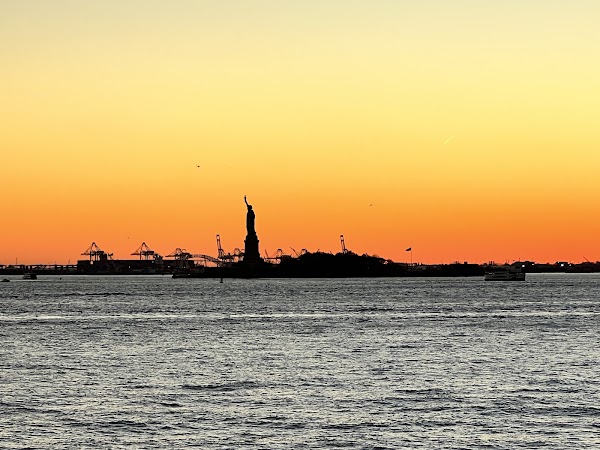
The Battery, a 25-acre verdant oasis at the southern tip of Manhattan, stands as a testament to New York City's evolving relationship with its waterfront. More than just a park, it's a layered landscape interwoven with history. Beneath the lush lawns and meandering pathways lie remnants of the city's early defenses, when Castle Clinton stood guard against British invasion. Today, the revitalized structure hosts millions of visitors each year, eager to embark on journeys to Ellis Island and the Statue of Liberty. Yet, the Battery holds hidden treasures for those who venture beyond the iconic landmarks. Wander through the Battery Woodland, a microcosm of diverse habitats, or stumble upon the SeaGlass Carousel, its luminous orbs echoing the bioluminescent creatures of the harbor. Public art installations dot the landscape, offering unexpected encounters with contemporary creativity. The Battery whispers tales of transformation, from its days as a bustling port to its current incarnation as a vibrant public space.Urban Green Space
The Battery, a 25-acre oasis at the southern tip of Manhattan, stands as a testament to New York City's evolving relationship with urban green spaces. More than just a park, it represents a delicate balance between historical preservation and ecological restoration. Its design seamlessly blends the old and new, with revitalized historic landmarks nestled among verdant lawns and flourishing gardens. The Battery Conservancy, a non-profit organization, has been instrumental in transforming this once neglected waterfront into a vibrant public space. Their efforts have led to the creation of diverse habitats, including a thriving salt marsh ecosystem along the shoreline. This unique feature not only provides a haven for local wildlife but also serves as an educational resource for visitors, offering a glimpse into the city's natural history. The Battery's commitment to sustainability is evident in its design, incorporating features like permeable paving and rainwater harvesting systems that contribute to the ecological health of the park. As a result, The Battery is not just a green lung for the city, but a living laboratory for sustainable urban development.Immigration Gateway
Before the iconic Statue of Liberty found its home in New York Harbor, The Battery served as the initial point of entry for countless immigrants arriving in the United States. From the mid-19th to the early 20th century, ships teeming with hopeful newcomers docked at this southern tip of Manhattan, their decks filled with a mixture of anticipation and trepidation. Unlike the more orderly processing that would later occur at Ellis Island, The Battery was a chaotic and often overwhelming introduction to the New World. Immigrants disembarked into a bustling scene of vendors, laborers, and opportunists, all vying for their attention amidst a cacophony of languages and unfamiliar sights. Families, often separated during the arduous journey, were reunited on these shores, their tears and embraces painting a poignant picture of hope and uncertainty. The Battery bore witness to the dreams carried across oceans, the challenges faced on arrival, and the resilience of those determined to forge a new life in a new land. This historical significance as a primary gateway for immigration is etched into the very fabric of The Battery, a tangible reminder of the countless individual journeys that shaped the nation.
2
Castle Clinton National Monument
View on map
Audio Narrations
Introduction
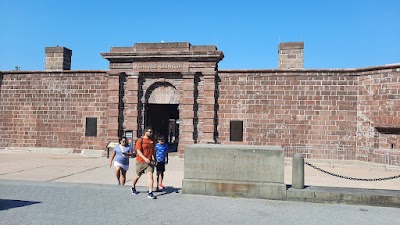
Castle Clinton National Monument, a circular sandstone fort in Battery Park, Manhattan, holds a rich history as New York City's first immigration station, welcoming over 7.5 million people between 1855 and 1890. Originally constructed as Fort Clinton in 1811, it served as a defense fortification during the War of 1812 but never saw combat. After the war, it was transformed into Castle Garden, a popular entertainment venue, and later became the New York Aquarium from 1896 to 1941. Facing demolition in the 1940s, Castle Clinton was saved by preservationists and designated a national monument in 1946. Today, it serves as a visitor center and departure point for ferries to the Statue of Liberty National Monument, welcoming over three million visitors annually.Symbol of New York
Castle Clinton National Monument stands as a testament to New York City's rich tapestry of history and culture. Originally constructed as a defensive fort, it has witnessed the city's transformation from a fledgling settlement to a global metropolis. As Castle Garden, it became a vibrant entertainment hub, hosting renowned figures like Jenny Lind and Samuel F.B. Morse. Its most profound role, however, was as the gateway for millions of immigrants seeking a new life in America. The stories of these newcomers, etched into the monument's very fabric, make Castle Clinton a poignant symbol of the city's enduring spirit of welcome and opportunity. Today, it serves as a reminder of New York's role as a beacon of hope and a melting pot of cultures, forever intertwined with the aspirations of those who passed through its doors.Castle Garden
Castle Clinton National Monument, initially known as Castle Garden, played a pivotal role in the immigration history of the United States. From 1855 to 1890, it served as the primary entry point for over 8 million immigrants, who often referred to it as "Kesselgarden" due to its bustling and chaotic atmosphere. The term "Castle Garden" became synonymous with the immigrant experience, evoking a sense of hope, trepidation, and the promise of a new life in America. Today, Castle Clinton stands as a testament to the millions who passed through its gates, seeking refuge, opportunity, and a chance to contribute to the nation's vibrant tapestry.
3
National Museum of the American Indian
View on map
Audio Narrations
Introduction
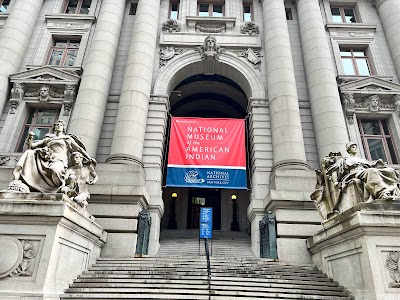
Housed within the historic Alexander Hamilton U.S. Custom House, the National Museum of the American Indian in New York offers a unique perspective on indigenous cultures often overlooked in traditional museum settings. Rather than presenting artifacts as isolated objects, the museum emphasizes the ongoing vitality and diversity of Native American life, showcasing contemporary art alongside centuries-old objects. The museum's unique design, featuring curved pathways and expansive skylights, evokes a sense of journey and discovery. Visitors are encouraged to engage with interactive exhibits and listen to firsthand accounts from indigenous voices, providing a rich tapestry of perspectives. A particularly noteworthy aspect is the museum's dedication to showcasing the diversity within Native American communities, representing over 700 tribal nations across the Western Hemisphere. This commitment to inclusivity and contemporary relevance makes the museum a vibrant center for cultural exchange and understanding.Native American Cosmology
The National Museum of the American Indian in New York offers a unique lens through which to understand Native American cosmology, moving beyond celestial objects to encompass a worldview where the natural and supernatural intertwine. The museum's collection reveals how cosmological principles are woven into the very fabric of Native American life. Exhibits showcase artifacts not merely as aesthetic objects, but as embodiments of spiritual beliefs and cosmological understandings. For instance, intricate beadwork on clothing might depict constellations, not just for decoration, but to connect the wearer to those celestial energies. Similarly, pottery adorned with animal motifs can be understood as representations of clan spirits or embodiments of cosmological principles. The museum encourages visitors to consider the interconnectedness of all things, a core tenet of Native American cosmology, by highlighting the ways in which ceremonies, oral histories, and everyday objects all serve as vehicles for understanding and interacting with the cosmos. Through its thoughtful curation and interpretation, the museum provides a space for deep reflection on the profound relationship between humanity and the universe as understood by Native American cultures.Cultural Revitalization
The National Museum of the American Indian in New York stands as a powerful testament to cultural revitalization, going beyond simply showcasing artifacts to actively fostering the resurgence and celebration of Indigenous traditions. The museum's commitment to providing a platform for Native voices is evident in its exhibitions, which often feature contemporary art and firsthand accounts directly from Indigenous communities. This approach ensures that the narratives presented are not static representations of the past, but living stories that resonate with the ongoing experiences of Native peoples. The museum's dedication to language preservation is particularly noteworthy. Through interactive displays and workshops, visitors can engage with endangered Indigenous languages, contributing to their revitalization. Furthermore, the museum's focus on contemporary Indigenous art, fashion, and performance provides a space for Native artists to challenge stereotypes, reclaim their narratives, and share their vibrant cultures with a wider audience. By actively engaging with contemporary issues and providing resources for cultural continuity, the National Museum of the American Indian in New York acts as a dynamic center for cultural revitalization, ensuring that Indigenous traditions continue to thrive for generations to come.
4
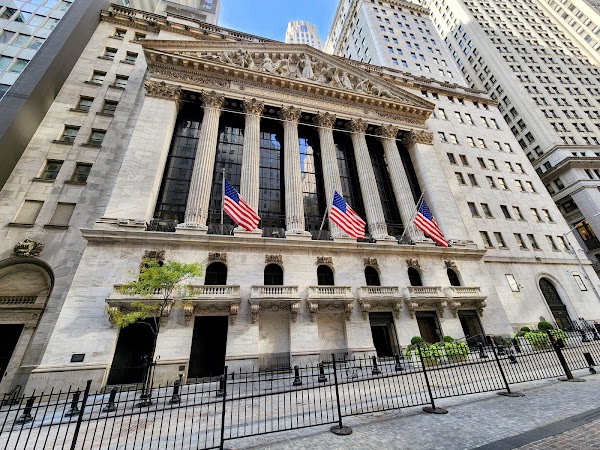
Wall Street
View on map
Audio Narrations
Introduction
The iconic Charging Bull sculpture, a symbol of financial optimism and resilience, stands as a stark contrast to the neoclassical facade of the New York Stock Exchange on Wall Street. This narrow street in Lower Manhattan, originally fortified by the Dutch in the 17th century, has become synonymous with global finance. Beyond the towering skyscrapers and hurried financiers, remnants of the area's rich history peek through. Trinity Church, with its graveyard holding the graves of early Americans like Alexander Hamilton, stands as a testament to the area's evolution. Lesser-known is the role of Wall Street in the birth of American journalism, with the founding of the Wall Street Journal tracing its roots back to this very street. Even the iconic ticker tape parades, a celebration of American achievement, originated on Wall Street, with brokers and clerks tossing ticker tape from windows to celebrate momentous occasions.Global Impact
Wall Street's decisions reverberate far beyond the skyscrapers of Lower Manhattan, shaping economies and influencing financial markets worldwide. A single trading day can impact the value of currencies in distant countries, affecting the cost of goods and services globally. The investment decisions made on Wall Street often determine which industries thrive and which struggle, not just within the United States, but across the globe. Emerging markets are particularly sensitive to the flow of capital from Wall Street, with investment decisions influencing infrastructure projects, job creation, and overall economic growth. Furthermore, the regulatory environment of Wall Street, often a model for other financial centers, can impact global financial stability. The policies enacted in response to financial crises originating on Wall Street, for example, have led to regulatory reforms and international agreements aimed at preventing future global economic meltdowns. Thus, Wall Street's influence extends far beyond its physical location, serving as a nerve center for the global economy.Economic History
Wall Street, a seemingly ordinary street in Lower Manhattan, has been the epicenter of American capitalism and a driving force in global economic history. The street's transformation from a humble Dutch trading post to a symbol of financial power is a testament to the evolving economic landscape of the United States. The echoes of the 1792 Buttonwood Agreement, which laid the groundwork for the New York Stock Exchange, still resonate within the canyons of Wall Street. This agreement, signed under a buttonwood tree, marked the genesis of organized securities trading in the United States, forever altering the trajectory of the nation's financial system. The street witnessed the devastation of the Panic of 1907, a financial crisis that exposed the fragility of the unregulated banking system and ultimately led to the creation of the Federal Reserve System in 1913. The roaring twenties, a period of unprecedented economic growth and speculation, saw Wall Street at its most exuberant, only to be followed by the devastating crash of 1929, which plunged the world into the Great Depression. From the ashes of economic turmoil, Wall Street rose again, adapting to changing times and cementing its place as a global financial hub.
5
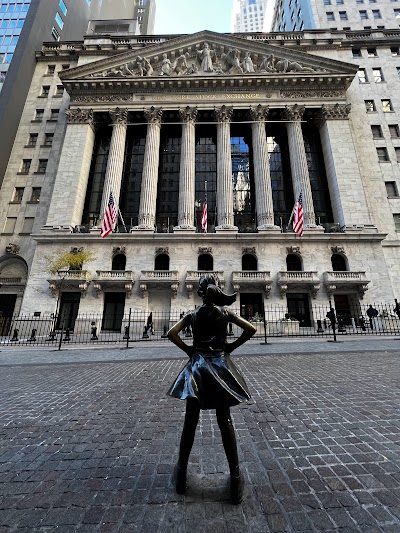
New York Stock Exchange
View on map
Audio Narrations
Introduction
The New York Stock Exchange, a bustling bastion of American capitalism, occupies a unique space in the heart of Wall Street. Its iconic neoclassical facade, guarded by the majestic bronze sculptures of Integrity and Industry, has borne witness to centuries of financial triumphs and turmoil. Within this grand edifice, a fascinating dance of commerce unfolds, not on a digital screen, but on a physical trading floor. Here, amidst the cacophony of shouted bids and frantic hand signals, the fate of companies and investors alike hangs in the balance. This tangible energy, a stark contrast to the virtual nature of many modern exchanges, is a testament to the enduring legacy of traditional open outcry trading. Interestingly, while the NYSE is synonymous with American finance, its roots can be traced back to a simple agreement signed beneath a buttonwood tree in lower Manhattan, a humble beginning that belies its current global influence.Trading Floor
The New York Stock Exchange's trading floor, a whirlwind of activity and energy, offers a captivating glimpse into the heart of global finance. Within this space, steeped in history and tradition, designated market makers, the lifeblood of the NYSE, operate within their designated posts. These specialists, employed by various firms, manage the order flow for specific stocks, ensuring smooth and orderly trading even during periods of volatility. The iconic trading floor, a symphony of shouts, hand signals, and flashing screens, facilitates the direct interaction between brokers and specialists, a stark contrast to the electronic trading prevalent in many other exchanges. This human element, a defining characteristic of the NYSE, allows for nuanced price discovery and efficient execution of large orders. While technology plays an increasingly important role, the trading floor remains a testament to the enduring power of human judgment and interaction in the world of high-stakes finance. The floor's frenetic pace, often punctuated by the ringing of the opening and closing bells, reflects the dynamic nature of the markets and the constant flow of information shaping investment decisions.Bull and Bear Markets
The New York Stock Exchange, a historical battleground for bulls and bears, has witnessed firsthand the ebb and flow of market sentiment for centuries. Within the iconic walls of this financial institution, the roars of bullish optimism during market surges have often been countered by the deep growls of bearish apprehension during downturns. The NYSE's trading floor, a whirlwind of activity, becomes a tangible representation of these market forces, with traders' actions reflecting the prevailing sentiment. It's here, in the heart of global finance, that the impact of bull and bear markets on investor psychology and the trajectory of the American economy is most palpable. The NYSE's unique role as a hub for major IPOs adds another layer of intrigue to the bull and bear dynamic. During bull markets, the NYSE buzzes with excitement as companies seek to capitalize on investor confidence and launch their public offerings. Conversely, bear markets often see a decrease in IPO activity, as companies shy away from uncertain market conditions. This constant interplay between bullish exuberance and bearish caution shapes the very fabric of the NYSE, making it a captivating spectacle for anyone seeking to understand the complexities of financial markets.
6
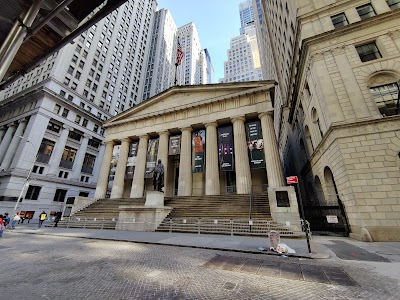
Federal Hall
View on map
Audio Narrations
소개
월스트리트에 서 있는 페더럴 홀은 젊은 국가가 자리를 잡아가는 이야기를 속삭입니다. 현재 건물은 1842년으로 거슬러 올라가지만, 그 전신은 미국 역사의 흐름을 형성한 중추적인 순간들을 목격했습니다. 바로 그 벽 안에서 조지 워싱턴이 1789년에 초대 미국 대통령으로 취임 선서를 했고, 이는 영원히 그 건물의 위치를 국가의 기억 속에 새겨 넣었습니다. 최초의 의회가 그곳에서 회의를 열어 권리 장전을 만들고 새로운 정부의 토대를 마련했습니다. 원래 건물은 1812년에 철거되었지만, 현재의 페더럴 홀은 세관에서 국립 기념관으로 바뀌어 그 초기 시대의 지속적인 유산에 대한 증거로 서 있습니다. 방문객들은 워싱턴이 취임 선서를 했던 바로 그 자리에 서서 그 시대의 유물을 보고 그 신성한 홀 안에서 이루어진 중대한 결정들을 되돌아볼 수 있습니다. 그러나 덜 알려진 사실은 페더럴 홀이 또한 미국 최초의 대법원을 수용했고 한때 뉴욕 시청으로 사용되었다는 것입니다. 건물의 돌에 스며든 이 겹겹이 쌓인 역사는 국가 탄생과의 실질적인 연결 고리를 제공합니다.초대 대통령
뉴욕시에 있는 페더럴 홀은 미국 대통령제의 탄생을 묵묵히 지켜본 증인입니다. 바로 그 벽 안에서 조지 워싱턴은 1789년 4월 30일에 초대 미국 대통령으로서 취임 선서를 했습니다. 당시 시청으로 알려졌던 원래 건물은 이미 스탬프 법 의회를 수용하고 연합 규약에 따라 연방 정부의 회의 장소 역할을 하면서 역사에 깊이 뿌리내리고 있었습니다. 그러나 워싱턴의 취임식은 그곳의 위상을 미국 역사에 확고히 했습니다. 월스트리트를 내려다보는 발코니는 갓 태어난 국가를 위한 무대가 되었고, 워싱턴이 성경에 손을 얹고 "미국 헌법을 보존하고 보호하며 옹호할 것"을 맹세한 장소가 되었습니다. 그림으로 영원히 불멸화되고 국가의 기억에 새겨진 이 중추적인 순간은 페더럴 홀을 대통령 권력의 상징이자 초대 대통령제의 지속적인 유산으로 탈바꿈시켰습니다. 오늘날, 결연한 워싱턴의 동상이 현재 건물 앞에 서 있으며, 그 안에서 펼쳐진 중대한 사건들과 그들이 국가 역사에 남긴 지울 수 없는 흔적을 가슴 아프게 상기시켜 줍니다.초기 미국 건축
뉴욕의 페더럴 홀은 초기 미국 건축의 야망을 강력하게 상징하며, 새롭게 형성된 국가의 포부와 낙관주의를 구현합니다. 원래 건물은 더 이상 존재하지 않지만, 1834년에서 1842년 사이에 건설된 대체 건물은 최초 건물의 웅장함을 반영합니다. 고대 그리스 신전의 영향을 많이 받은 건물 디자인은 초기 미국 시대의 고전적인 형태에 대한 매혹을 보여줍니다. 도리아식 기둥의 웅장한 열주가 특징인 인상적인 외관은 젊은 국가의 안정과 영속적인 통치에 대한 열망을 반영하여 힘과 영속성을 불러일으킵니다. 고전적인 양식 중 가장 엄격하다고 여겨지는 도리아 양식의 선택은 민주적 이상과 공화주의적 가치에 대한 건물의 연관성을 더욱 강조합니다. 뉴욕 최초의 시청 자리, 즉 스탬프 법 의회와 조지 워싱턴의 취임식과 같은 중요한 사건이 일어난 장소에 건물이 눈에 띄게 위치해 있다는 점은 역사적 중요성을 더욱 증폭시킵니다. 현재의 건물은 원래의 페더럴 홀의 정확한 복제품은 아니지만, 미국 역사와 건축의 중추적인 시대로 연결되는 유형적인 연결 고리 역할을 하며, 정체성을 정의하는 국가의 정신을 구현합니다.
7
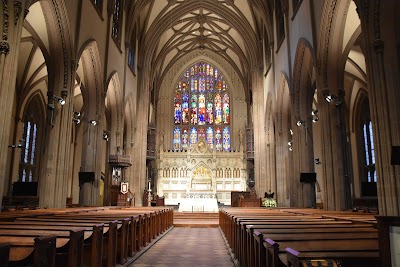
Trinity Church
View on map
Audio Narrations
Introduction
Nestled amongst the towering skyscrapers of Wall Street, Trinity Church stands as an unexpected oasis of peace and a testament to enduring faith in a rapidly changing world. Its iconic spire, once the tallest structure in New York City, has beckoned generations of New Yorkers and visitors, offering a beacon of hope and a symbol of the city's unwavering spirit. While the current building dates back to 1846, Trinity Church's roots reach deep into New York's history, with the original charter granted by King William III in 1697. Step inside, and you'll discover a treasure trove of artistry and history. Tiffany stained glass windows bathe the nave in a kaleidoscope of colors, while the intricately carved altar and reredos, crafted from English Caen stone, stand as masterpieces of Gothic Revival design. Beneath the bustling streets outside lies a tranquil churchyard, the final resting place for many notable figures, including Alexander Hamilton and Robert Fulton. Their legacies, intertwined with the very fabric of the church, offer a tangible link to the city's vibrant past.Graveyard
Trinity Church's graveyard is a silent testament to New York City's evolution. Established in 1697, the graveyard predates the church's current structure, making it a repository of early New York history. Buried within its hallowed grounds are not just prominent figures like Alexander Hamilton and Robert Fulton, but also countless early settlers, merchants, and citizens who witnessed the city's birth pangs. The weathered headstones, some barely decipherable, whisper tales of hardship, triumph, and the realities of life and death in a burgeoning metropolis. The graveyard's location, nestled amidst the towering skyscrapers of Wall Street, offers a stark contrast, reminding us of the passage of time and the enduring presence of the past. Here, the bustle of the Financial District fades, replaced by a sense of tranquility and reflection. Visiting Trinity Church's graveyard is not merely a walk through a cemetery; it's a journey through layers of New York City's history, offering a poignant glimpse into the lives of those who came before.Wall Street
Trinity Church, a silent sentinel on the edge of Wall Street, offers a stark contrast to the relentless energy of the financial district. Its presence serves as a tangible reminder of a time before ticker tapes and trading floors, when New York City's commerce revolved around the harbor just steps from the church's doors. The churchyard, a tranquil oasis amidst the skyscrapers, holds the whispers of history, with tombstones marking the final resting place of early American financiers and merchants who laid the very foundation of Wall Street's legacy. Alexander Hamilton, the first Secretary of the Treasury and a key architect of the American financial system, rests here, his grave a pilgrimage site for those seeking inspiration within the heart of the financial world. The church's enduring presence, a steadfast witness to centuries of economic booms and busts, serves as a potent symbol of continuity and perspective for the traders and financiers who navigate the often-turbulent waters of Wall Street. A stroll through its grounds offers a tangible connection to the very roots of American capitalism, a reminder that even amidst the frenetic pace of Wall Street, some things endure.
8
Zuccotti Park
View on map
Audio Narrations
Introduction
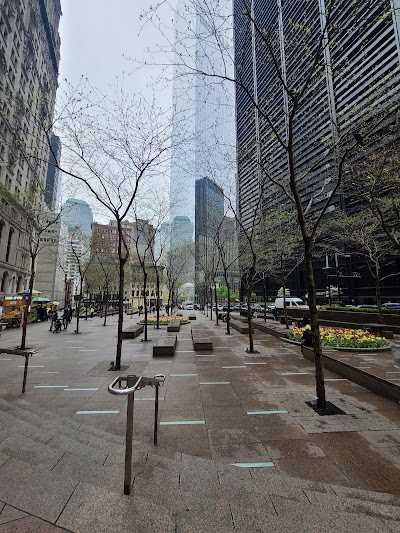
A privately owned plaza in Lower Manhattan, Zuccotti Park is an unassuming space with an outsized history. Built in 1968 as a typical concrete plaza, it was named after John Zuccotti, a former deputy mayor and chairman of Brookfield Properties, the company that owns the space. The park gained international attention in 2011 when it became the epicenter of the Occupy Wall Street movement. For two months, protesters transformed the plaza into a 24/7 encampment, sparking a global conversation about economic inequality. This unexpected turn of events highlighted the unique legal status of Zuccotti Park. Classified as a "privately owned public space," it is required to be open 24 hours a day and accessible to the public, unlike a true park. This designation, a product of city planning regulations, became a point of contention during the protests, raising questions about the boundaries of public space and the right to assemble in a privately owned area. Today, Zuccotti Park remains a quiet space, its history etched in the memories of those who witnessed its transformation.Social Movement
Zuccotti Park, a privately-owned plaza in New York City's Financial District, became synonymous with social change when it was occupied by the Occupy Wall Street movement in 2011. The park, chosen for its symbolic location in the heart of America's financial center, transformed into a bustling encampment where individuals from diverse backgrounds united to protest economic inequality and corporate greed. For two months, Zuccotti Park became a living laboratory for participatory democracy, with daily general assemblies, teach-ins, and working groups dedicated to shaping the movement's message and actions. The occupation, though ultimately disbanded, left an indelible mark on the park and on the global consciousness. The "99 percent" slogan, coined by Occupy Wall Street, resonated far beyond Zuccotti Park's boundaries, highlighting the growing disparity between the wealthy elite and the rest of society. Today, Zuccotti Park stands as a potent reminder of the power of grassroots activism and the ongoing struggle for social and economic justice. The park's legacy continues to inspire activists worldwide, demonstrating the potential for public spaces to become catalysts for social change.Urban Design
Zuccotti Park, a privately-owned public space in Lower Manhattan, presents a fascinating case study in urban design, particularly regarding the interplay of public access and private control. Designed by Cooper, Robertson & Partners, the park's design embodies the principles of the 1961 zoning resolution that incentivized developers to include public plazas in exchange for bonus floor area ratios. This resulted in Zuccotti Park's distinctive characteristic: a paved plaza with minimal greenery, largely shaped by its surrounding buildings. The park's design, while providing a break in the dense urban fabric, lacks the lush vegetation and water features often associated with public parks, prompting debate about the quality of such spaces. Its hard surfaces and limited seating options, while intended to facilitate pedestrian flow, have been criticized for prioritizing functionality over user comfort. The park's design, with its 24/7 accessibility, inadvertently became a critical factor in its occupation by the Occupy Wall Street movement, highlighting the complex relationship between urban design and social movements. Zuccotti Park, therefore, stands as a potent symbol of the ongoing dialogue between public space, private ownership, and the evolving needs of urban dwellers.
9
9/11 Memorial Pools
View on map
Audio Narrations
Introduction
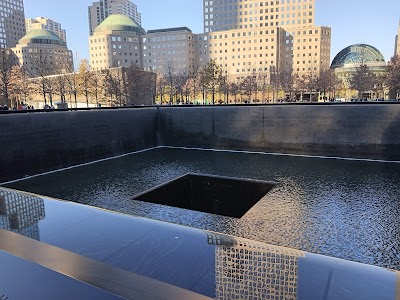
The 9/11 Memorial Pools in New York City are a poignant tribute to the victims of the September 11th attacks. Situated on the footprints of the former Twin Towers, these two reflecting pools are the largest man-made waterfalls in North America. Each pool features a 30-foot drop, creating a mesmerizing cascade of water that drowns out the city's noise, offering a serene space for contemplation. The names of the 2,983 victims are inscribed on bronze parapets surrounding the pools, arranged according to their proximity at the time of the attacks and their relationships with one another. White roses placed on specific names each day mark the birthdays of the victims, a touching gesture performed by staff members before the memorial opens. The pools are surrounded by hundreds of white oak trees, symbolizing life and rebirth, their changing leaf colors mirroring the cycle of nature and renewal. The Survivor Tree, a callery pear tree that endured the attacks and was nursed back to health, stands as a testament to resilience and hope.National Importance
The 9/11 Memorial Pools in New York City stand as a poignant testament to the resilience and unity of the American people in the face of tragedy. These two vast pools, each nearly an acre in size, occupy the footprints of the fallen Twin Towers, serving as a permanent reminder of the lives lost on that fateful day. The cascading waterfalls, the largest man-made waterfalls in North America, create a mesmerizing and contemplative atmosphere, inviting visitors to reflect on the profound impact of the attacks. Beyond their aesthetic significance, the pools hold immense national importance. They embody the spirit of remembrance and honor, paying tribute to the 2,977 victims of the 9/11 attacks and the six victims of the 1993 World Trade Center bombing. The names of these individuals are inscribed on bronze parapets surrounding the pools, arranged according to their proximity at the time of the attacks and their relationships with one another. This thoughtful placement underscores the interconnectedness of the victims and the shared loss experienced by their families and the nation as a whole. The pools also serve as a symbol of hope and renewal. The continuous flow of water represents the passage of time and the ongoing process of healing and recovery. The surrounding plaza, adorned with hundreds of white oak trees, provides a serene and verdant space for contemplation and remembrance. These trees, chosen for their resilience and changing leaf color, symbolize the enduring strength and resilience of the American spirit. The 9/11 Memorial Pools are not merely a memorial to the past but a living legacy that inspires and unites the nation. They stand as a testament to the indomitable spirit of the American people, their unwavering commitment to remembrance, and their enduring hope for a brighter future.Memorial of Remembrance
The 9/11 Memorial Pools in New York City stand as a poignant testament to the lives lost in the tragic events of September 11, 2001. These twin pools, each an acre in size, are etched with the names of nearly 3,000 victims, serving as a permanent and solemn tribute to their memory. The cascading waters, plunging 30 feet into a square basin and then disappearing into a smaller void, symbolize the profound loss and absence felt by the nation. The sound of the cascading water creates a serene and contemplative atmosphere, inviting visitors to reflect on the fragility of life and the enduring legacy of those who perished. The pools are surrounded by bronze parapets inscribed with the victims' names, providing a tangible connection to the individuals whose lives were cut short. As a memorial of remembrance, the 9/11 Memorial Pools offer a sacred space for contemplation, honoring the victims and their families while fostering a sense of collective healing and remembrance.
10
9/11 Memorial & Museum
View on map
Audio Narrations
Introduction
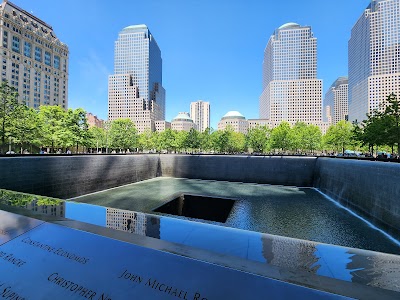
The National September 11 Memorial & Museum in New York City stands as a poignant tribute to the victims of the 9/11 attacks and the 1993 World Trade Center bombing. The memorial features two reflecting pools, each nearly an acre in size, marking the footprints of the Twin Towers. The pools are surrounded by bronze parapets inscribed with the names of the 2,977 victims. The museum, located below the memorial, houses artifacts, personal stories, and interactive exhibits that chronicle the events of 9/11 and its aftermath. The Survivor Tree, a Callery pear tree that endured the attacks, serves as a symbol of resilience and hope. The memorial also includes the 9/11 Memorial Glade, honoring those who have suffered from exposure to toxins at the site. The museum offers guided tours, educational programs, and a variety of accessibility resources to ensure an inclusive and meaningful experience for all visitors.National Monument
The National September 11 Memorial & Museum, a poignant tribute to the victims of the 9/11 attacks, stands as a solemn testament to the resilience and spirit of the American people. Designated as a National Monument, this hallowed ground commemorates the lives lost in the tragic events of September 11, 2001, and the 1993 World Trade Center bombing. The memorial's design, a collaboration between architect Michael Arad and landscape architect Peter Walker, is a masterpiece of contemplative remembrance. At its heart lie two vast reflecting pools, each inscribed with the names of those who perished, mirroring the footprints of the fallen Twin Towers. Beyond the pools, the Memorial Plaza offers a sanctuary for reflection, featuring the Memorial Glade, a tribute to the heroic first responders, and the Survivor Tree, a testament to the indomitable spirit that emerged from the ashes. The museum, housed beneath the plaza, delves into the profound impact of the attacks, showcasing artifacts, personal stories, and interactive exhibits that illuminate the events and their aftermath. Through its educational programs and public events, the 9/11 Memorial & Museum serves as a beacon of remembrance, fostering understanding, and inspiring future generations to learn from the lessons of the past.Commemoration and Remembrance
The 9/11 Memorial & Museum in New York City stands as a poignant testament to the lives lost and the resilience displayed in the aftermath of the tragic events of September 11, 2001. At the heart of the museum's mission lies the annual commemoration ceremony, a solemn gathering where family members of victims gather to read aloud the names of those who perished in the attacks. This deeply moving ritual serves as a powerful reminder of the profound loss and the enduring bonds that unite the bereaved. Beyond the annual ceremony, the museum offers a comprehensive exploration of the events of 9/11 and their far-reaching impact. Through interactive exhibits, personal testimonies, and artifacts, visitors gain a deeper understanding of the day's unfolding tragedy and the subsequent rescue and recovery efforts. The museum also sheds light on the ongoing legacy of 9/11, examining its impact on national security, global politics, and the lives of countless individuals. One of the most striking features of the museum is the 9/11 Memorial Glade, a serene space dedicated to honoring the thousands of rescue workers, survivors, and downtown residents who have suffered from 9/11-related illnesses. This contemplative sanctuary provides a place for reflection and remembrance, recognizing the enduring sacrifices made by those who responded to the attacks and continue to grapple with their aftermath. Through its unwavering commitment to commemoration and remembrance, the 9/11 Memorial & Museum serves as a vital space for healing, education, and inspiration. It is a place where the stories of those lost are preserved, where the lessons of 9/11 are explored, and where the spirit of resilience and unity that emerged from the ashes continues to shine brightly.
11
One World Trade Center
View on map
Audio Narrations
Introduction
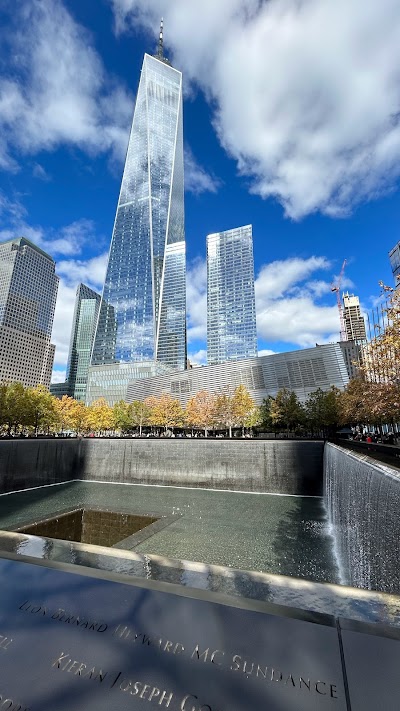
One World Trade Center, also known as One WTC, stands as the tallest building in the Western Hemisphere, soaring to a symbolic height of 1,776 feet. Its design incorporates sustainable features, including renewable energy sources and recycled materials. The building's unique form features a square base that transitions into eight isosceles triangles, culminating in a glass parapet. The spire atop the tower is a permanent architectural element, contributing to its impressive height. One WTC offers breathtaking views from its observation deck on floors 100-103, while the sky lobby on floor 64 provides a stunning venue for events. The building's tenants benefit from access to below-ground parking, storage, and shopping, as well as convenient transportation options via the World Trade Center Transportation Hub.Sustainability Features
One World Trade Center stands as a beacon of sustainable architecture, embodying the latest advancements in eco-friendly design. Its structure boasts a high-strength concrete core surrounded by a perimeter moment frame of steel, ensuring both resilience and structural redundancy. The building's tapered, aerodynamic form minimizes wind loads and reduces the need for structural steel. One World Trade Center's commitment to sustainability extends beyond its physical structure. It utilizes rainwater collection and recycling systems for cooling, and its PureCell phosphoric acid fuel cells generate 4.8 megawatts of power, supplemented by waste steam electricity generation. The tower also harnesses off-site hydroelectric and wind power. Its windows are made of ultra-clear glass, maximizing natural sunlight and reducing energy consumption. The building's interior is constructed from recycled materials, including gypsum boards, ceiling tiles, and glass. Around 80% of the tower's waste products are recycled. One World Trade Center has achieved LEED Gold Certification, a testament to its environmentally sustainable design. Its green initiatives include a green roof initiative, water and energy conservation measures, and a green supplies discount program for tenants. The building's commitment to sustainability extends to its day-to-day operations, with programs such as carpet recycling and green offices.World Trade Center Transportation Hub
The World Trade Center Transportation Hub, a magnificent architectural marvel designed by renowned architect Santiago Calatrava, stands as a testament to resilience and renewal at the heart of Lower Manhattan. This awe-inspiring structure, commonly known as the Oculus, serves as a vibrant transportation hub, seamlessly connecting One World Trade Center to the PATH train system, New York City subways, and the bustling streets of the Financial District. The Oculus's soaring white ribs, resembling the wings of a dove in flight, create a breathtaking canopy that floods the interior with natural light. This ethereal space, adorned with shops and eateries, offers a sanctuary from the urban hustle and bustle. As you ascend the grand staircase, the Oculus's true scale becomes apparent, revealing a vast underground concourse that extends beneath the entire World Trade Center complex. From the Oculus, a direct connection leads to One World Trade Center, the tallest building in the Western Hemisphere. Soaring 1,776 feet into the sky, One World Trade Center is a symbol of hope and rebirth, offering breathtaking panoramic views of the city from its observation deck. The proximity of the Oculus to One World Trade Center makes it an ideal starting point for exploring this iconic landmark and the surrounding area. The World Trade Center Transportation Hub is not merely a transportation hub; it is a vibrant destination in its own right. Its unique design and symbolic significance make it a must-visit attraction for anyone seeking to delve into the history and spirit of New York City.
12
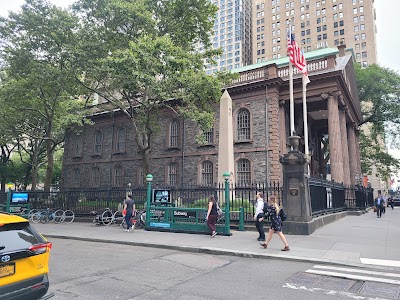
St. Paul's Chapel
View on map
Audio Narrations
Introduction
Nestled amidst the towering skyscrapers of Lower Manhattan, St. Paul's Chapel stands as a poignant symbol of resilience and hope. Completed in 1766, it is the oldest surviving church building in Manhattan and narrowly escaped the devastation of 9/11, despite its proximity to the World Trade Center. The chapel served as a sanctuary for first responders and volunteers during the aftermath, earning it the moniker "The Little Chapel That Stood." Inside, the Georgian architecture features elegant mahogany box pews, some bearing the crests of prominent New York families. A particularly intriguing detail is the monument to General Richard Montgomery, a hero of the American Revolution who fought alongside Benedict Arnold before his death in the Battle of Quebec. The churchyard, a tranquil oasis in the bustling city, holds the graves of early New Yorkers, their weathered headstones whispering tales of the city's nascent years. A visit to St. Paul's Chapel offers a tangible connection to New York's rich history and enduring spirit.Gilded Age
During the Gilded Age, as New York City underwent a period of rapid industrialization and economic growth, St. Paul's Chapel stood as a quiet counterpoint to the burgeoning skyscrapers and bustling streets. While the city transformed around it, the chapel remained largely untouched by the architectural trends of the era, its Georgian architecture a stark contrast to the ornate and grand buildings popping up nearby. This contrast unintentionally highlighted the city's rapid transformation, making the chapel a tangible link to New York's pre-Gilded Age past. Despite its understated presence amidst the opulence of the Gilded Age, St. Paul's Chapel held a significant, albeit understated, role. Its location on Broadway, then as now a major thoroughfare, meant that the burgeoning financial titans and industry captains of the era would have often passed by its doors, perhaps seeking a moment of respite from the city's frenetic energy. While there's no concrete evidence they worshipped there, the chapel's location placed it firmly within the world they were building, a silent witness to the excesses and inequalities of the Gilded Age.Trinity Churchyard
Nestled within the historic Trinity Churchyard, St. Paul's Chapel stands as a poignant reminder of resilience and continuity amidst the bustling cityscape. While not technically within the churchyard's original boundaries, the chapel's close association with Trinity Church makes it an integral part of the site's narrative. During the devastating Great New York City Fire of 1776, Trinity Church was destroyed, leaving St. Paul's, then a relatively new structure, as the parish's sole place of worship. This historical twist of fate cemented the chapel's connection to the churchyard, as parishioners utilized the surrounding grounds for burials when the churchyard reached capacity. Today, weathered gravestones, some dating back to the 1700s, stand as silent witnesses to this period, whispering tales of early New Yorkers laid to rest in the shadow of St. Paul's. The chapel's enduring presence amidst the churchyard's historical tapestry offers a tangible link to New York City's colonial past and the enduring spirit of both the church and the city it served.
13
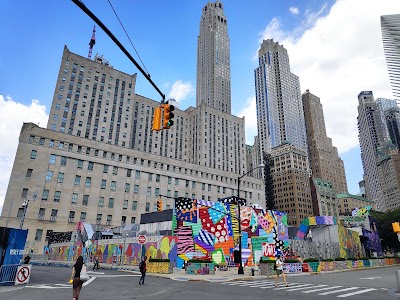
Fulton Street
View on map
Audio Narrations
Introduction
Fulton Street, a bustling artery coursing through Lower Manhattan, holds a captivating history within its cobblestone paths and cast-iron facades. Once a Native American trading route, it later transformed into a bustling marketplace during Dutch and British rule, its name a tribute to the inventor Robert Fulton, whose steam ferry revolutionized East River transportation. Today, the street reflects a fascinating juxtaposition of old and new. Landmark buildings, some dating back to the 19th century, now house trendy boutiques and innovative tech startups. Look closely, and you'll discover remnants of the street's maritime past – old ship capstans repurposed as bollards, their iron surfaces polished smooth by time and touch. Above, a web of elevated train tracks harks back to a bygone era, a stark contrast to the sleek skyscrapers that now define the Financial District skyline. Fulton Street is a living testament to New York's ever-evolving spirit, where whispers of the past mingle with the city's vibrant present.Neighborhood Transformation
Fulton Street in New York City stands as a testament to the dynamic nature of urban transformation. Once a bustling commercial corridor that fell into decline in the latter half of the 20th century, Fulton Street has experienced a remarkable resurgence, driven by a confluence of factors. The neighborhood's transformation has been carefully orchestrated through a combination of public and private investment, resulting in a revitalized streetscape that seamlessly blends historic architecture with modern amenities. The influx of new businesses, ranging from trendy boutiques to upscale restaurants, has injected a renewed sense of vibrancy into the area, attracting a diverse mix of residents and visitors alike. However, the transformation of Fulton Street has not been without its challenges. As new developments have sprung up, concerns about affordability and displacement have been raised by longtime residents and businesses. The ongoing story of Fulton Street highlights the complexities of neighborhood revitalization, where economic progress must be carefully balanced with the preservation of community identity and affordability.Financial District Evolution
Fulton Street stands as a quiet testament to the evolving narrative of New York City's Financial District. Once a bustling hub of maritime commerce, its grand buildings witnessed the transformation from seafaring trade to the towering dominance of Wall Street. As shipping magnates gave way to financiers, Fulton Street became a conduit connecting the burgeoning financial heart to the city's residential sprawl. Its modest stature, overshadowed by the skyscrapers of Wall Street, belies a history intertwined with the rise of American capitalism. Here, amidst the shadows of financial giants, remnants of a bygone era persist. Old counting houses, once bustling with maritime merchants, now house trendy cafes and boutique shops, their cast-iron facades whispering tales of a time when Fulton Street reigned supreme. This subtle blend of old and new, of maritime legacy and financial prowess, offers a unique perspective on the Financial District's evolution, revealing the layers of history embedded within its very streets. It serves as a tangible reminder that even as the financial landscape continues to shift and evolve, the echoes of its past remain woven into the fabric of Fulton Street.
Experience the Full Tour
Download the DocentPro app to access all tour stops, complete audio narrations in multiple languages, offline maps, and interactive features.