
Tokyo Odyssey: A Full Day of Iconic Landmarks and Thrilling Experiences

Walking Tour

11.7 km (7.2 miles)

2h 45min travel time

14 Stops

Tokyo, Japan
Tokyo Odyssey: A Full Day of Iconic Landmarks and Thrilling Experiences

14 places on the map
Explore the map in the DocentPro app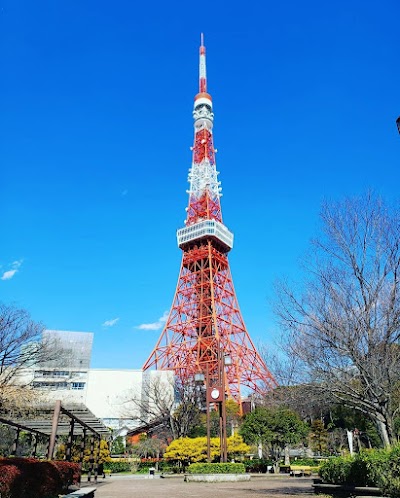
Tour Stops
1
Tokyo Tower
View on map
Audio Narrations
はじめに
東京タワーは、戦後の日本の復興の象徴であり、国民の不屈の精神を証明する存在です。1958年に完成し、かつてはエッフェル塔を超える世界一高いタワーでした。そのデザインはエッフェル塔に触発されたもので、航空安全規則に準拠するため、白とインターナショナルオレンジで塗装された格子状の構造が特徴です。タワーの2つの展望台、メイン展望台と特別展望台からは、東京スカイツリーや、晴れた日には富士山など、東京の息を呑むようなパノラマの景色を眺めることができます。夜になると、タワーは光の灯台へと姿を変え、「ダイヤモンドヴェール」のイルミネーションが街全体に魅惑的な輝きを放ちます。東京タワーは単なる観光名所ではなく、数え切れないほどの映画、アニメ、漫画に登場する文化的アイコンであり、東京の愛されるシンボルとしての地位を確立しています。建築的影響
東京都港区にある象徴的なランドマークである東京タワーは、日本の建築技術の高さと、現代的なデザインの受容を証明する存在です。パリのエッフェル塔に触発された東京タワーは、著名な建築家である内藤多仲によって設計され、1958年に完成しました。白とインターナショナルオレンジで塗装された格子状のタワー構造は、西洋の建築様式の影響を反映しつつ、日本の美学を取り入れています。当初、エンパイアステートビルを超えることを意図していたタワーの高さは、最終的に関東地方全域へのテレビ放送に必要な距離によって決定されました。東京タワーの設計では、日本の地震活動に耐えられるよう、耐震性も重視されており、工学的な技術が組み込まれています。その建設は、日本の戦後復興における重要な節目となり、国家の復興と近代化への願望を象徴するものとなりました。驚異的なエンジニアリング
東京都港区にそびえ立つ建築の傑作、東京タワーは、日本のエンジニアリング技術の証です。エッフェル塔に触発された格子状の鉄骨構造は、日本の綿密な職人技を際立たせています。三角形のモジュールは、風の抵抗を最小限に抑え、地震の多い日本において、地震力に耐えうる安定性を確保します。通信拠点と文化的なランドマークという二重の役割は、その技術設計によって調和的に支えられており、日本のエンジニアリングの卓越性を体現しています。 東京タワーの革新的な耐震技術は、マスダンパーシステムのおかげで、最小限の揺れで地震に耐えることを可能にしています。このシステムは、地震活動中のタワーの動きを打ち消す巨大な振り子を採用しており、振動を効果的に低減し、構造的完全性を確保します。自然災害に耐えるタワーの能力は、日本の厳しい地質条件に耐えうる構造物を設計する日本のエンジニアの創意工夫を際立たせています。 地震に対する強靭さに加えて、東京タワーのエンジニアリングの驚異は、その建設プロセスにも及んでいます。1958年に完成したタワーは、迅速かつ効率的な組み立てを可能にする革新的な技術を使用して建設されました。そのモジュール設計により、プレハブ部品の使用が可能になり、建設時間を短縮し、タワー全体の構造の精度を確保しました。タワーの軽量鉄骨フレームは、頑丈な格子構造と組み合わされ、その驚くべき強度対重量比に貢献しており、弾力性があり、維持費も抑えられます。 東京タワーのエンジニアリングの驚異は、畏敬の念と賞賛を呼び起こし続け、構造エンジニアリングの分野における日本の革新と卓越性へのコミットメントを示しています。それは、国の回復力、技術力、そして目的を果たすだけでなく、想像力を魅了する構造物を創造することへの献身の象徴として立っています。
2
Zōjō-ji Temple
View on map
Audio Narrations
Introduction
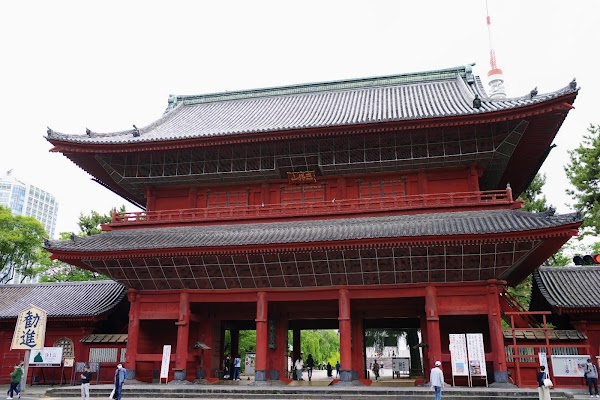
Zōjō-ji Temple, a prominent landmark in Minato City, Tokyo, boasts a rich history and unique architectural features. Founded in 1393 by the influential Tokugawa clan, the temple served as the family's Edo residence and held significant political and religious importance. Its imposing main gate, the Sōmon, stands as a testament to the temple's grandeur, adorned with intricate carvings and vibrant colors. The main hall, the Daiden, houses a magnificent statue of Amida Buddha, a revered figure in Japanese Buddhism. Beyond its historical significance, Zōjō-ji Temple offers a serene sanctuary amidst the bustling metropolis. The expansive gardens, meticulously landscaped with traditional elements, provide a tranquil escape from the city's clamor. Visitors can stroll through the serene pathways, admire the meticulously pruned bonsai trees, and find solace in the gentle murmur of the koi pond. The temple's location atop a hill affords breathtaking panoramic views of Tokyo, offering a unique perspective of the city's sprawling skyline. Zōjō-ji Temple also holds a special place in popular culture. The iconic Tokyo Tower, a symbol of the city's modern skyline, stands adjacent to the temple grounds, creating a striking juxtaposition of ancient and contemporary architecture. The temple has also been featured in numerous films and television shows, further solidifying its status as a cultural landmark. In conclusion, Zōjō-ji Temple is a captivating blend of history, architecture, and natural beauty. Its rich heritage, serene atmosphere, and stunning views make it a must-visit destination for anyone seeking a glimpse into the heart of Tokyo's cultural tapestry.Edo Period Architecture
Zōjō-ji Temple: A Legacy of Edo Period Architecture Zōjō-ji Temple in Minato City, Tokyo, stands as a testament to the architectural grandeur of the Edo Period. While its origins date back to the 14th century, the temple's current structures primarily reflect the architectural styles and techniques prevalent during the Tokugawa Shogunate (1603-1868). The temple's main gate, the Sangedatsumon, is a masterpiece of Edo Period architecture. Built in 1622, it is the oldest wooden building in Tokyo and a designated National Important Cultural Property. Its intricate carvings, vibrant colors, and towering structure exemplify the architectural prowess of the era. Within the temple grounds, the Daiden (main hall) stands as a symbol of Edo Period Buddhist architecture. Reconstructed in 1974 after being destroyed during World War II, the Daiden retains the architectural features of its predecessor. Its massive wooden structure, intricate roof design, and ornate carvings showcase the craftsmanship and artistry of the Edo Period. The Mausoleum of Tokugawa Shōguns is another architectural highlight of Zōjō-ji Temple. The mausoleum complex houses the tombs of six Tokugawa shoguns, including the founder of the shogunate, Tokugawa Ieyasu. The mausoleum's architecture reflects the grandeur and power of the Tokugawa clan, with its elaborate carvings, gilded ornaments, and imposing structures. Zōjō-ji Temple also boasts several smaller structures and gardens that showcase the Edo Period's architectural sensibilities. The Kōshōden, where prospective priests study, and the Treasure Gallery, housing Edo Period artworks and artifacts, further demonstrate the temple's commitment to preserving the architectural heritage of the era. Visiting Zōjō-ji Temple offers a unique opportunity to experience the architectural legacy of the Edo Period. From the grandeur of the Sangedatsumon to the intricate details of the Daiden and the mausoleum, the temple provides a glimpse into the architectural achievements of this significant period in Japanese history.Tokugawa Shogun Family Temple
Zōjō-ji Temple: The Tokugawa Shogun Family Temple Zōjō-ji Temple, nestled in the heart of Tokyo's Minato City, stands as a testament to the Tokugawa Shogun family's legacy. This magnificent temple complex, established in 1393, became the Tokugawa family's designated temple in 1598, serving as their spiritual haven and eternal resting place. The Tokugawa Mausoleum, located within the temple grounds, holds the remains of six Tokugawa shoguns, including the renowned Ieyasu, the founder of the shogunate. These impressive tombs, adorned with intricate carvings and bronze embellishments, offer a glimpse into the grandeur of the Tokugawa era. Beyond the mausoleum, the temple boasts a wealth of treasures and historical artifacts. The Treasure Gallery showcases exquisite works by renowned Buddhist artists, including Kano Kazunobu, and a meticulously crafted model of the Taitoku-in Mausoleum, where the shoguns were initially interred. The Sangedatsumon, the temple's main gate, stands as a testament to its resilience. Built in 1622, it is the only original structure to have survived the ravages of time, including the devastating World War II bombings. Its imposing architecture, adorned with intricate carvings and vibrant colors, reflects the grandeur of the Tokugawa era. Zōjō-ji Temple offers a unique perspective on the Tokugawa Shogun family's history and influence. It is a place where visitors can delve into the lives and legacies of these powerful rulers, gaining insights into their beliefs, rituals, and the cultural landscape of their time. Whether you are a history enthusiast, a passionate admirer of Japanese architecture, or simply seeking a tranquil escape amidst the bustling city, Zōjō-ji Temple offers an unforgettable experience.
3
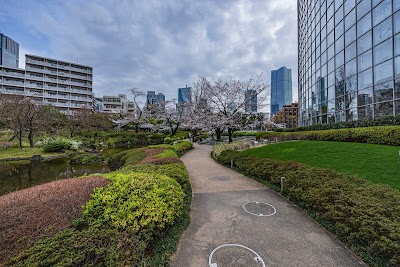
Mohri Garden
View on map
Audio Narrations
Introduction
Nestled amidst the bustling cityscape of Minato City, Tokyo, lies the serene oasis of Mohri Garden. This hidden gem, once the private estate of Prince Yamashina Akira, offers a tranquil escape from the urban clamor. Upon entering the garden, visitors are greeted by a picturesque landscape of meticulously manicured lawns, vibrant flowerbeds, and towering trees. The centerpiece of the garden is the traditional Japanese teahouse, Chashitsu, where guests can indulge in the ancient art of tea ceremony. One of the unique aspects of Mohri Garden is its collection of over 150 varieties of roses, making it a haven for rose enthusiasts. The annual Rose Festival, held in May, showcases the garden's stunning blooms in all their glory. Another hidden treasure is the Bonsai Museum, which houses a remarkable collection of miniature trees. The museum's serene atmosphere provides a perfect setting for appreciating the intricate artistry of bonsai cultivation. Mohri Garden also boasts a rich history, having served as a filming location for several popular Japanese films and television dramas. Its picturesque setting and traditional architecture have captivated audiences for generations. Whether seeking a peaceful retreat or a cultural immersion, Mohri Garden offers a unique and unforgettable experience in the heart of Tokyo.Space Medaka
The Mohri Garden in Minato City, Tokyo, Japan, holds a unique distinction: it is home to a population of "Space Medaka," descendants of fish that were born in space during the 1994 flight of the Space Shuttle Columbia. These special fish, a type of killifish native to Japan, were part of an experiment to study the effects of microgravity on vertebrate reproduction. The Space Medaka in the Mohri Garden are a living testament to this groundbreaking scientific endeavor. They are a reminder of the potential for exploration and discovery that lies beyond our planet. Their presence in this serene Japanese garden adds a layer of wonder and intrigue to the space, making it a truly unique destination for visitors interested in the intersection of science and nature. The Space Medaka thrive in the tranquil waters of the Mohri Garden pond, surrounded by lush greenery and traditional Japanese landscaping. Their presence adds a touch of the extraordinary to this peaceful oasis in the heart of bustling Tokyo. Visitors can observe these special fish as they swim gracefully through the water, a tangible connection to the vastness of space and the ongoing quest for knowledge. The Space Medaka in the Mohri Garden serve as a symbol of human ingenuity and the boundless possibilities that lie ahead. They are a reminder that even in the most unexpected places, we can find inspiration and a connection to the cosmos.Mohri Garden Illumination
Mohri Garden Illumination: A Serene Oasis in the Heart of Tokyo Nestled amidst the towering skyscrapers of Roppongi Hills, Mohri Garden offers a tranquil escape with its captivating illumination displays. As dusk descends, the garden transforms into a magical wonderland, where light and nature intertwine to create an unforgettable experience. The centerpiece of the illumination is the pond, where the shimmering reflections of the lights dance upon the water's surface. The surrounding trees are adorned with twinkling lights, casting intricate patterns that illuminate the pathways. The iconic Keyakizaka street, leading up to the garden, is transformed into a dazzling tunnel of light, creating a breathtaking spectacle. Beyond the visual feast, Mohri Garden Illumination offers a unique opportunity to connect with nature. The soft glow of the lights highlights the delicate beauty of the plants and trees, revealing hidden details that are often missed during the day. The gentle sounds of water and the soft chirping of crickets create a serene atmosphere, inviting visitors to slow down and appreciate the moment. The illumination displays at Mohri Garden are not merely decorative; they are carefully designed to evoke emotions and tell stories. The use of different colors and patterns creates a sense of wonder and awe, while the changing light sequences evoke a sense of movement and dynamism. Whether you are seeking a romantic evening stroll, a family outing, or simply a moment of peace amidst the hustle and bustle of the city, Mohri Garden Illumination offers a unique and unforgettable experience. As you wander through the illuminated pathways, let the lights guide you on a journey of discovery and wonder, revealing the hidden beauty of this urban oasis.
4
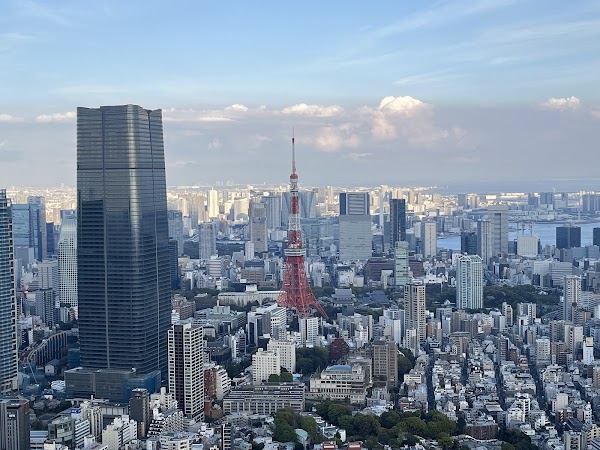
Roppongi Hills
View on map
Audio Narrations
Introduction
Roppongi Hills, a prominent development in Tokyo's Minato City, is a captivating fusion of urban sophistication and vibrant entertainment. The complex boasts the iconic Roppongi Hills Mori Tower, a 54-story skyscraper housing art museums, restaurants, and offices of leading companies. Surrounding the tower are smaller buildings occupied by shops, restaurants, and a cinema complex. The Mori Garden, an elaborate Japanese garden, offers a tranquil oasis amidst the urban landscape. Roppongi Hills is renowned for its Art Triangle, featuring three exceptional museums: the Mori Art Museum, the Suntory Museum of Art, and the National Art Center, Tokyo. The complex also hosts Roppongi Art Night, an annual extravaganza that celebrates art in unconventional ways. After sunset, Roppongi Hills transforms into a vibrant nightlife hub, with a plethora of bars and clubs catering to diverse tastes. The complex's proximity to the Roppongi subway station ensures seamless connectivity to the rest of Tokyo.Luxury Shopping
Roppongi Hills, a vibrant hub in Minato City, Tokyo, is a haven for luxury shopping enthusiasts. This upscale complex boasts a plethora of boutiques and flagship stores representing renowned international and Japanese designers. From the moment you step into the Galleria area, you'll be greeted by an exclusive selection of luxury boutiques and personalized shopping services. The complex also hosts seasonal events and art exhibitions, adding an artistic flair to your shopping experience. Notable international brands like Harry Winston and Louis Vuitton grace the halls, while Japanese favorites such as Beams and Muji offer a unique blend of traditional craftsmanship and modern aesthetics. Immerse yourself in the world of luxury as you browse through exquisite collections, seeking that perfect piece to elevate your style.Michelin-Starred Restaurants
Roppongi Hills, a vibrant district in Minato City, Tokyo, is a culinary haven renowned for its concentration of Michelin-starred restaurants. Among the culinary gems nestled within this upscale neighborhood, Édition Koji Shimomura stands out as a beacon of French gastronomy. Chef Koji Shimomura, a maestro of his craft, honed his skills in esteemed establishments across France before returning to Japan to establish his eponymous restaurant. Édition Koji Shimomura's menu showcases Shimomura's mastery of traditional French techniques, reimagined with a contemporary flair. His signature dish, a succulent seaweed-flavored oyster cooked in seawater, exemplifies his innovative approach. Another culinary destination in Roppongi Hills is Sukiyabashi Jiro Roppongi Branch, an offshoot of the legendary three-Michelin-starred Sukiyabashi Jiro in Ginza. Helmed by Jiro Ono's second son, Takashi, this branch upholds the family's unwavering commitment to sushi excellence. Takashi's meticulous attention to detail and dedication to using only the finest seasonal ingredients ensure an unforgettable dining experience. For those seeking a more contemporary take on Japanese cuisine, Zauo Shinjuku is a must-visit. This lively restaurant offers a unique twist on the traditional omakase dining style, allowing diners to catch their own fish before it's expertly prepared by the skilled chefs. The freshest catch of the day is transformed into exquisite dishes, showcasing the bounty of the sea. Roppongi Hills' culinary scene is a testament to the neighborhood's vibrant and sophisticated atmosphere. Whether you're a seasoned gastronome or a curious foodie, this district offers an unparalleled culinary adventure, where Michelin-starred restaurants and innovative dining concepts converge to create a truly unforgettable experience.
5
Tokyo City View
View on map
Audio Narrations
はじめに
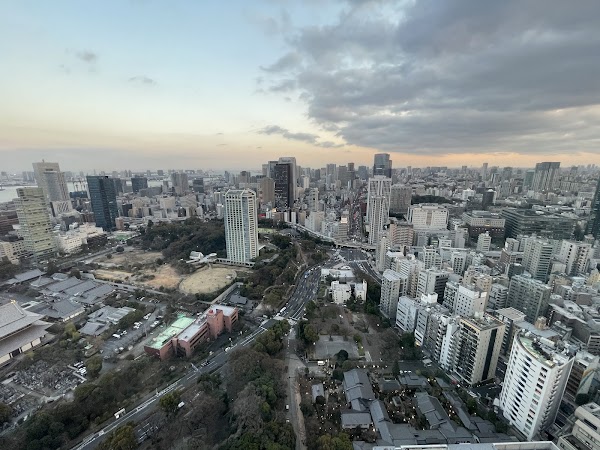
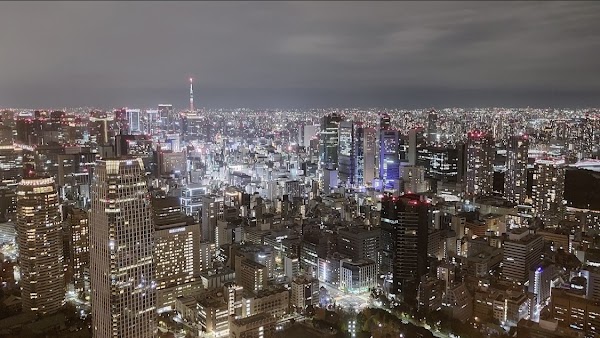
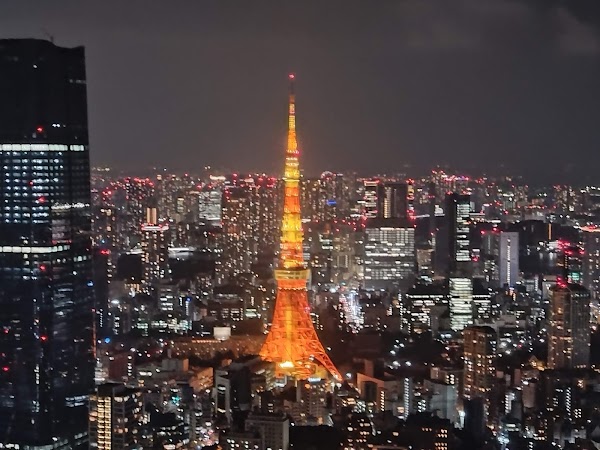
六本木ヒルズ森タワーの最上階に位置する東京シティビューは、東京の広大な街並みを一望できる息を呑むようなパノラマビューを提供しています。地上270メートルの高さに位置する東京で最も高い展望台で、東京タワー、東京スカイツリー、そして晴れた日には富士山などの象徴的なランドマークの比類のない景色を眺めることができます。 ガラス張りの展望台に足を踏み入れると、360度の眺望に魅了されます。そびえ立つ超高層ビル、緑豊かな公園、曲がりくねった川が織りなす都市の風景が目の前に広がります。日が沈むと、街はきらめく光の海に変わり、東京の活気に満ちたエネルギーを表現する魅惑的な光景となります。 パノラマビュー以外にも、東京シティビューはユニークな体験を提供しています。オープンエアの展望エリアであるスカイデッキでは、髪に風を感じながら、フィルターのかかっていない街並みを満喫できます。贅沢なひとときを過ごすには、スカイラウンジでアフタヌーンティーを楽しみ、息を呑むような景色を眺めながらおいしいお菓子を味わってください。 芸術愛好家には、同じ複合施設内にある森美術館が、世界中から集めた現代美術のコレクションを提供しています。美術館の展示は多様な視点を紹介し、従来の思考に挑戦し、パノラマビューを思慮深く補完しています。 息を呑むような景色、ユニークな体験、または芸術を求めているかに関わらず、東京シティビューは東京の中心部への忘れられない旅を提供します。街を新しい視点から体験し、思い出に残る瞬間を作りたい人にとって必見の目的地です。都市景観探訪
東京シティビュー:都市の調和を鳥瞰する 東京都港区は、そびえ立つ超高層ビルが伝統的な寺院や緑豊かな空間とシームレスに調和する、独特の都市景観を誇っています。六本木ヒルズ森タワーの頂上に位置する東京シティビューは、このダイナミックな都市景観の息を呑むような眺望を提供し、都市景観探訪の楽園となっています。 東京シティビューは、パノラマの眺望だけでなく、都市の都市構造の縮図も提示しています。展望デッキからは、大都市を縫うように走る道路や鉄道の複雑なネットワークが明らかになり、多様な地区をつなぎ、生命力に満ちています。綿密に計画された通りや都市の動脈の組織化された混沌を見下ろすと、東京の都市計画とインフラに関する興味深い洞察が得られます。 東京ミッドタウンなどの近代建築の驚異と皇居東御苑の静かな広がりの並置は、進歩と伝統の調和のとれたバランスをさらに強調しています。この相互作用を上から観察すると、歴史的および文化的建造物を保存しながら、現代の建築トレンドを取り入れることに対する慎重な配慮を理解することができます。 東京シティビューは、都市の活気に満ちた社交界も垣間見ることができます。トレンディなレストランや活気あるナイトライフで賑わう六本木地区はエネルギーに満ち溢れ、静かな新宿御苑は都市の喧騒から静かな逃避場所を提供します。この対照的な二面性は、東京が提供する多様な体験を、あらゆる好みや嗜好に合わせて紹介しています。 都市景観愛好家にとって、東京シティビューは、この巨大都市の複雑なタペストリーを深く掘り下げるユニークな機会を提供します。それは、都市のリズムを観察し、その都市デザインを理解し、東京のアイデンティティを定義する伝統と現代性の微妙なバランスを理解するためのプラットフォームです。街のパノラマビュー
東京シティビュー:息を呑むようなパノラマ体験 港区の活気に満ちた通りのはるか上空にそびえる東京シティビューは、比類のないパノラマ体験を提供します。六本木ヒルズ森タワーの最上階に位置するこの屋内展望台からは、広大な大都市の息を呑むような360度の景色を眺めることができます。空を突き刺す象徴的な東京タワーから、晴れた日には遠くに見える富士山まで、東京シティビューは街の魅力的なタペストリーをその全貌で明らかにします。 展望台に足を踏み入れると、どこまでも広がる魅惑的なパノラマがあなたを迎えます。東京の都市景観を定義する複雑な通りや建物のネットワークを見つめてください。コンクリートの動脈を縫うように走る車両と、絶え間なく流れる人々が通りを鮮やかな色合いで彩る、街のダイナミックな鼓動を目の当たりにしてください。日が沈み始めると、街並みは瞬く光の魅惑的な光景に変わり、都市の広がりに幻想的な輝きを放ちます。 目の前の街並みを超えて、東京シティビューは街のアイデンティティを形作ってきた象徴的なランドマークを垣間見ることができます。威厳のある東京タワーは、回復力と技術的進歩の象徴としてそびえ立っています。晴れた日には、雪をかぶった富士山の山頂が地平線上に現れ、日本の自然の美しさを雄大に思い出させてくれます。 真に没入感のある体験を求める人のために、東京シティビューはさまざまなインタラクティブな展示やインスタレーションを提供しています。下の街の爽快で遮るもののない景色を提供するオープンエアのプラットフォームであるスカイデッキに足を踏み入れてください。街の歴史、文化、建築の驚異を紹介するインタラクティブなディスプレイと触れ合ってください。 あなたが経験豊富な旅行者であろうと初めての訪問者であろうと、東京シティビューは忘れられないパノラマ体験を約束します。息を呑むような景色に浸り、インタラクティブな展示を探索し、一生の思い出に残る瞬間を捉えましょう。
6
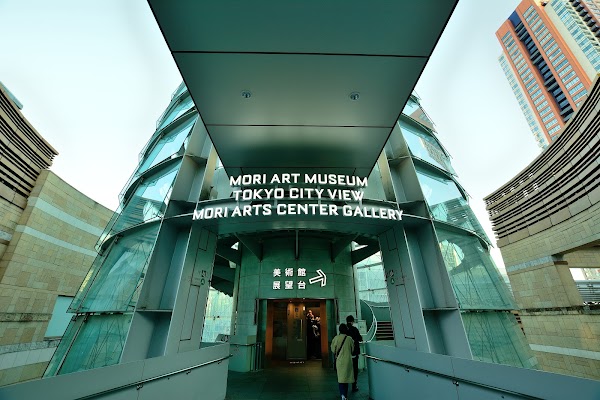
Mori Art Museum
View on map
Audio Narrations
Introduction
The Mori Art Museum, perched atop the Roppongi Hills complex in Minato City, Tokyo, is a beacon of contemporary art in Asia. Its expansive galleries showcase a diverse range of works, from established masters to emerging talents, with a focus on Asian perspectives. The museum's curatorial vision extends beyond traditional exhibitions, embracing innovative projects that explore the intersection of art, technology, and society. One of the museum's unique features is its "Tokyo Midtown Award," which recognizes outstanding young artists in Japan. This initiative fosters the development of emerging talent and provides a platform for their work to reach a wider audience. The museum also hosts a variety of educational programs, including artist talks, workshops, and film screenings, engaging the community in a dialogue about contemporary art. Beyond its exhibitions, the Mori Art Museum offers stunning views of the Tokyo skyline. The rooftop Sky Deck provides a panoramic vista of the city, making it a popular destination for both art enthusiasts and casual visitors. The museum's restaurant, with its floor-to-ceiling windows, offers a unique dining experience with a breathtaking backdrop. The Mori Art Museum is more than just a repository of art; it is a vibrant hub for cultural exchange and dialogue. Its commitment to showcasing diverse perspectives and fostering creativity makes it a must-visit destination for anyone interested in contemporary art and the dynamic art scene of Asia.Innovative Exhibitions
Mori Art Museum: A Hub of Innovation in the World of Contemporary Art The Mori Art Museum in Minato City, Tokyo, Japan, has established itself as a global leader in innovative exhibitions, consistently pushing the boundaries of contemporary art. From its inception, the museum has embraced a forward-thinking approach, prioritizing the presentation of cutting-edge visual arts, architecture, and design within a global context. One of the museum's defining characteristics is its commitment to originally-curated exhibitions. Rather than relying on established narratives, the Mori Art Museum actively seeks out fresh perspectives and emerging trends, showcasing them through unique and thought-provoking exhibitions. This commitment is evident in their renowned "Roppongi Crossing" series, which offers a triennial snapshot of the latest developments in the Japanese art scene, and their large-scale solo exhibitions featuring both established and up-and-coming artists from around the world. The museum's dedication to innovation extends beyond its exhibition program. It actively utilizes its global network to foster international collaborations, resulting in exhibitions that transcend geographical boundaries and cultural limitations. This approach is exemplified by their theme-based exhibitions, which explore diverse topics through the lens of contemporary art, and their region-based exhibitions, which delve into the artistic landscape of specific countries or areas. Furthermore, the Mori Art Museum embraces technology as a tool for enhancing the visitor experience. Their recent upgrade incorporated high-tech features into the exhibition spaces, allowing for greater flexibility and adaptability in showcasing diverse artistic expressions. This commitment to technological advancement ensures that the museum remains at the forefront of contemporary art presentation. The Mori Art Museum's dedication to innovation extends beyond its walls. The museum actively engages with the local community through various outreach programs, fostering a deeper understanding and appreciation of contemporary art. This commitment is evident in their "Art + Life" principle, which aims to integrate art into all aspects of daily life, and their extensive educational programs, which cater to audiences of all ages and backgrounds. Through its innovative exhibitions, global collaborations, and commitment to community engagement, the Mori Art Museum has established itself as a vital hub for contemporary art in Asia and beyond. It continues to push the boundaries of artistic expression, offering visitors a unique and enriching experience that challenges their perceptions and inspires new ways of seeing the world.Contemporary Art Museum
Mori Art Museum: A Contemporary Art Oasis in Tokyo's Skyline Soaring above the vibrant cityscape of Tokyo, the Mori Art Museum in Minato City stands as a beacon of contemporary art. Perched on the 53rd floor of the Roppongi Hills Mori Tower, the museum offers breathtaking panoramic views alongside a dynamic program of exhibitions. Unlike traditional museums with static collections, the Mori Art Museum embraces the ever-evolving nature of contemporary art. Its exhibitions showcase the works of leading Japanese and international artists, delving into diverse themes and mediums. From solo retrospectives of renowned figures like Takashi Murakami to thematic explorations of architecture and design, the museum provides a platform for innovative and thought-provoking artistic expressions. Beyond its exhibitions, the Mori Art Museum fosters a vibrant community around contemporary art. Public education programs, artist talks, and workshops engage audiences of all ages, fostering a deeper understanding and appreciation for the art of our times. The museum's commitment to accessibility extends to its late opening hours, allowing visitors to experience art amidst the twinkling cityscape after work. Additionally, the "combination ticket" grants access to both the museum and the Tokyo City View observation deck, offering a unique opportunity to immerse oneself in art and panoramic views. For those seeking a truly immersive experience, the Mori Art Museum Shop offers a curated selection of exclusive merchandise. From artist-designed souvenirs to publications exploring contemporary art trends, the shop provides a tangible connection to the museum's exhibitions and its commitment to promoting artistic dialogue. Whether you're an art enthusiast or simply curious about the latest trends in contemporary art, the Mori Art Museum in Minato City offers a unique and enriching experience. Its dynamic exhibitions, stunning location, and dedication to fostering community make it a must-visit destination for anyone seeking to engage with the art of our times.
7
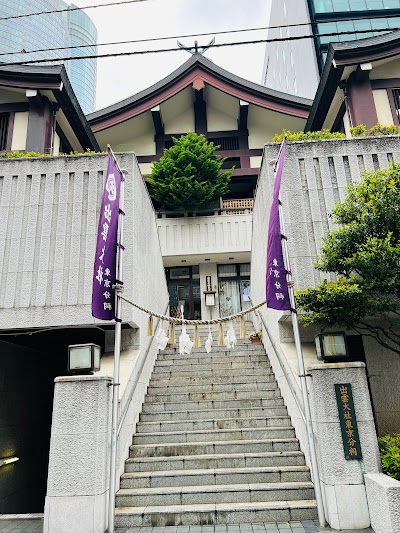
Izumo Taisha Tokyo
View on map
8
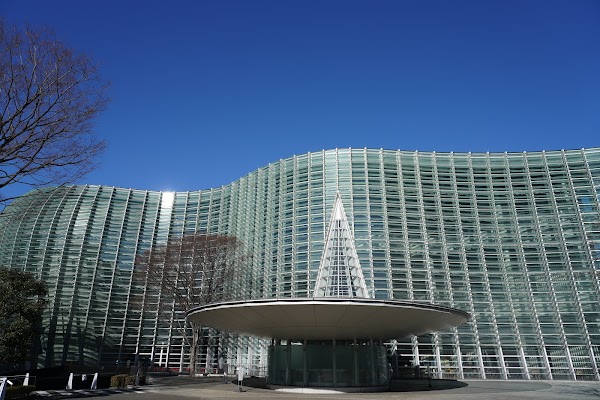
The National Art Center Tokyo
View on map
Audio Narrations
Introduction
The National Art Center, Tokyo, is a prominent art institution in Minato City, Tokyo. Designed by renowned architect Kisho Kurokawa, the center stands out for its striking glass and steel facade, resembling undulating waves. Unlike traditional museums, the National Art Center, Tokyo operates as an "empty museum," devoid of a permanent collection. Instead, it hosts a diverse array of temporary exhibitions, showcasing a wide spectrum of artistic expressions. The center's expansive exhibition space, spanning 14,000 square meters, allows for the simultaneous display of multiple exhibitions, ensuring a dynamic and ever-changing art experience.Architectural Masterpiece
The National Art Center Tokyo, a beacon of architectural brilliance in Minato City, Tokyo, stands as a testament to the harmonious fusion of art and architecture. Designed by renowned architect Kisho Kurokawa, this masterpiece boasts a striking glass curtain wall on its south side, allowing natural light to flood the expansive lobby, which serves as a vibrant public space for open-air exhibitions. The building's distinctive cone-shaped entrance immediately captivates attention, drawing visitors into a world of artistic exploration. Inside, the lobby houses two colossal concrete structures known as the "Cones," strategically positioned to provide unobstructed views between the upper and lower floors. The inverted cone shape ensures both a spacious dining area and an open, airy lobby, while Kurokawa's innovative use of floor-based air circulation reflects a thoughtful approach to creating an optimal exhibition environment. The National Art Center Tokyo is not merely a showcase for art; it is a work of art in its own right. Its unique architectural features, such as the glass curtain wall, the "Cones," and the innovative use of natural light, elevate the visitor experience, creating a truly immersive and inspiring environment for art enthusiasts and architecture aficionados alike.Educational Programs
The National Art Center Tokyo (NACT) in Minato City, Tokyo, Japan, offers a diverse range of educational programs designed to foster artistic appreciation and knowledge. These programs cater to various audiences, from school children to university students and lifelong learners. NACT's educational initiatives include art appreciation guidance and architecture guidance for schools and educational institutions. The center also invites neighboring schools to visit on closed days through the "Tuesday at the NACT" program. Additionally, NACT provides job interviews, work experience, and teacher training opportunities. For those seeking hands-on experiences, NACT offers internship and volunteer programs. Interns gain valuable work experience in museum operations, while volunteers contribute to event management, architecture tours, and document organization. NACT's online content further enhances the educational experience, offering virtual tours, exhibition appreciation guides, and architecture guides. NACT's educational programs are designed to engage and inspire learners of all ages. Through these initiatives, the center promotes artistic literacy, critical thinking, and a deeper understanding of the role of art in society.
9
Suntory Museum of Art
View on map
10
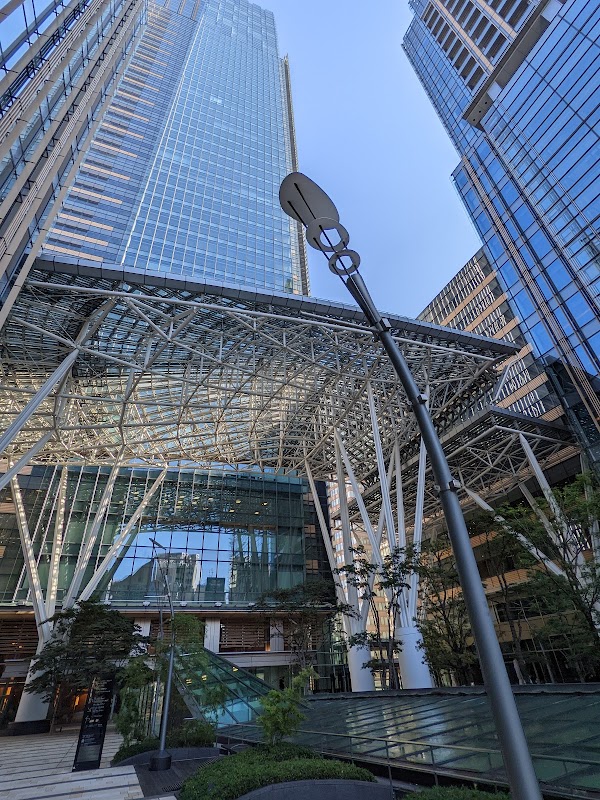
Tokyo Midtown
View on map
Audio Narrations
Introduction
Tokyo Midtown, a vibrant city within a city, stands tall in the heart of Tokyo's Roppongi district. This architectural marvel boasts an impressive array of apartments, offices, shops, restaurants, museums, and a sprawling park. At its core rises the iconic Midtown Tower, one of Tokyo's tallest skyscrapers, offering breathtaking views from its upper floors. The Galleria, an elegant shopping and dining complex, houses the renowned Suntory Museum of Art, a gem of the "Art Triangle Roppongi." Amidst the urban landscape, Hinokicho Park provides a tranquil oasis with its serene Japanese-style garden. Tokyo Midtown is a testament to the harmonious blend of modern architecture and natural beauty, making it a captivating destination for both locals and visitors alike.Sustainability Showcase
Tokyo Midtown, a vibrant urban oasis in Minato City, Tokyo, stands as a beacon of sustainability, showcasing innovative practices that harmonize nature and urban living. Its verdant open spaces, designed with traditional Japanese gardening principles, offer respite and tranquility amidst the city's hustle and bustle. The preservation and replanting of over 140 trees from the former Defense Agency site, along with the planting of 20,000 new trees and shrubs, have transformed the area into a thriving green sanctuary. Tokyo Midtown's commitment to sustainability extends beyond its landscaping. The complex's buildings and artwork, created by renowned architects and artists, embody sustainable design principles. The use of natural materials, energy-efficient systems, and rainwater harvesting techniques minimizes environmental impact while enhancing the well-being of occupants. The Tokyo Midtown Design Hub serves as a platform for exhibitions and seminars that explore the intersection of design and sustainability. It fosters collaboration among designers, businesses, and the public, inspiring innovative solutions to environmental challenges. The annual Tokyo Midtown Award recognizes and supports emerging artists and designers whose work promotes sustainability and social responsibility. Tokyo Midtown's dedication to sustainability is evident in its partnerships with organizations such as the Sustainable Development Goals (SDGs) Promotion Office. Together, they host events and workshops that raise awareness about environmental issues and encourage sustainable practices. Through these initiatives, Tokyo Midtown empowers visitors and the community to become active participants in creating a more sustainable future.Entertainment Hotspot
Tokyo Midtown, a vibrant entertainment hub in Minato City, Tokyo, offers an unparalleled blend of art, culture, and nightlife. The complex boasts a diverse array of entertainment options, catering to every taste and preference. At the heart of Tokyo Midtown lies the Art Triangle Roppongi, a renowned trio of museums showcasing world-class exhibitions. The Mori Art Museum, perched atop Roppongi Hills Mori Tower, captivates with its breathtaking views and thought-provoking contemporary art displays. The National Art Center, housed in a striking architectural masterpiece, presents thematic exhibitions and an impressive collection of Japanese art. The Suntory Museum of Art, nestled within Tokyo Midtown, delves into Japanese history and aesthetics through its exquisite collection of paintings, ceramics, and textiles. Beyond the Art Triangle, Tokyo Midtown is a haven for art enthusiasts. Ota Fine Arts, Zen Foto Gallery, and complex665 are just a few of the many smaller galleries and exhibition spaces that dot the area, showcasing a wide range of artistic expressions. As night falls, Tokyo Midtown transforms into a vibrant entertainment destination. Roppongi Art Night, an annual all-night art festival, attracts over a million visitors each year, offering a unique opportunity to experience art in a nocturnal setting. The complex also hosts a myriad of live music events, film screenings, and cultural performances throughout the year. For those seeking a more immersive entertainment experience, Tokyo Midtown boasts a state-of-the-art cinema complex and a live theater, showcasing a diverse repertoire of films, plays, and musicals. The complex's numerous restaurants and bars provide a perfect backdrop for pre- or post-show dining and socializing. Whether you're an art aficionado, a music lover, or simply seeking a night of entertainment, Tokyo Midtown in Minato City, Tokyo, Japan, offers an unparalleled blend of cultural experiences and vibrant nightlife, making it a must-visit destination for entertainment enthusiasts.
11
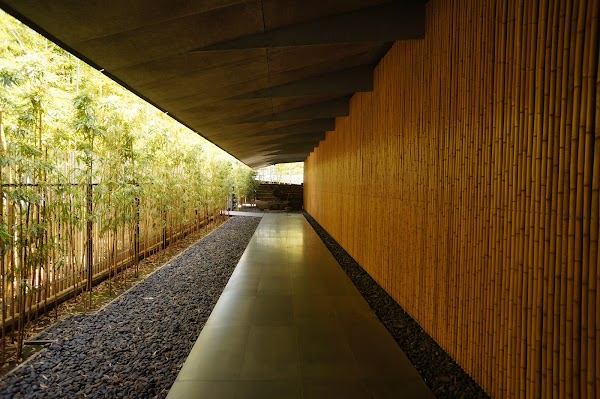
Nezu Museum
View on map
12
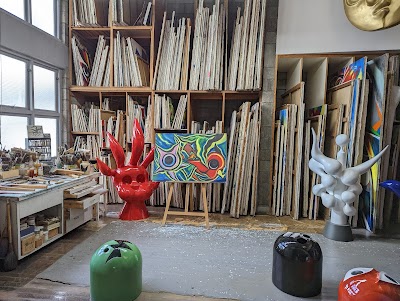
Taro Okamoto Memorial Museum
View on map
13
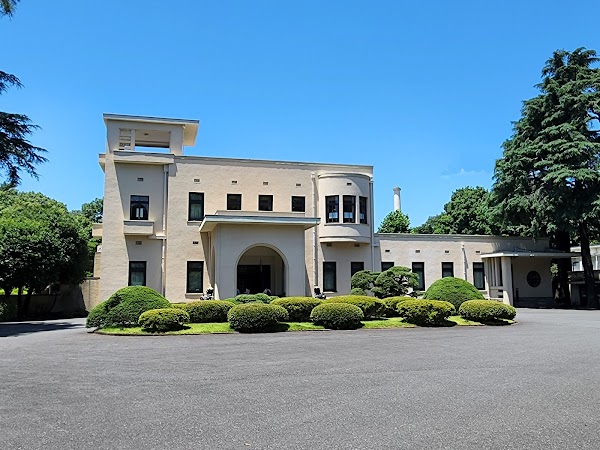
Tokyo Metropolitan Teien Art Museum
View on map
14
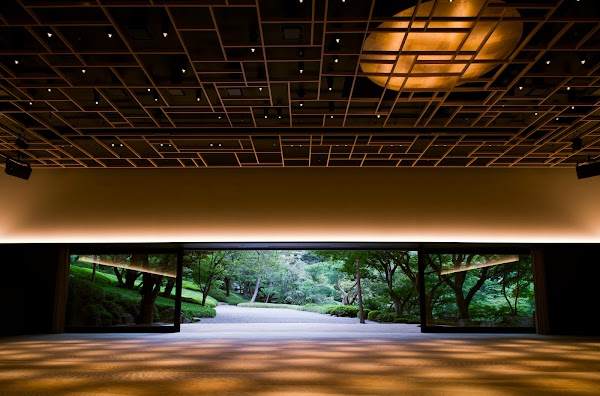
Happo-en
View on map
Audio Narrations
Introduction
Happo-en, nestled in Tokyo's Minato City, distinguishes itself not merely as a garden, but as a meticulously crafted landscape embodying diverse aesthetic principles. Its name, translating to "garden of eight views," hints at the carefully positioned elements designed to offer multiple perspectives of beauty from any vantage point. Unlike many gardens, Happo-en uniquely incorporates a collection of bonsai trees, some centuries old, each a miniature testament to the art of cultivation and shaping. The garden's ponds, fed by natural springs, are home to koi carp that have been selectively bred for generations, displaying vibrant colors and patterns rarely seen elsewhere. Scattered throughout are historic teahouses, each possessing a distinct architectural style and historical significance, offering a glimpse into different periods of Japanese design. One lesser-known aspect is the garden's collection of stone lanterns, many of which are antique and bear inscriptions detailing their origins and the families who originally commissioned them, adding layers of historical depth to the serene environment.Traditional Japanese Landscaping
Happo-en, a Japanese garden in Minato City, exemplifies traditional Japanese landscaping with its harmonious blend of natural elements meticulously arranged over approximately 33,000 square meters. Originally conceived during the Edo period, the garden showcases a legacy of quality through its deliberate design and balanced composition. The garden's layout features a pond populated with koi carp, carefully positioned cherry blossom, azalea, and maple trees, and sculptured bonsai plants, including some over a century old, with one remarkable specimen exceeding 500 years. Kakutei rest pavilions are thoughtfully placed to offer picturesque views, enhancing the garden's serene atmosphere. The integration of structures like the 19th-century Muan teahouse, along with the Hakuokan and Kochuan establishments, enriches the garden's ambiance, reflecting traditional dining and service aesthetics. These elements combine to create a landscape where every component is carefully considered to achieve a surreal level of harmony. The garden's design maximizes the use of natural shapes, presenting a tranquil escape that embodies the essence of Japanese aesthetics. This meticulous attention to detail makes Happo-en a prime example of traditional Japanese landscaping, offering visitors a chance to immerse themselves in a carefully curated natural environment.Edo Period Gardens
Happo-en, a 33,000 square meter garden in Minato City, offers a glimpse into Japanese aesthetics rooted in the Edo period (1603-1867). Originally believed to be part of the residence of samurai Tadataka Okubo, a confidante of shogun Ieyasu Tokugawa in the 17th century, the garden's design reflects the landscaping principles of the era. These gardens were designed to be viewed from multiple vantage points, a concept embodied in Happo-en's name, which translates to "garden of eight views." The garden's layout emphasizes natural shapes and harmony, key elements of Edo period gardens. Manicured grounds feature centuries-old bonsai trees, some exceeding 500 years, alongside carefully placed cherry blossom, azalea, and maple trees to create seasonal beauty. The pond, populated with koi carp, and strategically located kakutei rest pavilions further enhance the garden's serene atmosphere. Happo-en integrates historical buildings like the 19th-century Muan teahouse, Hakuokan and Kochuan, which add depth to the garden's atmosphere. These establishments, while servicing the venue side of the garden, contribute to the overall traditional dining and service experiences. The garden exemplifies the Edo period's landscaping, making it a destination for those seeking to experience this aspect of Japanese culture.
Experience the Full Tour
Download the DocentPro app to access all tour stops, complete audio narrations in multiple languages, offline maps, and interactive features.