
Seoul's Historical Splendors: A Journey Through Dynasties and Heritage

Walking Tour

0.0 km (0.0 miles)

8 Stops

Seoul, South Korea
Seoul's Historical Splendors: A Journey Through Dynasties and Heritage
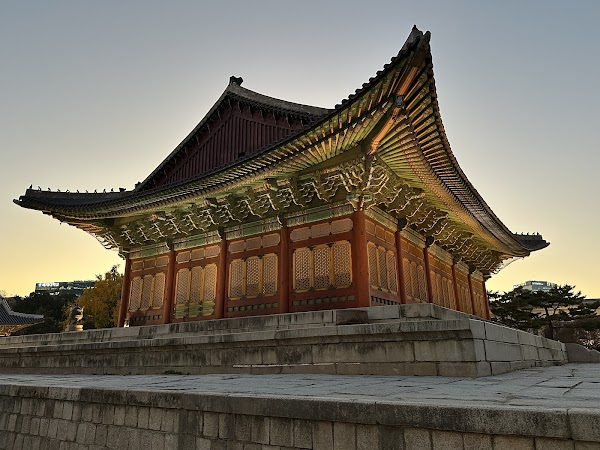
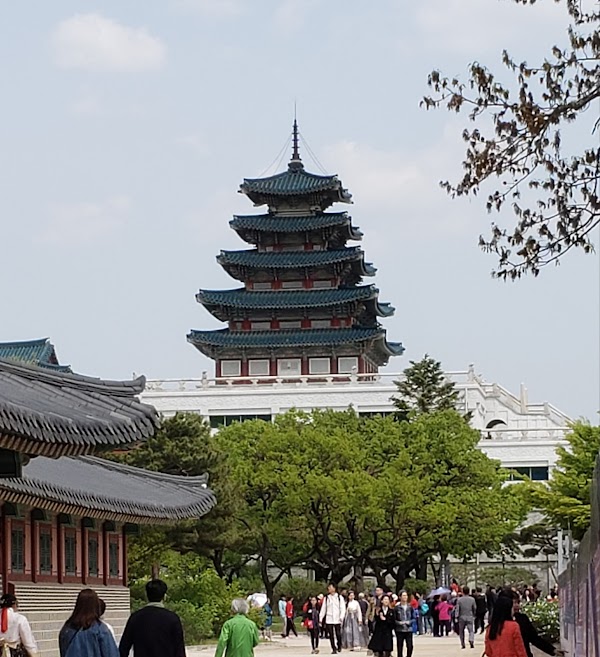
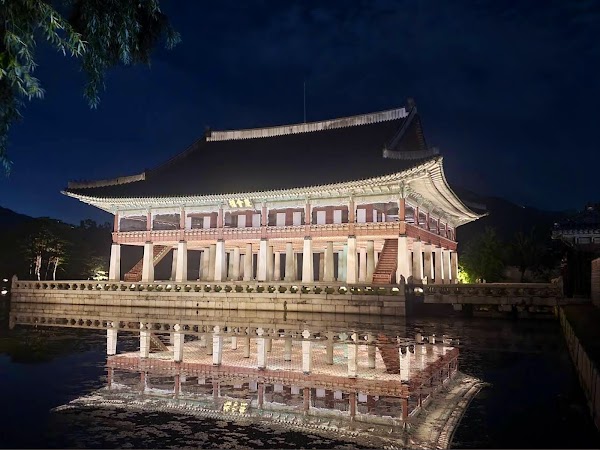
Tour Stops
1
Gyeongbokgung Palace
View on map
Audio Narrations
Japanese
序論
景福宮は、韓国ソウルの壮大な建築の驚異であり、朝鮮王朝の壮大さの証です。1395年に建てられ、主要な王宮であり、首都漢陽の中心でした。景福宮の広大な敷地には330以上の建物があり、それぞれが伝統的な韓国建築の傑作です。 宮殿の敷地内にある注目すべき建造物には、王の住居である乾清殿と、高宗の政治的独立のために建てられた乾清宮があります。宮殿には韓国の豊かな文化遺産を紹介する国立民俗博物館と、朝鮮時代の遺物を保存する国立古宮博物館も収容されています。 景福宮は、勝利と悲劇の両方を目撃してきました。1592年の日本の侵略中に火災で破壊され、何世紀も廃墟となっていました。19世紀に再建され拡張されましたが、日本の占領中に解体されました。1990年代に修復作業が始まり、宮殿はかつての栄光を取り戻すために綿密に修復され続けています。 今日、景福宮はユネスコの世界遺産であり、人気の観光地です。訪問者はその複雑な建築に感嘆し、博物館を探索し、伝統的な衛兵交代式を目撃できます。宮殿は韓国の歴史、回復力、文化遺産の象徴としてそびえています。迎将橋
영제교는 우아한 석조 아치형 다리로, 서울의 웅장한 경복궁으로 들어가는 상징적인 관문 역할을 합니다. 정교한 조각과 수로를 지키는 신화적인 산예 조각상이 있는 이 다리는 방문객을 왕실의 웅장함으로 안내합니다. 영제교를 건너면 궁전이 눈앞에 펼쳐집니다. 생생한 색채와 우아한 건축물은 조선 왕조의 예술성을 증명합니다. 이 다리는 번화한 도시와 궁전의 고요한 성역을 분리하는 물리적, 은유적 경계 역할을 합니다. 다리 아래로는 정화와 재생의 상징인 금천이 흐릅니다. 과거에 궁정 관리들은 이곳에서 잠시 멈춰 궁전 부지의 신성함을 인정했습니다. 다리의 전략적 위치는 왕이 신하들과 적절한 거리를 유지하여 궁정의 위계적 구조를 강화할 수 있도록 했습니다. 영제교의 역사적 중요성은 건축적 아름다움을 넘어섭니다. 이 다리는 일본 점령과 그에 따른 궁전 복원을 포함한 한국 역사의 중요한 순간을 목격했습니다. 오늘날 이 다리는 한국 국민의 회복력과 문화적 유산을 상기시키는 역할을 합니다.国立民俗博物館
景福宮の広大な敷地内に位置する韓国国立民俗博物館は、過ぎ去った時代の韓国の豊かな日常生活を垣間見ることができます。綿密にキュレーションされた展示を通じて、博物館は伝統と習慣が韓国の生活様式を形作った時代に訪問者を連れて行きます。 博物館のハイライトの1つは、韓国の人々の家庭と農業の慣行を紹介する遺物の包括的な展示です。農具から家庭用品まで、これらの展示は、一般の韓国人の日常生活と生計を詳しく見ることができます。 博物館のもう一つの魅力的な側面は、韓国の文化的信念の探求です。訪問者は、儒教が韓国社会に深く根ざした影響を掘り下げ、国のアイデンティティを形作った習慣や儀式についての洞察を得ることができます。 博物館のコレクションは遺物だけでなく、広大な図書館と、訪問者が韓国の歴史の旅のユニークなお土産を入手できる土産物店も含まれています。あなたが歴史愛好家、文化愛好家、または単に韓国の過去をより深く理解したいと思っている場合、景福宮内の国立民俗博物館は、豊かで忘れられない体験を約束します。
2
The National Folk Museum of Korea
View on map
Audio Narrations
English
Introduction
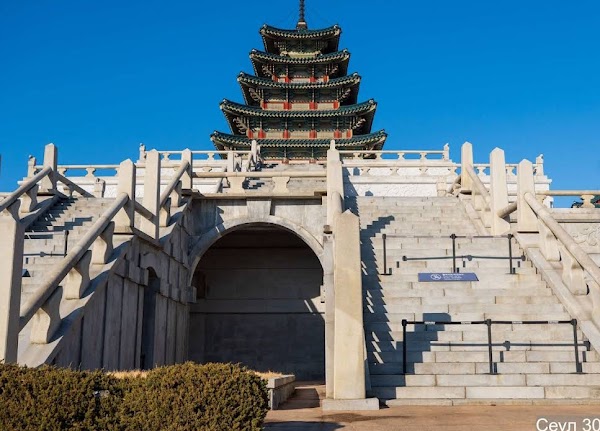
The National Folk Museum of Korea, nestled within the grounds of the majestic Gyeongbokgung Palace in Seoul, offers a captivating journey through the rich tapestry of Korean life. Established in 1946, the museum houses over 98,000 artifacts, meticulously curated to showcase the daily lives of Koreans from prehistoric times to the modern era. Three main exhibition halls transport visitors through time. The "History of Korean People" hall unveils the evolution of Korean society, from the Paleolithic Age to the present day. The "Korean Way of Life" hall immerses visitors in the agricultural practices and traditions that shaped Korea's rural communities. The "Life Cycle of Koreans" hall delves into the customs and rituals associated with birth, education, marriage, and death, offering a glimpse into the deep-rooted Confucian values that permeated Korean culture. Beyond the halls, an open-air exhibition showcases a fascinating array of artifacts, including a Korean totem pole, basalt statues from Jeju Island, and a grinding mill. The Traditional Village, a meticulously recreated street scene, transports visitors back to the late 19th century, offering a glimpse into life before the advent of modern technology. The National Folk Museum of Korea is a treasure trove of Korean heritage, offering a unique opportunity to experience the country's rich history, traditions, and cultural values. From the intricate details of everyday life to the grand narratives of Korean history, the museum provides a captivating journey for all who seek to delve deeper into the heart of Korea.Confucianism in Korean Culture
Confucianism in Korean Culture: A Glimpse Through the National Folk Museum Nestled in the heart of Seoul, the National Folk Museum of Korea offers a unique lens into the deep-rooted influence of Confucianism on Korean culture. Stepping through its doors is akin to embarking on a journey through time, where artifacts and exhibits whisper tales of a society shaped by this ancient philosophy. Confucianism, with its emphasis on filial piety, social harmony, and respect for authority, permeates every aspect of Korean life. The museum's collection reflects this, showcasing everyday objects imbued with Confucian values. From intricately carved furniture symbolizing family unity to meticulously crafted hanbok (traditional clothing) reflecting social status, each artifact tells a story of how Confucian ideals were woven into the fabric of Korean society. One particularly striking exhibit is the ancestral shrine, a microcosm of the importance placed on honoring one's lineage. The meticulously arranged offerings and ritual objects speak volumes about the deep reverence Koreans held for their ancestors, a cornerstone of Confucian filial piety. Beyond the tangible objects, the museum also delves into the intangible aspects of Confucianism's influence. Interactive displays explore the impact of Confucianism on education, family rituals, and even traditional Korean medicine. Visitors can immerse themselves in the world of Confucian scholars through replicas of their study spaces, complete with writing implements and scholarly texts. The National Folk Museum of Korea isn't just a repository of artifacts; it's a living testament to the enduring legacy of Confucianism in Korean culture. By offering a glimpse into the daily lives and traditions shaped by this philosophy, the museum allows visitors to appreciate the profound impact it has had on Korea's past, present, and future.Traditional Korean Culture
The National Folk Museum of Korea: A Window into Traditional Korean Culture Stepping into the National Folk Museum of Korea in Seoul is like stepping into a time machine, transporting you to the heart of traditional Korean culture. This treasure trove houses over 4,000 artifacts, offering a glimpse into the lives and customs of Koreans throughout history. The museum's exhibits showcase the rich tapestry of Korean traditions, from ancient farming tools and fishing implements to elaborate hanbok (traditional clothing) and intricate crafts. Visitors can marvel at the artistry of Joseon Dynasty furniture, admire the delicate embroidery on silk garments, and learn about the significance of shamanistic rituals through fascinating artifacts. Beyond the tangible objects, the museum brings traditional Korean culture to life through interactive exhibits and immersive experiences. Visitors can try their hand at traditional games, learn about the art of Korean calligraphy, and even participate in a virtual hanbok fitting. The museum also delves into the lives of ordinary Koreans, showcasing their daily routines, beliefs, and customs. Visitors can explore recreated traditional houses, learn about the importance of family and community, and gain insights into the unique cultural practices that have shaped Korean society for centuries. A visit to the National Folk Museum of Korea is not just a journey through history; it's a journey into the soul of Korea. It's a chance to connect with the past, understand the present, and appreciate the enduring legacy of Korean culture.
3
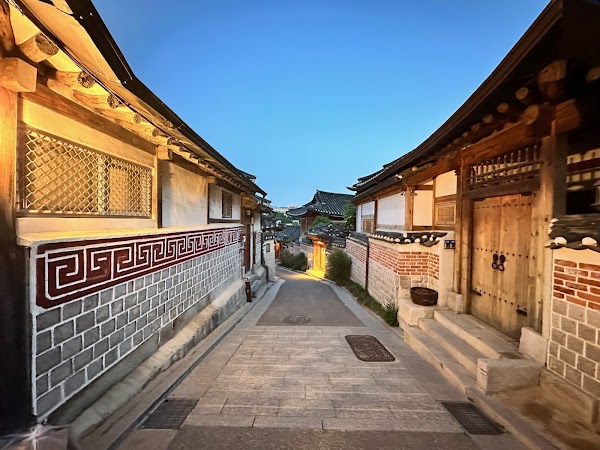
Bukchon Hanok Village
View on map
Audio Narrations
Japanese
序論
景福宮と昌徳宮の間に位置する北村韓屋村は、伝統的な韓国建築が保存されたソウルにある魅力的な住宅街です。村の狭い通りには、瓦屋根と木造構造の伝統的な韓国家屋である900軒以上の韓屋が並んでいます。これらの韓屋の多くは修復され、現在は文化センター、ゲストハウス、レストラン、茶屋として利用されており、韓国の豊かな伝統を垣間見ることができます。北村韓屋村は、独特の建築を鑑賞し、伝統的な韓国文化を体験し、活気に満ちた雰囲気を楽しむ観光客や地元の人々に人気の目的地です。アクセシビリティ
ソウルの中心部に位置する歴史的建造物、北村韓屋村は、あらゆる能力を持つ訪問者にユニークでアクセスしやすい体験を提供しています。村は丘の上に位置していますが、緩やかな傾斜路とアクセス可能なトイレにより、簡単に移動できます。嘉会洞コミュニティサービスセンターと北村賓館にはアクセス可能なトイレがあり、後者にはおむつ交換台もあります。訪問者は、茶道、民画、韓国の紙工芸など、さまざまなニーズを持つ人々にアクセスできるように設計された伝統的なアクティビティを通じて、村の豊かな文化遺産に浸ることができます。村の包括性への取り組みは交通手段にも及び、近くの安国駅ではアクセス可能な地下鉄サービスが提供されています。北村韓屋村は、ソウルがアクセシビリティに尽力していることの証であり、訪問者はバリアなしでその歴史的魅力と文化的な提供物を完全に体験できます。文化遺産
ソウルの中心部に位置する北村韓屋村は、韓国の豊かな文化遺産を物語る場所です。迷路のような路地と伝統的な韓国家屋が特徴のこの魅力的な地区は、韓国の過ぎ去った時代を垣間見ることができます。 歴史保存地区に指定されている北村は、周囲の近代化にもかかわらず、その独自性を保っています。900軒以上の丹念に修復された韓屋が並ぶ村の狭い通りは、訪問者を過去へと誘います。独自の建築的特徴を持つ各韓屋は、朝鮮王朝のライフスタイルと伝統を反映しています。 建築上の意義を超えて、北村韓屋村は活気に満ちたコミュニティです。住民は今でもこれらの伝統的な家に住み、村の活気に満ちた文化遺産を維持しています。訪問者は、ワークショップやギャラリーで伝統的な韓国工芸が実践されている様子を見たり、魅力的な茶屋で本場の韓国料理を味わったりできます。 村にはいくつかの文化センターや博物館もあり、朝鮮時代の歴史、建築、習慣についての洞察を提供しています。例えば、北村伝統文化センターでは、インタラクティブな展示や教育プログラムを通じて、村の豊かな遺産を紹介しています。 北村韓屋村は単なる観光名所ではなく、韓国の文化遺産を体現しています。その保存活動により、将来の世代がこの並外れた地区を特徴づける独自の建築的および文化的遺産を体験し、鑑賞できるようになりました。
4
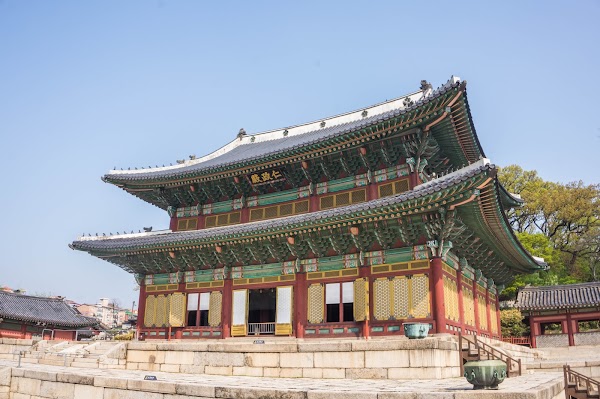
Changdeokgung
View on map
Audio Narrations
English
Introduction
Changdeokgung Palace, a UNESCO World Heritage site, is a captivating blend of architectural brilliance and natural beauty. Built in the 15th century, it was the second royal villa and later served as the main palace for 250 years. Its unique design harmoniously integrates buildings with the surrounding forested mountain landscape, reflecting Confucian principles and pungsu geomancy. The palace complex comprises official and residential buildings, including the Injeongjeon Hall, Seonjeongjeon Hall, and Huijeongdang Hall. The rear garden, known as the Secret Garden, is a serene oasis with a series of terraces adorned with lawns, flowering trees, a lotus pool, and pavilions. It was intended as a private retreat for the king and his family, offering a tranquil escape from the bustling city life. Changdeokgung has a rich history, having been destroyed and reconstructed several times due to fires and invasions. Despite these challenges, it has retained its original design and authenticity, showcasing the sophisticated architectural values of the Joseon Dynasty. The palace complex is a testament to the harmonious coexistence of human ingenuity and the natural environment, making it a must-visit destination for anyone seeking to delve into the cultural heritage of South Korea.UNESCO World Heritage Site
Changdeokgung Palace Complex, a UNESCO World Heritage Site since 1997, stands as an exceptional example of Far Eastern palace architecture and garden design. Built in the early 15th century, it served as a secondary palace before becoming the primary residence after a fire ravaged the main palace. Changdeokgung's unique charm lies in its harmonious integration with the surrounding landscape, adapting to the uneven topography and retaining indigenous tree cover. One of Changdeokgung's most captivating features is its Secret Garden, Huwon, a 78-acre oasis behind the palace. Originally reserved for the royal family, Huwon boasts a lotus pond, pavilions, and meticulously landscaped lawns, trees, and flowers. The garden's highlight is the Ongnyucheon stream, a U-shaped water channel carved in 1636 for floating wine cups, adorned with a small waterfall and an inscribed poem. Changdeokgung's architectural marvels include the Injeongjeon Hall, the throne room where the king conducted official business, and the Seonjeongjeon Hall, the king's private residence. The buildings showcase intricate woodwork, colorful paintings, and elegant furnishings, reflecting the grandeur of the Joseon dynasty. Beyond its architectural and aesthetic significance, Changdeokgung holds immense cultural and historical value. It served as the backdrop for significant events in Korean history, including military inspections, archery tournaments, and royal feasts. Today, Changdeokgung remains a vibrant cultural hub, hosting traditional ceremonies, performances, and exhibitions that bring its rich heritage to life.Architectural Masterpiece
Changdeokgung Palace, a UNESCO World Heritage Site, stands as a testament to the architectural brilliance of the Joseon Dynasty. Its unique blend of traditional Korean aesthetics and natural elements sets it apart as an architectural masterpiece. The palace's layout harmoniously integrates with the surrounding topography, creating a seamless connection between nature and structure. One of Changdeokgung's most striking features is its elegant wooden architecture. The buildings showcase intricate details, including painted beams, curved roofs, and delicate latticework. The use of natural materials, such as wood and stone, adds warmth and authenticity to the palace's ambiance. Beyond its aesthetic appeal, Changdeokgung's architectural design reflects profound philosophical principles. The placement of buildings and gardens follows the principles of geomancy, ensuring harmony with the surrounding environment. The palace's orientation and layout were carefully planned to maximize natural light and ventilation, creating a comfortable and sustainable living space. The Secret Garden, a hidden gem within Changdeokgung, is a prime example of Korean landscape architecture. Its meticulously manicured lawns, serene ponds, and picturesque pavilions create a tranquil oasis. The garden's design incorporates elements of nature, such as rocks, water, and plants, to evoke a sense of balance and tranquility. Changdeokgung's architectural legacy extends beyond its physical structures. It has served as a model for countless other palaces and buildings throughout Korea, influencing the development of Korean architecture for centuries. Its timeless beauty and enduring significance make it a must-visit destination for anyone interested in the architectural masterpieces of East Asia.
5
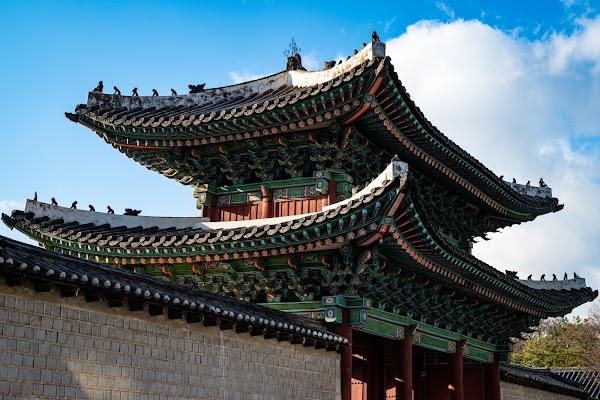
Changgyeonggung Palace
View on map
Audio Narrations
English
Introduction
Changgyeonggung Palace, nestled amidst the bustling metropolis of Seoul, stands as a testament to the Joseon Dynasty's architectural prowess and enduring legacy. Built in 1483 as a secondary palace to Gyeongbokgung, Changgyeonggung served as a tranquil retreat for the royal family and a venue for significant state ceremonies. The palace's serene beauty lies in its harmonious blend of traditional Korean architecture and meticulously landscaped gardens. The Secret Garden, a hidden gem within the palace grounds, offers a glimpse into the Joseon era's horticultural artistry. This verdant oasis boasts a diverse collection of native plants, including ancient trees, fragrant flowers, and serene ponds, creating a tranquil sanctuary amidst the city's clamor. Beyond its aesthetic appeal, Changgyeonggung holds historical significance as the birthplace of King Gojong, the last monarch of the Joseon Dynasty. The palace also played a pivotal role during the Japanese occupation, serving as the temporary residence of the exiled Korean emperor, Sunjong. Today, Changgyeonggung stands as a living museum, offering visitors a captivating journey through Korea's rich history and cultural heritage. Its intricate architecture, serene gardens, and historical significance make it a must-visit destination for anyone seeking to delve into the heart of Seoul's cultural tapestry.Traditional Architecture
Changgyeonggung Palace: A Journey Through Traditional Korean Architecture Nestled amidst the bustling metropolis of Seoul, Changgyeonggung Palace stands as a testament to the enduring legacy of Korean architecture. Built in 1483, this UNESCO World Heritage Site offers a glimpse into the intricate artistry and philosophical underpinnings that shaped the Joseon Dynasty's architectural landscape. Unlike its grander counterpart, Gyeongbokgung Palace, Changgyeonggung embodies a more intimate and understated elegance. Its layout adheres to the principles of "pungsu," a Korean interpretation of feng shui, seamlessly integrating the palace structures with the surrounding topography. The buildings are positioned to harmonize with the natural flow of energy, creating a sense of tranquility and balance. The architectural style of Changgyeonggung reflects the Neo-Confucian ideals prevalent during the Joseon era. The emphasis on simplicity and functionality is evident in the clean lines, muted colors, and absence of excessive ornamentation. The use of natural materials like wood, stone, and tile further reinforces the connection between the palace and its environment. One of the most striking features of Changgyeonggung is its intricate "dancheong," the traditional Korean decorative painting. The vibrant colors and intricate patterns adorning the palace buildings are not merely aesthetic embellishments; they hold symbolic significance, representing auspiciousness and harmony. The palace complex comprises several notable structures, each showcasing unique architectural elements. The main throne hall, Myeongjeongjeon, exemplifies the grandeur of Joseon court architecture with its imposing double-tiered roof and intricate carvings. The residential quarters, including the Sukjojeon and Huijeongdang Halls, offer a glimpse into the private lives of the royal family, showcasing traditional Korean living spaces with their characteristic ondol heating system and elegant simplicity. Beyond its architectural splendor, Changgyeonggung also boasts a serene Secret Garden, a haven of tranquility amidst the urban landscape. The meticulously designed garden incorporates elements of nature, including ponds, pavilions, and meticulously arranged trees and flowers, creating a harmonious microcosm of the natural world. A visit to Changgyeonggung Palace is a journey through time, offering a profound appreciation for the artistry and philosophical principles that shaped traditional Korean architecture. It is a place where history, culture, and nature converge, creating an experience that transcends the boundaries of time.Royal Residence
Changgyeonggung Palace: A Royal Residence Beyond the Throne While Gyeongbokgung and Changdeokgung bask in the spotlight as Seoul's grandest palaces, Changgyeonggung Palace offers a unique glimpse into the Joseon Dynasty's royal life beyond the official seat of power. This serene complex, nestled beside Changdeokgung, served as a tranquil haven for the royal family, offering a glimpse into their private lives and leisure pursuits. Unlike its grander counterparts, Changgyeonggung was primarily a residential palace, a place where queens and other family members resided, away from the formality of the main court. This intimate setting is reflected in the palace's layout, with its smaller scale and focus on gardens and natural beauty. The Honghwamun Gate, the main entrance, welcomes visitors with its symbolic name, meaning "promoting harmony." Stepping inside, one encounters the Sungmundang Hall, the king's private study, where he engaged in scholarly pursuits and even taught students. The intricate Binyangmun Gate, once the exclusive entrance to the king's private quarters, stands as a testament to the separation between official and personal life within the palace walls. Beyond the formal halls lies the Chundangji Pond, a tranquil oasis that served as a focal point for relaxation and reflection. Originally a rice paddy cultivated by the king himself, it was later transformed into a picturesque pond, now a haven for diverse birdlife. The Grand Greenhouse, a unique addition built in 1909, showcases a fascinating blend of Korean and Western influences. This beautiful structure, once part of a zoo, now houses a collection of rare and exotic plants, offering a glimpse into the royal family's interest in the natural world. Wandering through the palace grounds, one can't help but feel the sense of tranquility that permeates the atmosphere. The extensive gardens, with their winding paths and lush greenery, invite leisurely strolls and quiet contemplation, a stark contrast to the bustling city life just beyond the palace walls. Changgyeonggung Palace offers a unique perspective on the Joseon Dynasty, showcasing the royal family's private lives and interests beyond the confines of official duties. It is a place where history whispers through the rustling leaves, the gentle lapping of the pond, and the intricate details of the architecture, offering a glimpse into a world of serene beauty and quiet contemplation.
6
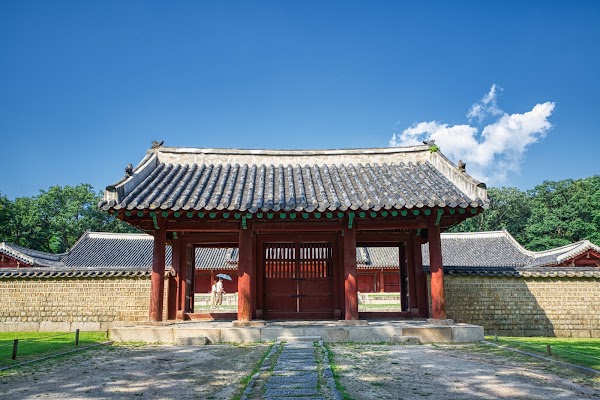
Jongmyo Shrine
View on map
Audio Narrations
English
Introduction
Nestled in the heart of Seoul, Jongmyo Shrine stands as a testament to Korea's rich cultural heritage and deep respect for its ancestors. This UNESCO World Heritage Site is not just a place of worship, but a living museum that whispers tales of the Joseon Dynasty. Unlike other grand temples adorned with vibrant colors, Jongmyo's beauty lies in its understated elegance. Its simple wooden architecture, devoid of ostentatious embellishments, reflects the Confucian values of humility and reverence. The shrine's layout, with its meticulously aligned buildings and serene courtyards, embodies the harmony between nature and human design. Jongmyo's true magic unfolds during the biannual royal ancestral rites, a spectacle that transports visitors back to the Joseon era. The elaborate ceremony, with its solemn music and graceful dancers, is a poignant reminder of the deep connection between the living and the departed. Beyond its historical significance, Jongmyo offers a unique glimpse into Korean music. The shrine houses the Jongmyo Jeryeak, a collection of ancient court music recognized by UNESCO as an Intangible Cultural Heritage. The haunting melodies and rhythmic beats of this music evoke a sense of timelessness, transporting listeners to a bygone era. A visit to Jongmyo is not just a journey through history, but an immersive experience that awakens the senses and stirs the soul. It is a place where the past whispers in the wind, where tradition meets modernity, and where the spirit of Korea's ancestors lives on.Confucian Royal Ancestral Shrine
Jongmyo Shrine: A Unique and Preserved Confucian Royal Ancestral Shrine Jongmyo Shrine in Seoul, South Korea, stands as a testament to the enduring legacy of Confucianism in Korea. It is the oldest and most authentic of all Confucian royal ancestral shrines, meticulously preserved in its original form since the 16th century. Unlike other royal shrines in East Asia, where spirit tablets were typically kept within palaces, Jongmyo was constructed as a separate entity, emphasizing its sacred purpose. The shrine houses the spirit tablets of the Joseon Dynasty's kings and queens, embodying the legitimacy of the royal family. The king regularly visited Jongmyo to participate in ancestral rites, seeking blessings for the nation's safety and prosperity. These rituals, known as Jongmyo Jerye, are still performed today, accompanied by traditional music and dance, perpetuating a centuries-old tradition. Jongmyo's architecture reflects the profound influence of Confucian ideology. The buildings are situated amidst valleys and hills, adhering to the principles of pungsu, which emphasizes harmony with nature. The main shrine, Jeongjeon, houses 19 spirit chambers containing 49 tablets, while the auxiliary shrine, Yeongnyeongjeon, holds 34 tablets in 16 chambers. The meticulous construction and management of Jongmyo, along with the detailed records of the Jongmyo Jerye rituals, are testaments to the Joseon Dynasty's commitment to Confucianism. These records, preserved in the royal protocols, offer invaluable insights into the dynasty's beliefs and practices. Jongmyo's unique status as a preserved and active Confucian royal ancestral shrine sets it apart from other similar sites in Asia. It offers visitors a glimpse into the heart of Joseon Dynasty's beliefs and rituals, providing a deeper understanding of Korean history and culture.Jongmyo Jerye Ritual
Nestled in the heart of Seoul, the Jongmyo Shrine stands as a testament to the rich cultural heritage of Korea. This sacred site is not only a UNESCO World Heritage Site but also the stage for the Jongmyo Jerye, a centuries-old ritual dedicated to honoring the deceased Joseon monarchs. Held annually on the first Sunday of May, this ceremony is a mesmerizing spectacle that transports visitors back in time. The Jongmyo Jerye is a meticulously choreographed performance, steeped in tradition and symbolism. The ritual begins with offerings of food and wine to the spirits of the ancestors, accompanied by the haunting melodies of the Jongmyo Jeryeak, a unique form of court music. The highlight of the ceremony is the Ilmu dance, performed by 64 dancers in eight lines, representing the harmonious balance of Yin and Yang. Their graceful movements, accompanied by the rhythmic beats of traditional instruments, create an atmosphere of reverence and awe. Beyond its visual splendor, the Jongmyo Jerye holds profound significance for Korean culture. It serves as a reminder of the importance of filial piety, a core Confucian value that emphasizes respect for one's ancestors. The ritual also embodies the deep-rooted connection between music, dance, and spirituality, showcasing the artistry and cultural refinement of the Joseon Dynasty. For visitors seeking a deeper understanding of Korean history and tradition, the Jongmyo Jerye offers an unparalleled experience. Witnessing this ancient ritual firsthand allows one to appreciate the intricate details of the ceremony, the profound respect for ancestors, and the enduring legacy of the Joseon Dynasty. The Jongmyo Shrine, with its serene atmosphere and historical significance, provides the perfect backdrop for this captivating performance, making it a must-visit destination for anyone interested in Korean culture.
7
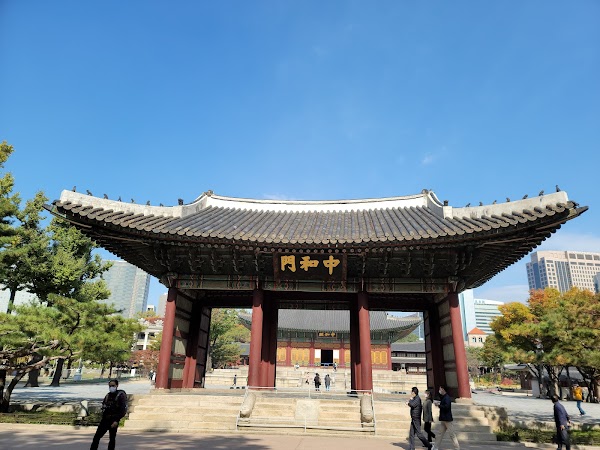
Deoksugung Palace
View on map
Audio Narrations
English
Introduction
Deoksugung Palace, nestled in Seoul's urban heart, stands as a testament to the grandeur of the Joseon Dynasty. Its main hall, Junghwajeon, exudes an aura of authority, while the elegant Junghwamun Gate serves as a stately entrance. Hamnyeongjeon Hall, once the royal bedchamber, evokes a sense of intimacy, while Deokhongjeon Hall whispers tales of diplomatic gatherings. The palace's unique blend of traditional Korean architecture and Western influences is evident in Jeonggwanheon Hall, a Russian-designed pavilion, and Seokjojeon Hall, a Neo-Renaissance masterpiece that now houses the Korean Empire History Museum. Deoksugung's charm extends beyond its architectural wonders to its picturesque garden, a harmonious fusion of Eastern and Western aesthetics. This oasis of tranquility features a Western-style fountain and a serene pond, offering a respite from the city's vibrant energy.Diverse Architectural Styles
Deoksugung Palace stands out amidst Seoul's royal palaces for its captivating blend of Eastern and Western architectural styles. This eclecticism reflects the transformative era when the Joseon Kingdom embraced modernity and evolved into the Korean Empire. Seokjojeon Hall, a prominent Western-style structure within the palace, exemplifies this fusion. Designed by a British architect, it boasts a stately facade adorned with a carved stone representation of the Imperial Seal of Korea. Its elegant interiors, accessible through guided tours, showcase a harmonious blend of Korean and European aesthetics. In contrast to the traditional Korean architecture prevalent in other palace sections, Seokjojeon's Western influence is evident in its symmetrical design, large windows, and intricate moldings. This juxtaposition creates a fascinating dialogue between the old and the new, highlighting the palace's unique position as a bridge between Joseon's past and Korea's modern aspirations. Deoksugung Palace thus serves as a testament to the architectural diversity that emerged during a pivotal period in Korean history, offering visitors a glimpse into the country's rich cultural heritage and its embrace of global influences.Autumn Foliage
Amidst the vibrant tapestry of Seoul's autumn foliage, Deoksugung Palace emerges as a captivating spectacle. Its meticulously manicured grounds transform into a kaleidoscope of colors as the leaves of ginkgo and maple trees ignite in hues of gold, crimson, and amber. The palace's traditional wooden structures, adorned with intricate dancheong paintings, harmonize with the surrounding foliage, creating a breathtaking canvas of architectural and natural beauty. Strolling along the Stonewall Walkway, visitors are enveloped in a symphony of colors. The ginkgo trees, their fan-shaped leaves shimmering like golden coins, cast a warm glow on the path. The maple trees, with their vibrant crimson foliage, add a touch of drama to the scene. The contrast between the vibrant hues of the leaves and the muted tones of the palace walls creates a captivating visual experience. Venture into the palace's inner courtyard, and you'll be greeted by the sight of Seokjojeon Hall, a modern European-style stone building that houses the National Museum of Contemporary Art. Its stark white facade provides a striking contrast to the surrounding autumn colors, adding a touch of modernity to the traditional setting. As the sun begins its descent, the palace takes on a new allure. The warm glow of the setting sun casts long shadows across the grounds, illuminating the foliage in a magical light. The reflection of the autumn colors in the palace's tranquil ponds adds an ethereal quality to the scene, creating a perfect backdrop for capturing unforgettable memories.
8
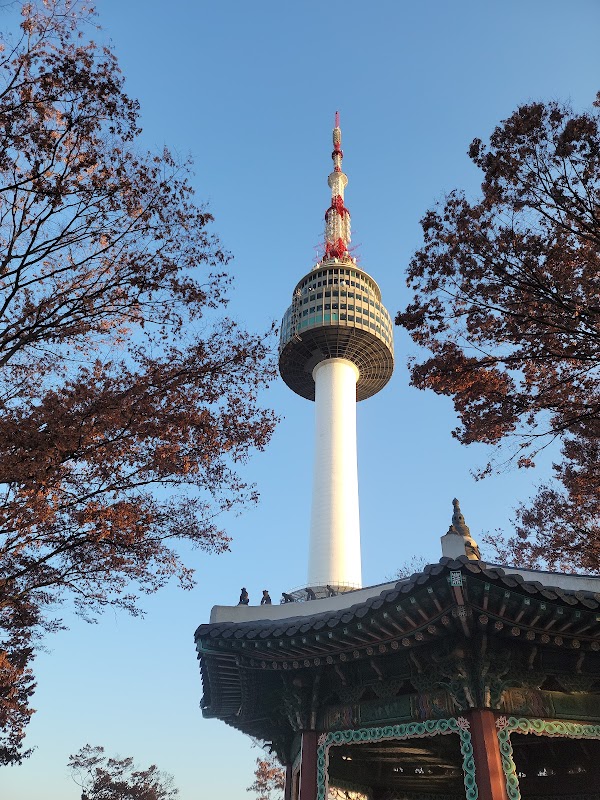
N Seoul Tower
View on map
Audio Narrations
English
Introduction
The N Seoul Tower, a beacon of romance and breathtaking panoramas, stands majestically atop Namsan Mountain in Seoul, South Korea. Its 236-meter-tall silhouette, adorned with a digital crown, has become an iconic symbol of the city's skyline. The tower's observation deck offers unparalleled 360-degree views of the sprawling metropolis, encompassing landmarks like the majestic Gyeongbokgung Palace, the modern cityscape of Gangnam, and the meandering Han River. On a clear day, the distant mountains of North Korea can be glimpsed on the horizon. Beyond its panoramic vistas, the N Seoul Tower is a haven for love and romance. Couples flock to the tower's iconic "Locks of Love" wall, where they attach padlocks engraved with their names, symbolizing their eternal bond. The tower also boasts a romantic French restaurant, offering an intimate setting with breathtaking city views. For those seeking a unique cultural experience, the N Seoul Tower houses a traditional Korean Hanok Village, showcasing the architectural heritage of the Joseon Dynasty. Visitors can explore traditional houses, admire intricate craftsmanship, and immerse themselves in the rich history of Korea. The N Seoul Tower is not just a tourist destination; it is a symbol of Seoul's vibrant spirit and its unwavering pursuit of innovation. Its digital crown, a dazzling display of LED lights, transforms the night sky with mesmerizing patterns and animations, reflecting the city's dynamic energy. Whether you're seeking breathtaking views, romantic moments, or a glimpse into Korean culture, the N Seoul Tower offers an unforgettable experience that will leave a lasting impression on your memories.Cable Car Ride
Soaring Above Seoul: A Cable Car Journey to N Seoul Tower The cable car ride to N Seoul Tower is an experience that transcends mere transportation. It's a scenic ascent, a romantic escapade, and a portal to breathtaking panoramas of Seoul. As the cable car glides up the Namsan Mountain, the cityscape unfolds beneath you like a vibrant tapestry. Gleaming skyscrapers pierce the sky, traditional hanok villages nestle amidst lush greenery, and the meandering Han River snakes its way through the urban landscape. The journey itself is a delight. The spacious cabins offer panoramic views, allowing you to soak in the city's beauty from every angle. The gentle sway of the car creates a sense of tranquility, inviting you to disconnect from the bustling city below and immerse yourself in the moment. As you ascend, the iconic N Seoul Tower gradually emerges, its majestic silhouette dominating the skyline. The anticipation builds as you approach the summit. The tower, a symbol of love and unity, stands tall against the backdrop of the sprawling metropolis. Stepping out of the cable car, you're greeted by a refreshing mountain breeze and breathtaking 360-degree views. The city stretches out before you, a dazzling display of lights and energy. The cable car ride to N Seoul Tower is more than just a means to reach the top. It's an integral part of the experience, offering a unique perspective of the city and setting the stage for an unforgettable visit to one of Seoul's most iconic landmarks.Historical Significance
The N Seoul Tower, a beacon of romance and resilience, boasts a rich history intertwined with the evolution of Seoul. Originally constructed in 1969 as a transmission tower, it quickly became a symbol of modernization and technological advancement in South Korea. During the 1980s, the tower witnessed the rise of democracy and the struggle for freedom of expression, becoming a popular spot for pro-democracy demonstrations. In 1985, the tower was designated as a public park, opening its doors to the public and transforming into a beloved tourist destination. The N Seoul Tower has played a pivotal role in shaping the city's skyline and cultural landscape, serving as a silent observer of Seoul's transformation from a war-torn nation to a global metropolis. Its historical significance lies not only in its architectural design but also in its embodiment of the city's spirit of resilience and progress. The tower stands as a testament to the unwavering determination of the Korean people and their ability to overcome adversity. Today, the N Seoul Tower continues to be a symbol of hope and inspiration, attracting visitors from around the world who seek to connect with its rich history and breathtaking views.
Experience the Full Tour
Download the DocentPro app to access all tour stops, complete audio narrations in multiple languages, offline maps, and interactive features.