
Jaipur's Majestic Legacy: A Journey Through History and Splendor

Driving Tour

48.7 km (30.3 miles)

2h 13min travel time

19 Stops

Jaipur, India
Jaipur's Majestic Legacy: A Journey Through History and Splendor
Tour Stops
1
Birla Mandir, Jaipur
View on map
Audio Narrations
Introduction
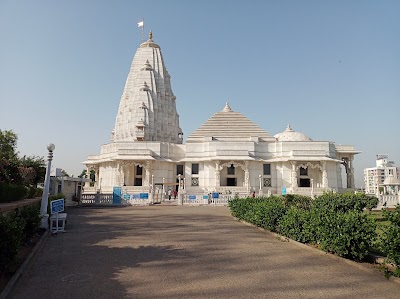
Birla Mandir, also known as Laxmi Narayan Temple, is a magnificent white marble temple situated in Jaipur, Rajasthan. Built in 1988 by the Birla family, it is dedicated to Lord Vishnu and Goddess Lakshmi. The temple's architecture blends modern and traditional styles, featuring intricate carvings depicting Hindu scriptures, mythological events, and symbols. Inside, exquisite standing idols of Lord Vishnu and Goddess Lakshmi adorn the main sanctum, while stained glass windows depict scenes from Hindu mythology. The temple's three domes represent the different religions of India, symbolizing its secular nature. Visitors can marvel at the temple's beauty, stroll through its manicured lawns, and enjoy the ethereal ambiance created by moonlight reflecting off its white marble domes.Historical Monument
Birla Mandir, Jaipur, is an architectural marvel and a testament to India's rich cultural heritage. Constructed in 1988, this white marble temple is dedicated to Lord Vishnu and Goddess Lakshmi. Its design is a blend of traditional Hindu temple architecture and modern elements, making it a unique and captivating sight. The temple's intricate carvings, sculptures, and stained glass windows depict scenes from Hindu mythology, adding to its historical significance. Birla Mandir is not only a place of worship but also a symbol of Jaipur's architectural prowess and a must-visit destination for those interested in India's cultural and historical legacy.Modern Temple Architecture
Birla Mandir, Jaipur, stands as a testament to modern temple architecture, showcasing a unique blend of traditional Hindu aesthetics and contemporary design. Built entirely of pristine white marble, the temple's exterior exudes an aura of purity and grandeur. Its three distinct towers symbolize the three main faiths of India, while stained glass windows depict scenes from Hindu mythology, adding a touch of vibrancy to the otherwise monochromatic facade. Unlike traditional temples, Birla Mandir features a modern, open-air design, allowing natural light to flood the interiors. The sanctum sanctorum houses intricate marble sculptures of Lakshmi and Narayan, along with other Hindu deities. However, what sets Birla Mandir apart is its incorporation of non-Hindu figures on its outer walls, including Christ, the Virgin Mary, Buddha, and Socrates, reflecting the temple's message of universal harmony. The temple's architectural style is a fusion of traditional Rajasthani and contemporary elements. Its raised platform elevates it above the Jaipur skyline, making it a prominent landmark. At night, the temple transforms into a beacon of light, casting a warm glow over the city. The surrounding gardens and courtyards provide a serene ambiance, inviting visitors to reflect and connect with the divine.
2
Moti Dungri Ganesh Ji Temple
View on map
Audio Narrations
Introduction
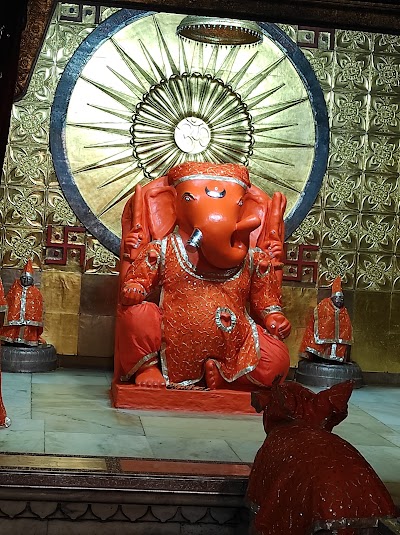
Nestled in the heart of Jaipur, Rajasthan, the Moti Dungri Ganesh Ji Temple is a revered Hindu shrine dedicated to Lord Ganesha. Built in 1761, the temple's striking architecture resembles a Scottish castle, featuring three domes representing the major religions of India. Its intricate latticework and mythological carvings adorn the marble walls, creating a captivating ambiance. The temple houses a magnificent idol of Lord Ganesha, its trunk facing left, an auspicious attribute. The idol's vibrant orange hue and elaborate adornments, including a silver crown and gold throne, add to its grandeur. Devotees flock to the temple, especially on Wednesdays, considered auspicious for Lord Ganesha, and during festivals like Ganesh Chaturthi. The temple's serene atmosphere and the belief that Lord Ganesha fulfills wishes make it a popular pilgrimage site for devotees seeking blessings and spiritual solace.Tourism Destination
Nestled amidst the vibrant city of Jaipur, the Moti Dungri Ganesh Ji Temple stands as a captivating pilgrimage site and architectural marvel. This sacred abode of Lord Ganesha, the revered elephant-headed deity, attracts devotees and tourists alike with its unique charm. The temple's stunning architecture blends traditional Rajputana and Scottish influences, creating an enchanting spectacle. Its three domes symbolize the three major religions of India, while intricate latticework adorns its marble facade. The idol of Lord Ganesha, with its rightward-facing trunk, is believed to be over five centuries old and exudes an aura of divinity. During the auspicious festival of Ganesh Chaturthi, the temple transforms into a vibrant hub of devotion. Devotees throng the premises, offering prayers and seeking blessings from the beloved deity. The temple's serene ambiance and spiritual energy make it a perfect destination for those seeking solace and inner peace. Beyond its religious significance, Moti Dungri Ganesh Ji Temple is also a testament to Jaipur's rich cultural heritage. Its proximity to other popular tourist attractions, such as the Hawa Mahal and Nahargarh Fort, makes it an ideal starting point for exploring the city's architectural wonders. Whether you're a devout pilgrim or an ardent traveler, Moti Dungri Ganesh Ji Temple offers a captivating blend of spirituality, history, and architectural beauty. Its unique charm and serene atmosphere make it a must-visit destination for anyone seeking an immersive cultural experience in the heart of Rajasthan.Festival Celebrations
Moti Dungri Ganesh Ji Temple, perched atop the eponymous hill in Jaipur, Rajasthan, India, is a revered pilgrimage site that pulsates with fervor during festivals. The most prominent celebration is Ganesh Chaturthi, the birthday of Lord Ganesha, which draws thousands of devotees. The temple's sanctum sanctorum houses an exquisite idol of Lord Ganesha, adorned with precious jewels and vibrant attire. During Ganesh Chaturthi, the idol is bathed in milk, offered an array of sweets, and adorned with an elaborate turban. The temple reverberates with the rhythmic chanting of "Ganpati Bappa Morya," creating an atmosphere of spiritual ecstasy. Another significant festival celebrated with great pomp is Krishna Janmashtami, marking the birth of Lord Krishna. The temple is adorned with intricate decorations, and devotees throng to witness the mesmerizing Jhanki, a tableau depicting scenes from Lord Krishna's life. The temple also hosts a grand celebration during Diwali, the festival of lights. Devotees gather to offer prayers and witness the spectacular fireworks display that illuminates the night sky. The temple's unique architectural style, a blend of Rajasthani and European influences, adds to the grandeur of the festival celebrations. The red sandstone and marble facade, adorned with intricate carvings, provides a picturesque backdrop for the vibrant festivities. The temple's strategic location on the hilltop offers breathtaking views of the city, further enhancing the festive ambiance. Moti Dungri Ganesh Ji Temple is not merely a religious site but a cultural hub where traditions and rituals intertwine. The festival celebrations at the temple are a testament to the deep-rooted faith and devotion of the local community. They offer a glimpse into the rich cultural heritage of Jaipur and provide an unforgettable experience for pilgrims and visitors alike.
3
Shaheed Smarak(Trimurti Circle)
View on map
4
Nehru Garden
View on map
5
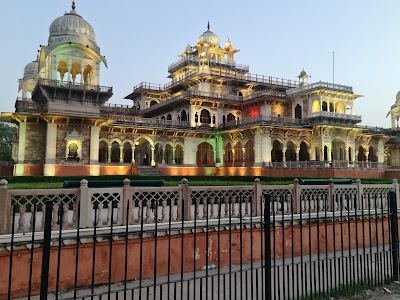
Albert Hall Museum
View on map
Audio Narrations
Introduction
The Albert Hall Museum, a treasure trove of Rajasthan's cultural heritage, stands as a testament to the artistry and craftsmanship of Jaipur. Built in 1876, this Indo-Saracenic architectural marvel houses a vast collection of artifacts that narrate the region's rich history. Within its 16 galleries, visitors can marvel at exquisite paintings, intricate jewelry, and finely crafted carpets. The Egyptian mummy, a star attraction, offers a glimpse into ancient burial practices. The museum's pottery collection, boasting pieces from across India and beyond, showcases the diversity of ceramic art. The museum's walls are adorned with murals depicting ancient civilizations, while its courtyard features inscriptions from religious texts. The building's grandeur is further enhanced by its sprawling garden, providing a serene oasis amidst the bustling city. Beyond its historical significance, the Albert Hall Museum is a vibrant hub for cultural events. Puppet shows, live music, and exhibitions bring the museum's collections to life, offering visitors an immersive experience of Rajasthan's vibrant heritage.Diverse Collection
Step into the Albert Hall Museum, a treasure trove of Rajasthan's rich cultural heritage, where diversity unfolds in every gallery. The museum's collection spans centuries, showcasing the artistic brilliance and craftsmanship of the region. Admire the intricate miniature paintings that depict scenes from mythology, history, and everyday life. Each brushstroke captures the essence of Rajasthan's vibrant culture. Explore the arms and armor gallery, where swords, shields, and helmets tell tales of valor and warfare. Discover the exquisite jewelry collection, adorned with precious stones and intricate designs, reflecting the opulence of Rajput royalty. Marvel at the ancient Egyptian mummy, a testament to the museum's global reach. The Coin Gallery boasts a numismatic treasure, with coins from the Mughal and British eras, offering insights into the economic history of the region. The Pottery Gallery showcases the evolution of ceramic art, from utilitarian vessels to decorative masterpieces. Immerse yourself in the Musical Instruments Gallery, where traditional instruments like the sitar, sarangi, and shehnai evoke the melodies of Rajasthan's musical heritage. The Textile Gallery displays intricate embroideries, vibrant fabrics, and traditional costumes, showcasing the region's textile artistry. Each artifact, each gallery, weaves a unique thread in the tapestry of Rajasthan's diverse cultural heritage. Albert Hall Museum is not merely a repository of objects; it is a living testament to the creativity, skill, and traditions that have shaped this vibrant land.Rajasthani Heritage
Nestled amidst the vibrant tapestry of Jaipur, the Albert Hall Museum stands as a testament to the rich and diverse heritage of Rajasthan. Its Indo-Saracenic architecture, a harmonious blend of Mughal and Rajput styles, reflects the region's architectural prowess. The museum's collection, spanning over 20,000 artifacts, offers an unparalleled glimpse into the artistic, cultural, and historical legacy of Rajasthan. One of the museum's highlights is its extensive collection of miniature paintings, showcasing the intricate and delicate artistry of the region. These paintings, often depicting scenes from mythology, history, and court life, provide a window into the imagination and skill of Rajasthani artists. The museum also houses an impressive collection of textiles, including traditional garments, carpets, and embroideries, each adorned with vibrant colors and intricate designs that embody the region's textile heritage. Beyond its artistic treasures, the Albert Hall Museum also houses a significant collection of historical artifacts. These include weapons, coins, and pottery, offering insights into the martial traditions, economic systems, and daily life of Rajasthan's past. The museum's collection of musical instruments, puppets, and masks further showcases the region's vibrant performing arts and cultural traditions. Through its comprehensive collection and captivating exhibits, the Albert Hall Museum serves as a repository of Rajasthani heritage, preserving and showcasing the region's artistic, cultural, and historical legacy for generations to come.
6
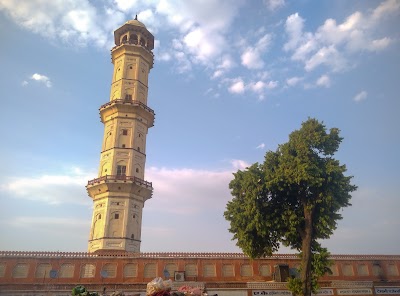
Isarlat Sargasooli
View on map
7
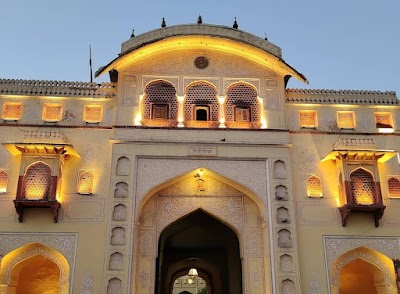
Tripolia Gate
View on map
8
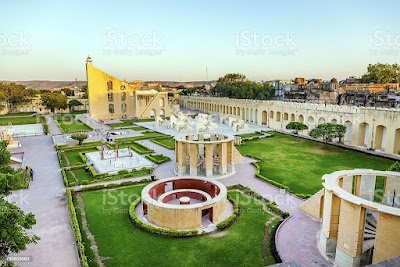
Jantar Mantar - Jaipur
View on map
Audio Narrations
Introduction
Jantar Mantar, an astronomical observatory in Jaipur, Rajasthan, India, is a UNESCO World Heritage Site renowned for its 19 architectural astronomical instruments. Built in the 18th century by Maharaja Sawai Jai Singh II, it is the largest and best-preserved of five such observatories he constructed. The instruments, crafted from stone, marble, and bronze, are designed to measure time, track celestial bodies, and predict eclipses. The most prominent instrument, the Vrihat Samrat Yantra, is the world's largest sundial, capable of measuring time to an accuracy of two seconds. Other notable instruments include the Jai Prakash Yantra, used to observe the Sun's position, and the Yantra Raj, a giant astrolabe for studying celestial bodies. Jantar Mantar showcases the advanced astronomical knowledge and architectural prowess of its time, providing insights into the scientific achievements of ancient India.Architectural Marvel
Jantar Mantar, an architectural marvel in Jaipur, Rajasthan, India, stands as a testament to the ingenuity and astronomical prowess of the 18th century. This UNESCO World Heritage Site is a complex of 19 astronomical instruments, each meticulously designed to measure time, predict eclipses, and track celestial bodies. The Vrihat Smarat Yantra, a towering sundial, is the most prominent structure. Its 27-meter height allows it to measure time with an accuracy of two seconds, a remarkable feat for its time. The Samrat Yantra, an equinoctial sundial, casts a shadow that moves precisely 1 millimeter every second, indicating the exact local time. The Jai Prakash Yantra, a hemispherical bowl-shaped structure, is used to determine the position of stars and planets. Its intricate design allows for precise calculations of celestial coordinates. The Ram Yantra, a cylindrical instrument, measures the altitude and azimuth of celestial bodies, providing valuable data for astrological predictions. Beyond its scientific significance, Jantar Mantar is a masterpiece of architectural design. The instruments are constructed from local stone and marble, showcasing the skilled craftsmanship of the era. The high walls and arches provide stability, while the intricate carvings and decorative elements add an aesthetic touch. The harmonious blend of science and art in Jantar Mantar makes it a unique and captivating architectural marvel. Its enduring legacy as a center of astronomical research and a testament to human ingenuity continues to inspire awe and wonder in visitors from around the world.Historical Significance
Jantar Mantar, an architectural marvel and a testament to India's rich astronomical heritage, stands as a symbol of the Rajput king Sawai Jai Singh II's passion for celestial studies. Constructed in the 18th century, this UNESCO World Heritage Site houses a collection of 19 astronomical instruments, each meticulously designed to perform specific observations and calculations. Jantar Mantar's historical significance lies in its role as a pioneering center for astronomical research. Jai Singh II, a renowned astronomer and scholar, commissioned its construction to correct errors in existing astronomical tables and refine the understanding of celestial bodies. The observatory's instruments allowed astronomers to track planetary movements, predict eclipses, and measure time with remarkable accuracy. The site's historical importance extends beyond its astronomical contributions. It reflects the convergence of science, art, and culture during the Mughal era. The instruments, crafted from stone and marble, showcase the architectural brilliance and mathematical prowess of the time. Their intricate designs and precise alignments demonstrate the ingenuity and dedication of the artisans involved. Jantar Mantar's historical significance is further enhanced by its role in shaping India's scientific legacy. It served as a training ground for astronomers and mathematicians, fostering a culture of scientific inquiry and innovation. The observatory's instruments continue to inspire awe and wonder, reminding us of the human quest for knowledge and the enduring power of scientific exploration.
9
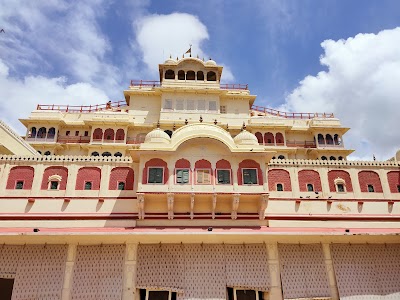
The City Palace
View on map
Audio Narrations
Introduction
The City Palace in Jaipur, Rajasthan, India, is a magnificent architectural marvel that has been the royal residence of the Jaipur royal family for over 250 years. Built in 1727 by Maharaja Sawai Jai Singh II, the palace is a blend of Rajput and Mughal architectural styles, showcasing intricate carvings, stunning courtyards, and opulent interiors. The palace complex houses several buildings, including the Chandra Mahal, Mubarak Mahal, and Diwan-e-Khas, each adorned with exquisite artwork and artifacts. The Pritam Niwas Chowk, with its four gates representing different seasons and Hindu deities, is a visual masterpiece. The palace is also home to the Maharaja Sawai Man Singh II Museum, which displays a vast collection of royal artifacts, textiles, and paintings. Visitors can explore the palace's opulent halls, admire its stunning architecture, and immerse themselves in the rich history and culture of the Jaipur royal family.Chandra Mahal
Chandra Mahal, the seven-storied palace within Jaipur's City Palace complex, stands as a testament to Rajput and Mughal architectural brilliance. Its grandeur unfolds as one ascends each level, revealing a symphony of intricate mirror work, vibrant frescoes, and opulent furnishings. The Sabha Niwas, the dining hall on the ground floor, is adorned with exquisite paintings depicting royal processions and hunting scenes. The Sukh Niwas, on the second floor, captivates with its serene blue hues and panoramic views of the palace gardens and the Diwan-i-Aam below. Ascending further, one encounters the Rang Mandir and Shobha Nivas, where walls, pillars, and ceilings are adorned with mesmerizing mirror mosaics. The Shobha Nivas, in particular, boasts intricate gold leaf embellishments, creating a breathtaking spectacle. The top floor offers a breathtaking view of the city and the Rajputana flag that still flies proudly atop Chandra Mahal. This exclusive glimpse into the private residence of Jaipur's royal family provides a rare opportunity to witness the grandeur and artistry that defined an era of Indian history.Jaipur Tourism
Nestled in the heart of Jaipur, the captivating City Palace is a testament to the grandeur of Rajput and Mughal architecture. Built in the 18th century, it served as the royal residence of the Jaipur rulers and continues to be the home of the present royal family. The palace complex is a labyrinth of courtyards, gardens, and opulent chambers, each adorned with intricate carvings, vibrant frescoes, and shimmering mirrors. One of the most striking features of the City Palace is the Mubarak Mahal, a magnificent hall adorned with gold leaf and precious stones. It was once used for royal receptions and ceremonies and now houses a museum showcasing the royal family's collection of artifacts, including exquisite jewelry, textiles, and weapons. Another highlight is the Diwan-e-Khas, the Hall of Private Audience, where the Maharaja held court. Its walls are adorned with intricate paintings depicting scenes from royal life and battles. The ceiling is a masterpiece of mirror work, creating an ethereal ambiance. The City Palace also boasts beautiful gardens, including the Sisodia Rani Garden and the Chandra Mahal Garden. These serene spaces offer respite from the bustling city and provide picturesque spots for relaxation and contemplation. For a glimpse into the private life of the royal family, visit the Chandra Mahal, the seven-story palace that was once the residence of the Maharaja. Its opulent interiors, including the Sheesh Mahal (Palace of Mirrors), reflect the lavish lifestyle of the Jaipur rulers. The City Palace is not just a historical monument but a living testament to Jaipur's rich cultural heritage. It continues to host royal events and ceremonies, offering visitors a glimpse into the traditions and customs of the Rajput dynasty.
10
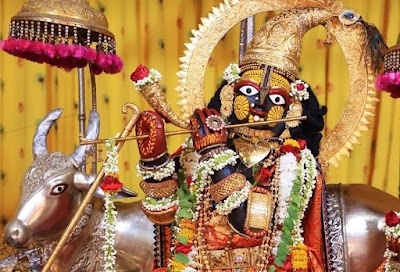
THIKANA MANDIR SRI GOVINDDEVJI , JAIPUR
View on map
11
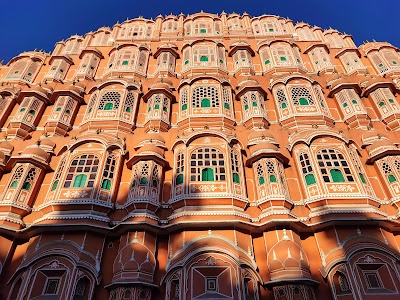
Hawa Mahal
View on map
Audio Narrations
Introduction
Hawa Mahal, the "Palace of Winds," is an iconic architectural marvel in Jaipur, Rajasthan, India. Built in 1799, it is an extension of the City Palace and was designed by Lal Chand Ustad for Maharaja Sawai Pratap Singh. The palace is renowned for its unique façade, featuring 953 small windows adorned with intricate latticework. These windows allowed the royal women to observe street life and festivals while remaining unseen, adhering to the purdah system prevalent during that era. Hawa Mahal's architectural brilliance extends beyond its aesthetic appeal. Its east-west orientation aligns with the natural wind flow, creating a cooling effect within the palace. The wind enters through open grounds, picks up moisture from a courtyard water body, and rises, drawing cooler air through the windows. The Venturi effect further enhances this cooling process, reducing air pressure and increasing wind velocity. The intricate latticework on the windows evenly distributes airflow, preventing hotspots and controlling sunlight glare. The palace's floors are designed to suit different seasons, with varying numbers and sizes of openings. Some floors feature stained glass windows, while others have open latticework. This design ensures optimal temperature regulation throughout the year. Hawa Mahal stands as a testament to the advanced understanding of thermodynamics and climate-responsive architecture in ancient India.Iconic Landmark
Hawa Mahal, the iconic landmark of Jaipur, is a mesmerizing architectural marvel that stands as a testament to the ingenuity of Rajput and Mughal craftsmanship. Its unique honeycomb facade, adorned with intricate latticework and delicate filigree carvings, has earned it the title of "Palace of Winds." The 953 small windows, known as jharokhas, were designed to allow the royal women to observe the bustling city life below while remaining unseen. The five-story structure, rising to a height of 50 feet, offers breathtaking views of the city from its upper floors. The interiors, though less ornate than the exterior, feature elegant chambers with colorful marbles, inlaid panels, and gilding. The ingenious design of Hawa Mahal utilizes the Venturi effect to create a natural cooling system, making it a pleasant retreat during the scorching summer months. Its fusion of architectural styles, blending Hindu Rajput and Islamic Mughal elements, showcases the rich cultural heritage of Jaipur. As an iconic landmark, Hawa Mahal embodies the grandeur and artistry of Rajasthan's architectural legacy, attracting visitors from around the world.Venturi Effect
Hawa Mahal, the "Palace of Winds," is an architectural marvel renowned for its unique design that ingeniously harnesses the Venturi effect to create a naturally ventilated and comfortable interior. This effect, named after the Italian physicist Giovanni Battista Venturi, occurs when a fluid (in this case, air) flows through a constricted passage, resulting in an increase in its velocity and a decrease in its pressure. Hawa Mahal's facade is adorned with 953 intricately latticed windows (jharokhas) that act as a series of Venturi tubes. As the wind enters the palace through these narrow openings, its speed increases, creating a suction effect that draws more air into the building. The jharokhas are strategically placed to maximize airflow, with their orientation allowing them to capture both direct and indirect winds. The Venturi effect not only enhances air circulation but also cools the incoming air. As the air rushes through the constricted jharokhas, its pressure drops, causing it to expand and cool down. This cooled air then circulates throughout the palace, creating a refreshing and comfortable environment, even during the scorching summer months. The architects of Hawa Mahal ingeniously exploited the Venturi effect to provide natural ventilation and thermal comfort without the need for mechanical systems. This passive design approach not only aligns with traditional Indian architectural principles but also showcases the scientific understanding and innovation of its creators.
12
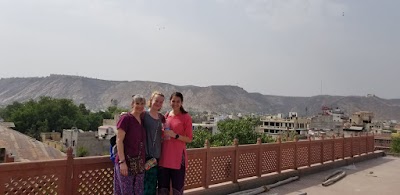
Pink City - View Point
View on map
13
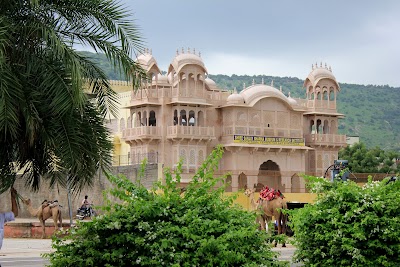
Shree Sanjay Sharma Museum & Research Institute
View on map
Audio Narrations
导言
坐落在拉贾斯坦邦斋浦尔市中心,Shri Sanjay Sharma 博物馆和研究所是印度丰富文化遗产的见证。该研究所由著名艺术家兼慈善家 Sanjay Sharma 于 2009 年创立,收藏了跨越多个世纪的各种文物、绘画和雕塑。 该博物馆的独特魅力在于其专注于展示印度艺术和文化鲜为人知的一面。游客可以深入了解传统的拉贾斯坦民间艺术,惊叹于精美的微型绘画,并探索印度纺织品的迷人历史。该系列的亮点是精致的 Pichwai 绘画,生动描绘了克里希纳勋爵的生活和传说。 除了展品外,该研究所还是一个研究和教育中心。它拥有一个藏有珍贵手稿和文件的综合图书馆,为学者和爱好者提供了探索印度艺术史的宝贵资源。该研究所还组织研讨会、讲座和文化活动,培养了一个充满活力的艺术爱好者和从业者社区。 参观 Shri Sanjay Sharma 博物馆和研究所是一次沉浸式的旅程,深入了解印度的艺术遗产。从民间艺术的鲜艳色彩到微型绘画的细腻笔触,该研究所让人们得以一窥这个沉浸在传统和创造力中的国家的灵魂。纺织品和服饰收藏
纺织珍宝:揭开 Shree Sanjay Sharma 博物馆的纺织和服饰藏品 走进斋浦尔的 Shree Sanjay Sharma 博物馆,您将被带入一个充满纺织品和服饰的生动世界。这个独特的藏品跨越多个世纪和地区,让人们得以一窥印度丰富的文化遗产。 博物馆拥有令人印象深刻的传统拉贾斯坦服饰,包括精致的 leheriya 纱丽、充满活力的 bandhani dupattas 和绣有复杂图案的 odhnis。每一件作品都展示了当地社区的艺术性和工艺,其错综复杂的图案和鲜艳的色彩反映了他们独特的传统和信仰。 除了拉贾斯坦邦,该藏品还深入到印度多元化的纺织领域。莫卧儿时代的 jamawar 披肩、错综复杂的 Banarasi 丝绸纱丽和精致的克什米尔 pashmina 披肩让人们得以一窥不同时代的帝王气魄和艺术技巧。 博物馆的藏品还深入研究了部落纺织品的迷人世界。这些充满活力和象征意义的作品反映了部落社区与其自然环境之间的深厚联系。从 Warli 部落的复杂珠饰到 Rabari 社区的充满活力的贴花作品,每一件作品都讲述了一个关于文化认同和艺术表现的独特故事。 Shree Sanjay Sharma 博物馆的纺织和服饰藏品不仅仅是美丽物品的展示,它还是一段穿越印度丰富文化挂毯的旅程。它让人们更深入地了解该国的多元化社区、他们的艺术传统以及编织在每一根线中的故事。手稿和珍本书籍
坐落在拉贾斯坦邦斋浦尔市中心,Shri Sanjay Sharma 博物馆和研究所是藏书爱好者和历史爱好者的天堂。其手稿和珍本书籍收藏是一座宝库,让人们得以一窥印度丰富的文化遗产。 该博物馆收藏了大量古代手稿,最早可追溯到 11 世纪。这些手稿写在棕榈叶、布料和纸上,涵盖了广泛的主题,包括宗教、哲学、文学和科学。其中著名的有《薄伽梵歌》、《罗摩衍那》和《摩诃婆罗多》。 该博物馆还收藏了令人印象深刻的珍本书籍,包括初版、签名本和限量版。这些书籍让人们了解印度印刷和出版业的发展。一些珍本书籍包括《阿克巴尔传》、《阿克巴尔传》和《巴布尔传》。 Shri Sanjay Sharma 博物馆和研究所是一个致力于保护和弘扬印度文学遗产的独特机构。其手稿和珍本书籍收藏是学者、研究人员以及任何对印度历史和文化感兴趣的人的宝贵资源。 该博物馆还定期举办有关手稿和珍本书籍各个方面的展览和研讨会。这些活动让参观者有机会更多地了解这些文物背后的历史及其意义。 无论您是经验丰富的藏书爱好者,还是仅仅对印度丰富的文学遗产感到好奇,Shri Sanjay Sharma 博物馆和研究所都是必游之地。其手稿和珍本书籍收藏为人们提供了一个独特而迷人的视角,让人们得以一窥过去。
14
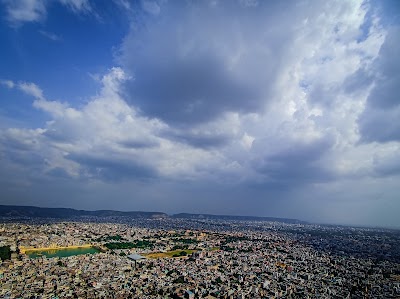
Nahargarh Fort
View on map
Audio Narrations
Introduction
Nahargarh Fort, perched atop the Aravalli Hills, stands as a majestic sentinel overlooking the vibrant city of Jaipur. Built in 1734 by Maharaja Sawai Jai Singh II, this architectural marvel was initially named Sudershangarh but later renamed Nahargarh, meaning "abode of tigers." The fort's strategic location provided protection for the city and served as a retreat for the royal family. Nahargarh's grandeur is evident in its intricate architecture, which blends Rajput and European styles. The fort houses several palaces, including Madhavendra Bhawan, with its exquisite suites adorned with delicate frescoes. The Diwan-i-aam, or Hall of Commoners, served as a meeting place for the king and his subjects. Beyond its architectural splendor, Nahargarh Fort offers breathtaking views of Jaipur. From its rooftop terrace, visitors can marvel at the sprawling cityscape, dotted with iconic landmarks like the Hawa Mahal and the City Palace. The fort also boasts a museum showcasing artifacts and paintings that provide insights into its rich history. Nahargarh Fort remains a popular tourist destination, attracting visitors with its captivating blend of history, architecture, and panoramic vistas. It stands as a testament to the architectural prowess of the Rajput era and offers a glimpse into the opulent lifestyle of the royal family.Royal Retreat
Nahargarh Fort, an architectural marvel nestled amidst the rugged Aravalli Hills, served as a royal retreat for the Rajput rulers of Jaipur. Built in 1734 by Maharaja Sawai Jai Singh II, this majestic fort was designed to provide a secluded sanctuary for the royal family away from the bustling city below. Within the fort's imposing walls, a labyrinth of opulent chambers and courtyards unfolds. The Madhavendra Bhawan, the heart of the palace, boasts intricate frescoes, arched entrances, and a grand courtyard adorned with nine identical suites for the queens. Each suite features a unique design, with a lobby, bedroom, and kitchen, offering a glimpse into the lavish lifestyle of the royal occupants. The fort's strategic location atop a hilltop grants breathtaking panoramic views of the Pink City of Jaipur. From the terraces and balconies, one can marvel at the sprawling cityscape, the shimmering Man Sagar Lake, and the distant Aravalli ranges. The fort's regal ambiance is further enhanced by the presence of a temple dedicated to Nahar Singh Bhomia, a revered local deity believed to have haunted the fort during its construction. Nahargarh Fort stands as a testament to the grandeur and opulence of the Rajput era. Its secluded setting, exquisite architecture, and captivating views make it an ideal destination for those seeking a glimpse into the royal heritage of Rajasthan.Rajput Era
Nahargarh Fort, perched atop the rugged Aravalli Hills, stands as a testament to the Rajput era's architectural prowess and strategic brilliance. Built by Maharaja Sawai Jai Singh II in 1734, the fort served as a retreat for the royal family and a formidable defense against invaders. Its massive walls, adorned with intricate carvings, echo the grandeur of the Rajput era. Within the fort's confines, visitors can explore the Diwan-i-Aam, a grand hall where the king held public audiences, and the Zenana Mahal, the private quarters of the royal women. The fort's ramparts offer breathtaking panoramic views of Jaipur, showcasing the city's vibrant tapestry of colors and architectural marvels. Nahargarh Fort played a pivotal role in the Rajput era, serving as a strategic outpost and a symbol of Rajput valor. Its cannons, once used to defend against enemy attacks, now stand as silent sentinels, whispering tales of battles fought and victories won. The fort's strategic location allowed the Rajputs to monitor the movements of enemy forces and respond swiftly to threats. Beyond its military significance, Nahargarh Fort also served as a cultural hub. Its courtyards hosted lavish celebrations, musical performances, and literary gatherings. The fort's walls are adorned with exquisite frescoes depicting scenes from Rajput history and mythology, providing a glimpse into the artistic sensibilities of the era. Today, Nahargarh Fort stands as a living testament to the Rajput era's legacy. Its imposing presence, intricate architecture, and historical significance make it a must-visit destination for anyone seeking to delve into the rich tapestry of Rajput history and culture.
15
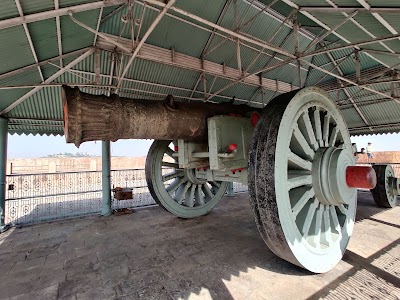
Jaivana Cannon
View on map
16
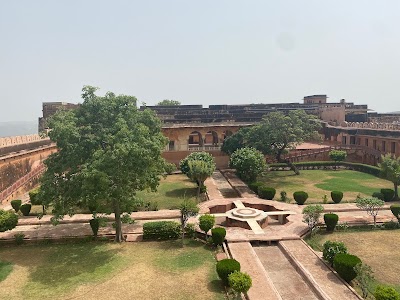
Jaigarh Fort
View on map
Audio Narrations
Introduction
Jaigarh Fort, perched atop the Cheel ka Teela (Hill of Eagles) in Jaipur, Rajasthan, stands as a testament to Rajput architectural prowess. Built in 1726 by Mirza Raja Jai Singh, it was designed to protect the Amer Fort and its palace complex. The fort's formidable red sandstone walls, stretching over 3 kilometers in length and 1 kilometer in width, have earned it the title of "Victory Fort." Within its massive structure, Jaigarh Fort houses an array of architectural marvels, including the Aram Mandir, Lalit Mandir, Laxmi Vilas, and Vilas Mandir. The fort's most notable feature is the Jaivana Cannon, the world's largest cannon on wheels, which was manufactured within the fort's foundry. Jaigarh Fort also boasts a beautiful Persian-style garden, surrounded by thick walls and latticed windows. The Awani Darwaza, a triple-arched entrance, leads to the Aram Mandir, offering stunning views of the Sagar Lake. The fort's strategic location provides panoramic vistas of the Aravalli Range and the Amer Fort below. Despite its formidable defenses, Jaigarh Fort remained unconquered throughout its history, earning it the reputation of being impregnable. Its underground passages connected it to the Amer Fort, allowing for safe passage in times of danger. Today, Jaigarh Fort stands as a symbol of Rajput valor and architectural brilliance, attracting visitors with its rich history, stunning architecture, and captivating views.Armoury Chamber
Step into the Armoury Chamber of Jaigarh Fort, a repository of Rajput valor and military prowess. Here, an impressive collection of swords, shields, and guns narrates the tales of fierce battles fought to protect the kingdom. Each weapon, meticulously crafted and adorned with intricate designs, speaks volumes about the skill and artistry of Rajput craftsmen. Among the highlights is a 50-kilogram cannonball, a testament to the fort's formidable defenses. The chamber also houses a wide range of muskets, their polished barrels gleaming under the soft light. As you explore, you'll encounter photographs of Jaipur's Maharajas, their faces etched with pride and determination. The Armoury Chamber is not merely a display of weaponry; it's a window into the Rajput warrior's life. Here, you'll find a 15th-century spittoon, a humble object that hints at the daily routines of the fort's inhabitants. A hand-drawn plan of the palaces, meticulously rendered on parchment, offers a glimpse into the fort's intricate architecture. As you delve deeper into the chamber, you'll discover a circular pack of cards, a curious artifact that speaks to the leisure pursuits of the Rajput elite. The museum's collection is a testament to the rich history of Jaigarh Fort, a symbol of Rajput resilience and military might.Secret Passages
Jaigarh Fort, an architectural marvel nestled in the heart of Jaipur, Rajasthan, India, conceals a labyrinth of secret passages that whisper tales of intrigue and strategic brilliance. These subterranean tunnels, meticulously carved into the fort's foundations, served as covert escape routes and communication channels during times of siege or conflict. One such passage, accessible from the fort's depths, leads to the neighboring Amer Fort, creating a clandestine connection between the two formidable strongholds. This subterranean corridor, shrouded in darkness and mystery, allowed for the swift and undetected movement of troops and supplies, ensuring the forts' resilience against enemy forces. Another secret passage, concealed within the fort's ramparts, leads to a hidden chamber beneath the massive water tank. This subterranean reservoir, capable of storing millions of gallons of water, played a crucial role in sustaining the fort during prolonged sieges. The secret chamber, accessible only through the hidden passage, provided a secure and concealed location for storing valuables and strategic supplies. These secret passages, etched into the very fabric of Jaigarh Fort, stand as testaments to the ingenuity and foresight of its creators. They not only enhanced the fort's defensive capabilities but also facilitated covert operations, adding an aura of mystery and intrigue to this architectural masterpiece.
17
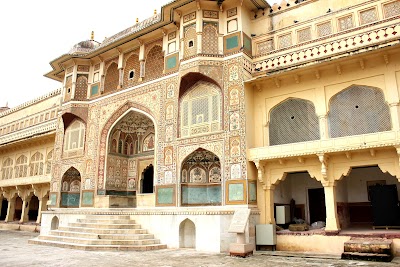
Amber Palace
View on map
Audio Narrations
Introduction
Nestled amidst the rugged hills of Rajasthan, Amber Palace stands as a testament to the grandeur and architectural prowess of the Rajput era. Built in the 16th century by Raja Man Singh, this magnificent fortress-palace is a fusion of Rajput and Mughal architectural styles. Its imposing sandstone and marble ramparts enclose four courtyards, each adorned with intricate carvings, frescoes, and mirror work. The Jaleb Chowk, the main courtyard, once witnessed royal armies parading their spoils of war. The Ganesh Pol, an ornate gate adorned with frescoed arches, leads to the private chambers of the maharajas. The Jai Mandir, or Hall of Victory, boasts exquisite mirror work and delicate floral designs, while the Sukh Niwas, or Hall of Pleasure, features a channel that once carried cooling water through the room. The zenana, the secluded women's quarters, offers a glimpse into the private lives of the royal family, with its independent chambers connected by a common corridor. Amber Palace is not only a historical marvel but also a testament to the artistry and opulence of a bygone era.Hilltop Fortress
Nestled amidst the rugged hills of Aravalli, the Amber Palace in Jaipur, Rajasthan, India, stands as a testament to the architectural prowess of the Rajput era. This magnificent hilltop fortress, a UNESCO World Heritage Site, offers a glimpse into the opulent lifestyle of the erstwhile Maharajas. The palace, constructed in the 16th century by Raja Man Singh I, is a blend of Hindu and Mughal architectural styles. Its imposing walls, adorned with intricate carvings and latticework, encircle a series of courtyards, each with its own unique charm. The Diwan-e-Aam, or Hall of Public Audience, boasts a grand pillared hall where the Maharaja once received his subjects. The Diwan-e-Khas, or Hall of Private Audience, is adorned with exquisite murals and mirror work, reflecting the grandeur of the royal court. One of the most striking features of the Amber Palace is its strategic location atop a hill, providing panoramic views of the surrounding landscape. The palace is accessible via a steep cobbled path, which can be ascended either on foot or by elephant. The elephant ride, a popular tourist attraction, offers a unique and memorable way to experience the grandeur of the fortress. The Amber Palace is not merely a historical monument but a living testament to the rich cultural heritage of Rajasthan. Its courtyards and chambers echo with tales of royal intrigue, battles fought, and alliances forged. The palace's intricate architecture, stunning views, and historical significance make it a must-visit destination for anyone interested in the history and culture of India.Cultural Legacy
Amber Palace, a majestic architectural marvel nestled in the heart of Jaipur, Rajasthan, India, stands as a testament to the rich cultural legacy of the Rajput era. Its opulent palaces, intricate carvings, and sprawling courtyards narrate the tales of a bygone era, inviting visitors to delve into the depths of India's regal past. The palace complex, a UNESCO World Heritage Site, showcases a harmonious blend of Hindu and Mughal architectural styles. Its grandeur is evident in the intricate mirror work of the Sheesh Mahal, the delicate paintings adorning the Sukh Niwas, and the imposing Ganesh Pol, the main entrance gate. Each element whispers stories of the Rajput rulers' patronage of art and culture. Beyond its architectural splendor, Amber Palace is a repository of cultural traditions. The sound and light show, held within the fort's premises, brings to life the palace's history and the legends surrounding it. Visitors can also witness traditional dance performances, showcasing the vibrant folk culture of Rajasthan. The palace complex houses several temples, including the Shila Devi Temple, dedicated to the goddess of victory. These sacred spaces offer a glimpse into the religious beliefs and practices of the Rajput era. The Jaleb Chowk, a large courtyard, was once the venue for royal processions and festivals, adding to the palace's cultural significance. Amber Palace is not merely a historical monument but a living testament to the cultural legacy of Rajasthan. Its grandeur, artistry, and traditions continue to captivate visitors, offering a profound insight into the rich tapestry of India's cultural heritage.
18
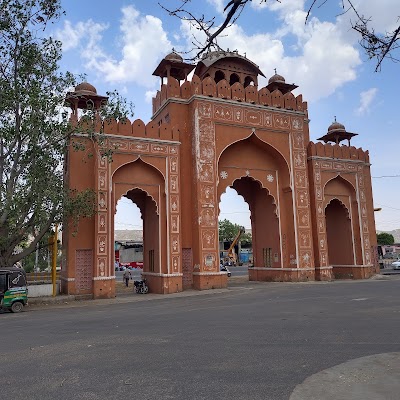
Khole ke hanuman ji gate
View on map
19
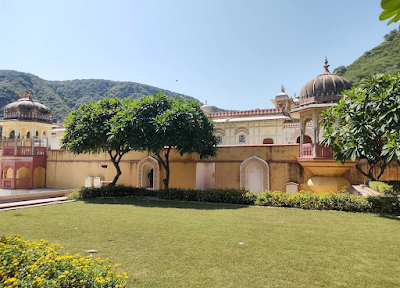
Sisodia Rani ka Bagh
View on map
Experience the Full Tour
Download the DocentPro app to access all tour stops, complete audio narrations in multiple languages, offline maps, and interactive features.