
Santiago's City Symphony: A Stroll Through the Heart of Chile

Walking Tour

8.3 km (5.2 miles)

2h 16min travel time

15 Stops

Santiago, Chile
Santiago's City Symphony: A Stroll Through the Heart of Chile
Tour Stops
1
Plaza de Armas
View on map
Audio Narrations
English
Introduction
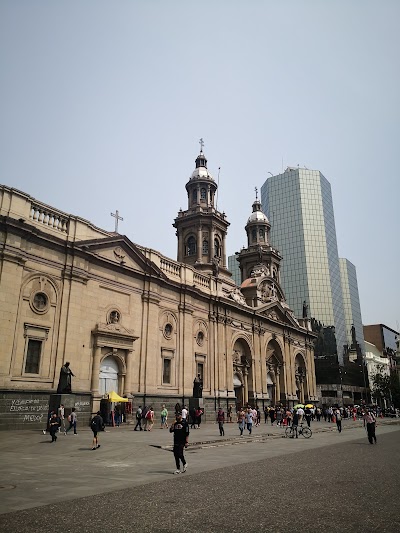
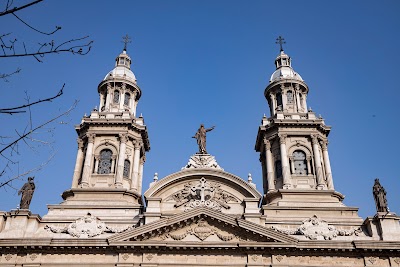
Plaza de Armas, the heart of Santiago, Chile, is a central square brimming with historical significance and architectural grandeur. Its coordinates, -33.437492, -70.651062, pinpoint its location in the heart of the city. Surrounding the square are iconic buildings that narrate Santiago's rich past. The Metropolitan Cathedral of Santiago, with its imposing neoclassical façade, stands as a testament to the city's religious heritage. The Palacio de la Real Audiencia de Santiago, once the seat of colonial power, now houses the Museo Histórico Nacional, showcasing Chile's captivating history. The Central Post Office Building, a masterpiece of neoclassical architecture, adds to the square's architectural allure. Monuments grace the square, paying homage to Chile's past and present. The Monumento a la Libertad Americana, an allegory of freedom, stands tall at the square's center. The Monemento al Pueblo Indígena honors the indigenous heritage of the land. Plaza de Armas is not just a historical site; it's a vibrant hub of activity. Street vendors offer local delicacies, while musicians fill the air with melodies. The square transforms into a lively gathering place, where locals and tourists alike soak in the city's vibrant atmosphere.Freedom of Latin America Monument
At the heart of Plaza de Armas, Santiago's central square, stands the Freedom of Latin America Monument, a poignant tribute to the region's liberation from colonial rule. Unveiled in 1836, this Carrara marble masterpiece by Francesco Orselino depicts an allegorical figure of Freedom breaking the chains of an indigenous woman. The monument replaced an earlier bronze fountain, symbolizing the city's transition from Spanish dominion to independence. The monument's central figure, a majestic female form, embodies the spirit of liberty that swept across Latin America in the early 19th century. Her outstretched wings and broken chains represent the triumph over oppression, while the indigenous woman at her feet signifies the indigenous roots of the continent's liberation movements. The monument's placement in the heart of the city underscores its profound significance as a symbol of both national and regional pride. Over the years, the Freedom of Latin America Monument has witnessed countless celebrations, protests, and gatherings. It serves as a constant reminder of the struggles and sacrifices made by those who fought for Latin America's freedom. Today, it remains a beloved landmark, visited by locals and tourists alike, who come to pay homage to the spirit of liberation that continues to inspire the region.Inca Settlement History
Plaza de Armas, the heart of Santiago, holds a profound connection to the Inca civilization that once thrived in this region. Archaeological evidence suggests that beneath the bustling square lies an ancient Inca settlement, a testament to the city's rich pre-Columbian heritage. In the 15th century, the Inca Empire expanded its reach into the Maipo Valley, establishing a strategic urban center where Plaza de Armas now stands. This settlement served as a hub for trade, agriculture, and mining, with roads radiating outward to connect it to the vast Inca Trail network. The Inca settlement was meticulously planned, featuring a grid-like layout and advanced water management systems. Its inhabitants practiced hydro-agriculture, utilizing irrigation channels to cultivate crops in the fertile valley. They also engaged in gold and silver mining, exploiting the region's mineral wealth. When the Spanish conquistadors arrived in the 16th century, they recognized the strategic importance of the Inca settlement and established their own city on its foundations. However, the legacy of the Inca civilization remained deeply embedded in the urban fabric of Santiago. Today, Plaza de Armas serves as a poignant reminder of the Inca presence in Chile. Its central location and historical significance make it a must-visit destination for anyone interested in exploring the rich tapestry of Santiago's past.
2
National History Museum of Chile
View on map
Audio Narrations
Spanish
Introducción
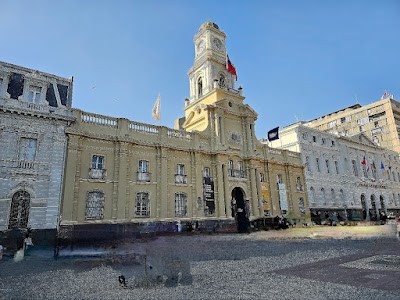
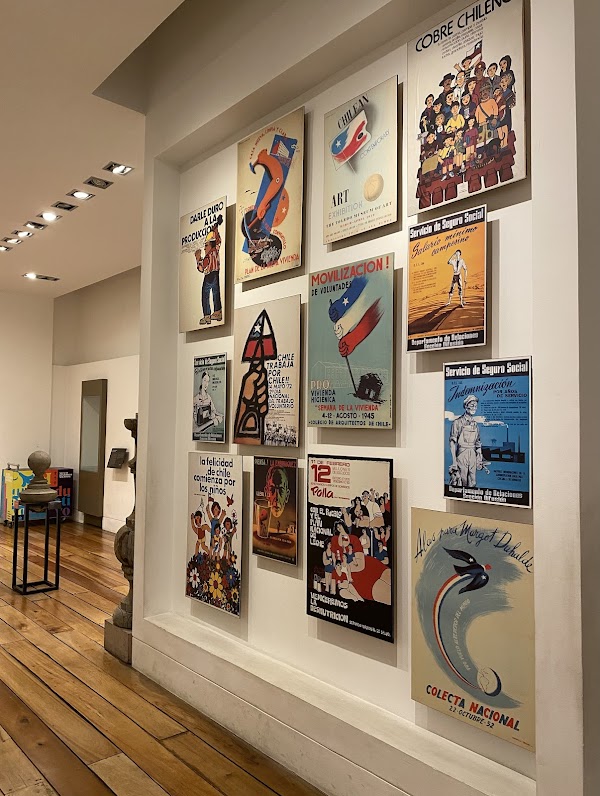
El Museo Histórico Nacional de Chile, ubicado en la Región Metropolitana de Santiago, ocupa el Palacio de la Real Audiencia, un edificio con una rica historia propia, ya que sirvió como sede de la administración colonial española. A diferencia de muchos museos nacionales, su estrategia de colección enfatiza las dimensiones sociales y culturales de la historia chilena, a menudo exhibiendo objetos cotidianos junto con grandes artefactos históricos. Un aspecto intrigante es su enfoque en las contribuciones, a menudo pasadas por alto, de las poblaciones indígenas y las comunidades marginadas a la narrativa de la nación. El museo posee una importante colección de arte folclórico chileno, que ofrece un contrapunto vibrante a los relatos históricos más formales. Un tesoro menos conocido es su archivo de fotografías históricas, que ofrece un registro visual convincente de la sociedad chilena a través de diferentes épocas. Las exposiciones del museo frecuentemente desafían las interpretaciones convencionales de la historia chilena, fomentando un compromiso crítico con el pasado. Es un lugar donde la gran magnitud de los eventos nacionales se cruza con los detalles íntimos de la vida diaria, ofreciendo una perspectiva matizada de la experiencia chilena.Narrativa Histórica Chilena
El Museo Histórico Nacional, ubicado en el Palacio de la Real Audiencia en la Plaza de Armas de Santiago, encapsula vívidamente la narrativa histórica de Chile. Originalmente construido entre 1804 y 1807, el edificio en sí jugó un papel significativo en la época colonial española, y más tarde pasó a albergar una colección de 12.000 objetos que narran la historia en evolución de Chile. La ubicación del museo es históricamente significativa, ya que la Plaza de Armas ha sido el escenario central de eventos cruciales en la historia chilena. Las exhibiciones del museo brindan información sobre la evolución cultural de la nación, desde sus raíces coloniales hasta sus avances republicanos. La colección del museo refleja los aspectos tangibles del patrimonio chileno, ofreciendo a los visitantes un viaje cronológico a través de los momentos definitorios de la nación. La transformación del edificio, de sede de la Real Audiencia a depósito de artefactos históricos, refleja la propia transformación de Chile. Su presencia en la Plaza de Armas subraya su papel como guardián de la memoria colectiva. El museo se erige como un testimonio del compromiso de Chile de preservar e interpretar su pasado, ofreciendo un espacio para la reflexión sobre las fuerzas que han moldeado la nación. Sirve como un recordatorio de la compleja interacción entre los legados coloniales y las aspiraciones de una república independiente.Palacio de la Real Audiencia
El Palacio de la Real Audiencia de Santiago, construido originalmente a principios del siglo XVII, alberga el Museo Histórico Nacional desde 1982. La historia del Palacio está entrelazada con la evolución de Chile, siendo encargado inicialmente en 1607 por la Real Audiencia bajo el reinado de Felipe III de España para administrar justicia durante el período colonial. Tras la independencia de Chile en 1818, el Palacio pasó de ser un símbolo de la autoridad colonial a albergar diversas oficinas gubernamentales. Declarado Monumento Nacional en 1941, reconociendo su importancia histórica y arquitectónica, el Palacio fue objeto de modificaciones y ampliaciones a lo largo de los siglos, incorporando elementos neoclásicos y barrocos a su austera estructura original del siglo XVII. Los esfuerzos de restauración, incluyendo un importante proyecto a finales del siglo XX, han preservado su integridad histórica, reparando los daños causados por terremotos y los efectos del tiempo. Los visitantes del Museo Histórico Nacional, dentro del Palacio, pueden explorar exposiciones que narran la historia de Chile desde la época precolombina hasta mediados de la década de 1970. Se permite la fotografía en la mayoría de las áreas, aunque generalmente se prohíben el flash y los trípodes. El Palacio es accesible para sillas de ruedas, con rampas y ascensores disponibles. El edificio se encuentra en la Plaza de Armas, la plaza principal de Santiago, que fue diseñada con un patrón de cuadrícula por Pedro de Gamboa en 1541. La plaza también podría estar ubicada sobre un antiguo asentamiento Inca.
3
Metropolitan Cathedral of Santiago de Chile
View on map
4
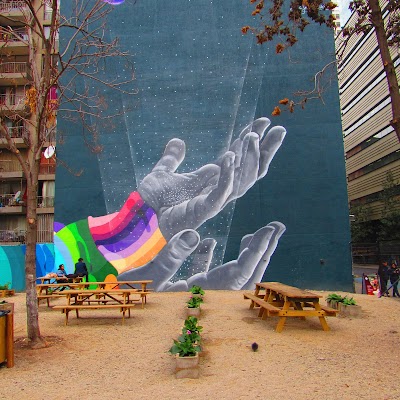
Plaza de Bolsillo Santo Domingo
View on map
5
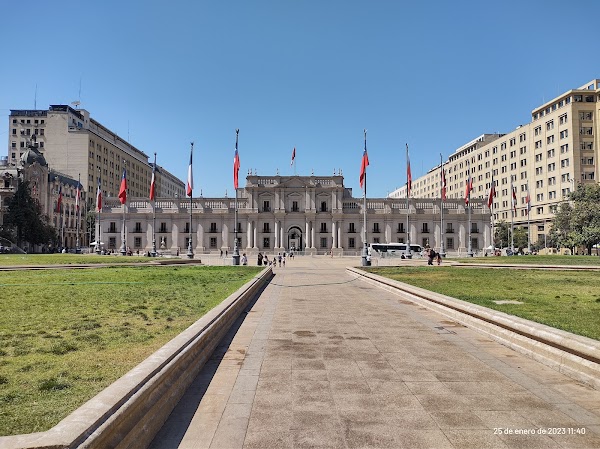
La Moneda Palace
View on map
6
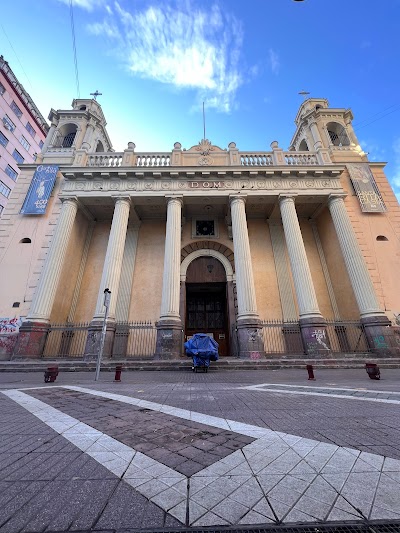
Church of St. Augustine, Augustinians
View on map
7
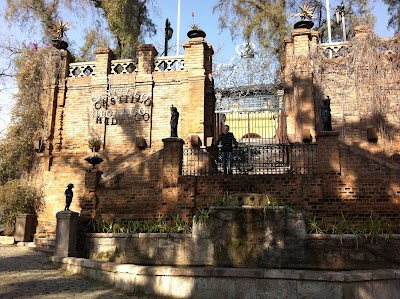
Hidalgo Castle
View on map
8
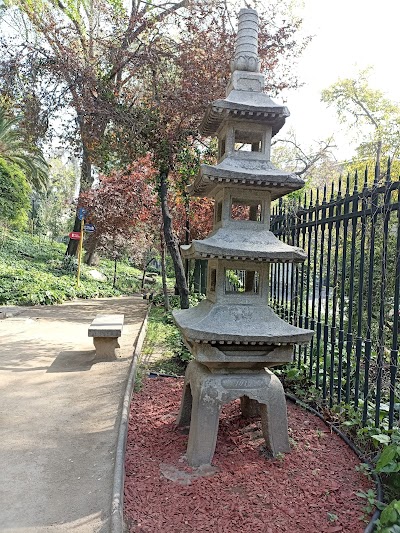
Japonés Garden
View on map
9
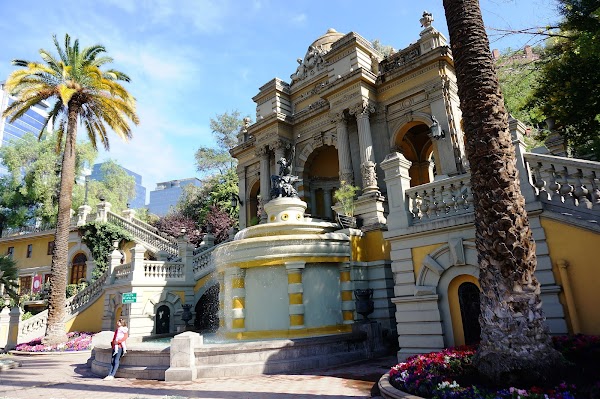
Santa Lucía Hill
View on map
10
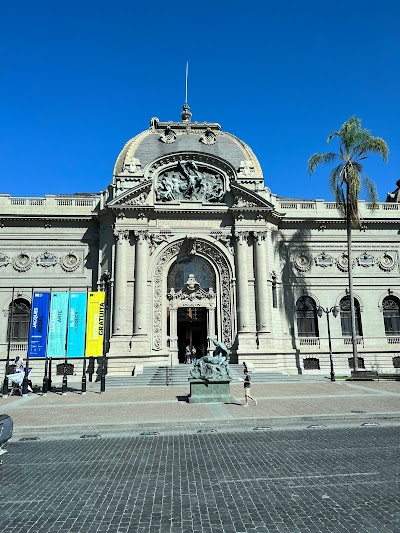
National Museum of Fine Arts
View on map
Audio Narrations
English
Introduction
Established in 1910, the National Museum of Fine Arts in Santiago, Chile, stands as the first museum in South America dedicated primarily to Chilean art. Its impressive collection spans from colonial times to the present day, showcasing over 5,000 works. The museum's neo-classical/baroque architecture adds to its allure, making it one of the city's most captivating spaces. Among its notable exhibits are portraits of Liberator Bernardo O'Higgins by José Gil de Castro and extensive compositions by the prominent Chilean expressionist painter Israel Roa. The museum also boasts a collection of Italian drawings from the 15th to 17th centuries, Spanish paintings, and African sculptures. Its intimate galleries and rotating exhibitions provide a dynamic and engaging experience for art enthusiasts.Neoclassical Architecture
The National Museum of Fine Arts in Santiago, Chile, stands as a testament to the grandeur and elegance of Neoclassical architecture. Its imposing facade, adorned with stately columns and intricate moldings, evokes the architectural principles of ancient Greece and Rome. The museum's symmetrical design and harmonious proportions create a sense of balance and order, characteristic of the Neoclassical style. Upon entering the museum, visitors are greeted by a grand foyer, its high ceilings supported by graceful Ionic columns. The interior spaces are characterized by clean lines, geometric forms, and an abundance of natural light, reflecting the Neoclassical emphasis on clarity and simplicity. The museum's collection of fine arts is housed in a series of galleries, each designed to complement the works on display. The galleries feature high ceilings, large windows, and neutral color palettes, allowing the artworks to take center stage. The National Museum of Fine Arts in Santiago is not only a repository of artistic treasures but also a masterpiece of Neoclassical architecture. Its elegant facade, harmonious proportions, and carefully designed interior spaces make it a must-visit destination for anyone interested in the history of architecture and the beauty of the Neoclassical style.Fine Arts
The National Museum of Fine Arts in Santiago, Chile, stands as a testament to the nation's rich artistic heritage. Founded in 1880, it boasts a vast collection of over 5,000 works spanning from colonial times to the present day. The museum's neoclassical architecture provides a grand setting for its diverse collection, which includes paintings, sculptures, drawings, and engravings. One of the museum's highlights is its extensive collection of Chilean art. Visitors can trace the evolution of Chilean painting from its colonial roots to the vibrant contemporary scene. Notable works include portraits by José Gil de Castro, landscapes by Alfredo Helsby, and abstract compositions by Roberto Matta. The museum also houses a significant collection of international art, featuring works by European masters such as Francisco Goya, Rembrandt, and Eugène Delacroix. Beyond its permanent collection, the museum hosts temporary exhibitions that showcase both Chilean and international artists. These exhibitions provide a platform for emerging talents and offer visitors a glimpse into the latest trends in contemporary art. The museum's educational programs, including guided tours, workshops, and lectures, further enhance the visitor experience. For those seeking an in-depth exploration of Chilean and international fine arts, the National Museum of Fine Arts in Santiago is an essential destination. Its comprehensive collection, diverse exhibitions, and educational initiatives make it a vibrant hub for art enthusiasts and scholars alike.
11
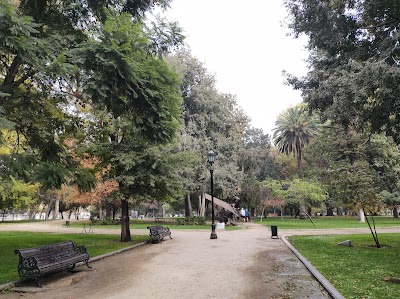
Parque Forestal
View on map
Audio Narrations
English
Introduction
Parque Forestal, a verdant oasis in the heart of Santiago, Chile, stretches from Plaza Baquedano to Mercado Central. This graceful 19th-century park is a haven for locals and visitors alike, offering respite from the bustling city. Its landscape is adorned with public art, inviting leisurely strolls and contemplation. The park's eastern end seamlessly transitions into Balmaceda Park, forming an unbroken stretch of greenery along the Mapocho River. Within the park's embrace lies the Chilean National Museum of Fine Arts, housed in the same building as the Santiago Museum of Contemporary Art. The distinctive feature of Parque Forestal is its three lines of platanus orientalis trees, creating a picturesque canopy overhead. Visitors can explore the park's hidden gems, such as the Palacio Bruna, located just across the street on Merced Street. While Parque Forestal is a delightful destination during the day, it's advisable to exercise caution at night. The park's wild dog population frequents the area after dark, making it less suitable for evening strolls.Historical Promenade
Parque Forestal, a historical promenade in Santiago, Chile, offers a captivating journey through the city's past. Established in the early 20th century on reclaimed land from the Mapocho River, the park boasts a rich tapestry of historical landmarks and architectural gems. Strolling along the park's central axis, visitors encounter the iconic Palacio de Bellas Artes, a neoclassical masterpiece that houses the National Museum of Fine Arts. Further along, the Museo de Arte Contemporáneo (MAC) showcases a diverse collection of modern and contemporary art. The park's verdant lawns and towering trees provide a serene backdrop for exploring its historical monuments. The Fuente Alemana, a monumental fountain donated by the German community in 1910, stands as a testament to the city's multicultural heritage. The Fuente de Neptuno, with its intricate sculptures and cascading waters, evokes the grandeur of Roman mythology. Beyond the fountains, the Paseo de las Esculturas features a collection of bronze sculptures by renowned Chilean artists, offering a glimpse into the country's artistic legacy. The park's perimeter is adorned with stately buildings, including the former National Congress building, now housing the Museo Histórico Nacional, which chronicles Chile's political and social history. Parque Forestal's historical promenade invites visitors to immerse themselves in Santiago's rich past, where art, architecture, and nature harmoniously converge.Mapocho Riverfront
Parque Forestal, a verdant oasis in Santiago, Chile, unfolds along the picturesque Mapocho Riverfront, offering a captivating blend of natural beauty and urban allure. This linear park, stretching over 4 miles, seamlessly connects three distinct parks: Parque de los Reyes, Parque Forestal, and Parque Balmaceda. At the heart of Parque Forestal lies the Museo de Arte Contemporaneo, a haven for modern art enthusiasts. The park also boasts the Museum of Pharmacy, a testament to the city's rich medical history. Amidst the lush greenery, monuments and sculptures pay homage to Chile's past, while the iconic Baquedano Square, dating back to 1875, serves as a vibrant gathering place. Strolling along the riverfront promenade, visitors can admire the majestic Oriental Plane trees that line the sidewalks, providing respite from the bustling city streets. The park's tranquil ambiance invites leisurely walks, bike rides, or simply relaxing by the river's edge, soaking in the serene atmosphere. For those seeking a more active experience, the park offers ample opportunities for recreation. Joggers and cyclists can take advantage of the dedicated paths that wind through the park, while playgrounds and open spaces cater to families and children. As the sun dips below the horizon, Parque Forestal transforms into a magical realm illuminated by twinkling lights. The riverfront promenade becomes a popular spot for evening strolls, offering breathtaking views of the city skyline reflected in the shimmering waters of the Mapocho River.
12
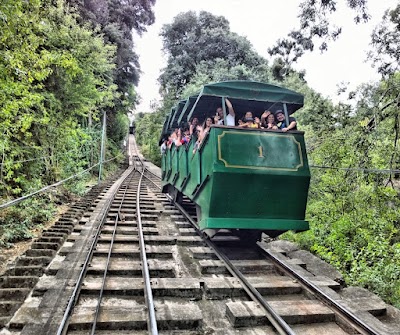
Estación Pío Nono Funicular Santiago by Turistik
View on map
13
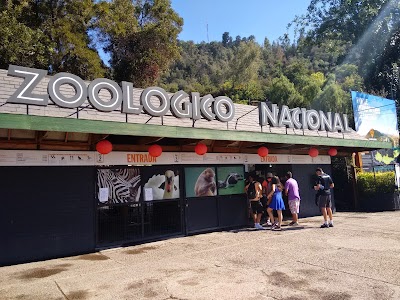
National Zoo
View on map
14
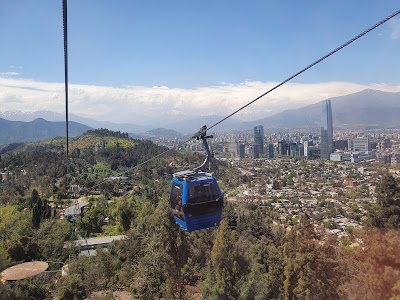
Metropolitan Park of Santiago
View on map
Audio Narrations
English
Introduction
Nestled within the heart of Santiago, the Metropolitan Park of Santiago is an expansive urban oasis that sprawls across 722 hectares. This verdant sanctuary encompasses the San Cristóbal, Chacarillas, and Los Gemelos hills, offering a breathtaking panorama of the city and the majestic Andes beyond. The park's crown jewel is the iconic San Cristóbal Hill, accessible via a scenic cable car or funicular. Ascending to its summit, visitors are greeted by the towering statue of the Virgin Mary, a symbol of Santiago's faith and resilience. From this vantage point, one can marvel at the city's sprawling cityscape, dotted with skyscrapers and historic landmarks. Beyond the hilltops, the park unfolds into a tapestry of natural wonders. The Tupahue and Antilén pools provide respite from the summer heat, while the Mapulemu Botanic Garden showcases Chile's diverse flora. Hikers and cyclists traverse the park's winding trails, immersing themselves in its tranquil ambiance. The park also houses the Chilean National Zoo, home to thousands of animals representing over 150 species. Visitors can observe majestic lions, playful penguins, and a myriad of other creatures from around the globe. As the sun begins its descent, the park transforms into a vibrant hub of activity. Locals and tourists alike gather at the summit of San Cristóbal Hill to witness the mesmerizing sunset over the Andes, a spectacle that paints the sky in hues of gold and crimson.Japanese Garden and Mapulemu Botanic Garden
Nestled within the sprawling Metropolitan Park of Santiago, the Japanese Garden and Mapulemu Botanic Garden offer a tranquil oasis amidst the urban landscape. Inaugurated in 1997 by Prince Hitachi of Japan, the Japanese Garden transports visitors to the serene ambiance of the Orient. Its centerpiece, a lotus pond, reflects the delicate beauty of cherry trees and Japanese maples, creating a picturesque setting for contemplation. In contrast, the Mapulemu Botanic Garden, established in 1945, showcases the rich diversity of Chilean flora. Spanning over 8 acres, it features interpretative information that unveils the secrets of native plant species. Visitors can wander through its verdant paths, discovering the wonders of the Chilean ecosystem. Together, these gardens provide a unique blend of Eastern serenity and native biodiversity. Whether seeking a moment of tranquility or a deeper understanding of Chile's natural heritage, the Japanese Garden and Mapulemu Botanic Garden offer an unforgettable experience within the heart of Santiago's Metropolitan Park.Panoramic City Views
Metropolitan Park of Santiago, nestled in the heart of Recoleta, offers breathtaking panoramic city views that will leave you spellbound. Ascend to the summit of Cerro San Cristóbal, the park's iconic hill, and witness the sprawling metropolis unfold before your eyes. From this vantage point, the city's landmarks, including the towering skyscrapers of the financial district and the historic buildings of the city center, create a mesmerizing tapestry. The Andes Mountains, with their snow-capped peaks, form a majestic backdrop, adding to the panoramic splendor. The park's winding trails and viewpoints provide ample opportunities to capture the city's beauty from different angles. Whether you're a photography enthusiast seeking the perfect shot or a nature lover yearning for breathtaking vistas, Metropolitan Park of Santiago is a haven for panoramic city views.
15
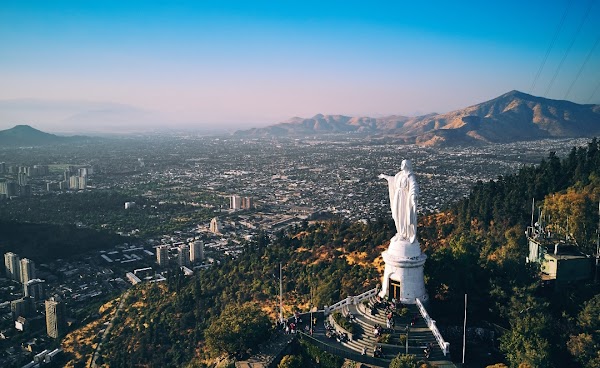
San Cristóbal Hill
View on map
Experience the Full Tour
Download the DocentPro app to access all tour stops, complete audio narrations in multiple languages, offline maps, and interactive features.