
Istanbul's Historic Treasures: A Journey Through Time #2

Walking Tour

4.2 km (2.6 miles)

59 min travel time

11 Stops

Istanbul, Turkey
Istanbul's Historic Treasures: A Journey Through Time #2
Tour Stops
1
Çiçek Pasajı
View on map
Audio Narrations
Introduzione
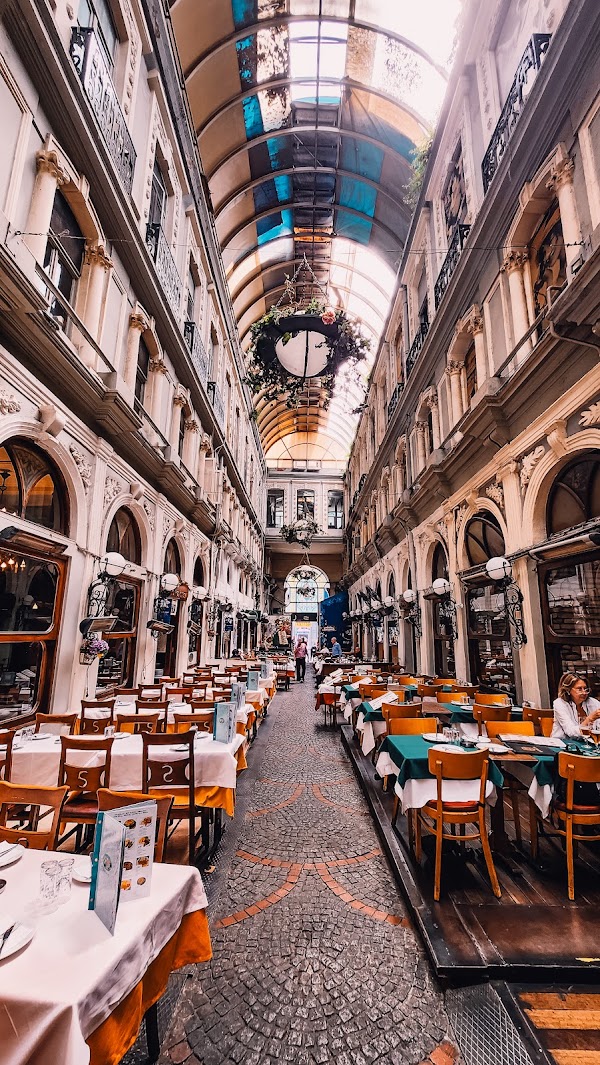
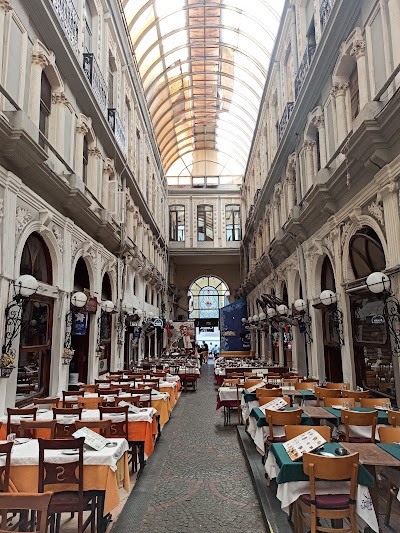
Incastonato nello storico edificio Cité de Péra, sulla vivace İstiklal Caddesi di Istanbul, il Çiçek Pasajı è un affascinante cortile fiancheggiato da ristoranti che offrono una deliziosa esperienza culinaria. Costruito nel 1876 sul sito dell'ex Teatro Naum, il passaggio era un tempo una galleria commerciale e un complesso residenziale di lusso. Oggi, emana un'atmosfera conviviale, con un servizio cordiale e una ricca storia che lo ha visto evolvere da centro di fiorai a rinomata destinazione per meyhanes (taverne). Sebbene la reputazione iniziale del passaggio per i prezzi gonfiati sia diminuita, rimane un luogo popolare sia per i locali che per i turisti, offrendo uno sguardo sulla vivace scena culinaria e sociale di Istanbul.Delizie Culinarie
Immerso nel cuore del vivace quartiere di Beyoğlu a Istanbul, Çiçek Pasajı, che significa "Passaggio dei Fiori", è un paradiso culinario che trasporta i visitatori in un'epoca passata. Questa galleria storica, risalente al XIX secolo, è ornata da intricati motivi floreali e vetrate colorate, creando un'atmosfera incantevole. Çiçek Pasajı è rinomato per la sua deliziosa varietà di prelibatezze turche. I clienti possono gustare meze tradizionali, come hummus, baba ghanoush e foglie di vite ripiene, sorseggiando aromatico caffè o tè turco. Il passaggio ospita anche numerosi ristoranti rinomati, ognuno dei quali offre un'esperienza culinaria unica. Uno dei punti forti di Çiçek Pasajı è la sua vasta selezione di dolci. Il baklava, una pasta sfoglia ripiena di noci e miele, è assolutamente da provare. Il künefe, un dessert filante ripieno di formaggio, è un'altra scelta popolare. Per i più golosi, il lokum, una colorata confetteria a base di zucchero, amido e acqua di rose, è una delizia squisita. Oltre alla sua offerta culinaria, Çiçek Pasajı è anche un punto di riferimento culturale. Un tempo era un ritrovo popolare per artisti, scrittori e intellettuali, e le sue pareti sono adornate con fotografie storiche e cimeli. Oggi continua ad attrarre sia gente del posto che turisti, che vengono per assaporare l'atmosfera unica e indulgere nelle delizie culinarie che hanno reso Çiçek Pasajı una destinazione amata per oltre un secolo.Meraviglia Architettonica
Çiçek Pasajı, una galleria storica nel cuore di Beyoğlu, testimonia la brillantezza architettonica del XIX secolo. La sua galleria con tetto in vetro, ornata da intricate opere in ferro e colorate vetrate, crea un'atmosfera accattivante che trasporta i visitatori in un'epoca passata. Il passaggio è fiancheggiato da affascinanti negozi, pasticcerie ed eleganti ristoranti, ognuno ospitato all'interno di edifici meticolosamente restaurati che mostrano una fusione di stili architettonici ottomani ed europei. La caratteristica più sorprendente del passaggio è il suo cortile centrale, dove una magnifica fontana si riversa in una serena piscina. Intorno al cortile si trovano due livelli di balconi, sostenuti da graziose colonne e archi. I balconi offrono viste mozzafiato sul passaggio sottostante, creando un senso di grandiosità e intimità. I dettagli architettonici di Çiçek Pasajı sono altrettanto impressionanti. Le facciate degli edifici sono adornate con intagli intricati, modanature ed elementi decorativi che riflettono le influenze eclettiche del periodo. Il design complessivo del passaggio integra perfettamente luce naturale e ventilazione, creando uno spazio luminoso e arioso che invita all'esplorazione. In quanto meraviglia architettonica, Çiçek Pasajı incarna la fusione di estetica orientale e occidentale che caratterizzò l'Impero Ottomano durante il XIX secolo. Il suo significato storico, combinato con la sua squisita fattura e la sua bellezza senza tempo, lo rende una destinazione imperdibile per chiunque sia interessato alle meraviglie architettoniche.
2
İstiklal Caddesi
View on map
Audio Narrations
Introduction
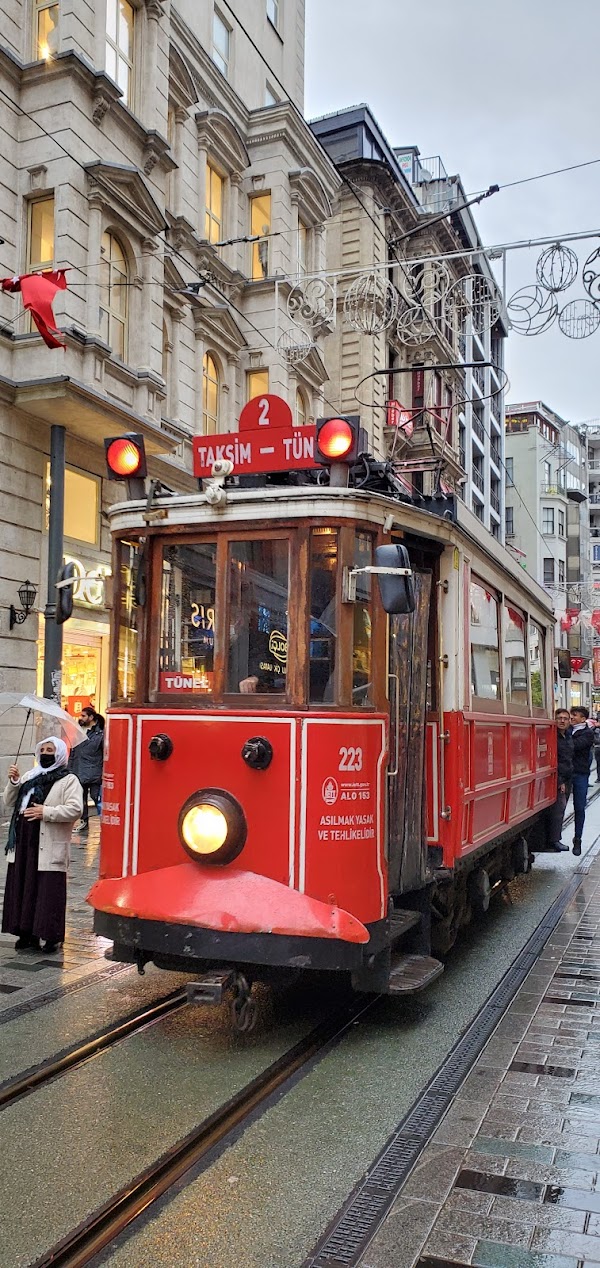
İstiklal Caddesi, Istanbul's vibrant pedestrian artery, is more than just a shopping street; it's a living tapestry woven with history and culture. The iconic red tram, a nostalgic symbol, diligently traverses its length, a constant reminder of a bygone era. Beyond the grand facades of consulates and historic apartment buildings lies a network of hidden passages and courtyards, revealing glimpses into the city's layered past. These secret spaces often house artisan workshops, antique shops, and intimate cafes, offering a respite from the bustling crowds. The street's unique architectural blend, a fusion of Ottoman, European, and Art Nouveau styles, reflects Istanbul's cosmopolitan heritage. Look closely, and you'll notice the subtle details in the building ornamentation, each telling a silent story of the families and businesses that once thrived within. The street is also a haven for street performers, artists, and political demonstrations, making it a dynamic and ever-changing public space.Architectural Heritage
İstiklal Avenue showcases a diverse architectural heritage, primarily from the late Ottoman era, featuring styles such as Neo-Classical, Neo-Gothic, Renaissance Revival, Beaux-Arts, Art Nouveau, and early Turkish National Architecture. Some Art Deco buildings from the early Turkish Republic period also contribute to its architectural variety. Casa Botter, designed by Raimondo D’Aronco, stands out as a prime example of Art Nouveau architecture. The Church of Sant’Antonio di Padova, designed by Giulio Mongeri, is the largest Catholic church in Istanbul and a significant landmark. Many late 19th and early 20th-century buildings line the avenue, reflecting its historical significance. The Baudouy Apartment, constructed between 1905 and 1909, initially served as a residential and office building and later housed the İş Bank Painting and Sculpture Museum. Flower Passage (Çiçek Pasajı) is one of the most iconic arcades in Istanbul. Other notable structures include Anadolu Han, built in 1890, and Atlas Passage, constructed in 1870 by Agop Köçeyan, featuring ornate ceilings painted by Hippolyte-Dominique Berteaux. The Tokatlıyan Business Center, originally the Tokatlıyan Hotel, was a rival to the Pera Palace Hotel. The Örs Touristic Business Center, built by the Esayan family, displays beautiful stonework. Güney Palace, dating back to 1900, is known for its glamorous parties. The Netherlands Palace has housed Dutch diplomatic representation since 1714, with the current building dating back to 1859 and designed by Giovanni Battista Barborini.Cosmopolitan Hub
İstiklal Caddesi, Istanbul's vibrant artery, embodies a cosmopolitan hub where diverse cultures converge. Historically known as Grande Rue de Péra during the Ottoman era, it reflects a blend of European and Asian influences, solidifying its role as a melting pot within Istanbul. This pedestrian-only avenue, stretching from Taksim Square to the Funicular Tunel, showcases architectural styles ranging from Ottoman to Art Nouveau, mirroring the city's cultural diversity. The street is a shopper's paradise, featuring international chain stores and local boutiques, attracting both tourists and locals. Its side streets reveal unique finds, enhancing its appeal as a premier shopping destination. Culinary experiences abound, with cafes and restaurants offering traditional Turkish cuisine alongside international dishes, catering to diverse palates. As evening descends, İstiklal transforms into a vibrant nightlife hub, with bars and clubs enlivening the atmosphere. Taksim Square, at the avenue's northern end, serves as a dynamic urban center surrounded by hotels, shops, and cultural venues, further amplifying the area's cosmopolitan nature. The nostalgic tram running through İstiklal adds to its charm, connecting the city's past with its present. Easily accessible via the M4 metro line, İstiklal Street bridges Istanbul's traditional and modern aspects, making it a focal point for those seeking a cosmopolitan experience.
3
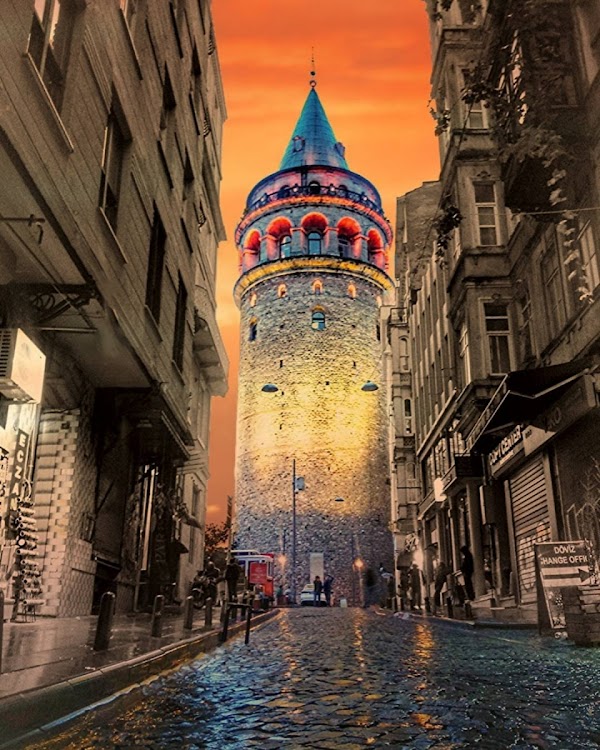
Galata Tower
View on map
Audio Narrations
Introduction
Galata Tower, an iconic landmark in Istanbul, Turkey, stands tall at 62.59 meters, offering breathtaking 360-degree views of the city. Built in the 14th century as a watchtower, it has witnessed centuries of history and served various purposes, including a prison and a fire lookout. The tower's cylindrical body is made of stone, and its conical roof was reconstructed in 1967 after a storm destroyed the original one. One of the most fascinating stories associated with Galata Tower is the legendary flight of Hezârfen Ahmed Çelebi in 1632. Çelebi attached wings to his arms and soared from the tower, gliding across the Bosphorus to the Asian side of Istanbul. This remarkable feat earned him the nickname "Hezarfen," meaning "the man who knows a thousand things." Today, Galata Tower is a popular tourist destination, offering visitors an unforgettable experience. Its observation deck provides panoramic views of Istanbul's skyline, including the Bosphorus, the Blue Mosque, and the Hagia Sophia. The tower also houses a museum, showcasing artifacts from different periods of its history, including a model of a sailing cargo boat from the 9th century AD.Byzantine History
The Galata Tower, a formidable sentinel guarding the Golden Horn's entrance, stands as a testament to Byzantine ingenuity and architectural prowess. Originally known as the "Megalos Pyrgos" or Great Tower, it was constructed by Emperor Justinian in the 6th century as a watchtower within the citadel of Galata. Its strategic position allowed Byzantine forces to monitor maritime traffic and defend against potential naval attacks. During the Fourth Crusade in 1204, the tower suffered significant damage. However, it was later rebuilt by the Genoese in the 14th century, who named it "Christea Turris" or Tower of Christ. The Genoese expanded the tower's height and reinforced its structure, transforming it into a formidable defensive fortification. Throughout the Byzantine era, the Galata Tower played a crucial role in protecting Constantinople from maritime threats. Its elevated vantage point provided a panoramic view of the surrounding waters, enabling Byzantine soldiers to detect approaching enemy vessels and sound the alarm. The tower's robust construction and strategic location made it a vital component of the city's defense system. After the Ottoman conquest of Constantinople in 1453, the Galata Tower continued to serve as a watchtower, this time under Ottoman rule. Its historical significance and architectural beauty have made it a beloved landmark, attracting visitors from around the world. Today, the Galata Tower stands as a symbol of Byzantine ingenuity and a testament to the rich history of İstanbul, Türkiye.Panoramic Views
Galata Tower, an iconic landmark in Istanbul, Turkey, offers unparalleled panoramic views of the city's stunning skyline. Ascend to the observation deck and be mesmerized by a breathtaking 360-degree vista. Gaze upon the shimmering waters of the Bosphorus Strait, the historic Golden Horn, and the myriad of architectural marvels that dot the cityscape. The tower's unique vantage point provides a bird's-eye perspective of Istanbul's rich tapestry, from the grandeur of the Hagia Sophia to the vibrant streets of Beyoğlu. Whether you're a seasoned traveler or a first-time visitor, the panoramic views from Galata Tower promise an unforgettable experience, capturing the essence of Istanbul's captivating beauty and vibrant spirit.
4
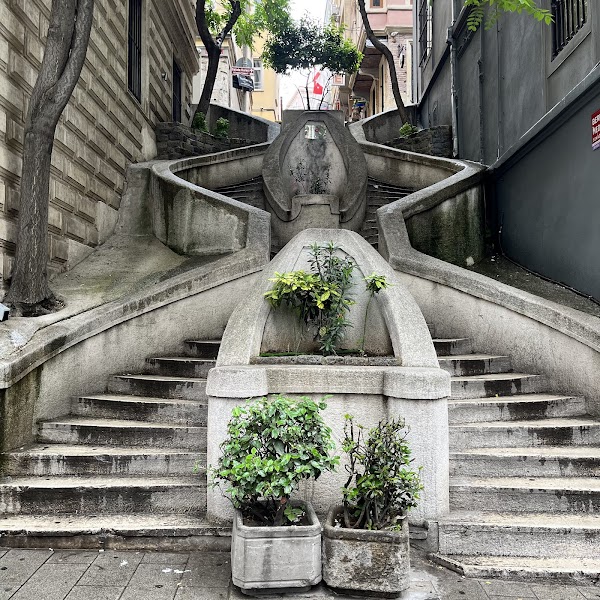
Kamondo Stairs
View on map
Audio Narrations
Introduzione
Le scale di Kamondo, un elegante esempio di architettura Art Nouveau a Istanbul, sono più di una semplice scorciatoia pedonale. Commissionate dal ricco banchiere ebreo sefardita Abraham Salomon Camondo alla fine del XIX secolo, si dice che il loro design unico sia stato concepito per aiutare l'anziano Camondo nella salita e nella discesa. Il caratteristico design a doppia elica delle scale, con le sue ampie curve e le elaborate decorazioni in ferro battuto, sarebbe stato deliberatamente realizzato per ridurre al minimo il rischio di cadute, un dettaglio sottile ma cruciale spesso trascurato. Collegando Banker Street (Bankalar Caddesi) al quartiere più alto di Bereketzade, le scale fungevano da via d'accesso privata, riflettendo la significativa influenza della famiglia Camondo nel distretto di Galata. La pietra giallo pallido, di provenienza locale, contribuisce alla sobria grandiosità delle scale, un contrappunto visivo alla vivace attività commerciale sottostante. La loro duratura presenza testimonia l'eredità della famiglia Camondo e il loro contributo al patrimonio architettonico di Istanbul.Fusione di Neobarocco e Art Nouveau
Le scale Kamondo a Istanbul rappresentano una fusione distintiva di stili Neo-Barocco e Art Nouveau delle origini, una combinazione architettonica relativamente rara nel panorama cittadino, più comunemente associato a design bizantini e ottomani. Costruite negli anni '70 del 1800 da Abraham Salomon Camondo, le scale fungevano da scorciatoia che collegava Bankalar Caddesi (Via delle Banche) con la residenza della famiglia e facilitava il tragitto dei suoi figli verso la scuola. Questa funzione pratica fu elevata dal suo design estetico, che rifletteva i gusti architettonici dell'epoca. La forma sinuosa della scalinata, che ricorda l'opera di Gaudí, mette in mostra l'emergente influenza dell'Art Nouveau, mentre elementi del Neo-Barocco contribuiscono alla sua imponenza. Il design incorpora una forma esagonale, una caratteristica che si ritiene sia stata implementata per prevenire cadute gravi, unendo praticità ed espressione artistica. Questa fusione di stili riflette un periodo in cui Istanbul era aperta ai movimenti architettonici europei, con l'Art Nouveau che fioriva e lasciava tracce notevoli in tutta la città. Le scale Kamondo testimoniano questo scambio culturale, incarnando un momento unico nella storia architettonica di Istanbul in cui la funzionalità incontrava le aspirazioni decorative del Neo-Barocco e le linee nascenti dell'Art Nouveau.L'Eredità di Abraham Salomon Camondo
Abraham Salomon Camondo, figura di spicco della famiglia Camondo, commissionò le scale Camondo a Istanbul negli anni '70 del 1800 come testimonianza dell'eredità della sua famiglia e del suo impegno verso la città. Progettata con una miscela distintiva di stili neo-barocco e Art Nouveau delle origini, la scalinata aveva uno scopo pratico, fornendo una scorciatoia tra Bankalar Caddesi (Via delle Banche) e la residenza della sua famiglia, oltre a facilitare il tragitto dei suoi figli verso la scuola. Si ritiene che la forma esagonale unica dei gradini sia stata intenzionalmente progettata per ridurre al minimo il rischio di cadute gravi. Al di là del suo aspetto funzionale, le scale Camondo simboleggiano l'integrazione e l'influenza della famiglia Camondo all'interno del panorama culturale ed economico di Istanbul. Abraham Salomon Camondo, che fu il principale banchiere dell'Impero Ottomano fino alla fondazione della Banca Imperiale Ottomana nel 1863, lasciò un segno indelebile nel quartiere di Galata con questo contributo architettonico. Le scale rappresentano un ricordo della filantropia della famiglia e del loro impatto duraturo sul patrimonio architettonico della città. Oggi, le scale Camondo rimangono un punto di riferimento popolare, attirando visitatori che apprezzano il suo design unico e il suo significato storico. Le scale non solo offrono un pittoresco percorso per i pedoni, ma fungono anche da collegamento tangibile con la storia della famiglia Camondo e la loro eredità duratura a Istanbul.
5
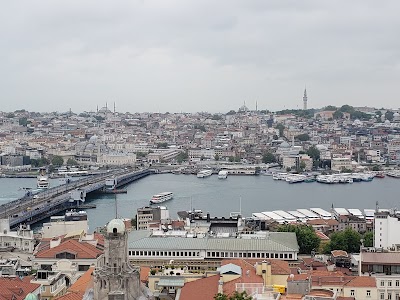
Galata Bridge
View on map
Audio Narrations
Introduction
The Galata Bridge, a vital link between Istanbul's historic and modern districts, spans the Golden Horn, connecting Eminönü and Karaköy. Completed in 1994, this bascule bridge boasts a length of 490 meters and a width of 42 meters, accommodating two vehicular lanes and a walkway in each direction. A tram line running down its center connects Bağcılar to Kabataş. Beneath the bridge, a string of restaurants has been added, reminiscent of the ramshackle eateries that once clung to the underside of its predecessor. The bridge has long held symbolic significance, representing the transition from the old city to the modern districts, where different civilizations and cultures converge. In popular culture, the Galata Bridge has been immortalized in literature, music, and art. Edmondo De Amicis's "Constantinople" vividly portrays the diverse characters that graced the bridge, while Virginia Woolf's "Orlando" mistakenly places it in the 16th century. The bridge has also inspired the card game "bridge," allegedly named after the British soldiers who crossed it to reach their favorite coffeehouses.Urban Transformation
Galata Bridge, a historic landmark spanning the Golden Horn in Istanbul, has undergone significant urban transformation over the centuries. Initially constructed in the 19th century, the bridge has witnessed the city's evolution from an Ottoman metropolis to a modern urban hub. As a vital transportation artery, Galata Bridge has played a pivotal role in connecting the historic Eminönü district with the modern Beyoğlu district, facilitating the flow of people and goods. The bridge's transformation reflects Istanbul's urban renewal efforts, particularly during the 20th century. In the 1990s, the bridge underwent extensive restoration, preserving its architectural integrity while adapting it to the demands of a growing city. The addition of pedestrian walkways and the removal of tram lines enhanced its accessibility and transformed it into a popular tourist destination. Today, Galata Bridge stands as a testament to Istanbul's urban transformation, blending historical charm with modern functionality. Its unique design, with its two levels and retractable middle section, allows for both land and water traffic, making it a vital part of the city's transportation network. The bridge's iconic silhouette, adorned with fishing boats and lined with restaurants and cafes, has become a symbol of Istanbul's vibrant urban life.Social Significance
Galata Bridge, a historic and iconic landmark in Istanbul, holds immense social significance for the city's inhabitants and visitors alike. It serves as a vibrant hub where locals and tourists converge, fostering a sense of community and cultural exchange. The bridge is a popular spot for fishermen, who cast their lines into the Golden Horn, adding a unique charm to the atmosphere. Street vendors line the bridge, offering delectable snacks and refreshing beverages, inviting visitors to immerse themselves in the local culinary traditions. Beyond its practical function as a transportation route, Galata Bridge is a cherished gathering place for social interactions. It provides a stage for impromptu performances by street musicians, captivating passersby with their melodies. Artists display their creations along the bridge, showcasing the city's vibrant art scene. The bridge's central location makes it an ideal meeting point for friends and families, who gather to share laughter, stories, and the breathtaking views of Istanbul's skyline. Galata Bridge has witnessed countless historical events and social transformations, becoming an integral part of Istanbul's collective memory. It has served as a backdrop for protests, celebrations, and cultural festivals, reflecting the city's dynamic spirit. The bridge's enduring presence has fostered a deep sense of attachment among the people of Istanbul, who regard it as a symbol of their shared heritage and cultural identity.
6
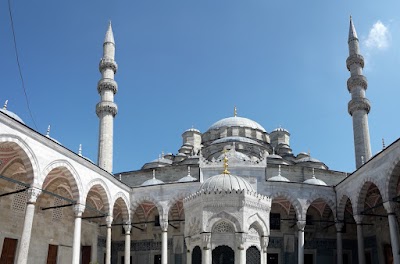
Yeni Cami Mosque
View on map
Audio Narrations
Introduction
The Yeni Cami, or New Mosque, stands as a testament to the architectural brilliance of the Ottoman Empire. Its construction, initiated by Safiye Sultan, mother of Sultan Mehmed III, began in 1597 and spanned nearly 50 years, reflecting the changing tastes and priorities of the era. The mosque's unique charm lies in its harmonious blend of classical Ottoman and innovative architectural elements. The Yeni Cami boasts a vast prayer hall, illuminated by 60 stained-glass windows and adorned with intricate tilework. Its expansive courtyard, featuring a central fountain and surrounded by arcades, offers a tranquil space for contemplation. The mosque's minarets, each adorned with three balconies, stand as graceful sentinels overlooking the Golden Horn. One of the Yeni Cami's most captivating features is its intricate calligraphy. Verses from the Quran adorn the walls and arches, showcasing the artistry of Ottoman calligraphers. The mosque also houses a library, a testament to the Ottomans' dedication to scholarship and knowledge. Beyond its architectural splendor, the Yeni Cami holds a special place in the hearts of Istanbulites. Its location in the bustling Eminönü district has made it a focal point of community life for centuries. The mosque's proximity to the Spice Bazaar and the Galata Bridge further enhances its significance as a cultural and commercial hub. The Yeni Cami stands as a vibrant symbol of Istanbul's rich history and enduring cultural heritage. Its architectural grandeur, intricate details, and spiritual significance continue to captivate visitors and locals alike, making it a must-visit destination in the heart of this captivating city.Yeni Valide Sultan Mosque
Yeni Cami Mosque: A Legacy of the Valide Sultan Standing tall amidst the bustling streets of Istanbul's Eminönü district, the Yeni Cami (New Mosque) boasts a rich history intertwined with the Yeni Valide Sultan Mosque. Commissioned by Safiye Sultan, mother of Sultan Mehmed III, the Yeni Valide Sultan Mosque served as the inspiration for the Yeni Cami, constructed decades later by Turhan Hatice Sultan, mother of Sultan Mehmed IV. While both mosques share architectural elements like the central dome and cascading minarets, the Yeni Cami reflects the evolving tastes and ambitions of the Ottoman Empire. Its grander scale and opulent decorations, including intricate tilework and stained glass windows, showcase the wealth and influence of Turhan Hatice Sultan. The mosque's külliye, a complex encompassing a madrasa, library, and soup kitchen, further highlights its role as a center of religious and social life, echoing the Yeni Valide Sultan Mosque's own külliye. The Yeni Cami's location near the Spice Bazaar and the Golden Horn underscores its connection to trade and commerce, a significant aspect of the Ottoman economy. This strategic placement mirrors the Yeni Valide Sultan Mosque's proximity to the bustling port of Izmir, reflecting the Valide Sultan's keen understanding of economic power. Despite their differences in scale and ornamentation, both the Yeni Cami and the Yeni Valide Sultan Mosque stand as testaments to the enduring legacy of the Valide Sultans, powerful women who played a crucial role in shaping Ottoman society and architecture. Their mosques continue to serve as vibrant centers of faith and community, echoing the enduring influence of these remarkable women.Architectural Features
Architectural Features of the Yeni Cami Mosque in Istanbul, Türkiye The Yeni Cami (New Mosque) in Istanbul, Türkiye, boasts a unique blend of architectural styles, reflecting its long and complex construction history. While primarily adhering to Ottoman mosque design principles, it incorporates elements from Byzantine and Roman architecture, creating a fascinating fusion. One of the most striking features is the mosque's cascading series of domes. The central dome, inspired by Hagia Sophia, rests on a high drum pierced by numerous windows, allowing ample natural light to flood the interior. This central dome is flanked by four smaller semi-domes, creating a sense of grandeur and hierarchy. The mosque's exterior is adorned with intricate tilework, showcasing the vibrant colors and geometric patterns characteristic of Ottoman art. The courtyard features a beautiful marble fountain, a traditional element in Islamic architecture symbolizing purity and ablution. The interior of the Yeni Cami is equally impressive. The walls are adorned with exquisite calligraphy, verses from the Quran, and floral motifs. The mihrab, a niche indicating the direction of Mecca, is intricately carved from white marble and adorned with colorful tiles. The minbar, the pulpit from which sermons are delivered, is made of intricately carved wood and inlaid with mother-of-pearl. One of the unique features of the Yeni Cami is its location. Situated on the edge of the Golden Horn, it offers stunning views of the Bosphorus and the historic city center. This strategic placement reflects the mosque's importance as a symbol of Ottoman power and influence. The Yeni Cami's architectural features are a testament to the skill and artistry of Ottoman architects. The mosque's blend of styles and influences creates a visually stunning and historically significant landmark, offering a glimpse into the rich cultural heritage of Istanbul.
7
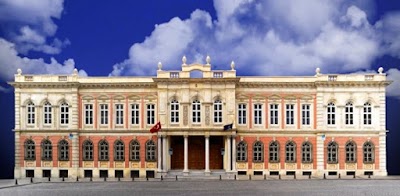
Turkey İş Bank Museum
View on map
8
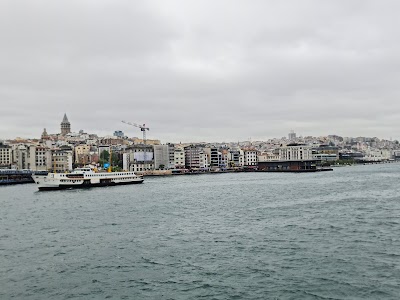
Eminönü Meydanı
View on map
Audio Narrations
Introduction
Eminönü Meydanı, the beating heart of Istanbul, pulsates with history, culture, and commerce. This iconic square, overlooking the Golden Horn, has witnessed empires rise and fall, witnessed the ebb and flow of trade, and served as a stage for countless stories. The Yeni Camii, a masterpiece of Ottoman architecture, anchors one end of the square, its cascading domes and intricate tilework reflecting the city's artistic heritage. Across the square, the Egyptian Spice Bazaar, a labyrinth of vibrant stalls overflowing with spices, dried fruits, and Turkish delight, tantalizes the senses with its exotic aromas. Beneath the watchful gaze of the Rüstem Pasha Mosque, with its exquisite blue Iznik tiles, lies the heart of Eminönü's commercial spirit. The bustling market spills onto the square, offering an eclectic mix of goods, from handcrafted souvenirs to freshly baked simit. The air hums with the chatter of vendors and the clanging of trams, creating a symphony of urban life. Eminönü Meydanı is not just a place, it's an experience. It's the aroma of freshly brewed Turkish coffee wafting from a street vendor, the rhythmic calls of the ferrymen beckoning passengers across the Golden Horn, and the vibrant tapestry of humanity woven from locals and visitors alike. It's a place where history whispers in your ear, where the present unfolds before your eyes, and where the future seems full of promise.Eminönü Meydanı: Where History and Modernity Collide
Eminönü Meydanı, a bustling square in Istanbul's historic Fatih district, stands as a testament to the city's enduring legacy as a crossroads of civilizations. Here, the echoes of ancient empires mingle with the vibrant energy of modern Turkey, creating a captivating tapestry of history and modernity. Once the heart of Constantinople, the Byzantine capital, Eminönü Meydanı witnessed the rise and fall of emperors, the grandeur of imperial processions, and the echoes of religious ceremonies. The remnants of the Theodosius Obelisk, a towering monument erected by the Roman emperor Theodosius I, stand as silent sentinels to this bygone era. As the Ottoman Empire ascended, Eminönü Meydanı transformed into a vital commercial hub. The Yeni Mosque, commissioned by Sultan Valide Turhan Hatice, mother of Sultan Mehmed IV, became a focal point of religious and social life. The Spice Bazaar, with its aromatic blend of spices and vibrant colors, emerged as a bustling marketplace, attracting merchants from across the globe. Today, Eminönü Meydanı continues to pulsate with life. The Galata Bridge, a historic suspension bridge spanning the Golden Horn, connects the square to the modern district of Beyoğlu. Ferries glide across the Bosphorus, transporting passengers to the Asian side of Istanbul. Street vendors hawk their wares, their voices intermingling with the calls to prayer from nearby mosques. Eminönü Meydanı is a microcosm of Istanbul itself, a city where the past and present coexist in a harmonious embrace. It is a place where history whispers from every corner, where ancient monuments stand alongside modern skyscrapers, and where the spirit of a bygone era blends seamlessly with the dynamism of the 21st century.Spice Bazaar Symphony
Eminönü Meydanı, the bustling heart of Istanbul, pulsates with the vibrant rhythm of the Spice Bazaar Symphony. This historic square, where East meets West, becomes a stage for a sensory spectacle, an aromatic symphony conducted by the vendors of the Spice Bazaar. The air hangs heavy with the heady perfume of cinnamon, cloves, and saffron, their scents swirling in a dizzying dance with the sharp tang of sumac and the earthy musk of cumin. The symphony crescendos as vibrant mounds of colorful spices – paprika, turmeric, and chili flakes – paint the scene with their fiery hues. The rhythmic calls of the vendors, their voices rising and falling in a melodic chant, add another layer to the symphony. Each call, a unique note, blends with the clinking of scales and the rustle of silk scarves, creating a harmonious cacophony. As the sun dips low, casting long shadows across the square, the tempo of the Spice Bazaar Symphony slows. The air cools, carrying with it the lingering scent of exotic spices. The symphony fades, leaving behind a lingering echo of the day's vibrant performance. Eminönü Meydanı, under the cloak of twilight, becomes a canvas for memories, a stage where the Spice Bazaar Symphony continues to play in the minds of those who have witnessed its magic. The square, imbued with the essence of the spices, becomes a living testament to the rich cultural tapestry of Istanbul.
9
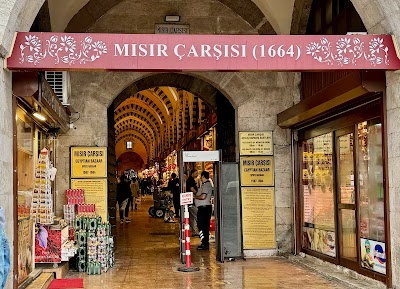
Egyptian Bazaar
View on map
Audio Narrations
Introduction
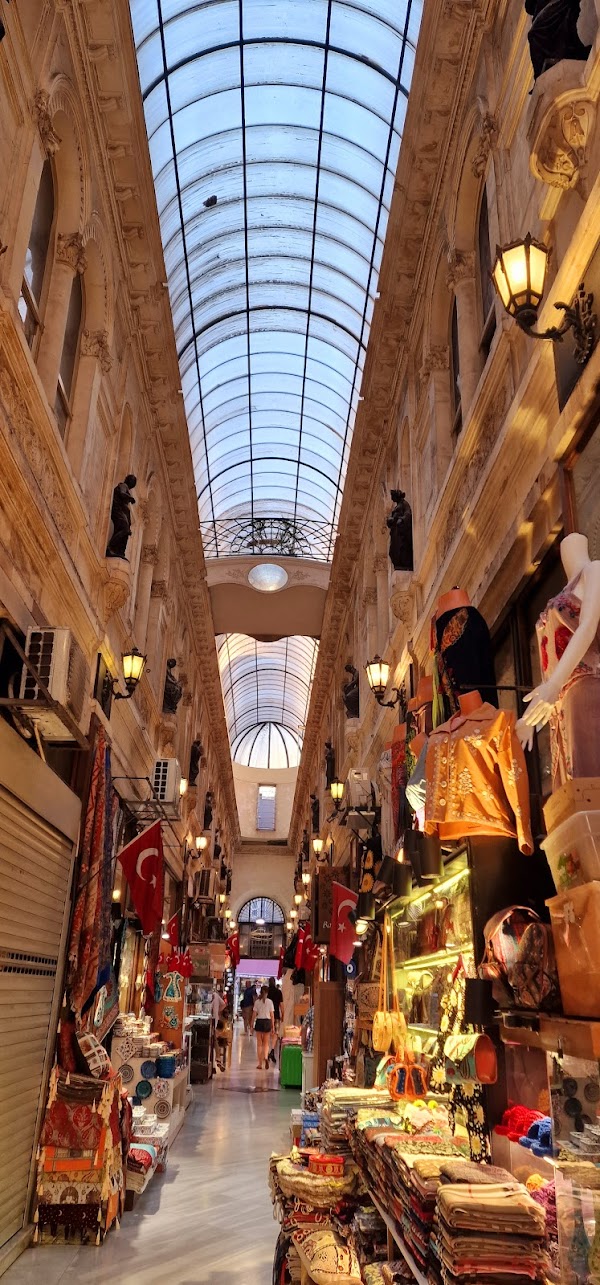
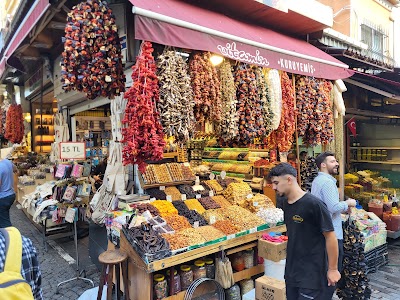
Nestled in the heart of Istanbul's vibrant Eminönü district, the Egyptian Bazaar, also known as the Spice Bazaar, is a captivating labyrinth of aromas and colors. Built in 1660 as part of the Yeni Mosque complex, this architectural marvel is a testament to the city's rich history as a global trade hub. The bazaar's "L" shape encompasses 85 shops, each a treasure trove of culinary delights and exotic goods. The air is thick with the heady scent of spices, from pungent cumin to fragrant saffron. Dried fruits, nuts, and Turkish delight in every imaginable flavor adorn the stalls, creating a vibrant tapestry of colors. Beyond the spices, the bazaar offers an eclectic mix of souvenirs, jewelry, and handicrafts. Intricate ceramics, shimmering textiles, and gleaming silver catch the eye, while the sound of artisans hammering and weaving fills the air. The Egyptian Bazaar is not merely a market; it is a living testament to Istanbul's vibrant commercial past. Its narrow, winding streets and bustling atmosphere transport visitors back to the days when the city was a crossroads of civilizations. Whether seeking culinary treasures or a glimpse into Istanbul's rich heritage, the Egyptian Bazaar is an unmissable destination.Culinary Delights
Step into the aromatic realm of the Egyptian Bazaar, where culinary wonders await. This vibrant market, nestled in the heart of Istanbul, is a haven for those seeking unique and delectable treats. Indulge in the tantalizing flavors of Turkish delight, a sweet symphony of honey, nuts, and rose petals. Discover the secrets of baklava, a flaky pastry layered with pistachios or walnuts and drizzled with sweet syrup. Explore the spice stalls, where the air is alive with the pungent aromas of cumin, saffron, and sumac. Learn the art of blending these spices to create authentic Turkish dishes. Sample the freshly baked pide, a traditional flatbread topped with savory fillings. Witness the skilled hands of pide makers as they deftly shape and bake these culinary delights. Quench your thirst with freshly squeezed pomegranate juice, renowned for its vibrant color and refreshing taste. Or savor the sweetness of Turkish coffee, prepared with finely ground beans and served in traditional copper pots. The Egyptian Bazaar is a culinary paradise, where the flavors of Turkey come alive. Immerse yourself in the vibrant atmosphere, engage with friendly vendors, and discover the hidden gems that make this market a true foodie's delight.Vibrant Atmosphere
Step into the vibrant heart of Istanbul's Egyptian Bazaar, a sensory overload that captivates all who enter. The air is thick with the heady aroma of exotic spices, mingling with the sweet scent of Turkish delight and freshly brewed coffee. Vendors' voices rise and fall in a symphony of sales pitches, creating a lively cacophony that echoes through the labyrinthine alleys. The bazaar is a kaleidoscope of colors, with vibrant displays of saffron, paprika, and turmeric vying for attention. Dried fruits and nuts in every hue imaginable add to the visual feast, their sugary sweetness contrasting with the earthy tones of traditional Turkish ceramics. The constant movement of shoppers and vendors creates a dynamic energy, as they weave through the narrow aisles, their footsteps adding to the rhythmic pulse of the bazaar. Beyond the commercial bustle, the Egyptian Bazaar is a social hub where locals and tourists alike gather to chat, sip tea, and soak up the lively atmosphere. The sound of laughter and the clinking of glasses fill the air, creating a sense of convivial camaraderie. As the sun begins to set, the bazaar takes on a magical glow, with lanterns casting a warm light on the colorful stalls and illuminating the faces of the people who bring this vibrant marketplace to life.
10
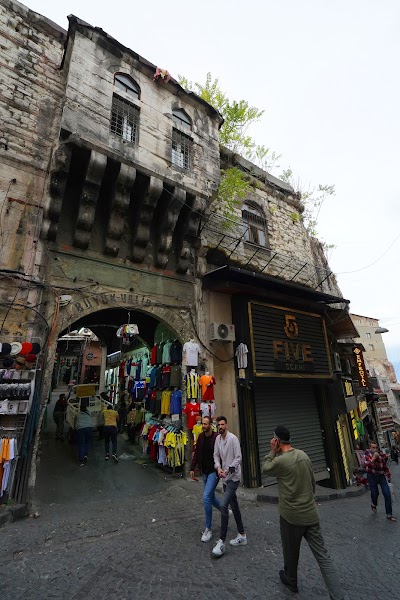
Büyük Valide Han
View on map
11
Grand Bazaar
View on map
Audio Narrations
Introduction
Nestled in the heart of Istanbul's historic district, the Grand Bazaar is a labyrinthine marketplace that has captivated traders and tourists alike for centuries. With over 4,000 shops spread across 61 covered streets, it's one of the largest and oldest covered markets in the world. The bazaar's origins date back to the 15th century when Sultan Mehmed II established a market for textiles and jewels near his palace. Over time, the market expanded, incorporating additional bedestens (covered market halls) and shops. Today, the Grand Bazaar is a vibrant hub of commerce, where visitors can find an eclectic array of goods, from traditional Turkish handicrafts to modern souvenirs. One of the highlights of the Grand Bazaar is its vast selection of carpets and kilims. These hand-woven textiles come in a variety of styles and designs, reflecting the rich cultural heritage of Turkey. Visitors can also find an abundance of ceramics, lamps, lanterns, and jewelry, all crafted by skilled artisans. Beyond its commercial offerings, the Grand Bazaar is also a fascinating place to explore. Its narrow streets and bustling atmosphere provide a glimpse into the vibrant street life of Istanbul. Visitors can stop for a cup of traditional Turkish tea or cay, offered by friendly vendors, and soak up the unique ambiance of this historic marketplace.Negotiation Ritual
Step into the labyrinthine alleys of the Grand Bazaar, where the art of negotiation is not merely a transaction but an intricate ritual steeped in tradition. Here, bargaining is an expected and respected practice, a social interaction as much as a commercial exchange. The air crackles with the lively banter of vendors and shoppers, each seeking to strike the best deal. For centuries, the Grand Bazaar has been a melting pot of cultures, where East meets West in a vibrant tapestry of commerce. This cultural diversity has shaped the unique negotiation rituals that define the bazaar experience. Unlike the fixed prices prevalent in Western markets, here, the initial asking price is often inflated, leaving ample room for negotiation. The process begins with a friendly greeting and the customary offering of tea. As you sip your çay, the vendor will engage you in conversation, sizing up your willingness to pay. The first offer is typically a bold one, designed to test your resolve. Don't be afraid to counter with a lower bid, but be prepared to justify your offer with research or a genuine interest in the item. The negotiation dance continues, with both parties employing tactics to sway the outcome. Vendors may feign offense or amusement, while shoppers may express disappointment or walk away to create a sense of urgency. It's a game of patience and strategy, where the ultimate goal is to reach a mutually acceptable price. Beyond the monetary exchange, the negotiation ritual serves as a social bonding experience. It's an opportunity to connect with the vendor, learn about their craft, and share stories. The process is often accompanied by laughter, shared experiences, and a sense of camaraderie. Whether you're seeking a unique souvenir or a priceless treasure, the Grand Bazaar offers an immersive experience where negotiation is not just a means to an end but a cultural ritual that adds depth and richness to the shopping journey.Authentic Experience
Nestled in the heart of Istanbul, the Grand Bazaar is a labyrinthine marketplace that has been a hub of commerce for centuries. For those seeking an authentic experience, the bazaar offers a glimpse into the vibrant culture and rich history of Turkey. Beyond the bustling main thoroughfares, hidden nooks and crannies reveal the true essence of the bazaar. Explore the "Master of All Eunuchs Alley," where skilled goldsmiths labor in humble workshops, transforming precious metals into exquisite pieces. Witness the lively currency exchange in the "poor man's Wall Street," where locals and visitors alike engage in animated negotiations. Venture into the Sandal Bedesten, one of the oldest sections of the bazaar, where the air is thick with the scent of exotic spices and the sound of traditional Turkish music. Discover hidden courtyards where artisans showcase their handmade crafts, from intricate ceramics to colorful textiles. As you wander through the maze-like streets, engage with the friendly locals who are eager to share their stories and traditions. Learn about the significance of gold in Turkish culture and the symbolism behind the intricate jewelry designs. Experience the warmth and hospitality of the Turkish people as they welcome you into their shops and offer you a taste of their delicious cuisine. The Grand Bazaar is not merely a shopping destination; it is a living, breathing testament to the rich tapestry of Turkish culture. By immersing yourself in its authentic atmosphere, you will gain a deeper understanding of the country's history, traditions, and the vibrant spirit of its people.
Experience the Full Tour
Download the DocentPro app to access all tour stops, complete audio narrations in multiple languages, offline maps, and interactive features.