
Eternal Enchantment: Unraveling the Grandeur of Rome in a Day

Walking Tour

5.7 km (3.5 miles)

1h 18min travel time

25 Stops

Rome, Italy
Eternal Enchantment: Unraveling the Grandeur of Rome in a Day
Tour Stops
1
Colosseum
View on map
Audio Narrations
Introduction
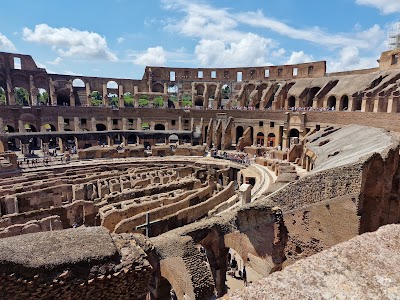
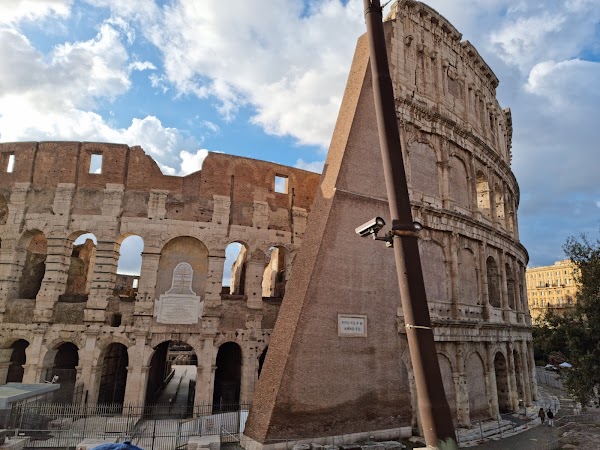
The Colosseum, an iconic amphitheater in Rome, Italy, stands as a testament to the grandeur of the Roman Empire. Built by Emperor Vespasian and inaugurated by his son Titus in 80 AD, this colossal structure could accommodate up to 70,000 spectators. Its elliptical shape and tiered seating ensured optimal views for all, with social status dictating proximity to the arena. The Colosseum's ingenious retractable roof, the "Velarium," provided shade from the scorching sun. Beneath the arena lay a labyrinth of tunnels and chambers, housing gladiators, animals, and stage machinery. The Colosseum hosted a variety of spectacles, including gladiatorial contests, animal hunts, and mock naval battles. Its significance extended beyond entertainment, serving as a symbol of imperial power and a venue for public gatherings. Despite centuries of neglect and damage, the Colosseum remains an architectural marvel, attracting millions of visitors each year.Entertainment Extravaganza
Step into the Colosseum, an architectural marvel that once hosted the most spectacular entertainment extravaganzas of the Roman Empire. As you traverse its hallowed grounds, envision the thunderous roar of the crowd as gladiators engaged in fierce combat, their every move a testament to skill and courage. The Colosseum's design, with its tiered seating and intricate underground network, ensured optimal viewing and acoustics, immersing spectators in the heart of the action. Beyond gladiatorial contests, the Colosseum staged elaborate chariot races, showcasing the prowess of skilled drivers and the speed of magnificent steeds. These races were not merely sporting events but grand spectacles, accompanied by music, pageantry, and an atmosphere of unparalleled excitement. The Colosseum stands as a testament to the Romans' mastery of entertainment, a legacy that continues to inspire awe and wonder in visitors today.Architectural Masterpiece
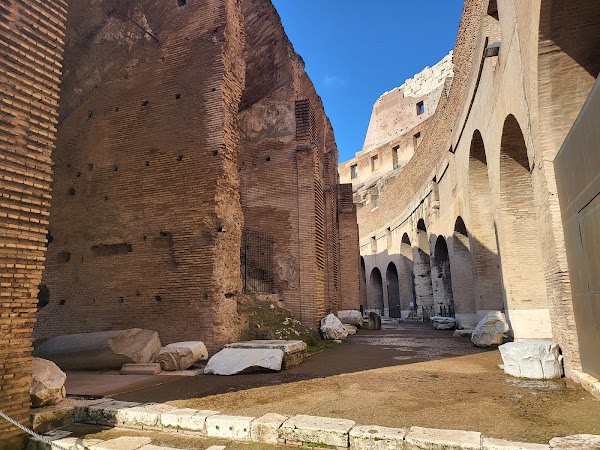
The Colosseum, an architectural marvel of ancient Rome, stands as a testament to the engineering prowess of the Flavian era. Its colossal structure, spanning 189 meters in length and 156 meters in width, is a testament to the grandeur of Roman architecture. The amphitheater's elliptical shape and tiered seating arrangement, accommodating over 50,000 spectators, showcase the Romans' mastery of crowd management and acoustics. The Colosseum's iconic facade features three levels of arches, each adorned with intricate moldings and sculptures. The travertine stone blocks, quarried from Tivoli, were meticulously fitted together without the use of mortar, demonstrating the exceptional craftsmanship of Roman builders. The exterior walls are punctuated by 80 arched entrances, providing efficient access for spectators and ensuring a swift evacuation in case of emergencies. The Colosseum's interior is equally impressive, with its vast arena floor and subterranean chambers. The hypogeum, a network of tunnels and rooms beneath the arena, housed gladiators, animals, and stage machinery. The velarium, a retractable awning made of linen, protected spectators from the sun and rain, showcasing the Romans' attention to comfort and spectacle. The Colosseum's architectural innovations extended beyond its grand scale and intricate design. Its use of arches and vaults allowed for the creation of large, open spaces without the need for massive columns. The amphitheater's ingenious drainage system, consisting of underground channels and cisterns, ensured that the arena remained dry even during heavy rainfall. As an architectural masterpiece, the Colosseum represents the pinnacle of Roman engineering and design. Its enduring legacy has inspired countless architects and engineers throughout history, making it a timeless symbol of human ingenuity and architectural brilliance.
2
Arch of Constantine
View on map
Audio Narrations
导言
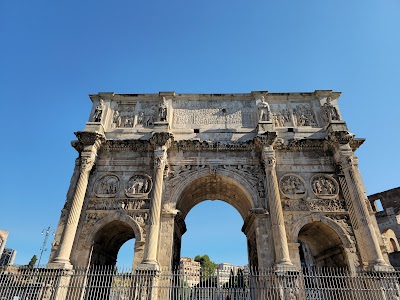
君士坦丁凯旋门,一座雄伟的纪念碑,高耸于罗马广场之上,见证了古罗马帝国的胜利。公元 315 年,为纪念君士坦丁在米尔维安大桥战役中战胜马克森提乌斯而建,这座凯旋门是建筑宏伟和历史意义的杰作。 凯旋门装饰着精美的雕刻和雕塑,讲述了君士坦丁崛起的故事。浮雕描绘了他军事生涯中的场景,包括维罗纳围城战和米尔维安大桥战役。凯旋门上还有君士坦丁及其家人的雕像,以及罗马和元老院的化身。 君士坦丁凯旋门最引人注目的特点之一是它的 spolia,或从早期纪念碑中重复使用的材料。凯旋门融合了图拉真、哈德良和马可·奥勒留统治时期的雕塑和浮雕,展示了罗马帝国权力的延续性。 几个世纪以来,君士坦丁凯旋门一直是罗马权力和威望的象征。它见证了帝国的兴衰、时间的流逝和罗马城的演变。如今,它仍然是一个受欢迎的旅游目的地,让游客得以一窥古罗马世界的宏伟。纪念碑
君士坦丁凯旋门高耸于罗马熙熙攘攘的街道之上,见证了帝国野心的持久力量和纪念性建筑的艺术。公元 315 年,罗马元老院为纪念君士坦丁一世在米尔维安大桥战役中战胜马克森提乌斯而建造了这座凯旋门,它是罗马工程和艺术的杰作。 与它的前身不同,君士坦丁凯旋门偏离了传统的凯旋门设计。它不仅颂扬皇帝的军事实力,还融入了 spolia 元素,即重复利用旧纪念碑和雕塑。这种独特的方法反映了君士坦丁通过将自己与罗马的辉煌过去联系起来以使自己的统治合法化的愿望。 凯旋门上错综复杂的雕刻描绘了君士坦丁的战役场景,包括维罗纳围城战和米尔维安大桥战役。这些场景不仅仅是装饰性的;它们作为一个有力的视觉叙事,颂扬皇帝的美德,并将他描绘成一位神圣选择出的领导者。 凯旋门上的铭文进一步强调了它的纪念意义。它宣称君士坦丁的胜利是对暴政的胜利,并将他的成功归功于神灵的恩惠。这个铭文不仅颂扬了皇帝,还强化了他的统治合法性和他声称的神圣使命。 除了纪念功能之外,君士坦丁凯旋门还充当政治声明。它靠近斗兽场和罗马广场的显眼位置,使其成为城市政治和社会生活的中心。通过建造如此宏伟的纪念碑,君士坦丁试图向罗马公民展示他的权力和权威。 君士坦丁凯旋门仍然是帝国野心和纪念性建筑艺术的有力象征。它错综复杂的雕刻、铭文和独特的设计让人们得以一窥君士坦丁一世统治时期罗马帝国的政治和意识形态格局。作为艺术和建筑持久力量的证明,这座凯旋门在建成几个世纪后仍然吸引和激励着游客。战利品和再利用艺术
君士坦丁凯旋门:战利品和再利用艺术的纪念碑 罗马的君士坦丁凯旋门是罗马战利品习俗的见证,即在新的建筑中重复利用较旧的雕塑和建筑元素。该凯旋门建于公元 315 年,以纪念君士坦丁战胜马克森提乌斯,它融合了来自早期纪念碑的众多战利品,展示了艺术风格和历史典故的迷人融合。 在再利用的元素中,最突出的是八个描绘图拉真达契亚战争场景的大圆形浮雕。这些浮雕最初装饰在献给图拉真的纪念碑上,但被纳入君士坦丁凯旋门以增强其宏伟性,并将君士坦丁与这位早期皇帝的军事成就联系起来。这些圆形浮雕的再利用体现了罗马人对战利品的处理方式,即较早的作品不仅被视为过去的遗物,而且被视为可以重新定位以服务于新目的的宝贵资源。 除了圆形浮雕外,该凯旋门还收藏了丰富的战利品,包括雕像、浮雕和建筑碎片。这些元素源自不同的时期和风格,创造了一幅反映罗马复杂历史的视觉挂毯。通过纳入战利品,君士坦丁凯旋门不仅庆祝了君士坦丁的胜利,还成为了这座城市艺术遗产的宝库。 君士坦丁凯旋门中广泛使用战利品突显了罗马人在艺术和建筑方面的务实和足智多谋的方法。它展示了他们将不同时代和风格的元素无缝整合在一起的能力,创造了一个独特且视觉上引人注目的纪念碑。这座凯旋门有力地提醒了艺术的循环性,即过去的创作被重新诠释并在当下赋予新的生命。
3
Arch of Titus
View on map
Audio Narrations
Introduction
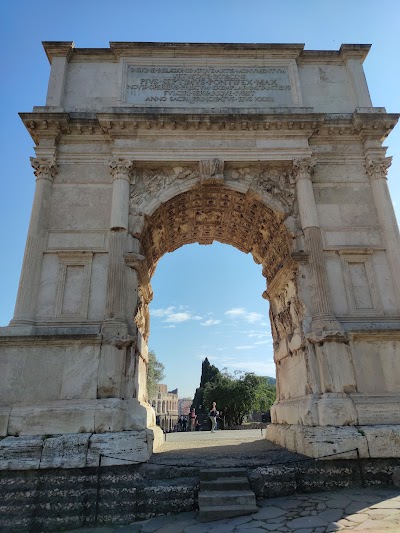
The Arch of Titus, dominating a section of the Via Sacra in Rome, stands as a potent symbol of imperial triumph, specifically commemorating Titus's victory in the Jewish War. Its single archway, a departure from earlier Roman triumphal arches, showcases a sophisticated use of concrete faced with marble, a testament to Roman engineering prowess. The relief panels within the archway are particularly noteworthy, depicting the triumphal procession with spoils from the Temple in Jerusalem, including the iconic menorah. This menorah representation is considered one of the most accurate depictions of the artifact, making the arch a significant historical source. Interestingly, the arch served as a model for numerous triumphal arches built in later centuries, influencing architectural designs worldwide. The attic inscription originally bore bronze letters, now lost, but their imprint remains, a silent witness to the passage of time and the enduring power of Roman propaganda. The deification of Titus after his death is also subtly alluded to within the arch's sculptural program, blurring the lines between mortal achievement and divine status.Architectural Inspiration
The Arch of Titus, a symbolic monument of the Flavian period, stands as a testament to Roman architectural prowess and a source of enduring inspiration. Its construction commemorates Titus's victory in the Jewish-Roman War, specifically fought in Galilee. As an honorific arch from the Imperial period, it exemplifies the Roman mastery of arch construction, a technique adopted and refined from the Etruscans. Unlike the post-and-lintel systems of earlier civilizations, the arch distributes weight evenly, allowing for larger and more complex structures, a principle vividly demonstrated in the Arch of Titus. The arch's enduring influence is evident in subsequent Western architectural styles, including Romanesque, Gothic, Renaissance, Baroque, Rococo, and Neoclassical designs. Even after the fall of the Roman Empire, the arch remained a central feature, showcasing its lasting impact on architectural innovation. The Arch of Titus, with its detailed sculptures depicting the honored emperor and his deeds, served as a template for triumphal arches, influencing monumental architecture for centuries. Its location on the northern slope of the Palatine Hill, on the eastern side of the Roman Forum, further emphasizes its integration into the grand urban design of ancient Rome. The arch's continued presence inspires modern engineers and architects, demonstrating the timeless appeal and structural ingenuity of Roman architecture.Siege of Jerusalem Commemoration
The Arch of Titus, erected in Rome between 81-85 AD, serves as a significant commemoration of the Siege of Jerusalem. Commissioned by Emperor Domitian to honor his brother Titus, the arch specifically memorializes the Roman victory over the Jewish Zealots and the capture of Jerusalem in 70 AD. Its very construction was funded by Jewish money seized during the siege, a stark demonstration of Roman dominance. The arch's detailed reliefs vividly depict scenes from the siege and its aftermath. Most notably, one panel captures Roman soldiers parading triumphantly through Rome, carrying spoils from the Temple in Jerusalem, including the menorah. This representation of the menorah, a central symbol of the Jewish faith, underscores the Roman intention to humiliate the Jewish people and assert their power. The arch's imagery provides a visual narrative of the Roman perspective on the events, emphasizing their military success and the subjugation of the Jewish rebellion. Beyond its artistic depictions, the Arch of Titus stands as a lasting symbol of the Roman Empire's military achievements and its impact on the Jewish people. The monument's enduring presence in the Roman Forum ensures that the Siege of Jerusalem remains a visible part of Rome's historical narrative.
4
Parco archeologico del Colosseo
View on map
Audio Narrations
Introduction
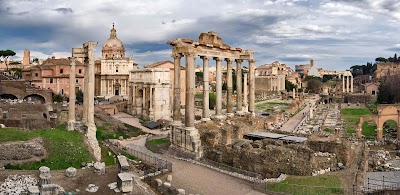
The Parco archeologico del Colosseo in Rome, Lazio, Italy, encompasses far more than just the iconic amphitheater. It uniquely integrates the Colosseum, Roman Forum, and Palatine Hill into a single, cohesive archaeological experience. This unified approach allows visitors to trace the evolution of Roman power and daily life across centuries, from the Republic to the Empire. Unlike standalone archaeological sites, the Parco offers a narrative journey, revealing the interconnectedness of these monumental spaces. The Palatine Hill, often overlooked, holds the remains of imperial residences, offering intimate glimpses into the lives of emperors and their families. The Forum, once the bustling heart of Roman politics and commerce, displays the skeletal remains of temples, basilicas, and public spaces, providing a tangible connection to the city's vibrant past. The Colosseum, of course, stands as a testament to Roman engineering and spectacle, but within the Parco, its context is enriched by its proximity to the other sites, highlighting its role within the broader urban landscape and imperial ambitions.Ancient Roman Architecture
The Parco Archeologico del Colosseo showcases prime examples of Ancient Roman architecture, most notably the Colosseum itself, originally known as the Flavian Amphitheatre. This colossal structure, initiated by the Flavian dynasty in the 1st century CE, demonstrates advanced engineering for its time, capable of accommodating complex stage machinery and vast audiences. Its design reflects the Roman emphasis on public spectacle, hosting gladiatorial games and animal hunts. The Colosseum's architecture evolved over centuries, initially a symbol of imperial splendor, later repurposed as a source of building materials, even incorporated into St. Peter's Basilica. Nearby, the Domus Aurea, Emperor Nero's palace, exemplifies the opulence of Roman imperial residences. Designed by architects Severus and Celer and decorated by the painter Fabullus after the fire of 64 AD, it featured innovative architectural elements, including the coenatio rotunda, a rotating banqueting room. The palace's extensive use of gold, precious stones, and colored marbles reflects the Roman elite's taste for luxury. The rediscovery of its buried sections during the Renaissance influenced artistic movements, with artists like Raphael drawing inspiration from its "grotesque" wall decorations. Today, visitors can explore these subterranean spaces, gaining insight into Roman decorative styles and architectural techniques.Roman Forum's Political Significance
The Roman Forum, now part of the Parco archeologico del Colosseo, served as the epicenter of ancient Rome's political life for over a millennium. Originally a marshy area, it was transformed into the city's central hub for political, religious, and commercial activities starting in the 7th century BC. Key political structures within the Forum included the Curia Iulia, the Senate House, which accommodated up to 300 senators and was the site of crucial debates and decisions. The Rostra, a speaker's platform, was where orators addressed the Roman populace, influencing public opinion and shaping political discourse. Basilicas, such as the Basilica Emilia, played a vital role in administering justice. The Forum's political significance evolved over centuries, witnessing the rise and fall of the Republic and the Empire. Emperors added monuments like the Arch of Septimius Severus to commemorate their victories and reinforce their power. Even after the Western Roman Empire's decline, the Forum remained a symbolic space, with subsequent transformations into churches reflecting the shifting power dynamics. The rediscovery and excavation of the Forum in the 19th century brought to light the tangible remains of Rome's political heart, allowing us to understand the physical layout and architectural grandeur that once framed the city's governance. The Plutei of Trajan, now exhibited in the Curia, depict the Forum's layout during Trajan's reign, offering insights into its political organization.
5
Santi Cosma e Damiano
View on map
Audio Narrations
Introduction
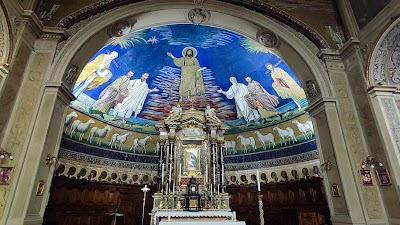
The Basilica dei Santi Cosma e Damiano in Rome, Lazio, Italy, uniquely incorporates elements of both the Roman Forum and the Temple of Romulus. Its circular plan, a striking departure from typical basilica designs, is directly attributable to its adaptation of the temple's existing structure. The apse mosaic, a masterpiece of Byzantine art from the 6th century, depicts Christ's second coming flanked by Saints Cosmas and Damian, Pope Felix IV, and Saint Theodore. Notably, the mosaic's vibrant colors and intricate details are achieved through the use of tesserae, tiny pieces of glass and stone, arranged to reflect light in a captivating manner. The basilica's dedication to Cosmas and Damian, twin brothers and physicians martyred in the 3rd century, reflects the early Christian veneration of healers and their association with divine intervention. The site's transformation from pagan temple to Christian basilica underscores the complex layering of history within Rome itself, a tangible representation of the city's evolving religious landscape. The basilica's undercroft reveals remnants of the original Roman structures, offering a glimpse into the city's ancient foundations.Basilica Mosaics
The Basilica dei Santi Cosma e Damiano is renowned for its stunning 6th- and 7th-century mosaics, considered masterpieces of early Christian art. The apse mosaic, in particular, depicts the Second Coming of Christ in a Roman-Byzantine style and is remarkably well-preserved. In the mosaic, Christ is positioned in the center, flanked by Saint Peter presenting Saint Cosmas and Saint Theodorus, and Saint Paul presenting Saint Damian and Pope Felix IV, who holds a model of the church. This mosaic offers a glimpse into the artistic and religious sentiments of the era. The basilica's mosaics hold historical significance beyond their artistic merit. The church itself was created by uniting the library of the Forum of Peace and a portion of the Temple of Romulus in 527 by Pope Felix IV, who dedicated it to the Arabian Christian brothers Cosmas and Damian. The mosaics, therefore, reflect the transition from pagan Rome to Christian Rome. The basilica's dedication to Saints Cosmas and Damian, both physicians, further connects the mosaics to the history of medicine, as the saints were venerated as patrons of physicians, surgeons, pharmacists, and veterinarians. The mosaics serve as a visual representation of this veneration and the basilica's importance in the history of medicine.Temple of Romulus Integration
Santi Cosma e Damiano uniquely integrates the ancient Temple of Romulus, a key element that defines its historical and architectural significance. Originally, the church's entrance faced the Roman Forum, highlighting the direct incorporation of the temple into the church's structure. Today, while the entrance is from Via dei Fori Imperiali, the exterior of the Temple of Romulus, featuring its original bronze doors, remains visible, a tangible link to Rome's pagan past. The Temple of Romulus, initially dedicated by Emperor Maxentius to his son, is believed to have been built upon an even earlier Temple of Jupiter Stator from the 2nd-3rd century BCE. This makes it the second best-preserved round pagan temple in Rome after the Pantheon. Inside the church, visitors can view the pagan temple of Jupiter Stator through glass, offering a glimpse into the basilica's foundations. This integration marks Santi Cosma e Damiano as the first church built within the Roman Forum, a significant event demonstrating the rise of Christianity amidst prevailing pagan beliefs. The seamless blend of pagan and Christian elements within Santi Cosma e Damiano provides a unique historical perspective, illustrating the transition of religious power in ancient Rome.
6
Roman Forum
View on map
Audio Narrations
Introduction
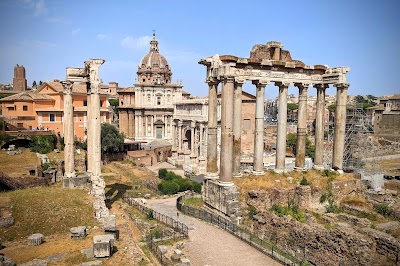
The Roman Forum, situated in the heart of Rome, is an awe-inspiring expanse of ruins that once served as the bustling center of the ancient Roman Empire. This rectangular plaza, surrounded by the ruins of significant government buildings, was the stage for triumphal processions, elections, public speeches, criminal trials, and gladiatorial matches. It was the nucleus of commercial affairs, where statues and monuments commemorated the city's leaders. Over the centuries, the Forum has undergone significant transformations. The earliest shrines and temples, dating back to the 8th century BC, were located on its southeastern edge. The archaic Comitium, where the Senate and Republican government originated, gradually gave way to the larger Forum. Julius Caesar's construction of the Basilica Julia and the Curia Julia further expanded the judicial and political functions of the Forum. The reign of Constantine the Great witnessed the construction of the Basilica of Maxentius, marking the last major expansion of the Forum complex. This basilica restored the political focus to the Forum until the fall of the Western Roman Empire. Today, the Roman Forum stands as a testament to the grandeur and complexity of ancient Rome. Its excavated sequences of remains, including layers of paving, reveal the gradual rise in ground level over centuries. The Forum's final travertine paving, dating from the reign of Augustus, is still visible. One of the most fascinating discoveries in recent years is a tuff wall near the Lapis Niger, used to channel water from nearby aquifers. Pottery remains and food scraps surrounding the wall suggest its construction dates back to the 8th or 9th century BC, over a century before the traditional date of Rome's founding.Political Center
The Roman Forum, the heart of ancient Rome, was the epicenter of political life in the Roman Republic and Empire. It served as the stage for countless speeches, debates, and decisions that shaped the course of Roman history. The Forum was a place where politicians, orators, and citizens alike gathered to discuss and determine the fate of the city and its vast empire. Within the Forum, the Senate House, or Curia, stood as the central meeting place for the Roman Senate, the governing body of the Republic. Here, senators engaged in heated debates and passed laws that affected the lives of millions. The Rostra, a raised platform adorned with the beaks of captured ships, served as the stage for famous orators like Cicero and Julius Caesar, who swayed the masses with their eloquence and political prowess. The Forum witnessed the rise and fall of emperors, the birth of laws, and the forging of alliances that shaped the destiny of the Roman world. It was a place where power was wielded, decisions were made, and the fate of nations was determined.Triumphal Processions
The Roman Forum, the heart of ancient Rome, played a pivotal role in the city's triumphal processions, grand spectacles that celebrated military victories. These processions, led by victorious generals, began at the Campus Martius, where the army assembled. From there, they proceeded along the Via Triumphalis, passing through the Arch of Titus and the Arch of Constantine, before reaching the Roman Forum. The Forum was adorned with elaborate decorations for these occasions, with temples, basilicas, and other structures draped in colorful tapestries and garlands. The procession would enter the Forum through the Arch of Titus, dedicated to the emperor who conquered Jerusalem in 70 AD. The arch's reliefs depict scenes from Titus's triumph, including the spoils of war and the captive Jewish people. As the procession moved through the Forum, it passed the Temple of Saturn, where the Roman treasury was housed. The temple's steps served as a platform for orators to address the crowd. The procession would then continue to the Temple of Castor and Pollux, where the victorious general would offer sacrifices to the gods. The final destination of the procession was the Rostra, a platform in front of the Temple of Saturn. Here, the general would deliver a speech to the assembled crowd, recounting his victories and extolling the virtues of Rome. The procession would then disband, with the general and his troops returning to their barracks. Triumphal processions were not merely displays of military might; they were also political and religious events. They served to glorify the victorious general, reinforce the power of Rome, and give thanks to the gods for their favor. The Roman Forum, with its rich history and symbolic significance, provided a fitting backdrop for these grand spectacles.
7
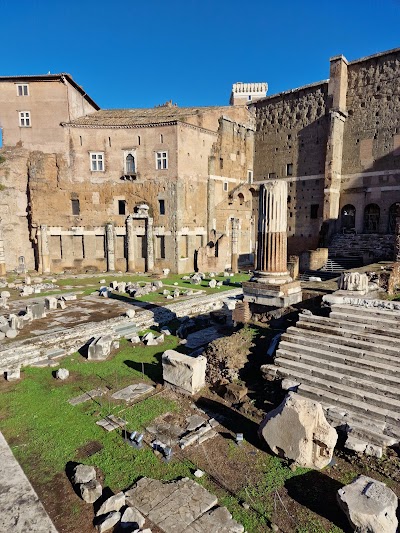
Foro di Augusto
View on map
Audio Narrations
Introduction
The Foro di Augusto in Roma, Lazio, Italy, distinguishes itself through its overt propagandistic function, meticulously designed to glorify Augustus and his lineage. Unlike earlier fora, its construction was directly linked to Augustus's military victories, particularly his avenging of Caesar's assassination. The Temple of Mars Ultor, the forum's centerpiece, served not only as a religious structure but also as a stage for Senate meetings concerning war and peace, effectively intertwining religious authority with imperial power. Statues of Augustus's ancestors, including Aeneas and Romulus, lined the porticoes, visually establishing his divine right to rule and connecting him to Rome's mythical origins. A lesser-known aspect is the forum's role in legal proceedings; certain court cases were deliberately moved here to subtly reinforce Augustus's control over the judicial system. The towering fire wall, built to separate the forum from the Suburra district, speaks volumes about the deliberate creation of an idealized, controlled space distinct from the bustling, less-desirable areas of Rome.Temple of Mars Ultor
The Temple of Mars Ultor, or Mars the Avenger, was the dominant feature within the Forum of Augustus, its construction spanning nearly 40 years and concluding in 2 CE. This temple served as a sacred space for magistrates offering sacrifices before provincial service, victorious generals displaying military honors, and young noblemen donning their first adult toga, symbolizing readiness for military duty. Measuring 30 by 40 meters, the temple stood atop a 3.55-meter-high podium of tuff blocks faced with white marble. A grand staircase with 17 steps led to the entrance, featuring an altar flanked by fountains. Surrounding the temple were 26 Corinthian columns, each approximately 15 meters tall; only three remain on the southern side. The pediment showcased colossal statues, with Mars at the center, armed and referencing Augustus's victories. Statues of Palatine, Romulus, Venus with Eros, Fortuna, the goddess Roma, and the Tiber River adorned either side. Inside, the temple featured side columns and an apse, housing statues of Mars, Venus, and the deified Julius Caesar on a 9-meter platform, along with Caesar’s sword as a sacred relic. In the northeastern corner stood the Hall of the Colossus, named for the statue of the Genius of Augustus, serving as a sanctuary of justice where the emperor’s image guaranteed fair rulings. The hall, approximately 24 meters high, featured a floor paved with colorful marble slabs and a backdrop of blue fabric with golden and red stripes. Octavian, before the Battle of Philippi, vowed to build the temple to Mars Ultor if victorious over Caesar's assassins, fulfilling this promise and glorifying his lineage.Imperial Forums History
The Forum of Augustus, integral to Rome's Imperial Fora, was constructed by Emperor Augustus following his vow to build a temple to Mars Ultor (Mars the Avenger) if victorious at the Battle of Philippi in 42 BC. Inaugurated forty years later, this forum stands perpendicular to the Forum of Caesar, marking a significant expansion of Rome's political and public spaces. The Temple of Mars Ultor dominates the forum's north edge, set against a high wall that separated the forum from the Suburra district, demonstrating the architectural planning to manage Rome's growing complexity. Emperor Augustus embellished the area with statues representing key figures in Roman history, including members of the gens Julia, Aeneas, and Romulus, reinforcing the forum's role in promoting imperial ideology and lineage. The forum served as a venue for legal proceedings and public events, further solidifying its importance in Roman civic life. Over time, the exploitation and stripping of ruins within the Forum complex, including areas near the Forum of Augustus, occurred due to papal licenses granted for quarrying stone and marble. Despite this, the Forum of Augustus, along with other Imperial Fora, underwent excavation and restoration efforts, revealing its historical layers and architectural significance. These efforts aimed to restore fragmented pieces to their original locations and identify half-excavated structures, contributing to our understanding of the forum's evolution and its place within the broader context of Rome's imperial history.
8
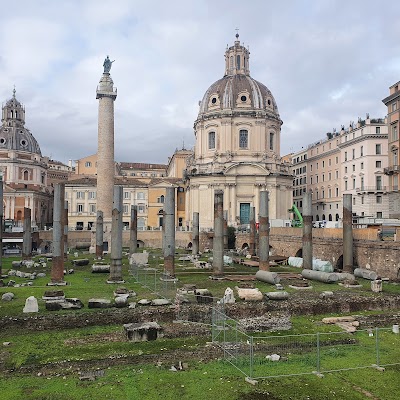
Trajan Forum
View on map
9
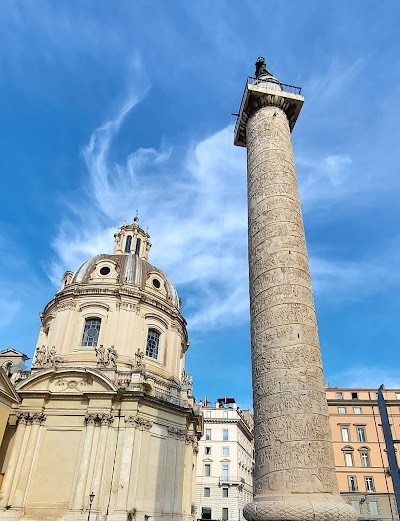
Trajan's Column
View on map
10
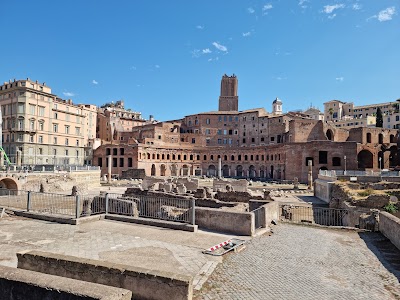
Mercati di Traiano Museo dei Fori Imperiali
View on map
11
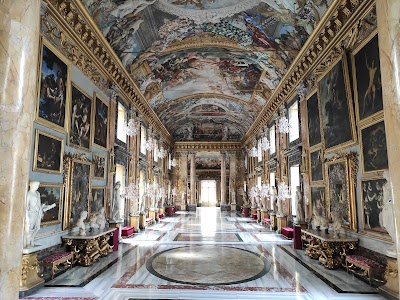
Galleria Colonna Museo e Pinacoteca
View on map
12
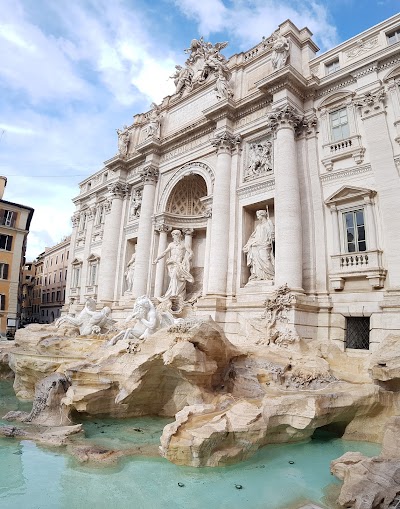
Trevi Fountain
View on map
Audio Narrations
Introduction
The Trevi Fountain, a Baroque masterpiece in Rome's Trevi district, is an iconic symbol of the city. Designed by Nicola Salvi and completed in 1762, it marks the end of the Aqua Virgo aqueduct, built in 19 BC. The fountain's centerpiece is a majestic statue of Oceanus, the god of the sea, riding a chariot drawn by two winged horses and led by two tritons. Flanking Oceanus are allegorical figures representing Abundance and Health. The fountain's facade, adorned with Corinthian columns and bas-reliefs, depicts scenes from the aqueduct's history. According to legend, tossing a coin into the fountain over one's left shoulder ensures a return to Rome. The fountain has been featured in numerous films, including Fellini's "La Dolce Vita," and remains a popular tourist destination, attracting millions of visitors each year.Oceanic Symbolism
The Trevi Fountain in Rome is a Baroque masterpiece that embodies the Oceanic Symbolism prevalent during the 18th century. Its central figure, Oceanus, presides over the fountain, representing the untamed power and boundless nature of the sea. The majestic chariot he commands is drawn by two seahorses, a symbol of the rhythmic fluidity and unpredictable temperament of the ocean. Surrounding Oceanus, the statues of Abundance and Salubrity flank the niches, each holding symbolic attributes. Abundance pours water from an overflowing urn, representing the life-giving and nurturing qualities of the ocean. Salubrity, on the other hand, holds a cup from which a snake drinks, symbolizing the healing and purifying powers associated with the sea. The fountain's cascading waters further reinforce the Oceanic Symbolism, echoing the ceaseless ebb and flow of the tides. The sound of the rushing water creates a calming and meditative atmosphere, inviting visitors to reflect on the vastness and mystery of the ocean. The Trevi Fountain's intricate iconography and allegorical figures offer a glimpse into the fascination with the sea during the Baroque era. It serves as a testament to the enduring power of Oceanic Symbolism, capturing the awe and wonder inspired by the boundless expanse of the ocean.Coin Legend
The Trevi Fountain in Rome, Italy, is renowned for its captivating beauty and the allure of its Coin Legend. This legend has captivated hearts for centuries, promising a return to Rome for those who toss a coin into the fountain's sparkling waters. The tradition holds that a single coin ensures a return trip, two coins promise a new romance, and three coins guarantee marriage. While the veracity of these claims remains a matter of faith, the fountain's charm endures. Over the years, the fountain has amassed a vast collection of coins, estimated at 3,000 euros daily. These coins are not merely discarded; they serve a noble purpose. The funds are meticulously collected and donated to Caritas, a charitable organization that provides food and assistance to Rome's neediest citizens. The fountain's allure extends beyond its romantic associations. Its intricate design, featuring majestic statues and cascading waters, has captivated artists and filmmakers alike. Federico Fellini's iconic film "La Dolce Vita" immortalized the fountain's beauty, showcasing its timeless elegance. The Trevi Fountain's Coin Legend has transformed it into a symbol of hope, romance, and generosity. Whether you seek a return to Rome, a blossoming romance, or simply the joy of contributing to a worthy cause, tossing a coin into the fountain's depths is a cherished ritual that connects you to the fountain's rich history and enduring charm.
13
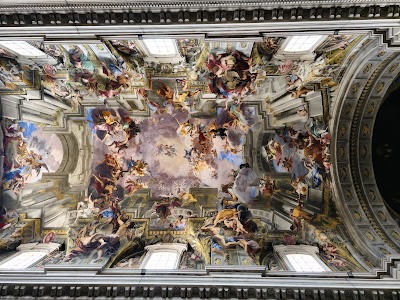
Chiesa di Sant'Ignazio di Loyola
View on map
14
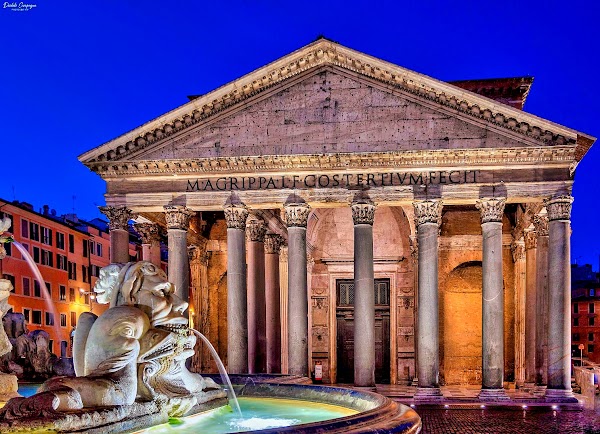
Obelisco del Pantheon
View on map
15
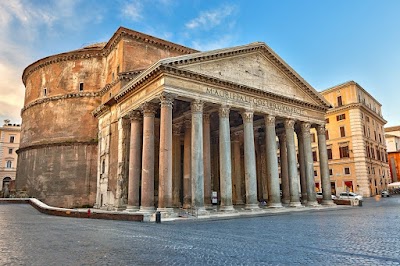
Pantheon
View on map
Audio Narrations
Introduction
The Pantheon, an architectural marvel in Rome, Italy, stands as the largest unreinforced concrete dome ever constructed. Built in 27 BC, it was initially a temple dedicated to all Roman gods. Its present structure, commissioned by Emperor Hadrian, features a cylindrical shape with a magnificent outer colonnade of Greek inspiration. The dome, a testament to Roman engineering, is 43.3 meters in diameter and height, creating a perfect sphere within. Its oculus, a 9-meter opening at the dome's center, allows natural light to flood the interior, creating a breathtaking effect. The Pantheon's interior is adorned with sunken panels and concentric circles, showcasing the harmonious interplay of geometry and design. Over the centuries, it has served as a church, a burial place for Italian royalty, and an inspiration for countless architects, leaving an enduring legacy in Western architecture.Architectural Marvel
The Pantheon, an architectural marvel in the heart of Rome, stands as a testament to the ingenuity and engineering prowess of ancient Rome. Its iconic dome, the largest unreinforced concrete dome in the world, has captivated architects and engineers for centuries. Constructed in the 2nd century AD, the Pantheon's dome measures an astonishing 43 meters in diameter and rises to a height of 43 meters, a feat of engineering that remained unmatched for over 1,300 years. The oculus, a circular opening at the apex of the dome, allows natural light to flood the interior, creating an ethereal and awe-inspiring atmosphere. The Pantheon's innovative use of concrete, a material typically associated with utilitarian structures, showcases the Romans' mastery of construction techniques. The concrete walls, up to 6 meters thick, provide exceptional structural stability, while the use of lightweight pumice in the upper layers of the dome reduces its weight without compromising its strength. The Pantheon's design also incorporates advanced acoustics, with the curved interior surfaces reflecting sound to create an optimal environment for public speaking and musical performances. Beyond its architectural significance, the Pantheon holds immense historical and cultural value. It has served as a temple to various deities, a Christian church, and a burial site for Italian kings. Its well-preserved state offers a glimpse into the grandeur and sophistication of ancient Roman architecture, making it a must-see destination for anyone interested in architectural marvels and the history of construction.Engineering Feat
The Pantheon in Rome, Italy, stands as a testament to the unparalleled engineering prowess of the ancient Romans. Its iconic dome, the largest unreinforced concrete dome in the world, is a marvel of structural ingenuity. Constructed in 126 AD, the dome's innovative design features a series of concentric rings, each lighter than the one below, reducing the weight on the supporting walls. The dome's oculus, a circular opening at its apex, not only provides natural light but also reduces the dome's overall weight. The Pantheon's foundation, built on unstable marshy ground, is another engineering marvel. To ensure stability, the Romans constructed a massive concrete ring foundation, which was later reinforced with a second ring after cracks appeared during construction. The Pantheon's walls, made of thick layers of brick and concrete, are designed to withstand the immense weight of the dome. The use of arches and vaults throughout the structure further distributes the load, ensuring its stability. The Pantheon's engineering brilliance is evident in its longevity. Despite centuries of earthquakes, fires, and wars, the Pantheon remains largely intact, a testament to the exceptional craftsmanship and engineering skills of the ancient Romans. Its enduring legacy as an architectural and engineering masterpiece continues to inspire awe and admiration in visitors from around the world.
16
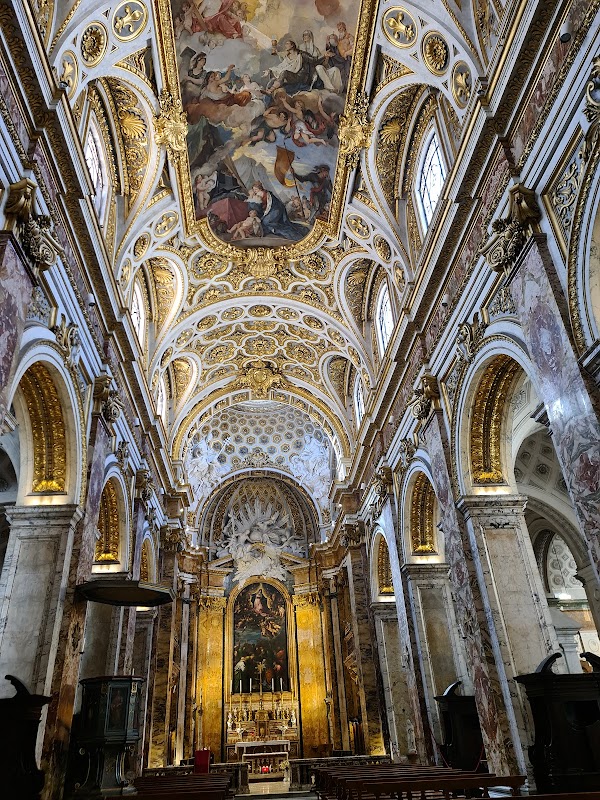
Church of St. Louis of the French
View on map
17
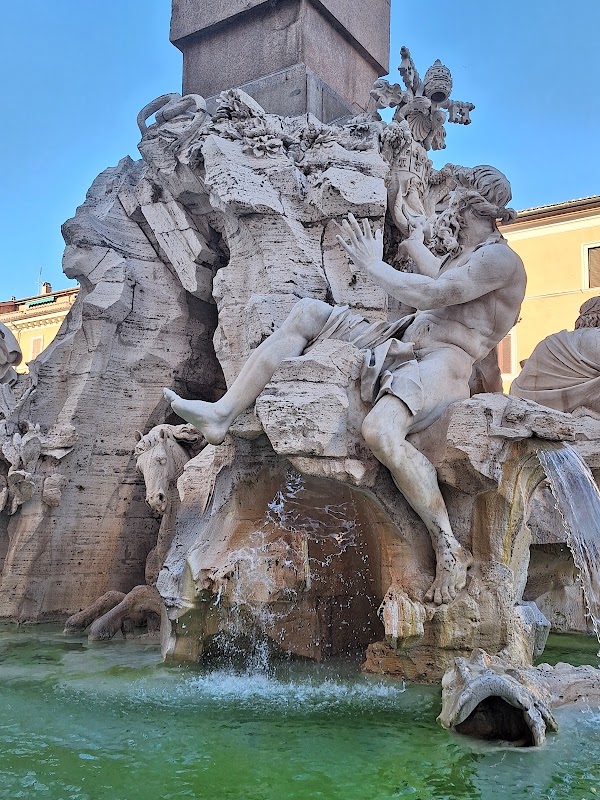
Fiumi Fountain
View on map
18
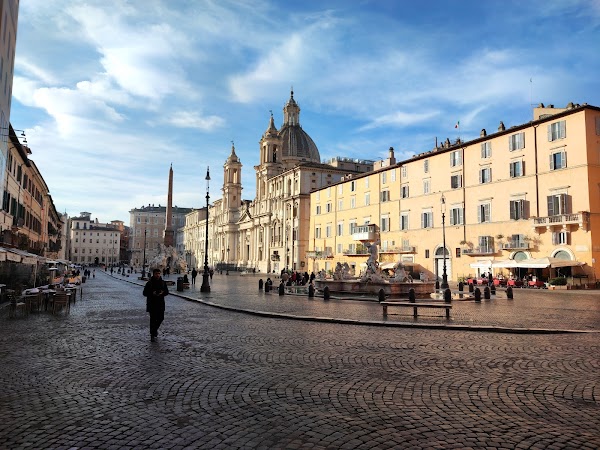
Piazza Navona
View on map
Audio Narrations
Introduction
Piazza Navona, an elongated oval in the heart of Rome, stands on the site of the ancient Stadium of Domitian. Transformed into a Baroque masterpiece in the 17th century, it boasts Bernini's iconic Fountain of the Four Rivers, adorned with the Obelisk of Domitian. The piazza is further graced by Borromini's Sant'Agnese in Agone church and the Pamphili palace, featuring Borromini's gallery and Cortona's frescoes. Two additional fountains, the Fontana del Moro and the Fountain of Neptune, complete the ensemble. Once the site of theatrical events and flooded festivities, Piazza Navona now hosts a lively Christmas market annually. Its rich history and artistic treasures make it a captivating destination for art enthusiasts and history buffs alike.Baroque Design
Piazza Navona, a captivating square in Rome, epitomizes the grandeur of Baroque design. Its transformation in the 17th century under Pope Innocent X showcased the artistic prowess of Gian Lorenzo Bernini and Francesco Borromini. Bernini's masterpiece, the Fountain of the Four Rivers, dominates the center, its allegorical figures representing the major rivers of the world. The obelisk atop the fountain, originally from the Circus of Maxentius, adds to its imposing presence. Borromini's Sant'Agnese in Agone, with its undulating facade and intricate interior, stands as a testament to the Baroque's theatrical style. The Palazzo Pamphili, designed by Girolamo Rainaldi, completes the ensemble, its long gallery adorned with frescoes by Pietro da Cortona. Piazza Navona's Baroque splendor extends to its other fountains: the Fountain of the Moor, with its dramatic figure wrestling a dolphin, and the Fountain of Neptune, depicting the sea god battling a sea monster. These elements coalesce to create a harmonious and visually stunning urban space, a testament to the Baroque era's artistic and architectural achievements.Innocent X
Innocent X's reign left an indelible mark on Piazza Navona, transforming it into a testament to his grandeur. The centerpiece of his vision, the Fontana dei Quattro Fiumi, stands as a symbol of papal authority, its towering obelisk reaching towards the heavens. Bernini's masterpiece depicts the four major rivers of the world, each represented by a colossal figure symbolizing the continents they represent. The Nile, with its veiled head, hints at the mystery surrounding its source, while the Danube, Ganges, and Rio de la Plata embody the far-reaching influence of the Church. Innocent X's embellishments extended beyond the fountain. He commissioned the reconstruction of his family palace and the church of Sant'Agnese in Agone, ensuring that his legacy would be forever intertwined with the piazza. The expulsion of market vendors, who had long occupied the square, further cemented his vision of a grand and uncluttered space. Despite the public outcry over the excessive spending and new taxes imposed to fund these projects, Innocent X remained steadfast in his pursuit of magnificence. The piazza became a stage for his power and piety, a testament to his unwavering belief in the authority of the papacy.
19
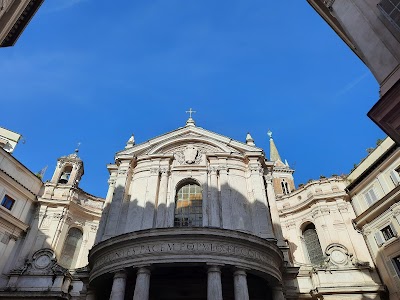
Chiesa di Santa Maria della Pace
View on map
20
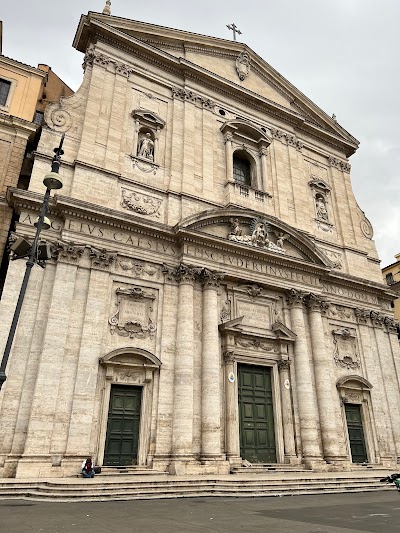
S. Maria in Vallicella
View on map
21
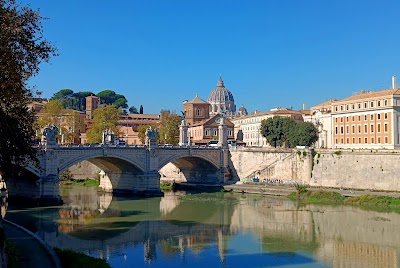
Ponte Vittorio Emanuele II
View on map
22
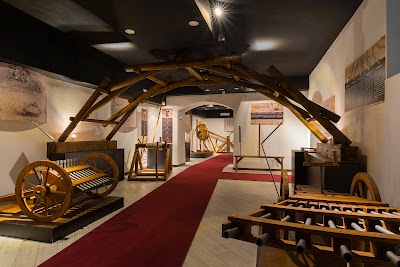
Museum Leonardo Da Vinci Experience
View on map
23
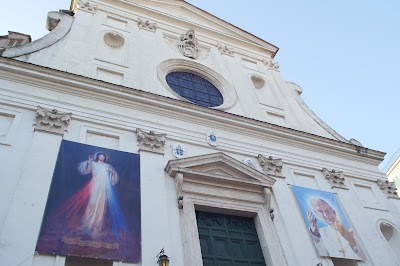
Church Holy Spirit in Sassia
View on map
24
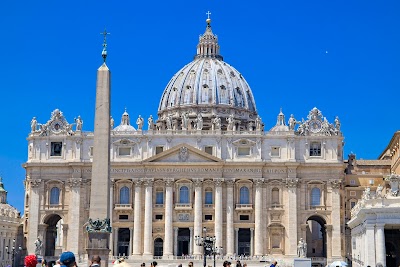
St. Peter's Basilica
View on map
Audio Narrations
Introduction
St. Peter's Basilica, a colossal architectural marvel in Vatican City, stands as a testament to the grandeur of the Catholic Church. Its origins trace back to the 4th century, when Emperor Constantine commissioned a basilica over the burial site of Saint Peter, the first pope. The present basilica, a masterpiece of Renaissance and Baroque architecture, was constructed over several centuries, with contributions from renowned artists like Bramante, Michelangelo, and Bernini. The basilica's colossal dome, designed by Michelangelo, dominates the skyline of Rome. Its interior is adorned with intricate mosaics, sculptures, and paintings, including Michelangelo's iconic Pietà. The massive bronze baldachin by Bernini, towering over the papal altar, is a testament to the basilica's opulence. Beneath the basilica lies the Vatican Grottoes, where the tombs of numerous popes and saints are interred. The basilica's significance extends beyond its architectural splendor; it is a pilgrimage site for millions of Catholics worldwide and a symbol of the Vatican's spiritual authority.Holy Door
The Holy Door of St. Peter's Basilica holds immense significance in Catholic tradition. It is a symbol of redemption and forgiveness, opened only during Jubilee Years, which occur every 25 years. The door is located on the right side of the basilica's façade and is sealed with bricks at the end of each Jubilee. During the opening ceremony, the Pope symbolically pushes open the door, marking the beginning of the Holy Year. Pilgrims from around the world flock to Rome to pass through the Holy Door, seeking spiritual renewal and the remission of sins. The door remains open throughout the Jubilee Year, allowing pilgrims to experience the grace and mercy of God. The tradition of the Holy Door dates back to the 15th century, when Pope Nicholas V designated a door in the old St. Peter's Basilica as the Holy Door. The current door was designed by Vico Consorti and installed in 1950. It depicts scenes from the life of Christ, including his resurrection and ascension. Passing through the Holy Door is a profound spiritual experience for many Catholics. It symbolizes a new beginning, a chance to leave behind the past and embrace the future with faith and hope. The door serves as a reminder of God's boundless love and the opportunity for redemption that is always available to those who seek it.Sistine Chapel
St. Peter's Basilica, the heart of Vatican City, stands as a testament to the grandeur of the Catholic Church and the artistic genius of the Renaissance. While the basilica itself is a masterpiece of architecture, its true treasure lies within – the Sistine Chapel. Commissioned by Pope Julius II, Michelangelo spent four years adorning the chapel's ceiling with breathtaking frescoes. The central panel, "The Creation of Adam," depicts the iconic moment when God breathes life into the first man. The intricate details and vibrant colors of the frescoes have captivated visitors for centuries. Beyond the ceiling, the chapel's walls are adorned with equally impressive works by Renaissance masters such as Botticelli, Perugino, and Ghirlandaio. These frescoes depict scenes from the lives of Moses and Christ, adding to the chapel's rich iconography. The Sistine Chapel is not merely a work of art; it is a sacred space where the College of Cardinals gathers to elect a new pope. The "Tears Room," located to the left of the altar, is where the newly elected pope traditionally sheds tears of joy and relief. Visiting the Sistine Chapel is a pilgrimage for art enthusiasts and believers alike. Its stunning frescoes and profound religious significance make it a must-see destination for anyone seeking an encounter with the divine and the sublime.
25
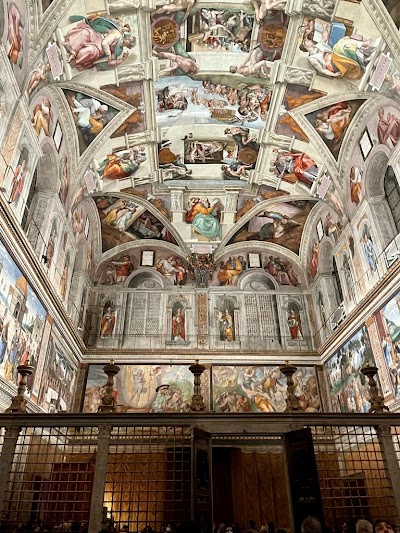
Sistine Chapel
View on map
Audio Narrations
Introduction
The Sistine Chapel, a masterpiece of Renaissance art, is located within the Vatican Museums in Vatican City. Its fame stems from the breathtaking frescoes adorning its interior, most notably Michelangelo's iconic ceiling and "The Last Judgment" on the altar wall. The ceiling frescoes depict scenes from Genesis, including the Creation of Adam, while the lunettes and pendentives feature prophets, sibyls, and the ancestors of Christ. The chapel also boasts a series of 15th-century frescoes by renowned artists such as Botticelli, Perugino, and Ghirlandaio, depicting scenes from the lives of Moses and Christ. The Sistine Chapel serves as the site of papal conclaves, where cardinals gather to elect a new pope. Its grandeur and artistic significance have made it a must-see destination for art enthusiasts and pilgrims alike.Renaissance Masterpiece
The Sistine Chapel, a testament to the Renaissance era's artistic zenith, is a masterpiece that transcends time. Michelangelo's genius is evident in the chapel's iconic ceiling frescoes, a breathtaking depiction of the Book of Genesis. The central panel, "The Creation of Adam," showcases God's life-giving touch, while the surrounding scenes narrate the creation of the world and humanity's fall from grace. The chapel's walls are adorned with vibrant frescoes by Botticelli, Perugino, and other masters, depicting the lives of Moses and Christ. Beyond its religious significance, the Sistine Chapel is a testament to the Renaissance's emphasis on humanism and classical ideals. Michelangelo's figures are imbued with a profound understanding of anatomy and movement, capturing the essence of the human form. The chapel's architecture, with its barrel-vaulted ceiling and intricate lunettes, provides a harmonious backdrop for the frescoes. The Sistine Chapel's enduring legacy lies in its ability to inspire awe and contemplation. Its frescoes have influenced countless artists and continue to captivate visitors with their beauty, complexity, and timeless appeal. As a Renaissance masterpiece, the Sistine Chapel stands as a testament to the human spirit's capacity for artistic brilliance and the enduring power of the human imagination.Vatican City Landmark
The Sistine Chapel, a hallowed chamber within the Vatican City, stands as a testament to the convergence of art and spirituality. Its walls and ceiling are adorned with breathtaking frescoes, the most renowned of which are Michelangelo's masterpieces. The ceiling, a symphony of vibrant colors and intricate details, depicts scenes from Genesis, culminating in the iconic "Creation of Adam." The "Last Judgment," painted on the altar wall, is a powerful and awe-inspiring portrayal of Christ's second coming. Beyond its artistic splendor, the Sistine Chapel holds immense significance as the site of papal conclaves, where cardinals gather to elect a new pope. The chapel's history is intertwined with the Vatican's political and religious power, making it a potent symbol of the Vatican's influence. The chapel's unique acoustics enhance its grandeur, creating an immersive experience for visitors. The soft whispers and hushed footsteps of pilgrims add to the chapel's sacred atmosphere, fostering a sense of reverence and contemplation. Exploring the Sistine Chapel is an unforgettable journey through art, history, and faith. It is a place where the divine and the human intertwine, leaving an enduring impression on all who behold its beauty and significance.
Experience the Full Tour
Download the DocentPro app to access all tour stops, complete audio narrations in multiple languages, offline maps, and interactive features.