
Osaka's Cultural Delights: A Culinary and Historical Adventure

Walking Tour

6.7 km (4.2 miles)

1h 35min travel time

6 Stops

Osaka, Japan
Osaka's Cultural Delights: A Culinary and Historical Adventure
Tour Stops
1
Osaka Castle
View on map
Audio Narrations
French
Introduction
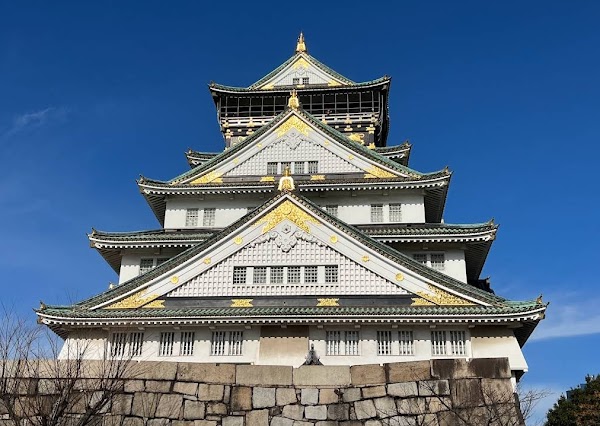
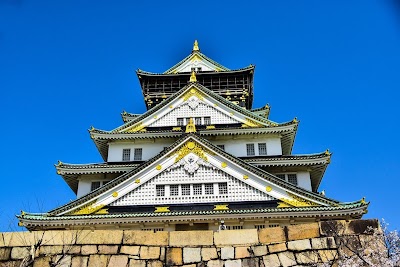
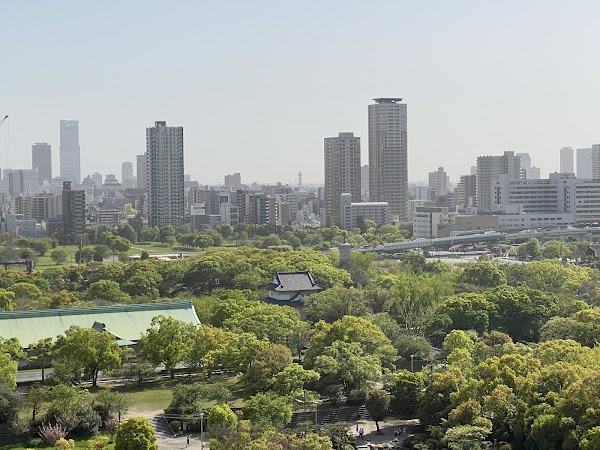
Le château d'Osaka, un monument emblématique d'Osaka au Japon, témoigne de la riche histoire du pays. Construit en 1583 par Toyotomi Hideyoshi, le château a joué un rôle crucial dans l'unification du Japon pendant la période Azuchi-Momoyama. Son imposant donjon, reconstruit en 1931, est une reconstitution en béton armé de la structure originale et abrite un musée présentant l'histoire du château. Entouré de citadelles secondaires, de portes, de tourelles et d'impressionnants murs de pierre, le parc du château comprend le jardin Nishinomaru, un paisible jardin de pelouse avec des cerisiers et un salon de thé. L'emplacement stratégique du château au sommet d'une colline offre une vue panoramique sur le paysage urbain, ce qui en fait une destination populaire pour les habitants et les touristes.Merveille architecturale
Le château d'Osaka, une merveille architecturale d'Osaka, au Japon, témoigne de l'ingéniosité et de la grandeur de la construction japonaise. Sa structure imposante, fusion d'éléments traditionnels et modernes, reflète la riche histoire et l'héritage culturel de la nation. La tour principale emblématique du château, reconstruite en 1931, compte cinq étages ornés de sculptures complexes et de feuilles d'or étincelantes, témoignant de l'opulence de l'époque. Au-delà de sa façade saisissante, le château d'Osaka présente un labyrinthe de chambres cachées et de passages secrets, conçus à la fois pour la défense et l'intrigue. Ses murs de pierre massifs, dont certains pèsent jusqu'à 12 kilogrammes, forment une barrière redoutable, tandis que les douves environnantes ajoutent une couche de protection supplémentaire. L'emplacement stratégique du château au sommet d'une colline renforce encore ses capacités défensives, offrant une vue imprenable sur le paysage environnant. La splendeur architecturale du château s'étend à son intérieur, où les visiteurs peuvent explorer un musée historique présentant des artefacts et des expositions qui racontent le passé légendaire du château. Chaque étage offre une perspective unique, le dernier étage offrant des vues panoramiques à couper le souffle sur le paysage urbain d'Osaka. L'importance architecturale du château d'Osaka réside non seulement dans sa grandeur, mais aussi dans sa résilience. Ayant enduré des siècles de guerres, d'incendies et de catastrophes naturelles, le château a été méticuleusement restauré et reconstruit, préservant son intégrité historique tout en intégrant des dispositifs de sécurité modernes. Aujourd'hui, il est un symbole de l'esprit indomptable d'Osaka et un témoignage de la puissance durable de l'excellence architecturale.Histoire des samouraïs
Le château d'Osaka, une formidable forteresse au cœur d'Osaka, au Japon, occupe une place centrale dans les annales de l'histoire des samouraïs. Construit par le légendaire seigneur de guerre Toyotomi Hideyoshi en 1583, le château a servi d'épicentre à son ambitieuse campagne pour unifier le Japon. Ses imposants murs de pierre, son donjon imposant et ses douves complexes témoignent de l'ingéniosité et des prouesses militaires des samouraïs qui l'ont défendu. Pendant la tumultueuse période Sengoku, le château d'Osaka était une place forte stratégique, convoitée par les seigneurs de guerre rivaux. En 1615, le château est devenu le théâtre de l'épique bataille d'Osaka, un conflit décisif qui a marqué la fin du clan Toyotomi et l'avènement du shogunat Tokugawa. La bataille a été le témoin de combats acharnés entre les samouraïs des deux camps, les forces Tokugawa finissant par l'emporter. Aujourd'hui, le château d'Osaka est un témoignage de la résilience et de la vaillance des samouraïs. Son donjon restauré abrite un musée présentant des artefacts, des armes et des documents qui donnent un aperçu de la vie et des batailles de ces guerriers légendaires. Les visiteurs peuvent explorer les vastes terrains du château, s'émerveiller devant sa grandeur architecturale et imaginer le choc de l'acier qui résonnait autrefois dans ses murs. Le château d'Osaka reste un monument vivant de l'ère des samouraïs, offrant un lien tangible avec la riche histoire militaire du Japon.
2
Nakanoshima Park
View on map
Audio Narrations
English
Introduction
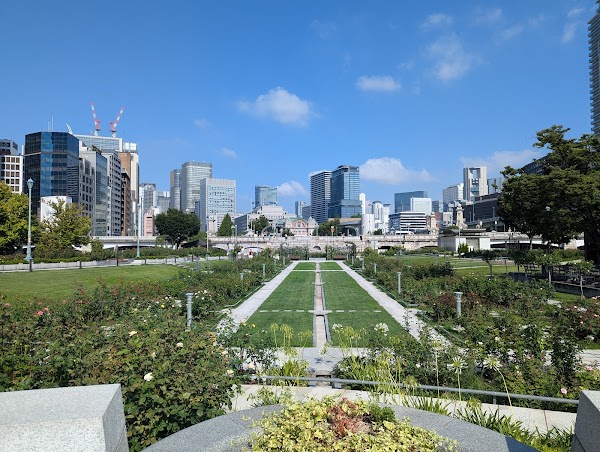
Nakanoshima Park: A Green Oasis in the Heart of Osaka Nakanoshima Park, nestled on an island between the Dojima and Tosabori Rivers, is a haven of tranquility amidst the bustling metropolis of Osaka. Established in 1891, it boasts the distinction of being the city's first public park, offering a refuge from the urban jungle for over a century. The park's crown jewel is undoubtedly the Nakanoshima Rose Garden, a vibrant tapestry of over 4,000 rose bushes representing 310 distinct varieties. Twice a year, in mid-May and mid-October, the roses burst into a kaleidoscope of colors, filling the air with their sweet fragrance. Visitors can stroll along the pathways, admiring the meticulously cultivated blooms and learning about their history etched on stone markers. Beyond the roses, Nakanoshima Park offers a diverse landscape. The eastern side features a children's book forest designed by renowned architect Tadao Ando, fostering a love for literature in young minds. The park also houses the Osaka City Central Public Hall, a majestic structure reminiscent of Tokyo Station's Marunouchi facade, and the Osaka Prefectural Nakanoshima Library, a treasure trove of knowledge. For those seeking a unique experience, the park's hidden gem lies beneath its surface. A network of pipes, connected to the bustling Osaka subway tunnels, transmits the city's soundscape to the surface. By placing your ear to these pipes, you can hear the rumble of trains passing tens of meters below, a testament to the city's vibrant pulse beneath your feet. Nakanoshima Park is more than just a green space; it's a living testament to Osaka's history, culture, and natural beauty. Whether you're seeking a quiet escape, a cultural immersion, or a unique auditory experience, this urban oasis has something to offer everyone.Riverfront Location
Nakanoshima Park, a verdant oasis nestled in the heart of Osaka, boasts a captivating riverfront location that seamlessly blends urban vibrancy with tranquil natural beauty. The park's strategic position on Nakanoshima Island, embraced by the Dojima and Tosabori Rivers, offers a unique perspective of the city's dynamic waterfront. As you stroll along the park's riverside promenades, the gentle murmur of the flowing waters creates a soothing ambiance, inviting you to pause and appreciate the mesmerizing cityscape. The glistening reflections of towering skyscrapers and historical landmarks dance upon the water's surface, painting an ever-changing canvas of light and shadow. The park's riverfront location provides a front-row seat to Osaka's bustling river traffic. Observe the graceful glide of traditional yakatabune, adorned with lanterns and carrying revelers on evening cruises. Witness the industrious tugboats guiding barges laden with goods, a testament to the city's commercial vitality. Nakanoshima Park's riverfront setting also offers a unique vantage point for observing the city's diverse wildlife. Egrets and herons gracefully navigate the shallows, while schools of fish dart beneath the surface, creating a vibrant ecosystem. The park's lush greenery provides a haven for a variety of bird species, their melodious songs adding to the park's tranquil atmosphere. Whether you seek a leisurely stroll, a romantic picnic, or a moment of quiet contemplation, Nakanoshima Park's riverfront location offers an unparalleled experience. The park's unique position allows you to immerse yourself in the city's dynamic energy while embracing the serenity of nature's embrace.Historical Significance
Nakanoshima Park: A Tapestry of History in the Heart of Osaka Nakanoshima Park, a verdant oasis nestled within the bustling metropolis of Osaka, is not merely a haven of tranquility but a living testament to the city's rich and dynamic past. Its history is intricately interwoven with the evolution of Osaka, bearing witness to pivotal moments and transformations. The park's story begins in the 17th century when the Tokugawa Shogunate, recognizing the strategic importance of the Dojima River delta, initiated land reclamation projects. This ambitious undertaking resulted in the creation of Nakanoshima, an island in the heart of Osaka. Initially serving as a commercial hub, the island gradually transformed into a cultural and administrative center. The Meiji Restoration in 1868 ushered in a new era for Nakanoshima. The island became a focal point for modernization, with the construction of the Osaka Prefectural Government Office and the Osaka District Court. These grand structures, blending Western architectural styles with traditional Japanese elements, reflected the city's embrace of progress. As Osaka's economic and cultural prominence grew, Nakanoshima Park emerged as a symbol of civic pride. The park's design, inspired by European gardens, showcased meticulously manicured lawns, ornamental flowerbeds, and a picturesque central fountain. It became a popular gathering place for citizens, hosting festivals, exhibitions, and public events. The 20th century brought further transformations to Nakanoshima Park. The construction of the Osaka City Central Public Hall and the Festival Hall solidified the island's status as a cultural hub. The park also witnessed the establishment of numerous museums, including the Osaka Museum of History and the Osaka Science Museum, further enriching its cultural landscape. Today, Nakanoshima Park stands as a testament to Osaka's historical journey. Its verdant expanse offers a tranquil escape from the urban bustle, while its architectural landmarks and cultural institutions provide a glimpse into the city's vibrant past. As Osaka continues to evolve, Nakanoshima Park remains a cherished symbol of its heritage, a place where history whispers through the rustling leaves and echoes in the laughter of children playing amidst the monuments of a bygone era.
3
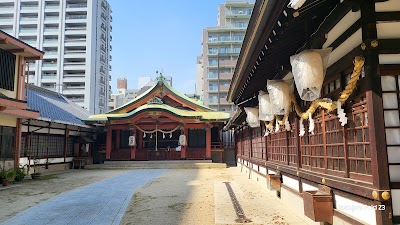
Horikawa Ebisu Shrine
View on map
4
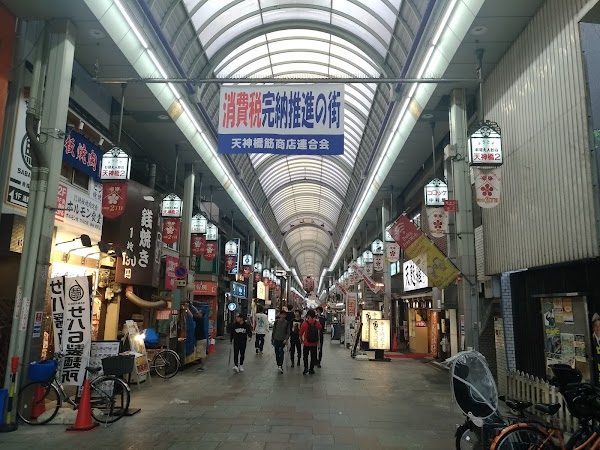
Tenjinbashi-suji Shopping Street, the longest Arcade in Japan
View on map
Audio Narrations
English
Introduction
The Tenjinbashi-suji Shopping Street, a 2.6-kilometer-long covered arcade in Osaka, Japan, is a treasure trove of local life and history. This vibrant street, purportedly the longest in Japan, stretches from Tenjinbashi-suji Rokuchome Subway Station to Tenjinbashi Bridge, offering a glimpse into the heart of Osaka's merchant culture. With over 600 shops and restaurants, Tenjinbashi-suji Shopping Street caters to both locals and tourists. Visitors can find everything from everyday necessities like groceries and clothes to unique souvenirs like traditional Japanese crafts and kimonos. The street also boasts a variety of eateries, serving up delicious local specialties like takoyaki and okonomiyaki. Beyond its commercial offerings, Tenjinbashi-suji Shopping Street is steeped in history. The nearby Osaka Tenmangu Shrine, dedicated to the deity of scholarship, Sugawara Michizane, dates back to the 10th century and is a popular spot for locals and tourists alike. The Osaka Museum of Housing and Living, located along the street, offers a fascinating glimpse into the city's past through recreated Edo-period houses. As the sun sets, Tenjinbashi-suji Shopping Street transforms into a lively nightlife hub. The narrow alleys and streets come alive with the sounds of laughter and chatter as locals gather in the numerous bars and restaurants. From traditional izakayas to trendy cafes, there's something for everyone to enjoy. Whether you're looking for unique souvenirs, delicious local cuisine, or a glimpse into Osaka's history and culture, Tenjinbashi-suji Shopping Street is a must-visit destination. With its vibrant atmosphere, diverse offerings, and rich history, this iconic street is sure to leave a lasting impression on visitors.Local Shopping Experience in Osaka
Nestled in the heart of Osaka, Tenjinbashi-suji Shopping Street, the longest covered shopping arcade in Japan, offers a vibrant and immersive local shopping experience. Stretching over 2.6 kilometers, this bustling thoroughfare is a treasure trove of unique finds, culinary delights, and cultural insights. As you step into the arcade, the air is filled with the aroma of freshly baked goods, savory street food, and the chatter of locals going about their daily lives. The narrow lanes are lined with a diverse array of shops, from traditional family-run businesses to trendy boutiques. One of the highlights of Tenjinbashi-suji is its abundance of local specialties. Be sure to sample the famous takoyaki, savory octopus dumplings, and kushikatsu, deep-fried skewers of meat and vegetables. For a sweet treat, indulge in the delectable taiyaki, fish-shaped pastries filled with sweet red bean paste. Beyond the culinary delights, Tenjinbashi-suji offers a glimpse into the rich cultural heritage of Osaka. Browse through antique shops brimming with vintage treasures, or visit the Tenmangu Shrine, a historic landmark dedicated to the god of learning. As you wander through the arcade, take the time to observe the locals. Notice the friendly shopkeepers who greet their customers with a warm smile, the families enjoying a leisurely afternoon stroll, and the street performers who add to the lively atmosphere. Tenjinbashi-suji Shopping Street is more than just a place to shop; it's a vibrant microcosm of Osaka's local life. By immersing yourself in this unique shopping experience, you'll gain a deeper understanding of the city's culture, cuisine, and people.Osaka's Culinary Delights: Street Food and Restaurants
Nestled in the heart of Osaka, Tenjinbashi-suji Shopping Street, the longest covered shopping arcade in Japan, is a culinary paradise for food enthusiasts. This vibrant street, stretching over 2.6 kilometers, is a treasure trove of street food stalls and restaurants, offering a delectable journey through Osaka's rich culinary heritage. As you stroll through the bustling arcade, the aroma of freshly grilled takoyaki, a local delicacy of octopus dumplings, fills the air. Takoyaki stands line the street, each with its unique recipe and secret sauce. Indulge in the crispy exterior and the soft, gooey interior, bursting with savory flavors. For a taste of Osaka's soul food, head to the kushikatsu restaurants. These establishments specialize in deep-fried skewers, offering a wide variety of ingredients, from meat and vegetables to seafood and cheese. Dip each skewer into the communal sauce, a tradition that adds to the lively atmosphere. No culinary adventure in Tenjinbashi-suji is complete without trying the okonomiyaki, a savory pancake made with batter, cabbage, and various toppings. Choose from a plethora of options, including seafood, meat, and vegetables, and customize your okonomiyaki to your liking. Beyond the street food stalls, Tenjinbashi-suji boasts an array of restaurants, serving up traditional Japanese cuisine and international flavors. From sushi and ramen to Korean barbecue and Chinese dim sum, the dining options are endless. As you explore the culinary delights of Tenjinbashi-suji, don't miss the opportunity to try the local street food specialties. From taiyaki, a fish-shaped pastry filled with sweet red bean paste, to dango, chewy rice dumplings, there's something to satisfy every craving. Whether you're a seasoned foodie or a curious explorer, Tenjinbashi-suji Shopping Street offers an unforgettable culinary experience, immersing you in the vibrant flavors and traditions of Osaka's street food and restaurant scene.
5
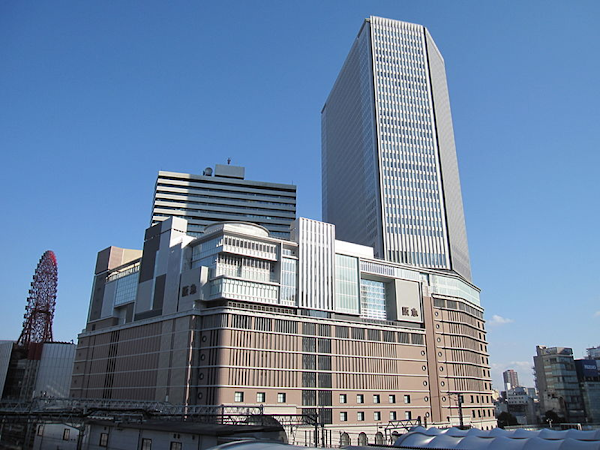
Hankyu Umeda Main Store
View on map
Audio Narrations
English
Introduction
The Hankyu Umeda Main Store, a colossal department store in Osaka, Japan, boasts a sprawling 84,000 square meters of retail space, making it one of the largest of its kind in the country. Established in 1929 and extensively renovated in 2012, this flagship store is renowned for its sophisticated fashion and lifestyle offerings. The store's basement food hall is a culinary paradise, showcasing exquisite food displays and a vast selection of gourmet delights. The upper floors house an array of restaurants, providing a diverse culinary experience. Hankyu Umeda Main Store is a haven for discerning shoppers, offering a curated collection of high-end brands and exclusive products. Its commitment to customer service includes amenities such as tax-free shopping, multi-language concierge services, and wheelchair and stroller assistance. The store's elegant decor and luxurious ambiance create an unforgettable shopping experience, making it a must-visit destination for those seeking the finest in retail and dining.Art Showcase
Hankyu Umeda Main Store in Osaka, Japan, is a renowned destination for art enthusiasts, showcasing a diverse array of exhibitions and installations throughout the year. The store's commitment to promoting contemporary art is evident in its collaboration with renowned artists and galleries, resulting in captivating displays that push creative boundaries. Visitors can immerse themselves in the works of established masters and emerging talents alike, gaining a unique perspective on the ever-evolving art scene. The Hankyu Umeda Main Store serves as a vibrant hub for art appreciation, offering an unparalleled opportunity to engage with thought-provoking and visually stunning creations.Japanese Heritage
Hankyu Umeda Main Store in Osaka, Japan, is a renowned department store that seamlessly blends modern luxury with the rich tapestry of Japanese heritage. Its grand architecture, dating back to 1929, is a testament to the city's architectural evolution. The store's dedication to preserving Japanese traditions is evident throughout its offerings, from the exquisite craftsmanship of its kimono collection to the authentic culinary experiences in its traditional Japanese restaurants. One of the store's most captivating features is the Shukusai Plaza on the ninth floor, which serves as a vibrant hub for cultural exchange. Here, visitors can immerse themselves in Japanese art, attend workshops, and engage with renowned artisans who demonstrate their skills in calligraphy, tea ceremony, and other time-honored practices. The store also hosts regular exhibitions showcasing the works of both established and emerging Japanese artists, providing a platform for the preservation and promotion of Japan's artistic heritage. Beyond its cultural offerings, Hankyu Umeda Main Store is a culinary haven, boasting a diverse selection of restaurants specializing in traditional Japanese cuisine. From the delicate flavors of sushi and tempura to the hearty warmth of ramen and udon, the store offers a culinary journey that celebrates the diverse culinary traditions of Japan. The store's commitment to authenticity extends to its ingredients, with many dishes featuring locally sourced produce and traditional cooking techniques. In addition to its retail and dining experiences, Hankyu Umeda Main Store is deeply involved in preserving and promoting Japanese heritage through various initiatives. The store collaborates with local artisans and craftsmen to create exclusive products that showcase traditional Japanese craftsmanship. It also supports cultural events and festivals that celebrate Japanese arts, music, and dance, further strengthening its role as a guardian of Japan's rich cultural legacy.
6
Umeda Sky Building
View on map
Audio Narrations
English
Introduction
The Umeda Sky Building, an architectural marvel in Osaka, Japan, stands as a symbol of the city's modern skyline. Its twin 40-story towers are connected at their uppermost floors by the "Floating Garden Observatory," offering breathtaking 360-degree views of the cityscape from a height of 173 meters. The observatory features a glass counter where visitors can enjoy tea while feeling suspended in the sky, and an open-air rooftop deck provides an unparalleled panorama of Osaka's urban landscape. The building's unique design, inspired by the Grande Arche in Paris, emphasizes a vision of a "floating city," contrasting with the opaque ceramic atrium at its base. Beneath the towers lies Takimi-koji, a gourmet street replicating the atmosphere of Osaka in the early 20th century, adding a touch of nostalgia to the building's modern aesthetic.Kuchu Teien
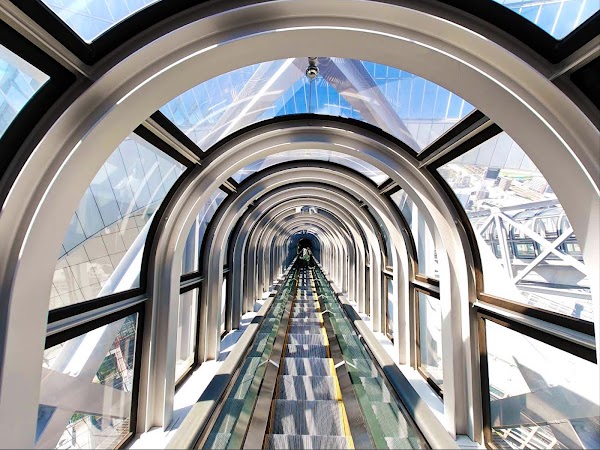
Umeda Sky Building in Osaka, Japan, is renowned for its breathtaking Kuchu Teien Observatory, a captivating architectural marvel that offers an unparalleled perspective of the city. The observatory, perched atop the 40th floor, grants visitors a 360-degree panorama of Osaka's vibrant cityscape, extending from the Yodo River to the Akashi Kaikyo Bridge. The highlight of Kuchu Teien is its open-air rooftop, the Sky Walk, where visitors can experience the sensation of strolling amidst the clouds. This elevated walkway provides unobstructed views of Osaka's landmarks, including the iconic Tsutenkaku Tower and the Osaka Castle. As the sun dips below the horizon, the cityscape transforms into a mesmerizing tapestry of twinkling lights, creating an unforgettable spectacle. Beyond its panoramic vistas, Kuchu Teien also features a glass-bottomed escalator that transports visitors from the 35th to the 39th floor, offering a thrilling ascent with unparalleled views. The observatory's interior boasts a 35-meter-long glass counter, where visitors can sip tea while reveling in the illusion of floating amidst the sky. For art enthusiasts, Kuchu Teien houses the Koji Kinutani Tenku Art Museum, showcasing the works of renowned Japanese artist Koji Kinutani. The museum's vibrant and interactive exhibits provide a unique blend of art and technology, further enriching the visitor experience.Observatory
Umeda Sky Building in Osaka, Japan, is renowned for its awe-inspiring Floating Garden Observatory, a captivating architectural marvel that offers unparalleled panoramic vistas of the city. Perched atop the 39th and 40th floors, this open-air observatory grants visitors a breathtaking 360-degree perspective, stretching from the bustling streets below to the distant horizon. The highlight of the observatory is the Sky Walk, an open-air promenade that encircles the building, allowing visitors to stroll amidst the clouds and soak in the cityscape from every angle. One of the unique features of the Floating Garden Observatory is its see-through escalators, which ascend from the 35th to the 39th floor, providing a thrilling journey through the heart of the building. The observatory also boasts a 35-meter-long glass counter on the 40th floor, where visitors can sip tea while feeling as though they are floating in the sky. For those seeking an even more immersive experience, the rooftop observatory offers unobstructed views of the city, making it an ideal spot to capture stunning photographs and create lasting memories.
Experience the Full Tour
Download the DocentPro app to access all tour stops, complete audio narrations in multiple languages, offline maps, and interactive features.