
Milan's Cultural Treasures: A Journey Through Art and History

Walking Tour

3.8 km (2.4 miles)

52 min travel time

10 Stops

Milan, Italy
Milan's Cultural Treasures: A Journey Through Art and History

10 places on the map
Explore the map in the DocentPro app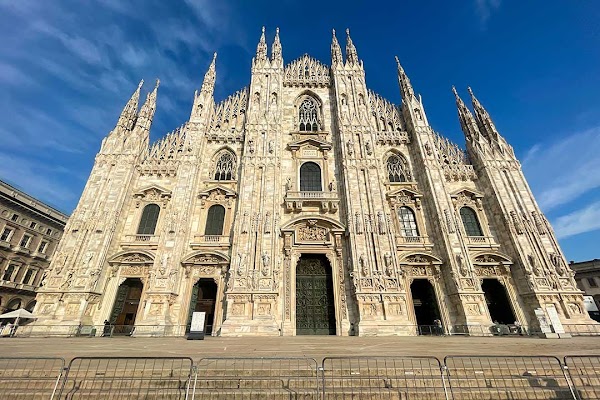
Tour Stops
1
Duomo di Milano
View on map
Audio Narrations
导言
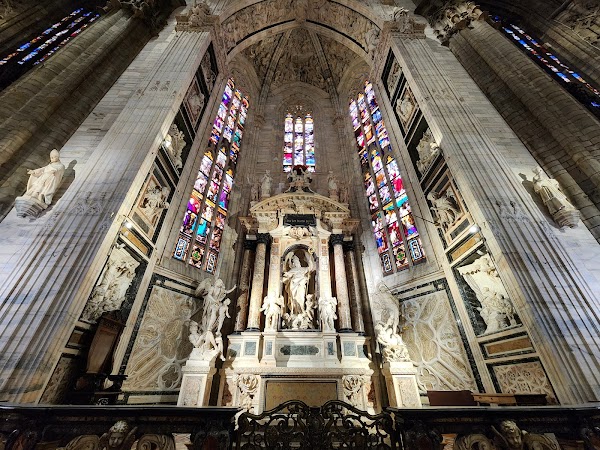
米兰大教堂,这座雄伟的教堂坐落于意大利米兰的中心地带,是哥特式建筑的典范。其错综复杂的立面装饰有 3,000 多座雕像,令人叹为观止。教堂内部虽然阴暗且光线昏暗,但收藏有令人惊叹的艺术品,包括米开朗基罗著名的“隆达尼尼哀悼”。大教堂的屋顶可欣赏到城市令人惊叹的全景,使其成为游客和当地人的热门目的地。尽管有着数百年的历史,但米兰大教堂仍然是一个充满活力的活跃礼拜场所,举办宗教仪式并吸引来自世界各地的游客。米兰的象征
米兰大教堂,一座建筑奇迹,米兰的心脏,屹立为这座城市悠久历史和坚定信仰的永恒象征。其错综复杂的哥特式立面装饰着 3,400 多座雕像,讲述着圣徒、殉道者和圣经人物的故事。直插云霄的高耸尖顶象征着这座城市的抱负和坚定不移的精神。 在米兰大教堂主尖顶的顶端,镀金铜制圣母玛利亚雕像已成为米兰的标志性象征。它矗立在城市最高点,象征着米兰人民的虔诚,并成为希望和保护的灯塔。 米兰大教堂的建造历时近六个世纪,反映了米兰人民坚定的决心和艺术造诣。它体现了这座城市的韧性,经历了战争、火灾和政治动荡。如今,米兰大教堂仍然是米兰及其人民不屈精神的见证,是他们信仰、传统和坚定自豪的象征。文化遗产
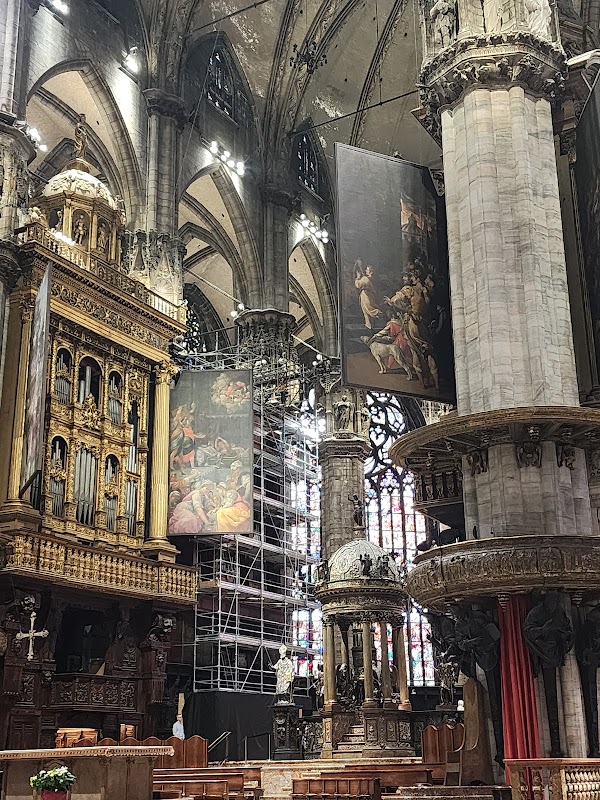
米兰大教堂,一座宏伟的哥特式杰作,见证了米兰丰富的文化遗产。它的建造历经数个世纪,汇集了众多艺术家和工匠,创造出一种独特的建筑风格融合。错综复杂的立面装饰着无数的雕塑和浮雕,描绘了圣经场景和历史事件,让人们得以一窥当时的宗教和文化信仰。内部,宽敞的内部空间拥有高耸的柱子、彩色玻璃窗和令人惊叹的祭坛,展示了其创造者的艺术性和工艺性。大教堂的屋顶露台提供了城市全景,展示了其尖顶和扶壁的错综复杂细节。作为联合国教科文组织世界遗产,米兰大教堂不仅是米兰建筑实力的象征,也是具有宝贵文化和历史意义的宝库。
2
Galleria Vittorio Emanuele II
View on map
Audio Narrations
简介
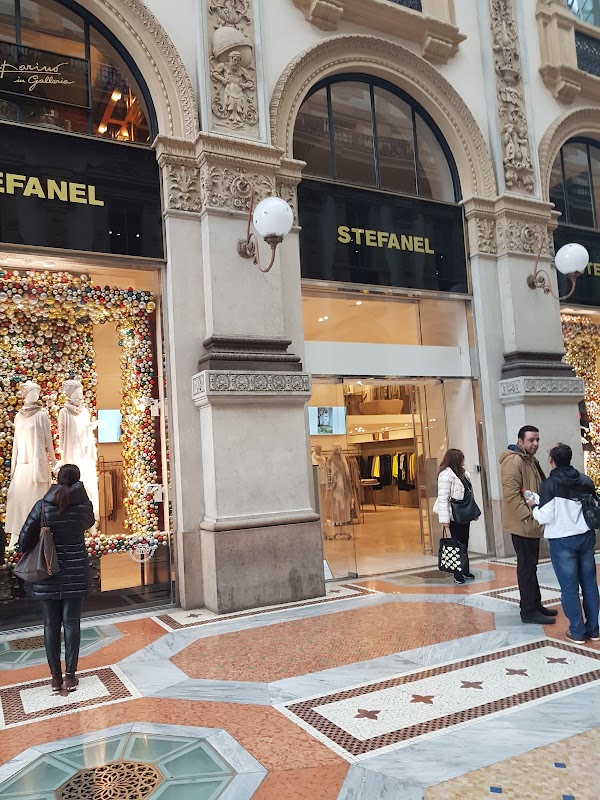
埃马努埃莱二世拱廊是意大利米兰的标志性地标,是一座令人惊叹的 19 世纪购物商场,连接着大教堂广场和斯卡拉广场。这座建筑杰作由朱塞佩·门戈尼设计,建于 1865 年至 1877 年间,以其宏伟和优雅而闻名。拱廊的四层双拱廊顶部是玻璃和铁屋顶,营造出令人惊叹的奇观。在八角形中央空间的中心,一幅马赛克描绘了都灵、佛罗伦萨、罗马和米兰的徽章。传说用脚后跟在都灵徽章上的公牛上旋转三圈会带来好运,导致马赛克上出现磨损点。拱廊不仅仅是一个购物目的地,还是一个社交中心,因此赢得了“米兰的客厅”的昵称。其众多奢侈品精品店、餐厅和咖啡馆使其成为当地人和游客的热门聚会场所。奢侈品零售中心
踏入富丽堂皇的埃马努埃莱二世拱廊,这是购物者的天堂,也是米兰作为奢侈品零售中心地位的证明。这座建筑奇迹是一座连接着大教堂和斯卡拉歌剧院的玻璃穹顶拱廊,里面收藏着独家的精品店,每一家都是裁缝工艺的典范。普拉达、古驰和路易威登点缀着它神圣的大厅,它们的橱窗展示着精湛工艺和永恒设计的交响曲。拱廊不仅仅是一个购物目的地;它是一个舞台,时尚偶像和眼光独到的顾客汇聚在这里,寻找来自全球最令人垂涎的品牌的最新作品。它的中央八角形装饰着错综复杂的马赛克,是城市精英的聚会场所,在这里,人们围绕着最新的潮流和独家收购展开交谈。当您漫步在拱廊中时,惊叹于它高耸的天花板和透过玻璃穹顶过滤的光线的相互作用,营造出一种空灵的氛围,与展出的精致商品相得益彰。埃马努埃莱二世拱廊不仅仅是一个购物中心;它是一个为那些欣赏生活美好事物的人提供的避难所,一个奢华与优雅无缝交织的地方。有名なモザイクの床
米兰埃马努埃莱二世拱廊的精美马赛克地板以其错综复杂的设计和历史意义吸引着游客。这块地板是马赛克艺术的杰作,描绘了意大利王国三个首都的徽章:都灵、佛罗伦萨和罗马,以及米兰自己的徽章。每个徽章都用鲜艳的色彩和精细的细节精心制作,为地板的整体宏伟增添了光彩。 马赛克地板最引人入胜的方面之一是与都灵徽章相关的传统。传说用脚后跟在公牛的睾丸上旋转三圈会带来好运。虽然这种做法对马赛克造成了一些损坏,但它仍然是游客和当地人的一种流行仪式。 除了美学吸引力之外,马赛克地板还具有历史意义。它的完工标志着意大利在 1861 年的统一,使其成为民族自豪感和团结的象征。这块地板见证了无数的历史事件,从皇室游行到政治集会,为其丰富的历史故事增添了色彩。 如今,埃马努埃莱二世拱廊的马赛克地板证明了其时代艺术和工艺的精湛技艺。它不仅是一件美丽的艺术品,也是意大利丰富历史和文化遗产的切实提醒。
3
Statua di Leonardo da Vinci
View on map
Audio Narrations
Introduction
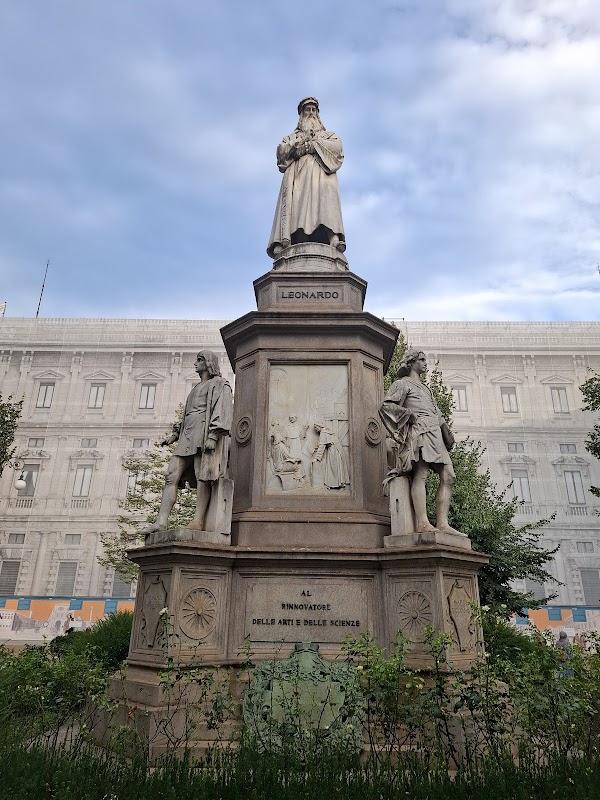
The Statua di Leonardo da Vinci in Milan, Lombardy, Italy, stands prominently in Piazza della Scala, a tribute to the Renaissance master's profound impact on the city. Sculpted by Pietro Magni and unveiled in 1872, the statue depicts Leonardo not as the aloof genius, but as a teacher surrounded by his four most prominent students: Marco d'Oggiono, Giovanni Antonio Boltraffio, Cesare da Sesto, and Andrea Salai. Each student is rendered with distinct characteristics, reflecting their individual artistic styles and contributions. The statue's placement is particularly significant, facing the Teatro alla Scala, symbolizing the enduring legacy of Italian artistic innovation. Interestingly, the initial design faced considerable criticism for its perceived lack of grandeur, prompting Magni to subtly enhance the statue's scale and detail before its final installation. The monument serves as a constant reminder of Leonardo's time in Milan, a period during which he created some of his most celebrated works, including "The Last Supper," forever intertwining his name with the city's cultural identity.Pietro Magni's Sculpture
Pietro Magni's 1872 marble sculpture of Leonardo da Vinci stands in Piazza della Scala, Milan, Italy, a testament to the Renaissance polymath. The statue, central to the monument, portrays Leonardo in a thoughtful pose, his hands clasped to his chest. Magni's signature, "PIETRO MAGNI FECE," is inscribed on the back of the statue's base, while the name "LEONARDO" is inscribed on the front. The monument's construction, initiated by Elia Lombardini, faced initial hostility, not due to Magni's artistry, but because of its association with the Austrian government prior to Italy's unification. Lombardini presented Leonardo as the "true creator of hydraulic science" to gain acceptance for the monument after unification. The unveiling of Magni's sculpture occurred on September 4, 1872, coinciding with the opening of Milan's first congress of engineers and architects. Prince Umberto attended the ceremony, during which the monument was revealed to thunderous applause. The four pedestals with statues of students, initially planned as separate, were joined to the central octagonal base in the final design. The monument, including Magni's statue, stands on a plinth of pink granite from Baveno, reaching a total height of 7.08 meters. The statue of Leonardo itself measures 4.40 meters high. The central body of the plinth has an octagonal shape with unequal sides and is aligned with the Galleria Vittorio Emmanuele II.Monument's Tumultuous History
Milan's history, marked by periods of destruction and restoration, profoundly influenced the artistic landscape, including monuments dedicated to figures like Leonardo da Vinci. The city's tumultuous past, characterized by conflicts between city-states and foreign powers, shaped the environment in which Leonardo lived and worked. Milan endured destruction at the hands of Frederick I Barbarossa in 1162, followed by a period of prosperity as a trade center. Later, under the Visconti and Sforza families, Milan experienced both economic growth and artistic flourishing, attracting figures like Leonardo da Vinci. Leonardo's presence in Milan, particularly during the Sforza era, left an indelible mark on the city. He contributed to various projects, including improvements to the Navigli canal system and the creation of "The Last Supper." The Castello Sforzesco, where Leonardo worked, underwent numerous transformations due to war damage and subsequent restorations under Spanish, Austrian, and Napoleonic rule, reflecting Milan's turbulent history. The castle's Biblioteca Trivulziana houses Leonardo's autographed notebook, a testament to his enduring legacy amidst Milan's ever-changing fortunes. The city's resilience, demonstrated through repeated rebuilding and artistic revivals, underscores the complex historical backdrop against which monuments like the statue of Leonardo da Vinci stand.
4
Piazza della Scala
View on map
Audio Narrations
Introduction
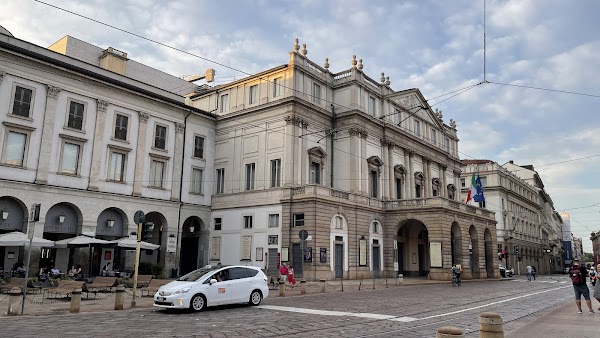
Piazza della Scala, the heart of Milan's cultural district, is more than just a square; it's a carefully orchestrated stage. The Teatro alla Scala, its namesake and dominant feature, casts a long shadow, influencing the piazza's very purpose. Unlike other grand Italian piazzas designed for civic gatherings, this space primarily serves as a prelude to the operatic experience. The central monument, a statue of Leonardo da Vinci by Pietro Magni, is not merely decorative; it's a deliberate placement, acknowledging the Renaissance genius's significant contributions to Milanese art and engineering, subtly linking him to the innovative spirit of the opera house. The piazza's understated elegance, achieved through its restrained architecture and muted color palette, allows the Scala's performances to take center stage. Interestingly, the piazza's design intentionally minimizes distractions, focusing attention on the theatrical world within. The surrounding buildings, including Palazzo Marino, Milan's city hall, contribute to the piazza's dignified atmosphere, reinforcing its role as a cultural and administrative nexus.Opera History
Piazza della Scala in Milan is intrinsically linked to the history of opera through the Teatro alla Scala, one of the world's most celebrated opera houses. Built on the site of the former church of Santa Maria della Scala, the theater's inauguration in 1778 marked a new chapter in Italian opera. Many of Italy's greatest operatic artists, and indeed the finest singers from across the globe, have graced its stage. La Scala's significance grew exponentially in the 19th century, particularly through its association with Giuseppe Verdi. Although initial disputes over modifications to his music led to a temporary estrangement, La Scala eventually hosted the premieres of his later masterpieces, Otello and Falstaff, cementing its place in operatic history. The theater has also premiered operas by Antonio Salieri. Beyond performances, La Scala houses the Museo Teatrale alla Scala, offering a collection of paintings, drafts, statues, costumes, and documents that chronicle the theater's history and opera in general. The Accademia Teatro alla Scala provides professional training in music, dance, stagecraft, and stage management, ensuring the legacy of Italian opera continues. The loggione, a gallery above the boxes, is known for its critical opera aficionados, the loggionisti, whose reactions can significantly impact a singer's career. The Filarmonica della Scala orchestra was established in 1982 to develop a symphonic repertoire, further enriching La Scala's operatic tradition.Architectural Significance
Piazza della Scala's architectural importance is rooted in its mid-nineteenth-century redesign, which involved demolishing palaces to enlarge the square and create a more imposing space. The focal point, Teatro alla Scala, designed in neoclassical style by Piermarini and commissioned in 1776 by Maria Theresa of Austria, opened two years later. Its construction on the site of the former church of Santa Maria della Scala, from which it derives its name, marks a significant architectural and cultural transition. Facing the theatre is Palazzo Marino, which has served as Milan's City Hall since the Unification of Italy. Originally dating back to the sixteenth century, its facade was rebuilt in the nineteenth century, reflecting evolving architectural tastes. Flanking the square are the Banca Commerciale Italiana buildings, constructed between 1912 and 1920. The first of these buildings is home to the Museum of the Galleries of Italy. The square's layout and the positioning of these buildings contribute to its overall architectural harmony, creating a balanced urban space. The integration of cultural institutions, government buildings, and commercial establishments within the piazza underscores its role as a center of Milanese life. The square's design facilitates pedestrian flow, connecting it seamlessly to the Galleria Vittorio Emanuele II and Piazza Duomo, further enhancing its architectural and urbanistic significance.
5
Teatro alla Scala
View on map
Audio Narrations
Introduction
Teatro alla Scala, a prestigious opera house in Milan, Italy, stands as a testament to the city's rich artistic heritage. Inaugurated in 1778, it has hosted legendary opera singers and musicians, including Maria Callas and Luciano Pavarotti. The theater's season opens annually on December 7th, Saint Ambrose's Day, and features a diverse repertoire of operas and ballets. Beyond its performances, La Scala boasts a renowned museum that houses a collection of paintings, costumes, and artifacts chronicling the history of opera. It also has an associate school, the Accademia Teatro alla Scala, which trains aspiring musicians, dancers, and stage professionals. One of La Scala's unique features is its "loggione," a gallery where less affluent patrons can watch performances. Known for their critical enthusiasm, the "loggionisti" can be both ecstatic and merciless in their reactions, adding an element of excitement to the atmosphere. Over the years, La Scala has undergone renovations and expansions, including a major restoration in the early 2000s that enhanced its acoustics and stage capabilities. It remains a symbol of Italian artistic excellence and a must-visit destination for opera enthusiasts worldwide.Prestigious Performances
Teatro alla Scala, a world-renowned opera house in Milan, Italy, has been the stage for countless prestigious performances throughout its illustrious history. Since its inauguration in 1778, La Scala has hosted premieres of iconic operas by renowned composers such as Verdi, Puccini, and Rossini. The theater's reputation for artistic excellence has attracted legendary singers, conductors, and musicians, making it a pilgrimage site for opera enthusiasts. Beyond its architectural grandeur, La Scala's allure lies in its unwavering commitment to preserving operatic traditions while embracing innovation. The theater's season, which runs from December to June, features a diverse repertoire that includes both classic and contemporary works. Each performance is meticulously crafted, with elaborate sets, stunning costumes, and world-class musicianship. For those seeking an unforgettable operatic experience, La Scala offers exclusive opportunities. The theater's "Scala Experience" package provides behind-the-scenes access, allowing visitors to explore the stage, rehearsal rooms, and costume workshops. Additionally, La Scala hosts masterclasses and workshops led by renowned artists, providing aspiring singers and musicians with invaluable insights into the world of opera. Attending a performance at Teatro alla Scala is not merely a cultural event but a transformative experience. The theater's opulent ambiance, coupled with the passion and artistry on display, creates an atmosphere of enchantment that lingers long after the curtain falls. For those who appreciate the pinnacle of operatic achievement, Teatro alla Scala stands as a beacon of artistic excellence, where prestigious performances continue to captivate and inspire audiences worldwide.World-Renowned Opera House
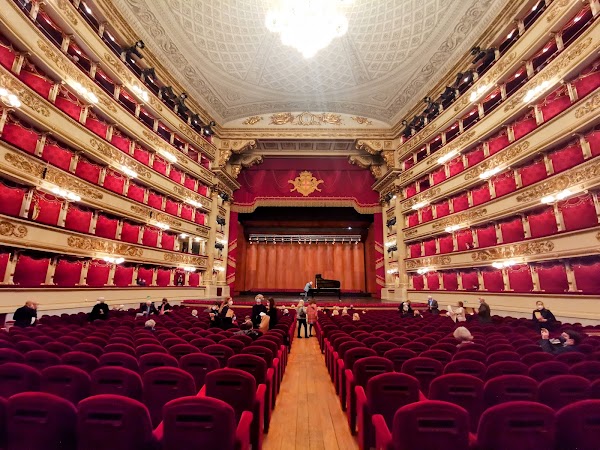
Teatro alla Scala in Milan, Italy, stands as a beacon of operatic excellence, renowned globally for its unparalleled acoustics, opulent ambiance, and rich history. This architectural masterpiece, inaugurated in 1778, has witnessed the triumphs of legendary performers and premiered iconic operas that have shaped the art form. La Scala's horseshoe-shaped auditorium, adorned with crimson velvet and gilded embellishments, exudes an aura of grandeur. Its six tiers of boxes, each meticulously decorated by their aristocratic owners, create an intimate and exclusive atmosphere. The vast stage, one of the largest in Italy, has hosted countless unforgettable performances, from Verdi's "Aida" to Puccini's "Tosca." Beyond its architectural splendor, La Scala is renowned for its unwavering commitment to artistic innovation. It was here that the legendary conductor Arturo Toscanini introduced radical ideas that transformed opera, including the use of foreign composers and the establishment of a permanent orchestra. Today, La Scala continues to push boundaries, showcasing contemporary works alongside timeless classics. The theater's reputation as a crucible for operatic talent is unparalleled. Its stage has nurtured the careers of countless renowned singers, including Maria Callas, Luciano Pavarotti, and Renata Tebaldi. The annual La Scala Season, which runs from December to June, attracts opera enthusiasts from around the world, eager to witness the magic that unfolds within these hallowed halls.
6
Pinacoteca di Brera
View on map
Audio Narrations
Introduction
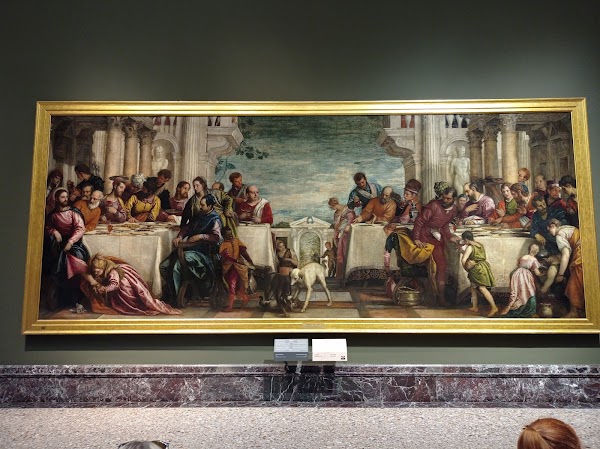
The Pinacoteca di Brera, a treasure chest of art, is nestled within the majestic Palazzo di Brera in Milan, Italy. This renowned art gallery houses an extensive collection of Venetian, Lombard, Tuscan, and Central Italian paintings. Masterpieces by Tintoretto, Tiepolo, Piero della Francesca, and Caravaggio grace its walls, offering visitors a captivating journey through centuries of artistic brilliance. Beyond its celebrated collection, the Pinacoteca di Brera is also home to a remarkable collection of 20th-century art. The gallery's commitment to showcasing the evolution of artistic expression is evident in its diverse holdings, which include works by renowned modernists. The Pinacoteca di Brera stands as a testament to the rich cultural heritage of Milan and Italy. Its collection, spanning from the 13th to the 20th century, provides a comprehensive exploration of the development of Western art. Whether you're an art enthusiast or simply appreciate the beauty of human creativity, a visit to the Pinacoteca di Brera is an unforgettable experience.Venetian Painting
Pinacoteca di Brera, a treasure trove of art in Milan, boasts an impressive collection of Venetian paintings that captivates art enthusiasts. Among its masterpieces is Giovanni Bellini's "Madonna and Child with Saints," a serene depiction of the Virgin Mary with the infant Jesus, accompanied by saints. Another highlight is Titian's "Venus of Urbino," a sensual portrayal of the goddess of love, renowned for its rich colors and enigmatic gaze. Tintoretto's "The Finding of the Body of Saint Mark" showcases his dynamic brushwork and dramatic lighting, capturing the moment when the saint's remains are discovered. Visitors can also admire works by Giorgione, Veronese, and Tiepolo, each contributing to the rich tapestry of Venetian art. These masterpieces, housed within the elegant halls of the Pinacoteca di Brera, offer a captivating journey through the Venetian artistic tradition, providing a glimpse into the unique style, techniques, and themes that have made Venetian painting an enduring legacy in the art world.Art Gallery
Nestled within the heart of Milan's Brera district, the Pinacoteca di Brera stands as a testament to the city's rich artistic heritage. Founded in 1809, this renowned art gallery boasts an impressive collection of over 400 masterpieces spanning six centuries of Italian art history. The Pinacoteca's collection is particularly strong in works from the Lombard and Venetian schools, with notable pieces by Tintoretto, Caravaggio, and Piero della Francesca. One of the gallery's most celebrated works is Raphael's "Marriage of the Virgin," a groundbreaking painting that introduced a new perspective to Renaissance art. Beyond its permanent collection, the Pinacoteca also hosts temporary exhibitions, showcasing the works of both established and emerging artists. The gallery's commitment to contemporary art is evident in its collection of 20th-century masterpieces, including works by Guttuso and Mafai. The Pinacoteca di Brera is not just a repository of art but also a vibrant center for cultural exchange. The gallery hosts lectures, workshops, and educational programs, fostering a deep appreciation for art among visitors of all ages. Its elegant exhibition spaces, housed within the historic Palazzo Brera, provide a stunning backdrop for the masterpieces on display. For art enthusiasts seeking an immersive and enriching experience, the Pinacoteca di Brera offers a unique journey through the history of Italian art. Its diverse collection, coupled with its commitment to contemporary art and cultural engagement, makes it a must-visit destination for anyone passionate about the visual arts.
7
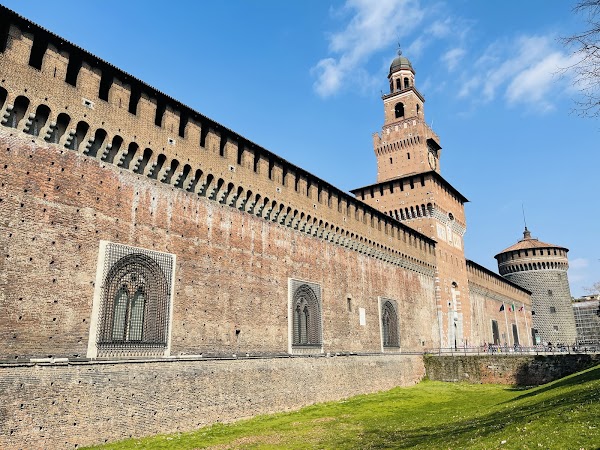
Sforzesco Castle
View on map
Audio Narrations
导言
斯福尔扎城堡,意大利米兰的一座雄伟堡垒,见证了这座城市的悠久历史。它建于 14 世纪,由维斯孔蒂家族建造,后来被斯福尔扎王朝扩建并改建成一座宏伟的公爵宫殿。城堡雄伟的城墙上装饰着精美的雕刻和雕塑,里面是一个迷宫般的庭院、大厅和博物馆。在它的众多珍宝中,有 Sala delle Asse,莱昂纳多·达·芬奇迷人的壁画描绘了一个翠绿的森林树冠。城堡的博物馆收藏了令人印象深刻的艺术品,包括米开朗基罗和卡拉瓦乔的作品。如今,斯福尔扎城堡仍然是一个充满活力的文化中心,举办展览、音乐会和庆祝米兰艺术传统的活动。防御要塞
斯福尔扎城堡,米兰市中心的一座坚固的防御要塞,见证了这座城市丰富的军事历史。它的起源可以追溯到 1360 年,当时米兰的统治者加莱亚佐二世·维斯孔蒂委托建造一座堡垒来保护城市免受外部威胁。几个世纪以来,这座城堡经历了多次扩建和改建,每一次都旨在增强其防御能力。 在 15 世纪,斯福尔扎王朝的创始人弗朗切斯科·斯福尔扎将这座城堡改建成了一座宏伟的住宅,同时保持了其战略重要性。他委托著名的建筑师和工程师设计了令人印象深刻的防御工事,包括护城河、吊桥和用塔楼加固的巨大城墙。城堡的布局经过精心规划,提供了多条防线,每一段都提供了独特的有利位置,便于监视和抵抗。 在西班牙统治期间,这座城堡进一步加强了防御工事,成为欧洲最大的堡垒之一。它呈星形的堡垒旨在抵御炮火,证明了这座城堡坚不可摧的防御能力。驻军人数达数千名士兵,配备了最先进的武器,确保了城堡随时可以击退任何攻击。 在整个历史中,斯福尔扎城堡在抵御米兰的多次围攻和入侵中发挥了关键作用。它坚固的防御工事证明了自己的价值,抵御了来自法国、奥地利和德国军队的攻击。城堡的战略位置及其控制城市通道的能力使其成为一个至关重要的据点,塑造了米兰的军事历史进程。建筑奇迹
斯福尔扎城堡,米兰市中心的一座雄伟的建筑奇迹,见证了这座城市的悠久历史和艺术成就。其宏伟的砖砌外墙饰有精美的雕刻和优雅的塔楼,反映了文艺复兴时期的宏伟。城堡的庭院曾经挤满了骑士和贵族,现在设有博物馆,展示着无价的艺术品,包括莱昂纳多·达·芬奇为《最后的晚餐》绘制的准备草图。 除了美学上的美感之外,斯福尔扎城堡还拥有创新的建筑特色。Sala delle Asse,一个拱形房间,展示了莱昂纳多令人惊叹的壁画,营造出郁郁葱葱的凉亭的错觉。Torre del Filarete,一座圆柱形塔楼,展示了精美的陶土装饰,并提供城市全景。城堡的护城河曾经是防御措施,现已改建成一个宁静的公园,在城市景观中提供了一个宁静的绿洲。 斯福尔扎城堡是其创造者建筑智慧的活生生的证明。其军事实力和艺术辉煌的融合使其成为任何想要深入了解米兰和意大利文艺复兴时期建筑奇迹的人的必游之地。
8
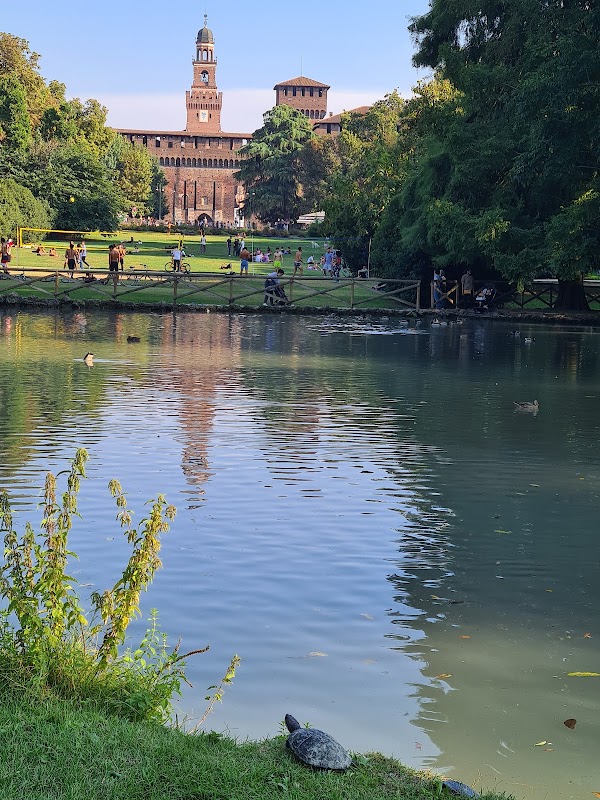
Parco Sempione
View on map
Audio Narrations
Introduction
Parco Sempione, a sprawling 95-acre urban oasis in the heart of Milan, is a testament to the city's rich history and vibrant culture. Established in 1888, the park was designed by Emilio Alemagna and features a captivating blend of natural beauty and architectural marvels. Anchored by the historic Sforza Castle, the park's layout is defined by two intersecting axes. The first leads northwest to the Arch of Peace, while the second is flanked by the oval Arena Civica and the Palazzo dell'Arte, a permanent exhibition hall built for the 1933 Triennale di Milano. Towering over the park is the steel Torre Branca, designed by Gio Ponti and offering panoramic views from its 108-meter height. Parco Sempione's origins can be traced back to the Visconti ducal park, which was later expanded by the Sforza family to include exotic animals and hunting grounds. After falling into disuse, the land was transformed into a parade ground during the Napoleonic era. The park's current incarnation emerged after the unification of Italy, when the area was designated for public use. Today, Parco Sempione is a beloved destination for locals and visitors alike. Its winding paths, ornamental ponds, and eclectic collection of public art create a serene and inspiring environment. The park also hosts cultural events, concerts, and exhibitions, making it a vibrant hub of activity throughout the year.Symbol of Milan
Parco Sempione, a verdant oasis nestled behind the majestic Castello Sforzesco, stands as a cherished symbol of Milan. Created in the 19th century, the park was designed to provide a tranquil escape from the bustling city center. Its sprawling lawns, adorned with elegant statues and fountains, invite visitors to stroll, relax, and soak in the beauty of nature. At the heart of the park lies the iconic Arco della Pace, a triumphal arch that commemorates Milan's victory over Napoleon. This grand monument, adorned with intricate carvings, serves as a poignant reminder of the city's resilience and pride. Parco Sempione is not merely a green space but a cultural hub. It houses the Triennale di Milano, a renowned exhibition space dedicated to showcasing contemporary art and design. The park also boasts the Torre Branca, a slender steel tower that offers breathtaking panoramic views of the city skyline. Beyond its aesthetic charm, Parco Sempione holds deep historical significance. It was once the hunting grounds of the Sforza dukes, who ruled Milan during the Renaissance. The park's name, Sempione, pays homage to the Simplon Pass, a strategic Alpine route that connected Milan to Central Europe. Today, Parco Sempione remains a beloved destination for locals and tourists alike. It is a place where history, nature, and culture intertwine, creating a unique and unforgettable experience that embodies the spirit of Milan.Urban Green Space
Parco Sempione, a verdant oasis nestled in the heart of Milan, stands as a testament to the city's commitment to urban green spaces. Designed in the late 19th century, this sprawling park boasts a rich tapestry of natural wonders and cultural landmarks. At the heart of Parco Sempione lies a tranquil pond, a haven for waterfowl and a picturesque backdrop for leisurely strolls. Towering trees, including majestic oaks and towering cedars, provide ample shade, creating a serene atmosphere amidst the urban hustle and bustle. The park's meticulously manicured lawns invite visitors to bask in the sun or engage in recreational activities. Beyond its natural beauty, Parco Sempione is also a vibrant cultural hub. The Triennale di Milano, a renowned exhibition space, showcases cutting-edge art and design, while the Civic Aquarium captivates visitors with its diverse marine life. The park's open-air theater hosts a variety of performances, from concerts to plays, enriching the cultural fabric of the city. Parco Sempione's commitment to sustainability is evident in its innovative design. The park's irrigation system utilizes rainwater, reducing water consumption. Native plant species have been carefully selected to promote biodiversity and attract local wildlife. The park's numerous benches and picnic areas encourage visitors to linger and connect with nature. As an urban green space, Parco Sempione offers a sanctuary for both residents and tourists alike. It provides respite from the urban sprawl, promotes physical and mental well-being, and fosters a sense of community. Its rich history, cultural significance, and unwavering dedication to sustainability make Parco Sempione a truly exceptional urban green space.
9
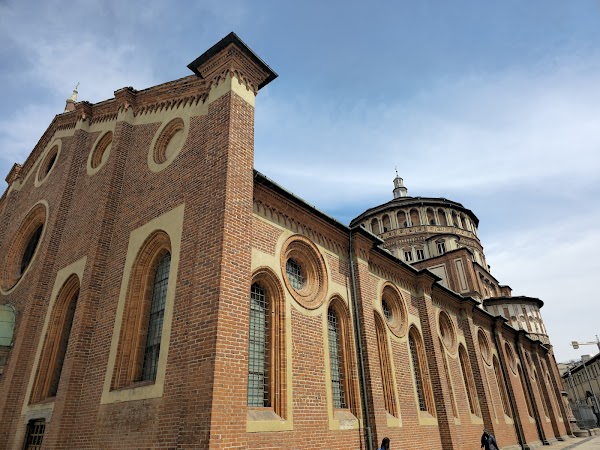
Santa Maria delle Grazie
View on map
Audio Narrations
Introduction
Santa Maria delle Grazie, a Dominican convent and church in Milan, Italy, is renowned for housing Leonardo da Vinci's iconic fresco, "The Last Supper." The complex, a UNESCO World Heritage Site, was built in the 15th century and showcases the architectural brilliance of Guiniforte Solari. Its elegant Lombard Gothic basilica boasts a nave and two aisles, adorned with seven chapels on each side. The church's highlight, however, is the refectory, where Leonardo's masterpiece depicts the moment Christ reveals his impending betrayal. The fresco's innovative techniques and profound emotional depth have captivated art enthusiasts for centuries. Beyond its artistic significance, Santa Maria delle Grazie also holds historical importance as the intended burial site for the Sforza family, the ruling dynasty of Milan during the Renaissance.Mural Painting
Santa Maria delle Grazie, a Dominican convent in Milan, houses one of the world's most renowned mural paintings: Leonardo da Vinci's "The Last Supper." This iconic fresco, created between 1495 and 1497, depicts the final meal of Jesus with his disciples. Da Vinci's innovative techniques, such as the use of sfumato and aerial perspective, have made this mural a masterpiece of the High Renaissance. Beyond "The Last Supper," Santa Maria delle Grazie boasts other significant mural paintings. The Chapel of the Holy Crown features Titian's "Crowning with Thorns," while the Chapel of the Adoring Virgin showcases Gaudenzio Ferrari's frescoes. The Great Cloister, once adorned with frescoes by Bramantino, offers a glimpse into the artistic heritage of the convent. The church's interior is a testament to the Lombard Gothic style, with its ribbed vaults and pointed arches. However, the apse, attributed to Donato Bramante, exhibits early Renaissance influences, showcasing the architectural transition of the period. Santa Maria delle Grazie stands as a testament to the artistic patronage of the Sforza family, who commissioned many of the murals and renovations. The convent and its mural paintings have survived centuries of war and restoration, remaining a living testament to the enduring power of art.UNESCO World Heritage Site
Santa Maria delle Grazie, a Dominican convent in Milan, Italy, stands as a testament to the convergence of art and history. Recognized by UNESCO as a World Heritage Site in 1980, the complex is renowned for housing Leonardo da Vinci's iconic masterpiece, "The Last Supper." This exceptional fresco, painted on the refectory wall, depicts the profound moment of Jesus' revelation of his impending betrayal. The church itself, a splendid example of early Renaissance architecture, boasts an impressive central dome designed by Donato Bramante. Beyond its artistic significance, Santa Maria delle Grazie holds historical importance. Commissioned by Ludovico Sforza, Duke of Milan, in the 15th century, the complex served as a burial chapel for the Sforza family. The church's intricate details, including the Chiostro delle Rane (Cloister of the Frogs), adorned with charming bronze frog fountains, reflect the era's artistic sensibilities. Santa Maria delle Grazie's designation as a UNESCO World Heritage Site underscores its exceptional universal value. The complex represents a fusion of architectural brilliance and artistic genius, embodying the spirit of the Italian Renaissance. Its enduring legacy continues to inspire awe and admiration, solidifying its place as a cherished cultural treasure.
10
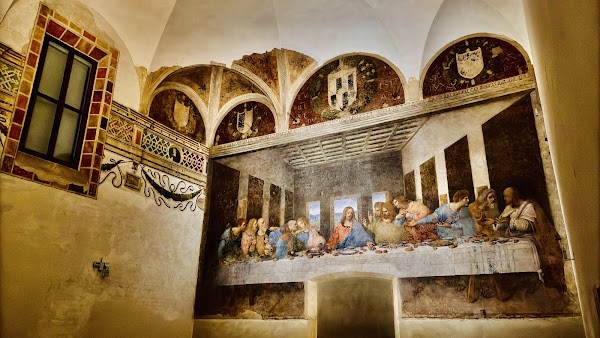
The Last Supper Museum
View on map
Audio Narrations
导言
米兰最后的晚餐博物馆,收藏着达芬奇的标志性杰作《最后的晚餐》。这幅 15 世纪的壁画描绘了耶稣在被钉死在十字架之前与他的门徒共进的最后一餐。博物馆独特的设计确保了对这幅精细艺术品的最佳观赏。游客进入一个温度受控的房间,在那里他们可以欣赏壁画的错综复杂的细节和鲜艳的色彩。博物馆还提供多媒体演示和互动展览,深入探讨这幅画的历史和象征意义。 博物馆最引人入胜的方面之一是正在进行的修复工作。自 20 世纪 50 年代以来,专家们一直在努力修复这幅壁画,它已经遭受了几个世纪的风吹雨打。游客可以了解复杂的修复过程,并亲眼目睹为保存这幅无价杰作所付出的艰苦努力。 博物馆的另一个独特之处在于它专注于对《最后的晚餐》的科学研究。研究人员使用先进技术来分析这幅画的构成、颜料和笔触。这项持续的研究为达芬奇的艺术技巧和壁画的历史提供了宝贵的见解。 最后的晚餐博物馆为艺术爱好者和历史爱好者提供了一种真正身临其境的体验。通过将尖端技术与对达芬奇天才的深刻理解相结合,博物馆提供了一个独特的机会,让人们与世界上最具标志性的艺术作品之一进行互动。标志性宗教艺术品
最后的晚餐:揭开杰作的神秘面纱 米兰的最后的晚餐博物馆收藏了列奥纳多·达·芬奇的标志性壁画,它不仅仅是一幅画作,更是一部以视觉形式呈现的神学论文。与传统描绘不同,基督并不是中心人物。相反,重点在于他宣布背叛后的心理影响,每个门徒都有着独特的反应。 透视法的运用将观者带入场景中,让他们成为戏剧中的一个沉默的参与者。褪色的颜料和受损的部分只会增加神秘感,暗示着隐藏在表面之下的秘密。 除了艺术上的精湛技艺,这幅壁画还提供了一个了解 15 世纪宗教思想的窗口。简朴的饭菜、没有光环以及将犹大描绘成一个阴影都反映了多米尼加教团对谦卑和牺牲的强调。 博物馆本身就是为保护这幅杰作而进行的持续努力的证明。受控的环境、有限的参观者人数以及正在进行的修复项目确保了后代能够欣赏达·芬奇的天才。 参观最后的晚餐博物馆不仅仅是为了看一幅画;它关乎体验艺术史和宗教图像学中的一个关键时刻。这是一个思考人类状况、信仰的力量以及一位真正的艺术先驱的持久遗产的机会。历史和艺术意义
最后的晚餐:历史和艺术语境中的永恒杰作 达芬奇的标志性壁画《最后的晚餐》收藏于米兰圣玛丽亚感恩教堂内,它超越了其宗教意义,在艺术史和更广泛的西方文化叙事中占据着举足轻重的地位。踏入壁画所在的餐厅,就像踏入了一个时光胶囊,将观者带回 15 世纪的米兰,并让人们得以一窥文艺复兴时期的艺术和社会风貌。 《最后的晚餐》的历史背景与当时政治和宗教格局密切相关。这幅壁画由卢多维科·斯福尔扎公爵委托创作,作为他权力和虔诚的证明,巩固了他作为意大利文艺复兴时期重要人物的地位。壁画的主题描绘了耶稣在被钉十字架之前与他的门徒共进的最后一餐,这与当时人们的宗教情感产生了强烈的共鸣,成为对信仰和牺牲的有力提醒。 除了其历史意义之外,《最后的晚餐》还作为一项开创性的艺术成就而存在。达芬奇对透视、光线和阴影的掌握创造了一种前所未有的深度和真实感。他创新性地使用了晕涂法,这是一种柔化轮廓并产生朦胧效果的技术,赋予人物以空灵的品质,增加了场景的情感冲击力。构图以基督为中心消失点,将观者带入叙事的核心,使他们成为这场戏剧的无声参与者。 《最后的晚餐》的持久遗产不仅在于其艺术才华,还在于它激发对话和启发思考的能力。壁画对人类情感的刻画,从背叛和悲伤到爱和接受,超越了文化和时间界限,对人性的复杂性进行了永恒的思考。它的历史背景提供了一个通往过去的窗口,而它的艺术造诣继续吸引和激励着几代艺术家和观众。 参观收藏《最后的晚餐》的博物馆,有机会接触到一幅杰作,它塑造了艺术史的进程,并继续在当今观众中引起共鸣。这是一次穿越时间的旅程,是对人类创造力的证明,是对艺术持久力量的深刻思考。
Experience the Full Tour
Download the DocentPro app to access all tour stops, complete audio narrations in multiple languages, offline maps, and interactive features.