
Athens: A Timeless Journey Through Ancient Glory and Modern Charm

Walking Tour

3.1 km (1.9 miles)

44 min travel time

9 Stops

Athens, Greece
Athens: A Timeless Journey Through Ancient Glory and Modern Charm
Tour Stops
1
Parthenon
View on map
Audio Narrations
English
Introduction
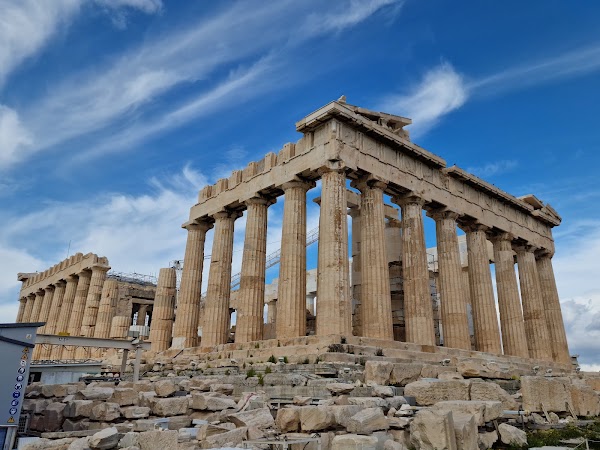
The Parthenon, a resplendent marble temple, stands majestically atop the Acropolis of Athens, a testament to ancient Greek architectural prowess. Built in the mid-5th century BCE, it was dedicated to Athena Parthenos, the goddess of wisdom and war. The temple's Doric columns, adorned with intricate sculptures, create a harmonious and awe-inspiring sight. Inside the Parthenon, a colossal gold and ivory statue of Athena once stood, a masterpiece by the renowned sculptor Phidias. The temple's frieze, a continuous band of sculpted figures, depicts scenes from Greek mythology, including the battle between the Greeks and Amazons. Over the centuries, the Parthenon has witnessed numerous transformations. It served as a Christian church, a Roman Catholic cathedral, and an Ottoman mosque. In 1687, an explosion during a Venetian bombardment severely damaged the temple, leaving it in ruins. In the 19th century, efforts began to restore the Parthenon. Today, it stands as a symbol of ancient Greek civilization, attracting visitors from around the world. Its architectural perfection and historical significance continue to captivate and inspire, making it one of the most iconic and enduring monuments in human history.Sculptural Masterpiece
The Parthenon, a sculptural masterpiece of ancient Greece, stands as a testament to the unparalleled artistry of its creators. Its intricate and awe-inspiring sculptures narrate mythological tales and celebrate Athenian triumphs, offering a glimpse into the beliefs and values of a bygone era. The metopes, positioned above the Doric columns, depict epic battles between gods and giants, heroes and mythical creatures. Each panel is a testament to the sculptor's skill, capturing the dynamism and drama of the scenes. The pedimental sculptures, adorning the triangular gables, showcase the birth of Athena and the contest between Athena and Poseidon for the patronage of Athens. The fluidity of movement and the expressive faces of the figures convey the grandeur and significance of these mythological events. The continuous frieze, running along the upper part of the temple's interior, depicts the Great Panathenaic Procession, an elaborate festival honoring Athena. This intricate relief sculpture portrays Athenian citizens, gods, and animals in a vibrant and lively procession, providing a glimpse into the daily life and religious practices of ancient Athens. Inside the Parthenon stood the colossal chryselephantine statue of Athena Parthenos, crafted by the renowned sculptor Phidias. This awe-inspiring statue, adorned with gold and ivory, depicted the goddess in her full glory, holding a shield and a statue of Nike. Its size and splendor symbolized the power and devotion of the Athenians to their patron deity. The Parthenon's sculptures are not merely decorative elements; they are integral to the temple's architectural and religious significance. They narrate stories, convey beliefs, and celebrate the achievements of the Athenian people. Through their exquisite craftsmanship and enduring beauty, these sculptures continue to captivate and inspire, making the Parthenon a timeless masterpiece of sculptural art.Iconic Landmark
The Parthenon, an architectural marvel and iconic landmark of Athens, Greece, stands as a testament to the ingenuity and artistic prowess of ancient Greece. Erected between 447 and 438 BCE, this Doric-style temple was dedicated to the goddess Athena, the patron deity of the city. Its grandeur and architectural finesse have captivated visitors for centuries, solidifying its status as a symbol of Athenian democracy and cultural achievements. The Parthenon's imposing presence is attributed to its colossal dimensions, measuring 70 meters in length and 30 meters in width. Its exterior is adorned with intricate sculptures and reliefs depicting scenes from Greek mythology and the Panathenaic procession, a festival honoring Athena. The temple's iconic Doric columns, numbering eight on the main façades and seventeen on each side, support a massive entablature and pediments filled with exquisite carvings. Beyond its architectural splendor, the Parthenon holds immense historical significance. It was once home to a colossal gold and ivory statue of Athena, crafted by the renowned sculptor Phidias. Throughout the centuries, the temple has endured various transformations, serving as a Byzantine church, a mosque, and even a storage facility for gunpowder. Despite these alterations, the Parthenon's architectural integrity remains largely intact, making it a living testament to the enduring legacy of ancient Greece. Today, the Parthenon stands as a symbol of Athenian pride and a beacon of Western civilization. Its enduring presence serves as a reminder of the ingenuity, artistry, and democratic ideals that shaped ancient Greece and continue to inspire generations to come.
2
Acropolis of Athens
View on map
Audio Narrations
English
Introduction
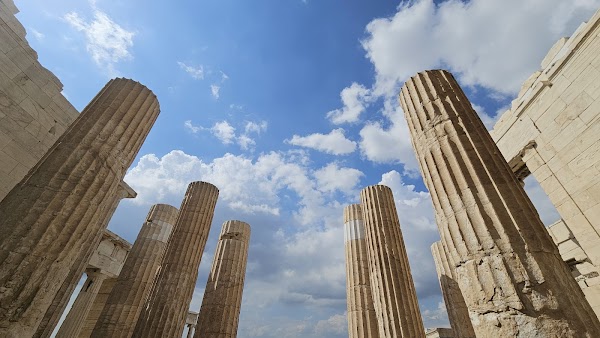
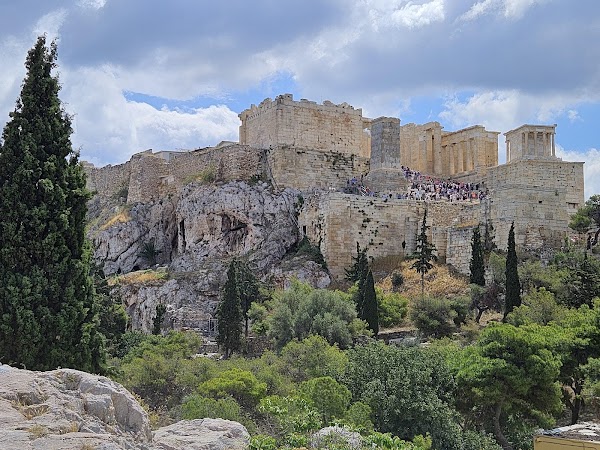
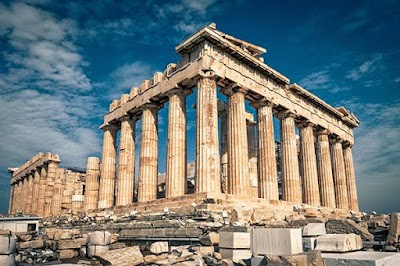
The Acropolis of Athens, a UNESCO World Heritage Site, is an ancient citadel perched atop a limestone hill overlooking the city. Built over centuries, it is renowned for its iconic structures, including the Parthenon, a Doric-style temple dedicated to Athena, the patron goddess of Athens. The Propylaea, a monumental gateway, leads to the sacred precinct, while the Erechtheum, an Ionic temple, houses the sacred olive tree gifted by Athena. The Temple of Athena Nike, a symbol of victory, stands as a testament to the harmony between the Dorian and Ionian peoples. The Acropolis has witnessed significant historical events, from its origins as a Mycenaean fortress to its transformation into a religious sanctuary and a symbol of Athenian democracy. It has endured wars, earthquakes, and vandalism, yet its architectural splendor continues to captivate visitors. Today, the Acropolis remains a testament to the artistic and architectural achievements of ancient Greece, offering a glimpse into the birthplace of Western civilization and the enduring legacy of its ideals.Iconic Sculptures
The Acropolis of Athens, a citadel crowned with iconic sculptures, stands as a testament to the artistic prowess of ancient Greece. Among its architectural marvels, the Parthenon, a Doric masterpiece, once housed the colossal statue of Athena Parthenos, crafted from ivory and gold by the renowned sculptor Phidias. This awe-inspiring depiction of the goddess, towering over 40 feet, was adorned with intricate details and precious materials, embodying the city's devotion to its patron deity. Another sculptural highlight is the Caryatids, six graceful maidens supporting the porch of the Erechtheion. These marble figures, each imbued with unique features and flowing garments, showcase the exceptional skill of Athenian artisans. Their serene expressions and elegant poses have captivated visitors for centuries, symbolizing the strength and resilience of the Athenian people. The Acropolis also boasts the Temple of Athena Nike, adorned with a frieze depicting the goddess's victory over the giant Pallas. The intricate carvings showcase the fluidity of movement and the mastery of anatomical details, capturing the essence of the mythological battle. These iconic sculptures, along with numerous other masterpieces, have played a pivotal role in shaping the cultural legacy of Athens and Western civilization. They embody the artistic genius, religious beliefs, and historical significance of the Acropolis, making it a timeless symbol of human creativity and architectural grandeur.Mycenaean Origins
The Acropolis of Athens, a majestic citadel perched atop a sheer limestone hill, holds a captivating history dating back to the Mycenaean era. During this period, around the 14th century BCE, the Acropolis served as a fortified stronghold for Mycenaean kings. They constructed massive cyclopean walls, some still visible today, to protect their palace and the surrounding settlement. Archaeological excavations have revealed remnants of Mycenaean buildings, including a megaron, a large rectangular hall with a central hearth, and a complex of workshops and storage rooms. The Mycenaeans also established a sophisticated water management system on the Acropolis. They dug a deep well at the north end of the rock, providing a vital water source during sieges. Additionally, they constructed a series of cisterns and channels to collect and store rainwater. These ingenious waterworks ensured the sustainability of the Mycenaean settlement on the Acropolis. Beyond its defensive and practical functions, the Acropolis held religious significance for the Mycenaeans. They revered the goddess Athena, associated with fertility and nature, and built a temple dedicated to her on the site. This temple, known as the Old Temple of Athena, predated the iconic Parthenon and served as a focal point for religious ceremonies and offerings. The Mycenaean Acropolis represents a crucial chapter in the history of Athens. It showcases the advanced architectural, engineering, and organizational skills of the Mycenaean civilization. The remnants of their fortifications, water systems, and religious structures provide valuable insights into the daily life, beliefs, and technological prowess of this ancient society.
3
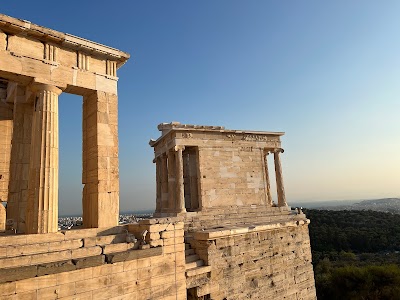
Temple of Athena Nike
View on map
4
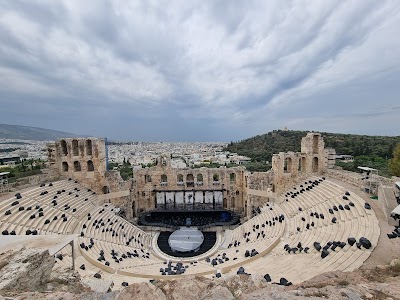
Odeon of Herodes Atticus
View on map
Audio Narrations
English
Introduction
Nestled at the foot of the Acropolis, the Odeon of Herodes Atticus is an exquisite Roman theatre renowned for its exceptional acoustics and architectural splendor. Built in 161 AD by the wealthy benefactor Herodes Atticus, it was a tribute to his late wife, Regilla. The theatre's design boasts a semi-circular auditorium carved into the Acropolis rock, with a grand stage building featuring intricate arches and decorative pilasters. Its seating capacity of 5,000 spectators and the use of Pentelic marble throughout enhance its grandeur. Despite being destroyed by the Heruli in 268 AD, the Odeon was meticulously restored in the 1950s, preserving its original elements while incorporating modern materials for durability. Today, it serves as the primary venue for the annual Athens and Epidaurus Festival, hosting a diverse range of performances, from ancient Greek tragedies to contemporary concerts by world-renowned artists.Classical Venue
Nestled on the southwestern slope of the Acropolis, the Odeon of Herodes Atticus stands as a testament to the grandeur of ancient Athens. Built in 161 AD by the wealthy philosopher Herodes Atticus in memory of his wife, this Roman-style odeon was designed specifically for musical performances. Its exceptional acoustics and intimate setting have made it a beloved venue for classical music concerts and opera productions. The odeon's semi-circular auditorium, adorned with 32 rows of Pentelic marble seats, provides an unparalleled view of the stage. The orchestra, paved with intricate black and white marble, offers a resonant space for musicians to showcase their talents. The three-story stage building, once adorned with statues and decorative pilasters, served as a backdrop for elaborate performances. Throughout history, the Odeon of Herodes Atticus has hosted a galaxy of renowned artists, from Maria Callas and Luciano Pavarotti to Frank Sinatra and Elton John. Its stage has witnessed the premieres of iconic works, including Vangelis' "Mythodea" and Yanni's "Live at the Acropolis." Today, it remains a vibrant venue for the Athens Festival, offering a unique blend of ancient ambiance and contemporary artistry.Cultural Revival
The Odeon of Herodes Atticus, nestled within the hallowed grounds of the Acropolis in Athens, Greece, stands as a testament to the enduring power of cultural revival. Built in 161 AD by the Roman consul Herodes Atticus in memory of his wife, the theater was a magnificent venue for musical and theatrical performances. After centuries of neglect, it was meticulously restored in the late 19th century, becoming a symbol of Greece's cultural rebirth. During the Axis occupation of Greece in World War II, the Odeon played a pivotal role in the cultural resistance against fascism. Despite strict censorship, Greek artists and intellectuals defied the occupiers by staging performances that celebrated Hellenic heritage and subtly critiqued the regime. The theater became a sanctuary for free expression, fostering a sense of national identity and resilience. In the post-war era, the Odeon continued to be a vibrant center for cultural revival. It hosted the Athens Festival, a prestigious international arts festival that showcased the works of renowned Greek and international artists. The theater's acoustics and intimate atmosphere made it an ideal venue for performances ranging from ancient Greek dramas to contemporary dance. Today, the Odeon of Herodes Atticus remains a living testament to the transformative power of cultural revival. It is a place where the past and present intertwine, where ancient traditions are reimagined and celebrated, and where the spirit of creativity and innovation flourishes.
5
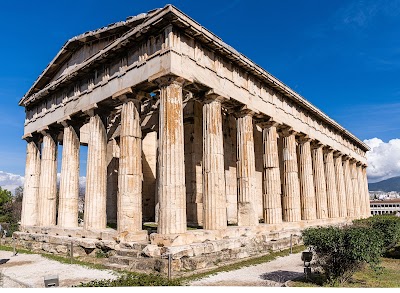
Ancient Agora of Athens
View on map
Audio Narrations
English
Introduction
The Ancient Agora of Athens, a 30-acre archaeological site, was the bustling heart of ancient Athenian life. It served as the city's political, commercial, and social hub, hosting assemblies, markets, and religious ceremonies. Today, visitors can wander among the ruins of temples, stoas (covered colonnades), and other structures, including the well-preserved Temple of Hephaestus, the best-preserved ancient Greek temple from the Classical era. The Stoa of Attalos, a magnificent Hellenistic building, has been meticulously reconstructed and now houses the Museum of the Ancient Agora, showcasing artifacts that provide insights into daily Athenian life. The Agora also boasts the Byzantine Church of the Holy Apostles, a testament to the city's rich architectural heritage.Heart of Ancient Athens
Step into the heart of ancient Athens, where the Agora pulsated with the lifeblood of the city. This bustling marketplace was not merely a commercial hub but the very cradle of Athenian democracy, philosophy, and culture. Here, citizens gathered to debate, trade, and witness the unfolding of history. The Agora was a vibrant tapestry woven with iconic structures that reflected the grandeur of ancient Athens. The Stoa of Attalos, a magnificent two-story colonnade, once housed shops and offices, offering a glimpse into the daily life of Athenians. The Temple of Hephaestus, dedicated to the god of metalworking, stands as a testament to the city's prowess in craftsmanship. Beyond its architectural wonders, the Agora was a stage for pivotal events. The Altar of the Twelve Gods marked the symbolic center of Athens, from which distances were measured. The Bouleuterion, the council house, echoed with the voices of statesmen shaping the destiny of the city. The Odeon of Agrippa, a concert hall, showcased the importance of music and performance in Athenian society. As you wander through the Agora, let your imagination soar. Picture Socrates engaging in philosophical debates, merchants haggling over goods, and citizens casting their votes in the birthplace of democracy. The Agora was not just a physical space but a living, breathing entity, the beating heart of ancient Athens.UNESCO World Heritage Site
The Ancient Agora of Athens, a UNESCO World Heritage Site, stands as a testament to the vibrant civic and commercial heart of ancient Athens. Once the bustling hub of the city, it was the site of political assemblies, legal proceedings, and lively marketplaces. Today, its well-preserved ruins offer a glimpse into the grandeur and significance of this ancient gathering place. The Agora's central location, nestled between the Acropolis and the Hephaisteion, reflects its pivotal role in Athenian society. Its vast open space, surrounded by colonnaded stoas, served as a forum for public debates, religious festivals, and commercial activities. The Stoa of Attalos, meticulously reconstructed in the 20th century, provides an exceptional example of Hellenistic architecture and houses the Museum of the Ancient Agora, showcasing artifacts unearthed from the site. Beyond its architectural marvels, the Agora holds immense historical significance. It was here that Socrates engaged in philosophical discussions, and where the apostle Paul preached Christianity. The Altar of the Twelve Gods, a sacred precinct, stands as a reminder of the city's religious beliefs. The Odeon of Agrippa, a small theater, hosted musical performances and political gatherings. The Agora's designation as a UNESCO World Heritage Site underscores its exceptional universal value. Its ruins not only provide a tangible connection to the past but also serve as a testament to the enduring legacy of Athenian democracy, culture, and civic life.
6
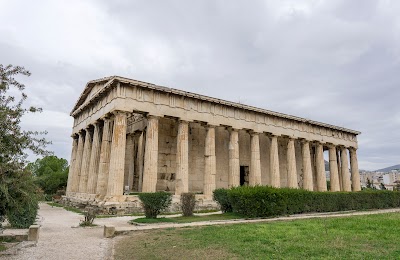
Temple of Hephaestus
View on map
7
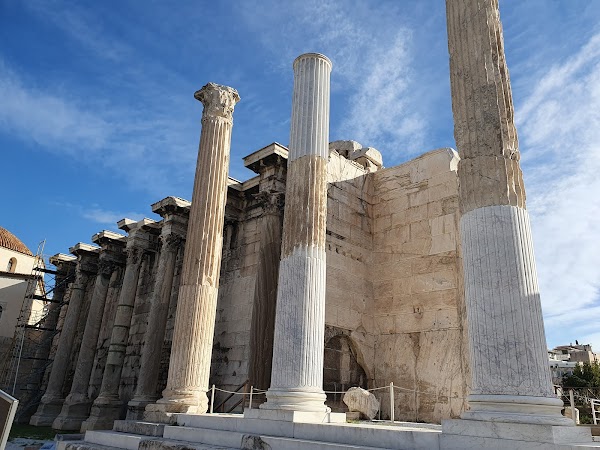
Hadrian's Library
View on map
8
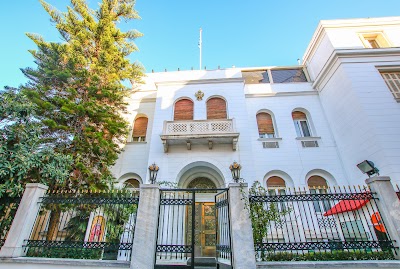
Holy Archdiocese of Athens
View on map
9
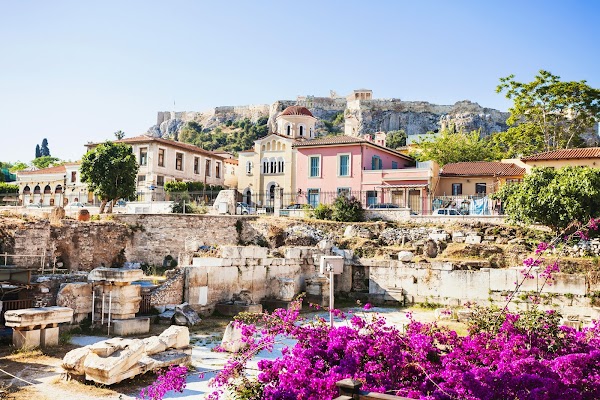
Plaka
View on map
Audio Narrations
English
Introduction
Plaka, nestled at the foot of the Acropolis, is a labyrinth of narrow, cobbled streets lined with neoclassical buildings, vibrant bougainvillea, and traditional Greek tavernas. This historic neighborhood, the oldest in Athens, embodies the city's rich culture and heritage. Plaka's charm lies in its ancient ruins, Byzantine churches, and archaeological treasures. The Roman Agora, with its towering columns and intricate mosaics, transports visitors back to the city's golden age. The charming Anafiotika district, with its whitewashed houses and winding alleys, evokes the atmosphere of a Cycladic island. Plaka is a haven for art lovers, with galleries showcasing the works of local artists and hidden courtyards adorned with street art. The neighborhood is also a paradise for shoppers, offering a treasure trove of souvenirs, jewelry, and handcrafted goods. As the sun sets, Plaka transforms into a vibrant hub of nightlife. Traditional tavernas come alive with the sounds of live music, while rooftop bars offer breathtaking views of the illuminated Acropolis. Whether you're seeking historical immersion, cultural exploration, or a taste of authentic Greek life, Plaka offers an unforgettable experience. From its ancient ruins to its charming cafes, this historic neighborhood is a testament to Athens' rich tapestry of history and culture.Historical Neighborhood
Nestled amidst the bustling metropolis of Athens, Greece, Plaka stands as a captivating historical neighborhood, whispering tales of ancient civilizations and bygone eras. Its labyrinthine streets, lined with quaint shops and traditional tavernas, transport visitors to a bygone era, where history and modernity intertwine seamlessly. Plaka's rich tapestry of history is evident in its ancient ruins, remnants of a glorious past. The Tower of the Winds, an octagonal marble clocktower dating back to the 1st century BC, stands as a testament to the neighborhood's Hellenistic heritage. The Roman Agora, once the bustling marketplace of ancient Athens, offers a glimpse into the daily lives of its inhabitants. Beyond its ancient allure, Plaka is a vibrant cultural hub, where history and art converge. The Museum of Greek Folk Art showcases the country's rich artistic traditions, while the Frissiras Museum delves into the fascinating world of shadow puppetry. The neighborhood's numerous art galleries and antique shops offer a treasure trove of unique finds and artistic expressions. As the sun begins its descent, Plaka transforms into a culinary paradise. Traditional tavernas, adorned with bougainvillea and twinkling lights, entice visitors with the tantalizing aromas of freshly grilled meats and aromatic stews. The neighborhood's lively atmosphere is further enhanced by street musicians, their melodies echoing through the narrow streets. Plaka's historical significance extends beyond its ancient ruins and cultural offerings. It played a pivotal role in Greece's struggle for independence from the Ottoman Empire. The neighborhood served as a refuge for revolutionaries and a center of resistance against foreign rule. Today, Plaka's streets are adorned with plaques and monuments commemorating the heroes of the Greek War of Independence. In conclusion, Plaka is a historical neighborhood that seamlessly blends ancient charm with modern vibrancy. Its labyrinthine streets, ancient ruins, cultural attractions, and culinary delights offer a unique and unforgettable experience for visitors seeking to delve into the rich history and culture of Athens, Greece.Nightlife
As the sun dips below the Acropolis, Plaka transforms into a vibrant tapestry of nightlife. The narrow, winding streets, once bustling with daytime shoppers, become a haven for revelers seeking an authentic Athenian experience. Traditional tavernas spill onto the cobblestone streets, their tables adorned with flickering candles and the aroma of grilled meats. Live music spills out into the night air, a mix of bouzouki melodies and contemporary tunes. Locals and tourists alike sway to the rhythm, their laughter echoing through the ancient alleyways. Hidden bars tucked away in historic buildings offer a more intimate atmosphere. Sip on handcrafted cocktails or local wines while enjoying live jazz or blues performances. For those seeking a livelier scene, Plaka's nightclubs pulsate with electronic beats and energetic crowds. As the night deepens, the energy in Plaka reaches a fever pitch. Street performers captivate audiences with their fire dances and acrobatic feats. Open-air cinemas screen classic Greek films, transporting viewers to another era. The aroma of freshly baked loukoumades, a traditional Greek dessert, fills the air, tempting passersby with their sweet indulgence. Whether you're seeking a romantic evening under the stars, a night of dancing and revelry, or a cultural immersion in the heart of Athens, Plaka's nightlife offers an unforgettable experience. From traditional tavernas to hidden bars and vibrant nightclubs, this historic neighborhood pulsates with a unique energy that captures the essence of Athenian nightlife.
Experience the Full Tour
Download the DocentPro app to access all tour stops, complete audio narrations in multiple languages, offline maps, and interactive features.