
Bangkok's Cultural Treasures: A Journey Through History and Spirituality

Walking Tour

11.3 km (7.0 miles)

2h 42min travel time

15 Stops

Bangkok, Thailand
Bangkok's Cultural Treasures: A Journey Through History and Spirituality
Tour Stops
1
Wat Arun Ratchawararam Ratchawaramahawihan
View on map
Audio Narrations
Introduction
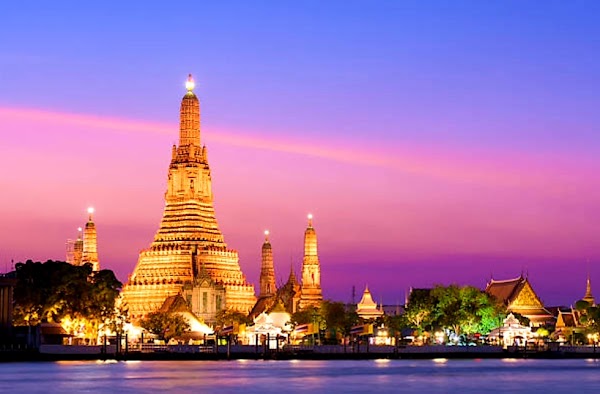
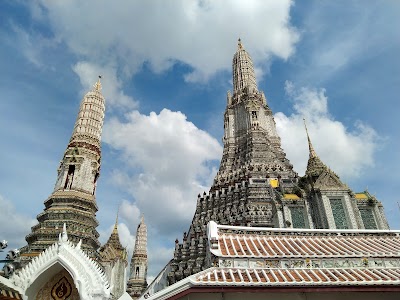
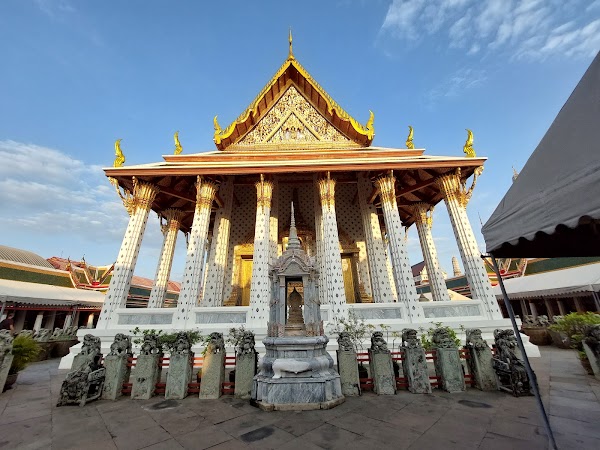
Wat Arun Ratchawararam Ratchawaramahawihan, also known as the Temple of Dawn, is an iconic Buddhist temple situated on the west bank of the Chao Phraya River in Bangkok, Thailand. Its distinctive prang, or spire, is adorned with colorful porcelain and shells, creating a mesmerizing spectacle. The temple's name derives from the Hindu god of dawn, Aruna, and it is believed that King Taksin stumbled upon the site at sunrise, interpreting it as an auspicious sign to establish the new capital of Siam. The central prang, standing at 82 meters, symbolizes Mount Meru, the center of the universe in Hindu cosmology. Its intricate decorations depict scenes from the Ramakien, the Thai version of the Ramayana epic. The temple complex also features two demons guarding the entrance to the ordination hall, which houses a Buddha image designed by King Rama II. Wat Arun's significance extends beyond its architectural beauty. It serves as a cemetery, with people interring their ashes here after death. The temple's riverside location offers stunning views of the Chao Phraya River and the Grand Palace on the opposite bank. Visitors can take a ferry to reach Wat Arun and enjoy the vibrant atmosphere of the surrounding area, which is home to restaurants, shops, and street vendors.Cultural Heritage
Wat Arun Ratchawararam Ratchawaramahawihan, also known as the Temple of Dawn, is a captivating architectural masterpiece that embodies the rich cultural heritage of Thailand. Its iconic central prang, adorned with intricate porcelain and seashells, symbolizes Mount Meru, the center of the universe in Hindu cosmology. The four smaller satellite prangs represent the four cardinal directions and the mythical guardians of the world. The temple's history is intertwined with the Ayutthaya and Rattanakosin periods, reflecting the evolution of Thai architecture and religious beliefs. Its unique design incorporates elements of both Khmer and Chinese influences, showcasing the cultural exchange and artistic prowess of the era. Within the temple complex, visitors can explore various structures and artifacts that provide insights into Thai craftsmanship and spirituality. The Ordination Hall houses a revered Buddha image believed to have been designed by King Rama II, while the surrounding pavilions and galleries showcase exquisite murals depicting scenes from the life of Buddha and Thai history. Wat Arun's cultural significance extends beyond its architectural beauty. It serves as a place of worship and pilgrimage for Buddhists, attracting devotees from around the world. The temple's annual Loy Krathong festival, held during the full moon in November, is a vibrant celebration of Thai culture and tradition. As a testament to its exceptional cultural value, Wat Arun has been recognized by UNESCO as a World Heritage Site. Its preservation and restoration efforts ensure that this architectural and spiritual treasure will continue to inspire and captivate generations to come.Artistic Expression
Wat Arun Ratchawararam Ratchawaramahawihan, also known as the Temple of Dawn, is a stunning architectural marvel that showcases the pinnacle of artistic expression in Bangkok, Thailand. Its iconic central prang, or spire, soars over 66 meters, adorned with intricate porcelain and seashell mosaics that shimmer in the sunlight. The prang is surrounded by four smaller prangs, each representing the four elements of earth, water, fire, and wind. The temple's exterior is a symphony of colors and textures, with glazed ceramic tiles depicting scenes from the Ramayana epic. The walls are adorned with delicate stucco reliefs, while the roofs feature intricate bargeboards and finials. The interior of the temple is equally impressive, with murals depicting the life of Buddha and scenes from Thai history. Wat Arun is not just a religious site but also a testament to the artistic prowess of the Rattanakosin Kingdom. Its unique blend of Khmer, Chinese, and European influences creates a harmonious and visually captivating masterpiece. The temple's design incorporates elements of both traditional Thai architecture and Western neoclassical style, resulting in a truly eclectic and awe-inspiring work of art. The temple's artistic significance extends beyond its physical beauty. It serves as a repository of traditional Thai craftsmanship, with skilled artisans continuing to maintain and restore its intricate details. Wat Arun is a living testament to the enduring power of artistic expression and a must-visit destination for anyone seeking to appreciate the rich cultural heritage of Thailand.
2
Wat Phra Chetuphon Wimon Mangkhalaram Rajwaramahawihan
View on map
Audio Narrations
Introduction
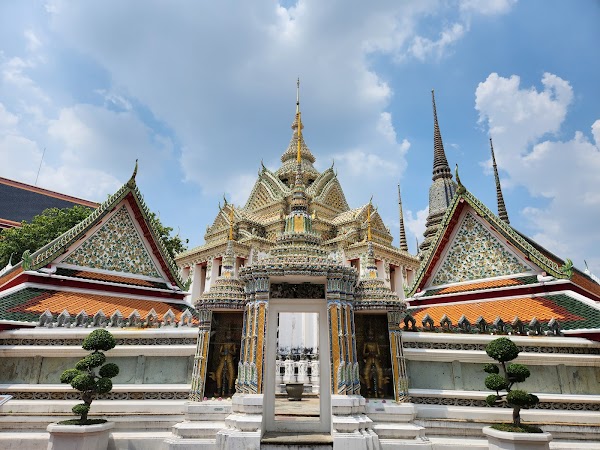
Wat Phra Chetuphon Wimon Mangkhalaram Rajwaramahawihan, also known as Wat Pho, is a renowned Buddhist temple in Krung Thep Maha Nakhon, Thailand. It is famous for its colossal Reclining Buddha, measuring an impressive 15 meters in height and 46 meters in length. The intricate details of the Buddha's feet, adorned with auspicious symbols, are a captivating sight. Beyond the Reclining Buddha, Wat Pho boasts stunning architecture and a vast complex. Its sprawling grounds feature numerous temples, stupas, and courtyards, each adorned with exquisite carvings and colorful murals. The temple is also renowned for its traditional Thai massage school, where visitors can indulge in rejuvenating treatments. Wat Pho's historical significance is equally captivating. It is one of Bangkok's oldest temples, dating back to the Ayutthaya period. The temple has undergone several renovations and expansions over the centuries, reflecting the evolving architectural styles and cultural influences of Thailand. Today, Wat Pho remains a vibrant center of Buddhist worship and a popular tourist destination. Its serene atmosphere, stunning architecture, and cultural significance make it a must-visit for anyone seeking to immerse themselves in the rich history and spiritual traditions of Thailand.Wat Phra Chetuphon Wimon Mangkhalaram Rajwaramahawihan
Wat Phra Chetuphon Wimon Mangkhalaram Rajwaramahawihan, revered as the Temple of the Reclining Buddha, is a colossal Buddhist temple complex in Bangkok, Thailand, renowned for its awe-inspiring Reclining Buddha statue. This colossal gilded figure, measuring 46 meters in length and 15 meters in height, exudes an aura of serenity and grandeur, captivating visitors with its intricate details and symbolic significance. Beyond the Reclining Buddha, Wat Phra Chetuphon Wimon Mangkhalaram Rajwaramahawihan boasts a labyrinth of ornate buildings, each adorned with exquisite murals, colorful tiles, and intricate carvings. The temple complex also houses a vast collection of Buddha images and sculptures, showcasing the diversity and artistry of Thai Buddhist art. As a center for traditional Thai massage and medicine, Wat Phra Chetuphon Wimon Mangkhalaram Rajwaramahawihan offers visitors the opportunity to experience the healing benefits of ancient practices. Its traditional Thai massage school imparts the knowledge and techniques of this revered healing art, allowing visitors to delve into the rich cultural heritage of Thailand.Religious Symbolism
Wat Phra Chetuphon Wimon Mangkhalaram Rajwaramahawihan, also known as Wat Pho, is a Buddhist temple in Bangkok, Thailand, renowned for its colossal reclining Buddha, a symbol of peace and tranquility. The temple's religious symbolism extends beyond this iconic statue, permeating every aspect of its architecture and decor. The soles of the reclining Buddha are adorned with 108 auspicious marks or lakshanas, representing the Buddha's divine qualities. These include the Dharmachakra, symbolizing the Eightfold Path, and the lotus, representing purity and detachment. The temple's four royal chedis commemorate the first four kings of the Chakri dynasty, while the smaller Phra Chedi Rai are said to represent the Buddha's disciples. Throughout the temple grounds, intricate carvings and sculptures depict scenes from the Buddha's life and teachings. The temple's walls are adorned with murals illustrating Buddhist cosmology and the Jataka tales, stories of the Buddha's previous lives. These visual representations serve as a reminder of the Buddha's path to enlightenment and the principles of Buddhist ethics. Wat Pho's religious symbolism is not limited to its physical structures. The temple is also a center for meditation and spiritual practice. Visitors can participate in guided meditations and learn about Buddhist teachings from resident monks. The temple's serene atmosphere and sacred ambiance provide an ideal setting for spiritual reflection and inner peace.
3
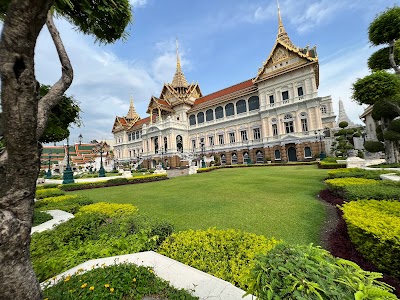
The Grand Palace
View on map
Audio Narrations
Introduction
The Grand Palace in Bangkok, Thailand, is a sprawling complex of buildings and structures that has served as the official residence of the Kings of Siam (and later Thailand) since 1782. It is a walled city within a city, covering an area of 2.4 million square feet and surrounded by four walls totaling 6,234 feet in length. These walls enclose over 100 brightly colored buildings, golden spires, and glittering mosaics, topped by a profusion of stylized, slanting, multilayered roofs—some with statues of Garuda (the bird-human vehicle of the Hindu god Vishnu) on the corners—as well as towers and stupas. The palace was built by King Rama I in 1782 when he founded Bangkok as Siam's capital city. It was expanded and improved by subsequent monarchs, most notably during the reigns of Rama IV and Rama V (King Chulalongkorn). The palace is divided into four sections: the Outer Court, Central Court, Inner Court, and a royal chapel. The Outer Court was used for administrative offices, while the Central Court served as the personal residence of the king. The Inner Court served as the private quarters for his wives, consorts, and children. The royal chapel, known as the Temple of the Emerald Buddha, is located in the eastern section of the complex and houses the famed Emerald Buddha, a small jasper statue that is considered the most sacred object in Thailand. The Grand Palace is a popular tourist destination, attracting over eight million visitors each year.Throne Halls
Within the sprawling grounds of the Grand Palace in Bangkok, Thailand, the Throne Halls stand as architectural marvels that embody the grandeur and opulence of the Siamese monarchy. The Phra Maha Monthien group, the heart of the Middle Court, houses the most significant throne halls, each adorned with intricate carvings, shimmering spires, and opulent interiors. The Chakraphat Phimarn Throne Hall, once the abode of kings, exudes an aura of majesty with its towering golden spires and elaborate murals depicting scenes from Thai mythology. The Amarin Winitchai Throne Hall, added by King Rama II, boasts a stunning throne adorned with intricate mother-of-pearl inlay and a ceiling adorned with celestial motifs. The Phaisan Thaksin Throne Hall, known for its exquisite porcelain tiles and gilded pillars, served as the venue for royal ceremonies and receptions. These throne halls, once the stage for coronations, state functions, and diplomatic gatherings, offer a glimpse into the opulent lifestyle and absolute power of the Siamese monarchy.Temple of the Emerald Buddha
The Temple of the Emerald Buddha, officially known as Wat Phra Kaew, is the heart of the Grand Palace complex in Bangkok, Thailand. It houses the revered Emerald Buddha, a small yet highly significant Buddha image carved from a single block of jade. The Emerald Buddha is believed to bring good fortune and protection to Thailand and is deeply revered by the Thai people. The temple's architecture is a blend of traditional Thai and Khmer styles, with intricate carvings, colorful mosaics, and gleaming stupas. Visitors can explore the temple's many halls and courtyards, each with its unique features and Buddha images. The ubosoth, or ordination hall, is where the Emerald Buddha resides on a golden pedestal. The walls are adorned with murals depicting scenes from the Buddha's life and Thai history. Beyond its religious significance, the Temple of the Emerald Buddha is also a testament to Thai craftsmanship and artistry. The intricate details of the carvings, the vibrant colors of the mosaics, and the sheer grandeur of the complex leave visitors in awe. It is a must-visit destination for anyone interested in Thai culture, history, and religion.
4
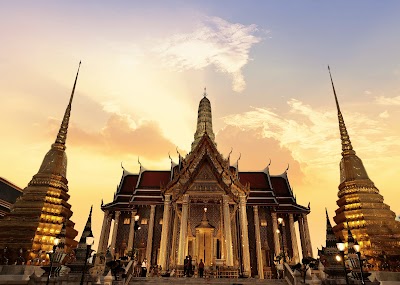
The Temple of the Emerald Buddha
View on map
Audio Narrations
Introduction
Nestled within the hallowed grounds of the Grand Palace in Bangkok, the Temple of the Emerald Buddha, also known as Wat Phra Kaew, is a sanctuary of immense spiritual and cultural significance. The temple houses the revered Emerald Buddha, a small yet highly sacred statue carved from a single block of jade or jasper. This enigmatic figure, adorned with three sets of golden garments that correspond to Thailand's seasons, is believed to bring prosperity and good fortune to the nation. The temple's architecture is a testament to the artistry of the Rattanakosin period. Its intricate spires and gleaming white walls are adorned with colorful porcelain tiles and intricate murals depicting scenes from Buddhist mythology. Visitors are captivated by the serene atmosphere, where the gentle sound of chanting monks fills the air. Beyond its religious significance, the Temple of the Emerald Buddha is a treasure trove of Thai art and history. The surrounding galleries showcase a collection of royal regalia, ancient artifacts, and exquisite Buddha images. The temple's unique blend of spirituality, artistry, and cultural heritage makes it a must-visit destination for anyone seeking a deeper understanding of Thailand's rich traditions.History and Legends
The Temple of the Emerald Buddha in Krung Thep Maha Nakhon, Thailand, is steeped in a rich tapestry of history and legends that have captivated the hearts and minds of devotees and historians alike. According to ancient chronicles, the temple's most revered icon, the Emerald Buddha, was discovered in the 15th century in northern Thailand. Legend has it that the statue was created in India in the 5th century BCE and miraculously traveled to various Southeast Asian kingdoms before finding its permanent home in Thailand. The Emerald Buddha, despite its name, is carved from a semi-precious green stone, possibly jade or jasper. Its origins remain shrouded in mystery, with some scholars suggesting an Indian or Sri Lankan provenance. The statue's unique meditation posture, not commonly found in Thai Buddhist art, further adds to its enigmatic aura. The temple itself, known as Wat Phra Kaew, was constructed in the 18th century as part of the Grand Palace complex. It is considered the most sacred temple in Thailand and serves as the royal chapel. The Emerald Buddha is adorned with elaborate seasonal costumes, changed three times a year in a grand ceremony presided over by the King of Thailand. Over the centuries, the temple has witnessed countless historical events, including royal coronations, religious festivals, and political upheavals. It has also been a sanctuary for the Thai people, offering solace and inspiration during times of adversity. The temple's enduring legacy as a symbol of Thai culture, spirituality, and national identity continues to draw pilgrims and visitors from around the world.Architectural Significance
The Temple of the Emerald Buddha, nestled within the Grand Palace complex in Bangkok, Thailand, stands as a testament to the architectural brilliance of the Rattanakosin era. Its design draws inspiration from traditional Thai architecture, blending elements from the Ayutthaya and Sukhothai periods. The temple's most striking feature is its distinctive prang, a towering spire adorned with intricate ceramic tiles and crowned by a golden stupa. The prang symbolizes Mount Meru, the sacred mountain of Hindu and Buddhist cosmology, representing the connection between the earthly and celestial realms. The temple's exterior walls are adorned with delicate stucco reliefs depicting scenes from the Ramayana epic, while the interiors showcase exquisite murals narrating the life of Buddha. The ordination hall, known as the Bot, is a masterpiece of Ayutthaya architecture, featuring a three-tiered roof and elaborate gable decorations. Its interior is adorned with gold leaf and intricate paintings, creating an awe-inspiring ambiance. The Emerald Buddha, the temple's most revered icon, is enshrined within the Phra Ubosot, the main chapel. This sacred image, carved from a single block of jade, is believed to bring prosperity and good fortune to the kingdom. The chapel's walls are adorned with vibrant murals depicting scenes from the Buddha's life and teachings. The Temple of the Emerald Buddha is not only a religious sanctuary but also a testament to the artistic and architectural prowess of the Siamese kingdom. Its unique blend of traditional and modern elements, coupled with its profound religious significance, makes it a must-visit destination for anyone interested in the architectural heritage of Thailand.
5
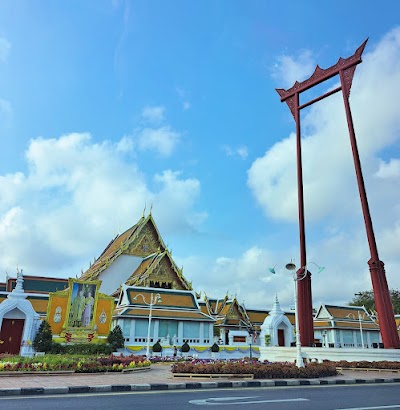
Wat Suthat Thepwararam Ratchaworamahawihan
View on map
Audio Narrations
Introduction
Wat Suthat Thepwararam, a first-class royal temple, houses the magnificent Phra Sri Sakyamuni, a colossal bronze Buddha image from Sukhothai, painstakingly transported to Krung Thep Maha Nakhon. Its grand Viharn Luang and the exceptionally long Ubosot are adorned with exquisite early Rattanakosin murals, depicting intricate Jataka tales and Buddhist cosmology, offering a profound visual narrative. The temple grounds are uniquely punctuated by numerous Chinese stone sculptures, originally serving as ship ballast, a fascinating testament to historical maritime trade and cultural exchange. Directly fronting the temple stands the iconic Sao Ching Cha, the Giant Swing, a historic landmark intrinsically linked to ancient Brahmanical ceremonies once performed here. This architectural marvel, initiated by King Rama I and completed by Kings Rama II and Rama III, also enshrines the royal ashes of King Ananda Mahidol (Rama VIII), adding another layer of profound historical significance to its sacred precincts.Phra Sri Sakyamuni Buddha
Wat Suthat Thepwararam Ratchaworamahawihan enshrines the revered Phra Sri Sakyamuni Buddha, a significant 13th-century Buddha image depicted in the Subduing Mara mudra. This monumental statue was originally located in the abandoned Wat Mahathat in Sukhothai Province before its relocation to Bangkok. The transportation of such a massive metal statue was an extraordinary undertaking. It was carefully sailed down the Chao Phraya River to Bangkok on an enormous raft, a logistical marvel of its time. Upon arrival, the challenges continued, as the statue proved too large to pass through the city gate, necessitating the tearing down of a section of the city wall to facilitate its entry. The final placement of Phra Sri Sakyamuni within the temple itself also presented a considerable engineering puzzle, leading to speculation that the end wall of the viharn might have been constructed around the statue after its installation. This intricate history underscores the profound importance and the immense effort invested in enshrining Phra Sri Sakyamuni Buddha within Wat Suthat, making it a central focus for those seeking to understand the temple's unique spiritual and historical narrative. The presence of this Buddha image is a testament to the enduring legacy of ancient craftsmanship and the dedication to preserving sacred relics.Architectural and Symbolic Elements
The architectural and symbolic elements of Wat Suthat Thepwararam Ratchaworamahawihan in Krung Thep Maha Nakhon, Thailand, are deeply interwoven with its royal patronage and historical development. While its foundational construction began under King Rama I, the temple's intricate design and embellishments reached completion during the reign of King Rama III. A particularly unique architectural detail is found in the meticulously carved wooden doors, a personal artistic endeavor of King Rama II, which imbues the structure with a distinct historical craftsmanship. Central to its spiritual symbolism is the revered Phra Sri Sakyamuni Buddha image, a monumental and historically significant artifact that was carefully relocated from Sukhothai Province, establishing a profound connection to Thailand's ancient Buddhist heritage. The temple's lower terrace further captivates with its arrangement of 28 distinctive Chinese pagodas. These structures are not merely ornamental but serve as powerful symbolic representations of the 28 Buddhas believed to have graced the Earth, offering a unique iconographic narrative. Within the sacred ubosot, the Phra Buddha Trilokachet is enshrined, while the Sala Kan Parian houses the Phra Buddha Setthamuni, each statue contributing to the temple's layered spiritual significance and architectural grandeur. These specific elements collectively underscore Wat Suthat's unique position as a repository of artistic legacy and profound Buddhist symbolism.
6
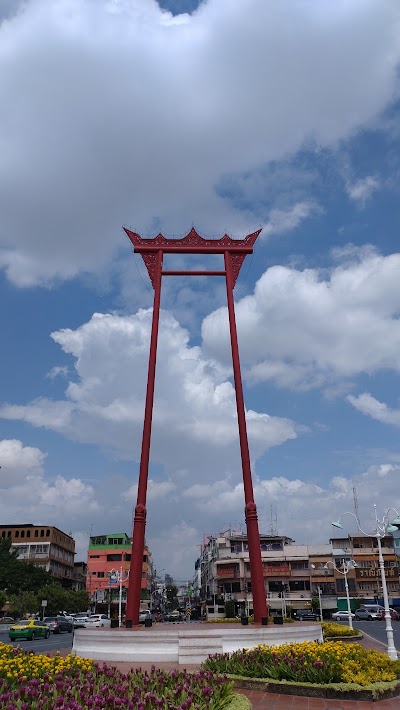
The Giant Swing
View on map
7
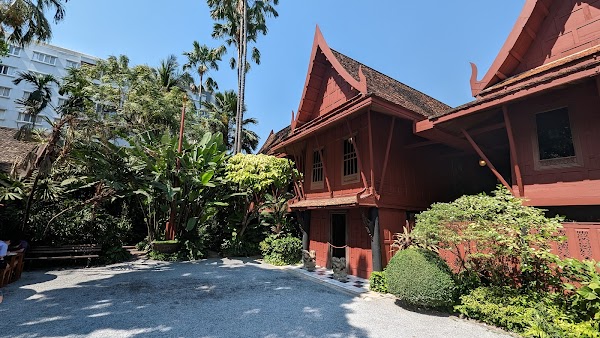
Jim Thompson House Museum
View on map
Audio Narrations
Introduction
Nestled in the heart of Bangkok, the Jim Thompson House Museum is a captivating testament to the life and legacy of American entrepreneur Jim Thompson, who played a pivotal role in revitalizing Thailand's silk industry. Constructed from six traditional Thai houses meticulously assembled from various regions, the museum showcases Thompson's architectural prowess and his deep appreciation for Thai culture. Inside, visitors embark on a guided tour that unveils Thompson's eclectic collection of Southeast Asian art and antiques. From exquisite Buddha statues to intricate porcelain, each piece reflects his discerning taste and his passion for preserving Thailand's rich heritage. The museum also houses a silk weaving demonstration, offering a glimpse into the craftsmanship that made Thai silk renowned worldwide. Beyond its architectural and artistic significance, the Jim Thompson House Museum is shrouded in mystery. Thompson's enigmatic disappearance in 1967 while on a trip to Malaysia remains unsolved, leaving behind a legacy of intrigue and speculation. The museum stands as a poignant reminder of his extraordinary life and the enduring impact he had on Thailand's cultural landscape.Architectural Legacy
Jim Thompson House Museum in Krung Thep Maha Nakhon, Thailand, stands as a testament to the architectural ingenuity and cultural preservation efforts of its namesake, Jim Thompson. Originally a collection of six traditional Thai houses, Thompson meticulously reassembled them on a plot of land in the heart of Bangkok, creating a harmonious blend of traditional and modern design. The houses, constructed using time-honored techniques, showcase intricate carvings, soaring ceilings, and expansive verandas, offering a glimpse into the rich architectural heritage of Thailand. Thompson's keen eye for detail is evident in the seamless integration of these structures, which now form a cohesive and captivating architectural ensemble. The museum's lush gardens, meticulously landscaped with native plants and trees, complement the traditional architecture, creating a serene oasis amidst the bustling city. Jim Thompson House Museum serves as a living testament to the enduring legacy of Thai craftsmanship and the transformative power of architectural preservation.Thai Traditional Architecture
Jim Thompson House Museum, nestled in the heart of Bangkok, Thailand, stands as a testament to the harmonious fusion of Thai traditional architecture and Western influences. The museum, once the residence of American architect and silk entrepreneur Jim Thompson, showcases a captivating blend of traditional Thai design elements and modern amenities. Upon entering the museum, visitors are greeted by a serene courtyard adorned with lush greenery and traditional Thai structures. The six teakwood houses that comprise the museum were meticulously relocated from various parts of Thailand and reassembled on the site, creating a captivating architectural ensemble. Each house exhibits unique characteristics, such as intricate carvings, ornate gables, and sweeping verandas, reflecting the diverse regional styles of Thai architecture. The interiors of the houses are equally captivating, showcasing a curated collection of Thai art and antiques. Visitors can admire exquisite Buddha statues, vibrant silk textiles, and delicate ceramics, all carefully arranged to create a harmonious living space. The museum's collection also includes a remarkable display of Jim Thompson's personal belongings, providing insights into his life and passion for Thai culture. One of the most striking features of the Jim Thompson House Museum is its seamless integration of traditional Thai architecture with modern conveniences. While the houses retain their original charm, they have been subtly adapted to accommodate contemporary needs, such as air conditioning and modern lighting. This thoughtful approach ensures that visitors can fully appreciate the architectural heritage of the museum while enjoying a comfortable and engaging experience. Overall, the Jim Thompson House Museum offers a unique opportunity to explore the intricacies of Thai traditional architecture within the context of a captivating historical narrative. Its harmonious blend of traditional and modern elements creates a captivating space that invites visitors to immerse themselves in the rich cultural heritage of Thailand.
8
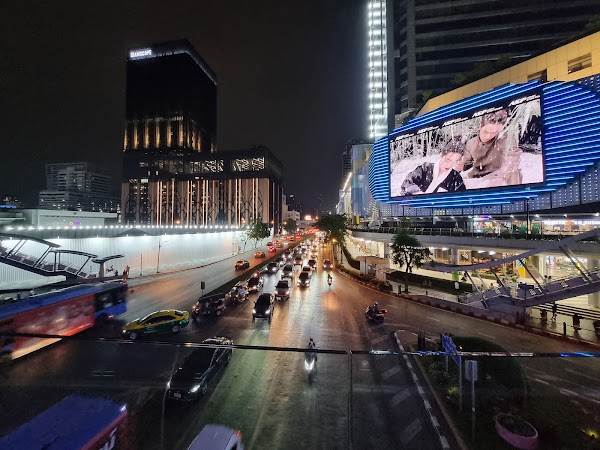
OneSiam Skywalk
View on map
Audio Narrations
Introduction
The OneSiam Skywalk serves as a sophisticated elevated pedestrian artery, seamlessly linking the iconic retail powerhouses of Siam Paragon, Siam Center, and Siam Discovery in the heart of Bangkok. More than a mere transit route, this climate-controlled pathway is an architectural statement, offering a curated urban experience high above the bustling street level. Its design often incorporates dynamic digital media installations and contemporary art displays, transforming a functional connection into an engaging public gallery. Pedestrians traverse a sleek, modern environment, enjoying unique panoramic perspectives of the city's vibrant commercial district and its ever-evolving skyline. This elevated corridor exemplifies Bangkok's commitment to innovative urban planning, providing a comfortable and aesthetically pleasing journey that elevates the shopping and lifestyle experience, making the transition between world-class destinations an integral part of the visit rather than just a means to an end. It subtly redefines the urban pedestrian flow, creating a distinct, almost theatrical, progression through one of Asia's premier shopping districts.Elevated Green Corridor
The OneSiam Skywalk in Bangkok distinguishes itself as a pioneering elevated green corridor, meticulously designed to integrate natural elements within its urban pedestrian infrastructure. Far beyond a mere walkway, it functions as a living artery, incorporating extensive vertical gardens and strategically placed planters that line its entire length. This deliberate greening effort is not solely aesthetic; it plays a crucial role in enhancing the immediate microclimate by actively filtering airborne pollutants and significantly reducing the urban heat island effect, thereby offering a perceptibly cooler and more inviting passage for commuters and shoppers. The thoughtful selection of resilient, often native, plant species contributes to urban biodiversity, creating a small yet vital elevated ecosystem. This unique approach transforms a functional connection between major retail and cultural landmarks into a refreshing, visually stimulating journey. It exemplifies how modern urban planning can seamlessly weave ecological considerations into high-traffic areas, establishing a sustainable and aesthetically superior pathway. The skywalk’s commitment to providing accessible nature allows city dwellers a moment of tranquility amidst the metropolis, setting a precedent for future elevated green infrastructure projects in densely populated urban landscapes. Its continuous green canopy provides shade and a psychological connection to nature, making it a truly distinctive urban intervention.Urban Pedestrian Solution
The OneSiam Skywalk in Bangkok functions as a pivotal urban pedestrian solution, strategically elevating foot traffic above the city’s congested street level. This elevated walkway directly links the high-volume Siam BTS Skytrain station with the interconnected retail and entertainment complexes of Siam Paragon, Siam Center, and Siam Discovery, forming a crucial artery in Bangkok's urban mobility network. Its primary purpose is to enhance pedestrian safety and efficiency by completely separating walkers from the intense vehicular traffic and numerous intersections below, a significant challenge in this densely developed commercial hub. Designed with continuous overhead cover, the skywalk provides essential protection from Bangkok’s tropical climate, shielding pedestrians from both relentless sun and sudden downpours, thereby significantly improving comfort and encouraging extended walkability across a substantial urban area. The seamless integration of the skywalk directly into the upper levels of the adjacent buildings transforms what would otherwise be a series of disjointed and hazardous street crossings into a fluid, climate-controlled pedestrian experience. This infrastructure is not merely a convenience but a deliberate urban planning intervention, facilitating unimpeded access for thousands daily, connecting a major public transport hub with key economic and social nodes. It exemplifies a modern approach to urban mobility, prioritizing pedestrian flow and connectivity in a high-density environment, effectively extending the reach and utility of the mass transit system while creating a safer, more comfortable, and efficient urban journey.
9
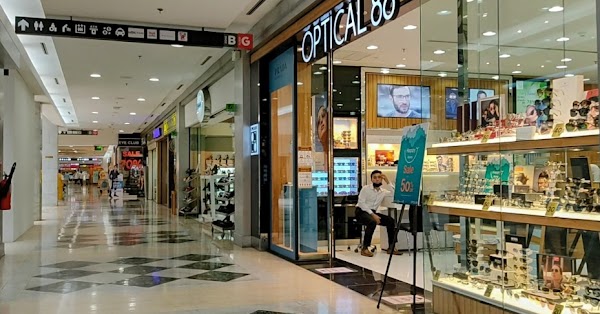
MBK Center
View on map
Audio Narrations
Introduction
MBK Center, a legendary shopping mall in Krung Thep Maha Nakhon, Thailand, boasts eight floors brimming with over 2,000 shops. It's a haven for bargain hunters, offering an eclectic mix of fashion, electronics, souvenirs, and more. The fourth floor is dedicated to mobile phones and gadgets, while the fifth and sixth floors house a food court and home furnishings. A highlight is the 4-story Tokyu Department Store, renowned for its quality merchandise. MBK also features a 3D Trick Art Museum, a cinema complex, and an entertainment zone with karaoke and arcade games. With its vibrant atmosphere and endless shopping options, MBK Center is a must-visit destination for those seeking a unique and affordable shopping experience in the heart of Bangkok.Souvenir Bazaar
Nestled in the heart of Bangkok's bustling Pathum Wan district, MBK Center is a shopper's paradise, renowned for its vast array of goods and vibrant atmosphere. For souvenir enthusiasts, MBK offers a treasure trove of unique and authentic Thai mementos. From the moment you step inside, the air is filled with the scent of exotic spices and the chatter of eager shoppers. The ground floor is a labyrinth of stalls selling an eclectic mix of souvenirs, from traditional silk scarves and hand-carved wooden elephants to colorful ceramics and intricate silver jewelry. As you ascend the floors, the offerings evolve, with the 4th floor dedicated to a bustling market-like environment where you can find everything from vintage stamps to antique coins. One of the highlights of MBK's souvenir bazaar is the 6th floor, home to a mini indoor craft market. Here, skilled artisans showcase their creations, ranging from delicate handmade jewelry to intricate bamboo carvings. Whether you're looking for a unique gift or a special keepsake to remember your time in Thailand, you're sure to find something that captures your heart. But MBK is more than just a shopping destination; it's also a cultural experience. As you wander through the aisles, you'll encounter friendly vendors who are happy to share their knowledge of Thai traditions and customs. Don't be afraid to ask questions and engage in friendly banter; it's all part of the charm of shopping at MBK. Remember to embrace your bargaining skills, as haggling is an integral part of the MBK experience. With a smile and a bit of patience, you can often secure great deals on your souvenirs. And if you're feeling overwhelmed by the sheer volume of choices, don't hesitate to seek assistance from the helpful staff who are always willing to guide you towards the perfect memento.Fashion Hub
MBK Center, a fashion hub in the heart of Bangkok, Thailand, is a haven for fashion enthusiasts seeking unique and affordable finds. With over 2,000 shops spread across eight floors, the mall offers an eclectic mix of fashion items, from trendy street wear to traditional Thai garments. One of the highlights of MBK is its vast selection of independent fashion boutiques. These hidden gems showcase the works of local designers, offering one-of-a-kind pieces that reflect the vibrant street style of Bangkok. Visitors can browse through racks of colorful fabrics, intricate embroidery, and contemporary silhouettes, all at budget-friendly prices. The mall also houses several flagship stores of renowned Thai and international fashion brands. Shoppers can find the latest collections from popular labels such as H&M, Zara, and Uniqlo, as well as local favorites like Jaspal and Greyhound. These stores offer a wide range of styles, from casual everyday wear to formal attire, ensuring that fashionistas of all tastes can find something to suit their needs. But MBK is not just about shopping; it's also a place to experience the vibrant fashion scene of Bangkok. The mall regularly hosts fashion shows, workshops, and exhibitions, providing visitors with a glimpse into the latest trends and emerging designers. Whether you're a seasoned fashionista or simply looking for a unique shopping experience, MBK Center is a must-visit destination in Bangkok. Its endless aisles of fashion treasures, combined with its affordable prices and vibrant atmosphere, make it a true paradise for fashion enthusiasts.
10
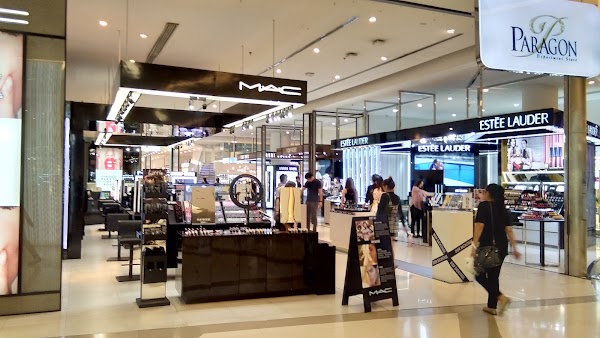
Siam Paragon
View on map
Audio Narrations
Introduction
Siam Paragon, an architectural marvel in Krung Thep Maha Nakhon, Thailand, is a shopper's paradise with over 250 stores catering to discerning tastes. Its opulent steel and glass facade houses a treasure trove of designer boutiques, including Jimmy Choo, Louis Vuitton, and Burberry. Beyond its retail offerings, Siam Paragon boasts an impressive array of entertainment options. Fifteen large-screen theaters showcase the latest cinematic releases, while an exhibition hall, opera concert hall, and Thai Art Gallery cater to cultural enthusiasts. The mall's pièce de résistance is its sprawling aquarium, home to a diverse array of marine life. With its unparalleled shopping, entertainment, and cultural experiences, Siam Paragon stands as a testament to Bangkok's vibrant and cosmopolitan spirit.Luxury Retail Emporium
Siam Paragon, a resplendent architectural marvel in the heart of Bangkok, Thailand, stands as a testament to the pinnacle of luxury retail. This colossal emporium houses an unparalleled collection of over 250 boutiques, each a sanctuary for discerning shoppers seeking the crème de la crème of fashion, jewelry, and accessories. From the hallowed halls of Chanel and Versace to the opulent showrooms of Aston Martin and Ferrari, Siam Paragon caters to the most discerning tastes. Beyond its retail offerings, Siam Paragon is a haven of culinary delights. The Gourmet Market showcases an exquisite array of international delicacies, while the Food Court offers a tantalizing selection of Thai and international cuisines. The Cineplex, with its 16 screens, provides a cinematic experience like no other. But what truly sets Siam Paragon apart is its unwavering commitment to exclusivity. The Paragon Department Store, occupying the upper floors, is a realm of unparalleled luxury, featuring an exquisite collection of designer labels and bespoke services. The Paragon Privilege Card grants access to exclusive events, personal shoppers, and a dedicated concierge, ensuring that every visit is an unforgettable experience. Siam Paragon is not merely a shopping destination; it is a symbol of Thailand's vibrant luxury retail scene. Its grandeur, opulence, and unwavering dedication to exclusivity make it a must-visit destination for those seeking the ultimate in retail indulgence.Architectural Marvel
Siam Paragon, a renowned architectural marvel in Krung Thep Maha Nakhon, Thailand, stands as a testament to modern architectural ingenuity. Its striking facade, adorned with intricate glass panels and sleek lines, reflects the city's vibrant energy. The mall's vast interior is a symphony of light and space, with soaring ceilings and expansive atriums that create an awe-inspiring ambiance. Natural light floods the space through strategically placed skylights, casting a warm glow on the polished marble floors and gleaming surfaces. The mall's iconic central dome, a masterpiece of engineering, is a focal point that draws the eye upward, inviting visitors to explore the wonders within. Siam Paragon's architectural design seamlessly blends Thai cultural influences with contemporary aesthetics, resulting in a truly unique and captivating space that celebrates the country's rich heritage while embracing the future.
11
SEA LIFE Bangkok Ocean World
View on map
Audio Narrations
Introduction
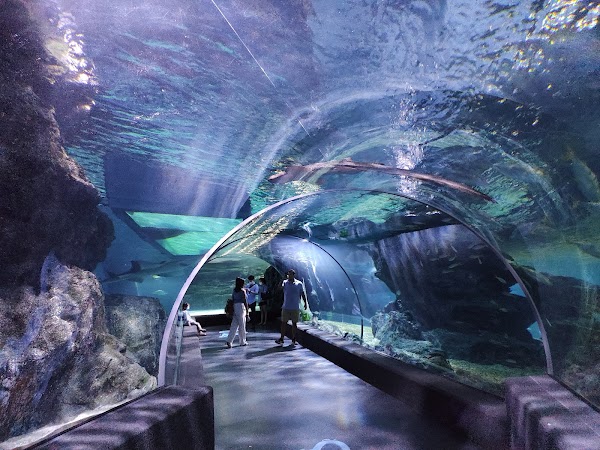
SEA LIFE Bangkok Ocean World, nestled beneath the Siam Paragon shopping mall, is Southeast Asia's largest aquarium, offering an immersive underwater experience in the heart of Bangkok. Its diverse collection of marine life from around the world is showcased in themed zones and exhibits. Visitors can marvel at vibrant coral reefs, graceful tropical fish, majestic sharks, and playful stingrays as they explore underwater tunnels and observation areas. Interactive experiences like diving with sharks, feeding sessions, and educational presentations make it a captivating attraction for all ages. Families will cherish the memories created here, while budget travelers and backpackers appreciate its affordability and excitement.Aquarium Architecture
SEA LIFE Bangkok Ocean World, nestled within the bustling Siam Paragon shopping mall, stands as a testament to innovative aquarium architecture. Its unique design seamlessly integrates the wonders of the underwater world into a modern urban setting. The centerpiece of the aquarium is the awe-inspiring Ocean Tunnel, a 270-degree acrylic tunnel that transports visitors into the depths of the ocean. Here, they can marvel at majestic sharks, graceful stingrays, and a kaleidoscope of vibrant marine life. Beyond the Ocean Tunnel, SEA LIFE Bangkok Ocean World boasts a diverse array of exhibits, each meticulously designed to replicate the natural habitats of its inhabitants. The rainforest zone immerses visitors in a lush jungle environment, complete with cascading waterfalls and exotic reptiles. The penguin zone provides a glimpse into the icy realms of Antarctica, where playful Gentoo and Jackass penguins waddle and dive. The interactive touch pool offers a hands-on experience, allowing visitors to interact with starfish and other marine creatures. The aquarium's commitment to conservation and education is evident throughout its design. Interactive displays educate visitors on the importance of marine ecosystems and the threats facing our oceans. The architecture itself incorporates sustainable elements, such as energy-efficient lighting and water filtration systems. SEA LIFE Bangkok Ocean World is not just an aquarium; it is a testament to the harmonious coexistence of nature and urban development, offering a captivating and educational experience for visitors of all ages.Family-Friendly Attraction
SEA LIFE Bangkok Ocean World is a must-visit destination for families seeking an immersive and educational marine experience. With over 400 species of marine life, including sharks, rays, penguins, and jellyfish, the aquarium offers an up-close encounter with the wonders of the ocean. Interactive exhibits, such as the touch pool and the 270-degree Ocean Tunnel, allow children to engage with marine creatures and learn about their habitats. The aquarium also hosts educational programs, including guided tours and animal feeding sessions, providing families with a deeper understanding of marine conservation and the importance of protecting our oceans. Additionally, SEA LIFE Bangkok Ocean World features a dedicated play area for younger children, ensuring entertainment for the entire family.
12
Wat Pathum Wanaram Rachaworawihan
View on map
13
centralwOrld
View on map
Audio Narrations
Introduction
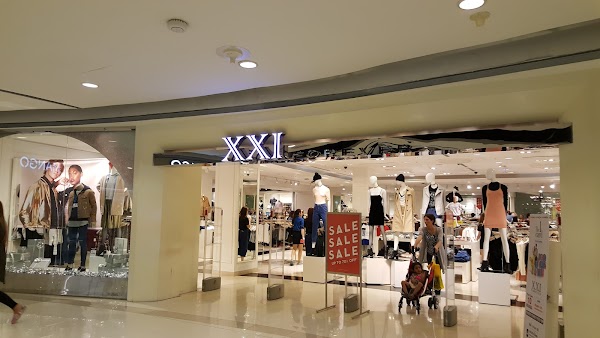
CentralWorld, situated in the heart of Bangkok's bustling Central World Square, is a renowned shopping and entertainment destination. This architectural marvel boasts a striking two-story glass drum, its conical support clad in warm European white oak. The drum's fully glazed façade offers breathtaking 360-degree views, seamlessly blending the vibrant urban landscape with the tranquil greenery of the surrounding area. Inside, a beautifully crafted staircase with helical turbine blades connects the two main sales areas, each adorned with polished stainless steel treads. CentralWorld is home to over 100 restaurants, including the popular Nara Thai Cuisine and Kalpapruek, offering a diverse culinary experience. Its retail offerings cater to every taste, with luxury brands like Zara, Izzue, and Timberland sharing space with local favorites. The complex also features a vast array of entertainment options, making it a true urban oasis in the heart of Bangkok.Tourism Center
centralwOrld in Bangkok, Krung Thep Maha Nakhon, Thailand, is a world-renowned shopping and entertainment complex that caters to discerning tourists seeking an unparalleled experience. As a Tourism Center, centralwOrld offers a captivating blend of retail therapy, cultural immersion, and culinary delights. The mall boasts over 500 stores, ranging from luxury boutiques to high-street brands, ensuring that every taste and budget is catered to. Its sprawling corridors are adorned with exquisite Thai artwork and sculptures, providing a glimpse into the country's rich heritage. Visitors can delve into the vibrant local culture at the centralwOrld Live stage, which hosts traditional Thai dance performances and workshops. Beyond shopping, centralwOrld is a culinary haven. Its food court offers a tantalizing array of Thai and international cuisines, while its fine-dining restaurants serve exquisite dishes crafted by renowned chefs. The mall also houses a state-of-the-art cinema complex, where movie enthusiasts can catch the latest blockbusters and independent films. For those seeking a respite from the bustling city, centralwOrld offers a tranquil oasis in its lush rooftop garden. This serene space provides panoramic views of Bangkok's skyline, making it an ideal spot for relaxation and contemplation. The mall's convenient location in the heart of the city, adjacent to the BTS Skytrain station, ensures easy accessibility for tourists. As a Tourism Center, centralwOrld in Bangkok, Krung Thep Maha Nakhon, Thailand, stands out as a destination that seamlessly blends shopping, entertainment, and cultural immersion. Its unique offerings cater to the discerning traveler seeking an unforgettable and enriching experience in the vibrant metropolis of Bangkok.Food and Beverage Hub
centralwOrld in Bangkok, Krung Thep Maha Nakhon, Thailand, is a culinary paradise, offering a tantalizing array of dining experiences. The mall houses over 100 restaurants and cafes, catering to diverse tastes and preferences. From authentic Thai cuisine to international flavors, centralwOrld has something for every palate. One of the highlights of centralwOrld's culinary scene is its food court, which features a wide selection of street food vendors. Here, visitors can indulge in classic Thai dishes such as pad thai, khao soi, and mango sticky rice. The food court also offers a variety of international cuisines, including Japanese, Chinese, and Indian. For a more upscale dining experience, centralwOrld offers a range of fine dining restaurants. These restaurants serve exquisite dishes prepared by renowned chefs, using the finest ingredients. The mall also features several celebrity chef restaurants, where diners can enjoy signature dishes created by culinary icons. In addition to its restaurants, centralwOrld also has a number of cafes and dessert shops. These establishments offer a variety of beverages, pastries, and desserts, perfect for a quick bite or a sweet treat. The mall also hosts regular food events and promotions, offering visitors the chance to sample new dishes and flavors. Whether you're looking for a quick bite, a fine dining experience, or a sweet treat, centralwOrld in Bangkok, Krung Thep Maha Nakhon, Thailand, is the ultimate food and beverage destination. With its diverse range of dining options, the mall caters to every taste and preference, making it a must-visit for food lovers.
14
Erawan Shrine
View on map
15
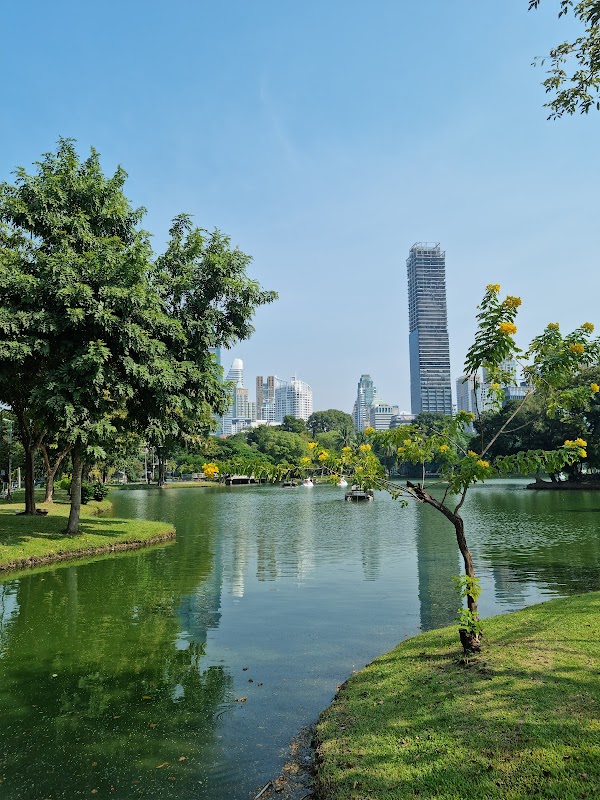
Lumphini Park
View on map
Audio Narrations
Introduction
Lumphini Park, often referred to as Bangkok's Central Park, is a sprawling 142-acre oasis in the heart of the city. Named after the birthplace of Buddha, it offers a tranquil escape from the bustling metropolis. The park's centerpiece is an artificial lake, where visitors can rent swan-shaped paddle boats for a leisurely ride. Jogging tracks encircle the lake, attracting fitness enthusiasts in the early mornings and evenings. Beyond the lake, Lumphini Park is home to a diverse array of attractions. The Chinese-style clock tower, built in 1925, stands as a picturesque landmark. Visitors can also explore the free outdoor gym, known locally as "Bangkok's Ghetto Gym," which features basic equipment for workouts. One of the park's most captivating features is its resident population of monitor lizards. These prehistoric-looking creatures, up to 10 feet in length, roam freely in the park's vicinity. While they may appear intimidating, they are generally harmless to humans. Lumphini Park is a vibrant hub for locals and tourists alike. Tai chi practitioners gather in the mornings, while students and families enjoy picnics and leisurely strolls. On Sunday evenings, the Bangkok Symphony Orchestra performs free concerts, adding a touch of musical enchantment to the park's serene atmosphere.Wildlife Haven
Lumphini Park, an urban oasis in the heart of Bangkok, Thailand, is a haven for wildlife enthusiasts. Despite its central location, the park is home to a diverse array of animal species, including over 30 species of birds. The large, artificial lake attracts a variety of waterfowl, such as ducks, geese, and cormorants. The park's lush greenery provides a habitat for squirrels, monitor lizards, and even the occasional snake. One of the most fascinating aspects of Lumphini Park's wildlife is the large population of monitor lizards. These prehistoric-looking reptiles can grow up to 2 meters in length and are often seen basking in the sun or swimming in the lake. While they may appear intimidating, monitor lizards are generally docile creatures that pose no threat to humans. In addition to its resident wildlife, Lumphini Park is also a popular spot for birdwatching. The park's diverse habitats attract a wide range of bird species, including migratory birds that visit during the winter months. Birdwatchers can often spot sunbirds, kingfishers, and even the occasional eagle soaring overhead. Lumphini Park's commitment to wildlife conservation is evident in its efforts to protect and preserve the park's ecosystem. The park's staff works to maintain the natural habitats of the animals and to educate visitors about the importance of wildlife conservation. As a result, Lumphini Park has become a sanctuary for wildlife in the midst of the bustling metropolis of Bangkok.Historical Significance
Lumphini Park holds a significant place in Bangkok's history, being the city's first public park. Originally a private garden belonging to King Rama VI, it was donated to the nation in 1925 to serve as a fairground. The king later envisioned it as a public park, naming it Lumphini after Lumbini, the birthplace of Buddha in Nepal. Despite the king's passing before the park's completion, his statue was erected at the southwestern entrance in 1942, commemorating his role in creating this urban oasis. During World War II, the park served as a Japanese Army camp, leaving its mark on the city's wartime history. Today, Lumphini Park stands as a testament to the foresight of King Rama VI and a reminder of Bangkok's rich past.
Experience the Full Tour
Download the DocentPro app to access all tour stops, complete audio narrations in multiple languages, offline maps, and interactive features.