
Barcelona's Architectural Marvels: A Visual Symphony of Gaudi's Genius

Walking Tour

5.5 km (3.4 miles)

1h 16min travel time

16 Stops

Barcelona, Spain
Barcelona's Architectural Marvels: A Visual Symphony of Gaudi's Genius
Tour Stops
1
Casa Batlló
View on map
Audio Narrations
Introduction
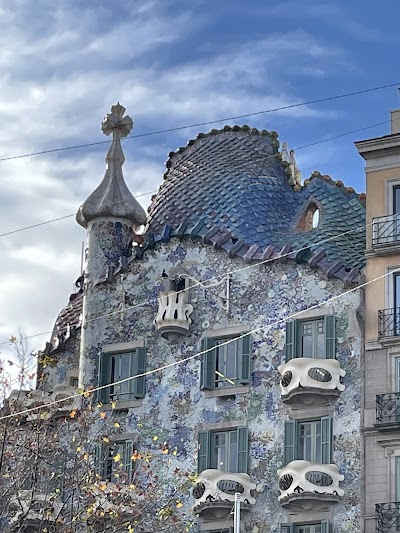
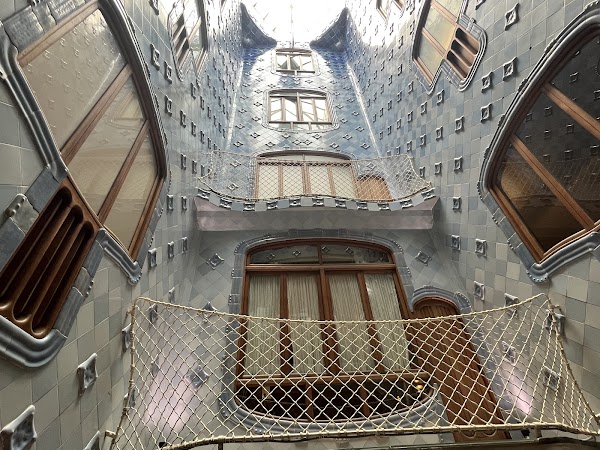
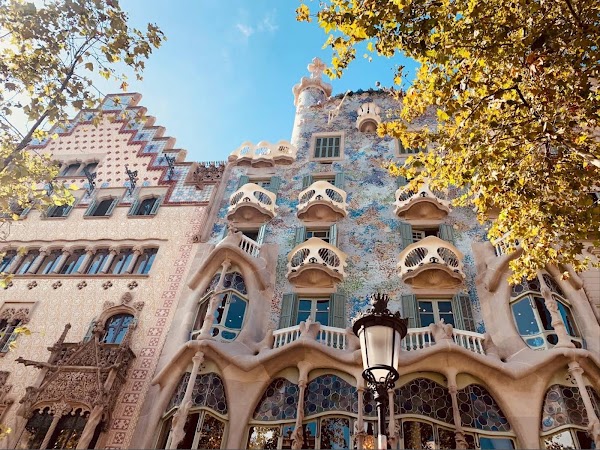
Casa Batlló, a captivating masterpiece by Antoni Gaudí, stands as a testament to his architectural genius in Barcelona's Eixample district. Its façade, adorned with intricate mosaics and wrought-iron balconies resembling skulls and bones, has earned it the nickname "House of Bones." Gaudí's inspiration for the building's design stemmed from the legend of Saint George, the patron saint of Catalonia, slaying a dragon. The roof, reminiscent of a dragon's back, features colorful ceramic tiles and chimneys resembling guards. Inside, the building boasts a stunning light well, where blue tiles create an ethereal ambiance. The noble floor, once the residence of the Batlló family, showcases Gaudí's attention to detail, with its mushroom-shaped fireplace and intricate woodwork. Casa Batlló is a UNESCO World Heritage Site and a must-see for anyone interested in architecture, art, and the unique vision of Antoni Gaudí.Antoni Gaudí
Casa Batlló, a masterpiece by Antoni Gaudí, stands as a testament to his boundless imagination and innovative spirit. The facade, a symphony of undulating curves and vibrant mosaics, evokes a marine world, with balconies resembling waves and a roofline reminiscent of a dragon's back. Gaudí's signature use of natural forms and organic shapes is evident throughout, from the bone-like columns to the intricate floral motifs. Inside, the Noble Floor, once the residence of the Batlló family, showcases Gaudí's mastery of interior design. The sinuous walls, adorned with intricate woodwork and stained glass, create a surreal and immersive experience. The central atrium, bathed in ethereal blue light, serves as a testament to Gaudí's innovative approach to natural lighting. Gaudí's attention to detail is evident in every aspect of Casa Batlló. The chimneys, disguised as ventilation shafts, resemble whimsical guards, while the roof tiles, arranged in a mosaic pattern, create a shimmering, iridescent effect. The building's organic forms and vibrant colors blur the lines between architecture and art, making it a true masterpiece of Catalan Modernism.Interior Design
Casa Batlló's interior design is a testament to Antoni Gaudí's visionary genius. The Noble Floor, the heart of the house, boasts over 700 square meters of intricate details, with no straight surfaces in sight. The undulating ceiling, inspired by the sea, creates an immersive experience, while the large windows overlooking the main street offer a sense of grandeur. The Noble Floor's highlight is the mushroom-shaped fireplace in Batlló's study, an iconic symbol of Gaudí's organic aesthetic. The loft, a former service area, showcases Gaudí's functionalist approach. Its 60 catenary arches evoke an animal's ribcage, creating a unique and light-filled space. The roof terrace, crowned by the famous dragon's back, features colorful ceramic tiles and whimsical chimneys. The interior's beauty extends to the communal entrance hall, where a turtle-shell skylight and a carved wooden staircase resembling a giant animal's backbone create a surreal underwater atmosphere. Gaudí's attention to detail is evident throughout the interior. The doors leading to different apartments feature modernist letterings, while the windows distort the tiles of the patio of lights, transforming them into shimmering water ripples. The doorknobs and banisters have ergonomic shapes, reflecting the architect's commitment to both form and function. Casa Batlló's interior design is a masterpiece of organic architecture, where every element contributes to a cohesive and awe-inspiring experience.
2
Casa Amatller
View on map
Audio Narrations
Introduction
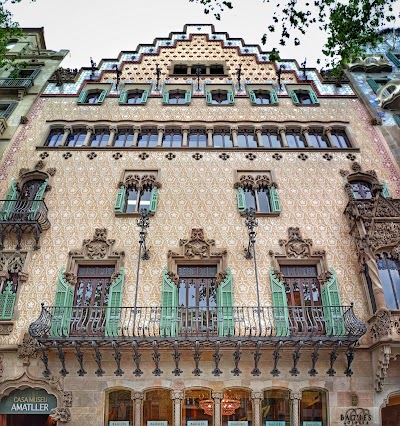
The Casa Amatller, a masterpiece of Catalan modernism, stands proudly on Passeig de Gràcia in Barcelona. Designed by renowned architect Josep Puig i Cadafalch, it was built for the wealthy chocolatier Antoni Amatller between 1898 and 1900. The facade, adorned with intricate details, symbolizes a bar of chocolate, paying homage to Amatller's passion. Stepping inside, one is transported to a bygone era of elegance and artistry. The original furniture, designed by Puig i Cadafalch himself, and the exquisite mosaic floors create a captivating atmosphere. The Amatller family's wealth is evident in the opulent decor, featuring Moorish-inspired tiles and stained-glass windows that shimmer with vibrant colors. The house is a testament to Puig i Cadafalch's architectural genius. He masterfully incorporated elements of Gothic and Moorish styles, creating a unique and harmonious blend. The intricate carvings, the playful use of light and shadow, and the abundance of natural elements all contribute to the building's charm. The Casa Amatller is not just a house; it is a time capsule, offering a glimpse into the life of a prominent Barcelona family at the turn of the 20th century. It is a testament to the city's rich artistic heritage and a must-visit for anyone interested in architecture, history, and design.Architectural Masterpiece
Nestled in the heart of Barcelona, Casa Amatller stands as a testament to architectural ingenuity and artistic grandeur. This masterpiece, designed by Josep Puig i Cadafalch, is a symphony of Catalan modernism, showcasing the architect's innovative spirit and meticulous attention to detail. The facade, a kaleidoscope of colors and textures, is a visual feast. Intricate mosaics, vibrant stained glass windows, and whimsical sculptures adorn the exterior, creating a sense of wonder and awe. The building's sinuous lines and flowing forms evoke a sense of movement and dynamism, while the use of natural materials, such as stone and brick, adds warmth and character. Step inside, and you'll be transported to a world of opulence and artistry. The grand staircase, with its intricate wrought-iron railings and stained-glass skylight, is a breathtaking sight. The opulent interiors, adorned with exquisite frescoes, mosaics, and stained glass, reflect the wealth and status of the Amatller family. Puig i Cadafalch's masterful use of light and space creates a sense of grandeur and intimacy throughout the house. The interplay of natural light and artificial illumination enhances the architectural features and creates a dramatic atmosphere. The building's layout, with its interconnected rooms and hidden passages, invites exploration and discovery. Casa Amatller is not merely a house; it's a work of art, a testament to the creative genius of Josep Puig i Cadafalch. Its architectural brilliance, artistic splendor, and historical significance make it a must-visit destination for anyone interested in the wonders of Catalan modernism.Catalan Modernism
Casa Amatller, a masterpiece of Catalan Modernism, stands as a testament to the movement's vibrant spirit and architectural ingenuity. Built in the late 19th century by renowned architect Josep Puig i Cadafalch, the house embodies the essence of Catalan Modernism through its intricate details, rich symbolism, and innovative use of materials. The facade, adorned with colorful mosaics and floral motifs, reflects the movement's embrace of nature and its decorative exuberance. The use of exposed brick and wrought ironwork, typical of Catalan Modernism, adds a touch of rustic charm and emphasizes the building's structural elements. Inside, the Casa Amatller unfolds a world of artistic treasures. The grand staircase, with its intricate stained-glass windows and sinuous lines, is a testament to the movement's emphasis on craftsmanship and attention to detail. The stained-glass windows, depicting scenes from Catalan history and mythology, add a touch of magic and symbolism to the space. The interior design, overseen by Puig i Cadafalch himself, showcases the movement's eclecticism and love of natural materials. The use of wood, ceramics, and stained glass creates a warm and inviting atmosphere, while the floral motifs and geometric patterns echo the decorative elements of the facade. Casa Amatller is not merely a house but a living testament to the spirit of Catalan Modernism. Its unique blend of architectural innovation, artistic expression, and cultural symbolism makes it a must-visit destination for anyone seeking to understand the movement's profound impact on Barcelona and beyond.
3
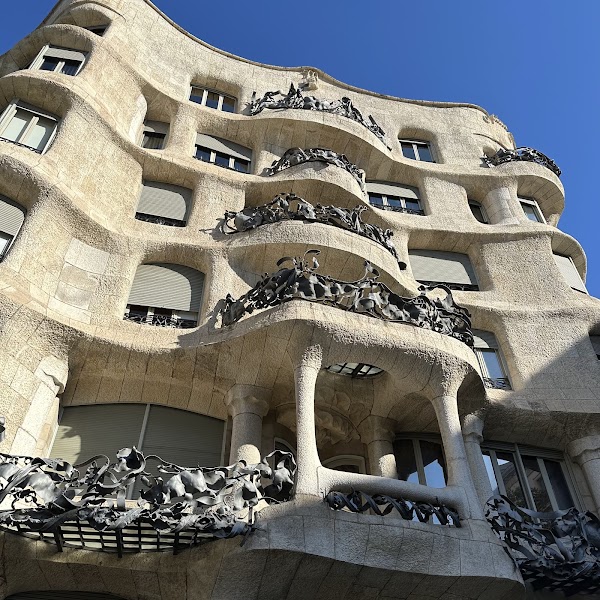
La Pedrera-Casa Milà
View on map
Audio Narrations
Introduction
La Pedrera, also known as Casa Milà, is an iconic Modernist building in Barcelona, Spain, designed by Antoni Gaudí. Completed in 1912, it is renowned for its undulating stone facade, wrought iron balconies, and spectacular rooftop terrace. The building's unique design, inspired by nature, features organic forms and a harmonious blend of materials. The interior boasts a grand main floor apartment, showcasing Gaudí's innovative use of space and light. The rooftop, adorned with whimsical chimneys and ventilation shafts, offers panoramic city views. La Pedrera is a UNESCO World Heritage Site and a testament to Gaudí's architectural genius, embodying the essence of Barcelona's Modernist movement.Curved Facade
La Pedrera, a masterpiece by Antoni Gaudí, is renowned for its undulating stone facade that mimics the organic forms found in nature. This facade is a testament to Gaudí's innovative use of ruled geometry, where straight lines and curves seamlessly blend to create a dynamic and visually captivating exterior. The facade is composed of large blocks of limestone, meticulously cut and assembled to follow the curvature of the building. Each block is unique, contributing to the overall fluidity and movement of the facade. The windows, too, are integral to the design, varying in size and shape to optimize natural light while echoing the organic theme. The result is a breathtaking symphony of curves that sets La Pedrera apart as a true architectural marvel.UNESCO World Heritage Site
Designated as a UNESCO World Heritage Site in 1984, La Pedrera-Casa Milà stands as a testament to Antoni Gaudí's architectural genius and the pinnacle of Catalan Modernism. Its undulating stone façade, reminiscent of a quarry, earned it the nickname "La Pedrera," meaning "The Stone Quarry." Gaudí's innovative use of natural forms and organic shapes is evident throughout the building, from the wrought-iron balconies resembling seaweed to the chimneys resembling medieval knights. Beyond its striking exterior, La Pedrera's interior is equally captivating. The building's courtyards, adorned with colorful mosaics and sinuous lines, create a surreal and enchanting atmosphere. The rooftop terrace, accessible to visitors, offers panoramic views of Barcelona and showcases Gaudí's unique approach to ventilation and lighting. The building's innovative construction techniques, including the use of a steel frame and movable interior walls, were groundbreaking for their time. Gaudí's attention to detail is evident in every aspect of La Pedrera, from the intricate ironwork to the custom-designed furniture. As a UNESCO World Heritage Site, La Pedrera-Casa Milà is recognized for its exceptional universal value and its contribution to the cultural heritage of humanity. It stands as a testament to Gaudí's visionary genius and the enduring legacy of Catalan Modernism.
4
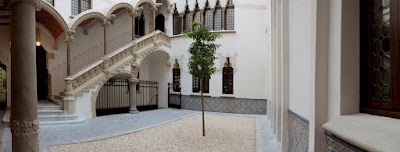
Palau Macaya
View on map
5
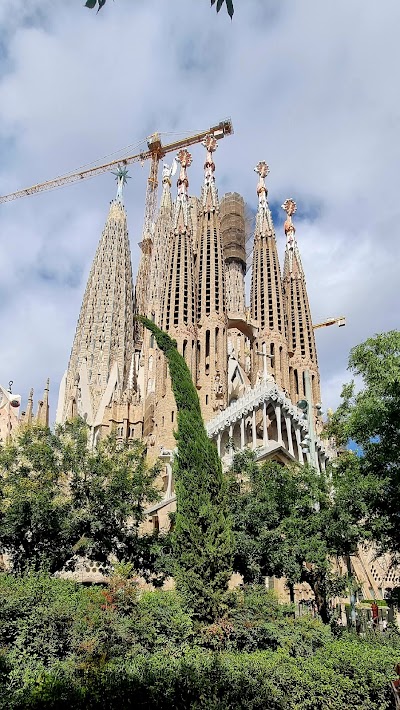
Plaça de la Sagrada Família
View on map
Audio Narrations
Introduction
Plaça de la Sagrada Família offers a carefully considered vantage point, designed to showcase Antoni Gaudí's masterpiece. The plaza's two distinct sides, one facing the Nativity façade and the other the Passion façade, provide dramatically contrasting perspectives. The side facing the Nativity façade allows for appreciation of its intricate details, often bathed in the warm morning light, while the Passion façade side offers a starker, more imposing view, reflecting the somber themes depicted. Interestingly, the plaza's design incorporates specific tree species chosen to complement the basilica's architecture and provide shade without obscuring key visual elements. The subtle slope of the plaza is also intentional, subtly directing the gaze upwards towards the towering spires. Many overlook the underground parking beneath the plaza, a feat of engineering that minimizes its visual impact on the surrounding urban landscape. The plaza serves not only as a viewing platform but also as a vital public space, hosting events and gatherings that contribute to the vibrant atmosphere surrounding the Sagrada Família.UNESCO World Heritage Significance
The Sagrada Família, a basilica under construction in Barcelona, has components recognized as UNESCO World Heritage Sites. In 1984, UNESCO granted World Heritage status to several works by Antoni Gaudí, later extending this designation in 2005 to include the crypt and the Nativity façade of the Sagrada Família. These elements are part of the collective designation "Works of Antoni Gaudí". UNESCO recognizes these works based on specific criteria. Gaudí's contribution represents an exceptional and outstanding creative input to the development of architecture and building technology during the late 19th and early 20th centuries. His work demonstrates a significant interchange of values tied to the cultural and artistic movements of his time, notably the Modernisme of Catalonia. Gaudí's designs anticipated and influenced numerous forms and techniques relevant to the evolution of modern construction in the 20th century. Furthermore, his work exemplifies a series of outstanding instances of building typology in early 20th-century architecture, encompassing both residential and public structures, to which he made a significant and creative contribution. The UNESCO World Heritage listing underscores a commitment to the conservation and dissemination of these works, recognizing that their loss would impoverish the heritage of all humanity.Spiritual Symbolism
The Sagrada Família stands as a profound expression of Christian faith through visual symbolism, designed to convey the mysteries inherent in Christianity. Originally conceived to reinvigorate Christianity in an increasingly secular Barcelona, the basilica became a religious symbol of the Renaixensa, reflecting Catalonia's cultural and spiritual revival. Gaudí's design incorporates a Latin cross plan surrounded by porticoes, with facades representing key aspects of Jesus' life: the Nativity, Passion, and Glory. The Nativity facade celebrates Jesus' birth, embodying life and hope through intricate sculptures. The Passion facade depicts Christ's suffering during the crucifixion, while the Glory facade symbolizes the path to divine glory. Eighteen towers dominate the structure, each representing biblical figures: the twelve Apostles, the four evangelists, the Virgin Mary, and Jesus, whose tower will be the tallest. The facades are flanked by bell towers dedicated to the Apostles, with symbolic replacements for Judas and certain evangelists. Inside, columns mimic natural forms, creating a forest-like atmosphere that enhances the spiritual experience. The basilica's architecture and sculptural details serve as a canvas for religious storytelling, inviting contemplation and discovery of its rich history and symbolism. The ongoing construction, funded by donations, ensures the continuation of Gaudí's vision, blending artistic disciplines to create a space of profound spiritual significance.
6
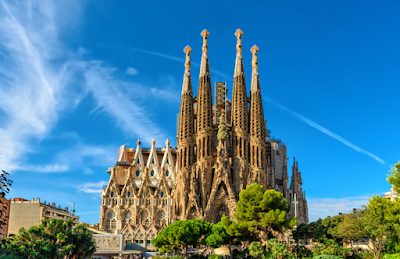
La Sagrada Familia
View on map
Audio Narrations
Introduction
La Sagrada Familia, a monumental basilica in Barcelona, Spain, is the magnum opus of renowned architect Antoni Gaudí. Begun in 1882, this architectural marvel remains unfinished, with its completion projected for 2026. The basilica's design is a captivating blend of Gothic and Art Nouveau styles, featuring intricate facades adorned with sculptures, mosaics, and stained glass. The Nativity Facade, completed during Gaudí's lifetime, showcases his naturalistic style with vibrant colors and organic forms. In contrast, the Passion Facade, built posthumously, presents a stark and austere aesthetic, symbolizing Christ's suffering. The Glory Facade, still under construction, promises to be the most grandiose, depicting scenes of heaven and hell. The basilica's interior is equally awe-inspiring, with soaring columns resembling giant trees and a stained-glass ceiling that bathes the space in ethereal light. La Sagrada Familia is not only a testament to Gaudí's genius but also a symbol of Barcelona's cultural and architectural heritage.UNESCO World Heritage Site
As a UNESCO World Heritage Site, La Sagrada Familia in Barcelona, Spain, holds immense cultural and architectural significance. The unfinished basilica, a masterpiece by Antoni Gaudí, was designated a World Heritage Site in 1984, recognizing its exceptional universal value. The site encompasses the Nativity Façade and Crypt, completed by Gaudí before his untimely demise. These sections showcase Gaudí's innovative and organic architectural style, characterized by intricate details, vibrant colors, and a harmonious blend of Gothic and Art Nouveau elements. The ongoing construction, funded solely by private donations, ensures the preservation of Gaudí's vision while allowing visitors to witness the evolution of this architectural marvel. The basilica's unique design, symbolic imagery, and spiritual significance have captivated the world, making it a must-see destination for those seeking an unparalleled architectural and cultural experience.Modernist Architecture
La Sagrada Familia, a Modernist masterpiece by Antoni Gaudí, stands as a testament to the innovative spirit of the late 19th and early 20th centuries. Gaudí's vision for the basilica extended beyond its religious significance, incorporating elements of nature, symbolism, and Catalan culture. The structure's intricate facade, adorned with organic forms and vibrant mosaics, reflects the Art Nouveau style prevalent in Modernist architecture. The interior, with its soaring columns resembling a forest canopy, creates a sense of awe and wonder. Gaudí's use of parabolic arches and hyperbolic vaults, inspired by Gothic architecture, allowed for a lighter and more spacious design. The basilica's towers, adorned with intricate pinnacles and spires, evoke a sense of verticality and aspiration, characteristic of Modernist architecture's emphasis on height and grandeur. The Sagrada Familia remains an unfinished masterpiece, a testament to Gaudí's genius and the enduring legacy of Modernist architecture.
7
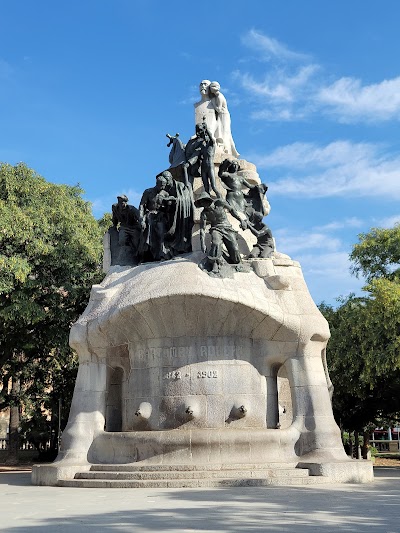
Plaça de Tetuan
View on map
Audio Narrations
Introduction
Plaça de Tetuan: A Historical Crossroads in Barcelona Plaça de Tetuan, a vibrant square in Barcelona's Eixample district, pulsates with history and modern life. Named after the 1860 Battle of Tétouan, it stands at the intersection of Gran Via de les Corts Catalanes and Passeig de Sant Joan, witnessing the city's evolution for over a century. The square's centerpiece is the Doctor Robert monument, a tribute to the esteemed professor and former mayor of Barcelona. Sculpted by Josep Llimona, the monument initially graced Plaça de la Universitat before finding its current home in Plaça de Tetuan in 1985. Beneath the bustling surface lies the Tetuan metro station, a vital artery of Barcelona's transportation network. Opened in 1995, the station serves as a gateway to the city's heart, connecting Plaça de Tetuan to the wider urban landscape. Beyond its practical significance, Plaça de Tetuan offers a glimpse into Barcelona's cultural tapestry. The nearby MH Apartments Tetuan provides a comfortable haven for travelers seeking to immerse themselves in the city's vibrant atmosphere. A walk through Plaça de Tetuan reveals a fascinating microcosm of Barcelona's past and present. From the historical echoes of the Doctor Robert monument to the modern convenience of the metro station, the square embodies the city's dynamic spirit. As you explore its bustling streets and hidden corners, you'll discover a unique blend of history, culture, and modern life that makes Plaça de Tetuan a truly captivating destination.Architectural Heritage
Plaça de Tetuan: A Tapestry of Architectural Heritage in Barcelona Plaça de Tetuan, nestled in the heart of Barcelona's Eixample district, stands as a testament to the city's rich architectural heritage. This vibrant square, once a bullfighting ring, has undergone a remarkable transformation, showcasing a fascinating blend of architectural styles. The most prominent feature is the Monumental Bullring, a majestic structure built in 1889. Its Neo-Mudéjar facade, adorned with intricate brickwork and horseshoe arches, evokes the grandeur of Moorish architecture. Despite its conversion into a shopping center in 2004, the bullring's architectural essence remains intact, offering a glimpse into Barcelona's taurine past. Flanking the square are residential buildings dating back to the late 19th and early 20th centuries. These structures, predominantly in the Modernista style, boast elegant facades adorned with floral motifs, wrought-iron balconies, and colorful mosaics. The Casa de les Punxes, designed by Puig i Cadafalch, stands out with its尖塔屋顶, reminiscent of medieval castles. Adding a touch of contemporary elegance is the Hotel Me Barcelona, a sleek glass and steel structure designed by Dominique Perrault. Its modern aesthetic contrasts beautifully with the surrounding historical buildings, creating a dynamic dialogue between old and new. The square itself is a masterpiece of urban design. The central fountain, adorned with sculptures by Josep Llimona, serves as a focal point, while the surrounding paved walkways and landscaped areas provide a welcoming space for relaxation and social interaction. Plaça de Tetuan's architectural tapestry reflects Barcelona's dynamic history and its embrace of diverse artistic expressions. From the Neo-Mudéjar bullring to the Modernista residences and the contemporary hotel, the square offers a captivating journey through time, showcasing the city's architectural heritage in all its glory.Urban Development
Plaça de Tetuan: A Catalyst for Urban Transformation in Barcelona Plaça de Tetuan stands as a testament to Barcelona's dynamic urban development, showcasing a fascinating interplay between historical preservation and modern innovation. Originally conceived in the 19th century as a central hub for the expanding city, the square has undergone several transformations, each reflecting the evolving urban priorities of its time. One of the most striking features of Plaça de Tetuan from an urban development perspective is its strategic location. Situated at the intersection of the Eixample and Sant Martí districts, the square acts as a vital connector, facilitating movement and fostering economic activity. This strategic positioning was crucial in the 19th century when the city was undergoing rapid industrialization and required efficient transportation links. The square's design reflects the principles of the Haussmannian urban planning model, characterized by wide avenues, grid-like street patterns, and monumental buildings. This layout facilitated efficient traffic flow and created a sense of order and grandeur. The surrounding buildings, with their ornate facades and intricate details, showcased the architectural trends of the time and contributed to the square's overall aesthetic appeal. However, the 20th century brought new challenges and priorities to urban development. The rise of the automobile led to increased traffic congestion, while the growing population demanded more green spaces and recreational areas. In response, Plaça de Tetuan underwent a significant transformation in the 1980s. The central roundabout was replaced with a pedestrianized zone, creating a much-needed green oasis in the heart of the city. This transformation exemplified the shift towards prioritizing pedestrian-friendly spaces and promoting sustainable urban development. Today, Plaça de Tetuan continues to evolve as a vibrant urban space. The recent addition of the Torre Glòries, a modern skyscraper with a panoramic viewpoint, has further enhanced the square's significance as a landmark and a symbol of Barcelona's contemporary urban landscape. The juxtaposition of historical architecture with modern interventions creates a unique and dynamic environment, reflecting the city's ongoing dialogue between tradition and innovation. In conclusion, Plaça de Tetuan's urban development journey embodies Barcelona's dynamic approach to city planning. From its origins as a transportation hub to its transformation into a pedestrian-friendly green space and the addition of modern architectural landmarks, the square has consistently adapted to the changing needs of the city and its residents. As Barcelona continues to evolve, Plaça de Tetuan will undoubtedly remain a central stage for future urban development initiatives, showcasing the city's commitment to creating a sustainable, inclusive, and aesthetically pleasing urban environment.
8
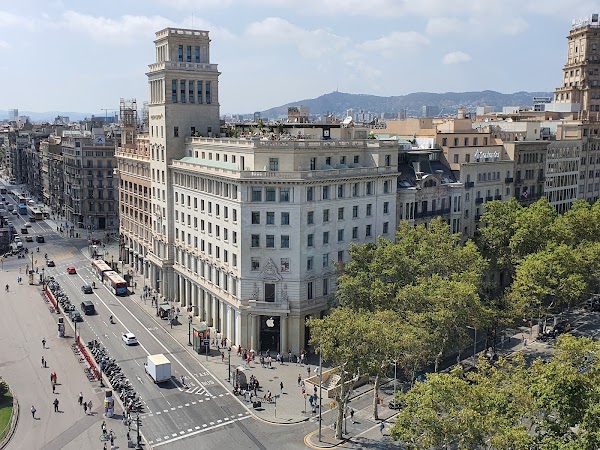
Plaça de Catalunya
View on map
Audio Narrations
Introduction
Plaça de Catalunya, a bustling square in the heart of Barcelona, is a vibrant hub where the old city meets the modern Eixample district. Surrounded by monumental buildings, it is the city's busiest square, teeming with locals and tourists alike. The square is a gateway to Barcelona's most famous streets: the lively pedestrian boulevard La Rambla and the elegant Passeig de Gràcia, renowned for its modernist architecture. Originally a rural area, Plaça de Catalunya was transformed in the late 19th century as part of a grand urban plan. The square's design is a harmonious blend of neoclassical and modernist elements, featuring a central oval-shaped plaza with benches and fountains, surrounded by a single row of trees. Notable landmarks include the Monument a Francesc Macià, honoring the former president of Catalonia, and La Deessa, a striking statue of a female figure by Josep Clara. The square is also home to El Corte Inglés, a famous department store with a wide selection of goods and stunning views from its rooftop café. Beyond its architectural and historical significance, Plaça de Catalunya serves as a transportation hub, with metro, bus, and airport express lines connecting it to various parts of the city and beyond. It is a popular meeting point for locals and a starting point for exploring Barcelona's many attractions.Historical Significance
Plaça de Catalunya, the heart of Barcelona, holds immense historical significance. Once an empty lot outside the city walls, it transformed into a grand square in the late 19th century, symbolizing Barcelona's expansion and modernization. The square played a pivotal role in the Spanish Civil War, serving as a gathering point for anti-Franco demonstrations and a base for resistance fighters. During the dictatorship, it was renamed Plaza del Ejército Español, but its spirit of resistance remained, with anti-dictatorship posters and clandestine demonstrations. In 1977, it regained its original name, becoming a symbol of Catalan identity and a stage for major events, including the massive Diada Nacional de Catalunya demonstration in 1977. Today, Plaça de Catalunya stands as a testament to Barcelona's resilience and its enduring role in shaping Catalonia's history.Cultural Events
Plaça de Catalunya, the vibrant heart of Barcelona, is a cultural melting pot that hosts a myriad of events throughout the year. From grand concerts to intimate art exhibitions, the square transforms into a stage where creativity and expression take center stage. One of the most notable events is the Barcelona Jazz Festival, held annually in November and December. This prestigious festival attracts renowned jazz musicians from around the globe, showcasing the genre's diversity and innovation. The square's open-air setting provides an immersive experience, allowing music lovers to bask in the melodies under the Catalan sky. Plaça de Catalunya also plays a pivotal role in the city's literary scene. The Setmana del Llibre en Català, a week-long festival in September, celebrates Catalan literature and culture. Bookworms and bibliophiles gather to browse stalls, attend author readings, and engage in literary discussions. The square transforms into a vibrant hub of intellectual exchange and literary exploration. Moreover, Plaça de Catalunya is a canvas for public art installations. The "Mosaic de Miró" by Joan Miró, a colorful and abstract masterpiece, adorns the pavement, inviting passersby to contemplate its artistic significance. The square also features sculptures by renowned artists such as Josep Clarà and Josep Llimona, adding an artistic dimension to the urban landscape. Beyond these major events, Plaça de Catalunya is a constant hive of cultural activity. Street performers entertain the crowds with music, dance, and acrobatics, while art exhibitions and pop-up installations showcase the talents of local artists. The square's central location makes it a convenient and accessible destination for culture enthusiasts seeking a vibrant and diverse experience.
9
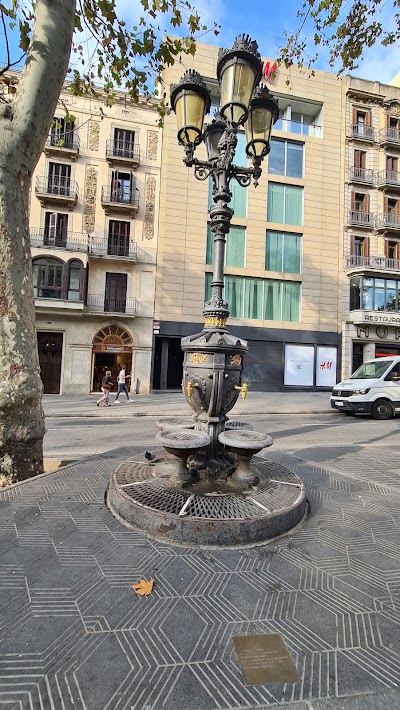
Font de Canaletes
View on map
10
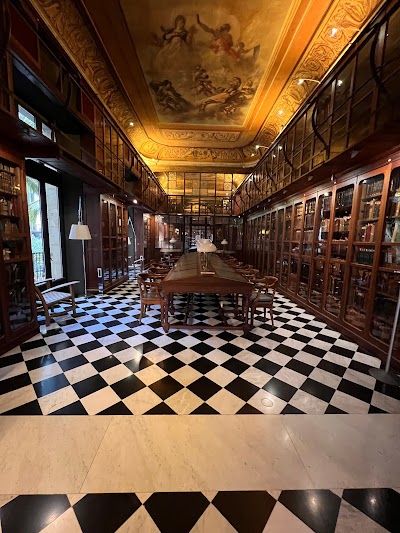
Ateneu Barcelonès
View on map
11
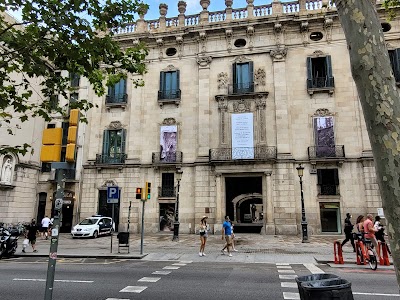
Virreina Palace
View on map
12

Barcelona Erotic Museum
View on map
13
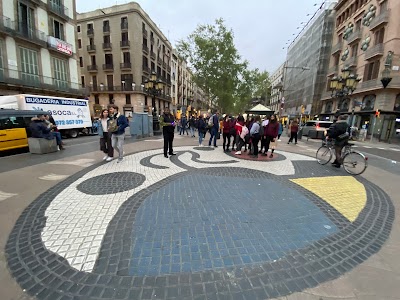
Mosaic de Joan Miró
View on map
14
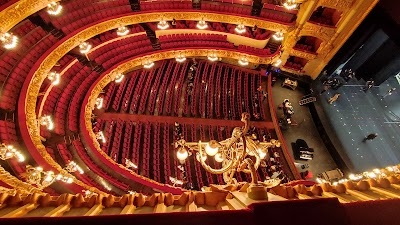
Gran Teatre del Liceu
View on map
Audio Narrations
Introduction
The Gran Teatre del Liceu, an architectural marvel on Barcelona's iconic La Rambla, is one of Europe's most renowned opera houses. Founded in 1847, it has witnessed countless performances by legendary singers like Domingo, Pavarotti, and Callas. The theater's rich history includes a devastating fire in 1994, after which it was meticulously rebuilt, preserving its original grandeur while incorporating state-of-the-art technology. Today, the Liceu boasts a magnificent auditorium with nearly 2,300 seats, offering an unparalleled acoustic experience. Its opulent foyer and Hall of Mirrors, adorned with exquisite artwork, transport visitors to a bygone era. The Liceu is not just a venue for world-class opera; it also hosts ballet, concerts, and other cultural events, making it a vibrant hub for the performing arts in Barcelona.International Renown
Gran Teatre del Liceu, a beacon of international acclaim, has captivated audiences worldwide with its unparalleled artistic excellence. Since its inception in 1847, the theater has been a cornerstone of Barcelona's cultural landscape, hosting legendary performances that have left an indelible mark on the world of opera. Its reputation as a global powerhouse is cemented by its collaborations with renowned opera companies, including the Royal Opera House, Covent Garden, and the Metropolitan Opera. The Liceu's stage has witnessed the brilliance of celebrated maestros like Riccardo Muti and Zubin Mehta, who have conducted unforgettable performances that have thrilled audiences across continents. The theater's commitment to nurturing young talent is evident in its partnership with the prestigious Accademia del Teatro alla Scala, fostering the next generation of operatic stars. Gran Teatre del Liceu's international renown extends beyond its artistic achievements. It has become a symbol of Barcelona's vibrant cultural scene, attracting visitors from around the globe who seek an immersive experience in the heart of the city's artistic pulse. Its iconic facade and opulent interiors have graced the covers of countless publications, showcasing the theater's architectural grandeur and its enduring legacy as a cultural landmark.Architectural Heritage
Gran Teatre del Liceu, an architectural marvel in Barcelona, stands as a testament to the city's rich cultural heritage. Its neoclassical facade, adorned with intricate sculptures and elegant columns, reflects the grandeur of 19th-century architecture. The horseshoe-shaped auditorium, with its five tiers of balconies, boasts exceptional acoustics and a breathtaking ceiling fresco depicting scenes from Greek mythology. The theater's opulent interiors showcase a fusion of architectural styles. The Hall of Mirrors, with its shimmering walls and allegorical ceiling paintings, evokes the grandeur of the Baroque era. The Foyer, with its marble columns and intricate mosaics, reflects the influence of the Renaissance. Despite suffering two devastating fires, the Liceu has been meticulously restored, preserving its architectural integrity. The 1999 reconstruction saw the addition of nine photographic montages on the ceiling and proscenium, replacing the lost original paintings. The curtain, a masterpiece by Antoni Miró, adds a contemporary touch to the theater's timeless beauty. Today, the Liceu remains a vibrant hub for opera and classical music, hosting world-renowned performances and attracting discerning audiences from around the globe. Its architectural heritage, coupled with its enduring cultural significance, makes it a must-visit destination for anyone seeking an immersive experience in the realm of architectural artistry.
15
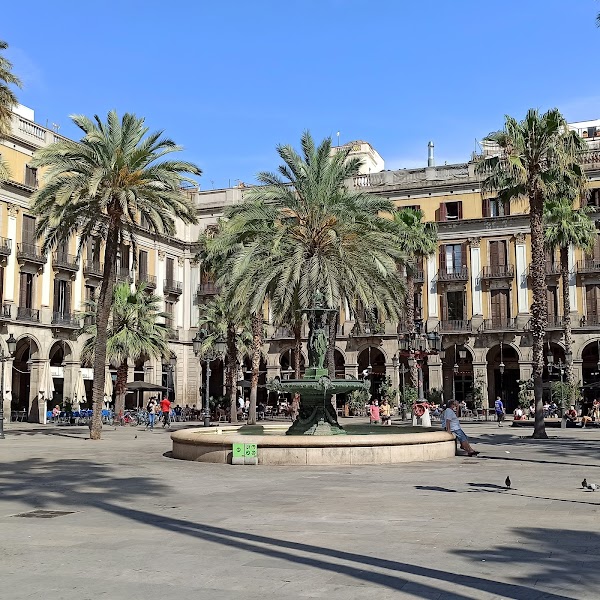
Plaça Reial
View on map
16
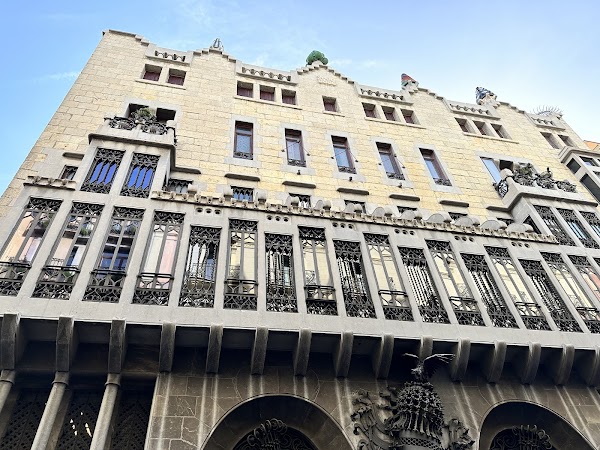
Güell Palace
View on map
Audio Narrations
Introduction
The Güell Palace, an architectural masterpiece by Antoni Gaudí, stands as a testament to the industrialist Eusebi Güell's patronage and Gaudí's genius. Built between 1886 and 1890, this UNESCO World Heritage Site is a captivating blend of Gothic, Moorish, and Art Nouveau styles. Upon entering, visitors are greeted by intricate iron gates adorned with seaweed-like patterns. The basement, designed with mushroom-shaped arches, features a spiral ramp for horses, while the primary staircase boasts a stained glass window showcasing the Catalan flag. The Hall of Intimates, reserved for family gatherings, exudes Arabian influence, with its piano area, smoking corner, and dining room. The magnificent Central Hall, the heart of the palace, is a symphony of light and space. Its parabolic dome, supported by four arches, is adorned with perforated stonework that allows natural light to filter through. The ceiling, a masterpiece of oak and wrought iron, adds to the grandeur of the space. The palace's rooftop is equally captivating, featuring 20 chimneys adorned with colorful ceramics. Each chimney serves a functional purpose, ventilating the building while adding a whimsical touch. The terrace offers panoramic views of Barcelona, making it an ideal spot to soak in the city's beauty. The Güell Palace is not merely a historical landmark but a testament to Gaudí's boundless imagination and the enduring legacy of Catalan modernism. Its intricate details, innovative design, and artistic flair continue to inspire and captivate visitors from around the world.Symbol of Catalan Identity
Güell Palace, a masterpiece by Antoni Gaudí, stands as a testament to Catalan identity. Its intricate facade, adorned with the initials of its patron, Eusebi Güell, and the Catalan coat of arms, proclaims its local roots. The building's sinuous lines and vibrant colors evoke the Catalan landscape, while its parabolic arches and hyperbolic columns showcase Gaudí's innovative architectural style, a blend of Catalan tradition and Moorish influences. The palace's interior is equally captivating, featuring a grand hall with a double dome and a ceiling adorned with intricate mosaics. The use of trencadís, broken ceramic tiles, throughout the palace symbolizes the reuse and transformation of everyday materials, a reflection of Catalan resourcefulness. Güell Palace is not merely a building but an artistic expression of Catalan culture, a symbol of its pride and resilience.Innovative Design
Güell Palace, a masterpiece by Antoni Gaudí, stands as a testament to innovative design in Barcelona. Completed in 1888, this urban palace showcases Gaudí's early experimentation with parabolic arches, a technique that would become a hallmark of his later works. The palace's facade features intricate ironwork and colorful ceramic tiles, creating a vibrant and visually captivating exterior. Inside, the central hall is a marvel of engineering, with a parabolic dome supported by slender columns. Gaudí's attention to detail is evident throughout the palace, from the custom-designed furniture to the innovative ventilation system that utilizes the chimneys as air vents. The rooftop terrace, adorned with 20 uniquely designed chimneys, offers panoramic views of the city, making it a popular spot for photography and relaxation. Güell Palace is a must-visit destination for anyone interested in innovative design and the architectural genius of Antoni Gaudí.
Experience the Full Tour
Download the DocentPro app to access all tour stops, complete audio narrations in multiple languages, offline maps, and interactive features.