
Berlin: A Journey Through Time and Unity

Walking Tour

8.2 km (5.1 miles)

1h 53min travel time

13 Stops

Berlin, Germany
Berlin: A Journey Through Time and Unity

Tour Stops
1
Reichstag Building
View on map
Audio Narrations
Introduction
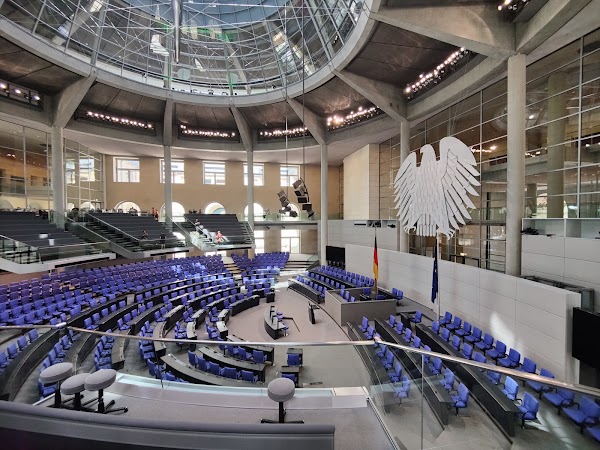
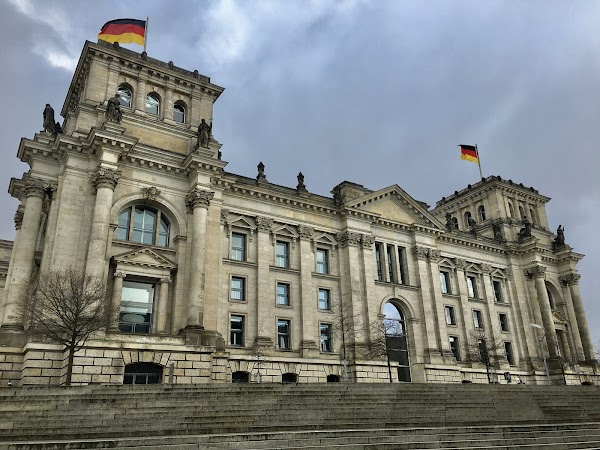
The Reichstag Building, a symbol of German history and democracy, stands proudly in Berlin. Designed by Paul Wallot and completed in 1894, it served as the home of the Reichstag, the German parliament, until 1933. The building witnessed significant events, including the Reichstag fire in 1933, which led to the rise of the Nazi regime. During World War II, it sustained heavy damage and fell into disuse. After reunification, the Reichstag underwent extensive restoration and became the permanent seat of the Bundestag, the German parliament, in 1999. The iconic glass dome, designed by Norman Foster, offers breathtaking panoramic views of the city. Visitors can explore the building's rich history through exhibitions and guided tours. The Reichstag also houses a rooftop restaurant, offering a unique dining experience with stunning views. Beyond its political significance, the Reichstag holds a special place in the hearts of Berliners. It stands as a testament to the city's resilience and its commitment to democracy. The building's architecture, with its blend of Neo-Renaissance and modern elements, reflects the city's rich cultural heritage. The Reichstag is a must-visit destination for anyone interested in German history, architecture, and politics. It offers a unique opportunity to experience the heart of German democracy and learn about the country's fascinating past.Symbol of German History
The Reichstag Building: A Witness to German History The Reichstag Building in Berlin, Germany, stands as a powerful symbol of the nation's tumultuous past. From its initial construction in the late 19th century to its present-day role as the seat of the German Parliament, the Reichstag has witnessed the rise and fall of empires, the horrors of war, and the triumphs of democracy. The building's architecture itself reflects the changing tides of German history. Designed in a neo-Renaissance style, the Reichstag initially embodied the aspirations of a newly unified Germany. However, the building's history took a dark turn during the Nazi era, when it was severely damaged by fire under mysterious circumstances. The Nazis used the fire as a pretext to consolidate power and suppress dissent. After World War II, the Reichstag lay in ruins, a stark reminder of the devastation wrought by the conflict. Its reconstruction in the 1990s symbolized the reunification of Germany and its commitment to a democratic future. The modern Reichstag, with its iconic glass dome, has become a symbol of transparency and openness, reflecting the values of a new Germany. Today, the Reichstag stands as a testament to the resilience of the German people and their ability to overcome adversity. It serves as a reminder of the importance of democracy, the fragility of peace, and the enduring power of hope. As visitors walk through its halls, they are not only witnessing a magnificent architectural masterpiece but also embarking on a journey through the heart of German history.Public Art Installation
The Reichstag Building in Berlin, Germany, stands as a powerful canvas for public art installations, reflecting the city's dynamic history and artistic spirit. One of the most notable installations is Christo and Jeanne-Claude's "Wrapped Reichstag" (1995), a temporary artwork that enveloped the entire building in shimmering fabric. This monumental project transformed the Reichstag into a symbol of unity and hope, representing the city's emergence from division and its embrace of artistic expression. Another significant installation is "The Column of Victory" by artist Michael Elmgreen and Ingar Dragset (2011). This contemporary sculpture, depicting a child's toy tank perched atop a broken column, stands in stark contrast to the traditional victory columns found in many European cities. The installation challenges viewers to confront the complexities of war and its impact on society. The Reichstag Building also serves as a platform for temporary art exhibitions, showcasing the works of renowned artists from around the world. These exhibitions often engage with the building's history and its role in German politics, prompting reflection and dialogue on contemporary issues. Through these public art installations, the Reichstag Building becomes a dynamic space for artistic expression and social engagement. It serves as a reminder of the power of art to challenge perspectives, spark conversations, and inspire change. As a symbol of democracy and freedom of expression, the Reichstag Building continues to be a focal point for public art in Berlin, Germany.
2

Brandenburg Gate
View on map
Audio Narrations
Introduction
The Brandenburg Gate, an iconic symbol of Berlin, stands as a testament to the city's tumultuous history. Commissioned by King Frederick William II in 1788, this neoclassical monument was designed by Carl Gotthard Langhans, inspired by the Propylaea in Athens. Its 12 Doric columns form five passageways, with two small buildings flanking the gate. The crowning glory is the quadriga statue, a chariot driven by the goddess of victory, added in 1793. During Napoleon's occupation of Berlin, the statue was taken to Paris but later returned in 1814. The gate became a symbol of German division during the Cold War, when the Berlin Wall cut off access to it. In 1989, the gate reopened, marking the reunification of East and West Berlin. Today, it stands as a symbol of peace and unity, attracting millions of visitors annually.Iconic Landmark
The Brandenburg Gate, a captivating neoclassical masterpiece, stands as a testament to Berlin's tumultuous history and enduring spirit. As an iconic landmark, it embodies the city's resilience, division, and eventual reunification. Its imposing sandstone structure, adorned with intricate reliefs and crowned by the Quadriga statue, has witnessed countless pivotal moments. During the Cold War, the gate became a poignant symbol of division, standing isolated within the Berlin Wall's exclusion zone. Its reopening in 1989, with crowds thronging through its archways, marked a triumphant moment of unity and liberation. Today, the Brandenburg Gate remains a beacon of hope and a reminder of the triumph of freedom over adversity. Beyond its historical significance, the gate's architectural grandeur captivates visitors. Inspired by the Propylaea of Athens, it features 12 Doric columns forming five passageways, each representing a different virtue. The Quadriga, a majestic chariot driven by the goddess Victoria, symbolizes peace entering the city. The Brandenburg Gate's enduring appeal lies in its ability to evoke both awe and reflection. It is a living testament to the transformative power of history and a symbol of the indomitable spirit of Berlin and its people.Political Symbolism
The Brandenburg Gate, an iconic symbol of Berlin, has played a pivotal role in German history and politics. Originally commissioned by King Frederick William II as a symbol of peace, it has witnessed numerous historical events and regime changes. During the Napoleonic Wars, Napoleon famously paraded through the Gate after his victory over Prussia, taking the Quadriga statue as a spoil of war. Its return in 1814 marked a triumph for Prussia and transformed the Gate into a symbol of national pride. In the 20th century, the Gate became a focal point of political tension during the Cold War. It stood at the boundary between East and West Berlin, physically dividing the city and becoming a potent symbol of the ideological divide. The fall of the Berlin Wall in 1989 marked a turning point for the Gate. It became a symbol of reunification and freedom, with people from both sides of the former divide embracing each other in front of it. Today, the Brandenburg Gate remains a powerful political symbol. It has hosted speeches by world leaders, including Ronald Reagan's famous "Tear down this wall!" address. It is also a popular site for protests and demonstrations, reflecting its enduring significance as a platform for political expression. The Brandenburg Gate's political symbolism is multifaceted, representing both the triumphs and tragedies of German history. It stands as a reminder of the power of symbols to shape national identity and inspire political change.
3
Memorial to the Murdered Jews of Europe
View on map
Audio Narrations
Introduction
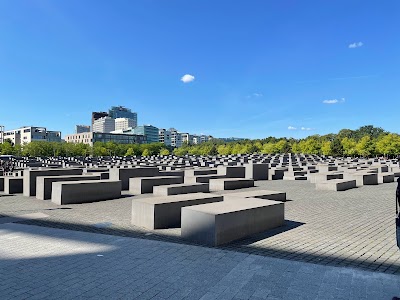
The Memorial to the Murdered Jews of Europe, located in the heart of Berlin, Germany, is a poignant tribute to the six million Jewish victims of the Holocaust. Designed by architect Peter Eisenman, the memorial comprises 2,711 concrete stelae arranged in a grid-like pattern over a vast 19,000 square meters. The stelae vary in height, creating an undulating wave-like effect that evokes a sense of disorientation and unease. Beneath the field of stelae lies an underground information center, accessible via a discreet staircase. Here, visitors can delve into the personal stories of Jewish victims through non-fiction accounts and historical photographs. The center also documents the sites of persecution and extermination, providing a comprehensive understanding of the Holocaust's horrors. The memorial's location is highly symbolic, situated near the Brandenburg Gate and the Reichstag, the seat of the German parliament. This placement serves as a constant reminder of Germany's responsibility for the Holocaust and its commitment to preventing such atrocities from ever happening again. The memorial has become an integral part of Berlin's cityscape, a powerful symbol of remembrance and a testament to the resilience of the human spirit.Controversial Design
The Memorial to the Murdered Jews of Europe in Berlin, Germany, has sparked controversy due to its abstract design. Conceived by architect Peter Eisenman, the memorial consists of 2,711 concrete slabs of varying heights, arranged in a grid-like pattern on a sloping field. The lack of symbolism and inscriptions has drawn criticism, with some arguing that it fails to adequately represent the victims of the Holocaust. Others contend that the abstract nature of the memorial forces visitors to confront the enormity and incomprehensibility of the tragedy. The memorial's location, between the former East and West Berlin, has also been a source of debate, with some questioning its proximity to the Reichstag, a symbol of German democracy. Despite the controversy, the memorial has become a powerful symbol of remembrance and a reminder of the horrors of the Holocaust.Educational Value
The Memorial to the Murdered Jews of Europe in Berlin, Germany, offers an unparalleled educational experience, delving into the horrors of the Holocaust through a unique and thought-provoking approach. The memorial's abstract design, devoid of symbolism, forces visitors to confront the enormity of the tragedy without the mediation of traditional representational forms. This absence of explicit imagery invites personal interpretation and reflection, fostering a profound understanding of the Holocaust's impact on individual lives. The memorial's underground information center complements the concrete field above, providing historical context and personal narratives of Jewish victims. Through non-fiction stories, photographs, and documentation, visitors gain insights into the lives of those who perished, humanizing the масштаб of the tragedy. The center's focus on individual experiences bridges the gap between the abstract memorial and the personal stories of suffering, creating a powerful connection between the past and present. Moreover, the memorial's location in the heart of Berlin serves as a constant reminder of Germany's responsibility to confront its past and prevent future atrocities. It stands as a testament to the resilience of the human spirit and the importance of remembrance and education in combating hatred and intolerance.
4

Berlin Wall Memorial
View on map
Audio Narrations
Introduction
The Berlin Wall Memorial, a poignant testament to German division, stands as a central memorial site in the heart of Berlin. Spanning 1.4 kilometers along Bernauer Strasse, the memorial preserves the last remaining section of the Berlin Wall, offering a glimpse into the border fortifications that once divided the city. The site features the Monument in Memory of the Divided City and the Victims of Communist Tyranny, as well as the Window of Remembrance, commemorating the 130 individuals who lost their lives attempting to cross the Berlin Wall. The Chapel of Reconciliation and the excavated foundations of a former apartment building, whose façade served as part of the border wall, further enhance the memorial's significance. Visitors can explore an open-air exhibition that narrates the history of the division through photos, videos, and audio recordings. A tower with an observation platform provides a panoramic view of the former border fortifications, offering a sobering perspective on the physical and emotional barriers that once separated East and West Berlin.Monumental Memorial
The Berlin Wall Memorial, a poignant testament to a divided city, stands as a monumental memorial to the victims of communist tyranny and the resilience of the human spirit. This open-air exhibition, situated along Bernauer Strasse, offers a profound insight into the history of the Berlin Wall and its impact on the lives of Berliners. The memorial's centerpiece is a preserved section of the original Berlin Wall, a stark reminder of the physical and ideological barrier that once separated East and West Berlin. Visitors can walk along the former border strip, where historical audio materials and images bring the past to life. The Window of Remembrance commemorates the 130 individuals who lost their lives attempting to cross the Berlin Wall. Adjacent to the Wall, the Chapel of Reconciliation symbolizes the hope and resilience that emerged amidst the division. This oval-shaped sanctuary, designed with wooden rods, serves as a place of remembrance and reflection. The Documentation Center, housed in a five-story observation tower, provides a comprehensive overview of the Wall's construction, its impact on Berlin, and the events leading to its fall. The Berlin Wall Memorial is not merely a historical site but a powerful symbol of the triumph of freedom over oppression. Its monumental scale and immersive exhibits offer a profound and moving experience, reminding visitors of the fragility of peace and the importance of reconciliation.Cold War Division
The Berlin Wall Memorial stands as a poignant testament to the Cold War's division and the struggle for freedom. Spanning 1.4 kilometers along the former border strip, it offers a unique glimpse into the physical and ideological chasm that separated East and West Berlin. The memorial preserves the only remaining section of the Berlin Wall in its full depth, showcasing the various elements of the border strip as they existed in the late 1980s. Visitors can witness the watchtowers, death strip, and the infamous concrete slabs that symbolized the division of a city and a nation. The memorial also commemorates the victims of the communist regime and the desperate escape attempts that unfolded along Bernauer Strasse. The "Window of Remembrance" honors those who lost their lives trying to cross the border, while the Chapel of Reconciliation serves as a symbol of hope and unity. Through its exhibitions and documentation center, the memorial provides a comprehensive account of the Berlin Wall's history and impact. Visitors can explore the stories of those who lived in the shadow of the Wall, the political tensions that fueled its construction, and the events that led to its eventual fall. The Berlin Wall Memorial is not merely a historical site but a living testament to the human cost of division and the triumph of freedom. It offers a profound reminder of the fragility of peace and the importance of reconciliation in the face of adversity.
5
Magicum - Berlin Magic Museum
View on map
Audio Narrations
Introduction
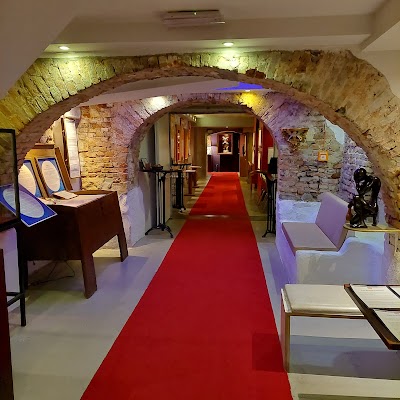
Magicum: A Journey into the Enchanting World of Magic and Mystery Step into the labyrinthine world of Magicum, Berlin's captivating museum dedicated to the allure of magic and mysticism. Nestled in the historic Hamburger Hof, this interactive museum invites you to explore the depths of human fascination with the inexplicable. From the origins of magical thinking to the captivating world of illusions, Magicum's exhibits transport you through a captivating journey. Discover ancient artifacts, delve into the practices of alchemy and witchcraft, and witness the power of intuition and games of illusion. Over 450 exhibits from diverse cultures and continents unveil the secrets of magic, sparking your curiosity and igniting your imagination. Beyond the exhibits, Magicum offers a unique interactive experience. Test your own magical abilities with puzzles and riddles, or immerse yourself in the enchanting atmosphere of the magical salons. Participate in a captivating magic show, or seek guidance from a tarot counselor for a glimpse into the unknown. Magicum is more than just a museum; it's a portal to a world of wonder and enchantment. Whether you're a seasoned magic enthusiast or simply curious about the mysteries of the universe, Magicum promises an unforgettable experience that will leave you spellbound.Unique and Playful Approach to Magic
Magicum: Where Playfulness Meets Magic in Berlin Step into a world of wonder and whimsy at Magicum, Berlin's unique magic museum. Here, magic isn't just an art form; it's a playful exploration of the impossible. Forget dusty artifacts and hushed reverence – Magicum invites you to touch, interact, and even perform magic tricks yourself. The museum's playful spirit shines through in its interactive exhibits. Learn the secrets of levitation, mind-reading, and teleportation through hands-on displays. Discover the fascinating history of magic, from ancient rituals to modern illusions, all presented with a lighthearted touch. Magicum's collection boasts a treasure trove of magical artifacts, from antique playing cards to bizarre contraptions. But the true magic lies in the museum's ability to spark curiosity and ignite imaginations. Whether you're a seasoned magician or a wide-eyed novice, Magicum offers a playful escape into the world of wonder. So, unleash your inner child and embark on a magical adventure at Magicum. Remember, at Magicum, the only rule is to have fun!Historical and Cultural Artifacts
Magicum: A Treasure Trove of Historical and Cultural Artifacts Stepping into Magicum is like entering a time machine, transporting you through centuries of magical history. The museum's collection boasts a wealth of historical and cultural artifacts, each whispering tales of wonder and intrigue. Among the most captivating pieces are the original props and costumes from iconic magic shows, offering a tangible connection to legendary performers like Harry Blackstone Sr. and Siegfried & Roy. These relics, imbued with the energy of countless performances, provide a glimpse into the evolution of the art form. Magicum also houses a fascinating collection of antique magic books, some dating back to the 16th century. These rare volumes, filled with cryptic symbols and forgotten spells, offer a window into the minds of past magicians and the development of magical theory. Beyond the tangible objects, Magicum preserves the intangible heritage of magic through its collection of historical posters and photographs. These vibrant images capture the spirit of magic shows throughout the ages, showcasing the evolution of costumes, stagecraft, and performance styles. The museum's commitment to preserving the history of magic extends to its collection of automata, intricate mechanical marvels that once amazed audiences with their lifelike movements. These intricate creations, some dating back to the 18th century, offer a glimpse into the ingenuity and craftsmanship of early inventors and their fascination with the illusion of life. Magicum's collection is not merely a display of historical artifacts; it is a living testament to the enduring power of magic. By immersing visitors in the rich history and cultural significance of this art form, the museum ensures that the legacy of magic continues to inspire and captivate future generations.
6
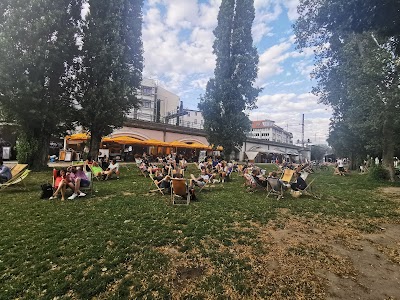
James-Simon-Park
View on map
Audio Narrations
Introduction
Nestled in the heart of Berlin's bustling Prenzlauer Berg district, James-Simon-Park stands as a testament to the city's rich history and vibrant cultural landscape. This verdant oasis, named after the renowned German archaeologist and art collector, offers a tranquil escape from the urban hustle and bustle, inviting visitors to immerse themselves in its unique charm. The park's centerpiece is the James-Simon-Galerie, a stunning architectural masterpiece designed by the renowned British architect David Chipperfield. This modern structure, with its sleek lines and expansive glass facade, seamlessly blends with the surrounding historical buildings, creating a harmonious dialogue between past and present. The gallery houses a diverse collection of archaeological artifacts and artworks, showcasing Berlin's role as a cultural crossroads throughout the centuries. Beyond the gallery, James-Simon-Park boasts a variety of hidden gems that delight and intrigue visitors. The park's meticulously landscaped gardens, featuring a mesmerizing array of plants and flowers, provide a serene backdrop for leisurely strolls and quiet contemplation. A captivating water feature, reminiscent of an ancient Roman aqueduct, adds a touch of whimsy and tranquility to the park's atmosphere. One of the park's most unique features is the "Archaeological Promenade," a winding path that takes visitors on a journey through time, showcasing remnants of Berlin's ancient past. Here, visitors can marvel at the foundations of a medieval city wall, unearthed during the park's construction, and gain a deeper understanding of the city's fascinating history. James-Simon-Park is not merely a green space but a vibrant cultural hub that hosts a variety of events throughout the year. From open-air concerts and art exhibitions to educational workshops and guided tours, the park offers something for everyone. Whether seeking a moment of peace amidst the urban chaos or an opportunity to delve into Berlin's rich cultural heritage, James-Simon-Park provides an unforgettable experience for all who visit.Urban Regeneration
James-Simon-Park: A Triumph of Urban Regeneration in Berlin James-Simon-Park, nestled on Berlin's Museum Island, stands as a testament to the transformative power of urban regeneration. Once a barren wasteland, the park's revitalization embodies the city's commitment to reclaiming forgotten spaces and fostering cultural vibrancy. Prior to its metamorphosis, the site lay dormant, scarred by the remnants of World War II and severed from the surrounding cultural landscape. Recognizing its potential, the city embarked on an ambitious project, aiming to reconnect the park with the museums and breathe new life into the area. The park's design masterfully blends historical elements with contemporary aesthetics. The preserved archaeological remnants of the Berlin Palace foundations seamlessly integrate with the modern pathways and green spaces, creating a dialogue between past and present. This juxtaposition serves as a poignant reminder of the city's resilience and its ability to transform adversity into opportunity. Beyond its aesthetic appeal, James-Simon-Park plays a crucial role in promoting accessibility and inclusivity. The park's open layout and barrier-free design ensure that everyone can enjoy its beauty and tranquility. This commitment to inclusivity aligns with the broader urban regeneration goals of fostering social cohesion and creating a welcoming environment for all. The park's success extends beyond its physical boundaries. It serves as a catalyst for the revitalization of the entire Museum Island, attracting visitors and contributing to the area's economic and cultural growth. This ripple effect demonstrates the power of urban regeneration to revitalize not just spaces, but entire communities. James-Simon-Park stands as a beacon of urban regeneration, showcasing the transformative potential of reclaiming forgotten spaces and fostering cultural vibrancy. Its success serves as an inspiration for cities worldwide, demonstrating the power of innovative design and inclusive planning in shaping a more vibrant and equitable urban landscape.Landscaped Promenade
A Landscaped Promenade Through Time: James-Simon-Park in Berlin The James-Simon-Park in Berlin is more than just a green space; it's a landscaped promenade that seamlessly blends history, art, and nature. Designed by renowned landscape architect Peter Walker, the park acts as a bridge between the city's cultural institutions on Museum Island and the bustling urban landscape. As you enter the park, the gently sloping promenade draws you towards the iconic Neues Museum, its copper dome shimmering in the sunlight. The path is lined with meticulously pruned hedges and vibrant flowerbeds, creating a sense of tranquility amidst the city's energy. The promenade's subtle elevation offers stunning views of the surrounding museums and the Berlin skyline. Hidden amongst the greenery, you'll discover sculptures and installations that add an artistic dimension to the landscape. The "Archaeological Promenade" features fragments of ancient columns and statues, remnants of Berlin's rich history. Interactive water features and playful sculptures provide moments of delight for visitors of all ages. The park's design cleverly integrates elements of sustainability. Rainwater is collected and reused for irrigation, while the extensive green spaces help regulate the urban microclimate. The park's commitment to environmental responsibility aligns with its role as a cultural and educational hub. As you stroll along the promenade, you'll find yourself immersed in a unique blend of art, history, and nature. The James-Simon-Park is a testament to the power of landscape architecture to create a space that fosters both reflection and inspiration. It's a place where visitors can connect with the city's past, present, and future, all within the embrace of a beautifully landscaped promenade.
7
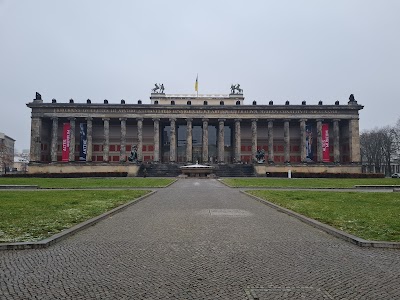
UNESCO Weltkulturerbe Museumsinsel
View on map
Audio Narrations
Introduction
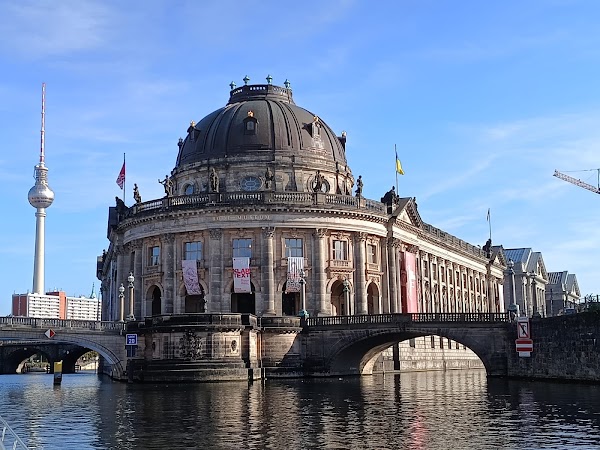
The Museumsinsel, a UNESCO World Heritage Site in Berlin, Germany, is a unique ensemble of five world-renowned museums: the Altes Museum, the Neues Museum, the Alte Nationalgalerie, the Bode-Museum, and the Pergamonmuseum. Each museum houses a vast collection of artifacts spanning millennia, offering a comprehensive journey through human history and culture. The Altes Museum, the oldest on the island, boasts an impressive collection of Greek and Roman antiquities, including the iconic bust of Nefertiti. The Neues Museum, rebuilt after being severely damaged during World War II, houses the Egyptian Museum and the Museum of Prehistory and Early History, showcasing the development of human civilization from the Stone Age to the Middle Ages. The Alte Nationalgalerie houses a comprehensive collection of 19th-century European art, including masterpieces by Caspar David Friedrich, Claude Monet, and Vincent van Gogh. The Bode-Museum, known for its stunning Byzantine art collection, also features a vast array of sculptures, coins, and medals. The crown jewel of the Museumsinsel is the Pergamonmuseum, renowned for its monumental reconstructions of ancient buildings, including the Pergamon Altar, the Ishtar Gate of Babylon, and the Market Gate of Miletus. These architectural masterpieces offer a glimpse into the grandeur of ancient civilizations. A visit to the Museumsinsel is an unforgettable experience, immersing visitors in the rich tapestry of human history and culture. From ancient Egyptian sarcophagi to Impressionist masterpieces, the museums offer a treasure trove of artistic and historical wonders.Museum Island Masterpieces
Museum Island Masterpieces: Unveiling the Treasures of Berlin's UNESCO World Heritage Site Nestled on the River Spree, Berlin's Museum Island is a UNESCO World Heritage Site that houses five world-renowned museums, each a treasure trove of artistic and cultural masterpieces. This unique ensemble, known as the "Museum Island Masterpieces," offers an unparalleled journey through human history and artistic expression. Delving into Antiquity: The Pergamonmuseum, a crown jewel of the island, houses the awe-inspiring Pergamon Altar, a masterpiece of Hellenistic art depicting the Gigantomachy, the epic battle between gods and giants. The Ishtar Gate, a dazzling example of Mesopotamian architecture, adorned with glazed bricks and mythical creatures, transports visitors to the ancient city of Babylon. Exploring Islamic Art: The Museum of Islamic Art boasts a stunning collection of Islamic art spanning centuries and continents. The Aleppo Room, a masterpiece of 16th-century Syrian craftsmanship, features intricate inlaid woodwork and geometric patterns. The Mshatta Facade, a fragment of an 8th-century palace, showcases the exquisite artistry of early Islamic architecture. Unearthing Egyptian Treasures: The Neues Museum houses the iconic bust of Nefertiti, a symbol of ancient Egyptian beauty and artistry. The Green Head of Berlin, a life-size portrait of an unknown pharaoh, offers a glimpse into the realism of ancient Egyptian sculpture. The museum's collection of sarcophagi, amulets, and everyday objects provides a fascinating window into the lives of ancient Egyptians. Discovering European Masterpieces: The Alte Nationalgalerie houses masterpieces of European art from the 19th century. Caspar David Friedrich's melancholic landscapes, including the iconic "Wanderer above the Sea of Fog," evoke a sense of romanticism and introspection. Édouard Manet's groundbreaking "Olympia" challenges traditional notions of beauty and morality. Embracing Modernity: The Bode Museum showcases a diverse collection of sculptures and paintings from the Middle Ages to the early 20th century. Donatello's lively Renaissance sculptures, including the expressive "David," stand in stark contrast to the serene beauty of Byzantine icons. The museum's collection of Impressionist and Post-Impressionist paintings, including works by Monet and Van Gogh, offers a glimpse into the dawn of modern art. A Journey Through Time: The Museum Island Masterpieces offer a unique opportunity to explore the vast tapestry of human history and artistic expression. From the ancient world to the modern era, each museum unveils treasures that illuminate the creativity, ingenuity, and cultural richness of humanity. A visit to this UNESCO World Heritage Site is a journey through time, a chance to encounter masterpieces that have shaped our understanding of art, history, and ourselves.Prussian Cultural Heritage
Nestled on the Spree River in the heart of Berlin, the UNESCO World Heritage Site Museumsinsel (Museum Island) stands as a testament to the rich Prussian cultural heritage. This architectural ensemble, comprising five world-renowned museums, embodies the spirit of intellectual inquiry and artistic patronage that characterized the Prussian era. The Altes Museum, the oldest on the island, houses a vast collection of Greek and Roman antiquities, reflecting the Prussians' fascination with classical civilizations. The Neues Museum, rebuilt after World War II, showcases Egyptian artifacts, including the iconic bust of Nefertiti, a symbol of Prussian archaeological prowess. The Pergamonmuseum, renowned for its monumental architecture, boasts the Pergamon Altar and the Ishtar Gate of Babylon, masterpieces of ancient Mesopotamian art. The Bode-Museum, dedicated to Byzantine and European sculpture, features the Welfenschatz, a collection of medieval ecclesiastical treasures, and the Münzkabinett, a treasure trove of coins and medals spanning centuries. Finally, the Altes Nationalgalerie houses a comprehensive collection of 19th-century European paintings, including works by Caspar David Friedrich and Adolph Menzel, capturing the essence of Prussian Romanticism. The Museumsinsel is not merely a repository of artifacts; it is a living testament to the Prussian quest for knowledge and understanding. The meticulous curation, the scholarly research, and the architectural grandeur all reflect the Prussians' deep appreciation for art, history, and culture. A visit to the Museumsinsel is a journey through the Prussian mind, offering a glimpse into the intellectual and artistic aspirations that shaped a nation.
8
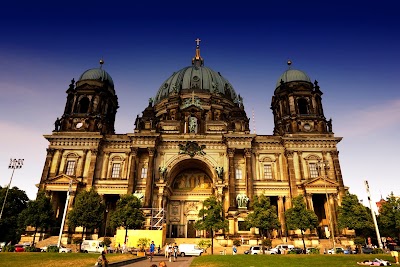
Lustgarten
View on map
Audio Narrations
Introduction
The Lustgarten, a historical park in the heart of Berlin's Museum Island, boasts a rich and multifaceted history. Originally conceived as a pleasure garden for the Electors of Brandenburg in the 17th century, it has witnessed transformations from a royal garden to a military parade ground and a public park. The Lustgarten's evolution reflects the changing political and social landscape of Berlin. Under the Great Elector, it was adorned with ornate landscaping, including flower beds, an orangerie, and a herb garden. However, King Friedrich Wilhelm I transformed it into a sand-covered parade ground, reflecting his focus on militarization. In the 19th century, the park was redesigned by Peter Joseph Lenné, featuring formal paths and a central fountain, aligning with the classical architecture of the surrounding buildings. During the Weimar Republic, the Lustgarten became a stage for political demonstrations, hosting rallies by socialists, communists, and anti-Nazi groups. Under the Nazi regime, it was paved over and used for mass rallies, witnessing speeches by Adolf Hitler. After World War II, the Lustgarten was left in ruins. The German Democratic Republic renamed it Marx-Engels-Platz and planted lime trees to soften its militaristic appearance. Following German reunification, the park was restored to its 19th-century design, featuring fountains and greenery, once again serving as a tranquil oasis in the bustling city. Today, the Lustgarten stands as a testament to Berlin's resilience and its ability to transform itself through the ages. It offers visitors a glimpse into the city's rich history, from its royal beginnings to its tumultuous 20th century, and provides a peaceful haven amidst the cultural treasures of Museum Island.Public Space
Nestled in the heart of Berlin, Lustgarten, meaning "pleasure garden," is a public space steeped in history and symbolism. Once a royal kitchen garden, it was transformed into a public park in the 1820s, becoming a cherished green oasis amidst the bustling city. Lustgarten's central location, adjacent to the iconic Museum Island and Berliner Dom, makes it a natural gathering point for locals and tourists alike. Its expansive lawns, adorned with vibrant flowerbeds and towering trees, offer a tranquil escape from the urban landscape. Benches strategically placed throughout the park invite visitors to linger and soak in the atmosphere. The park's rich history is evident in its monuments and sculptures. The Altes Museum, with its imposing Ionic columns, stands as a testament to Berlin's cultural heritage. The Nationaldenkmal für die Befreiungskriege, a towering obelisk commemorating the Napoleonic Wars, adds a touch of grandeur to the space. Lustgarten's role as a public space extends beyond its aesthetic appeal. It serves as a venue for various events, from open-air concerts and art exhibitions to political rallies and demonstrations. The park's proximity to government buildings and historical landmarks makes it a focal point for public discourse and civic engagement. As a public space, Lustgarten embodies the spirit of Berlin, a city that embraces diversity, inclusivity, and freedom of expression. Its open and accessible nature fosters a sense of community and belonging, making it a cherished gathering place for people from all walks of life.Architectural Design
The Lustgarten in Berlin, Germany, boasts a rich architectural history, showcasing a fascinating interplay of styles and eras. Originally conceived as a pleasure garden in the 16th century, the Lustgarten underwent significant transformations throughout the centuries, reflecting the evolving architectural trends and political landscapes of Berlin. One of the most striking features of the Lustgarten's architectural design is its symmetry and formality. The central axis, running from the Berliner Dom to the Altes Museum, creates a sense of grandeur and order, reminiscent of the Baroque and Neoclassical periods. The surrounding buildings, including the Zeughaus and the Humboldt University, echo this symmetry with their imposing facades and classical proportions. However, the Lustgarten's design also reveals a more modern sensibility. The Schinkel Pavilion, built in the 1820s, introduced a lighter and more playful aesthetic with its cast-iron construction and delicate ornamentation. The nearby Pergamonmuseum, completed in 1930, further challenged the traditional formality with its monumental scale and eclectic mix of architectural styles. The Lustgarten's architectural design has not been without its controversies. The destruction of the Berliner Stadtschloss in 1950, followed by the construction of the Palast der Republik in its place, sparked heated debates about historical preservation and modern architecture. The subsequent demolition of the Palast der Republik in 2008 and the reconstruction of the Berliner Stadtschloss have further complicated the architectural landscape of the Lustgarten. Despite these controversies, the Lustgarten remains a testament to Berlin's dynamic architectural history. Its diverse range of styles, from the Renaissance to the postmodern, offers a unique and captivating experience for visitors interested in exploring the city's architectural heritage.
9

Berlin Cathedral
View on map
Audio Narrations
Introduction
Berlin Cathedral, an architectural masterpiece in the heart of Berlin, Germany, is a monumental Protestant church and the most significant dynastic tomb in Europe. Its grandeur is evident in its imposing dome, towering at 116 meters, and its intricate Renaissance and Baroque Revival architecture. The cathedral is renowned for its opulent interior, adorned with exquisite mosaics, gold accents, and numerous statues. Beneath the cathedral lies the Hohenzollern Crypt, the final resting place of nearly 100 members of the Hohenzollern dynasty, including Frederick William I, Elector of Brandenburg. The crypt is a testament to centuries of artistic evolution, showcasing sarcophagi and burial monuments spanning from the late Gothic to contemporary styles. One of the most captivating features of the cathedral is the Baptismal and Matrimonial Chapel, a serene space inviting contemplation and reflection. Visitors can also explore the Cathedral Museum, which houses artifacts and documents chronicling the cathedral's rich history. Berlin Cathedral offers a captivating blend of architectural splendor, historical significance, and artistic treasures. Its grandeur and the stories it holds make it a must-visit destination for anyone seeking an immersive cultural experience in Berlin.Cultural Symbol
Berlin Cathedral, an architectural masterpiece and a prominent cultural symbol in the heart of Germany's capital, stands as a testament to the city's rich history and artistic heritage. Its imposing presence on Museum Island, amidst other cultural landmarks, underscores its significance as a symbol of Berlin's cultural identity. The cathedral's grand scale, intricate details, and eclectic architectural styles reflect the city's diverse cultural influences and its role as a crossroads of European history. As a symbol of German Protestantism, Berlin Cathedral played a pivotal role in shaping the religious landscape of the nation, hosting significant events and serving as a spiritual center for the Protestant community. Its association with the Hohenzollern dynasty further cements its status as a cultural icon, embodying the power and influence of the Prussian monarchy. Today, Berlin Cathedral continues to captivate visitors with its architectural grandeur, historical significance, and enduring presence as a symbol of Berlin's cultural heritage.Interior Design
The Berlin Cathedral's interior is a testament to the grandeur and opulence of the late 19th century. The nave, with its soaring height and intricate ribbed vaulting, creates a sense of awe and reverence. The walls are adorned with elaborate mosaics depicting biblical scenes, while the floor is inlaid with colorful marble. The main altar, made of white marble and yellow onyx, is a masterpiece of neoclassical sculpture. The pulpit, carved from oak, features intricate carvings depicting scenes from the life of Christ. The baptismal font, made of white marble, is adorned with reliefs of angels and cherubs. The organ, with its 7,000 pipes, is one of the largest and most impressive in Germany. The Hohenzollern Crypt, located beneath the cathedral, is the burial place of the Hohenzollern dynasty, the former rulers of Prussia and Germany. The crypt contains nearly 100 sarcophagi and burial monuments, some of which are elaborately decorated. The Berlin Cathedral is a must-see for anyone interested in interior design. Its opulent decoration and impressive architecture make it one of the most beautiful and awe-inspiring churches in the world.
10
Humboldt Forum
View on map
11
Museum Island
View on map
12
World Time Clock
View on map
Audio Narrations
Introduction
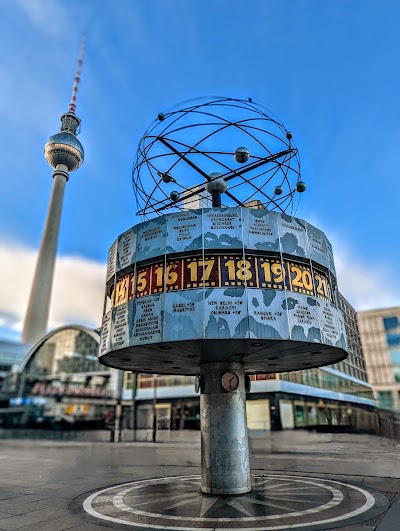
The World Time Clock in Berlin, Germany, is a 10-meter-high column with a cylindrical dial that displays the current time in 148 major cities around the world. It was designed by Erich John and opened to the public in 1969. The clock is driven by an electric motor and gearbox, and it features a simplified model of the solar system at its top. The World Time Clock is a popular meeting place for Berliners and tourists alike. It has been featured in numerous films and television shows, and it is one of the most recognizable landmarks in the city. The clock is also a symbol of unity and peace, and it has been used as a backdrop for many protests and demonstrations. In 1997, the World Time Clock was renovated and updated. New cities were added to the dial, and the clock was made more accessible to people with disabilities. The clock is now a listed building, and it is considered to be one of the most important landmarks in Berlin. The World Time Clock is a unique and fascinating landmark that is well worth a visit. It is a reminder of the interconnectedness of our world, and it is a symbol of hope for the future.Cultural Icon
The World Time Clock: A Beacon of Unity and Time's Relentless March Towering over Alexanderplatz in Berlin, the World Time Clock stands as a monumental testament to human connection and the ever-present flow of time. More than just a timepiece, it embodies the city's resilience and its role as a global crossroads. Designed by Erich John and constructed in 1969, the clock's cylindrical structure is adorned with 24 rotating panels, each representing a different time zone. As the panels slowly revolve, they paint a mesmerizing picture of the world's interconnectedness, reminding us that despite geographical separation, we share the same moment in time. The clock's cultural significance is deeply intertwined with Berlin's history. Its construction coincided with a period of division and isolation, serving as a symbol of hope and unity for a city yearning for connection. Today, it stands as a reminder of the city's remarkable transformation, its rise from the ashes of war to a vibrant hub of culture and diversity. Beyond its symbolic value, the World Time Clock is a masterpiece of engineering and design. Its intricate mechanism, powered by a single electric motor, ensures the precise movement of the panels, a testament to human ingenuity and precision. The clock's sheer scale and imposing presence command attention, making it a focal point for both locals and tourists alike. As the world continues to evolve, the World Time Clock remains a timeless reminder of our shared humanity and the interconnectedness of our lives. It stands as a beacon of unity, urging us to embrace the diversity of cultures and time zones that make our world so vibrant and dynamic.Timekeeping Innovation
A Monument to Timekeeping Innovation: The World Time Clock in Berlin Standing tall in Alexanderplatz, Berlin, the World Time Clock is more than just a landmark; it's a testament to human ingenuity in timekeeping. This 23-meter-high cylindrical structure, built in 1969, is a marvel of engineering and design, showcasing innovative features that revolutionized the way we perceive and interact with time. The clock's most striking innovation is its rotating ring, displaying the time in 24 major cities around the world. This dynamic display, powered by an intricate system of gears and motors, allows viewers to instantly grasp the concept of global time zones and the interconnectedness of our world. Beyond its visual appeal, the World Time Clock boasts several technical advancements. Its central clock face, made of 1800 light bulbs, utilizes a binary code system for timekeeping, a pioneering approach at the time. This innovative system not only enhances accuracy but also adds a unique aesthetic element to the clock's design. The World Time Clock also incorporates astronomical features, further emphasizing its commitment to precision and innovation. The clock's outer ring depicts the constellations of the zodiac, while its internal mechanism tracks the movement of the sun and moon, providing viewers with a glimpse into the celestial dance that governs our perception of time. This iconic landmark is not just a timepiece; it's a symbol of human progress in the realm of timekeeping. The World Time Clock stands as a testament to our relentless pursuit of accuracy, efficiency, and a deeper understanding of the universe's intricate relationship with time. It serves as a reminder that timekeeping is not merely a practical tool but also a gateway to scientific exploration and artistic expression.
13
Alexanderplatz
View on map
Audio Narrations
Introduction
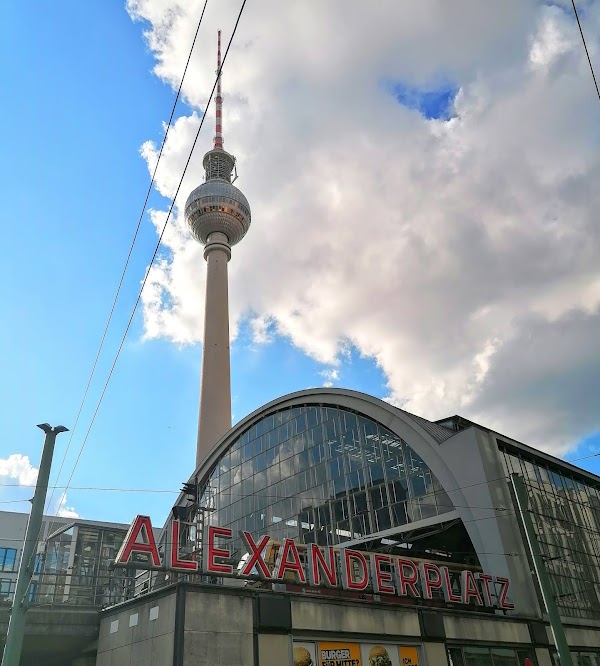
Alexanderplatz, Berlin's largest public square, is a bustling hub of shops, cinemas, restaurants, and attractions. Named after Tsar Alexander I, it's a popular starting point for sightseeing tours, with the Museum Island, Berliner Rathaus, and Berlin Cathedral within walking distance. The square's iconic landmarks include the Fernsehturm, a 365-meter-tall television tower offering panoramic city views, and the Weltzeituhr, a rotating clock displaying the time in major cities worldwide. Alexanderplatz has witnessed significant historical events, from street fighting during the March Revolution of 1848 to peaceful demonstrations against the East German regime in 1989. Today, it remains a vibrant and ever-changing urban center, with ongoing redevelopment projects adding modern skyscrapers and shopping malls to its historic charm.Filming Location
Alexanderplatz, Berlin's bustling square, has played a prominent role in the world of cinema, serving as a backdrop for numerous iconic films. In "The Bourne Supremacy," Jason Bourne's encounter with an agent beneath the iconic World Clock adds to the film's thrilling espionage narrative. The square's vibrant atmosphere and historical significance make it a captivating setting for "Babylon Berlin," a German TV series that transports viewers to the Weimar Republic era. The 1931 film adaptation of Alfred Döblin's novel "Berlin-Alexanderplatz" captures the gritty underworld of 1920s Berlin, with the square serving as a central location. Alexanderplatz's architectural landmarks, including the Fernsehturm (TV Tower), provide a striking backdrop for films like "Captain America: Civil War," where it represents the UN Conference in Vienna. The square's versatility has also attracted filmmakers for productions such as "The Hunger Games: Mockingjay Part 2," where the Messedamm underpass, located near Alexanderplatz, serves as a key filming location.Historic Crossroads
Alexanderplatz, the bustling heart of Berlin, stands as a testament to the city's rich and tumultuous past. Once a parade ground for Prussian soldiers, it evolved into a vibrant hub of commerce and culture in the 19th century. The iconic World Time Clock, towering over the square, symbolizes Berlin's role as a crossroads of global connections. During the Weimar Republic, Alexanderplatz became a stage for political rallies and social unrest. The Nazi regime transformed it into a symbol of their power, hosting massive parades and rallies. After World War II, the square was divided by the Berlin Wall, becoming a poignant symbol of the Cold War's ideological divide. Today, Alexanderplatz is a vibrant tapestry of history and modernity. The restored World Time Clock stands as a reminder of the city's interconnectedness, while the surrounding buildings showcase a blend of architectural styles from different eras. The square remains a popular gathering place, hosting events, concerts, and exhibitions that celebrate Berlin's diverse cultural heritage. Alexanderplatz is not merely a physical space but a living embodiment of Berlin's resilience and transformation. Its historic crossroads have witnessed the city's triumphs and tragedies, shaping its identity as a vibrant and ever-evolving metropolis.
Experience the Full Tour
Download the DocentPro app to access all tour stops, complete audio narrations in multiple languages, offline maps, and interactive features.