
Brussels: A Tale of History, Art, and Delights

Walking Tour

5.3 km (3.3 miles)

1h 15min travel time

12 Stops

Brussels, Belgium
Brussels: A Tale of History, Art, and Delights
Tour Stops
1
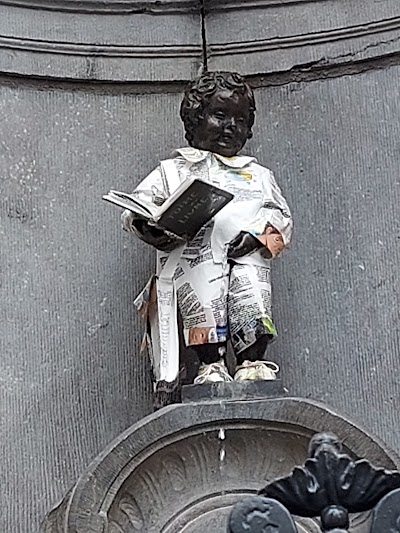
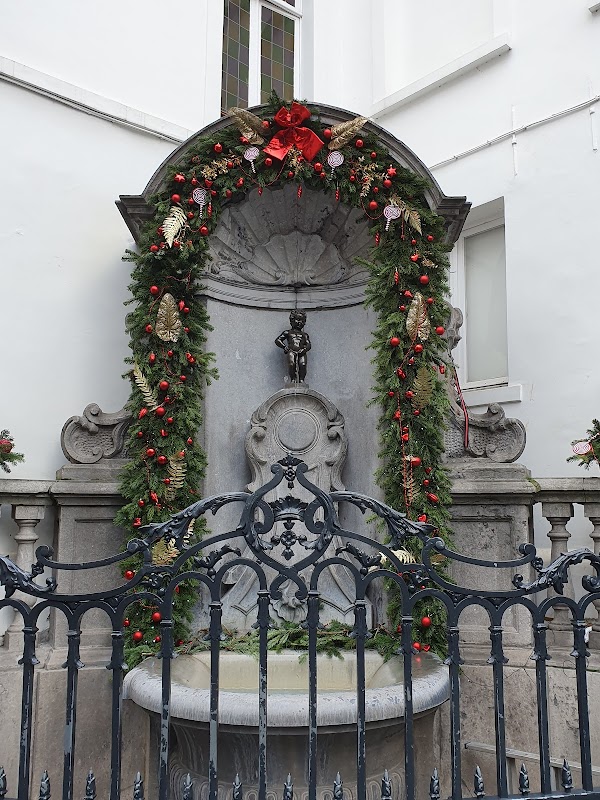
Manneken Pis
View on map
Audio Narrations
English
Introduction
Manneken Pis, a renowned bronze statue in Brussels, Belgium, is a beloved symbol of the city. Standing at a mere 22 inches tall, this iconic fountain sculpture depicts a young boy urinating into a basin. Created in 1619 by Jérôme Duquesnoy the Elder, Manneken Pis has become a cherished landmark, attracting countless visitors. Over the centuries, the statue has been stolen, damaged, and even broken into pieces. However, it has always been restored and returned to its rightful place. Today, the original Manneken Pis is safely housed in the Brussels City Museum, while a replica stands in its place at the corner of Rue du Chêne and Rue de l'Étuve. Manneken Pis is known for its extensive wardrobe, with over 1,000 costumes donated by countries, associations, and individuals. The statue is regularly dressed up, with costume changes managed by the non-profit Order of the Friends of Manneken Pis. Visitors can witness the colorful ceremony of a costume change, often accompanied by music. Legends abound surrounding Manneken Pis, with the most famous involving Duke Godfrey III of Leuven. It is said that the infant duke urinated on the enemy troops during a battle, bringing victory to his soldiers. The statue is believed to commemorate this event, with the Rue du Chêne, where it stands, named after the oak tree from which the duke's basket was hung.Tourism Icon
Manneken Pis, the iconic symbol of Brussels, is a diminutive bronze statue of a cherubic boy urinating into a fountain's basin. Despite its modest size, Manneken Pis has become a beloved landmark, attracting millions of tourists annually. Its enduring popularity stems from its whimsical charm and the numerous legends surrounding its origins. One tale suggests it commemorates a young boy who extinguished a fire with his stream of urine, while another attributes its creation to a wealthy merchant who lost his son and commissioned the statue in his memory. Over the centuries, Manneken Pis has acquired a vast wardrobe of over 1,000 outfits, gifted by dignitaries and visitors from around the world. These costumes, ranging from traditional Belgian attire to superhero suits, are meticulously displayed in the nearby GardeRobe MannekenPis Museum. The statue's wardrobe is a testament to its global recognition and the affection it inspires. Manneken Pis is not merely a static monument but an active participant in Brussels' cultural life. It is regularly dressed up in different costumes to mark special occasions, such as national holidays or sporting events. The statue's wardrobe changes are announced on a schedule, attracting crowds of eager spectators. Beyond its whimsical appeal, Manneken Pis holds historical significance. It is believed to have been created in the 15th century and has survived numerous attempts at theft and vandalism. Its resilience has made it an enduring symbol of Brussels' indomitable spirit. Today, Manneken Pis stands as a beloved icon of Brussels, embodying the city's mischievous humor and rich cultural heritage. Its unique charm and captivating stories continue to enchant visitors from far and wide, making it a must-see destination for any tourist exploring the heart of Belgium.Art and Sculpture
Manneken Pis, a diminutive yet iconic bronze fountain sculpture in Brussels, Belgium, stands as a testament to the city's whimsical spirit and artistic heritage. Its origins shrouded in mystery, the statue's first iteration emerged in the mid-15th century, with the current version attributed to Jérôme Duquesnoy the Elder in 1619. Crafted with intricate detail, Manneken Pis depicts a cherubic boy urinating into a basin, a seemingly innocuous act that has captivated the imagination of artists and historians alike. Its diminutive size, standing at a mere 55.5 cm, belies the statue's profound cultural significance. Over the centuries, Manneken Pis has become a symbol of Brussels' rebellious nature and a source of inspiration for countless imitations and tributes. Its wardrobe, consisting of over a thousand costumes, reflects the city's vibrant cultural tapestry and its enduring affection for this beloved icon. As an enduring symbol of Brussels, Manneken Pis continues to inspire artists and captivate visitors with its playful charm and historical resonance. Its enduring legacy as a work of art and a cultural touchstone ensures its place as a cherished symbol of the city's artistic heritage.
2
Brussels Town Hall
View on map
3
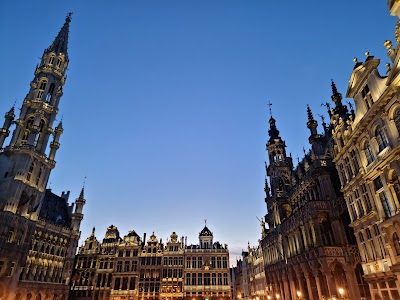
Grand Place
View on map
Audio Narrations
English
Introduction
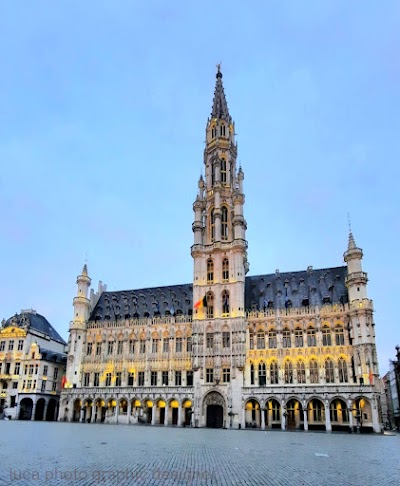
The Grand Place, the central square of Brussels, Belgium, is an exceptional ensemble of public and private buildings, primarily dating from the late 17th century. Its architecture embodies the social and cultural vitality of this significant political and commercial center. The square's most prominent feature is the opulent Town Hall, a pinnacle of Brabant Gothic, adorned with intricate sculptures and a towering bell tower. Facing it is the King's House, a historicist reconstruction that seamlessly blends with the square's Baroque aesthetic. Surrounding these monumental structures are guildhalls, each with a unique name and ornate facade, showcasing the city's prosperous past. The square's harmonious blend of architectural styles, from Gothic to Baroque, reflects the eclectic nature of Brussels' culture. Notably, the Grand Place lacks a church, emphasizing its secular and mercantile character. Beyond its architectural splendor, the Grand Place is a vibrant hub for festivities and cultural events. Every two years, the square transforms into a vibrant tapestry with the installation of an enormous flower carpet, attracting visitors from around the world. The Ommegang, a medieval pageant and costumed procession, culminates in a grand spectacle at the Grand Place, showcasing the city's rich history and folklore. The Grand Place's enduring charm has earned it recognition as a UNESCO World Heritage Site. It remains a testament to the architectural prowess and civic pride of Brussels, a city that has risen from adversity to become a thriving metropolis.City Hall
The City Hall of Brussels, an architectural marvel, stands as the heart of the Grand Place, a UNESCO World Heritage Site. Built in the 15th century, this Gothic masterpiece is a testament to the city's rich history and artistic prowess. Its intricate facade, adorned with hundreds of sculptures, depicts scenes from biblical and secular life, offering a glimpse into the values and beliefs of medieval Brussels. The City Hall's towering spire, reaching 96 meters high, is a symbol of civic pride. The spire is crowned by a gilded statue of Saint Michael, the city's patron saint, vanquishing a dragon. This iconic image represents the triumph of good over evil and the city's resilience in the face of adversity. Inside the City Hall, visitors can explore the opulent Gothic Hall, where the city's aldermen once convened. The hall is adorned with stunning tapestries and paintings, showcasing the artistic talents of Brussels' finest craftsmen. The Wedding Hall, with its intricate carvings and stained-glass windows, provides a glimpse into the city's social and cultural traditions. The City Hall's unique asymmetry, with its tower slightly off-center, adds to its charm and intrigue. Legend has it that the architect, upon realizing his mistake, leaped to his death from the tower. However, historians attribute the asymmetry to the building's gradual construction over several decades, with different architects contributing to its design. Today, the City Hall remains the seat of the Brussels municipality and a vibrant cultural center. It hosts exhibitions, concerts, and other events, offering visitors a chance to experience the rich tapestry of Brussels' past and present.Historical Landmark
Nestled in the heart of Brussels, the Grand Place stands as a testament to the city's rich history and architectural prowess. Originally a bustling marketplace in the 11th century, it evolved into the political and commercial hub of Brussels, housing the opulent Town Hall and the King's House. In 1695, a French bombardment ravaged the square, leaving only the Town Hall's facade and tower intact. The subsequent reconstruction, guided by the original designs, resulted in the harmonious blend of Gothic and Baroque architecture that characterizes the Grand Place today. Declared a UNESCO World Heritage Site in 1998, the square's grandeur is further enhanced by the intricate guildhalls that line its perimeter. These buildings, once the headquarters of Brussels' powerful guilds, showcase a captivating array of architectural styles, from the flamboyant Gothic to the ornate Baroque. Each guildhall is adorned with intricate carvings, sculptures, and gilded facades, reflecting the wealth and influence of the guilds they represented. Beyond its architectural splendor, the Grand Place has witnessed countless historical events. It served as the stage for public executions, joyous celebrations, and the foundation of the Belgian Labour Party. Today, it remains a vibrant gathering place, hosting cultural events, concerts, and the awe-inspiring flower carpet that adorns the square every two years. As a historical landmark, the Grand Place embodies the rich tapestry of Brussels' past, offering a glimpse into the city's political, economic, and cultural heritage.
4
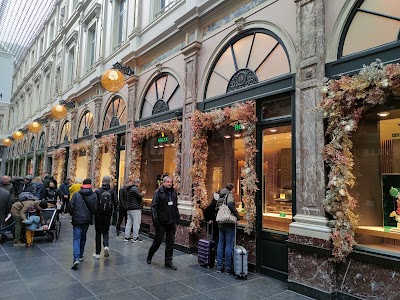
Royal Gallery of Saint Hubert
View on map
Audio Narrations
English
Introduction
The Royal Gallery of Saint Hubert, an architectural masterpiece in Brussels, Belgium, is an ensemble of three glazed shopping arcades dating back to 1847. Designed by Jean-Pierre Cluysenaar, the galleries comprise the King's Gallery, Queen's Gallery, and Princes' Gallery. Each section boasts twin facades with Italianate Cinquecento-style arched shopfronts, pilasters, and upper floors, all sheltered under an arched glass-paned roof with an intricate cast-iron framework. The galleries were an immediate success, becoming a favorite meeting place for Brussels' elite and tourists alike. They offered a luxurious shopping experience, outdoor cafés, and cultural venues such as the Royal Theatre of the Galleries and the Théâtre du Vaudeville. The galleries have witnessed significant historical events, including the first public showing of moving pictures by the Lumière brothers in 1896. Today, the Royal Gallery of Saint Hubert remains a vibrant shopping and cultural destination, housing luxury boutiques, renowned chocolatiers, and historic theaters.Royal Connection
The Royal Gallery of Saint Hubert in Brussels, Belgium, boasts a rich royal lineage that has shaped its grandeur and allure. Commissioned by King Leopold I in 1846, the gallery was designed by architect Jean-Pierre Cluysenaar and inaugurated in 1847. Its name pays homage to Saint Hubert, the patron saint of hunters, reflecting the royal family's passion for the sport. The gallery's opulent facade, adorned with intricate carvings and sculptures, exudes an aura of regal splendor. The King's Gallery, Queen's Gallery, and Princes' Gallery that comprise the Royal Gallery of Saint Hubert were named after King Leopold I, his wife Queen Louise-Marie, and their sons. The galleries have hosted countless royal events and receptions, including the wedding of Princess Astrid and Prince Lorenz in 1926. The gallery's prestigious boutiques and restaurants have long been favored by royalty, with King Baudouin and Queen Fabiola frequently spotted among its clientele. Beyond its architectural beauty and royal patronage, the Royal Gallery of Saint Hubert holds a special place in Belgian history. It was here that the first public screening of the Lumière brothers' cinematograph took place in 1896, marking a pivotal moment in the history of cinema. The gallery's enduring legacy as a vibrant cultural hub is further cemented by its association with renowned artists and intellectuals, including Victor Hugo and Alexandre Dumas, who frequented its cafes and theaters.Cultural Events
The Royal Gallery of Saint Hubert in Brussels, Belgium, is a cultural hub that hosts a diverse array of events throughout the year. Art enthusiasts can immerse themselves in captivating exhibitions showcasing local and international artists, while music lovers can revel in enchanting performances ranging from classical concerts to contemporary melodies. The gallery's elegant ambiance provides a perfect backdrop for literary events, where renowned authors engage in thought-provoking discussions and book signings. Theater enthusiasts can witness captivating plays and performances that bring the stage to life within the gallery's historic walls. Furthermore, the gallery collaborates with cultural organizations to present special events, such as fashion shows, dance recitals, and film screenings, offering a vibrant and eclectic cultural experience for visitors.
5
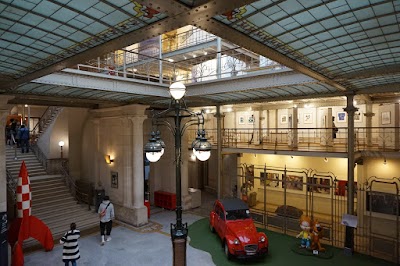
Comics Art Museum
View on map
6
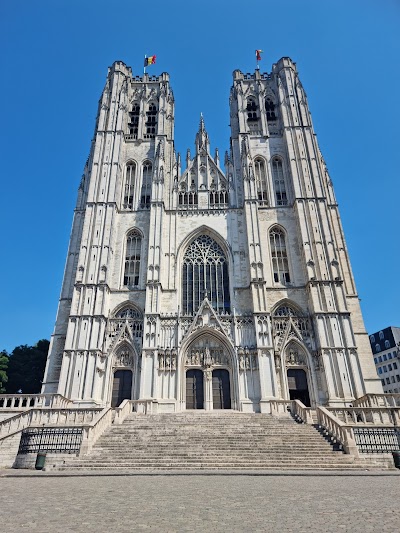
St Michael and St Gudula Cathedral, Brussels
View on map
Audio Narrations
English
Introduction
St Michael and St Gudula Cathedral, a magnificent edifice in the heart of Brussels, Belgium, is a testament to the grandeur of Brabantine Gothic architecture. Its construction, spanning three centuries from the 13th to the 16th, resulted in an awe-inspiring structure that has stood the test of time. The cathedral's imposing facade, adorned with intricate carvings and towering spires, is a sight to behold. Inside, visitors are greeted by soaring vaulted ceilings, delicate stained-glass windows, and an impressive collection of Baroque chapels. The Chapel of the Blessed Sacrament of the Miracle, with its intricate late-Gothic design, is a highlight, while the Chapel of Our Lady of Deliverance boasts stunning stained-glass windows depicting scenes from the Virgin Mary's life. The cathedral's musical heritage is equally impressive, with two grand pipe organs and a renowned carillon that fills the air with its melodious chimes.Art Deco
St Michael and St Gudula Cathedral, Brussels in Bruxelles, Belgium, stands as a testament to the grandeur of Art Deco architecture. Built in the 19th century, the cathedral underwent extensive renovations in the 1930s, infusing its Gothic Revival style with Art Deco elements. The result is a harmonious blend of traditional and modern aesthetics. The cathedral's facade boasts intricate Art Deco carvings, geometric patterns, and stylized motifs. The interior is equally captivating, featuring Art Deco stained glass windows, light fixtures, and decorative elements. The nave's ceiling is adorned with Art Deco-inspired frescoes, while the side chapels showcase Art Deco sculptures and mosaics. One of the most striking features of the cathedral is its Art Deco organ, a masterpiece of craftsmanship. The organ's console is a symphony of polished wood, ivory keys, and geometric embellishments. Its sound fills the cathedral with a rich and resonant tone, adding to the immersive Art Deco experience. St Michael and St Gudula Cathedral, Brussels in Bruxelles, Belgium, is not merely a place of worship but a testament to the enduring legacy of Art Deco. Its unique blend of Gothic Revival and Art Deco elements creates a captivating architectural experience that transports visitors to the heart of the Art Deco era.Primate of Belgium
The Cathedral of St. Michael and St. Gudula holds immense significance as the co-cathedral of the Archbishop of Mechelen-Brussels, who serves as the Primate of Belgium. This prestigious title designates the archbishop as the highest-ranking bishop within the Belgian Catholic Church. The Primate of Belgium plays a pivotal role in leading the Catholic community, fostering unity, and representing the Church at national and international events. The cathedral's association with the Primate of Belgium is evident in its frequent use for official Catholic ceremonies of national importance. Royal weddings, state funerals, and the annual Te Deum on Belgian National Day are held within its hallowed halls, underscoring its status as a symbol of the nation's spiritual heritage. The Primate of Belgium presides over these ceremonies, offering blessings, delivering homilies, and providing spiritual guidance to the nation. Beyond its ceremonial significance, the cathedral serves as a testament to the Primate of Belgium's commitment to fostering interfaith dialogue and promoting social justice. The archbishop regularly hosts ecumenical gatherings, interreligious meetings, and charitable events at the cathedral, demonstrating the Church's commitment to building bridges and working towards a more just and compassionate society. The Primate of Belgium's presence at St. Michael and St. Gudula Cathedral is a tangible reminder of the Church's enduring role in Belgian society. Through its association with the Primate, the cathedral embodies the values of unity, spirituality, and service that are central to the Catholic faith in Belgium.
7
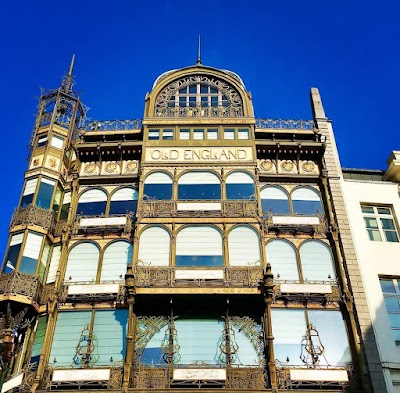
Musical Instruments Museum
View on map
8
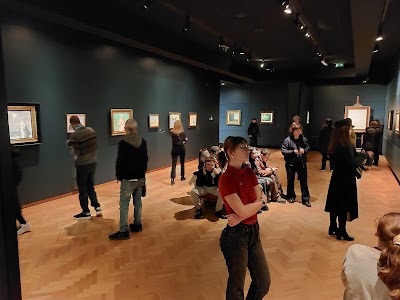
Musée Magritte Museum
View on map
9
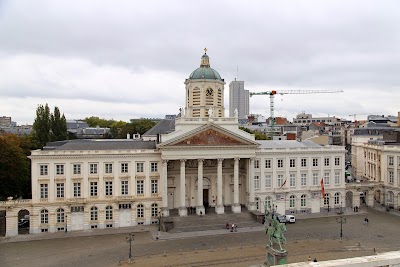
Koningsplein - Beeld van Godfried van Bouillon
View on map
10
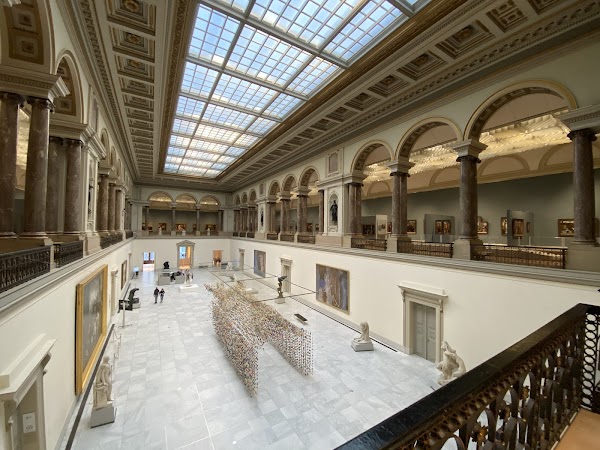
Royal Museums of Fine Arts of Belgium
View on map
11
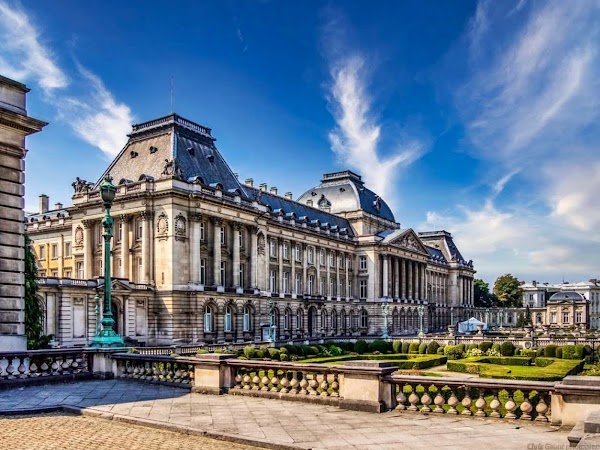
Royal Palace of Brussels
View on map
Audio Narrations
English
Introduction
The Royal Palace of Brussels, the official palace of the King and Queen of the Belgians, stands as a majestic symbol of the nation's constitutional monarchy. Its imposing facade, 50% longer than Buckingham Palace's, boasts a neoclassical design with a central peristyle mirroring that of the Belgian Federal Parliament building across the Brussels Park. The palace's interior is equally impressive, featuring the Grand Staircase with its white marble steps and green marble banisters, the Throne Room with its opulent chandeliers and mosaic floor, and the Empire Room adorned with tapestries woven from Francisco de Goya's designs. The palace also houses the Royal Collection, which includes state portraits, furniture, and fine art. While no longer the royal residence, the palace remains a vibrant venue for state receptions, ceremonies, and official functions.Architectural Grandeur
The Royal Palace of Brussels stands as a testament to architectural grandeur, a masterpiece of neoclassicism that has graced the heart of Brussels for centuries. Its imposing facade, adorned with towering Corinthian columns and intricate pediments, exudes an aura of regal splendor. The palace's symmetry and simplicity of form belie the grandeur within, where visitors are greeted by the opulent Grand Staircase, a symphony of marble and gilded motifs. Beyond the staircase lies the Large Antechamber, its walls adorned with a stunning frieze narrating the political history of the kingdom. The Empire Room, a remnant of the monarchy's past, boasts exquisite relief work, while the Throne Room, a masterpiece of opulence, features large-scale reliefs by Auguste Rodin depicting the economic activities of Belgian provinces. Each room within the palace is a testament to the artistry and craftsmanship of its creators. The Small White Room, Venice Staircase, Goya Room, and Coburg Room are renowned for their peerless artworks, including originals by revered artists. The palace's grandeur extends beyond its interiors, with a formal garden separating it from the Place des Palais, creating a harmonious balance between architectural splendor and natural beauty.Throne Room Grandeur
The Throne Room of the Royal Palace of Brussels is a magnificent display of grandeur and opulence. Designed by renowned architect Alphonse Balat during King Leopold II's reign, it is a testament to the grandeur of the Belgian monarchy. The room's centerpiece is a large-scale low relief by Auguste Rodin, depicting the economic activities of Belgium's provinces. The intricate carvings showcase the nation's industrial prowess and agricultural wealth. The room's walls are adorned with tapestries and paintings, each narrating a chapter in Belgium's rich history. The ceiling, a masterpiece in itself, features a stunning fresco by Jean-François Portaels, symbolizing the unity and strength of the Belgian people. The Throne Room is not merely a ceremonial space; it is a living testament to Belgium's heritage and a symbol of its enduring monarchy.
12
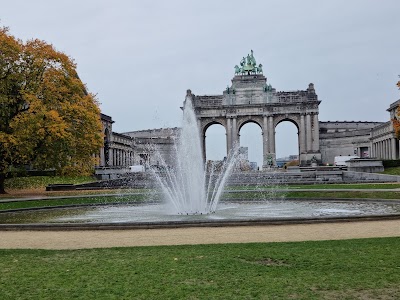
Parc du Cinquantenaire
View on map
Audio Narrations
English
Introduction
The Parc du Cinquantenaire, also known as Jubelpark, is a prominent urban park in Brussels, Belgium, renowned for its historical significance and architectural grandeur. Built in 1880 to commemorate the 50th anniversary of Belgian independence, the park is a captivating blend of French-style gardens and historical monuments. At the heart of the park stands the majestic Cinquantenaire Arch, a triumphal arch adorned with a bronze quadriga symbolizing Brabant raising the national flag. The arch offers panoramic views of the capital and is flanked by three museums: the Royal Museum of the Armed Forces and Military History, the Art & History Museum, and Autoworld, a vintage car museum. The park's vast esplanade hosts numerous events throughout the year, including concerts, festivals, and sporting events. It is also a popular spot for locals and tourists alike to relax, stroll, or enjoy a picnic amidst the tranquil surroundings. One of the park's hidden gems is the Temple of Human Passions, a neoclassical pavilion designed by Victor Horta. This architectural masterpiece showcases the transition from classical to Art Nouveau styles and houses a large marble relief by Jef Lambeaux. The Parc du Cinquantenaire is a testament to Belgium's rich history and cultural heritage. Its captivating blend of architecture, art, and natural beauty makes it a must-visit destination for anyone exploring Brussels.European Quarter
Nestled within the heart of the European Quarter, Parc du Cinquantenaire stands as a testament to Brussels' significance as the de facto capital of the European Union. The park's sprawling grounds, adorned with majestic buildings and verdant gardens, offer a unique glimpse into the city's role as a hub of European cooperation and diplomacy. The centerpiece of the park is the iconic Cinquantenaire Arch, a triumphal monument erected to commemorate the 50th anniversary of Belgian independence. Its intricate carvings and soaring height symbolize the aspirations and achievements of the European project. The arch frames a grand esplanade, where visitors can stroll amidst fountains and sculptures, each representing a different aspect of European unity. Beyond the arch, the park houses several museums and institutions dedicated to European history and culture. The Royal Museum of the Armed Forces and Military History showcases Belgium's military heritage, while Autoworld displays a vast collection of vintage and modern automobiles. The Art and History Museum houses an eclectic array of artifacts from around the world, including a significant collection of European art. The park's proximity to the European Parliament and other EU institutions makes it a popular gathering place for officials, diplomats, and visitors alike. Its tranquil atmosphere provides a respite from the bustling activity of the European Quarter, offering a space for reflection and contemplation on the challenges and triumphs of European integration.Temple of Human Passions
Nestled within the sprawling Parc du Cinquantenaire in Brussels, Belgium, the Temple of Human Passions stands as a testament to the raw and unbridled emotions that define the human experience. Designed by renowned architect Victor Horta, this Greek-inspired pavilion houses a monumental relief by sculptor Jef Lambeaux, a masterpiece that has captivated and stirred controversy since its unveiling in 1898. The relief, carved from Carrara marble, depicts a panoramic tableau of humanity's joys and sorrows, desires and despair. Spanning 12 meters in length and 8 meters in height, it presents a vivid narrative of human existence, from the ecstasy of love to the agony of loss. The figures writhe and contort in a symphony of passion, their expressions etched with both pleasure and pain. The Temple of Human Passions has been shrouded in mystery and intrigue throughout its history. The controversial nature of Lambeaux's work, with its explicit portrayal of nudity and raw emotion, initially sparked outrage among conservative critics. However, over time, the relief has gained recognition as a masterpiece of symbolism and artistic expression. Today, the Temple of Human Passions remains a hidden gem within Parc du Cinquantenaire, accessible only through guided tours or during special events. Its secluded location adds to its allure, inviting visitors to contemplate the complexities of human nature amidst the tranquility of the park's surroundings.
Experience the Full Tour
Download the DocentPro app to access all tour stops, complete audio narrations in multiple languages, offline maps, and interactive features.