
Bucharest's Architectural Splendors: A Journey Through History and Beauty #2

Walking Tour

6.0 km (3.7 miles)

1h 27min travel time

7 Stops

Bucharest, Romania
Bucharest's Architectural Splendors: A Journey Through History and Beauty #2
Tour Stops
1
Grădina Cișmigiu
View on map
Audio Narrations
English
Introduction
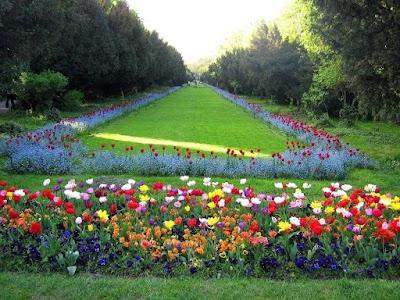
Nestled in the heart of Bucharest, Grădina Cișmigiu is a captivating urban oasis that has enchanted locals and visitors alike since its inauguration in 1847. Designed by Austrian landscape architect Karl Fr. Wilhelm Meyer, the park boasts a harmonious blend of natural beauty and cultural significance. Its central lake, connected to the Dâmbovița River, provides a serene backdrop for leisurely strolls and picturesque boat rides. Scattered throughout the park are captivating statues, including tributes to French soldiers from World War I and American pilots from World War II. The Rondul Român, a circular alley, features busts of renowned Romanian writers, while the Monumentul Eroilor Francezi commemorates the fallen heroes of the Great War. Grădina Cișmigiu is not only a sanctuary for relaxation but also a testament to Bucharest's rich history and cultural heritage.A Park of Leisure and Recreation
Nestled in the heart of Bucharest, Grădina Cișmigiu is an urban oasis that offers a sanctuary for leisure and recreation. With its verdant lawns, meandering paths, and tranquil lake, the park provides a picturesque setting for relaxation and rejuvenation. Visitors can stroll along the shaded alleys, admiring the vibrant flowerbeds and sculptures that adorn the landscape. The lake, a central feature of the park, invites visitors to embark on leisurely boat rides or simply bask in the serene atmosphere. Grădina Cișmigiu also boasts a children's playground, a puppet theater, and an open-air stage, catering to the entertainment needs of families and culture enthusiasts alike. Whether seeking solitude amidst nature or engaging in recreational activities, Grădina Cișmigiu offers a delightful escape within the bustling city.A Beloved Gathering Place
Grădina Cișmigiu, a verdant oasis in the heart of Bucharest, has long been a cherished gathering place for locals and visitors alike. Its tranquil atmosphere, picturesque landscapes, and diverse attractions make it an ideal destination for relaxation, recreation, and social interaction. The park's serpentine lake, adorned with graceful swans and rowboats, provides a serene backdrop for leisurely strolls or romantic boat rides. Amidst the lush greenery, visitors can discover hidden nooks and crannies, perfect for intimate picnics or quiet contemplation. The park's playground offers endless entertainment for children, while the Roman garden, with its busts of Romanian literary greats, invites visitors to delve into the country's rich cultural heritage. As the sun begins its descent, Grădina Cișmigiu transforms into a vibrant social hub. The park's open-air theater hosts captivating performances, attracting crowds of theater enthusiasts. The surrounding cafes and restaurants offer a lively ambiance, where locals and tourists mingle over coffee, pastries, and lively conversations. Throughout the year, Grădina Cișmigiu plays host to a myriad of events, from open-air concerts and art exhibitions to seasonal festivals and holiday celebrations. These gatherings bring the community together, fostering a sense of belonging and shared experiences. Whether seeking solitude, companionship, or simply a respite from the urban hustle, Grădina Cișmigiu offers a welcoming embrace. Its enduring charm and timeless appeal have made it a beloved gathering place, where memories are made and bonds are strengthened.
2
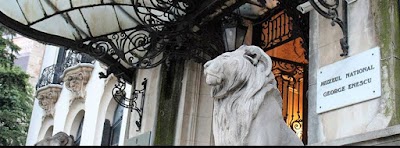
George Enescu National Museum
View on map
3
"Grigore Antipa" National Museum of Natural History
View on map
Audio Narrations
English
Introduction
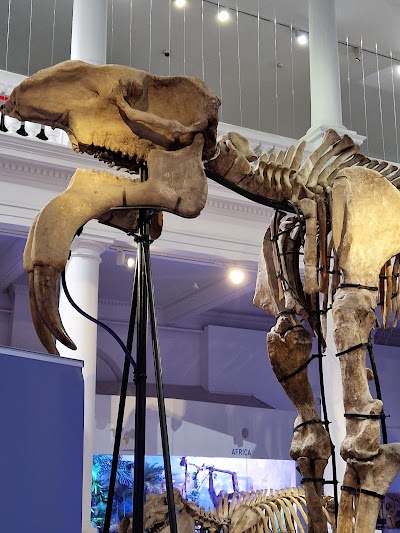
The "Grigore Antipa" National Museum of Natural History in Bucharest, Romania, is a renowned institution housing an impressive collection of over two million specimens. Established in 1834, it is the largest museum of its kind in the country and ranks among the most beautiful natural history museums in Europe. The museum's exhibits are organized thematically, showcasing the diversity of Romania's natural heritage and ecosystems through dioramas and interactive displays. Visitors can marvel at the only complete skeleton of the Deinotherium gigantissimum, a prehistoric mammal related to elephants, discovered in Romania in 1894. The museum's modern and engaging exhibits, including digital screens and video documentaries, provide an immersive and educational experience for visitors of all ages.Biodiversity Showcase
Delve into the "Grigore Antipa" National Museum of Natural History in Bucharest, Romania, a treasure trove of biodiversity showcased through captivating exhibits. Immerse yourself in the wonders of the natural world, from the depths of the ocean to the soaring heights of the sky. Discover the intricate relationships between species and their habitats, gaining a profound appreciation for the delicate balance of ecosystems. Explore the museum's vast collection of preserved specimens, representing the rich diversity of Romania's flora and fauna. Engage with interactive displays that bring scientific concepts to life, fostering a deeper understanding of the interconnectedness of all living things. Through its Biodiversity Showcase, the "Grigore Antipa" Museum offers an unparalleled opportunity to witness the awe-inspiring variety of life on Earth, inspiring a sense of wonder and a commitment to conservation.Wildlife Encounters
Immerse yourself in the captivating world of wildlife at the "Grigore Antipa" National Museum of Natural History in Bucharest, Romania. Step into a realm where nature's wonders unfold before your eyes. Encounter an astonishing array of over two million specimens, representing the vast tapestry of life on Earth. Gaze upon majestic mammals, from elusive snow leopards to towering elephants. Marvel at the vibrant plumage of exotic birds, their songs filling the air with a symphony of nature. Explore the depths of the ocean through captivating displays of marine life, including graceful sharks and playful dolphins. Uncover the secrets of evolution as you trace the journey of life from its humble beginnings to the extraordinary diversity we witness today. Engage with interactive exhibits that bring the natural world to life, allowing you to touch, feel, and experience the wonders of wildlife up close. Delve into the fascinating world of insects, amphibians, and reptiles, discovering the intricate adaptations that enable them to thrive in diverse ecosystems. At the "Grigore Antipa" National Museum of Natural History, wildlife encounters transcend mere observation. They ignite a passion for conservation and inspire a deep appreciation for the delicate balance of nature. Immerse yourself in the wonders of the natural world and leave with a profound understanding of the interconnectedness of all living things.
4
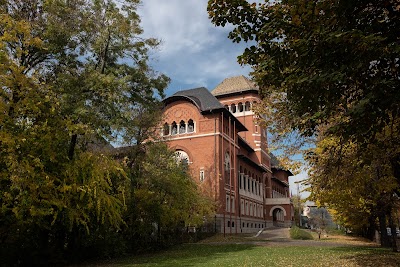
The National Museum of the Romanian Peasant
View on map
5
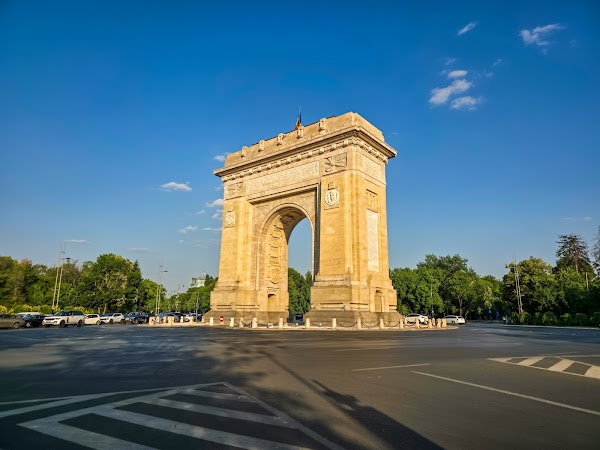
The Triumphal Arch
View on map
Audio Narrations
English
Introduction
The Arcul de Triumf, a majestic triumphal arch in Bucharest, Romania, stands as a testament to the nation's victory in World War I and the Great Union of 1918. Designed by architect Petre Antonescu, this 27-meter-tall monument was inaugurated in 1936, replacing an earlier wooden structure. Its neoclassical design, inspired by the Arc de Triomphe in Paris, features intricate sculptures by renowned Romanian artists Ion Jalea and Dimitrie Paciurea. The arch's facade is adorned with bas-reliefs depicting scenes from Romania's history, including the coronation of King Ferdinand and Queen Marie. Today, the Arcul de Triumf remains a symbol of national pride and is the centerpiece of military parades held annually on Romania's National Day, December 1.Romanian History
The Triumphal Arch in Bucharest, Romania, stands as a testament to the nation's victory in the First World War and the Great Union of 1918, a pivotal moment in Romanian history. Built in 1921-1922, the arch initially featured a wooden structure with plaster exterior decorations. However, in 1935-1936, it underwent a significant renovation, resulting in the current neoclassical design that closely resembles the Arc de Triomphe in Paris. The arch's facade is adorned with intricate sculptures by renowned Romanian artists Ion Jalea and Dimitrie Paciurea, depicting scenes of Romanian history and military triumphs. Notably, the arch bears the Proclamations of King Ferdinand I, inscribed on its southern facade, commemorating the nation's wartime sacrifices and the significance of the Great Union. Every December 1st, Romania's National Day, the arch serves as the centerpiece of the military parade held in Bucharest, a grand spectacle that showcases the nation's military prowess and pays homage to its historical achievements. The arch's enduring presence in the heart of Bucharest symbolizes the resilience and determination of the Romanian people throughout their history.Tourism and Recreation
The Triumphal Arch in Bucharest, Romania, stands as a majestic symbol of the country's rich history and military prowess. Erected in 1922 to commemorate the Romanian soldiers who fought in World War I, this iconic monument has become a popular tourist destination and a source of national pride. The arch's imposing structure, adorned with intricate carvings and sculptures, captures the essence of Romanian architecture. Its grand facade features a central arch flanked by two smaller ones, each representing a different Romanian province. The arch's frieze depicts scenes of Romanian history, including the country's struggle for independence and its military victories. Beyond its historical significance, the Triumphal Arch offers a unique recreational experience. Its spacious surroundings provide ample space for leisurely walks, picnics, and gatherings. The arch's proximity to other attractions, such as the National Museum of Art and the Romanian Athenaeum, makes it an ideal starting point for exploring Bucharest's cultural heritage. For tourists seeking a deeper understanding of Romania's past and present, the Triumphal Arch serves as a poignant reminder of the nation's resilience and determination. Its symbolic significance and architectural beauty make it a must-visit destination for anyone interested in the country's history, culture, and recreational offerings.
6
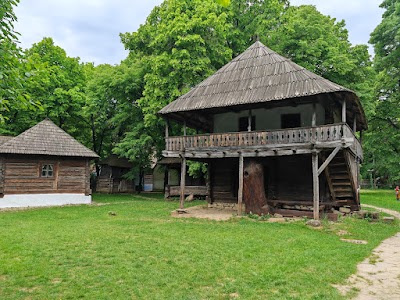
"Dimitrie Gusti" National Village Museum
View on map
7
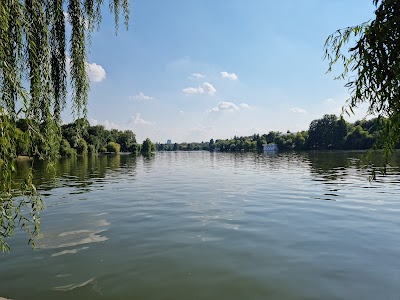
"King Michael I" Park
View on map
Audio Narrations
English
Introduction
King Michael I Park, formerly known as Herăstrău Park, is a sprawling green oasis in the heart of Bucharest, Romania. Spanning 187 hectares, it is the largest park in the city and one of the largest urban parks in Europe. The park was established in 1936 and has undergone several name changes over the years, reflecting the political and historical transformations of Romania. King Michael I Park is a haven for nature enthusiasts, offering a diverse range of flora and fauna. Visitors can stroll along the picturesque alleys lined with willows, poplars, and maple trees, or relax by the serene waters of Lake Herăstrău. The park is also home to a variety of statues and monuments, including the Alley of the Caryatides, the Modura Fountain, and the Sleeping Nymph. Beyond its natural beauty, King Michael I Park is a vibrant hub for culture and recreation. It houses the National Village Museum, an open-air museum showcasing traditional Romanian architecture and rural life. The park also features a Japanese Garden, a summer theater, and numerous playgrounds and sports facilities. One of the unique attractions of the park is Roses Island, a man-made island located within Lake Herăstrău. Visitors can take a leisurely walk around the island, enjoying panoramic views of the park and the surrounding cityscape. The island is also home to 12 statues of political figures who played a significant role in the creation of the European Union. King Michael I Park is a beloved destination for locals and tourists alike, offering a tranquil escape from the hustle and bustle of city life. Its rich history, diverse attractions, and stunning natural beauty make it a must-visit destination for anyone exploring Bucharest.Community Hub
Nestled amidst the bustling city of Bucharest, "King Michael I" Park emerges as a vibrant community hub, offering a sanctuary for locals and visitors alike. Spanning an impressive 187 hectares, the park seamlessly blends natural beauty with an array of recreational and cultural offerings. At the heart of the park lies a rustic area that transports visitors to a bygone era. Here, a traditional Romanian museum showcases the country's rich heritage, while lush gardens provide a tranquil retreat. In contrast, the park's active zone pulsates with energy, boasting an array of restaurants, bars, and clubs. Throughout the spring and summer months, the park transforms into a cultural epicenter, hosting a diverse range of events that cater to every taste. Beyond its recreational offerings, "King Michael I" Park fosters a sense of community through its commitment to environmental sustainability. The park's sprawling green spaces serve as a sanctuary for wildlife, while its bike-sharing program encourages eco-friendly transportation. The park's dedication to inclusivity is evident in its accessible design, ensuring that all visitors can fully experience its many wonders. As the sun sets, the park takes on a magical ambiance. The ice rink becomes a winter wonderland, inviting skaters to glide across its shimmering surface. During the warmer months, the rooftop terrace transforms into an open-air cinema, offering movie screenings under the stars. These unique experiences further enhance the park's reputation as a beloved gathering place for the Bucharest community.Historical Legacy
King Michael I" Park in Bucharest, Romania, stands as a testament to the country's tumultuous past and the enduring legacy of its last king. Originally named Herăstrău Park, it was renamed in 2017 to honor King Michael I, who played a pivotal role in Romania's history during World War II. The park's historical significance is intertwined with King Michael's courageous actions. In August 1944, he led a coup against the pro-Nazi government, aligning Romania with the Allied powers. This bold move not only saved countless lives but also paved the way for Romania's liberation from fascist rule. Within the park, the Monument of the Heroes for the Liberation of the People and the Motherland commemorates the sacrifices made by Romanian soldiers during World War II. The monument's poignant sculptures and inscriptions evoke the horrors of war and the triumph of those who fought for freedom. Beyond its wartime legacy, "King Michael I" Park also holds cultural and architectural significance. The Village Museum, an open-air ethnographic museum, showcases traditional Romanian village life, preserving the country's rich cultural heritage. The National Technical Museum, housed within the park, offers insights into Romania's industrial and technological advancements. Strolling through the park's serene paths, visitors can appreciate its historical significance while immersing themselves in its natural beauty. The tranquil lake, lush greenery, and diverse plant life provide a sanctuary amidst the bustling city. "King Michael I" Park serves as a living testament to the transformative power of one man's courage and the enduring legacy of those who fought for freedom. It is a place where history, nature, and culture converge, offering visitors a profound connection to Romania's past and present.
Experience the Full Tour
Download the DocentPro app to access all tour stops, complete audio narrations in multiple languages, offline maps, and interactive features.