
Budapest: A Tale of Two Cities - A Full-Day Exploration

Walking Tour

5.2 km (3.2 miles)

1h 16min travel time

13 Stops

Budapest, Hungary
Budapest: A Tale of Two Cities - A Full-Day Exploration
Tour Stops
1
Buda Castle
View on map
Audio Narrations
Introduction
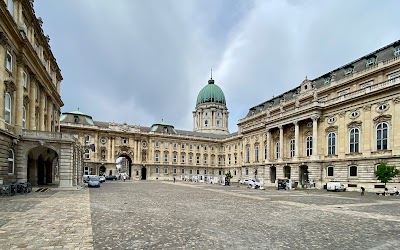
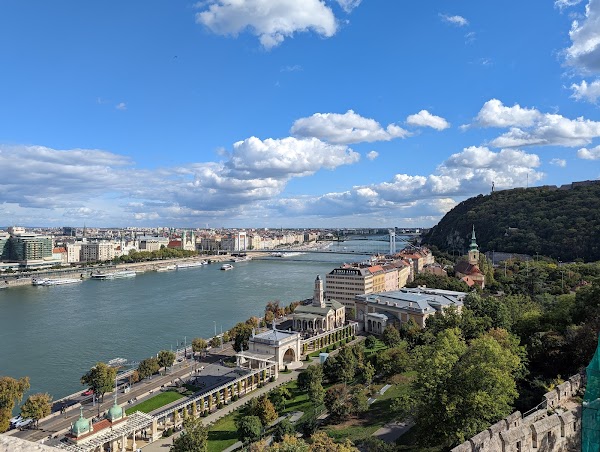
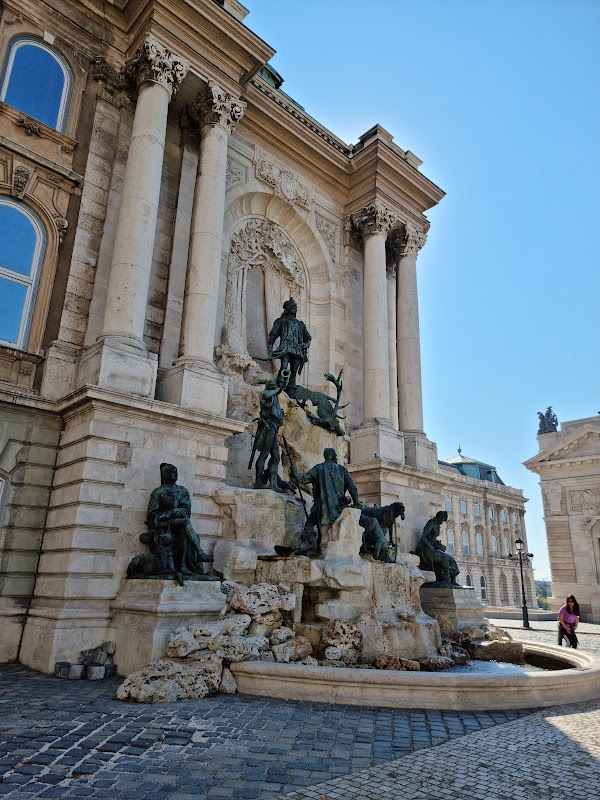
The Royal Palace, also known as Buda Castle, is a prominent landmark in Budapest, Hungary. It stands atop Castle Hill, overlooking the Danube River and the Pest side of the city. The palace is a complex of buildings that house the Hungarian National Gallery and the Budapest History Museum. The National Gallery displays a vast collection of Hungarian art from the Middle Ages to the present day, while the History Museum showcases the history of Budapest and Hungary. The palace's history dates back to the 13th century when King Béla IV built a fortress on Castle Hill to protect the city from Mongol invasions. Over the centuries, the palace has been expanded and rebuilt several times, reflecting the architectural styles of different eras. The current neo-Baroque facade was added in the 19th century. Today, the Royal Palace is a popular tourist destination, attracting visitors with its stunning architecture, rich history, and beautiful views of the city. Visitors can explore the palace's courtyards, gardens, and museums, and enjoy the panoramic views from the Fisherman's Bastion, a terrace located next to the palace.Hungarian National Library
Nestled within the majestic Buda Castle complex, the Hungarian National Library stands as a testament to Hungary's rich literary and cultural heritage. Founded in 1802 by Count Ferenc Széchényi, the library holds an unparalleled collection of over 15 million items, including rare manuscripts, incunabula, and maps. The library's collection is particularly renowned for its "hungarica," works related to Hungary, its people, and its history. Among these treasures are the original copies of Hungary's national anthem, "Himnusz," and "Szózat," a beloved patriotic song. The library also houses the Tabula Hungariae, the oldest surviving printed map of Hungary, dating back to the 16th century. Beyond its literary significance, the Hungarian National Library is also an architectural marvel. Housed in the Buda Castle Palace, the library's grand halls and ornate reading rooms reflect the grandeur of the castle's past. The library's dome, accessible to visitors, offers breathtaking panoramic views of Budapest. For those seeking an in-depth exploration of Hungarian history and culture, the Hungarian National Library is an essential destination. Its vast collection and stunning setting provide a unique opportunity to delve into the heart of Hungary's literary and cultural legacy.National Gallery
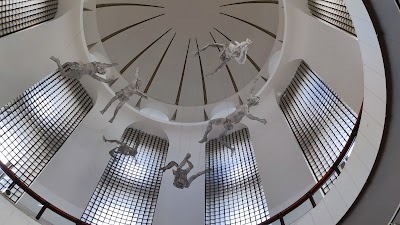
Nestled within the majestic Buda Castle complex, the Hungarian National Gallery stands as a testament to the rich artistic heritage of Hungary. This prestigious institution houses an impressive collection of over 100,000 artifacts, spanning from the Middle Ages to the present day. Visitors can immerse themselves in the captivating history of Hungarian art, from medieval stone carvings and Gothic wood carvings to Renaissance altarpieces and contemporary masterpieces. One of the highlights of the gallery is the collection of 19th-century Hungarian paintings, which vividly depict the nation's turbulent past and everyday life. The works of renowned artists such as Mihály Munkácsy and Pál Szinyei Merse offer a glimpse into the social and cultural landscape of Hungary during this transformative period. For those seeking a panoramic perspective, the Dome Terrace of the National Gallery offers breathtaking views of the city and the Danube River. This vantage point provides a unique opportunity to appreciate the architectural grandeur of Buda Castle and the surrounding cityscape. The National Gallery also boasts a collection of international art, featuring works by renowned masters such as Paul Cézanne, Camille Pissarro, and Claude Monet. These pieces provide a comparative context for Hungarian art, showcasing the influences and exchanges that have shaped its development. With its vast collection, stunning architecture, and panoramic views, the Hungarian National Gallery is a must-visit destination for art enthusiasts and history buffs alike. It offers a comprehensive exploration of Hungarian art and culture, providing a deeper understanding of the nation's rich artistic heritage.
2
Hungarian National Gallery
View on map
3
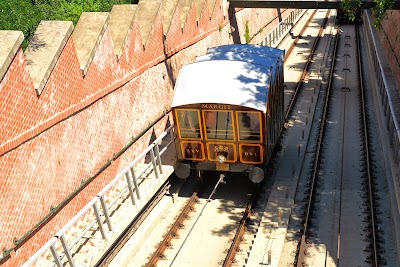
Buda Castle Funicular
View on map
4
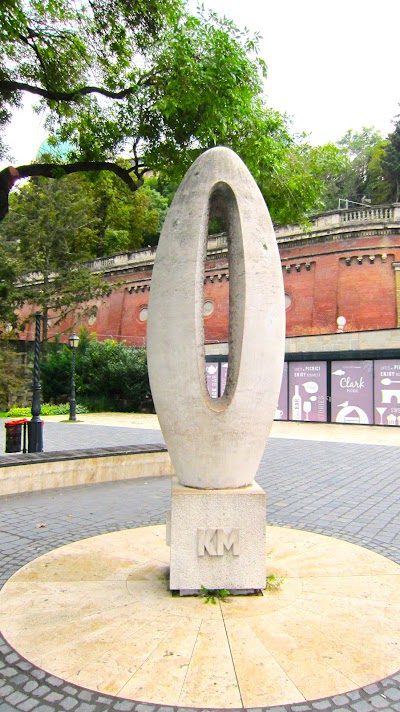
Zero Kilometre Stone
View on map
5
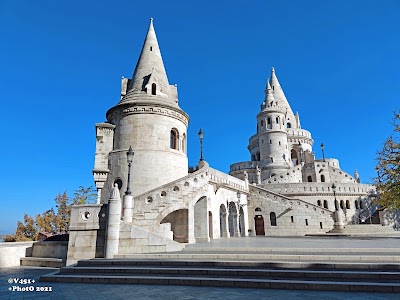
Fisherman's Bastion
View on map
Audio Narrations
Introduction
The Fisherman's Bastion, a captivating architectural marvel in Budapest, Hungary, stands as a testament to the city's rich history and architectural prowess. Built in the late 19th century, this neo-Romanesque masterpiece offers breathtaking panoramic views of the Danube River, the Buda Castle, and the Pest side of the city. Its seven towers symbolize the seven chieftains who led the Hungarian tribes to their present-day homeland. The bastion's intricate turrets, arches, and decorative elements create a fairy-tale-like atmosphere, making it a popular destination for tourists and locals alike. Visitors can explore the bastion's lower terraces for free, while the upper turrets offer an even more elevated perspective for a nominal fee. The bastion's unique blend of architectural styles and historical significance has earned it a place as a UNESCO World Heritage Site, ensuring its preservation for generations to come.Symbol of National Identity
Fisherman's Bastion, a captivating architectural masterpiece perched atop Castle Hill in Budapest, Hungary, stands as a testament to the nation's rich history and unwavering spirit. Its intricate neo-Gothic design, adorned with seven turrets representing the seven Magyar tribes that founded Hungary, evokes a sense of national pride and unity. Beyond its architectural grandeur, Fisherman's Bastion holds profound symbolic significance. Its construction in the late 19th century coincided with a period of heightened national consciousness and the desire to showcase Hungary's distinct identity. The bastion's name pays homage to the medieval fishermen's guild that once defended this stretch of the city walls, further reinforcing the connection between the structure and the nation's heritage. Each element of Fisherman's Bastion is imbued with nationalistic symbolism. The seven towers, adorned with the coats of arms of the Magyar tribes, represent the unity and strength of the Hungarian people. The intricate carvings and sculptures depict scenes from Hungarian history, celebrating the nation's triumphs and struggles. The bastion's strategic location overlooking the Danube River and the Pest cityscape serves as a constant reminder of Hungary's enduring presence and resilience. Today, Fisherman's Bastion remains a beloved symbol of Hungarian national identity, attracting visitors from around the world. Its stunning architecture, panoramic views, and historical significance make it a must-visit destination for anyone seeking a deeper understanding of Hungary's rich cultural heritage.UNESCO World Heritage Site
Nestled atop Castle Hill in Budapest, Hungary, the Fisherman's Bastion stands as a testament to the city's rich history and architectural splendor. Designated as a UNESCO World Heritage Site in 1987, the Bastion is an integral part of the Budapest Castle District, a sprawling complex that showcases the city's architectural evolution from medieval times to the present day. The Fisherman's Bastion, completed in 1902, was designed by Frigyes Schulek in a Neo-Romanesque style. Its seven turrets, each representing a different Magyar tribe, offer panoramic views of the Danube River, the Hungarian Parliament Building, and the Buda Hills. The Bastion's intricate stone carvings and decorative elements, inspired by Hungarian folk art, add to its charm and historical significance. As a UNESCO World Heritage Site, the Fisherman's Bastion is recognized for its outstanding universal value. It is a testament to the architectural prowess of the late 19th century and a symbol of Hungary's rich cultural heritage. The Bastion's unique design and historical significance make it a must-visit destination for anyone interested in exploring Budapest's architectural and cultural treasures.
6
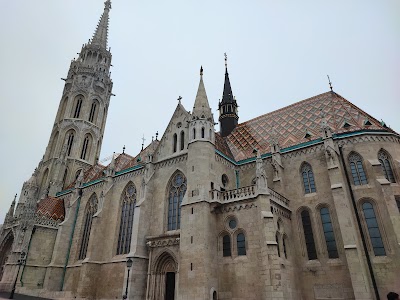
Matthias Church
View on map
Audio Narrations
Introduction
Matthias Church, a majestic edifice in Budapest, Hungary, stands as a testament to the city's rich history and architectural splendor. Founded in the 13th century, it has undergone several transformations, including a period as a mosque during the Turkish occupation. Its most striking feature is its intricate interior, adorned with vibrant frescoes, stained-glass windows, and a unique blend of Gothic and Renaissance elements. The church is renowned for its colorful Zsolnay ceramic roof tiles, which depict intricate patterns and motifs. Visitors can explore the Ecclesiastical Art Museum, showcasing sacred relics and replicas of the Hungarian royal crown and coronation jewels. The church's organ concerts, held during summer evenings, offer a captivating musical experience within its hallowed halls.Royal Heritage
Matthias Church, a magnificent Gothic masterpiece in Budapest, Hungary, stands as a testament to the country's rich royal heritage. Built in the 13th century, it has witnessed countless royal weddings and coronations, including that of King Matthias Corvinus, who gave the church its current name. The church's intricate facade boasts a blend of Gothic and Renaissance architectural elements, adorned with delicate tracery and vibrant Zsolnay ceramic tiles. Inside, the church is a treasure trove of royal artifacts and symbolism. The Coronation Mantle, an exquisite piece of embroidery, was used in the coronation of Hungarian kings for centuries. The church also houses the Holy Right, a relic believed to be the embalmed right hand of Saint Stephen, Hungary's first king. The walls are adorned with frescoes depicting scenes from the life of Jesus and the Hungarian monarchy. Matthias Church's royal connections extend beyond its physical structure. It has been the site of numerous historical events, including the signing of the Treaty of Trianon in 1920, which marked the end of the Austro-Hungarian Empire. The church has also played a significant role in Hungarian cultural and religious life, hosting concerts, exhibitions, and religious ceremonies. Today, Matthias Church remains a symbol of Hungary's royal past and a testament to the enduring legacy of its monarchs. Its unique blend of architectural beauty, historical significance, and religious importance makes it a must-visit destination for anyone interested in exploring the rich royal heritage of Budapest and Hungary.Artistic Masterpiece
Matthias Church, a Gothic masterpiece in the heart of Budapest, Hungary, stands as a testament to the country's rich artistic heritage. Its intricate facade, adorned with delicate carvings and colorful tiles, hints at the splendor that awaits within. Step inside, and you'll be greeted by a symphony of colors and textures. The walls and ceilings are covered in vibrant frescoes, each brushstroke telling a captivating story from Hungarian history and mythology. The intricate stained-glass windows, crafted by renowned Hungarian artists, cast a kaleidoscope of hues upon the interior, creating an ethereal atmosphere. One of the church's most striking features is its unique roof, a masterpiece of glazed tiles arranged in intricate patterns. The tiles, imported from the renowned Zsolnay factory in Pécs, Hungary, shimmer and change color depending on the light, adding a touch of magic to the building. The church's interior is equally impressive, boasting an array of sculptures, paintings, and decorative elements that showcase the skill and artistry of Hungarian craftsmen. The intricate carvings on the pews, the delicate tracery of the choir stalls, and the opulent chandeliers all contribute to the church's opulent ambiance. Matthias Church is not just a place of worship; it's a living testament to the artistic genius of Hungary. Its unique blend of architectural styles, from Gothic to Renaissance, and its stunning interior decoration make it a must-visit destination for anyone interested in art, history, and culture.
7
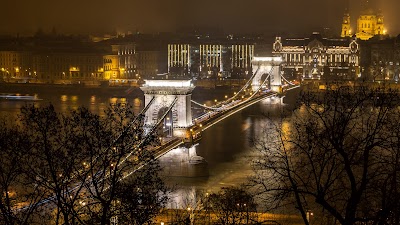
Széchenyi Chain Bridge
View on map
Audio Narrations
Introduction
The Széchenyi Chain Bridge, a majestic suspension bridge spanning the Danube River in Budapest, Hungary, stands as a testament to the ingenuity of 19th-century engineering. Designed by English engineer William Tierney Clark and built under the supervision of Scottish engineer Adam Clark, it was the first permanent bridge to connect the cities of Buda and Pest, which later merged to form Budapest. The bridge's construction, initiated by Count István Széchenyi, was completed in 1849 and played a pivotal role in the city's development. The Széchenyi Chain Bridge is renowned for its elegant design, featuring two stone towers adorned with colossal lion statues guarding each end. Its iron chains, suspended from the towers, support the bridge's deck, which accommodates two traffic lanes and pedestrian walkways. The bridge's length measures 380 meters, with a width of 14.8 meters. Beyond its architectural significance, the Széchenyi Chain Bridge holds cultural and historical importance. It has witnessed countless events, including the 1848-49 Hungarian Revolution and the siege of Budapest during World War II, when it was destroyed and later rebuilt. Today, the bridge is a beloved landmark, offering breathtaking views of the city's iconic buildings, including the Hungarian Parliament and Buda Castle.Symbol of Unity
The Széchenyi Chain Bridge, an architectural marvel spanning the Danube River, stands as a potent symbol of unity in Budapest, Hungary. Its construction, initiated by Count István Széchenyi, aimed to bridge the physical and metaphorical divide between Buda and Pest, fostering a sense of cohesion within the city. The bridge's inauguration in 1849 marked a pivotal moment in Budapest's history, symbolizing the unification of two distinct entities into a thriving metropolis. Beyond its structural significance, the Chain Bridge embodies the resilience and determination of the Hungarian people. Having endured wars, revolutions, and countless trials, it has remained an unwavering symbol of unity and strength. Its reconstruction after World War II stands as a testament to the city's ability to rise from adversity and rebuild its spirit. The bridge's design further reinforces its symbolic meaning. The intricate iron chains that suspend the bridge deck represent the interconnectedness of the Buda and Pest communities, while the majestic lion statues guarding its entrances symbolize the unwavering strength and protection of the Hungarian nation. Today, the Chain Bridge continues to serve as a focal point for national celebrations and gatherings. Its iconic silhouette against the Budapest skyline evokes a sense of pride and belonging among Hungarians and visitors alike. As a symbol of unity, the Széchenyi Chain Bridge transcends its physical form, embodying the spirit of a nation that has overcome adversity and emerged stronger through the bonds of unity.Engineering Marvel
The Széchenyi Chain Bridge, a testament to 19th-century engineering prowess, stands as a symbol of Budapest's architectural grandeur. Designed by English engineer William Tierney Clark and built under the supervision of Scottish engineer Adam Clark, this suspension bridge was a marvel of its time. Completed in 1849, it was the first permanent bridge to span the Danube River in Hungary, connecting the cities of Buda and Pest. The bridge's innovative design features massive stone pillars and intricate iron chains, creating a suspension system that was considered a modern wonder. Its central span of 202 meters was one of the largest in the world at the time of its construction. The bridge's cast-iron decorations, including the majestic lion statues guarding its entrances, add to its architectural splendor. Beyond its aesthetic appeal, the Széchenyi Chain Bridge is a testament to the engineering ingenuity of its creators. Its suspension system, utilizing iron chains, allowed for a lightweight and durable structure that could withstand the forces of the Danube's currents. The bridge's stability and longevity are a testament to the meticulous attention to detail and innovative techniques employed by Clark and his team. The Széchenyi Chain Bridge not only transformed Budapest's infrastructure but also played a significant role in the city's economic and cultural development. It facilitated trade and communication between Buda and Pest, contributing to the unification of the two cities. Today, the bridge remains a vital transportation link and a beloved landmark, attracting tourists and locals alike with its historical significance and architectural beauty.
8
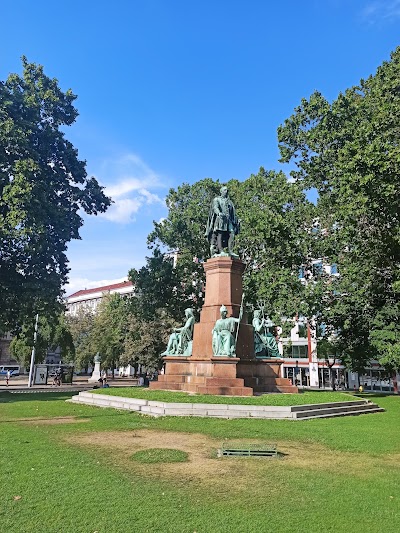
Stephen Széchenyi Square
View on map
9
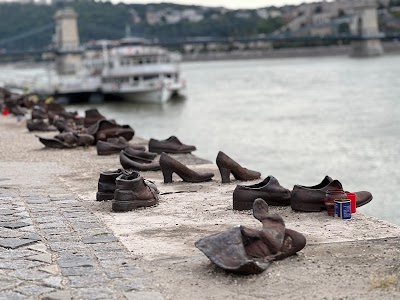
Shoes on the Danube Bank
View on map
Audio Narrations
Introduction
The Shoes on the Danube Bank in Budapest, Hungary, is a poignant memorial honoring the thousands of Hungarian Jews who were murdered by fascist Arrow Cross militiamen during World War II. Along the Pest bank of the Danube River, 60 pairs of iron shoes, cast in the style of the 1940s, are anchored to the ground, representing the victims who were forced to remove their footwear before being shot into the icy waters. The shoes, scattered and abandoned, evoke a haunting image of the lives abruptly ended on that tragic stretch of riverbank. Each pair of shoes, with its unique design and size, symbolizes an individual victim, from men and women to children, whose stories are forever etched into the memorial's silent presence.Public Art
Shoes on the Danube Bank" is a poignant public art installation in Budapest, Hungary, that commemorates the tragic events of World War II. Created by film director Can Togay and sculptor Gyula Pauer, the memorial consists of 60 pairs of iron shoes, each representing a victim who was shot and thrown into the river by the fascist Arrow Cross Party. The shoes are arranged along the riverbank, as if the victims had just stepped out of them before their untimely demise. The memorial serves as a powerful reminder of the atrocities committed during the Holocaust. The shoes, crafted in the styles of the 1940s, symbolize the diversity of the victims, ranging from men and women to children. The installation's placement along the riverbank, where the victims were executed, adds a haunting layer to the memorial, evoking the chilling reality of the events. Beyond its historical significance, "Shoes on the Danube Bank" is also a testament to the power of public art in conveying messages of remembrance and reconciliation. The memorial's simple yet evocative design invites viewers to reflect on the horrors of the past and the importance of preventing such atrocities from happening again. It stands as a poignant reminder of the fragility of human life and the enduring legacy of those who were lost.Holocaust Remembrance
Along the Danube River in Budapest stands a haunting memorial to the victims of the Holocaust: Shoes on the Danube Bank. This poignant tribute commemorates the thousands of Hungarian Jews who were mercilessly executed by the fascist Arrow Cross Party during World War II. As the victims were led to the river's edge, they were forced to remove their shoes, which were considered valuable commodities during the war. The shoes were then stolen by their executioners. With their shoes gone, the victims were shot and their bodies cast into the freezing waters. The memorial consists of 60 pairs of iron shoes, each representing a life lost. The shoes are arranged in a casual manner, as if their owners had just stepped out of them. This simple yet powerful display evokes the horror and tragedy of the Holocaust, reminding visitors of the countless individuals who were stripped of their lives and dignity. The Shoes on the Danube Bank is not only a memorial to the victims but also a symbol of resilience and hope. It serves as a reminder of the darkness that humanity is capable of but also of the indomitable spirit that can triumph over adversity.
10
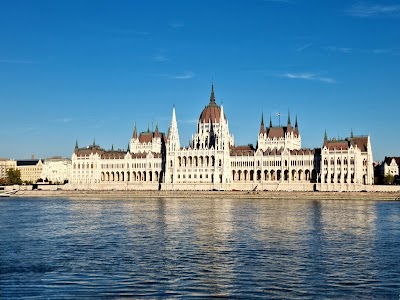
Hungarian Parliament Building
View on map
Audio Narrations
Introduction
The Hungarian Parliament Building in Budapest, Hungary, is a magnificent architectural masterpiece that stands as a symbol of the nation's sovereignty. Designed by Imre Steindl in the Neo-Gothic style, it was inaugurated in 1902 and remains the largest building in Hungary. Its symmetrical façade features intricate carvings and statues of Hungarian rulers, while its interior boasts opulent halls, including the central Dome Hall, where the Holy Crown of Hungary is displayed. The building's construction involved 40 million bricks, half a million precious stones, and 40 kilograms of gold. It is adorned with 90 stone statues on its facades and 152 additional statues within its walls. The Parliament Building is not only a legislative hub but also a testament to Hungary's rich history and artistic heritage.Tourist Destination
Nestled on the banks of the Danube River, the Hungarian Parliament Building stands as a majestic symbol of Budapest's architectural grandeur. Its intricate neo-Gothic facade, adorned with spires, turrets, and gargoyles, transports visitors to a bygone era. The building's vast interior boasts 691 rooms, including two identical parliament halls, each adorned with opulent chandeliers and frescoes depicting Hungary's rich history. Guided tours offer an immersive experience, allowing visitors to witness the grandeur of the debating chamber, the ornate ceremonial hall, and the breathtaking central dome. Ascend to the rooftop terrace for panoramic views of the city, with the Danube meandering through the heart of Budapest. The Hungarian Parliament Building is not merely a political institution but a testament to Hungary's architectural prowess and a must-visit destination for any traveler seeking to delve into the country's heritage and culture.Symbol of Hungarian Nationhood
The Hungarian Parliament Building in Budapest stands as a majestic symbol of Hungarian nationhood, embodying the country's rich history and aspirations. Designed in the Neo-Gothic style, its intricate facade and soaring spires evoke a sense of grandeur and national pride. The building's central dome, adorned with the Hungarian coat of arms, is a focal point, representing the unity and sovereignty of the Hungarian people. Within its hallowed halls, the Parliament Building houses the Hungarian Crown Jewels, including the revered Holy Crown of Hungary. This ancient crown, adorned with precious stones and intricate goldsmithing, is a symbol of Hungarian statehood and continuity. Its presence within the Parliament underscores the building's role as a guardian of Hungarian heritage and identity. The Parliament Building's location on the banks of the Danube River further enhances its symbolic significance. The river has long been a vital artery for Hungary, connecting it to neighboring countries and symbolizing the nation's interconnectedness with Europe. The Parliament Building's proximity to the river reinforces its role as a bridge between Hungary's past and future, a beacon of national unity and a testament to the enduring spirit of the Hungarian people.
11
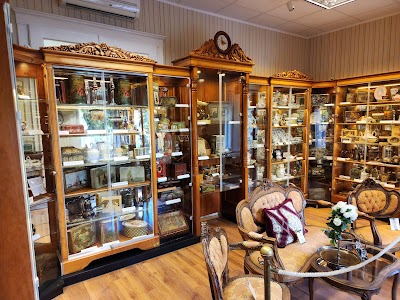
Szamos Chocolate Museum
View on map
12
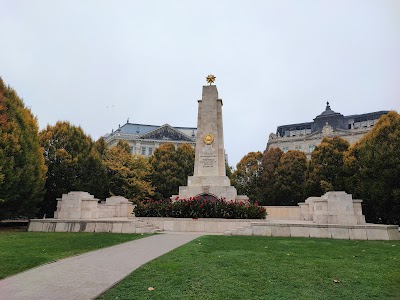
Liberty Square
View on map
Audio Narrations
Introduction
Liberty Square, known as Szabadság tér in Hungarian, is a historic square in Budapest, Hungary, renowned for its architectural elegance and poignant memorials. The square is a mosaic of Budapest's complex history, where every path and monument whispers tales of triumph, tragedy, and the enduring spirit of freedom. The square is home to the Ronald Reagan Monument, honoring the former US President's role in ending the Cold War and liberating Hungary from Soviet rule. It also features the Memorial to Fallen Soviet Soldiers, a reminder of the Soviet liberation of Hungary from Nazi occupation during World War II. Other notable landmarks include the Hungarian National Bank, a symbol of emerging free markets, and the US Embassy, a unique piece of architecture that has housed American diplomats since 1935. The Stock Exchange Building, designed by Hungarian architect Ignác Alpár, adds to the square's architectural charm. Liberty Square is a place where the past and present of Budapest converge, offering a space for reflection, celebration, and the free exchange of ideas beneath the open sky. It's a must-visit destination for anyone interested in the rich history and vibrant spirit of the Hungarian capital.Freedom and Liberty
Liberty Square in Budapest, Hungary, stands as a testament to the nation's tumultuous journey towards freedom and liberty. Once the site of a prison where Hungarian Prime Minister Lajos Batthyány was executed for his role in the 1848 revolution, the square today embodies the triumph of liberty over oppression. The square's most prominent monument is the Soviet Liberation Monument, a reminder of the Red Army's role in liberating Hungary from Nazi occupation in 1945. However, the monument has become a subject of controversy in recent years, with many Hungarians viewing it as a symbol of Soviet domination. In stark contrast to the Soviet monument, Liberty Square also features a statue of Ronald Reagan, the former US President who played a pivotal role in ending the Cold War. The statue symbolizes Hungary's gratitude for American support in its quest for freedom and democracy. Another poignant memorial in the square is the Memorial for Victims of the German Occupation, which depicts Hungary as an angel under attack by an eagle representing Nazi Germany. The memorial serves as a reminder of the horrors of the Holocaust and Hungary's complicity in the deportation of its Jewish population. Liberty Square is not merely a collection of monuments; it is a living testament to the indomitable spirit of the Hungarian people. Through its historical landmarks and poignant memorials, the square invites visitors to reflect on the fragility of freedom and the importance of fighting for liberty in all its forms.Soviet Occupation
Liberty Square in Budapest, Hungary, holds a complex history intertwined with the Soviet Occupation. During World War II, Nazi Germany occupied Hungary until the Soviet Union liberated the country in 1945. The Soviet presence left an enduring mark on Liberty Square, which became a potent symbol of both liberation and oppression. One of the most striking monuments in the square is the Soviet Liberation Monument, erected in 1945. This obelisk-shaped structure commemorates the Soviet soldiers who fell during the liberation of Hungary. However, the monument has been a source of controversy, as some Hungarians view it as a symbol of Soviet domination rather than liberation. Another notable monument in Liberty Square is the Ronald Reagan statue, unveiled in 2011. Reagan, the former US President, is depicted standing defiantly, facing the Soviet Liberation Monument. The statue symbolizes Hungary's gratitude for Reagan's role in ending the Cold War and promoting democracy in Eastern Europe. Liberty Square also features a monument to Carl Lutz, a Swiss diplomat who saved thousands of Hungarian Jews during the Holocaust. Lutz's monument stands as a reminder of the horrors of the Nazi occupation and the courage of those who resisted it. The presence of these monuments in Liberty Square reflects the complex and often contradictory legacy of the Soviet Occupation in Hungary. The square serves as a poignant reminder of the country's struggle for freedom and independence, as well as the enduring impact of the Soviet era.
13
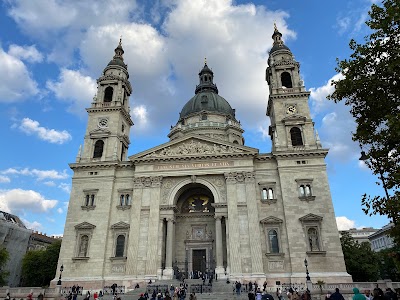
St. Stephen's Basilica
View on map
Audio Narrations
Introduction
St. Stephen's Basilica, a majestic neoclassical cathedral in Budapest, Hungary, stands as the largest church in the country and a symbol of national pride. Its construction spanned over five decades, marked by a catastrophic dome collapse in 1868 that necessitated a complete rebuild. The basilica's grandeur is evident in its towering facade adorned with intricate carvings and statues of the twelve apostles. Inside, visitors are awed by the vastness of the nave, adorned with colorful marble columns and intricate frescoes depicting scenes from the life of St. Stephen, Hungary's first king. The basilica's most revered relic is the Holy Right Hand, the mummified right hand of St. Stephen, which is housed in a chapel within the basilica. The basilica's dome offers panoramic views of Budapest, accessible via an elevator or a climb up 364 steps. Organ concerts are a regular feature, showcasing the basilica's exceptional acoustics and the talents of renowned Hungarian organists.Holy Right Hand
Nestled in the heart of Budapest, St. Stephen's Basilica holds a sacred relic that draws pilgrims and history enthusiasts alike: the Holy Right Hand of St. Stephen, Hungary's first king. Canonized in 1083, St. Stephen's incorruptible right arm was severed and preserved as a symbol of his enduring legacy. The Holy Right Hand has witnessed Hungary's turbulent past, traveling to various locations for safekeeping. It was once stolen and hidden in a Romanian village, later separated into upper and lower arms, and even taken to Vienna during World War II. Today, it resides in an ornate golden reliquary within the basilica's Holy Right Chapel. For a small donation, visitors can illuminate the reliquary, revealing the mummified hand clutching precious jewels. Its weathered appearance, a testament to time and devotion, evokes a sense of awe and reverence. The basilica's grandeur complements the relic's significance, with its neoclassical architecture and intricate frescoes depicting scenes from St. Stephen's life. The Holy Right Hand is not merely a historical artifact but a symbol of Hungarian identity and faith. It serves as a reminder of St. Stephen's role in unifying the nation and spreading Christianity throughout the region. Each year on August 20th, Hungary celebrates Saint Stephen's Day, and the Holy Right Hand takes center stage in a grand procession through Budapest's streets.Architectural Marvel
St. Stephen's Basilica, a majestic architectural marvel in Budapest, Hungary, is a testament to the grandeur of neoclassical and Renaissance styles. Its colossal dome, soaring 96 meters high, dominates the city's skyline, making it one of the tallest buildings in Hungary. The facade is adorned with intricate sculptures, reliefs, and majestic columns, showcasing the exquisite craftsmanship of its creators. Upon entering, visitors are greeted by a breathtaking interior adorned with Corinthian columns, vaulted ceilings, and an opulent main altar. The basilica's architectural brilliance extends to its observation deck, accessible by elevator, offering panoramic views of the city, including the Danube River, Parliament Building, and Buda Castle. The basilica's harmonious blend of architectural elements, from its grand dome to its intricate details, solidifies its status as a true architectural marvel, captivating visitors with its beauty and grandeur.
Experience the Full Tour
Download the DocentPro app to access all tour stops, complete audio narrations in multiple languages, offline maps, and interactive features.