
Cappadocia's Cultural Treasures: A Journey Through History and Craftsmanship

Driving Tour

32.7 km (20.3 miles)

58 min travel time

7 Stops

Cappadocia, Turkey
Cappadocia's Cultural Treasures: A Journey Through History and Craftsmanship
Tour Stops
1
Uchisar Castle
View on map
Audio Narrations
English
Introduction
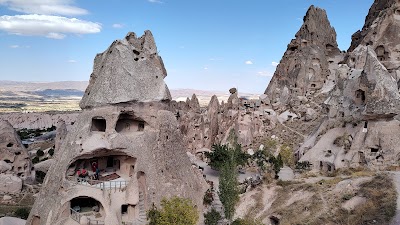
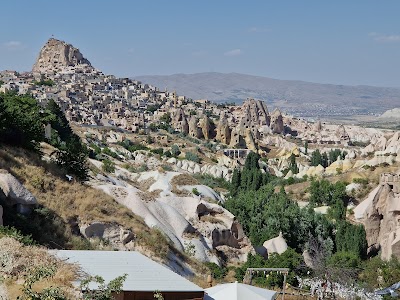
Uchisar Castle, an ancient fortress in Cappadocia, Turkey, stands majestically on a volcanic rock formation, offering breathtaking views of the region. Its intricate network of tunnels and chambers showcases its Byzantine-era origins. A strategic military stronghold, Uchisar Castle protected against invaders for centuries. Today, it serves as a popular tourist attraction, drawing visitors eager to explore its passageways, admire remnants of frescoes and inscriptions, and appreciate the panoramic landscape from its vantage point. The castle's unique geological formation, consisting of two giant fairy chimneys, provides a captivating sight, while its historical significance adds to its allure.Rock-Cut Architecture
Uchisar Castle, a testament to the ingenuity of ancient civilizations, stands as an architectural marvel carved into the soft volcanic tuff of Cappadocia. Its intricate network of tunnels, chambers, and rooms, once used as living quarters and cloisters, showcases the mastery of rock-cut architecture. The castle's imposing 60-meter-high central tower, accessible through narrow passageways, offers breathtaking panoramic views of the surrounding landscape. Its strategic location atop a hilltop provided a natural defense, while the camouflage of its stone exterior further enhanced its protective capabilities. Uchisar Castle's unique architectural features, deeply rooted in the region's geological and historical context, make it an exceptional example of rock-cut architecture, inviting exploration and admiration.Byzantine-era Origins
Uchisar Castle, a formidable fortress in Cappadocia, Turkey, bears witness to its Byzantine-era origins. Constructed in the 11th century, the castle's strategic location atop a volcanic rock provided a commanding view of the surrounding region, making it a crucial military stronghold. Its intricate network of tunnels and chambers, carved into the soft tufa stone, served as secret passages and living quarters for Byzantine soldiers. During this era, Uchisar Castle underwent significant expansion and fortification. The Byzantines added imposing towers and reinforced the castle's defenses, transforming it into an impenetrable bastion. They also adorned the castle's interior with exquisite frescoes and inscriptions, remnants of which can still be seen today. These artistic embellishments provide valuable insights into the religious and cultural life of the Byzantine garrison. The castle's Byzantine heritage is further evident in its architectural features. The use of barrel vaults and cross-shaped chambers reflects the influence of Byzantine ecclesiastical architecture. The castle's cistern, an ingenious water storage system, demonstrates the Byzantines' advanced engineering skills. Exploring Uchisar Castle through the lens of its Byzantine-era origins offers a captivating glimpse into the strategic importance, architectural ingenuity, and cultural legacy of this ancient fortress. Its well-preserved remains stand as a testament to the enduring power and influence of the Byzantine Empire in Cappadocia.
2
Pigeon Valley
View on map
Audio Narrations
English
Introduction
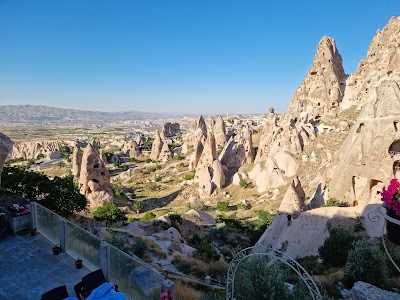
Nestled between the towns of Uchisar and Goreme in Cappadocia, Turkey, Pigeon Valley is a captivating natural wonder renowned for its unique geological formations and historical significance. The valley derives its name from the numerous pigeon houses carved into its cliffs, a testament to the ancient practice of pigeon breeding for fertilizer and message delivery. Visitors can embark on a picturesque 4-kilometer hike through the valley, marveling at the towering fairy chimneys, earth pillars, and cave dwellings that line the trail. Along the way, they can explore the Tığraz underground shelter, a seven-story castle with rooms, cellars, and tunnels, offering a glimpse into the region's rich history. The valley is also home to the Uçhisar Fountain and the bulgur mill, adding to its cultural charm. As they continue their journey, hikers will encounter the Karakale and Sarıuşak fairy chimneys, providing breathtaking views of the Cappadocian landscape. The trail leads to the Lower District Fountain, the first neighborhood fountain of the Uchisar district. Throughout the valley, visitors can indulge in local delicacies such as pottery kebab and tandır, prepared in traditional stone tables in restaurants carved into the mountains. The region is also renowned for its wines, making it an ideal destination for culinary enthusiasts.Pigeon Valley Trail
Pigeon Valley Trail, nestled in the heart of Cappadocia, offers an immersive experience through the captivating Pigeon Valley in Uchisar, Nevşehir, Türkiye. The trail, spanning approximately 4 kilometers, unveils a hidden world of ancient cave dwellings, intricate paintings, and stunning geological formations. As you embark on the trail, you'll be greeted by a steep descent into the valley, where you'll encounter a rich tapestry of history and nature. The trail meanders through thick groves of trees, revealing hidden caves adorned with ancient paintings that whisper tales of the Byzantine era. Along the way, you'll encounter numerous pigeon holes carved into the rock faces, a testament to the valley's historical significance as a center for pigeon domestication. The trail offers a unique glimpse into the lives of past inhabitants, as you pass by remnants of ancient dwellings and chimneys. Keep an eye out for the occasional resident, as some people still call the valley home. The trail also provides breathtaking views of the surrounding cliffs and earth pillars, showcasing the region's distinctive geological wonders. One of the highlights of the trail is the Pigeon Valley Viewpoint, a short detour that rewards you with panoramic vistas of the valley and the distant Uchisar Castle. As you continue along the trail, you'll encounter a tea shop, a welcome respite where you can relax and soak in the tranquility of your surroundings. The trail concludes with a long and deep tunnel, leading you back to civilization. As you emerge from the tunnel, you'll find yourself near the southern part of Goreme, marking the end of your captivating journey through Pigeon Valley.Natural Beauty
Pigeon Valley in Uchisar, Nevşehir, Türkiye, is a breathtaking natural wonder that showcases the harmonious coexistence of man and nature. The valley is adorned with countless pigeon houses carved into the mountain, a testament to the ingenuity of local farmers who utilized the natural resources to create a unique and sustainable ecosystem. The whitewashed exteriors of these pigeon houses, designed to attract flocks of pigeons, create a mesmerizing visual spectacle against the backdrop of the rugged cliffs. Beyond the pigeon houses, Pigeon Valley boasts an array of natural wonders. The towering Uçhisar Castle, perched atop a volcanic rock formation, offers panoramic views of the valley and the surrounding Cappadocian landscape. The castle's intricate tunnels and chambers, once used as a stronghold and refuge, now serve as a reminder of the region's rich history. The valley is also home to numerous vineyards, orchards, and small farms, adding to its idyllic charm. Visitors can wander through the lush greenery, marveling at the vibrant flora and fauna that thrive in this fertile environment. The serene atmosphere and stunning scenery make Pigeon Valley a haven for nature enthusiasts, photographers, and anyone seeking a tranquil escape amidst breathtaking natural beauty.
3
Göreme Open Air Museum
View on map
Audio Narrations
English
Introduction
Nestled in the heart of Cappadocia's volcanic landscape, Göreme Open Air Museum is a captivating ensemble of rock-hewn churches, chapels, and monasteries. These structures, dating back to the 10th and 11th centuries, are adorned with vibrant frescoes depicting biblical scenes and the lives of saints. The Dark Church, with its well-preserved frescoes, is a highlight, while the Buckle Church showcases a unique narrative cycle. The museum also features the Rahibeler Monastery, once a multi-story structure housing nuns, and the Chapel of St. Basil, dedicated to the renowned Cappadocian saint. Visitors can explore these architectural marvels, marveling at the intricate carvings and the enduring legacy of Byzantine art in this extraordinary setting.UNESCO World Heritage Site
Göreme Open Air Museum, a UNESCO World Heritage Site since 1985, is a captivating testament to the ingenuity and artistry of early Christians. Nestled within the Göreme National Park, this unique landscape is renowned for its intricate network of churches, monasteries, and dwellings carved directly into the soft volcanic rock. The site's exceptional preservation offers a glimpse into the vibrant Byzantine era, showcasing a remarkable collection of frescoes and architectural wonders. Göreme's significance lies in its exceptional representation of post-Iconoclastic Byzantine art. After the ban on religious imagery was lifted in the 9th century, the churches and monasteries of Göreme became adorned with stunning frescoes depicting biblical scenes and saints. These vibrant and expressive artworks provide invaluable insights into the religious beliefs and artistic traditions of the period. Beyond its artistic significance, Göreme also holds immense historical value. The cave dwellings and underground cities, some dating back to the 4th century, reveal the resilience and adaptability of early Christian communities. These subterranean structures served as sanctuaries during times of persecution and provided shelter from harsh weather conditions. The Göreme Open Air Museum is a living testament to the enduring legacy of Byzantine Christianity and the ingenuity of human civilization. Its designation as a UNESCO World Heritage Site underscores its exceptional universal value and the importance of preserving this cultural treasure for generations to come.Troglodyte lifestyle
Nestled in the heart of Cappadocia, Göreme Open Air Museum offers a glimpse into the fascinating troglodyte lifestyle that once flourished in this region. The museum showcases a remarkable collection of rock-cut churches, chapels, and monasteries, providing an immersive experience into the lives of early Christian communities. These subterranean dwellings, carved into the soft volcanic tuff, served as homes, places of worship, and refuge from invaders. Visitors can explore intricate tunnels, hidden chambers, and beautifully preserved frescoes that adorn the walls of these ancient structures. The Tokalı Kilise, with its stunning barrel-vaulted ceiling, and the El Nazar Kilise, renowned for its vibrant frescoes depicting biblical scenes, are particularly captivating examples. The troglodyte lifestyle in Göreme was shaped by the unique geological formations of the region. The soft rock allowed for easy excavation, creating an ideal environment for carving out living spaces and communal areas. The churches, with their elaborate architectural details and colorful murals, demonstrate the artistic and spiritual ingenuity of the troglodyte communities. Today, Göreme Open Air Museum stands as a testament to the resilience and creativity of the troglodytes who once inhabited this extraordinary landscape. It offers a unique opportunity to delve into the history and culture of this ancient lifestyle, providing insights into the challenges and triumphs of a people who lived in harmony with their environment.
4
Red Valley
View on map
5
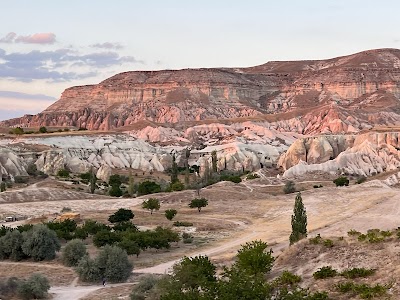
Rose Valley
View on map
6
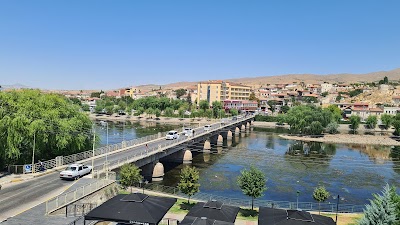
Avanos
View on map
7
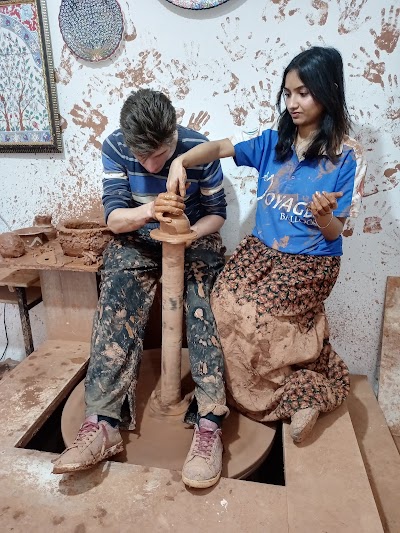
Cappadocian Mahmut's Pottery Workshop
View on map
Experience the Full Tour
Download the DocentPro app to access all tour stops, complete audio narrations in multiple languages, offline maps, and interactive features.