
Chicago's Iconic Treasures: A Full-Day Adventure in the Windy City

Walking Tour

11.0 km (6.8 miles)

2h 36min travel time

15 Stops

Chicago, United States
Chicago's Iconic Treasures: A Full-Day Adventure in the Windy City
Tour Stops
1
Millennium Park
View on map
Audio Narrations
Introduction
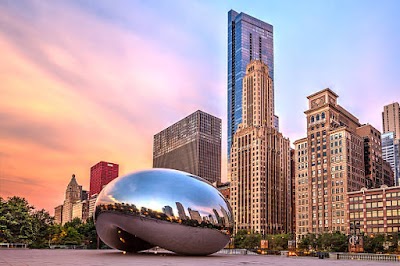
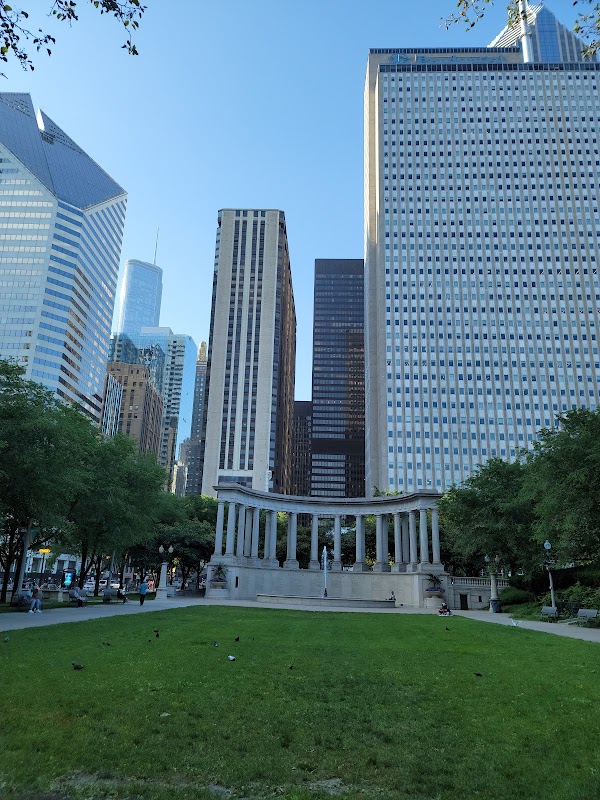
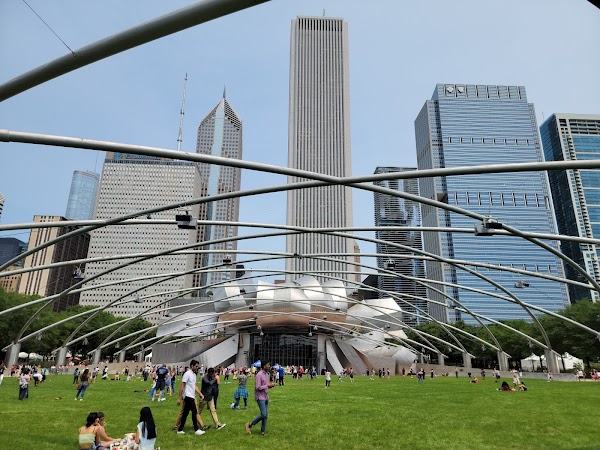
Millennium Park, a 24.5-acre urban oasis in Chicago's Loop, is a captivating blend of art, architecture, and landscape design. Its iconic Cloud Gate sculpture, known as "The Bean," reflects the city skyline in its mirrored surface, creating a surreal and captivating spectacle. The Jay Pritzker Pavilion, designed by Frank Gehry, hosts free concerts and events under its flowing stainless steel canopy. The Crown Fountain, by Jaume Plensa, features two 50-foot glass towers adorned with LED screens that display faces of Chicagoans, while water cascades down their surfaces, inviting visitors to splash and cool off. Lurie Garden, an award-winning botanical masterpiece, showcases native perennials and bulbs that create a vibrant and ever-changing display. Maggie Daley Park, a kid's paradise, offers a whimsical skating ribbon, climbing wall, and mini golf course, while the McCormick Tribune Plaza & Ice Rink transforms into a charming winter wonderland. The Boeing Galleries host rotating modern and contemporary art exhibitions, and the BP Pedestrian Bridge and Nichols Bridgeway connect the park to other parts of Grant Park. As the world's largest rooftop garden, Millennium Park sits atop parking garages and rail lines, offering a unique perspective of the city's architectural marvels.Urban Oasis
Millennium Park, an urban oasis nestled in the heart of Chicago, is a vibrant testament to the city's commitment to art, architecture, and community. This 24.5-acre park transforms a once-neglected industrial area into a thriving hub of innovation and tranquility. As an urban oasis, Millennium Park offers a sanctuary amidst the bustling city. Its lush gardens, serene fountains, and tranquil walkways provide respite from the urban clamor. The Jay Pritzker Pavilion, designed by Frank Gehry, hosts free concerts and performances, creating a vibrant atmosphere that attracts locals and tourists alike. Beyond its aesthetic appeal, Millennium Park is a hub for environmental sustainability. Its green roofs, permeable pavements, and rainwater harvesting systems demonstrate the park's commitment to eco-friendly practices. The Lurie Garden, a 3.5-acre urban sanctuary, showcases native plants and sustainable landscaping techniques. Millennium Park's unique blend of art and nature fosters a sense of community. The iconic Cloud Gate sculpture, affectionately known as "The Bean," reflects the city's skyline, inviting visitors to interact and engage with the artwork. The Crown Fountain, with its two 50-foot LED screens displaying faces of Chicagoans, creates a playful and interactive experience. Millennium Park is more than just a park; it's a living testament to Chicago's cultural vitality and its unwavering dedication to the arts. It's a place where urban renewal, artistic expression, and community engagement converge to create a vibrant and sustainable urban oasis.World-Class Performances
Millennium Park, an urban oasis in the heart of Chicago, is renowned for its world-class performances that captivate audiences year-round. The Jay Pritzker Pavilion, a stunning outdoor concert venue, hosts a diverse array of musical events, from classical symphonies to jazz and rock concerts. The stage has welcomed renowned artists such as the Chicago Symphony Orchestra, Herbie Hancock, and Bob Dylan. Beyond the Pavilion, Millennium Park offers intimate performance spaces like the Harris Theater for Music and Dance. This state-of-the-art venue showcases contemporary dance, ballet, and theater productions. The Pritzker Family Foundation Band Shell hosts free concerts featuring local and international musicians, providing a platform for emerging talent. The park's public art installations also serve as unique performance spaces. The iconic Cloud Gate, known as "The Bean," has been the backdrop for impromptu dance performances and musical collaborations. The Crown Fountain, with its interactive water jets and video projections, transforms into a stage for water-based performances. Millennium Park's commitment to world-class performances extends to its summer film series, which screens classic and contemporary films on the Great Lawn. The park also hosts the Chicago Jazz Festival, a four-day celebration of jazz music featuring legendary artists and rising stars. Whether it's a symphony under the stars, an intimate dance performance, or a free concert in the park, Millennium Park offers an unparalleled experience for those seeking world-class performances in a vibrant urban setting.
2
Cloud Gate
View on map
Audio Narrations
Introduction
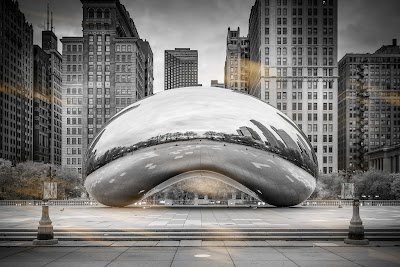
Cloud Gate, affectionately known as "The Bean," is a captivating public sculpture by renowned artist Anish Kapoor, gracing the heart of Chicago's Millennium Park. This iconic landmark, constructed between 2004 and 2006, stands as a testament to Kapoor's artistic vision and engineering prowess. Its seamless, mirror-like surface, composed of 168 welded stainless steel plates, reflects and distorts the city's skyline, creating a mesmerizing spectacle. Visitors can explore the sculpture's concave underside, known as the "omphalos," where multiple reflections dance and multiply, offering a unique and immersive experience. Cloud Gate's design draws inspiration from liquid mercury, and its elliptical shape warps and twists the reflected images, inviting viewers to engage with their surroundings in a playful and thought-provoking way.Reflective Surface
Cloud Gate, an iconic public sculpture in Chicago's Millennium Park, captivates with its mesmerizing reflective surface. Crafted from 168 stainless steel plates seamlessly welded together, the sculpture's highly polished exterior mirrors the city's skyline, creating a distorted and ethereal effect. Visitors can walk around and beneath the sculpture's 12-foot arch, immersing themselves in a kaleidoscope of reflections. The concave underside, known as the "omphalos," warps and multiplies reflections, offering a disorienting yet captivating experience. Cloud Gate's reflective surface not only captures the city's architectural grandeur but also invites introspection and contemplation. It transforms the surrounding environment into an ever-changing canvas, where the play of light and shadow creates a dynamic and immersive spectacle.Tourist Destination
Cloud Gate, an iconic public sculpture in Chicago's Millennium Park, captivates visitors with its mesmerizing bean-like shape and mirror-like surface. This stainless steel masterpiece, nicknamed "The Bean," reflects the city's skyline, distorting and twisting the image to create a surreal and captivating spectacle. The sculpture's seamless exterior, composed of 168 welded plates, offers a unique photo opportunity, allowing visitors to capture their reflections amidst the distorted cityscape. Beyond its aesthetic appeal, Cloud Gate holds a deeper significance. Inspired by liquid mercury, its concave underside, known as the "omphalos," warps and multiplies reflections, creating an immersive and introspective experience. Visitors can step beneath the arch and gaze into the distorted reflections, contemplating their own place within the urban landscape. Cloud Gate's popularity has transformed it into a beloved tourist destination, attracting art enthusiasts, photographers, and sightseers alike. Its unique design and interactive nature make it a must-visit for anyone seeking an unforgettable experience in the heart of Chicago.
3
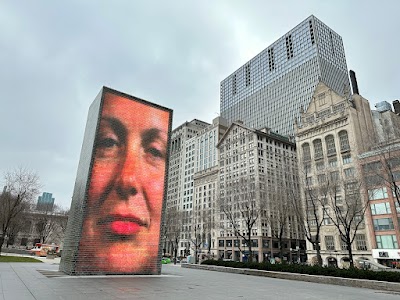
Crown Fountain
View on map
Audio Narrations
Introduction
Two towering glass brick structures, flanking a shallow reflecting pool, form the unexpected visage of Crown Fountain in Chicago's Millennium Park. Rather than traditional statuary, the towers are animated by a captivating spectacle of light and water. Giant LED screens embedded within each structure project the faces of a diverse array of Chicago citizens, their expressions subtly shifting, creating an illusion of life. At seemingly random intervals, a playful cascade of water spills from a spout disguised as a puckered mouth on each face, delighting children and adults alike. This whimsical interplay of technology and public art, designed by Catalan artist Jaume Plensa, has become a beloved gathering place and an iconic symbol of the city's vibrant spirit. Interestingly, the faces displayed are not random; they were carefully selected from a pool of over 1,000 Chicagoans who volunteered to be digitally immortalized in this unique public art piece.Facial Recognition Technology
The interactive nature of Crown Fountain, with its cascading water and changing faces, presents a unique challenge for facial recognition technology. The constant movement of the water distorts the images projected on the LED screens, making it difficult for facial recognition software to accurately identify individuals. The varying angles and expressions of the displayed faces further complicate the process, as traditional facial recognition algorithms rely on static, frontal images for optimal performance. Additionally, the playful environment of Crown Fountain, with people constantly moving through the water and interacting with the displays, creates a dynamic and unpredictable setting that challenges the effectiveness of facial recognition systems. The transient nature of the crowd, with individuals coming and going, further complicates attempts at continuous identification and tracking. Moreover, the outdoor location of Crown Fountain introduces factors like changing lighting conditions and potential weather interference, which can significantly impact the accuracy of facial recognition technology.Public Art
Crown Fountain transcends the traditional notion of static public art by actively engaging the viewer and encouraging playful interaction. Its use of water, a fundamental element of life, transforms the urban landscape into a dynamic and refreshing space. The towering LED screens, displaying the faces of diverse Chicago citizens, challenge the conventional concept of portraiture in public art. These ephemeral images, constantly changing and interacting with the water, reflect the city's vibrant and diverse population. This digital approach to public art allows for a constant evolution of the artwork, reflecting the changing seasons, commemorating special events, and even responding to current events. The interactive nature of the fountain, encouraging visitors to splash and play in the water, breaks down barriers between art and audience, fostering a sense of community and shared experience. Crown Fountain's innovative use of technology, combined with its playful and engaging design, has redefined public art, making it a celebrated and beloved landmark in Chicago.
4
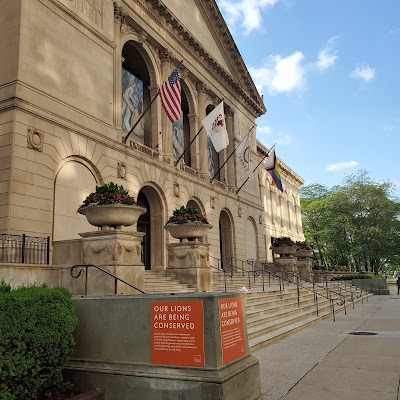
The Art Institute of Chicago
View on map
Audio Narrations
Introduction
The Art Institute of Chicago, a renowned institution in the heart of the Windy City, houses an unparalleled collection of over 300,000 artworks spanning centuries and continents. Its Impressionist and Post-Impressionist masterpieces are particularly celebrated, with iconic works by Monet, Renoir, and Seurat gracing its galleries. The museum's modern and contemporary art collection is equally impressive, featuring masterpieces by Picasso, Matisse, and Warhol. Beyond its Western art, the Art Institute boasts significant collections of African, Asian, and ancient art, offering a comprehensive exploration of global artistic traditions. Its architecture is equally captivating, with the Beaux-Arts building adorned by two iconic bronze lions and the Modern Wing, designed by Renzo Piano, adding a striking contemporary touch. The Art Institute is not just a repository of art but a vibrant cultural hub, hosting exhibitions, educational programs, and community events that foster a deep appreciation for the transformative power of art.Impressionist Masterpieces
The Art Institute of Chicago houses one of the world's most extensive and renowned collections of Impressionist masterpieces, offering an unparalleled journey through the transformative era of art history. Immerse yourself in the vibrant brushstrokes and luminous colors that define this groundbreaking movement. Admire Claude Monet's iconic "Water Lily Pond," capturing the serene beauty of his beloved garden. Marvel at Pierre-Auguste Renoir's "Two Sisters (On the Terrace)," a testament to his mastery of capturing fleeting moments of intimacy. Witness the innovative techniques of Edgar Degas in "The Star," a captivating depiction of a ballerina's grace and athleticism. Beyond these iconic works, the museum's collection boasts hidden gems and lesser-known masterpieces. Discover Berthe Morisot's "The Cradle," a tender portrayal of motherhood, and Gustave Caillebotte's "Paris Street; Rainy Day," a bustling cityscape that captures the essence of modern life. Through special exhibitions and educational programs, the Art Institute of Chicago continues to shed light on the Impressionist movement and its enduring legacy. Explore the techniques, influences, and social context that shaped these groundbreaking artists, gaining a deeper appreciation for their revolutionary contributions to the art world.Cultural Landmark
The Art Institute of Chicago, a cultural beacon in the heart of the Windy City, stands as a testament to the transformative power of art. Founded in 1879, this iconic institution has evolved into one of the world's most renowned repositories of artistic treasures, boasting a staggering collection of over 300,000 works spanning centuries and cultures. Beyond its vast collection, the Art Institute is celebrated for its architectural grandeur. Its Beaux-Arts building, completed in 1893, is a masterpiece in itself, adorned with intricate carvings and topped by two majestic bronze lions guarding the entrance. The museum's expansion over the years has seamlessly blended modern and classical elements, creating a harmonious architectural tapestry. The Art Institute's commitment to education and community engagement is equally impressive. Its renowned School of the Art Institute has nurtured generations of talented artists, while its extensive public programs, exhibitions, and lectures foster a vibrant cultural dialogue. The museum's Thorne Miniature Rooms offer a glimpse into architectural and decorative arts from around the world, while the Touch Gallery empowers visually impaired visitors to experience art through tactile exploration. As a cultural landmark, the Art Institute of Chicago transcends its role as a mere repository of art. It is a living, breathing institution that inspires, educates, and connects people from all walks of life. Its vast collection, architectural splendor, and unwavering commitment to the arts make it a must-visit destination for anyone seeking a profound cultural experience.
5
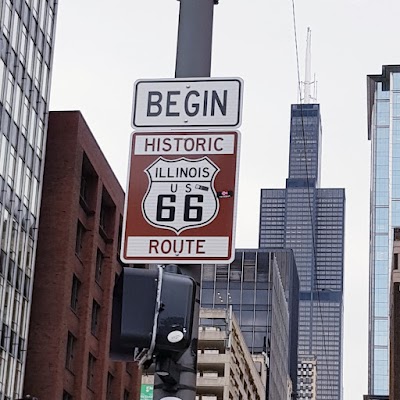
Historic Route 66 Begin Sign
View on map
6
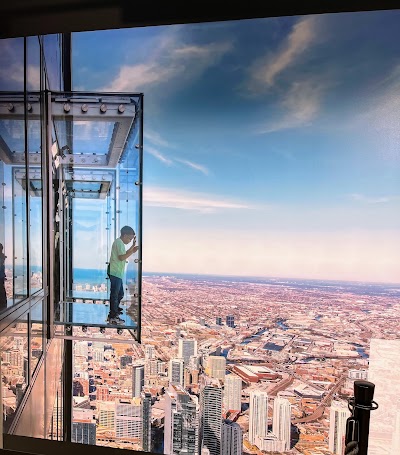
Willis Tower
View on map
Audio Narrations
Introduction
The Willis Tower, formerly known as the Sears Tower, is an iconic skyscraper in Chicago, Illinois, standing at 110 stories and 1,450 feet tall. Completed in 1973, it was the world's tallest building for over two decades. The tower's innovative design features nine square tubes that support one another, minimizing wind sway and reducing the amount of structural steel needed. The exterior is clad in black aluminum and bronze-tinted glass, with black bands marking the mechanical floors. Inside, the tower boasts a massive motorized mural by Alexander Calder and an observation deck on the 103rd floor, offering breathtaking views of the city and beyond. In 2009, the tower underwent a major renovation, including the addition of The Ledge, four glass boxes that extend from the building, providing an unforgettable experience for visitors.Tourist Destination
Prepare for an unforgettable experience as you ascend to the iconic Willis Tower, a breathtaking skyscraper that has dominated Chicago's skyline since its completion in 1973. Formerly known as the Sears Tower, this architectural marvel stands as a testament to human ingenuity and engineering prowess. At the heart of Willis Tower lies the Skydeck, an observation deck perched 1,353 feet above the bustling city streets. As you step onto the glass-enclosed ledges that jut out from the 103rd floor, brace yourself for a thrilling perspective that will leave you awestruck. Gaze down upon the sprawling metropolis below, where skyscrapers and landmarks appear as mere miniatures. On a clear day, your vision will extend far beyond the city limits, offering panoramic vistas of Lake Michigan and neighboring states. Beyond the breathtaking views, Willis Tower offers a captivating journey through its rich history and architectural significance. Explore the interactive exhibits that delve into the tower's construction, design, and cultural impact. Learn about the innovative engineering techniques employed to create this architectural masterpiece, which once held the title of the world's tallest building. As you wander through the tower's expansive concourse, discover a vibrant retail destination known as the Catalog. This urban oasis houses an array of shops, restaurants, and entertainment options, providing a delightful respite from the bustling city outside. Indulge in culinary delights, browse unique souvenirs, or simply relax and soak in the vibrant atmosphere. For those seeking an exclusive experience, the Willis Tower offers private event spaces with unparalleled views. Host a memorable gathering or corporate function against the backdrop of Chicago's breathtaking skyline. Whether you're a seasoned traveler or a first-time visitor, Willis Tower promises an unforgettable adventure that will leave a lasting impression.Urban Development
Willis Tower, formerly known as Sears Tower, stands as a testament to the transformative power of urban development in Chicago. Its innovative design, completed in 1973, revolutionized skyscraper construction and set a new standard for high-rise living and working spaces. The tower's bundled tube structure, consisting of nine square tubes clustered in a 3x3 matrix, allowed for column-free floor plans and maximized usable space. This design became a model for subsequent supertall buildings worldwide. Willis Tower's impact on Chicago's urban landscape is undeniable. Its towering presence has reshaped the city's skyline, creating a focal point that attracts tourists and locals alike. The tower's observation deck, The Ledge, offers breathtaking panoramic views of the city and Lake Michigan, making it a popular destination for visitors. Beyond its architectural significance, Willis Tower has played a vital role in the economic development of Chicago. As the former headquarters of Sears, Roebuck & Co., the tower was a hub for retail and commerce. Today, it remains a major office building, housing numerous businesses and organizations. Its central location in the Loop, Chicago's central business district, provides convenient access to transportation, amenities, and cultural attractions. Willis Tower's urban development legacy extends beyond its physical presence. Its construction spurred the revitalization of the surrounding area, leading to the development of new residential, commercial, and entertainment venues. The tower's proximity to public transportation and its role as a major employment center have contributed to the vibrancy and economic growth of the Loop. In conclusion, Willis Tower is not merely a skyscraper but a symbol of urban development and innovation. Its unique design, economic impact, and role in shaping Chicago's skyline make it a significant landmark in the city's architectural and urban history.
7
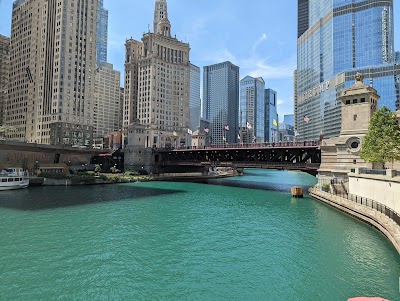
DuSable Bridge
View on map
Audio Narrations
Introduction
The DuSable Bridge in Chicago is more than just a river crossing; it's a symbol of the city's vibrant history and architectural ingenuity. Completed in 1920, the bridge was originally named the Michigan Avenue Bridge, reflecting its prominent location connecting north and south Michigan Avenue. However, in 1991, the bridge was renamed to honor Jean Baptiste Point du Sable, a pivotal figure recognized as the first non-indigenous settler of Chicago. This double-decker bridge, a rarity in itself, boasts a unique bascule design with a central span that lifts to allow boat traffic along the Chicago River. What truly sets the DuSable Bridge apart are the ornate, Beaux-Arts style bridge houses that adorn its corners. These stately structures, with their copper roofs and decorative elements, house operational machinery but also serve as a testament to the city's commitment to architectural grandeur, even in functional structures. The bridge stands as a tangible link between Chicago's past and present, carrying millions of vehicles and pedestrians annually while silently narrating a tale of ambition, evolution, and recognition.Early American History
While the current DuSable Bridge stands as a modern landmark, its location embodies a pivotal point in Early American history. Long before Chicago's grid system existed, the area where the bridge now stands was recognized by early traders and explorers as a crucial link between the Great Lakes and the Mississippi River watershed. This natural portage, a low, swampy divide, was first traversed by none other than Jean Baptiste Point du Sable, the Haitian-African trader recognized as the founder of Chicago. DuSable's cabin, established in the 1770s, stood near this vital juncture, marking the very beginnings of a future metropolis. The significance of this location, where DuSable established his homestead and trading post, cannot be overstated. It attracted indigenous peoples and European traders alike, solidifying its role as a crucial nexus for commerce and cultural exchange in the nascent days of the nation. The bridge that now bears his name serves as a tangible reminder of DuSable's legacy and the very spot where Chicago's story began, linking the city's modern landscape to its pivotal role in early American expansion and trade.Urban Planning
The DuSable Bridge stands as a testament to Chicago's evolving approach to urban riverfront development. Its construction, part of a larger plan to alleviate downtown traffic congestion, inadvertently spurred the creation of what we now know as Chicago's iconic double-decker roadway system. This innovative approach to urban planning, maximizing the use of limited space, addressed the city's rapid growth and transportation challenges in the early 20th century. The bridge's location, a crucial link between the Loop and burgeoning commercial areas north of the river, highlights the city's historical focus on connecting its economic centers. Furthermore, the bridge's design, incorporating decorative elements that reflect the city's architectural heritage, demonstrates an early attempt at integrating aesthetics into large-scale infrastructure projects. Today, the DuSable Bridge serves as a tangible reminder of Chicago's commitment to forward-thinking urban planning, showcasing how strategic infrastructure development can shape a city's growth, functionality, and aesthetic appeal.
8
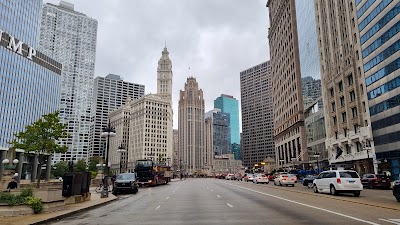
The Wrigley Building
View on map
9
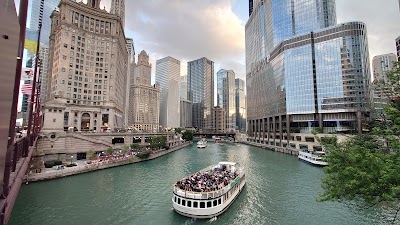
Magnificent Mile
View on map
Audio Narrations
Introduction
The Magnificent Mile, a dazzling stretch of North Michigan Avenue in Chicago, Illinois, is a symphony of architectural marvels, luxury retail, and cultural gems. This iconic boulevard, spanning from the Chicago River to Oak Street, pulsates with a vibrant energy that draws visitors from around the globe. Towering skyscrapers, including the neo-Gothic Tribune Tower and the art deco Wrigley Building, cast dramatic shadows on the bustling sidewalks below. Flagship stores of renowned brands like Tiffany & Co., Burberry, and Gucci line the avenue, offering an unparalleled shopping experience. Art enthusiasts can immerse themselves in the masterpieces at the renowned Art Institute of Chicago, while history buffs can delve into the city's past at the Chicago History Museum. Beyond the glitz and glamour, the Magnificent Mile holds hidden treasures. Tucked away in the alleyways are intimate art galleries showcasing local talent, while charming cafes offer respite from the urban bustle. The historic Water Tower, a lone survivor of the Great Chicago Fire, stands as a poignant reminder of the city's resilience. As the sun sets, the Magnificent Mile transforms into a dazzling spectacle. The city lights illuminate the towering structures, casting a warm glow on the bustling streets. The aroma of gourmet cuisine wafts from Michelin-starred restaurants, inviting passersby to indulge in culinary delights. Whether you're seeking luxury shopping, cultural immersion, or simply a taste of Chicago's vibrant spirit, the Magnificent Mile offers an unforgettable experience.Luxury Shopping Destination
The Magnificent Mile in Chicago, Illinois, United States, is a world-renowned luxury shopping destination, offering an unparalleled experience for discerning shoppers. From iconic flagship stores to exclusive boutiques, the Magnificent Mile presents a curated collection of the finest brands in fashion, jewelry, and home decor. One of the most notable features of the Magnificent Mile is its concentration of high-end department stores, including Nordstrom, Macy's, Bloomingdale's, and Saks Fifth Avenue. These stores offer a vast selection of luxury goods, from designer clothing and accessories to fine jewelry and cosmetics. Beyond department stores, the Magnificent Mile is home to a wide array of luxury boutiques, representing both established and emerging brands. Fashion enthusiasts can find the latest collections from Chanel, Gucci, Louis Vuitton, Prada, and many more. For those seeking unique and exclusive pieces, independent boutiques offer a curated selection of designer clothing, jewelry, and accessories. The Magnificent Mile also caters to the discerning tastes of home decor enthusiasts. Luxury home furnishing stores such as Restoration Hardware, Mitchell Gold + Bob Williams, and Ligne Roset offer a wide range of high-end furniture, lighting, and accessories. These stores provide a sophisticated and elegant setting for shoppers to discover the latest trends in interior design. In addition to its exceptional shopping opportunities, the Magnificent Mile offers a vibrant and sophisticated atmosphere. The tree-lined streets are adorned with beautiful architecture, and the area is home to numerous fine dining restaurants, art galleries, and cultural institutions. This unique combination of luxury shopping and cultural experiences makes the Magnificent Mile a truly exceptional destination for discerning travelers. Whether seeking the latest designer fashion, exquisite jewelry, or unique home decor, the Magnificent Mile in Chicago, Illinois, United States, offers an unparalleled luxury shopping experience. With its iconic stores, exclusive boutiques, and sophisticated atmosphere, the Magnificent Mile is a must-visit destination for those who appreciate the finer things in life.Cultural Hub
The Magnificent Mile, a renowned stretch of Michigan Avenue in Chicago, Illinois, pulsates as a vibrant cultural hub, captivating the hearts and minds of art enthusiasts, history buffs, and architecture aficionados. Beyond the dazzling storefronts and towering skyscrapers, the Mile unveils a treasure trove of cultural experiences, each waiting to be explored. Art aficionados can embark on a journey through the Art Institute of Chicago, where masterpieces from Van Gogh to Picasso ignite the imagination. The Chicago Cultural Center, housed in a stunning Beaux-Arts building, offers a kaleidoscope of exhibitions, from contemporary installations to historical artifacts. For a dose of architectural grandeur, the Tribune Tower, adorned with gargoyles and stones from around the world, stands as a testament to the city's rich architectural heritage. History buffs can delve into the past at the Chicago History Museum, where interactive exhibits bring to life the city's fascinating stories. The nearby Newberry Library, a treasure trove of rare books and manuscripts, offers a glimpse into the intellectual and cultural fabric of Chicago. For a unique perspective, the DuSable Museum of African American History celebrates the rich contributions of African Americans to the city's cultural landscape. The Magnificent Mile also boasts a thriving performing arts scene. The world-renowned Chicago Symphony Orchestra fills the air with its enchanting melodies, while the historic Oriental Theatre hosts a diverse range of performances, from Broadway musicals to contemporary dance. For a taste of the avant-garde, the Steppenwolf Theatre Company pushes the boundaries of theatrical expression. Beyond the museums and theaters, the Mile's cultural tapestry is woven into its very fabric. Street performers captivate passersby with their artistry, while public art installations add a touch of whimsy to the urban landscape. The iconic Wrigley Building, adorned with its signature clock tower, serves as a symbol of the city's vibrant cultural spirit. As the sun sets, the Magnificent Mile transforms into a dazzling display of lights and energy. The Chicago Theatre, with its iconic marquee, beckons theatergoers, while rooftop bars offer stunning views of the city skyline. The Mile's cultural offerings extend beyond the traditional, embracing a diverse range of experiences that cater to every taste and interest. From world-class museums to historic landmarks, from captivating performances to vibrant street art, the Magnificent Mile stands as a testament to Chicago's rich cultural heritage. It is a place where history, art, and entertainment converge, creating an unforgettable experience for every visitor.
10
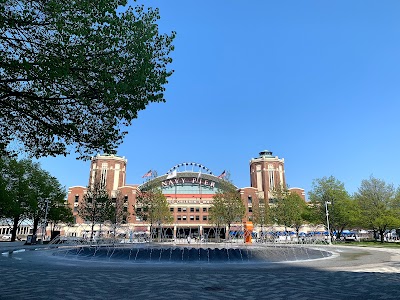
Polk Bros Park
View on map
Audio Narrations
Introduction
Polk Bros Park, a hidden gem nestled in the heart of Chicago's vibrant West Loop neighborhood, offers a unique blend of urban oasis and historical charm. This 2.2-acre park, once a bustling industrial site owned by the Polk Brothers, has been transformed into a haven for relaxation and recreation. The park's centerpiece is a stunning, 100-year-old brick smokestack, a silent sentinel of the area's industrial past. This iconic structure, adorned with climbing vines and twinkling lights, serves as a reminder of the neighborhood's transformation. Lush green spaces, dotted with mature trees and vibrant flowerbeds, provide a tranquil escape from the city's hustle and bustle. Polk Bros Park is a haven for art enthusiasts, featuring a rotating collection of sculptures and murals. The park's open-air gallery showcases the works of local and international artists, adding a touch of cultural vibrancy to the landscape. A meandering pathway, lined with benches and picnic tables, invites visitors to stroll and soak in the park's serene atmosphere. The park also boasts a state-of-the-art dog park, where furry friends can frolic and socialize in a safe and enclosed environment. A children's playground, complete with swings, slides, and climbing structures, provides endless entertainment for the little ones. Polk Bros Park is a testament to the power of urban renewal, transforming a once-forgotten industrial site into a vibrant community hub. Its unique blend of history, art, and nature makes it a must-visit destination for anyone seeking a respite from the urban jungle.Community Gathering Space
Polk Bros Park in Chicago's vibrant Pilsen neighborhood stands as a testament to the transformative power of community-driven green spaces. Once a vacant lot, the park has blossomed into a vibrant hub for social interaction, cultural expression, and environmental stewardship. At the heart of Polk Bros Park lies a commitment to fostering a sense of belonging and shared purpose. The park's design prioritizes accessibility, with wide pathways, gentle slopes, and ample seating that caters to people of all ages and abilities. A large open lawn serves as a canvas for community events, from lively farmers' markets to open-air concerts and movie nights under the stars. Beyond recreation, Polk Bros Park embraces its role as a platform for cultural exchange. The park's amphitheater hosts a diverse array of performances, from traditional Mexican folk dances to contemporary music festivals. The park also features a community garden where residents can cultivate fresh produce and connect with their neighbors over shared gardening experiences. Polk Bros Park's commitment to environmental sustainability is evident in its design and programming. Rain gardens capture and filter stormwater runoff, while native plantings provide habitat for local wildlife. Educational workshops and volunteer opportunities empower residents to become active stewards of their environment. As a community gathering space, Polk Bros Park transcends its physical boundaries to foster a sense of community spirit. The park serves as a living testament to the power of collaboration, where residents of all backgrounds come together to celebrate their shared heritage, embrace diversity, and build a more vibrant and inclusive future for their neighborhood.Public Art Destination
Polk Bros Park, nestled in the heart of Chicago's vibrant West Loop, is a hidden gem for public art enthusiasts. This urban oasis boasts a diverse collection of sculptures, murals, and installations that transform the park into an open-air gallery. One of the park's highlights is the iconic "Gateway to the West Loop" sculpture by artist Richard Hunt. This monumental bronze piece, composed of interlocking geometric shapes, symbolizes the neighborhood's industrial past and its transformation into a thriving cultural hub. Art enthusiasts will also be captivated by "The Beanfield," a whimsical installation by British artist Anya Gallaccio. This immersive experience invites visitors to walk through a field of white ceramic beans, creating a surreal and thought-provoking encounter. Beyond these prominent works, Polk Bros Park is adorned with numerous murals that add vibrancy and character to the space. Local artists have transformed the park's walls into canvases, showcasing diverse styles and perspectives. The park also hosts a rotating series of temporary exhibitions, ensuring that there is always something new to discover. From interactive installations to thought-provoking sculptures, these exhibitions provide a platform for emerging and established artists alike. Polk Bros Park is not just a public art destination; it is a community gathering space where art and nature converge. Visitors can enjoy a picnic lunch amidst the sculptures, participate in art workshops, or simply relax and soak in the creative atmosphere. Whether you are an art aficionado or simply seeking a unique urban experience, Polk Bros Park offers an unforgettable journey through the world of public art.
11
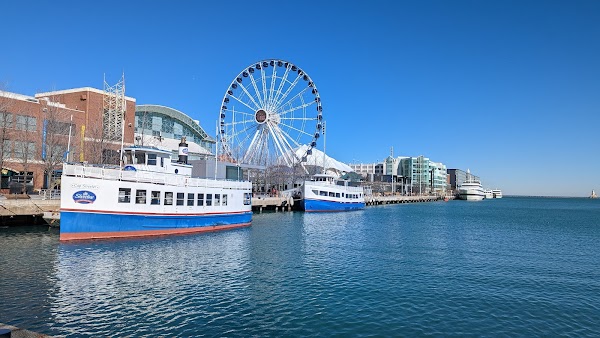
Navy Pier
View on map
Audio Narrations
Introduction
Navy Pier, a 3,300-foot-long pier on the shores of Lake Michigan, is a vibrant destination in Chicago, Illinois. Originally built in 1916 as a municipal pier, it was renamed Navy Pier in 1927 to honor naval veterans. During World War II, it served as a training center for the U.S. Navy, housing thousands of personnel. Today, Navy Pier is a bustling hub of entertainment, dining, and cultural attractions. The iconic Centennial Wheel, a 200-foot Ferris wheel, offers breathtaking views of the city skyline and lakefront. Pier Park features amusement rides, while the Chicago Children's Museum and Chicago Shakespeare Theater provide family-friendly entertainment. The pier also boasts a diverse array of restaurants, from casual eateries to upscale dining options. Offshore Rooftop & Bar, the nation's largest rooftop bar, offers panoramic views from atop Festival Hall. Chef Art Smith's Reunion serves Southern-inspired comfort food, while Harry Caray's Tavern specializes in smoked barbecue and sports memorabilia. Navy Pier is renowned for its spectacular summer fireworks displays, synchronized to music over Lake Michigan. Throughout the year, it hosts a variety of events, including concerts, festivals, and cultural programs. The pier's public art installations, such as the Bob Newhart statue and the "Crack the Whip" sculpture, add to its artistic ambiance.Live Entertainment
Navy Pier, a vibrant waterfront destination in Chicago, Illinois, offers an array of live entertainment options that cater to diverse tastes. The iconic Beer Garden, a popular spot for locals and tourists alike, transforms into a lively stage during the summer months. Every Saturday and Sunday, the Live on the Lake concert series brings an eclectic mix of local and national bands to the pier, showcasing genres ranging from rock and pop to jazz and blues. The performances, set against the backdrop of Lake Michigan, create a captivating atmosphere for music enthusiasts. Beyond the Beer Garden, Navy Pier hosts a variety of special events and festivals throughout the year that feature live entertainment. The Chicago SummerDance festival, held annually in August, invites renowned dance companies from around the world to perform on the pier's stages. The Navy Pier Fireworks, a spectacular display that illuminates the night sky over the lake, is accompanied by live music on select nights, enhancing the sensory experience. For those seeking a more intimate live music experience, the Aon Grand Ballroom, located within the pier's historic buildings, hosts concerts, comedy shows, and other performances. The ballroom's elegant ambiance and state-of-the-art acoustics provide an exceptional setting for both established and emerging artists. Navy Pier's commitment to live entertainment extends beyond music. The Chicago Shakespeare Theater, housed in a replica of the original Globe Theatre, stages acclaimed productions of Shakespeare's plays and other classics. The theater's unique open-air design allows audiences to immerse themselves in the performances while enjoying the pier's waterfront views. With its diverse offerings, Navy Pier has established itself as a premier destination for live entertainment in Chicago. Whether you're a music lover, a theater enthusiast, or simply seeking a memorable night out, the pier provides an array of options to ignite your senses and create lasting memories.Lakefront Destination
Navy Pier, a captivating lakefront destination in Chicago, Illinois, offers a myriad of experiences that cater to every taste. With its prime location on the shores of Lake Michigan, the pier boasts breathtaking panoramic views of the city skyline and the vast expanse of the lake. As a lakefront destination, Navy Pier stands out with its unique attractions and activities. One of the most iconic landmarks of Navy Pier is the Centennial Wheel, a towering Ferris wheel that provides unparalleled vistas of the city and the lake. For an adrenaline-pumping experience, thrill-seekers can embark on a high-speed boat tour that zips across the lake, offering exhilarating views of the shoreline. Alternatively, visitors can opt for a leisurely cruise on a dinner boat, savoring delectable cuisine while enjoying the mesmerizing sights of the city lights reflecting upon the water. Beyond its thrilling rides and cruises, Navy Pier is also a cultural hub. The Chicago Shakespeare Theater, housed within a stunning replica of an Elizabethan playhouse, stages captivating performances that transport audiences to the world of Shakespeare and other renowned playwrights. For art enthusiasts, the pier hosts a rotating array of exhibitions showcasing diverse artistic expressions. Navy Pier's culinary scene is equally impressive, with an array of restaurants offering everything from casual bites to fine dining. Visitors can indulge in classic Chicago deep-dish pizza, savor fresh seafood with stunning lake views, or embark on a culinary adventure with international flavors. As the sun dips below the horizon, Navy Pier transforms into a vibrant entertainment destination. The pier hosts a lively beer garden with live music, while the Offshore Rooftop & Bar offers breathtaking views of the city skyline from its rooftop perch. The pier also hosts a spectacular fireworks display during the summer months, illuminating the night sky with vibrant colors. Whether you seek thrilling rides, cultural experiences, culinary delights, or simply breathtaking lakefront views, Navy Pier offers an unforgettable destination that caters to every desire.
12
Museum Campus
View on map
Audio Narrations
Introduction
The Museum Campus in Chicago, Illinois, is a 57-acre park facing Lake Michigan within Grant Park. It encompasses five of the city's major attractions: the Adler Planetarium, America's first planetarium; the Shedd Aquarium, renowned for its diverse marine life; and the Field Museum of Natural History, housing an extensive collection of natural history exhibits. The campus also includes Soldier Field, home to the Chicago Bears football team, and the Lakeside Center of McCormick Place. The Museum Campus was created to transform the area into a scenic pedestrian-friendly space. It features lush greenery, jogging paths, and walkways, along with a picturesque promenade connecting Northerly Island to the mainland. The drive is lined with grand bronze monuments commemorating historical figures like Kościuszko and Copernicus. In addition to its museums and attractions, the Museum Campus offers a variety of cultural and educational programs. The Adler Planetarium hosts astronomy shows and exhibitions, while the Field Museum conducts research and conservation efforts. The Shedd Aquarium engages in marine conservation and offers interactive exhibits for visitors of all ages.Architectural Marvels
Museum Campus in Chicago, Illinois, United States, is an architectural wonderland, showcasing iconic structures that have shaped the city's skyline. The Pritzker Pavilion, designed by Frank Gehry, is a masterpiece of modern architecture, with its undulating stainless steel bands creating a captivating visual symphony. The Jay Pritzker Pavilion, also by Gehry, is a stunning concert venue with a distinctive canopy that resembles a sailboat. The Field Museum, a neoclassical gem, houses an awe-inspiring collection of natural history exhibits. The Shedd Aquarium, with its striking blue facade, is home to a diverse array of marine life. The Adler Planetarium, a celestial marvel, offers immersive experiences that explore the wonders of space. These architectural marvels, set against the backdrop of Lake Michigan, create a breathtaking symphony of form and function, making Museum Campus a must-visit destination for architecture enthusiasts.Scientific Exploration
The Museum Campus in Chicago, Illinois, United States, stands as a beacon of scientific exploration, housing three renowned institutions that delve into the mysteries of the natural world and human history. The Field Museum, a cornerstone of the campus, boasts an unparalleled collection of over 26 million specimens, including the iconic Tyrannosaurus rex named SUE, the largest and most complete T. rex skeleton ever discovered. Its immersive exhibits transport visitors through time, showcasing the evolution of life on Earth and the intricate tapestry of human cultures. The Shedd Aquarium, another gem of the campus, immerses visitors in the wonders of aquatic life. Its state-of-the-art exhibits showcase over 32,000 animals from around the globe, including beluga whales, Pacific white-sided dolphins, and a diverse array of marine creatures. Interactive displays provide hands-on experiences, allowing visitors to touch and interact with certain species, fostering a deeper understanding of marine ecosystems. Completing the scientific triumvirate is the Adler Planetarium, a celestial sanctuary that takes visitors on a journey through the cosmos. Its immersive shows, cutting-edge exhibits, and interactive experiences unravel the mysteries of the universe, from the birth of stars to the exploration of distant planets. The planetarium's Doane Observatory, equipped with a powerful telescope, offers visitors a glimpse of the night sky, inspiring awe and wonder. Together, these institutions form a vibrant hub for scientific exploration, offering a comprehensive and engaging experience for those seeking to delve into the intricacies of the natural world and human history.
13
Field Museum
View on map
Audio Narrations
Introduction
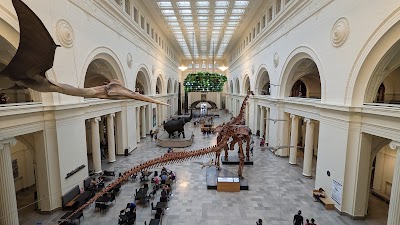
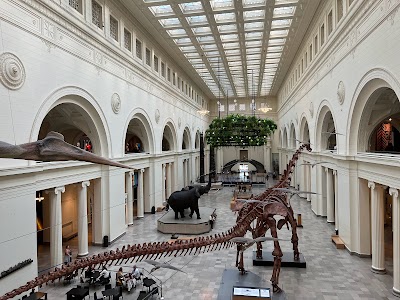
The Field Museum of Natural History in Chicago, Illinois, is a world-renowned institution dedicated to connecting visitors with the natural world and human history. Its vast collection of over 40 million artifacts and specimens includes the iconic Tyrannosaurus rex named Sue, the largest and most complete T. rex ever discovered. The museum's exhibits span diverse topics, from ancient Egypt to the evolution of life on Earth, showcasing the interconnectedness of our planet and its inhabitants. Beyond its exhibits, the Field Museum is a hub for scientific research and education. Its curatorial and scientific staff conduct groundbreaking research in anthropology, botany, geology, and zoology, while its educational programs inspire curiosity and foster a love for science in visitors of all ages. The museum's library houses an extensive collection of over 275,000 volumes, providing a valuable resource for researchers and scholars. One of the Field Museum's unique features is its commitment to cultural preservation. Its Native Truths: Our Voices, Our Stories exhibit showcases the perspectives and experiences of indigenous peoples, challenging traditional narratives and fostering a deeper understanding of diverse cultures. The museum also houses an authentic 19th-century Māori Meeting House, offering a glimpse into the rich traditions of the Pacific Islands. With its captivating exhibits, cutting-edge research, and dedication to education and cultural preservation, the Field Museum of Natural History stands as a testament to the wonders of the natural world and the enduring power of human curiosity.Mammals of Africa
The Field Museum in Chicago, Illinois, United States, houses an extensive collection of African mammals, offering a comprehensive resource for researchers and enthusiasts alike. Its collection boasts over 230,000 preserved specimens, representing all orders and families of African mammals, with a particular focus on the Afrotropics region. The museum's holdings include rare and endangered species, providing valuable insights into the diversity and conservation status of African mammals. Beyond its vast collection, the Field Museum actively engages in research and conservation initiatives related to African mammals. Its team of experts conducts field expeditions, collaborates with local organizations, and supports research projects across the continent. Visitors can learn about these efforts through interactive exhibits and educational programs, gaining a deeper understanding of the challenges and triumphs of mammal conservation in Africa. The museum's commitment to African mammals extends to its public outreach programs. Guided tours led by knowledgeable docents offer an immersive experience, allowing visitors to observe specimens up close and engage with experts in the field. The Field Museum also hosts lectures, workshops, and family events centered around African mammals, fostering a sense of wonder and appreciation for these magnificent creatures.Architecture
The Field Museum's architectural grandeur is a testament to its rich history and dedication to scientific exploration. Designed by the renowned architectural firm Graham, Burnham & Co., the museum's neoclassical facade, adorned with intricate Ionic columns and pediments, evokes the grandeur of ancient Greek temples. Its exterior is clad in white Georgia marble, lending an air of timeless elegance. Inside, the museum's vast exhibition halls are supported by a foundation that extends 95 feet deep, ensuring structural integrity for its extensive collections. The iconic Stanley Field Hall, spanning 300 feet in length and 70 feet in width, features a floor composed of 300-million-year-old fossilized limestone, adding a touch of geological wonder to the architectural marvel. The museum's commitment to architectural excellence extends beyond its main building. The Collections Resource Center, completed in 2005, seamlessly integrates modern design with the museum's historical character. Its two underground levels provide an additional 186,000 square feet of storage and research space, ensuring the preservation and accessibility of the museum's vast collections. Throughout the museum, architectural details subtly reinforce its scientific mission. The four muses adorning the corners of Stanley Field Hall symbolize the museum's dedication to research, dissemination of knowledge, science, and art. The building's overall design reflects the belief that architecture should not merely house collections but also inspire awe and foster a deeper appreciation for the natural world.
14
Shedd Aquarium
View on map
Audio Narrations
Introduction
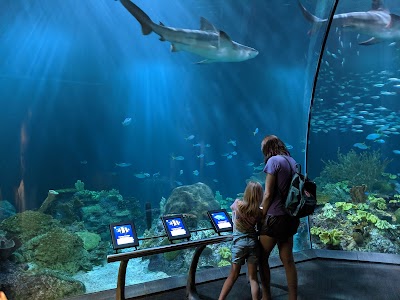
The Shedd Aquarium, a renowned indoor aquarium in Chicago, Illinois, captivates visitors with its diverse collection of marine life. Established in 1930, it boasts over 32,000 animals, including fish, marine mammals, birds, snakes, amphibians, and insects. The aquarium's notable exhibits include Waters of the World, showcasing local aquatic species; Caribbean Reef, featuring a 90,000-gallon circular tank teeming with tropical fish; and Amazon Rising, a walkthrough recreation of the Amazon River's flooded forest. Wild Reef, an immersive exhibit, recreates a Philippine coral reef with sharks, rays, and a 400,000-gallon shark tank. The Abbott Oceanarium houses marine mammals such as beluga whales, Pacific white-sided dolphins, sea otters, and California sea lions. The aquarium's conservation efforts include research on beluga whales, freshwater species, and endangered Bahamian rock iguanas. Its architectural beauty, inspired by classical Greek designs, complements the aquatic wonders within.Beluga Whale Habitat
Immerse yourself in the captivating world of beluga whales at the renowned Shedd Aquarium in Chicago. The Oceanarium, a magnificent indoor marine mammal facility, houses eight majestic belugas, each with a unique story to tell. Naya, the matriarch, has given birth to four calves, while Kayavak, orphaned at a tender age, has thrived under the care of dedicated trainers. The aquarium's commitment to conservation is evident in its successful breeding program, which has contributed to the preservation of this endangered species. Beyond their captivating presence, the belugas at Shedd Aquarium reside in a meticulously designed habitat that mimics their natural Arctic environment. The spacious tank provides ample room for swimming, socializing, and engaging in playful behaviors. Underwater viewing areas offer visitors an intimate glimpse into their graceful movements and intricate communication. The aquarium's expert staff provides exceptional care for the belugas, ensuring their well-being and enrichment. Regular health checkups, specialized diets, and interactive training sessions contribute to their overall health and happiness. Visitors can witness the strong bond between the trainers and these intelligent creatures, who participate in educational presentations that highlight their unique adaptations and the importance of ocean conservation. Exploring the beluga whale habitat at Shedd Aquarium is an unforgettable experience that fosters a deep appreciation for these remarkable animals and the vital role they play in the marine ecosystem.Architectural Significance
The Shedd Aquarium, a National Historic Landmark, stands as a testament to the architectural brilliance of its time. Designed by Graham, Anderson, Probst & White, the renowned firm behind Chicago's iconic Wrigley Building, the aquarium seamlessly blends Beaux-Arts grandeur with elements of Greek Revival, echoing the neighboring Field Museum. Its original octagonal central space, radiating exhibits, and arched glass wall on the east side, providing breathtaking views of Lake Michigan, are architectural marvels. The Oceanarium, designed by Lohan Associates, complements the original building with its modern, glass-heavy design, creating a harmonious juxtaposition of architectural styles. The aquarium's commitment to preserving its architectural heritage is evident in the meticulous restoration of its original features, ensuring that future generations can appreciate its timeless beauty and historical significance.
15
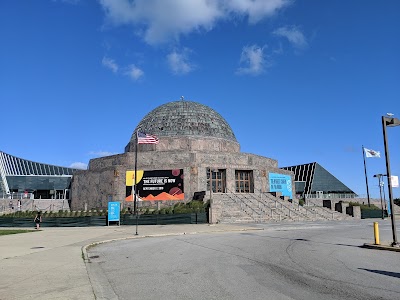
Adler Planetarium
View on map
Experience the Full Tour
Download the DocentPro app to access all tour stops, complete audio narrations in multiple languages, offline maps, and interactive features.