
Copenhagen Kaleidoscope: Unveiling the Essence of Danish Charm

Walking Tour

7.5 km (4.7 miles)

1h 43min travel time

13 Stops

Copenhagen, Denmark
Copenhagen Kaleidoscope: Unveiling the Essence of Danish Charm
Tour Stops
1
Tivoli Gardens
View on map
Audio Narrations
English
Introduction
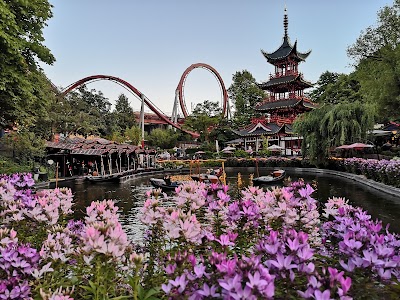
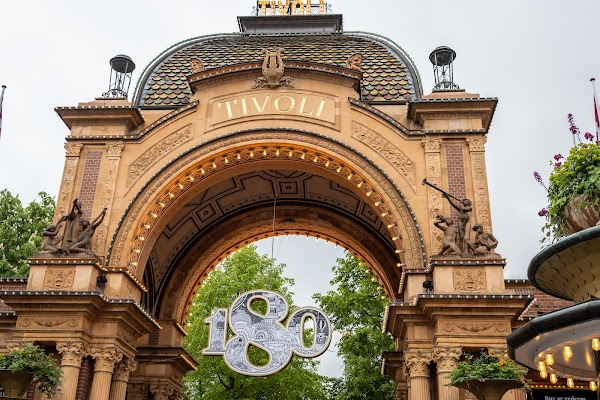
Tivoli Gardens, a whimsical wonderland in the heart of Copenhagen, Denmark, is the second-oldest operating amusement park globally, dating back to 1843. Its enchanting blend of lush gardens, thrilling rides, and captivating performances has captivated visitors for generations. Stroll through the vibrant flowerbeds, where over 24,000 tulips bloom in spring, creating a kaleidoscope of colors. Marvel at the architectural wonders, including the iconic Pantomime Theater with its mechanical peacock curtain. Experience the adrenaline rush on the century-old wooden roller coaster, Rutschebanen, or soar through the sky on the Star Flyer swing ride. Tivoli Gardens is not just an amusement park; it's a cultural hub. The Tivoli Concert Hall hosts world-renowned classical music concerts, while the Pantomime Theater showcases traditional Italian commedia dell'arte performances. The Tivoli Youth Guard, a formation of young musicians and guards, adds a touch of pageantry to the festivities. As night falls, the gardens transform into a magical realm illuminated by thousands of twinkling lights. Fireworks illuminate the sky on Saturdays during the summer, casting a spellbinding glow over the enchanting landscape. With its unique blend of history, beauty, and entertainment, Tivoli Gardens offers an unforgettable experience for visitors of all ages.Amusement Park
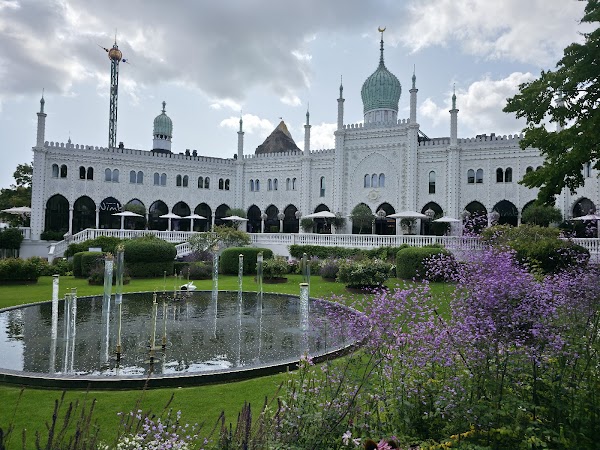
Tivoli Gardens, established in 1843, is the second-oldest amusement park globally, captivating visitors with its enchanting blend of vintage charm and modern thrills. Nestled in the heart of Copenhagen, it seamlessly merges into the city's historic downtown, offering a unique juxtaposition of urban vibrancy and serene gardens. Tivoli Gardens boasts a remarkable collection of rides, each meticulously designed to complement the park's enchanting ambiance. The wooden Rollercoaster, a beloved classic since 1914, stands out with its nostalgic charm and the presence of a brakeman on every train, a rarity among roller coasters worldwide. In contrast, Vertigo propels thrill-seekers upside down at exhilarating speeds, earning it the title of Europe's Best Ride in 2014. Beyond its thrilling rides, Tivoli Gardens immerses visitors in a realm of captivating experiences. Villa Vendetta, Denmark's largest permanent haunted house, transports guests through a labyrinth of spooky rooms filled with live actors. The Tivoli Food Hall tantalizes taste buds with a diverse array of culinary delights, from traditional Danish cuisine to international flavors. Tivoli Gardens transforms into a winter wonderland during the colder months, adorned with twinkling lights and festive decorations. The Christmas season brings a magical atmosphere, complete with a traditional Christmas market and a spectacular fireworks display. Throughout the year, Tivoli Gardens hosts an array of captivating events, including live music performances, cultural exhibitions, and seasonal celebrations. Its enchanting gardens, adorned with exotic architecture, historic buildings, and lush greenery, provide a tranquil oasis amidst the lively atmosphere of the amusement park. Tivoli Gardens is more than just an amusement park; it's a cultural icon that has inspired countless artists, including Walt Disney and Hans Christian Andersen. Its unique blend of vintage charm, modern attractions, and captivating experiences makes it a must-visit destination for amusement park enthusiasts and travelers seeking a truly unforgettable adventure.Historical
Tivoli Gardens, a historical amusement park in Copenhagen, Denmark, has captivated visitors for over 180 years. Founded in 1843 by Georg Carstensen, Tivoli's origins lie in the desire to create a recreational space for citizens. Initially located outside the city walls, Tivoli has gradually been incorporated into Copenhagen's urban fabric. Tivoli's unique charm stems from its blend of historical architecture and modern attractions. The park's buildings showcase a range of architectural styles, from the Moorish-inspired Alhambra Palace to the Chinese-style Pantomimeteatret. These structures evoke a sense of nostalgia and transport visitors to different eras. Tivoli has played a significant role in Danish culture and entertainment. Composer Hans Christian Lumbye, known as the "Strauss of the North," served as Tivoli's musical director for nearly three decades, composing numerous pieces inspired by the park's ambiance. Tivoli's Pantomimeteatret has preserved the tradition of Italian pantomime, offering a unique theatrical experience. Throughout its history, Tivoli has undergone renovations and expansions while preserving its historical character. The park's iconic wooden roller coaster, built in 1914, remains one of only seven worldwide with a brakeman on board. Tivoli's commitment to innovation is evident in its latest addition, Villa Vendetta, Denmark's largest permanent haunted house. As a testament to its enduring legacy, Tivoli has inspired countless artists and visionaries. Hans Christian Andersen, the renowned fairy tale writer, was a frequent visitor, finding inspiration within the park's enchanting atmosphere. Walt Disney, the creator of Disneyland, drew inspiration from Tivoli's unique blend of entertainment and horticulture. Today, Tivoli Gardens stands as a living testament to the power of imagination and the enduring appeal of historical charm. Its rich tapestry of architecture, entertainment, and cultural significance continues to captivate visitors, making it a beloved destination for those seeking a glimpse into Copenhagen's vibrant past.
2
City Hall Square
View on map
Audio Narrations
English
Introduction
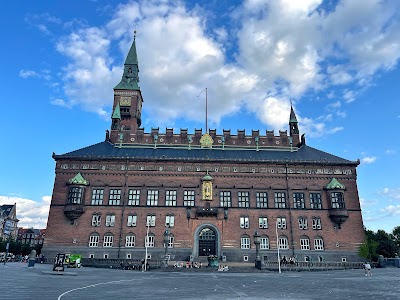
City Hall Square, known as Rådhuspladsen in Danish, is a prominent public square in the heart of Copenhagen, Denmark. Situated directly in front of the iconic Copenhagen City Hall, it serves as a central gathering point for locals and tourists alike. The square's spacious area of 9800 square meters hosts a variety of events, celebrations, and demonstrations throughout the year. One of the square's notable features is the Dragon Fountain, an intricate sculpture depicting a fierce battle between a bull and a dragon. Another captivating sight is the statue of Hans Christian Andersen, the renowned Danish author of beloved fairy tales. The square also boasts the Weather Girl, a gilded sculpture of a young woman on a bicycle that cleverly indicates the weather conditions. City Hall Square is not only a vibrant public space but also a significant historical landmark. It was originally the site of Copenhagen's hay market and later transformed into an exhibition area for major events like the Nordic Exhibitions of 1872 and 1888. The current design of the square was inspired by the Piazza del Campo in Siena, Italy, and was completed in 1905. Today, City Hall Square remains a bustling hub of activity. It is a popular meeting point for locals, a stage for street performers, and a convenient transportation hub with a bus terminal and a metro station. The square's proximity to Strøget, Copenhagen's famous pedestrian shopping street, makes it an ideal starting point for exploring the city's vibrant shopping and dining scene.Historical Symbol
City Hall Square in Copenhagen, Denmark, holds profound historical significance as a symbol of the city's evolution and resilience. The square's centerpiece, the Dragon Fountain, embodies the city's triumph over adversity. Designed by Joakim Skovgaard and Thorvald Bindesbøll, the fountain depicts a fierce battle between a bull and a dragon, representing Copenhagen's struggle against adversity. The three water-spraying dragons on the basin's edge symbolize the city's vigilance and strength in the face of challenges. Another notable historical symbol in the square is the Rainbow Square, a testament to Copenhagen's embrace of diversity and inclusivity. The square's colorful flag and cobblestone patterns mirror the windows of the adjacent Vartov building, reflecting the city's commitment to openness and acceptance. Moreover, the square's proximity to the City Hall, the seat of local government, underscores its role as a gathering place for civic events and demonstrations. Throughout history, City Hall Square has witnessed countless protests, rallies, and celebrations, serving as a platform for the expression of Copenhagen's collective voice. The square's historical significance is further enhanced by its location within the former city walls. The remnants of these fortifications, visible in the surrounding streets and parks, serve as a reminder of Copenhagen's rich past and its transformation from a fortified town to a thriving metropolis. In conclusion, City Hall Square in Copenhagen, Denmark, is a multifaceted historical symbol that embodies the city's resilience, diversity, civic engagement, and architectural heritage. Its unique blend of historical landmarks and modern elements makes it a captivating destination for those seeking a deeper understanding of Copenhagen's past and present.Pedestrian Zone
City Hall Square, a vibrant hub in the heart of Copenhagen, offers a captivating experience for pedestrians. Its central location at the end of the renowned Strøget pedestrian street makes it a natural starting point for exploring the city's charming streets. The square's expansive 9800 square meters provide ample space for leisurely strolls, people-watching, and soaking in the lively atmosphere. The square's design, inspired by the Piazza del Campo in Siena, Italy, creates a unique and inviting ambiance. The shell-shaped layout draws visitors towards the majestic Copenhagen City Hall, a masterpiece of Danish architecture. The absence of intersecting streets enhances the pedestrian experience, allowing for seamless movement and a sense of tranquility amidst the urban bustle. City Hall Square is not just a thoroughfare but a destination in itself. Its central location makes it a popular gathering spot for demonstrations, performances, and cultural events. The presence of numerous bars and nightclubs in the vicinity adds to its vibrant nightlife scene. The square also boasts a convenient bus hub, connecting pedestrians to various parts of the city. As you traverse City Hall Square, take a moment to admire the impressive sculptures that adorn its perimeter. These works of art add a touch of elegance and cultural significance to the pedestrian experience. The square's proximity to other notable landmarks, such as Politikens Hus and Industriens Hus, invites further exploration and discovery. Whether you're a local resident or a curious traveler, City Hall Square offers a captivating pedestrian experience. Its unique design, vibrant atmosphere, and central location make it a must-visit destination for those seeking to immerse themselves in the heart of Copenhagen.
3
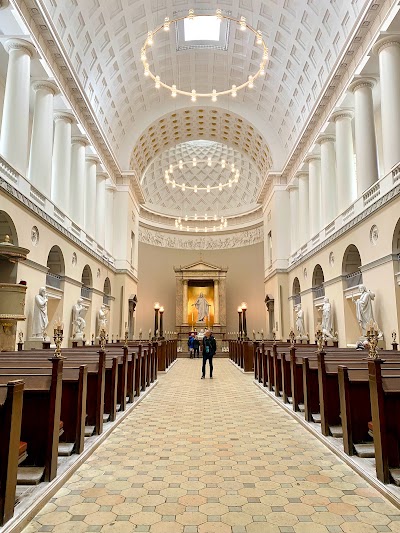
Church of Our Lady
View on map
4
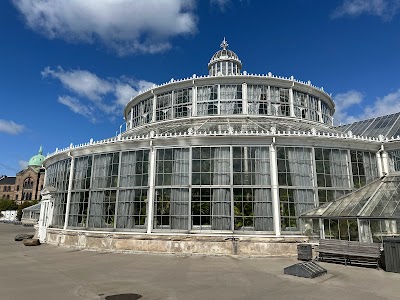
Botanical Garden
View on map
5
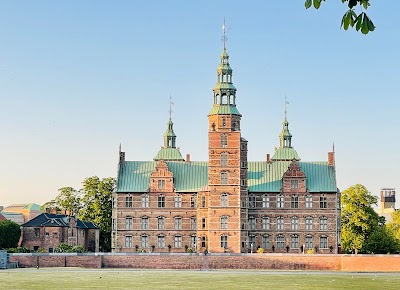
Rosenborg Castle
View on map
Audio Narrations
English
Introduction
Rosenborg Castle, a magnificent Renaissance palace in the heart of Copenhagen, Denmark, stands as a testament to the grandeur of the Danish monarchy. Built as a summer retreat for King Christian IV in the early 17th century, the castle boasts exquisite architecture and houses a treasure trove of royal artifacts. Within its opulent halls, visitors can marvel at the Great Hall, adorned with coronation thrones and guarded by three life-size silver lions. The Knights' Hall showcases tapestries depicting Denmark's military triumphs, while the Long Hall displays an impressive collection of silver furniture. The castle's Treasury is a highlight, safeguarding the Danish Crown Jewels and Regalia. These include the Crown of the Absolute Monarchs, used by kings from Christian V to Christian VIII, and the Crown Jewels, consisting of four magnificent sets of jewelry adorned with diamonds, emeralds, rubies, and pearls. Surrounding the castle is the picturesque King's Garden, the oldest royal garden in Denmark. Designed in the Renaissance style, it offers a serene retreat for visitors to stroll amidst blooming flowers and admire the castle's grandeur from afar.Secret History
Delve into the enigmatic depths of Rosenborg Castle, where secrets whisper through the halls and hidden stories await discovery. Built as a summer retreat for Christian IV, this architectural marvel conceals a treasure trove of clandestine tales. One of the castle's most intriguing secrets lies in its basement, where the Danish Crown Jewels are meticulously guarded. These priceless artifacts, adorned with shimmering diamonds, rubies, and emeralds, have witnessed centuries of royal intrigue and power struggles. Legend has it that the crown jewels possess a mystical aura, bestowing fortune upon those who gaze upon them. Another captivating secret resides in the Long Hall, where the coronation chair of the absolutist kings stands as a silent sentinel. This grand chamber once hosted lavish banquets and royal ceremonies, but its walls also echo with tales of political machinations and secret alliances. Venture into the castle's hidden chambers, where the private writings of Christian IV reveal his innermost thoughts and desires. These intimate documents offer a glimpse into the mind of a complex and enigmatic monarch, whose reign was marked by both triumphs and scandals. Rosenborg Castle's gardens, a verdant oasis in the heart of Copenhagen, hold their own secrets. Amidst the blooming flowers and manicured lawns, whispers of forbidden love affairs and clandestine meetings dance on the breeze. The castle's secluded corners provide a sanctuary for those seeking privacy and intrigue. As you explore Rosenborg Castle, let your imagination soar and uncover the hidden narratives that intertwine with its opulent facade. Each room, each artifact, and each garden path whispers a tale of secret history, inviting you to unravel the mysteries that have shaped this iconic landmark.Venetian Glass
Nestled within the King's Garden in Copenhagen, Rosenborg Castle is a treasure trove of Danish history and culture. Among its many wonders lies an exquisite collection of Venetian glass, a testament to the enduring artistry of the Italian city. In the castle's tower chambers, visitors can marvel at one of the world's finest Venetian glass collections. Here, delicate goblets, shimmering chandeliers, and intricate vases showcase the mastery of Venetian artisans. The collection spans centuries, from the Renaissance to the Baroque period, offering a glimpse into the evolution of this exquisite art form. One of the highlights of the collection is a magnificent chandelier, its crystal arms adorned with intricate floral motifs and suspended from a gilded ceiling. The chandelier's shimmering light illuminates the room, casting an ethereal glow upon the surrounding treasures. Another captivating piece is a set of goblets, each adorned with a unique enamel design. The vibrant colors and intricate patterns evoke the opulence of the royal court. These goblets were likely used during lavish banquets, adding a touch of Venetian elegance to the festivities. The Venetian glass collection at Rosenborg Castle is a testament to the enduring fascination with this exquisite art form. It offers visitors a unique opportunity to appreciate the skill and artistry of Venetian glassmakers, whose creations have graced royal palaces and adorned the tables of the elite for centuries.
6

Museum of Natural History
View on map
7
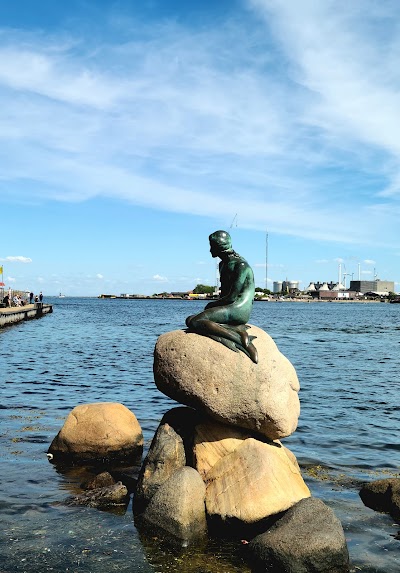
The Little Mermaid
View on map
Audio Narrations
English
Introduction
The Little Mermaid, an iconic bronze statue in Copenhagen, Denmark, depicts a mermaid yearning to become human. Inspired by Hans Christian Andersen's beloved fairy tale, the sculpture was unveiled in 1913 as a gift to the city from brewer Carl Jacobsen. Standing at just over four feet tall, the statue's diminutive size often surprises visitors. Despite its small stature, the Little Mermaid has become a beloved symbol of Copenhagen, attracting countless tourists each year. The statue's journey has not been without its challenges. It has faced vandalism and political protests, leading to its temporary relocation to Shanghai for the 2010 Expo. Despite these incidents, the Little Mermaid remains a resilient symbol of the city, with authorities considering moving it further into the harbor to deter further incidents. One intriguing aspect of the statue's history is that it was not the ballerina Ellen Price, who inspired the sculpture, who posed for the nude body. Instead, the sculptor Edvard Eriksen used his wife, Eline Eriksen, as the model. This little-known fact adds a personal touch to the iconic statue's creation.Subject of Political Protests
The Little Mermaid statue in Copenhagen, Denmark, has become an unlikely focal point for political protests. Its iconic status and visibility have made it a target for activists seeking to draw attention to various causes. Over the years, the statue has been vandalized, defaced, and adorned with messages and symbols representing a wide range of political issues. In 2020, the statue was spray-painted with the words "racist fish," sparking a debate about the perceived racial implications of Hans Christian Andersen's original fairy tale. The statue has also been used as a platform to protest whaling, climate change, and the treatment of refugees. In 2023, it was vandalized with a Russian flag, seen as a sign of support for Russia's invasion of Ukraine. The Little Mermaid's status as a symbol of Denmark and its association with childhood innocence have made it a particularly potent target for political activists. By targeting the statue, protesters can draw attention to their causes while also challenging the traditional values and narratives that the statue represents. The statue's repeated vandalism and defacement have also raised questions about the limits of free speech and the role of public art in a democratic society.Inspiration for Art and Literature
The Little Mermaid statue in Copenhagen, Denmark, has served as a profound inspiration for countless works of art and literature. Its poignant tale of unrequited love and sacrifice has captivated the imaginations of artists and writers for over a century. The statue's evocative presence has inspired ballets, operas, and even a beloved Disney film. Its enduring charm lies in its universal themes of love, loss, and the pursuit of dreams. The statue's creator, Edvard Eriksen, drew inspiration from Hans Christian Andersen's original fairy tale. Eriksen's bronze sculpture captures the mermaid's ethereal beauty and longing gaze, perfectly embodying the story's central themes. The statue's placement on a rock in the Copenhagen harbor adds to its allure, creating a sense of isolation and vulnerability that resonates with viewers. Over the years, the Little Mermaid has become an iconic symbol of Copenhagen and a popular tourist destination. Visitors from around the world flock to see the statue, drawn by its artistic merit and the timeless story it represents. The statue's enduring popularity is a testament to its ability to inspire and enchant audiences of all ages.
8
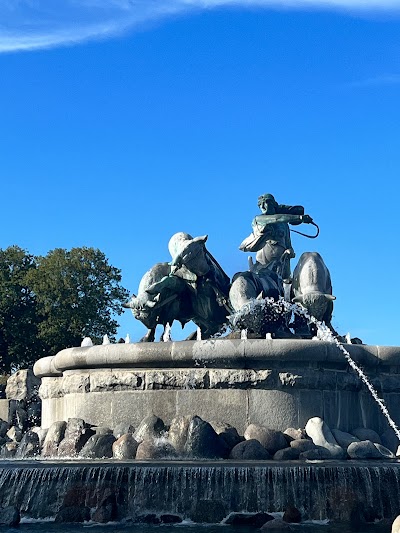
Gefion Fountain
View on map
9
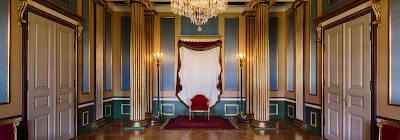
Amalienborg Palace Museum
View on map
10
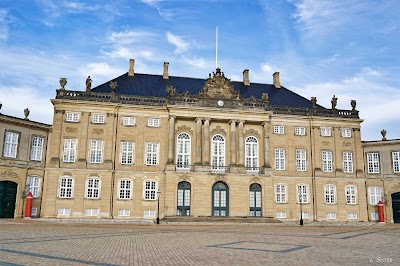
Amalienborg
View on map
Audio Narrations
English
Introduction
Amalienborg Palace, the official residence of the Danish royal family, is a magnificent complex of four identical Rococo palaces surrounding an octagonal courtyard in Copenhagen. Built in the 1750s, these palaces were originally intended for noble families but became the royal residence after a fire destroyed Christiansborg Palace in 1794. Each palace bears the name of a Danish monarch: Christian VII's Palace, Christian VIII's Palace, King Frederik VIII's Palace, and Christian IX's Palace. The latter is the winter residence of Queen Margrethe II. Amalienborg is renowned for its Changing of the Guard ceremony, a spectacle that takes place daily at noon. The Royal Life Guards, clad in distinctive blue and red uniforms and bearskin hats, march from Rosenborg Castle to Amalienborg, where they execute a precise and formal exchange of personnel. The palace complex also houses the Amalienborg Museum, which offers insights into the lives of the royal family and displays royal artifacts and memorabilia. Beyond its architectural grandeur and historical significance, Amalienborg is a vibrant cultural hub. The palace gardens, known as Amaliehaven, feature marble sculptures and a central fountain, providing a serene oasis in the heart of the city. The surrounding area is home to numerous museums, art galleries, and restaurants, making it a popular destination for both tourists and locals alike.Palaces and Properties Agency
Amalienborg, the architectural gem in Copenhagen, Denmark, stands as a testament to the Palaces and Properties Agency's dedication to preserving and showcasing Denmark's royal heritage. This magnificent complex of four identical palaces, arranged around an octagonal courtyard, has been the winter residence of the Danish royal family since the late 18th century. The Agency's meticulous restoration efforts have ensured that Amalienborg retains its original grandeur while adapting to modern needs. The interior spaces, adorned with exquisite furnishings and artwork, offer a glimpse into the opulent lifestyle of the Danish monarchy. Visitors can marvel at the intricate details of the State Rooms, where official ceremonies and receptions take place, and explore the private apartments, which provide a more intimate glimpse into the lives of the royal family. Beyond its architectural significance, Amalienborg holds immense historical value. The Agency has played a pivotal role in safeguarding the palace's legacy, ensuring that it remains a symbol of Danish sovereignty and a beloved landmark for generations to come.Danish Royal Family
Amalienborg Palace, the official residence of the Danish Royal Family, stands as a testament to their rich history and enduring legacy. Built in the 18th century, the palace complex comprises four identical Rococo facades, each housing a distinct palace. Christian VII's Palace, once the residence of King Christian VII, now serves as Queen Margrethe II's representative palace. Its opulent interiors reflect the grandeur of the Danish monarchy, with exquisite chandeliers, intricate tapestries, and priceless works of art. Frederik VIII's Palace, the current residence of Queen Margrethe II and Prince Henrik, exudes a more intimate charm. Its cozy rooms and family portraits offer a glimpse into the private lives of the royal family. Christian IX's Palace, the former residence of King Christian IX, is now home to the Amalienborg Museum. Visitors can delve into the history of the Danish monarchy, exploring the personal belongings and royal regalia of past kings and queens. Christian VIII's Palace serves as the residence of Prince Joachim and Princess Marie, as well as Princess Benedikte. Its elegant halls and spacious rooms provide a comfortable and functional living space for the royal family members. The Changing of the Guard ceremony, held daily at noon in the palace courtyard, is a spectacle not to be missed. The Royal Life Guards, clad in their iconic scarlet tunics and bearskin caps, march with precision and discipline, showcasing the military traditions of the Danish monarchy.
11
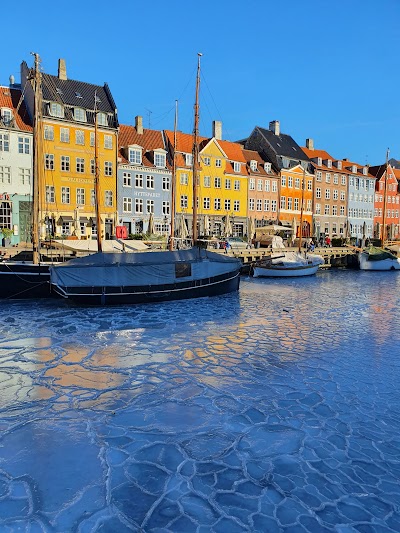
Nyhavn
View on map
Audio Narrations
English
Introduction
Nyhavn, a vibrant waterfront district in Copenhagen, Denmark, is a kaleidoscope of colorful houses, bustling cafes, and historical charm. The 17th-century canal, lined with pastel-hued buildings, exudes a picturesque ambiance that has captivated artists, writers, and travelers for centuries. Hans Christian Andersen, the renowned author of fairy tales, once resided at Nyhavn 20, where he penned some of his most beloved stories. The canal's lively atmosphere inspired countless literary works, including "The Little Mermaid" and "The Ugly Duckling." Nyhavn's culinary scene is a delight, offering a diverse range of restaurants, cafes, and bars. From traditional Danish fare to international cuisine, there's something to tantalize every palate. The canal's waterfront terraces provide an idyllic setting to savor a meal while soaking in the picturesque surroundings. A stroll along Nyhavn's cobblestone streets reveals hidden gems, such as the Anchor Monument, a tribute to Denmark's maritime heritage. The Royal Danish Theatre, a magnificent architectural masterpiece, stands proudly at the canal's end. Nyhavn's vibrant nightlife adds to its allure. As the sun sets, the canal transforms into a hub of activity, with live music spilling out from cozy pubs and laughter echoing through the streets. Whether you're seeking a romantic getaway, a cultural immersion, or a lively night out, Nyhavn offers an unforgettable experience. Its unique blend of history, charm, and contemporary vibrancy makes it a must-visit destination in Copenhagen.Cultural Hub
Nyhavn: A Cultural Hub in Copenhagen Nyhavn, Copenhagen's iconic canal, is not just a picturesque tourist destination, but also a vibrant cultural hub. Its colorful houses, bustling cafes, and rich history have attracted artists, writers, and musicians for centuries. Nyhavn's cultural significance is deeply rooted in its maritime past. In the 17th and 18th centuries, it was a thriving port, attracting sailors and merchants from all over the world. This influx of diverse cultures fostered a lively exchange of ideas and artistic expression. The canal's cafes and bars became meeting places for artists and intellectuals, fostering a bohemian atmosphere. Hans Christian Andersen, the renowned author, lived in Nyhavn for many years, drawing inspiration from its vibrant energy. The canal also served as a backdrop for numerous paintings by Danish artists, capturing its unique charm and character. Today, Nyhavn continues to be a cultural hub, attracting artists, musicians, and performers from all walks of life. The canal is lined with art galleries, theaters, and live music venues, showcasing a diverse range of artistic expressions. The Royal Danish Theatre, located at the end of Nyhavn, is a renowned institution, staging opera, ballet, and drama productions. Nyhavn's cultural heritage is also evident in its architecture. The colorful houses, dating back to the 17th and 18th centuries, are a testament to the city's rich history. Each house has its own unique story, reflecting the lives and experiences of the people who have lived and worked there. The canal's annual events, such as the Copenhagen Jazz Festival and the Christmas Market, further solidify its position as a cultural hub. These events attract visitors from all over the world, creating a vibrant atmosphere and showcasing the city's rich cultural heritage. Nyhavn's cultural significance extends beyond its physical boundaries. It has become a symbol of Copenhagen's openness, creativity, and tolerance. The canal's vibrant atmosphere and diverse cultural offerings make it a true cultural hub, attracting visitors and locals alike.Colorful Canal
Nyhavn: A Kaleidoscope of Colors on Copenhagen's Waterfront Nyhavn, Copenhagen's iconic canal, is a vibrant tapestry of colors that has captivated visitors for centuries. The 17th and 18th-century townhouses lining its banks are adorned in a rainbow of hues, ranging from deep ochre and burnt umber to vibrant emerald and sapphire. This kaleidoscope of colors is a testament to the canal's rich history and its transformation from a bustling port to a beloved tourist destination. The oldest house in Nyhavn, dating back to 1681, stands as a testament to the canal's maritime past. Its weathered facade, painted in a warm ochre, whispers tales of sailors and merchants who once frequented its shores. As you stroll along the canal, you'll encounter a symphony of colors, each building telling a unique story. A deep crimson facade evokes the passion of artists who once found inspiration in Nyhavn's charm, while a cheerful sunflower yellow evokes the joy of countless visitors who have been enchanted by its beauty. The colorful boats bobbing gently on the water add another dimension to Nyhavn's chromatic allure. Traditional wooden ships, painted in shades of emerald and sapphire, evoke a sense of maritime history, while modern sailboats, adorned with vibrant stripes, bring a touch of contemporary flair. The reflection of these colors on the water's surface creates a mesmerizing spectacle, constantly shifting with the movement of the waves. Nyhavn's colorful charm extends beyond its buildings and boats. The cobblestone streets, lined with cafes and restaurants, are adorned with colorful awnings and flower boxes, adding to the vibrant atmosphere. The air is filled with the aroma of freshly brewed coffee and delectable pastries, inviting visitors to linger and soak in the ambiance. As the sun sets, Nyhavn transforms into a magical wonderland. The warm glow of streetlights illuminates the colorful facades, casting long shadows that dance across the water. The reflection of the city lights creates a shimmering spectacle, making Nyhavn a truly unforgettable sight. Whether you're a seasoned traveler or a first-time visitor, Nyhavn's colorful canal is sure to leave a lasting impression. It's a place where history and modernity intertwine, where vibrant colors come alive, and where the spirit of Copenhagen shines through. So, take a stroll along its banks, soak in the kaleidoscope of colors, and let the magic of Nyhavn captivate you.
12

Green George af Thomas Dambo - Trold nr. 50
View on map
13
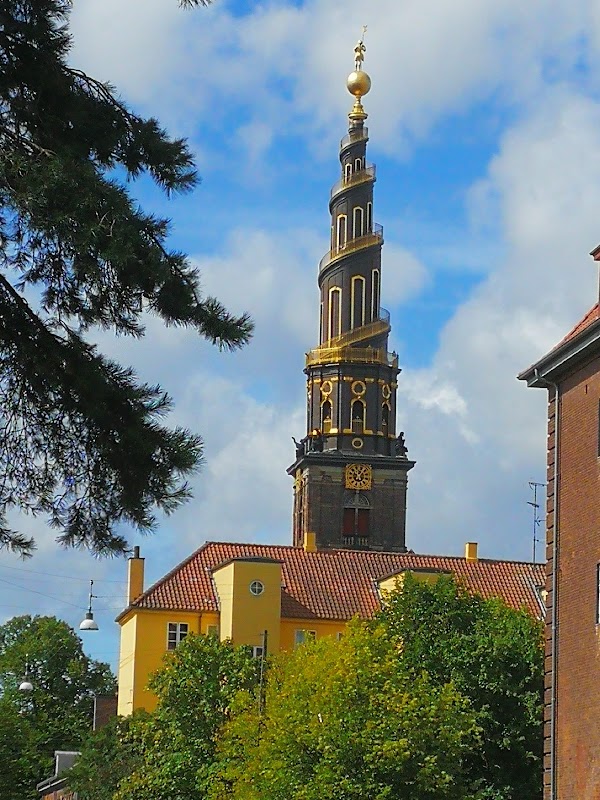
Freetown Christiania
View on map
Experience the Full Tour
Download the DocentPro app to access all tour stops, complete audio narrations in multiple languages, offline maps, and interactive features.