
Enchanted Edinburgh: A Journey Through History and Natural Beauty

Walking Tour

4.6 km (2.9 miles)

1h 16min travel time

7 Stops

Edinburgh, Scotland
Enchanted Edinburgh: A Journey Through History and Natural Beauty
Tour Stops
1
Edinburgh Castle
View on map
Audio Narrations
English
Introduction
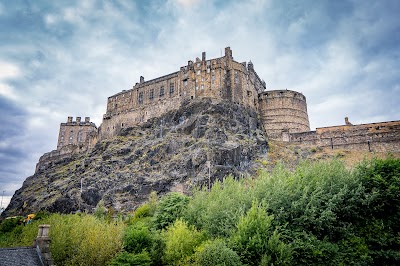
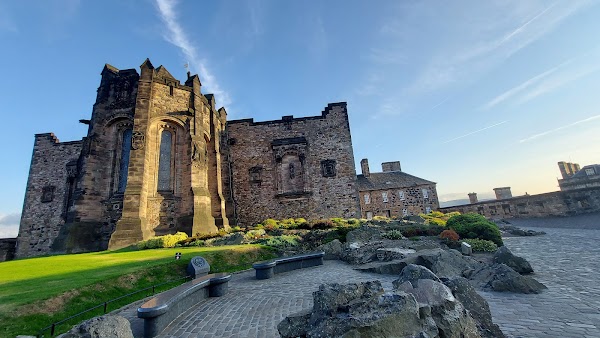
Edinburgh Castle, a historic fortress perched atop Castle Rock, has witnessed centuries of Scottish history. Its volcanic origin has resulted in sheer cliffs and a steep ascent, providing a natural defense. The castle's strategic location has made it a coveted stronghold, with its walls enduring numerous sieges. The oldest building within the castle is St. Margaret's Chapel, dating back to the 12th century. The Great Hall, completed in 1511, served as a grand venue for banquets and state events. The Half Moon Battery, built after the Lang Siege of 1573, defended the castle with bronze guns known as the Seven Sisters. Edinburgh Castle has played a pivotal role in Scottish history, serving as a royal residence, military garrison, and prison. It was the birthplace of James VI, who later became James I of England, uniting the crowns of Scotland and England. The castle houses the Honours of Scotland, the oldest Crown jewels in Britain, and the Stone of Destiny, a symbol of Scottish monarchy. Today, Edinburgh Castle is a popular tourist destination, offering guided tours and historical displays. It is also the setting for the annual Edinburgh Military Tattoo, a spectacular military music festival. The castle's rich history, stunning architecture, and captivating stories make it a must-visit for anyone interested in Scottish heritage and culture.Historical Fortress
Edinburgh Castle, a formidable fortress perched atop Castle Rock in Edinburgh, Scotland, stands as a testament to centuries of conflict and intrigue. Its strategic location, atop a volcanic crag, has made it a coveted stronghold since the Iron Age. Over the millennia, it has witnessed countless sieges, invasions, and power struggles, leaving an indelible mark on its storied walls. The castle's medieval origins are evident in its formidable defenses. David's Tower, built in the 14th century, served as a royal residence and the castle's main entrance. Its thick walls and narrow passages were designed to repel invaders. The Half Moon Battery, constructed after the devastating "Lang Siege" of 1573, further strengthened the castle's defenses with its powerful artillery. Throughout its history, Edinburgh Castle has played a pivotal role in Scottish history. It was the royal residence of Scottish monarchs for centuries, and its halls have echoed with the footsteps of kings and queens. It has also been a military garrison, a prison, and a treasury, housing the Crown Jewels of Scotland. The castle's strategic importance made it a frequent target of attack. It was besieged 26 times, more than any other fortress in Britain. The most famous siege was the "Lang Siege" of 1573, which lasted for a year and resulted in the destruction of David's Tower. Today, Edinburgh Castle is a popular tourist destination, attracting visitors from around the world. Its historical significance, stunning architecture, and captivating stories make it a must-see for anyone interested in the rich tapestry of Scottish history.Military Stronghold
Edinburgh Castle, a formidable military stronghold perched atop a volcanic crag, has witnessed centuries of conflict and played a pivotal role in shaping Scotland's destiny. Its strategic location and impregnable defenses made it a coveted prize, withstanding numerous sieges and invasions. The castle's medieval fortifications, including David's Tower and the Half Moon Battery, showcase the architectural ingenuity employed to protect its occupants. The castle's military significance is evident in its arsenal of weaponry, including the iconic Mons Meg, a colossal medieval cannon. Its thick walls and intricate network of tunnels provided shelter and strategic advantage to its defenders. The castle's garrison played a crucial role in safeguarding the Scottish crown jewels, known as the Honours of Scotland, and served as a prison for captured enemies. Edinburgh Castle's military history is etched into its very fabric. The scars of battle are visible in the remnants of David's Tower, destroyed during the Lang Siege of 1573. The castle's resilience and adaptability are a testament to its enduring importance as a military stronghold, a symbol of Scottish resistance and a guardian of the nation's heritage.
2
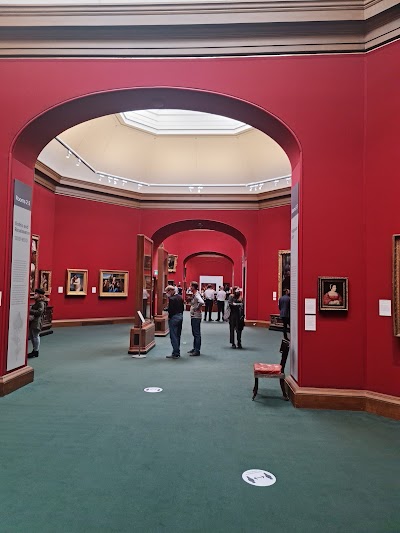
National Galleries of Scotland: National
View on map
3
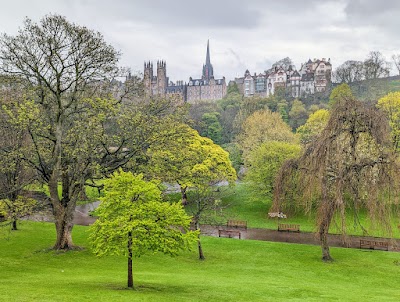
Princes Street Gardens
View on map
Audio Narrations
English
Introduction
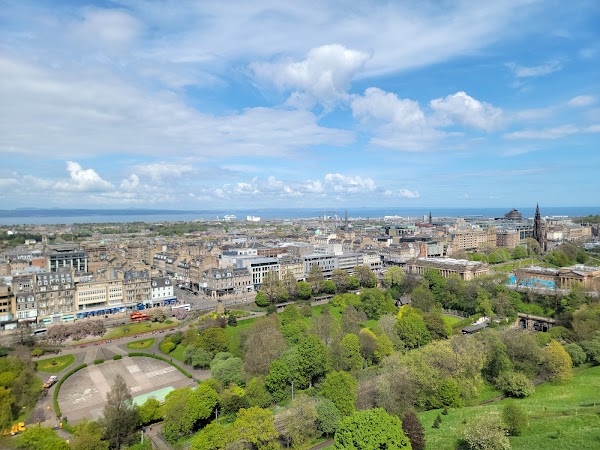
Nestled amidst the bustling heart of Edinburgh, Princes Street Gardens offer an idyllic oasis with picturesque views of Edinburgh Castle. These verdant grounds, divided by The Mound, comprise East and West Princes Street Gardens, each boasting unique attractions. East Princes Street Gardens, renowned for its iconic Scott Monument, houses statues of notable figures like David Livingstone and Adam Black. The world's first floral clock, dating back to 1903, adds a touch of horticultural charm. During the festive season, the gardens transform into "Edinburgh's Christmas," featuring amusement rides and a vibrant Christmas Market. West Princes Street Gardens, once the private domain of Princes Street Proprietors, became a public park in 1876. Its highlights include the Ross Bandstand, where concerts and events take place, and the Ross Fountain, a stunning centerpiece gifted by Daniel Ross. Monuments honoring the Royal Scots, Scottish Americans, and Norwegian Brigade add historical significance to the gardens. A unique feature is the Mortonhall Baby Ashes Memorial, a poignant tribute to families affected by a tragic scandal.Mortonhall Baby Ashes Memorial
Princes Street Gardens, a verdant oasis in the heart of Edinburgh, holds a poignant memorial to the innocent lives lost in the Mortonhall baby ashes scandal. Unveiled in 2015, the bronze baby elephant sculpture, a creation of renowned artist Andy Scott, stands as a symbol of remembrance and a tribute to the 250 babies whose ashes were secretly buried at Mortonhall Crematorium for decades. The memorial's design is both evocative and deeply moving, featuring small footprints and forget-me-not flowers, a testament to the fragility and enduring memory of these lost children. The garden surrounding the sculpture offers a serene space for contemplation and reflection, where bereaved families can find solace and connect with the memory of their loved ones.Historical Landmark
Nestled in the heart of Edinburgh, Princes Street Gardens stand as a testament to the city's rich history and enduring legacy. Created in the 1820s following the draining of the Nor Loch, these gardens emerged as a vibrant public space amidst the grandeur of the New Town. The gardens are divided by The Mound, a man-made hill housing the National Gallery of Scotland and the Royal Scottish Academy. East Princes Street Gardens, extending from The Mound to Waverley Bridge, boasts the iconic Scott Monument, a towering Gothic spire honoring Sir Walter Scott. Within its confines lie statues of notable figures, including David Livingstone, Adam Black, and John Wilson. West Princes Street Gardens, spanning from The Mound to the churches of St. John's and St. Cuthbert's, holds a wealth of historical significance. Originally the private domain of the Princes Street Proprietors, the gardens were acquired by the town council in 1876 and transformed into a public park. The Ross Bandstand, a magnificent Victorian structure, hosts concerts and events, while the Ross Fountain, a gift from Daniel Ross, graces the western end of the gardens. Princes Street Gardens are not merely a green oasis but a repository of Edinburgh's past. The Royal Scots Monument, a modern henge, commemorates the fallen of the Royal Scots Regiment. The Mortonhall Baby Ashes Memorial, a poignant reminder of a tragic scandal, stands as a testament to the city's resilience. As you stroll through these historic gardens, you will encounter a tapestry of monuments, statues, and memorials that speak to the rich heritage of Edinburgh. Princes Street Gardens are not just a place of beauty but a living testament to the city's enduring spirit and the passage of time.
4
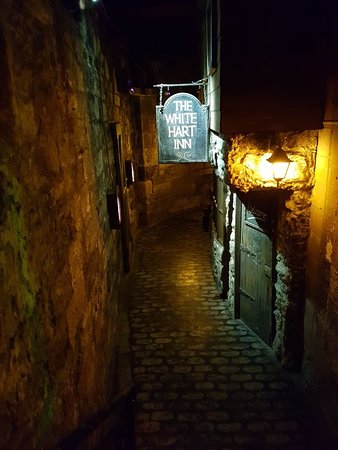
The Real Mary King's Close
View on map
5
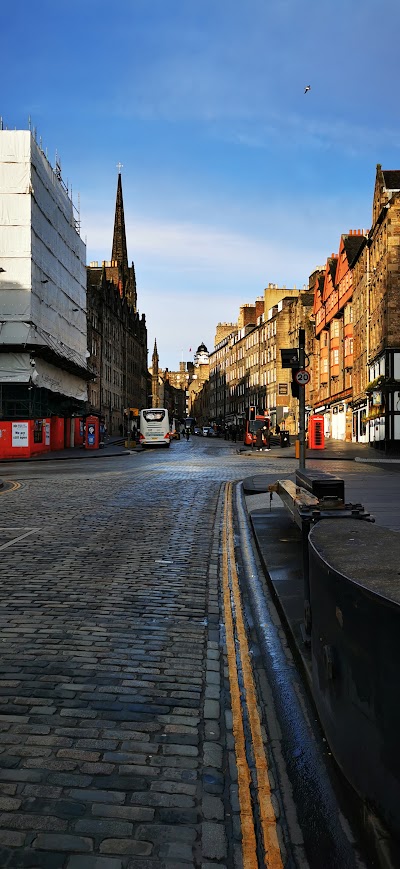
Royal Mile
View on map
Audio Narrations
English
Introduction
The Royal Mile, a succession of streets forming the main thoroughfare of Edinburgh's Old Town, is a vibrant hub steeped in history and charm. Stretching from Edinburgh Castle to the Palace of Holyroodhouse, it was traditionally the processional route of Scottish monarchs. The mile-long route comprises Castlehill, the Lawnmarket, the High Street, the Canongate, and Abbey Strand. The Lawnmarket, once a marketplace for "inland merchandise," is now lined with tourist-oriented shops. Gladstone's Land, a preserved 17th-century merchant's townhouse, offers a glimpse into the past. The High Street, the heart of the city's legal system, is home to the High Court of Justiciary and the Court of Session. Parliament Square, with its iconic Heart of Midlothian, marks the site of the Old Tolbooth. Continuing down the Canongate, visitors encounter Moray House, the Canongate Tolbooth, and the Kirk of the Canongate. The Scottish Parliament Building and Holyrood Palace lie at the end of this historic street. Abbey Strand, leading to the Palace of Holyroodhouse, was once home to Lucky Spence, a notorious brothel madam immortalized in Allan Ramsay's poem. The Queen's Gallery, showcasing items from the Royal collection, stands on the south side.Canongate
Beyond the bustling intersection of the Royal Mile and the Bridges, the thoroughfare continues its descent as Canongate, a historic street steeped in ecclesiastical significance. Its name, meaning "the canons' way," alludes to its origins as a path used by Augustinian canons from Holyrood Abbey. Canongate boasts an array of architectural gems, including Moray House, the grand former residence of the Earl of Moray and now home to the University of Edinburgh's Moray House School of Education. The Canongate Tolbooth, once a prison and courthouse, now serves as The People's Story Museum, showcasing the social history of Edinburgh. At the heart of Canongate stands the Kirk of the Canongate, a thriving parish church with a rich history. Its graveyard is the final resting place of renowned figures such as Adam Smith, the father of modern economics. Continuing down Canongate, visitors encounter the imposing Scottish Parliament Building, a contemporary architectural marvel that houses the Scottish Parliament. The street culminates at Holyrood Palace, the official residence of the British monarch in Scotland, and the adjacent ruined Holyrood Abbey, a poignant reminder of Edinburgh's religious past. Canongate's unique character is further enhanced by its charming closes, narrow alleyways that lead to hidden courtyards and historic buildings. One such close is World's End Close, whimsically named as it once marked the boundary between Edinburgh and the Canongate. Today, Canongate is a vibrant hub of culture and commerce, with independent shops, cozy cafes, and traditional pubs lining its cobblestone streets. Its rich history and architectural heritage make it a captivating destination for those seeking an immersive experience of Edinburgh's storied past.Old Town Edinburgh
Nestled within the heart of Edinburgh's Old Town, the Royal Mile unfurls as a vibrant artery pulsating with history and charm. This iconic thoroughfare, steeped in centuries of Scottish heritage, stretches from the majestic Edinburgh Castle to the grand Palace of Holyroodhouse, connecting two royal residences that have witnessed the ebb and flow of time. The Royal Mile is a captivating tapestry of architectural wonders, from towering tenements to hidden closes and narrow stairways that weave an intricate labyrinth beneath the city's surface. Along its bustling streets, visitors can delve into the captivating tales of the past at The Real Mary King's Close or immerse themselves in the vibrant storytelling traditions at the Scottish Storytelling Centre. St Giles' Cathedral, a magnificent edifice, stands as a testament to the city's religious heritage, while the Scottish Parliament, a striking contemporary masterpiece, embodies Edinburgh's modern spirit. The Grassmarket, once a bustling medieval marketplace and site of public executions, has transformed into a vibrant hub of lively pubs and eclectic shops, offering a glimpse into the city's colorful past. The Royal Mile is not merely a thoroughfare; it is a living, breathing entity that encapsulates the essence of Old Town Edinburgh. Its cobbled streets whisper secrets of a bygone era, while its vibrant atmosphere invites visitors to embrace the city's rich tapestry of culture, history, and tradition.
6
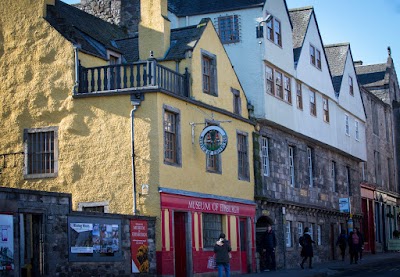
Museum of Edinburgh
View on map
7
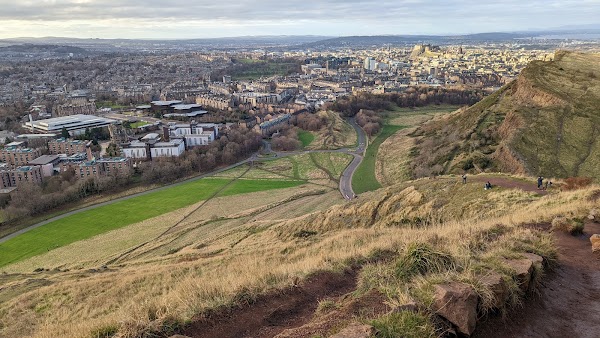
Arthur's Seat
View on map
Experience the Full Tour
Download the DocentPro app to access all tour stops, complete audio narrations in multiple languages, offline maps, and interactive features.