
Exploring Historic Boston: A Comprehensive Itinerary of Iconic Landmarks

Walking Tour

3.4 km (2.1 miles)

49 min travel time

16 Stops

Boston, United States
Exploring Historic Boston: A Comprehensive Itinerary of Iconic Landmarks
Tour Stops
1
Boston Common
View on map
Audio Narrations
English
Introduction
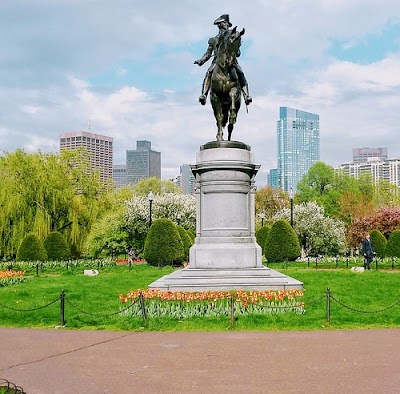
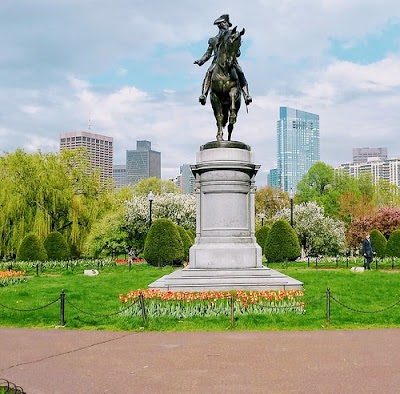
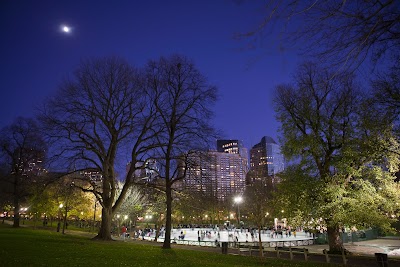
Established in 1634, Boston Common is the oldest public park in the United States. Originally purchased from the area's first European settler, William Blackstone, the 44-acre land was initially used as a pasture for local livestock. Over time, the Common evolved into a site for public gatherings, military training, and even executions. During the British occupation of Boston, it served as an encampment for over 1,000 Redcoats. Today, Boston Common is a vibrant urban oasis, offering a diverse range of recreational activities. The iconic Frog Pond transforms into a skating rink in winter and a splash pool in summer. The park also features ball fields, a playground, and a parking garage. Notable landmarks include the Robert Gould Shaw and 54th Massachusetts Infantry Memorial, commemorating the bravery of African American soldiers in the Civil War, and the Central Burying Ground, the resting place of notable figures like artist Gilbert Stuart and composer William Billings. Beyond its recreational and historical significance, Boston Common has been a stage for public discourse and activism. Throughout the 20th century, it hosted rallies for civil rights, anti-Vietnam War protests, and even a papal mass by Pope John Paul II. The park continues to serve as a gathering place for Bostonians and visitors alike, offering a unique blend of history, recreation, and civic engagement in the heart of the city.Civil War
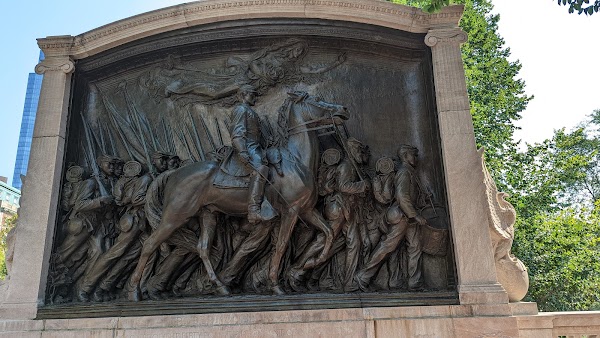
During the Civil War, Boston Common served as a significant gathering place for rallies and speeches in support of the Union cause. Notable figures such as Frederick Douglass, Wendell Phillips, and William Lloyd Garrison addressed crowds here, advocating for the abolition of slavery and the preservation of the Union. The Common also witnessed the departure of the 54th Massachusetts Infantry Regiment, the first all-Black regiment in the Union Army, in May 1863. Their heroic efforts at Fort Wagner, South Carolina, became a symbol of the bravery and determination of African American soldiers during the war. The Common's role in the Civil War extended beyond rallies and speeches. It became a hub for fundraising and recruitment efforts. Fairs and events were held to raise funds for the war effort, and citizens gathered to support the troops. The Common's central location and symbolic significance made it an ideal place to demonstrate patriotism and support for the Union cause. Today, the Robert Gould Shaw and 54th Regiment Memorial stands as a testament to the sacrifices made by African American soldiers during the Civil War. The memorial, dedicated in 1897, depicts Shaw leading his troops into battle. It serves as a poignant reminder of the struggle for equality and the contributions of African Americans to the preservation of the Union.National Historic Landmark
Designated as a National Historic Landmark in 1987, Boston Common holds a prominent place in American history. Established in 1634, it is the oldest public park in the United States, spanning 50 acres in the heart of downtown Boston. The Common has witnessed pivotal events, including public punishments during Puritan times and the encampment of British troops during the Revolutionary War. It was from here that Redcoats marched to Lexington and Concord, sparking the American Revolution. The Common has also been a platform for significant speeches and rallies, including those by Charles Lindbergh, Martin Luther King Jr., and Pope John Paul II. Today, it remains a vibrant public space, hosting events, concerts, and gatherings, while preserving its rich historical legacy as a National Historic Landmark.
2
Boston Common Frog Pond
View on map
3
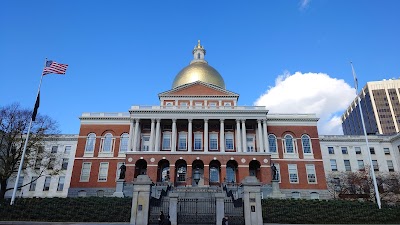
Massachusetts State House
View on map
4
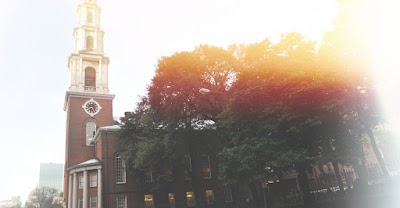
Park Street Church
View on map
5
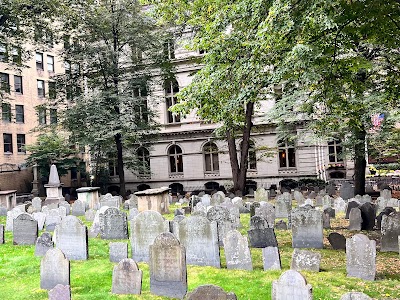
Granary Burying Ground
View on map
6
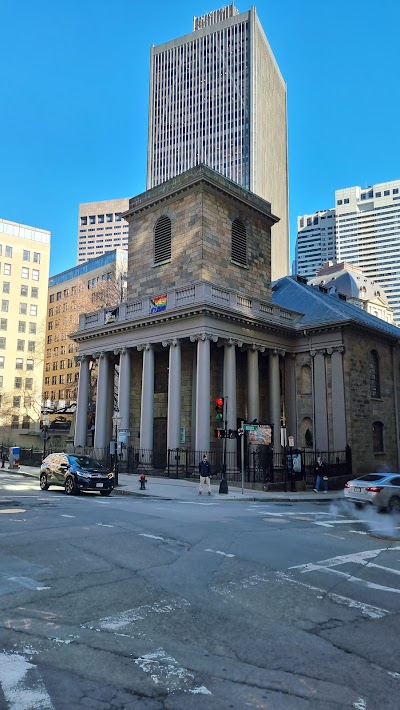
King's Chapel
View on map
7
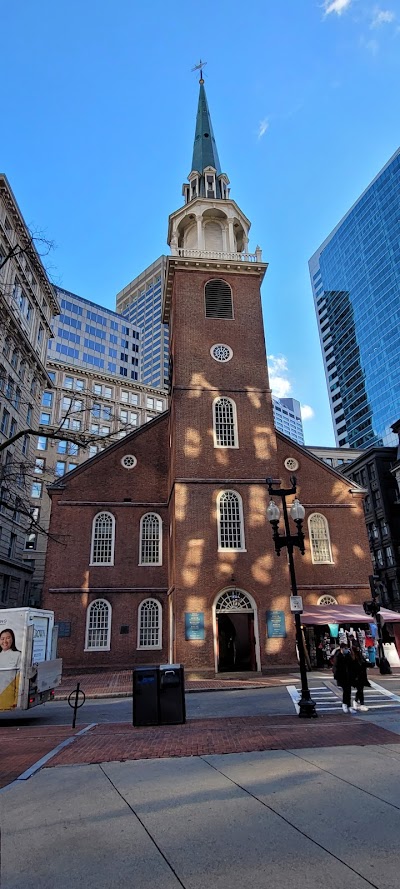
Old South Meeting House
View on map
8
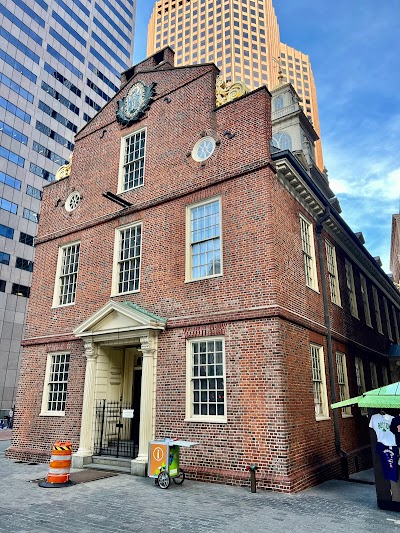
Old State House
View on map
Audio Narrations
English
Introduction
The Old State House, a beacon of American history, stands tall in the heart of Boston, Massachusetts. Its red-brick facade, adorned with white trim, whispers tales of revolution and resilience. Built in 1713, it served as the seat of British government in the colonies, witnessing pivotal events like the Boston Massacre and the reading of the Declaration of Independence. Within its walls, fiery debates ignited the flames of revolution, and the balcony became a stage for pronouncements that shaped a nation. The House of Representatives met here, and Samuel Adams, John Hancock, and other patriots walked these halls, their voices echoing through the centuries. Today, the Old State House stands as a museum, preserving the spirit of the American Revolution. Visitors can explore the chambers where history unfolded, marvel at original documents and artifacts, and stand on the balcony where liberty was proclaimed. The building's weathered bricks and worn steps bear witness to its tumultuous past, while its enduring presence speaks to the unwavering spirit of a nation born in defiance.British Rule
The Old State House: A Beacon of British Authority in Colonial Boston Standing tall on Washington Street, the Old State House in Boston served as a potent symbol of British rule in the American colonies. Constructed in 1713, the red-brick building housed the seat of British government in Massachusetts, witnessing pivotal events that shaped the course of American history. Within its walls, the Royal Governor and his council held court, enacting policies that sparked discontent among the colonists. The infamous Stamp Act, which ignited the flames of revolution, was passed within these very chambers. The building also served as the headquarters for the British military during the occupation of Boston, further solidifying its association with British authority. The Old State House balcony became a stage for public pronouncements and pronouncements, with pronouncements from royal officials often met with jeers and protests from the growing tide of dissent. The Boston Massacre, a pivotal event in the lead-up to the American Revolution, unfolded just steps away from the building, further etching its connection to the struggle for independence. Following the expulsion of the British in 1776, the Old State House transitioned into a symbol of American self-governance. The newly formed Massachusetts government convened within its walls, drafting the state's constitution and laying the foundation for a new nation. Today, the Old State House stands as a museum, preserving the memory of both British rule and the fight for American independence. Its weathered walls and echoing halls offer a tangible connection to a pivotal era in American history, reminding us of the complex and often tumultuous relationship between Britain and its former colonies.Colonial History
The Old State House in Boston, Massachusetts, stands as a silent sentinel, bearing witness to the tumultuous events that shaped America's colonial history. Its red-brick facade, adorned with white pilasters, evokes a bygone era of revolution and rebellion. Within its walls, the seeds of independence were sown, nurtured by fiery debates and passionate speeches. In 1765, the Stamp Act Congress convened within the Old State House, uniting delegates from nine colonies in a defiant stand against British taxation. The echoes of their protests reverberated throughout the colonies, igniting the flames of resistance. Two years later, the infamous Boston Massacre unfolded on its doorstep, further galvanizing the colonists' resolve for freedom. The Old State House served as the seat of the Massachusetts General Court, where revolutionary leaders like Samuel Adams and John Hancock strategized and debated the course of the American Revolution. Within its hallowed halls, the Declaration of Independence was first read publicly in Massachusetts, electrifying the populace with its message of liberty. Today, the Old State House stands as a living museum, preserving the legacy of those who fought for American independence. Its exhibits transport visitors back to the turbulent days of the Revolution, showcasing artifacts, documents, and portraits that bring history to life. The balcony, where pronouncements were made to the assembled crowds, offers a poignant reminder of the power of the spoken word in shaping the course of history. As you stand within the Old State House, let your imagination soar back to the era of powdered wigs and tricorn hats, of fiery speeches and clandestine meetings. Feel the spirit of revolution coursing through your veins, and marvel at the courage and determination of those who dared to dream of a free and independent America. The Old State House is not merely a building; it is a testament to the enduring legacy of the American Revolution, a reminder that the fight for liberty is an eternal struggle.
9
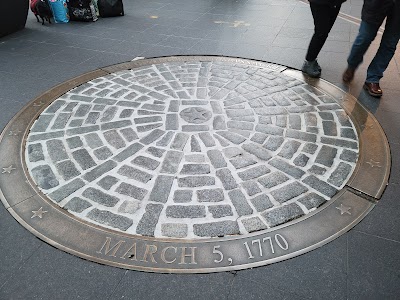
Boston Massacre Site
View on map
10
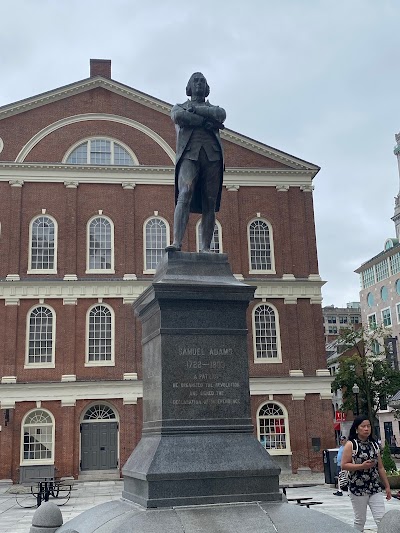
Samuel Adams Statue
View on map
11
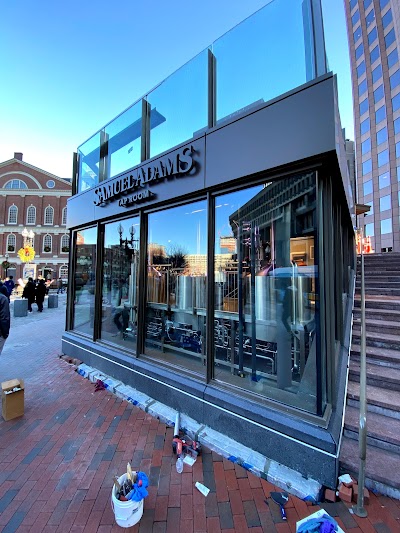
Faneuil Hall Marketplace
View on map
Audio Narrations
English
Introduction
Faneuil Hall Marketplace, a bustling hub in Boston's historic Freedom Trail, is a vibrant fusion of history and modern-day allure. The centerpiece of the marketplace is Faneuil Hall, a 1742 edifice that witnessed pivotal speeches by Samuel Adams and James Otis, igniting the flames of American independence. Today, Faneuil Hall stands as a testament to the city's revolutionary spirit, hosting events and debates that continue to shape Boston's civic discourse. Adjacent to Faneuil Hall lies Quincy Market, a culinary haven housing the oldest and largest food hall in the United States. Its cobblestone promenades are lined with an array of local and international eateries, offering a tantalizing symphony of flavors. From fresh seafood to delectable desserts, Quincy Market caters to every palate. Beyond its culinary delights, Faneuil Hall Marketplace is a shopper's paradise. Specialty push carts and name-brand stores offer a diverse selection of goods, from unique souvenirs to high-end fashion. The marketplace's vibrant atmosphere is further enhanced by live music and street performances, creating an unforgettable ambiance. Faneuil Hall Marketplace is a testament to Boston's rich heritage and its enduring spirit of innovation. It is a place where history, commerce, and entertainment intertwine, offering a captivating experience for visitors and locals alike.Meeting and Assembly Place
Faneuil Hall Marketplace, the iconic meeting and assembly place in Boston, Massachusetts, has witnessed pivotal moments in American history. Constructed in 1742, this architectural gem has served as a vibrant hub for political rallies, public debates, and community gatherings. Its spacious Great Hall, adorned with elegant chandeliers and intricate moldings, has hosted countless orations by renowned figures like Samuel Adams and James Otis, who ignited the flames of revolution. The hall's acoustics and open floor plan fostered an atmosphere conducive to passionate speeches and lively discussions, shaping the course of American independence. Throughout the centuries, Faneuil Hall Marketplace has remained a symbol of free speech and assembly, hosting abolitionist meetings, women's suffrage rallies, and labor union gatherings. Its enduring legacy as a meeting place for diverse voices and perspectives continues to inspire and empower generations.Architecture and Design
Faneuil Hall Marketplace, a prominent architectural gem in Boston, Massachusetts, stands as a testament to the city's rich history and architectural evolution. Designed by renowned architect Charles Bulfinch in 1806, the marketplace showcases a harmonious blend of Federal and Greek Revival styles. Its distinctive granite foundation, red brick exterior, and white trim create a striking visual contrast. The building's symmetrical facade features a central pediment supported by six Ionic columns, while the interior boasts a soaring three-story atrium with an abundance of natural light. Faneuil Hall Marketplace's architectural significance lies in its innovative use of space and materials. The market's interior is organized around a central axis, with two rows of shops flanking a wide central aisle. The shops feature arched openings and cast-iron columns, creating a sense of rhythm and visual interest. The use of skylights and large windows ensures ample natural illumination, enhancing the overall ambiance of the space. Beyond its architectural merits, Faneuil Hall Marketplace holds historical significance as a hub for commerce and political discourse. Its proximity to the waterfront made it a vital center for trade and commerce in the 18th and 19th centuries. The marketplace also played a pivotal role in the American Revolution, serving as a gathering place for patriots and the site of numerous speeches and debates. Today, Faneuil Hall Marketplace continues to thrive as a vibrant destination for locals and tourists alike. Its unique architectural features, coupled with its historical significance, make it a must-visit attraction for anyone interested in exploring Boston's architectural heritage.
12
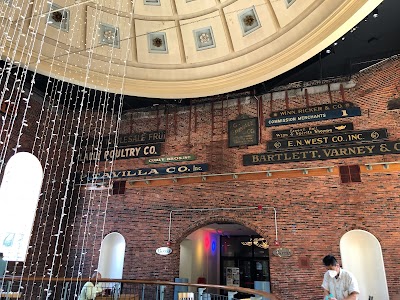
Quincy Market
View on map
13
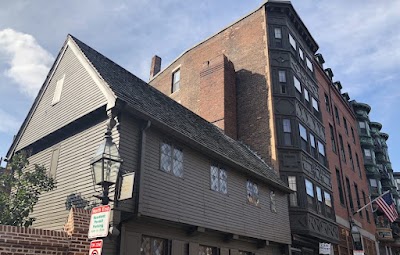
The Paul Revere House
View on map
14
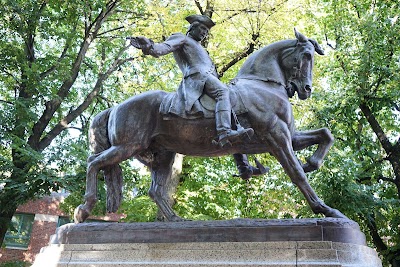
Paul Revere Statue
View on map
15
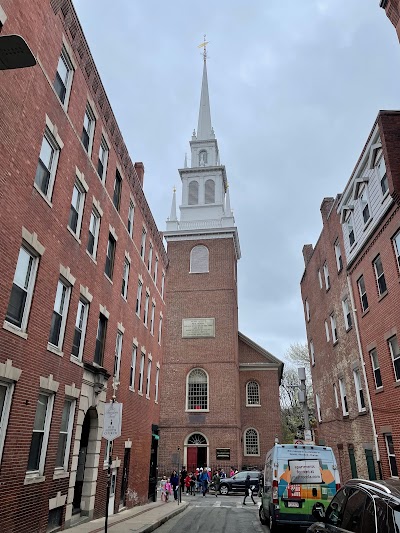
Old North Church
View on map
16
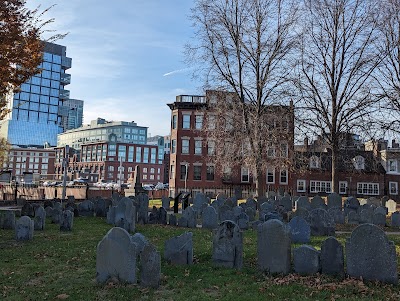
Copps Hill Burying Ground
View on map
Experience the Full Tour
Download the DocentPro app to access all tour stops, complete audio narrations in multiple languages, offline maps, and interactive features.