
Florence: A Journey Through Renaissance Masterpieces

Walking Tour

6.3 km (3.9 miles)

1h 34min travel time

19 Stops

Florence, Italy
Florence: A Journey Through Renaissance Masterpieces
Tour Stops
1
Accademia Gallery
View on map
Audio Narrations
Introduction
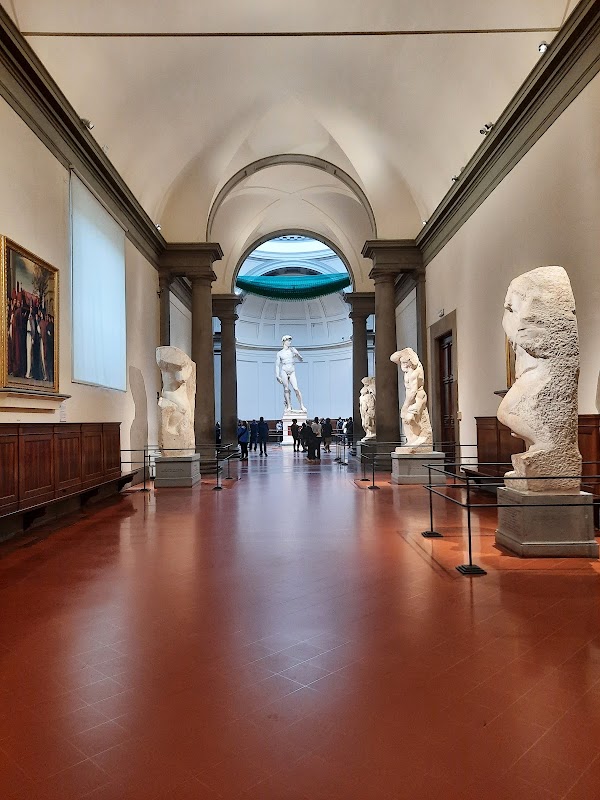
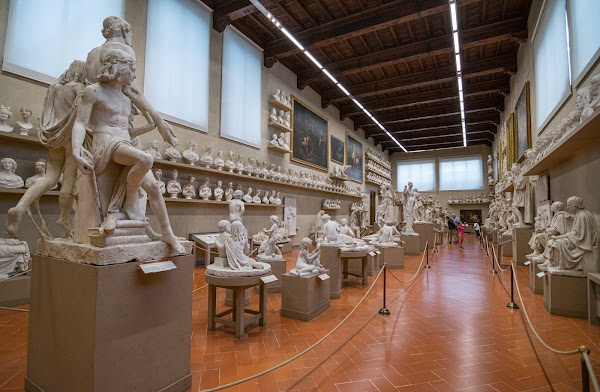
The Accademia Gallery in Florence, Italy, is renowned for housing Michelangelo's iconic statue of David. David, a symbol of strength and independence, stands 17 feet tall and is a testament to Michelangelo's mastery of marble sculpting. The gallery also boasts an impressive collection of paintings by Florentine artists from the 13th to 16th centuries, including works by Botticelli, Ghirlandaio, and Sarto. Among its highlights is the unfinished "Prisoners" by Michelangelo, originally intended for the tomb of Pope Julius II. The gallery's collection of Russian icons, assembled by the Grand Dukes of the House of Lorraine, is another notable attraction.Prisoners Sculptures
In the heart of Florence's Accademia Gallery, the "Hall of the Prisoners" unveils Michelangelo's unfinished masterpieces, the Prisoners or Slaves. These four colossal figures, each embodying a different stage of liberation from the confines of stone, were originally intended for the grand tomb of Pope Julius II. Michelangelo's unparalleled mastery is evident in the intricate details of their muscular forms, capturing the essence of human struggle and the tension between the physical and spiritual realms. The "Young Slave" appears almost free from his bonds, his body contorted in a dynamic pose that suggests a sense of awakening. The "Awakening Slave" struggles against his chains, his face contorted in an expression of both pain and determination. The "Bearded Slave" embodies a more resigned acceptance of his fate, his powerful physique conveying a sense of stoicism. The "Atlas Slave" stands as a symbol of strength and endurance, his massive shoulders bearing the weight of the world. These unfinished sculptures offer a glimpse into Michelangelo's creative process, revealing his meticulous attention to anatomy and his ability to convey complex emotions through the human form. The "Prisoners" stand as a testament to Michelangelo's genius and his enduring legacy as one of the greatest sculptors of all time.School of Musical Instruments
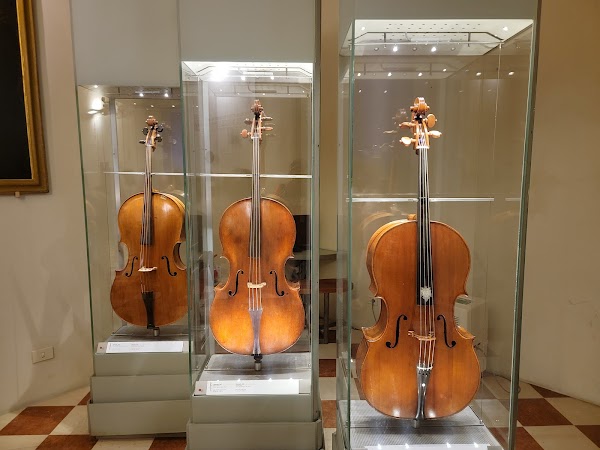
Nestled within the heart of Florence, the Accademia Gallery houses a remarkable collection of musical instruments, offering a captivating glimpse into the evolution of musical craftsmanship. Established in 2001, the Museum of Musical Instruments showcases approximately 50 exquisite pieces from the 17th to 19th centuries, once belonging to the illustrious Medici and Lorraine families. Among the highlights is a rare oval spinet, the earliest surviving work of renowned instrument maker Bartolomeo Cristofori, who revolutionized music with his invention of the piano. Visitors can also marvel at an ebony harpsichord, a testament to Cristofori's mastery of rare and precious materials. The museum further boasts the oldest extant upright piano, crafted by Domenico Del Mela in 1739. Of particular significance is a tenor viola and cello by Antonio Stradivari, renowned for their exceptional craftsmanship and pristine condition. These instruments were part of the Quintetto Mediceo, a string quintet commissioned by Grand Prince Ferdinando in the 17th century. The collection also includes a cello by Niccolò Amati, dating back to the mid-17th century, further enriching the museum's representation of historical string instruments. Through interactive multimedia displays, visitors can immerse themselves in the sounds and stories behind these instruments, gaining an intimate understanding of their role in shaping musical history. The Accademia Gallery's School of Musical Instruments offers a unique opportunity to explore the intersection of art and music, providing a captivating journey through the evolution of musical expression.
2
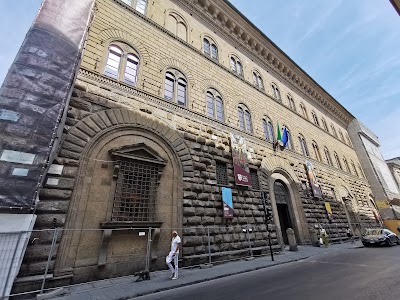
Riccardi Medici Palace
View on map
3
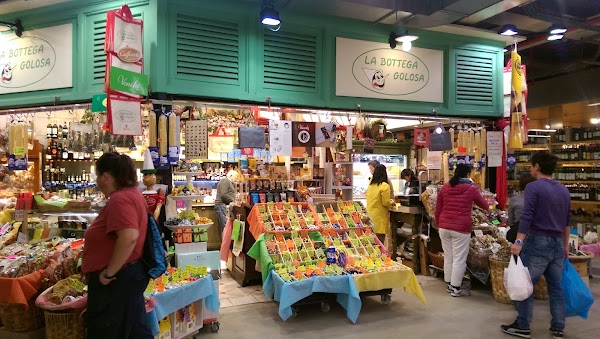
Central Market
View on map
Audio Narrations
Introduction
The Central Market in Florence, Italy, is a bustling indoor market housed in an impressive iron, cast iron, and glass structure designed by Giuseppe Mengoni, the architect behind the Galleria Vittorio Emanuele II in Milan. The market opened in 1874 with an International Agricultural Exhibition and has since become a culinary hub for locals and tourists alike. On the ground floor, visitors can browse a wide variety of fresh produce, including fruits, vegetables, meat, and fish, as well as specialty shops selling local olive oils, meats, cheeses, and more. The first floor, renovated in 2014, has been transformed into a gourmet food court, offering a diverse selection of Tuscan specialties and international cuisines. From traditional lampredotto to fried fish, Chinese dumplings to French pastries, the food court provides a culinary adventure for every palate. Beyond its culinary offerings, the Central Market also features a vibrant outdoor section where vendors sell leather goods, clothing, and souvenirs. The market is a lively and colorful tapestry of local flavors, artisanal crafts, and cultural experiences, making it a must-visit destination for anyone seeking an authentic taste of Florence.Authentic Flavors
Central Market in Florence, Tuscany, Italy, is a culinary paradise for those seeking authentic Italian flavors. This bustling marketplace offers an immersive experience into the heart of Tuscan gastronomy. Vendors proudly display their wares, from vibrant fruits and vegetables to artisanal cheeses and cured meats. The air is alive with the tantalizing aromas of freshly baked bread and roasted coffee beans. Beyond the vibrant stalls, the market hosts cooking demonstrations and tastings, providing an opportunity to witness the skills of local chefs and sample regional delicacies. Visitors can indulge in the creamy richness of handmade pecorino cheese, savor the tangy sweetness of sun-dried tomatoes, and sip on the robust flavors of locally produced olive oil. For those seeking a deeper culinary adventure, guided tours delve into the market's hidden gems. Experts lead participants through the labyrinthine alleys, introducing them to the finest purveyors of traditional Florentine products. From the secrets of truffle hunting to the art of pasta making, these tours offer a unique glimpse into the culinary traditions of Tuscany. Central Market is not merely a place to purchase ingredients; it is a vibrant hub where locals and visitors alike gather to celebrate the authentic flavors of Florence. Whether you're a seasoned foodie or simply curious about Italian cuisine, this bustling marketplace promises an unforgettable culinary experience.Gastronomic Delights
Step into the vibrant heart of Florence's culinary scene at the Central Market, a gastronome's paradise brimming with the authentic flavors of Tuscany. Immerse yourself in a symphony of aromas as you navigate the bustling aisles, where local vendors proudly display their freshest produce, artisanal cheeses, and cured meats. At the heart of the market, the delicatessens beckon with an array of delectable specialties. Indulge in the creamy richness of pecorino cheese, savor the earthy notes of sun-dried tomatoes, and marvel at the vibrant hues of fresh citrus. The air crackles with the scent of freshly baked bread, inviting you to pair it with the finest local olive oil. Venture deeper into the market, and you'll discover hidden gems that cater to the most discerning palates. Sample the exquisite flavors of truffle-infused delicacies, from aromatic oils to decadent sauces. For a taste of local tradition, try the famous Florentine tripe sandwiches, a culinary icon that embodies the city's rich gastronomic heritage. As you explore the market's nooks and crannies, you'll encounter passionate artisans who share their love for Tuscan cuisine. Engage with them, learn about their craft, and uncover the secrets behind their exceptional products. From the finest wines to handcrafted pasta, the Central Market offers a culinary journey that will tantalize your taste buds and leave you with an unforgettable gastronomic experience.
4
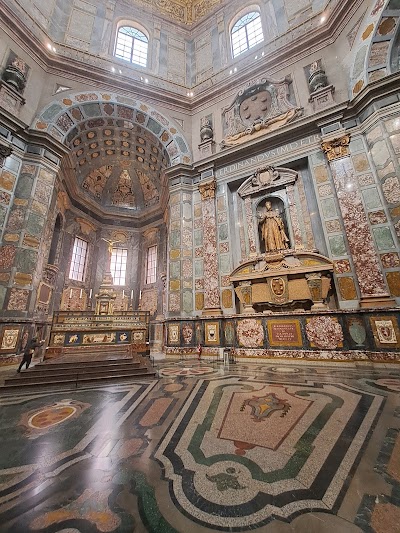
Cappelle Medicee
View on map
5
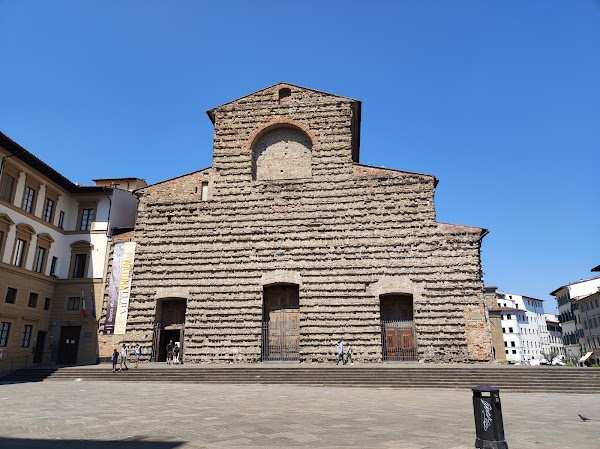
Basilica di San Lorenzo
View on map
6
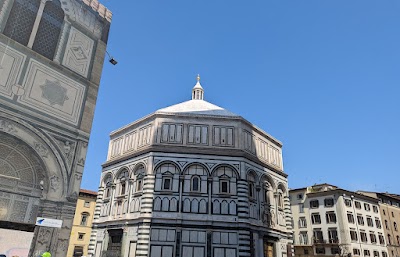
The Baptistery of St. John
View on map
7
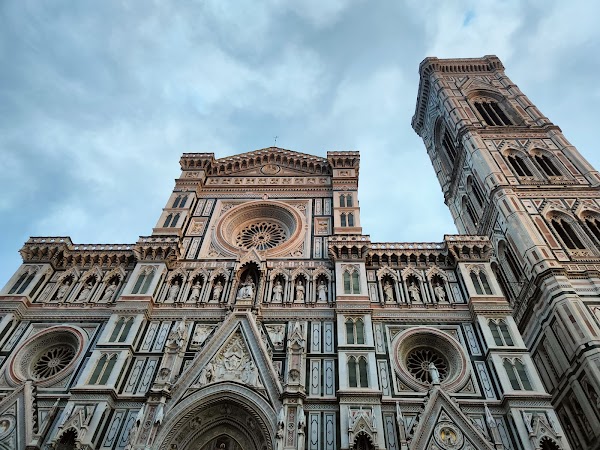
Piazza del Duomo
View on map
Audio Narrations
Introduction
Piazza del Duomo, the spiritual heart of Florence, is a captivating square adorned with architectural masterpieces that have shaped the course of art and architecture. The centerpiece of the square is the majestic Florence Cathedral, known for its awe-inspiring dome designed by Filippo Brunelleschi. Its exterior boasts a vibrant polychrome marble façade, while its interior features exquisite stained glass windows and frescoes by renowned artists like Giorgio Vasari and Federico Zuccari. Across from the cathedral stands the Baptistery of St. John, an octagonal structure adorned with intricate bronze doors by Lorenzo Ghiberti. The bell tower, known as Giotto's Campanile, offers breathtaking views of the city from its soaring heights. Its exterior is adorned with intricate reliefs depicting scenes from the life of Christ. The square is further enriched by the presence of the Museo dell'Opera del Duomo, which houses a vast collection of sculptures and artifacts from the cathedral and baptistery. The Palazzo dei Canonici, with its elegant façade, and the Palazzo Arcivescovile, the residence of the archbishop of Florence, add to the architectural grandeur of the square. Piazza del Duomo is not just a collection of buildings; it is a testament to the creative spirit of the 14th century. Its monuments have influenced the development of architecture and monumental arts, leaving an indelible mark on the history of art. The square remains a vibrant hub, where visitors can immerse themselves in the beauty and history of Florence's architectural heritage.Historical Buildings
Piazza del Duomo in Florence, Tuscany, Italy, is a captivating historical ensemble that showcases the evolution of architectural styles from the Middle Ages to the Renaissance. The square is dominated by the majestic Florence Cathedral, a Gothic masterpiece designed by Arnolfo di Cambio in the 13th century. Its iconic dome, a marvel of engineering by Filippo Brunelleschi, towers over the city skyline and is a testament to the ingenuity of the Renaissance era. Adjacent to the cathedral stands the Baptistery of San Giovanni, an octagonal structure adorned with intricate marble panels and bronze doors by Lorenzo Ghiberti. These doors, known as the "Gates of Paradise," are considered masterpieces of early Renaissance sculpture. The Palazzo Arcivescovile, the residence of the Archbishop of Florence, is another notable historical building in the square. Its imposing facade and grand interiors reflect the power and influence of the Church during the Middle Ages. The Palazzo Medici Riccardi, designed by Michelozzo in the 15th century, is a prime example of Renaissance architecture. Its rusticated stone facade and elegant courtyard are adorned with sculptures and frescoes by renowned artists such as Donatello and Benozzo Gozzoli. The Palazzo Gondi, built in the 16th century, is another architectural gem, showcasing the transition from Gothic to Renaissance styles. Its elaborate facade and opulent interiors reflect the wealth and status of the Gondi family, one of Florence's most prominent merchant families. These historical buildings, each with its unique architectural features and historical significance, contribute to the rich tapestry of Piazza del Duomo. They offer a glimpse into the artistic, cultural, and religious heritage of Florence, making it a captivating destination for those interested in exploring the historical evolution of one of Italy's most iconic city squares.Piazza San Giovanni
Piazza San Giovanni, the western section of Piazza del Duomo, is a captivating square that embodies the spiritual heart of Florence. It is here that the iconic Florence Baptistery stands, its octagonal form adorned with intricate marble panels and three magnificent bronze doors. These doors, masterpieces of the Renaissance, depict scenes from the life of John the Baptist, the patron saint of Florence. The square's centerpiece is the Florence Cathedral, a testament to Gothic architectural prowess. Its grandeur is accentuated by the soaring Cupola del Brunelleschi, an engineering marvel that dominates the skyline. The cathedral's interior is adorned with breathtaking frescoes, including Vasari's vibrant depiction of the Last Judgment. Adjacent to the cathedral is Giotto's Campanile, a bell tower renowned for its exquisite reliefs. Its intricate carvings narrate biblical stories and offer a glimpse into the artistic genius of the early Renaissance. The square is further enriched by the Loggia del Bigallo, a graceful arcade adorned with delicate sculptures, and the Museo dell'Opera del Duomo, which houses an exceptional collection of sculptures and artifacts related to the cathedral's history. Piazza San Giovanni is not merely a collection of monuments but a living testament to Florence's artistic and religious heritage. It is a place where history, art, and faith intertwine, creating an unforgettable experience for visitors seeking a deeper understanding of this captivating city.
8
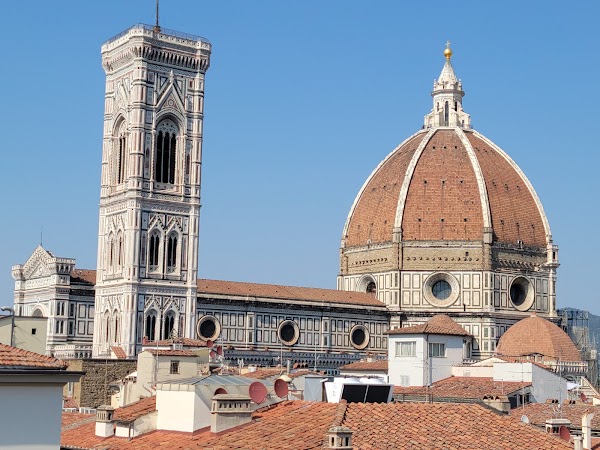
Cathedral of Santa Maria del Fiore
View on map
Audio Narrations
Introduction
The Cathedral of Santa Maria del Fiore, an architectural marvel in Florence, Italy, is a testament to the grandeur of Gothic and Renaissance artistry. Its construction, initiated in 1296, spanned over two centuries, with Arnolfo di Cambio laying the foundation and Filippo Brunelleschi completing the iconic dome in 1436. The exterior boasts a mesmerizing blend of white, red, and green marble, adorned with intricate geometric patterns and stylized floral motifs. Inside, the cathedral's vast nave and aisles are adorned with 44 stained glass windows, masterpieces by renowned Florentine artists such as Donatello and Paolo Uccello. The floor is inlaid with intricate marble mosaics, while the walls showcase sculptures and frescoes from different eras, including the monumental clock frescoed by Paolo Uccello and the equestrian portraits of John Hawkwood and Niccolò da Tolentino. The cathedral's chapels house numerous paintings from the 14th to 19th centuries, offering a glimpse into the evolution of Florentine art. One of the most remarkable features of the cathedral is its immense dome, the largest of its kind in the world at the time of its construction. Brunelleschi's innovative engineering techniques allowed for the creation of this architectural marvel without the use of buttresses. The interior of the dome is adorned with frescoes depicting the Last Judgment, a testament to the artistic and spiritual significance of this sacred space.The Gates of Paradise
The Gates of Paradise, a masterpiece by Lorenzo Ghiberti, grace the eastern entrance of the Florence Baptistery, facing the Duomo. Ghiberti's innovative use of perspective and narrative storytelling unfolds in ten rectangular reliefs, each depicting scenes from the Old Testament. The panels showcase Ghiberti's mastery of the "rilievo schiacciato" technique, where figures seamlessly blend into the background, creating an illusion of depth. The intricate framework adorning the panels features statuettes of prophets and busts, including those of Ghiberti and his father. Despite centuries of exposure, the Gates of Paradise have been meticulously preserved. Today, visitors can admire copies of the original panels, while the originals reside in the Museo dell'Opera del Duomo, protected from the elements. The Gates of Paradise stand as a testament to Ghiberti's genius and the enduring legacy of the Florentine Renaissance.Opera del Duomo Museum
Delve into the heart of Florence's architectural masterpiece, the Cathedral of Santa Maria del Fiore, through the captivating lens of the Opera del Duomo Museum. This museum, nestled within the cathedral complex, unveils the secrets and artistry that shaped this iconic landmark. Step into the Sala del Paradiso, where the original facade of the cathedral is meticulously recreated, transporting you back to its 14th-century grandeur. Admire the golden Gates of Paradise, Ghiberti's masterpiece that once adorned the Baptistery. Explore the Sculpture Gallery, showcasing exquisite Gothic sculptures that once graced the cathedral's exterior. Marvel at the intricate details of the Penitent Magdalene by Donatello, a poignant depiction of her transformation. Ascend to the second floor and discover the Galleria dei Modelli, where you'll witness the evolution of the cathedral's facade through proposed designs. Learn about the controversies and artistic visions that culminated in its current neo-Gothic splendor. The museum's collection extends beyond the cathedral's exterior. In the Reliquary Chapel, immerse yourself in the sacred atmosphere as you view a selection of the over 600 relics housed within the cathedral and baptistery. Through the Opera del Duomo Museum, you'll gain an unparalleled understanding of the Cathedral of Santa Maria del Fiore's artistic, historical, and religious significance. It's a journey that unveils the soul of this architectural marvel, leaving you with a profound appreciation for its enduring legacy.
9
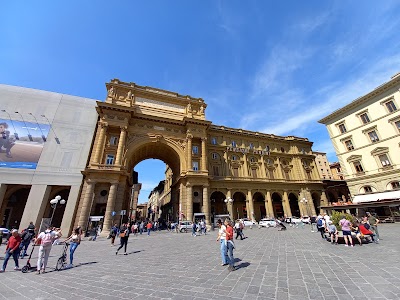
Piazza della Repubblica
View on map
10
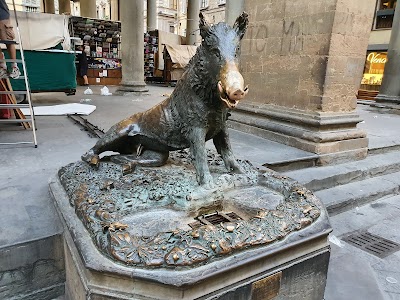
Fontana del Porcellino
View on map
11
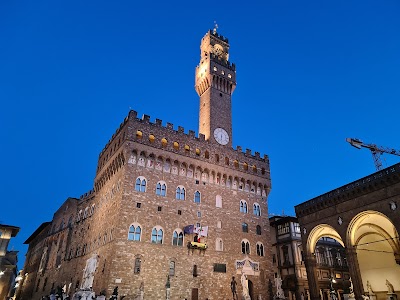
Piazza della Signoria
View on map
Audio Narrations
Introduction
Piazza della Signoria, the heart of Florence's political life since the 14th century, is a treasure trove of art and history. Overlooking the square is the Palazzo Vecchio, its crenellated tower a symbol of the Florentine Republic. The square is adorned with imposing statues, each carrying political significance. Michelangelo's David, originally placed outside the Palazzo Vecchio, represented the Republic's defiance against the Medici. Bandinelli's Hercules and Cacus, to the right of David, was appropriated by the Medici to showcase their power. Ammannati's Nettuno celebrates the Medici's maritime ambitions, while Giambologna's equestrian statue of Duke Cosimo I portrays the ruler who unified Tuscany under Medici rule. The Loggia dei Lanzi, with its graceful arches, houses an open-air sculpture gallery, including Cellini's Perseo holding Medusa's head, a stark reminder of the Medici's ruthlessness. Behind the Loggia lies the Uffizi Gallery, one of the world's top art museums. Piazza della Signoria is a captivating blend of art, history, and political intrigue, offering a glimpse into Florence's rich past.Florence Cathedral
From the hallowed halls of Florence Cathedral, a stone's throw away lies Piazza della Signoria, a vibrant square steeped in history and art. As you emerge from the cathedral's grandeur, your gaze is drawn to the imposing Palazzo Vecchio, its crenellated tower piercing the sky. Here, in the heart of Florence's political and artistic life, the piazza unfolds before you like an open-air museum. At its center stands a replica of Michelangelo's David, a testament to the city's enduring love for its most famous son. The Loggia dei Lanzi, an elegant arcade, houses an impressive collection of sculptures, including Benvenuto Cellini's "Perseus with the Head of Medusa." As you wander through the piazza, you'll notice the Tribunale della Mercanzia, where merchants once settled disputes, and the Palazzo Uguccioni, attributed to Raphael. But it is the Duomo, with its majestic dome and soaring bell tower, that dominates the square's skyline. From the vantage point of Piazza della Signoria, you can fully appreciate the cathedral's architectural marvel, its intricate facade adorned with sculptures and mosaics. The piazza becomes a stage where the sacred and the secular intertwine, a testament to Florence's rich cultural heritage.Republic of Florence
Piazza della Signoria, the heart of the Florentine Republic, stands as a testament to the city's political and artistic legacy. During the Republic's reign, the square witnessed pivotal events that shaped Florence's destiny. The Palazzo Vecchio, once the seat of the Signoria, dominates the piazza, its imposing facade adorned with symbols of civic pride. The Loggia dei Lanzi, an open-air sculpture gallery, showcases masterpieces such as Cellini's "Perseus with the Head of Medusa," a potent reminder of the Republic's defiance against tyranny. The square's statues, including Michelangelo's "David" and Bandinelli's "Hercules and Cacus," embody the Republic's values of liberty, strength, and artistic excellence. Each artwork tells a tale of the Republic's triumphs and struggles, offering a glimpse into the soul of a city that once stood at the forefront of European civilization.
12
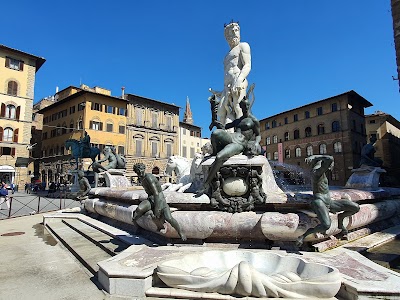
Fountain of Neptune
View on map
13
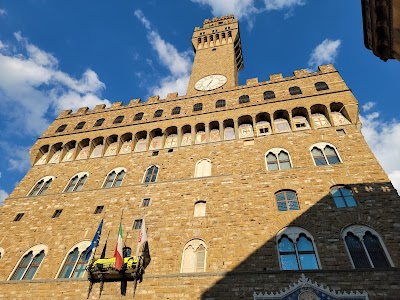
Palazzo Vecchio
View on map
Audio Narrations
Introduction
Palazzo Vecchio, the iconic town hall of Florence, stands majestically in the heart of Piazza della Signoria. Built in the late 13th century, this architectural masterpiece showcases a blend of Gothic and Renaissance styles. Its imposing facade features two rows of two-lighted Gothic windows adorned with trefoil arches and decorative bas-reliefs. The building is crowned by projecting crenellated battlements supported by small arches and corbels, each emblazoned with the Florentine republic's coat of arms. The massive tower, known as Torre d'Arnolfo, rises 94 meters high and houses two small cells that once imprisoned notable figures like Cosimo de' Medici and Girolamo Savonarola. Inside, the Palazzo Vecchio boasts an array of opulent chambers, including the grand Salone dei Cinquecento, where the General Council of the People assembled. The walls of this hall are adorned with monumental frescoes by Vasari and his pupils, depicting scenes from Florentine history and the Medici family's glorious past. The Studiolo of Francesco I, a jewel of Mannerist art, offers a glimpse into the private sanctuary of the prince, where he retreated to contemplate his treasures. The palace also houses the Loeser Collection, a treasure trove of paintings and sculptures from the 14th to 16th centuries, donated by the American art critic Charles Loeser.Architectural Masterpiece
Palazzo Vecchio, a majestic architectural masterpiece in Florence, Tuscany, Italy, stands as a testament to the city's rich artistic heritage. Its imposing fortress-like exterior, adorned with massive stone blocks and a towering bell tower, exudes a sense of strength and grandeur. The palace's origins date back to the 13th century, when it was commissioned by the Florentine Republic as a symbol of civic power. Over the centuries, Palazzo Vecchio has undergone numerous renovations and expansions, each contributing to its architectural complexity. The most notable addition is the elegant courtyard, designed by Giorgio Vasari in the 16th century. This harmonious space, surrounded by graceful arcades and decorated with intricate frescoes, provides a striking contrast to the palace's rugged exterior. The interior of Palazzo Vecchio is equally impressive, boasting a labyrinth of grand halls and opulent chambers. The Hall of the Five Hundred, the largest room in the palace, is adorned with stunning frescoes by Vasari and his students, depicting scenes from Florentine history. The Hall of Maps, another remarkable space, features a collection of 53 painted maps that provide a fascinating glimpse into the geographical knowledge of the 16th century. Palazzo Vecchio's architectural significance lies not only in its grandeur but also in its innovative design. The palace's massive walls and narrow windows were designed to withstand attacks, while its internal layout allowed for efficient governance and the secure storage of important documents. The palace's strategic location, overlooking the Piazza della Signoria, further enhanced its role as the political and administrative center of Florence. Today, Palazzo Vecchio remains a living testament to Florence's architectural prowess. It houses the city's government offices and serves as a museum, showcasing its rich collection of art and artifacts. Visitors can explore the palace's grand halls, admire its exquisite frescoes, and delve into the fascinating history of this architectural masterpiece that has played a pivotal role in shaping the destiny of Florence.Vasari's Corridoio
Palazzo Vecchio, the iconic seat of Florentine government, holds a secret within its walls—the Vasari Corridor, a hidden passageway that connects it to the Palazzo Pitti. Commissioned by Cosimo I de' Medici, this elevated, enclosed gallery was designed by Giorgio Vasari in 1565 to provide the Medici family with a private and secure route between their residence and the heart of their power. The Vasari Corridor, stretching over half a kilometer, offers a unique perspective of Florence. As you traverse its length, you'll pass through the Uffizi Gallery, cross the Ponte Vecchio, and even enter the church of Santa Felicita, where the Medici had a private balcony for attending Mass. Along the way, admire the corridor's collection of over 1,000 paintings, including self-portraits by renowned artists like Andrea del Sarto, Rubens, and Rembrandt. One of the most fascinating aspects of the Vasari Corridor is its role in the history of Florence. It served as a strategic escape route for the Medici during times of unrest, and its windows, enlarged by Mussolini to impress Hitler, provide breathtaking views of the city. The corridor also played a part in the preservation of the Ponte Vecchio during World War II, as the presence of the corridor prevented the Germans from destroying the bridge. Today, the Vasari Corridor is open to the public, offering visitors a glimpse into the secretive world of the Medici and a unique perspective on the architectural and artistic treasures of Florence.
14
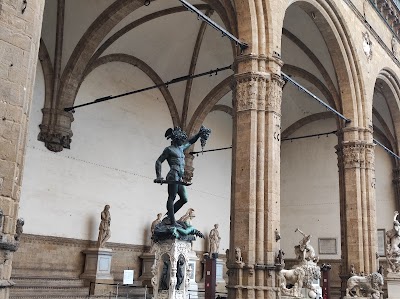
Loggia dei Lanzi
View on map
15
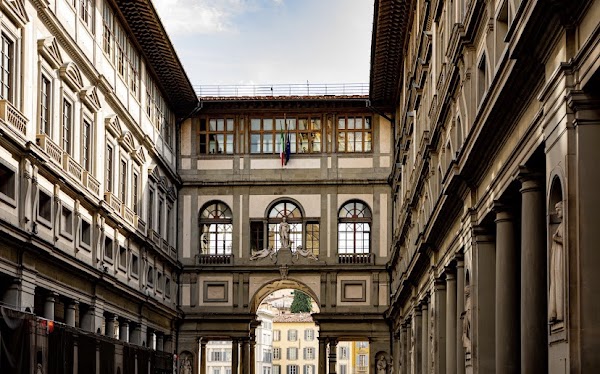
Uffizi Gallery
View on map
Audio Narrations
Introduction
The Uffizi Gallery, a prominent art museum in Florence, Italy, is renowned for its exceptional collection of Italian Renaissance masterpieces. Housed in a magnificent building designed by Giorgio Vasari, the gallery boasts an impressive array of paintings, sculptures, and artifacts from the 13th to 18th centuries. Upon entering the Uffizi, visitors are greeted by a labyrinth of rooms adorned with stunning frescoes and sculptures. The heart of the collection lies in the Tribuna, an octagonal room designed by Buontalenti, which showcases a curated selection of the gallery's most prized works. Among these are Botticelli's iconic "Birth of Venus" and "Primavera," as well as masterpieces by Leonardo da Vinci, Michelangelo, and Raphael. Beyond the Tribuna, the gallery's vast collection unfolds in chronological order, offering a comprehensive journey through the evolution of Italian art. Visitors can admire the delicate Gothic paintings of Giotto and Cimabue, the vibrant colors of the early Renaissance masters, and the groundbreaking techniques of the High Renaissance. The gallery also houses an extensive collection of ancient Roman sculptures, providing a glimpse into the artistic heritage of the region. The Uffizi Gallery is not merely a repository of art but a testament to the Medici family's patronage and the cultural legacy of Florence. Its collection, once the private domain of the Medici, has been preserved and shared with the world, offering an unparalleled opportunity to experience the genius of the Italian Renaissance.Vasari's Architecture
The Uffizi Gallery in Florence, Italy, stands as a testament to the architectural genius of Giorgio Vasari. Commissioned by Cosimo I de' Medici in 1560, the Uffizi was designed to house the administrative offices of Tuscany. Vasari's design, influenced by Roman architecture and Mannerist principles, resulted in a harmonious and imposing structure. The Uffizi's most striking feature is its long, arcaded loggia that overlooks the Arno River. The loggia, with its rhythmic columns and arches, creates a sense of grandeur and openness. The building's facade is adorned with rusticated stonework, giving it a robust and monumental appearance. Vasari's architectural prowess is evident in the Uffizi's interior as well. The courtyard, surrounded by three stories of arcaded galleries, is a masterpiece of spatial design. The galleries, with their vaulted ceilings and large windows, provide ample light and a sense of spaciousness. The Uffizi's Vasarian architecture is not merely aesthetically pleasing but also functional. The building's layout, with its central courtyard and interconnected rooms, allows for efficient movement and organization. The loggia, in addition to its aesthetic appeal, serves as a sheltered walkway connecting the Uffizi to the Palazzo Pitti across the river. Vasari's architectural vision for the Uffizi extended beyond the building itself. He designed the Vasari Corridor, a secret passageway that connects the Uffizi to the Palazzo Pitti. The corridor, which runs through the heart of Florence, allowed the Medici family to move between their residences and the government offices unseen. The Uffizi Gallery, with its Vasarian architecture, is a masterpiece of Renaissance design. Its harmonious proportions, elegant details, and functional layout make it one of the most significant architectural achievements of the period.Experiential Tour
Embark on an experiential journey through the Uffizi Gallery in Florence, where art comes alive. Immerse yourself in the masterpieces of the Renaissance, guided by expert art historians who unveil the hidden stories behind each brushstroke. Discover the techniques and inspirations of legendary artists like Leonardo da Vinci, Michelangelo, and Botticelli. Explore the secret Vasari Corridor, a hidden passageway connecting the Uffizi to the Palazzo Pitti, once used by the Medici family to move unseen through the city. Stand in awe before the iconic "Primavera" and "Birth of Venus" by Botticelli, marveling at their vibrant colors and intricate details. Engage in interactive workshops where you can learn the art of fresco painting or create your own Renaissance-inspired masterpiece. Participate in exclusive after-hours tours, granting you intimate access to the gallery's treasures when the crowds have dispersed. Through this experiential tour, the Uffizi Gallery transforms into a living testament to the genius of the Renaissance. It's an opportunity to not only admire art but to delve into its history, techniques, and cultural significance, leaving you with an unforgettable and transformative experience.
16
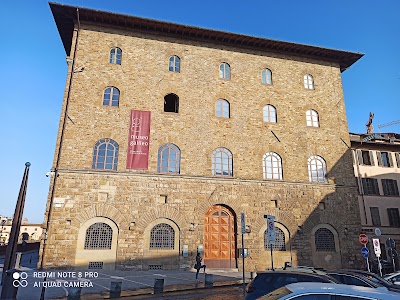
Museo Galileo
View on map
17
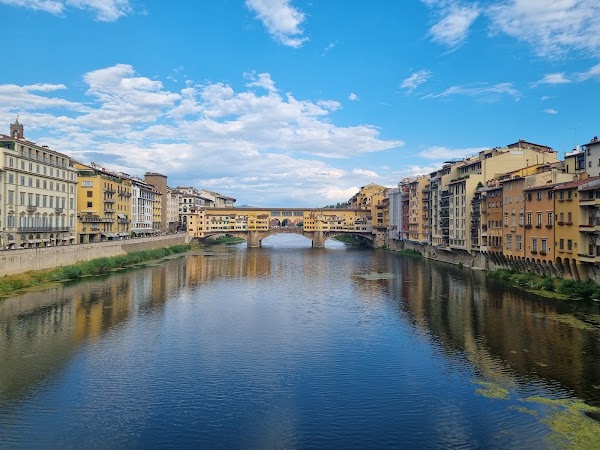
Ponte Vecchio
View on map
Audio Narrations
Introduction
The Ponte Vecchio, an iconic medieval stone bridge in Florence, Italy, stands as a testament to architectural ingenuity and historical significance. Built in 1345, it is the only bridge in Florence that survived World War II intact. Its unique design features three segmental arches, with the main arch spanning an impressive 30 meters. The bridge is renowned for its shops, which have been occupied by goldsmiths and jewelers since the 16th century. A decree by Duke Fernandino in 1565 prohibited butchers and other trades from operating on the bridge, ensuring its continued association with the goldsmithing craft. The Ponte Vecchio is also notable for the Vasari Corridor, a secret passageway built by Giorgio Vasari in 1565 to connect the Palazzo Vecchio with the Palazzo Pitti. This elevated corridor runs above the shops on the bridge, allowing the Medici family to move between their palaces without mingling with the public. In 1900, a bronze bust of the renowned goldsmith Benvenuto Cellini was placed on the bridge, honoring his legacy. The bridge has also been featured in literature, with a stone inscription marking the spot where Buondelmonte de' Buondelmonti was murdered in 1215, sparking the conflict between the Guelfs and Ghibellines. Despite its age, the Ponte Vecchio remains a vibrant and popular destination, attracting tourists and locals alike. Its picturesque views of the Arno River and the surrounding cityscape make it a beloved landmark in the heart of Florence.Butcher Shops to Jewelers
Ponte Vecchio, the iconic bridge in Florence, has a fascinating history that intertwines with the evolution of commerce in the city. Initially lined with shops of various trades, including butchers and fishmongers, the bridge's transformation into a haven for jewelers occurred in the 16th century. Grand Duke Ferdinand I, seeking to improve the hygiene and aesthetics of the area, decreed that only goldsmiths and jewelers could occupy the shops on the bridge. This decision not only elevated the status of the bridge but also established Florence as a renowned center for goldsmithing and jewelry making. Today, Ponte Vecchio is a symbol of both the city's rich history and its enduring craftsmanship, where visitors can admire exquisite jewelry and learn about the bridge's unique past.Secret Passage
Nestled amidst the heart of Florence, the iconic Ponte Vecchio conceals a captivating secret – the Vasari Corridor. Commissioned by Cosimo I de' Medici in the 16th century, this elevated passageway weaves through the shops lining the bridge, connecting the Palazzo Vecchio with the Pitti Palace across the Arno River. The corridor's construction, completed in a mere five months, was a testament to the Medici's power and opulence. It served as a private and secure route for the family to traverse between their residences without mingling with the public. The corridor's walls are adorned with exquisite frescoes and paintings, offering a glimpse into the Medici's artistic patronage. One of the most intriguing aspects of the Vasari Corridor is its role during World War II. While all other bridges in Florence were destroyed by Nazi bombing, the Ponte Vecchio and its secret passage remained intact. This was due to Hitler's admiration for the bridge's beauty and historical significance, as well as his alliance with Mussolini. Today, the Vasari Corridor is open to the public, offering visitors a unique perspective of Florence from above. Its hidden chambers, once privy only to the Medici family, now reveal the secrets of a bygone era, inviting us to step into the footsteps of history and experience the grandeur of the Renaissance.
18
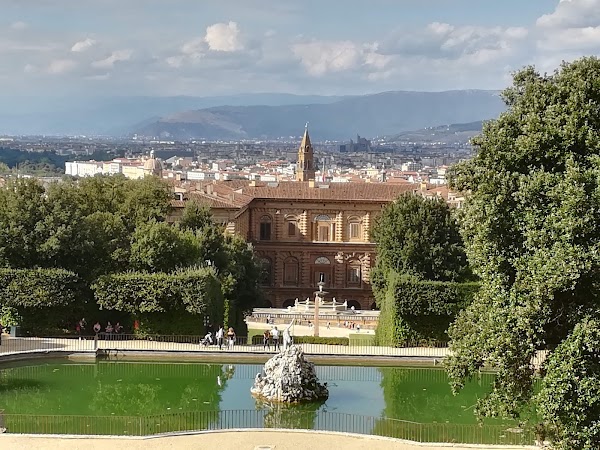
The Boboli Gardens
View on map
Audio Narrations
Introduction
The Boboli Gardens, a historical park in Florence, Italy, is an open-air museum of garden sculpture, showcasing a fusion of ancient and Renaissance styles. Designed for the Medici family in the 16th century, it represents the Italian garden's genesis, inspiring European courts. The vast green expanse is adorned with statues, fountains, and grottos, including the elaborate Buontalenti grotto by Bernardo Buontalenti. The gardens' layout features a primary axis rising from an amphitheater, culminating in a Neptune fountain, and a secondary axis, the Viottolone, leading to the Isolotto complex and Porta Romana. The Boboli Gardens have undergone several expansions and renovations, resulting in their present size of 45,000 square meters. They house Roman antiquities and 16th and 17th-century works, making them an outdoor museum of garden art.Fountains and Water Features
The Boboli Gardens, a UNESCO World Heritage Site, boast an array of captivating fountains and water features that contribute to its allure as a verdant oasis in the heart of Florence. The Fountain of Neptune, situated atop a double ramp, commands attention with its majestic bronze statue of the sea god, while the Fountain of the Ocean, nestled within the Isolotto, an oval-shaped island, offers a serene ambiance with its geometric garden and marble statue groups of Perseus and Andromeda. The Mostaccini Fountain, concealed within a heavily shaded labyrinth of trees, presents a unique spectacle with its intricate sequence of steps and masks, serving both a decorative and practical purpose in attracting small birds. The Fontana del Bacchino, featuring a statue of the court dwarf Nano Morgante riding a tortoise, adds a whimsical touch to the gardens. Beyond these notable fountains, the Boboli Gardens are adorned with numerous other water features, including the Artichoke Fountain, whose marble decorations resemble the namesake vegetable, and the Grotto of Madama, the oldest grotto in the gardens, adorned with stalactites and waterworks. These elements collectively contribute to the gardens' reputation as an outdoor museum of garden sculpture, showcasing the artistry of renowned sculptors like Giambologna and Stoldo Lorenzi.Grotto Grande
The Grotto Grande, also known as the Buontalenti Grotto, is an architectural masterpiece nestled within the enchanting Boboli Gardens in Florence, Italy. Designed by Bernardo Buontalenti in the 16th century, this artificial grotto is a testament to the Medici family's patronage of the arts. The grotto comprises three interconnected chambers, each adorned with intricate decorations that evoke a sense of wonder and awe. The first chamber, adorned with sculptures, paintings, and embedded seashells, depicts the theme of metamorphosis, where shapeless matter transforms into harmony. The second chamber houses the statue of "Elena and Teseo," representing passion and love. The third and final chamber, shaped like an egg, symbolizes the origin of the universe. At its center stands the graceful statue of Venus by Giambologna, embodying love as the driving force behind all creation. The grotto's walls are adorned with frescoes depicting scenes of nature, further enhancing the illusion of being within a subterranean realm. Beyond its artistic significance, the Grotto Grande holds historical importance. It was originally conceived as a water reservoir, supplying water to the gardens and the Palazzo Vecchio. However, Grand Duke Francesco I transformed it into an artistic retreat, a place where he could indulge in his passion for alchemy and surround himself with the beauty of nature. Today, the Grotto Grande stands as a testament to the ingenuity and artistic vision of the Renaissance era. Its unique blend of architecture, sculpture, and painting transports visitors to a realm of fantasy and wonder, making it a must-see destination for anyone exploring the hidden gems of Florence.
19
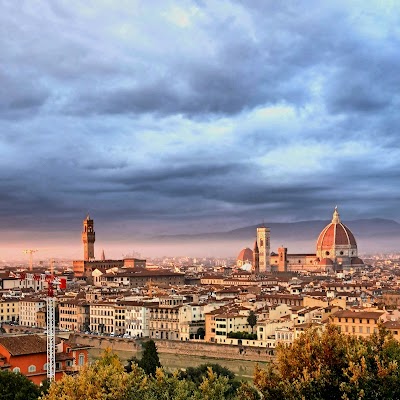
Piazzale Michelangelo
View on map
Audio Narrations
Introduction
Piazzale Michelangelo, a panoramic square in Florence, Italy, offers breathtaking views of the city's iconic landmarks. Designed by architect Giuseppe Poggi in 1869, the square is named after the renowned Renaissance artist Michelangelo. At its center stands a bronze replica of Michelangelo's David, flanked by four allegorical statues from the Medici Chapels of San Lorenzo. The square's neoclassical loggia, originally intended as a museum for Michelangelo's works, now houses a restaurant with a panoramic terrace. Visitors can reach Piazzale Michelangelo by foot, bus, or car, and enjoy the picturesque views of the Arno River, Ponte Vecchio, Duomo, and the Tuscan hills. The square is a popular spot for tourists and locals alike, offering a unique perspective on the beauty of Florence.Architectural Elements
Piazzale Michelangelo, an architectural masterpiece in Florence, Tuscany, Italy, offers a breathtaking panorama of the city's skyline. Its unique design incorporates several notable architectural elements that contribute to its grandeur. The square's focal point is a bronze replica of Michelangelo's iconic David statue, standing atop a stone pedestal adorned with four allegorical sculptures representing night, day, dawn, and dusk. These intricate carvings showcase the mastery of Renaissance craftsmanship. The surrounding balustrade, a defining feature of the square, provides a sweeping view of Florence's cityscape. Its rhythmic arches and elegant columns create a sense of harmony and balance. The balustrade's intricate ironwork, with its scrolling patterns and decorative elements, adds a touch of opulence to the overall design. The square's pavement is laid out in a geometric pattern, with alternating bands of light and dark stone. This subtle yet effective design element draws the eye towards the central statue and enhances the sense of depth and perspective. The use of natural materials, such as travertine and sandstone, adds warmth and authenticity to the space. Piazzale Michelangelo's architectural elements coalesce to create a harmonious and visually captivating ensemble. Its thoughtful design, attention to detail, and integration of Renaissance and classical influences make it a must-visit destination for architecture enthusiasts and anyone seeking to appreciate the beauty of Florence's urban landscape.Symbol of Renaissance
Piazzale Michelangelo, a breathtaking panoramic terrace in Florence, stands as a testament to the city's profound influence on the Renaissance. Designed by architect Giuseppe Poggi in the late 19th century, the square was dedicated to Michelangelo, whose iconic David sculpture graces its center. The terrace offers an unparalleled vista of Florence's architectural masterpieces, including the Duomo, Santa Croce, and the Palazzo Vecchio, all symbols of the city's artistic and cultural preeminence during the Renaissance. Beyond its stunning views, Piazzale Michelangelo holds historical significance. It was a favorite spot for the young Michelangelo to seek inspiration, and its elevated position allowed him to observe the city's growth and transformation. The square also served as a gathering place for artists, intellectuals, and patrons during the Renaissance, fostering an environment of creativity and innovation. Today, Piazzale Michelangelo remains a vibrant symbol of Florence's artistic heritage. Its panoramic views inspire awe and wonder, while its association with Michelangelo and the Renaissance era evokes a sense of the city's enduring legacy as the birthplace of artistic genius.
Experience the Full Tour
Download the DocentPro app to access all tour stops, complete audio narrations in multiple languages, offline maps, and interactive features.