
Golden Gate Park Delights: A Family Adventure in Nature's Embrace

Walking Tour

2.0 km (1.2 miles)

28 min travel time

5 Stops

San Francisco, United States
Golden Gate Park Delights: A Family Adventure in Nature's Embrace
Tour Stops
1
Stow Lake
View on map
Audio Narrations
English
Introduction
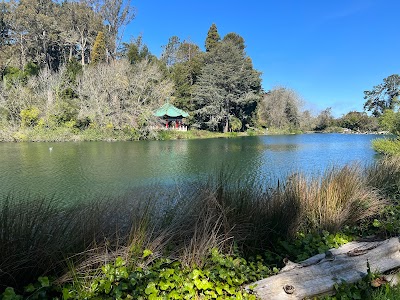
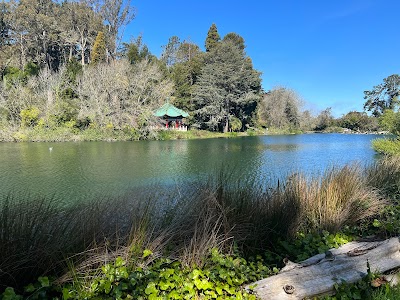
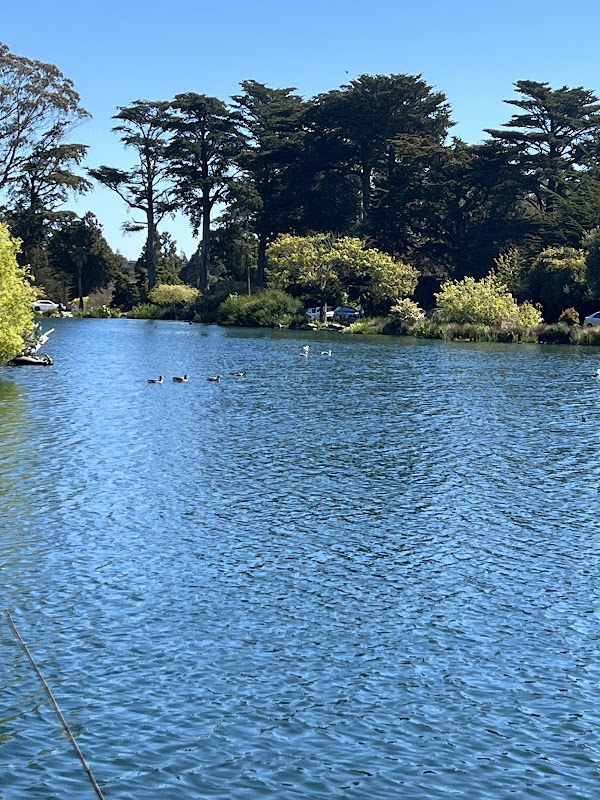
Nestled in Golden Gate Park, Stow Lake offers a serene escape from the bustling city. This man-made lake, spanning over 12 acres, is more than just a picturesque vista. It's home to Strawberry Hill, a unique island accessible by bridges or a leisurely boat ride. Ascend to the hilltop and discover the charming, century-old stone Chinese Pavilion, a gift from San Francisco's sister city, Taipei. The lake itself teems with life, from playful ducks and geese to graceful turtles basking on logs. Rent a rowboat or pedal boat for a leisurely exploration, gliding under weeping willows and past hidden coves. Keep an eye out for the resident turtles, often seen sunning themselves on logs or rocks. A lesser-known fact: Stow Lake was once a natural spring-fed marsh before its transformation in the late 19th century.Boating History
Stow Lake's boating history intertwines with San Francisco's own rise as a bustling city. While the natural lagoon existed long before, it was in the late 19th century, during Golden Gate Park's development, that boating became a central attraction. The year 1893 saw the introduction of rowboats for leisurely rental, a tradition that endures to this day, offering a timeless connection to the lake's recreational past. A unique chapter unfolded with the arrival of the ornate Electric Boat Company in 1940. This fleet of swan-shaped paddle boats, powered by innovative electric motors, quickly captured the public's imagination and became an iconic symbol of Stow Lake. These whimsical vessels, though retired in the 1980s, remain a cherished memory for many San Franciscans and a testament to the lake's evolving relationship with recreational boating. Today, alongside the classic rowboats, pedal boats offer a modern twist, ensuring that Stow Lake continues to be a haven for leisurely boating, echoing the spirit of its past while embracing the present.Victorian Landscape Architecture
Stow Lake's design embodies key principles of Victorian landscape architecture, reflecting the era's fascination with nature and picturesque beauty. Architect William Hammond Hall, inspired by the romantic landscapes of Frederick Law Olmsted, envisioned a retreat from the bustling city. Completed in 1893, the lake's sinuous shoreline, a hallmark of Victorian design, meanders through a carefully crafted landscape. This deliberate irregularity, a departure from the rigid geometry of earlier styles, aimed to evoke a sense of naturalness and surprise. The strategic placement of islands, notably Strawberry Hill, further enhances these picturesque qualities. These islands, often topped with follies or gazebos in true Victorian fashion, offer carefully framed views across the water, contributing to the designed landscape's sense of discovery and visual delight. The use of varied and exotic plantings, another characteristic element of Victorian design, is evident in the diverse flora found around the lake. This deliberate blend of native and non-native species aimed to create a sense of wonder and transport visitors to far-off lands, reflecting the Victorian era's embrace of exploration and the wider world.
2
Japanese Tea Garden
View on map
Audio Narrations
English
Introduction
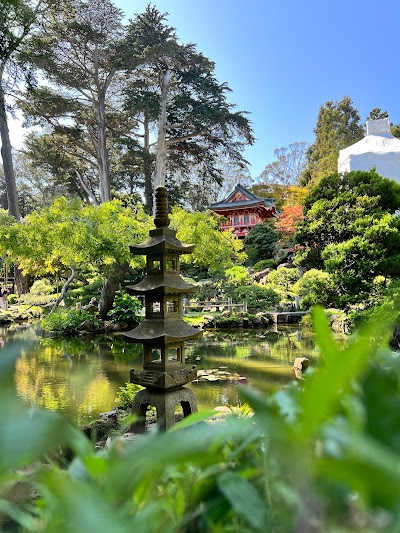
Nestled within the sprawling Golden Gate Park, the Japanese Tea Garden in San Francisco, California, is the oldest public Japanese garden outside of Japan. Established in 1894, this tranquil oasis transports visitors to the heart of Japanese culture and aesthetics. The garden's intricate design showcases traditional elements such as a five-story pagoda, arched drum bridges, and serene koi ponds. Its meticulously manicured landscape features graceful Japanese maples, twisting pines, and vibrant azaleas that bloom in a kaleidoscope of colors during spring. Beyond its visual beauty, the Japanese Tea Garden holds deep cultural significance. Its design reflects the principles of Shinto and Buddhism, emphasizing harmony with nature and the transience of life. The dry Zen garden, with its raked gravel and carefully placed rocks, invites contemplation and meditation. The Tea House, nestled amidst the garden's lush greenery, offers a respite for visitors to savor traditional Japanese tea and refreshments. Its custom-designed "irori" table fosters a sense of community and warmth. Throughout the year, the Japanese Tea Garden hosts cultural events and workshops, providing an immersive experience of Japanese arts and traditions. From taiko drumming to bonsai demonstrations, these events celebrate the rich heritage of Japan and foster a deeper understanding of its culture.Buddhist Influence
The Japanese Tea Garden in San Francisco, California, United States, is a serene oasis that reflects the profound influence of Buddhism. The garden's design embodies the principles of wabi-sabi, emphasizing the beauty of imperfection and impermanence. The placement of rocks, water features, and winding paths mimics the natural flow of nature, inviting visitors to find tranquility and mindfulness. The steep stairs within the garden symbolize the Buddhist belief that enlightenment can be achieved through physical exertion and mental focus. The stone lanterns, representing the five elements of Buddhism, serve as reminders of the harmony between nature and spirituality. The garden's overall aesthetic encourages visitors to slow down, appreciate the present moment, and cultivate a sense of inner peace. Beyond its physical elements, the Japanese Tea Garden also hosts various events and programs that promote Buddhist teachings. Meditation classes, tea ceremonies, and cultural performances provide opportunities for visitors to deepen their understanding of Buddhist philosophy and practice. The garden has become a sanctuary for those seeking spiritual growth and a connection to the natural world.Shinto Principles
The Japanese Tea Garden in San Francisco, California, United States, is a captivating fusion of nature and spirituality, where Shinto principles are subtly woven into its design. The garden's serene atmosphere echoes the Shinto belief in the sacredness of nature, with water playing a central role. Ponds and waterfalls are strategically placed to create reflections and evoke a sense of purity and tranquility. Rocks, revered in Shinto as dwelling places of gods, are carefully arranged to represent mountains and bodies of water. They guide the eyes, leading visitors along paths and towards focal points, mirroring the Shinto concept of harmony between humans and the natural world. The garden's architecture also reflects Shinto influences. The Lantern of Peace, a gift from Japan after World War II, symbolizes the five elements of Buddhism, which are also revered in Shinto. Its base represents earth, the next section water, the light fire, and the following two sections air and spirit. The Japanese Tea Garden is a testament to the profound influence of Shinto principles on Japanese culture and aesthetics. It offers visitors a unique opportunity to immerse themselves in the spiritual and natural beauty that is central to Shinto beliefs.
3
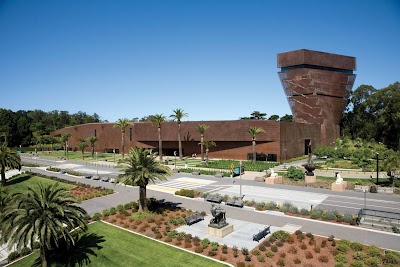
de Young Museum
View on map
Audio Narrations
English
Introduction
The de Young Museum, a prominent fixture in San Francisco's cultural landscape, is housed within a striking copper-clad building. Its distinctive architecture, a blend of modern and historic influences, has become an iconic landmark in Golden Gate Park. The museum boasts a diverse collection spanning centuries and continents, with particular strengths in American art from the 17th through the 21st centuries, textile arts, and art from Africa, Oceania, and the Americas. A highlight for many visitors is the museum's tower, offering panoramic views of the city, the park, and the bay. Beyond its permanent collection, the de Young is renowned for hosting groundbreaking traveling exhibitions, often featuring internationally acclaimed artists and rarely seen works. Adding to its allure, the museum is surrounded by a sculpture garden, a tranquil oasis where art and nature intertwine. The de Young's commitment to showcasing a global perspective on art, coupled with its dedication to presenting innovative exhibitions, makes it a dynamic and engaging destination for art enthusiasts and casual visitors alike.Hamon Observation Tower
Ascend the spiraling staircase of the de Young Museum's Hamon Observation Tower, and a breathtaking panorama of San Francisco unfolds before you. This free vantage point, rising nine stories above the museum's roof, offers an unparalleled 360-degree vista. Gaze eastward towards the iconic silhouette of the Golden Gate Bridge, often veiled in ethereal mist, or southward to the vibrant tapestry of Golden Gate Park, its verdant expanse stretching towards the Pacific Ocean. From this elevated perch, the city's diverse architectural landscape is laid bare, from the Victorian charm of the Haight-Ashbury district to the sleek skyscrapers of the Financial District. Look closely and you might spot the undulating contours of Lombard Street, the "most crooked street in the world," or the bustling piers of Fisherman's Wharf. The tower's open-air design allows for an immersive sensory experience, with the gentle caress of the San Francisco breeze and the symphony of city sounds accompanying the visual feast. A visit to the Hamon Observation Tower transcends a mere viewpoint; it's an opportunity to connect with the soul of San Francisco.Copper Facade
The de Young Museum in San Francisco is clad in a striking copper facade, a living skin that constantly evolves with time. This dynamic cladding, composed of 160,000 pounds of pre-patinated copper, was chosen for its ability to develop a unique patina, a protective layer that changes color with exposure to the elements. The architects meticulously detailed the facade with thousands of tiny perforations, creating a subtle pattern that mimics the dappled light filtering through the surrounding trees. Over time, the copper has transformed from its initial reddish-brown hue to a rich, variegated tapestry of greens and browns, seamlessly blending the museum into the verdant landscape of Golden Gate Park. This ever-changing facade serves as a testament to the passage of time and the powerful forces of nature, reflecting the museum's commitment to both art and the environment. The copper's natural oxidation process will continue for years to come, ensuring that the de Young's exterior remains a dynamic and captivating work of art in itself.
4
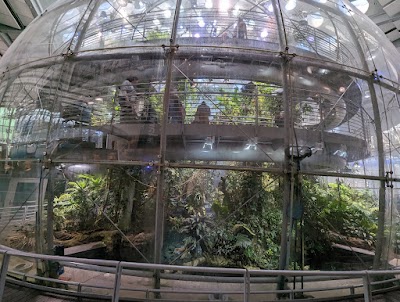
California Academy of Sciences
View on map
Audio Narrations
English
Introduction
The California Academy of Sciences in San Francisco is more than just a natural history museum—it's an architectural marvel housing a rainforest, aquarium, and planetarium all under one living roof. This iconic building, with its undulating green roof mimicking the seven hills of San Francisco, seamlessly blends into Golden Gate Park while showcasing cutting-edge sustainable design. Inside, visitors can wander through a four-story rainforest teeming with exotic birds and butterflies, descend into the depths of a Philippine coral reef, or experience the cosmos in the planetarium's immersive digital dome. A highlight for many is the living roof itself, accessible to the public and home to native California plants, providing a haven for local insects and birds. The Academy's commitment to research is evident throughout, with scientists often working in view of the public, offering a glimpse into the forefront of biodiversity and conservation efforts.Scientific Education
The California Academy of Sciences in San Francisco stands as a testament to the power of experiential scientific education. What truly sets it apart is its immersive approach to learning, seamlessly blending cutting-edge research with innovative exhibits. Visitors don't just observe science; they engage with it firsthand. The Academy's citizen science programs, for instance, empower individuals to contribute to real scientific research, from documenting local biodiversity to analyzing astronomical data. This hands-on approach extends to its educational programs, which cater to learners of all ages, from curious toddlers to seasoned professionals. The Academy's unique location within Golden Gate Park further enhances its educational impact. Its proximity to diverse ecosystems, from coastal dunes to redwood forests, provides a living laboratory for scientific exploration. This integration of natural surroundings with world-class exhibits makes the California Academy of Sciences an unparalleled destination for those seeking an immersive and inspiring scientific education.Biodiversity Research
The California Academy of Sciences stands as a global leader in biodiversity research, housing millions of scientific specimens within its walls. The institution's research initiatives extend far beyond specimen collection, encompassing a dynamic range of fieldwork, lab analysis, and digital data aggregation. Scientists at the Academy are actively engaged in documenting new species, deciphering complex evolutionary relationships, and understanding the impact of climate change on ecosystems worldwide. A key aspect of their work involves utilizing cutting-edge technology, such as DNA barcoding and remote sensing, to study life in even the most extreme environments, from the depths of the ocean to the rainforests' canopies. The Academy's commitment to open-access data sharing further amplifies its impact, allowing researchers globally to collaborate and build upon their findings. This collaborative spirit extends to the Academy's citizen science programs, engaging the public in data collection and analysis to further biodiversity research. Through these multifaceted approaches, the California Academy of Sciences remains at the forefront of understanding and protecting our planet's biodiversity.
5
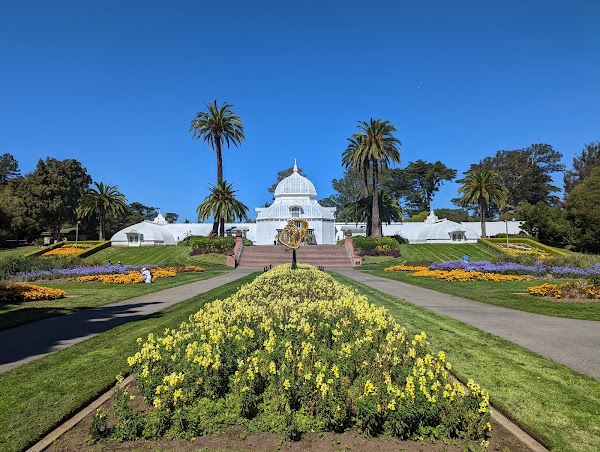
Conservatory of Flowers
View on map
Audio Narrations
English
Introduction
Nestled within San Francisco's Golden Gate Park, the Conservatory of Flowers is a Victorian-era marvel constructed entirely of glass and wood. This architectural gem, with its ornate white dome and finials, houses a captivating collection of rare and unusual plants from around the world. Within its climate-controlled pavilions, visitors encounter a diverse range of ecosystems, from the humid tropics to the arid deserts. The Conservatory's collection boasts a captivating array of carnivorous plants, their intricate traps designed to lure unsuspecting insects. Look closely for the Amorphophallus titanum, more commonly known as the "corpse flower," which emits a pungent odor reminiscent of rotting flesh during its infrequent bloom, attracting hordes of fascinated onlookers. The Conservatory's commitment to conservation is evident in its propagation programs, which help preserve endangered plant species for future generations. The building itself, having survived both the 1906 earthquake and a devastating storm in the 1990s, stands as a testament to the enduring power of restoration and the captivating allure of the natural world.Rare Plants
The Conservatory of Flowers in San Francisco is more than just a beautiful Victorian greenhouse; it's a sanctuary for botanical rarities. Within its climate-controlled galleries, you'll encounter a captivating collection of rare and endangered plants from around the world. Seek out the enigmatic Corpse Flower, known for its colossal bloom and pungent odor, a rare spectacle the Conservatory has hosted multiple times. Marvel at the intricate beauty of carnivorous pitcher plants, with their alluring traps and digestive enzymes. The Conservatory is also home to a diverse collection of orchids, including some so rare they exist only in cultivation. These delicate beauties, with their intricate patterns and vibrant colors, are a testament to the Conservatory's dedication to conservation. Beyond these highlights, you'll discover a treasure trove of unusual flora, from ancient ferns to delicate air plants, each with a unique story to tell.Botanical Collections
The Conservatory of Flowers in San Francisco houses a living collection that extends far beyond the commonplace. Within its climate-controlled galleries thrive botanical rarities, many with fascinating backstories. The collection boasts a remarkable diversity of orchids, including a number of rare and endangered species. Look for the vibrant blooms of the "Monkey Face Orchid," aptly named for its uncanny resemblance to a primate's visage. The Conservatory's collection of carnivorous plants is equally intriguing, featuring an array of pitcher plants and sundews that lure, trap, and digest unsuspecting insects. For those with a penchant for the unusual, the collection of primitive plants, some dating back millions of years, offers a glimpse into the prehistoric world. These ancient ferns and cycads, with their prehistoric forms, provide a living link to the Earth's botanical past. The Conservatory's commitment to conservation is evident in its efforts to propagate and protect endangered species, ensuring that these botanical treasures endure for generations to come.
Experience the Full Tour
Download the DocentPro app to access all tour stops, complete audio narrations in multiple languages, offline maps, and interactive features.