
Jerusalem: A Sacred Journey Through the Holy City

Walking Tour

5.1 km (3.2 miles)

1h 18min travel time

13 Stops

Jerusalem, Israel
Jerusalem: A Sacred Journey Through the Holy City
Tour Stops
1
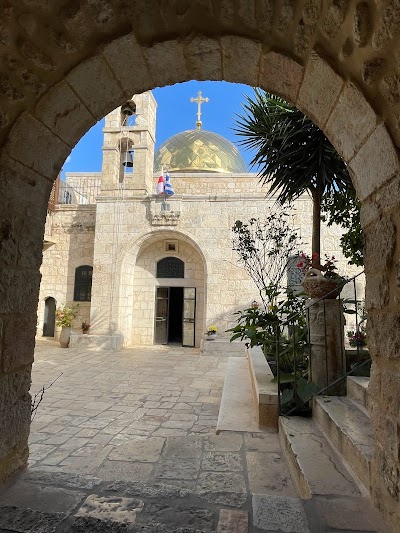
Church of St. John the Baptist
View on map
2
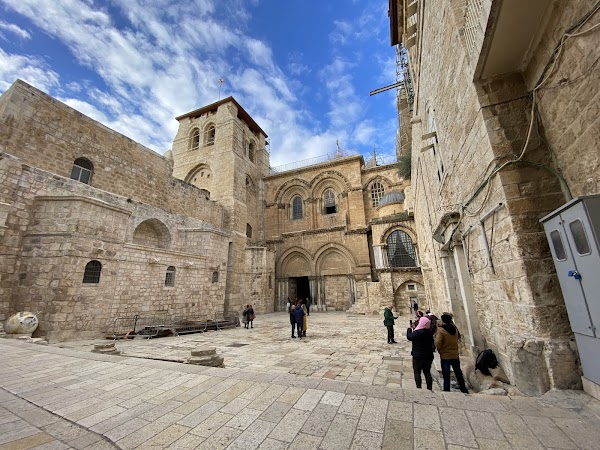
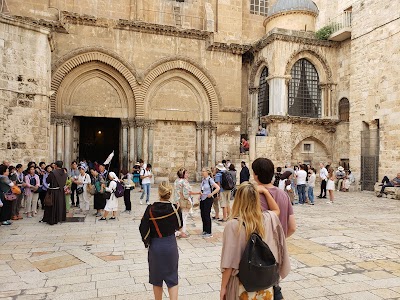
Church of the Holy Sepulchre
View on map
Audio Narrations
English
Introduction
The Church of the Holy Sepulchre, a sacred site in Jerusalem, is believed to encompass both the crucifixion site of Jesus Christ at Calvary and the location of his burial tomb. According to tradition, the church was built by Constantine the Great in the 4th century on the site where Jesus was crucified and buried. The church has been a major pilgrimage destination for centuries and is considered one of the holiest sites in Christianity. The church complex comprises several chapels and shrines, each commemorating significant events in Jesus' life. The Chapel of the Crucifixion marks the spot where Jesus was believed to have been crucified, while the Chapel of the Holy Sepulchre houses the tomb where he was laid to rest. Other notable chapels include the Chapel of the Anointing, where Jesus' body was prepared for burial, and the Chapel of Calvary, where the cross is believed to have stood. The Church of the Holy Sepulchre is a living testament to the life and legacy of Jesus Christ. Its intricate architecture, stunning mosaics, and centuries-old traditions continue to captivate pilgrims and visitors alike, offering a glimpse into the history and significance of one of Christianity's most sacred sites.Holy Sepulchre
The Church of the Holy Sepulchre, a sacred site revered by Christians worldwide, is believed to encompass both the crucifixion and burial site of Jesus Christ. According to the New Testament, Jesus' tomb was situated near the crucifixion site, prompting the church's design to incorporate both locations. The church's history is marked by destruction and reconstruction. Initially built by Constantine the Great around 336 CE, it was destroyed by the Persians in 614 CE and restored by Modestus. In 1009 CE, the Fatimid caliph al-Hakim ordered its destruction, but it was later rebuilt by the Byzantine emperor Constantine IX Monomachus. The Crusaders carried out extensive renovations in the 12th century, and the church has undergone frequent repairs and restorations since then. The Edicule, a shrine enclosing the tomb of Jesus, is a focal point of the church. In 2016, the Edicule underwent a significant restoration, revealing evidence that supports the site's early veneration as the burial place of Jesus. Other notable features include the Rock of Calvary, believed to be the site of the crucifixion, and the Chapel of St. Helena, honoring the mother of Constantine the Great, who is said to have discovered the True Cross. Various Christian denominations, including the Greek, Roman, Armenian, and Coptic churches, share control of the church and conduct regular services. The Church of the Holy Sepulchre remains a living testament to the life, death, and resurrection of Jesus Christ, attracting pilgrims and visitors from around the globe.Cultural Landmark
The Church of the Holy Sepulchre in Jerusalem, Israel, stands as a testament to the rich cultural heritage and religious significance of the city. This sacred site, believed to be the location of Jesus Christ's crucifixion and burial, has been a pilgrimage destination for centuries, attracting millions of visitors each year. Beyond its religious significance, the Church of the Holy Sepulchre is also a captivating cultural landmark. Its architecture, a blend of Byzantine, Romanesque, and Gothic styles, reflects the diverse influences that have shaped Jerusalem's history. The church's interior is adorned with intricate mosaics, frescoes, and carvings, each telling a story from the Bible or the history of Christianity. The church is divided into several chapels, each representing a different event in the life of Jesus. The Chapel of the Holy Sepulchre, the most sacred site within the church, is believed to be the place where Jesus was buried and resurrected. The Chapel of Calvary, located nearby, is said to be the site of Jesus' crucifixion. The Church of the Holy Sepulchre is not only a place of pilgrimage but also a living testament to the power of faith. Its walls have witnessed countless acts of devotion, prayer, and contemplation. The church continues to be a vibrant center of Christian worship and a symbol of the enduring legacy of Jesus Christ.
3

Via Dolorosa Street
View on map
4
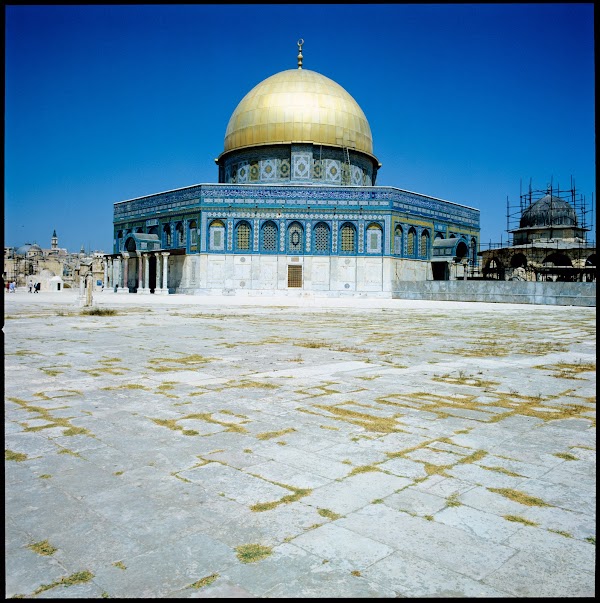
Dome of the Rock
View on map
5
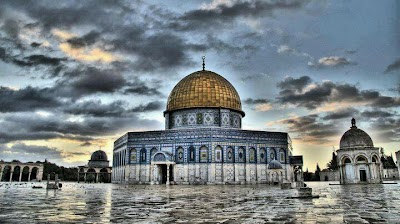
Temple Mount
View on map
6
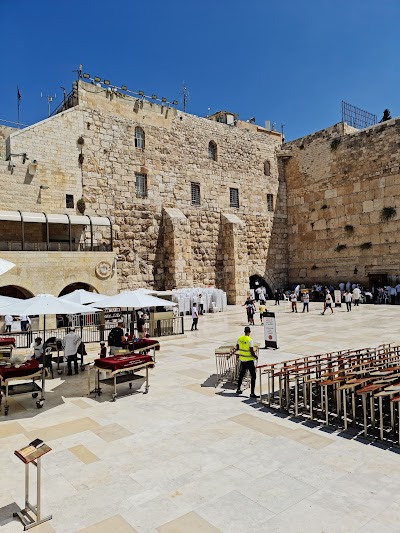
Western Wall
View on map
7
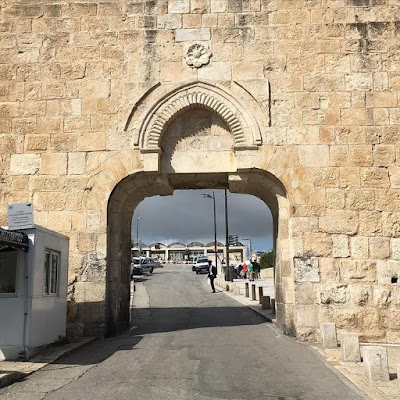
Dung Gate
View on map
8
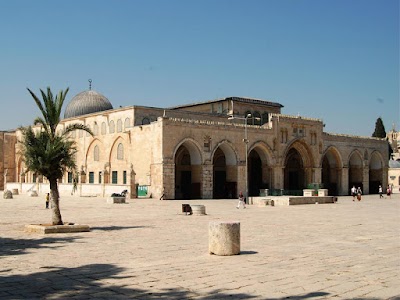
Al-Aqsa Mosque
View on map
Audio Narrations
English
Introduction
The Al-Aqsa Mosque, a sacred Islamic site located in the heart of Jerusalem, holds immense significance as the third holiest site in Islam. Its history dates back to the 7th century when it was built by the Umayyad caliph Abd al-Malik. The mosque's rectangular structure spans 14.4 hectares, featuring a distinctive silver dome and a facade adorned with intricate Romanesque arches. Inside, the mosque boasts 45 columns, stained glass windows, and a magnificent minbar crafted from ivory and wood. Beyond its architectural beauty, Al-Aqsa Mosque is a focal point of religious and political tensions. It stands on the Temple Mount, a site revered by both Muslims and Jews. The mosque's status as a holy site for both religions has often led to clashes and disputes. Despite these tensions, Al-Aqsa Mosque remains a symbol of Islamic heritage and a testament to the rich history of Jerusalem.Pilgrimage Site
Al-Aqsa Mosque, the third holiest site in Islam, holds immense significance for Muslim pilgrims. Its sacred status stems from the belief that Prophet Muhammad embarked on his miraculous Night Journey from Mecca to Al-Aqsa, ascending to heaven from the nearby Dome of the Rock. Pilgrims flock to Al-Aqsa to experience the spiritual connection to the Prophet's journey and to offer prayers at the Qibli Mosque, the congregational mosque within the complex. The mosque's silver dome and intricate minarets stand as architectural marvels, adding to the awe-inspiring ambiance of the site. For Muslims, performing prayers at Al-Aqsa is considered a highly meritorious act, with each prayer said to be worth a thousand prayers elsewhere. The mosque's vast courtyards and prayer halls accommodate thousands of worshippers, creating a communal and deeply moving experience. Al-Aqsa's significance extends beyond its religious importance; it is also a symbol of Palestinian identity and a focal point of political tensions in the region.Al-Haram al-Sharif
Al-Aqsa Mosque, the third holiest site in Islam, is situated within the sacred confines of Al-Haram al-Sharif, also known as the Noble Sanctuary, in Jerusalem's Old City. This sprawling compound, revered by Muslims as the place where Prophet Muhammad ascended to heaven, encompasses the iconic Dome of the Rock, the Qibli Mosque, and a myriad of other structures. Al-Aqsa Mosque, also known as al-Masjid al-Aqsa, is the southernmost building within the Al-Haram al-Sharif complex. Its name, meaning "the farthest mosque," originates from the Quranic verse describing the Prophet's miraculous journey from Mecca to Jerusalem. The mosque's silver-domed congregational hall, known as the Qibli Mosque, is the focal point of Muslim worship within the compound. The Al-Haram al-Sharif holds immense religious significance for Muslims, who believe it to be the site where Prophet Muhammad led the prophets in prayer during his Night Journey. The compound's sanctity is further enhanced by the presence of the Dome of the Rock, a magnificent octagonal structure built in the 7th century to mark the spot where the Prophet is said to have ascended to heaven. Over the centuries, Al-Haram al-Sharif has witnessed a rich tapestry of architectural influences, reflecting the diverse rulers who have controlled Jerusalem. From the Umayyads to the Mamluks and Ottomans, each dynasty has left its mark on the compound, contributing to its architectural splendor. Today, Al-Aqsa Mosque and the Al-Haram al-Sharif complex stand as enduring symbols of Islamic faith and heritage, attracting millions of pilgrims and visitors each year.
9
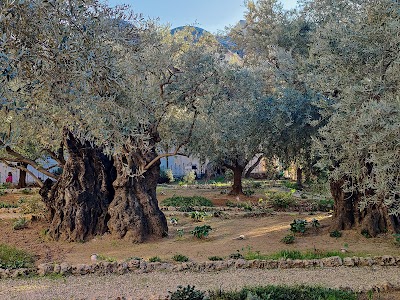
Gethsemane
View on map
Audio Narrations
English
Introduction
Gethsemane, a garden at the foot of Jerusalem's Mount of Olives, holds immense significance in Christianity. According to the New Testament, it was here that Jesus underwent the agony in the garden and was arrested before his crucifixion. The name "Gethsemane" derives from the Aramaic and Hebrew terms for "oil press," reflecting the garden's historical use. Today, several olive groves in church property are identified with biblical Gethsemane. The exact location remains uncertain, with different denominations claiming various sites. However, the garden's association with Jesus' final hours has made it a revered pilgrimage destination. Notably, eight ancient olive trees in the Latin site of the garden are believed to be over 900 years old. Carbon dating has revealed that three of these trees date back to the 11th and 12th centuries, possibly originating from the same parent plant. While it's uncertain if these trees witnessed Jesus' presence, their longevity adds to the garden's historical allure. The Eastern Orthodox Church tradition holds that Gethsemane is also the site of the Virgin Mary's burial and assumption into heaven. The garden's rich history and spiritual significance continue to draw pilgrims and visitors from around the world, seeking a connection to the events that unfolded here over two millennia ago.Christian Pilgrimage
Nestled at the foot of the Mount of Olives, the Garden of Gethsemane holds immense significance for Christian pilgrims. According to the Gospels, it was here that Jesus retreated with his disciples after the Last Supper, seeking solace and strength before his impending crucifixion. The garden's ancient olive trees, believed to be centuries old, stand as silent witnesses to this pivotal event. Pilgrims visiting Gethsemane are drawn to the Church of All Nations, built in the 1920s. Its vibrant mosaics depict scenes from Jesus' agony in the garden, including his betrayal and the cutting off of the high priest's servant's ear. The church offers a profound visual representation of the events that unfolded here. Beyond its historical significance, Gethsemane is a place of deep spiritual resonance. Pilgrims come to pray, meditate, and reflect on the sacrifice and suffering that Jesus endured. The garden's serene atmosphere invites contemplation and a connection with the sacredness of the site. For Christian pilgrims, a visit to Gethsemane is a deeply moving experience, allowing them to walk in the footsteps of Jesus and gain a deeper understanding of his final hours before the crucifixion. It is a place where history, faith, and spirituality intertwine, offering a profound and unforgettable encounter with the Christian tradition.Garden of Gethsemane
Nestled at the foot of the Mount of Olives, Gethsemane, meaning "oil press," is a garden renowned for its ancient olive trees, some believed to be over 900 years old. According to Christian tradition, this sacred site is where Jesus retreated with his disciples before his arrest and crucifixion. The Garden of Gethsemane holds immense significance as the place where Jesus endured profound anguish and prayed fervently before his betrayal. The olive trees, witnesses to this pivotal event, evoke a sense of reverence and connection to the biblical narrative. Archaeological surveys have revealed remnants of an ancient oil press within the garden, further solidifying its historical significance. The Church of All Nations, built in the 20th century, stands adjacent to the garden, commemorating Jesus' agony and the subsequent events that unfolded. Gethsemane remains a place of pilgrimage and reflection, where visitors can immerse themselves in the spiritual atmosphere and contemplate the events that transpired here. The ancient olive trees, laden with history and symbolism, serve as a poignant reminder of Jesus' sacrifice and the enduring legacy of the Garden of Gethsemane.
10
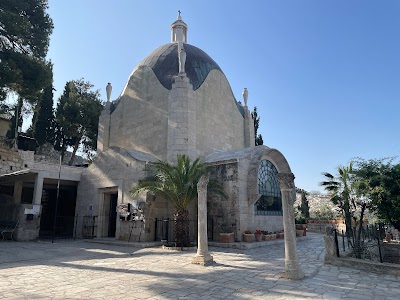
Dominus Flevit Church
View on map
11
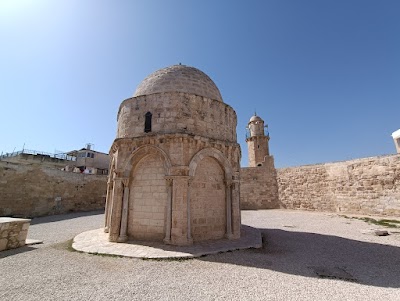
Chapel of the Ascension
View on map
12
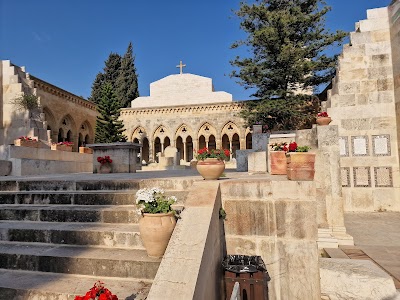
Pater Noster church
View on map
13
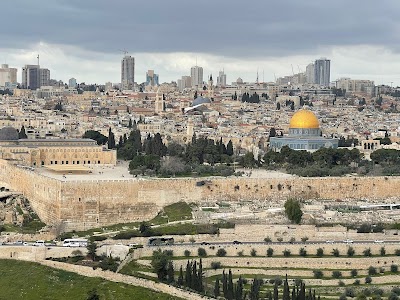
Mount of Olives
View on map
Experience the Full Tour
Download the DocentPro app to access all tour stops, complete audio narrations in multiple languages, offline maps, and interactive features.