
Kathmandu's Sacred Path: A Journey of Spiritual Discovery

Driving Tour

27.3 km (17.0 miles)

1h 32min travel time

10 Stops

Kathmandu, Nepal
Kathmandu's Sacred Path: A Journey of Spiritual Discovery
Tour Stops
1
Buddha Stupa
View on map
Audio Narrations
English
Introduction
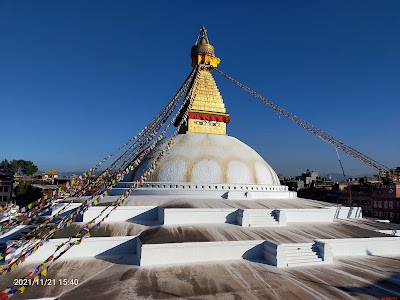
Nestled in the heart of Kathmandu, Nepal, the Buddha Stupa of Boudhanath is a colossal spherical monument that stands as one of the largest of its kind in the world. This sacred site, dating back centuries, is a UNESCO World Heritage Site and a popular pilgrimage destination for Tibetan Buddhists. The stupa's massive mandala, adorned with intricate carvings and vibrant prayer flags, is a testament to the rich artistic heritage of Nepal. Its base features 108 small depictions of the Dhyani Buddha Amitabha, while a brick wall encircles it, adorned with 147 niches containing prayer wheels inscribed with the sacred mantra "Om mani padme hum." At the northern entrance, a shrine dedicated to Ajima, the goddess of smallpox, welcomes visitors. Pilgrims circumambulate the stupa, chanting and prostrating, while thousands of prayer flags flutter overhead, creating a mesmerizing spectacle. The influx of Tibetan refugees has led to the establishment of over 50 Tibetan monasteries around Boudhanath, further enriching the spiritual atmosphere of this sacred site.Architectural Masterpiece
The Buddha Stupa in Kathmandu, Bagmati Province, Nepal, stands as a testament to the architectural brilliance of ancient Nepal. This iconic monument, also known as Boudhanath, is a colossal stupa that embodies the essence of Buddhist architecture. Its massive whitewashed dome, adorned with intricate golden spires, dominates the skyline, symbolizing the path to enlightenment. The stupa's base is encircled by a series of prayer wheels, each inscribed with sacred mantras, inviting pilgrims to circumambulate the monument and accumulate merit. The stupa's design incorporates elements from both Tibetan and Newari architecture, showcasing the cultural fusion that has shaped Kathmandu's heritage. The intricate mandalas and vibrant colors that adorn the stupa's surface depict scenes from the life of Buddha, offering a visual narrative of his teachings. As the sun sets, the stupa transforms into a radiant beacon, its golden spires casting a warm glow over the surrounding cityscape. The Buddha Stupa in Kathmandu is not merely a religious monument but an architectural masterpiece that embodies the spiritual and cultural heritage of Nepal.Buddhist Pilgrimage
Nestled in the heart of Kathmandu Valley, Buddha Stupa stands as a beacon of Buddhist pilgrimage, drawing devotees from far and wide. This colossal stupa, also known as Boudhanath, is one of the largest spherical stupas in the world, its towering presence symbolizing the enlightenment of Buddha. The stupa's massive mandala, adorned with intricate carvings and vibrant prayer flags, captivates the senses. Pilgrims circumambulate the stupa clockwise, reciting mantras and offering prayers, their steps echoing the centuries-old tradition of Buddhist devotion. Within the stupa's hallowed interior lies a hidden chamber, said to contain the remains of Kassapa Buddha, a predecessor of Gautama Buddha. This sacred relic adds to the stupa's profound significance, making it a focal point for meditation and spiritual introspection. Surrounding the stupa is a vibrant community of Tibetan refugees who have made Boudhanath their spiritual home. Over 50 gompas (Buddhist monasteries) dot the area, offering pilgrims opportunities for teachings, retreats, and cultural immersion. The stupa's location on the ancient trade route from Tibet has imbued it with a rich history. Tibetan merchants have long rested and prayed here, leaving an enduring legacy of cultural exchange and religious harmony. Today, Boudhanath remains a testament to the enduring power of Buddhist pilgrimage, a place where seekers of enlightenment find solace and inspiration.
2
Pashupatinath Temple
View on map
Audio Narrations
English
Introduction
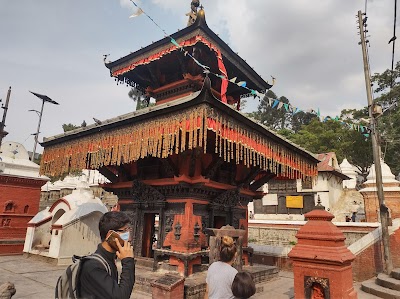
The Pashupatinath Temple, a sacred Hindu shrine in Kathmandu, Nepal, stands as the oldest temple in the city and a UNESCO World Heritage Site. Dedicated to Lord Shiva, the temple complex encompasses 518 mini-temples and a main pagoda house, all built in the Newari architectural style. The two-level roofs of the main temple are adorned with copper and gold, while the inner sanctum houses a stone Mukhalinga, a representation of Shiva. The temple holds immense religious significance, attracting thousands of devotees and sadhus during the Shivaratri festival. However, only Hindus are permitted to enter the temple premises, while non-Hindus can observe from across the Bagmati River. The priests who perform rituals at Pashupatinath are Brahmins from Karnataka, India, a tradition dating back to the Malla king Yaksha Malla. An intriguing aspect of the temple is the presence of monkeys, which are revered as manifestations of Lord Hanuman. The Slesh Mantak forest surrounding the temple is home to these animals, and deer are also reared in captivity to honor Shiva's animal form. The Pashupati Bagmati Aarati, a captivating ritual, is performed daily, attracting devotees from across the country.UNESCO World Heritage Site
As a UNESCO World Heritage Site, Pashupatinath Temple in Kathmandu, Bagmati Province, Nepal, stands as a testament to the rich cultural and religious heritage of the Kathmandu Valley. Designated in 1979, the temple complex is recognized for its exceptional architectural and historical significance, showcasing a blend of Hindu and Buddhist influences. The temple's main pagoda, built in the 17th century, is a masterpiece of Newari architecture, adorned with intricate carvings and a gilded roof. Inside the sanctum sanctorum lies a revered stone linga, representing Lord Shiva, the primary deity of the temple. The complex also houses numerous smaller shrines, ashrams, and images, creating a vibrant spiritual atmosphere. Beyond its religious significance, Pashupatinath Temple holds immense cultural value. The Bagmati River, flowing alongside the temple, is considered sacred, and its banks serve as a cremation ground for Hindus. The rituals and ceremonies performed here offer a glimpse into the deep-rooted traditions and beliefs of Nepal's Hindu community. The temple's inclusion on the UNESCO World Heritage list highlights its outstanding universal value. Its preservation and protection ensure that future generations can continue to appreciate this architectural marvel and the living cultural heritage it embodies.Teej Festival Festivities
During the Teej Festival, the Pashupatinath Temple in Kathmandu, Bagmati Province, Nepal, becomes a vibrant hub of festivities. Married women clad in auspicious red attire gather to pray for their husbands' well-being, while unmarried women seek blessings for an ideal life partner. The temple complex reverberates with the melodious strains of traditional Teej songs and the rhythmic beats of cultural dances. Devotees throng the temple to offer prayers to Lord Shiva and Goddess Parvati, seeking marital harmony and good fortune. The Bagmati River, flowing alongside the temple, witnesses the release of handmade floral floats, a symbolic gesture of devotion. The Teej celebrations at Pashupatinath Temple are not merely religious observances but also a testament to the strength, faith, and festive spirit of Nepalese women, creating an atmosphere of unity and joy within the temple's sacred grounds.
3
Bhandarkhal Jungle
View on map
4
Garden of Dreams
View on map
Audio Narrations
English
Introduction
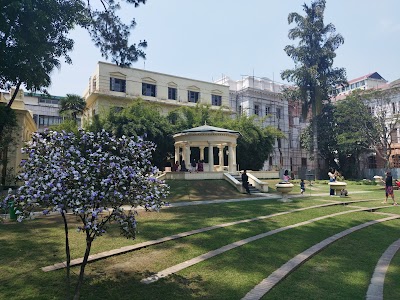
Nestled in the heart of Kathmandu, the Garden of Dreams is an oasis of tranquility amidst the bustling city. Built in the early 1920s by Field Marshal Kaiser Shumsher Rana, this neo-classical garden is a testament to the fusion of European and Nepali aesthetics. Its six pavilions, each dedicated to one of Nepal's six seasons, showcase intricate detailing and architectural grandeur. The Kaiser Mahal, a prominent neoclassical pavilion, boasts imposing columns and a striking pediment. The garden's amphitheater, reminiscent of ancient Greek and Roman theaters, provides an intimate setting for cultural events. The Garden of Dreams has undergone extensive renovations, thanks to the Austrian Development Aid and the Nepal Ministry of Education, restoring its former glory and preserving its cultural heritage. Today, it remains a beloved destination for locals and tourists alike, offering a serene escape from the urban chaos and a glimpse into Nepal's rich history and architectural artistry.Neoclassical Architecture
The Garden of Dreams in Kathmandu, Bagmati Province, Nepal, is a captivating fusion of nature and art, where Neoclassical architecture takes center stage. This architectural style, inspired by ancient Greece and Rome, adds a touch of grandeur and timelessness to the garden's serene ambiance. The Kaiser Mahal, a prominent pavilion within the garden, showcases the essence of Neoclassicism. Its grand entrance, flanked by imposing columns and a striking pediment, evokes a sense of classical heritage. The interior boasts intricate detailing and frescoes that pay homage to the architectural legacy of Greece and Rome. Throughout the garden, Neoclassical elements are seamlessly integrated into the pavilions and structures. Symmetrical designs, elegant columns, and pediments adorn these structures, creating a harmonious blend of Eastern and Western aesthetics. The fusion of Neoclassicism with traditional Nepali architecture results in a unique and captivating visual experience. The Neoclassical influence in the Garden of Dreams is not merely aesthetic; it also reflects the historical context of the garden's creation. Built in the early 1920s by Field Marshal Kaiser Sumsher Rana, the garden was a symbol of modernity and sophistication. Rana, a member of the Rana dynasty, was known for his admiration of European culture and style. The Neoclassical elements in the garden were a testament to his desire to incorporate Western influences into Nepal's architectural landscape. Today, the Garden of Dreams stands as a testament to the enduring legacy of Neoclassical architecture in Nepal. Its fusion of Eastern and Western aesthetics creates a captivating and serene oasis amidst the bustling city of Kathmandu.Cultural Oasis
Nestled in the heart of Kathmandu, the Garden of Dreams is an oasis of tranquility and a testament to Nepal's rich cultural heritage. Built in the early 20th century by Field Marshal Kaiser Sumsher Rana, this neo-classical garden seamlessly blends European and Nepalese architectural styles, creating a captivating fusion that transports visitors to a bygone era. Beyond its aesthetic beauty, the Garden of Dreams is a sanctuary for cultural exploration. Its lush lawns, adorned with intricate fountains and sculptures, provide a serene setting for contemplation and appreciation of the arts. The garden's amphitheater hosts regular performances of traditional Nepali music and dance, offering a glimpse into the vibrant cultural traditions of the region. The Garden of Dreams also houses a museum dedicated to the history of the Rana dynasty, providing insights into the political and social landscape of Nepal during the early 20th century. Visitors can delve into the lives and achievements of the Rana rulers, gaining a deeper understanding of Nepal's complex past. As a cultural oasis, the Garden of Dreams offers a respite from the bustling city, inviting visitors to immerse themselves in the tranquility of nature and the richness of Nepalese culture. Its serene ambiance, captivating architecture, and diverse cultural offerings make it a must-visit destination for anyone seeking a profound connection with the cultural heritage of Kathmandu.
5
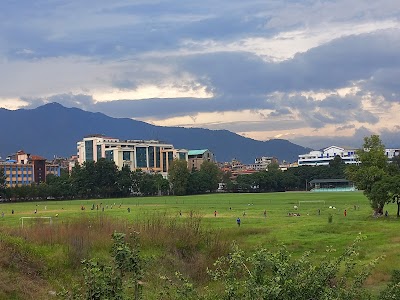
Tundikhel (Tinkhya)
View on map
6
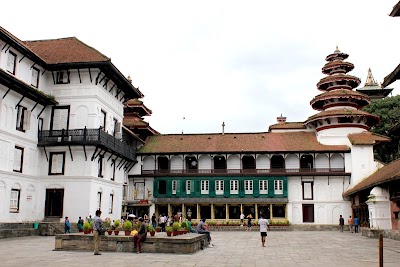
Hanuman Dhoka
View on map
7
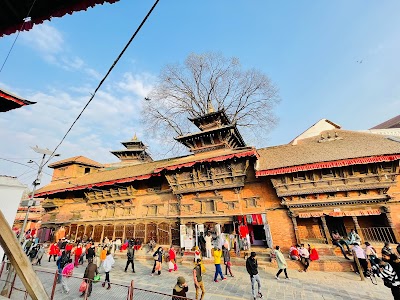
Kathmandu Durbar Square
View on map
Audio Narrations
English
Introduction
Kathmandu Durbar Square, a UNESCO World Heritage Site, is the historic heart of Kathmandu, Nepal. Built in the 12th century, it was the royal palace of the Malla and Shah kings for centuries. The square is a vibrant tapestry of temples, courtyards, and palaces, showcasing the architectural prowess of Newar craftsmen. The square's centerpiece is the Hanuman Dhoka Palace, a sprawling complex with intricate carvings and a golden torana (gateway). The Kasthamandap Temple, built from a single tree trunk, is another architectural marvel. The Kumari Ghar houses the living goddess Kumari, a young girl revered as an incarnation of the goddess Taleju. Other notable structures include the Nasal Chowk, a courtyard used for royal coronations, and the Tribhuwan Museum, which displays artifacts from the Shah dynasty. The square is also home to numerous temples dedicated to various Hindu and Buddhist deities, including the Jagannath Temple, known for its erotic carvings, and the Shiva-Parvati Temple, with its exquisite stone sculptures. Kathmandu Durbar Square is a living testament to Nepal's rich cultural heritage. It is a place where history, architecture, and spirituality intertwine, offering visitors a glimpse into the heart of this ancient city.UNESCO World Heritage Site
Kathmandu Durbar Square, a UNESCO World Heritage Site, is an architectural masterpiece that showcases the grandeur of the ancient Malla dynasty. Its intricate temples, palaces, and courtyards are a testament to the city's rich cultural heritage. The site encompasses the Hanuman Dhoka Palace, the former royal residence, with its impressive courtyards and intricate wood carvings. The Kasthamandap Temple, said to be built from a single tree, is a marvel of traditional craftsmanship. The Kumari Ghar, the residence of the living goddess Kumari, adds a touch of mysticism to the square. The square's vibrant atmosphere, with its bustling markets and colorful festivals, offers a glimpse into the heart of Kathmandu's living culture. As a UNESCO World Heritage Site, Kathmandu Durbar Square is recognized for its exceptional architectural and cultural significance, embodying the harmonious blend of Hinduism and Buddhism that has shaped Nepal's unique identity.Royal Residence
Kathmandu Durbar Square, a UNESCO World Heritage Site, served as the royal residence of the Malla and Shah kings of Nepal for over six centuries. The palace complex within the square comprises numerous courtyards, temples, and palaces, each adorned with intricate carvings and exquisite architecture. The Nasal Chowk, the main courtyard, features the nine-storied Basantapur Tower, offering panoramic views of the city. The Hanuman Dhoka Palace, the former royal palace, houses the Tribhuvan Museum, showcasing the history and artifacts of the Nepalese monarchy. The Kasthamandap Temple, said to be built from a single tree trunk, is another architectural marvel within the square. Kathmandu Durbar Square remains a testament to the rich cultural and historical heritage of Nepal, providing a glimpse into the grandeur and opulence of its royal past.
8
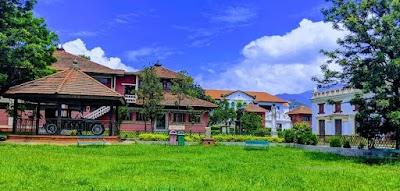
National Museum of Nepal
View on map
9
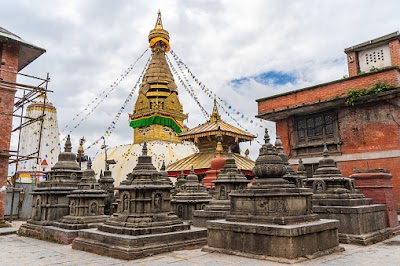
Swoyambhu Mahachaitya
View on map
Audio Narrations
English
Introduction
Swayambhunath, also known as Swoyambhu Mahachaitya, is an ancient religious complex perched atop a hill in the Kathmandu Valley. The stupa, the complex's centerpiece, is adorned with Buddha's eyes and eyebrows, symbolizing wisdom and compassion. Between the eyes, the number one is painted in the Nepali script, representing the unity of all things. The stupa's dome signifies the world, while the thirteen pinnacles represent the stages of spiritual realization leading to enlightenment. The complex also features five gilt Buddha shrines and five Tara shrines, representing various aspects of the Buddhist pantheon. The Panch Buddhas, each representing a cosmic element, are depicted on the stupa's four sides. Swayambhunath holds immense religious significance for both Buddhists and Hindus, who ascend the eastern steps each morning to circumambulate the stupa clockwise.Eyes of Buddha
Swoyambhu Mahachaitya, a revered Buddhist pilgrimage site, is renowned for its captivating Eyes of Buddha. These colossal eyes, painted on each of the stupa's four sides, symbolize Wisdom and Compassion. Above each pair of eyes, a third eye represents the cosmic rays that emanate during Buddha's teachings, reaching heavenly beings and alleviating the suffering of those in lower realms. Between the Wisdom Eyes, a curly symbol resembling a question mark is depicted, representing the unity of all things and the path to enlightenment through Buddha's teachings. The stupa's pinnacle features carvings of the Panch Buddhas, each representing a cosmic element and occupying a specific direction. As pilgrims ascend the eastern steps, they pass the gilded Vajra and two majestic lions guarding the entrance, embarking on a clockwise circumambulation of the stupa. The Eyes of Buddha gaze down upon them, a constant reminder of the wisdom and compassion that permeate this sacred space.Panch Buddhas
Swoyambhu Mahachaitya, a revered Buddhist pilgrimage site, holds immense significance for followers of the Panch Buddhas tradition. The stupa's four sides are adorned with exquisite carvings of the Panch Buddhas, each representing a cosmic element and a cardinal direction. Vairochana, the central figure, embodies the element of consciousness and presides over the temple. Akshobhya, facing east, represents consciousness and is associated with the element of water. Ratna Sambhava, facing south, symbolizes sensation and the element of earth. Amitabha, facing west, embodies Sanjna (name) and the element of fire. Amoghsiddhi, facing north, represents confirmation and the element of air. These five Buddhas are revered as metaphorical representations of the enlightened mind. Their presence on the stupa serves as a reminder of the path to enlightenment through the teachings of Buddha. The intricate carvings and symbolic representations of the Panch Buddhas make Swoyambhu Mahachaitya a unique and captivating destination for those seeking a deeper understanding of this sacred tradition.
10
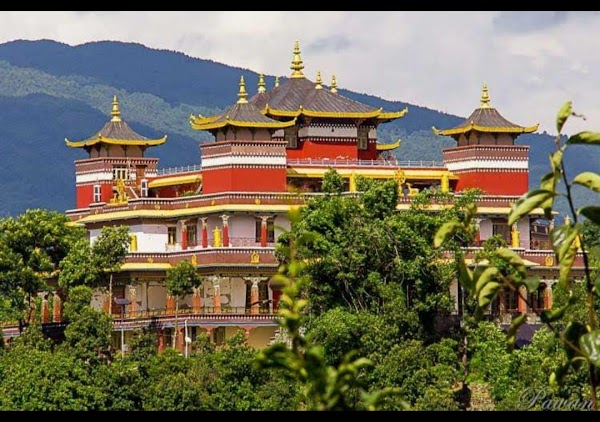
Kopan Monastery
View on map
Experience the Full Tour
Download the DocentPro app to access all tour stops, complete audio narrations in multiple languages, offline maps, and interactive features.